
Uncovering The Hidden Flaws Of Warehouse Racking
By Tom Seest
At RackingWorld, we help guide you through selecting warehouse storage systems and racking.
Be sure to read our other related stories at RackingWorld to learn more about warehouse storage systems.
Why Does Your Warehouse Racking System Fail When You Need It Most?
Imagine this: it’s peak season, orders are pouring in, and your team is working at breakneck speed to fulfill shipments. Suddenly, chaos erupts. You reach for that pallet racking you’ve relied on, and instead of delivering efficiency, it falters. Why does this happen just when you need it the most? It’s a scenario many warehouse managers can relate to, and understanding the reasons behind this distressing pattern can be the first step to avoiding future pitfalls.
First and foremost, the heart of your operation — your pallet racking system — can only perform as well as it is designed and maintained. Over time, wear and tear, poor organization, or insufficient space allocation can lead to disastrous failures. Imagine a key racking component crumbling under the weight of your operational demands. Wouldn’t it be wise to routinely assess your system, checking for stability and capacity limits, rather than waiting for a calamitous moment? Regular inspections and proactive maintenance can save you both time and money, preventing a crisis before it happens.
Next, consider the human element. Your team is the lifeblood of your warehouse, and their training — or lack thereof — directly impacts the performance of your pallet racking. A lack of proper procedures for loading and unloading can lead to costly mistakes, such as overloading racks or improper handling of goods. This isn’t just a matter of operational efficiency; it’s about safety. Educating your staff and creating a culture of safety and efficiency can make all the difference when it counts the most.
Moreover, have you truly considered the configuration of your racking system? A design that once served your needs might no longer be ideal. As demands shift and grow, so too must your warehouse layout. Evaluate your product flow and inventory turnover; aligning your racking system to complement these factors can significantly enhance productivity. An adaptable pallet racking strategy not only boosts efficiency but also obviates the risk of failure during critical times.
Lastly, investing in quality materials and expertise is paramount. Don’t treat your racking system as a mere expense; consider it an essential investment in your operational success. Choose suppliers with a strong reputation and proven track record. When you put your trust in the right partners, you can rest assured that your pallet racking system will support your business when it matters most.
In essence, recognizing these potential pitfalls enables you to take action. By staying proactive, you can ensure your pallet racking won’t let you down, even during your most bustling periods.

Why Does Your Warehouse Racking System Fail When You Need It Most?
Why Does Your Warehouse Racking System Fail When You Need It Most?
- Peak season can lead to chaotic situations in warehouses with high order volumes.
- Pallet racking systems must be well-designed and maintained to prevent inefficiency.
- Regular inspections and proactive maintenance can minimize the risk of failures.
- A well-trained team is crucial for proper loading and unloading to ensure safety.
- Warehouse layout and racking system configuration should adapt to changing demands.
- Investing in quality materials and reputable suppliers is essential for operational success.
- Proactive recognition of potential pitfalls helps ensure reliability during busy periods.

Why Does Your Warehouse Racking System Fail When You Need It Most?
Table Of Contents
- Why Does Your Warehouse Racking System Fail When You Need It Most?
- Why Is Racking System Maintenance Often Overlooked?
- What Are The Common Signs Of Racking System Failure?
- How Can You Prevent Racking System Failures In Your Warehouse?
- What Factors Contribute To Racking System Instability?
- How Often Should Warehouse Racking Systems Be Inspected?
- What Role Does Loading Capacity Play In Racking System Safety?
- Conclusion
- Other Resources
- Glossary Of Terms
- Other Questions
- Checklist
Why Is Racking System Maintenance Often Overlooked?
In the bustling world of warehousing and logistics, where speed and efficiency reign supreme, one critical component often slips through the cracks: the maintenance of pallet racking systems. You might ask yourself, how can a structure designed to hold heavy loads become an afterthought? It’s a common scenario. With countless demands on time, budget constraints, and the pressure to keep operations running smoothly, maintenance is too often relegated to the back burner. But let’s pause for a moment and examine why this happens—and why it shouldn’t.
First, consider the ever-present hustle and bustle of warehouse operations. With teams scrambling to fulfill orders and meet deadlines, the focus narrows to immediate tasks and the urgency of daily operations. It’s easy to rationalize skipping maintenance checks when everything seems fine on the surface. Yet, this perspective can be misleading. Pallet racking systems quietly endure the wear and tear of daily life, and just like a car, they need regular inspections and care. Ignoring this necessity can lead to costly accidents, inefficient operations, and, ultimately, a loss of trust from both clients and employees.
Moreover, maintenance might seem like an unnecessary cost when budgets are tight. However, what if we reframed this conversation? The truth is that investing in regular maintenance of your pallet racking isn’t just a cost—it’s a safeguard. When your racking systems are in top shape, you enhance safety, boost productivity, and even prolong the life of your equipment, translating to significant savings in the long run. Think of maintenance as a proactive strategy—not an afterthought.
Additionally, the lack of awareness among teams regarding the complexities involved in racking systems contributes to the oversight. It’s essential to foster an environment where everyone understands the value of proper care and maintenance. Educating your workforce doesn’t just empower them; it cultivates a culture of safety and responsibility that cascades through your operations.
So, let’s take action. Schedule that maintenance check—commit to a thorough evaluation of your pallet racking. Encourage employees to share insights and observations about the systems they interact with daily. By making maintenance a priority, you not only protect your assets but also reinforce a culture of reliability and dedication within your workplace. Remember, prioritizing pallet racking maintenance today is an investment in the safety and success of your business tomorrow.

Why Is Racking System Maintenance Often Overlooked?
Why Is Racking System Maintenance Often Overlooked?
- Pallet racking maintenance is often overlooked in fast-paced warehousing and logistics environments.
- High operational demands lead teams to prioritize immediate tasks over maintenance checks.
- Ignoring maintenance can result in costly accidents, inefficiencies, and diminished trust from clients and employees.
- Regular maintenance should be viewed as a proactive strategy that enhances safety and prolongs equipment life.
- Budget constraints shouldn’t deter maintenance; it can lead to significant long-term savings.
- Awareness and education about pallet racking systems are crucial for fostering a culture of safety and responsibility.
- Scheduling regular evaluations and encouraging employee insights can improve maintenance prioritization and workplace reliability.

Why Is Racking System Maintenance Often Overlooked?
What Are The Common Signs Of Racking System Failure?
When it comes to maintaining a safe and efficient warehouse environment, understanding the common signs of pallet racking system failure is crucial. After all, your racking systems are not just structural components; they are the foundation upon which your inventory management thrives. Ignoring the signs of failure can lead to costly disruptions, safety hazards, and even jeopardize your entire operation. Let’s explore some of the more prevalent indicators that it might be time to assess your pallet racking.
First and foremost, look for physical damage. Are there bent beams, cracked uprights, or warped supports? Physical deformities are often the most apparent signals that something might be amiss. Inspect your pallet racking regularly, and if you spot anything that doesn’t appear right, don’t dismiss it. These seemingly minor issues can snowball into bigger problems.
Next, consider the stability of your pallet racking. Has the structure started to lean or sway? A racking system should stand firm under normal loads. If you notice any movement during daily operations, it’s a call to action. A stable warehouse is not just about aesthetics; it’s about ensuring the safety of your workers and the integrity of your goods.
Frequent collapses can also be indicative of a systemic issue. If you find that products are falling or racking is collapsing more often than it should, it may stem from improperly loaded pallets or inadequate system design. This is a critical sign that should not be ignored. Speak to experts, review load configurations, and make adjustments.
Moreover, vibrations and noise during operation can be subtle hints of trouble brewing. If your pallet racking emits unsettling creaks and groans, it’s trying to tell you something. These sounds could indicate that components are overstressed and may need a thorough evaluation.
Finally, don’t overlook employee feedback. Your team knows the pallet racking system better than anyone else. If they feel uneasy or have witnessed unusual occurrences, take their insights seriously. Creating an open avenue for discussion fosters a culture of safety and trust.
By being vigilant and proactive, you can prevent pallet racking system failure before it manifests into a more serious issue. Remember: a little diligence today can save you significant time, money, and hassle tomorrow. Your business and your team deserve that peace of mind. If you’re facing any of these signs, consider reaching out to a racking system specialist to ensure your operation remains upright and efficient.

What Are The Common Signs Of Racking System Failure?
What Are The Common Signs Of Racking System Failure?
- Understanding signs of pallet racking system failure is essential for a safe warehouse environment.
- Physical damage such as bent beams, cracked uprights, or warped supports are clear indicators of potential failure.
- Instability, such as leaning or swaying of the racking system, requires immediate attention for safety.
- Frequent product collapses may indicate issues with loading practices or system design.
- Unsettling noises or vibrations from the racking can signal overstressed components that need evaluation.
- Employee feedback is crucial; their insights can provide early warnings of potential issues.
- Proactive vigilance can prevent pallet racking system failures, saving time and money in the long run.

What Are The Common Signs Of Racking System Failure?
How Can You Prevent Racking System Failures In Your Warehouse?
When it comes to running a successful warehouse, don’t let your pallet racking be an afterthought. Think about it—these structures are the backbone of your operations, holding up not just your inventory but also your productivity and profitability. How can you safeguard this indispensable asset? Let’s dive into some practical yet proven steps to keep your pallet racking systems in peak condition.
First, prioritize regular inspections. Just like you wouldn’t drive a car without checking the oil, you shouldn’t overlook your racking systems. Designate a team to visually assess the racking for any signs of damage or wear—look for bent beams, missing clips, or rust spots. Investing a few minutes each week can save you from a costly disaster down the line. Make it a habit, and soon your team will be experts at spotting potential issues before they escalate.
Education is another cornerstone in preventing failures. All employees who interact with the pallet racking systems must understand the best practices for loading and unloading. Is everyone using the right equipment? Are they maintaining proper weight limits? Not only does training foster a safer environment, but it also cultivates a culture of responsibility. When your team feels empowered, they tend to treat your assets with the care they deserve.
But let’s not stop there. Invest in quality and robust pallet racking systems from the beginning. Going for cheaper options might save you a few bucks initially but consider the long-term ramifications of poor-quality racks. Opt for sturdy materials specifically designed to withstand the rigors of your operations. Spend a little more up-front for peace of mind down the line. Remember, you’re not just buying racks; you’re safeguarding your workflow.
Lastly, don’t underestimate the power of a proactive maintenance plan. Schedule regular checks and balances. If you know that certain high-traffic areas are prone to wear, be sure to monitor those spots more frequently. Consider bringing in professionals for thorough assessments and certified inspections at regular intervals.
By prioritizing inspections, fostering educational initiatives, investing in quality systems, and implementing a diligent maintenance program, you’ll not only enhance your operational efficiency but also instill a sense of confidence in your team and your business. You deserve a warehouse that operates smoothly and safely, and with a little effort, you can make that a reality. Don’t wait for a warning sign—take action today to prevent racking system failures tomorrow!

How Can You Prevent Racking System Failures In Your Warehouse?
How Can You Prevent Racking System Failures In Your Warehouse?
- Pallet racking systems are essential for inventory, productivity, and profitability.
- Regular inspections are crucial; assign a team to check for damage, wear, and rust.
- Employee education on safe loading/unloading practices helps foster a responsible work culture.
- Invest in high-quality pallet racking systems to avoid long-term issues from cheaper alternatives.
- Implement a proactive maintenance plan with scheduled checks for high-traffic areas.
- Consider professional assessments for thorough inspections to ensure safety and efficiency.
- Taking these steps enhances operational efficiency and ensures a safer warehouse environment.

How Can You Prevent Racking System Failures In Your Warehouse?
What Factors Contribute To Racking System Instability?
What Factors Contribute to Racking System Instability?
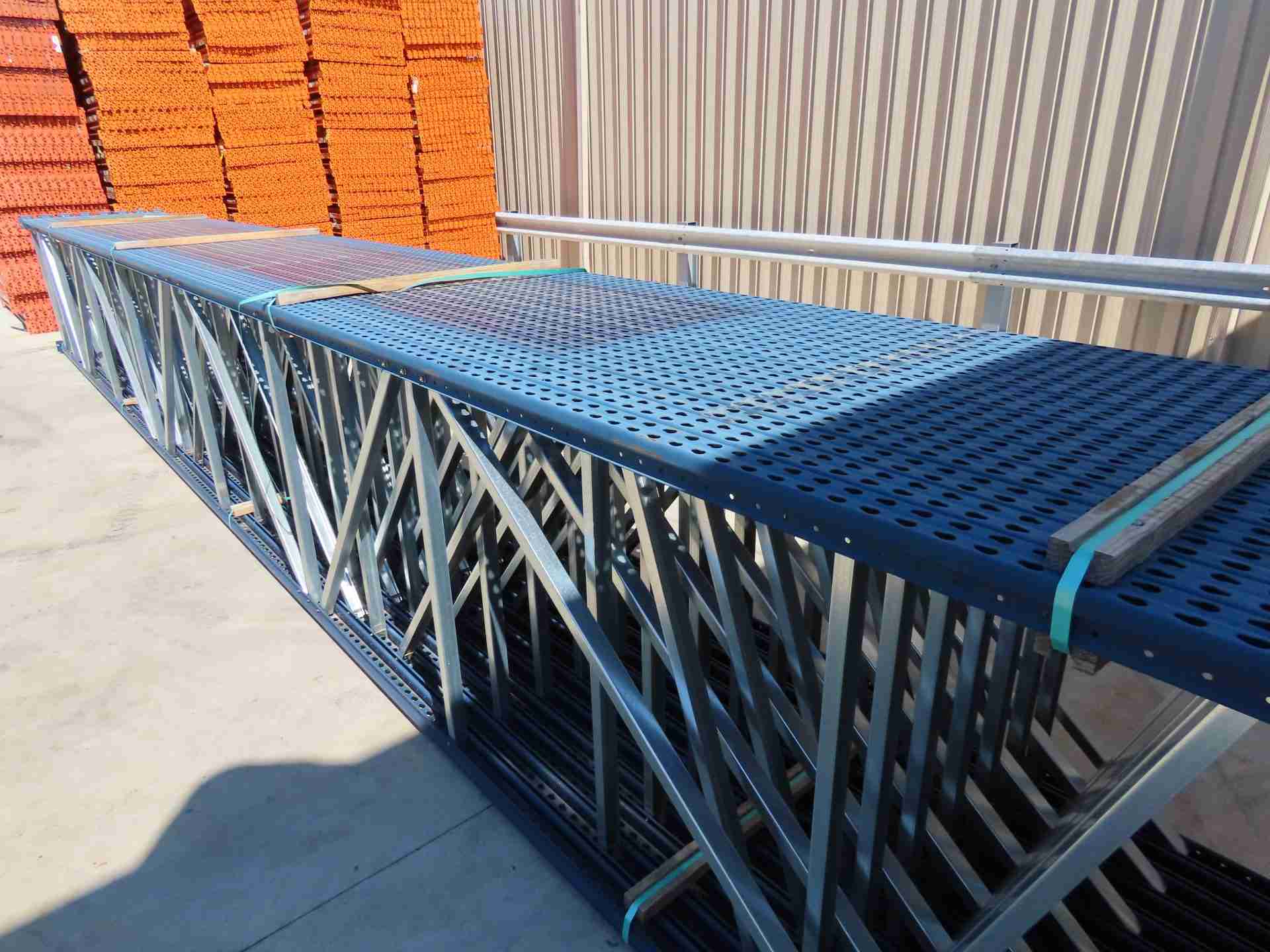
When it comes to ensuring the safety and efficiency of your warehouse operations, understanding the factors that contribute to pallet racking instability is essential. After all, your racking system is the backbone of your storage solution, and one weak link could spell disaster. Let’s unpack what influences the stability of your pallet racking and how you can take action before problems arise.
Load Distribution
One of the most critical elements affecting your racking stability is how the weight is distributed across your pallet racking. Overloading a particular section or placing heavier items too high can lead to tipping and failure. These aren’t just technical hiccups—they’re risks that can lead to product damage or, worse, personal injury. Always assess your loads and distribute them evenly to maintain structural integrity.
Quality of Installation
Even the best pallet racking system can falter if not installed correctly. Poor installation affects vertical alignment and can create unforeseen weaknesses. Make sure experts handle your racking setup, and don’t forget to conduct routine inspections. A little vigilance goes a long way in reinforcing trust in your systems.
Environmental Factors
Let’s talk about the environment. Humidity, temperature changes, and even the type of flooring can drastically impact the stability of your pallet racking. For instance, a damp floor can warp the base of your system, leading to structural failure over time. Staying in tune with your warehouse environment is not just advisable; it’s necessary for ensuring the long-term sturdiness of your investment.
Material Fatigue
Did you know that even well-made pallet racking can experience fatigue over time? Repeated stress can cause wear that isn’t immediately visible. Regular maintenance checks are crucial because what you can’t see can indeed harm you. Actively monitor the condition of your racking, and replace any worn components before they become a liability.
Safety Protocol Compliance
Finally, let’s not forget about workplace safety protocols. It’s your responsibility to train your team on best practices and regular maintenance checks. A culture of safety ensures that everyone is aware of potential dangers and knows how to mitigate risks associated with pallet racking.
By understanding these key factors, you can take proactive steps to ensure the stability of your pallet racking system. Trust in your infrastructure leads to confidence in your operations. Now is the time to assess, adjust, and act—because when it comes to warehouse safety, there’s no room for compromise.
What Factors Contribute To Racking System Instability?
What Factors Contribute To Racking System Instability?
- Understanding pallet racking stability is crucial for warehouse safety and efficiency.
- Proper load distribution is essential; avoid overloading sections or placing heavy items too high.
- Quality installation is key; poor alignment can lead to structural weaknesses.
- Environmental factors such as humidity and flooring type significantly affect racking stability.
- Material fatigue can occur over time; regular maintenance is necessary to inspect and replace worn components.
- Compliance with safety protocols and training staff promotes a culture of safety regarding racking systems.
- Proactive assessment and adjustments can enhance the stability and reliability of pallet racking systems.

What Factors Contribute To Racking System Instability?
How Often Should Warehouse Racking Systems Be Inspected?
When it comes to running a warehouse, the safety and efficiency of your operations hinge on one critical component: your pallet racking systems. These systems are the backbone of your storage solutions, and just as you wouldn’t drive a car without periodic maintenance, you shouldn’t overlook the importance of regularly inspecting your racking systems. But how often should these inspections take place? Let’s dive in.
Imagine walking through your warehouse, feeling the pulse of productivity, knowing each pallet racking unit is secure and reliable. That’s not just a wishful thought—it’s a necessity! Recognizing that most warehouses operate at breakneck speeds, it’s easy for minor issues to slip through the cracks. Every time a forklift roars past, there’s potential for damage. To keep your operation running smoothly and safely, regular inspections become your secret weapon.
The rule of thumb is to perform a thorough inspection of your pallet racking systems at least once every six months. However, if your warehouse sees heavy usage, or if you have recently experienced incidents like impacts or heavy loads, you might want to increase the frequency to quarterly inspections. Trust me, it’s worth it. This proactive approach not only helps preemptively catch issues but also fosters a culture of safety among your team. When employees feel secure, they’re more productive—and when they’re more productive, your bottom line reflects that.
But don’t stop there! Empower your team to conduct informal daily checks. Encourage them to be on the lookout for signs of wear and tear, misalignment, or damage. This additional layer of vigilance can transform the way your operations function. It’s about building a team that’s invested in maintaining an environment that promotes not just efficiency, but safety.
Finally, consider partnering with an expert for those deeper inspections. Professionals specializing in pallet racking audits can provide invaluable insights you might miss. Their trained eyes spot potential risks and offer solutions to enhance your setup.
In essence, regular inspections of your pallet racking systems aren’t just a best practice—they’re a commitment to safety, efficiency, and success. By prioritizing these checks, you not only protect your assets but also nurture an environment where your team can thrive. So suit up, roll up those sleeves, and invest in the health of your warehouse. Your operation—and your peace of mind—will thank you.

How Often Should Warehouse Racking Systems Be Inspected?
How Often Should Warehouse Racking Systems Be Inspected?
- The safety and efficiency of warehouse operations depend heavily on pallet racking systems.
- Regular inspections of racking systems are essential, with a recommended frequency of at least once every six months.
- For warehouses with heavy usage or past incidents, increasing inspections to a quarterly basis is advisable.
- Regular inspections help catch potential issues early and contribute to a culture of safety among employees.
- Encouraging team members to perform informal daily checks can enhance vigilance for signs of wear and damage.
- Partnering with experts for in-depth inspections can provide valuable insights and solutions for racking systems.
- Prioritizing regular inspections protects assets and fosters a thriving work environment for employees.

How Often Should Warehouse Racking Systems Be Inspected?
What Role Does Loading Capacity Play In Racking System Safety?
When it comes to maximizing the efficiency of your warehouse, understanding the delicate balance of loading capacity and racking system safety is crucial. Imagine a busy day in your warehouse: forklifts whizzing by, pallets stacked high, and products moving in and out at lightning speed. It’s a scene that indeed represents productivity—but how do you ensure that this bustling environment remains safe?
Enter pallet racking, the unsung hero of warehouse management. These sturdy systems are designed to hold your valuable inventory, but what happens when we push the limits? Overloading can lead to catastrophic events—collapsed racks, damaged goods, and, most importantly, safety hazards for your employees. Nobody wants that! Trust me; investing time in understanding your racking system’s loading capacity can save you from headaches and heartaches down the line.
So, what exactly is loading capacity? Simply put, it’s the maximum weight that your pallet racking system can handle without compromising integrity. Just like a bridge, every racking system has limits, and it’s vital that you know and respect them. When calculating your load, consider factors like evenly distributed weight and the height of your stacks. It’s not just good practice; it’s a shield for your business.
Picture a scenario where you’ve packed your pallets beyond their limits. The system might seem fine at first, but over time, it can lead to structural fatigue. This is the kind of reality you don’t want to face. Instead, maintaining optimal loading capacity fosters a trustworthy environment where employees can focus on their tasks without the looming fear of misfortune.
Moreover, when your racking is within its loading capacity, you’re not only safeguarding your physical space but also cultivating a culture of responsibility. Employees notice when safety measures are upheld; they feel valued and secure, leading to increased morale, productivity, and loyalty.
So, where do you start? Regular assessments of your racking systems for load capacity should become a staple in your routine. Collaborate with industry professionals to ensure your systems are tailored to your unique needs.
Make the informed choice today and prioritize loading capacity in your pallet racking strategy. Your success hinges on it—because a safer warehouse isn’t just an obligation; it’s your pathway to greater success. Your team, your business, and your peace of mind all deserve it.

What Role Does Loading Capacity Play In Racking System Safety?
What Role Does Loading Capacity Play In Racking System Safety?
- Maximizing warehouse efficiency requires understanding the balance between loading capacity and racking system safety.
- Pallet racking is essential for holding inventory, but overloading can lead to serious safety hazards and damage.
- Loading capacity refers to the maximum weight a racking system can support without compromising its integrity.
- Factors like evenly distributed weight and stack height should be considered when calculating load capacity.
- Maintaining optimal loading capacity promotes a safe work environment and prevents structural fatigue of racking systems.
- Regular assessments and collaboration with industry professionals are crucial for ensuring systems meet specific needs.
- Prioritizing loading capacity in your racking strategy not only ensures safety but also enhances employee morale and productivity.

What Role Does Loading Capacity Play In Racking System Safety?
Conclusion
Conclusion
In the challenging landscape of warehouse management, ensuring the reliability of your pallet racking system is not just a necessity—it’s a paramount investment in your operational success. The painful reality is that so many warehouse managers face failures in their racking systems precisely when they need them the most, leading to chaos, inefficiency, and, worst of all, safety risks. At Arrow Industrial Sales, we understand that proactive measures such as regular maintenance, employee training, and thoughtful racking system adjustments can not only avert these catastrophic failures but also ensure that your warehouse operates like a well-oiled machine.
As we have discussed, common pitfalls such as inadequate inspections and improper load distribution can compromise the integrity of your racking systems. Recognizing the signs of potential failure—like bent beams or unanticipated stability issues—ensures that you remain ahead of the curve. By instituting regular, scheduled inspections and fostering a culture of vigilance among your team, you empower them to actively contribute to the safety and efficiency of your operations. This culture shift, coupled with the backing of a quality supplier like Arrow Industrial Sales, guarantees that you’ll not only survive peak seasons but thrive during them.
Moreover, adopting a robust education program for your team enhances understanding around proper loading practices and the importance of adhering to racking system limits. When each member is informed and engaged, you release the true potential of your warehouse, creating an atmosphere of pride that translates into increased productivity and better morale.
Now is the time to act. Don’t wait until a crisis forces a change. Don’t let budget constraints prevent you from investing in top-notch racking systems and expert guidance that ensure operational excellence. By choosing to prioritize these elements today, you reinforce not only the structural safety of your warehouse but also its profitability—protecting your assets and your peace of mind.
For those ready to take the next step towards a safer, more efficient warehouse environment, I urge you to contact Arrow Industrial Sales at (574) 349-6575. Let us help you navigate the complexities of warehouse racking. Time is of the essence, and the sooner you act, the more secure your operational future will be. Don’t let inaction become the hidden flaw in your warehouse management strategy. Reach out today—your success depends on it!

Conclusion
Conclusion:
- Ensuring the reliability of pallet racking systems is essential for operational success in warehouse management.
- Failures in racking systems can lead to chaos, inefficiency, and safety risks for warehouse managers.
- Proactive measures like regular maintenance, training, and adjustments can prevent catastrophic failures.
- Recognizing signs of potential failure, such as bent beams, is crucial for maintaining racking integrity.
- Instituting regular inspections and fostering a vigilant team culture enhances safety and efficiency.
- Investing in education programs improves understanding of proper loading practices and racking limits.
- Prioritizing racking system investment today protects structural safety and profitability for the future.

Conclusion
Other Resources

Other Resources
Here is a list of other resources you can review online to learn more:
- IIWS Inc. Rack Installation Illinois & Rack Repairs Illinois
- Cantilever Rack Configuration & Installation: A Comprehensive Guide – BMH
- Chicago Pallet Racking
- What is Selective Pallet Racking
- American Society of Safety Professionals
- What is Selective Racking: Understanding Benefits & Options
- Arrow Industrial Sales
- Warehouse Racks, Warehouse Racking in Stock – ULINE
- SEMA
- Warehousing Education and Research Council: https://www.werc.org/
Use This Prompt To Get More Resources With Your Favorite Online AI Tool: Please provide me with a list of online articles with their URLs in a bulleted list that I can read regarding Why Does Your Warehouse Racking System Fail When You Need It Most?

Other Resources
Glossary Terms
Why Does Your Warehouse Racking System Fail When You Need It Most? – Glossary Of Terms
1. Racking System: A framework used to store products in a warehouse, designed to maximize space utilization and accessibility.
2. Load Capacity: The maximum weight that a racking system can safely support without risk of failure or collapse.
3. Pallet: A flat transport structure used to support goods in a stable manner while being lifted by forklifts or other machinery.
4. Upright: The vertical support element of a racking system that provides stability and supports horizontal beams.
5. Beam: The horizontal element of a racking system that holds goods and is supported by uprights.
6. Deformation: The change in shape or structure of racking components due to excessive load or stress.
7. Inspection: The process of examining the racking system for signs of wear, damage, or failure to ensure safety and effectiveness.
8. Compliance: Adherence to safety standards and regulations that govern the design and maintenance of warehouse racking systems.
9. Safety Factor: A calculated margin that indicates how much stronger a racking system is than the maximum expected load.
10. Overloading: The act of exceeding the load capacity of a racking system, which can lead to failure.
11. Forklift: A powered industrial truck used to lift and move materials, essential for handling goods stored on racking systems.
12. Aisle Space: The corridor between racking rows, which must be designed to allow safe movement of equipment and personnel.
13. Rack Collapse: A failure of a racking system resulting in the dislodging of stored items, often causing potential injury or damage.
14. Stability: The ability of a racking system to maintain its structural integrity under load without tipping or collapsing.
15. Preventive Maintenance: Regularly scheduled inspections and maintenance activities aimed at preventing operational failures of racking systems.
16. Load Distribution: The way weight is spread across the racking system; improper distribution can lead to localized stress and failure.
17. Alteration: Changes made to racking components, either intentionally (design modifications) or unintentionally (unauthorized adjustments), that may affect integrity.
18. Warehouse Layout: The design and arrangement of a warehouse space, which significantly influences the effectiveness of the racking system.
19. Inventory Management: The supervision of non-capitalized assets, often stored on racking systems, for efficient organization and control.
20. Damage: Physical harm done to racking components usually caused by improper handling, accidents, or natural wear and tear.
21. Weight Signage: Labels displayed on racking systems to communicate safe load limits to operators and warehouse personnel.
22. Rack Protection: Safety features, such as barriers or guards, that help shield racking systems from damage caused by vehicles or equipment.
23. Dynamic Load: The varying weight exerted by moving goods on a racking system, which can differ from static loads.
24. Static Load: The constant weight supported by racking components when items are stored without movement.
25. Material Handling: Activities involved in the moving, storing, and controlling of goods within the warehouse, which can impact racking effectiveness.
26. BIM (Building Information Modeling): A digital representation of physical and functional characteristics of a facility that aids in planning and optimizing racking solutions.
27. Vertical Storage: The practice of utilizing vertical space in a warehouse with tall racking systems to maximize available storage area.
28. Regulatory Standards: Official guidelines and best practices set by governmental bodies or industry organizations for safe racking design and operation.
29. Enduring Design: The concept of designing racking systems to withstand long-term use and repeated loads without failure.
30. Emergency Protocols: Procedures and guidelines established for responding to incidents involving racking system failures, ensuring safety and damage control.

Glossary Of Terms
Other Questions
Why Does Your Warehouse Racking System Fail When You Need It Most? – Other Questions
If you wish to explore and discover more, consider looking for answers to these questions:
- What are the benefits of regular racking system inspections?
- How can I train my staff to handle pallet racking safely?
- What are the specific maintenance procedures for pallet racking systems?
- How do I choose the right type of pallet racking for my warehouse?
- What are the legal requirements for warehouse safety regarding racking systems?
- How does the layout of my warehouse affect racking system performance?
- What should I do if I find signs of damage in my racking system?
- How can I minimize downtime during racking system inspections or repairs?
- What factors should I consider when planning for future racking capacity needs?
- How can technology be used to monitor racking system conditions?
- What is the typical lifespan of a pallet racking system?
- How do environmental factors impact the longevity of racking systems?
- Is it advisable to retrofit older racking systems instead of replacing them?
- How can I create a culture of safety in my warehouse?
- What should I look for when hiring a racking system installation expert?

Other Questions
Checklist
Why Does Your Warehouse Racking System Fail When You Need It Most? – A Checklist
Checklist for Preventing Warehouse Racking System Failures
Regular Inspections
_____ Schedule thorough inspections at least every six months.
_____ Increase frequency to quarterly inspections if experiencing heavy usage.
_____ Encourage team members to conduct informal daily checks for:
_____ Bent beams
_____ Cracked uprights
_____ Warped supports
_____ Misalignment
_____ Signs of wear and tear
Proper Maintenance
_____ Develop a proactive maintenance plan.
_____ Address any physical damage immediately.
_____ Monitor high-traffic areas more frequently.
_____ Invest in expert assessments periodically.
Employee Training
_____ Train staff on best practices for loading and unloading.
_____ Educate employees about proper weight limits.
_____ Foster a culture of safety and responsibility within the team.
Load Management
_____ Assess load distribution and ensure even load placements.
_____ Regularly review and respect the racking system’s loading capacity.
_____ Avoid overloading racks and placing heavier items too high.
Environmental Considerations
_____ Monitor environmental conditions (humidity, temperature) that may affect racking stability.
_____ Ensure flooring is suitable for racking systems to prevent warping.
Quality of Materials and Installation
_____ Invest in high-quality racking systems designed for operational demands.
_____ Ensure proper installation by qualified experts.
_____ Regularly assess structural integrity of racking components.
Engage with Professionals
_____ Consider hiring specialists for comprehensive audits of pallet racking systems.
_____ Encourage obtaining recommendations on the best practices from industry professionals.
Create a Safety Culture
_____ Encourage open communication among team members regarding racking system concerns.
_____ Develop procedures for reporting issues or potential hazards.
_____ Regularly review safety protocols and update training as needed.
Preventive Action
_____ Make a habit of regular checks and assessments to preemptively identify issues.
_____ Highlight the cost-savings associated with proactive maintenance and safety practices.
Document Findings
_____ Maintain records of inspections, maintenance, and repairs.
_____ Create a log for tracking employee feedback regarding racking systems.
Summary
By following this checklist, you can enhance the safety and efficiency of your warehouse operations, ensuring your pallet racking systems perform reliably, especially during peak periods. Remember, a little diligence today can save significant time, resources, and risks tomorrow!
Checklist
At RackingWorld, we help guide you through selecting warehouse storage systems and racking.
Be sure to read our other related stories at RackingWorld to learn more about warehouse storage systems.
0 Comments