
Maximizing Warehouse Safety: Quick Changes For Immediate Impact
By Tom Seest
At RackingWorld, we help guide you through selecting warehouse storage systems and racking.
Be sure to read our other related stories at RackingWorld to learn more about warehouse storage systems.
What Urgent Changes Can You Make for Enhanced Warehouse Safety?
In today’s fast-paced warehousing world, safety isn’t just a priority; it’s an absolute necessity. With the pressure to meet deadlines and maximize efficiency, overlooking essential safety measures could lead to costly accidents. So, what can you do to swiftly enhance your warehouse safety? Let’s dive right in.
First and foremost, evaluate your pallet racking systems. Did you know that improper stacking or overloading your racking can lead to catastrophic failures? Conduct a thorough inspection of your existing racking systems. Ensure that they are compliant with safety regulations and designed to handle the specific weight and size of your goods. Remove any damaged pallets and replace them immediately. Think of your pallet racking as the backbone of your operation—the sturdier it is, the less likely you are to encounter accidents.
Next, invest in training for your team. Knowledge is power, and ensuring that your employees are well-versed in safety protocols will pay dividends in both productivity and safety. Create engaging training sessions that not only inform but also empower. Encourage your team to share their concerns and insights. When your personnel feels valued and heard, they are more likely to comply with safety measures and actively contribute to a safer work environment.
But let’s not stop there. Consider implementing a safety audit program. Regularly scheduled audits can identify potential hazards before they become a problem. This can include everything from inspecting your pallet racking to assessing workplace ergonomics. Be vigilant; don’t be afraid to take action on the findings immediately. It’s not just about compliance; it’s about fostering a culture of safety in the workplace.
Furthermore, leverage technology to boost your safety measures. From real-time inventory management systems to automated alerts about safety compliance, technology can provide invaluable support. Imagine the peace of mind that comes with knowing you have systems in place that proactively alert you to potential safety issues.
Lastly, create an open dialogue about safety within your organization. Encourage your employees to talk about safety, share experiences, and offer suggestions. This collaboration fosters a connected community focused on the common goal of safety.
Remember, cultivating a safe workplace is not just about adhering to regulations; it’s about protecting your biggest asset—your people. By making these urgent changes today, you not only enhance safety but also build trust, confidence, and a thriving culture that elevates everyone in your warehouse. Now, doesn’t that sound like a winning strategy?

What Urgent Changes Can You Make for Enhanced Warehouse Safety?
What Urgent Changes Can You Make for Enhanced Warehouse Safety?
- Safety is a necessity in warehousing, crucial for preventing costly accidents.
- Evaluate and inspect pallet racking systems to ensure compliance with safety regulations.
- Invest in employee training to enhance knowledge of safety protocols and empower workers.
- Implement a safety audit program to identify hazards before they lead to issues.
- Leverage technology for real-time monitoring and automated alerts regarding safety compliance.
- Create an open dialogue about safety, encouraging employees to share experiences and suggestions.
- Cultivating a safe workplace enhances trust and builds a thriving culture within the organization.

What Urgent Changes Can You Make for Enhanced Warehouse Safety?
Table Of Contents
- What Urgent Changes Can You Make for Enhanced Warehouse Safety?
- What Are The Key Risks In Warehouse Environments?
- How Can I Improve Employee Training?
- What Safety Gear Should Be Mandatory For Warehouse Staff?
- How Can I Enhance Equipment Maintenance Protocols?
- What Role Does Warehouse Layout Play In Safety?
- How Can Technology Improve Warehouse Safety?
- Conclusion
- Other Resources
- Glossary Of Terms
- Other Questions
- Checklist
What Are The Key Risks In Warehouse Environments?
In the bustling world of warehouses, where productivity and efficiency reign supreme, it’s easy to overlook the hidden dangers lurking behind every pallet racking system. Just imagine for a moment—you’re overseeing operations, ensuring orders are filled and shipments are on schedule, when suddenly, a noise echoes through the aisles. Is it a misplaced load? A toppled stack? It’s essential to recognize that the warehouse is a dynamic environment where potential hazards can arise at any moment.
One of the most significant risks in warehouse settings is improper pallet racking. When cases are stacked too high or shelving isn’t appropriately secured, it creates a ticking time bomb. A slight bump from a forklift can send an entire row crashing down, risking employee safety and delaying operations. Implementing safety measures and investing in quality racking solutions is not just a smart business strategy—it’s a necessity for protecting your team and your inventory.
In addition to the risks associated with pallet racking, inadequate training poses another critical concern. Employees who navigate the maze of aisles without a firm understanding of safety protocols are a liability. Training staff on proper lifting techniques, the safe operation of machinery, and emergency procedures not only enhances security but also cultivates a culture of care and accountability. When your team feels equipped to handle the risks, you’ll see productivity flourish.
Don’t forget about the importance of maintaining optimal environmental conditions. A neglected warehouse can quickly become a hotbed for accidents—think slippery floors, cluttered walkways, or broken fixtures. Regular inspections and maintenance not only ensure compliance with safety regulations but also build a foundation of trust among your workforce. When employees feel secure in their environment, they’re more likely to be engaged and motivated, translating into greater efficiency and lower turnover rates.
Finally, let’s address the often-overlooked element of technology in warehouses. Automation and data-driven solutions can streamline operations, but they also introduce potential cyber risks and technical malfunctions. It’s vital to stay ahead by regularly updating systems and training employees on how to manage technology securely.
Remember, a proactive approach to understanding and mitigating these risks not only protects your staff and assets but also enhances your bottom line. With the right strategies in place, you can transform your warehouse from a potential hazard zone into a well-oiled machine—ready to meet challenges head-on and thrive in today’s competitive market. So take action now! Your warehouse success story starts with a commitment to safety and excellence.

What Are The Key Risks In Warehouse Environments?
What Are The Key Risks In Warehouse Environments?
- The warehouse environment is dynamic and can present hidden dangers, particularly regarding pallet racking systems.
- Improper pallet racking, like over-stacking or unsecured shelves, poses significant risks to employee safety and operations.
- Investing in quality racking solutions and safety measures is essential for protecting teams and inventory.
- Inadequate training of employees on safety protocols increases liability and can hinder productivity.
- Regular inspections and maintenance of the warehouse environment are crucial for accident prevention and staff morale.
- Technology in warehouses, while beneficial, can also introduce cyber risks and requires regular system updates and training.
- A proactive approach to safety and risk mitigation promotes a culture of care, enhances operational efficiency, and supports an organization’s bottom line.

What Are The Key Risks In Warehouse Environments?
How Can I Improve Employee Training?
Imagine your team operating like a finely-tuned machine. Every member knows their role inside and out, their confidence radiates, and they tackle challenges head-on. This isn’t just a dream—it’s entirely possible through effective employee training. Just like a well-organized warehouse with optimal Pallet Racking, your training processes can elevate your workforce to new heights.
First, let’s consider the foundation—your training materials. Are they engaging, relevant, and easy to digest? Think about how you’d reformulate the traditional manual into something more practical. This could be interactive e-learning modules or hands-on workshops that mimic real-life scenarios. After all, the more relatable your training, the more your employees will connect with it. Much like a well-arranged pallet, your materials should be structured for easy access and flow.
Next, embrace feedback loops. Just as you wouldn’t ignore the stability of your pallet racking system, you can’t overlook the importance of employee input in your training processes. Regular check-ins and anonymous surveys can reveal gaps in knowledge and skill sets. If an employee struggles with a specific piece of training—much like a top-heavy pallet that risks falling—address it immediately. Adapt your programs and ensure everyone is confident and successful.
Another key element is mentorship. Pairing seasoned employees with newer hires can yield extraordinary benefits. Just as experienced workers can navigate the warehouse effectively, they can impart invaluable wisdom. This one-on-one time fosters a nurturing environment where employees grow together, enhancing teamwork and camaraderie.
Furthermore, consider the role of technology. Platforms that track employee progress and provide a continuous learning pathway can transform your training program. These tools empower your staff to take ownership of their learning. When employees understand their development journey, they are more engaged and motivated, just like a well-organized pallet racking system that makes it easy to find and retrieve items.
Finally, make training an ongoing process rather than a one-time event. Continuous education ensures that skills grow in tandem with the rapidly changing demands of the industry. Celebrate milestones and achievements, creating a culture of recognition that motivates everyone to strive for excellence.
With purposeful planning and an investment in your employees, your training can rise to extraordinary levels, steering your business smoothly toward success. Just like optimizing your pallet racking system, improving employee training isn’t just necessary—it’s essential. Take the first step today, and watch your team transform!

How Can I Improve Employee Training?
How Can I Improve Employee Training?
- Transform your team into a finely-tuned machine through effective employee training.
- Ensure training materials are engaging, relevant, and structured for easy access.
- Implement feedback loops through regular check-ins and anonymous surveys to identify knowledge gaps.
- Utilize mentorship by pairing seasoned employees with newer hires to boost teamwork and camaraderie.
- Leverage technology to track progress and provide continuous learning pathways for employees.
- Encourage ongoing training and celebrate milestones to foster a culture of recognition and motivation.
- Investing in employee training is essential for business success and team transformation.

How Can I Improve Employee Training?
What Safety Gear Should Be Mandatory For Warehouse Staff?
When stepping into the bustling world of the warehouse, where pallet racking stands tall like the skeletons of industry, the first thought that should cross your mind is safety. Imagine a scenario where your staff operates without the proper protection—it’s not only a recipe for accidents but also a surefire way to disrupt productivity and morale. The right safety gear transforms a perilous environment into a secure workspace, maximizing efficiency while minimizing risk. Let’s explore what should be on the mandatory list.
Head Protection: The Crown Jewel of Safety Gear
Hard hats are non-negotiable to ensure your team’s heads are safeguarded against falling objects or bumping into low-clearance equipment. In an environment laden with pallet racking and forklifts zipping by, a sturdy helmet can mean the difference between a minor inconvenience and a life-altering injury.
Foot Protection: The Unsung Heroes
Now, consider your feet—those workhorses that carry you through a physically demanding day. Steel-toed boots should be mandatory. Valued for their resistance to crushing injuries and slip potential, these boots protect your employees from heavy loads or spilled materials, giving peace of mind march after march down the aisles.
Hand Protection: A Grasp of Safety
Don’t overlook the importance of gloves! Depending on the nature of your warehouse work, you might need cut-resistant gloves or heat-resistant ones. Hands are irreplaceable assets in the world of retail and manufacturing, so nurturing that asset with gloves not only fuels productivity but also fosters a culture of care.
Eye & Face Protection: A Clear Vision for Safety
A small speck of dust in the eyes may not seem catastrophic, but in a high-stakes environment filled with equipment and activity, protective eyewear is essential. Quality goggles shield against dust, sparks, and potential chemical spills, ensuring your staff can focus safely on their tasks without fear.
High-Visibility Apparel: Stand Out for Safety
Let’s not forget high-visibility vests. When your team wears bright, reflective gear, it enhances safety in busy areas and promotes a sense of unity within the warehouse. This isn’t just about preventing accidents; it’s about creating a community that prioritizes well-being.
In a world where safety gear is often seen as just another expense, remember: investing in proper equipment is investing in your most valuable asset—your people. Empower your team with these essential tools, and watch your warehouse thrive in both productivity and morale. The choice is clear; safety gear isn’t optional—it’s essential.

What Safety Gear Should Be Mandatory For Warehouse Staff?
What Safety Gear Should Be Mandatory For Warehouse Staff?
- Safety is the top priority in warehouse environments, crucial for productivity and morale.
- Head protection, such as hard hats, is essential to protect against falling objects and low-clearance equipment.
- Steel-toed boots are mandatory for foot protection, guarding against crushing injuries and slips.
- Gloves are important for hand protection, with options for cut-resistant or heat-resistant types based on the job.
- Protective eyewear, like quality goggles, is needed to shield staff from dust, sparks, and chemical spills.
- High-visibility apparel enhances safety and fosters a sense of community among warehouse workers.
- Investing in safety gear is investing in employees, supporting both productivity and morale.

What Safety Gear Should Be Mandatory For Warehouse Staff?
How Can I Enhance Equipment Maintenance Protocols?
In the fast-paced world of logistics and warehousing, nothing matters more than having reliable equipment to keep your operations running smoothly. Yet, many businesses still overlook a key component—effective maintenance protocols. Let’s take a closer look at how you can elevate your equipment maintenance, ensuring that your pallet racking and other crucial assets remain in optimal condition.
Start by embracing a proactive mindset. Instead of waiting for malfunctions to strike, adopt a strategy where scheduled maintenance becomes a non-negotiable part of your operations. Much like a well-oiled machine, your pallet racking system deserves regular checkups. These inspections can uncover minor issues before they escalate, saving you time, money, and headaches in the long run.
Next, invest in training your team. A knowledgeable workforce is the backbone of any successful maintenance plan. By encouraging team members to fully understand the importance of equipment upkeep, you foster a culture of responsibility. Host workshops or bring in experts who can share best practices—your employees will appreciate the investment in their skills and confidence will soar. When your staff is well-informed, they can spot trouble areas or even suggest improvements to protocols.
Documentation is another essential facet. Keep detailed records of maintenance checks, repairs, and any alterations made to your pallet racking systems. This not only helps hold your team accountable but also creates a timeline for when specific equipment needs attention. You may even discover patterns—such as which types of repairs occur most frequently—allowing you to make informed decisions about future equipment purchases or upgrades.
Lastly, don’t overlook the power of feedback. Encourage your team to share insights from their experiences with equipment usage and maintenance. Their front-line perspective could unveil hidden issues or opportunities for efficiency that management may not perceive. Building a culture where suggestions are welcomed not only strengthens your maintenance protocol but enhances overall morale.
In a world where competition is fierce, it’s crucial to differentiate yourself with reliable and efficient operations. By taking the time to refine your equipment maintenance protocols, you’re not just investing in your pallet racking or machinery; you’re investing in the backbone of your business. A proactive approach will yield benefits that reverberate throughout your organization, inspiring confidence, trust, and unwavering commitment from your team. So, why wait? Start enhancing your protocols today and watch your business thrive!

How Can I Enhance Equipment Maintenance Protocols?
How Can I Enhance Equipment Maintenance Protocols?
- Reliable equipment is crucial for smooth logistics and warehousing operations.
- Adopt a proactive mindset with scheduled maintenance to prevent malfunctions.
- Regular inspections can help identify minor issues before they escalate.
- Invest in training your team to foster a culture of responsibility for equipment upkeep.
- Maintain detailed documentation of maintenance checks and repairs for accountability.
- Encourage team feedback to uncover hidden problems and improve efficiency.
- Refining equipment maintenance protocols can enhance overall business performance.

How Can I Enhance Equipment Maintenance Protocols?
What Role Does Warehouse Layout Play In Safety?
When it comes to operating a successful warehouse, the layout can mean the difference between a smooth, efficient workflow and a chaotic environment fraught with hazards. Imagine a bustling hive of activity, where inventory moves seamlessly from storage to the shipping dock. Now imagine the opposite: cluttered aisles, disorganized pallet racking, and employees navigating through a maze of obstacles. Which scenario appeals to you—and more importantly, which one ensures the safety of your team?
The layout of your warehouse is not just about maximizing space; it’s about fostering an environment where safety thrives and potential risks are minimized. Consider the placement of pallet racking. If these structures are positioned without taking into account the flow of foot traffic and machinery, they can create bottlenecks and blind spots that lead to accidents. It’s not enough to simply squeeze more storage into your warehouse; you must think strategically about how your employees will interact with each area.
Think back to your last experience in a disorganized space. Frustration can spread like wildfire, causing distractions that compromise attention to safety protocols. A thoughtfully designed layout reduces chaos and encourages focus. By implementing clear pathways around your pallet racking and ensuring that emergency exits are easily accessible, you not only make your warehouse safer but also instill a sense of confidence in your team.
But let’s not just stop at minimizing risk. A safe layout can enhance productivity, keeping your workforce engaged and your operations running smoothly. Employees feel empowered in a layout that prioritizes their well-being, which translates into higher morale and lower turnover rates. When your staff knows that their safety is taken seriously, they are more likely to take pride in their work and contribute positively to the overall warehouse culture.
Now is the time to take a good look at your warehouse layout. Ask yourself: Are our pallet racking systems strategically placed to enhance both safety and efficiency? Is there clarity in our pathways for both foot traffic and machinery? By investing time and resources into optimizing your warehouse layout, you are not merely ticking a box; you are making a commitment to the safety and well-being of your most valuable asset—your people. So, let’s roll up our sleeves and get started on creating a safer, more efficient warehouse today!

What Role Does Warehouse Layout Play In Safety?
What Role Does Warehouse Layout Play In Safety?
- The layout of a warehouse greatly impacts workflow efficiency and safety.
- A well-designed warehouse layout fosters safety and minimizes potential risks.
- Improper pallet racking placement can lead to bottlenecks and create hazards.
- A disorganized space can distract employees and compromise safety protocols.
- Clear pathways and accessible emergency exits enhance safety and employee confidence.
- A focus on safety in layout design can boost productivity and employee morale.
- Investing in warehouse layout improvements shows commitment to employee safety and well-being.

What Role Does Warehouse Layout Play In Safety?
How Can Technology Improve Warehouse Safety?
In today’s fast-paced warehousing environment, safety is not just a priority; it’s an absolute necessity. Picture a bustling warehouse filled with workers, machinery, and stacks of pallet racking—each a crucial component to your operations but also a potential risk if not managed correctly. This is where technology steps in as your best ally in fostering a safer workspace.
Imagine augmented reality (AR) headsets guiding your employees through complex storage zones. With just a glance, they can visualize the safest paths to navigate around heavy pallet racking systems. Not only does this reduce the likelihood of accidents, but it also builds confidence in your team. When workers feel secure in their environment, their productivity skyrockets. They know they can focus on their tasks without worrying about unseen hazards.
Additionally, consider incorporating RFID technology that allows for real-time tracking of inventory and equipment. If a pallet racking unit becomes overloaded or unstable, alarms can alert workers before a potential disaster strikes. This proactive approach not only protects your team but also safeguards your investment in tech-driven solutions, ensuring that every dollar spent translates to a safer and more efficient operation.
But it doesn’t stop there. Data analytics can revolutionize how you approach workforce training. By utilizing software that tracks incidents and near-misses, you can identify patterns and pinpoint areas of concern. This means implementing targeted training sessions for employees and creating a culture of safety that resonates throughout your facility. When your workforce feels valued and secure, you cultivate a loyal team that’s committed to excelling in their roles.
Think about how automation can mitigate risks as well. Automated guided vehicles (AGVs) can handle the heavy lifting, reducing human error entirely. Imagine your workers shifting their focus from transporting goods to other value-added activities, all while knowing that the risk of injury from repetitive heavy lifting is eliminated.
Embracing technology in your warehouse creates a fortress of safety—an environment that not only protects your employees but also enhances operational efficiency. Investing in these solutions isn’t just about compliance; it’s about cultivating a culture where safety and productivity go hand in hand.
Make the commitment today to zap that risk out of your warehouse. Prioritize safety, embrace technology, and watch your team thrive while navigating the complexities of pallet racking with renewed confidence. Together, we can create more than just a safe workspace; we can shape an inspiring and productive future for everyone involved.

How Can Technology Improve Warehouse Safety?
How Can Technology Improve Warehouse Safety?
- Safety is essential in fast-paced warehousing environments, where risks must be managed effectively.
- Augmented reality (AR) headsets can guide employees through storage zones, enhancing navigation safety and boosting confidence.
- RFID technology enables real-time inventory and equipment tracking, providing alerts for overloaded or unstable pallet racking units.
- Data analytics can identify patterns in incidents and near-misses, allowing for targeted employee training and fostering a safety culture.
- Automated guided vehicles (AGVs) can handle heavy lifting, reducing human error and injury risks, allowing workers to focus on other tasks.
- Investing in technology creates a safe and efficient warehouse environment, promoting both compliance and a culture of safety.
- Embracing these solutions can lead to a more inspiring and productive future for warehouse teams.
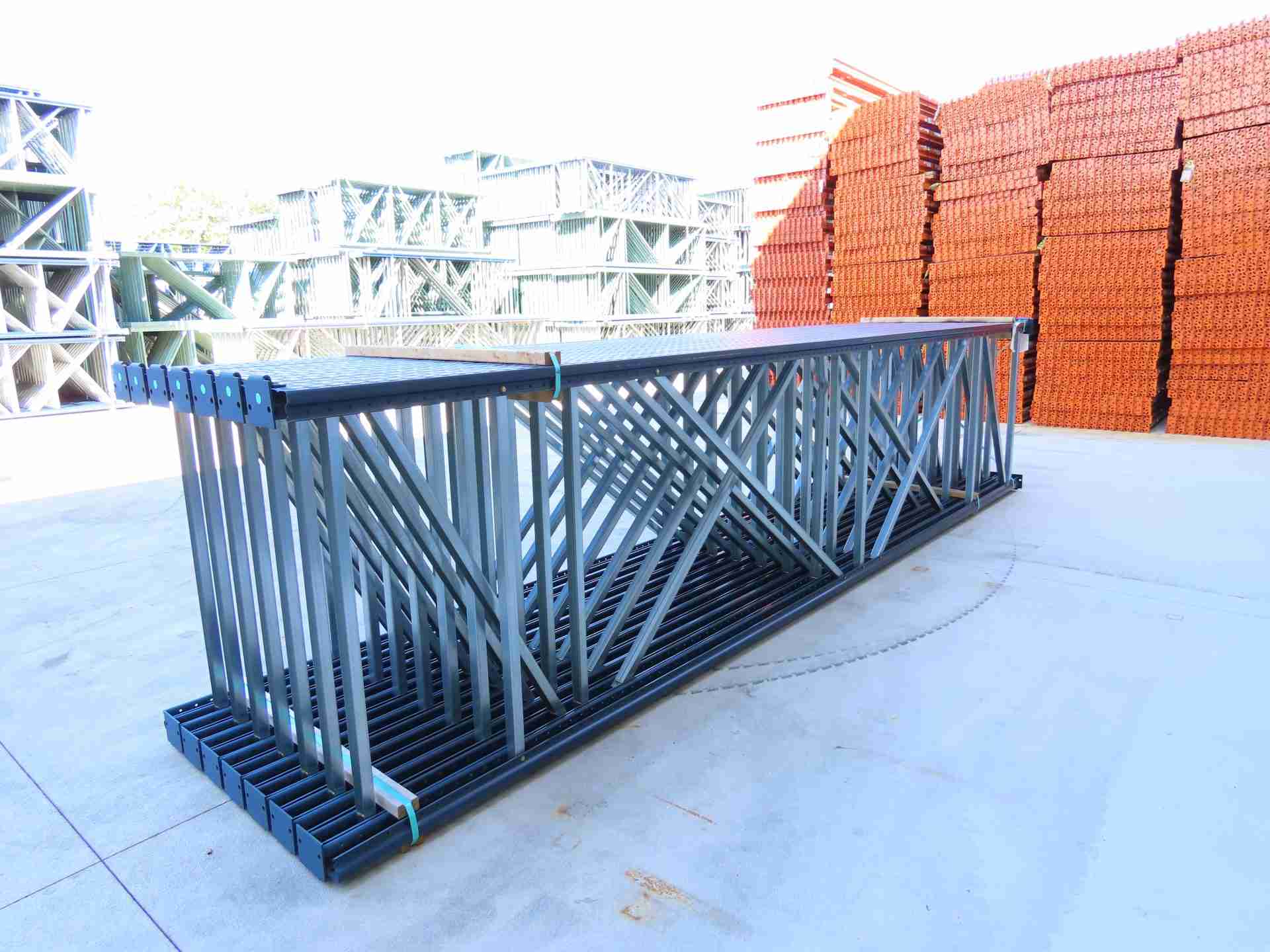
How Can Technology Improve Warehouse Safety?
Conclusion
Conclusion: Unlocking a Safer Tomorrow for Your Warehouse
At RackingWorld.com and Arrow Industrial Sales, we understand that safety isn’t merely a checkbox—it’s an indispensable aspect of a thriving warehouse environment. In an industry where efficiency often reigns supreme, the potential hazards of improper racking, inadequate employee training, and neglected maintenance can escalate into severe accidents, damaging not just property but the very foundation of your workforce’s morale and productivity. So, how do you pivot from the chaos of potential risks to a fortress of safety and efficiency? The answer lies in taking immediate action.
First, evaluate your existing pallet racking systems. Our work has taught us that the backbone of your operation must be scrutinized; damaged racks or improper stacking practices can pose catastrophic risks. Quick inspections and strategic improvements not only boost safety but also enhance your operational efficiency. Next, prioritize comprehensive training for your team. Knowledge is empowerment, and an engaged workforce, well-versed in safety protocols, translates to a more secure workspace.
Implementing a robust safety audit program will help detect hazards before they escalate into problems. Coupling this with state-of-the-art technology opens up avenues for real-time monitoring, alerting you immediately to issues in your warehouse. Can you envision a warehouse where incidents are considerably minimized because technology bridges the gap between compliance and proactive safety?
Open communication about safety cannot be overstated. Encourage your staff to voice concerns, share experiences, and collaborate on solutions. When your employees feel heard, they contribute actively to cultivating a culture of care.
The best part? These changes can be made swiftly, leading to a visible enhancement in workplace safety and morale. The stakes are too high to delay; implement these strategies now to fortify your operations and safeguard your greatest asset—your people.
Don’t wait for an accident to spur you into action. Call Arrow Industrial Sales today at (574) 349-6575 to learn about our tailored solutions that can steer your warehouse into a new era of unprecedented safety. The clock is ticking, and each moment you wait could be an opportunity lost. Unlock a safer tomorrow for your warehouse and experience the transformative impact of meticulous safety practices—your team and your bottom line will thank you for it.

Conclusion
Conclusion:
- Safety is essential for a productive warehouse environment, not just a formality.
- Evaluate existing pallet racking systems to identify and address potential hazards.
- Prioritize comprehensive training for employees to empower and engage them in safety protocols.
- Implement a robust safety audit program to proactively detect and manage hazards.
- Utilize state-of-the-art technology for real-time monitoring of warehouse safety issues.
- Encourage open communication about safety, allowing staff to voice concerns and collaborate on solutions.
- Take immediate action to enhance workplace safety and boost morale, safeguarding your workforce.

Conclusion
Other Resources
Other Resources
Here is a list of other resources you can review online to learn more:
- Chicago Pallet Racking
- Bradford Systems
- International Warehouse Logistics Association
- BMH Equipment LLC
- Crane Manufacturers Association Of America Inc.
- American Surplus
- Wolter
- Storage Equipment Manufacturers Association
- Warehousing and Fulfillment
- Warehouse Racking Systems: Beginner’s Guide to Rack Systems
Use This Prompt To Get More Resources With Your Favorite Online AI Tool: Please provide me with a list of online articles with their URLs in a bulleted list that I can read regarding What Urgent Changes Can You Make for Enhanced Warehouse Safety?

Other Resources
Glossary Terms
What Urgent Changes Can You Make for Enhanced Warehouse Safety? – Glossary Of Terms
1. Ergonomics: The science of designing the workspace and tasks to fit the worker, thereby reducing strain and injury.
2. PPE (Personal Protective Equipment): Gear that protects employees from hazards, such as helmets, gloves, eye protection, and high-visibility clothing.
3. Forklift Safety: Guidelines and protocols for the safe operation of forklifts, including training, maintenance, and load limits.
4. Hazard Communication: The process of informing and training workers about chemical hazards and safety protocols in the workplace.
5. Signage: Visual aids that provide essential information about safety rules, directions, and hazards within a warehouse.
6. Access Control: Systems and practices to restrict or regulate entry to areas within a warehouse for safety and security.
7. Fire Safety Protocols: Procedures and equipment designed to prevent, detect, and respond to fires in the warehouse environment.
8. Inventory Management: Techniques for accurately tracking and storing goods to minimize hazards associated with clutter and disorganization.
9. Emergency Exits: Clearly marked routes and doors that lead to safe areas during a fire or other emergencies, ensuring quick evacuation.
10. Cleaning Protocols: Guidelines for maintaining cleanliness to prevent slips, trips, and other hazards in the warehouse.
11. Training Programs: Structured instruction sessions designed to educate employees on safety practices and emergency response.
12. Incident Reporting: A system for documenting safety incidents, near misses, and injuries to identify trends and improve safety measures.
13. Shelving Systems: Organized storage solutions designed for safety and efficiency, reducing the risk of items falling or tipping.
14. Load Limitations: Guidelines indicating the maximum weight and balance for loads to prevent accidents and injuries.
15. First Aid Stations: Designated areas equipped with medical supplies and resources for treating injuries and responding to emergencies.
16. Safety Audits: Regular evaluations of warehouse operations and practices to identify potential hazards and areas for improvement.
17. Machine Guarding: Protective devices on equipment designed to prevent accidental contact with moving parts, reducing the risk of injury.
18. Lighting Conditions: Adequate illumination throughout the warehouse to enhance visibility and reduce accidents.
19. Clear Aisles: Maintaining unobstructed pathways that allow for safe movement of personnel and equipment throughout the warehouse.
20. Hazardous Material Storage: Proper guidelines for storing chemicals and other dangerous goods to prevent spills and exposures.
21. Behavioral Safety: Programs that focus on changing unsafe behaviors by educating employees about safety practices.
22. Traffic Management: Strategies to organize and control the movement of vehicles and personnel in the warehouse.
23. Workplace Inspections: Regularly scheduled examinations of the facility to ensure compliance with safety regulations and standards.
24. Emergency Response Plan: A documented strategy detailing specific actions to take during emergencies, ensuring all employees are prepared.
25. Safety Culture: The shared values and behaviors that prioritize safety throughout the organization, encouraging proactive safety practices.
26. Rest Breaks: Scheduled periods for employees to rest to reduce fatigue and enhance focus and safety on the job.
27. Mobility Aids: Tools or devices that assist employees in moving safely around the warehouse, preserving their physical well-being.
28. Task Rotation: The practice of periodically changing employees’ tasks to reduce repetitive strain injuries and maintain engagement.
29. Feedback Mechanisms: Systems that allow employees to report suggestions and concerns about safety practices and equipment.
30. Continuous Improvement: An ongoing effort to improve safety policies, practices, and culture based on employee feedback and incident analysis.
These terms can help facilitate discussions on enhancing warehouse safety by providing a common language and understanding of the key concepts involved.

Glossary Of Terms
Other Questions
What Urgent Changes Can You Make for Enhanced Warehouse Safety? – Other Questions
If you wish to explore and discover more, consider looking for answers to these questions:
- What are the common types of accidents in warehouses?
- How can I ensure compliance with safety regulations in my warehouse?
- What are the best practices for inspecting pallet racking systems?
- How often should safety audits be conducted in a warehouse?
- What technologies are available for improving warehouse safety?
- How can employee feedback be effectively gathered and used in safety protocols?
- What specific training topics should be included in employee safety training?
- How can I measure the effectiveness of my warehouse safety programs?
- What role does warehouse ergonomics play in safety?
- How can I encourage a culture of safety among my warehouse staff?
- What are the financial benefits of investing in warehouse safety measures?
- How should emergency procedures be communicated to employees?
- What should I do if I identify a safety hazard in the warehouse?
- What additional safety gear could further enhance employee protection?
- How can I improve communication regarding safety issues in the warehouse?

Other Questions
Checklist
What Urgent Changes Can You Make for Enhanced Warehouse Safety? – A Checklist
Warehouse Safety Enhancement Checklist
1. Conduct a Pallet Racking Evaluation
_____ Inspect existing pallet racking systems for damage or compliance with safety regulations.
_____ Remove and replace any damaged pallets.
_____ Ensure that pallet racking is configured to handle the weight and size of goods.
2. Invest in Training
_____ Develop engaging safety training materials (e-learning modules, workshops).
_____ Schedule regular training sessions for all employees.
_____ Encourage employee feedback and open discussions about safety concerns.
3. Implement a Safety Audit Program
_____ Schedule regular safety audits to identify potential hazards.
_____ Act on audit findings immediately to mitigate risks.
_____ Develop a culture of safety awareness and proactive problem-solving.
4. Leverage Technology for Safety
_____ Utilize real-time inventory management systems.
_____ Set up automated alerts for safety compliance issues.
_____ Consider augmented reality (AR) tools for enhanced employee navigation.
5. Establish Open Dialogue About Safety
_____ Encourage team members to share safety experiences and suggestions.
_____ Create forums or meetings dedicated to safety discussions.
_____ Promote collaboration in safety planning and execution.
6. Mandatory Safety Gear for Employees
_____ Ensure all staff wear hard hats to protect against falling objects.
_____ Provide steel-toed boots for foot protection.
_____ Supply appropriate gloves, goggles, and high-visibility apparel.
7. Enhance Equipment Maintenance Protocols
_____ Develop a schedule for proactive maintenance checks.
_____ Train employees on equipment care and identify potential issues.
_____ Document all maintenance activities and any observations from staff.
8. Optimize Warehouse Layout
_____ Evaluate and redesign layout to reduce clutter and create clear pathways.
_____ Ensure easy access to emergency exits and safety equipment.
_____ Monitor the placement and organization of pallet racking for efficiency and safety.
9. Use Data and Analytics
_____ Track incidents and near-misses using software for analysis.
_____ Implement training based on identified patterns or trends.
_____ Utilize data to continuously improve safety protocols.
10. Commit to Continuous Improvement
_____ Regularly review and update safety measures and protocols.
_____ Celebrate and recognize employee contributions to safety efforts.
_____ Foster a culture of excellence in safety throughout the organization.
Conclusion
By following this checklist, you can proactively enhance warehouse safety, protect your employees, and build a thriving safety culture within your organization. Prioritize these urgent changes today for immediate impact and long-term benefits.

Checklist
At RackingWorld, we help guide you through selecting warehouse storage systems and racking.
Be sure to read our other related stories at RackingWorld to learn more about warehouse storage systems.
0 Comments