
5 Critical Safety Measures Every Warehouse Racking System Needs
By Tom Seest
At RackingWorld, we help guide you through selecting warehouse storage systems and racking.
Be sure to read our other related stories at RackingWorld to learn more about warehouse storage systems.
Is Your Warehouse Racking System Putting Workers At Risk Every Day?
Imagine this: your warehouse is humming with activity, orders are being filled, and pallets are stacked high to maximize space. But beneath this busy surface lies a significant risk—the very pallet racking system that’s meant to enhance efficiency could be jeopardizing your workers’ safety. It’s a reality that many facilities grapple with, often unknowingly.
Pallet racking is designed to streamline operations. It’s attractive, practical, and essential for maintaining a functional distribution center. However, if it’s not adequately maintained or properly utilized, it transforms from being a structural backbone into a potential hazard. Think about high stacks wobbling precariously, or a single missed connection accumulating into a catastrophic failure. Is this truly the environment you want for your most valuable assets—your employees?
Ask yourself: Are your workers navigating the aisles with confidence, or are they tiptoeing around, assessing the danger looming over their heads? You may have invested significantly in equipment and training, but if your pallet racking isn’t up to snuff, all that effort is undermined. Picture the costs associated with workplace accidents—not just financially, but in employee morale and retention. A single injury can ripple through your organization, leading to lost productivity and plummeting trust.
So, where do you begin? It starts with awareness. Regularly inspect your pallet racking for any signs of stress or wear. Invest in training that emphasizes the importance of maintaining a clear and organized space. Empower your employees to speak up about safety concerns. When they feel comfortable voicing their worries, you can proactively address issues before they escalate.
Implementing safety measures doesn’t just protect your team; it builds a culture of care and accountability. By prioritizing safety, you signal to your workforce that their well-being is paramount. This fosters loyalty and, ultimately, boosts productivity.
Your warehouse should not be a site of fear, but a place where hard work is met with respect and safe practices. Take action today to ensure your pallet racking system is serving as a solid foundation for growth—both for your business and your people. Trust me, the investment in safety will yield returns that far outweigh any perceived risks.

Is Your Warehouse Racking System Putting Workers At Risk Every Day?
Is Your Warehouse Racking System Putting Workers At Risk Every Day?
- Pallet racking systems can enhance efficiency but may jeopardize worker safety if not properly maintained.
- High stacks and missed connections can lead to catastrophic failures in the racking system.
- Worker confidence in navigating aisles is essential; safety issues can undermine investment in equipment and training.
- Workplace accidents can cause financial costs, decreased morale, and decreased employee retention.
- Regular inspections and employee training on safety are crucial for maintaining an organized environment.
- Empower employees to voice safety concerns to proactively address potential hazards.
- Prioritizing safety fosters a culture of care and accountability, boosting loyalty and productivity.
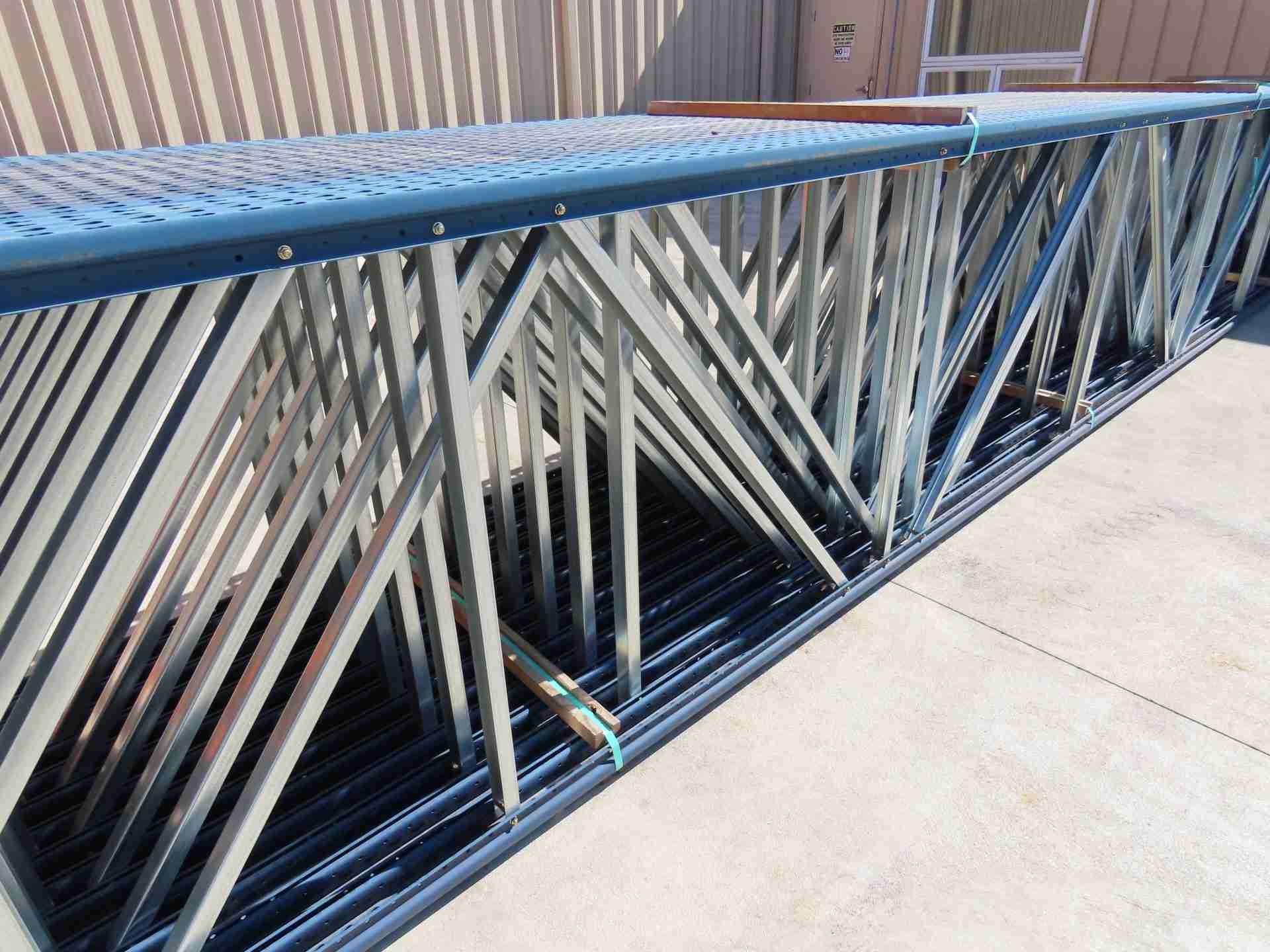
Is Your Warehouse Racking System Putting Workers At Risk Every Day?
Table Of Contents
- Is Your Warehouse Racking System Putting Workers At Risk Every Day?
- Is Your Racking System Compliant With Safety Regulations?
- Are Your Racks Stable Enough To Prevent Tipping?
- Is There Proper Training For Workers Using The Racking System?
- Are Safety Inspections Conducted Regularly On Your Racking System?
- How Do You Address Rust Or Wear In Your Racking System?
- Is There Adequate Signage To Guide Workers Around The Racking System?
- Conclusion
- Other Resources
- Glossary Of Terms
- Other Questions
- Checklist
Is Your Racking System Compliant With Safety Regulations?
In today’s fast-paced world, your warehouse is more than just a place to store products – it’s the heartbeat of your operations. But how confident are you that your pallet racking is keeping pace with safety regulations? This isn’t just a question of compliance; it’s about protecting your most valuable assets: your team and your inventory.
Consider the implications of a poorly configured pallet racking system. Beyond the immediate risks of accidents and injuries, think about the long-term impact on your business’s reputation. A single incident can shake customer trust and disrupt operations. Nobody wants to be the company that graces the local news for all the wrong reasons. Yet, many businesses overlook the importance of adhering to safety regulations, often prioritizing immediate results over the long game of sustainable success.
The truth is, an effective pallet racking system doesn’t just comply with regulations; it enhances operational efficiency, saves time, and minimizes costs. Are you utilizing the right materials and configurations? Is your racking system regularly inspected and maintained? By ensuring compliance, you open the door to numerous benefits, including lower insurance premiums and fewer workplace disruptions.
Let’s foster a culture of safety. Instilling this mindset starts with you. Equip your warehouse with reliable, compliant racking that can withstand regular wear and tear while keeping your employees safe. Regular inspections and ongoing training create a shield against neglect and can help you stay ahead of any issues before they escalate into costly liabilities.
Perhaps you’ve noticed some signs of wear and tear, or maybe you’re just due for a thorough review. Don’t wait until it’s too late. Now is the time to take action and revisit your pallet racking setup. It’s not just about rules and regulations. It’s about creating a safe and productive environment. The peace of mind that comes from knowing you are compliant is invaluable – giving you the ability to focus on growing your business.
By prioritizing safety and compliance in your racking systems, you’re investing in a solid foundation for success. This commitment pays off, extending beyond the walls of your warehouse and directly into the hearts and minds of your team and customers. So, take that next step. Review your pallet racking system today and ensure that you are prepared for whatever tomorrow brings. Your warehouse deserves nothing less.
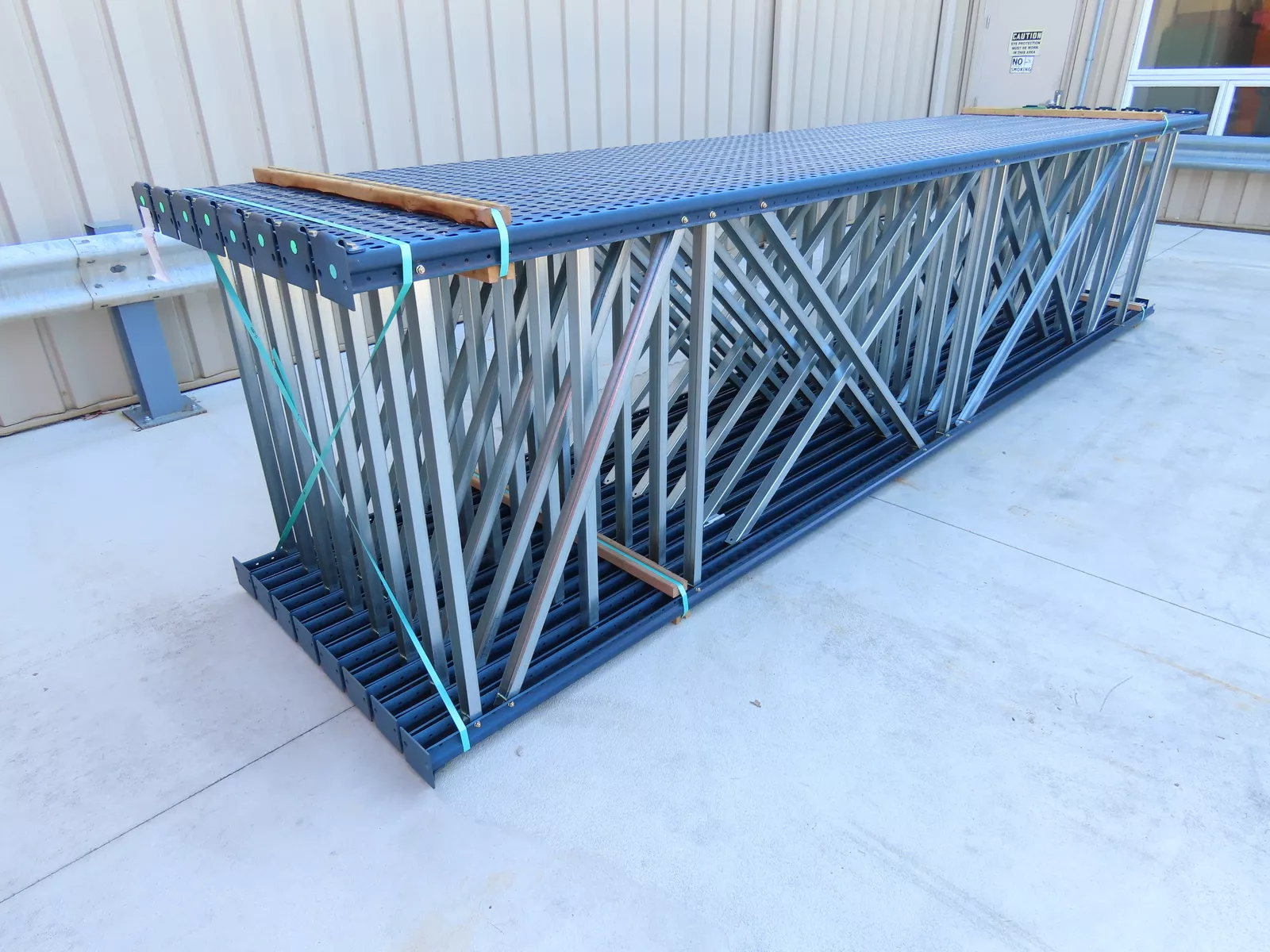
Is Your Racking System Compliant With Safety Regulations?
Is Your Racking System Compliant With Safety Regulations?
- Your warehouse is the heartbeat of operations, emphasizing the importance of compliant pallet racking systems.
- Non-compliance poses immediate risks of accidents and long-term damage to business reputation.
- Effective pallet racking systems enhance efficiency, save time, and reduce costs while meeting regulations.
- Regular inspections and maintenance are essential for ensuring safety and preventing liabilities.
- Address signs of wear and tear proactively to maintain a safe and productive work environment.
- Prioritizing safety and compliance fosters trust and success within your team and with customers.
- Taking action now prepares your warehouse for future challenges and creates a strong foundation for growth.
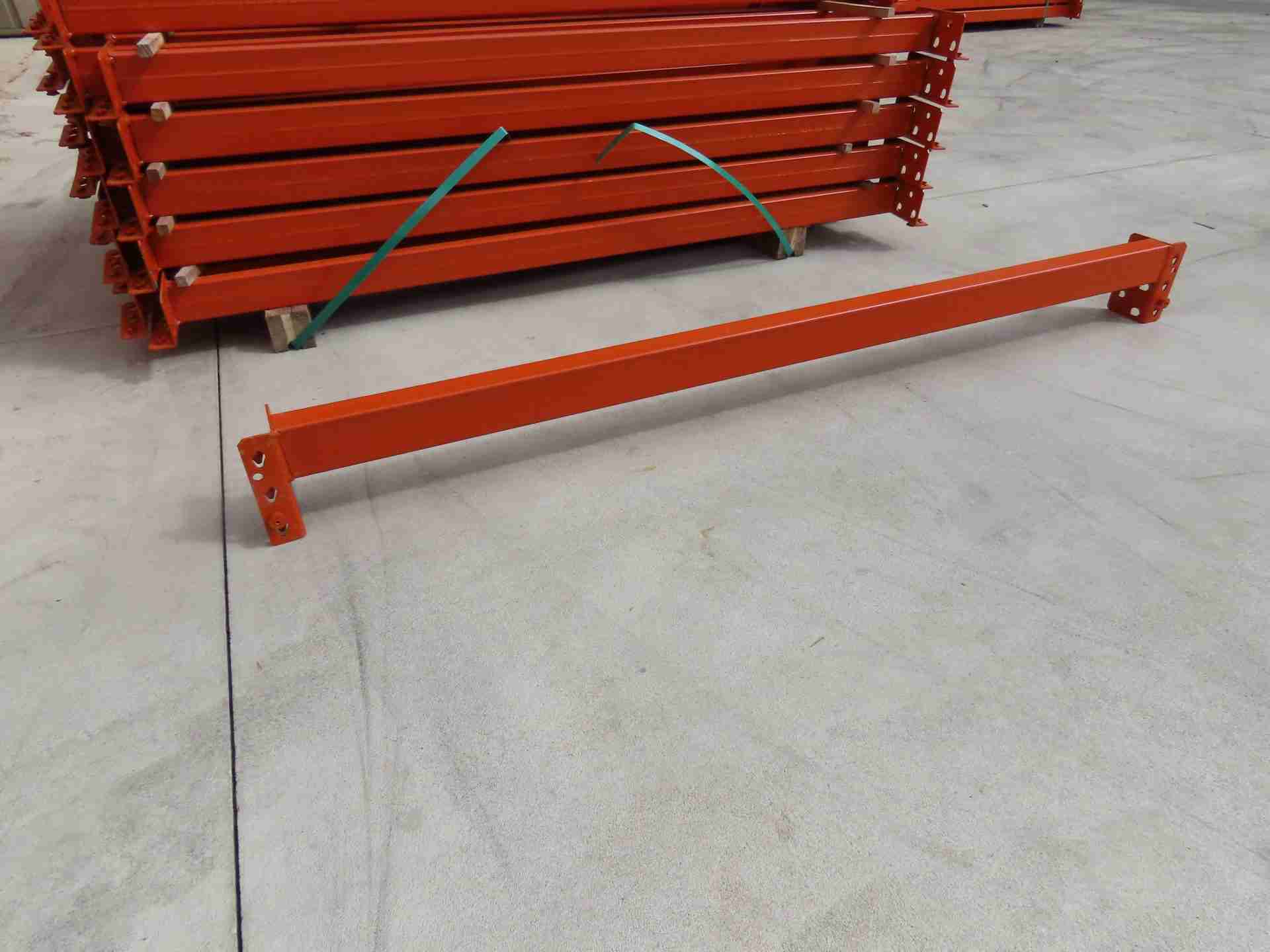
Is Your Racking System Compliant With Safety Regulations?
Are Your Racks Stable Enough To Prevent Tipping?
Imagine walking into your warehouse, and instead of seeing a well-organized array of Pallet Racking, you encounter chaos—a collapse of shelves, scattered merchandise, and even potential danger for your team. It’s a scenario that can happen in the blink of an eye if your racking system isn’t stable enough to prevent tipping. Now, picture this: your operations are smooth, your stock is safe, and your employees can focus on what matters—productivity and delivering exceptional service to your customers.
Stability in a racking system is non-negotiable. When it comes to Pallet Racking, what you need is a system designed with both functionality and safety in mind. After all, your racking isn’t just a place to store inventory; it serves as the backbone of your operational workflow. A solid Pallet Racking solution allows you to maximize vertical space, streamline picking processes, and keep everything efficient—until it doesn’t.
Have you ever taken a moment to assess whether your racking can withstand the pressures of heavy stocking, uneven loads, or even everyday traffic? Imagine the peace of mind that comes with knowing your racking can hold up against the unexpected. The truth is, stability doesn’t just happen; it’s a conscious choice you make. Are you equipped with the right parameters for securing your systems during seasonal peaks or high-volume days? Are you identifying potential risks before they escalate into crises?
Let’s be honest—no one wants to witness the consequences of an unstable racking system. Apart from the aesthetic of disarray, think about the financial repercussions. Damaged inventory, potential worker injuries, and costly downtime can severely impact your bottom line. And that’s where you can transform risk into resilience! Investing in top-notch Pallet Racking solutions is not just an expense but a commitment to your operational excellence.
So, how can you ensure your racks are stable enough to prevent tipping? Start by evaluating your current system. Consult with professionals experienced in warehouse layout and design. Understand that small adjustments, like securing pallets or ensuring appropriate load distribution, can make huge differences.
Remember, in the world of logistics and storage, your racking should be as dynamic as your business—ready to adapt, ready to excel, and above all, absolutely stable! Don’t compromise on safety; invest in the assurance that your racking setup is one less thing you need to worry about. Connect with experts who can tailor a Pallet Racking solution perfectly aligned with your needs, because when it comes to preventing tipping, you deserve nothing but the best!
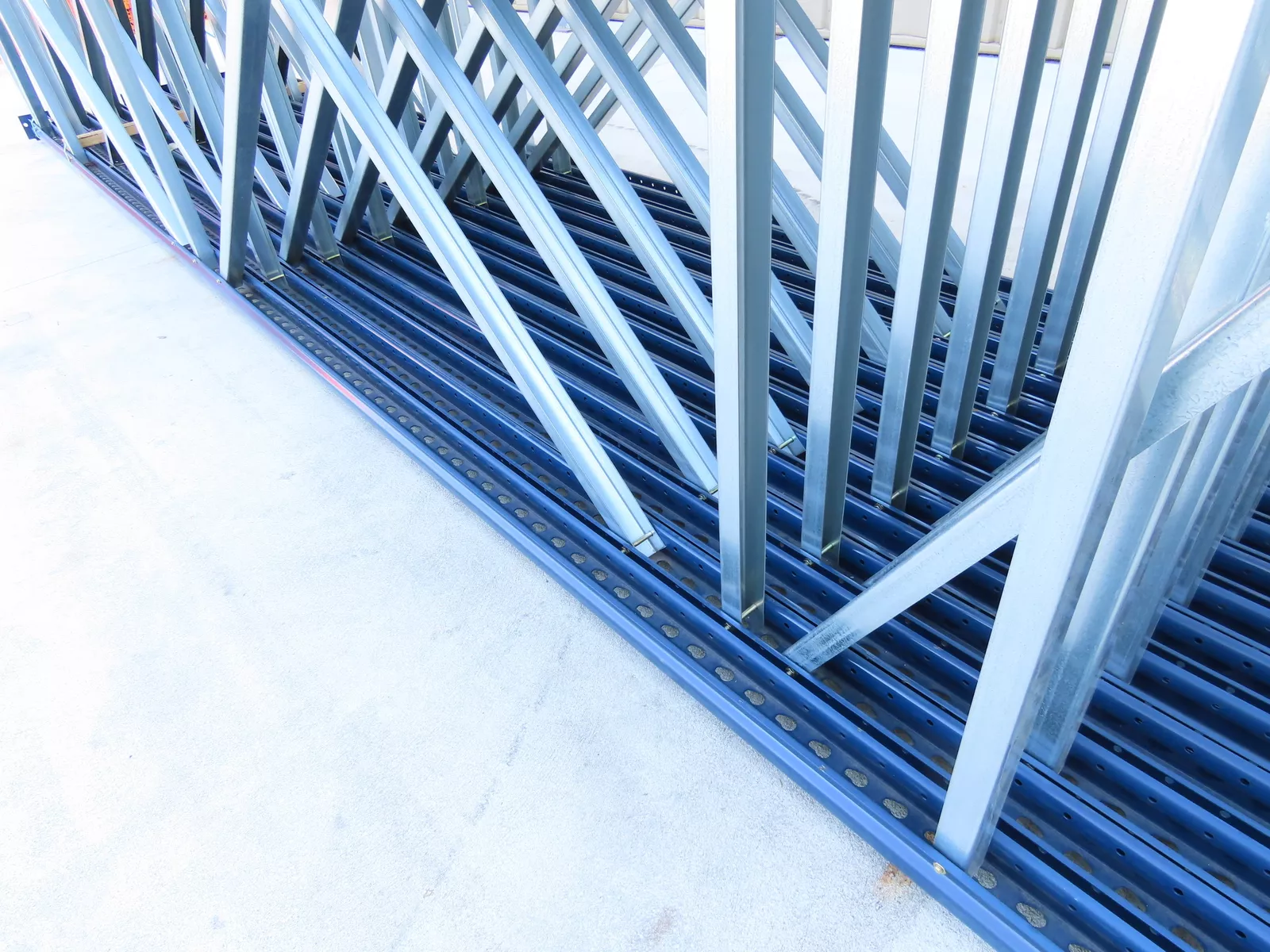
Are Your Racks Stable Enough To Prevent Tipping?
Are Your Racks Stable Enough To Prevent Tipping?
- A disorganized racking system can lead to chaos, potential hazards, and compromised employee safety.
- Stability in a racking system is essential for maintaining smooth operations and maximizing efficiency.
- Properly designed Pallet Racking allows for better use of vertical space and improved picking processes.
- Regular assessment of your racking system is necessary to ensure it can handle heavy loads and daily operations.
- Investing in quality racking solutions contributes to operational excellence and mitigates risks of damaged inventory and injuries.
- Small adjustments, like securing pallets and load distribution, can significantly enhance stability.
- Consulting with warehouse design professionals can help tailor a racking solution that meets your specific needs.
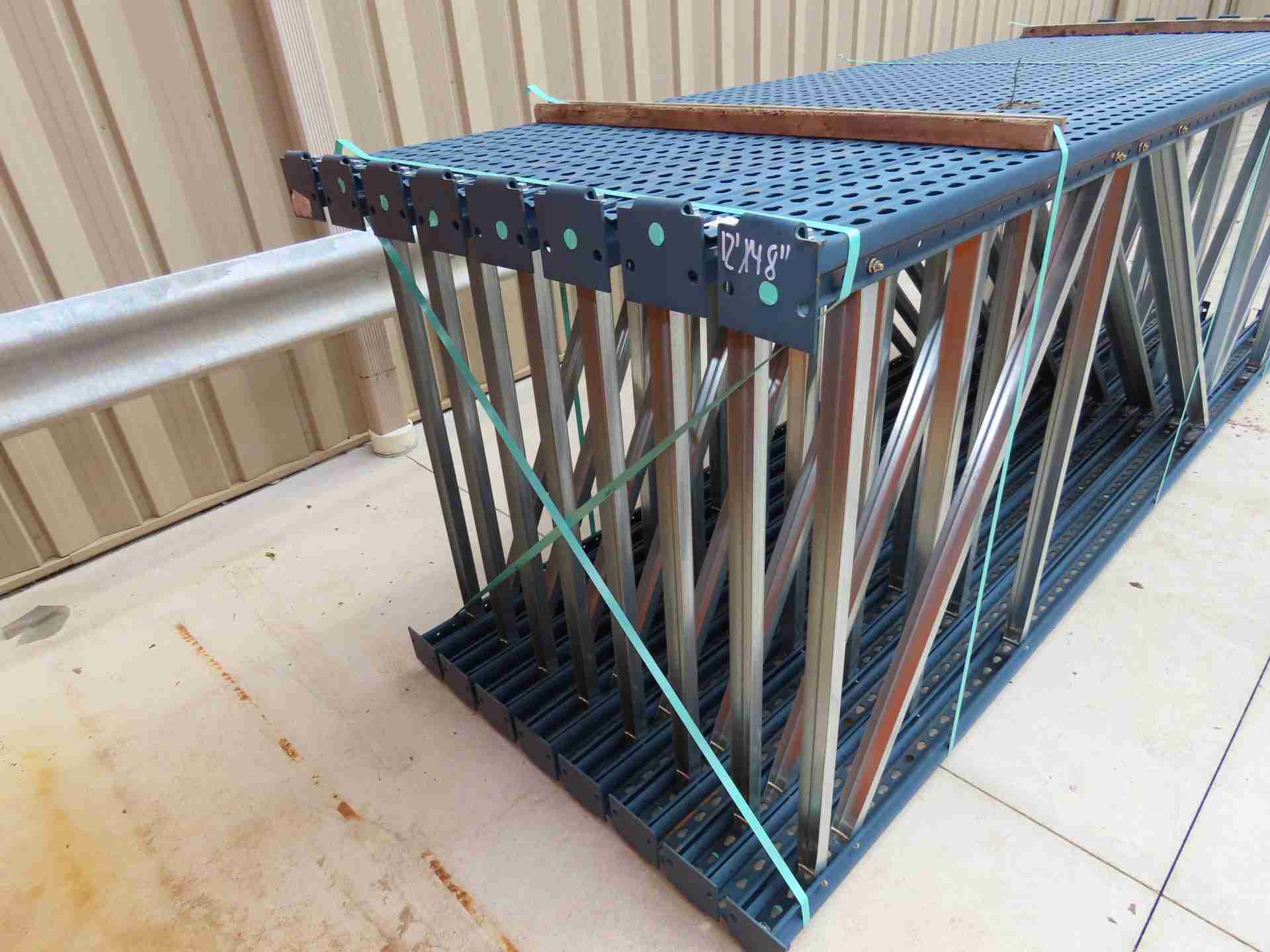
Are Your Racks Stable Enough To Prevent Tipping?
Is There Proper Training For Workers Using The Racking System?
In the fast-paced world of warehousing and distribution, safety and efficiency are paramount. When it comes to Pallet Racking systems, proper training isn’t just a box to tick—it’s the foundation on which your business’s success is built. Imagine your team seamlessly navigating through aisles of meticulously organized pallets, each one easily accessible, all while maintaining a safe working environment. This isn’t just a dream; it’s entirely achievable with the right training.
Proper training programs tailored specifically for workers utilizing Pallet Racking systems should be your priority. Why? Because a well-trained workforce translates directly into your bottom line. Think about it: every mishap or inefficiency due to lack of training can translate into lost time and resources. When your employees are confident in their ability to operate the racking system, they not only work faster but also minimize the risk of accidents—creating a safer environment for everyone involved.
So, what does effective training look like? It’s comprehensive and hands-on. Your workers should learn the ins and outs of the racking system, including load capacities, safe maneuvering techniques, and the best practices for stacking and retrieving pallets. Engaging training sessions go a long way in building familiarity and confidence. Provide simulations and real-world scenarios that enable workers to deal with potential challenges on the floor, and they’ll be prepared to handle anything that comes their way.
But don’t just stop there—make training an ongoing endeavor. Regular refreshers, updates to best practices, and even advanced training opportunities keep your team informed and engaged. It also shows your employees that you care about their safety and growth, fostering loyalty and performance.
Incorporating advanced technology, such as virtual reality (VR) simulations, can also elevate the training experience. Workers can interact with a virtual racking environment, practicing what they learn in a safe space without any of the risks associated with real-life training.
Ultimately, investing in comprehensive training for your team ensures that your Pallet Racking system operates not just efficiently, but safely. Your workforce will feel empowered, confident, and equipped to handle their roles, and that can only lead to greater productivity and profitability for your organization. Take the step today—transform training from a formality to a potent tool for success!
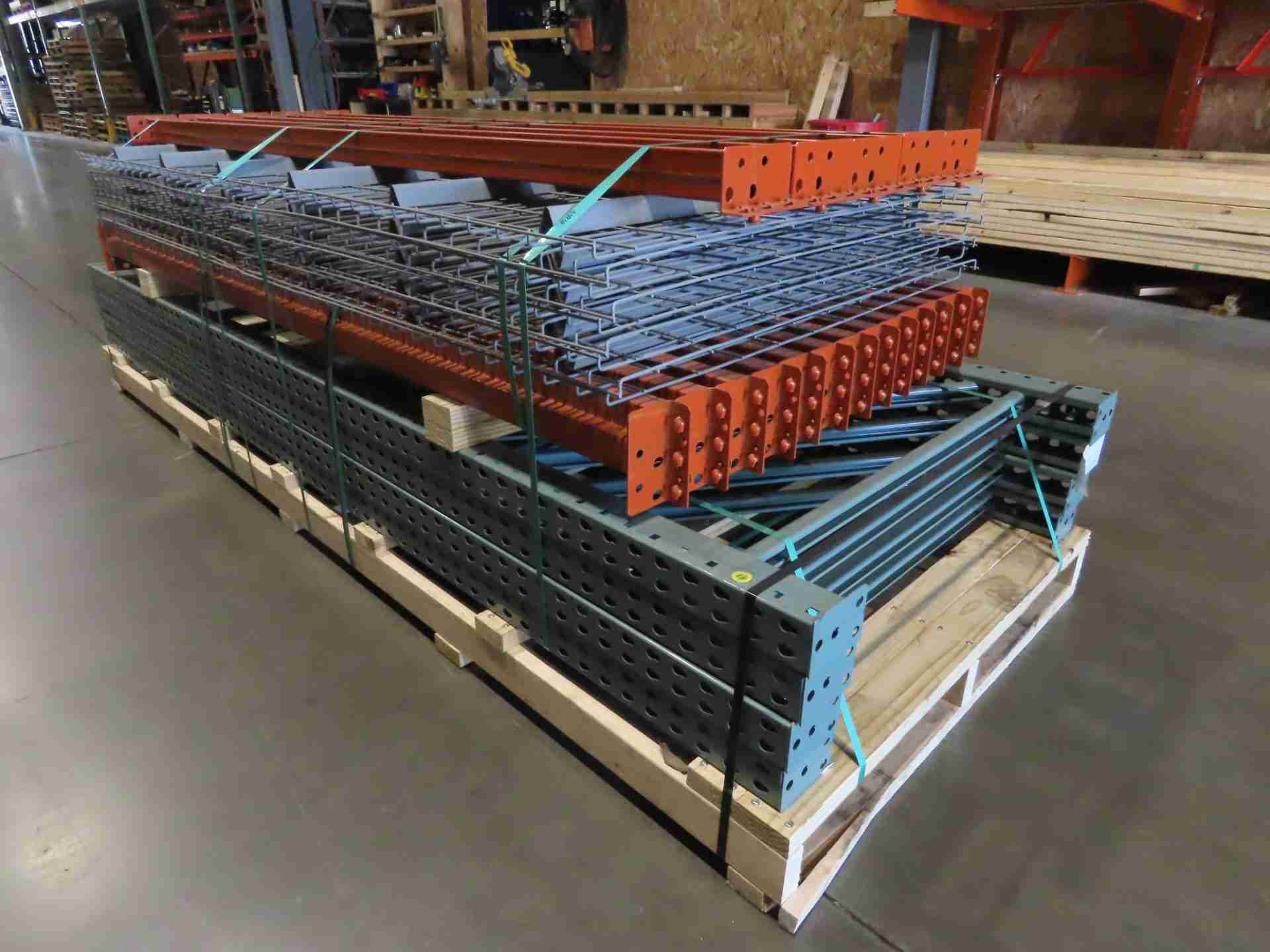
Is There Proper Training For Workers Using The Racking System?
Is There Proper Training For Workers Using The Racking System?
- Safety and efficiency are crucial in the warehousing and distribution industry.
- Proper training in Pallet Racking systems is fundamental for business success.
- A well-trained workforce leads to reduced mishaps, lost time, and resource inefficiencies.
- Effective training should be comprehensive, hands-on, and include critical topics like load capacities and maneuvering techniques.
- Ongoing training, including regular refreshers and advanced opportunities, enhances safety and employee engagement.
- Utilizing technology such as virtual reality can improve the training experience and allow safe practice of skills.
- Investing in comprehensive training promotes confidence and empowerment, leading to increased productivity and profitability.
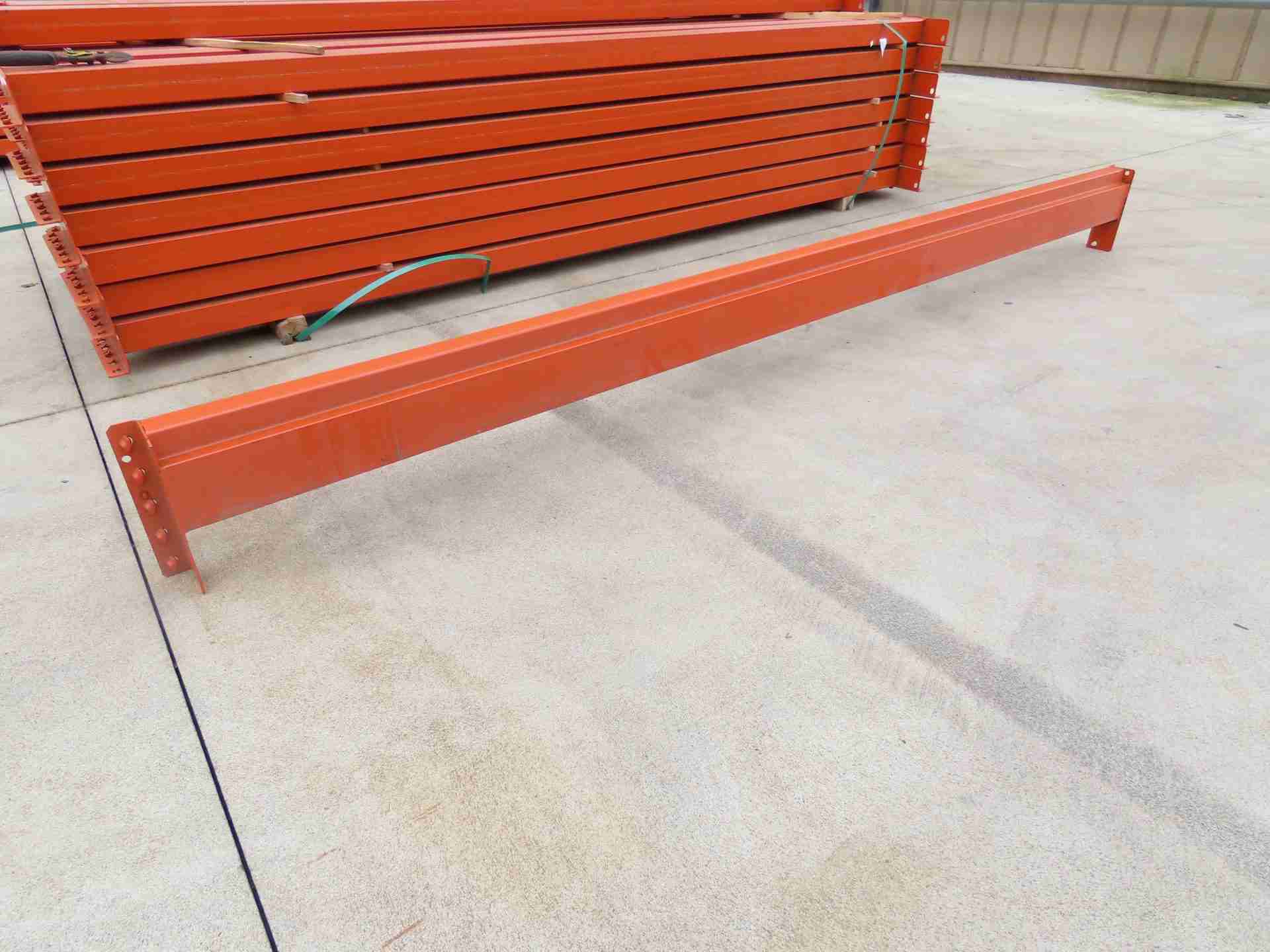
Is There Proper Training For Workers Using The Racking System?
Are Safety Inspections Conducted Regularly On Your Racking System?
When it comes to the safety and efficiency of your warehouse operations, the mantra should be “safety first.” Yet, how often do you think about your pallet racking and the vital role it plays in your day-to-day operations? Regular safety inspections aren’t merely a formality. They are the backbone of a secure and productive environment.
Consider this: your pallet racking systems hold the weight of your entire inventory, literally! Every day, they are put to the test, bearing heavy loads and enduring constant movement. It’s easy for the hustle and bustle of your operations to overshadow the importance of routine evaluations. However, neglecting your pallet racking’s integrity could lead to disastrous consequences—both in terms of safety and your bottom line.
Imagine walking through your warehouse and seeing your team work with confidence, knowing the racking systems they depend on have been thoroughly inspected and certified. This peace of mind does wonders for productivity. Your team will be more engaged and focused, driving their energy toward what truly matters: serving your customers.
But what does “regular safety inspection” truly mean? It isn’t just a quick glance or a casual chat with your team about potential issues. It involves a meticulous examination by knowledgeable experts who understand the ins and outs of pallet racking. They’ll identify wear and tear, stress points, and potential hazards before they escalate into something far more troubling. With their insights, you can make informed decisions to protect your assets and your employees.
In our fast-paced world, it’s easy to push safety inspections to the back of your to-do list. But here’s the hard truth: When it comes to racking systems, overlooking regular inspections is a gamble you can’t afford to take. Investing in routine check-ups is an investment in the longevity of your operations. It aligns with a proactive approach to safety—one that inspires trust from your staff and confidence in your management practices.
So, don’t wait for the unexpected; take the initiative today. Schedule your regular safety inspections and transform your pallet racking system from a simple storage solution into a cornerstone of reliability and efficiency. Your warehouse deserves it, and so do your team members. Act now, and ensure that safety and productivity go hand in hand!
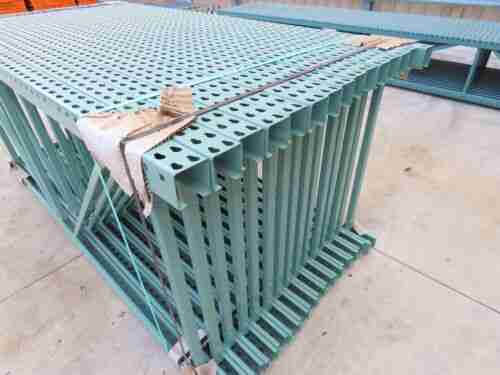
Are Safety Inspections Conducted Regularly On Your Racking System?
Are Safety Inspections Conducted Regularly On Your Racking System?
- Prioritize safety first in warehouse operations with a focus on pallet racking integrity.
- Regular safety inspections are essential for maintaining a secure and productive environment.
- Pallet racking systems support the weight of your entire inventory and endure constant use.
- Neglecting pallet racking integrity can lead to serious safety risks and financial losses.
- Thorough inspections foster confidence among team members, enhancing productivity and focus.
- Expert evaluations help identify wear, stress points, and hazards, allowing for informed decisions.
- Investing in routine inspections is crucial for the longevity of operations and staff trust.

Are Safety Inspections Conducted Regularly On Your Racking System?
How Do You Address Rust Or Wear In Your Racking System?
How Do You Address Rust or Wear in Your Racking System?
Imagine this: you walk into your warehouse, ready to tackle the day, but your gaze lands on your pallet racking system—a system that should be the backbone of your operations. Instead, you notice signs of rust and wear. That’s not just an eyesore; it’s a signal that something needs to be done. Ignoring these signs can cost you more than just aesthetic value; it can jeopardize safety and efficiency.
Addressing rust or wear in your pallet racking doesn’t have to be daunting. It can be a straightforward process when approached with the right mindset and intentions. Start with a comprehensive assessment of the existing conditions. Do you see surface rust starting to form? Is there visible wear on the structural integrity of your racking system? Understanding these factors allows you to grasp the urgency of the situation. Regular inspections—quarterly or even monthly—will keep you ahead of the game and ensure that issues like rust don’t go unchecked.
Now, let’s talk solutions. Rust can often be treated effectively without the need to replace entire sections of the pallet racking. For surface rust, a simple wire brush, sandpaper, and some rust-inhibiting paint can work wonders. Treating it swiftly not only enhances the look of your racking but fortifies its lifespan, proving to you that a little effort can yield significant results.
For deeper wear or structural issues, consulting with a professional is paramount. Reach out to a specialist who understands pallet racking systems, and they can provide expert recommendations tailored to your specific needs. This is not just an expenditure; it’s an investment in the safety and functionality of your facility.
Remember, your pallet racking system is an integral part of your operations. By taking proactive measures against rust and wear, you’re not just protecting your assets; you’re also safeguarding your workforce and maintaining trust in your operational capabilities.
Caring for your racking system builds confidence—confidence in your ability to sustain an organized, efficient workspace. Don’t let minor issues become costly setbacks. Act now, protect your investment, and ensure your operations are built on a solid foundation! The safety and efficiency of your environment depend on it.
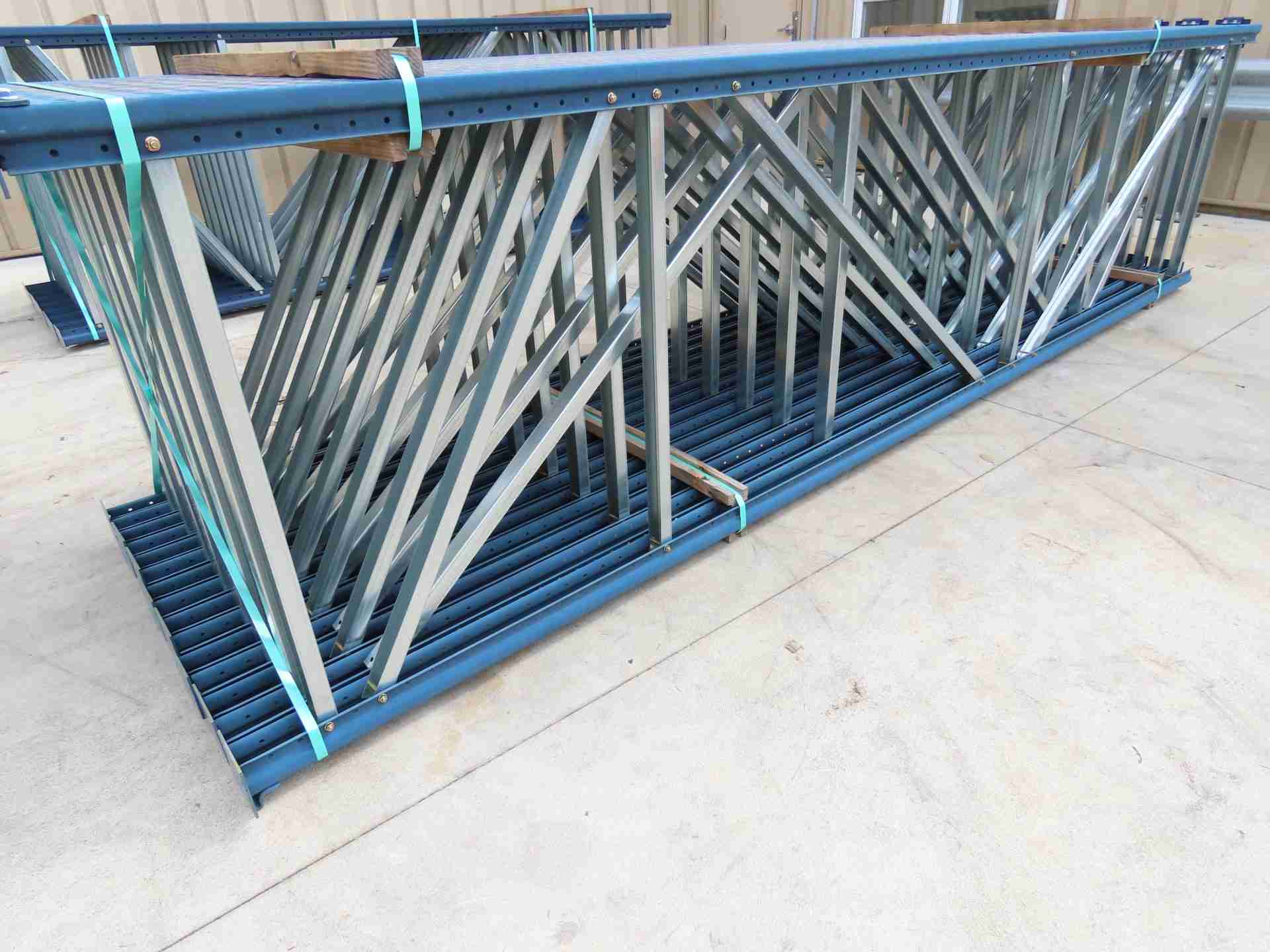
How Do You Address Rust Or Wear In Your Racking System?
How Do You Address Rust Or Wear In Your Racking System?
- Rust and wear in pallet racking systems can jeopardize safety and efficiency.
- Addressing these issues starts with a comprehensive assessment of existing conditions.
- Regular inspections (quarterly or monthly) help catch problems early.
- Surface rust can be treated with a wire brush, sandpaper, and rust-inhibiting paint.
- For deeper wear or structural issues, consulting a professional is essential.
- Proactive measures protect assets and maintain workplace safety and efficiency.
- Caring for racking systems fosters confidence in operational capabilities.
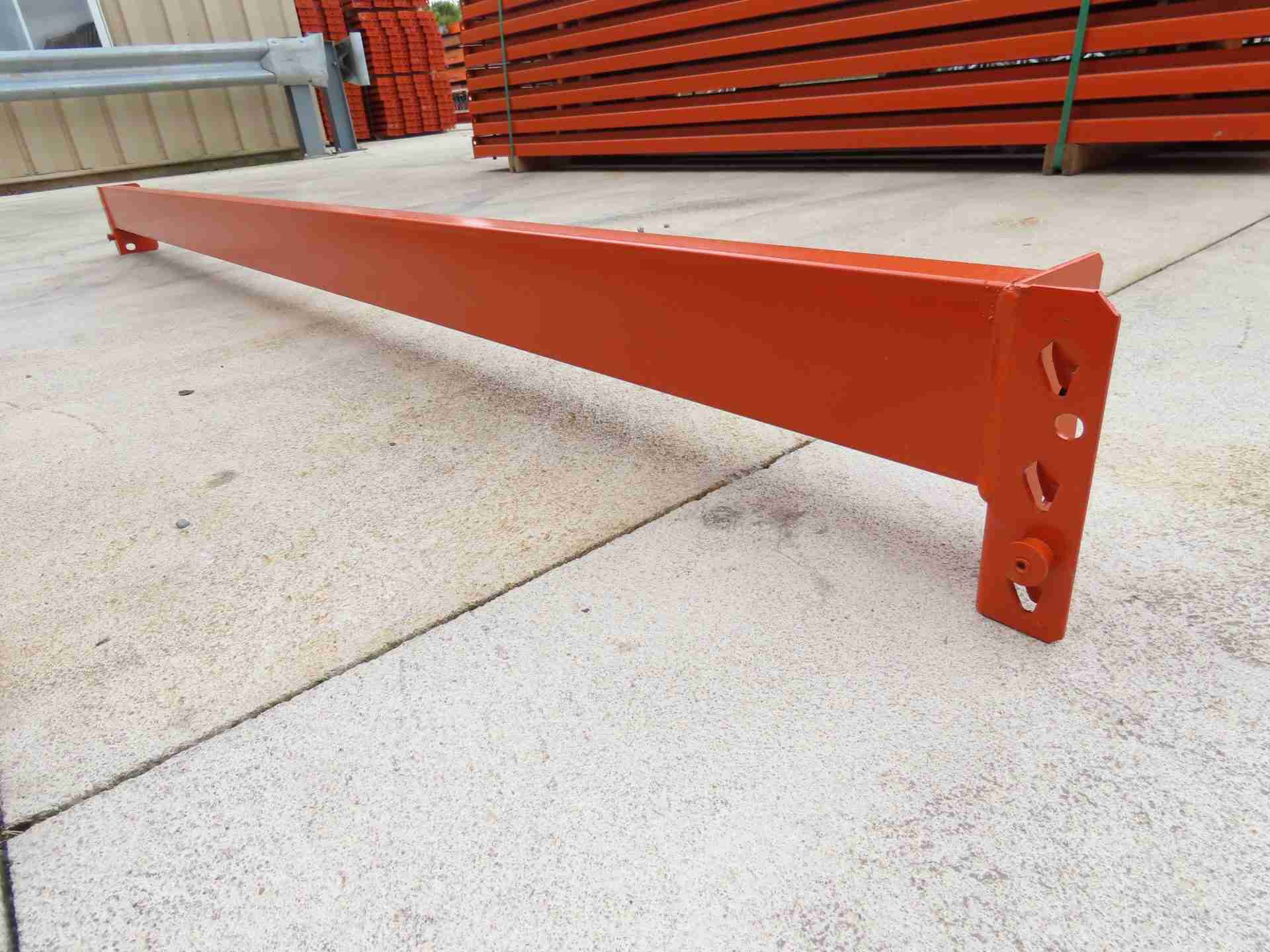
How Do You Address Rust Or Wear In Your Racking System?
Is There Adequate Signage To Guide Workers Around The Racking System?
Is There Adequate Signage to Guide Workers Around the Racking System?
Imagine a bustling warehouse, alive with the hum of machinery and the footsteps of dedicated workers diligently moving amongst towering structures of Pallet Racking. It’s an organized dance of productivity, but what happens when that dance turns into chaos? That’s where the unsung heroes of workplace safety and efficiency come into play: clear and effective signage.
Your warehouse is more than just a storage area; it’s the heart of operations that fuels your business. But without appropriate signage, workers can quickly become disoriented navigating the intricate maze of Pallet Racking. Think about it—when your team isn’t sure where to go or what to do, time is wasted, safety is compromised, and potential profits slip through your fingers like grains of sand.
Adequate signage isn’t just a nice-to-have; it’s a must. Bold, attention-grabbing signs strategically placed around your Pallet Racking can dramatically streamline workflow and reduce the risk of accidents. Imagine bright arrows guiding team members to loading docks, or clear labels indicating stock locations and weight limits. Each sign serves as a beacon of clarity, cutting through the clutter and chaos that can easily ensue in a busy warehouse environment.
Moreover, consider the psychological aspect. Employees want to feel confident in their surroundings. When they see coherent signage, it nurtures a sense of order and professionalism. Suddenly, they’re not just workers—they’re empowered contributors, fully informed and ready to tackle tasks with enthusiasm.
In the world of business, trust is hard-earned, and one way to inspire it is through showcasing your commitment to safety and efficiency. Investing in effective signage speaks volumes about your organization’s values. It places importance on the well-being of your employees while simultaneously maximizing productivity.
So, ask yourself: Does your current signage reflect the professionalism you envision for your warehouse? If the answer is anything less than yes, it’s time to elevate your operations. Start with a signage audit and see where enhancements can be made. Clearly marking pathways and instructions around your Pallet Racking isn’t just a functional improvement; it’s a crucial step towards a safe and efficient work environment that fosters trust, confidence, and action amongst your workforce. After all, a well-guided employee is a productive employee. Don’t leave it to chance; make your signage shine!
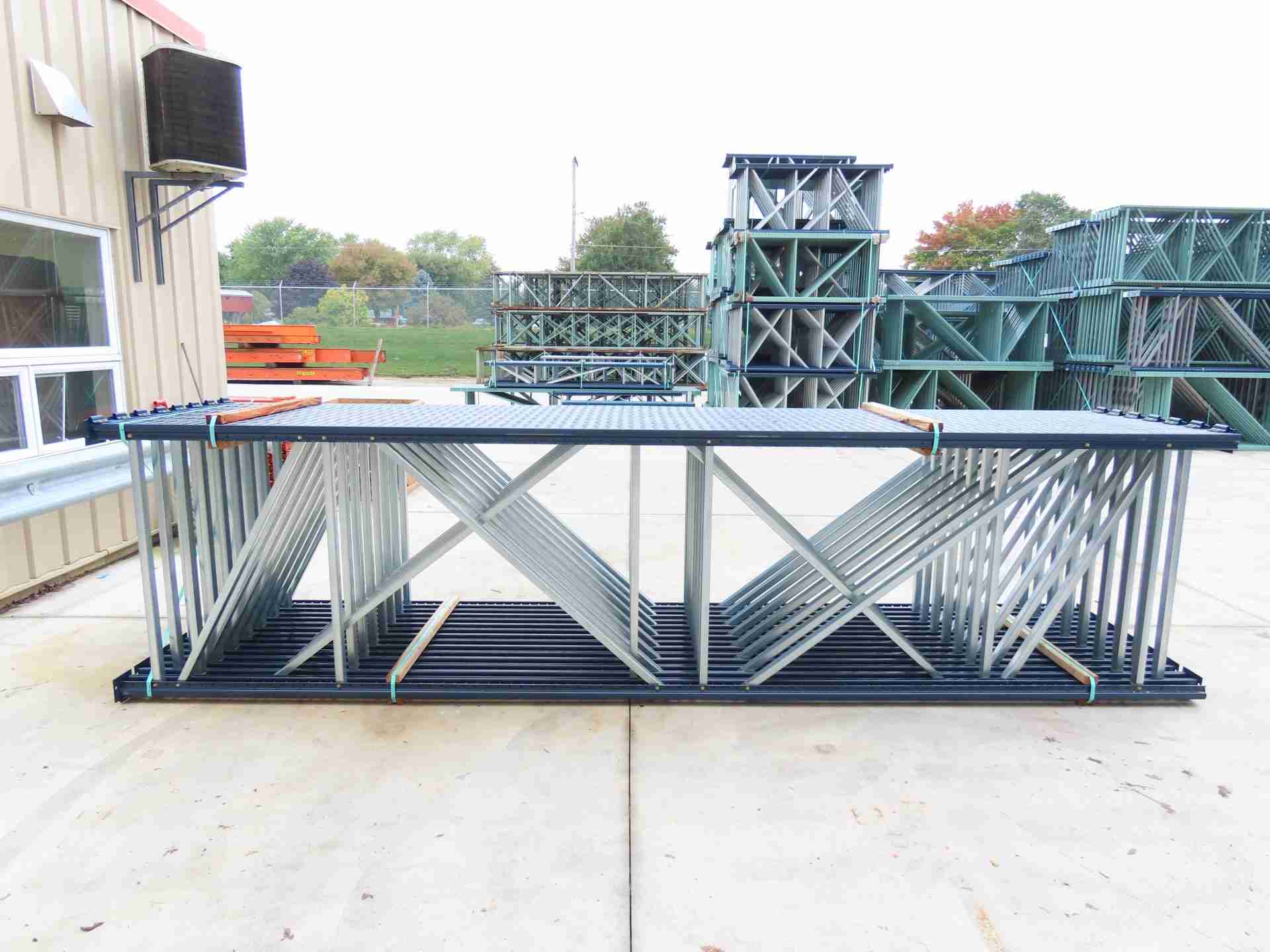
Is There Adequate Signage To Guide Workers Around The Racking System?
Is There Adequate Signage To Guide Workers Around The Racking System?
- Effective signage is crucial for guiding workers through the complex layout of Pallet Racking in warehouses.
- Without appropriate signage, workers may become disoriented, leading to wasted time and compromised safety.
- Bold, attention-grabbing signs can streamline workflow and reduce accident risks.
- Clear signage fosters a sense of order, boosting employee confidence and professionalism.
- Investing in adequate signage reflects an organization’s commitment to safety and efficiency.
- A signage audit can help identify areas for improvement, enhancing both safety and productivity.
- Properly marked pathways and instructions are essential for creating a safe, efficient work environment.
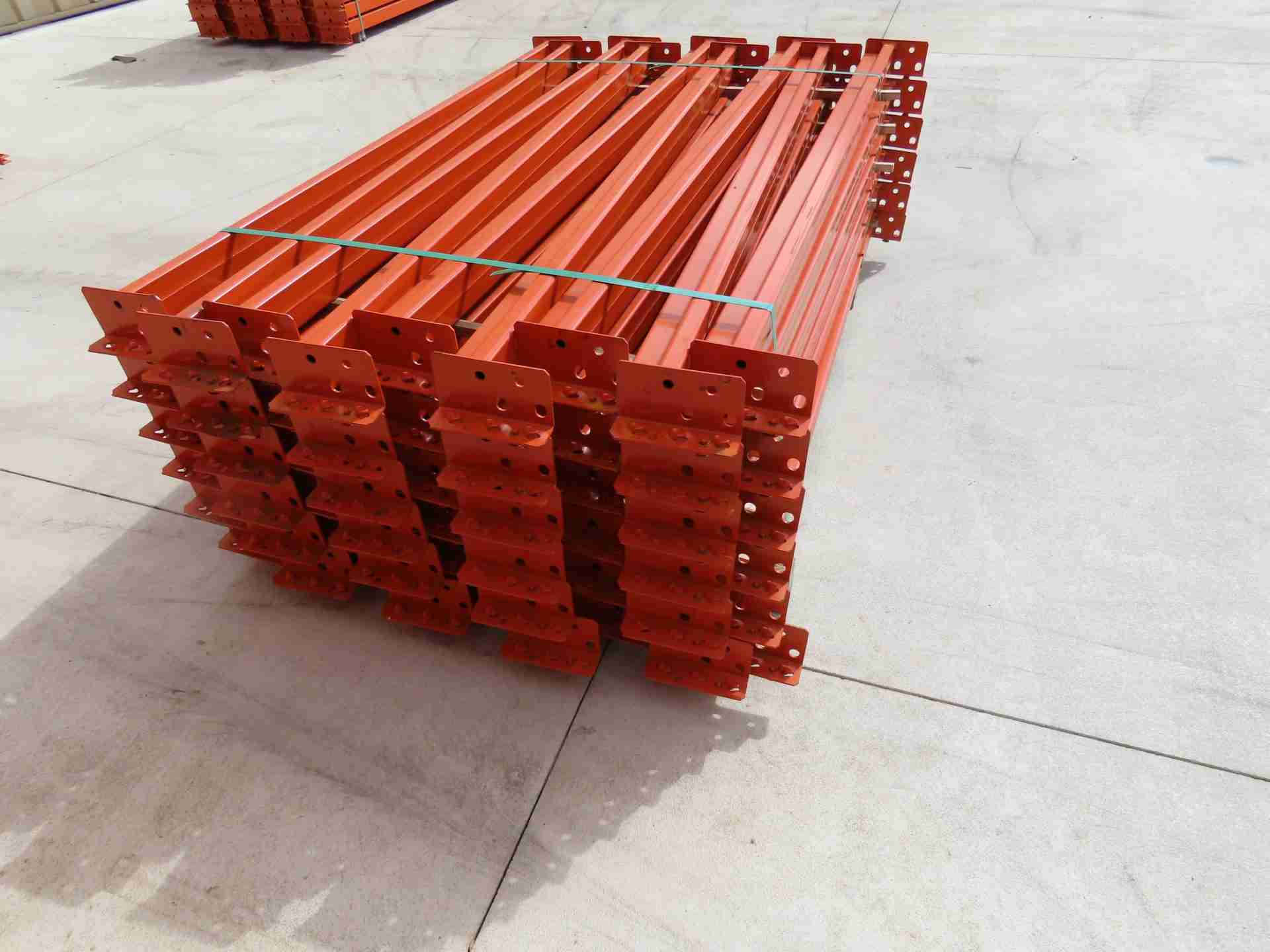
Is There Adequate Signage To Guide Workers Around The Racking System?
Conclusion
Conclusion: Prioritize Warehouse Safety for Your Workforce’s Well-being and Your Bottom Line
In the bustling world of warehousing, efficiency and safety are two pillars that support the success of your operations. As highlighted throughout this article, the integrity of your pallet racking system is not just a matter of convenience—it’s a safeguard for your most valuable asset: your employees. By asking critical questions about the safety and compliance of your racking systems, you open the door to enhancing both workplace morale and operational productivity. Are you confident that your racking system is properly maintained, regularly inspected, and compliant with safety standards?
It’s easy to overlook the subtle signs of wear and tear, but neglecting your racking infrastructure can lead to catastrophic consequences that ripple through your organization—from financial repercussions to decreased employee trust. Ensure that your warehouse isn’t just a place of labor, but a thriving environment where safety is prioritized. By implementing rigorous safety measures and investing in comprehensive training programs, you not only protect your workforce but cultivate a culture of care and responsibility.
Do you have a routine in place for safety inspections? Are your workers receiving the proper training to navigate your racking systems? What about adequate signage to guide them? Each of these elements synergizes to create a robust safety net. Recognizing that your pallet racking system is not just a functional asset but a critical factor in safeguarding your operational flow is the first step towards achieving a stable and productive work environment.
The time for action is now! Don’t wait until a minor oversight spirals into a significant issue. Connect with Arrow Industrial Sales today at (574) 349-6575 for a consultation on how we can help elevate your warehouse safety standards and ensure your racking systems are optimized for performance and compliance. Every moment that passes could expose your workers to unnecessary risks. Take charge, safeguard your team, and ultimately pave the way for sustainable success.
Remember, safety measures aren’t merely regulatory requirements; they’re an investment in your business’s future. Allow us to partner with you so that your warehouse becomes a model of efficiency and safety—where growth flourishes, and your team can operate with confidence! The stakes are high, and the responsibility starts with you. Make the call today!
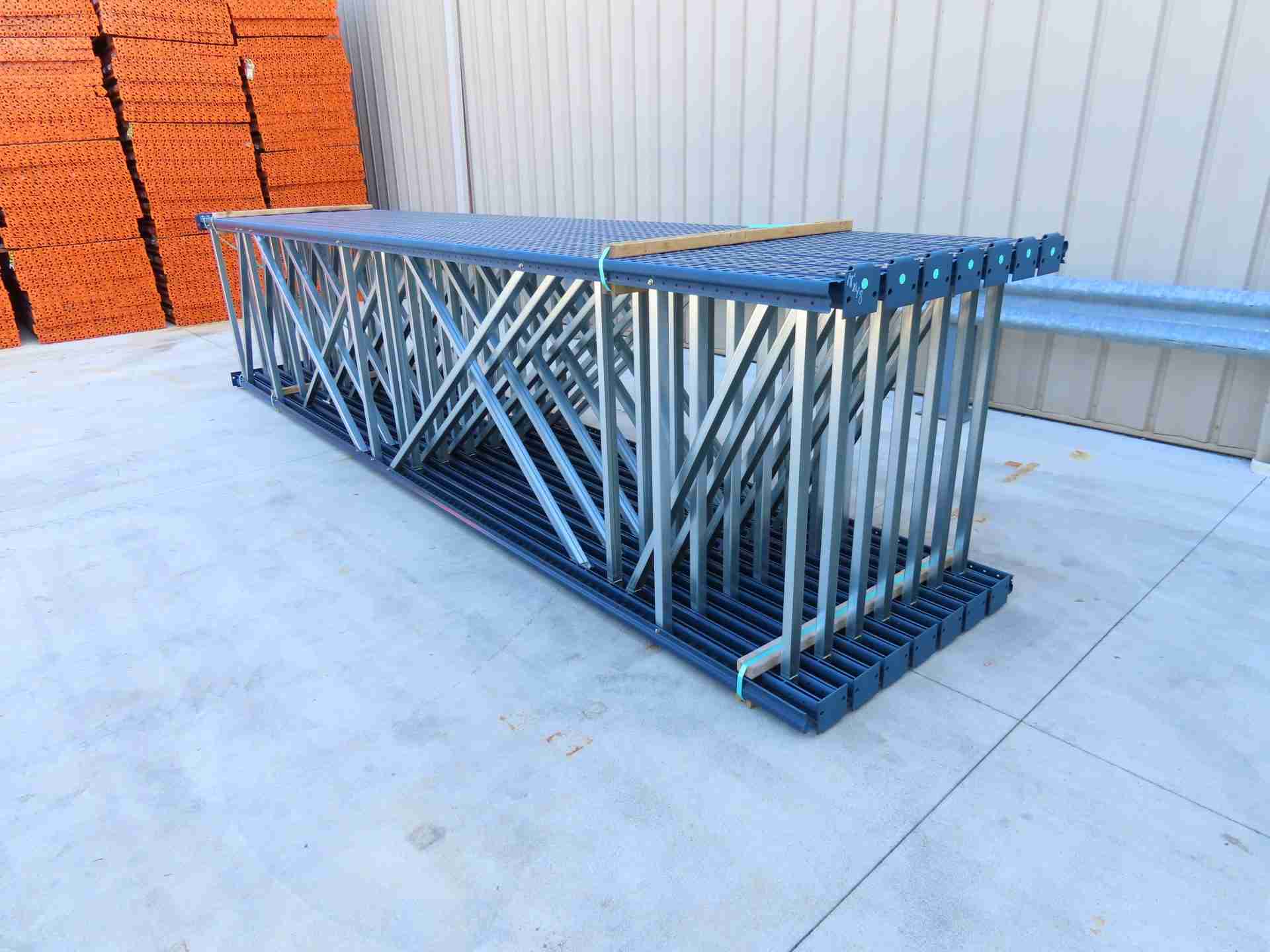
Conclusion
Conclusion:
- Prioritize warehouse safety for employee well-being and operational success.
- Ensure the integrity of pallet racking systems for employee protection.
- Conduct regular inspections and maintenance of racking systems to prevent accidents.
- Implement rigorous safety measures and comprehensive training programs for workers.
- Establish routines for safety inspections and provide clear signage for guidance.
- Recognize pallet racking systems as critical for operational flow and safety.
- Contact Arrow Industrial Sales for consultation on enhancing warehouse safety standards.
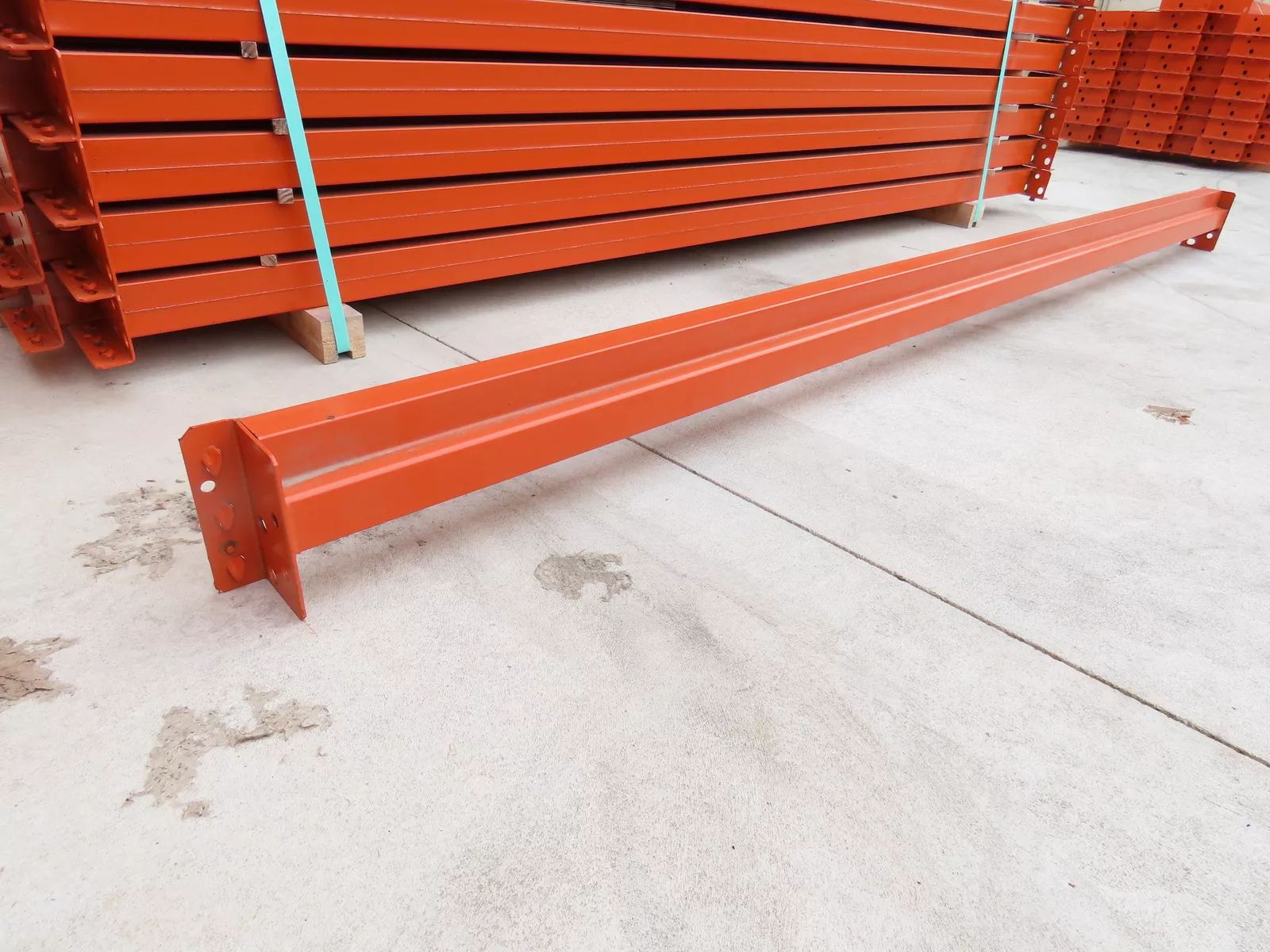
Conclusion
Other Resources

Other Resources
Here is a list of other resources you can review online to learn more:
- Selective Rack – Raymond West
- Storage Equipment Manufacturers Association
- Iowa Illinois Warehouse Racking
- Heavy-Duty Cantilever Storage Racks
- Intro to Warehouse Racks & Warehouse Racking Systems – ShipBob
- Teardrop Pallet Rack – Ridg-U-Rak
- IIWS Inc. Rack Installation Illinois & Rack Repairs Illinois
- Wolter
- Racking World
- Overhead Lifting
Use This Prompt To Get More Resources With Your Favorite Online AI Tool: Please provide me with a list of online articles with their URLs in a bulleted list that I can read regarding Is Your Warehouse Racking System Putting Workers At Risk Every Day?
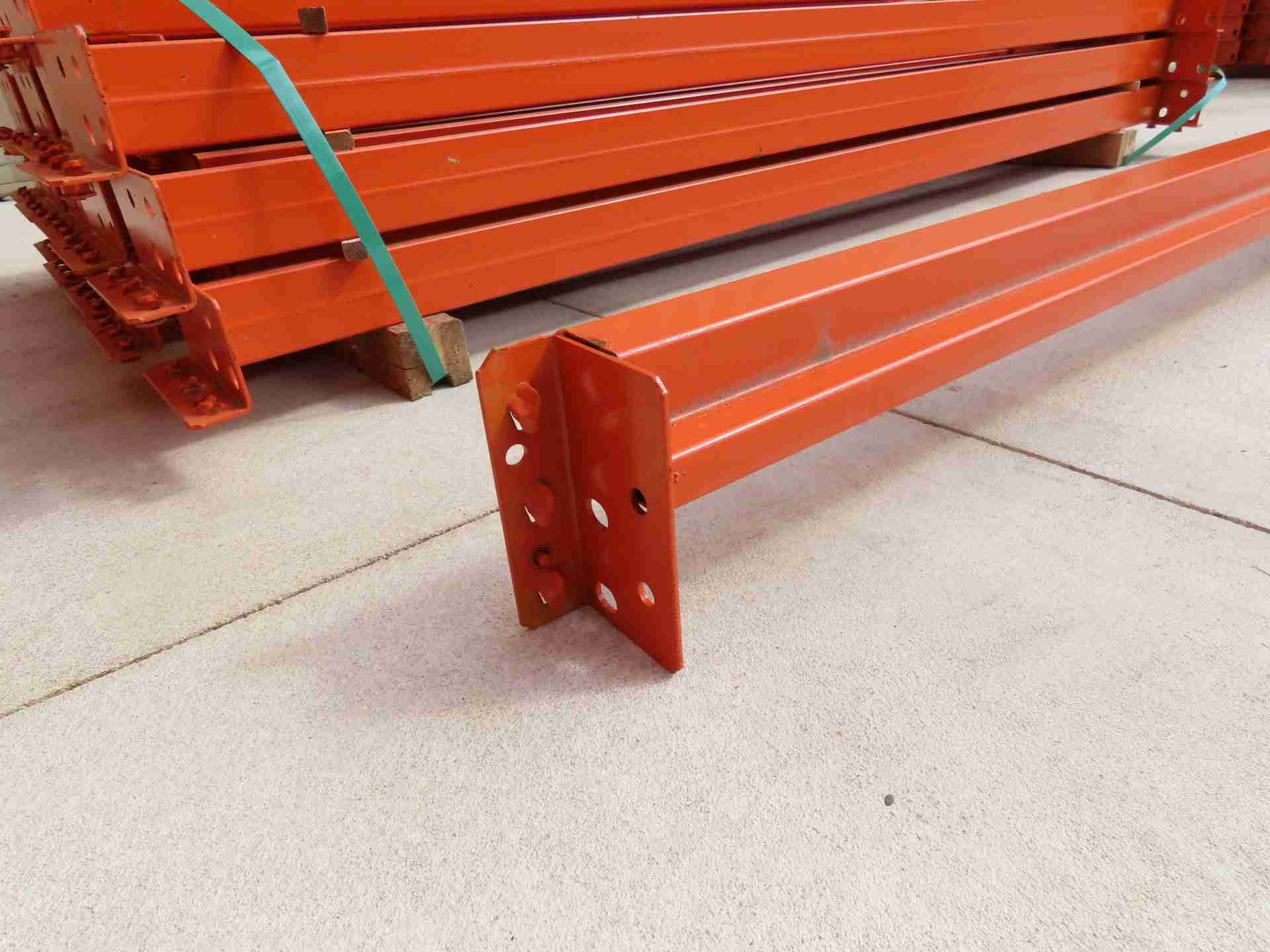
Other Resources
Glossary Terms
Is Your Warehouse Racking System Putting Workers At Risk Every Day? – Glossary Of Terms
1. Racking System: A structural framework used in warehouses to store goods and materials in an organized manner.
2. Load Capacity: The maximum weight that a racking system can safely support without risk of failure.
3. Pallets: Platforms used to support goods in a warehouse, typically made of wood, plastic, or metal.
4. Forklift: A powered industrial vehicle used to lift and move materials and goods around a warehouse.
5. Aisle Width: The space between racking systems that allows safe navigation for forklifts and personnel.
6. Beam: A horizontal structural member of a racking system that supports the weight of stored items.
7. Upright: The vertical post of a racking system that provides structural support for the beams.
8. Cross-bracing: Diagonal supports that increase the stability of racking systems and prevent lateral movement.
9. Overloading: Exceeding the load capacity of a racking system, which can lead to structural failure and safety hazards.
10. Shimming: The process of adding thin wedges under racking legs to level the system and improve stability.
11. Inspection: Regular checks to assess the condition and safety of racking systems to prevent accidents.
12. Workplace Safety: The policies and procedures in place to ensure the health and well-being of employees in a warehouse environment.
13. Safety Regulations: Legal requirements established to ensure racking systems meet safety standards and protect workers.
14. Personal Protective Equipment (PPE): Gear such as helmets, gloves, and safety shoes used by workers to minimize risks in the workplace.
15. Aisle Blocking: The obstruction of walkway spaces between racking systems, which can pose safety hazards during operations.
16. Material Handling: The movement, protection, storage, and control of materials and products throughout the manufacturing, warehousing, distribution, consumption, and disposal stages.
17. Whip Effect: A phenomenon that occurs when improperly loaded goods sway or fall, posing a risk to workers nearby.
18. Warehouse Layout: The design and arrangement of racking systems, aisles, and areas for efficient operations and safety compliance.
19. Driver Training: Instruction provided to forklift operators to ensure safe and effective use of equipment in the warehouse.
20. Incident Reporting: The process of documenting accidents or near-misses to improve safety practices and prevent future occurrences.
21. Dynamic Load: A load applied to a racking system that changes over time, such as during loading or unloading operations.
22. Static Load: A load that remains stationary on a racking system and does not change over time.
23. Ergonomics: The study of how to arrange tasks, workspaces, and equipment to promote efficiency and reduce injury risks.
24. Falling Hazards: Risks associated with items falling from shelves or racks, potentially injuring workers or damaging products.
25. Weight Distribution: The manner in which weight is allocated across racking systems to maintain balance and stability.
26. Storage Density: The amount of storage capacity available in a warehouse relative to its physical space. High density can increase risks if not managed safely.
27. Rack Bracing: Reinforcements added to racking systems to enhance lateral stability and prevent tipping during seismic events or heavy loading.
28. Safety Signage: Visual alerts placed throughout a warehouse to remind workers of safety practices and potential hazards.
29. Compliance Audit: An evaluation of warehouse practices and racking systems to ensure adherence to safety regulations and standards.
30. Fastening Hardware: Bolts, nuts, and other devices used to secure racking systems and ensure their integrity under load.
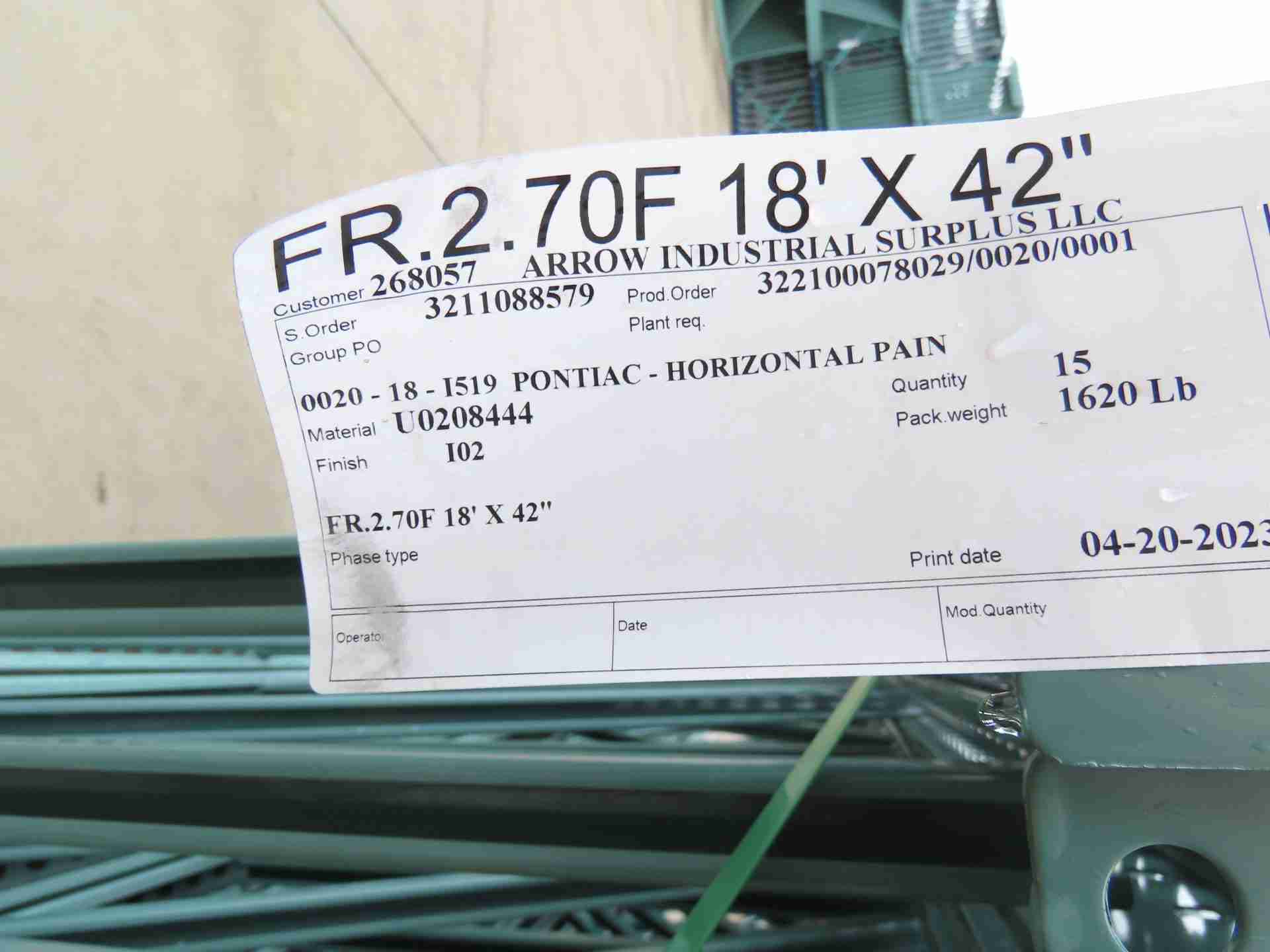
Glossary Of Terms
Other Questions
Is Your Warehouse Racking System Putting Workers At Risk Every Day? – Other Questions
If you wish to explore and discover more, consider looking for answers to these questions:
- What are the common signs of wear and tear in pallet racking systems?
- How can I train my employees on proper pallet racking safety and usage?
- What safety regulations should a pallet racking system comply with?
- How often should safety inspections be conducted on pallet racking systems?
- What materials are best for pallet racking to ensure maximum stability?
- How do I know if my pallet racking system is overloaded?
- What should I do in case of a pallet racking system failure?
- Are there specific tools or devices that help in maintaining pallet racking systems?
- What preventative measures can be taken to avoid rust on pallet racking?
- How can I make safety signage more effective in my warehouse?
- What are the financial implications of not maintaining a safe racking system?
Other Questions
Checklist
Is Your Warehouse Racking System Putting Workers At Risk Every Day? – A Checklist
Checklist: 5 Critical Safety Measures Every Warehouse Racking System Needs
Use this checklist to ensure your warehouse racking system is safe, compliant, and efficient for your employees:
1. Regular Safety Inspections
_____ Schedule routine inspections of your racking systems (e. g. , monthly or quarterly).
_____ Check for signs of wear, stress points, and potential hazards.
_____ Document inspection findings and address any issues promptly.
2. Compliance with Safety Regulations
_____ Confirm that your racking system meets all legal safety requirements.
_____ Utilize appropriate materials and configurations as recommended by experts.
_____ Review insurance policies to ensure compliance benefits (e. g. , lower premiums).
3. Stability Assessment
_____ Evaluate the stability of your racks to prevent tipping—consider load capacities and weight distribution.
_____ Implement methods to secure loads during seasonal peaks or high-volume periods.
_____ Consult with a professional to assess the design and layout of your racking system.
4. Comprehensive Worker Training
_____ Develop and implement a training program specifically for pallet racking usage.
_____ Provide hands-on training covering load capacities and safe maneuvering techniques.
_____ Schedule ongoing training and refreshers, including advanced training opportunities.
5. Clear and Effective Signage
_____ Conduct a signage audit to identify areas lacking clear instructions or labels.
_____ Install bold, visible signs indicating stock locations, weight limits, and pathways.
_____ Ensure signage is regularly updated and maintained for clarity and relevance.
Additional Considerations
_____ Check for any signs of rust or structural wear and address them promptly.
_____ Foster an open environment where employees can report safety concerns without hesitation.
_____ Prioritize safety and compliance as an integral part of your business strategy, contributing to a culture of care and productivity.
*Implement this checklist to create a safer and more efficient workplace for your employees!*
Checklist
At RackingWorld, we help guide you through selecting warehouse storage systems and racking.
Be sure to read our other related stories at RackingWorld to learn more about warehouse storage systems.
0 Comments