
Maximize Your Warehouse Space With These Layout Tips
By Tom Seest
At RackingWorld, we help guide you through selecting warehouse storage systems and racking.
Be sure to read our other related stories at RackingWorld to learn more about warehouse storage systems.
Is Your Warehouse Layout Underperforming In Storage Capacity?
Picture this: you’re standing at the entrance of your warehouse, surveying rows and rows of pallet racking. Yet, as you scan the space, a nagging feeling creeps in. Is it really as efficient as it could be? Is every inch being utilized to its full potential? If you’ve felt that doubt at any point, you’re not alone. Many warehouse managers find themselves grappling with the same concerns, haunted by the realization that underperforming layouts can lead to lost revenue and wasted effort.
But don’t despair. Knowing there’s a problem is the first step toward a solution. Just like a cluttered desk can stifle creativity, a poorly planned layout can stifle productivity and compress your storage capacity. Inefficient use of pallet racking not only eats into valuable floor space but also creates obstacles for your team, slowing down order fulfillment and eating away at profit margins.
So, what can you do? Picture a world where your warehouse layout allows for optimal flow, where every single pallet racking unit is in the perfect position to facilitate movement and access. Imagine a workspace that not only meets but exceeds your operational needs, allowing you to keep pace with the ever-increasing demands of the market. It’s not just a dream—it can be your reality!
Revisiting your warehouse design doesn’t have to be a daunting process filled with confusion or overwhelming data. Start with a simple observation: Where does congestion occur during peak hours? Are certain racks consistently unvisited while others are bombarded? These observations are your roadmap to transforming underperformance into a seamless, effective layout.
Consult experts who specialize in warehouse optimization; they’re armed with solutions that can dramatically boost your storage capacity while increasing accuracy and speed. Lean on their expertise to pinpoint missed opportunities—after all, the stronger your layout, the stronger your business.
And don’t forget: a refreshed approach to your storage capacity not only supports your team but also sends a powerful message to clients. You’re serious about efficiency, and it shows.
So why linger in a state of underperformance when a simple tweak could launch your warehouse efficiency to new heights? Trust yourself; trust the process. Take that first step toward a layout that works as hard as you do. You’ll be amazed at how much more you can achieve!
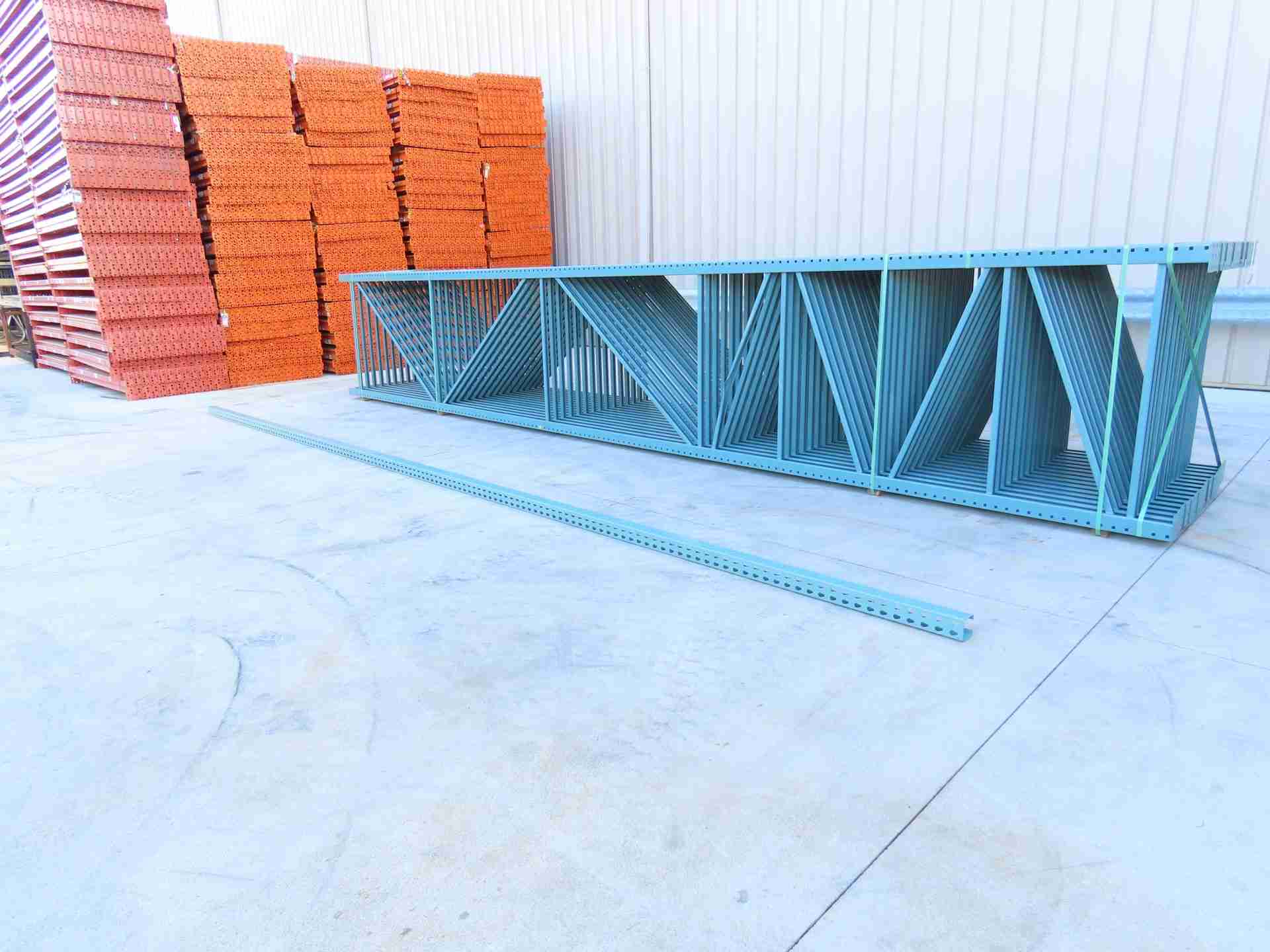
Is Your Warehouse Layout Underperforming In Storage Capacity?
Is Your Warehouse Layout Underperforming In Storage Capacity?
- Many warehouse managers share concerns about the efficiency of their layouts, fearing lost revenue and wasted effort.
- A poorly planned warehouse layout can stifle productivity and compress storage capacity, hindering order fulfillment.
- Visualizing an optimized layout can open the door to improved movement, access, and operational needs fulfillment.
- Observing congestion patterns during peak hours can help identify underperforming areas and guide layout improvements.
- Consulting experts in warehouse optimization can enhance storage capacity and boost accuracy and speed.
- A renewed focus on storage capacity demonstrates commitment to efficiency, enhancing your business’s reputation.
- Taking proactive steps toward a more effective layout can lead to significant improvements in overall warehouse performance.
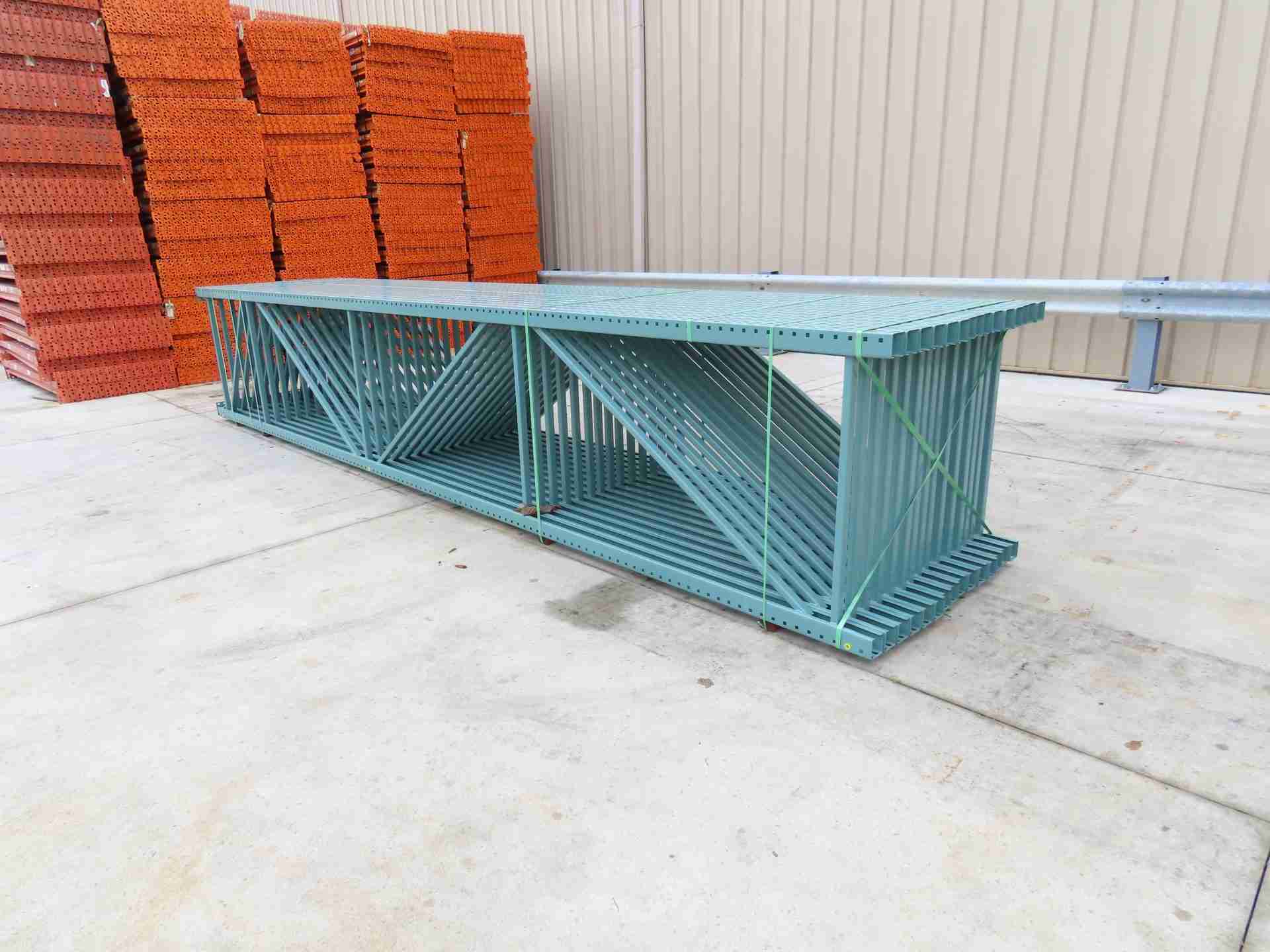
Is Your Warehouse Layout Underperforming In Storage Capacity?
Table Of Contents
- Is Your Warehouse Layout Underperforming In Storage Capacity?
- Is Your Current Warehouse Layout Maximizing Storage Space?
- Are Your Aisles Too Wide, Preventing Proper Storage?
- Is Inventory Turnover Impacting Your Storage Efficiency?
- Are Your Shelving Units Suitable For Your Product Sizes?
- Is Your Layout Supporting Easy Access To Frequently Used Items?
- Are You Utilizing Vertical Space Effectively In Your Warehouse?
- Conclusion
- Other Resources
- Glossary Of Terms
- Other Questions
- Checklist
Is Your Current Warehouse Layout Maximizing Storage Space?
Imagine walking into your warehouse and feeling an immediate sense of clarity, purpose, and efficiency. Now, pause for a moment and ask yourself: is that your reality? Many business owners find themselves caught in the chaos—pallet racking blocked by underutilized aisles, boxes stacked haphazardly, and inefficiencies lurking around every corner. But trust me, it doesn’t have to be that way!
Consider the impact of a well-thought-out layout designed to maximize your storage space. When every inch is strategically used, you’re not just improving operations; you’re setting the stage for accelerated growth. Picture your pallet racking system—instead of being the labyrinth that it is today, it could morph into an organized grid optimizing every square foot. This allows you to store more while enhancing accessibility, which means your team can work smarter, not harder.
But let’s take a step back. What if you’re skeptical? It’s normal to feel that way, especially when you’ve been running things one way for so long. However, think of the cumulative effects of a poorly designed space: wasted time searching for products, unnecessary labor costs, and a draining frustration lingering as you watch your competitors leap ahead. Every minute you spend in disarray is an opportunity cost you can’t afford to ignore!
Allow me to share a little secret: embracing innovative storage solutions doesn’t just bring order to the chaos; it pays off in real-world returns. Properly implemented pallet racking can double or even triple your storage capacity, reducing overhead costs and boosting productivity. Imagine how that would change the game for your team—no more running in circles, and instead, a streamlined process that flows naturally.
You don’t need to revamp everything overnight, but taking small, intentional steps toward optimizing your layout can lead to transformative results. Start with a comprehensive assessment of your current setup. Identify pain points and visual bottlenecks. Challenge the status quo. Tap into the potential trapped within your warehouse walls.
The road to a more efficient storage space is paved with trust and action. Let’s work together to ensure your warehouse not only meets today’s needs but is also primed for the future. After all, every square inch counts, and your success is waiting just around the corner!
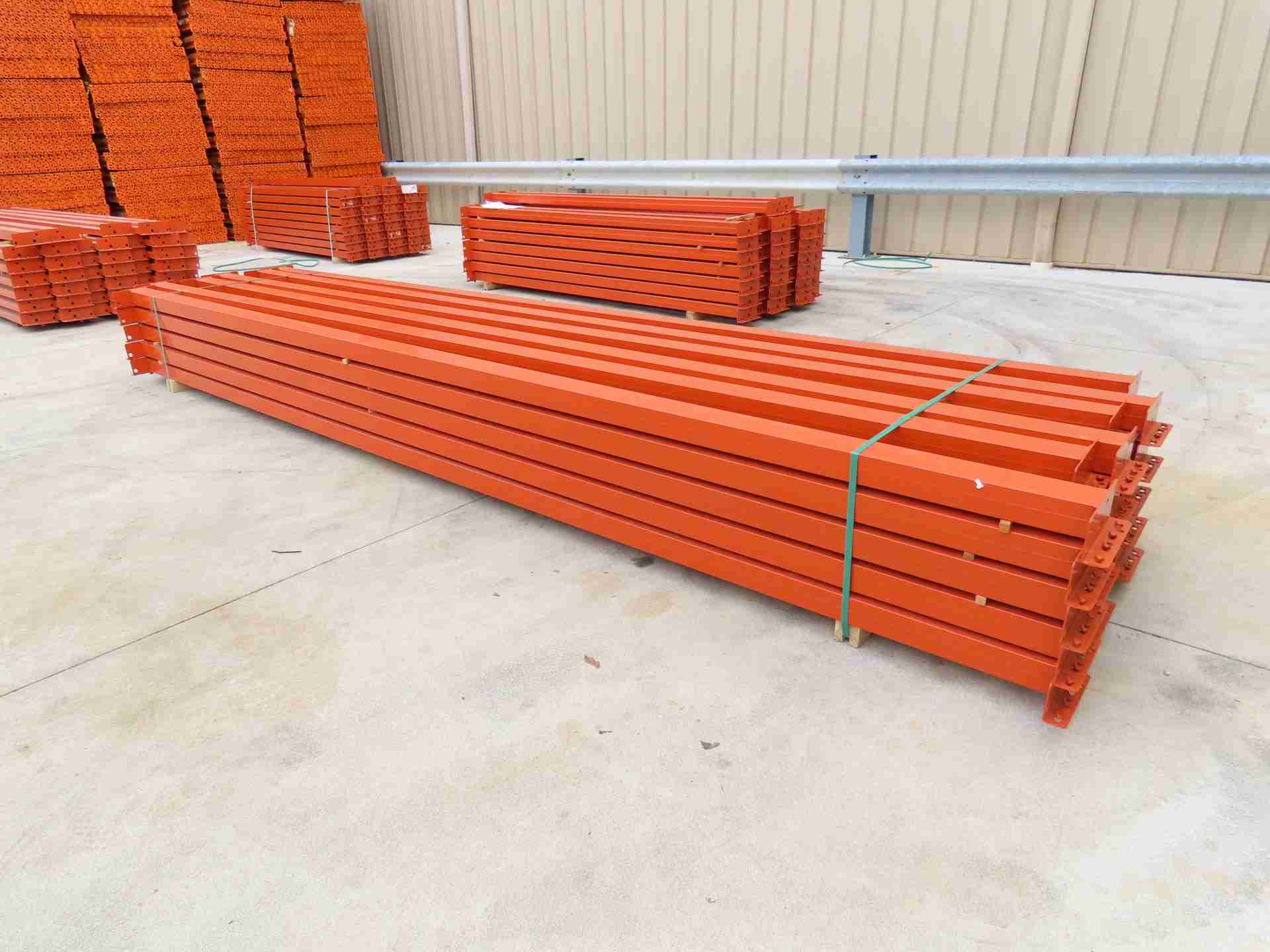
Is Your Current Warehouse Layout Maximizing Storage Space?
Is Your Current Warehouse Layout Maximizing Storage Space?
- Many business owners experience chaos in their warehouses due to underutilized aisles and inefficient layouts.
- A well-thought-out warehouse layout can maximize storage space and enhance operational efficiency.
- Optimizing pallet racking can lead to improved accessibility, allowing teams to work smarter.
- Poorly designed spaces can result in wasted time, unnecessary labor costs, and frustration that hinders growth.
- Innovative storage solutions can significantly increase storage capacity, reducing overhead costs and boosting productivity.
- Transformative results can be achieved by taking small, intentional steps to optimize your layout.
- Collaborative efforts can ensure that your warehouse meets current needs and is prepared for future growth.
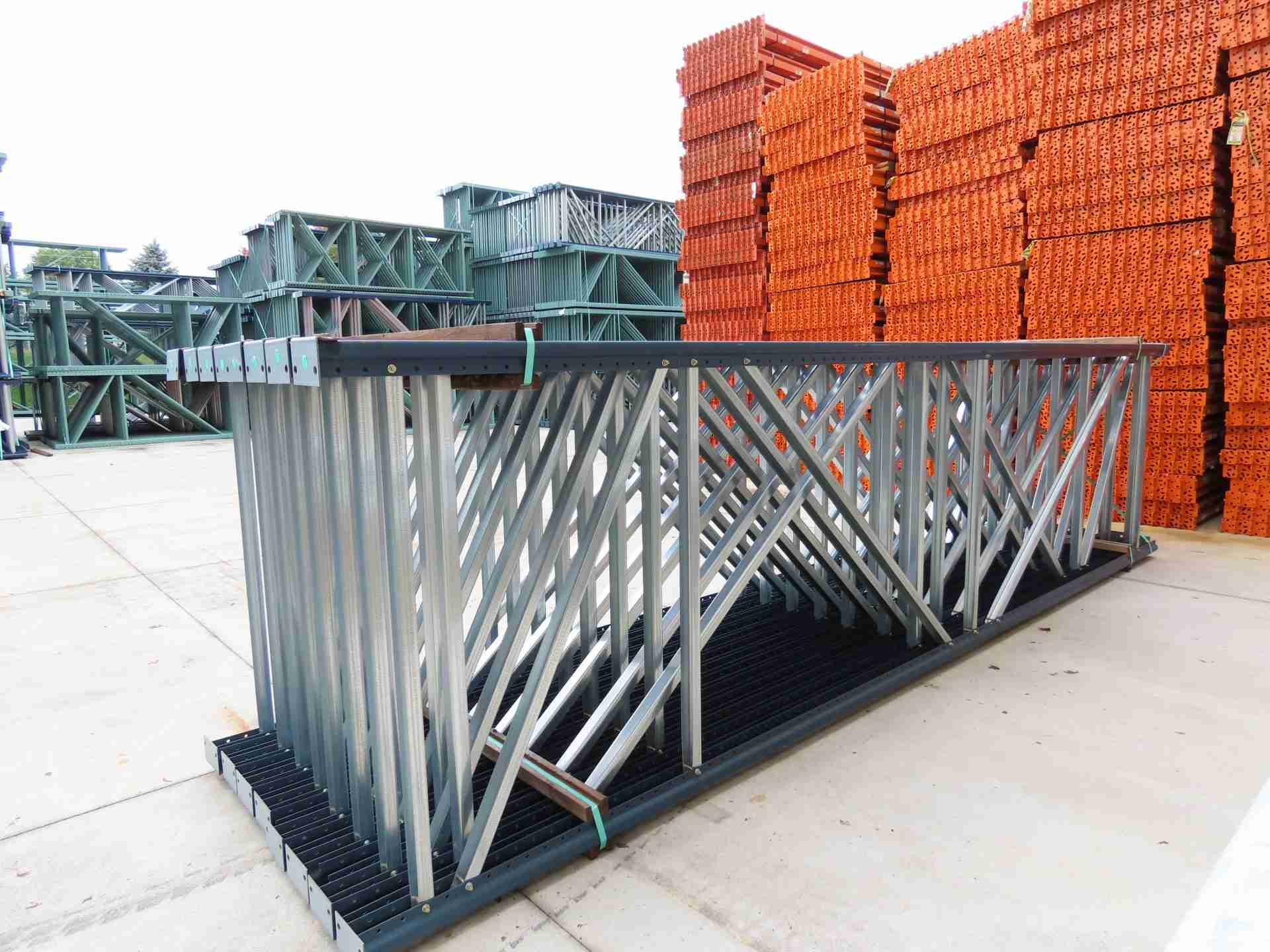
Is Your Current Warehouse Layout Maximizing Storage Space?
Are Your Aisles Too Wide, Preventing Proper Storage?
Picture this: you walk into your warehouse, and the sheer emptiness of wide aisles greets you like an old friend. But beneath that familiar facade lies a hidden truth: those generous pathways are draining your storage potential. It’s time to re-evaluate. Are you falling prey to the common misconception that wider aisles mean better efficiency? They might feel spacious, but they could also be costing you valuable floor space and severely impacting your bottom line.
In the modern world of logistics, every square inch counts. If your aisles are too wide, you might be missing a golden opportunity to optimize your storage with pallet racking solutions designed to maximize vertical space and streamline inventory management. Imagine fitting in more inventory without expanding your footprint. By adopting a more strategic approach to aisle width, you can dramatically increase your storage capacity. This isn’t just a pipe dream; it’s a reality grounded in smart planning and efficient design.
You may ask yourself, “But what if I need room for my machinery and teams to move freely?” It’s a fair question. However, finding the sweet spot between operational efficiency and accessibility is essential. Consider this: having just the right width for your aisles not only improves the functionality of your pallet racking systems but also enhances employee productivity and safety. Your team can navigate with ease, ensuring both speed and efficiency in fulfilling orders.
Don’t let the allure of wide aisles fool you. Instead, ask, “How much more could I store? How can I optimize my existing space?” By reassessing your current layout, you could redefine your approach to shelving, storage, and workflow. It’s not just about filling every corner; it’s about creating a tailored environment that speaks to your operational needs.
Embracing a smarter layout is a form of empowerment. So, why not take that leap today? Start by evaluating your current aisles, and give yourself permission to think differently about your pallet racking setup. You are not just rearranging boxes; you are paving the way for growth and efficiency.
Don’t wait for the competition to catch on—be the leader in your industry. Optimize your space, maximize your profits, and watch your storage solution transform from a mere necessity into an asset that drives your business forward. The time for change is now; let’s make those aisles work for you!
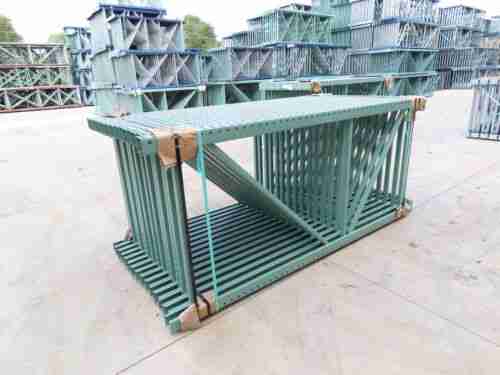
Are Your Aisles Too Wide, Preventing Proper Storage?
Are Your Aisles Too Wide, Preventing Proper Storage?
- Wide aisles in warehouses may seem welcoming but can negatively impact storage potential.
- Underutilized space can hinder efficiency and affect the bottom line.
- Optimizing aisle width can maximize storage capacity through effective pallet racking solutions.
- Finding a balance between operational efficiency and accessibility is crucial.
- The right aisle width enhances employee productivity and safety during order fulfillment.
- Reassessing your layout allows for a tailored environment that meets operational needs.
- Act now to optimize space, increase profits, and transform storage into a key business asset.

Are Your Aisles Too Wide, Preventing Proper Storage?
Is Inventory Turnover Impacting Your Storage Efficiency?
Imagine stepping into your warehouse and seeing organized rows of products neatly nestled on pallet racking, each item easy to locate and grab. Now, contrast that with the chaotic scene of disorganized shelves, boxes scattered everywhere, and an endless hunt for products that seem to vanish into thin air. The difference? Inventory turnover—and its profound impact on your storage efficiency.
At the heart of every streamlined operation lies an understanding of how quickly you’re moving your products. High inventory turnover means you’re not just keeping your shelves stocked; it illustrates a thriving business model where you’re catering effectively to customer demands. This concept goes beyond merely counting products; it’s about creating a rhythm, a flow, that enhances your entire business ecosystem.
When inventory turnover is low, it’s not just a number—it’s a red flag. You might find yourself wrestling with excess inventory, leading to higher storage costs and the inefficiencies of stale products consuming valuable space. It’s the kind of scenario that shrinks your profit margins and boosts frustration levels. After all, nobody enjoys the burden of handling products that aren’t moving. Herein lies the call to action: reevaluate your approach, fine-tune your inventory strategy, and watch your storage efficiency soar.
Your pallet racking system can be a beautiful ally in this transformation. A well-thought-out pallet racking design not only maximizes space but also enhances accessibility, enabling quicker turnovers. Just think about it: how can you boost your inventory turnover ratio if your products are tucked away like secrets in a vault? Use your racking systems strategically—implementing good organization practices will help you reduce the time spent retrieving goods, leading straight to improved turnover rates.
Trust transforms businesses. It grows when you can confidently say your storage is optimized for speed and efficiency. By embracing solid inventory practices and aligning them with a smart racking solution, you set the stage for better performance.
So, roll up your sleeves. Take a long, honest look at your inventory turnover. Are you letting stale stock hold you back? Or are you ready to unleash the full potential of your storage space with effective pallet racking solutions? The path forward is clear. Optimize your inventory, boost that turnover, and watch as your storage efficiency skyrockets—transforming not just your warehousing, but your entire business.
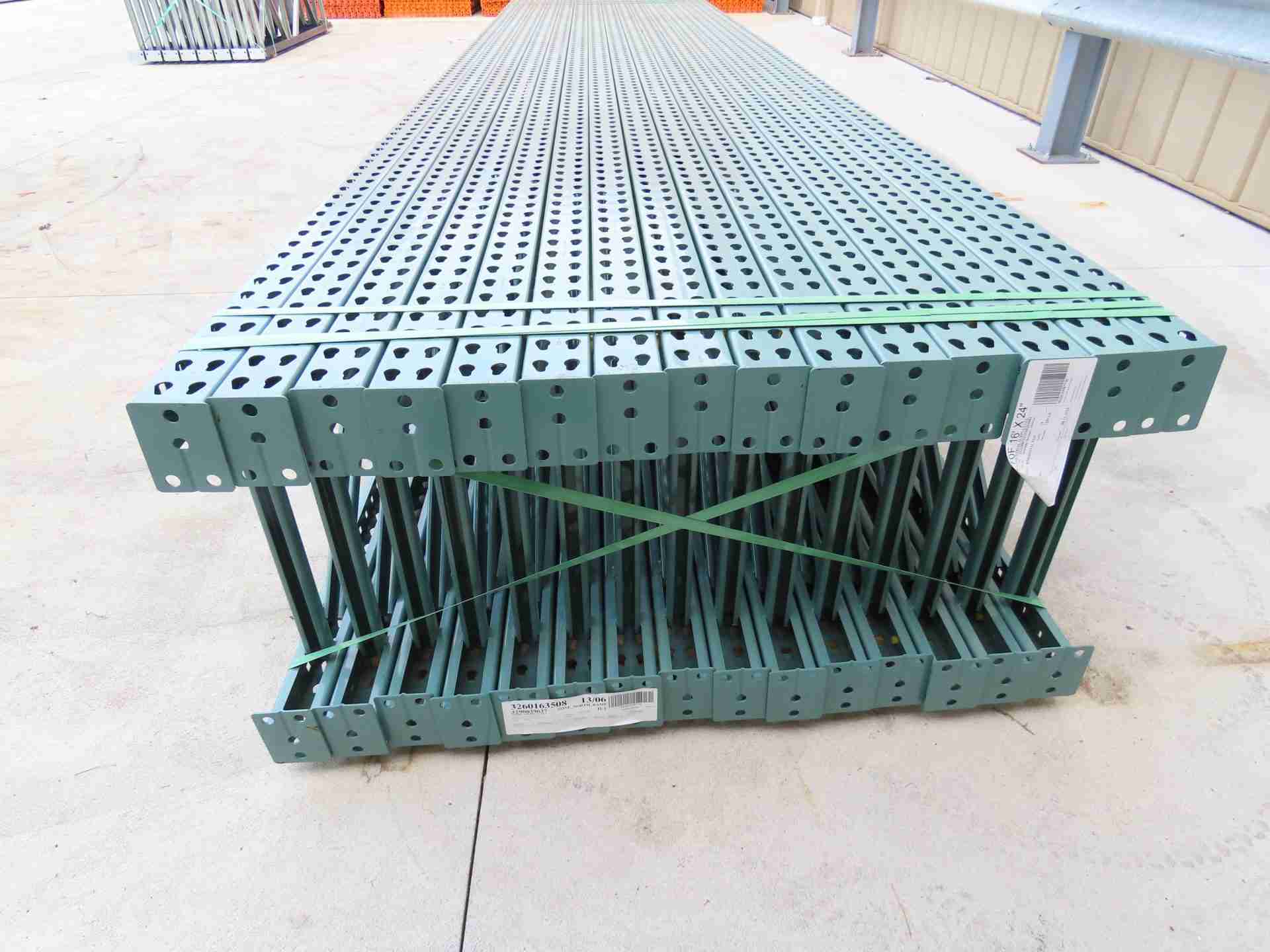
Is Inventory Turnover Impacting Your Storage Efficiency?
Is Inventory Turnover Impacting Your Storage Efficiency?
- Organized warehouse layouts enhance product accessibility and retrieval.
- High inventory turnover indicates a thriving business, effectively meeting customer demands.
- Low inventory turnover signals excess stock, increasing storage costs and reducing profit margins.
- Efficient pallet racking systems maximize space and enhance product accessibility.
- Good organization practices reduce retrieval time and improve turnover rates.
- Trust and confidence grow with optimized storage solutions aligned with inventory practices.
- Optimize inventory and implement effective racking solutions to boost overall storage efficiency.
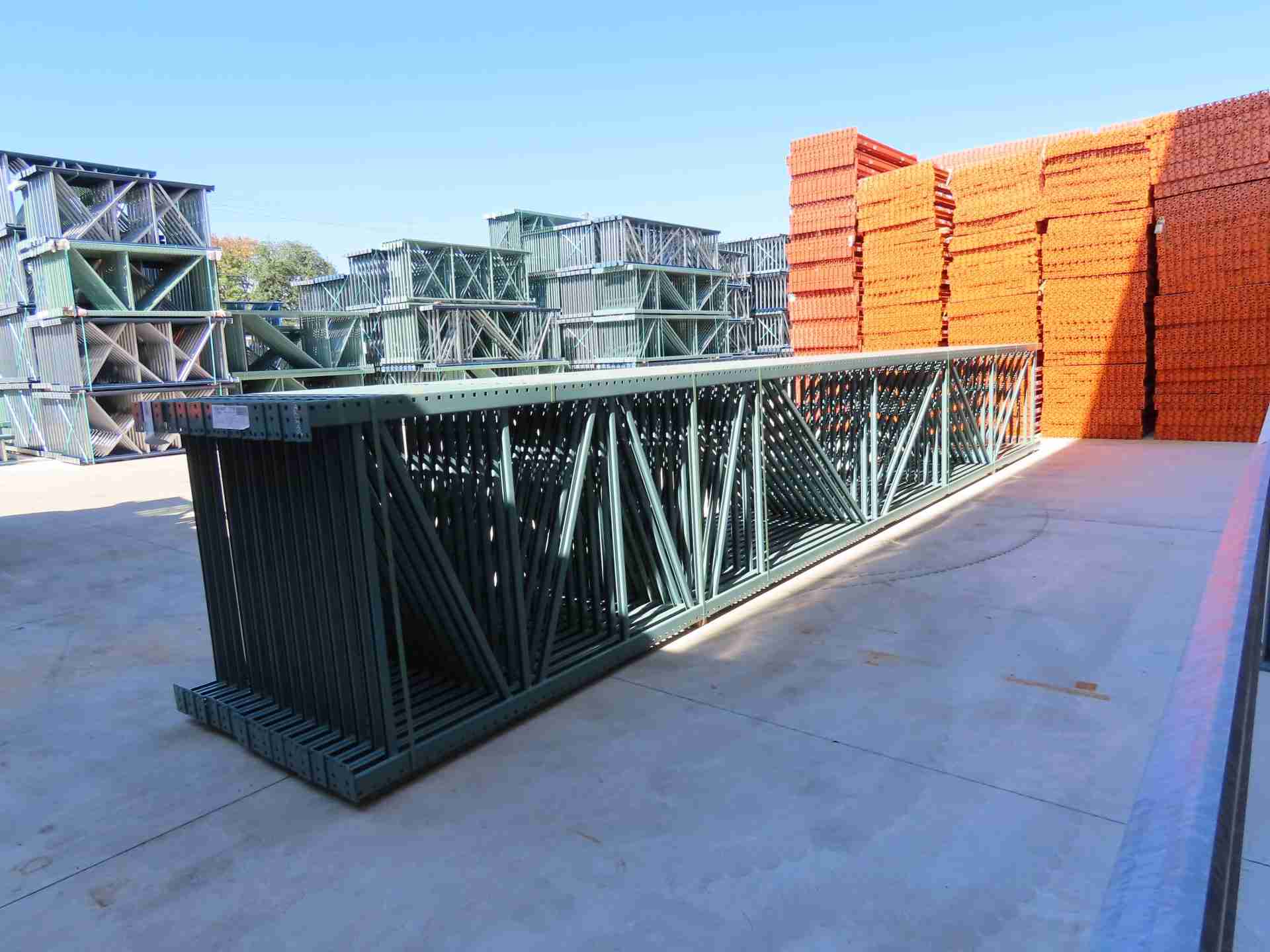
Is Inventory Turnover Impacting Your Storage Efficiency?
Are Your Shelving Units Suitable For Your Product Sizes?
When it comes to shelving units, the stakes are higher than you might realize. They aren’t just pieces of furniture—they are pivotal elements that can make or break your warehouse efficiency and your profitability. If you’re still relying on traditional shelving without considering your product sizes, it’s time to reassess your strategy. Imagine walking into your storage area and seeing a perfectly organized space, where every item has its place. That vision can turn into a reality, but you must first evaluate whether your current system truly meets your needs.
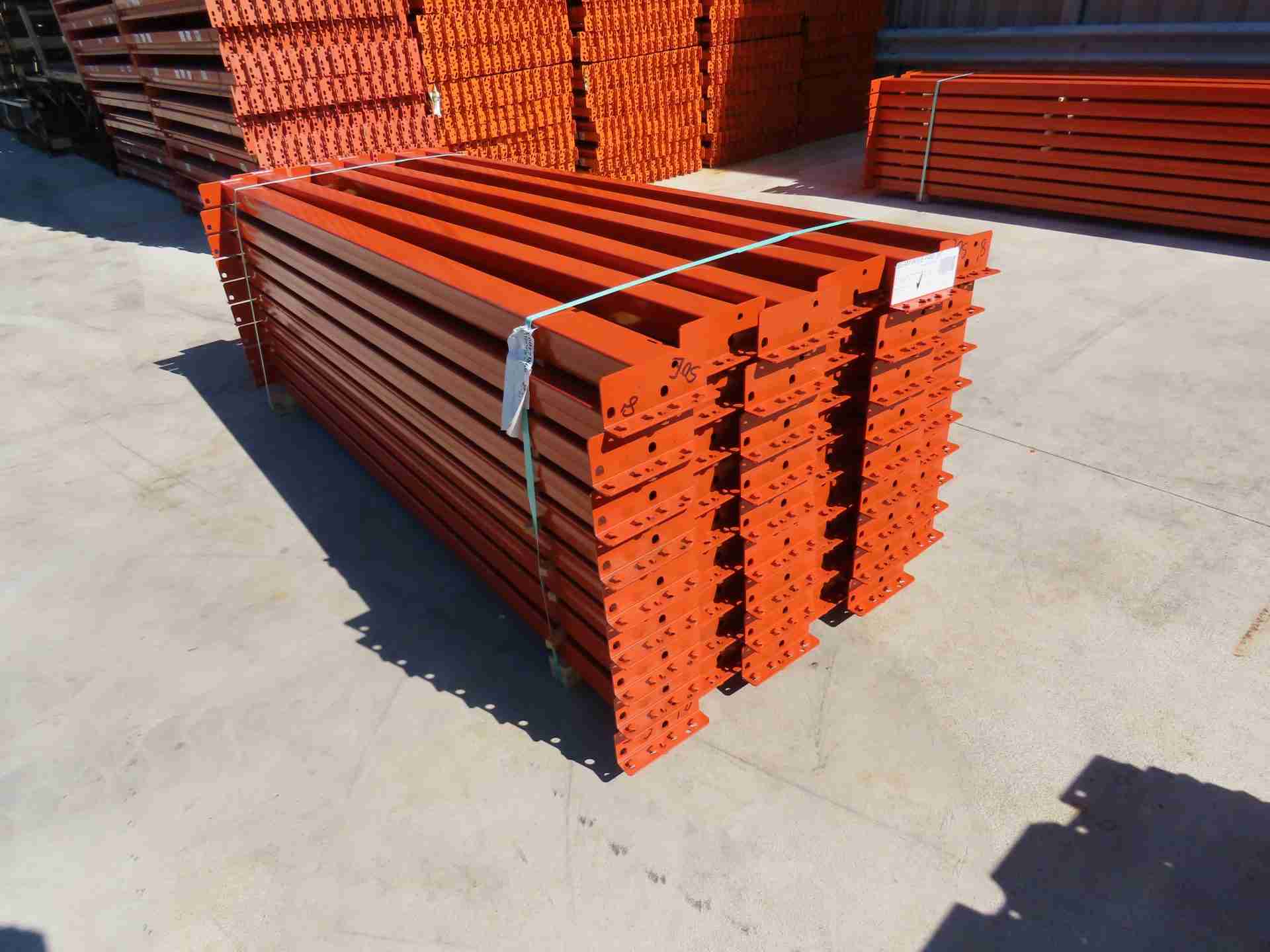
Consider your products’ dimensions and weight. If you’re dealing with bulky items, like those shipped on pallets, then standard shelving won’t cut it. This is where pallet racking comes into play. Designed specifically for high-density storage, pallet racking not only maximizes vertical space but also allows for quick access to stock. The right system can help you reduce clutter and improve your workflow. Ask yourself: Are you making the most of your shelving units to accommodate all product sizes effectively?
Moreover, let’s talk about flexibility. Business needs can change overnight, and having adjustable shelving solutions can be a game-changer. If your business expands and you introduce new products, a flexible racking system can adapt effortlessly to your requirements. Investing in the right shelving means you’re not just solving today’s problems; you’re also preparing for tomorrow’s opportunities. Imagine the peace of mind that comes from knowing your storage units can evolve alongside your business!
Now, let’s not overlook safety. Inadequate shelving units can lead to hazardous conditions, particularly when storing heavy items. By implementing robust shelving solutions such as pallet racking, you’re prioritizing the safety of your employees and your inventory. Remember, a clean and safe warehouse contributes to happier staff, lower turnover costs, and ultimately, better customer satisfaction.
So, whether you’re looking to optimize storage space, enhance safety, or simply declutter your work environment, your shelving units must align with your product sizes. Don’t wait for inefficiency to bite you—take action today. Assess your current storage solutions and see where improvements can be made. Your business’s productivity and profitability are riding on it! Embrace the power of purpose-built shelving units. Let your products shine in a storage system that works as hard as you do.
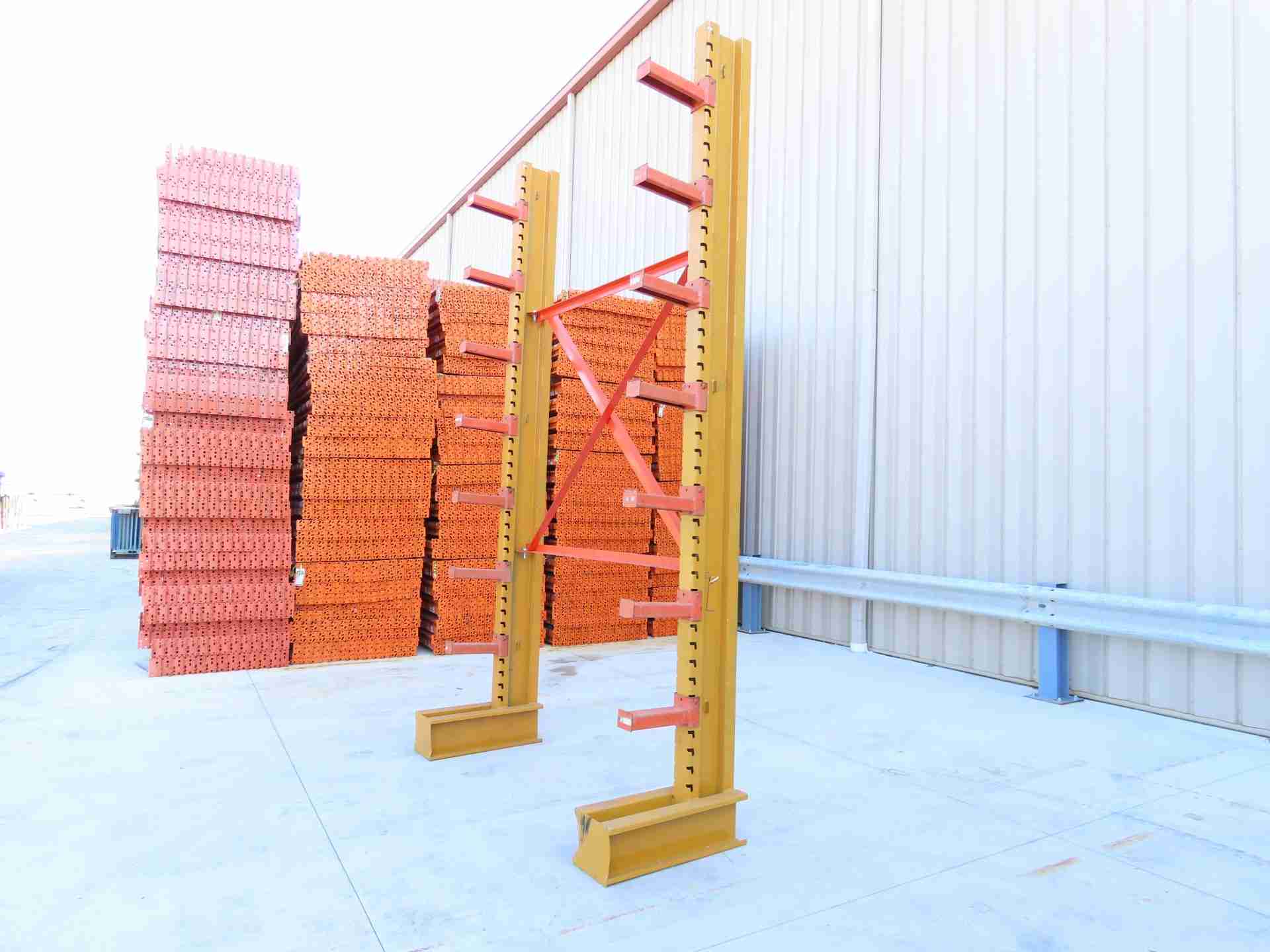
Are Your Shelving Units Suitable For Your Product Sizes?
Are Your Shelving Units Suitable For Your Product Sizes?
- Shelving units are crucial for warehouse efficiency and profitability, not just mere furniture.
- Evaluate product dimensions and weight to choose appropriate shelving; standard shelving may not suffice for bulky items.
- Pallet racking is recommended for high-density storage, maximizing vertical space and improving access to stock.
- Flexibility in shelving solutions is essential for adapting to changing business needs and product introductions.
- Investing in robust shelving systems like pallet racking enhances safety and reduces hazards, particularly with heavy items.
- Effective shelving contributes to a clean and safe warehouse environment, leading to happier employees and better customer satisfaction.
- Assess current storage solutions to ensure they align with product sizes for improved productivity and profitability.
Are Your Shelving Units Suitable For Your Product Sizes?
Is Your Layout Supporting Easy Access To Frequently Used Items?
Let’s face it: in our fast-paced world, every minute counts. You get only so many hours in the day, and the last thing you need is to waste precious time searching for essential items in your workspace. It’s not just about tidiness; it’s about efficiency. If your layout isn’t supporting easy access to frequently used items, you might as well be throwing money out the window!
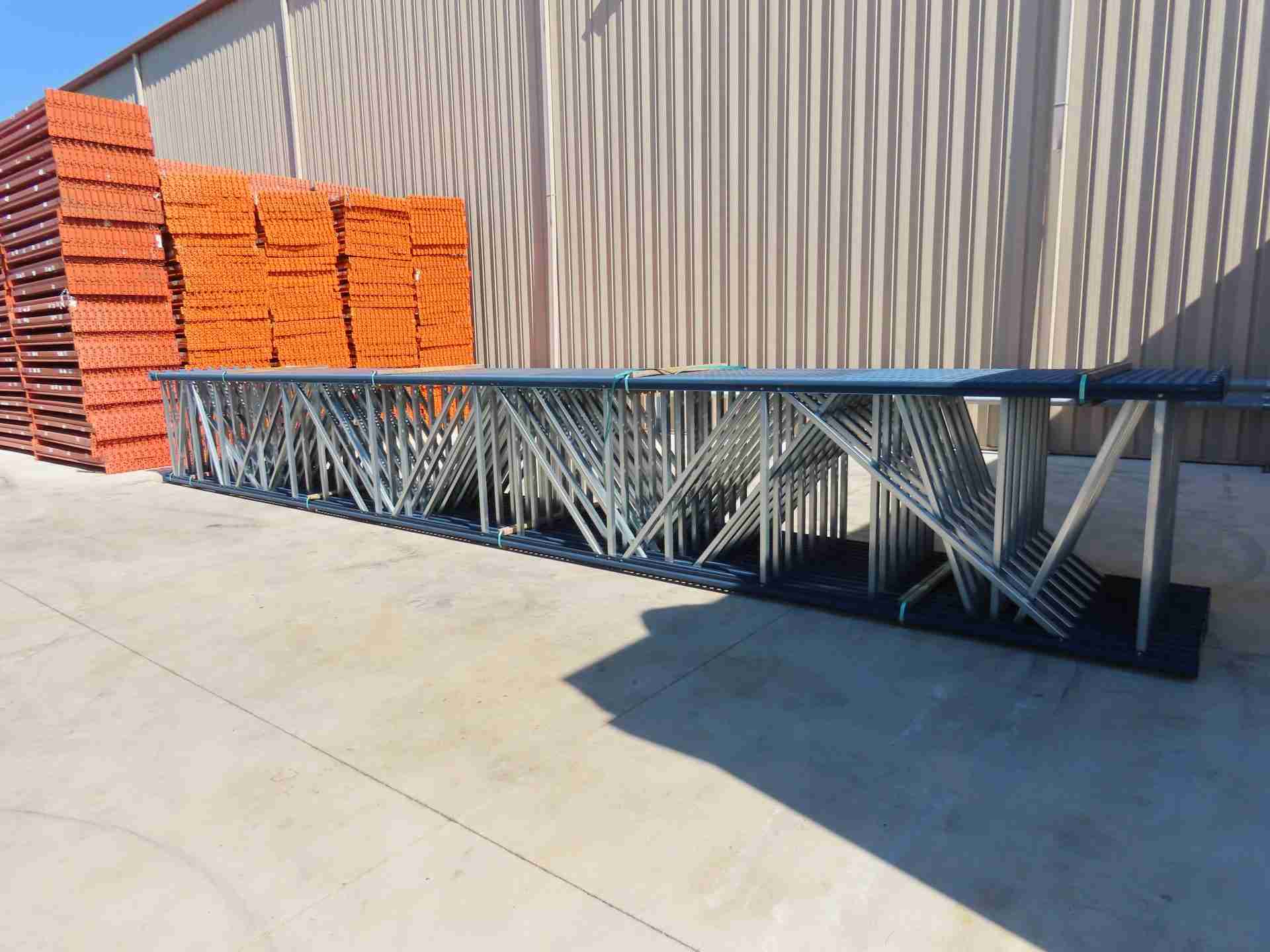
Think about your storage solutions. You may have invested in advanced pallet racking systems, but if those systems aren’t optimized for regular use, you could still be hindering your productivity. Pallet racking can be a game-changer, but only if it’s strategically arranged to keep your most-used items front and center. The key here is not just to fill the racks but to understand what items deserve prime real estate.
Picture this scenario: You walk into a warehouse brimming with shelves packed to the brim, but your most used tools and supplies are buried deep in the back. Frustrating, right? It doesn’t have to be that way. By designing a layout that prioritizes accessibility, you can eliminate those time-consuming scavenger hunts. It’s time to rethink and retool your storage layout.
Incorporating simple principles like the 80/20 rule can be transformative. Often, 20% of your items generate 80% of your usage. Identify those crucial items and ensure they are easily reachable. For example, right at eye level on your pallet racking—imagine how seamless your workflow would be without the constant interruptions of rummaging through less-used items.
Now, let’s talk about trust. A winning layout not only boosts productivity but also fosters a sense of order and professionalism. Employees feel empowered when they can find exactly what they need without hassle. It creates an environment built on confidence—an undeniable motivator.
So, are you ready to take action? Look around at your current setup. Is it working for you, or are there hidden inefficiencies lurking like cobwebs? Invest some time in strategizing your layout. It’s not just about eliminating clutter; it’s about crafting an operational masterpiece that echoes your commitment to excellence. Your workflow will thank you, and soon enough, you’ll see the tangible impacts on your bottom line. Make the move today. Your time—and your success—deserve it!
Is Your Layout Supporting Easy Access To Frequently Used Items?
Is Your Layout Supporting Easy Access To Frequently Used Items?
- In a fast-paced world, efficiency is crucial as every minute counts.
- Storage solutions should be optimized for easy access to frequently used items.
- Pallet racking can enhance productivity when strategically arranged.
- Design layouts to prioritize accessibility and reduce time spent searching for items.
- Implement the 80/20 rule to identify and prioritize essential items.
- A well-organized layout increases employee confidence and efficiency.
- Take time to reassess and optimize your workspace layout for improved performance.

Is Your Layout Supporting Easy Access To Frequently Used Items?
Are You Utilizing Vertical Space Effectively In Your Warehouse?
In the bustling world of warehouse management, space is not just a luxury; it’s a critical asset. If your warehouse feels more like a maze than an organized operation, it might be time to rethink your vertical space utilization. The truth is, many businesses overlook one of the most valuable resources at their disposal—height. If you’re not maximizing your vertical space, you could be leaving valuable money on the table.
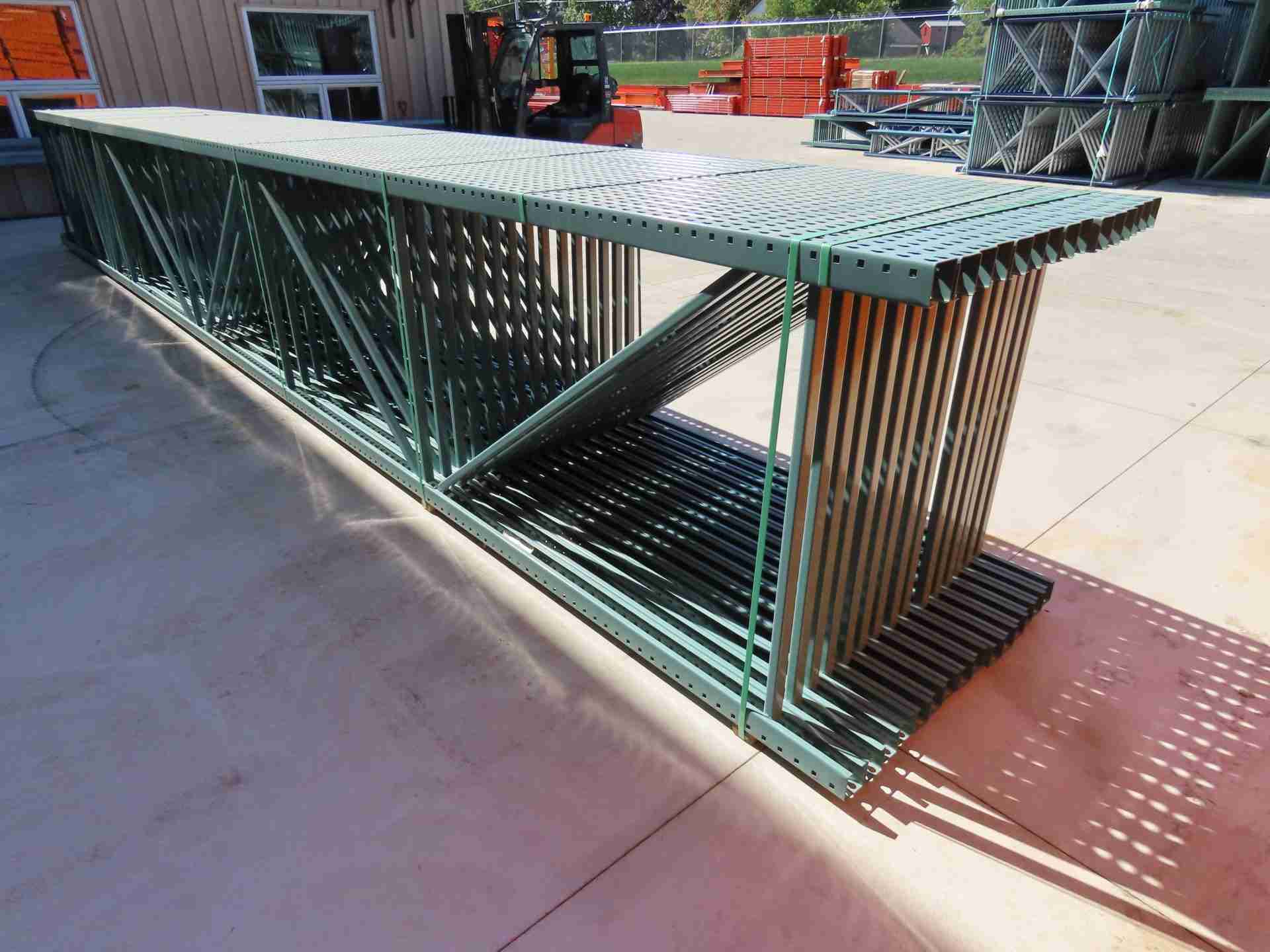
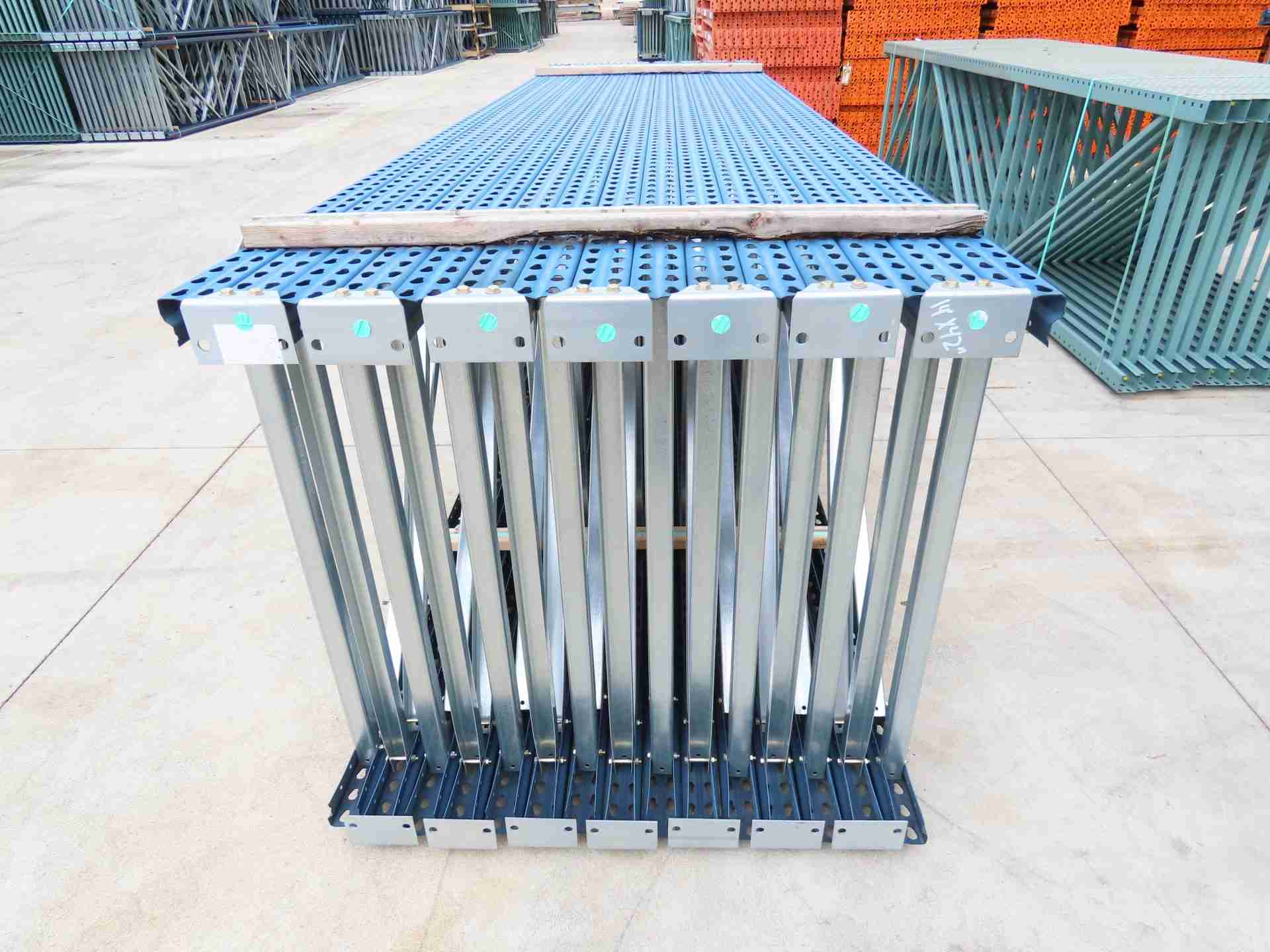
Let’s talk about pallet racking. This smart solution enables you to take advantage of every inch of vertical real estate. Picture this: stacks of pallets towering high, efficiently organized, and easily accessible. Not only does it free up floor space for additional inventory, but it also streamlines picking processes. Choosing the right pallet racking system can transform your warehouse from a cluttered stockroom into a model of efficiency.
But the benefits don’t stop there. Effective vertical space utilization enhances safety. Unorganized spaces lead to hazards—overstacked shelves, hidden obstacles, and precariously stacked items. By employing pallet racking, you create a clearer, safer environment. It’s a win-win: you increase productivity and decrease accident risk. Imagine your employees navigating through a well-organized warehouse where everything has its place and safety is prioritized.
Are you still thinking, “This sounds great, but I’m not sure where to start”? Trust me, you’re not alone. Many business owners feel overwhelmed when faced with the prospect of reorganizing their space. But it doesn’t have to be a daunting task. Start small—assess your current setup, identify areas where vertical space is underutilized, and explore various pallet racking configurations that suit your specific needs.
And here’s a secret: this process doesn’t just benefit the warehouse; it boosts your bottom line. More effective use of space leads to increased capacity and faster turnaround times. Think of the satisfaction—the confidence you’ll gain knowing your warehouse is running like a well-oiled machine.
So, are you ready to unleash the potential of your vertical space? Don’t let another day go by where inefficiency reigns supreme. Embrace the power of pallet racking and watch your warehouse transform into a beacon of productivity, safety, and success. Take that first step towards a smarter, more effective operation today!
Are You Utilizing Vertical Space Effectively In Your Warehouse?
Are You Utilizing Vertical Space Effectively In Your Warehouse?
- Vertical space utilization is crucial for effective warehouse management.
- Pallet racking allows businesses to maximize height and free up floor space.
- This system improves organization and accessibility of inventory.
- Effective use of vertical space enhances safety by reducing hazards.
- Reorganizing your warehouse can feel overwhelming but can start small by assessing current setups.
- Optimizing space leads to increased capacity and faster turnaround times, benefiting the bottom line.
- Embracing pallet racking can transform a warehouse into a productive and safe operation.
Are You Utilizing Vertical Space Effectively In Your Warehouse?
Conclusion
Conclusion: Unlock the Full Potential of Your Warehouse
As you conclude your journey through the labyrinth of warehouse optimization, it’s time to reflect on an undeniable truth: your warehouse layout directly impacts your business’s success. If you’ve found yourself questioning whether your warehouse layout is underperforming, remember, you are among many facing the same daunting reality. The clutter, inefficiencies, and wasted space can drain not only your resources but your confidence as a business leader. But the good news? Each of these challenges is an opportunity waiting to be seized—an opportunity to transform chaos into an efficient, profitable operation that bolsters your bottom line.
Imagine walking through your newly optimized warehouse, where every square foot has a purpose, where pallet racking solutions work in harmony with seamless workflows. By adopting the layout strategies discussed, you not only enhance storage capacity but create a systematic approach that accelerates order fulfillment—a critical component in today’s fast-paced marketplace. It’s about maximizing vertical space, re-evaluating aisle width, and aligning shelving units with product sizes to boost both accessibility and safety.
Moving forward, take a moment to assess your operation: Are your aisles accommodating enough but not too wide? Are your inventory turnover rates where they need to be? Potential inefficiencies lie in waiting—this is your chance to eliminate underperformance and establish a renewed foundation for growth. Investing in innovative storage solutions like pallet racking can double or even triple your capacity, allowing you to store more in less space.
This isn’t just about taking action; it’s about embracing a smarter approach to your warehouse design. Don’t allow uncertainty to cloud your judgment. Dive deeper, make the necessary adjustments, and realize that a streamlined layout is synonymous with increased productivity. Take those initially small—and perhaps daunting—steps toward optimizing your space, and watch your operational efficiency reap rewards.
The time for transformation is now. Don’t let your competitors get ahead while you hesitate. Call Arrow Industrial Sales at (574) 349-6575 for expert guidance in reimagining your warehouse. The journey to maximizing your storage capacity starts today, and in this ever-evolving business landscape, every moment counts! Let’s reshape your layout and unleash the full potential of your warehouse—your success story awaits!
Conclusion
Conclusion:
- Your warehouse layout significantly affects your business’s success.
- Challenges like clutter and inefficiencies present opportunities for improvement.
- Optimized layout strategies enhance storage capacity and accelerate order fulfillment.
- Consider factors like vertical space, aisle width, and shelving alignment for better efficiency.
- Innovative storage solutions, such as pallet racking, can significantly increase capacity.
- Adopting a smarter warehouse design leads to increased productivity and operational efficiency.
- Now is the time to act—contact Arrow Industrial Sales for expert guidance.
Conclusion
Other Resources
Other Resources
Here is a list of other resources you can review online to learn more:
- Pallet Racking systems in Illinois, Great Lakes
- Chicago Pallet Racking
- CA Wire
- Selective Rack – Raymond West
- BMH
- Chicago Pallet Racking
- Intro to Warehouse Racks & Warehouse Racking Systems – ShipBob
- Warehouse Racking Layout: The Ultimate Guide – Conger
- Warehouse Racking Systems: Beginner’s Guide to Rack Systems
- Warehousing and Fulfillment
Use This Prompt To Get More Resources With Your Favorite Online AI Tool: Please provide me with a list of online articles with their URLs in a bulleted list that I can read regarding Is Your Warehouse Layout Underperforming In Storage Capacity?

Other Resources
Glossary Terms
Is Your Warehouse Layout Underperforming In Storage Capacity? – Glossary Of Terms
1. Aisle Space: The narrow passageways between storage racks, critical for ensuring accessibility and safety during operations.
2. Bin Location: The specific area or storage unit designated for a particular item, affecting retrieval speed and inventory accuracy.
3. Bulk Storage: A method of storing large quantities of goods without packaging, often used for raw materials or commodities.
4. Capacity Optimization: Strategies implemented to maximize the efficient use of available storage space and resources in a warehouse.
5. Carton Flow Racking: A type of racking system that allows boxes to flow from the back to the front, enhancing picking efficiency.
6. Cross-Docking: A logistics procedure where incoming goods are directly transferred to outgoing shipments without storage, improving shipping speed.
7. Demand Forecasting: Predicting future product demand to make informed decisions regarding inventory levels and layout planning.
8. FIFO (First In, First Out): An inventory management strategy ensuring items are sold or used in the order they were received, minimizing obsolescence.
9. Flow Rack: A rack system designed for high-volume picked items, allowing for efficient restocking while maintaining accessibility.
10. Inventory Turnover: A measure of how often inventory is sold and replaced over a specific period, indicating storage efficiency.
11. Lead Time: The time it takes for an order to be processed and fulfilled, influencing inventory practices and warehouse layout.
12. Order Picking: The process of selecting items from storage to fulfill customer orders, which is crucial to layout design for efficiency.
13. Order Fulfillment: The complete process of receiving, processing, and delivering customer orders, influenced heavily by warehouse layout.
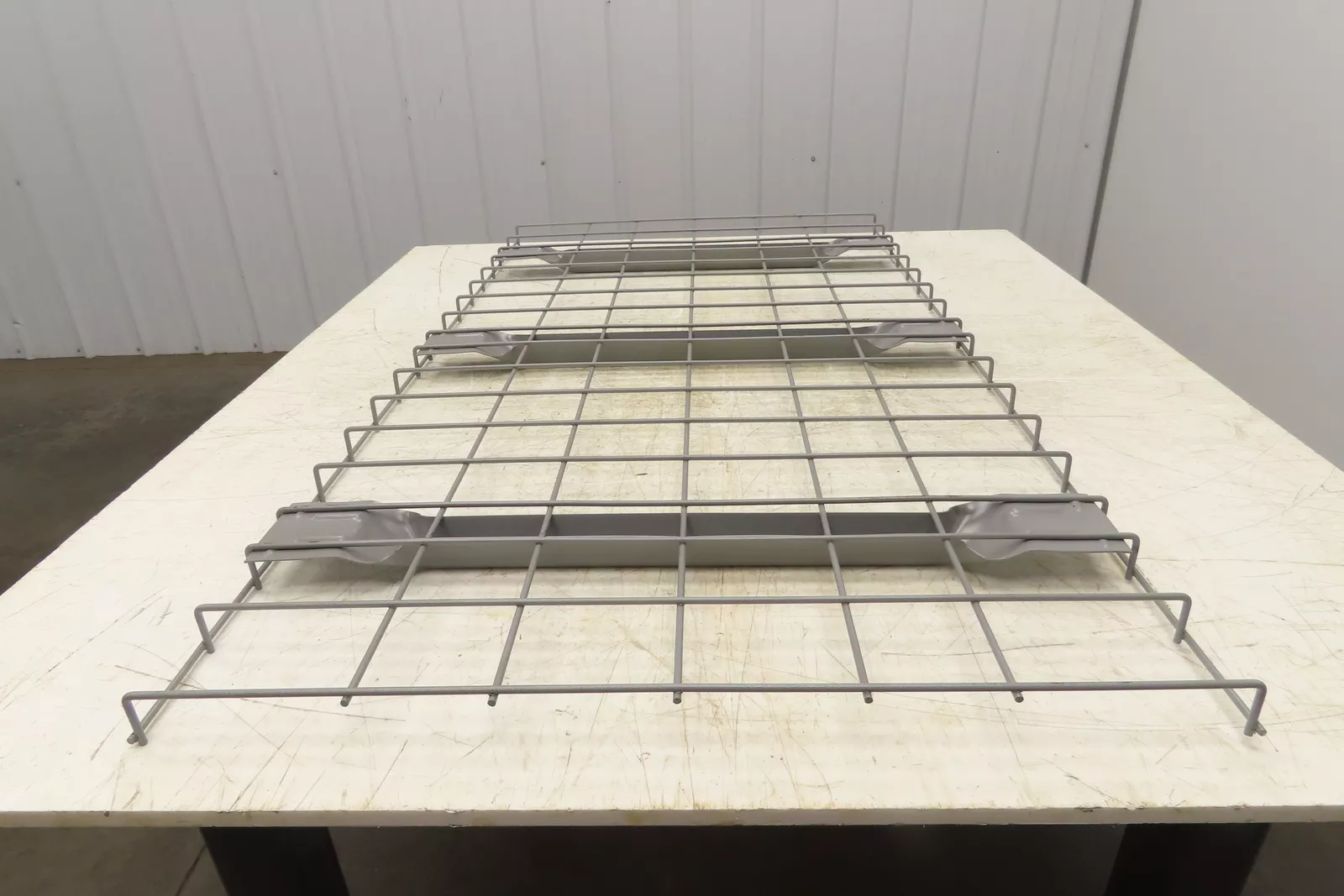
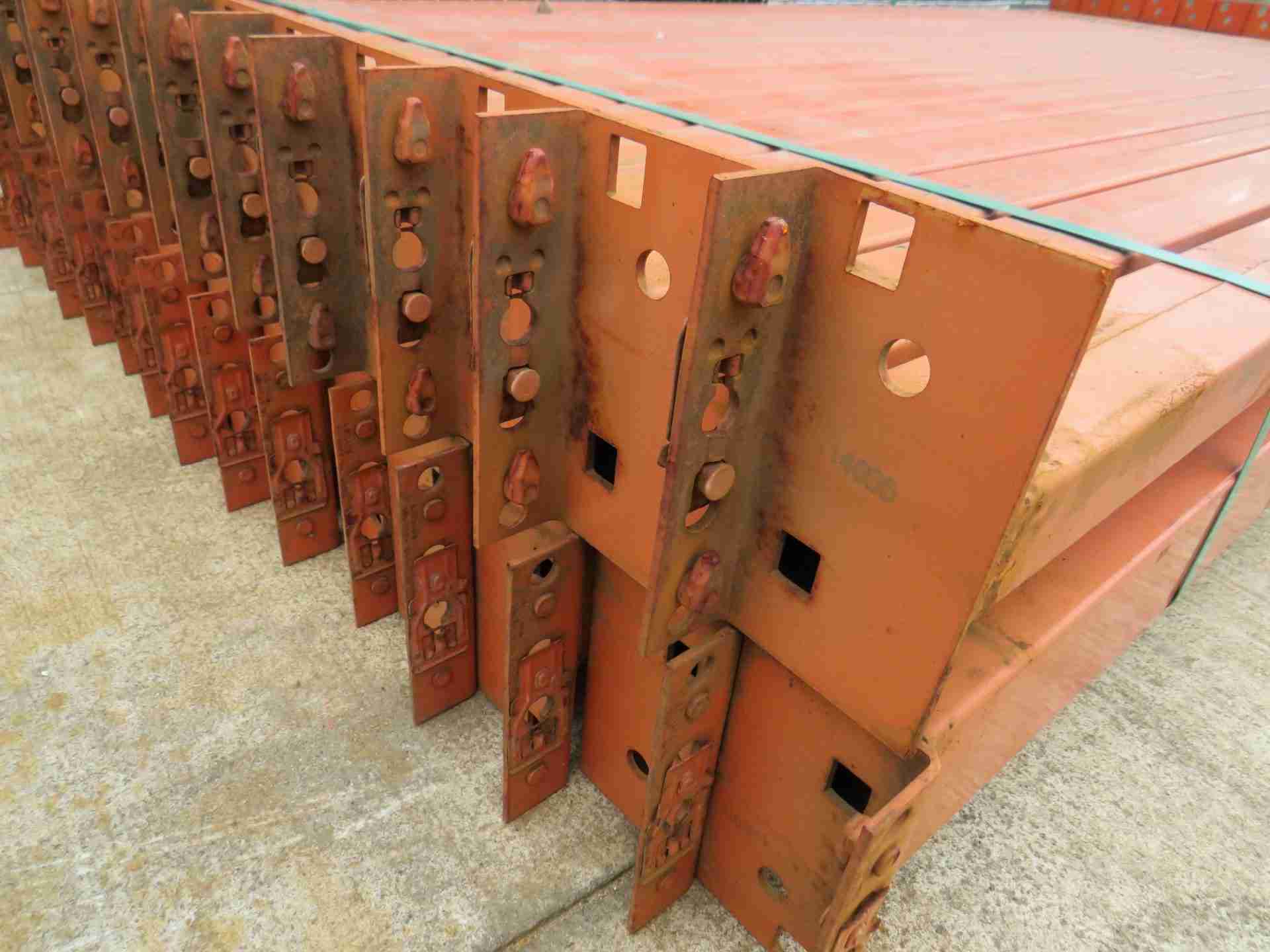
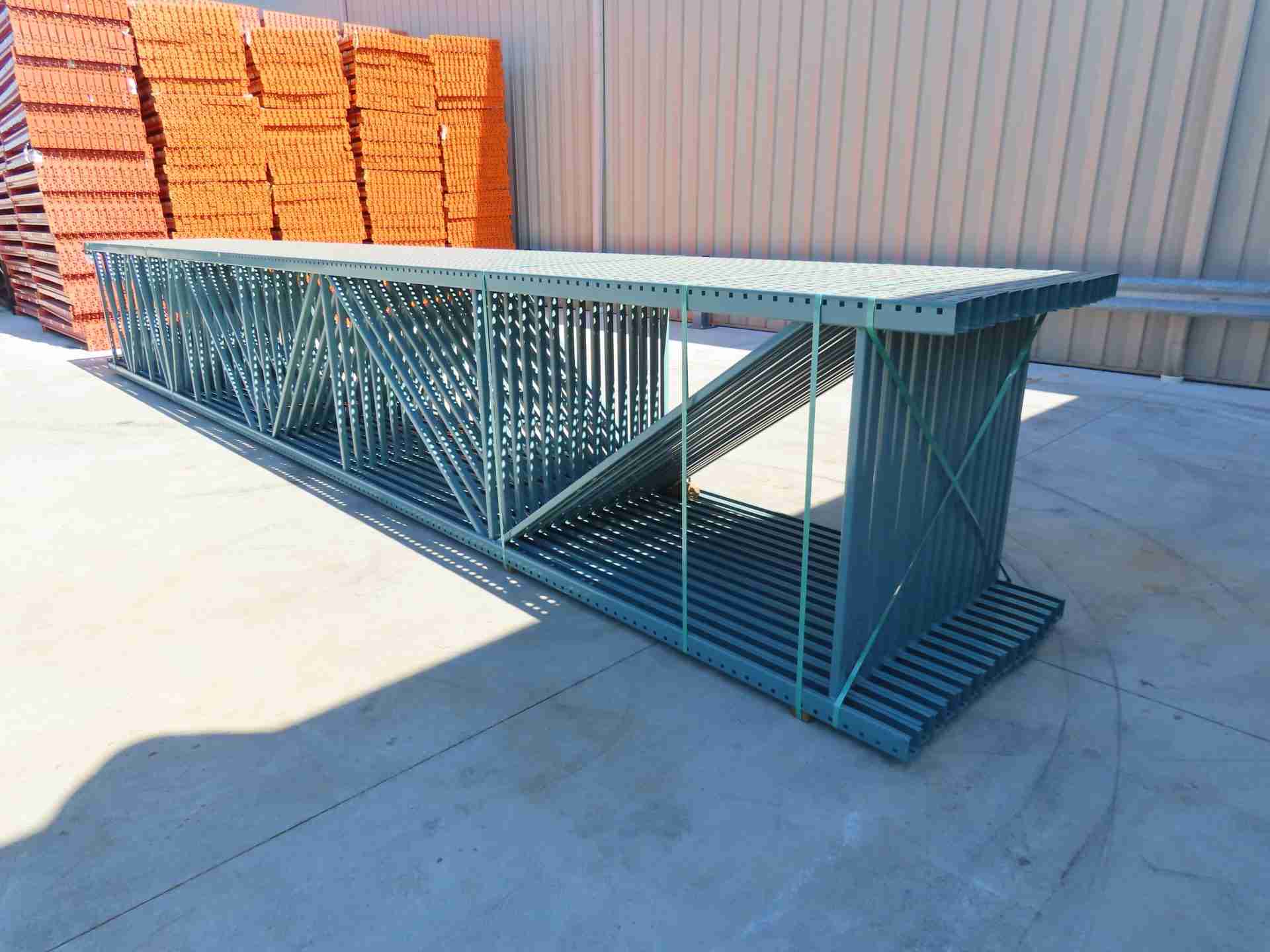
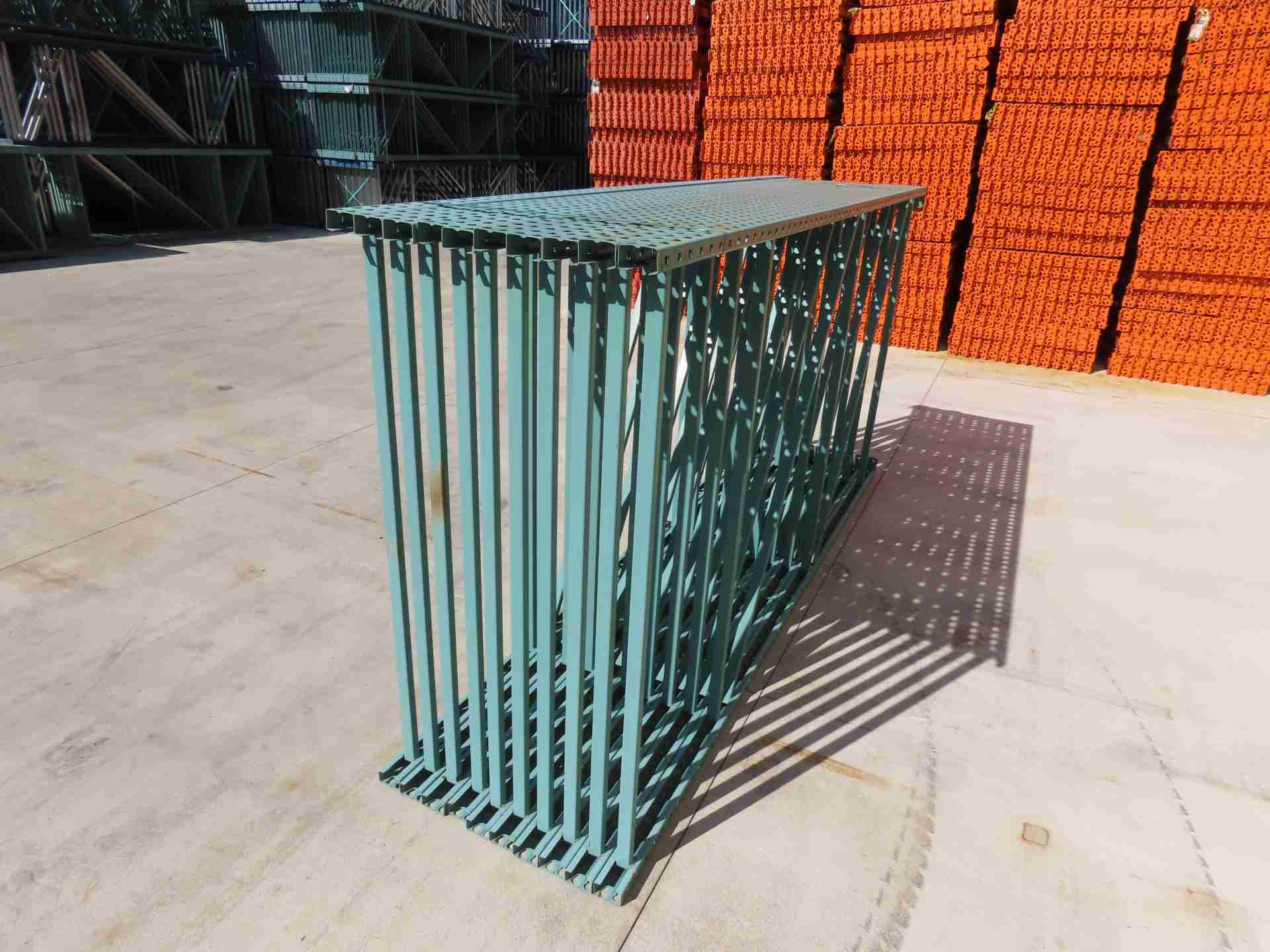
14. Pallet Racking: A storage system designed to hold palletized goods, allowing for vertical storage and easy access.
15. Pick-to-Light System: A technology that directs warehouse staff to pick items using lights, streamlining the order picking process.
16. Product Slotting: The practice of organizing products in the warehouse based on picking frequency, improving efficiency and accessibility.
17. Safety Stock: Extra inventory kept on hand to prevent stockouts, requiring careful planning in warehouse layout.
18. Slotting Optimization: The strategic arrangement of products within the warehouse to improve picking efficiency and maximize storage space.
19. Storage Density: The amount of product stored in a given area, reflecting how effectively a warehouse utilizes its space.
20. SKU (Stock Keeping Unit): A unique identifier for each product in inventory, essential for tracking and efficient storage management.
21. Supply Chain Management: The oversight of products’ flow from suppliers to customers, influencing warehouse organization and layout.
22. Tote System: A collection of containers used to transport goods through the warehouse, facilitating efficient order fulfillment.
23. Vertical Storage: Utilizing height in a warehouse for storage solutions, such as tall racking systems, to maximize space.
24. Warehouse Management System (WMS): Software used to support warehouse operations, including inventory tracking and layout planning.
25. Work Cell: An organized space in a warehouse where specific tasks are performed, improving workflow and efficiency.
26. Zone Picking: A picking strategy where each worker is responsible for a specific area, enhancing accuracy and speed.
27. Lean Warehouse: A warehouse design philosophy focused on reducing waste and maximizing efficiency in operations.
28. Return on Investment (ROI): A measure of the profitability of warehouse improvements, helping justify layout changes and new systems.
29. Ergonomics: The study of workplace design and organization to enhance employee comfort and efficiency in the warehouse.
30. Common Areas: Shared spaces in the warehouse, such as break rooms or meeting areas, playing a role in overall layout efficiency and employee satisfaction.
Glossary Of Terms
Other Questions
Is Your Warehouse Layout Underperforming In Storage Capacity? – Other Questions
If you wish to explore and discover more, consider looking for answers to these questions:
- What are the signs that my warehouse layout is underperforming?
- How can I evaluate the efficiency of my current warehouse layout?
- What specific metrics should I track to measure warehouse performance?
- What are the best practices for optimizing aisle width in a warehouse?
- How can I determine the ideal aisle width for my operations?
- What role does inventory turnover play in overall warehouse efficiency?
- How can I improve inventory turnover rates in my warehouse?
- What types of shelving units are available for different product sizes?
- How can I ensure my shelving system is adaptable to future changes?
- What are the safety considerations for warehouse shelving and pallet racking?
- How can I identify frequently used items in my warehouse setup?
- What are effective strategies for improving access to frequently used items?
- What are the advantages of utilizing vertical space in a warehouse?
- What types of pallet racking systems can I implement for better vertical space usage?
- How can I assess the current utilization of vertical space in my warehouse?
- What steps can I take to train my staff on an optimized layout?
- How do I calculate the potential savings from optimizing my warehouse layout?
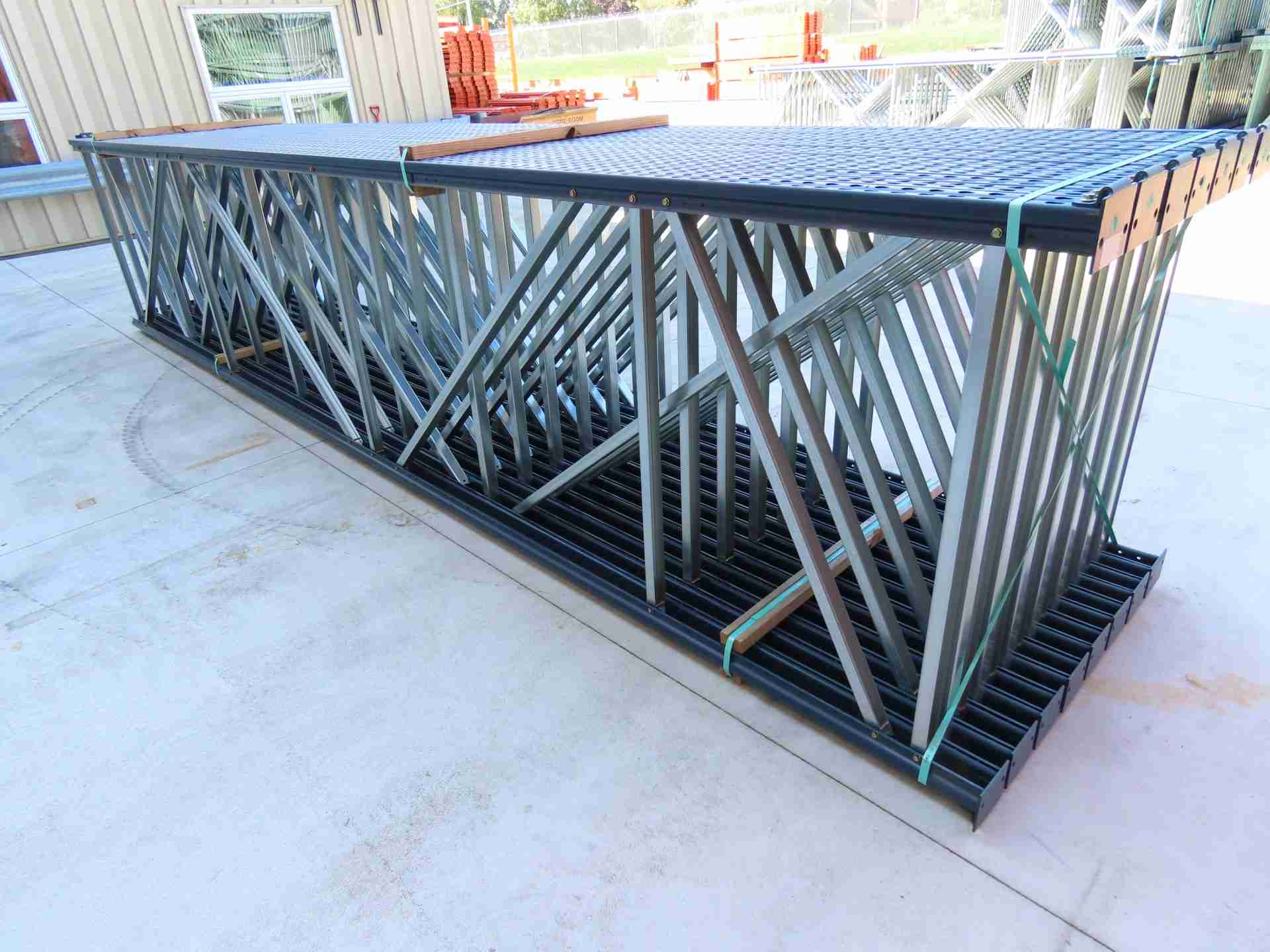
Other Questions
Checklist
Is Your Warehouse Layout Underperforming In Storage Capacity? – A Checklist
Warehouse Layout Optimization Checklist
Maximize your warehouse space with this comprehensive checklist:
General Layout Evaluation
_____ Assess current warehouse layout for congestion during peak hours.
_____ Identify and analyze areas where racks are frequently accessed versus seldom visited.
_____ Consult warehouse optimization experts to identify missed opportunities.
Aisle and Space Configuration
_____ Reevaluate aisle width. Are they overly wide and consuming valuable floor space?
_____ Determine optimal aisle width for machinery and team movement without sacrificing storage.
_____ Utilize vertical space along with pallet racking to maximize storage capacity.
Inventory Management
_____ Conduct a thorough inventory turnover assessment.
_____ Identify low turnover items and consider strategies to boost their movement.
_____ Develop a strategy for reducing excess inventory that contributes to wasted space.
Shelving and Storage Solutions
_____ Analyze existing shelving units to ensure they accommodate various product sizes.
_____ Transition to suitable shelving, such as pallet racking for bulky items, to optimize storage density.
_____ Ensure shelving solutions are adjustable to adapt to changing business needs.
Accessibility and Workflow
_____ Establish a layout that prioritizes easy access to frequently used items.
_____ Implement the 80/20 rule and organize stock so that 20% of items (most accessed) are easily reachable.
_____ Challenge the current arrangement of products; rearrange frequently-used items to a more convenient location.
Vertical Space Utilization
_____ Assess the use of vertical space; is height being fully capitalized?
_____ Explore various pallet racking configurations to increase vertical storage.
_____ Create a clear and organized vertical storage environment to enhance safety.
Final Considerations
_____ Regularly review warehouse layout for ongoing efficiency improvements.
_____ Foster a culture of continuous evaluation and adaptation within your team.
_____ Stay updated on the latest warehouse management practices and technologies.
Use this checklist to guide your efforts in transforming your warehouse layout into an efficient, organized space that maximizes storage capacity and supports your business growth!

Checklist
At RackingWorld, we help guide you through selecting warehouse storage systems and racking.
Be sure to read our other related stories at RackingWorld to learn more about warehouse storage systems.
0 Comments