
Maximizing Warehouse Efficiency With Seasonal Racking Strategies
By Tom Seest
At RackingWorld, we help guide you through selecting warehouse storage systems and racking.
Be sure to read our other related stories at RackingWorld to learn more about warehouse storage systems.
How Do Seasonal Trends Impact Your Warehouse Racking Needs?
Every savvy warehouse manager knows the calendar is not just a series of dates but a shifting landscape of demand, opportunity, and sometimes chaos. When the seasons change, so do your storage requirements. Let’s break it down and see how seasonal trends can transform your pallet racking strategy into a finely-tuned machine capable of meeting both challenges and opportunities head-on.
Imagine the brisk days of autumn leading into the frenzy of holiday shopping. The need for efficient pallet racking can soar, as you gear up to stockpile goods that will soon be in high demand. Without the right storage solutions, your warehouse can quickly turn from an organized haven into a cluttered catastrophe. Seasonal trends dictate what products fly off the shelves, and as a warehouse owner, it’s your job to ensure that your racking system is ready to pivot—think flexible options that can accommodate everything from bulky winter items to smaller, high-volume summer goods.
Now, let’s talk about springtime—when the warmth brings a surge in gardening supplies, outdoor furniture, and seasonal apparel. Your pallet racking must be adaptable, allowing for quick reconfiguration to manage various products. A well-designed system enables you to maximize space and streamline order fulfillment, which translates to higher customer satisfaction and increased sales. Trust me, nothing builds a brand like delivering on promises, and having the right racking system helps you do just that.
Conversely, let’s not forget the lulls in demand—those slow summer months or post-holiday slumps. Your warehouse’s profitability is often tied to how effectively you can manage lean times. By investing in smart, adjustable pallet racking that can expand or consolidate your stored inventory, you can navigate these quieter periods with confidence. Embracing these seasonal trends is not just about reacting; it’s about strategically positioning yourself ahead of the curve.
So, what’s next? Get proactive: conduct a thorough analysis of your inventory flows and adjust your pallet racking systems accordingly. It could mean incorporating seasonal racking solutions or simply rethinking existing layouts. Whatever the case may be, embracing the rhythm of the seasons can empower your business to thrive—turning challenges into opportunities for growth and success. With the right pallet racking strategy, you’re not merely surviving the seasons; you’re mastering them, all while building trust with your customers and increasing your bottom line.

How Do Seasonal Trends Impact Your Warehouse Racking Needs?
How Do Seasonal Trends Impact Your Warehouse Racking Needs?
- Warehouse managers must navigate seasonal changes in demand and storage requirements.
- Autumn and holiday shopping lead to increased need for efficient pallet racking to manage high-demand products.
- Flexible storage solutions are essential for accommodating varying seasonal items, from bulky winter goods to smaller summer products.
- Spring brings a surge in gardening and outdoor products, necessitating adaptable racking systems for quick reconfiguration.
- Effective pallet racking maximizes space and streamlines order fulfillment, enhancing customer satisfaction and sales.
- Managing slow demand periods requires adjustable racking that can expand or consolidate inventory effectively.
- Proactive analysis of inventory flows and racking solutions can turn seasonal challenges into growth opportunities.

How Do Seasonal Trends Impact Your Warehouse Racking Needs?
Table Of Contents
- How Do Seasonal Trends Impact Your Warehouse Racking Needs?
- What Are The Key Seasonal Trends Affecting Warehouse Racking?
- How Do Holiday Seasons Influence Inventory Stocking?
- What Types Of Products See Increased Demand Seasonally?
- How Can Racking Systems Adapt To Fluctuating Inventory Levels?
- What Factors Should Be Considered For Seasonal Racking Design?
- How Can Businesses Optimize Warehouse Space During Peak Seasons?
- Conclusion
- Other Resources
- Glossary Of Terms
- Other Questions
- Checklist
What Are The Key Seasonal Trends Affecting Warehouse Racking?
When you think about warehouse operations, you might picture pallets stacked high, an elaborate maze of aisles, and a forklift buzzing around like a busy bee. But behind that bustling activity lies a world of strategic planning where seasonal trends make all the difference—and at the heart of it all, you’ll find pallet racking. Understanding these trends can be the game-changer your warehouse needs, not just for efficiency, but for profitability.
As seasons shift and demand fluctuates, so too does the way we utilize our warehouse space. Consider the holiday season, for instance: as retailers ramp up their inventories to meet consumer demand, the need for versatile and adaptable pallet racking becomes paramount. Is your current system agile enough to handle the influx of products without sacrificing access or organization? If not, it may be time to reassess your racking solutions.
Springtime often brings a different rhythm, with many industries preparing their goods for summer sales or agricultural products coming in post-harvest. The key here is to think ahead. Where do you see your company in six months? By analyzing the ebb and flow of your inventory year-round, you can optimize your pallet racking systems for peak performance. Whether it’s adjusting storage heights or reorganizing layouts, foreseeing these needs can save you headaches down the line.
Of course, let’s not overlook the importance of safety. Warehouse regulations evolve, and seasonal shifts often coincide with industry changes. This means your racking systems must not only be effective but also compliant with standards to ensure the safety of your team. Investing in robust pallet racking can protect both your employees and your bottom line.
In today’s competitive landscape, staying one step ahead is crucial. The right racking paradigm isn’t a static choice; it’s a dynamic strategy that should be revisited regularly. Leaning into automation, and employing vertical space through intelligent pallet racking solutions can streamline operations for both peak and off-peak seasons alike.
In summary, being tuned in to these key seasonal trends could transform your warehouse operation from a cost center into a revenue powerhouse. So, why wait? Reassess your pallet racking strategy today and position your business for the seasons ahead. The wheel of seasonal demand is always turning; are you ready to take advantage of it?

What Are The Key Seasonal Trends Affecting Warehouse Racking?
What Are The Key Seasonal Trends Affecting Warehouse Racking?
- Pallet racking is central to warehouse operations, influencing efficiency and profitability.
- Seasonal trends affect warehouse space utilization, especially during peak seasons like holidays.
- Agile pallet racking systems are essential to manage fluctuating product demand.
- Planning ahead by analyzing inventory flow helps optimize storage solutions for peak performance.
- Compliance with evolving safety regulations is crucial for protecting employees and profits.
- Dynamic racking strategies, including automation and vertical space usage, enhance operational efficiency.
- Regular reassessment of racking strategies positions businesses to leverage seasonal demand effectively.

What Are The Key Seasonal Trends Affecting Warehouse Racking?
How Do Holiday Seasons Influence Inventory Stocking?
As the holiday seasons draw near, a unique dance unfolds in the world of inventory management. Picture this: retail shelves brimming with festive delights, each product carefully selected and expertly placed, designed to catch the eye of eager shoppers. The magic of the holiday season not only elevates customer excitement but dramatically influences how we go about stocking our inventory. Yet, this is no time for haphazard planning; rather, it requires a strategic approach to achieve maximum impact—think efficient pallet racking systems that can adapt to varying demands.
The surge in consumer purchasing during the holidays creates an urgency that no savvy retailer can overlook. Families are bustling about, checking off gift lists and seeking the perfect touches for their gatherings. This means your inventory should reflect the very essence of the season. It’s about understanding human behavior—shoppers often opt for convenience and accessibility, and your inventory stocking should embody these desires. By utilizing optimized pallet racking solutions, you can ensure that the most in-demand products are front and center, ready to be snatched up.
Moreover, let’s not ignore the unpredictability that can arise. Some products may fly off the shelves faster than you anticipated, while others linger longer than expected. This is where building trust through transparency and open communication with your suppliers and customers becomes paramount. A well-stocked inventory, one that evolves with the season’s rhythms, will keep your customers satisfied and coming back for more. Think of it as a relationship—your product offerings should be responsive, not just reactive.
What truly sets successful retailers apart during peak holiday seasons is their ability to forecast trends and adapt. Utilize data to gain insights into past buying behaviors during holidays, adjust your pallet racking systems accordingly, and remain prepared to pivot when new trends arise.
As the holiday spirit permeates the shopping landscape, build that connection with your customers by being proactive. Anticipate their needs, wrap them in convenience, and let them feel the warmth of your commitment to providing the best. With the right mindset and strategies in place, you’ll not only stock your inventory effectively but also sow the seeds for customer loyalty that can last well beyond the season. Embrace the rhythm of the holidays, and watch as your business flourishes!

How Do Holiday Seasons Influence Inventory Stocking?
How Do Holiday Seasons Influence Inventory Stocking?
- The holidays create a unique demand in inventory management, requiring careful product selection.
- Retailers must engage in strategic planning for stocking inventory to maximize customer impact.
- Understanding shopper behavior is essential; customers prefer convenience and accessibility in product offerings.
- Optimized pallet racking systems help position in-demand products prominently for easy access.
- Transparency and communication with suppliers and customers are vital for adapting to inventory needs.
- Successful retailers use data to forecast trends and adjust their inventory strategies proactively.
- Proactive engagement with customers fosters long-term loyalty beyond the holiday season.
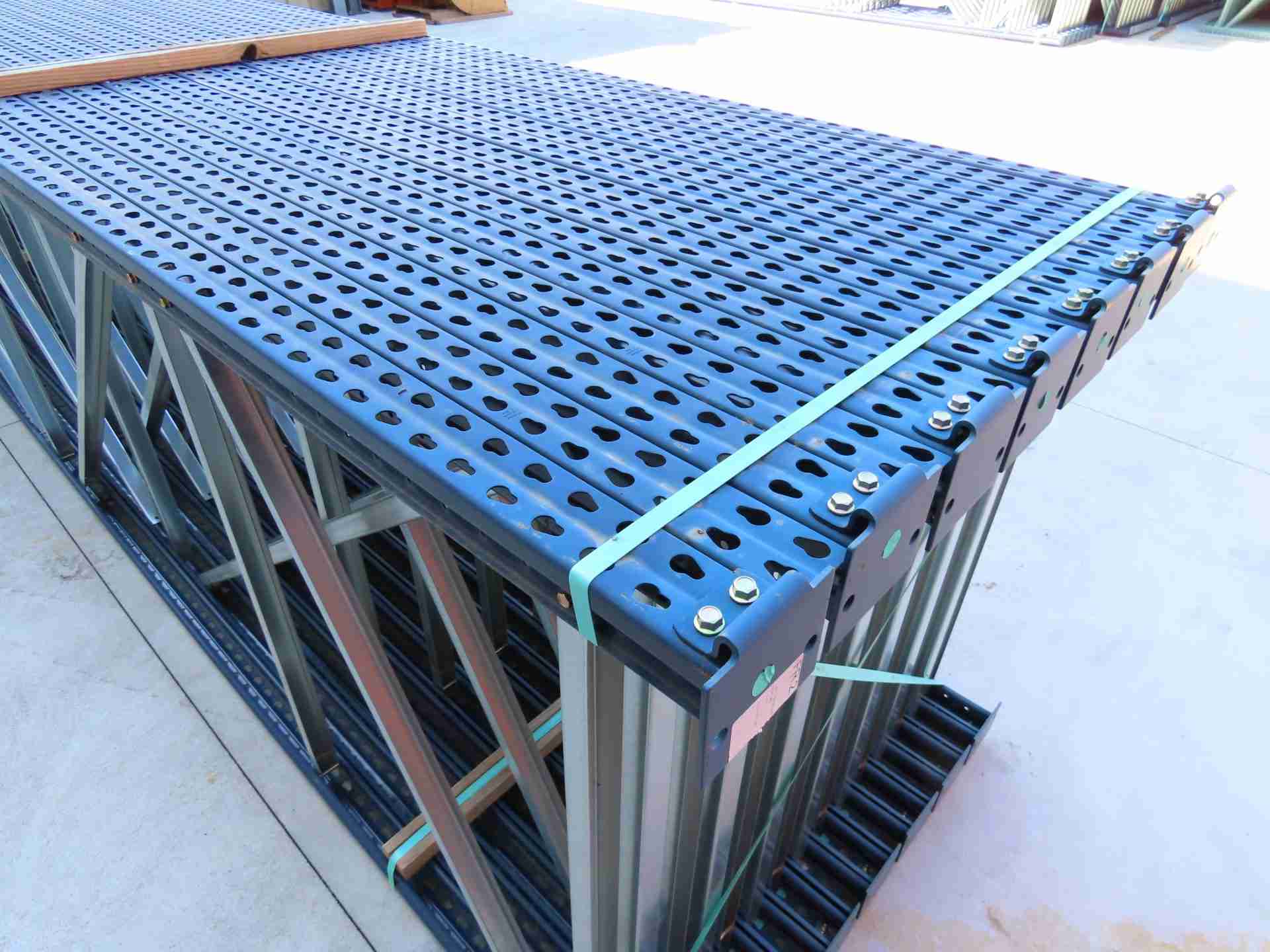
How Do Holiday Seasons Influence Inventory Stocking?
What Types Of Products See Increased Demand Seasonally?
As we navigate the rhythm of the calendar year, it’s fascinating to observe how consumer habits ebb and flow with the changing seasons. This seasonal demand isn’t just a quirk of human behavior; it’s an opportunity for businesses to align their strategies and maximize their profits. Understanding what types of products see increased demand seasonally can be the difference between a good year and a great one for your enterprise.
Consider the retail landscape. In winter, you’re likely to see a spike in demand for cozy items like jackets, holiday decorations, and hot beverages. When spring arrives, the focus often shifts to outdoor living, gardening supplies, and fitness products as people emerge from their winter hibernation. Each of these seasons offers a prime moment to capitalize on consumer enthusiasm. The key is to anticipate these shifts and prepare your inventory accordingly. For instance, if your warehouse is set up with efficient Pallet Racking, you can easily organize and manage your seasonal stock, ensuring that you’re ready to meet customer demands head-on.
But it’s not just clothing and home goods that experience seasonal swings. Think about school supplies in late summer, grilling accessories during the warmer months, and fitness equipment as New Year’s resolutions push people to the gym. The cyclical nature of what people want can serve as your roadmap, guiding your marketing campaigns, promotions, and purchasing decisions.
To truly harness this seasonal demand, it’s essential to connect with your audience. Craft messages that resonate with their current needs and desires. Highlight how your products fit into their lives during specific times of the year. For example, instead of just promoting garden supplies in spring, create content around the joy of planting family gardens and the memories made together. When customers see the touchpoints between your products and their passions, they’re more likely to engage.
Equipped with the right insights and an organized inventory system—like using Pallet Racking—you can confidently approach each season with targeted marketing efforts and robust stock. Trust in the cyclical nature of consumer behavior and transform these rhythms into a powerful strategy that keeps your business thriving. By understanding seasonal demand, you’re not just participating in the market, you’re leading the charge!

What Types Of Products See Increased Demand Seasonally?
What Types Of Products See Increased Demand Seasonally?
- Consumer habits shift with the changing seasons, presenting opportunities for businesses to align strategies.
- Seasonal demand can differentiate between a good year and a great one for enterprises.
- Winter sees increased demand for cozy items, while spring shifts focus to outdoor living and gardening.
- Efficient inventory management, such as using Pallet Racking, helps businesses anticipate and meet seasonal demands.
- Other seasonal products include school supplies in late summer and fitness equipment in January.
- Connecting with the audience through resonant messaging enhances customer engagement during seasonal shifts.
- Utilizing insights from consumer behavior can transform seasonal rhythms into effective marketing strategies.
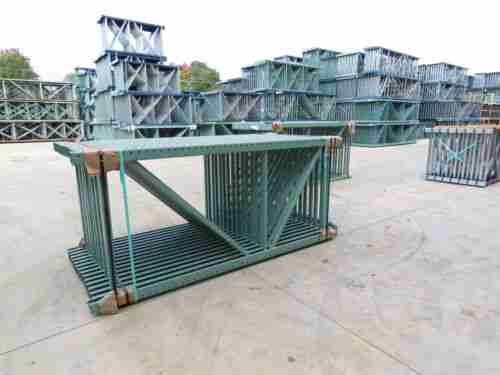
What Types Of Products See Increased Demand Seasonally?
How Can Racking Systems Adapt To Fluctuating Inventory Levels?
In the dynamic world of inventory management, one constant truth stands out: flexibility is key. When inventory levels fluctuate, whether due to seasonality, market demand, or unexpected disruptions, having a racking system that can adapt is not just beneficial—it’s essential. Enter Pallet Racking, the unsung hero of efficient storage solutions.
Imagine a bustling warehouse that feels almost alive, responding effortlessly to peaks and valleys in stock levels. That’s the promise of a well-designed Pallet Racking system. These modular systems can be adjusted, reconfigured, and expanded as needed. Rather than being fixed in their layout like so many outdated solutions, modern racking systems invite you to think creatively about your storage needs. Picture a system that can grow with your business, evolving as your demands change.
With the right Pallet Racking, you can easily add or remove shelves and adjust the heights according to your inventory’s specific requirements. This adaptability not only optimizes space but also enhances workflow efficiency—getting products to and from storage with speed and ease. Imagine your team members effortlessly accessing the products they need, reducing downtime and increasing productivity. It’s a win-win for both your bottom line and your staff’s morale.
Moreover, embracing the flexibility of your racking systems allows for better inventory management. By providing a clear and organized way to store fluctuating stock levels, you can minimize the chaos that often accompanies sudden inventory changes. Whether you’re experiencing an influx of popular items or managing excess stock from a slow season, having a responsive racking system will instill confidence across your operations.
But don’t just think of Pallet Racking as a mere storage solution—see it as a pivotal part of your growth strategy. When you invest in a racking system designed for adaptability, you’re not just preparing for today’s demands. You’re laying the groundwork for future success, ensuring that your business can pivot and respond to market changes without missing a beat.
So, as you assess your current inventory challenges, consider how a flexible Pallet Racking system could transform your operational efficiency. It’s time to take action, invest in adaptability, and watch your business thrive. After all, the future of your warehouse depends on the decisions you make today. Let the innovations in racking systems inspire you to take that leap.

How Can Racking Systems Adapt To Fluctuating Inventory Levels?
How Can Racking Systems Adapt To Fluctuating Inventory Levels?
- Flexibility is crucial in inventory management, especially with fluctuating stock levels.
- Pallet Racking offers adaptable solutions for efficient storage, unlike outdated fixed layouts.
- Modern racking systems allow for easy adjustments, reconfigurations, and expansions.
- Proper Pallet Racking optimizes space and enhances workflow efficiency, reducing downtime.
- A flexible racking system improves inventory management and minimizes chaos during stock changes.
- Pallet Racking should be viewed as part of a growth strategy, preparing businesses for future demands.
- Investing in adaptable racking systems helps businesses respond effectively to market changes.

How Can Racking Systems Adapt To Fluctuating Inventory Levels?
What Factors Should Be Considered For Seasonal Racking Design?
When it comes to optimizing your warehouse space, seasonal racking design is the unsung hero of inventory management. Many business owners see their warehouse as just a storage space, but let’s shift that perspective. Consider it a strategic investment which can significantly affect your bottom line during peak seasons. But beware, not all pallet racking solutions are created equal. Here are some critical factors you should consider before making that purchase.
First and foremost, inventory variance is key. Are your products primarily seasonal, or do you have a mix throughout the year? Understanding your product flow allows you to design a system that adapts to your needs. For instance, if your business experiences a sharp influx of particular products during certain times (think holiday decorations or summer tools), your pallet racking should accommodate this variability. You want to ensure that your product layout encourages a swift pick and pack process, saving precious time and money.
Next up, flexibility. In a rapidly changing market, the ability to adjust your racking system in response to shifts in demand is indispensable. Opt for racking solutions that allow you to easily reconfigure aisles or add additional levels. Adjustable pallet racking not only enhances your space but also gives you the agility to adapt to new trends, significantly reducing downtime.
Another important factor is weight capacity. Each pallet racking system has a limit, and exceeding it can result in safety hazards or costly damage. Conduct a thorough analysis of the weight and dimensions of your seasonal inventory. Partnering with a reliable supplier能 can help you select a solution that meets your specific needs without compromising safety.
Accessibility is another crucial element to consider. A well-designed racking system should make it easy for your employees to retrieve goods. Think about implementing a layout that minimizes the distance between frequently picked items while allowing for straightforward access to seasonal stock. The smoother the retrieval process, the more efficient your operations will become!
Finally, never underestimate the importance of future growth. As your business expands, so will your storage needs. Don’t just think about the challenges you face today; plan for tomorrow. Opt for modular or scalable designs that can evolve along with your business and product demand.
So, take a moment to reflect. How can investing in the right pallet racking system elevate your operational efficiency and drive profitability during peak seasons? Take that next step with confidence. Your success story begins with a well-designed warehouse.
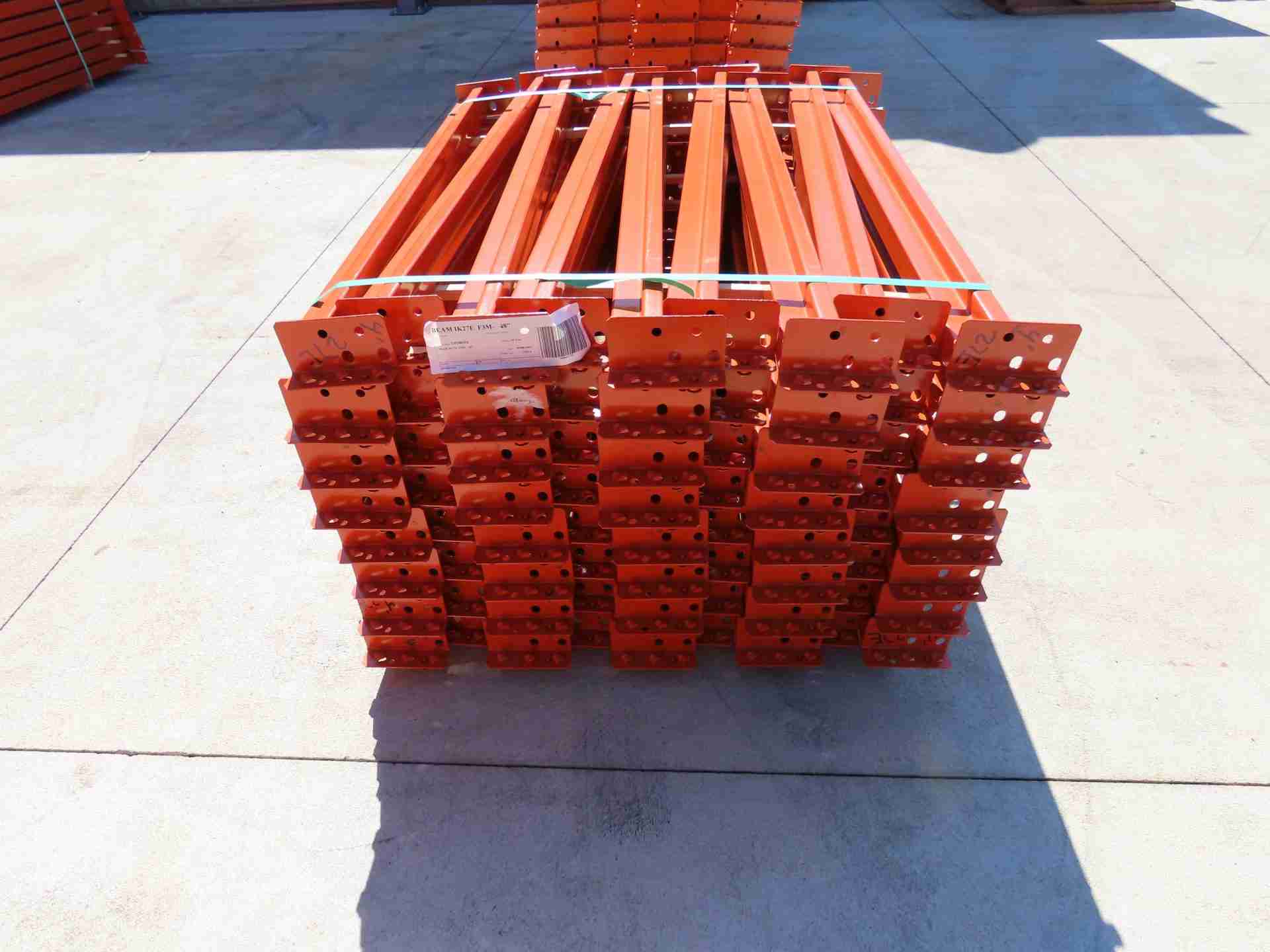
What Factors Should Be Considered For Seasonal Racking Design?
What Factors Should Be Considered For Seasonal Racking Design?
- Seasonal racking design enhances inventory management and optimizes warehouse space.
- Consider your warehouse as a strategic investment that impacts profit, especially during peak seasons.
- Understanding inventory variance is crucial; adapt your racking system based on product flow and seasonal demands.
- Flexibility in racking solutions allows easy reconfiguration to respond to market changes.
- Weight capacity analysis is essential to prevent safety hazards and damage by selecting appropriate racking systems.
- Ensure accessibility in your racking layout to facilitate efficient goods retrieval and reduce operational downtime.
- Plan for future growth with modular or scalable racking designs to accommodate expanding inventory needs.

What Factors Should Be Considered For Seasonal Racking Design?
How Can Businesses Optimize Warehouse Space During Peak Seasons?
As every savvy business owner knows, peak seasons can feel like a double-edged sword. On one side, there’s the exhilarating rush of increased sales. On the other, the daunting challenge of managing warehouse space efficiently to handle the influx of inventory. When profit margins are on the line, every square foot of your warehouse counts. So, how can you optimize that precious space while keeping your operations smooth and stress-free?
Let’s start with one of the most effective solutions: pallet racking. It’s not just a shelf; it’s a game-changer! By implementing well-designed pallet racking systems, you can reclaim vertical space that might be gathering dust. Imagine transforming your warehouse from cluttered chaos into an organized haven, where products are accessible and inventories are maintained with precision. It’s about maximizing efficiency, enabling faster order fulfillment, and ultimately giving your customers the seamless shopping experience they deserve.
But don’t stop there. Seasonal planning is key! Peak seasons come with their unique challenges, so forecasting trends and adjusting your inventory levels accordingly can give you a leg up. This means knowing when to ramp up stock and fight that potential bottleneck. By anticipating demand, you not only minimize excess inventory but also drive down storage costs. It’s simple. Less clutter equals more clarity.
Another tactic is to leverage technology. Inventory management systems can streamline your operations by offering real-time insights into stock levels and warehouse capacity. When you have that kind of clarity, you can make prompt decisions that enhance your space utilization. Plus, integrating barcode scanning and automated picking systems can drastically reduce labor time and improve accuracy. In a world where speed matters most, every second counts!
Moreover, don’t overlook the importance of training your staff. Empower your team with the knowledge and tools to maximize your warehouse space effectively. Regular training sessions can ensure that employees are adept at using the racking systems, adhering to safety protocols, and maintaining an organized workspace. It cultivates a culture of ownership and efficiency, allowing your team to respond to peak demands confidently.
As you gear up for those busy seasons, remember that optimizing warehouse space is not just about short-term gains. It’s a strategic move that fosters long-term growth and sustainability. Take action today by investing in innovative solutions, and watch your business thrive even during the busiest times!

How Can Businesses Optimize Warehouse Space During Peak Seasons?
How Can Businesses Optimize Warehouse Space During Peak Seasons?
- Peak seasons bring both increased sales and challenges in managing warehouse space.
- Implementing pallet racking systems can optimize vertical space and improve organization.
- Efficient warehouse management enhances order fulfillment and customer experience.
- Seasonal planning is essential; adjust inventory levels based on forecasted demand.
- Leverage technology, such as inventory management systems, for real-time stock insights.
- Training staff is crucial for effective space utilization and adherence to safety protocols.
- Optimizing warehouse space is a strategic move for long-term growth and sustainability.

How Can Businesses Optimize Warehouse Space During Peak Seasons?
Conclusion
Conclusion: Mastering Seasonal Demands with Strategic Racking Solutions
Navigating the shifting tides of seasonal trends in warehouse management can feel like a daunting task, but it doesn’t have to be. At Arrow Industrial Sales, we believe that understanding and leveraging these trends is essential to optimizing your workspace and maximizing profitability. As outlined in our discussion, the dynamics of your pallet racking system can significantly impact your ability to meet the demands of each season—from the bustling holiday shopping period to the leaner summer months.
Seasonal trends dictate inventory levels and storage requirements, and your racking systems must be adept at pivoting accordingly. When the shelves are overflowing with seasonal goods, the importance of a flexible racking solution, like adjustable pallet racking, comes into sharp focus. This adaptability is not just about surviving the ebb and flow of demand; it’s about using these patterns as a springboard for growth and efficiency.
Take this opportunity to conduct a critical assessment of your warehouse operations. By analyzing inventory flows and adjusting your racking layout in anticipation of upcoming demand spikes, you enhance your order fulfillment process and, ultimately, customer satisfaction. Remember, a well-designed racking system isn’t merely a storage solution; it’s a competitive advantage, empowering you to deliver on your promises to customers consistently.
Moreover, optimizing your warehouse space involves more than just the physical layout. Technology plays a crucial role in today’s fast-paced market. Implementing inventory management systems that provide real-time insights into stock levels can revolutionize the way you respond to seasonal changes. Along with regular staff training, you can create a culture of efficiency and responsiveness, ensuring your team is equipped to handle peak periods with confidence.
Now is the moment for action! Don’t wait until the next season creeps in uncertainly—take a proactive approach to refine your pallet racking systems. As you contemplate your next steps, consider reaching out to Arrow Industrial Sales at (574) 349-6575. Our dedicated team is ready to help you explore tailored racking solutions that meet your unique needs.
Time waits for no one, and neither do seasonal demands. Transform your warehouse operation from a reactive setup into a strategic powerhouse, ready to dance with the rhythm of supply and demand. With Arrow Industrial Sales at your side, you’re not just adapting to the seasons; you’re mastering them! Embrace the opportunity to thrive and let us equip you to reap the rewards of wise investment in your warehouse management today!

Conclusion
Conclusion:
- Understanding seasonal trends is crucial for optimizing warehouse space and maximizing profits.
- The dynamics of pallet racking systems significantly influence the ability to meet seasonal demands.
- Investing in flexible racking solutions, like adjustable pallet racking, enhances adaptability during peak seasons.
- Conducting a critical assessment of warehouse operations can improve order fulfillment and customer satisfaction.
- Implementing inventory management systems provides real-time insights, aiding in responsiveness to seasonal changes.
- Regular staff training fosters a culture of efficiency, preparing your team for peak periods.
- Taking proactive steps now can transform your warehouse operations into a strategic advantage for growth.

Conclusion
Other Resources

Other Resources
Here is a list of other resources you can review online to learn more:
- MHI
- Logic Material Handling
- Teardrop Uprights
- BMH
- What is Selective Racking: Understanding Benefits & Options
- Interlake
- National Safety Council
- Bradford Systems
- The Complete Pallet Rack Guide – Simply Rack
- Material Handling Safety
Use This Prompt To Get More Resources With Your Favorite Online AI Tool: Please provide me with a list of online articles with their URLs in a bulleted list that I can read regarding How Do Seasonal Trends Impact Your Warehouse Racking Needs?

Other Resources
Glossary Terms
How Do Seasonal Trends Impact Your Warehouse Racking Needs? – Glossary Of Terms
1. Adjustable Rack: A shelving system that can be easily reconfigured or adjusted in height and width to accommodate various types of products.
2. Backloading: A practice in warehouse management where goods are loaded onto the back of a storage location, optimizing space and accessibility.
3. Bulk Storage: Storage methods used for large quantities of products that do not require individual packaging, often using block stacking in warehouses.
4. Capacity Planning: The process of determining the production capacity needed to meet changing market demands, especially during peak seasons.
5. Cross-Docking: A logistics practice where incoming goods are directly transferred to outgoing vehicles without long-term storage, useful during high-demand periods.
6. FIFO (First In, First Out): A stock rotation method ensuring that the oldest inventory is sold first, critical for perishable items during seasonal spikes.
7. Layout Optimization: The arrangement of warehouse space to enhance flow, ease of access, and efficiency, influenced by seasonal inventory changes.
8. Manual Handling: The moving and handling of products by hand, often increased during busy seasons when inventory levels rise.
9. Pallet Racking: A popular storage system designed to hold palletized goods, where seasonal trends can necessitate changes in height and depth.
10. Peak Season: The period of highest demand for particular products, which can require temporary adjustments in warehouse racking and layout.
11. Rapid Inventory Turnover: A measure of how quickly products are sold and replaced in inventory, which can vary significantly with seasonal trends.
12. Safety Stock: Extra inventory kept on hand to prevent stockouts during unexpected demand surges, particularly important in peak seasons.
13. SKU (Stock Keeping Unit): A unique identifier for each product in inventory, which can increase during seasonal trends as new items are introduced.
14. Slotting Optimization: The systematic arrangement of products in a warehouse to maximize efficiency and minimize travel time, especially during seasonal surges.
15. Temperature-controlled Racking: Specialized storage solutions for items that require specific temperatures, critical for seasonal products like food and pharmaceuticals.
16. Throughput: The rate at which products are processed and moved through the warehouse, often spiking during peak seasons.
17. Inventory Auditing: Regular checks on stock levels and conditions to ensure accuracy, particularly important during high turnover seasons.
18. Lean Warehousing: A methodology focused on reducing waste and improving efficiency, highly relevant during busy seasonal periods.
19. Specialized Racking: Custom racking solutions designed for specific products or industries that arise due to seasonal changes in inventory.
20. Picking Efficiency: The effectiveness of retrieving products from racks, which can vary with seasonal changes in order volume and product availability.
21. Stockout: A situation where an item is unavailable for sale, often experienced during peak season demand if warehouse racking isn’t optimized.
22. Dynamic Racking: A flexible racking system that can change configuration based on real-time inventory needs, adaptable for seasonal trends.
23. Lead Time: The total time from receiving an order to its delivery; critical to manage during seasonal spikes in demand.
24. Warehouse Management System (WMS): Software that helps manage warehouse operations and optimize storage solutions as demand ebbs and flows.
25. Space Utilization: A measurement of how efficiently the warehouse space is used, which can be maximized through effective racking strategies during busy seasons.
26. Order Picking: The process of selecting and collecting items from storage for customer orders, often needing different strategies during seasonality.
27. Integration: The alignment of warehouse operations with supply chain processes, crucial for adjusting to seasonal demand fluctuations.
28. Replenishment: The process of restocking items in a warehouse, often more frequent during peak seasons to maintain inventory levels.
29. Zoning: The practice of organizing a warehouse into specific areas or zones for different product types, crucial for handling seasonal products effectively.
30. Workload Balancing: Distributing work evenly among warehouse staff to maintain efficiency, especially challenging during high-demand periods.

Glossary Of Terms
Other Questions
How Do Seasonal Trends Impact Your Warehouse Racking Needs? – Other Questions
If you wish to explore and discover more, consider looking for answers to these questions:
- What are the essential characteristics of an effective pallet racking system?
- How can seasonal trends be forecasted accurately?
- What tools or software can assist in inventory management during peak seasons?
- What are the common mistakes businesses make regarding seasonal racking?
- How do different industries experience seasonal demand differently?
- What role does employee training play in optimizing warehouse efficiency?
- What are the safety regulations associated with racking systems?
- How can technology be integrated into existing racking systems?
- What are the costs associated with installing and maintaining pallet racking systems?
- How can businesses effectively measure the success of their seasonal racking strategies?
- What are the benefits of automated inventory systems in seasonal changes?
- How can companies ensure they are compliant with evolving warehouse safety standards?
- What should businesses do in case of unexpected supply chain disruptions during peak seasons?

Other Questions
Checklist
How Do Seasonal Trends Impact Your Warehouse Racking Needs? – A Checklist
Checklist: Maximizing Warehouse Efficiency with Seasonal Racking Strategies
Understanding Seasonal Trends
_____ Review your past inventory reports to identify seasonal product trends.
_____ Analyze demand fluctuations during peak seasons to inform racking decisions.
_____ Adjust your pallet racking strategy with flexibility in mind, ensuring it can accommodate varying product sizes and volumes.
Adapting Your Racking System
_____ Evaluate the current racking system for adaptability to seasonal needs.
_____ Consider incorporating modular racking solutions that can be easily adjusted.
_____ Install adjustable shelving to optimize space as inventory levels change.
Managing Seasonal Inventory
_____ Create a schedule for seasonal inventory reviews (post-holiday, springtime, etc. ).
_____ Ensure high-demand products are easily accessible through strategic racking placement.
_____ Keep a buffer stock for unpredictable spikes in demand, especially during holiday seasons.
Implementing Efficiency Practices
_____ Leverage technology (inventory management systems, barcode scanning) to track inventory levels.
_____ Train staff regularly on new racking layouts and operating systems.
_____ Establish clear workflows to minimize retrieval times during peak seasons.
Prioritizing Safety and Compliance
_____ Regularly review racking systems for safety compliance with warehouse regulations.
_____ Ensure that weight capacity limits of racking systems are clearly communicated and respected.
_____ Train team members on safety protocols related to racking systems.
Future-Proofing Your Warehouse
_____ Design the racking layout with future growth in mind, allowing for scalability.
_____ Monitor industry trends to anticipate changes that may impact inventory needs.
_____ Reassess your racking strategy every quarter to align with business goals and market shifts.
Customer Engagement and Marketing
_____ Develop marketing campaigns that align with seasonal inventory trends.
_____ Communicate inventory changes and availability to customers proactively.
_____ Gather customer feedback on product availability and make adjustments accordingly.
Seasonal Planning and Forecasting
_____ Use data analysis to forecast upcoming seasonal demands accurately.
_____ Develop a seasonal inventory plan that outlines key products and estimated lead times.
_____ Create a contingency plan for managing excess inventory during slow periods.
By following this checklist, you’ll be well-equipped to adapt your warehouse racking solutions to meet seasonal demands effectively, boosting both efficiency and customer satisfaction.

Checklist
At RackingWorld, we help guide you through selecting warehouse storage systems and racking.
Be sure to read our other related stories at RackingWorld to learn more about warehouse storage systems.
0 Comments