
Revolutionizing Warehousing With Sustainable Practices
By Tom Seest
At RackingWorld, we help guide you through selecting warehouse storage systems and racking.
Be sure to read our other related stories at RackingWorld to learn more about warehouse storage systems.
How Could Sustainable Practices Change Warehouse Operations?
Imagine walking into a warehouse that exudes efficiency, where every item is precisely in place, and the air is crisp with innovation. Now, picture that same warehouse operating under sustainable practices that not only enhance productivity but also respect our planet. This isn’t just a dream—it’s the future of warehouse operations, and it’s achievable through simple yet impactful modifications.
Let’s start with the backbone of any warehouse: pallet racking. Traditionally, these systems have been designed for maximum space utilization. But what if you could go a step further? By integrating eco-friendly materials into your pallet racking systems, you are not only optimizing space but also ushering in an era of sustainability. Imagine racking made from recycled or responsibly sourced materials. This switch can dramatically lower your carbon footprint while demonstrating to clients and employees alike that you value sustainability.
Next, think about energy consumption. Green warehouses are embracing energy-efficient lighting and equipment, optimizing heating and cooling systems, and exploring alternative energy sources like solar panels. A well-implemented energy plan doesn’t just reduce costs; it creates an invigorating work environment. Employees are not only more productive; they feel good knowing they’re contributing to a greater cause.
Now, let’s talk about waste management. A sustainable warehouse operation focuses on reducing and reusing materials. Implementing recycling stations and composting can turn waste into an asset, making room for a more efficient operational workflow. Employees will embrace these initiatives, fostering a culture of responsibility and collaboration.
But the heart of sustainable practices is not merely about reducing waste or cutting costs; it’s about building connections. When you commit to sustainability, you appeal to a growing demographic of eco-conscious consumers and businesses. More importantly, you create a sense of pride within your team. Employees thrive in environments where they know their work aligns with a meaningful mission. They not only stay longer but become passionate advocates for your brand.
In summary, the shift toward sustainable practices in warehouse operations is not just a trend—it’s a movement. Pallet racking upgrades, energy-efficient technologies, and waste management solutions contribute to a powerful narrative of responsibility and forward-thinking. When you implement these strategies, you foster trust with stakeholders, enhance workplace morale, and ignite a win-win situation for your business and the environment. So, are you ready to join the sustainability revolution?

How Could Sustainable Practices Change Warehouse Operations?
How Could Sustainable Practices Change Warehouse Operations?
- Imagine a future warehouse that operates efficiently and sustainably, enhancing productivity while respecting the planet.
- Integrate eco-friendly materials into pallet racking systems to optimize space and lower carbon footprints.
- Embrace energy-efficient lighting, equipment, and renewable energy sources to reduce costs and improve the work environment.
- Focus on waste management by implementing recycling stations and composting, turning waste into assets.
- Building connections through sustainability can appeal to eco-conscious consumers and foster pride among employees.
- The shift toward sustainable warehouse practices is more than a trend; it creates responsible narratives and enhances workplace morale.
- Implementing these strategies fosters trust with stakeholders, benefiting both the business and the environment.

How Could Sustainable Practices Change Warehouse Operations?
Table Of Contents
- How Could Sustainable Practices Change Warehouse Operations?
- What Are The Key Benefits Of Sustainable Practices In Warehousing?
- How Can Energy Efficiency Reduce Warehouse Operational Costs?
- What Strategies Can Improve Waste Management In Warehouses?
- How Can Logistics Efficiency Contribute To Sustainability Efforts?
- What Metrics Should Be Used To Measure Sustainability In Warehouses?
- How Can Companies Encourage A Culture Of Sustainability Among Staff?
- Conclusion
- Other Resources
- Glossary Of Terms
- Other Questions
- Checklist
What Are The Key Benefits Of Sustainable Practices In Warehousing?
In today’s fast-paced business landscape, the hallmark of a truly effective warehousing operation is its commitment to sustainability. More than just a buzzword, sustainable practices in warehousing are game-changers that can propel your business to new levels of efficiency and profitability. Let’s unpack these benefits, and you’ll soon see how they can resonate with your bottom line.
First off, sustainable warehousing dramatically reduces operational costs. Imagine slashing your energy bills by adopting energy-efficient lighting and climate controls. Installing solar panels could provide significant savings in the long run. Think of the capital you could reinvest back into expanding your operations! Every dollar saved on overhead can pave the way for progressive business endeavors, whether that’s exploring new markets or innovating service delivery.
Do you use pallet racking systems? These can also be optimized with sustainable practices, enhancing space utilization while minimizing waste. By employing eco-friendly materials and energy-efficient designs, you not only improve your storage capabilities but also respond to the growing consumer demand for environmentally responsible businesses. This positions your warehouse not just as a storage facility, but as a trailblazer in sustainable logistics.
Moreover, sustainable practices bolster your brand image. Consumers today are more discerning; they actively seek out businesses that align with their values. By adopting eco-friendly measures, from waste reduction strategies to choosing sustainable pallet racking solutions, you’re sending a clear message: “We care about our planet.” This conscious effort can resonate deeply with customers and foster loyalty, creating a powerful connection with a market that prioritizes corporate responsibility.
Let’s not forget the people aspect; sustainable practices improve working conditions for your staff. By fostering a healthier environment, you can boost morale and productivity. Who wouldn’t prefer to work in a clean, well-ventilated space equipped with energy-efficient machinery? Happy employees are typically more engaged and can help create a company culture that values sustainability.
In this age of climate consciousness, making the shift to sustainable warehousing isn’t just smart—it’s essential. Your business can become a beacon of innovation, profitability, and environmental stewardship. So ask yourself, are you ready to invest in sustainable practices that will not only drive your business forward but also foster a brighter future for our planet? The time for action is now, and the rewards are waiting!

What Are The Key Benefits Of Sustainable Practices In Warehousing?
What Are The Key Benefits Of Sustainable Practices In Warehousing?
- Sustainable warehousing reduces operational costs significantly, including energy bills through energy-efficient solutions.
- Implementing solar panels can lead to long-term savings, allowing reinvestment into business growth.
- Pallet racking systems can be optimized for better space utilization with eco-friendly materials.
- Adopting sustainable practices appeals to consumer demand for environmentally responsible businesses.
- Eco-friendly measures bolster brand image and foster customer loyalty by aligning with consumer values.
- Sustainable practices create healthier working conditions, boosting employee morale and productivity.
- Transitioning to sustainable warehousing is essential for innovation, profitability, and environmental stewardship.

What Are The Key Benefits Of Sustainable Practices In Warehousing?
How Can Energy Efficiency Reduce Warehouse Operational Costs?
In today’s highly competitive market, every single dollar counts. You’re no stranger to the pressures of tight margins and rising costs. But what if we told you there’s a powerful ally waiting to transform your warehouse? Enter energy efficiency—a game changer that goes beyond just saving the planet. It’s about saving you money while optimizing your operations.
Think about the last time you strolled through your warehouse. Were the lights burning brightly, perhaps a bit too brightly? Or maybe you noticed the temperature fluctuations affecting your products? These seemingly minor inefficiencies chip away at your profits day after day. With smart energy solutions, you can tackle these issues head-on and watch your operational costs plummet.
One of the most impactful changes stems from efficient lighting and temperature control systems. By switching your lighting to LED fixtures and employing smart thermostats, you can dramatically cut your energy bills without compromising on visibility or comfort. With these improvements, your team feels energized and focused, leading to better productivity—and we all know that a motivated workforce is your best asset.
Another area where energy efficiency shines is in optimizing your pallet racking systems. Pallet racking is essential for space utilization, but if your racking isn’t positioned thoughtfully with regard to energy use, you could be squandering money on unnecessary resources. By reorganizing your pallet racking to suit an optimized workflow, not only do you save time and effort during operations, but you also minimize energy waste generated by equipment moving inefficiently through the space.
Let’s not overlook the impact of modern energy management systems, either. These solutions offer real-time monitoring of your energy use, allowing you to identify areas of improvement and track savings effortlessly. Imagine having a dashboard that points out where you’re wasting money—like the lights left on in unoccupied areas or machinery that’s running when it shouldn’t be. This kind of control can offer peace of mind and assurance that every dollar is working hard for you.
Energy efficiency isn’t just a cost-cutting strategy; it’s a proactive approach that helps you build a more sustainable and profitable business. From lighting to layout, every facet of your warehouse operations holds the potential for significant savings. Take the leap today, and unlock the full potential of your warehouse while transforming your bottom line. Your future self will thank you.

How Can Energy Efficiency Reduce Warehouse Operational Costs?
How Can Energy Efficiency Reduce Warehouse Operational Costs?
- Energy efficiency is a key strategy in today’s competitive market, helping to save costs and optimize operations.
- Identifying and rectifying minor inefficiencies, like excessive lighting and temperature fluctuations, can significantly impact profits.
- Switching to LED lighting and using smart thermostats can reduce energy bills without sacrificing visibility or comfort.
- Improving employee productivity through energy-efficient improvements leads to a more motivated workforce.
- Optimizing pallet racking systems can improve space utilization and minimize energy waste during operations.
- Modern energy management systems provide real-time monitoring to track energy use and identify areas of improvement.
- Investing in energy efficiency is not only cost-effective but also enhances sustainability and profitability for businesses.

How Can Energy Efficiency Reduce Warehouse Operational Costs?
What Strategies Can Improve Waste Management In Warehouses?
When it comes to effective waste management in warehouses, the solutions lie in both strategy and execution. Picture this: every warehouse is like a living, breathing organism, where every component must work in harmony to optimize performance. With the right strategies in place, not only can waste be reduced, but your operation can thrive.
First and foremost, let’s talk about maximizing your available space. Efficient pallet racking systems are essential. These not only organize your inventory but also ensure you make the most of vertical space. By employing an intelligent pallet racking solution, you can easily categorize products, making retrieval quick and minimizing the time that waste sits stagnant. When everything has its place, efficiency soars and so does your bottom line.
Next, embrace a culture of sustainability. This is not just about recycling; it’s a mindset that permeates from the top down. Encourage your team to think critically about waste at every stage—from receiving products to shipping them out. Regular training sessions can instill a sense of responsibility and ownership among employees. They need to see that their decisions—choosing to recycle packaging or reduce excess materials—make a real difference. People take pride in knowing they contribute to an environmentally responsible operation.
Moreover, technology is your ally! Implementing waste management software can track and analyze waste trends, giving you insights that are actionable. Imagine having reports at your fingertips that reveal where inefficiencies lie and how much waste is being created. This data-driven approach not only streamlines processes but also underscores your commitment to waste management to stakeholders and clients alike.
Lastly, establish partnerships with responsible suppliers and disposal services. When you source materials that are recyclable or come with minimal packaging, you’re setting yourself up for success. But don’t stop there! Collaborate with waste disposal companies who prioritize eco-friendly practices. By building these relationships, you can create a holistic approach to waste management, reducing reliance on landfills while showcasing your commitment to sustainable practices.
So, as you navigate the complexities of warehouse management, remember that enhancing waste management is not just a task; it’s a journey. By leveraging pallet racking, fostering a sustainability culture, employing technology, and forging the right partnerships, you’re not only improving operational efficiency but also making a positive impact on the world around you. And when you take these steps, trust and confidence from your stakeholders will follow—because actions speak louder than words.

What Strategies Can Improve Waste Management In Warehouses?
What Strategies Can Improve Waste Management In Warehouses?
- Effective waste management in warehouses requires strategy and execution.
- Maximize available space with efficient pallet racking systems to enhance inventory organization and vertical space utilization.
- Promote a culture of sustainability throughout the organization, encouraging employees to minimize waste at every stage.
- Provide regular training sessions to instill a sense of responsibility and ownership regarding waste decisions among employees.
- Utilize waste management software to track and analyze waste trends for actionable insights and improved efficiency.
- Establish partnerships with responsible suppliers and eco-friendly waste disposal services to reduce landfill reliance.
- Enhancing waste management is a journey that improves operational efficiency and builds trust with stakeholders.

What Strategies Can Improve Waste Management In Warehouses?
How Can Logistics Efficiency Contribute To Sustainability Efforts?
In today’s world, where every action counts towards preserving the planet, logistics efficiency isn’t just a fancy term—it’s a game changer. Imagine a streamlined operation where every inch of space is utilized, every mile traveled is optimized, and every resource is meticulously managed. This isn’t just about saving money; it’s about paving the way for a sustainable future.
Think about your warehouse. Without efficient pallet racking systems, you could be wasting valuable space and incurring unnecessary costs. Traditional storage methods often overlook the importance of vertical space, leading to clutter and chaos. By upgrading your pallet racking, you can maximize your storage capabilities, reduce your carbon footprint, and create a more organized environment. When you have an efficient layout, it’s not just your products that thrive; your team does too, boosting productivity and morale.
But it goes beyond the four walls of your facility. Enhanced logistics efficiency cuts down on the distance goods travel from point A to point B. Fewer miles traveled mean lower fuel consumption and reduced greenhouse gas emissions. Picture this: a fleet of trucks optimized for delivery routes. With each journey planned down to the last mile, your business isn’t just moving goods; it’s part of an eco-friendly movement.
Additionally, adopting smarter logistics means embracing technology. Utilizing data-driven insights can lead to better inventory management and forecasting. When you know exactly what you need and when you need it, there’s less waste involved. That’s a win-win not just for your bottom line but for the environment, too.
Embracing sustainable practices through logistics efficiency also fosters trust. Customers today look for brands that practice social responsibility. When they see you taking actionable steps toward sustainability—like investing in advanced pallet racking or optimizing delivery routes—they’re more likely to remain loyal. Businesses making conscientious efforts resonate more with consumers who want to support brands aligned with their values.
In summary, every minor adjustment in your logistics process—like the right pallet racking system or efficient route planning—can have a monumental impact on sustainability efforts. So why not take that step today? By enhancing your logistics efficiency, you’re not just investing in your business; you’re investing in the future of our planet. Let’s work together towards a greener, more efficient tomorrow!

How Can Logistics Efficiency Contribute To Sustainability Efforts?
How Can Logistics Efficiency Contribute To Sustainability Efforts?
- Logistics efficiency is crucial for environmental preservation and sustainability.
- Efficient pallet racking systems help maximize storage, reduce costs, and minimize waste.
- Upgrading storage methods can improve workspace organization and team productivity.
- Optimized delivery routes reduce fuel consumption and greenhouse gas emissions.
- Adopting technology and data-driven insights enhances inventory management and reduces waste.
- Sustainable practices in logistics build customer trust and brand loyalty.
- Minor adjustments in logistics can significantly impact sustainability efforts for a better future.

How Can Logistics Efficiency Contribute To Sustainability Efforts?
What Metrics Should Be Used To Measure Sustainability In Warehouses?
In the vibrant world of warehousing, sustainability isn’t just a buzzword; it shapes the future of business. As eco-conscious consumers rise in number, businesses need to adapt their warehouse operations to align with these values. But how do you measure your sustainability efforts? Let’s break down some essential metrics that can transform not just your warehouse, but your entire business culture.
First up is energy consumption. Understanding how much energy your warehouse uses on a daily basis is crucial. Use meters to track usage patterns and identify opportunities for improvement. Consider investing in energy-efficient equipment, like LED lighting and smart HVAC systems, to reduce consumption and costs alike. You’ll not only save money but also gain trust from your customers who prioritize sustainability.
Next on the list is waste reduction. Assess your waste management practices. Are you recycling materials like cardboard, plastic, or even pallets? Pallet racking systems can facilitate better organization and an increase in reusable pallets. By implementing a rigorous recycling program and aiming for a zero-waste policy, your warehouse can be a model of sustainability, showcasing your commitment to the environment.
Transport logistics deserve attention, too. Evaluate the carbon footprint of your distribution methods. Are you using efficient routes for deliveries? How can optimizing delivery schedules affect your sustainability efforts? Implementing advanced logistics software can help you make data-driven decisions, demonstrating that a smarter warehouse is also a greener one.
Let’s not forget about employee engagement—after all, you can’t spell “team” without “me.” Measuring employee involvement in sustainability initiatives can bolster camaraderie and show that your warehouse is about more than just profit. Encourage suggestions, host green challenges, and reward innovative ideas that promote sustainability. This not only empowers your employees but also builds a cohesive culture committed to the planet.
Finally, consider supply chain sustainability. Assess your suppliers’ practices and choose partners who share your green goals. A sustainable warehouse is part of a greater ecosystem, and by working with like-minded suppliers, you can influence positive environmental impact throughout your entire chain.
As you embark on the journey of measuring sustainability in your warehouse, remember that each of these metrics contributes to a larger narrative. By fostering a culture of accountability and responsibility, you’re not just building a sustainable warehouse; you’re creating a legacy of environmental stewardship that resonates with customers, employees, and the planet. It’s time to act—because sustainability is more than a metric; it’s a mission.

What Metrics Should Be Used To Measure Sustainability In Warehouses?
What Metrics Should Be Used To Measure Sustainability In Warehouses?
- Sustainability is essential for modern warehousing, driven by eco-conscious consumer demand.
- Monitor energy consumption using meters to identify improvements; invest in energy-efficient equipment.
- Focus on waste reduction by implementing recycling programs and aiming for a zero-waste policy.
- Evaluate transport logistics and carbon footprint; optimize delivery routes with advanced logistics software.
- Encourage employee engagement in sustainability initiatives to foster a cohesive and responsible culture.
- Assess supply chain sustainability by partnering with suppliers who share green objectives.
- Measuring sustainability contributes to environmental stewardship, creating a positive legacy.

What Metrics Should Be Used To Measure Sustainability In Warehouses?
How Can Companies Encourage A Culture Of Sustainability Among Staff?
Creating a culture of sustainability within your organization isn’t just about the environment; it’s about building a community that thrives on mutual responsibility and innovative thinking. If you want your employees to embrace sustainability, it starts from the top with strong leadership and engagement. Here are a few powerful strategies to inspire your team to adopt eco-friendly practices daily.
Lead by Example: It’s simple yet profound. When management prioritizes sustainability, it motivates staff to do the same. If the company is taking concrete steps, such as using energy-efficient pallet racking in warehouses or reducing paper use through digital documentation, employees are more likely to follow suit.
Provide Training and Resources: Equip your employees with the knowledge they need to make informed choices. Regular workshops, engaging seminars, or even simple lunch-and-learns can showcase best practices. Whether it’s about waste reduction or energy efficiency, giving your people the tools and information they need instills confidence and fosters a shared responsibility.
Incentivize Eco-Friendly Practices: Create a rewards program that recognizes employees who champion sustainability initiatives. Whether it’s reducing waste, conserving energy, or proposing innovative ideas like sustainable pallet racking solutions, public recognition and incentives not only encourage participation but also embed a sense of pride and ownership.
Create a Green Team: Empower employees by forming a “Green Team.” This diverse group can brainstorm ideas, implement initiatives, and serve as sustainability ambassadors within the company. When staff participate actively in these discussions and decision-making, they feel their contributions matter, cultivating a deeper connection with the company’s sustainability efforts.
Integrate Sustainability Into Company Values: Make sustainability part of your brand identity. When employees see that your commitment to the environment aligns with the company’s core values, they are more likely to adopt those values themselves. Craft mission statements that emphasize this commitment and celebrate milestones publicly.
Encourage Open Communication: Foster an environment where staff feels comfortable sharing their ideas and voicing concerns related to sustainability. An open-door policy encourages collaboration and can lead to unexpected but impactful initiatives, such as innovative storage solutions like pallet racking that optimize space and reduce resource consumption.
By embedding these practices into your organizational DNA, you won’t just stimulate a culture of sustainability but you’ll also cultivate an enthusiastic team that feels connected to a greater purpose—one that is rooted in demonstrating care for our planet and each other. Trust, confidence, and a sense of action will flourish when sustainability becomes a shared goal, rather than a distant ideal. So, roll up your sleeves and let’s foster that sustainable culture together!

How Can Companies Encourage A Culture Of Sustainability Among Staff?
How Can Companies Encourage A Culture Of Sustainability Among Staff?
- Lead by Example: Management prioritizing sustainability motivates staff to follow suit through concrete actions.
- Provide Training and Resources: Equip employees with knowledge via workshops and seminars to instill confidence and promote shared responsibility.
- Incentivize Eco-Friendly Practices: Implement a rewards program to recognize employees for their sustainability initiatives, fostering pride and ownership.
- Create a Green Team: Form a diverse group of employees to brainstorm and implement sustainability initiatives, enhancing their connection to the company’s efforts.
- Integrate Sustainability Into Company Values: Align sustainability with core values and mission statements to encourage employee buy-in.
- Encourage Open Communication: Foster an environment for sharing ideas and concerns, leading to collaborative and innovative sustainability initiatives.
- Embrace a Culture of Sustainability: Embed sustainability into organizational DNA to cultivate a connected and enthusiastic team focused on environmental care.
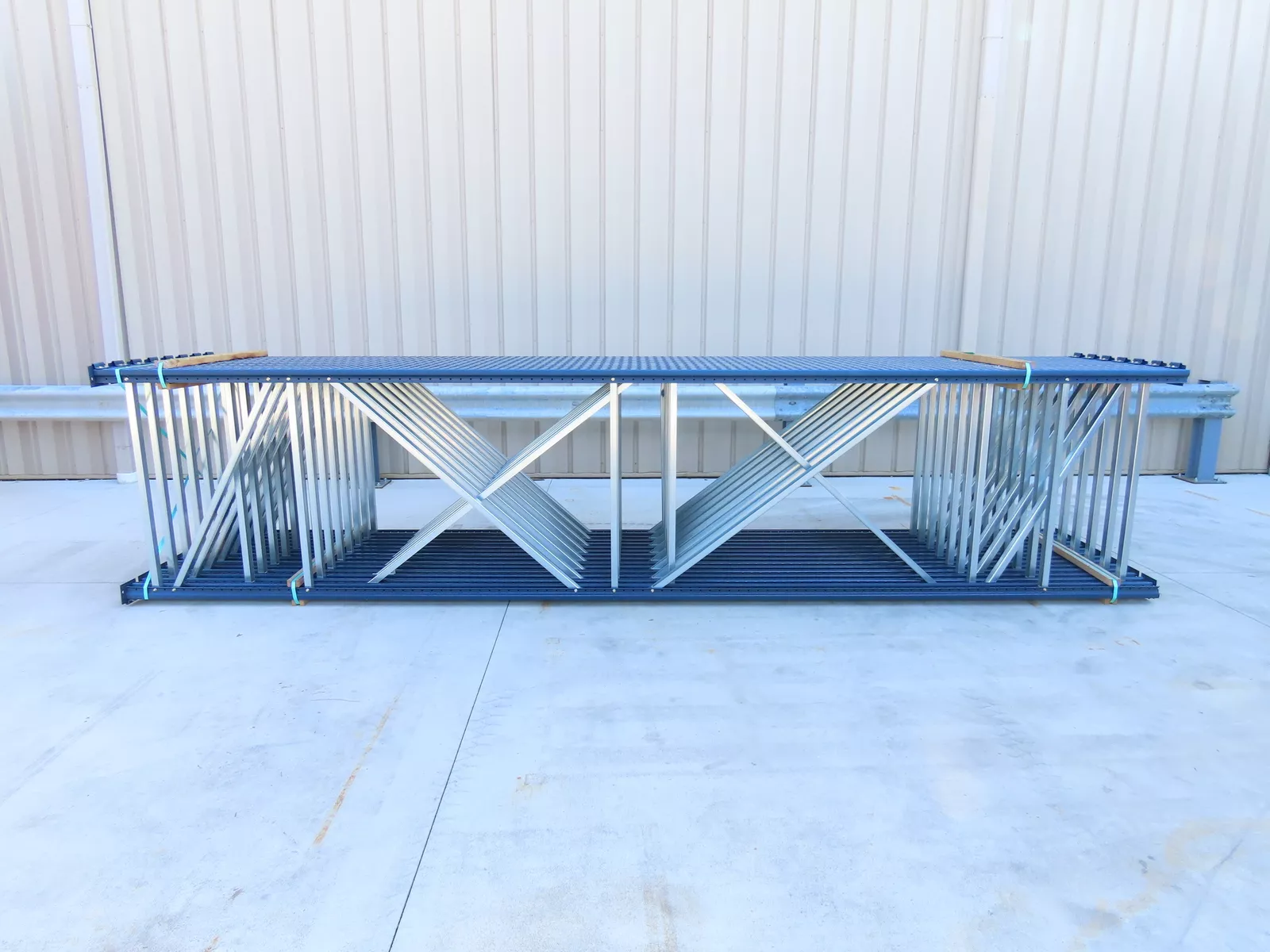
How Can Companies Encourage A Culture Of Sustainability Among Staff?
Conclusion
Conclusion: Join the Movement Toward Sustainable Warehouse Operations
As we’ve explored, the integration of sustainable practices into warehouse operations is not just beneficial; it’s imperative for the future of your business and our planet. Imagine transitioning your warehouse into a haven of efficiency while minimizing your carbon footprint. This vision is achievable through purposeful changes, beginning with your pallet racking systems which can incorporate eco-friendly materials to maximize space while demonstrating your commitment to sustainability.
You’ve learned that energy-efficient lighting and innovative climate control systems can drastically cut operational costs, allowing you to reinvest those savings into expansion and innovation. The implementation of smart energy solutions not only enhances productivity but fosters a culture of responsibility among your employees, transforming them into passionate advocates for your organization—loyalty that’s priceless in today’s competitive market.
Waste management has emerged as another pillar of sustainability, showcasing the importance of reducing and reusing materials. By employing strategic waste management techniques, such as smart technology and partnerships with sustainable suppliers, your warehouse can become a model of efficiency and eco-consciousness, making a real impact on your community and the environment.
Ultimately, adopting sustainable practices cultivates trust with your customers, employees, and other stakeholders. As consumers become increasingly eco-conscious, aligning your operations with these values not only strengthens your brand image but also positions you as a leader in sustainable logistics.
But here’s the catch: every moment you delay is a missed opportunity. The time to act is NOW! Don’t let your competitors outshine you by taking the lead on sustainability. Arrow Industrial Sales is ready to provide you with the solutions you need to revolutionize your warehouse operations.
Take the first step toward transforming your business into a sustainable powerhouse. Call Arrow Industrial Sales today at (574) 349-6575 to discover how our innovative solutions can kick-start your journey toward eco-friendly efficiency. Remember, this is not merely a trend, but a necessary evolution in warehouse management. Join us in leading the charge toward a sustainable future—your business and our planet will thank you!

Conclusion
Conclusion:
- Integrating sustainable practices in warehouse operations is essential for business and environmental health.
- Transitioning to eco-friendly pallet racking systems can enhance efficiency and demonstrate sustainability commitment.
- Energy-efficient lighting and climate control can reduce operational costs, enabling reinvestment into growth and innovation.
- Implementing smart energy solutions boosts productivity and fosters employee responsibility and loyalty.
- Strategic waste management techniques can help reduce and reuse materials, enhancing ecological responsibility.
- Adopting sustainable practices builds trust with customers and strengthens brand image in the eco-conscious market.
- Act now to avoid missed opportunities; partner with Arrow Industrial Sales to revolutionize warehouse operations.

Conclusion
Other Resources

Other Resources
Here is a list of other resources you can review online to learn more:
- National Safety Council
- IIWS Inc. Rack Installation Illinois & Rack Repairs Illinois
- What is Selective Racking: Understanding Benefits & Options
- Chicago Pallet Racking
- Pallet Racks, Pallet Racking, Pallet Shelves in Stock – ULINE
- Pallet Racking systems in Illinois and Great Lakes
- Warehouse Racking Systems: Beginner’s Guide to Rack Systems
- Bradford Systems
- Overhead Lifting
- Selective Racking
Use This Prompt To Get More Resources With Your Favorite Online AI Tool: Please provide me with a list of online articles with their URLs in a bulleted list that I can read regarding How Could Sustainable Practices Change Warehouse Operations?

Other Resources
Glossary Terms
How Could Sustainable Practices Change Warehouse Operations? – Glossary Of Terms
1. Sustainability: The ability to meet present needs without compromising the ability of future generations to meet their own needs, often involving environmental, social, and economic considerations.
2. Green Logistics: A method of managing logistics and supply chain processes that minimizes environmental impact, focusing on efficiency, waste reduction, and eco-friendly practices.
3. Energy Efficiency: The goal of reducing energy consumption while maximizing productivity, often achieved through modern technology, better practices, and renewable energy sources.
4. Renewable Energy: Energy derived from resources that are replenished naturally, such as solar, wind, and hydropower, used to power warehouse operations sustainably.
5. Waste Reduction: Strategies aimed at minimizing waste generation in warehouse operations, which can include recycling, repurposing, and reducing packaging materials.
6. Carbon Footprint: The total amount of greenhouse gases (GHGs) emitted directly or indirectly by warehouse operations, often measured in CO2 equivalents.
7. Eco-friendly Packaging: Packaging materials that are biodegradable, recyclable, or made from sustainable sources, reducing environmental impact in the supply chain.
8. Warehouse Automation: The use of robotics and technology to optimize warehouse operations, which can lead to reduced energy consumption and minimized waste.
9. Supply Chain Transparency: The practice of openly sharing information regarding product sourcing and processes, helping to ensure sustainable and ethical practices throughout the supply chain.
10. Circular Economy: An economic system aimed at eliminating waste through the continual use of resources, encouraging recycling, reusing materials, and reducing reliance on finite resources.
11. Green Certifications: Indications or labels that recognize facilities as adhering to eco-friendly practices, such as LEED (Leadership in Energy and Environmental Design) certification for buildings.
12. Sustainable Sourcing: The practice of procuring products and materials from suppliers who follow environmentally friendly practices and ethical business methods.
13. Biodiversity: The variety of plant and animal life in a particular habitat, which can be impacted by warehouse operations; promoting biodiversity can enhance ecological balance.
14. Smart Technology: Integrated systems that use data analytics and IoT (Internet of Things) to optimize warehouse management, improve energy efficiency, and reduce waste.
15. Lean Warehousing: A strategy focused on improving warehouse efficiency by eliminating waste in the supply chain while keeping quality high and processes streamlined.
16. Employee Engagement: Involvement of employees in sustainability initiatives, which can lead to innovations and improvements in sustainable practices within warehouse operations.
17. Carbon Neutrality: Achieving a net-zero carbon footprint by balancing emitted CO2 with an equivalent amount of offsetting actions, such as reforestation or renewable energy credits.
18. Fleet Optimization: The process of improving the management and operation of the transportation fleet to reduce fuel consumption and emissions in the logistics chain.
19. Product Lifecycle Assessment (LCA): A methodology for assessing the environmental impacts of a product throughout its entire lifecycle, from raw material extraction to disposal.
20. Sustainable Warehousing: A practice that incorporates sustainable measures, such as energy-efficient designs, waste management systems, and environmentally friendly operations in warehousing.
21. Alternative Fuels: Fuels that are not derived from traditional fossil fuels, such as biodiesel, hydrogen, or electricity, used to power warehouse vehicles for lower emissions.
22. Green Supply Chain Management (GSCM): The incorporation of environmentally sustainable practices into the supply chain, from sourcing to delivery, with the goal of reducing environmental impact.
23. Energy Audits: Assessments conducted to evaluate energy consumption within a warehouse, identifying areas for improvement in efficiency and sustainability.
24. Cold Chain Sustainability: Practices aimed at minimizing energy use and waste in temperature-controlled logistics, crucial for perishable goods stored in warehouses.
25. Social Responsibility: The obligation of businesses to act in a way that benefits society as a whole, which, in warehouse operations, can include fair labor practices and community engagement.
26. Resource Optimization: Efficient use of resources such as space, inventory, and labor in warehouse operations to minimize waste and improve sustainability.
27. Sustainable Fleet Management: Strategies focused on optimizing vehicle use, maintenance, and routing to reduce fuel consumption and emissions from the transportation aspect of warehousing.
28. Environmental Impact Assessment (EIA): A process designed to evaluate the potential environmental effects of warehouse projects and operations, ensuring compliance with legal and regulatory standards.
29. Demand Forecasting: Techniques used to predict customer demand to manage inventory levels more efficiently and reduce waste resulting from overstocking.
30. Performance Metrics: Measurements used to evaluate the effectiveness of sustainable practices in warehouse operations, helping to track progress and identify areas for improvement.

Glossary Of Terms
Other Questions
How Could Sustainable Practices Change Warehouse Operations? – Other Questions
If you wish to explore and discover more, consider looking for answers to these questions:
- What are the specific eco-friendly materials that can be used in pallet racking systems?
- How can companies effectively measure the impact of sustainable practices in warehousing?
- What are some successful case studies of warehouses implementing sustainable practices?
- What training programs or resources are available to educate employees about sustainability?
- How can businesses engage eco-conscious consumers through sustainable warehousing?
- What challenges might companies face when transitioning to sustainable practices?
- How can technology enhance sustainability efforts in warehouse operations?
- What role do suppliers play in promoting sustainability in the logistics and warehousing sector?
- How can sustainable warehousing practices improve safety and health standards for employees?
- What metrics beyond energy consumption and waste reduction should be considered for sustainability measurement?

Other Questions
Checklist
How Could Sustainable Practices Change Warehouse Operations? – A Checklist
Checklist: Implementing Sustainable Practices in Warehouse Operations
1. Evaluate and Upgrade Pallet Racking Systems
_____ Assess current pallet racking for space utilization.
_____ Explore eco-friendly materials for new racking.
_____ Optimize racking layout for improved workflow efficiency.
2. Improve Energy Efficiency
_____ Replace traditional lighting with energy-efficient options (e. g. , LED).
_____ Review heating and cooling systems for efficiency.
_____ Consider alternative energy sources like solar panels.
3. Enhance Waste Management Practices
_____ Set up recycling stations throughout the warehouse.
_____ Implement a composting program for organic waste.
_____ Establish a zero-waste policy and track progress.
4. Foster a Culture of Sustainability
_____ Conduct regular training sessions on sustainable practices.
_____ Create a “Green Team” for staff input on sustainability initiatives.
_____ Recognize and reward employees for eco-friendly practices.
5. Utilize Technology for Efficiency
_____ Implement waste management and energy tracking software.
_____ Utilize data-driven inventory management systems to reduce waste.
_____ Explore logistics software to optimize delivery routes.
6. Engage with Stakeholders
_____ Communicate sustainability efforts to customers, suppliers, and stakeholders.
_____ Foster partnerships with suppliers who prioritize sustainable practices.
_____ Share sustainability progress and accomplishments publicly.
7. Measure and Monitor Sustainability Metrics
_____ Track energy consumption regularly to identify improvement areas.
_____ Assess waste reduction rates and recycling effectiveness.
_____ Evaluate employee engagement in sustainability programs.
8. Align Sustainability with Company Values
_____ Integrate sustainability into the company’s mission statement.
_____ Celebrate sustainability milestones and achievements publicly.
_____ Encourage open communication for new ideas related to sustainability.
By following this checklist, you can help transform your warehouse operations into a model of efficiency and sustainability, ultimately contributing positively to both the environment and your business’s bottom line.

Checklist
At RackingWorld, we help guide you through selecting warehouse storage systems and racking.
Be sure to read our other related stories at RackingWorld to learn more about warehouse storage systems.
0 Comments