
Maximizing Warehouse Safety Through Ergonomics
By Tom Seest
At RackingWorld, we help guide you through selecting warehouse storage systems and racking.
Be sure to read our other related stories at RackingWorld to learn more about warehouse storage systems.
How Can Ergonomics Improve Worker Safety In Warehouse Settings?
Picture this: your warehouse is a bustling hub of activity. Pallet racking towers stand tall, filled to the brim with inventory, while conveyor belts hum rhythmically in the background. You might think these elements are just part of the daily grind, but let’s pause for a moment and consider a crucial factor that can transform this environment: ergonomics.
Ergonomics isn’t just a buzzword; it’s the science of fitting the workplace to the worker. When thoughtfully applied in warehouse settings, it can drastically enhance both safety and efficiency. Imagine a world where your employees move seamlessly, lifting and maneuvering with ease, rather than struggling through the day. Isn’t that a dream worth pursuing?
Here’s how implementing ergonomic solutions can reshape your warehouse culture. First, consider the physical demands posed by pallet racking systems. Workers frequently reach, bend, and lift heavy items. If your warehouse layout doesn’t support ergonomic best practices, you may inadvertently invite injuries that not only disrupt operations but also diminish morale. By rethinking how products are organized on those racks—optimizing height and accessibility—you can make a monumental difference.
Think about proper lifting techniques and providing the right tools—like lift assists or adjustable-height equipment. When employees feel empowered and safe, their productivity soars. No longer burdened by the risk of injury, they can focus on the tasks that matter. In turn, this commitment to their well-being translates into reduced absenteeism and lower workers’ compensation costs for your business.
Moreover, fostering an ergonomic culture communicates that you care about your employees. This builds trust and loyalty that goes both ways; when workers know their safety is a priority, they become more engaged and motivated. You’ll see that reflected in the speed and accuracy of order fulfillment.
So, take action now. Conduct an ergonomic assessment of your workspace and engage your team in the process. Solicit their feedback—after all, they know the challenges they face every day. With the right adjustments and a commitment to ongoing improvement, your warehouse can become a sanctuary of safety and efficiency, transforming not just the space, but the lives of every person who steps into it. Embrace the power of ergonomics today; your workforce—and your bottom line—will be grateful.
How Can Ergonomics Improve Worker Safety In Warehouse Settings?
How Can Ergonomics Improve Worker Safety In Warehouse Settings?
- Warehouses are dynamic spaces filled with pallet racking and conveyor belts, but ergonomics is crucial for optimizing the environment.
- Ergonomics is the science of fitting the workplace to the worker, enhancing safety and efficiency.
- Proper warehouse layout can prevent injuries by optimizing the organization of products on racks for better accessibility.
- Implementing ergonomic solutions, like proper lifting techniques and tools, boosts employee productivity and reduces injury risks.
- An ergonomic culture signals employer care, fostering trust, loyalty, and higher employee engagement.
- Engage employees in ergonomic assessments to identify challenges and solutions for improvement.
- Commitment to ergonomics can transform warehousing spaces and enhance the overall well-being of employees.

How Can Ergonomics Improve Worker Safety In Warehouse Settings?
Table Of Contents
- How Can Ergonomics Improve Worker Safety In Warehouse Settings?
- What Are The Main Ergonomic Risks In Warehouse Environments?
- How Can Poor Ergonomics Lead To Injuries In Warehouses?
- What Ergonomic Tools Can Enhance Worker Safety?
- How Does Proper Lifting Technique Reduce Injury Risk?
- What Role Does Workstation Design Play In Warehouse Safety?
- How Can Employee Training Improve Ergonomic Practices?
- Conclusion
- Other Resources
- Glossary Of Terms
- Other Questions
- Checklist
What Are The Main Ergonomic Risks In Warehouse Environments?
In the bustling world of warehousing, where efficiency reigns supreme and products fly from pallet racking to shipping docks, too often the unseen risks lurk just beneath the surface. Have you ever felt the strain in your back after a day of lifting heavy boxes or maneuvering through tight aisles? You’re not alone. This backache isn’t just a personal nuisance; it represents a very real risk that affects countless workers in the warehouse environment.
One of the most significant ergonomic risks come from improper lifting techniques. When employees are tasked with hoisting or shifting large items from the pallet racking without proper training or equipment, they face the highest likelihood of injury. Over time, poor lifting practices can lead to chronic conditions that not only lay waste to productivity but also take a toll on employees’ well-being. Remember, it’s not just about moving products; it’s about moving them safely.
Another area of concern in warehouses is repetitive motion injuries. Picture the daily grind—countless repetitions of reaching, bending, and lifting. As workers navigate through rows of pallet racking, the repetition can lead to strain over time. Whether it’s the twisting of the torso or constant elbow extension, the risk of developing conditions like tendinitis or carpal tunnel syndrome is ever-present. Recognizing these movements early and implementing ergonomic interventions can save your team from prolonged discomfort—and bolster their output.
Don’t overlook the layout of the warehouse itself. A well-structured environment is key to mitigating these risks. For instance, if moving from one section to another involves long distances or congested pathways, it increases the likelihood of fatigue and accidents. Ergonomic design also means minimizing the height of pallet racking for frequently accessed items, reducing the need for awkward reaching or heavy lifting.
But here’s the good news: by fostering a culture of safety and awareness, you’ll not only protect your employees but also cultivate trust and loyalty within your team. It’s all about embracing the right ergonomics and promoting safe practices! Investing in training, ergonomic tools, and a thoughtful warehouse design ultimately pays off—both in employee well-being and in your company’s bottom line.
So, are you ready to tackle these ergonomic risks head-on? The initiative you take today can lead to a healthier, more productive warehouse tomorrow. Don’t just warehouse products; warehouse peace of mind!

What Are The Main Ergonomic Risks In Warehouse Environments?
What Are The Main Ergonomic Risks In Warehouse Environments?
- Warehouse environments pose unseen ergonomic risks that can impact worker health and productivity.
- Improper lifting techniques are a significant risk, leading to injuries and chronic conditions among employees.
- Repetitive motion injuries arise from constant reaching, bending, and lifting, increasing the risk of conditions like tendinitis and carpal tunnel syndrome.
- The layout of the warehouse plays a crucial role in mitigating risks; long distances and congested pathways increase fatigue and accidents.
- Implementing ergonomic design, such as lower pallet racking, helps reduce awkward movements and heavy lifting.
- Fostering a culture of safety and awareness enhances employee well-being and builds trust and loyalty within the team.
- Investing in ergonomic training and tools leads to a healthier workplace and benefits the company’s bottom line.
What Are The Main Ergonomic Risks In Warehouse Environments?
How Can Poor Ergonomics Lead To Injuries In Warehouses?
In the bustling environment of a warehouse, efficiency is paramount. However, when ergonomics take a backseat, the consequences can be damaging not only to your employees but also to your bottom line. Picture this: workers maneuvering around a maze of pallet racking, bending awkwardly to pick up boxes that are seemingly too heavy or reaching for items placed far above shoulder level. This scenario is all too common and can lead to a range of injuries—from strained backs to repetitive strain injuries—that leave employees sidelined and your operation in disarray.
Why does this happen? Inadequate attention to ergonomics means that tasks are often designed without considering the human body’s needs. When workers are positioned to perform functions that stress their muscles or joints, it creates an environment ripe for injury. Each time an employee lifts a package incorrectly or twists while carrying it, they’re putting themselves at risk. Imagine the cumulative effect of these daily stresses—eventually, they catch up.
But here’s the good news: you have the power to change this. By investing in proper ergonomic practices, not only will you foster a safer environment, but you’ll also enhance productivity. Take a step back and evaluate your workspace. Are your pallet racking systems positioned conveniently? Can employees easily access items without having to stretch or strain? Implementing simple adjustments can make a world of difference.
Consider adjustable shelving and pallet layout optimization. Providing tools that minimize bending, such as pallet jacks or lift assists, can significantly reduce the risk of injuries. And let’s not forget the value of training; educating your workforce about safe lifting techniques and the importance of taking breaks can empower them to work smarter, not harder.
By prioritizing ergonomics, you are not just protecting your employees—you are investing in your company’s future. Fostering a culture of care and safety builds trust and loyalty among your team, leading to reduced absenteeism, decreased turnover, and ultimately, a more thriving workplace. Trust us, the ripple effect of better ergonomics is profound; it will enhance morale, creativity, and productivity while keeping your teams injury-free. Take the first step today, because when it comes to warehouse safety, making the right moves now will pay off in spades down the line.
How Can Poor Ergonomics Lead To Injuries In Warehouses?
How Can Poor Ergonomics Lead To Injuries In Warehouses?
- Efficiency in warehouses is crucial, but neglecting ergonomics can harm both employees and the bottom line.
- Common issues include workers bending awkwardly and lifting heavy items, leading to injuries like strained backs.
- Inadequate ergonomic considerations can result in task designs that stress workers’ muscles and joints.
- Improper lifting techniques and twisting while carrying can pose ongoing injury risks to employees.
- Investing in ergonomic practices can enhance workplace safety and boost productivity.
- Implementing adjustable shelving and tools like pallet jacks can significantly reduce injury risk.
- Prioritizing ergonomics fosters a culture of safety, reducing absenteeism and turnover while improving team morale and productivity.
How Can Poor Ergonomics Lead To Injuries In Warehouses?
What Ergonomic Tools Can Enhance Worker Safety?
In today’s fast-paced work environment, prioritizing worker safety isn’t just a legal obligation—it’s a moral imperative. Enter ergonomic tools, essential allies in your quest to safeguard your most valuable asset: your team. Imagine a workplace where efficiency meets safety, where your employees can thrive without the looming threat of injury. That’s the reality you can create with the right ergonomic tools.
Take a Fresh Look at Pallet Racking
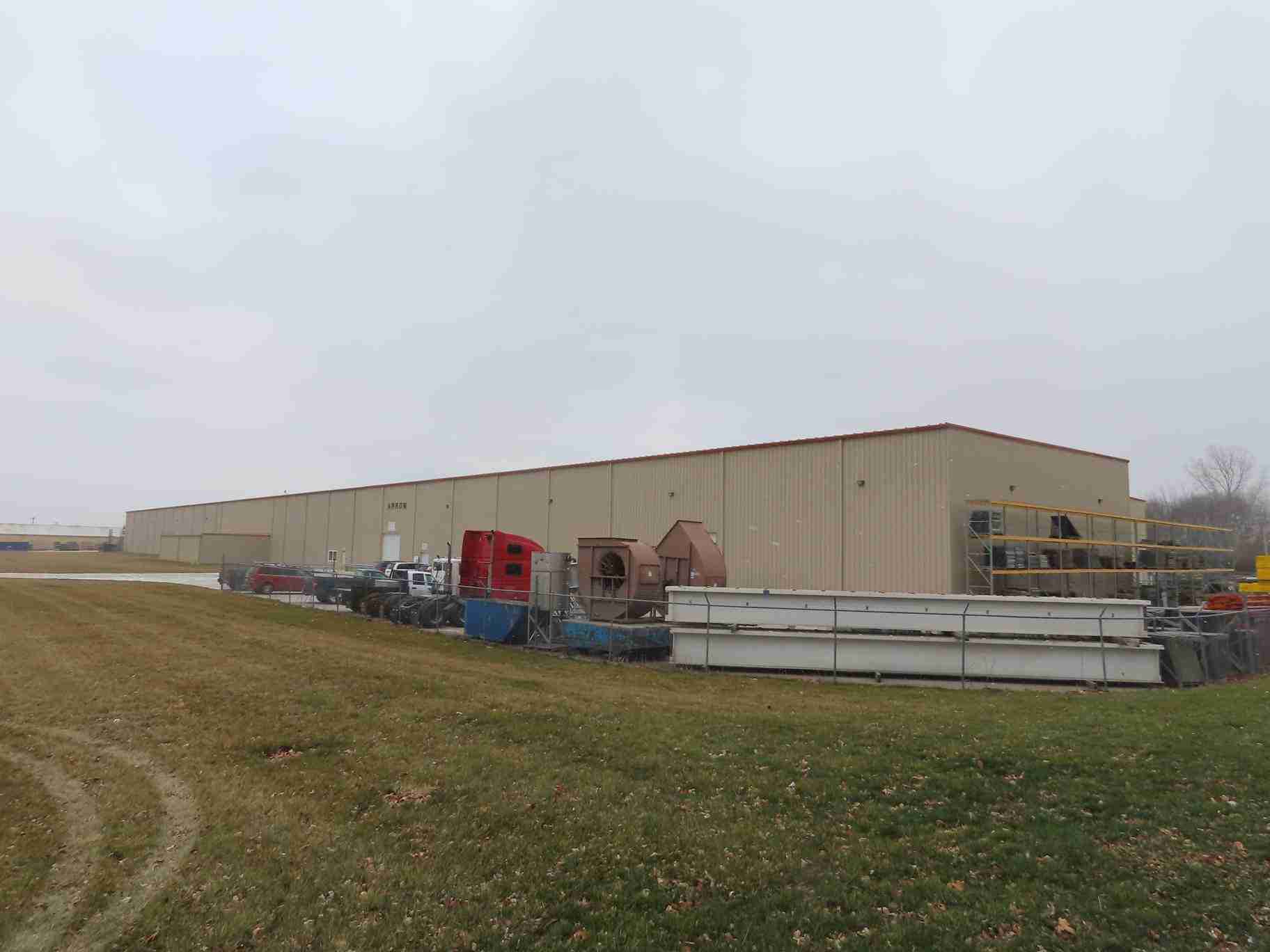
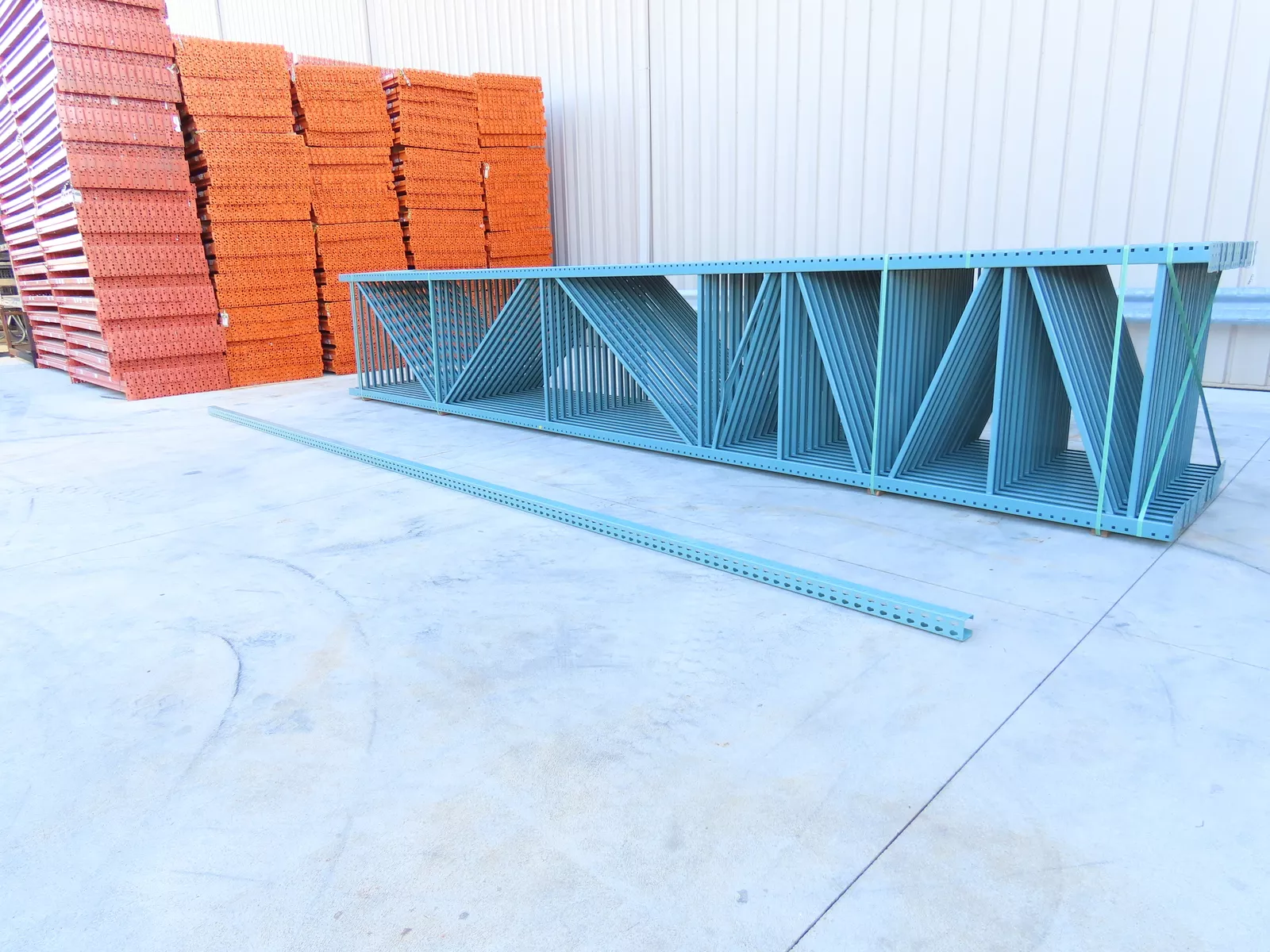
Start with something as fundamental as pallet racking. It might seem like a simple storage solution, but using adjustable and ergonomic pallet racking can make a world of difference. Why? Because it enables workers to reach for materials without straining their backs or arms, reducing the risk of musculoskeletal disorders. Picture this: your team accesses products with ease, seamlessly moving through their tasks while minimizing discomfort. That’s not just smart; it’s transformational.
Workstations That Work for Your Workers
Next up, let’s shake things up with innovative workstations. Ergonomic chairs and desks that adjust to the user encourage better posture and reduce fatigue over long hours. By investing in these tools, you send a clear message to your employees: their health matters. As they navigate their daily routines, they’ll appreciate how the workspace adapts to them rather than the other way around. Happy, healthy employees lead to improved productivity and lower turnover rates—it’s a win-win.
The Power of Hand Tools
It doesn’t stop there. Hand tools designed with ergonomics in mind can further reduce strain. Think about it: a simple switch to lightweight, properly designed hand tools can lessen the stress on workers’ wrists and hands, which translates to fewer injuries and worker’s comp claims. Equip your team with tools that provide comfort and efficiency, and watch morale soar as they tackle their tasks with renewed vigor.
Fostering a Safety Culture
Lastly, remember that safety tools are only as effective as the culture that supports them. By empowering your team to prioritize their health and safety, you foster a shared commitment to a safer workplace. Hold regular training sessions that emphasize ergonomic practices, encouraging open dialogue about health and safety concerns. When your workers feel heard and equipped, trust flourishes, and productivity follows suit.
Investing in ergonomic tools—like modular pallet racking, adjustable workstations, and specially designed hand tools—can greatly enhance worker safety. Embrace these changes, not just for compliance but as an investment in a thriving workforce. Your team deserves it, and so do you. Take the step today toward a safer, more efficient workplace; your employees will thank you for it.
What Ergonomic Tools Can Enhance Worker Safety?
What Ergonomic Tools Can Enhance Worker Safety?
- Prioritizing worker safety is a moral imperative and not just a legal obligation.
- Ergonomic tools help create a safe workplace, enhancing employee productivity and comfort.
- Adjustable and ergonomic pallet racking reduces the risk of musculoskeletal disorders for workers.
- Innovative workstations that adjust promote better posture and reduce fatigue, showing employees their health is valued.
- Ergonomic hand tools minimize strain on wrists and hands, decreasing injuries and worker’s compensation claims.
- Creating a safety culture through regular training and open dialogue empowers employees to prioritize their health.
- Investing in ergonomic solutions fosters a thriving workforce and enhances overall productivity.
What Ergonomic Tools Can Enhance Worker Safety?
How Does Proper Lifting Technique Reduce Injury Risk?
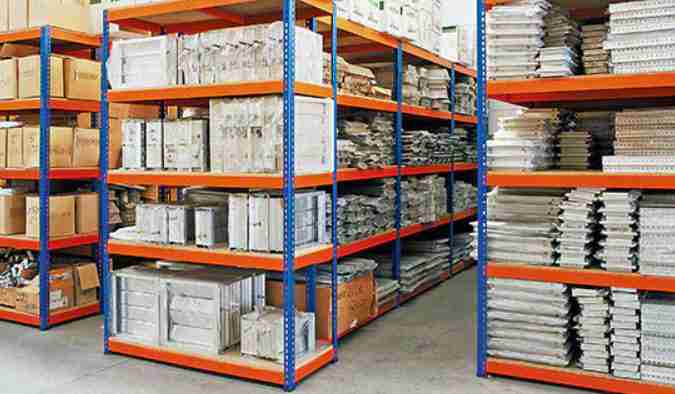
Imagine a jam-packed warehouse bustling with activity. Racks of pallet racking tower above, filled to the brim with goods that need moving. Amidst this lively backdrop, let’s shine a spotlight on one key factor that can make or break your success—proper lifting technique.
We often underestimate the sheer physical demands of working in environments with pallet racking. The items stored can vary in weight, size, and shape, presenting unique challenges that require more than just sheer strength to manage safely. It’s easy to think that lifting heavy boxes just comes down to power, but this couldn’t be further from the truth. The right technique is your secret weapon, and it’s more than merely academic; it’s the difference between a smooth operation and serious injury.
When you employ the fundamentals of proper lifting technique, you’re not just preserving your physical health—you’re investing in your long-term career and peace of mind. Think of it this way: every time you lift an object with intention, engaging your core and using your legs while keeping your back straight, you’re taking a proactive step in reducing the risk of injury. This isn’t just theory; it’s backed by countless studies that show how the body responds favorably to techniques that prioritize joint alignment and muscular support.
How does this translate to your day-to-day activities? Picture lifting a heavy box from your pallet racking. If you bend at the knees and keep the box close to your body, you’re distributing the weight more effectively, alleviating stress on your back. It’s a small strategic move that leads to significant results. The less strain you put on your body, the less likelihood there is of experiencing those nagging injuries that can sideline you for days—or even weeks.
Furthermore, embracing proper lifting techniques fosters a culture of safety within your workplace. Colleagues witness your commitment and may be inspired to elevate their own practices. This ripple effect enhances team morale and builds mutual trust in one another’s ability to work safely and efficiently, ensuring everyone goes home without the aches and pains of a preventable injury.
So, the next time you’re faced with a heavy load on that pallet racking, remember: it’s not just about lifting smart; it’s about lifting with purpose. Your body—and your career—will thank you for it. Prioritize your health, bolster your skills, and watch as the productivity of your entire operation flourishes!
How Does Proper Lifting Technique Reduce Injury Risk?
How Does Proper Lifting Technique Reduce Injury Risk?
- A busy warehouse filled with goods showcases the importance of proper lifting technique.
- Working with pallet racking requires more than just strength due to varying weights and sizes of items.
- Correct lifting technique is essential for safety and can prevent serious injuries.
- Engaging your core, using your legs, and keeping your back straight are fundamental to safe lifting.
- Effective lifting reduces strain on the body, minimizing the risk of injuries that could lead to time off.
- Adopting proper techniques promotes a culture of safety, inspiring coworkers to follow suit.
- Lifting with purpose improves your health and enhances overall workplace productivity.
How Does Proper Lifting Technique Reduce Injury Risk?
What Role Does Workstation Design Play In Warehouse Safety?
When it comes to warehouse safety, the design of your workstation plays a pivotal role in ensuring not just efficiency, but also the well-being of your team. Picture this: a well-organized workstation, thoughtfully designed around your workforce, can be the difference between a smooth operation and a catastrophic mishap. Every detail matters, from the placement of equipment to the use of space.
Think about pallet racking—often viewed as merely a storage solution, it can actually enhance safety when combined with optimal design practices. When pallet racking is strategically positioned within the workstation, it not only maximizes vertical space utilization but also minimizes the risk of falls and accidents. Imagine your employees maneuvering through the aisles with confidence, knowing that they can easily access goods without the fear of tripping over clutter or poorly placed racks.
But it isn’t just about the physical layout of your warehouse. A well-thought-out workstation reinforces a culture of safety. When workers see that their comfort and safety were priorities during the design phase, they’re more likely to engage in safe practices on the floor. For instance, incorporating ergonomic tools and accessible storage reduces strain and fatigue, leading to a happier and healthier workforce.
Moreover, clear signage and easy-to-navigate traffic patterns created by effective workstation design can prevent chaos from creeping into the daily routine. Visual cues guide employees through their tasks, sparing them from confusion and potential accidents. The ability to swiftly locate tools or materials means less time spent searching and more time spent executing tasks—safely and efficiently.
Take a moment to evaluate your current workstation layout: is it promoting safety or inadvertently creating hazards? Small tweaks can lead to significant improvements. By investing in smart workstation design, you’re not just enhancing efficiency—you’re securing the trust of your team, proving that their safety is paramount.
Lets’ take action now. Assess your pallet racking and other storage solutions through a safety lens. By prioritizing thoughtful design, your warehouse can become a beacon of safety in the industry while simultaneously boosting productivity. Your employees deserve an environment where they can thrive without fear. So, let’s create workspaces that inspire excellence—because safe warehouses produce satisfied, engaged teams ready to elevate your operations to new heights.
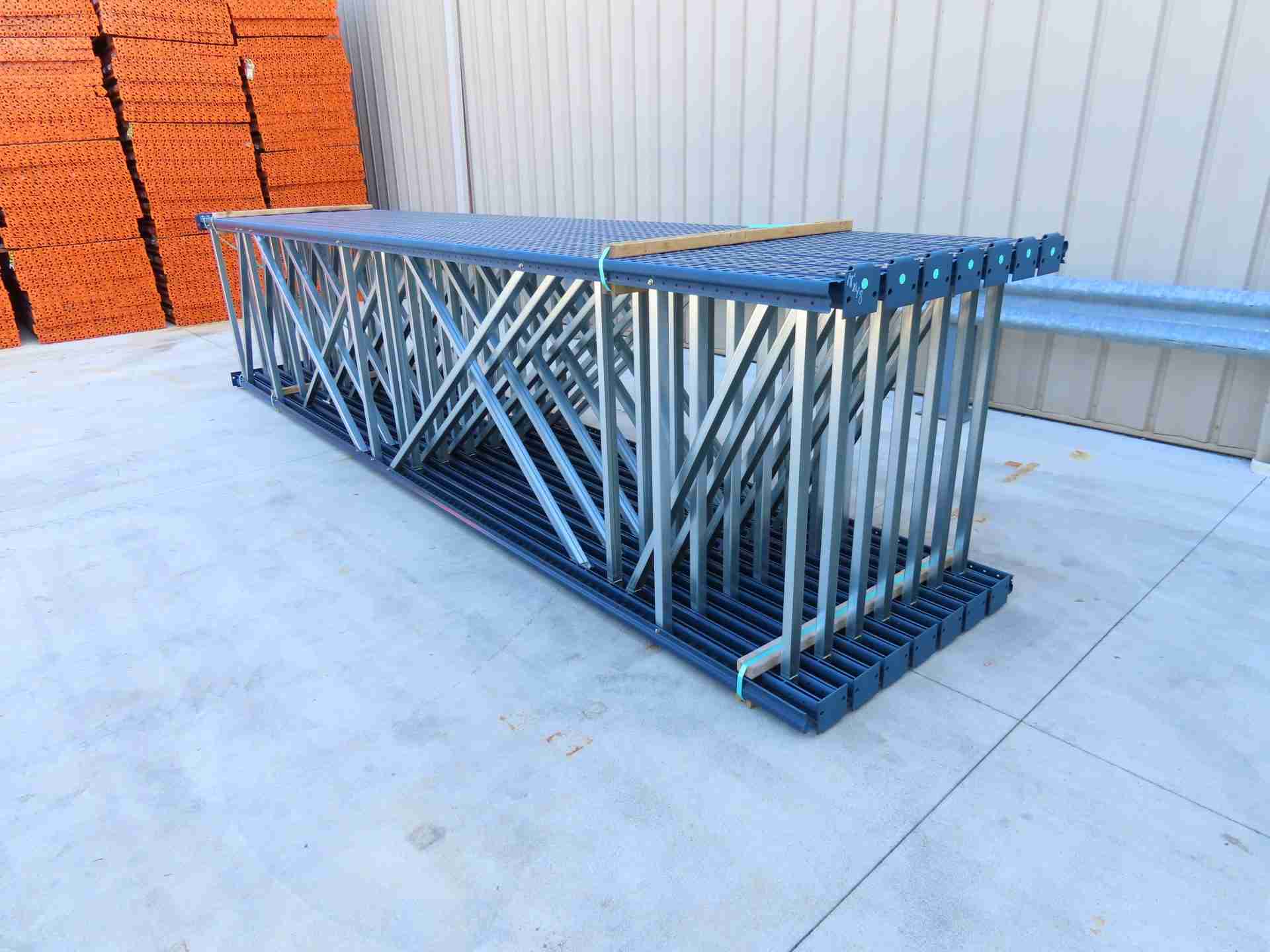
What Role Does Workstation Design Play In Warehouse Safety?
What Role Does Workstation Design Play In Warehouse Safety?
- The design of workstations in warehouses is crucial for both efficiency and employee well-being.
- Well-organized workstations prevent catastrophic mishaps by considering details like equipment placement and space usage.
- Strategically positioned pallet racking maximizes vertical space and minimizes risks of falls and accidents.
- A thoughtful workstation design fosters a safety culture, encouraging workers to engage in safe practices.
- Incorporating ergonomic tools and accessible storage reduces strain and fatigue for a healthier workforce.
- Clear signage and navigable traffic patterns decrease confusion and the potential for accidents.
- Regularly evaluate workstation layouts for safety improvements, as small changes can significantly impact the work environment.

What Role Does Workstation Design Play In Warehouse Safety?
How Can Employee Training Improve Ergonomic Practices?
Imagine walking into your workplace and seeing employees maneuvering around pallet racking with confidence and ease. That’s not just good luck; it’s the result of effective employee training focused on ergonomics. In an era where efficiency and well-being go hand-in-hand, investing in employee training on ergonomic practices is a game changer for your business.
We all know that physical discomfort can be a silent productivity killer. Employees slouching at their desks or struggling to lift heavy boxes can lead to diminished output and, ultimately, a dip in morale. By providing comprehensive ergonomic training, you’re not just fostering correct posture and safe lifting techniques; you’re creating a culture of care and respect. This resonates deeply with your team and cultivates a workplace where everyone feels valued and empowered.
Let’s take a closer look at the benefits. First, consider the long-term financial gains. Injuries due to improper ergonomics can result in costly workers’ compensation claims and high turnover rates. By equipping your employees with the knowledge to navigate their environment wisely, from adjusting their chairs to optimizing their workflow around heavy pallet racking, you reduce the risks and save your business hard-earned money.
Next, think about productivity. A workforce trained in ergonomic practices is a workforce that’s not just present, but engaged and productive. When employees experience fewer aches and pains, they’re more likely to focus on their tasks and contribute to the company’s success. Additionally, training cultivates an environment of innovation. Employees who feel physically comfortable are more likely to share ideas and collaborate, leading to greater efficiency and creativity.
But how do we ensure that this training sticks? A blend of interactive workshops, real-life simulations, and continuous support is key. Encourage employees to share their experiences and tips around pallet racking and other ergonomic best practices. This community approach not only reinforces learning but also fosters a sense of belonging and teamwork.
So, what’s stopping you? Take the plunge and invest in employee training focused on ergonomic practices. The shift is not just in how your employees work; it’s in how they feel while they work. A healthier, happier workforce awaits, ready to lift your business to new heights—without straining a muscle!

How Can Employee Training Improve Ergonomic Practices?
How Can Employee Training Improve Ergonomic Practices?
- Effective employee training focused on ergonomics enhances workplace confidence and ease.
- Physical discomfort negatively impacts productivity and morale, emphasizing the need for proper ergonomic practices.
- Comprehensive ergonomic training fosters a culture of care and respect within the team.
- Investing in ergonomic training can lead to long-term financial gains by reducing costs associated with injuries and turnover.
- A workforce trained in ergonomics is more engaged, productive, and innovative.
- Interactive workshops and continuous support help ensure that ergonomic training is effective and lasting.
- Investing in ergonomic practices leads to a healthier, happier workforce, ultimately benefiting the business.
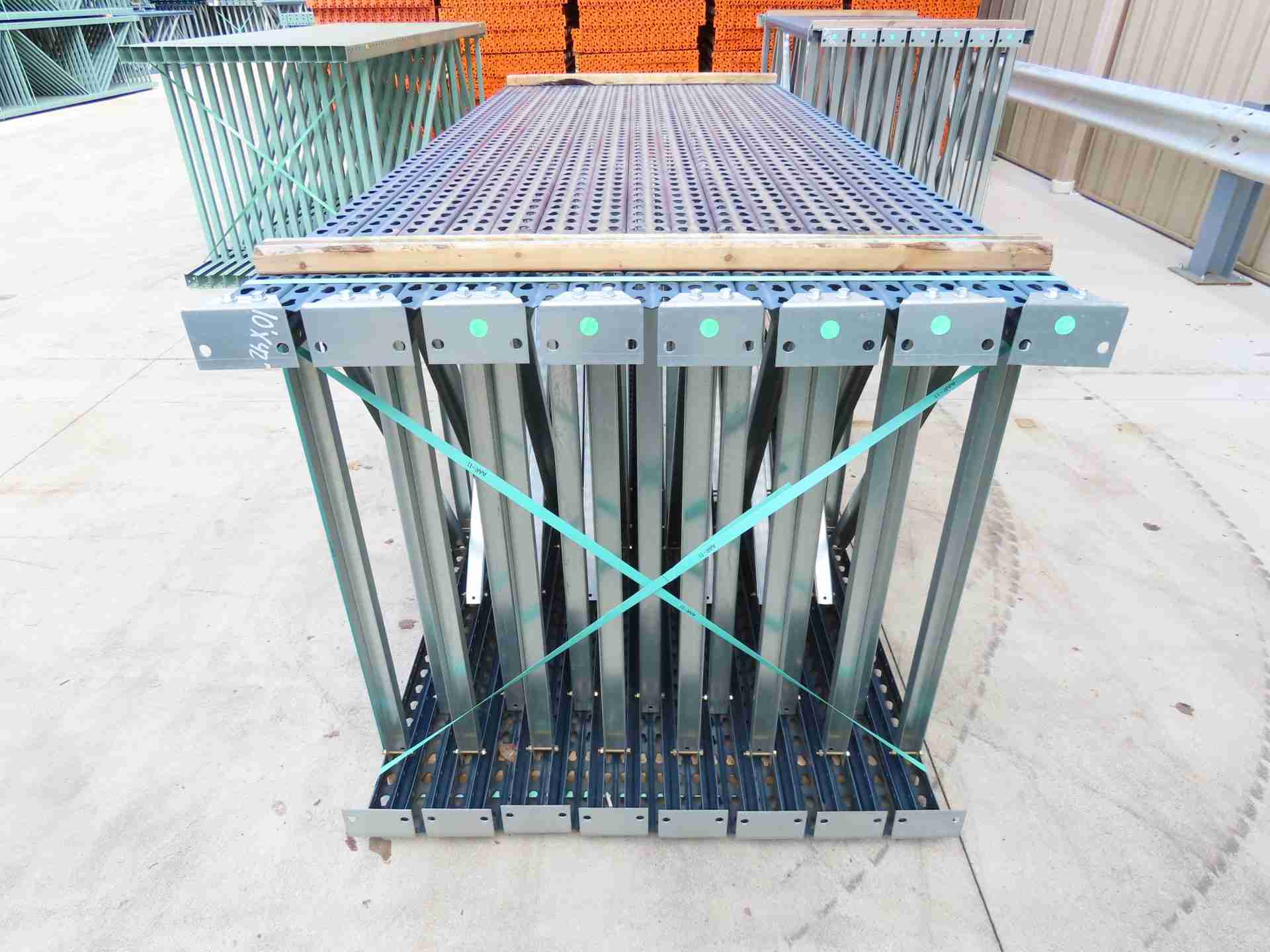
How Can Employee Training Improve Ergonomic Practices?
Conclusion
Conclusion
In the dynamic world of warehouse operations, the importance of ergonomics cannot be overstated. A carefully designed ergonomic strategy serves as a foundational element for a thriving workplace, addressing both employee well-being and productivity. As we’ve explored, prioritizing ergonomics not only minimizes physical strain but also plays a crucial role in enhancing overall worker safety. When employees have the tools and knowledge to maneuver efficiently—whether by using adjustable pallet racking systems, ergonomic workstations, or the right lifting techniques—they can significantly reduce their risk of injury. This results in a more engaged workforce and a noticeable reduction in absenteeism and turnover rates.
Consider the staggering costs associated with workplace injuries: productivity loss, increased healthcare costs, and the impact on employee morale. By proactively addressing both the physical design of your warehouse and the training your employees receive, you can mitigate these risks. Employee training that focuses on proper lifting techniques and ergonomic practices fosters a culture of safety, empowering workers to take control of their health. Workers not only learn to lift smartly; they develop a sense of loyalty to an organization that values their well-being.
As we’ve highlighted, effective ergonomics extends beyond just calculations of height and weight; it’s about cultivating an environment that resonates with safety and care. Your steps toward a more ergonomic workspace reflect a commitment to your employees, ultimately bolstering trust and team cohesion—a foundation upon which successful businesses thrive.
Now is the time to take action! Conduct an ergonomic assessment of your warehouse, engage your team in the redesign process, and invest in training programs that emphasize ergonomic practices. Every minute you delay could translate to higher risks and losses down the line. Reach out to Arrow Industrial Sales at (574) 349-6575 today, and let us help you create a safer, more productive warehouse environment tailored to your specific needs. Don’t just aim for compliance; strive for excellence in worker safety and operational efficiency. Act now, and transform your warehouse into a haven for health, safety, and success!
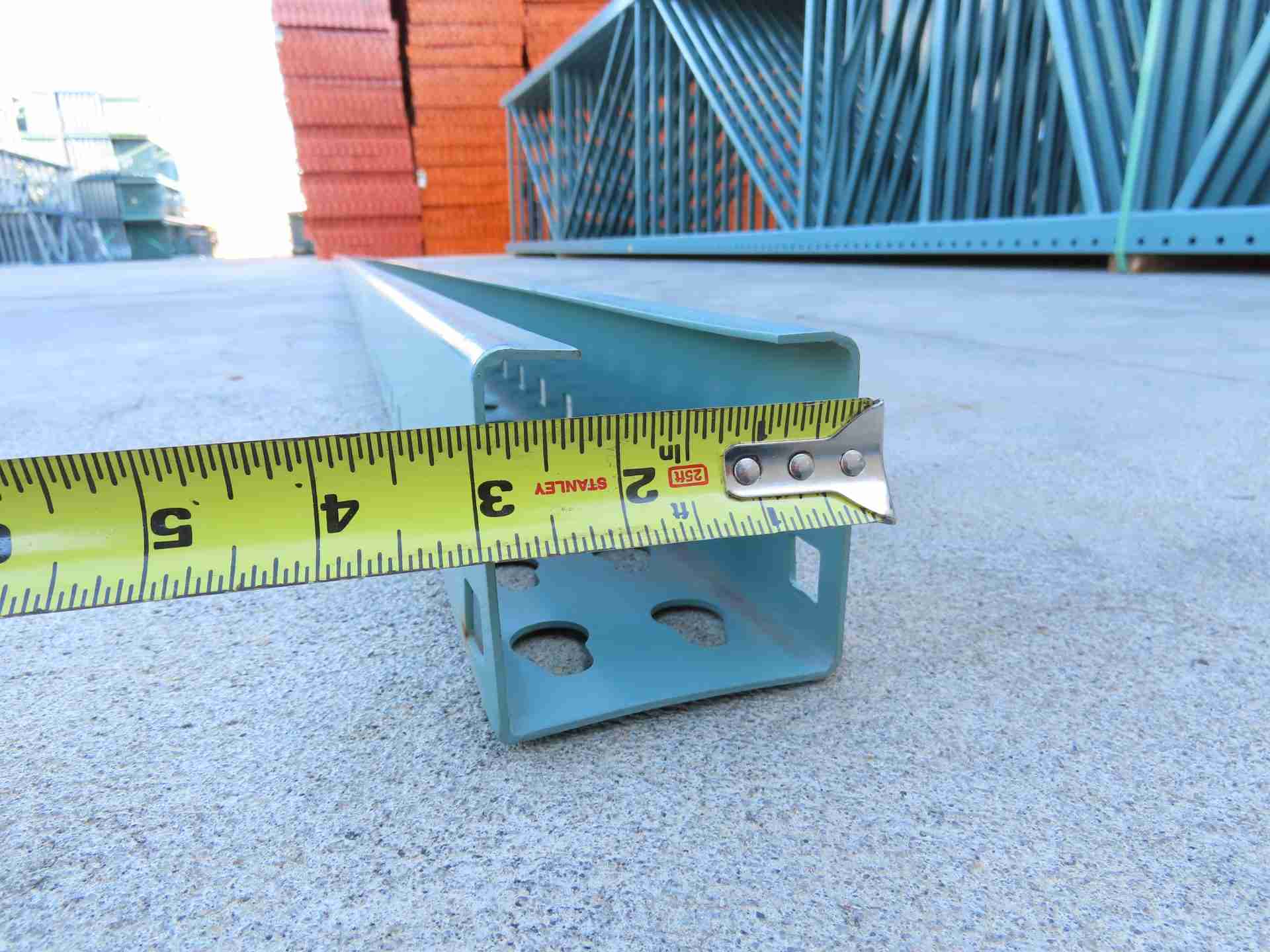
Conclusion
Conclusion:
- Ergonomics is essential in warehouse operations for enhancing employee well-being and productivity.
- A well-designed ergonomic strategy minimizes physical strain and improves overall worker safety.
- Efficient tools and techniques significantly reduce the risk of injury, leading to an engaged workforce.
- Addressing workplace injuries can decrease costs associated with productivity loss and healthcare expenses.
- Training employees in proper lifting techniques fosters a culture of safety and loyalty.
- Effective ergonomics creates an environment that promotes safety, trust, and team cohesion.
- Action steps include conducting ergonomic assessments, engaging staff, and investing in training programs.
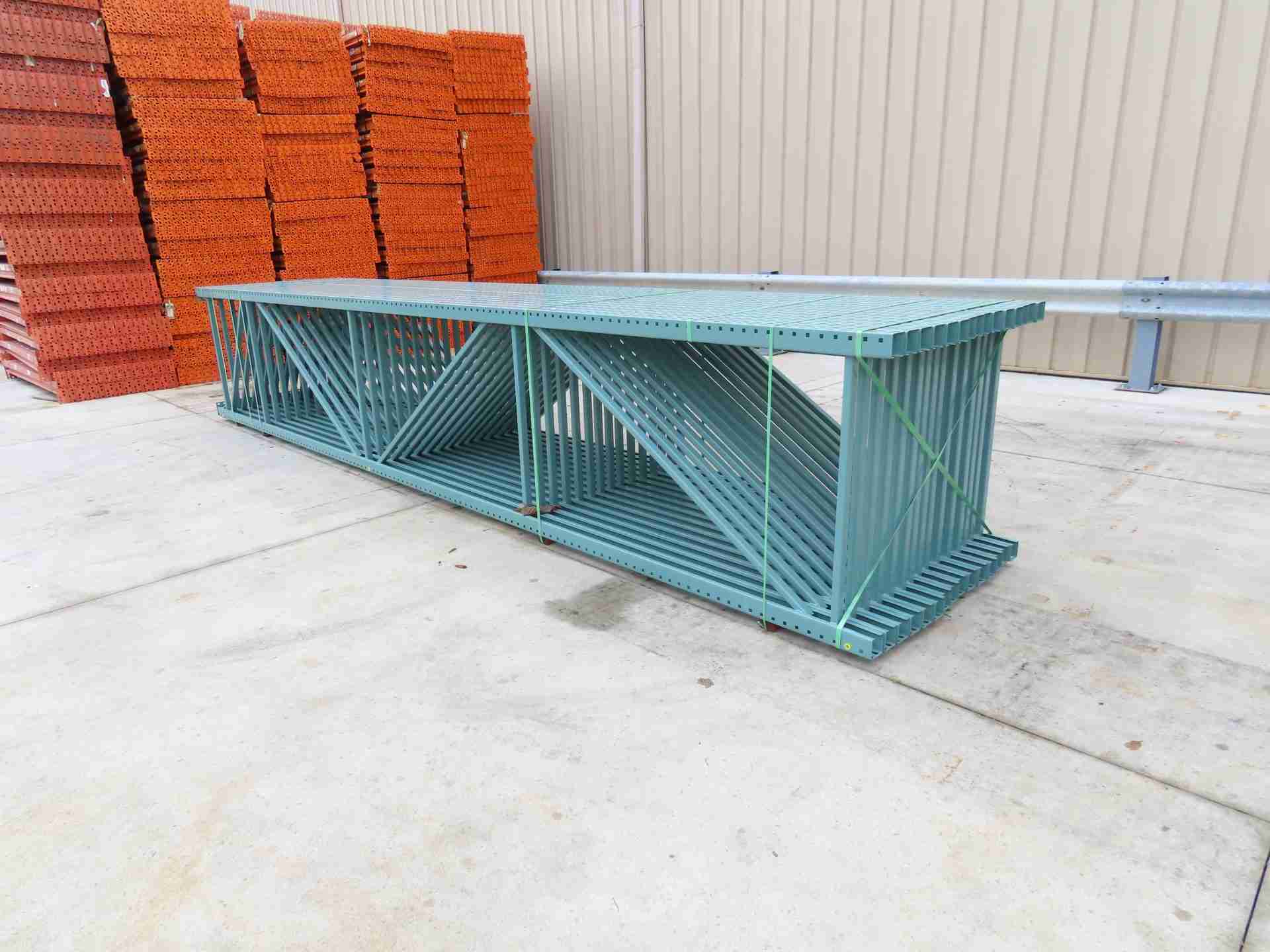
Conclusion
Other Resources
Other Resources
Here is a list of other resources you can review online to learn more:
- Teardrop Pallet Rack – Ridg-U-Rak
- Selective Racking
- Racking World
- Selective Racking
- BMH Equipment LLC
- Pallet Racking systems in Illinois and Great Lakes
- The Complete Pallet Rack Guide – Simply Rack
- Chicago Pallet Racking
- Arrow Industrial Sales
- NSC
Use This Prompt To Get More Resources With Your Favorite Online AI Tool: Please provide me with a list of online articles with their URLs in a bulleted list that I can read regarding How Can Ergonomics Improve Worker Safety In Warehouse Settings?

Other Resources
Glossary Terms
How Can Ergonomics Improve Worker Safety In Warehouse Settings? – Glossary Of Terms
1. Ergonomics: The science of designing the workspace and job tasks to fit the physical capabilities and limitations of workers, aiming to enhance efficiency and reduce injury.
2. Musculoskeletal Disorders (MSDs): Injuries or disorders affecting the muscles, nerves, and tendons, often resulting from repetitive strain, awkward postures, or heavy lifting.
3. Workstation Design: The arrangement of tools, equipment, and furniture to promote safe, efficient work practices and reducing strain on workers.
4. Lifting Techniques: Proper methods for lifting and carrying objects to minimize the risk of injury, emphasizing body mechanics and posture.
5. Force: The physical effort required to perform a task, which can lead to fatigue or injury if excessive or improperly applied.
6. Posture: The position in which a worker holds their body while performing tasks, which can influence comfort and risk of injury.
7. Task Rotation: A strategy that involves changing workers’ tasks periodically to reduce repetitive strain and enhance engagement.
8. Workplace Layout: The physical arrangement of tools, equipment, and storage in the warehouse, which can affect workflow and safety.
9. PPE (Personal Protective Equipment): Safety gear such as gloves, helmets, and goggles designed to protect workers from injury.
10. Ambient Lighting: The overall illumination in a workspace, which is essential for visibility and can affect workers’ comfort and safety.
11. Tool Design: The ergonomic design of tools to make them easier to use, reducing strain and increasing productivity.
12. Fatigue Management: Strategies to help reduce physical and mental fatigue among workers, ensuring efficiency and safety.
13. Safety Training: Programs that educate workers on safe practices, proper ergonomics, and how to use equipment correctly.
14. Load Management: Techniques for safely handling and storing materials to prevent overexertion and promote efficient workflows.
15. Workflow Optimization: The process of improving how tasks are organized and executed to enhance productivity and reduce hazards.
16. Awkward Postures: Body positions that place undue stress on muscles and joints, increasing the risk of injury over time.
17. Environmental Factors: Aspects such as temperature, humidity, and noise that can affect worker comfort and productivity in a warehouse.
18. Breaks and Rest Periods: Scheduled times for workers to rest, which are essential for reducing fatigue and maintaining productivity.
19. Load Limits: Established maximum weights that workers should safely lift to minimize the risk of injury.
20. Injury Reporting: The process workers follow to report injuries or near misses, which is crucial for safety improvements.
21. Return-to-Work Programs: Strategies designed to help injured workers safely reintegrate into the workforce, reducing recovery time and costs.
22. Job Hazard Analysis (JHA): A systematic examination of workplace tasks to identify potential hazards and implement safety measures.
23. Ergonomic Assessment: An evaluation of job tasks and workspace design to identify ergonomic risks and recommend improvements.
24. Behavior-Based Safety (BBS): A program that focuses on workers’ behaviors to promote safety and reduce accidents through observation and feedback.
25. Ergonomic Intervention: Strategies implemented to improve ergonomic conditions, such as better tools, improved training, or modifications to work processes.
26. Comfort Levels: Refers to the physical sensation of ease or discomfort while performing tasks, influencing worker performance and safety.
27. Stretching Programs: Structured routines to improve flexibility and reduce muscle tension for workers, particularly before and after strenuous activities.
28. Visibility Standards: Guidelines for ensuring that workers can see and be seen in the work environment, reducing accidents.
29. Inventory Management: Systems for overseeing the flow of goods, which can impact worker safety by reducing unnecessary lifting and improper organization.
30. Cognitive Load: The mental effort required to perform tasks, which can influence worker fatigue and error rates in high-demand environments.

Glossary Of Terms
Other Questions
How Can Ergonomics Improve Worker Safety In Warehouse Settings? – Other Questions
If you wish to explore and discover more, consider looking for answers to these questions:
- What are the long-term benefits of implementing ergonomic practices in warehouses?
- How can companies assess their current ergonomic practices effectively?
- What specific ergonomic tools should be prioritized in a warehouse setting?
- How can technology be integrated into ergonomic solutions in warehouses?
- What are some examples of successful ergonomic interventions in warehouses?
- How do ergonomic practices impact overall employee morale and job satisfaction?
- What guidelines exist for ergonomic workstation design in warehouses?
- How can companies measure the effectiveness of ergonomic training programs?
- What role does management play in fostering an ergonomic culture?
- How can feedback from employees be systematically incorporated into ergonomic assessments?
Other Questions
Checklist
How Can Ergonomics Improve Worker Safety In Warehouse Settings? – A Checklist
Checklist: Maximizing Warehouse Safety Through Ergonomics
Ergonomic Assessment
_____ Conduct a thorough ergonomic assessment of the warehouse.
_____ Evaluate the layout of pallet racking for optimal height and accessibility.
_____ Identify areas where employees frequently lift, bend, or reach.
Training and Awareness
_____ Implement comprehensive ergonomic training for all employees.
_____ Offer workshops on proper lifting techniques and body mechanics.
_____ Create an interactive environment for employees to share ergonomic challenges and solutions.
Ergonomic Tools and Equipment
_____ Invest in adjustable-height workstations and pallet racking.
_____ Provide ergonomic hand tools that minimize strain on wrists and hands.
_____ Supply lift assists or other mechanical aids for heavy lifting tasks.
Workstation Design
_____ Ensure workstations are designed to promote good posture and comfort.
_____ Organize frequently accessed items at waist height to avoid awkward reaching.
_____ Place clear signage to guide traffic flow and enhance accessibility.
Regular Check-ins
_____ Schedule regular evaluations of ergonomic practices and tools in use.
_____ Solicit employee feedback on challenges faced with the current ergonomic setup.
_____ Make adjustments based on feedback and ongoing assessments.
Promote a Culture of Safety
_____ Foster an open dialogue about health and safety practices in the workplace.
_____ Lead by example; encourage management to uphold and exhibit ergonomic practices.
_____ Celebrate improvements in workplace safety and encourage continued vigilance.
Monitoring and Improvement
_____ Track injury reports and worker compensation claims to identify trends.
_____ Establish metrics for evaluating the effectiveness of implemented ergonomic practices.
_____ Regularly update training materials and tools based on new ergonomic research.
By following this checklist, you can create a safer, more efficient warehouse that prioritizes employee well-being and productivity.
Checklist
At RackingWorld, we help guide you through selecting warehouse storage systems and racking.
Be sure to read our other related stories at RackingWorld to learn more about warehouse storage systems.
0 Comments