
Maximizing Efficiency And Minimizing Expenses In Warehouse Layout
By Tom Seest
At RackingWorld, we help guide you through selecting warehouse storage systems and racking.
Be sure to read our other related stories at RackingWorld to learn more about warehouse storage systems.
How Can Effective Warehouse Layout Reduce Operational Costs?
When you step into a warehouse, the first thing you might notice is the chaos: aisles crammed with products, underutilized areas, and a general sense of disarray. Yet, what if I told you that the very design of your warehouse could be the key to slashing operational costs? This isn’t just theory—it’s a game-changing reality that savvy business owners are capitalizing on every single day.
Let’s talk about pallet racking. This essential component of an effective warehouse layout is not just about stacking products high. It’s a powerful tool that, when optimized, can smooth out the flow of your operations. Imagine your staff effortlessly moving through well-organized aisles, accessing high-demand items without the hassle of tedious searching. An optimally designed pallet racking system can reduce picking times, lessen the burden on your workforce, and ultimately lower labor costs.
Think about it: every minute wasted on inefficiencies eats away at your profit margins. An effective layout does more than just keep the place tidy; it enhances the functionality of your warehouse. By strategically placing high-velocity items in easily accessible locations, you streamline the picking process. This not only speeds up order fulfillment but also keeps your customers happy and satisfied—because let’s face it, in today’s fast-paced world, no one wants to wait.
Don’t forget about the positive impact on inventory management! With a thoughtful layout, you can reduce the incidence of stock discrepancies and minimize damage, a common pitfall when items are haphazardly stored. Well-planned pallet racking allows for better visibility and organization, making it easier to conduct regular audits and maintain your inventory accurately, thereby preventing surplus costs from overstocking.
Now, you may be wondering—how do you get started? The answer is straightforward: Audit your current setup. Engage with your team to identify pain points and bottlenecks. Invest in design solutions that enhance flow, increase capacity, and ultimately, reduce wasted resources. The right warehouse layout is not a one-size-fits-all; it’s a tailored strategy that fits your unique operations.
In summary, an efficient warehouse is the lifeblood of any successful business. By prioritizing a smart, well-organized layout that leverages pallet racking, you can not only cut operational costs but set your business on a path to growth and success. It’s time to make your warehouse work for you—because when it comes to profits, every inch counts!
How Can Effective Warehouse Layout Reduce Operational Costs?
How Can Effective Warehouse Layout Reduce Operational Costs?
- Warehouse design can significantly reduce operational costs.
- Pallet racking optimizes warehouse layout, facilitating smoother operations.
- An effective layout reduces picking times and lowers labor costs.
- Strategically placing high-demand items enhances order fulfillment speed.
- Thoughtful layout impacts inventory management by reducing discrepancies and damage.
- Begin by auditing your current setup to identify inefficiencies and bottlenecks.
- A well-organized warehouse layout is crucial for business growth and profitability.
How Can Effective Warehouse Layout Reduce Operational Costs?
Table Of Contents
- How Can Effective Warehouse Layout Reduce Operational Costs?
- What Strategies Optimize Warehouse Layout For Cost Savings?
- How Does Warehouse Layout Impact Inventory Management?
- What Are The Key Principles Of Designing An Efficient Warehouse?
- How Can Layout Efficiency Improve Order Fulfillment Speed?
- What Role Does Technology Play In Warehouse Layout Design?
- How Can Employee Workflow Be Enhanced By Layout Changes?
- Conclusion
- Other Resources
- Glossary Of Terms
- Other Questions
- Checklist
What Strategies Optimize Warehouse Layout For Cost Savings?
What Strategies Optimize Warehouse Layout for Cost Savings?
Let’s face it: in today’s fast-paced market, a well-organized warehouse isn’t just a luxury—it’s a necessity. If you’re looking to maximize your profit margins while minimizing costs, understanding how to optimize your warehouse layout for efficiency could be the game-changer you need. So, what’s the secret sauce?
First, let’s talk about Pallet Racking. This is where your journey begins. Choosing the right racking system can streamline operations and significantly boost storage capacity. High-density pallet racking allows you to utilize vertical space effectively. By stacking products on sturdy racks, you not only free up floor space for critical activities but also reduce clutter. A clean, organized warehouse is like a well-oiled machine—capable of performing better with fewer hiccups.
Next, embrace processes that enhance flow. Picture a well-calibrated dance where every item has its place, moving seamlessly from receiving to storage to order fulfillment. It’s vital to consider the layout that promotes the best flow. An efficient design minimizes travel time for employees and equipment, dramatically reducing labor costs. Place high-turnover items near the packing and shipping areas—this simple tweak can save hours of unnecessary labor each week.
Let’s not forget about technology. Implementing warehouse management systems (WMS) allows you to track inventory in real-time, providing insights that can guide your layout decisions. Understanding stock turnover rates enables you to optimize the placement of products further, enhancing accessibility and reducing pick times. Who doesn’t love the thrill of cutting costs while increasing productivity?
But wait, it gets better! Consider the flexibility of your layout. Markets change, and so do your needs. Modular designs that can adapt over time will save you from costly renovations if your business expands or shifts direction. Think about it as investing in an asset that grows with you, rather than a sunk cost.
Finally, engage your team. They’ll often have the best insights on where inefficiencies lie. Invite their input and foster a culture of continuous improvement. This not only finds hidden savings but also boosts morale—who doesn’t want to feel empowered in their workspace?
By implementing these strategies centered around smart pallet racking and efficient design, you’re not just optimizing your warehouse; you’re setting the stage for impressive cost savings and a thriving business. You’ve got this!
What Strategies Optimize Warehouse Layout For Cost Savings?
What Strategies Optimize Warehouse Layout For Cost Savings?
- A well-organized warehouse is essential for maximizing profit margins and minimizing costs.
- Choose the right pallet racking system to streamline operations and increase storage capacity.
- Enhance workflow by designing a layout that minimizes travel time for employees and equipment.
- Implement warehouse management systems (WMS) for real-time inventory tracking and layout optimization.
- Consider flexible, modular designs to adapt to changing business needs without costly renovations.
- Engage employees for insights on inefficiencies and foster a culture of continuous improvement.
- By optimizing layout strategies, businesses can achieve significant cost savings and improve productivity.
What Strategies Optimize Warehouse Layout For Cost Savings?
How Does Warehouse Layout Impact Inventory Management?
When you think about your warehouse, do you see just shelves and aisles, or do you envision a well-oiled machine that drives your business forward? The truth is, warehouse layout profoundly shapes your inventory management success. A smartly organized space isn’t just aesthetically appealing; it directly enhances efficiency, reduces costs, and ultimately increases your bottom line.
Imagine walking into a warehouse where *pallet racking* is strategically positioned for optimal flow—a setup designed to minimize handling time. Each aisle and shelf is laid out to ensure products are easily accessible, so your team can spend less time searching and more time fulfilling orders. The beauty of a well-planned layout is that it transforms inventory management from a chaotic scramble into a seamless process. Every square inch is intentional, designed to keep your operation fluid and responsive to demand.
Let’s face it: when your warehouse layout is off, your entire inventory system can feel like a game of Tetris, with pieces that don’t fit together. Unorganized pallets mean longer pick times, increased labor costs, and products stuffed into corners that could go overlooked. This isn’t just an inconvenience; it’s lost revenue. You wouldn’t want to gamble your profits on an inefficient layout, would you?
Now, think about the catastrophic impact of mismanaged inventory. Stockouts leave you scrambling, while overstocking ties up valuable capital. But with the right *pallet racking* systems in place, your layout can adapt to changing demands. High-traffic items can be positioned closer to dispatch areas, ensuring you meet customer expectations without breaking a sweat. This strategic mindset fosters trust with your clientele; they know when they order, you deliver—no excuses.
Creating a warehouse layout that enhances inventory management isn’t just about maximizing space; it’s about maximizing your potential. Consider this: an optimized layout can lead to a 30% increase in pick efficiency. Imagine what even a 20% boost could do for your operation’s profitability!
So, if you’re ready to stop viewing your warehouse as just a storage space and start seeing it as a critical component of your inventory strategy, it’s time to dig deeper. Engage with experts, invest in smart *pallet racking* solutions, and establish a layout that not only meets your current needs but anticipates future growth. Because when your warehouse layout aligns with your inventory goals, you empower your business to not just survive—but thrive.
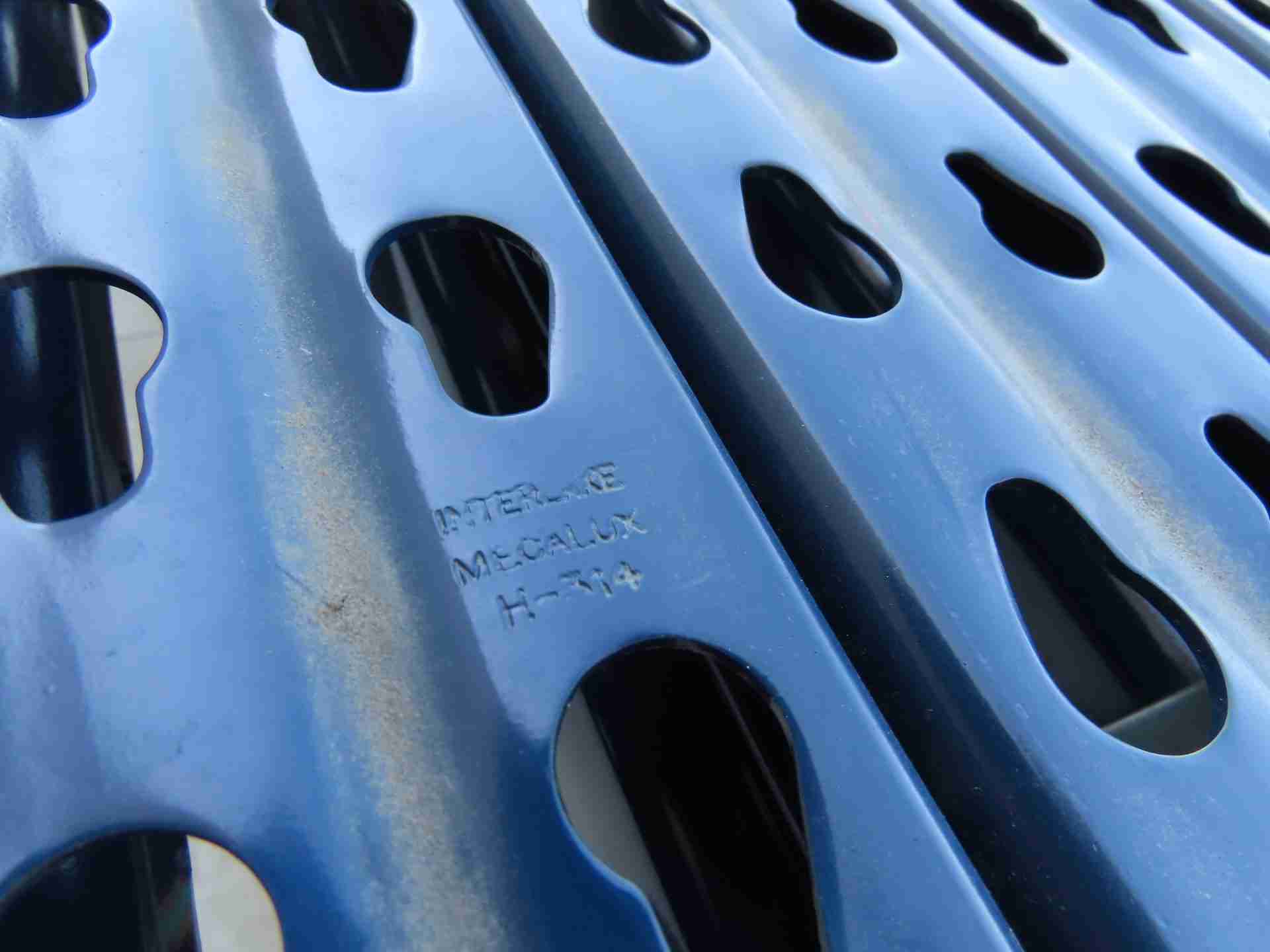
How Does Warehouse Layout Impact Inventory Management?
How Does Warehouse Layout Impact Inventory Management?
- Warehouse layout significantly influences inventory management success.
- A well-organized space enhances efficiency, reduces costs, and increases profitability.
- Strategically positioned pallet racking minimizes handling time and improves order fulfillment.
- Poor layout leads to longer pick times, increased labor costs, and potential lost revenue.
- Effective layout allows for adaptability to changing demands, ensuring timely deliveries.
- An optimized warehouse layout can increase pick efficiency by up to 30%.
- Investing in smart pallet racking systems can help anticipate future growth and enhance business performance.
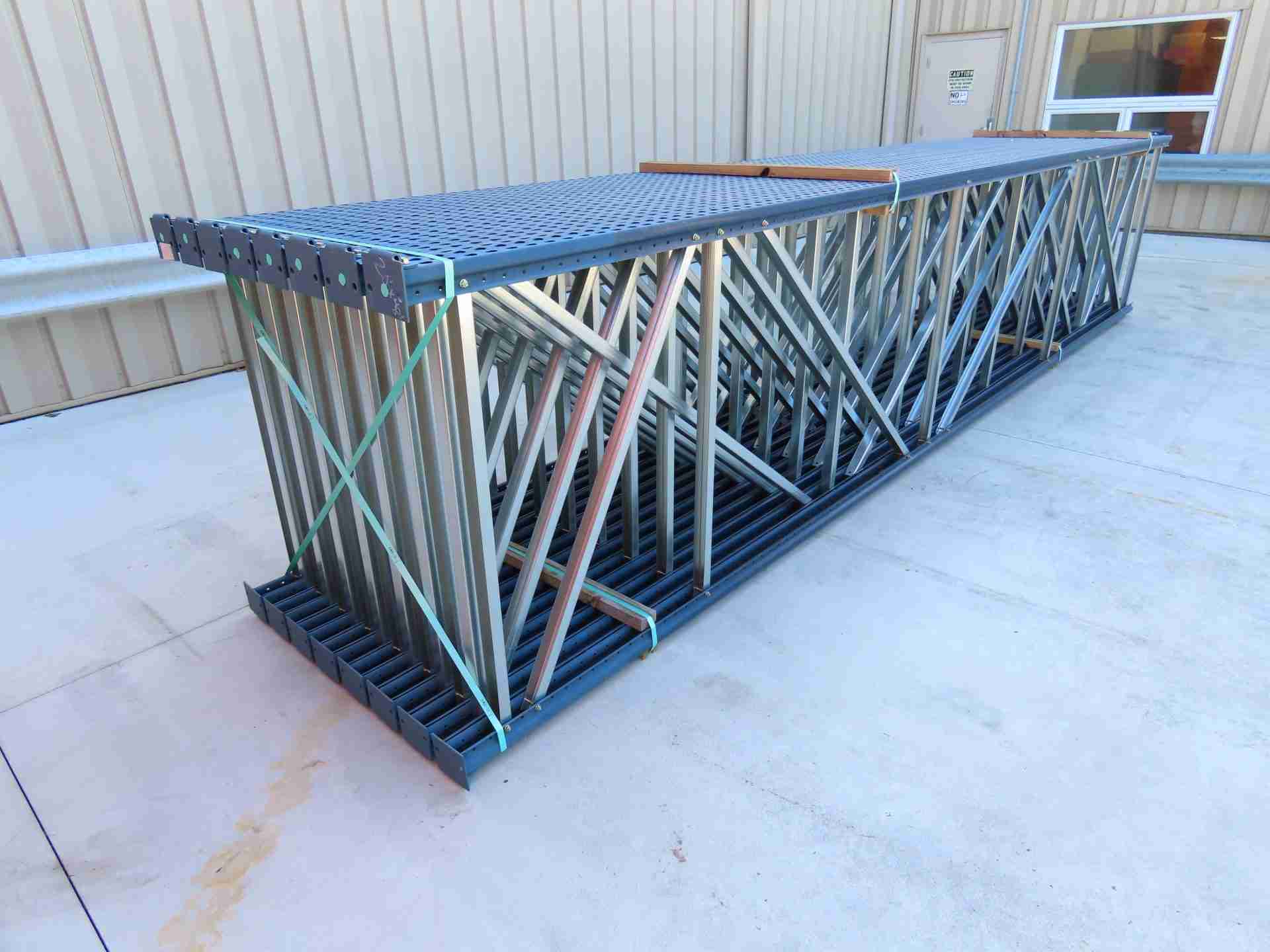
How Does Warehouse Layout Impact Inventory Management?
What Are The Key Principles Of Designing An Efficient Warehouse?
When it comes to the unsung hero of your supply chain—the warehouse—it’s vital to ensure it’s not just a space to store inventory but a strategic asset that fuels your entire operation. Designing an efficient warehouse isn’t merely about piling goods on shelves; it’s about creating a purposeful space that harmonizes productivity, safety, and cost savings. Let’s break down the key principles that will transform your warehouse from a mere holding facility into a powerhouse of efficiency.
First, consider the layout. A well-thought-out design maximizes flow and minimizes bottlenecks. Everything should have its place, from receiving goods to order fulfillment, and every square foot should contribute to facility productivity. Utilize Pallet Racking systems effectively. These frameworks allow you to store more product in less space while making everything easily accessible. By implementing strategically designed racking tailored to your goods, you can turn your inventory management from chaos into a well-oiled machine.
Next, think technology. In today’s fast-paced market, incorporating tools like warehouse management systems (WMS) can enhance accuracy and speed. Imagine leveraging real-time data to track inventory levels, streamline order picking, and even avoid stockouts. The right technology doesn’t just make processes smoother; it inspires trust among your employees and customers alike, as they witness the reliability of your operations from order to delivery.
Training is another pivotal element in efficient warehouse design. No matter how well you set up your space or how sophisticated your technology, it’s the people that make it work. Empower your workforce with the tools and knowledge they need to excel. Regular training sessions not only enhance skills but foster a culture of commitment to efficiency goals. When your team knows they can rely on their environment and processes, their confidence soars, reflected in their performance.
Lastly, don’t underestimate the importance of safety. An efficient warehouse is a safe warehouse. Design your layout to comply with safety regulations and incorporate elements like emergency exits and clear signage. Safety isn’t just about compliance; it’s about creating an environment where employees feel valued and secure, ultimately leading to higher morale and productivity.
Designing an efficient warehouse is a multi-faceted endeavor that requires careful planning and consideration. By honing in on layout, leveraging technology, investing in training, and prioritizing safety, you’re not just optimizing a space—you’re unlocking the potential for growth and excellence in your business. Embrace these principles, and watch your warehouse become the backbone of your success.
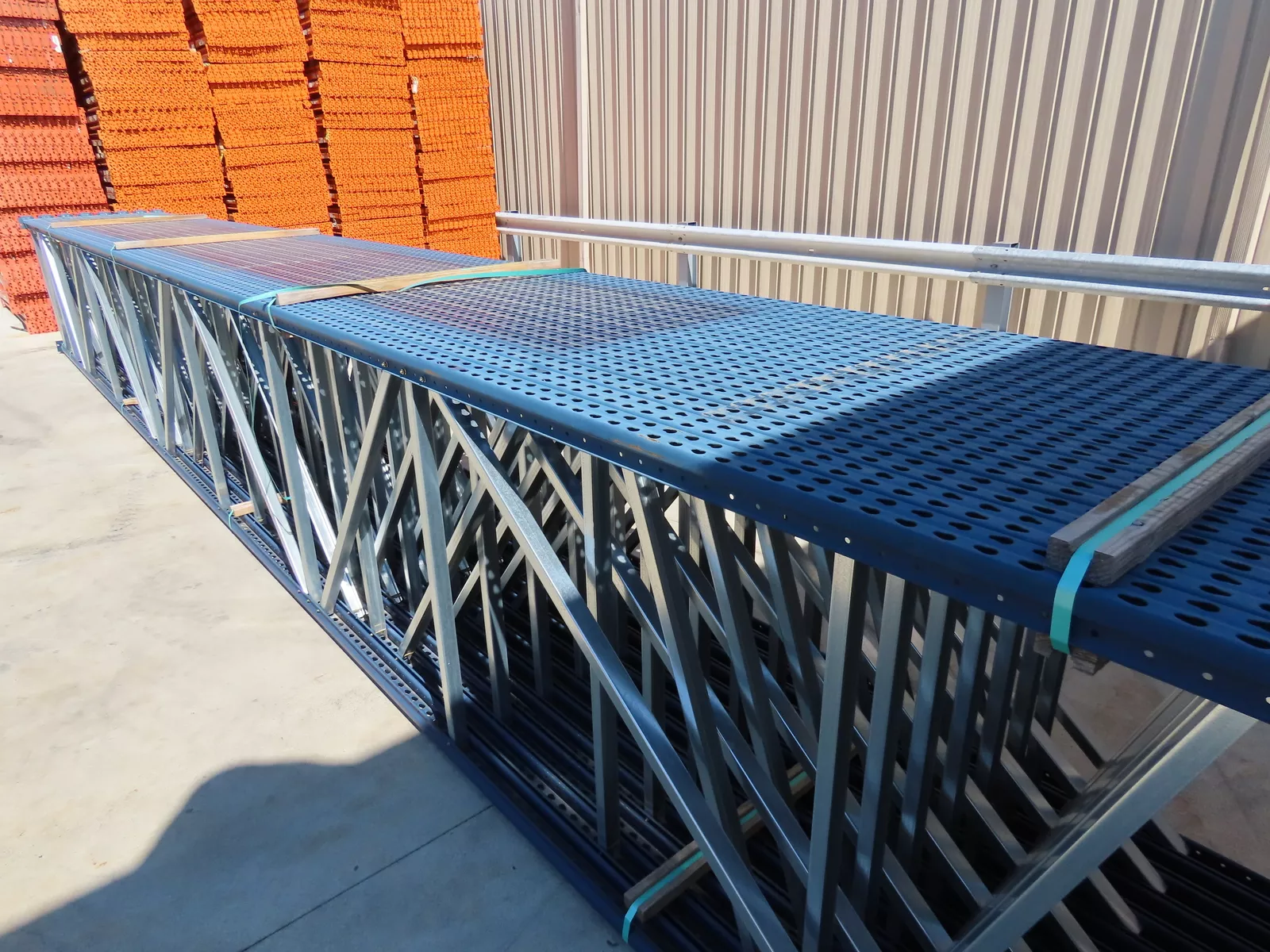
What Are The Key Principles Of Designing An Efficient Warehouse?
What Are The Key Principles Of Designing An Efficient Warehouse?
- Transform the warehouse into a strategic asset that enhances overall operations, rather than just a storage space.
- Optimize the warehouse layout to maximize flow and minimize bottlenecks, ensuring every area contributes to productivity.
- Utilize effective Pallet Racking systems to store more products efficiently and improve accessibility.
- Incorporate technology, such as warehouse management systems (WMS), to enhance accuracy, speed, and reliability.
- Invest in regular training for employees to empower them and promote a culture of efficiency.
- Prioritize safety by designing layouts that comply with regulations and create a secure environment for all employees.
- Focus on key principles—layout, technology, training, and safety—to unlock growth potential and excellence in the business.
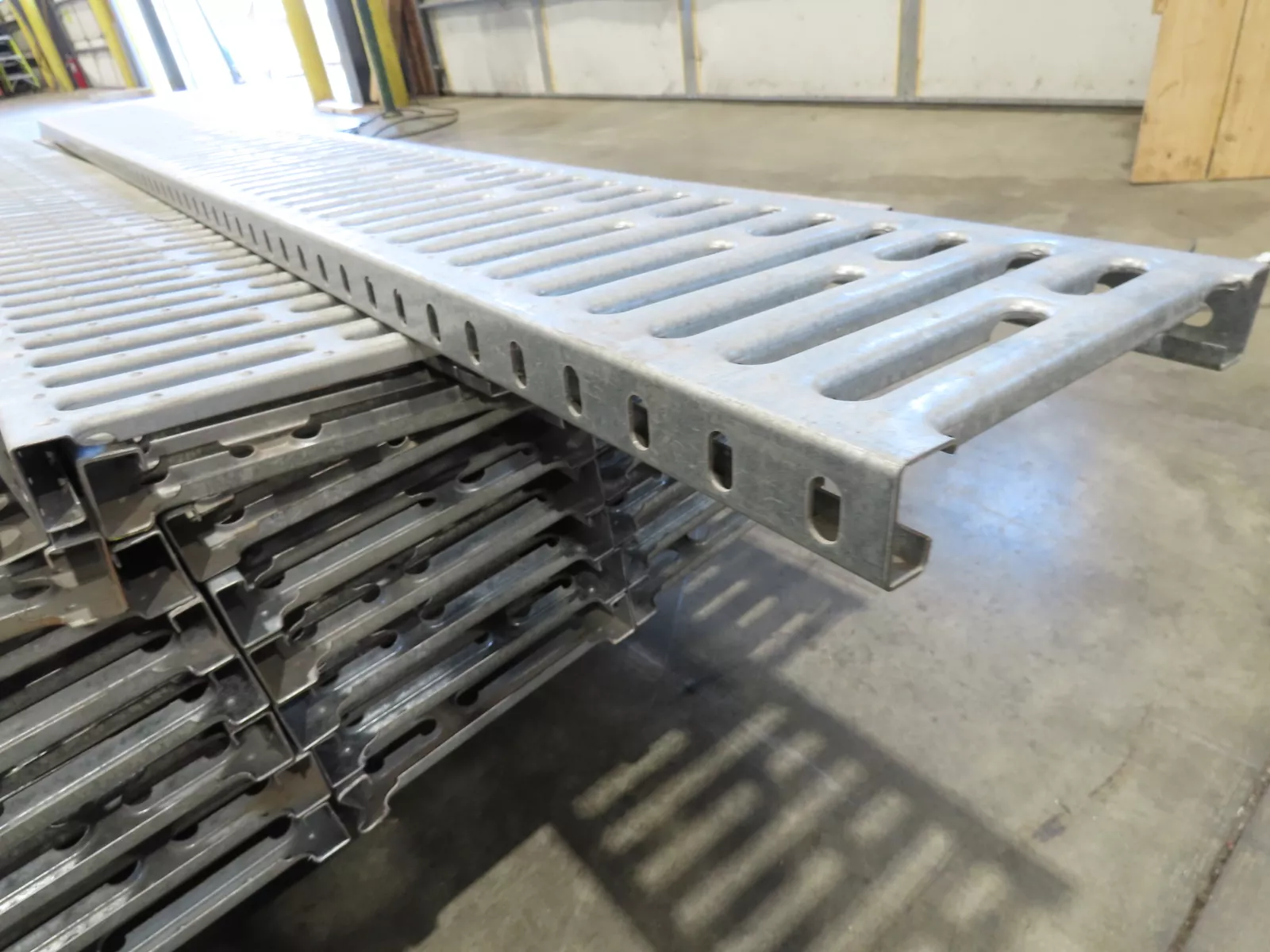
What Are The Key Principles Of Designing An Efficient Warehouse?
How Can Layout Efficiency Improve Order Fulfillment Speed?
Imagine walking into a well-organized warehouse, where every item sits perfectly positioned, ready to be plucked off the shelf and sent on its way to a waiting customer. This is the power of layout efficiency, and it’s not just a matter of aesthetics; it’s an essential strategy that directly impacts your order fulfillment speed.
Let’s break it down. When your layout is efficient, every inch of space is optimized. Think about the smart use of pallet racking systems. These sturdy structures allow for vertical storage of goods, which means you can fit more inventory in a smaller footprint. With less time spent searching through cluttered aisles, your team can securely grab what they need and send it packing — quickly.
You might be thinking, “Sure, that sounds great, but how does this truly affect my bottom line?” Here’s the kicker: faster order fulfillment speeds lead to happier customers. Meeting—and exceeding—their expectations creates loyalty that’s worth its weight in gold. Happy customers return again and again, spreading the word about their seamless experience.
Now, let’s talk about the human element. Your employees are key to this process. Imagine if they walked into a space where everything is logically arranged, where systems are in place, and they can move efficiently in their work. When your team knows exactly where to find the products, their confidence skyrockets! They can fulfill orders at lightning speed without the frustrating delays caused by searching for misplaced items. This translates not just to faster shipping times but also a more positive workplace atmosphere. When your team thrives, your business thrives!
So, how can you create this magical layout? Start by analyzing your current storage strategies and considering wise alternatives like pallet racking. Look for bottlenecks in the order fulfillment process and think critically about how layout can be improved. Perhaps it’s time to move high-demand items closer to the dispatch area or rethink your shelving configuration.
In a world where speed is crucial, embracing layout efficiency isn’t just smart—it’s essential. Make the decision today to invest in a streamlined layout, and watch as your fulfillment speed—and your customer satisfaction—soars! After all, in the race to serve customers, layout may just be your secret weapon.
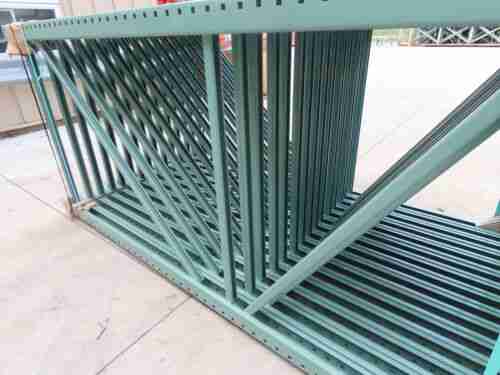
How Can Layout Efficiency Improve Order Fulfillment Speed?
How Can Layout Efficiency Improve Order Fulfillment Speed?
- Efficient layout in warehouses enhances order fulfillment speed.
- Optimal use of pallet racking systems allows for vertical storage, maximizing space.
- Reduced clutter leads to quicker access for employees, improving productivity.
- Faster order fulfillment results in happier customers, fostering loyalty and repeat business.
- A well-organized workspace boosts employee confidence and morale, enhancing overall workplace atmosphere.
- Regular analysis of storage strategies and layout can identify areas for improvement.
- Investing in layout efficiency is essential for business success in a fast-paced market.
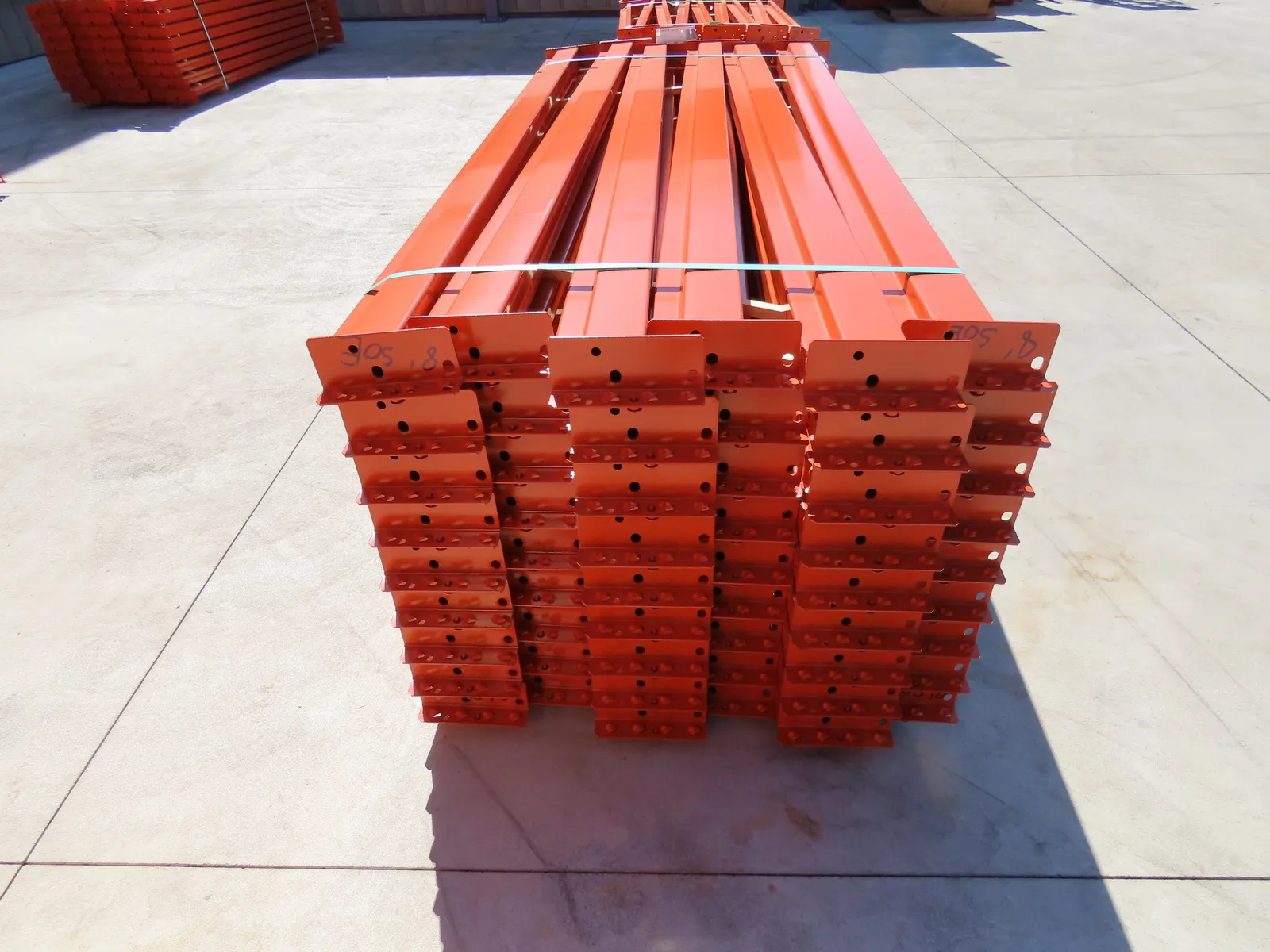
How Can Layout Efficiency Improve Order Fulfillment Speed?
What Role Does Technology Play In Warehouse Layout Design?
In today’s fast-paced world, the design of your warehouse isn’t just a matter of stacking shelves and aligning aisles. It’s a strategic battlefield where efficiency meets innovation. And let’s face it—if you’re not leveraging technology in your warehouse layout, you’re setting yourself up for inefficiency and chaos. Imagine walking into a warehouse that operates like a well-oiled machine. This isn’t a distant dream; it’s a necessity fueled by technological advancements that are reshaping how we think about space, flow, and function.
One cornerstone of effective warehouse design is pallet racking. But gone are the days when your racking system was simply a matter of choosing a structure and filling it with goods. Today, sophisticated technology allows for a dynamic approach to pallet racking placement. Automated systems can analyze your inventory turnover rates and optimize your layout in real-time. This ensures that your most frequently accessed items are always easily reachable, minimizing wasted time and labor costs.
Moreover, advanced warehouse management systems (WMS) integrate seamlessly with your layout design to provide insights that were previously unimaginable. Imagine a software solution that collects data on every movement within your warehouse—tracking materials, processing times, and even employee productivity. With this wealth of information, you can fine-tune your layout to create a more efficient flow that meets your unique operational needs.
But it doesn’t stop there. The advent of augmented reality (AR) and virtual reality (VR) technologies allows warehouse managers to visualize and simulate their layouts before any physical changes are made. Picture this: you can walk through a virtual version of your warehouse, adjusting rack placements and aisle widths to see how these alterations would impact your workflow. This level of foresight can drastically reduce costly errors and unnecessary downtime.
Investing in technology for warehouse layout design is more than just a modern upgrade; it’s about positioning your business to thrive in an increasingly competitive landscape. By embracing these innovations, you’re not just keeping up; you’re setting the pace. Trust in technology to guide your decisions, and you’ll unlock levels of efficiency and productivity that will ultimately drive your business forward.
So, are you ready to revolutionize your warehouse layout? It’s time to embrace the future and make your operations not only efficient but also a source of pride for your team. Don’t just participate in the industry—lead it!
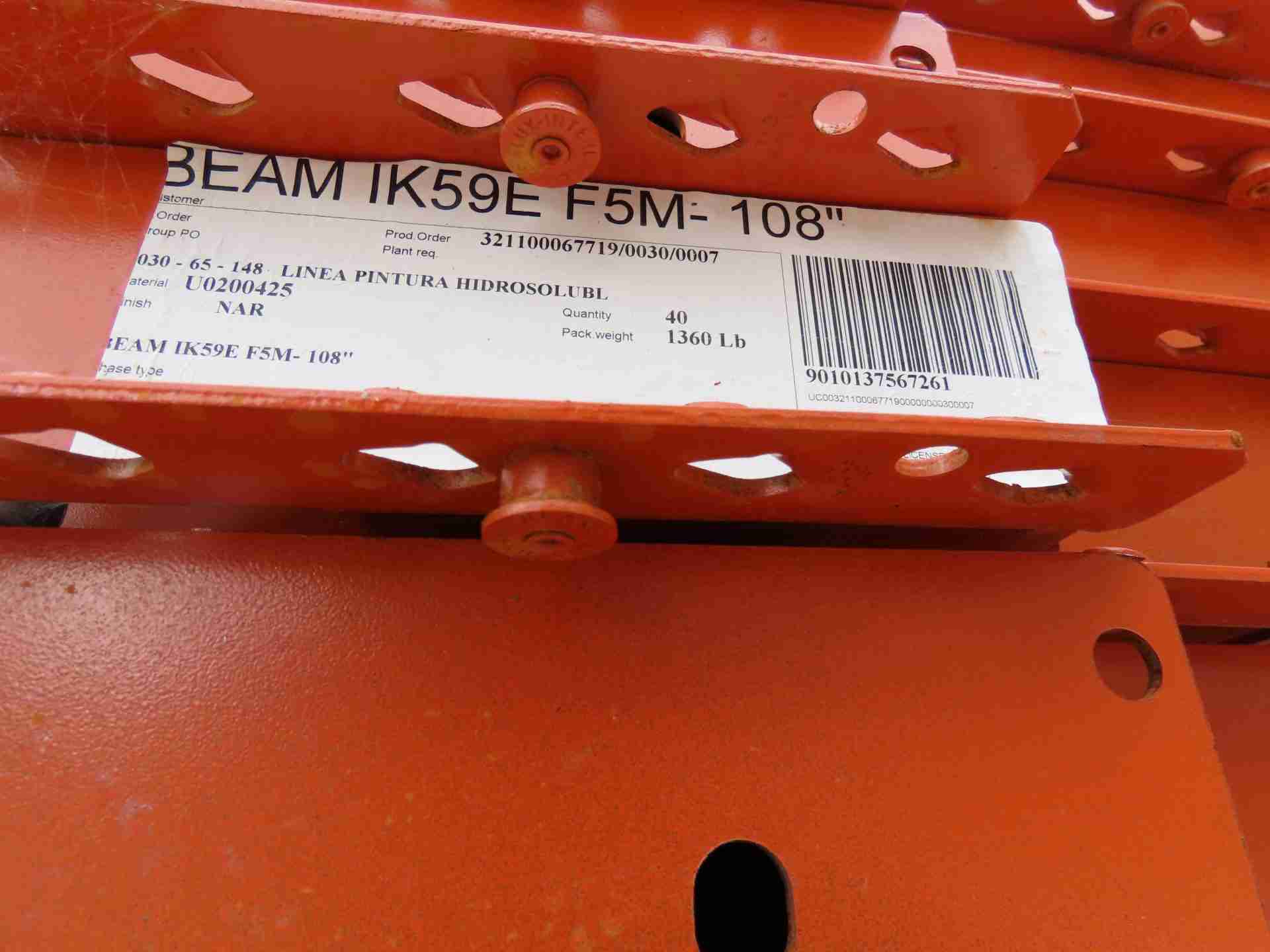
What Role Does Technology Play In Warehouse Layout Design?
What Role Does Technology Play In Warehouse Layout Design?
- Warehouse design has evolved into a strategic battleground focused on efficiency and innovation.
- Leveraging technology in warehouse layout is essential to avoid inefficiency and chaos.
- Pallet racking systems now utilize automated technology for real-time optimization based on inventory turnover.
- Advanced Warehouse Management Systems (WMS) provide invaluable insights on material movement and employee productivity.
- Augmented Reality (AR) and Virtual Reality (VR) allow for visualization and simulation of warehouse layouts before implementation.
- Investing in technology helps businesses thrive in competitive markets by enhancing efficiency and productivity.
- Embracing innovation in warehouse design positions companies as leaders in the industry.
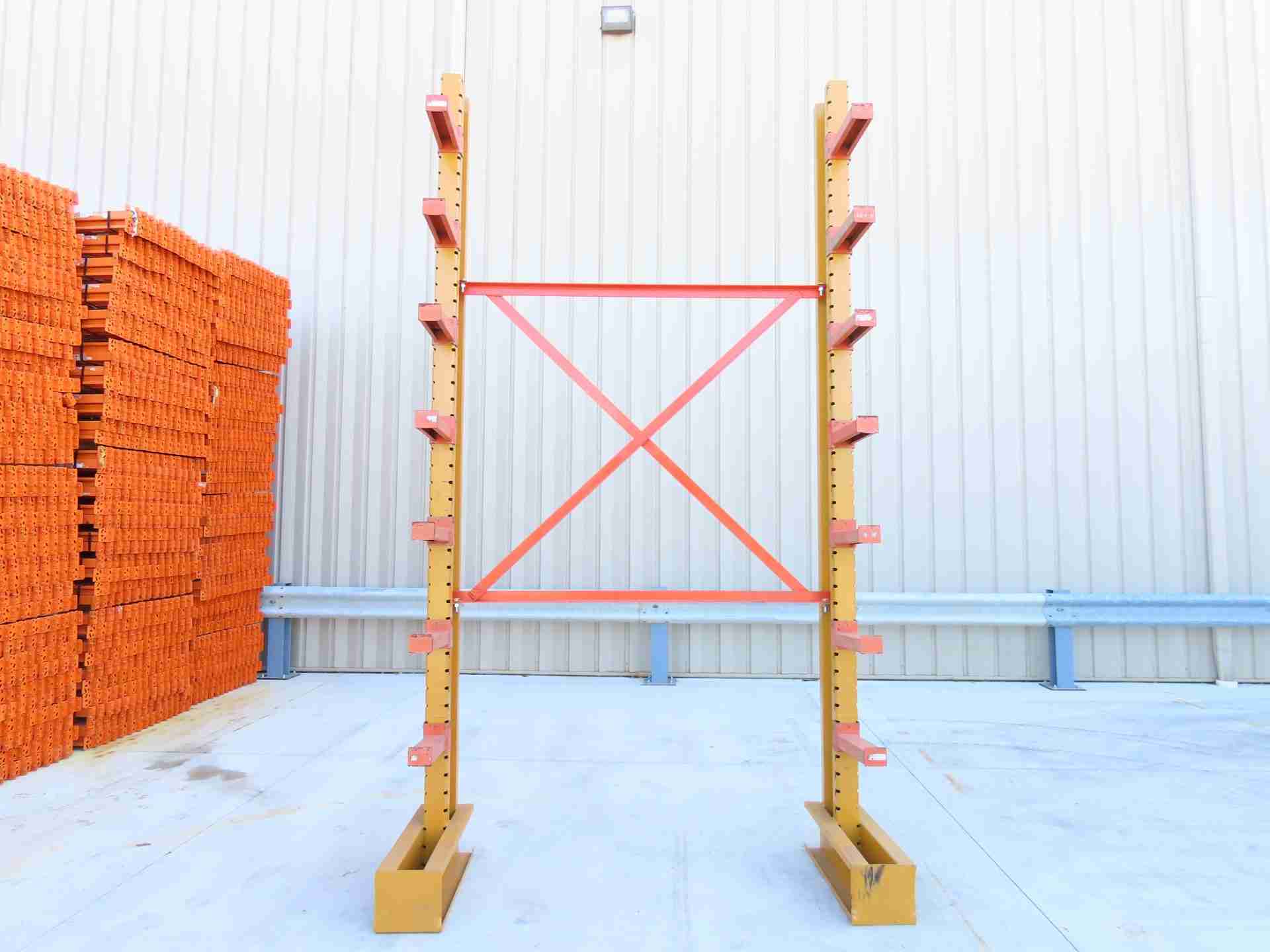
What Role Does Technology Play In Warehouse Layout Design?
How Can Employee Workflow Be Enhanced By Layout Changes?
Imagine walking into your workplace and feeling an unmistakable energy in the air. The atmosphere buzzes with productivity and collaboration, yet it flows effortlessly, almost like a well-orchestrated symphony. What if I told you that one of the keys to creating this environment lies in the layout of your workspace? When you strategically implement layout changes—like incorporating pallet racking—you open the door to a treasure trove of efficiency and increased employee satisfaction.
Pallet racking isn’t just a buzzword; it’s a game-changing solution that breathes new life into your operational workflow. Think about how often your employees have to navigate cluttered spaces or inefficient setups. When the items they need are organized effectively—thanks to pallet racking systems—employees can locate materials swiftly and move through their tasks with confidence. Streamlined accessibility cuts down on time wasted searching for supplies, which translates to more hours dedicated to high-value work.
But let’s take it a step further. A well-thought-out layout doesn’t just improve logistical efficiency; it creates a more pleasant work environment that employees can thrive in. Imagine an open layout where teams have easy access to collaborative spaces, equipped with essential resources neatly stored on intelligent pallet racking systems. This invites communication, sparks creativity, and fosters teamwork. When your employees feel physically comfortable and mentally stimulated, they become enthusiastic contributors rather than mere task-doers.
Moreover, layout changes signal to your workforce that their environment matters to you. It reflects an understanding of their needs and priorities. Employees who feel valued are more likely to remain loyal and go the extra mile. Picture a scenario where a simple reconfiguration transforms the mundane into the motivating. The bottom line? Investing in a smart layout is not just about increasing productivity; it’s about enhancing employee morale.
Additionally, consider how layout changes can improve safety. An organized space helps reduce clutter, which minimizes the chances of accidents and injuries. Safety fosters confidence in employees, leading them to focus on their tasks without the nagging worry of potential hazards.
So, why wait? Embrace the power of strategic layout changes today. Infuse your space with energy, efficiency, and purpose. Your workforce is waiting, and the perfect setup—complete with intelligent pallet racking—is key to unlocking their full potential. Take action now, and watch productivity soar!
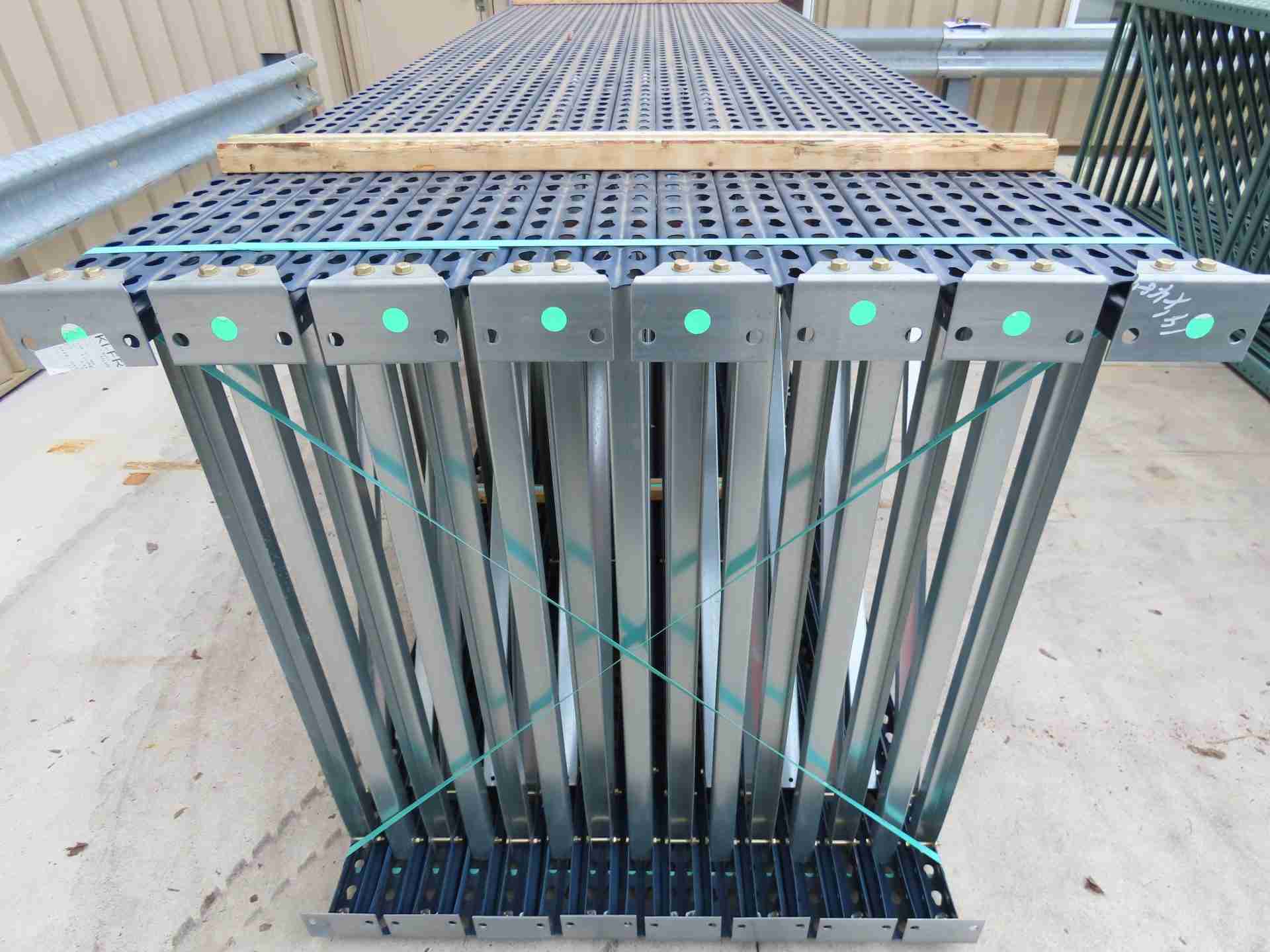
How Can Employee Workflow Be Enhanced By Layout Changes?
How Can Employee Workflow Be Enhanced By Layout Changes?
- A well-designed workplace layout enhances productivity and collaboration.
- Implementing pallet racking improves operational workflow and efficiency.
- Organized spaces help employees locate materials quickly, saving time.
- A thoughtful layout fosters a pleasant work environment and encourages teamwork.
- Layout changes show employees that their environment and needs are valued.
- Improved organization enhances safety by reducing clutter and potential hazards.
- Strategic layout changes can boost employee morale and productivity significantly.
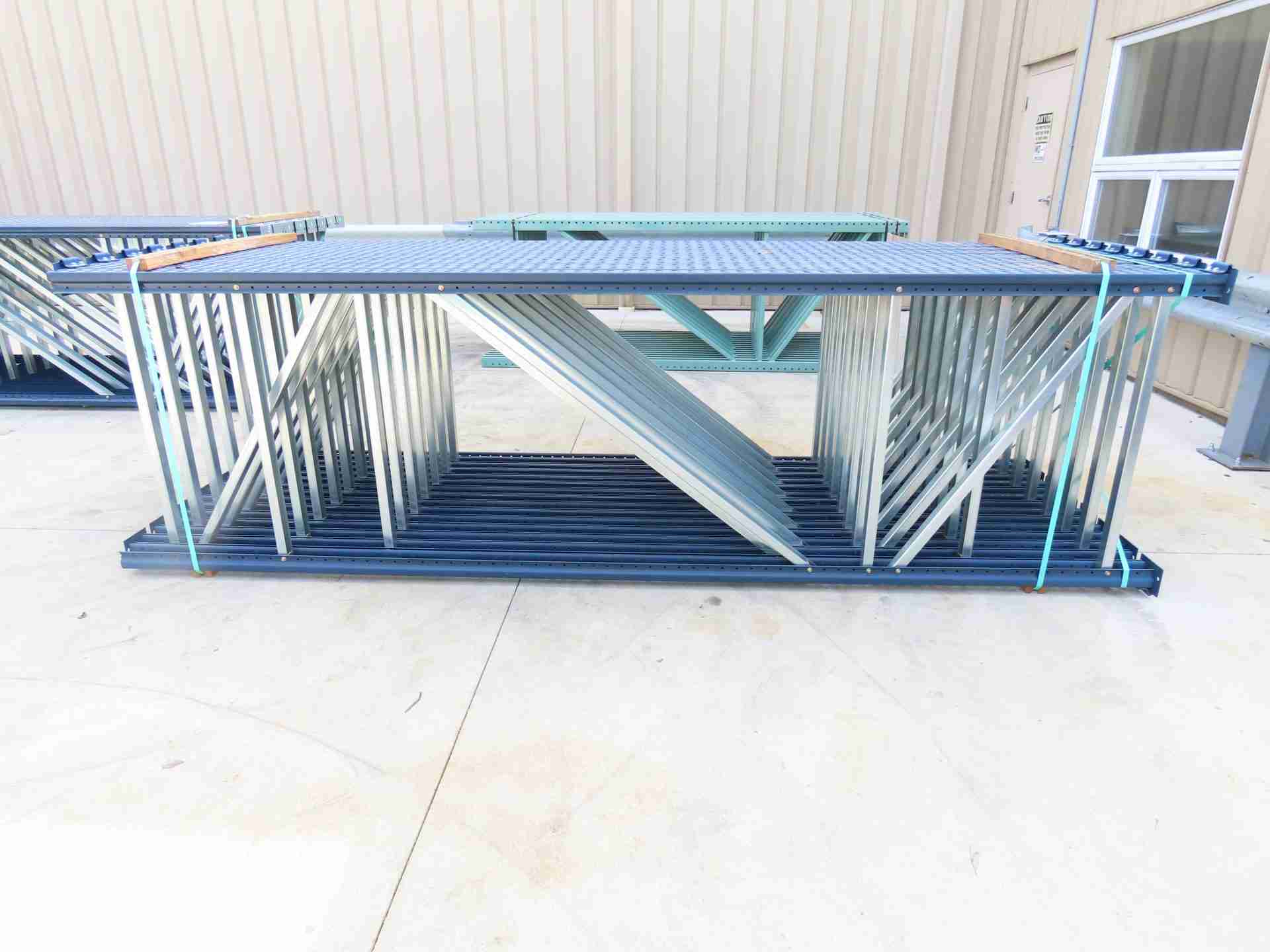
How Can Employee Workflow Be Enhanced By Layout Changes?
Conclusion
Conclusion: Transforming Warehouse Layout for Operational Excellence
At RackingWorld.com, we understand that a transformative warehouse layout is not merely a design choice; it’s a strategic necessity that can redefine your operational costs and overall efficiency. Businesses today are operating under heightened pressure to innovate and stay competitive, and that pressure extends from the front office all the way to the back-end operations of warehouses. The pressing question remains: How can an effective warehouse layout significantly reduce operational costs?
The answer lies within the concept of optimization—specifically, how strategically designed pallet racking can streamline processes, enhance inventory management, and facilitate swift order fulfillment. Imagine walking into your warehouse and seeing a meticulously organized space where every item is easily accessible and every inch of floor space is utilized to its fullest potential. This isn’t just a pipe dream; it’s a reality that can be realized by leveraging the principles of effective layout design.
By reducing inefficiencies and bottlenecks, creating better workflow patterns, and using technology and employee insights, you can boost your productivity while simultaneously lowering labor costs. An efficient design doesn’t merely tidy things up; it transforms your space into a cohesive operational powerhouse, and this translates directly to improved customer satisfaction—a key facet of thriving in today’s fast-paced market.
Moreover, a well-implemented warehouse layout is pivotal in maintaining the balance between stock management and customer fulfillment. By utilizing modern pallet racking systems and technology-driven strategies, you create a dynamic environment that adapts not only to your present needs but one that anticipates future growth. Engaging your team in this process fosters ownership and encourages a culture of continuous improvement, leading to enhanced morale and productivity at every level.
However, it’s crucial to act swiftly. The longer you postpone optimizing your warehouse layout, the more potential profits slip through your fingers. Don’t let inefficiency define your operations! Call Arrow Industrial Sales at (574) 349-6575 today for expert guidance tailored to your unique needs. With our advanced rack systems and keen insight into operational excellence, we are ready to guide your journey toward turning your warehouse into a strategic asset that drives growth and success. The time to revolutionize is now—because every minute you wait is a minute lost in profit. Let us help you make every inch count!
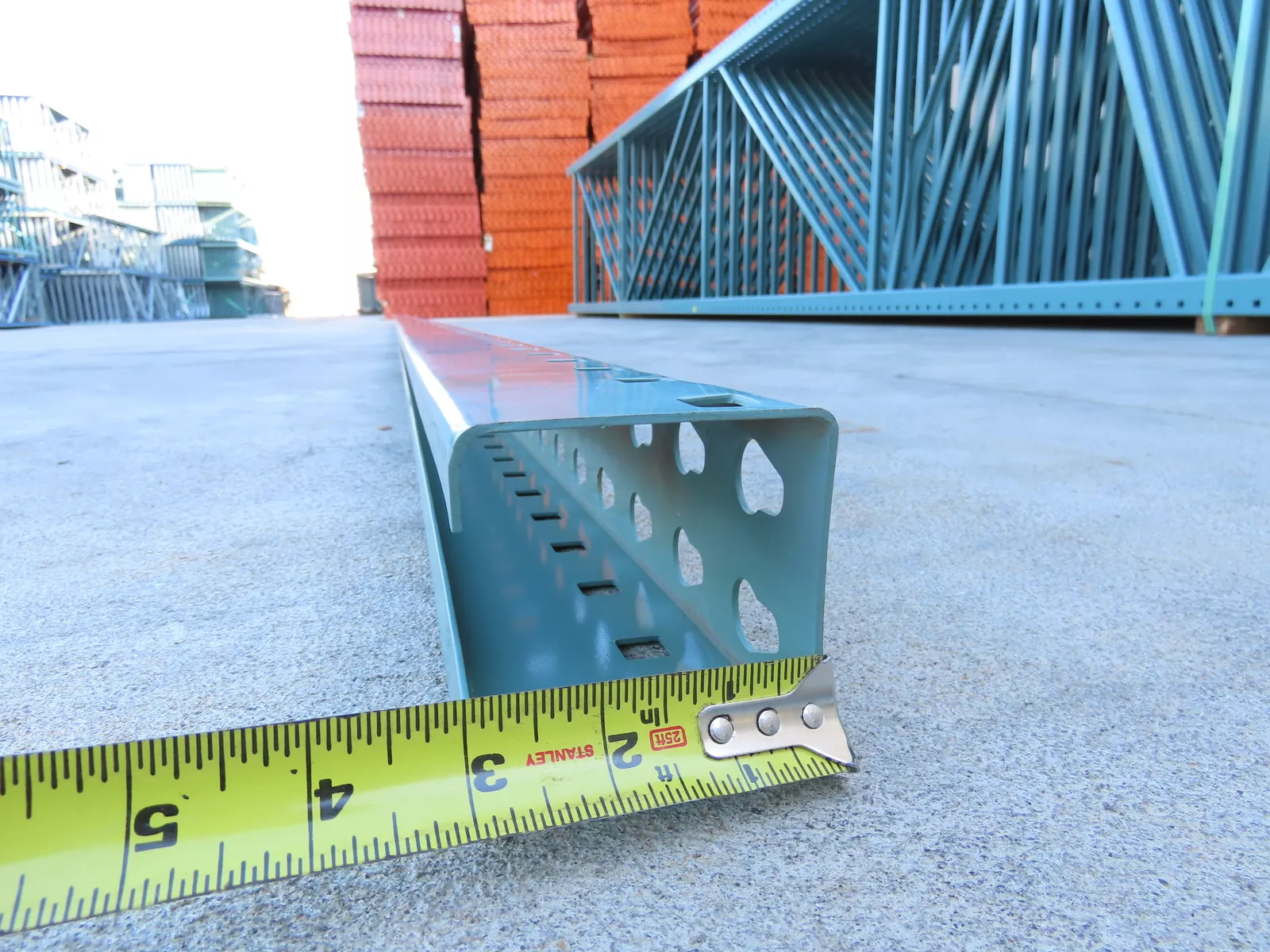
Conclusion
Conclusion:
- Transformative warehouse layout is essential for reducing operational costs and enhancing efficiency.
- Strategically designed pallet racking optimizes processes, inventory management, and order fulfillment.
- An organized warehouse maximizes floor space and accessibility of items.
- Efficient design reduces inefficiencies, improves workflow, and lowers labor costs.
- A well-implemented layout balances stock management with customer fulfillment needs.
- Engaging employees in the layout process fosters ownership and continuous improvement.
- Prompt action is critical; delaying optimization leads to lost profits and operational inefficiencies.
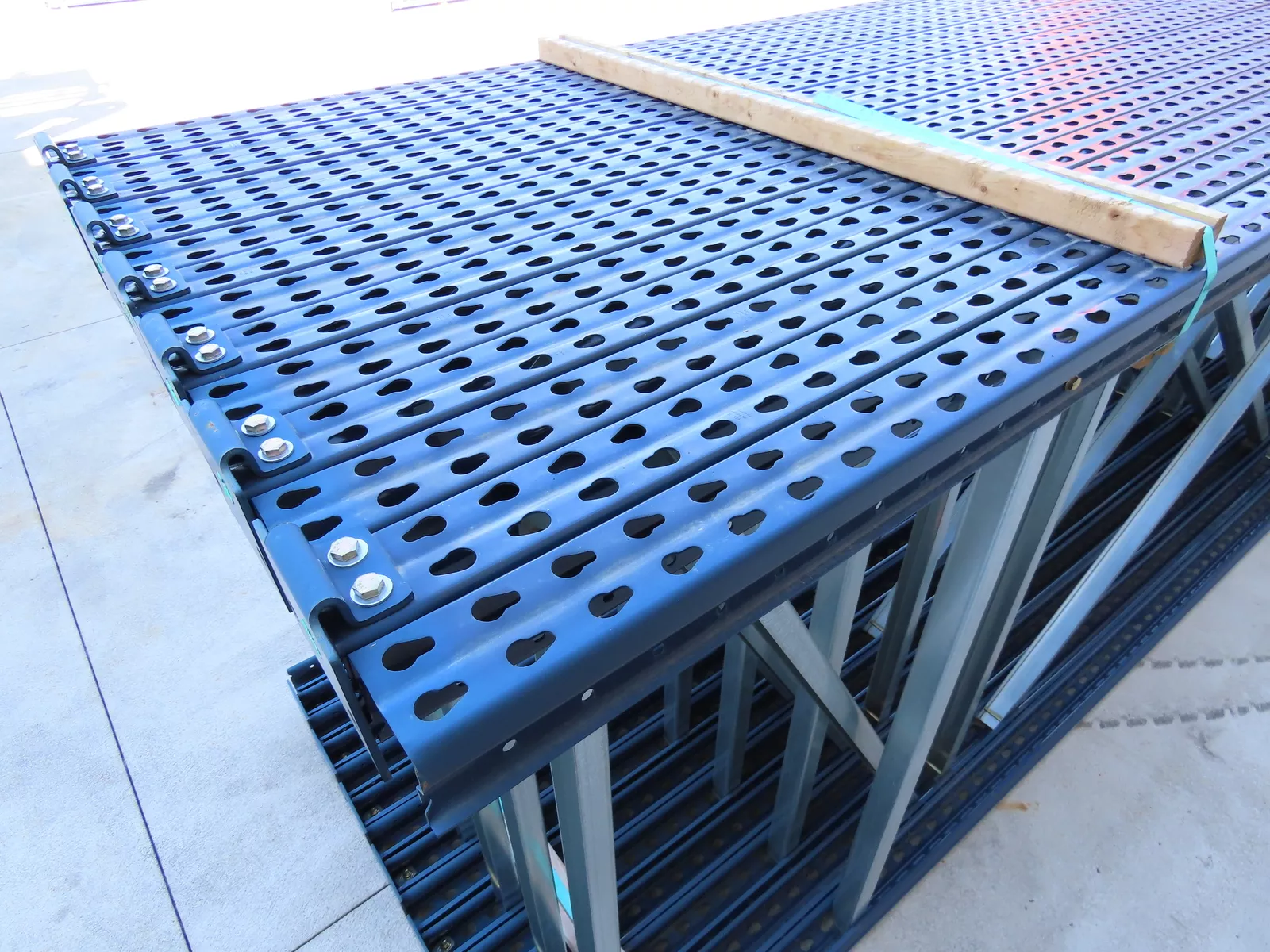
Conclusion
Other Resources
Other Resources
Here is a list of other resources you can review online to learn more:
- CA Wire
- RMI
- Interlake Mecalux
- Used Pallet Rack for Sale in Illinois – American Surplus
- Warehouse Storage Racking in Illinois
- Chicago Pallet Racking
- What is Selective Racking: Understanding Benefits & Options
- Warehouse Racking Systems: Beginner’s Guide to Rack Systems
- WERC
- Warehouse Automation
Use This Prompt To Get More Resources With Your Favorite Online AI Tool: Please provide me with a list of online articles with their URLs in a bulleted list that I can read regarding How Can Effective Warehouse Layout Reduce Operational Costs?

Other Resources
Glossary Terms
How Can Effective Warehouse Layout Reduce Operational Costs? – Glossary Of Terms
1. Warehouse Layout: The arrangement and design of storage, work areas, and equipment in a warehouse to optimize efficiency.
2. Operational Costs: Expenses associated with running a warehouse, including labor, equipment, utilities, and maintenance.
3. Efficiency: The ability to produce desired outcomes with minimal waste of resources, including time and money.
4. Flow Design: The strategic arrangement of warehouse elements to facilitate smooth movement of goods and personnel.
5. Inventory Management: The process of overseeing and controlling the inventory levels and movements within a warehouse.
6. Storage Solutions: Various methods and systems used to store products effectively, such as racks, shelves, and bins.
7. Picking Systems: Methods used to select and retrieve items from warehouse storage in order to fulfill orders.
8. Receiving Area: The designated space for accepting incoming goods, essential for maintaining a smooth supply chain.
9. Shipping Area: The designated space for packaging and sending out orders to customers, affecting delivery times.
10. Cross-Docking: A logistics strategy where incoming goods are directly transferred to outgoing transportation with minimal storage time.
11. Lean Warehousing: An approach focused on minimizing waste within the warehouse operations while maximizing productivity.
12. Automation: The use of technology (e. g. , robots, conveyor belts) to perform tasks without human intervention, increasing efficiency.
13. Workstations: Designated areas where specific tasks are performed, such as packaging or sorting, influencing workflow efficiency.
14. Safety Standards: Regulations and practices aimed at ensuring the safety of warehouse operations and personnel.
15. Scalability: The capacity for a warehouse layout to adapt and grow with increasing inventory demands and operational needs.
16. Ergonomics: The study of how to design workspaces that maximize productivity while minimizing discomfort or risk for employees.
17. Flow Rack: A type of storage system that utilizes gravity to move products, facilitating efficient picking and restocking.
18. Tracking Systems: Technologies used to monitor inventory levels, locations, and movements within the warehouse, aiding in management.
19. Forklift Traffic Flow: The movement patterns of forklifts within the warehouse, crucial for avoiding congestion and enhancing safety.
20. Slotting Optimization: The process of determining the most efficient storage locations for products to speed up retrieval and restocking.
21. Lead Time: The time it takes from initiating an order to its completion and delivery, directly affected by warehouse processes.
22. Cycle Counting: A method of physical inventory auditing that regularly counts a portion of the inventory to maintain accuracy.
23. Work in Progress (WIP): Inventory that is partially finished but not yet complete, influencing space allocation and workflow management.
24. Batch Picking: A picking method where multiple orders are fulfilled simultaneously, increasing efficiency in high-volume scenarios.
25. Inbound Logistics: The process of receiving and managing inventory from suppliers, critical for maintaining stock levels.
26. Outbound Logistics: The process of distributing and delivering products to customers or retailers, affecting customer satisfaction.
27. Mezzanine: An additional floor or elevation within a warehouse used for storage or office space, optimizing vertical space.
28. Palletization: The practice of stacking goods on pallets for storage and transportation to improve handling and efficiency.
29. Throughput: The amount of product processed and delivered in a given time period, indicating the efficiency of warehouse operations.
30. Benchmarking: Comparing warehouse performance against industry standards or best practices to identify areas for improvement.
Glossary Of Terms
Other Questions
How Can Effective Warehouse Layout Reduce Operational Costs? – Other Questions
If you wish to explore and discover more, consider looking for answers to these questions:
- What are the best practices for auditing a warehouse layout?
- How can businesses measure the effectiveness of their warehouse layout?
- What kinds of pallet racking systems are most efficient for different types of inventory?
- What technologies can further enhance warehouse operations beyond layout design?
- How can employee feedback be effectively integrated into warehouse layout redesigns?
- What are the common mistakes to avoid when redesigning a warehouse layout?
- How often should a warehouse layout be re-evaluated or updated?
- What impact does warehouse layout have on shipping and receiving processes?
- How can layout changes improve safety in a warehouse environment?
- What is the cost-benefit analysis of redesigning a warehouse layout?
Other Questions
Checklist
How Can Effective Warehouse Layout Reduce Operational Costs? – A Checklist
Checklist: How to Optimize Warehouse Layout for Cost Savings
1. Conduct a Warehouse Audit
_____ Assess current layout for inefficiencies.
_____ Identify pain points and bottlenecks through team feedback.
2. Optimize Pallet Racking
_____ Choose the right pallet racking system for your inventory needs.
_____ Utilize vertical storage to maximize space.
_____ Ensure high-velocity items are easily accessible.
3. Design for Flow
_____ Map out a layout that promotes efficient movement from receiving to storage to shipping.
_____ Minimize travel time between picking and packing areas.
4. Implement Technology
_____ Utilize Warehouse Management Systems (WMS) for real-time inventory tracking.
_____ Analyze data to optimize product placement based on turnover rates.
_____ Consider augmented and virtual reality tools for layout planning.
5. Engage Employees in Design Changes
_____ Solicit input from staff on layout improvements.
_____ Foster a culture of continuous improvement where employee morale is prioritized.
6. Train Staff Regularly
_____ Conduct training sessions on new systems and processes.
_____ Promote a sense of ownership and efficiency among team members.
7. Maintain a Safe Environment
_____ Ensure that safety regulations are followed in the layout design.
_____ Incorporate clear signage and emergency exits in the design.
8. Adaptable Layouts
_____ Design modular layouts that can be adjusted as needs change.
_____ Plan for future growth to avoid costly renovations.
9. Monitor Performance Metrics
_____ Track key performance indicators (KPIs) to assess the impact of new layouts.
_____ Adjust strategies based on performance data and team feedback.
10. Continuously Seek Improvement
_____ Regularly revisit and reevaluate the warehouse layout for ongoing optimization.
_____ Stay informed about industry trends and emerging technologies.
Utilize this checklist to systematically improve your warehouse layout, enhance operational efficiency, and reduce costs. Happy optimizing!
Checklist
At RackingWorld, we help guide you through selecting warehouse storage systems and racking.
Be sure to read our other related stories at RackingWorld to learn more about warehouse storage systems.
0 Comments