
Uncover The Hidden Impact Of Warehouse Layout On Team Efficiency
By Tom Seest
At RackingWorld, we help guide you through selecting warehouse storage systems and racking.
Be sure to read our other related stories at RackingWorld to learn more about warehouse storage systems.
Could Poor Wareshouse Layout Be Hindering Team Productivity?
Could Poor Warehouse Layout Be Hindering Team Productivity?
Imagine walking into your warehouse and immediately feeling the chaos. Employees are darting between aisles, tripping over misplaced inventory, and the sounds of frustration echo off the walls. It doesn’t have to be this way. The layout of your warehouse plays a pivotal role in determining not only productivity but also employee morale. Poor design can stifle efficiency, leaving your team unmotivated and your operation sluggish.
One of the most common culprits of a subpar warehouse layout is a lack of strategic Pallet Racking placement. Sure, your pallets might be stacked high, but if they’re not organized thoughtfully, your workers can spend unnecessary hours searching for items. Imagine a team that struggles to find tools or materials—it can lead to missed deadlines and unhappy clients. When you consider how much you’ve invested in your talent, your infrastructure must support their efforts instead of dragging them down.
Let’s dive deep into a relatable scenario. Picture your team in a crowded warehouse, navigating through a maze of misplaced goods while trying to fulfill orders. They return to their workstation irritable and frazzled, not because they aren’t capable, but because the space is working against them. Frustration leads to errors, errors lead to delays, and delays lead to disappointed customers. The cycle continues, all stemming from a preventable issue: a poorly thought-out warehouse layout.
Now, what if you could transform this workflow into a streamlined system that allows your team to flourish? Investing in an organized layout, including focused Pallet Racking systems, empowers your team to work more independently and efficiently. By minimizing unnecessary movements and confusion, you’re not just enhancing productivity; you’re also fostering a culture of empowerment. When employees feel equipped and supported, their productivity soars.
The time to act is now. Conduct a comprehensive layout audit and enlist the help of professionals who understand both the art and science of warehouse design. By revitalizing your space, you’re not only investing in your operation but nurturing your team’s potential. After all, a well-designed warehouse is one where productivity thrives and employees feel valued.
Let’s turn that chaotic environment into a powerhouse of efficiency. The future of your business—and the happiness of your team—depends on it. Take the leap; watch your productivity skyrocket!
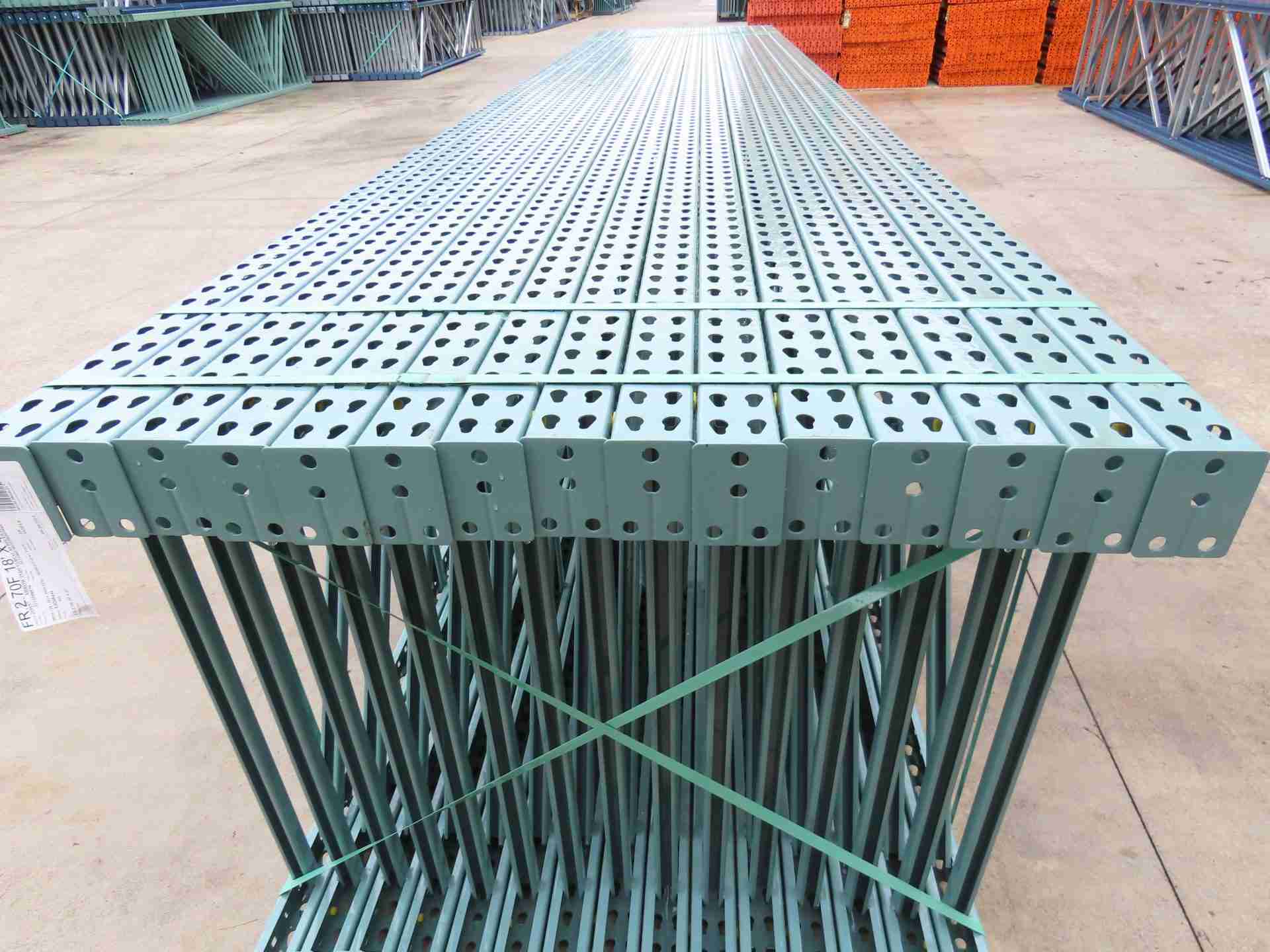
Could Poor Wareshouse Layout Be Hindering Team Productivity?
Could Poor Wareshouse Layout Be Hindering Team Productivity?
- A chaotic warehouse environment can hinder team productivity and employee morale.
- Poor warehouse layouts, particularly ineffective Pallet Racking placement, lead to wasted time searching for items.
- Frustration from disorganization results in errors, delays, and disappointed customers.
- Investing in an organized warehouse layout empowers teams to work more independently and efficiently.
- A well-structured space minimizes unnecessary movement and fosters a culture of empowerment among employees.
- Conducting a layout audit and consulting with professionals can revitalize warehouse organization.
- A well-designed warehouse not only enhances productivity but also values and nurtures the team’s potential.
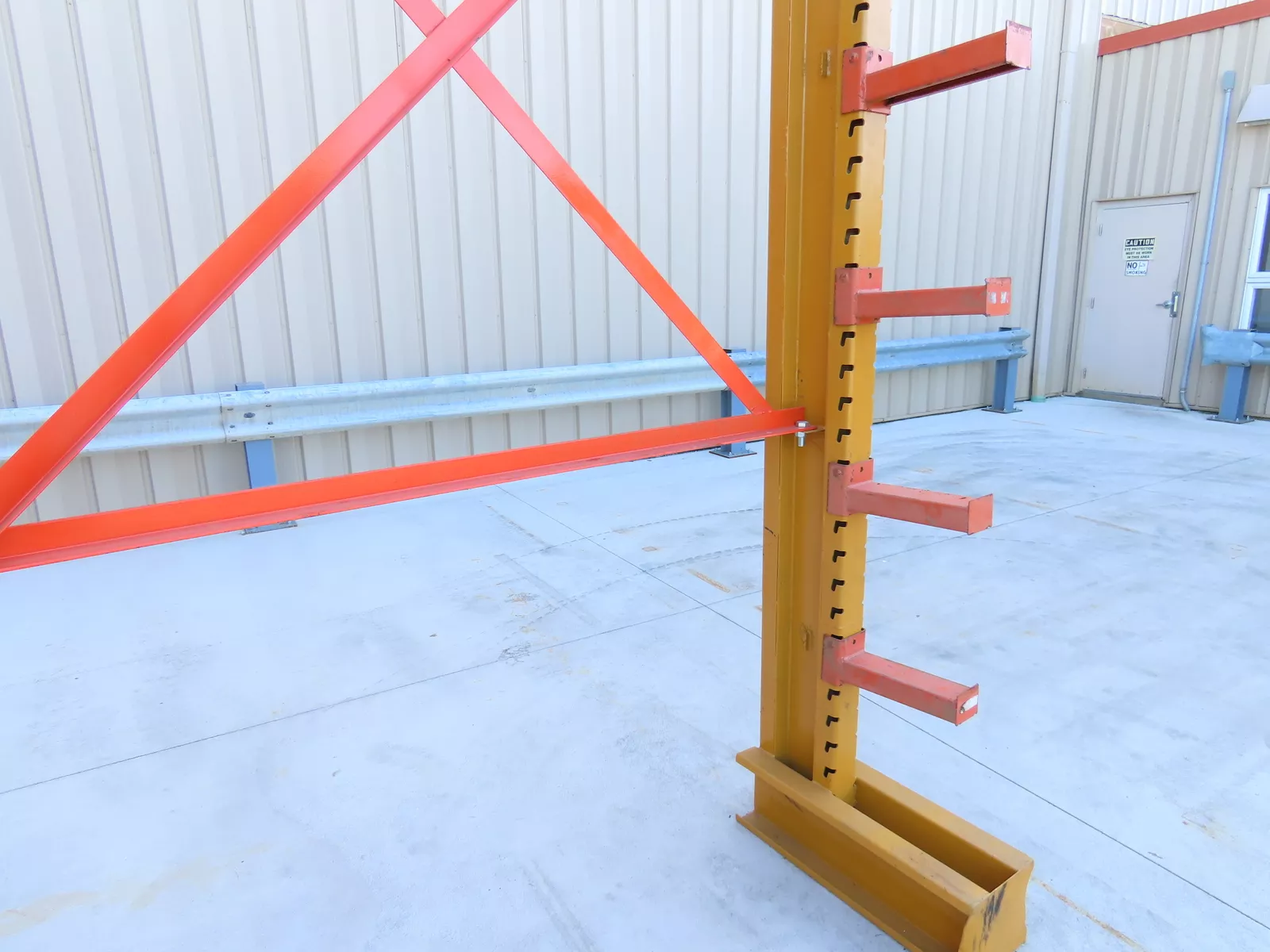
Could Poor Wareshouse Layout Be Hindering Team Productivity?
Table Of Contents
- Could Poor Wareshouse Layout Be Hindering Team Productivity?
- What Are The Signs Of An Inefficient Warehouse Layout?
- How Does Warehouse Design Impact Team Productivity?
- What Are Common Layout Mistakes In Warehouses?
- How Can A Poor Layout Lead To Increased Operational Costs?
- What Role Does Technology Play In Optimizing Warehouse Layout?
- How Can Employee Feedback Improve Warehouse Design?
- Conclusion
- Other Resources
- Glossary Of Terms
- Other Questions
- Checklist
What Are The Signs Of An Inefficient Warehouse Layout?
Picture your warehouse as a dynamic ecosystem, where every inch of space holds the potential for maximizing productivity. But what happens when that carefully orchestrated environment begins to falter? An inefficient warehouse layout can be a silent killer of profits, productivity, and morale. Here are some red flags you should look out for.
1. Chaotic Pallet Racking
Have you noticed that your pallet racking systems seem to resemble a game of Jenga? Items are piled haphazardly, making retrieval a scavenger hunt rather than a smooth operation. Disorganization leads to wasted time and frustrated staff who often have to dig through a maze to find essential items. If your pallet racks aren’t arranged for optimal accessibility, it’s high time to reassess your layout.
2. Slow Picking Processes
If your team spends more time looking for products than actually picking them, you’re undoubtedly dealing with an inefficient setup. A poorly planned layout can create bottlenecks. When pickers have to navigate awkward corners or traverse long distances, not only does their performance decline, but so does your customer satisfaction rates.
3. Inadequate Space for Movement
When your warehouse is a tight squeeze, it’s more than just a comfort issue; it’s a safety hazard. Overstuffed aisles can impede forklifts, making your employees’ workdays fraught with danger. If you find your team constantly maneuvering around obstacles, it’s time to rethink your design.
4. Poor Inventory Control
How’s your inventory management? If you frequently find yourself with lost or mismatched items, an inefficient layout could be to blame. Clear sightlines and logical categorizations reduce the risk of misplaced goods, allowing for seamless operations that boost your bottom line.
5. Employee Frustration
Have you heard grumbles from the workforce? Sometimes, the best feedback comes from those on the front lines. If employees express frustration over their environment, listen carefully. An efficient layout fosters a sense of flow and satisfaction, while an outdated design promotes discontent.
Conclusion
Recognizing these signs is your first step towards creating a more efficient, profitable warehouse. By addressing issues related to pallet racking and overall layout, you’ll empower your team, boost productivity, and enhance your customer experience. Ignoring these warning signs? That’s a recipe for stagnation. So take action, reassess, and make your warehouse a well-oiled machine!
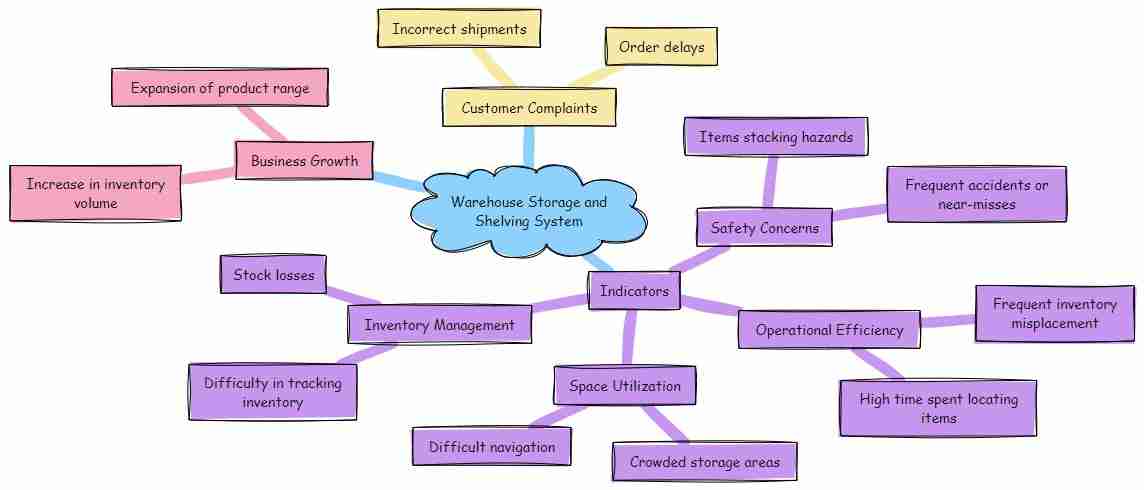
What Are The Signs Of An Inefficient Warehouse Layout?
What Are The Signs Of An Inefficient Warehouse Layout?
- Every inch of warehouse space has potential for maximizing productivity.
- Inefficient warehouse layouts can harm profits, productivity, and morale.
- Chaotic pallet racking leads to wasted time and frustrated staff.
- Slow picking processes create bottlenecks and hurt customer satisfaction.
- Inadequate movement space poses safety hazards for employees.
- Poor inventory control results in lost or mismatched items.
- Employee feedback is crucial; discontent signals the need for layout reassessment.
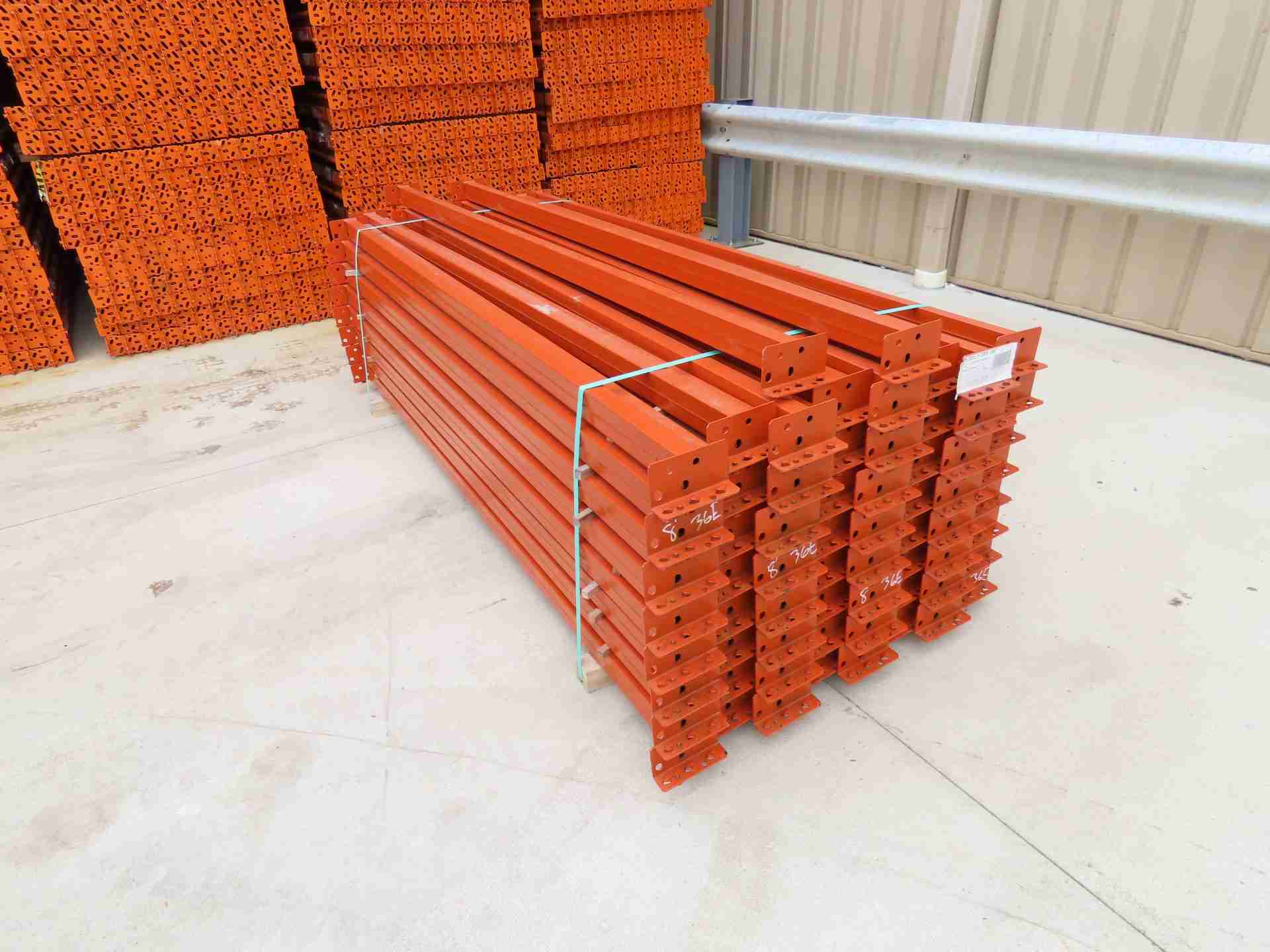
What Are The Signs Of An Inefficient Warehouse Layout?
How Does Warehouse Design Impact Team Productivity?
Imagine walking into a warehouse that feels like a well-oiled machine. The ambiance hums with purpose, each team member flowing seamlessly from one task to another. This isn’t just a stroke of luck; it’s the science of effective warehouse design in action. When your setup is thoughtfully arranged, productivity skyrockets—ensuring that your team is not just working, but thriving.
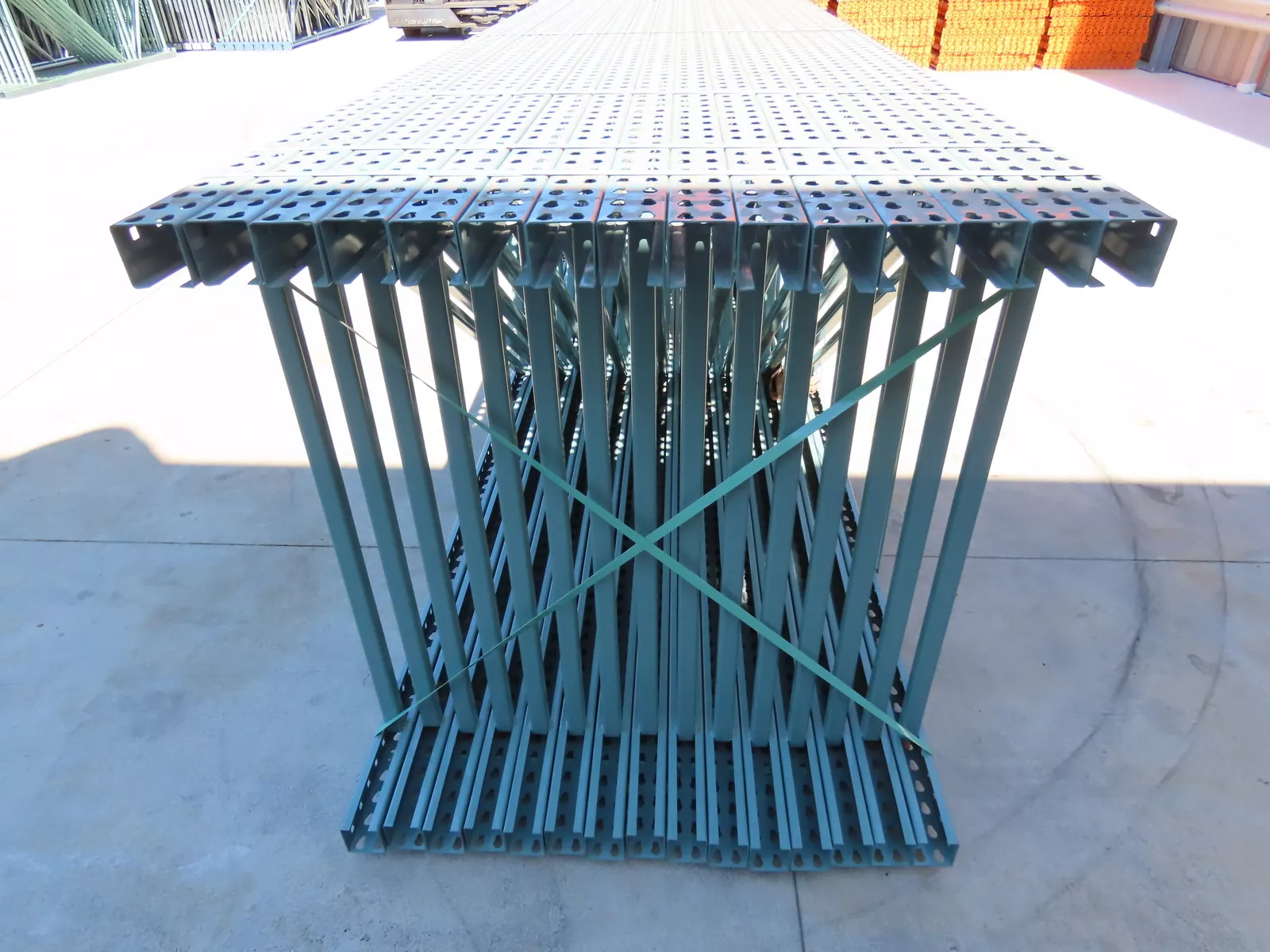
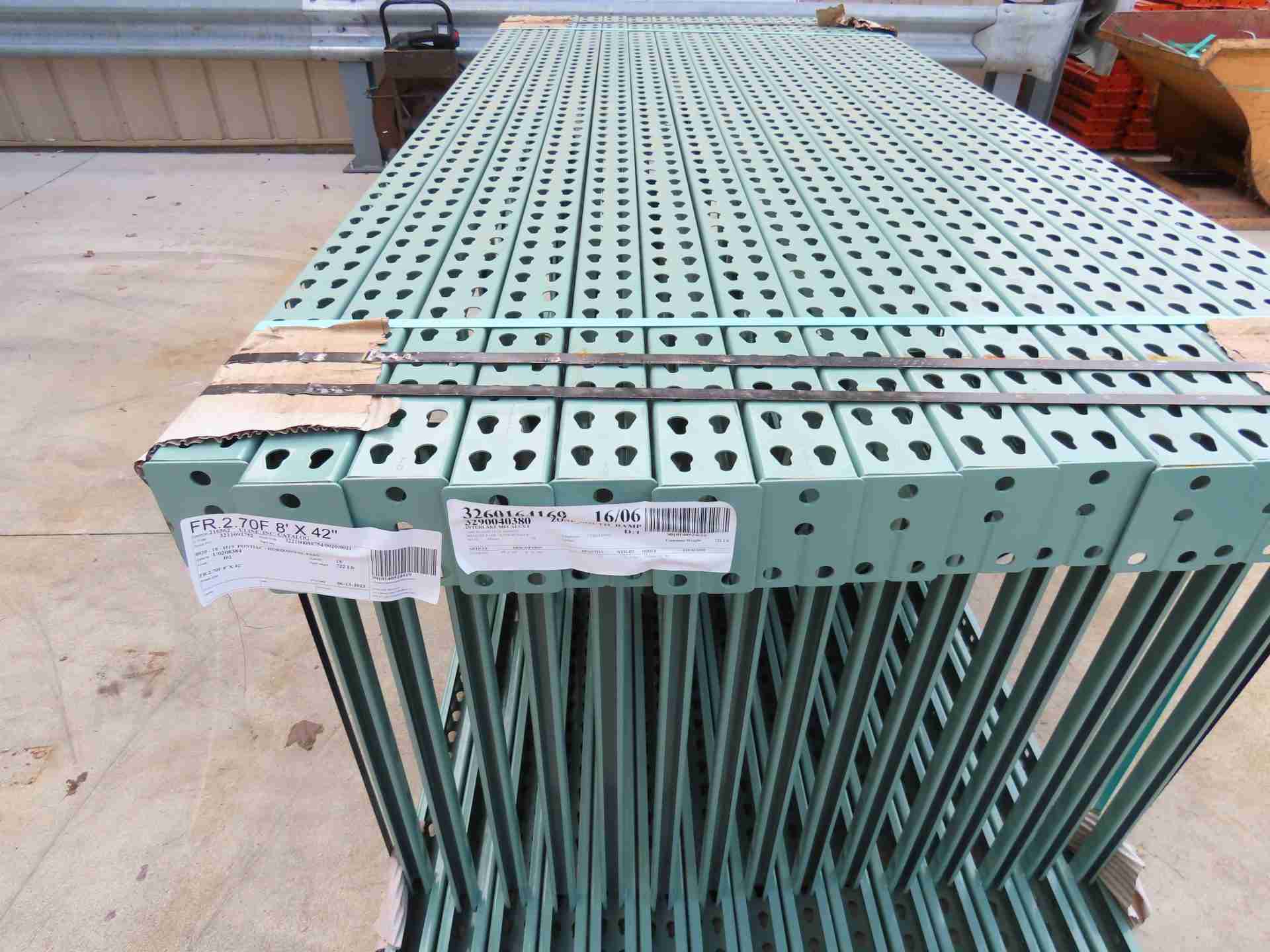
One cornerstone of smart warehouse design is the choice of pallet racking. The layout of your pallet racking system can profoundly affect how your team navigates the space. Think about it: If racks are optimized for easy access, your staff can spend less time searching for items and more time executing tasks. In contrast, a poorly designed layout leads to frustration and wasted time—two luxury items your business can’t afford.
Additionally, consider the workflow. Is it intuitive? A little foresight goes a long way here. By positioning receiving, storage, and shipping areas in a logical sequence, you allow your team to function like a finely-tuned instrument. When each process is logically arranged, team members can move with confidence, knowing what comes next. This not only boosts productivity but also cultivates a sense of ownership and pride among the staff.
Let’s not forget about safety—an often overlooked but critical part of warehouse design. A cluttered warehouse with inadequate pallet racking can lead to accidents and injuries, slowing down operations and putting team morale at risk. On the flip side, investing in sturdy, appropriately placed pallet racking equips your team with a safe workspace, allowing them to focus on what they do best without constantly looking over their shoulders.
Creating an environment where your team can excel is not just about efficiency; it’s about empowerment. When employees can easily find what they need, navigate their tasks comfortably, and feel secure in their surroundings, they’re more engaged and motivated.
In today’s competitive landscape, a well-designed warehouse isn’t just a smart choice; it’s a necessity. By paying attention to the details of your warehouse layout—from the thoughtful placement of pallet racking to an overall efficient workflow—you’re not just building a space; you’re nurturing a culture that elevates productivity and inspires your team. So, take a moment to evaluate your space. The rewards of a well-designed warehouse can make all the difference.
How Does Warehouse Design Impact Team Productivity?
How Does Warehouse Design Impact Team Productivity?
- A well-designed warehouse enhances productivity and team efficiency.
- Optimizing pallet racking systems allows for easy access, minimizing time spent searching for items.
- Intuitive workflow placement of receiving, storage, and shipping areas improves team navigation and process confidence.
- Safety is crucial; a cluttered environment increases the risk of accidents and lowers morale.
- Investing in proper pallet racking helps create a safe workspace for team members.
- Empowering employees through an efficient layout fosters engagement and motivation.
- A well-designed warehouse is essential in today’s competitive landscape, nurturing a culture of productivity.
How Does Warehouse Design Impact Team Productivity?
What Are Common Layout Mistakes In Warehouses?
When it comes to warehouse layout, many businesses fall into traps that not only hinder efficiency but can also increase costs and reduce employee morale. Understanding these pitfalls is your first step toward creating a streamlined, effective space that maximizes productivity. Let’s explore some common layout mistakes and how to avoid them.
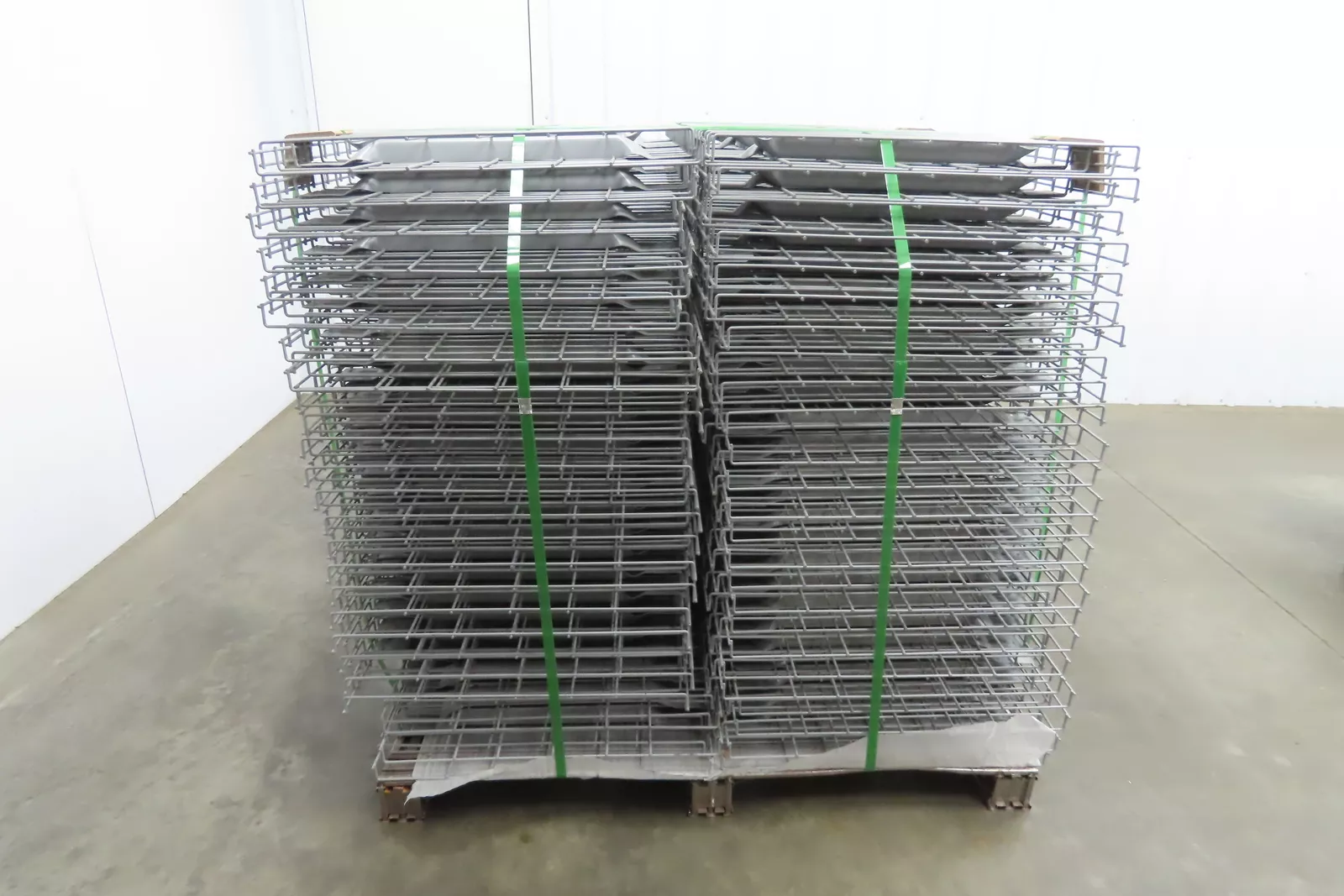
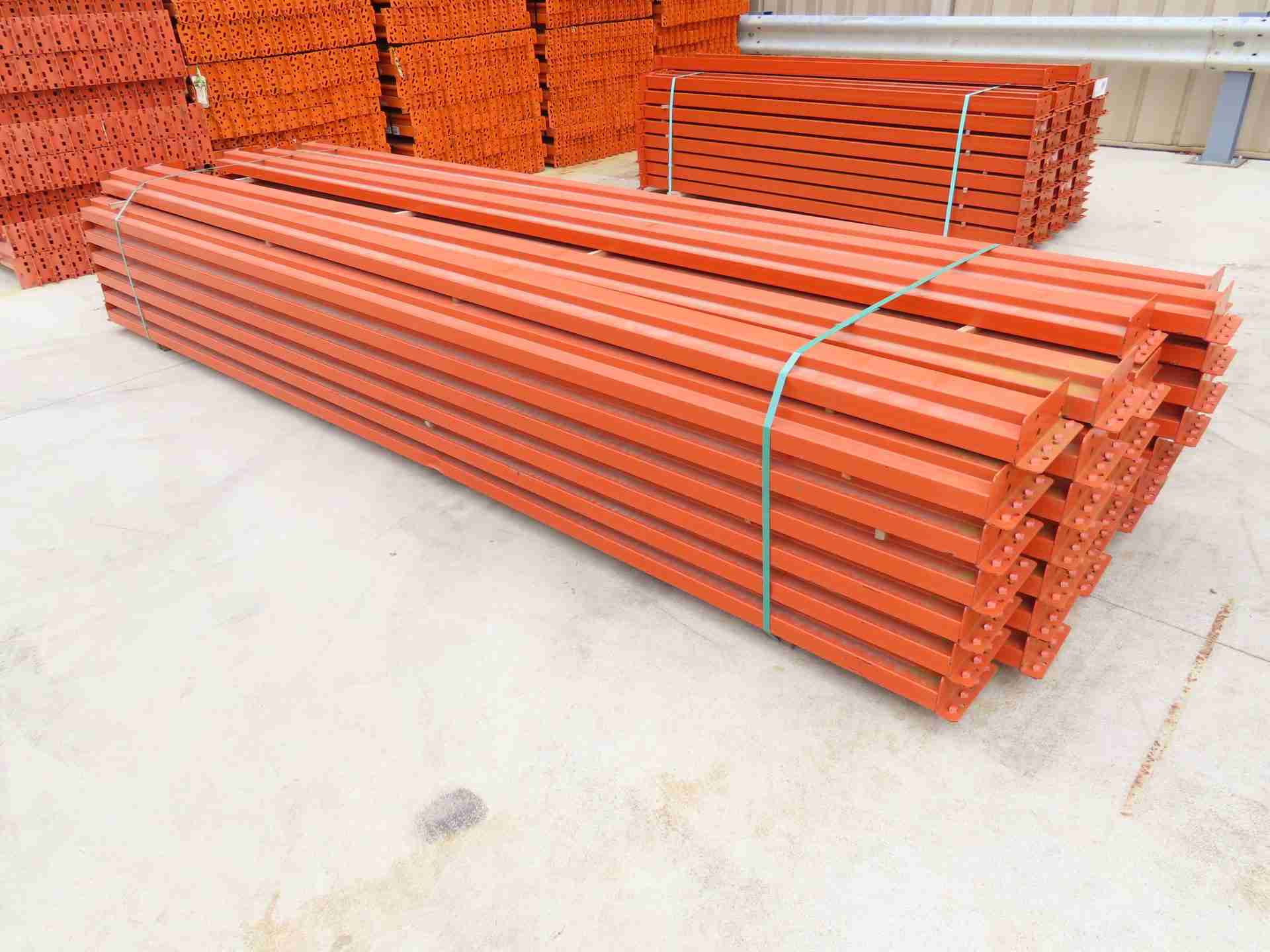
One major issue many warehouses face is poorly designed pallet racking systems. While it may seem like a straightforward decision—simply stack the shelves higher to increase storage space—this often leads to chaos. Over-reliance on vertical storage can restrict access to products, making it difficult for your team to find the items they need quickly. This can cause delays, accumulate unnecessary labor costs, and lead to frustrated employees. A better approach is to strategically plan your pallet racking layout, ensuring both accessibility and optimization of floor space.
Another common blunder is neglecting to analyze the flow of goods. Imagine a scenario where your receiving area is at one end of the warehouse and your shipping docks are at the opposite side. You’re setting your team up for inefficiency and unnecessary wear and tear on equipment. Instead, map out a logical flow that minimizes travel distance. This not only saves time but also decreases the likelihood of errors and accidents, creating a smoother operation that your workforce can appreciate.
Let’s talk about communication. An effective warehouse layout fosters clear lines of sight, not just for physical movement but also for communication among team members. Poor layouts can create bottlenecks where employees are unable to see each other, leading to confusion and miscommunication. Integrating open spaces and clear pathways between zones ensures that teams can collaborate effectively, fostering a culture of teamwork and trust.
Lastly, be mindful of the fact that your warehouse is not a static entity. Needs evolve, and so should your layout. Failing to reassess the layout over time is like ignoring a gaping hole in your boat—it will only sink you deeper into trouble. Regularly review your operations and make adjustments to your pallet racking and workflow as your inventory and business needs change.
Avoiding these common layout mistakes will not only boost efficiency but also inspire confidence in your team. When your warehouse is optimized, you set the stage for success, driving productivity and ultimately enhancing your bottom line. Let’s take action now—your operational success hinges on it!
What Are Common Layout Mistakes In Warehouses?
What Are Common Layout Mistakes In Warehouses?
- Many warehouses face pitfalls that hinder efficiency, increase costs, and reduce employee morale.
- Poorly designed pallet racking systems can limit access to products and cause delays.
- Strategic planning of pallet racking layout ensures accessibility and space optimization.
- Neglecting goods flow analysis can lead to inefficiencies, increasing travel distance for employees.
- Effective layouts promote clear lines of sight for communication, reducing confusion and miscommunication.
- Warehouses need regular reassessment and adjustment of layouts to adapt to evolving business needs.
- Optimizing warehouse layout boosts efficiency and inspires team confidence, enhancing overall productivity.
What Are Common Layout Mistakes In Warehouses?
How Can A Poor Layout Lead To Increased Operational Costs?
Picture this: you walk into a warehouse, and your heart sinks. There’s chaos everywhere—oversized pallets stacked precariously, narrow aisles choked with clutter, and workers trudging back and forth, inefficiency bleeding through every step they take. You know that an unoptimized layout isn’t just a nuisance; it’s a financial sinkhole.
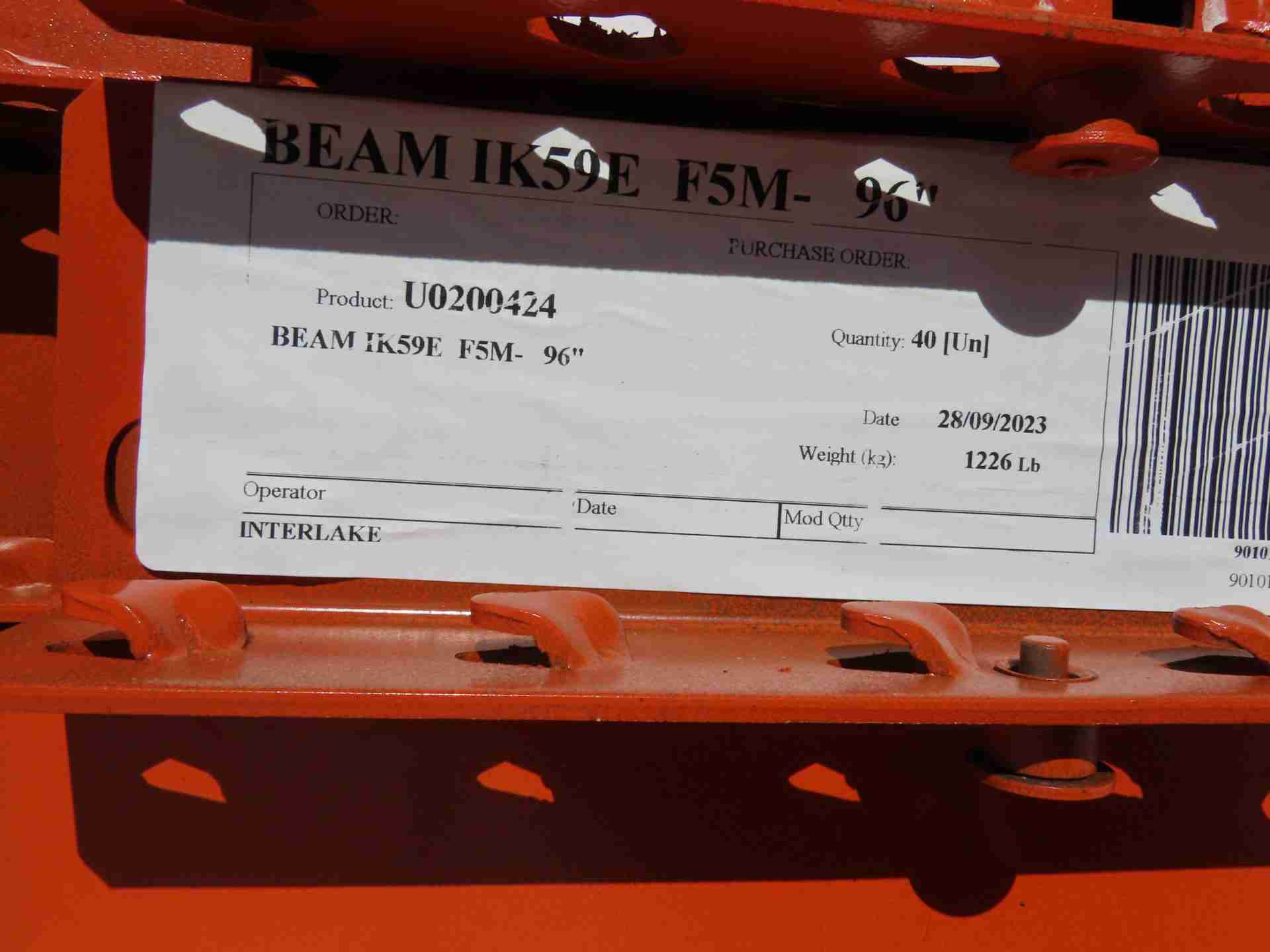
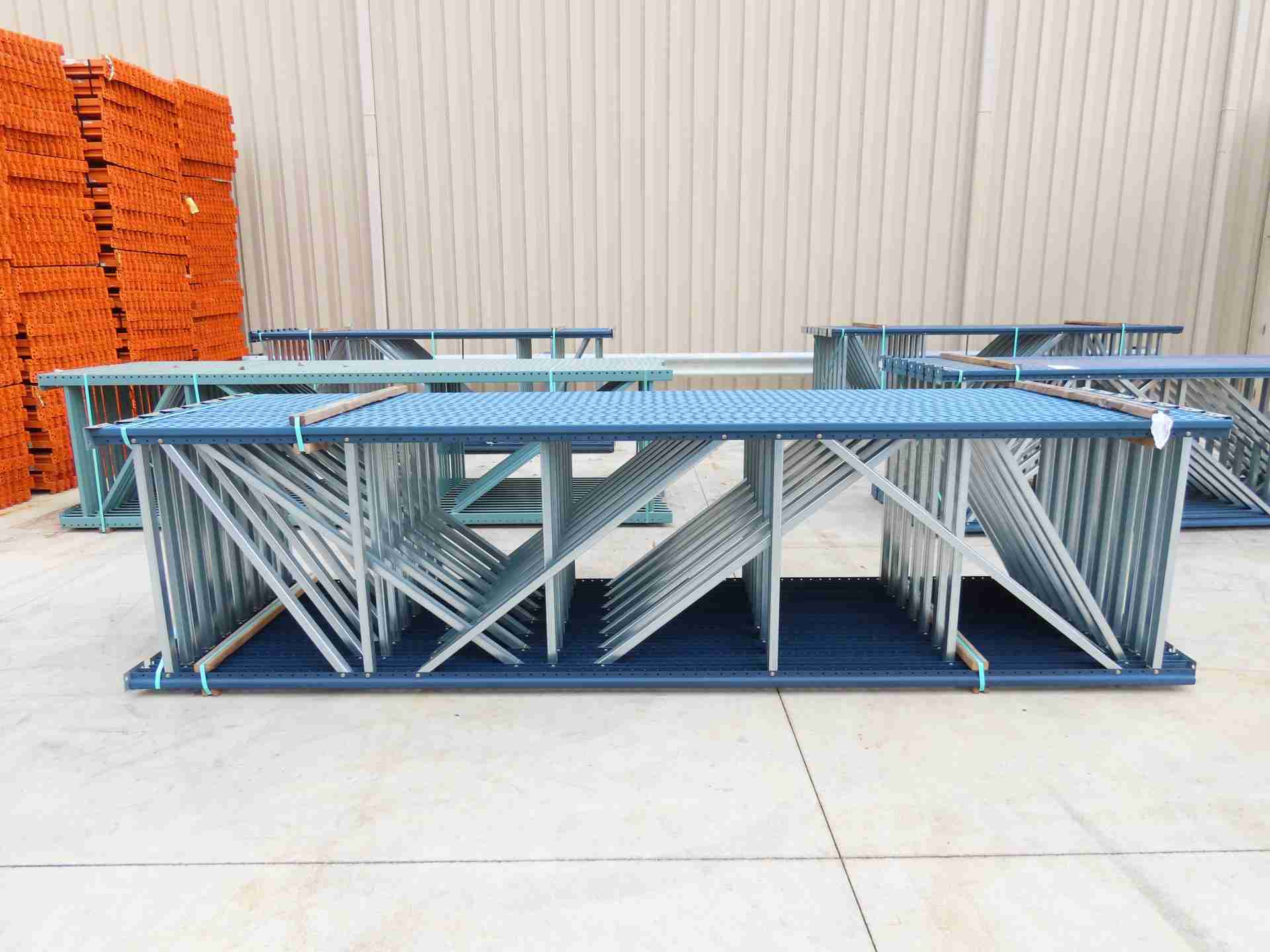
Let’s be honest: every square foot of your warehouse space is valuable. When your layout is flawed, you’re not just wasting space; you’re throwing money away as well. Imagine the impact of poorly designed pallet racking systems—these essential tools, when implemented incorrectly, only serve to amplify your operational costs. Instead of maximizing storage density, they create bottlenecks that make finding and retrieving products a Herculean task.
And let’s talk about labor costs. A less-than-ideal layout means longer travel times for your employees, who are often left to navigate a maze instead of a streamlined plan. Each additional minute spent shuffling around equals dollars lost. Workers become frustrated, productivity plummets, and the atmosphere turns toxic. Is this the environment you want to create in your business?
Moreover, think about safety. A layout that doesn’t prioritize ease of movement can lead to accidents. A dropped pallet or a near miss with a forklift not only jeopardizes employees’ well-being; it also results in lost workdays, increased insurance premiums, and potential legal liabilities. Those costs add up quickly, and all because of a poor layout.
Now, let’s get proactive. The key to minimizing operational costs lies in designing a layout that works for your business. Start by evaluating your current space and how you utilize pallet racking. Are they optimized for your inventory flow? A well-organized warehouse can facilitate better communication and cooperation among workers, enhancing employee morale and output.
With a strategic layout, you not only save money but also create an environment where everyone thrives. Investing in a thoughtful and efficient layout where every inch is used wisely—yes, even pallet racking—can transform your operations from a costly endeavor into a well-oiled machine. So, take action today; your future self will thank you when the financial benefits start rolling in.
How Can A Poor Layout Lead To Increased Operational Costs?
How Can A Poor Layout Lead To Increased Operational Costs?
Here is a formatted bulleted HTML list based on the provided text:
- Warehouse chaos can result from oversized pallets, cluttered aisles, and inefficient worker movements.
- An unoptimized layout wastes precious space and increases operational costs.
- Poorly designed pallet racking systems can create bottlenecks rather than maximizing storage density.
- Longer travel times in a flawed layout lead to higher labor costs and decreased employee productivity.
- A dangerous layout can result in accidents, leading to lost workdays, higher insurance premiums, and legal liabilities.
- Evaluating and optimizing the warehouse layout can enhance communication, worker morale, and efficiency.
- Investing in a thoughtful warehouse design saves money and transforms operations into a more effective system.
How Can A Poor Layout Lead To Increased Operational Costs?
What Role Does Technology Play In Optimizing Warehouse Layout?
When you step into today’s high-efficiency warehouses, one thing becomes abundantly clear: technology is the unsung hero driving productivity and profitability. But let’s not get lost in technical jargon. Think about the last time you felt overwhelmed with clutter and disorganization. Now, imagine transforming that chaos into a well-oiled machine where every pallet racking system is fine-tuned for maximum efficiency. That’s the power of technology in optimizing warehouse layout.
Picture a state-of-the-art inventory management system that not only tracks what you have but also tells you where it should be. This is not just wishful thinking; it’s the reality in today’s warehouses. Integrating software solutions allows managers to use data analytics to design layouts that minimize travel time and boost throughput. When every square foot is strategically utilized, your operation not only saves time, but you’ll also see cost reductions that go straight to the bottom line.
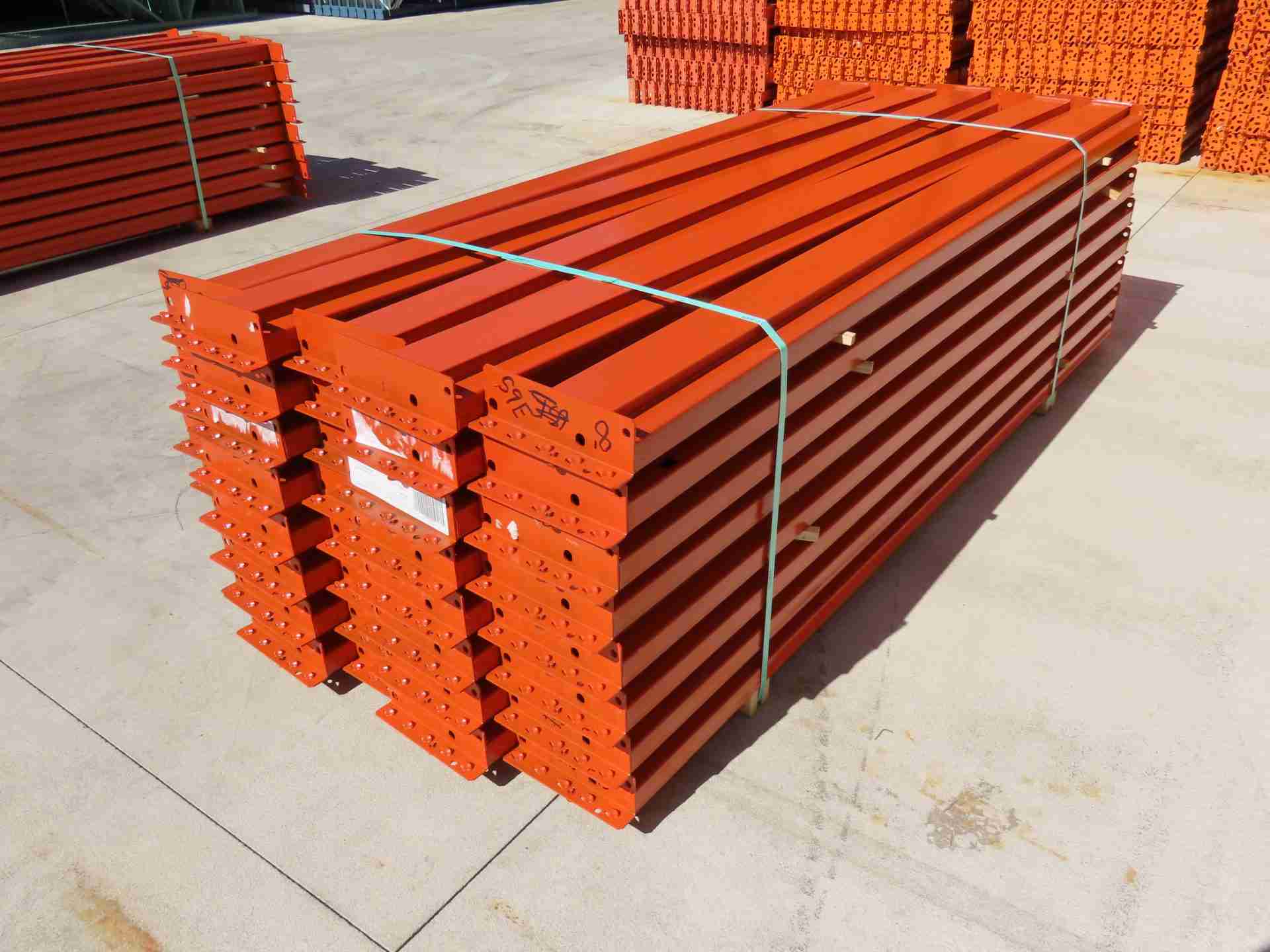
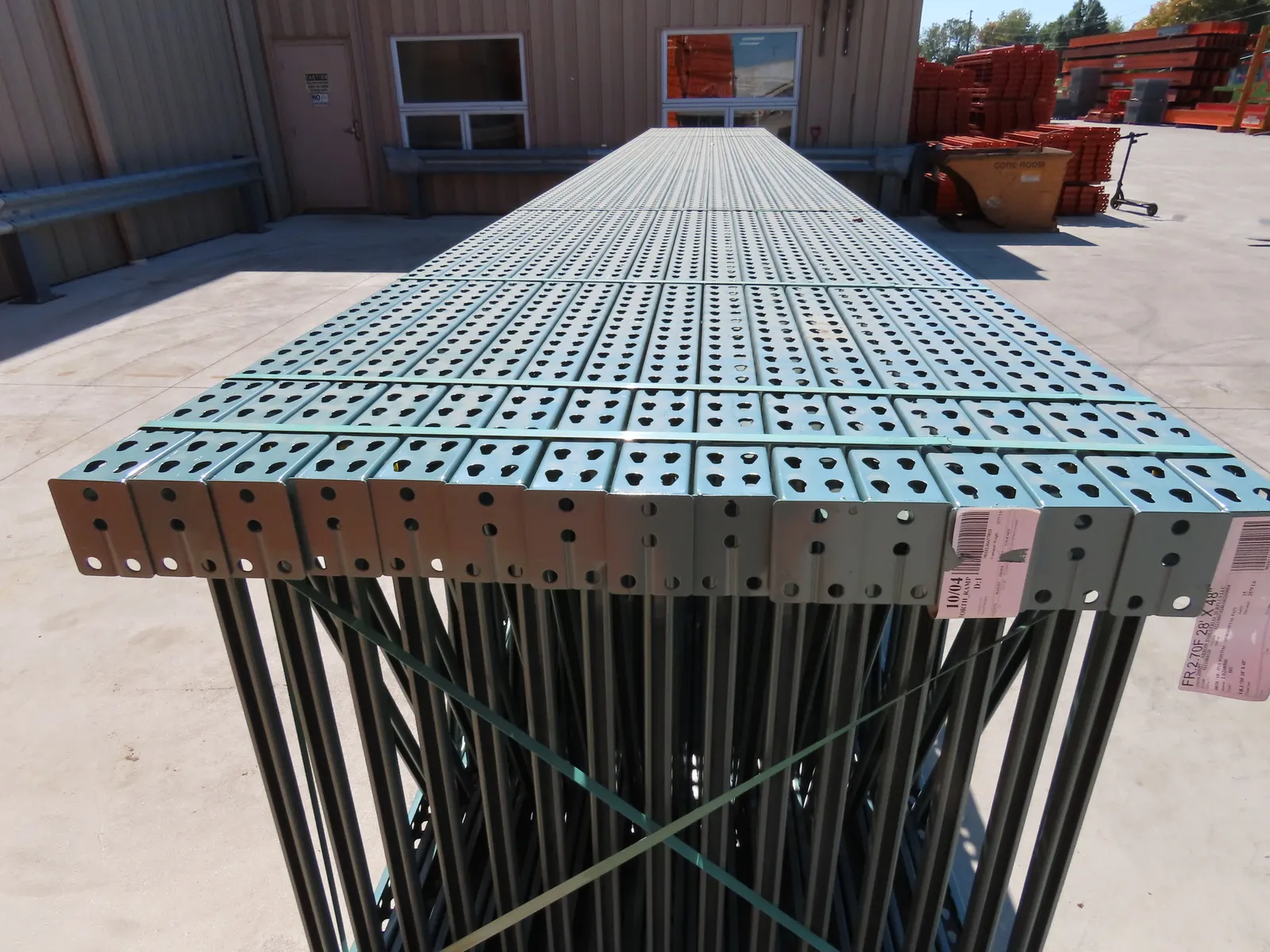
Now consider the benefits of automation and robotics. These systems can transport goods with incredible precision, ensuring that each item ends up right where it needs to be in the warehouse. Research shows that companies utilizing automated solutions for pallet racking and inventory retrieval systems enjoy an uptick in efficiency by as much as 30%. That’s not just a number; it’s potential revenue that you could be capturing with the right technological investments.
Moreover, let’s not forget about real-time data sharing among your warehouse staff. Implementing mobile devices and cloud-based systems keeps everyone on the same page—reducing errors and improving communication. Imagine a workforce where each individual knows exactly where to find the gadgets they need, how to access each pallet, and even predict when to replenish stock. A strong grip on logistics means happier, more engaged employees and, ultimately, a better experience for your customers.
So, what are you waiting for? Whether you’re looking to revamp your existing storage solutions or starting from scratch, embracing technology in your warehouse layout isn’t just an option—it’s a necessity. Harness its capabilities to redefine efficiency, cut costs, and elevate your operation to new heights. It’s time to step into the future of warehousing and unleash the potential that every square inch—and every piece of technology—has to offer.
What Role Does Technology Play In Optimizing Warehouse Layout?
What Role Does Technology Play In Optimizing Warehouse Layout?
- Technology serves as a crucial driver of productivity and profitability in modern warehouses.
- High-efficiency warehouses utilize advanced inventory management systems that optimize layout and reduce clutter.
- Data analytics helps managers design layouts that minimize travel time, leading to increased throughput and reduced costs.
- Automation and robotics enhance precision in transporting goods, potentially increasing efficiency by up to 30%.
- Real-time data sharing through mobile devices and cloud systems improves communication and reduces errors among warehouse staff.
- Effective logistics management leads to more engaged employees and better customer experiences.
- Embracing technology is essential for revitalizing warehouse operations and unlocking their full potential.
What Role Does Technology Play In Optimizing Warehouse Layout?
How Can Employee Feedback Improve Warehouse Design?
Imagine walking into a warehouse where every inch of space is utilized efficiently, and every employee feels like they have a solid say in how things run. Now, let’s get real—this isn’t just a pipe dream. It’s a tangible goal that can be achieved by harnessing the insights and experiences of your most valuable assets: your employees.
When it comes to warehousing, one of the keystones of an effective operation is pallet racking. This essential component not only dictates how products are stored but also plays a significant role in the overall workflow. Problems with pallet racking can lead to inefficiencies, safety hazards, and employee dissatisfaction. By seeking feedback from the very people who work within these environments on a daily basis, you can unlock a treasure trove of valuable information that can shape a more functional and safe warehouse design.
Your employees hold the keys to optimizing processes—ask them! What frustrates them with current pallet racking systems? Are there areas that feel cluttered or hard to navigate? By opening the door to feedback, you will not only gain insights into pain points but also inspire your team to take ownership. When employees feel their voices are heard, you foster an environment of trust and collaboration that translates directly into productivity.
Consider implementing suggestion boxes or regular feedback sessions, making sure that employees know their thoughts are valued. You might be surprised by how minor adjustments—such as reconfiguring pallet racking layouts or improving accessibility—can result in monumental shifts in performance. The collective wisdom of a well-informed team can decipher data that even the best warehouse management systems might miss!
Investing in employee feedback on warehouse design is a step toward long-term success. It builds a culture of continuous improvement. Not to mention, a more efficient layout can drastically reduce pick times and improve accuracy, directly impacting profitability. So don’t overlook what’s right in front of you—your employees are an untapped well of knowledge.
Make the commitment today to involve them in the design process. The result? A streamlined, safe, and inviting workspace where productivity skyrockets, and job satisfaction soars. By engaging your workforce in this vital discussion, you’re not just enhancing design—you’re laying the foundation for a thriving warehouse that drives results. Don’t wait; ignite the conversation now!
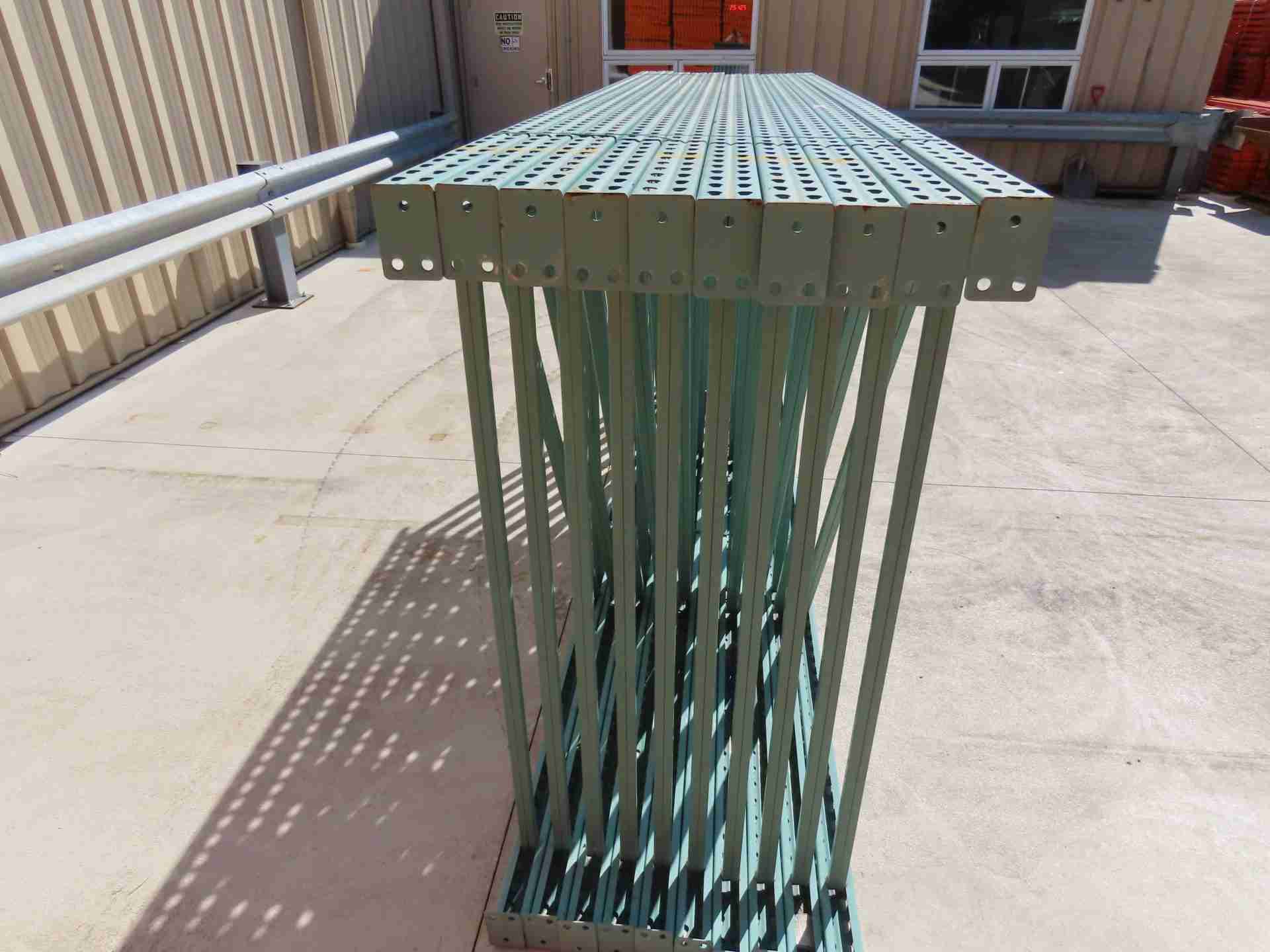
How Can Employee Feedback Improve Warehouse Design?
How Can Employee Feedback Improve Warehouse Design?
- Efficient warehouse design enhances workflow and employee satisfaction.
- Pallet racking is crucial for product storage and overall operational effectiveness.
- Employee feedback can reveal inefficiencies and safety hazards related to pallet racking.
- Engaging employees fosters a culture of trust, collaboration, and ownership.
- Implement suggestion boxes or regular feedback sessions to value employee insights.
- Minor adjustments based on employee feedback can lead to significant performance improvements.
- Involving employees in warehouse design promotes continuous improvement and boosts profitability.
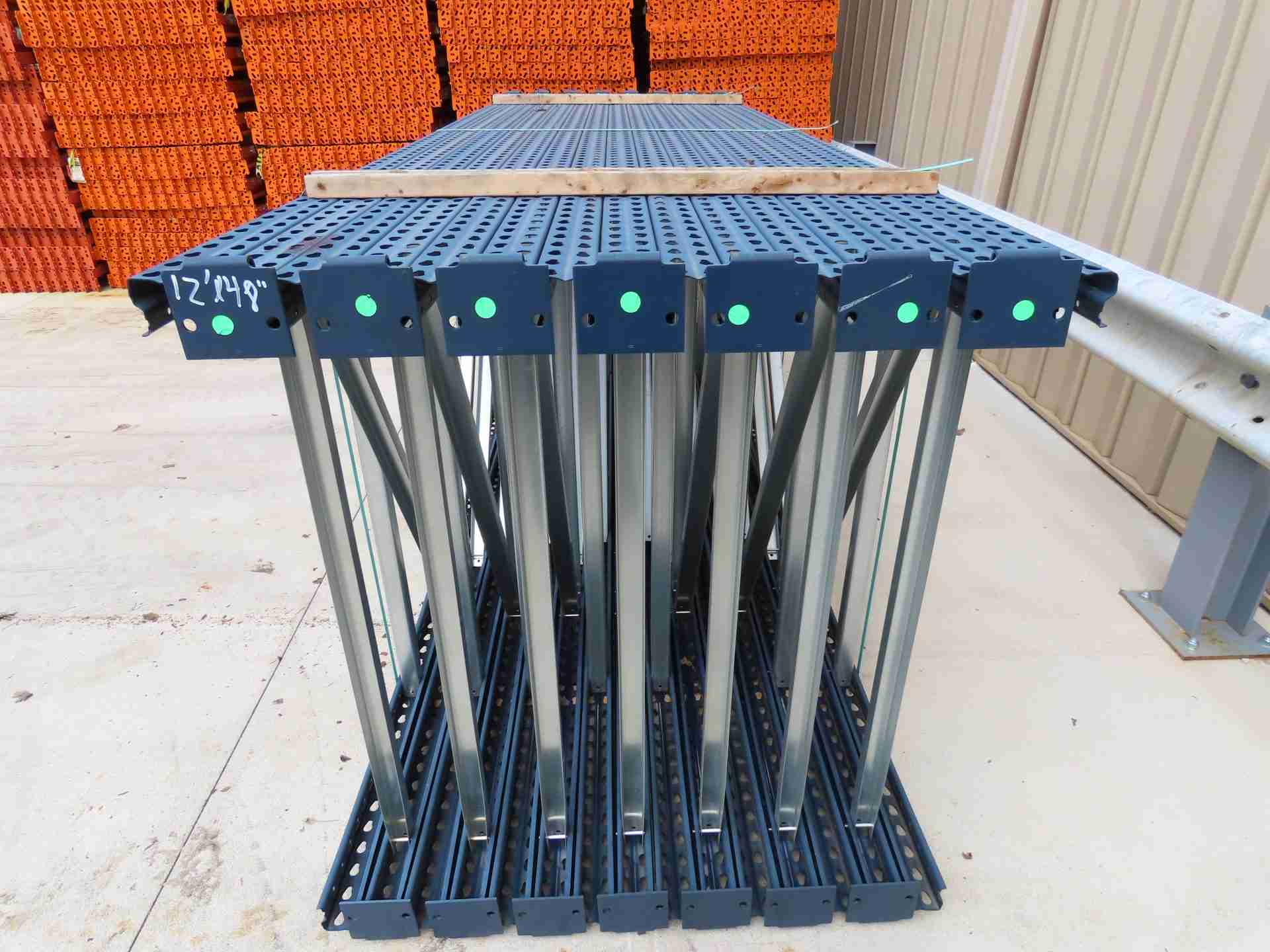
How Can Employee Feedback Improve Warehouse Design?
Conclusion
Conclusion
Is your warehouse layout putting a dent in your team’s productivity? It’s a pressing concern that can result in chaotic operations, employee frustration, and increased operational costs. But take heart—transformation is within reach. At Arrow Industrial Sales, we understand that the heartbeat of any successful warehouse lies in its design. A poorly organized space not only impedes efficiency but also detracts from employee morale, leading to missed deadlines and unhappy clients.
Think of your warehouse as a finely tuned engine. For it to run smoothly, every component must be strategically placed and easily accessible. Effective pallet racking isn’t just about maximizing space; it’s about optimizing the flow of goods and the workflow of your team, ultimately leading to a stronger bottom line. By conducting a thorough audit of your current layout and making necessary adjustments, you can breathe new life into your operations.
Moreover, embracing technology and actively seeking employee feedback are two powerful steps in the right direction. Employees on the ground know best what works and what doesn’t. By fostering a culture of open communication and continuous improvement, you not only empower your team but also create a work environment where everyone thrives.
The call to action is clear: don’t let a subpar layout hold you back any longer. Connect with Arrow Industrial Sales at (574) 349-6575 and discover how our expertise can help you craft a tailored solution to optimize your warehouse layout. Time is of the essence—every moment wasted is money lost. Take decisive action now, and watch as your productivity skyrockets, operational costs drop, and team morale reaches new heights!
Remember, transforming your warehouse isn’t just about improving efficiency; it’s about building a foundation for lasting success. When your warehouse runs like a well-oiled machine, your entire operation benefits—from your employees to your customers. Don’t let inefficiencies stifle your potential. Act now, and pave the way for a brighter, more productive future!
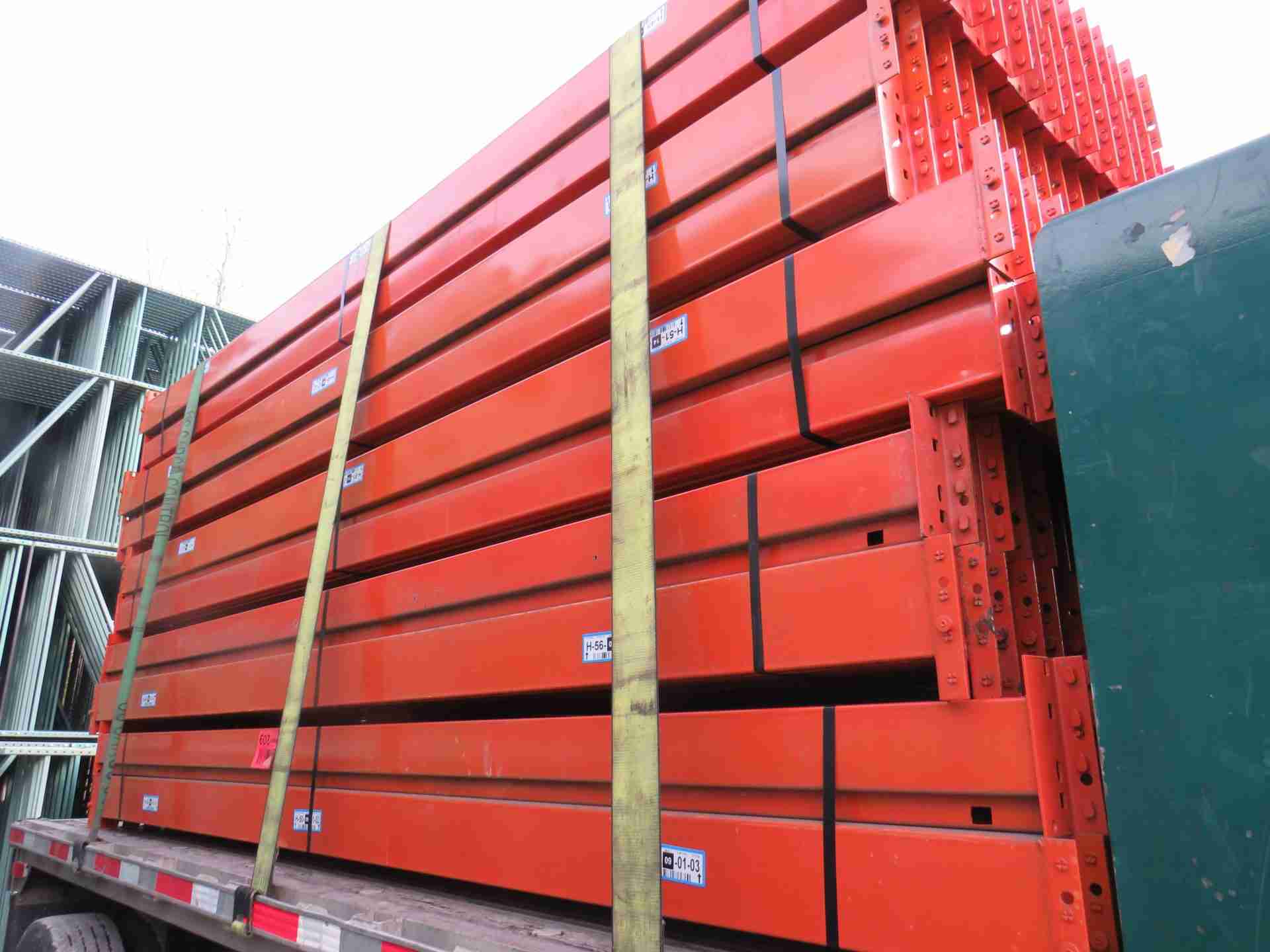
Conclusion
Conclusion:
- Warehouse layout significantly impacts team productivity and operational efficiency.
- Poor organization can lead to employee frustration, chaotic operations, and increased costs.
- Optimal warehouse design enhances both workflow and employee morale, contributing to timely deliveries and customer satisfaction.
- Conducting a thorough audit of the current layout can rejuvenate operations and improve efficiency.
- Incorporating technology and employee feedback fosters continuous improvement and empowers the workforce.
- Take action now by connecting with Arrow Industrial Sales to optimize your warehouse layout and reduce costs.
- A well-organized warehouse lays the foundation for lasting success, benefiting both employees and customers.
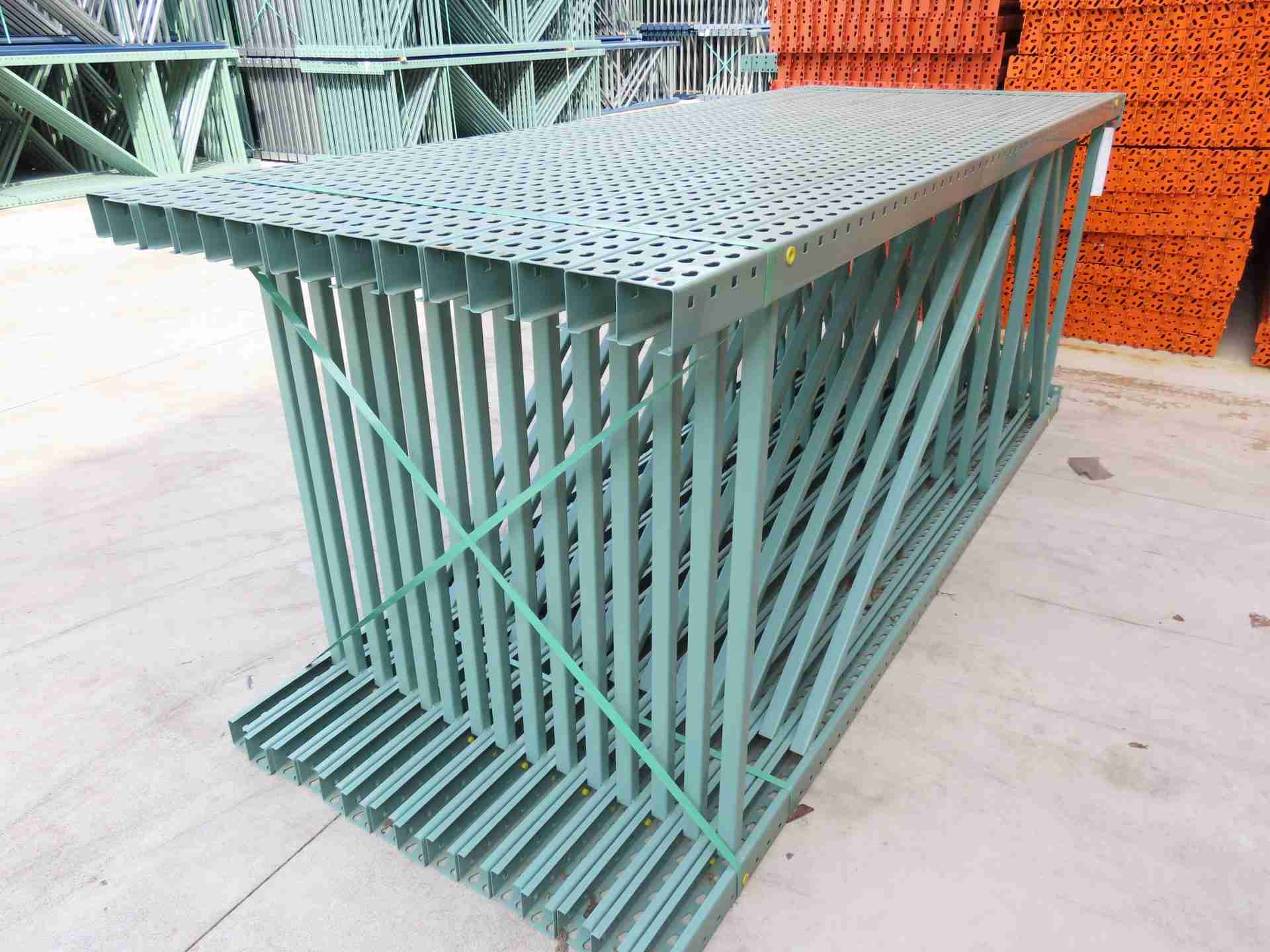
Conclusion
Other Resources
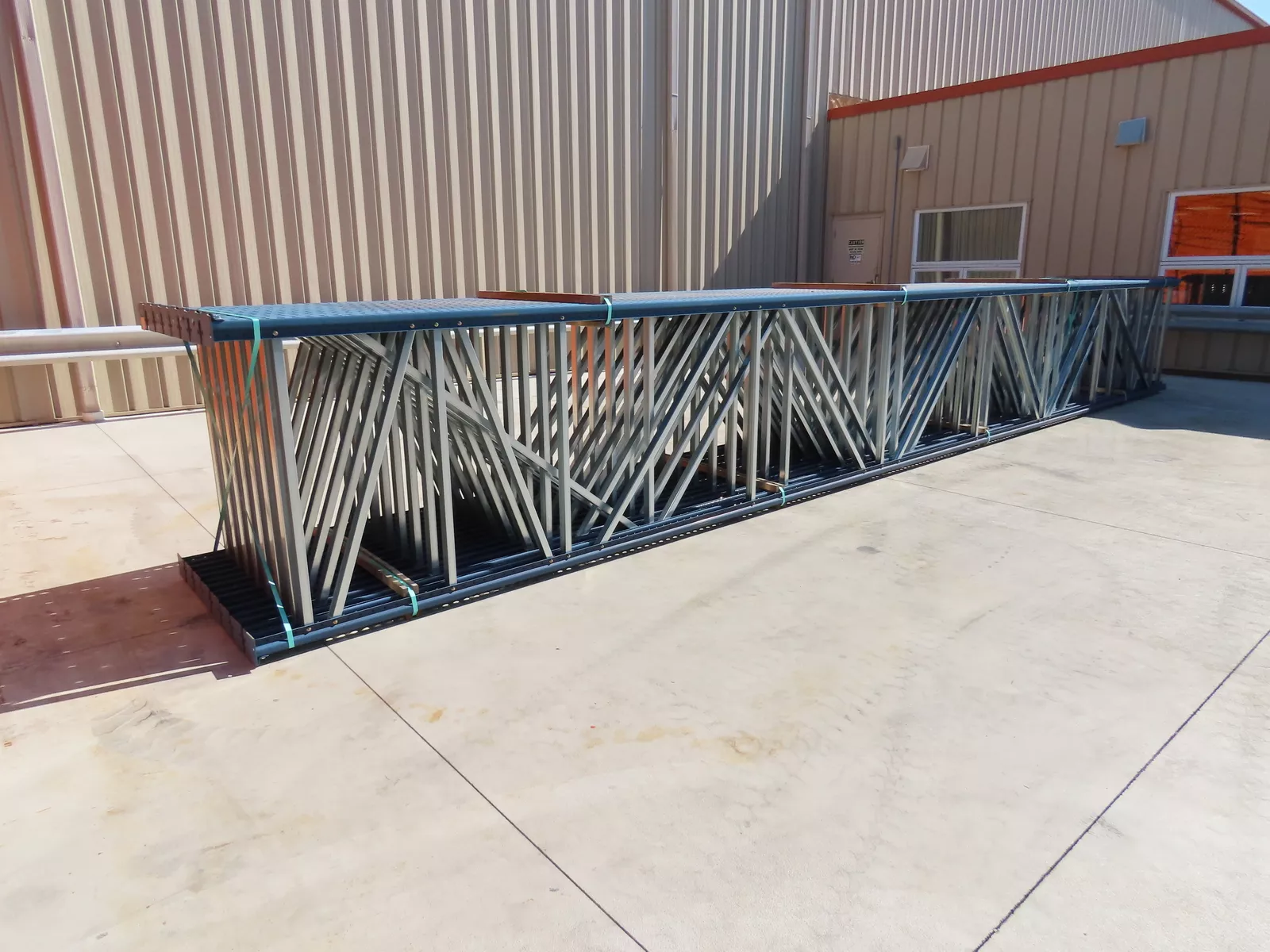
Other Resources
Here is a list of other resources you can review online to learn more:
- Warehouse Racking System: Powerful Guide to Optimise, 2024
- Warehouse Racking Layout: The Ultimate Guide – Conger
- SEMA
- Cantilever Racking Specialists – Get the Right Racks
- Warehouse Automation
- Crane Manufacturers Association Of America Inc.
- Warehouse Racks, Warehouse Racking in Stock – ULINE
- Interlake Mecalux
- Used Teardrop Pallet Rack – American Surplus
- Warehousing and Fulfillment
Use This Prompt To Get More Resources With Your Favorite Online AI Tool: Please provide me with a list of online articles with their URLs in a bulleted list that I can read regarding Could Poor Wareshouse Layout Be Hindering Team Productivity?
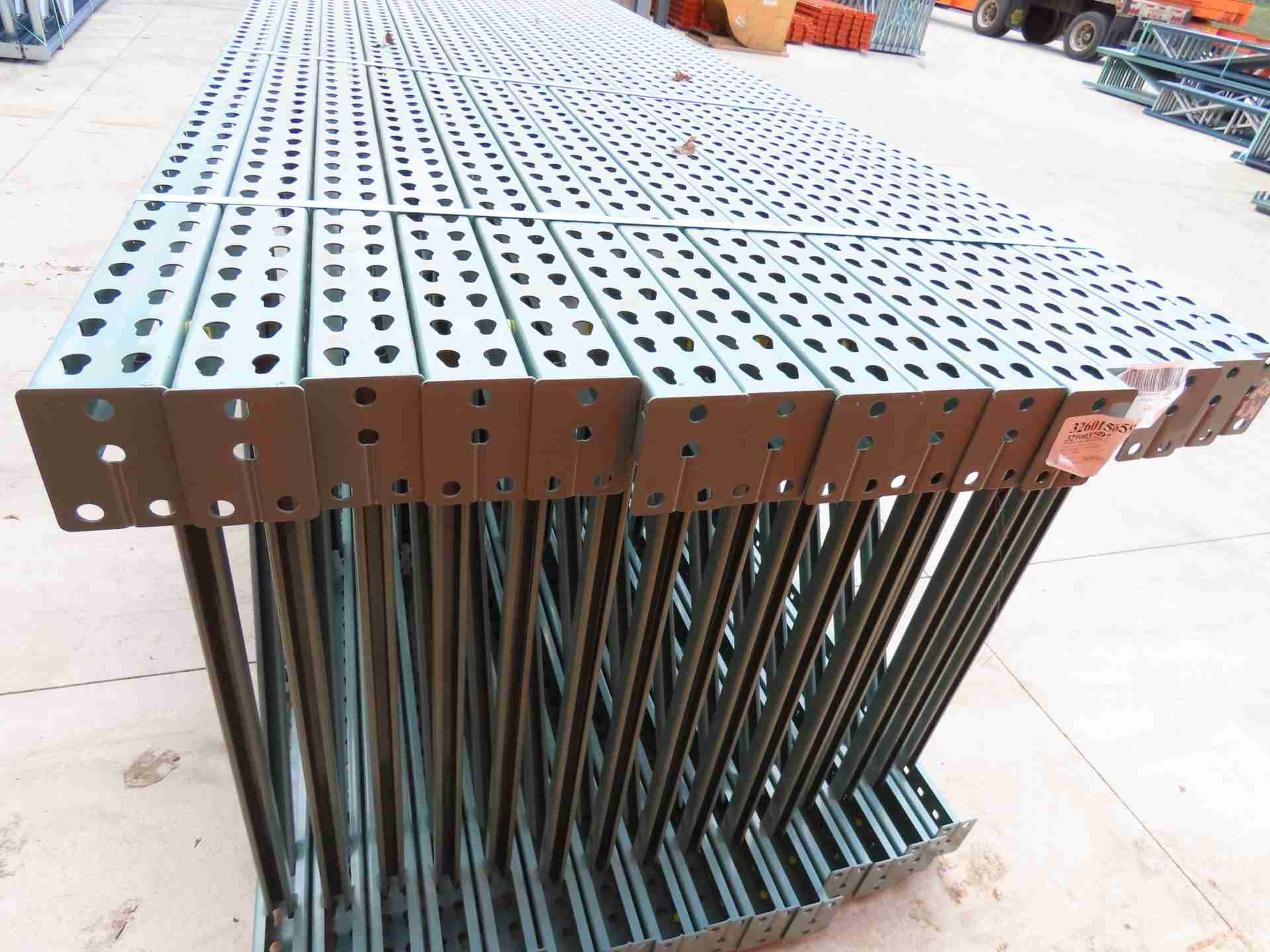
Other Resources
Glossary Terms
Could Poor Wareshouse Layout Be Hindering Team Productivity? – Glossary Of Terms
1. Warehouse Layout: The physical arrangement of storage, work areas, and equipment within a warehouse.
2. Flow Design: The systematic organization of the warehouse to facilitate the efficient movement of goods and workers.
3. Picking Efficiency: The measure of how quickly and accurately items can be selected from storage for orders.
4. Storage Systems: Methods of organizing and storing inventory, which can include shelving, pallet racks, and bins.
5. Inventory Management: The supervisory process of ordering, storing, and using a company’s inventory.
6. Ergonomics: The study of people’s efficiency in their working environment; important for designing workspaces to reduce physical strain.
7. Transportation Aisles: Pathways designed for the movement of equipment, like forklifts, to transport goods within the warehouse.
8. Work Cell: A designated area within a warehouse where specific tasks are performed, contributing to effective workflow.
9. Lean Principles: Methodologies aimed at optimizing operations by minimizing waste and maximizing productivity.
10. Throughput: The amount of product produced or moved through the warehouse in a given period of time.
11. Lead Time: The amount of time it takes from receiving an order to the fulfillment of that order.
12. Cycle Time: The total time from the beginning to the end of a process, which impacts overall productivity.
13. Bin Location: Specific places where items are stored in a warehouse, influencing the ease of retrieval and inventory management.
14. Safety Margins: Buffer spaces in warehouse design that allow for safe navigation and operations, contributing to worker productivity.
15. Cross-Docking: A logistics practice where incoming goods are directly transferred to outbound carriers, reducing storage time.
16. Flow Rate: The speed at which goods move through the warehouse, affecting overall productivity.
17. Space Utilization: The use of available warehouse space to maximize storage and workflow efficiency.
18. Workstation Design: The arrangement of tools and materials at a job site to optimize productivity.
19. Team Collaboration: The degree to which members of a team effectively work together toward common goals within the warehouse.
20. Bottleneck: A point of congestion in a production system that slows down overall efficiency.
21. Skewed Inventory: Uneven distribution of inventory that complicates storage and retrieval processes.
22. Technology Integration: The use of software and devices to improve operations and communication within the warehouse.
23. Training Programs: Initiatives aimed at improving employee skills and knowledge about warehouse operations.
24. Return on Investment (ROI): A measure of the profitability of improvements made to the warehouse layout and processes.
25. Warehouse Management System (WMS): Software that helps manage the daily operations of a warehouse efficiently.
26. Operational Workflow: The sequence of processes involved in managing and executing warehouse activities.
27. Quality Control: The procedures and measures taken to ensure that the products meet specific quality standards.
28. Performance Metrics: Quantitative measures used to assess the efficiency and effectiveness of warehouse operations.
29. Spatial Optimization: The strategic arrangement of warehouse resources to enhance productivity and reduce waste.
30. Continuous Improvement (Kaizen): An ongoing effort to enhance products, services, or processes in a warehouse setting.
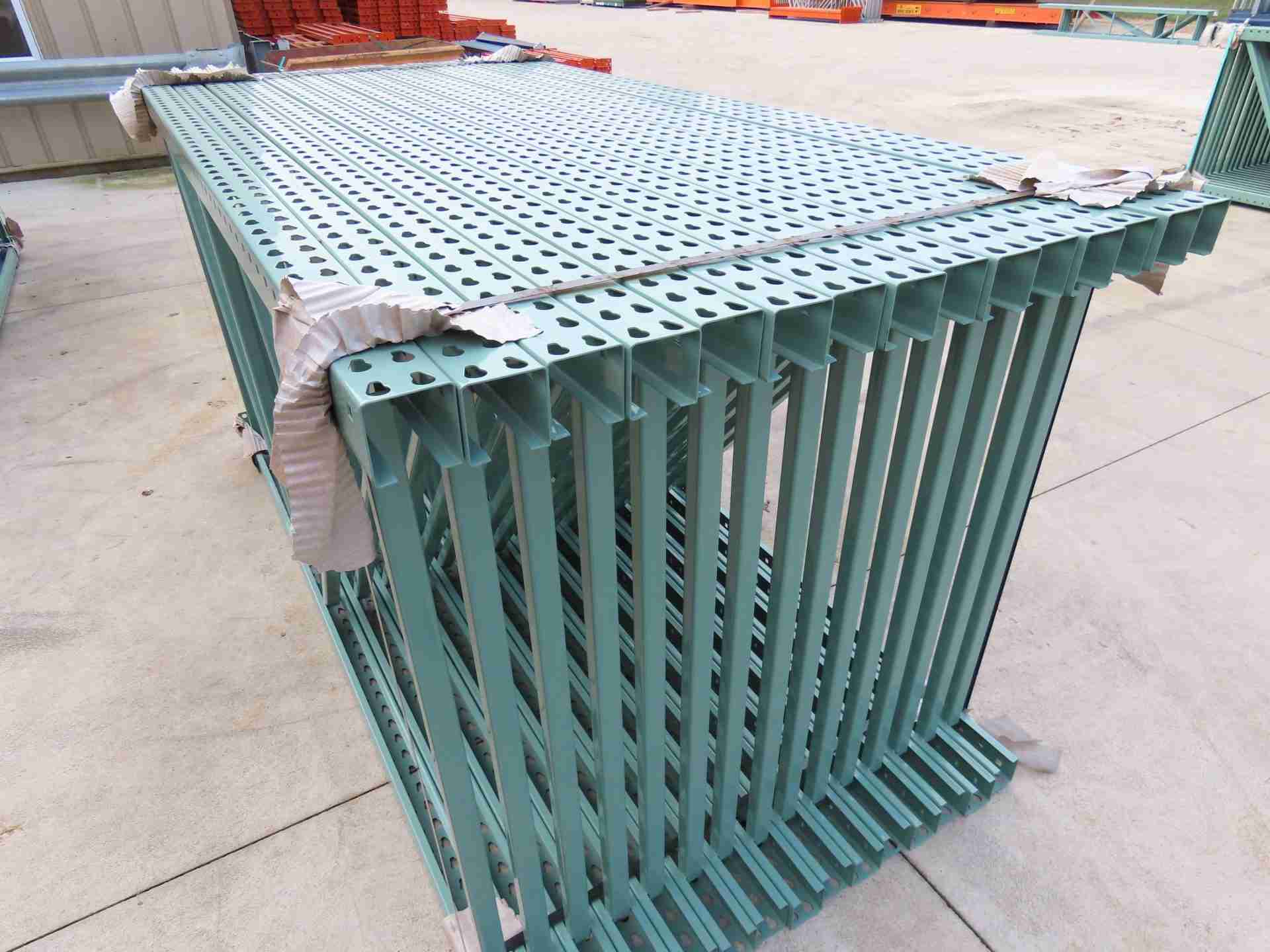
Glossary Of Terms
Other Questions
Could Poor Wareshouse Layout Be Hindering Team Productivity? – Other Questions
If you wish to explore and discover more, consider looking for answers to these questions:
- What are the key benefits of a well-designed warehouse layout?
- How can I assess my current warehouse layout for efficiency?
- What specific steps can I take to improve warehouse layout?
- What tools or software can assist in warehouse layout planning?
- How often should a warehouse layout be reevaluated?
- What are the best practices for pallet racking arrangement?
- How does employee training contribute to warehouse efficiency?
- What safety considerations should be made when designing a warehouse layout?
- How can technological advancements improve warehouse operations?
- What metrics should be used to measure warehouse productivity?
- How can I foster a culture of feedback among warehouse employees?
- What are the potential pitfalls of neglecting warehouse design?
- Are there case studies highlighting successful warehouse redesigns?
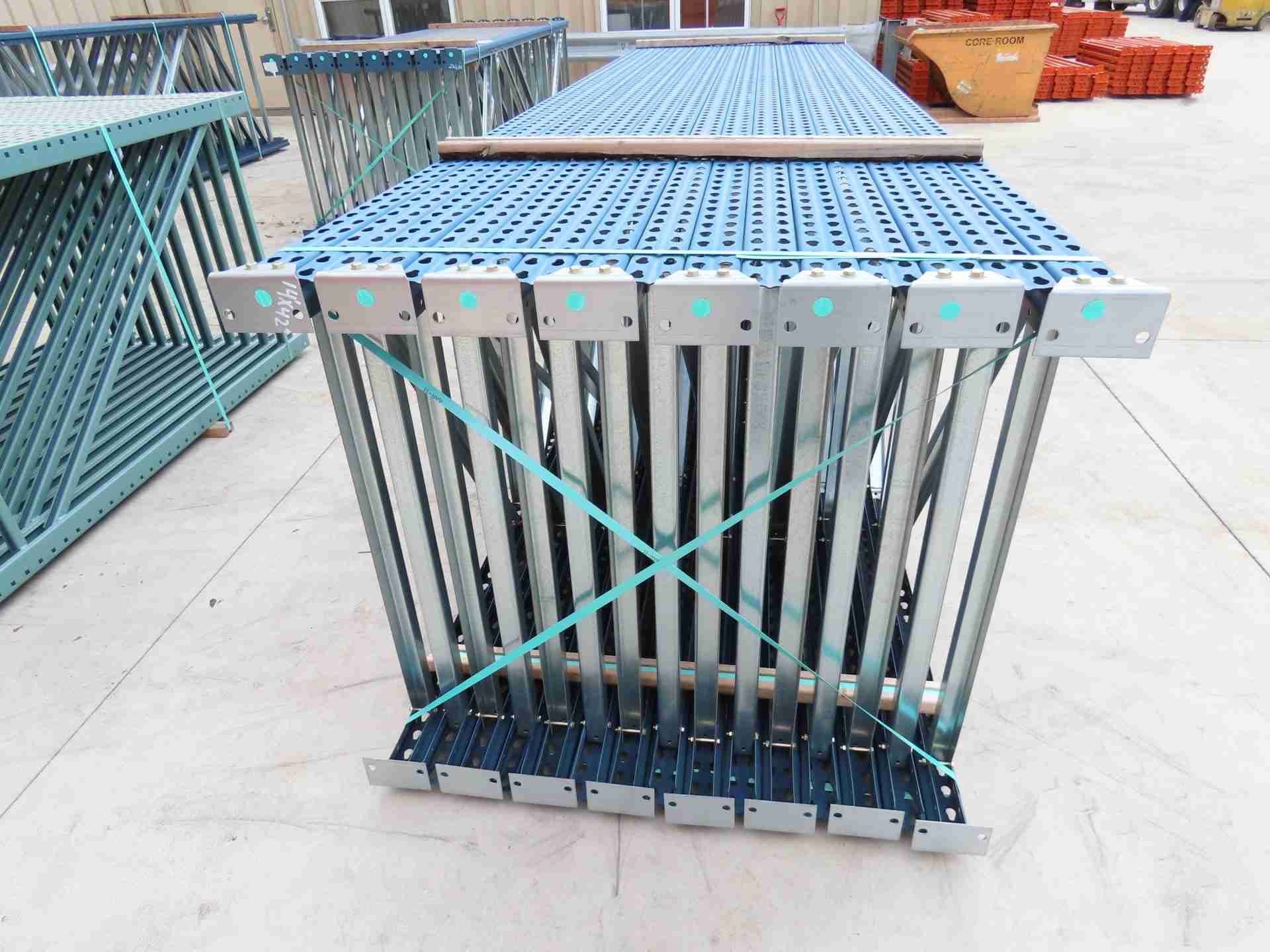
Other Questions
Checklist
Could Poor Wareshouse Layout Be Hindering Team Productivity? – A Checklist
Checklist Title: Warehouse Layout Optimization Checklist
Assessing Your Warehouse Layout for Improved Productivity
1. Evaluate Pallet Racking Systems
_____ Are your pallet racks organized for optimal accessibility?
_____ Do they minimize the search time for employees?
_____ Is there a plan for regular maintenance and updates?
2. Analyze Picking Processes
_____ Are your picking processes efficient, or do they result in bottlenecks?
_____ Are there clear pathways that reduce unnecessary travel time?
3. Check Space for Movement
_____ Is there adequate space for safe and easy movement for employees and machinery?
_____ Are aisles wide enough to accommodate forklifts without hazard?
4. Inventory Control Review
_____ Is your inventory management system effective in tracking and organizing stock?
_____ Are items stored logically to minimize mismatches and losses?
5. Gather Employee Feedback
_____ Have you implemented a system for collecting employee feedback on warehouse layout and design?
_____ Do employees feel comfortable suggesting improvements?
6. Inspect for Common Layout Mistakes
_____ Are your receiving and shipping areas positioned to facilitate smooth workflow?
_____ Is your space regularly reassessed for evolving business needs?
7. Utilize Technology
_____ Are you using inventory management software to enhance layout planning?
_____ Have you considered automation to optimize material handling processes?
8. Focus on Safety
_____ Are safety measures in place regarding aisles and storage tactics?
_____ Is there a clear exit plan in case of emergencies?
9. Monitor Employee Morale
_____ Are there signs of employee frustration related to their work environment?
_____ How do layout changes correlate with employee productivity and satisfaction?
10. Implement Continuous Improvement Practices
_____ Are regular audits performed to assess layout efficiency?
_____ Is there a commitment to adapt layout based on operational needs and employee input?
Conclusion:
Maximizing warehouse layout efficiency not only enhances productivity but also significantly boosts employee morale. Use this checklist to assess and improve your warehouse’s design, and watch your team’s performance thrive!
Checklist
At RackingWorld, we help guide you through selecting warehouse storage systems and racking.
Be sure to read our other related stories at RackingWorld to learn more about warehouse storage systems.
0 Comments