
Unlock Your Warehouse’s Full Potential
By Tom Seest
At RackingWorld, we help guide you through selecting warehouse storage systems and racking.
Don’t sit idly by while your competitors optimize their spaces—take action now! Call Arrow Industrial Sales at (574) 349-6575 to discuss your specific needs, and let our team of experts help you rediscover your warehouse’s true capabilities. But remember, the time to act is now; every day you delay is a day of lost revenue and untapped potential. Ignite efficiency, inspire your team, and pave the path for long-term success with smart racking solutions. Unlock your warehouse’s potential today!
Be sure to read our other related stories at RackingWorld to learn more about warehouse storage systems.
Are You Maximizing Your Warehouse Space Right Now?
Let’s face it: if your warehouse feels more like a chaotic maze than a well-organized powerhouse, then you’re not alone. Many businesses overlook crucial opportunities hidden within their own walls. It’s time to flip the script and transform your storage space into a streamlined operations hub.
You might be asking yourself, “How can I optimize my warehouse effectively?” Well, let me share a couple of strategies that can make a significant impact—and they’re easier to implement than you think.
First, let’s talk about the potential that pallet racking holds for your business. If you’re not using this essential tool, you’re missing out on one of the best-kept secrets in warehouse management. Imagine rows of meticulously organized pallets stacked high, allowing for efficient access and maximizing vertical space. This isn’t just about creating a clean aesthetic; it’s about improving efficiency and productivity. When goods are easily accessible, your team can work faster and with less frustration, boosting morale along the way.
Now, picture this: your sales are climbing, your inventory turnover is speeding up, and your cash flow is robust—all because you’ve taken the time to evaluate your warehouse layout. Does it feel overwhelming? It doesn’t have to be. Start small. Assess your current shelving and racking systems. Are they optimized for the types of products you store? Is there room for modification? Sometimes, a simple reconfiguration can free up a plethora of space.
And let’s not overlook the power of the digital realm. Inventory management software has come a long way, with solutions that help you track stock levels, locations, and even rotation to avoid spoilage. The amalgamation of efficient pallet racking and smart technology can transform how you manage stock, reduce losses, and ultimately lead to increased profits.
But the journey doesn’t end there. Gather your team, and brainstorm together on how to elevate your operational strategies. Those who work within the system day in and day out often have the best insights. They can help identify inefficiencies that you might not see.
Now ask yourself: Are you ready to take action? Maximizing your warehouse space is not just a fleeting thought; it’s a necessary evolution. When you optimize now, you pave the way for a future filled with growth and success. So roll up your sleeves and embark on this journey toward a more efficient, profitable operation today!

Are You Maximizing Your Warehouse Space Right Now?
Are You Maximizing Your Warehouse Space Right Now?
- Many warehouses are chaotic, resulting in overlooked opportunities for improvement.
- Implementing pallet racking can significantly enhance organization and efficiency.
- Optimized access to goods leads to faster work processes and increased team morale.
- Assess current shelving and racking systems to identify potential modifications.
- Utilizing inventory management software can improve stock tracking and reduce losses.
- Engage your team in brainstorming sessions to identify inefficiencies and improvement strategies.
- Optimizing your warehouse now is essential for future growth and success.

Are You Maximizing Your Warehouse Space Right Now?
Table Of Contents
- Are You Maximizing Your Warehouse Space Right Now?
- Are You Aware Of The Current Space Utilization In Your Warehouse?
- What Strategies Can Optimize Your Warehouse Layout Effectively?
- How Can You Assess Your Inventory Turnover Rate?
- Are Your Storage Systems Suitable For Your Product Types?
- What Role Does Technology Play In Maximizing Warehouse Space?
- How Often Should You Review And Adjust Your Warehouse Design?
- Conclusion
- Other Resources
- Glossary Of Terms
- Other Questions
- Checklist
Are You Aware Of The Current Space Utilization In Your Warehouse?
When was the last time you took a good, hard look at your warehouse’s space utilization? If you’re like most warehouse managers or owners, you might find yourself caught in the day-to-day hustle of keeping operations running smoothly. But here’s the truth: if you’re neglecting to assess how effectively you’re using your space, you could be leaving valuable resources—both time and money—on the table.
Let’s talk about the heart of your storage system: pallet racking. This essential feature can be the difference between chaos and order in your warehouse. Think about it. Great pallet racking allows you to maximize vertical space, turning what could be wasted square footage into revenue-generating potential. If you aren’t leveraging high-quality pallet racking strategically, you might as well be throwing away money.
Yet, many warehouse managers operate under the illusion that their current layout is working just fine. But is “just fine” really good enough? Ask yourself whether your current racking system is limiting your ability to grow and adapt. A comprehensive space utilization analysis might reveal that spaces you thought were serving their purpose are actually underperforming, costing you both productivity and profitability.
In the fast-paced world of warehousing, the margin for error shrinks every day. It’s time to cultivate a culture of awareness regarding how every inch of your warehouse is functioning—or, in some cases, failing to function. When was the last time you analysed product flow and the physical arrangement of your pallet racking? If it’s been longer than a season, it’s time to make a change.
Imagine how freeing it could be to walk into a warehouse that flows seamlessly, where every pallet racking unit works in harmony with the others. Picture a space where products are easy to access, inventory is trackable, and the team can work more efficiently due to better organization. This is not a fantasy; it’s a transformation waiting to happen.
Don’t wait for the pressure to mount or for inefficiency to run rampant. Take that first, empowering step toward a warehouse that truly reflects the potential of your business. Start by evaluating your space utilization today, and watch as it sets the stage for unprecedented levels of productivity and profit. It’s time to turn your warehouse into a well-oiled machine. Your future self will thank you.

Are You Aware Of The Current Space Utilization In Your Warehouse?
Are You Aware Of The Current Space Utilization In Your Warehouse?
- Regular assessment of warehouse space utilization is crucial for optimizing operations.
- Pallet racking is an essential feature that maximizes vertical space and revenue potential.
- Many warehouse managers mistakenly believe their current setup is adequate, but it may hinder growth.
- A thorough space utilization analysis can uncover underperforming areas that affect productivity.
- Awareness of space functionality is necessary to adapt to the fast-paced warehousing environment.
- Improving organization and product flow can lead to a more efficient and accessible warehouse.
- Evaluating space utilization can transform your warehouse into a highly productive business asset.

Are You Aware Of The Current Space Utilization In Your Warehouse?
What Strategies Can Optimize Your Warehouse Layout Effectively?
Let’s face it—your warehouse is more than just a storage facility; it’s the lifeblood of your operation. When optimized, it can transform chaos into efficiency, paying dividends in time saved and revenue generated. Ever wondered how the right strategies could turn your warehouse from a cluttered labyrinth into a well-oiled machine? It all begins with understanding the pivotal role of your layout.
One key strategy is the effective use of Pallet Racking systems. Those towering structures that hold your products can do wonders when utilized correctly. Imagine a scenario where every item has its place—not just for the sake of orderliness—but for easy access and retrieval. This means fewer footfalls, less time searching, and ultimately, a quicker turnaround. Pro tip: consider adjustable pallet racking systems that can evolve with your inventory needs. Adapting to seasonal variations shouldn’t feel like an uphill battle.
Next, think about flow. Design is not just an aesthetic affair; it can be the difference between smooth sailing and bottlenecks that choke productivity. Visualize a continuous flow from receiving to storage to shipping. Allocate your space so that frequently picked items are closer to dispatch areas. This not only streamlines operations but also fosters enthusiasm among your team—they’ll love being able to make quick work of orders rather than navigating a treasure hunt.
Let’s not ignore the human aspect. Engaged employees are productive employees. By investing in ergonomic layout designs, such as height-adjustable shelving systems, you’ll not only make work easier but also show your staff you care. This cultivates a culture of loyalty and dedication, which translates to better customer experiences and improved bottom lines.
Moreover, think about technology. Waving goodbye to outdated practices can be liberating. Automated picking systems, mobile inventory management apps, and even drones can optimize your operations in ways you never imagined. But remember, technology is only as good as the strategy that guides it. A solid plan, combined with innovative tools, can elevate your warehouse to new heights.
Finally, embrace the power of feedback. Whether it’s from your team or customers, insights are invaluable. Regularly assess and tweak your layout based on real-world learning. The best layouts can always be better.
By implementing these strategies with intention and purpose, you will not just optimize your warehouse layout—you’ll create a thriving hub that drives your business forward, inspires trust, and encourages action. Now is the time to take that step; your future success depends on it!

What Strategies Can Optimize Your Warehouse Layout Effectively?
What Strategies Can Optimize Your Warehouse Layout Effectively?
- Your warehouse is vital to your operation, influencing efficiency and revenue.
- Utilize effective pallet racking systems for organization and easy access to items.
- Design your layout to promote continuous flow from receiving to storage to shipping.
- Invest in ergonomic designs to enhance employee engagement and productivity.
- Leverage technology like automated picking systems to optimize warehouse operations.
- Regularly gather and utilize feedback to continually improve your warehouse layout.
- Implement these strategies to create a thriving hub that drives your business forward.

What Strategies Can Optimize Your Warehouse Layout Effectively?
How Can You Assess Your Inventory Turnover Rate?
Assessing your inventory turnover rate is akin to taking the pulse of your business. It’s not just a number on a spreadsheet; it’s a vital indicator of how effectively you’re managing your stock, your cash flow, and ultimately, your profitability. So, let’s dive into the process and make it straightforward, relatable, and actionable for you.
First, you need to know your starting point. The formula is simple: divide your cost of goods sold (COGS) by your average inventory for a given period. But don’t let the numbers intimidate you! Picture your inventory as a bustling warehouse filled with pallet racking, where products are stored, waiting to be sold. Each shelf represents an opportunity for income. Accurate tracking of what’s sitting on that pallet racking means you can identify slow-moving products that might be tying up crucial resources.
Once you have your turnover rate calculated, what does it tell you? If your turnover rate is high, congratulations! It means you’re moving products and likely maximizing your cash flow. But if it’s low, it’s time to take action. Slow-moving inventory is not just deadweight; it’s an opportunity cost that could be better invested elsewhere. Think of it like a fashion store that’s packed with last season’s items—frustrating, isn’t it?
Now, let’s get into the nitty-gritty of assessment. Regularly analyze your turnover rate over different periods – monthly, quarterly, and annually. This will give you valuable insights into seasonal trends and purchasing behaviors, enhancing your capacity to make informed decisions. If your calculations reveal patterns, use them to pivot your inventory strategies accordingly. Perhaps you might find that certain items fly off the pallet racking during holidays, making it wise to stock up ahead of time.
Additionally, comparing your turnover rates with industry benchmarks can give you an invaluable perspective. Are you keeping pace with competitors, or are you left in the dust?
Remember this is not just about numbers; it’s about aligning your inventory with your business goals. With sharper insights into your inventory turnover rate, you can transform stagnant stock into a vibrant cash flow, fueling growth and seizing new opportunities. Take charge today, assess your inventory turnover rate, and set your business on the path to success!

How Can You Assess Your Inventory Turnover Rate?
How Can You Assess Your Inventory Turnover Rate?
- Assessing inventory turnover rate is crucial for evaluating stock management and profitability.
- Calculate turnover rate using the formula: Cost of Goods Sold (COGS) divided by average inventory.
- A high turnover rate indicates effective product movement and cash flow maximization.
- A low turnover rate suggests slow-moving inventory, representing a potential opportunity cost.
- Regularly analyze turnover rates over different periods to gain insights into trends and purchasing behaviors.
- Compare your turnover rates with industry benchmarks to understand your competitive position.
- Transforming inventory insights into strategic decisions can enhance cash flow and business growth.
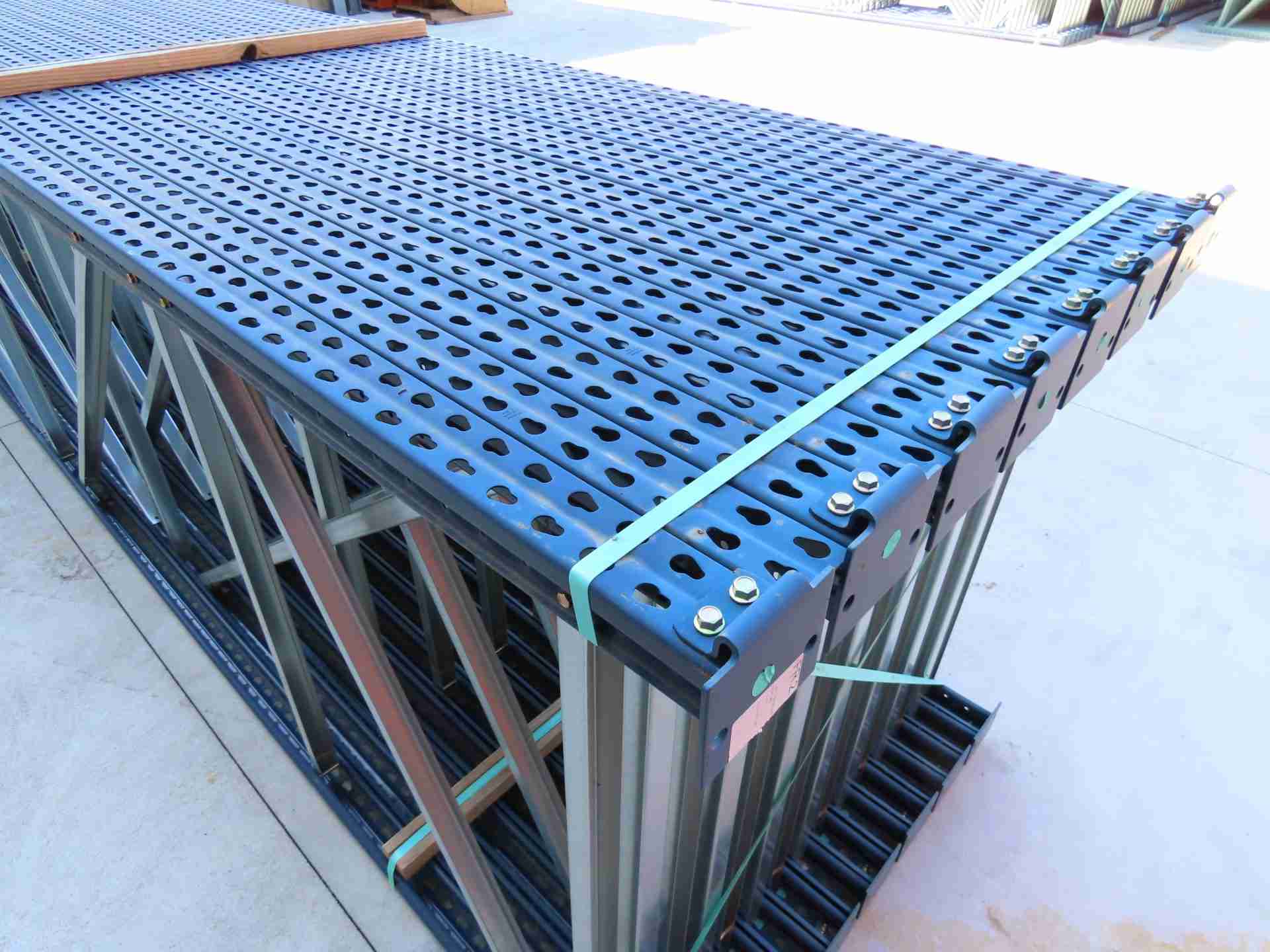
How Can You Assess Your Inventory Turnover Rate?
Are Your Storage Systems Suitable For Your Product Types?
When it comes to managing inventory, the heart of your operations is the storage system you choose. It’s not enough to merely have shelves and bins; you need a system designed explicitly for the products you handle. The choices you make today can propel your business forward or pull it back into disarray. Understanding the nuances of suitable storage is your first step towards optimization.
Imagine walking into your warehouse and spotting towering Pallet Racking systems, neatly organized and easy to navigate. You’ll feel a surge of confidence, knowing your products are securely stacked, easily accessible, and efficiently managed. This isn’t just about aesthetics; it’s about functionality and maximizing potential. Every inch of your space is valuable. Consider how storing various products on the wrong type of racking can lead to chaos—lost inventory, damaged goods, and precious time wasted.
Not every product is created equal, and neither should its storage system be. Heavy items? Think robust, sturdy Pallet Racking that can handle significant weight while allowing you to utilize vertical space. Smaller products? Opt for adjustable shelving that offers flexibility and easy access. The right system can bring order to the chaos that often accompanies diverse inventory.
But this isn’t just about the bottom line; it’s about protecting your investment. Can you afford to have your most valuable products tucked away in a subpar storage solution? Absolutely not! Trust your instincts—if something feels off about your current setup, it probably is.
Engage with your products. Assess their unique needs as if you’re putting them to work for you. Are delicate items at risk of damage? Are bulk products crammed into tight spots, risking product spoilage? If your answer is “yes,” it’s time for a reevaluation.
Don’t let storage pitfalls hold your business back. Make the conscious decision to enhance your operational efficiency. Invest in appropriate systems tailored for your product types—whether it’s Pallet Racking, specialized shelving, or automated solutions. Create a space that cultivates growth, protects your investment, and streamlines your processes. After all, a well-organized storage system is the silent powerhouse behind your thriving enterprise. Start today, and watch your productivity soar!

Are Your Storage Systems Suitable For Your Product Types?
Are Your Storage Systems Suitable For Your Product Types?
- The choice of storage system is crucial for effective inventory management.
- Pallet Racking offers organization, accessibility, and efficiency in storage.
- Using the wrong type of racking can lead to lost inventory and damaged goods.
- Different products require different storage solutions, such as robust racking for heavy items and adjustable shelving for smaller items.
- Investing in quality storage solutions protects valuable products and enhances operational efficiency.
- Regularly assess the storage setup to ensure it meets the unique needs of the products.
- A well-organized storage system drives productivity and supports business growth.

Are Your Storage Systems Suitable For Your Product Types?
What Role Does Technology Play In Maximizing Warehouse Space?
In today’s fast-paced world, the challenge of maximizing warehouse space is more pressing than ever. With margins tightening and customer demands soaring, every inch of your storage area counts. Enter technology, a game-changer that not only solves your spatial dilemmas but also enhances operational efficiency.
Consider pallet racking systems, which have evolved into sophisticated solutions driven by advanced technologies. Imagine a warehouse setup where the vertical space is utilized to its fullest potential, allowing you to store more products while minimizing clutter. Smart pallet racking paired with automated tracking systems allows you to quickly locate and manage inventory, drastically reducing the time spent searching for items. When technology and design intersect, you unlock the door to a more organized and efficient warehouse.
Next, think about warehouse management systems (WMS) that utilize data analytics to forecast needs and optimize layout. By harnessing the power of real-time data feedback, you can make informed decisions about inventory levels and storage configurations. This not only maximizes your physical footprint but also leads to cost savings by ensuring your stock is efficiently turned over. How often have you faced overstock or understock situations? Well, the clarity provided by technology means not only saving money but also delivering exceptional service to your customers.
Moreover, automation is transforming traditional warehouse spaces into dynamic environments where order fulfillment occurs with lightning speed. Robotic systems can transport goods to and from pallet racking units, freeing up your staff to focus on value-added tasks instead of the drudgery of moving products manually. This change isn’t just efficient; it’s empowering your workforce to be more strategic in their roles while enhancing job satisfaction.
Finally, the integration of Internet of Things (IoT) devices provides another layer of efficiency. By equipping your warehouse with smart sensors, you can monitor environmental conditions to preserve product quality — something that’s especially valuable for perishable goods. Imagine alerts sent straight to your devices, notifying you of temperature fluctuations or shelf-life expirations. That’s peace of mind in a chaotic industry.
In a world where space is gold, technology offers you the tools to transform your warehouse from simply a storage facility into an efficient, purpose-driven hub that responds to your business needs. Don’t just keep up; leap ahead. With the right technological solutions, your success is all but guaranteed.

What Role Does Technology Play In Maximizing Warehouse Space?
What Role Does Technology Play In Maximizing Warehouse Space?
- The challenge of maximizing warehouse space is critical due to tightening margins and increasing customer demands.
- Advanced pallet racking systems enhance operational efficiency by utilizing vertical space and minimizing clutter.
- Smart pallet racking with automated tracking systems streamlines inventory management and reduces search time.
- Warehouse management systems (WMS) leverage data analytics for better inventory forecasting and layout optimization.
- Automation transforms warehouses, allowing robotic systems to handle logistics, enabling staff to focus on strategic tasks.
- Integration of IoT devices monitors environmental conditions, preserving product quality and alerting for issues like temperature changes.
- Technology transforms warehouses into efficient hubs that adapt to business needs, ensuring operational success.

What Role Does Technology Play In Maximizing Warehouse Space?
How Often Should You Review And Adjust Your Warehouse Design?
In the fast-paced world of logistics and supply chain management, the question isn’t just about what you currently have—it’s about how often you should reassess and upgrade your warehouse design. It’s a matter of ensuring your operation thrives, stays efficient, and meets the ever-changing demands of your customers. Just as you wouldn’t ignore maintenance on your delivery trucks or the state of your inventory, the design of your warehouse requires regular attention.
Consider the layout of your pallet racking systems. Are they serving your needs effectively? The introduction of new products, seasonal shifts in demand, or even simple workforce changes can drastically alter the dynamics of how you utilize your space. Regular review cycles—roughly every six months to a year—can uncover inefficiencies you might not have considered. That’s right, a little bit of timely introspection can lead to monumental results.
Linking warehouse layout with profit margins might seem like a stretch, but think about it. An optimized design means quicker picking times, reduced labor costs, and minimized errors. Imagine you have a warehouse full of pallet racking systems, yet it’s not optimized for your daily operations. You could be losing out on thousands of dollars simply due to the bottlenecks of an outdated design. Your competitors are constantly on the move, pushing the envelope. Are you ready to keep pace?
Now, don’t let yourself be daunted by the thought of revisiting your design. Instead, view it as an exhilarating opportunity to enhance operational capacity. Engage with your team; gather insights from their day-to-day experiences. These frontline warriors have a unique perspective that can illuminate what’s working—and what’s not.
As the marketplace evolves, so too should your warehouse design. If you notice a shift in customer preferences or industry trends, that’s a cue to take action. Flexibility is an asset in this game. Regular reviews can also position you as a leader who’s proactive rather than reactive. Trust me, when you take the time to assess and adjust regularly, you’re not just maintaining your facilities; you’re investing in future growth and stability.
So ask yourself, when was the last time you evaluated your warehouse? If it’s been too long, don’t wait for another season to pass you by. Dive in now; your bottom line will thank you later!

How Often Should You Review And Adjust Your Warehouse Design?
How Often Should You Review And Adjust Your Warehouse Design?
- Regular reassessment and upgrades of warehouse design are essential for thriving operations.
- The layout of pallet racking systems must be evaluated for effectiveness according to changing demands.
- Conducting reviews every six months to a year can reveal inefficiencies in warehouse space utilization.
- An optimized warehouse design can lead to quicker picking times, reduced labor costs, and minimized errors.
- Engage with frontline employees for insights on operational challenges and advantages within the current layout.
- Adapting warehouse design to shifts in customer preferences or industry trends is crucial for maintaining competitiveness.
- Regular assessments of warehouse design are an investment in future growth and operational stability.

How Often Should You Review And Adjust Your Warehouse Design?
Conclusion
In the competitive landscape of modern business, optimizing your warehouse isn’t just a nice-to-have—it’s essential for survival and growth. At RackingWorld.com and Arrow Industrial Sales, we’ve set the stage for you to unlock the untapped potential lingering within your storage space. Your warehouse should serve as a well-oiled machine, operating with maximum efficiency, high productivity, and controlled costs.
Let’s recap: Are you currently maximizing your warehouse? If you’ve answered “no,” then you’re not alone. The common oversight lies not in lack of effort but often in unrecognized opportunities. From the game-changing benefits of pallet racking systems to the integration of advanced technology, a strategic assessment can convert your chaotic storage into a streamlined asset.
Imagine a scenario where your inventory isn’t just stored—it is organized and actively contributing to your bottom line. By reevaluating your storage systems to match your product types, utilizing technology, and regularly revisiting your warehouse design, you pave the way for a responsive and dynamic environment. Don’t get left behind in the race towards efficiency. Engaging your team can unveil invaluable insights for optimizing workflows that you might have overlooked.
The urgency is clear. Time is money, and each moment spent dealing with inefficiencies can cost you dearly. The road ahead beckons you to take action now. Call Arrow Industrial Sales at (574) 349-6575. Our experts are ready to guide you through practical, tailored solutions to enhance your operations today.
Don’t let inefficiencies dictate your success any longer. The opportunity to transform your warehouse space into a productivity powerhouse is just a call away. The future of your business depends on how effectively you harness the potential of your space. Embrace the journey now—your operations will flourish, and soon, you’ll witness firsthand the remarkable impact of a strategically organized warehouse on your profitability and growth. Make the call. Act swiftly. Your success story begins today!

Conclusion
Conclusion:
- Optimizing your warehouse is essential for survival and growth in modern business.
- RackingWorld.com and Arrow Industrial Sales help unlock the potential of your storage space.
- Many companies overlook opportunities for efficiency due to a lack of awareness, not effort.
- Advanced technology and strategic assessments can convert chaotic storage into streamlined assets.
- Regularly reevaluating storage systems and involving your team can optimize workflows.
- Time is money; addressing inefficiencies is critical for maintaining profitability.
- Contact Arrow Industrial Sales for tailored solutions to enhance your warehouse operations.

Conclusion
Other Resources

Other Resources
Here is a list of other resources you can review online to learn more:
- Teardrop Pallet Rack – Ridg-U-Rak
- Interlake Mecalux
- Warehouse Storage Racking in Illinois
- Rack Manufacturers Institute
- ASSP
- Pallet Rack Systems – New and Used Pallet Racking and Shelving Experts
- Warehouse Racking Layout: The Ultimate Guide – Conger
- Teardrop Racks – Pallet Rack World
- Selective Pallet Racking Systems – Container Systems
- Rack Manufacturers Institute
Use This Prompt To Get More Resources With Your Favorite Online AI Tool: Please provide me with a list of online articles with their URLs in a bulleted list that I can read regarding Are You Maximizing Your Warehouse Space Right Now?

Other Resources
Glossary Terms
Are You Maximizing Your Warehouse Space Right Now? – Glossary Of Terms
1. Aisle: A passageway between storage racks or shelves that allows for the movement of personnel and equipment.
2. Balancing: The process of ensuring that goods are evenly distributed across storage areas to optimize efficiency and accessibility.
3. Binning: The practice of organizing items into bins or containers for efficient storage and retrieval.
4. Clearance: The amount of space between the top of stored items and the ceiling; important for ventilation and safety.
5. Cross-Docking: A logistics practice where incoming goods are directly transferred to outgoing transportation, minimizing storage time.
6. Dock: An area where trucks load and unload goods; optimizing dock space is crucial for efficiency.
7. FIFO (First In, First Out): An inventory management strategy where the oldest stock is sold first.
8. Flexible Racking: Adjustable shelving systems that can be modified to accommodate different sizes of products.
9. Inventory Turnover: A measure of how quickly inventory is sold and replaced; higher turnover rates indicate efficient space use.
10. Just-In-Time (JIT): An inventory strategy that reduces carrying costs by receiving goods only as they are needed.
11. Kyoto Protocol: Not warehouse-specific but can refer to best practices aimed at reducing environmental impact in logistics.
12. Lead Time: The time between placing an order and receiving goods; reducing lead time can enhance space efficiency.
13. Locating: The act of determining the specific location of goods within the warehouse for easy retrieval.
14. Min-Max Inventory: A system that determines the minimum and maximum levels of inventory to maintain optimal stock levels.
15. Palletization: Stacking items on pallets to facilitate easier movement and storage.
16. Picking: The process of retrieving items from storage for orders; optimizing picking routes can save time and space.
17. Racking: Shelving systems used to store goods efficiently, utilizing vertical space.
18. Shrinkage: The loss of inventory due to theft, misplacement, or damage; minimizing shrinkage helps maximize space utilization.
19. Slotting: The process of determining the optimal location for products within a warehouse to enhance picking efficiency.
20. Stock Rotation: Organizing inventory in a way that prevents expiration and obsolescence; usually involves using FIFO or LIFO methods.
21. Supply Chain Management (SCM): Coordination of logistics and inventory management to optimize the flow of goods and reduce space waste.
22. Temperate Storage: Areas in a warehouse that are climate-controlled to accommodate sensitive products.
23. Throughput: The amount of goods processed in a warehouse per unit of time; higher throughput ensures better space utilization.
24. Utilization Rate: The percentage of warehouse space that is currently in use; high rates indicate effective space management.
25. Vertical Storage: Implementing storage solutions that maximize height, such as stacking items or using tall shelving.
26. Warehouse Management System (WMS): Software that helps manage warehouse operations, including tracking inventory and optimizing space.
27. Workflow: The sequence of processes through which warehouse operations are carried out; optimizing workflow can enhance space efficiency.
28. Zoning: Dividing the warehouse into specific areas for different types of products to streamline organization and retrieval.
29. Packaging Optimization: The practice of designing packaging to fit more efficiently within storage spaces.
30. Reverse Logistics: The process of managing returned goods; optimizing reverse logistics can free up warehouse space.

Glossary Of Terms
Other Questions
Are You Maximizing Your Warehouse Space Right Now? – Other Questions
If you wish to explore and discover more, consider looking for answers to these questions:
- What are the common signs that indicate my warehouse space is not being maximized?
- What specific benefits can I expect from optimizing my warehouse layout?
- How do I determine the right pallet racking system for my specific products?
- Can you provide examples of successful warehouse optimization strategies?
- What kind of inventory management software is best for small to medium-sized warehouses?
- How often should I be training my staff on warehouse best practices?
- What are the costs associated with upgrading my warehouse storage systems?
- What metrics should I track to measure the effectiveness of my warehouse optimization efforts?
- How can I involve my team in the process of optimizing warehouse space?
- Are there any pitfalls to avoid when redesigning a warehouse layout?
- What role does employee feedback play in improving warehouse efficiency?
- How can I ensure that my warehouse design evolves with changing market demands?
- What technologies should I consider implementing in my warehouse operations?
- What are the best practices for conducting a warehouse audit?

Other Questions
Checklist
Are You Maximizing Your Warehouse Space Right Now? – A Checklist
1. Conduct a Space Utilization Assessment
✅ _____ Evaluate your current storage space usage.
✅ _____ Identify areas of inefficiency or underutilization.
✅ _____ Measure vertical space usage—are you maximizing height with pallet racking?
2. Optimize Pallet Racking Systems
✅ _____ Review existing pallet racking for suitability to your product types.
✅ _____ Consider implementing adjustable pallet racking for flexibility with inventory.
✅ _____ Ensure pallet racking systems allow for easy access and retrieval.
3. Streamline Inventory Management
✅ _____ Implement inventory management software for tracking stock levels and locations.
✅ _____ Analyze inventory turnover rates; aim for high turnover.
✅ _____ Regularly review and adjust inventory based on sales patterns.
4. Enhance Layout Design
✅ _____ Design for optimal flow from receiving to storage to shipping.
✅ _____ Place frequently picked items closer to dispatch areas.
✅ _____ Ensure ergonomic design to foster employee productivity and satisfaction.
5. Integrate Technology Solutions
✅ _____ Use warehouse management systems (WMS) for data-driven decisions.
✅ _____ Explore automation options for picking and inventory management.
✅ _____ Utilize IoT devices for monitoring environmental conditions (e. g. , temperature for perishables).
6. Gather Team Feedback
✅ _____ Involve your team in discussing layout and design improvements.
✅ _____ Periodically survey employees for insights on inefficiencies.
✅ _____ Facilitate brainstorming sessions on optimization strategies.
7. Schedule Regular Reviews
✅ _____ Conduct layout assessments every six months to a year.
✅ _____ Stay attuned to seasonal demand changes and adapt layout accordingly.
✅ _____ Monitor industry trends and adjust your warehouse design to maintain competitiveness.
8. Protect Your Investment
✅ _____ Ensure storage systems are suitable for product types to avoid damage.
✅ _____ Regularly evaluate storage solutions for effectiveness.
✅ _____ Invest in quality storage systems tailored to your needs.
9. Cultivate a Culture of Continuous Improvement
✅ _____ Encourage ongoing discussions about process improvements.
✅ _____ Set goals for efficiency and productivity gains.
✅ _____ Celebrate successes and optimize strategies/methods continuously.
Feel free to customize this checklist based on your specific warehouse needs or considerations. Use it to guide your efforts in maximizing the potential of your warehouse operations!

Checklist
At RackingWorld, we help guide you through selecting warehouse storage systems and racking.
Be sure to read our other related stories at RackingWorld to learn more about warehouse storage systems.
0 Comments