
Maximizing Storage: Utilizing Vertical Space With Warehouse Shelving
By Tom Seest
At RackingWorld, we help guide you through selecting warehouse storage systems and racking.
Be sure to read our other related stories at RackingWorld to learn more about warehouse storage systems.
How Can You Use Vertical Space Effectively with Warehouse Shelving?
In the ever-evolving landscape of logistics and supply chain management, the efficient use of vertical space through warehouse shelving can differentiate your operation from the competition. The truth is, most businesses are consuming precious floor space when they could be maximizing vertical storage solutions. If you’re currently operating with outdated shelving systems, it’s time to evaluate modern options like pallet racking.
Pallet racking is a smart method to capitalize on your warehouse’s height. Consider a scenario at a local distribution center, busy adapting to the recent surge in e-commerce demands. By transitioning to heavy-duty pallet racking, they elevated their storage capabilities, transforming a cluttered floor into a streamlined operation that allows for the same amount of inventory in nearly half the square footage. This not only improves accessibility but also significantly reduces overhead costs, and who wouldn’t want that?
The beauty of pallet racking lies in its flexibility. With various configurations available, including selective, drive-in, and push-back systems, businesses can tailor their shelving setup to meet specific needs. For instance, if you’re dealing with a diverse product range, using selective pallet racking will enable you quicker access to your fast-moving items. On the other hand, if your operation specializes in bulk goods, a drive-in pallet racking system allows for high-density storage without compromising organization.
Did you know that according to a recent industry survey, businesses utilizing vertical space with effective shelving reported up to a 30% increase in operational efficiency? This staggering figure speaks volumes. In times when supply chains are challenged, like during recent disruptions caused by global events, having a solid warehouse organization strategy can mean the difference between thriving and merely surviving.
Moreover, think about safety. High shelves can pose dangers, but an organized, well-planned pallet racking system minimizes risks of accidents while also facilitating easier inventory checks. By keeping your goods neatly stacked, you reduce the chance of mishaps and ensure a smoother workflow.
So, whether you’re navigating today’s complexities or preparing for future uncertainties, remember that enhancing your vertical space with warehouse shelving, particularly through pallet racking, is not merely an option; it’s a necessity. Start reimagining your warehouse today; after all, your vertical space has untapped potential just waiting to be realized!

How Can You Use Vertical Space Effectively with Warehouse Shelving?
How Can You Use Vertical Space Effectively with Warehouse Shelving?
- Efficient use of vertical space through warehouse shelving can set businesses apart in logistics.
- Outdated shelving systems consume floor space that could be maximized with modern options like pallet racking.
- Pallet racking enhances warehouse height utility, allowing for significant inventory storage in reduced floor space.
- Flexibility of pallet racking systems (selective, drive-in, push-back) enables tailored solutions for diverse product ranges.
- Businesses using effective shelving can see up to a 30% increase in operational efficiency, especially during supply chain disruptions.
- Well-planned pallet racking improves safety by reducing accident risks and easing inventory checks.
- Enhancing vertical storage is essential for navigating current challenges and preparing for future uncertainties.

How Can You Use Vertical Space Effectively with Warehouse Shelving?
Table Of Contents
- How Can You Use Vertical Space Effectively with Warehouse Shelving?
- What Are The Benefits Of Using Vertical Space In A Warehouse?
- How Do I Choose The Right Type Of Shelving For My Needs?
- What Are The Common Types Of Vertical Shelving Systems Available?
- How Can I Maximize Storage Capacity With Vertical Shelving?
- What Safety Considerations Should I Keep In Mind For Tall Shelves?
- How Can I Organize Items Effectively On Vertical Shelves?
- Conclusion
- Other Resources
- Glossary Of Terms
- Other Questions
- Checklist
What Are The Benefits Of Using Vertical Space In A Warehouse?
In the competitive landscape of logistics and warehousing, the effective utilization of vertical space is not just an option; it’s a necessity. By harnessing the height of your warehouse, businesses can unlock a treasure trove of benefits that enhance efficiency, reduce costs, and maximize storage capabilities.
First and foremost, utilizing vertical space allows for a significant increase in storage capacity without the need for expanding the physical footprint of your facility. Traditional shelving solutions can only hold so much, but when you invest in pallet racking systems, you can store items at multiple levels. Imagine transforming your warehouse into a veritable skyscraper of inventory! This is a game-changer for businesses that face fluctuating inventory levels or seasonal surges in product demand. For instance, retailers gearing up for the holiday season can easily swap out their standard shelving for taller pallet racks, accommodating additional stock without the cumbersome process of relocating to a larger building.
Moreover, maximizing vertical space leads to improved safety and organization. A structured approach with pallet racking ensures products are systematically categorized and easily retrievable. This can cut down on labor costs and speed up order fulfillment times. A well-organized warehouse not only saves time but also reduces the likelihood of accidents stemming from cluttered aisles or misplaced items. Companies such as Amazon have demonstrated the prowess of using vertical space effectively, operating warehouses that reach impressive heights while maintaining a smooth workflow.
Additionally, recent advancements in warehouse automation further emphasize the importance of vertical space. Automated systems can efficiently utilize high-bay storage solutions, accessing products swiftly and reducing reliance on manual labor. This not only boosts productivity but also allows businesses to stay agile in a fast-evolving market. As e-commerce continues to surge post-pandemic, those who recognize and embrace the potential of vertical space will undoubtedly thrive amidst increasing competition.
Lastly, consider the environmental impact. By optimizing vertical space, you minimize your warehouse’s carbon footprint. Fewer buildings mean less land usage and energy consumption. Conscious efforts in sustainability resonate well with consumers today, enhancing your brand’s reputation.
Leveraging vertical space through pallet racking is not merely about storage—it’s about creating a more efficient, organized, and sustainable operation. As businesses continue to navigate the complexities of supply chain management and consumer demand, those that invest in maximizing vertical storage will find themselves at a strategic advantage. Don’t just keep up—get ahead by utilizing every inch of your warehouse!

What Are The Benefits Of Using Vertical Space In A Warehouse?
What Are The Benefits Of Using Vertical Space In A Warehouse?
- Effective utilization of vertical space in logistics and warehousing is essential for enhancing efficiency and reducing costs.
- Vertical space allows significant increases in storage capacity without expanding the physical footprint of the facility.
- Pallet racking systems enable multi-level storage, accommodating fluctuating inventory levels and seasonal demand.
- Maximizing vertical space improves safety and organization, reducing labor costs and speeding up order fulfillment.
- Advancements in warehouse automation highlight the importance of vertical space for accessing products efficiently.
- Optimizing vertical space contributes to environmental sustainability by minimizing carbon footprint and land usage.
- Investing in vertical storage solutions gives businesses a strategic advantage in navigating supply chain challenges and consumer demand.

What Are The Benefits Of Using Vertical Space In A Warehouse?
How Do I Choose The Right Type Of Shelving For My Needs?
Selecting the perfect shelving solution can feel overwhelming, but it’s vital for efficient organization and maximizing space—whether in a warehouse, garage, or retail environment. The right shelving not only influences your operational efficiency but can enhance your bottom line. Let’s break it down.
Assess Your Space and Needs
Start by evaluating the dimensions of your space. Are you working with high ceilings, tight corners, or a need for mobile shelving? For instance, in a warehouse setting with substantial inventory, consider Pallet Racking. These systems allow for vertical storage, supporting heavy loads while maximizing floor space. A recent industry trend illustrates companies adopting pallet racking to optimize logistics costs and warehouse operations, especially amidst ongoing supply chain challenges. Utilizing pallet racking not only organizes goods but also improves picking efficiency, saving time and boosting productivity.
Consider Weight Capacity
Think about what you intend to store. If you’re stocking heavy machinery parts or bulk supplies, sturdy options like heavy-duty shelving or pallet racks are essential. Conversely, lighter items might suffice with traditional shelving. Ensure your chosen system can withstand the loads you plan to place on it—this is crucial not only for safety but also for efficient inventory management.
Flexibility and Adaptability
In today’s ever-changing market, businesses must remain adaptable. Modular shelving systems offer versatility—allowing you to reconfigure as your needs evolve. This flexibility becomes vital during seasonal sales or inventory overhauls. As businesses gear up for the holiday rush, having adaptable shelving can be the difference between meeting customer demands and losing sales opportunities.
Style and Aesthetics
Don’t underestimate the importance of aesthetics. For retail spaces, the right shelving can transform a simple display into an eye-catching showcase. Consider stylish retail shelving units that enhance the shopping experience while highlighting your products. Remember, a polished appearance can significantly influence consumer perception and encourage purchases.
Seek Expert Advice
Consult with shelving specialists who can provide insights tailored to your situation. They can guide you through the latest innovations and safety regulations, ensuring your investment benefits your operations long-term.
In a rapidly shifting market, being strategic in your shelving choices is essential. Don’t just settle for what fits—choose solutions that will propel your business toward greater efficiency, safety, and profitability. The right shelving is not merely a functional necessity; it’s an investment in your organization’s future.
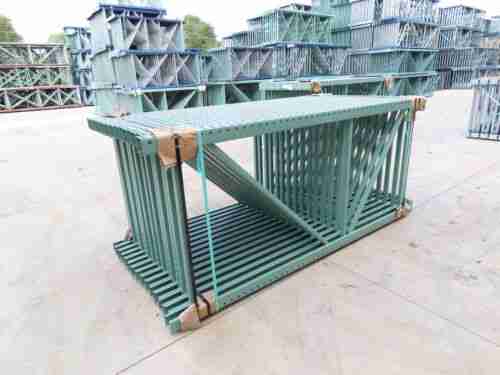
How Do I Choose The Right Type Of Shelving For My Needs?
How Do I Choose The Right Type Of Shelving For My Needs?
- Choosing the right shelving solution is crucial for efficient organization and maximizing space in various settings.
- Assess your space dimensions to determine if solutions like Pallet Racking are necessary for high inventory needs.
- Consider the weight capacity of shelving options to ensure safety and effective inventory management based on what you store.
- Opt for flexible and modular shelving systems that can adapt to changing market demands and seasonal shifts.
- Aesthetics matter in retail; stylish shelving can enhance the shopping experience and positively influence consumer perception.
- Consult shelving specialists for tailored advice on innovations and regulatory compliance for long-term benefits.
- Strategic shelving choices are an investment in your organization’s efficiency, safety, and overall profitability.
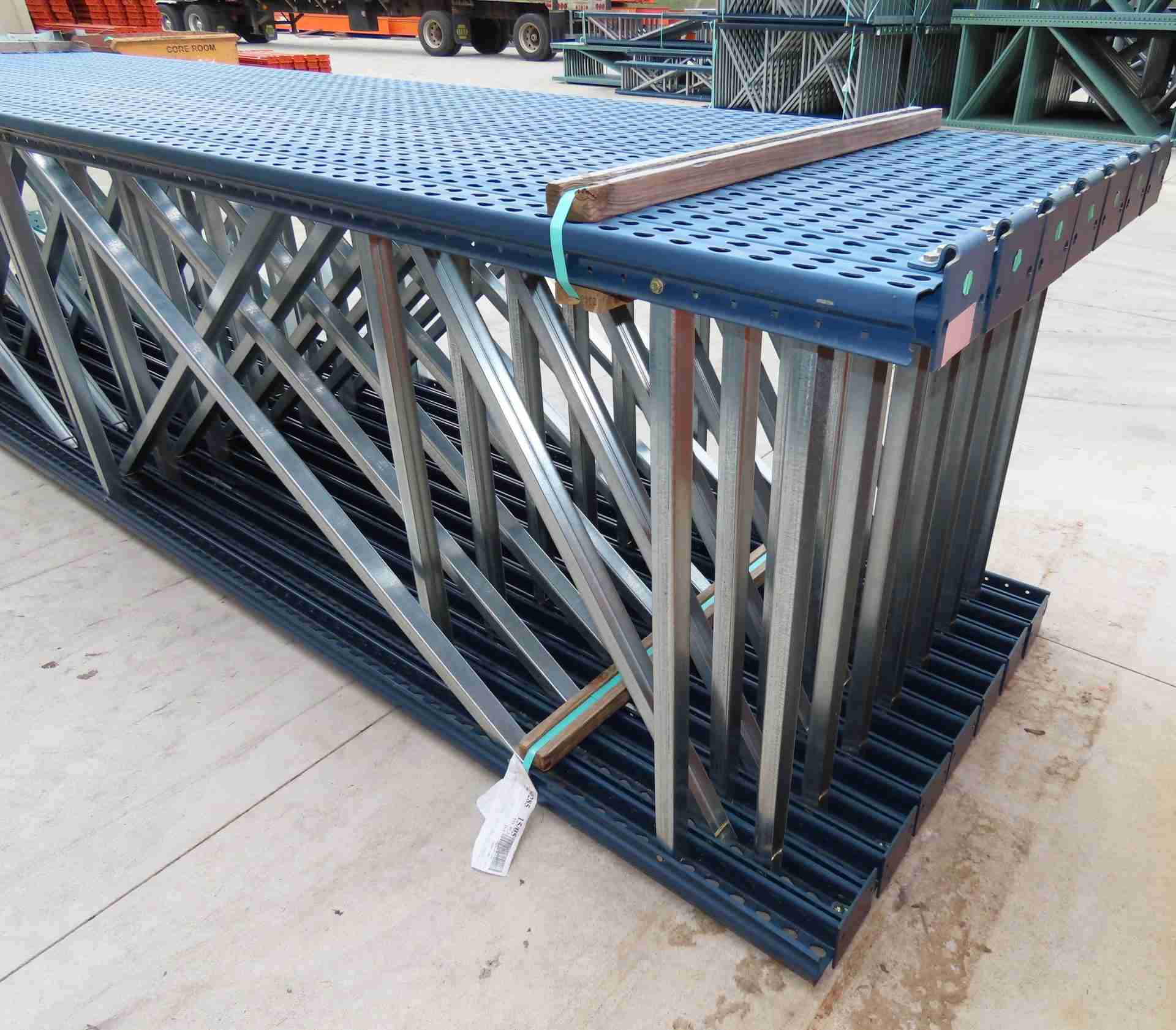
How Do I Choose The Right Type Of Shelving For My Needs?
What Are The Common Types Of Vertical Shelving Systems Available?
In the fast-paced world of retail and warehousing, maximizing every square inch of your space is crucial. That’s where vertical shelving systems come into play. They not only enhance organization but also significantly boost accessibility, leading to more efficient operations and ultimately, higher revenue. Let’s delve into the common types of vertical shelving systems available today, which can transform your storage efficiency and adapt to your growing business needs.
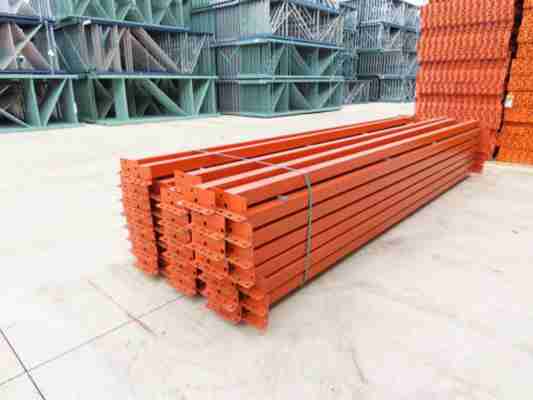
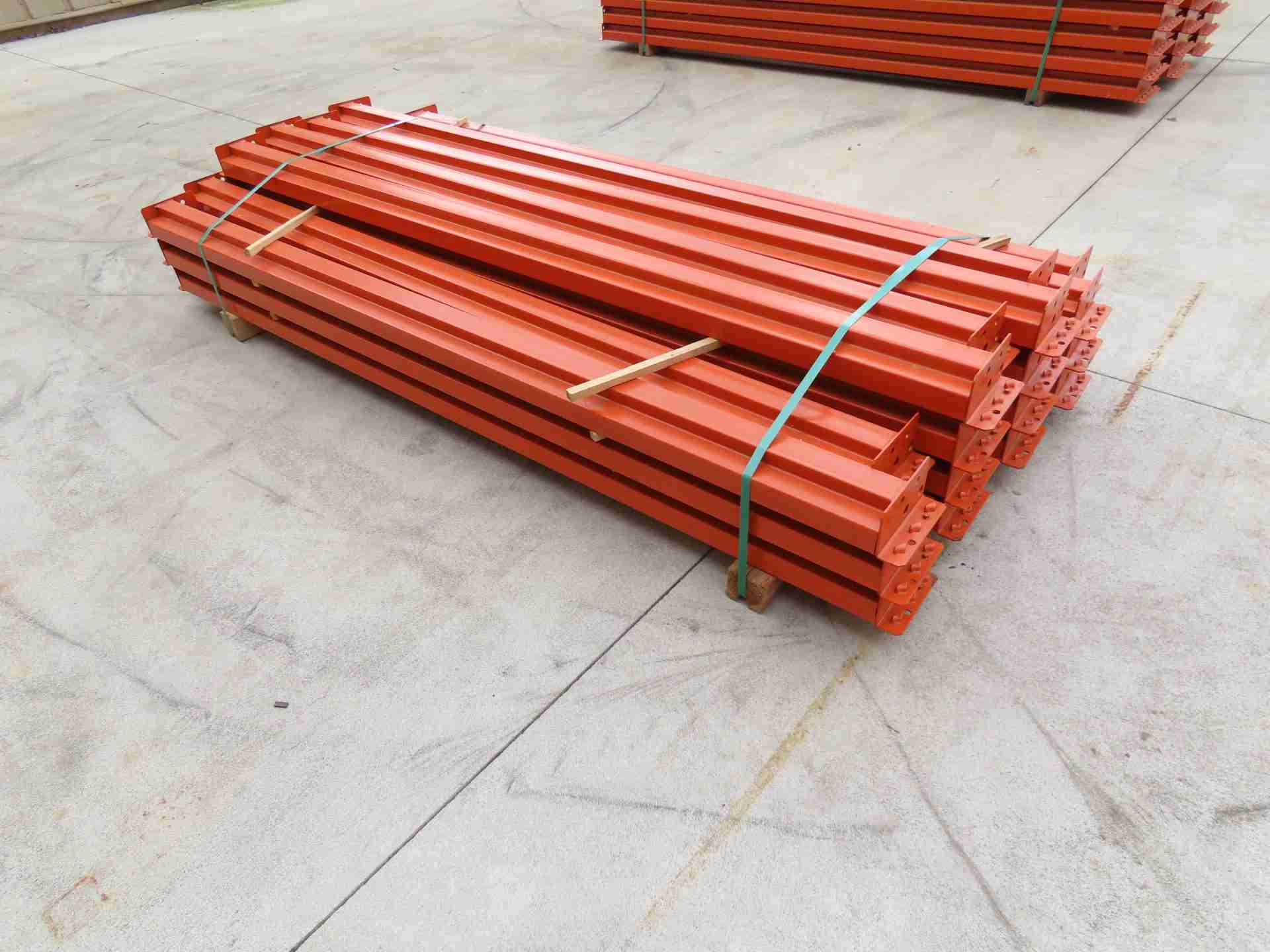
Pallet Racking stands out as a preferred vertical shelving system, especially in warehouses or distribution centers. Designed to hold pallets, these versatile racks can be configured in various heights and depths to suit your inventory size. With the surge in e-commerce – particularly heightened during the pandemic and extending into today’s market – investing in robust pallet racking systems allows businesses to manage increased inventory efficiently. Whether you’re storing seasonal products or bulk shipments, this system provides a reliable foundation for high-density storage.
Moving beyond pallet racking, we have Mobile Shelving Systems. These systems are a game-changer for those with limited floor space. By mounting shelves on wheeled tracks, mobile shelving can be compacted when not in use, creating aisles only when necessary. This adaptable shelving system has gained traction among libraries and archives, especially following increased interest in digitizing collections; they allow easy access to physical records while saving precious square footage.
Another noteworthy player is the Cantilever Racking system, ideal for storing long or bulky items like pipes, lumber, and sheet metal. Imagine a hardware store bursting with materials for every DIY enthusiast; cantilever racking allows for seamless inventory arrangement without clumsy stacking. The current push for sustainability has also steered companies toward investing in efficient storage solutions, aligning their logistical needs with eco-friendly practices.
Furthermore, Wire Shelving Units provide a modular approach to storage. Often used in kitchens and retail environments, these highly customizable shelves allow for airflow, reducing the risk of moisture-related damages. As consumers increasingly prioritize cleanliness and hygiene, utilizing wire shelving can make a product display not only appealing but also practical.
To cap it all off, there’s a plethora of vertical shelving systems available tailored to various industries. Whether you choose pallet racking for its heavy-duty capabilities or opt for sleek mobile-collective shelving, the right system will drive efficiency and growth in today’s competitive marketplace. Don’t let your space dictate your success—invest in a shelving system that propels your business forward!
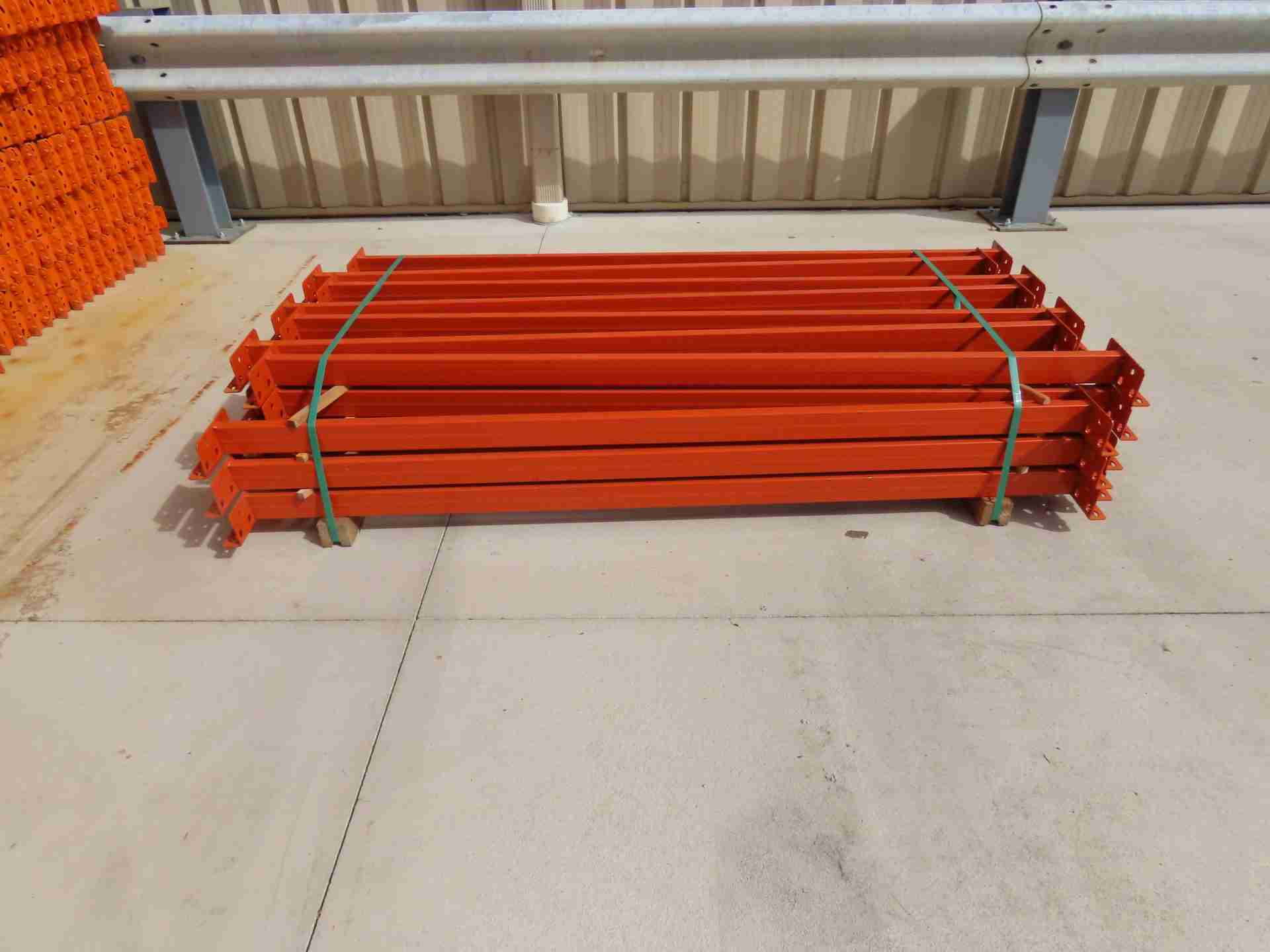
What Are The Common Types Of Vertical Shelving Systems Available?
What Are The Common Types Of Vertical Shelving Systems Available?
- Maximizing space in retail and warehousing is essential for efficiency and revenue.
- Vertical shelving systems improve organization and accessibility, leading to efficient operations.
- Pallet Racking is a versatile solution for warehouses, designed to hold varying pallet sizes.
- Mobile Shelving Systems are ideal for limited floor space, as they can create aisles only when needed.
- Cantilever Racking is perfect for storing long or bulky items, promoting seamless inventory arrangement.
- Wire Shelving Units offer a modular storage approach, allowing airflow to reduce moisture risks.
- Choosing the right shelving system can significantly enhance efficiency and promote business growth.
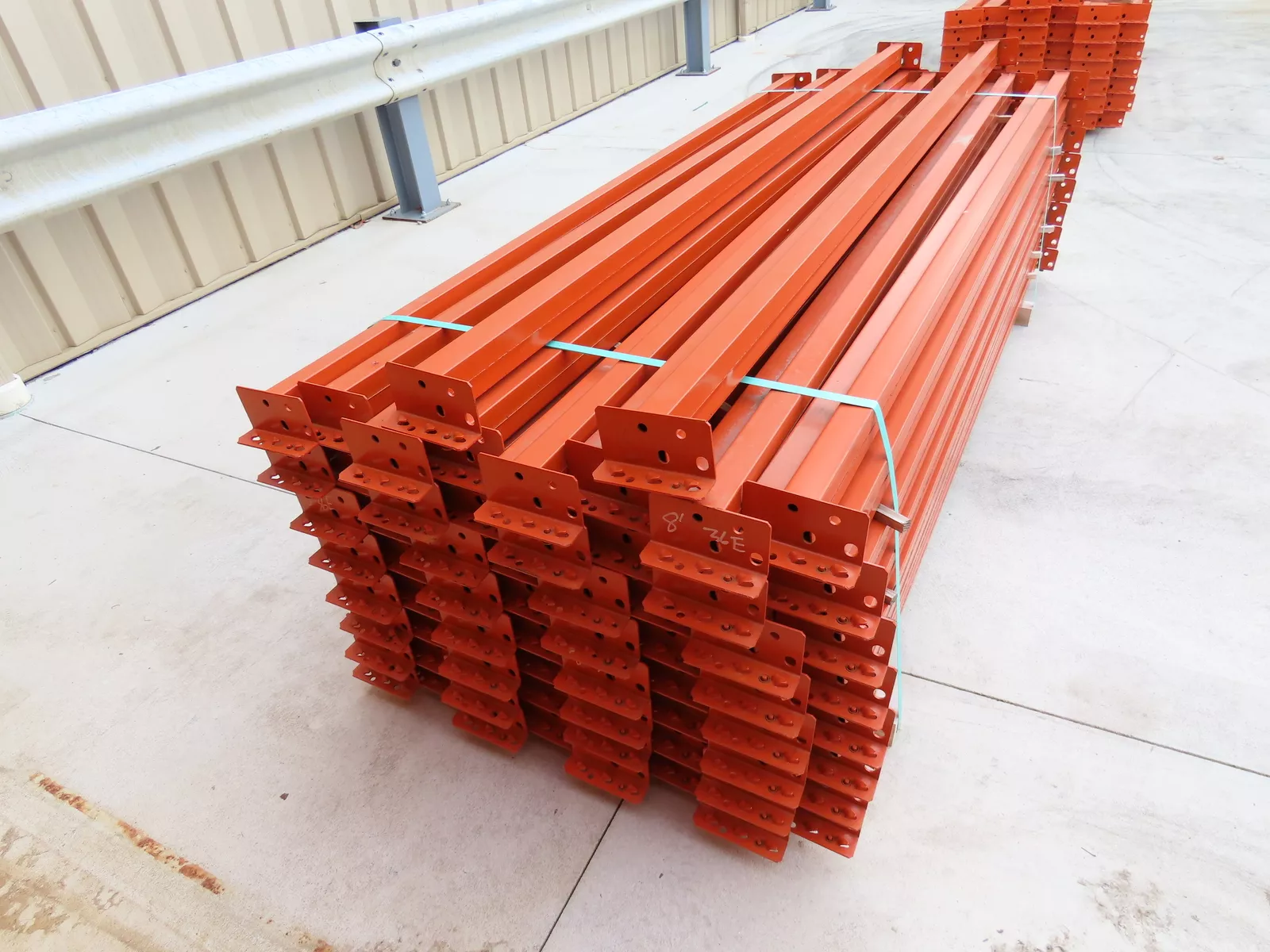
What Are The Common Types Of Vertical Shelving Systems Available?
How Can I Maximize Storage Capacity With Vertical Shelving?
In today’s fast-paced world, intelligently utilizing space is key to operational efficiency, especially in warehouses and retail environments. One of the most effective strategies to maximize storage capacity involves embracing vertical shelving solutions, such as pallet racking. Understanding how to leverage these systems can set you apart from the competition.
Vertical shelving and pallet racking are the unsung heroes of efficient storage. By utilizing the vertical space in your environment, you’re not just saving floor area but enhancing accessibility to your goods. This is particularly significant as supply chain disruptions have made it crucial for businesses to store and retrieve inventory quickly. Imagine a warehouse where goods can be reached with minimal effort—saving time, reducing labor costs, and ultimately increasing your bottom line.
For instance, consider a local retail store that opted to install vertical pallet racking. By doing so, they were able to double their inventory capacity without adding any square footage. Instead of stacking items haphazardly across the floor, they organized products neatly on various levels, providing better visibility and quicker access for staff. This change not only streamlined their operations but also improved customer satisfaction as products could be restocked promptly.
When planning your vertical shelving solution, think strategically. Use adjustable pallet racks that allow you to modify the height based on seasonal inventory needs. This adaptability is crucial, particularly for businesses that experience fluctuating demand, such as those in the e-commerce sector, which has seen explosive growth post-pandemic.
You could also look into integrating mobile shelving systems alongside pallet racking. These units can shift according to your needs, allowing for an even more efficient use of space. For example, high-demand items can be placed at eye level while seasonal stock is stored higher up or further back, ensuring your most popular products are easily accessible.
Moreover, don’t forget the importance of organization. Implementing a clear labeling system on your vertical storage solutions maximizes not just space, but the mental space of your team. When they know where to find what they need, they can focus on serving customers rather than searching for misplaced items.
In summary, maximizing storage capacity with vertical shelving, particularly through pallet racking, requires foresight, adaptability, and organization. The goal is to transform your space from a cluttered obstacle into an efficient engine of productivity—one that drives profitability and customer satisfaction in today’s competitive landscape.

How Can I Maximize Storage Capacity With Vertical Shelving?
How Can I Maximize Storage Capacity With Vertical Shelving?
- Intelligent space utilization is essential for operational efficiency in warehouses and retail.
- Vertical shelving solutions, like pallet racking, can maximize storage capacity and enhance accessibility.
- Efficient storage helps businesses respond quickly to supply chain disruptions and retrieve inventory promptly.
- An example of success: A local retail store doubled its inventory capacity by installing vertical pallet racking.
- Adjustable pallet racks allow for seasonal inventory modifications, crucial for demand fluctuations, especially post-pandemic.
- Integrating mobile shelving systems can further improve space efficiency and accessibility of high-demand items.
- Organization through clear labeling maximizes space and aids team efficiency, enhancing customer service capabilities.
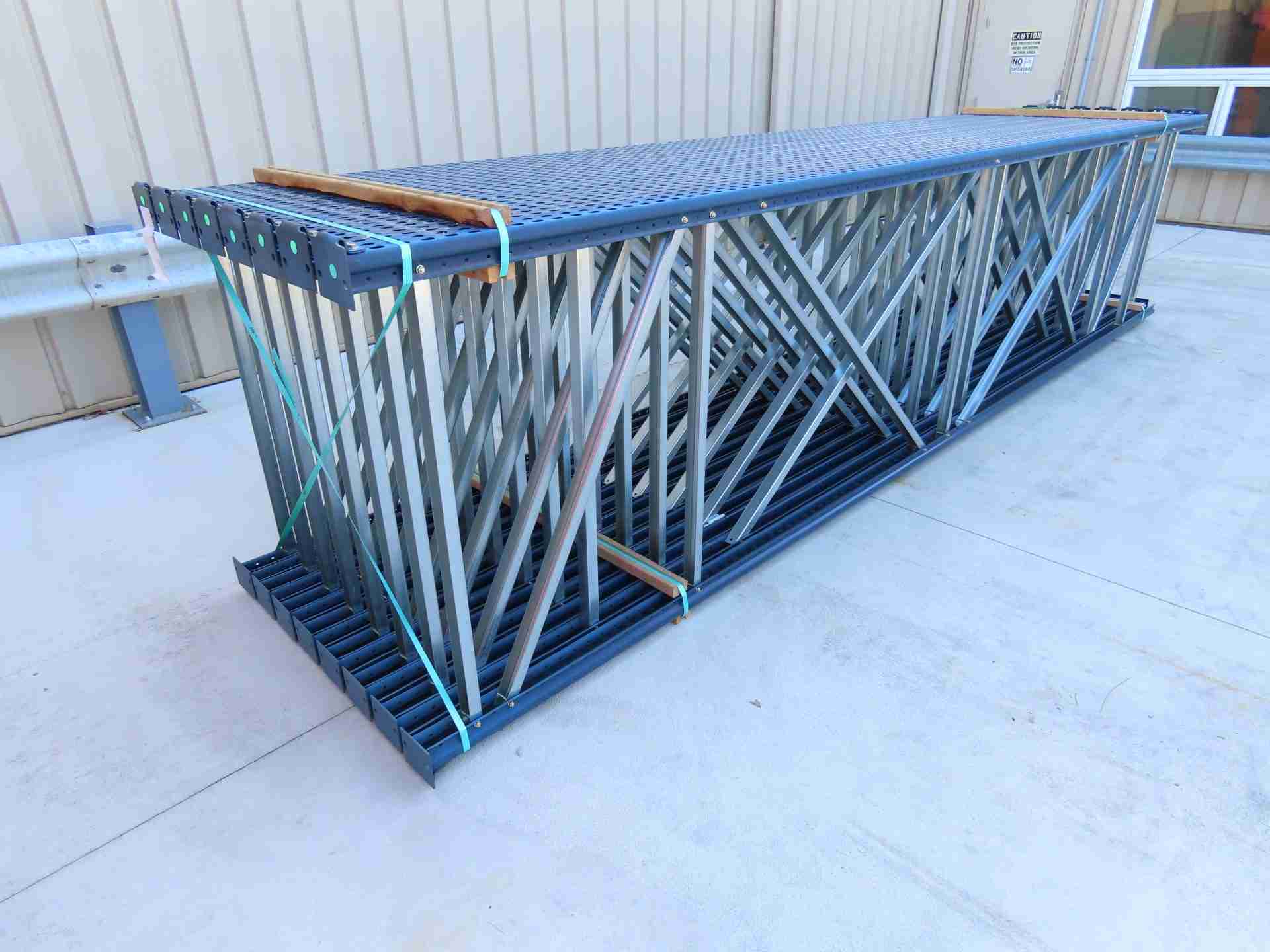
How Can I Maximize Storage Capacity With Vertical Shelving?
What Safety Considerations Should I Keep In Mind For Tall Shelves?
When it comes to maximizing your storage space, tall shelves—especially pallet racking systems—are a game changer. However, with great height comes great responsibility. Safety should always be your top concern when managing tall shelves, particularly in a busy retail or warehouse environment. Here are some essential safety considerations to keep in mind for tall shelving solutions.
First, evaluate the weight limits of your pallet racking. Each racking system has specifications that outline how much weight it can safely bear. Ignoring these guidelines can lead to disastrous consequences. For instance, a recent warehouse incident involved a company that overloaded its pallet racks, causing a catastrophic collapse that injured several employees. Regularly check the weight distribution across your shelves and ensure compliance with the manufacturer’s recommendations.
Next, consider your inventory’s stability. Uneven distribution or poorly packed items on tall shelves can lead to tipping hazards. The use of safety clips and restraints is non-negotiable. Make it a habit to train your staff on proper stacking methods to prevent shifting items. Safety is not just a protocol; it’s a lifestyle in high-stakes environments.
Another key consideration is the accessibility of the top shelves. Make sure employees have the right equipment, like step stools or ladders designed for warehouse use, rather than improvised solutions. Current events illustrate the dangers of neglecting this aspect—just last month, a viral video showcased a warehouse employee dangerously climbing on top of pallets to reach an item. This kind of behavior not only endangers the individual but also creates a precarious situation for everyone in the vicinity.
Regular inspection and maintenance of your pallet racking are crucial. Checking for signs of wear, damage, or structural deficiencies should be part of your routine. Implement a systematic approach where your staff regularly reports any concerns regarding the condition of the shelves. For instance, during a safety conference earlier this year, industry leaders emphasized the importance of proactive maintenance as a means to prevent accidents.
Finally, never underestimate the importance of training. Adequate training programs should educate employees about the inherent risks of tall shelving systems and proper techniques for using them. Reinforcing a culture of safety can drastically reduce the likelihood of accidents and injuries.
In summary, while tall shelves and pallet racking systems can significantly streamline your storage, they come with their own set of safety challenges. By adhering to these considerations, you can ensure a safer work environment for yourself and your team. Your commitment to safety not only protects lives but also safeguards your bottom line.
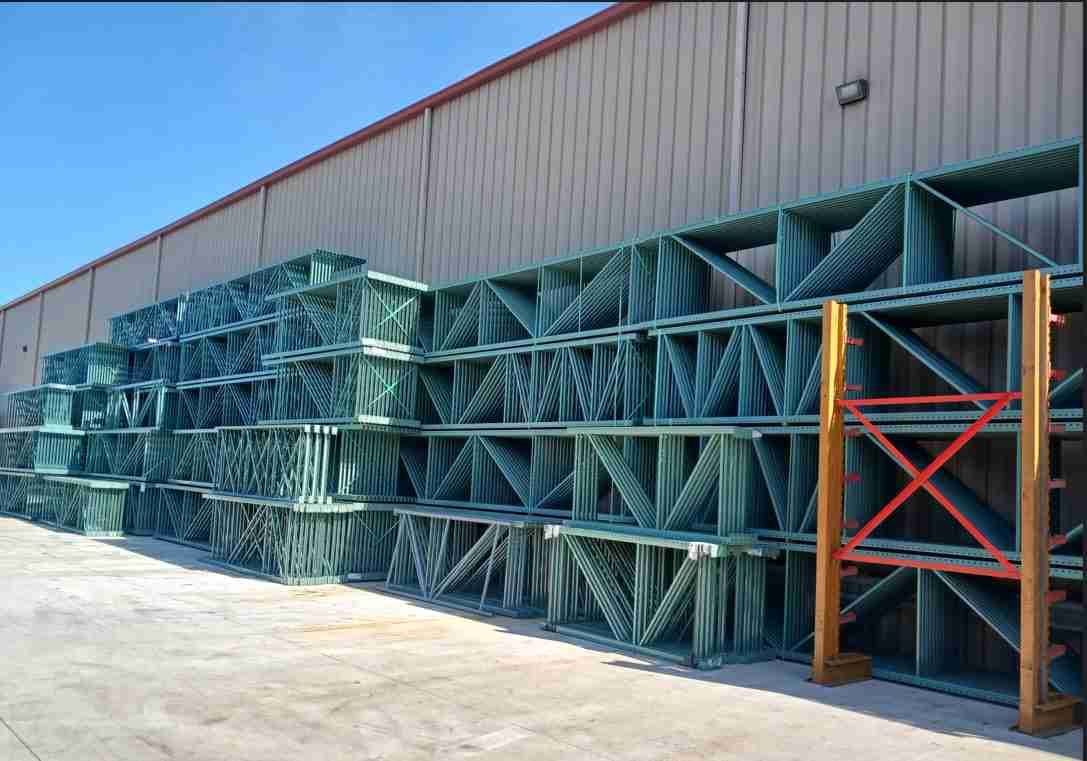
What Safety Considerations Should I Keep In Mind For Tall Shelves?
What Safety Considerations Should I Keep In Mind For Tall Shelves?
- Tall shelving and pallet racking systems maximize storage space but require careful safety management.
- Evaluate weight limits and specifications of pallet racking to prevent overloading risks.
- Ensure inventory stability with proper packing and use of safety clips and restraints.
- Provide appropriate equipment for accessing top shelves, avoiding improvised solutions.
- Conduct regular inspections to check for wear, damage, or structural deficiencies in racking systems.
- Implement comprehensive training to educate staff about risks and safety techniques for tall shelving.
- Prioritize safety to protect employees and enhance operational efficiency, safeguarding both lives and business outcomes.

What Safety Considerations Should I Keep In Mind For Tall Shelves?
How Can I Organize Items Effectively On Vertical Shelves?
In today’s fast-paced world, efficient organization is not just a luxury; it’s a necessity. Vertical shelves are your best friend when it comes to maximizing space and keeping your items easily accessible. However, the art of organizing these shelves can often be overlooked. Let’s dive into effective strategies that will transform your vertical shelving into a powerhouse of productivity.
First, consider the concept of Pallet Racking. This system is not just for warehouses; it can be brilliantly adapted to your home or office setting. Imagine using pallet racking systems to create a stunning display in your living room or an organized workspace in your garage. You can stack bins and boxes—labeled with bold, easy-to-read tags—that hold everything from seasonal decorations to office supplies. Doing this not only frees up floor space but also invites an appealing orderliness that can impress clients or guests.
Next, think about arrangement. Place the items you use most frequently at eye level. For example, if you’re organizing a kitchen vertical shelf, keep your favorite spices and cooking utensils on the middle shelf where they are easy to grab. In contrast, bigger or less frequently used items can be placed on the upper or lower shelves. This not only makes your life easier but also enhances the visual appeal of your space.
Utilize baskets or bins to group similar items. If you’re storing tools in a workshop, you might use one basket for hand tools, another for screws and nails. Not only will this clear up clutter, but it will also enable quick access to whatever you need when those home improvement initiatives arise. With the rise in DIY projects amid current economic challenges, having a well-organized vertical shelf can save you time and frustration.
Additionally, adjustability is key. Vertical shelves often come with shelves that can be repositioned. Don’t hesitate to customize your setup as your needs change. For instance, if your children’s toy collection expands, simply move the shelves and create a designated space for their favorite items on the lower levels.
Lastly, be imaginative with decor. Use decorative boxes or colorful bins that reflect your style while serving the purpose of organization. The aesthetics of organized space inspire creativity and provide motivation, leading to enhanced productivity and a more enjoyable environment.
Organizing your vertical shelves effectively can lead to dramatic improvements in both functionality and aesthetics. Whether you utilize pallet racking for serious storage or a few chic bins just for looks, the goal remains the same: to create an inviting, efficient space that allows you to thrive. Start today; your organized life awaits!
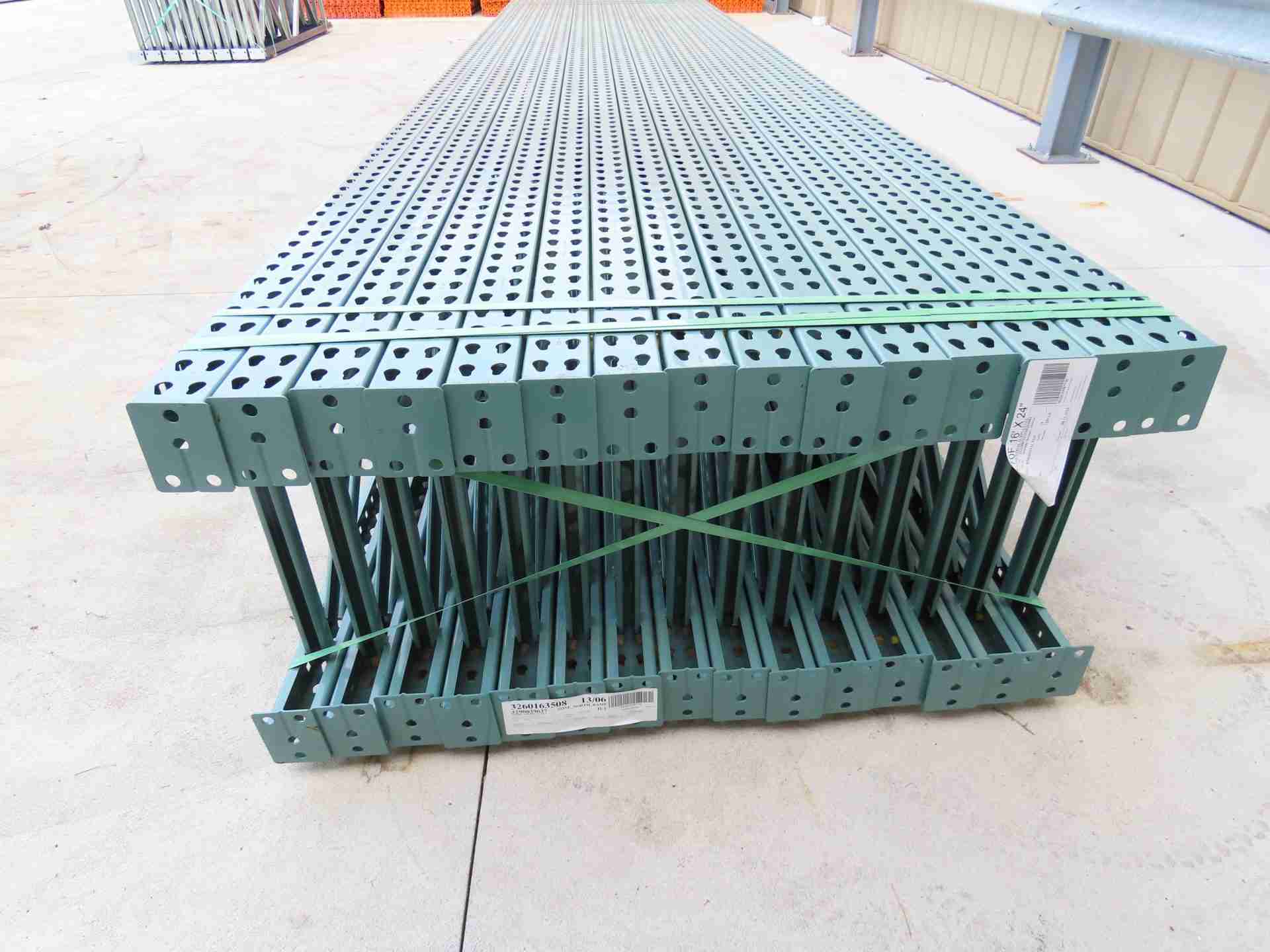
How Can I Organize Items Effectively On Vertical Shelves?
How Can I Organize Items Effectively On Vertical Shelves?
- Efficient organization is essential in modern life, making vertical shelves a valuable tool for maximizing space.
- Pallet racking systems can be adapted for home or office settings, creating organized displays and freeing up floor space.
- Arranging frequently used items at eye level enhances accessibility and visual appeal, especially in kitchens.
- Grouping similar items in baskets or bins eliminates clutter and allows for quick access during DIY projects.
- Adjustable vertical shelves enable customization as needs change, accommodating items like children’s toys easily.
- Incorporate decorative boxes or colorful bins to enhance aesthetics while maintaining organization and motivation.
- Effective vertical shelf organization improves functionality and aesthetics, creating an inviting environment for productivity.

How Can I Organize Items Effectively On Vertical Shelves?
Conclusion
In the competitive realm of logistics and warehousing, the importance of efficiently utilizing vertical space cannot be overstated. As we’ve explored, the transition from outdated shelving systems to modern solutions like pallet racking offers a transformative approach to inventory management, efficiency, and safety. Maximizing vertical storage not only frees up valuable floor space but also facilitates better organization and accessibility, resulting in significant operational improvements. It’s no surprise that businesses leveraging vertical solutions have reported operational efficiency increases of up to 30%.
Imagine your warehouse transformed into a high-density storage powerhouse, accommodating fluctuating inventory demands without the headache of expanding your physical footprint. With versatile shelving options such as selective, drive-in, and push-back racking, you can customize your setup to meet the unique needs of your business. Whether you need swift access to fast-moving items or efficient bulk storage, there’s a solution tailored to every operational requirement.
As e-commerce surges and supply chain pressures evolve, investing in vertical space has never been more crucial. Real-world examples showcase how companies like Amazon maximize their operations by utilizing verticality while emphasizing safety and organization. By implementing a well-structured pallet racking system, you can not only lower overhead costs but also vastly improve safety standards within your facility.
But it doesn’t end with implementation; continuous adaptability is key. Choose shelving systems that allow for easy reconfiguration, enabling you to swiftly accommodate product rotations, seasonal demands, or rapid growth. Additionally, prioritize safety considerations through regular inspections and comprehensive staff training to mitigate risks and enhance workplace security.
Don’t let inefficiencies weigh down your operations any longer. The time to act is now. By optimizing your vertically limited warehouse space with Arrow Industrial Sales‘ expert solutions, you can create a streamlined, organized, and ultimately more profitable operation. Don’t just keep pace with the competition—get ahead of it. Give us a call today at (574) 349-6575 to learn how we can partner with you to unlock your warehouse’s hidden potential and transform your logistics operations. The opportunity for growth and improvement is at your fingertips—don’t let it slip away!
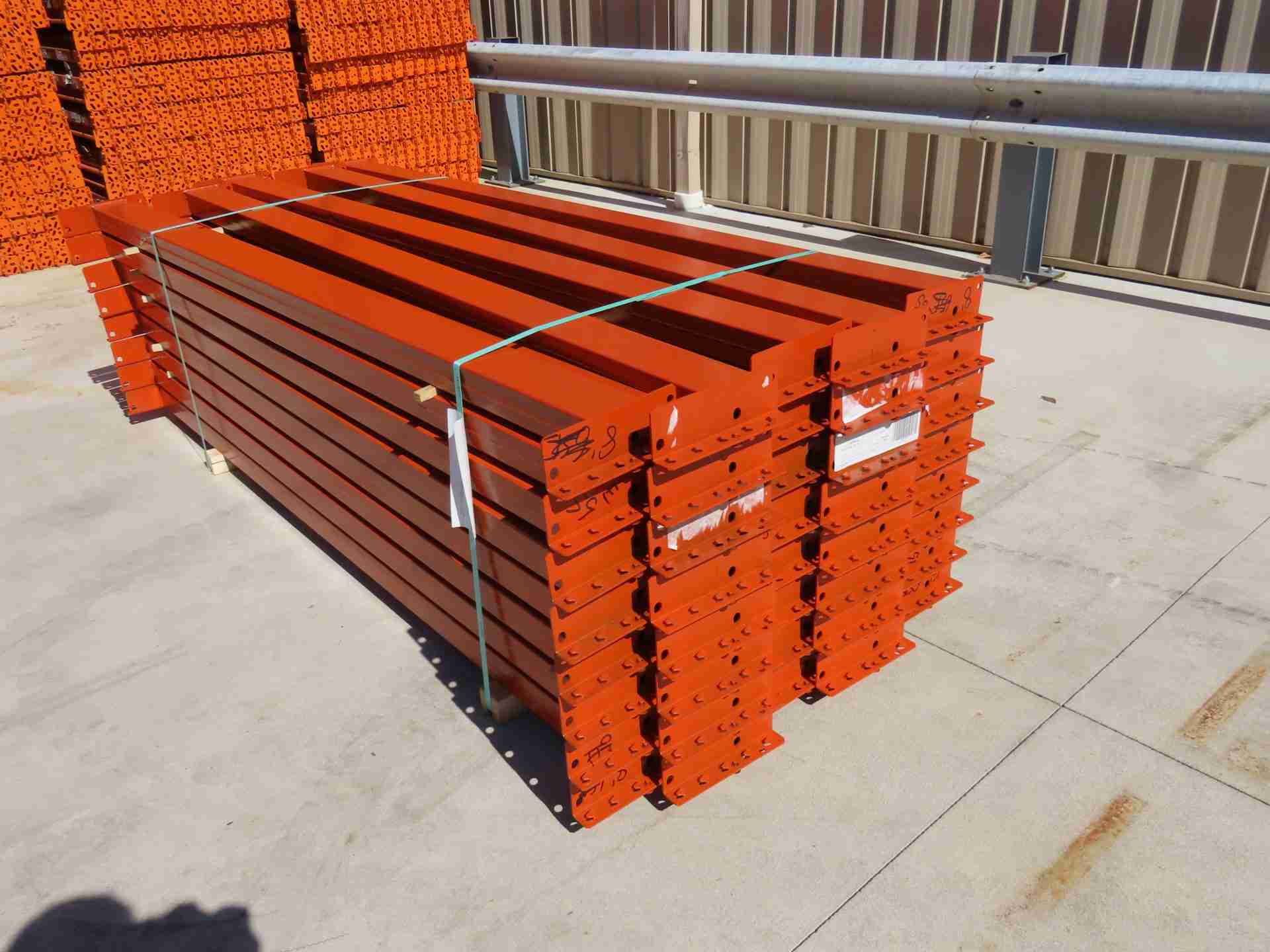
Conclusion
Conclusion:
- Efficient utilization of vertical space is critical in logistics and warehousing.
- Modern shelving solutions like pallet racking improve inventory management, efficiency, and safety.
- Maximizing vertical storage frees up floor space and enhances organization and accessibility.
- Businesses using vertical solutions can achieve operational efficiency increases of up to 30%.
- Investing in adaptable shelving options is essential for meeting evolving inventory demands.
- Regular inspections and staff training are necessary to maintain safety standards in warehouse operations.
- Optimizing warehouse space with expert solutions can lead to a more profitable and streamlined operation.
Conclusion
Other Resources
Other Resources
Here is a list of other resources you can review online to learn more:
- Warehouse Racking Chicago, IL
- Pallet Racks, Pallet Racking, Pallet Shelves in Stock – ULINE
- Pallet Racking systems in Illinois and Great Lakes
- International Warehouse Logistics Association
- National Safety Council
- Cantilever Racks Chicago
- The Ultimate Pallet Racking Guide – Speedrack West
- Racking World
- IIWS Inc. Rack Installation Illinois & Rack Repairs Illinois
- Warehouse Storage Racking in Illinois
Use This Prompt To Get More Resources With Your Favorite Online AI Tool: Please provide me with a list of online articles with their URLs in a bulleted list that I can read regarding How Can You Use Vertical Space Effectively with Warehouse Shelving?

Other Resources
Glossary Terms
How Can You Use Vertical Space Effectively with Warehouse Shelving? – Glossary Of Terms
1. Vertical Space: The available height in a warehouse that can be utilized for storing materials and products.
2. Warehouse Shelving: Storage systems designed to hold products in a warehouse, often arranged in tiers to maximize vertical space.
3. Shelving Units: Frameworks that support shelves, designed to fit into a warehouse and hold various types of inventory.
4. Racking Systems: A type of structure for storing goods in a systematic way, often used for pallets and bulk items.
5. Pallet Racks: Shelving structures specifically designed to hold palletized goods.
6. Cantilever Racks: A shelving system without front supports, allowing for the storage of long or irregular-shaped items.
7. Mezzanine: An intermediate floor in a warehouse that leverages vertical space, often used for additional storage or workspace.
8. Overhead Storage: Utilizing the ceiling area for storage by installing shelves or bins above head height.
9. Multi-level Shelving: A system that features several levels of shelves stacked vertically to increase storage density.
10. Adjustable Shelves: Shelves that can be repositioned to accommodate different items or types of inventory.
11. Stock Keeping Unit (SKU): A unique identifier for each product that allows for organized storage and inventory management.
12. Load Capacity: The maximum weight that a shelving unit or racking system can safely support.
13. Safety Compliance: Adhering to regulations and standards set for storing and handling materials to prevent accidents.
14. Inventory Management: The process of tracking stock levels, orders, sales, and deliveries to ensure efficient use of space.
15. Picking: The process of retrieving items from shelving based on customer orders or inventory needs.
16. End-of-Aisle Displays: Shelving located at the end of aisles to maximize visibility and accessibility of products.
17. Bin Storage: Containers that hold smaller items, often organized on shelves to utilize vertical space effectively.
18. Flow Rack: A type of shelving that utilizes gravity to facilitate the movement of products forward, maximizing accessibility.
19. Height Clearance: The measured distance from the floor to the lowest overhead obstruction, crucial for planning vertical storage.
20. Aisle Width: The space between shelving units affecting the accessibility of the stored products and movement of equipment.
21. Warehouse Management System (WMS): Software that helps manage inventory, streamline operations, and optimize storage solutions.
22. Forklift Access: Ensuring that shelving units are arranged to allow forklifts to easily move between aisles for loading and unloading.
23. Labeling: The practice of marking shelves or bins for easy identification and retrieval of items.
24. Cross-Docking: A logistic process where products are directly transferred from inbound shipping to outbound shipping, reducing the need for storage.
25. Modular Systems: Shelving units that can be easily reconfigured or expanded based on changing storage needs.
26. Vertical Carousel: An automated rotating shelving system that brings items to the user, maximizing vertical space utilization.
27. Storage Density: The amount of inventory that can be stored in a given space, often increased by vertical shelving strategies.
28. Paletization: The practice of organizing products on pallets to maximize space during storage and transport.
29. Dynamic Storage: A flexible shelving approach that allows for easy rearrangement based on inventory flow.
30. Space Optimization: The strategic arrangement of shelving and products to make the most efficient use of available warehouse space.
Glossary Of Terms
Other Questions
How Can You Use Vertical Space Effectively with Warehouse Shelving? – Other Questions
If you wish to explore and discover more, consider looking for answers to these questions:
- What factors should I consider when selecting pallet racking systems?
- How do I maintain and inspect my pallet racking system?
- What are the costs associated with implementing vertical shelving?
- What industries can benefit the most from vertical shelving solutions?
- How can I assess the efficiency of my current shelving system?
- What specific safety training should I provide for employees working with tall shelves?
- How can vertical shelving impact my inventory management practices?
- What role does warehouse automation play in vertical storage solutions?
- Are there eco-friendly options for warehouse shelving systems?
- How can I customize pallet racking to fit unique inventory needs?
Other Questions
Checklist
How Can You Use Vertical Space Effectively with Warehouse Shelving? – A Checklist
Assess Your Space and Needs
_____ Measure the dimensions of your warehouse or storage area.
_____ Identify the type of items you need to store (weight and size).
_____ Determine if you have high ceilings or tight corners for shelving.
Evaluate Shelving Options
_____ Research modern shelving options like pallet racking, mobile shelving, and cantilever racking.
_____ Consider the benefits tailored to your specific inventory (e. g. , selective vs. drive-in pallet racking).
Analyze Storage Capacity
_____ Calculate potential storage increases from utilizing vertical space.
_____ Plan for seasonal inventory fluctuations and adapt shelving accordingly.
Prioritize Safety
_____ Check weight limits and ensure compliance with manufacturer specifications.
_____ Implement safety clips and restraints for stability of items.
_____ Train staff on proper stacking and safety protocols.
Organization Strategies
_____ Use clear labeling systems for easy identification of items.
_____ Place frequently accessed items at eye level for convenience.
_____ Utilize bins and baskets to group similar items together.
Maintenance and Inspections
_____ Establish a schedule for regular inspection of shelving systems.
_____ Report any signs of wear or structural deficiencies immediately.
Flexibility and Adaptability
_____ Choose modular shelving systems that can be reconfigured as needs change.
_____ Keep adjustable pallet racks for better management during fluctuating demands.
Seek Expert Advice
_____ Consult shelving specialists for tailored recommendations based on your operation.
_____ Stay updated on new innovations and safety regulations.
Consider Environmental Impact
_____ Evaluate how optimizing vertical space reduces your carbon footprint.
_____ Seek sustainable storage solutions that align with your business goals.
Enhance Aesthetics
_____ Incorporate decorative bins and attractive shelving designs to enhance visual appeal.
_____ Reflect your brand’s style through organized and appealing displays.
Summary
_____ Confirm that your vertical shelving system is both functional and efficient for your operations.
_____ Create a culture of safety and organization within your team.
This checklist can serve as a practical tool to ensure you’re taking the necessary steps to effectively use vertical space in your storage area while maintaining safety and efficiency.
Checklist
At RackingWorld, we help guide you through selecting warehouse storage systems and racking.
Be sure to read our other related stories at RackingWorld to learn more about warehouse storage systems.
0 Comments