
Optimizing Warehouse Storage With Pallet Racking
By Tom Seest
At RackingWorld, we help guide you through selecting warehouse storage systems and racking.
Be sure to read our other related stories at RackingWorld to learn more about warehouse storage systems.
How to Determine Pallet Racking Requirements?
Understanding your pallet racking requirements is crucial for optimizing storage efficiency and maximizing your warehouse operations. In today’s fast-paced logistics landscape, where supply chain disruptions are more common than ever, ensuring your racking system is tailored to your specific needs could mean the difference between operational success and costly delays.
First, start by assessing your inventory. Take a thorough inventory of the types and sizes of the products you store. Consider variables like weight, dimensions, and packaging. For instance, if you handle a trending product like eco-friendly packaging solutions, which are gaining traction in the wake of new sustainability laws, knowing the dimensions and weight of these products is key to deciding the height and depth of your pallet racks.
Next, evaluate your available space. This includes both the floor area and vertical space in your warehouse. As businesses increasingly adopt omnichannel fulfillment strategies, the need to utilize every inch of vertical space is vital. If your warehouse is equipped with high ceilings but relies on standard pallet racks, you’re leaving money on the table. For example, a company that sells health supplements might install high-density racking systems to stack products vertically and improve space utilization, thus enabling them to manage their inventory more effectively.
Additionally, consider future growth. Ask yourself: Will you expand your product line? Are there seasonal fluctuations in inventory? If you’re in a market that requires fast-moving products, like e-commerce, then adaptability is essential. Adjustable pallet racking could ensure that your storage solutions can evolve as your business does. With trends in consumer behavior shifting toward immediate gratification, having a flexible system in place can help you respond faster, thus gaining a competitive edge.
Furthermore, don’t overlook safety considerations. Regulatory compliance is not just about avoiding fines; it’s about ensuring a safe work environment. Be sure to account for weight limits and stability requirements based on the products you store. This becomes increasingly important in light of recent warehouse incidents reported in the news, highlighting the need for robust safety measures in storage design.
Determining your pallet racking requirements is not just a matter of choosing a system; it’s a strategic decision that impacts your warehouse efficiency and, ultimately, your bottom line. By assessing your inventory, optimizing space, preparing for growth, and ensuring safety compliance, you position your business for success in an ever-evolving marketplace. Remember, a well-organized warehouse isn’t just an asset; it’s a powerful marketing tool.

How to Determine Pallet Racking Requirements?
How to Determine Pallet Racking Requirements?
- Assess inventory by considering product types, sizes, weight, and dimensions.
- Evaluate available floor and vertical space in the warehouse for optimal utilization.
- Account for future growth, such as potential product line expansion and seasonal fluctuations.
- Implement adjustable pallet racking for adaptability in fast-moving markets, like e-commerce.
- Prioritize safety and regulatory compliance to ensure a safe work environment.
- Make strategic decisions regarding pallet racking to enhance warehouse efficiency.
- Recognize that a well-organized warehouse can serve as a powerful marketing tool.
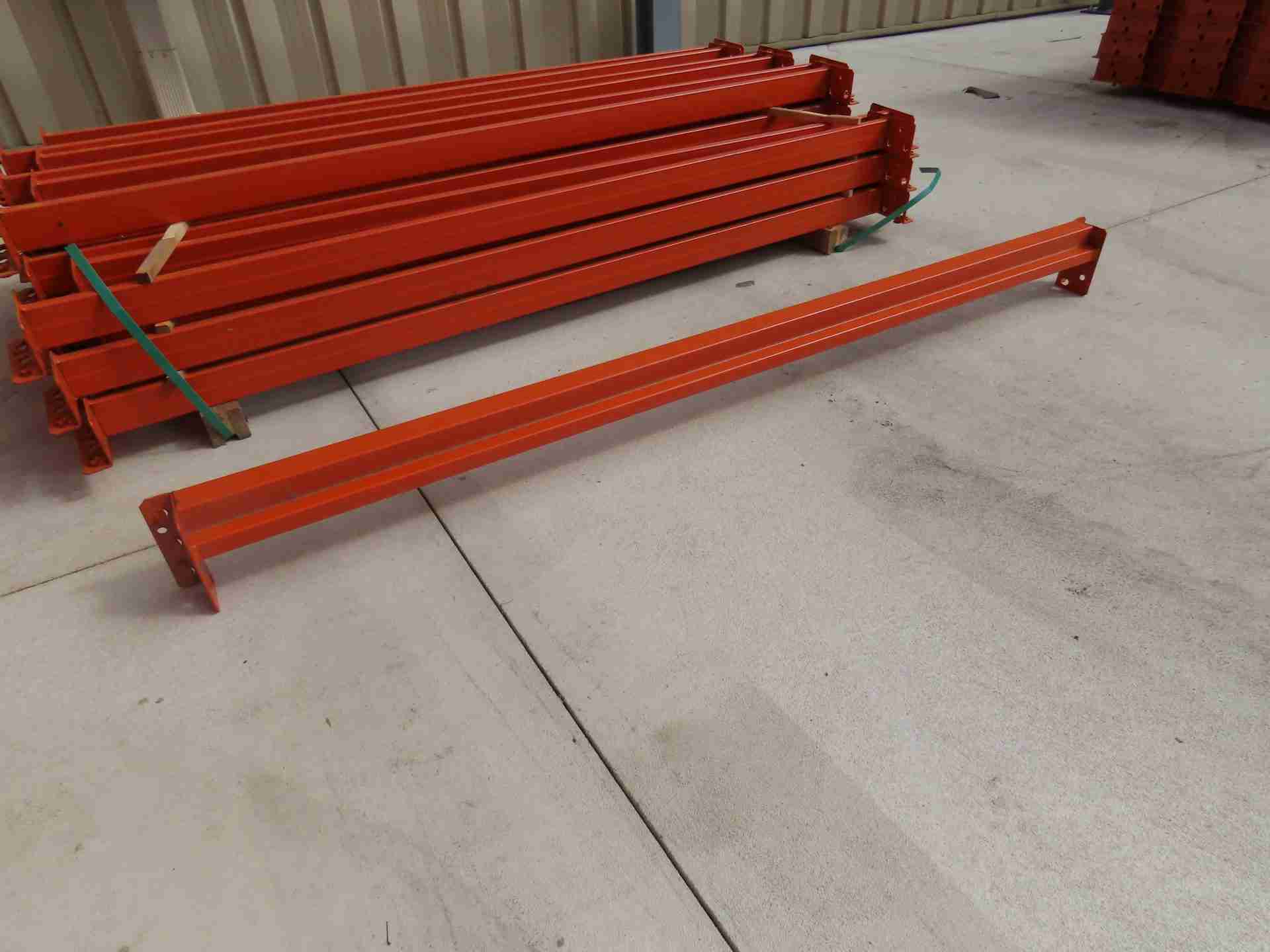
How to Determine Pallet Racking Requirements?
Table Of Contents
- How to Determine Pallet Racking Requirements?
- What Factors Should I Consider When Assessing My Space?
- How Do I Calculate Load Capacity For Pallet Racks?
- What Are The Common Pallet Rack Types Available?
- How Can I Choose The Right Pallet Rack For My Products?
- What Regulations Apply To Pallet Racking Systems?
- How Do I Ensure Proper Safety Measures For Pallet Racks?
- What Is The Best Way To Layout Pallet Racking In My Warehouse?
- How Can I Optimize Space With Pallet Racking Systems?
- What Tools Can Help Me Design An Efficient Pallet Racking Layout?
- How Do I Determine The Height Of My Pallet Racks?
- Conclusion
- Other Resources
- Glossary Of Terms
- Other Questions
- Checklist
What Factors Should I Consider When Assessing My Space?
When it comes to evaluating your space—be it an office, retail storefront, or even your own home—it’s crucial to approach the process strategically. After all, your space isn’t just a physical location; it’s an essential component of your brand identity, operational efficacy, and ultimately, your bottom line. So, what should you keep in mind?
1. Purpose and Functionality
First and foremost, define the primary purpose of the space. Are you hosting clients, conducting meetings, or selling products? For instance, in light of the recent shifts towards remote work, many businesses are reevaluating their office layouts. Open-concept spaces may have been all the rage, but the demand for collaborative environments and dedicated meeting zones is on the rise. Assess how your space can best serve your specific operational needs, fostering productivity while also accommodating the evolving preferences of your workforce.
2. Location Matters
The adage “location, location, location” rings especially true when assessing your space. Whether you’re a brick-and-mortar shop or a service-based business, proximity to your target audience can greatly influence foot traffic and brand visibility. Look at major cities pivoting toward walkability, such as Portland and San Francisco, which are better accommodating local businesses. Are you near public transportation? Is there easy parking? Ensure your space is accessible and appealing for your customers.
3. Aesthetic Appeal and Branding
Your space must reflect your brand ethos. Beyond functionality, aesthetics matter. Think about how the design elements can convey your brand’s message. Companies like Apple invest heavily in their physical layouts, and it pays off—your space should speak to your brand’s mission. If you’re in a creative industry, showcasing artistic elements can enhance your brand persona, whereas a corporate office might benefit from a sleek, professional look.
4. Flexibility for Growth
Given the unpredictable economic landscape sparked by the pandemic, flexibility is key. Consider a space that allows for growth without major renovations. Will your space accommodate future hires, or can it be easily reconfigured for changing uses? A versatile layout can save costs in the long run and minimize disruption.
5. Technology Integration
In today’s tech-driven world, consider how technology will be integrated into your space. High-speed internet, state-of-the-art communication systems, and even smart office solutions can enhance efficiency and improve the overall user experience.
In summary, evaluating your space means examining its purpose, location, aesthetics, flexibility, and technology integration. Taking these factors into account will ensure that your space not only meets current needs but also positions you well for future growth and change.

What Factors Should I Consider When Assessing My Space?
What Factors Should I Consider When Assessing My Space?
- Strategic Evaluation: Assess your space as a crucial part of brand identity and operational effectiveness.
- Purpose and Functionality: Define the main purpose of the space, considering shifts towards remote work and the need for collaboration.
- Location Matters: Proximity to your target audience is vital for accessibility and brand visibility.
- Aesthetic Appeal and Branding: Your space should reflect your brand ethos and enhance brand identity through design elements.
- Flexibility for Growth: Choose spaces that can adapt to changes and accommodate future growth without major renovations.
- Technology Integration: Incorporate modern technology to enhance efficiency and improve user experience.
- Holistic Evaluation: Prioritize purpose, location, aesthetics, flexibility, and technology to position your space for future success.

What Factors Should I Consider When Assessing My Space?
How Do I Calculate Load Capacity For Pallet Racks?
When it comes to optimizing your warehouse space and ensuring safety, understanding the load capacity of your pallet racks is non-negotiable. Think of it as the backbone of your operations; if it wavers, your entire enterprise might sag under the pressure. With the demand for efficient logistics soaring due to events like the post-pandemic e-commerce explosion, getting your load calculations right is more crucial than ever.
First, it’s essential to grasp the basics of load capacity. Each pallet rack system has a specified load limit, determined by factors such as design, materials, and structure. At its core, the load capacity is essentially the maximum weight each shelf can carry without compromising stability. Start by checking the manufacturer’s specifications for your racks—this is your foundational guideline.
Let’s illustrate this with a practical example. Suppose you have a selective pallet rack with a load capacity of 2,500 pounds per beam level. If you’re storing uniform pallets of widgets that each weigh 500 pounds, you could theoretically load up to five pallets on a single level. However, this is where caution comes into play. Always consider the distribution of weight across the rack. A concentrated mass on one side may lead to tipping, even if each individual rack meets weight requirements.
Next, factor in additional elements like the overall height of the rack and your environmental conditions. For instance, if your warehouse is in a region prone to earthquakes—like parts of California—your racks need to be engineered to withstand not just load but seismic forces too. Falling warehouse racks can result in catastrophic injuries and loss, a risk you simply can’t afford.
Another current event to consider is the ongoing supply chain disruptions. With delays and shortages, optimizing your storage effectively has become vital. Review your inventory turnover rates to decide if deeper stock levels warrant adjusting your rack load calculations. Move fast, but ensure that swift decisions don’t translate to unsafe practices.
Lastly, it’s wise not to overlook regular maintenance checks of your racks. Over time, wear and tear can affect load capacity. Schedule routine inspections and keep your employees trained on safe loading practices. Remember, safety is a culture you cultivate, not just a checklist you complete.
In summary, calculating load capacity for pallet racks involves understanding specifications, weight distribution, environmental factors, and maintenance. By taking the time to master these components, you not only protect your assets but set the groundwork for sustainable business growth. Don’t play a risky game with your rack systems—optimize them for success!

How Do I Calculate Load Capacity For Pallet Racks?
How Do I Calculate Load Capacity For Pallet Racks?
- Understanding load capacity is crucial for warehouse safety and operational efficiency.
- Check manufacturer specifications for load limits based on rack design, materials, and structure.
- Consider weight distribution across racks to prevent tipping, even if individual rack limits are met.
- Environmental factors, such as seismic activity, should influence rack engineering and load calculations.
- Review inventory turnover rates to adjust load calculations in response to supply chain disruptions.
- Conduct regular maintenance checks to ensure racks remain safe and effective over time.
- Prioritize safety and training for employees as a culture, not just a checklist.

How Do I Calculate Load Capacity For Pallet Racks?
What Are The Common Pallet Rack Types Available?
In today’s fast-paced warehouse environment, choosing the right pallet rack is not just a logistical decision; it’s a strategic advantage. Understanding the different types of pallet racks and their specific applications can elevate your storage efficiency, boost productivity, and directly impact your bottom line. Let’s dive into the four most common types of pallet racks available and explore how they can benefit your operation.
1. Selective Pallet Racks:
The most widely used pallet rack system, selective racks provide direct access to every pallet. With a simple design that consists of vertical uprights and horizontal beams, this system is incredibly versatile. Ideal for businesses with a diverse range of products—ranging from e-commerce operations to distribution centers—selective racks offer flexibility without compromising accessibility. For instance, during the 2023 holiday season, retailers utilizing selective rack systems observed an impressive 20% increase in order fulfillment speed, showcasing how strategic storage solutions can drive operational success.
2. Drive-In Pallet Racks:
For companies with a high volume of similar products, drive-in pallet racks are a game changer. This system allows forklifts to enter the rack structure to place or retrieve pallets, maximizing vertical space and minimizing aisle width. Particularly relevant in industries like food and beverage, where large quantities of perishable goods must be stored efficiently, drive-in racks can increase storage density by 75%, reducing overall storage costs. As supply chain challenges continue to evolve, businesses adopting these systems are positioned for agility and responsiveness.
3. Push Back Pallet Racks:
Combining the best of both worlds, push back pallet racks allow for high-density storage while maintaining quick access to pallets. As pallets are loaded, they push back on a sloped track, creating a compact storage solution that still utilizes a first-in, first-out inventory system. Companies like automotive parts suppliers have turned to push back racks to navigate their complex inventory needs—affording them both space conservation and accessibility in a single integration.
4. Pallet Flow Racks:
If you’re looking for a seamless first-in, first-out system, pallet flow racks are the gold standard. Utilizing gravity to facilitate product movement, these racks are perfect for high-volume distribution of perishable items or products with a limited shelf life. Recent trends in sustainability have made these racks increasingly popular for businesses aiming to reduce waste while maximizing efficiency, particularly in industries like pharmaceuticals where expiry dates are crucial.
Understanding these common pallet rack types opens the door to maximizing your warehousing efficiency. By selecting a system that matches your specific operational needs, you’ll not only improve productivity but also enhance customer satisfaction—a recipe for long-term success.

What Are The Common Pallet Rack Types Available?
What Are The Common Pallet Rack Types Available?
- Choosing the right pallet rack is crucial for logistical and strategic advantages in warehouses.
- Understanding different pallet rack types can enhance storage efficiency and productivity.
- Selective Pallet Racks: Most widely used, providing direct access to every pallet, ideal for diverse product ranges.
- Drive-In Pallet Racks: Maximizes vertical space, suitable for high volumes of similar products, increases storage density by 75%.
- Push Back Pallet Racks: Combines high-density storage with quick access, utilizing a first-in, first-out inventory system.
- Pallet Flow Racks: Uses gravity for seamless first-in, first-out systems, ideal for perishable items and reducing waste.
- Selecting the correct system enhances productivity and customer satisfaction, contributing to long-term success.

What Are The Common Pallet Rack Types Available?
How Can I Choose The Right Pallet Rack For My Products?
Selecting the right pallet rack for your products can be a game-changer in how efficiently you manage your warehouse space, streamline your operations, and ultimately maximize your bottom line. The stakes are high in today’s fast-paced market, where shortages and supply chain disruptions have become commonplace. Choosing wisely can set you on the path to success, while the wrong decision can lead to costly errors.
Understand Your Inventory
Before diving headfirst into the world of pallet racks, take a hard look at your inventory. What types of products do you stock? How are they packaged? For instance, if your warehouse is filled with heavy, bulky items, a selective pallet rack may not provide the structural integrity you need. Instead, consider a drive-in or push-back system that allows for denser storage. On the other hand, if your items are smaller and frequently picked, a selective rack affords you the access necessary to keep your operations agile.
Consider Space Utilization
In today’s economic climate, where warehouse space is often at a premium, optimizing every square foot is essential. Calculate the height of your ceiling and the dimensions of your products. High-density storage solutions like multi-tier racking or narrow aisle systems can help you maximize vertical space while minimizing ground-level footprint.
Evaluate the Future
It’s not just about today’s needs; consider tomorrow’s growth. A recent report highlighted trends suggesting that e-commerce continues to boom despite economic uncertainties. Ask yourself: What does the future of your inventory look like? If you anticipate bringing in new products or increasing your stock levels, opting for adjustable pallet racks could save you from costly adjustments later down the line.
Safety First
Compliance with safety standards cannot be overstated. Regulations change, and products evolve; you don’t want to be caught with outdated or unsafe racking systems. Aeropack, for example, introduced new load management software recently that allows for real-time safety assessments. Investing in modern racks equipped with safety features not only protects your employees but also enhances operational efficiency.
Consult an Expert
You wouldn’t venture into a business decision without expert advice, so why take chances with your pallet racking? Collaborate with a professional who can assess your specific needs and provide tailored recommendations. Their insights can save you headaches and, potentially, a significant amount of capital as you make critical decisions.
In summary, choosing the right pallet rack involves understanding your products, optimizing space, anticipating the future, ensuring safety, and consulting with experts. The right choice leads to operational efficiency and allows your warehouse to adapt to changing market conditions, giving you a competitive edge. Don’t leave it to chance—make the choice that catapults your business forward.

How Can I Choose The Right Pallet Rack For My Products?
How Can I Choose The Right Pallet Rack For My Products?
- Selecting the right pallet rack can improve warehouse efficiency and maximize profits.
- Understand your inventory by assessing the types and packaging of products before choosing a rack.
- Optimize space utilization through high-density storage solutions, especially in limited warehouse environments.
- Consider future growth and product expansion when selecting pallet racks, opting for adjustable systems if necessary.
- Prioritize safety by ensuring compliance with regulations and incorporating modern racks with safety features.
- Consult with an expert to get tailored recommendations for your specific needs.
- The right pallet rack choice enhances operational efficiency and provides a competitive edge in the market.

How Can I Choose The Right Pallet Rack For My Products?
What Regulations Apply To Pallet Racking Systems?
When it comes to maintaining efficiency and safety in warehouses and distribution centers, understanding the regulations that govern pallet racking systems is paramount. These regulations aren’t just bureaucratic red tape; they form the backbone of safe, efficient operations that protect both employees and inventory.
First and foremost, OSHA (Occupational Safety and Health Administration) standards are a vital component. OSHA mandates that all workplace conditions, including storage practices involving pallet racks, must ensure safety and prevent hazards—both for the workers and the surrounding environment. For instance, OSHA 29 CFR 1910.176 outlines the general requirements for the use of materials handling equipment. That includes ensuring that racks can bear the load they’re intended for and are properly installed to prevent collapses, which could lead to injury or damage.
Consider a recent incident in a warehouse that suffered a forklift accident due to improperly installed racking systems. The aftermath highlighted increased scrutiny over compliance with OSHA regulations in the industry. Such events serve as a wake-up call, emphasizing that compliance is not merely an option; it’s an obligation.
Additionally, the National Fire Protection Association (NFPA) has its own set of regulations, specifically NFPA 1 and NFPA 101, which cover fire safety and life safety code requirements for racked storage systems. These codes dictate the spacing between pallet racks and fire aisle clearances to ensure that emergency responders can operate effectively during a fire incident. Failure to comply may not only result in fines but could also exacerbate damages in crises.
Local building codes also come into play and often intertwine with state regulations, adding layers of compliance that’s required for installation and maintenance. For instance, many municipalities require pallet racking installations to be permitted and inspected. Failing to navigate this labyrinth of regulations can lead to costly penalties, disruptions in operations, and even business shutdowns.
Lastly, manufacturers and suppliers of pallet racking systems must adhere to ANSI (American National Standards Institute) standards, particularly those laid out in ANSI/RMI MH16.1. These guidelines ensure that pallet racks are designed and constructed to meet safety and performance criteria. Non-compliance can lead to serious safety breaches, which can have devastating effects on employee safety and the bottom line.
Staying abreast of regulations governing pallet racking systems isn’t just about avoiding penalties; it’s about fostering a culture of safety and efficiency. As the industry continues to evolve, businesses that prioritize compliance will ultimately position themselves as leaders in their fields, safeguarding their teams and operations while capitalizing on the latest standards to boost their reputation and performance.

What Regulations Apply To Pallet Racking Systems?
What Regulations Apply To Pallet Racking Systems?
- Understanding regulations governing pallet racking systems is essential for warehouse safety and efficiency.
- OSHA standards mandate safe storage practices and equipment loading to prevent hazards.
- Recent forklift accidents due to improper racking highlight the importance of OSHA compliance.
- The NFPA enforces fire safety regulations impacting racked storage systems, ensuring clear access for emergency responders.
- Local building codes, alongside state regulations, require permits and inspections for pallet racking installations.
- Manufacturers must comply with ANSI standards to ensure pallet racks meet safety and performance criteria.
- Prioritizing compliance fosters a culture of safety and positions businesses as leaders in their industry.

What Regulations Apply To Pallet Racking Systems?
How Do I Ensure Proper Safety Measures For Pallet Racks?
In the bustling world of warehouses and distribution centers, ensuring safety is not just a legal obligation; it’s a moral imperative that protects your employees, your inventory, and your bottom line. The right safety measures for pallet racks can drastically reduce the risk of accidents, prevent costly damage, and enhance overall operational efficiency. Let’s dive into practical strategies that can safeguard your pallet rack systems.
1. Regular Inspections: The First Line of Defense
Establish a routine inspection schedule. Regularly assess your pallet racks for any signs of damage, including bent frames, loose bolts, or worn-out connectors. After a significant change, like new inventory or an increase in throughput, conduct a thorough check. Recent news from the Material Handling Industry highlights that nearly 70% of workplace accidents involving pallet racks occur due to inadequate inspections. Make it a priority to build a culture of safety within your team—train them to report issues immediately.
2. Load Limits Must Be Divine Commandments
Every pallet rack system comes with specific load capacities that dictate how much weight it can safely hold. Don’t overlook these guidelines; they are not mere suggestions. Clearly label each rack with its load limit and train your staff to adhere strictly to these specifications. For example, if a rack is rated for 1,500 pounds and someone mistakenly loads it with 2,000 pounds, the consequences could be catastrophic—not only financially but also in terms of safety.
3. Use Proper Equipment for Loading and Unloading
Investing in the right tools—like forklifts equipped with safety features—can minimize risks associated with pallet rack systems. Recent advancements in equipment technology have introduced designs that enhance visibility and maneuverability in tight warehouse spaces, thus preventing accidents during loading and unloading. Educate your team on these tools, ensuring they understand how to use them correctly.
4. Implement a Training Program
Create a comprehensive training program encompassing all aspects of pallet rack safety. This should include how to properly handle palletized loads, recognizing hazards, and emergency protocols. Make this training a continuing process, where information is routinely revisited and updated. Keep your staff engaged through interactive sessions and hands-on drills, reinforcing the message that safety is paramount.
5. Technology for Monitoring Compliance
Leveraging technology can be a game-changer. Consider installing software that helps monitor compliance with safety protocols, tracks inspections, and manages load limits. With data at your fingertips, you can identify trends and proactively address potential issues before they escalate.
By implementing these safety measures, you transform your warehouse from a simple storage space into a robust environment where safety and efficiency coexist. After all, in the world of logistics, a safe workplace is a productive workplace. Don’t just comply with safety regulations—embrace them, and watch your operations soar to new heights.

How Do I Ensure Proper Safety Measures For Pallet Racks?
How Do I Ensure Proper Safety Measures For Pallet Racks?
- Safety in warehouses and distribution centers protects employees, inventory, and profitability.
- Regular inspections of pallet racks can reduce accidents and enhance operational efficiency.
- Load limits should be strictly adhered to; racks must be clearly labeled with their weight capacities.
- Proper loading and unloading equipment, such as advanced forklifts, can minimize risks.
- A comprehensive training program for staff is essential for reinforcing safety protocols.
- Technology can assist in monitoring compliance, tracking inspections, and managing load limits effectively.
- Implementing safety measures contributes to a productive and robust work environment in logistics.

How Do I Ensure Proper Safety Measures For Pallet Racks?
What Is The Best Way To Layout Pallet Racking In My Warehouse?
When it comes to maximizing the efficiency and functionality of your warehouse, the layout of your pallet racking system isn’t just important; it’s essential. An effective layout can increase storage capacity, streamline the picking process, and enhance inventory management. With the ever-evolving landscape of e-commerce and supply chain demands, understanding how to optimize your pallet racking is imperative. Let’s dig into some strategies that can help you achieve that.
First, consider the flow of your warehouse operations. A common and highly effective design is the “U-shaped” layout. This method not only facilitates easy access to goods but also promotes a natural flow of products from receiving to storage and eventually to shipping. For example, if you receive goods at one end of the warehouse, move them through to packing on the same side, and then ship from the opposite end, you can minimize congestion and save valuable time. This approach mirrors the operations seen in leading companies like Amazon, which have mastered warehouse logistics to keep up with growing customer demands.
Next, think about the types of racking systems that will suit your inventory. For instance, if you are working with high-density storage needs, consider a drive-in or drive-through racking system. These allow for easier access to large quantities of the same product, reducing picking times and maximizing space. In 2023, as global supply chains continue to face disruptions, flexibility and adaptability in your warehouse layout could mean the difference between successfully meeting customer demands and falling short.
Moreover, utilize vertical space effectively. Tall racking systems with proper accessibility can vastly increase your storage capacity without requiring a larger footprint. Incorporating mobile racking can further enhance flexibility, allowing you to adjust aisles according to the volume of products being stored. Recent advancements in technology are making this easier than ever, with smart racking systems that can adjust automatically based on inventory needs.
Finally, don’t overlook the importance of safety. Activities such as regular inspections, clear aisles, and adherence to weight limits not only protect your inventory but also your workforce. Incorporate safety measures into your layout from the start, ensuring compliance with current regulations and enhancing operational efficiency.
In summary, the best layout for your pallet racking depends on your specific needs and inventory flow. By employing smart design principles and utilizing the latest technologies, your warehouse can operate like a well-oiled machine, ready to meet both current and future challenges. Take the time to strategize your racking layout, and your business will reap the rewards in efficiency, safety, and bottom-line profitability.

What Is The Best Way To Layout Pallet Racking In My Warehouse?
What Is The Best Way To Layout Pallet Racking In My Warehouse?
- The layout of your pallet racking system is essential for maximizing warehouse efficiency and functionality.
- A well-designed layout can increase storage capacity, streamline picking processes, and enhance inventory management.
- Consider a “U-shaped” layout to facilitate easy access to goods and promote a natural flow from receiving to shipping.
- Choose appropriate racking systems based on inventory types, such as drive-in or drive-through systems for high-density storage needs.
- Utilize vertical space effectively with tall racking systems and adjustable mobile racking to enhance flexibility.
- Implement safety measures such as regular inspections and clear aisles to protect inventory and workforce.
- Strategize your racking layout to improve efficiency, safety, and profitability while meeting current and future supply chain challenges.

What Is The Best Way To Layout Pallet Racking In My Warehouse?
How Can I Optimize Space With Pallet Racking Systems?
In today’s fast-paced business environment, optimizing space isn’t just about maximizing efficiency; it’s about unleashing potential. With the right pallet racking systems, you can elevate your storage capabilities, increase your operational effectiveness, and ultimately enhance your bottom line. Here’s how to do it.
1. Understand Your Needs
Before diving into pallet racking, conduct a thorough assessment of your storage requirements. For instance, if you run a warehouse distributing health products—especially in the wake of the recent global health crisis—you’ll want to tailor your racking to accommodate varying product sizes and weight distributions. This might mean opting for adjustable pallet racking systems that can evolve with your inventory demands.
2. Choose the Right System
Not all pallet racking systems are created equal. For high-volume operations, consider using drive-in racks, which allow forklifts to enter the rack system, maximizing depth storage. Alternatively, if quick access to a wide array of products is critical—a reality many retailers face as e-commerce surges and the demand for quick fulfillment rises—select a selective pallet racking system. This allows for easy accessibility and can significantly reduce picking times.
3. Maximize Vertical Space
Don’t forget about upward! Increasing the height of your storage is a game changer. Modern innovations in pallet racking allow you to reach new heights—literally! If you have the ceiling space, installing tall narrow rack columns can free up precious floor space for operational activities, meeting the increasing trend towards automation and efficiency in warehouse operations.
4. Implement a First-In-First-Out (FIFO) Strategy
For those in the perishables sector, ensuring that your inventory moves effectively is paramount. Utilizing pallet racking with a FIFO system can not only streamline your operations but also mitigate the risk of spoilage. With a tailored design and effective monitoring, such systems can result in significant cost savings and waste reduction—a critical consideration amidst current sustainability trends.
5. Regular Maintenance and Layout Optimization
Investing in pallet racking is just the beginning. Regularly reviewing your layout ensures that it meets the dynamic needs of your business. Be ready to adapt. The retail landscape is changing rapidly, and what works today may need modification tomorrow. Implementing smart storage solutions like mobile racking can add flexibility as your operational challenges evolve.
Incorporating these strategies can revolutionize how you maximize space in your operation. Remember, in the game of modern warehousing, every square foot counts, and with the strategic use of pallet racking systems, your business can rise to new heights!

How Can I Optimize Space With Pallet Racking Systems?
How Can I Optimize Space With Pallet Racking Systems?
Here’s a bulleted summary of the provided text formatted as an HTML list:
- Understand Your Needs: Conduct a thorough assessment of storage requirements to tailor racking systems accordingly.
- Choose the Right System: Select pallet racking systems based on operational volume and accessibility needs.
- Maximize Vertical Space: Utilize upward storage solutions to free up floor space and improve efficiency.
- Implement a FIFO Strategy: For perishable items, use FIFO systems to manage inventory effectively and reduce spoilage.
- Regular Maintenance and Layout Optimization: Continuously review and adapt racking layouts to meet changing business needs.
- Emphasize Operational Effectiveness: Increase storage capabilities and ultimately enhance the bottom line through strategic racking choices.
- Adapt to Trends: Stay responsive to rapid changes in the retail landscape and incorporate flexible storage solutions.

How Can I Optimize Space With Pallet Racking Systems?
What Tools Can Help Me Design An Efficient Pallet Racking Layout?
When it comes to designing an efficient pallet racking layout, the right tools can make all the difference. In today’s fast-paced market, where logistics and inventory management can spell the difference between profit and loss, investing in the right tools unlocks your warehouse’s untapped potential.
1. Warehouse Management Systems (WMS)
A robust WMS like Fishbowl or SAP Extended Warehouse Management is essential for any serious warehouse operator. These systems not only manage inventory but also help in designing layouts that optimize space utilization. They offer a bird’s-eye view of your warehouse, enabling you to simulate various configurations before making a choice. With advanced algorithms, they can recommend optimal racking layouts based on your inventory flow and SKU velocity.
2. 3D Design Software
Imagine being able to visualize your warehouse in three dimensions right from your desk! Tools like AutoCAD or SketchUp allow you to create a detailed digital blueprint of your racking layout. These platforms are not just effective for design; they also let you tweak your layout in real-time, accommodating adjusting stock levels or fluctuating demand. With a seamless model at your fingertips, you can foresee challenges and efficiently plan for various scenarios.
3. Space Optimization Tools
Software like Lean Solutions’ Pallet Racking Optimization Tool can identify potential inefficiencies in your existing layout. These tools calculate metrics such as cubic storage capacity and optimal travel paths, giving you concrete data to work with. In light of the recent disruptions in global supply chains, particularly due to geopolitical tensions and climate crises, having the ability to adapt your layout swiftly is invaluable.
4. Inventory Forecasting Tools
As the world wrestles with ongoing supply chain complexities, tools like NetSuite offer advanced forecasting capabilities that align perfectly with racking design. By analyzing past data, these systems can help predict seasonal demands, allowing you to design your pallet racking layout to accommodate these fluctuations.
5. Collaborative Platforms
Today’s businesses cannot operate in silos. Tools such as Trello or Slack enhance communication among departments involved in warehouse operations—from inventory managers to floor staff. These platforms streamline feedback processes during the layout design phase, ensuring that every voice is heard and that the resulting design meets the needs of all stakeholders.
Leveraging the right tools for pallet racking design isn’t just a smart move; it’s a competitive necessity. With these tools in your arsenal, you can create a streamlined, efficient warehouse environment that meets the demands of today’s volatile market. Don’t just find space; optimize it—and watch your productivity soar!

What Tools Can Help Me Design An Efficient Pallet Racking Layout?
What Tools Can Help Me Design An Efficient Pallet Racking Layout?
- Tools are critical for designing efficient pallet racking layouts in warehouses.
- Warehouse Management Systems (WMS) like Fishbowl and SAP optimize inventory management and layout design.
- 3D Design Software such as AutoCAD or SketchUp allows for real-time visualization and adjustments of racking layouts.
- Space Optimization Tools help identify inefficiencies and provide data on storage capacity and travel paths.
- Inventory Forecasting Tools like NetSuite predict seasonal demands, aiding in adaptive racking design.
- Collaborative Platforms such as Trello or Slack improve communication among stakeholders during the design process.
- Properly leveraging these tools is essential for creating a competitive and efficient warehouse environment.

What Tools Can Help Me Design An Efficient Pallet Racking Layout?
How Do I Determine The Height Of My Pallet Racks?
Determining the height of your pallet racks is not just a matter of aesthetics; it’s a critical decision that impacts your operational efficiency, safety, and ultimately, your bottom line. In today’s fast-paced logistical landscape, where businesses are continually striving for optimization, understanding how to choose the right height is more crucial than ever.
First, consider your inventory types. Are you storing large, bulky items or smaller, more compact products? For instance, if you specialize in storing automotive parts, you’ll want to ensure your racks accommodate the size and weight of these items without risking safety. Conversely, if you’re dealing with smaller boxes, a taller rack can maximize vertical space and minimize the floor area occupied.
Next, factor in the ceiling height of your warehouse. Many companies overlook this fundamental aspect. For instance, if you have a 20-foot high ceiling, you might assume that you can simply stack racks close to that limit. But remember, you need to leave room for safe operation. If your racks are too high, you’ll struggle with retrieval and inventory management. In a recent warehouse accident report, a leading distribution center faced significant losses due to improperly stacked racks that exceeded safe operational height. Not only did this compromise employee safety, but it also resulted in costly product loss.
Moreover, the type of forklifts and lifting equipment you utilize must be taken into account. High-reaching forklifts might give you the freedom to go taller, but not all warehouses are equipped to handle them. Imagine investing in new equipment only to realize that your rack heights don’t align with your operational capabilities. This could lead to downtime, increased operating costs, and inefficiencies that could have been easily avoided.
Don’t forget about accessibility and compliance. In light of recent industry shifts towards stricter safety regulations, ensuring your racking systems comply with local laws is crucial. Well-designed pallet racks should allow easy access for maintenance and inspections, reducing the potential for accidents and fines.
In summary, determining the height of your pallet racks involves a multifaceted approach. Assess your inventory dimensions, warehouse ceiling height, operational capabilities of your equipment, and compliance with safety regulations. By strategically considering these factors, you’ll optimize your storage solutions, enhance operational efficiency, and make a substantial impact on your profitability. After all, in the world of logistics, every inch counts. So, make your space work for you—starting from the ground up!

How Do I Determine The Height Of My Pallet Racks?
How Do I Determine The Height Of My Pallet Racks?
- Determining pallet rack height is critical for operational efficiency and safety.
- Consider the types of inventory: larger items require sturdier racks, while smaller items can benefit from taller racks.
- Ceiling height must be factored in; leave room for safe operation to avoid accidents and inventory retrieval issues.
- Mismatch between rack height and forklift capabilities can lead to downtime and increased costs.
- Ensure compliance with safety regulations to avoid fines and improve safety practices.
- Assess various factors, including inventory size, ceiling limits, equipment capability, and regulations.
- Optimizing rack height can enhance efficiency and significantly impact profitability in logistics.

How Do I Determine The Height Of My Pallet Racks?
Conclusion
In the competitive landscape of modern warehousing, the right pallet racking solution isn’t just an afterthought—it’s the backbone of your operational efficiency and profitability. As we’ve explored, the intricacies of determining pallet racking requirements are anchored in understanding your inventory, optimizing space, encouraging safety, and prepared for future growth. With this comprehensive guide, you’re now well-equipped to make informed decisions that significantly impact your bottom line.
It all begins with a meticulous assessment of your inventory. By knowing your products’ weight, dimensions, and storage needs, you set the stage for choosing a suitable racking system that maximizes vertical space while ensuring accessibility. The importance of evaluating available warehouse space cannot be overstated; this is where strategic layout and design come into play. Your space is more than just a physical location; it’s a vital component you must optimize to stay ahead in today’s fast-paced market.
Safety compliance isn’t merely a bureaucratic hurdle; it’s crucial for sustaining employee welfare and guarding your assets against potential catastrophes. Understanding and adhering to regulations such as OSHA standards ensures not only the safety of your warehouse but also the longevity of your business operations. Regular inspections, proper training, and utilizing technology can cultivate an environment where safety and operational efficiency are paramount.
Amid the pressing uncertainties within the supply chain, flexibility becomes your secret weapon. Adjustable pallet racking allows your systems to evolve along with your business, seamlessly accommodating fluctuations in inventory and demand trends. This adaptability is especially important as consumer behaviors continually shift, thrusting agility into the spotlight.
At Arrow Industrial Sales, we understand that navigating these complexities can feel overwhelming. That’s why we provide tailored solutions that address your unique storage challenges, ensuring you can optimize your operational workflow effectively. Our team is always available to guide you through his pivotal journey and answer any questions you may have.
Don’t let inefficiency constrain your potential. Take action now! Understanding your pallet racking needs should not wait; reach out to Arrow Industrial Sales at (574) 349-6575. Our knowledgeable staff is ready to help you revolutionize your warehouse operations with urgency. Remember, a well-organized warehouse is not just an asset—it’s a powerful marketing tool that can lead you toward operational excellence and sustainable growth.

Conclusion
Conclusion:
- The right pallet racking solution is essential for operational efficiency and profitability in warehousing.
- Assess your inventory thoroughly to understand product weight, dimensions, and storage needs for optimal racking selection.
- Evaluate available warehouse space and strategic layout to enhance efficiency and competitiveness in the market.
- Safety compliance is vital for employee welfare and business longevity, involving adherence to OSHA standards and regular inspections.
- Adjustable pallet racking provides flexibility to accommodate inventory fluctuations and shifts in consumer demand.
- Arrow Industrial Sales offers tailored solutions to address unique storage challenges, promoting effective operational workflow.
- Contact Arrow Industrial Sales to optimize your warehouse operations and unlock your full potential.

Conclusion
Other Resources

Other Resources
Here is a list of other resources you can review online to learn more:
- “Essential Guide to Pallet Racking”
- “Pallet Racking Explained: Information About Commercial …”
- “A Complete Guide to Environmentally Friendly Warehouses”
- “Warehouse Racking System: Powerful Guide to Optimise …”
- “Single-Piece Picking Robot for Maximum Performance”
- “| Sustainability in Supply Chain & Warehouse Operations”
- “Pallet Racking Guide — Maximize Your Warehouse …”
- “Pallet in Warehouse: Comprehensive Guide to Types and …”
- “Pallet Racking Solutions’ Post”
- “on Operational Research”
- “Celebrating 10 Years!”
- “Environmental sustainability of the last mile in omnichannel …”
- “Commercial Baking February | Q1 2021 by AvantFoodMedia”
- “1.2.1(a).pdf”
- “Dmgt551 Retail Business Environment”
- “After Universal Design: The Disability Design Revolution …”
- “Contactenos – Todos los elementos”
Use This Prompt To Get More Resources With Your Favorite Online AI Tool: Please provide me with a list of online articles with their URLS in a bulleted list that I can read regarding How to Determine Pallet Racking Requirements?

Other Resources
Glossary Terms
How to Determine Pallet Racking Requirements? – Glossary Of Terms
1. Pallet Racking: Framework designed to support goods stored on pallets.
2. Load Capacity: The maximum weight a rack can safely hold.
3. Beam: Horizontal components of racking that support the weight of the pallets.
4. Upright: Vertical posts of the racking system; provide structure and stability.
5. Pallet: A flat structure used to elevate and transport goods.
6. Configuration: The arrangement and design of pallet racking in a storage area.
7. Aisle Width: The distance between rows of racking, affecting accessibility and safety.
8. Warehouse Optimization: The process of improving efficiency in space usage and workflows.
9. SKU (Stock Keeping Unit): A unique identifier for each product type, crucial for inventory management.
10. Utilization Rate: A measure of how efficiently the racking space is used.
11. Overhang: The portion of a pallet that extends beyond the rack; can affect stability.
12. Weight Distribution: The distribution of load across the pallet and racking structure.
13. Safety Factor: A multiplier applied to ensure that the racking system can support loads above its maximum capacity.
14. Forklift Compatibility: Ensuring that the racking system can accommodate the type of forklifts used in the facility.
15. Inventory Turnover: A metric indicating how often inventory is sold and replaced over a period.
16. Environmental Considerations: Factors such as temperature, humidity, and safety protocols impacting racking requirements.
17. Access Frequency: The how often goods are retrieved, influencing racking configuration.
18. Adjustable Racking: Racking systems that allow for modification of shelves based on the type of inventory.
19. Drive-In Racking: A system allowing forklifts to drive directly into bays for storage, maximizing space.
20. Selective Racking: A common racking system that provides easy access to all pallets stored.
21. Push-Back Racking: A system where pallets are loaded from the front and pushed back for storage.
22. Pallet Depth: The measurement of the pallet from front to back, affecting how many pallets fit in the racking.
23. Height Clearance: The vertical space available above the racking, important for storing taller pallets.
24. Cross-Bracing: Diagonal supports that reinforce the racking structure, increasing stability.
25. Dunnage: Material used to secure and protect goods on pallets.
26. Custom Racking Solutions: Tailor-made racking systems designed to fit specific warehouse requirements.
27. Compliance Standards: Regulations and guidelines governing how racking should be installed and maintained for safety.
28. Maintenance Program: Routine checks and services to ensure the racking remains safe and efficient.
29. Space Utilization: The effectiveness of the space design in maximizing storage capacity.
30. Return on Investment (ROI): A measure used to evaluate the profitability of the investment in racking systems.

Glossary Of Terms
Other Questions
How to Determine Pallet Racking Requirements? – Other Questions
If you wish to explore and discover more, consider looking for answers to these questions:
- What are the different types of pallet racking systems available?
- How can I measure the available vertical space in my warehouse?
- What safety regulations should I be aware of regarding pallet racking?
- How do I determine the appropriate loading capacity for my pallet racks?
- What software tools are best for designing pallet racking layouts?
- What are the best practices for maintaining pallet racking systems?
- How can I visually represent my warehouse layout effectively?
- What factors should I consider for future growth in my warehouse operations?
- How often should I perform safety inspections on pallet racks?
- Are there guidelines for selecting the right pallet rack accessories?
- What are the benefits of investing in high-density pallet racking systems?
- How does pallet racking affect my overall warehouse workflow?
- What types of training should I provide to my staff regarding pallet racks?
- How can technology improve the efficiency of pallet racking systems?

Other Questions
Checklist
How to Determine Pallet Racking Requirements? – A Checklist
Checklist for Determining Pallet Racking Requirements
Inventory Assessment
_____ Take a thorough inventory of all products.
_____ Record weights, dimensions, and packaging types.
_____ Identify special storage needs for seasonal or trending products.
Space Evaluation
_____ Measure available floor space and ceiling height.
_____ Consider using vertical space effectively for storage.
_____ Ensure aisle width accommodates necessary equipment for loading/unloading.
Future Growth Considerations
_____ Anticipate future product line expansions.
_____ Consider seasonal fluctuations in inventory needs.
_____ Explore adjustable pallet racking systems for flexibility.
Safety Compliance
_____ Check the regulatory compliance for weight limits and stability.
_____ Review OSHA standards related to workplace safety.
_____ Schedule regular inspections of pallet racking systems.
Load Capacity Calculations
_____ Review manufacturer specifications for load limits.
_____ Calculate total weight for each rack level based on uniform load distribution.
_____ Ensure weight distribution adheres to safety standards.
Pallet Rack Type Selection
_____ Assess different types of pallet racks (Selective, Drive-In, Push Back, Pallet Flow).
_____ Match rack type with inventory and operational needs.
_____ Determine suitability for handling perishables or fast-moving items.
Layout Design Strategies
_____ Plan the flow of operations within the warehouse using a U-shaped layout.
_____ Utilize high-density storage options when necessary.
_____ Incorporate safety features into the design for accessibility.
Technology and Tools Utilization
_____ Implement a Warehouse Management System (WMS) for layout optimization.
_____ Utilize 3D design tools, such as AutoCAD, for visualization of layouts.
_____ Monitor and adjust layout based on inventory turnover and demand trends.
Maintenance Procedures
_____ Establish a routine maintenance and inspection schedule.
_____ Train staff on safe loading and unloading practices.
_____ Keep records of inspections and maintenance activities for compliance purposes.
Expert Consultation
_____ Engage with industry experts to evaluate specific racking needs.
_____ Consult with safety professionals to ensure compliance with all regulations.
_____ Review any industry-specific requirements or best practices for your sector.
By using this checklist, you will maximize your warehouse efficiency while ensuring safety and compliance in your pallet racking requirements.

Checklist
At RackingWorld, we help guide you through selecting warehouse storage systems and racking.
Be sure to read our other related stories at RackingWorld to learn more about warehouse storage systems.
0 Comments