
Discover Essential OSHA Warehouse Racking Guidelines
By Tom Seest
At RackingWorld, we help guide you through selecting warehouse storage systems and racking.
Be sure to read our other related stories at RackingWorld to learn more about warehouse storage systems.
How to Find OSHA Warehouse Racking Regulations?
How to Find OSHA Warehouse Racking Regulations
Navigating the complex landscape of OSHA warehouse racking regulations can feel like searching for a needle in a haystack, but it doesn’t have to be that way. In today’s fast-paced business environment, understanding these regulations is not just a matter of avoiding fines; it’s about protecting your employees and enhancing operational efficiency. Here’s a straightforward roadmap to help you find and utilize the regulations that govern warehouse racking.
First, start with the authoritative source: the OSHA website (osha.gov). It’s the gold standard for safety regulations and guidelines in the workplace. If you’re looking for specific racking regulations, dive into the “Standards” section. Here you will find applicable regulations such as 29 CFR 1910.176, which outlines the general requirements for material handling and storage—critical for maintaining safety in racking systems.
Next, leverage industry resources such as the Material Handling Industry (MHI) and the Rack Manufacturers Institute (RMI). These organizations not only offer industry insights but also provide documentation on best practices and compliance standards. For instance, RMI has guidelines that include design specifications and safety considerations for warehouse racking systems. They often run webinars and publish white papers to keep you updated. Attending these events can give you the insider information that helps prevent hazardous situations where an OSHA inspector might come knocking.
Consider collaborating with safety consultants or legal experts specializing in OSHA compliance. After all, the regulations can change, and having eyes and ears in that world will keep you ahead of compliance issues. Believe it or not, recent events such as changes brought on by the pandemic have led to a surge in warehouse operations, making adherence to racking standards more crucial than ever. Companies like Amazon and Walmart have raised the bar by enhancing their safety protocols—look at how they handle racking stability and load capacities, which can provide a valuable benchmark for your operations.
Finally, don’t overlook your employees. Train them on the importance of following safety procedures related to warehouse racking. Foster an environment where they feel empowered to report unsafe conditions without fear of retaliation, thereby ensuring comprehensive compliance and promoting workplace safety.
In short, finding OSHA warehouse racking regulations is no small feat, but by tapping into reliable resources, seeking expert advice, and engaging your workforce, you can build not only a compliant but a thriving and safe warehouse environment. Remember, safety isn’t just a checklist—it’s the backbone of your business success.
How to Find OSHA Warehouse Racking Regulations?
How to Find OSHA Warehouse Racking Regulations?
- Navigate OSHA warehouse racking regulations to protect employees and enhance operational efficiency.
- Start with the OSHA website (osha.gov) for safety regulations; check the “Standards” section for specific racking rules like 29 CFR 1910.176.
- Utilize resources from industry organizations such as the Material Handling Industry (MHI) and the Rack Manufacturers Institute (RMI) for best practices and compliance standards.
- Attend webinars and read white papers from RMI to stay updated on safety guidelines and design specifications.
- Consider working with safety consultants or legal experts to navigate changing regulations and ensure compliance.
- Train employees on safety protocols related to racking and foster an environment for reporting unsafe conditions.
- Remember, effective safety practices are essential for business success and compliance in warehouse operations.
How to Find OSHA Warehouse Racking Regulations?
Table Of Contents
- How to Find OSHA Warehouse Racking Regulations?
- How Do I Start Researching OSHA Racking Regulations?
- What Are The Key OSHA Regulations For Warehouses?
- How Can I Access The Official OSHA Website?
- What Specific Standards Apply To Warehouse Racking Systems?
- How Do I Ensure Compliance With OSHA Racking Regulations?
- Are There Penalties For Not Following OSHA Guidelines?
- Where Can I Find Industry Best Practices For Racking?
- How Can I Determine If My Racking System Is Compliant?
- What Resources Are Available For Warehouse Safety Training?
- How Often Should I Review OSHA Regulations For Racking?
- Conclusion
- Other Resources
- Glossary Of Terms
- Other Questions
- Checklist
How Do I Start Researching OSHA Racking Regulations?
How Do I Start Researching OSHA Racking Regulations?
Navigating the labyrinth of OSHA racking regulations can feel overwhelming, especially for those just dipping their toes into warehouse management or safety compliance. However, taking the plunge into research is essential for protecting your company and its employees, as well as ensuring compliance with the law. Here’s how to kickstart your journey into understanding these crucial regulations and make it as efficient as possible.
1. Understand the Basics:
Before diving deep into the regulatory sea, get familiar with the fundamental concepts. OSHA, or the Occupational Safety and Health Administration, sets forth guidelines to provide a safe working environment. Racking systems in warehouses are no exception. Begin by studying OSHA’s general industry standards, particularly 29 CFR 1910, which covers safety in many workplace environments. Pay particular attention to Subpart N, which pertains to materials handling and storage.
2. Leverage Online Resources:
The digital world is a treasure trove of information. Start with OSHA’s official website, where you’ll find direct references to racking systems and safety standards. For instance, guidance documents like “Safety and Health Topics: Warehousing” offer insights into identifying and mitigating risks associated with racking structures. Additionally, industry-specific safety organizations, including the Material Handling Industry (MHI), provide good insights and may offer training courses that clarify these regulations.
3. Current Events and Case Studies:
Staying tuned into recent developments can significantly aid your research. Recently, companies across the country are facing heightened scrutiny regarding warehouse safety standards, especially following reports of accidents and injuries tied to negligence in racking system safety. By reviewing case studies and incidents from reputable sources like the National Safety Council, you can see real-world examples of compliance failures and their repercussions, making the importance of adhering to regulations abundantly clear.
4. Engage with Experts:
Don’t underestimate the power of consultation. Reach out to safety professionals and regulatory compliance experts. Many offer webinars or workshops focusing on OSHA regulations and maintain up-to-date knowledge on changes and emerging best practices. Networking at industry conferences can also provide valuable insights and firsthand experiences regarding racking safety that might not be available in textbooks or online resources.
5. Stay Up-to-Date:
OSHA regulations evolve, and staying informed is vital. Subscribe to newsletters or join forums dedicated to warehouse safety. The more engaged you are with the community, the more you’ll understand the landscape of racking regulations.
Embarking on your research into OSHA racking regulations is not just an obligation—it’s an investment in the safety of your workforce and the longevity of your business. With diligence, you can transform regulation into a competitive advantage that enhances efficiency and operational success.
How Do I Start Researching OSHA Racking Regulations?
How Do I Start Researching OSHA Racking Regulations?
- Understand the Basics: Familiarize yourself with OSHA guidelines, focusing on 29 CFR 1910 and Subpart N for materials handling and storage.
- Leverage Online Resources: Utilize OSHA’s official website and industry organizations for information on racking systems and safety standards.
- Current Events and Case Studies: Review recent developments and case studies to see real-world compliance failures and their consequences.
- Engage with Experts: Consult with safety professionals through webinars and workshops, and network at industry conferences for additional insights.
- Stay Up-to-Date: Subscribe to newsletters and join forums to remain informed about evolving OSHA regulations.
- Importance of Research: Researching OSHA racking regulations is essential for worker safety and compliance.
- Long-Term Benefits: Investing time in understanding regulations can lead to enhanced workplace efficiency and operational success.

How Do I Start Researching OSHA Racking Regulations?
What Are The Key OSHA Regulations For Warehouses?
What Are The Key OSHA Regulations For Warehouses?
When it comes to running a warehouse, ensuring safety is not just a legal responsibility—it’s a strategic advantage. The Occupational Safety and Health Administration (OSHA) has established a set of regulations that are vital for protecting workers and maintaining a productive environment. In a space where materials are constantly moved, lifted, and stored, understanding these regulations can save you from costly lawsuits, fines, and decreased morale.
# 1. General Duty Clause
At the heart of OSHA’s regulations is the General Duty Clause, which mandates that employers must provide a workplace free from recognized hazards. For warehouse operators, that means identifying potential risks—like poorly stacked goods or inadequate lighting—and taking proactive measures to mitigate them. Remember that a single incident can ripple through your organization, affecting employee trust and productivity.
# 2. Hazard Communication Standard (HCS)
With many warehouses handling dangerous chemicals or materials, compliance with the Hazard Communication Standard is crucial. This regulation requires appropriate labeling of hazardous materials and the provision of Safety Data Sheets (SDS) for employees. Imagine the fallout from an incident involving a chemical spill due to a lack of labeling—it’s a risk you can’t afford. Be proactive and implement training programs that educate employees not just about compliance, but about creating a culture of awareness.
# 3. Forklift Safety and Training
For many warehouses, forklifts are indispensable. Yet, they can be the source of significant injuries if not operated correctly. OSHA mandates that employers provide training and evaluations for forklift operators. Highlight this in your recruitment and training strategies and you’re not just meeting a requirement; you’re fostering an environment of safety-first thinking, which can translate into lower insurance costs and higher employee retention rates.
# 4. Personal Protective Equipment (PPE)
PPE regulations require warehouses to assess hazards and provide the necessary protection to their workforce. From hard hats to steel-toed boots, ensuring employees are equipped with proper gear is non-negotiable. Not only does it fulfill OSHA requirements, but it also enhances your brand’s reputation for employee care.
# 5. Recordkeeping and Reporting
Documenting workplace injuries and illnesses is essential for compliance and can also help pinpoint areas for improvement. Regular audits and thorough recordkeeping can highlight trends that need addressing. For instance, if an uptick in back injuries is noticed, you can implement ergonomic training sessions, positively impacting both health and productivity.
In the fast-paced world of warehousing, mastering these key OSHA regulations is more than just compliance—it’s about setting your business up for long-term success. With regulations constantly evolving, staying informed and adaptable is key to not just surviving, but thriving.
What Are The Key OSHA Regulations For Warehouses?
What Are The Key OSHA Regulations For Warehouses?
- OSHA regulations are essential for protecting warehouse workers and promoting productivity.
- The General Duty Clause requires employers to maintain a hazard-free workplace by identifying and mitigating risks.
- Compliance with the Hazard Communication Standard (HCS) involves proper labeling of hazardous materials and providing Safety Data Sheets (SDS).
- OSHA mandates training and evaluations for forklift operators to ensure safe operation and minimize injuries.
- Personal Protective Equipment (PPE) regulations require assessing workplace hazards and supplying necessary protective gear.
- Recordkeeping and reporting of workplace injuries and illnesses help ensure compliance and identify areas for improvement.
- Understanding and mastering OSHA regulations positions a warehouse for long-term success and adaptability in a changing environment.
What Are The Key OSHA Regulations For Warehouses?
How Can I Access The Official OSHA Website?
How Can I Access The Official OSHA Website?
In today’s world, where safety at work is paramount, having access to credible information is crucial. The Occupational Safety and Health Administration (OSHA) is your go-to source for all things related to workplace safety and health standards. But how do you access the official OSHA website to glean the information you need? Let’s break it down.
First, let’s establish the importance of the official OSHA website. In an era where misinformation spreads like wildfire, you must ensure you are getting your data from a reliable source. OSHA’s official website, OSHA.gov, offers an abundance of resources, including regulations, guidelines, training materials, and updates on workplace safety trends. Plus, with industries continuously evolving due to factors like the COVID-19 pandemic and remote work transitions, keeping abreast of changes is essential for compliance and safety.
To access the official website, simply type “OSHA.gov” into your browser’s address bar. Make sure you are not redirected to other sites that may mimic or misrepresent OSHA’s content. Always verify that the URL starts with “https://www.osha.gov,” where the “https” signals that your connection is secure and you’re on the correct website.
Upon entering the site, you will find a user-friendly layout designed for easy navigation. For example, the homepage features prominent links to standards, training resources, and publications. Explore the “Resources” tab for a multitude of toolkits, safety posters, and even mobile apps that can aid your understanding of workplace safety protocols. Need answers fast? The searchable database allows users to query specific regulations or topics directly.
In recent developments, OSHA has taken a strong stance on mental health in the workplace, emphasizing that emotional well-being is just as vital as physical safety. This highlights the importance of accessing updated materials and guidelines that reflect such changes. By visiting OSHA.gov, you can find resources related to managing workplace stress or creating a culture that promotes mental wellness.
Lastly, remember to take advantage of OSHA’s social media platforms. By following their updates on Twitter, Facebook, and LinkedIn, you can stay informed about the latest safety trends, regulatory updates, and upcoming events.
To sum it up, accessing the official OSHA website is more than just a click; it’s your gateway to ensuring safety, compliance, and health in the workplace. Make OSHA.gov your first stop for reliable, up-to-date content that can fortify both your safety strategy and your business’s success. Stay informed, stay safe!

How Can I Access The Official OSHA Website?
How Can I Access The Official OSHA Website?
- The official OSHA website (OSHA.gov) is a vital source of information on workplace safety and health standards.
- Accessing credible information is essential in combating misinformation, especially regarding safety regulations.
- To ensure security, verify that the URL starts with “https://www.osha.gov” when accessing the site.
- The website features a user-friendly layout with easy navigation, including links to standards, training, and publications.
- OSHA emphasizes mental health in the workplace, providing resources on managing stress and promoting wellness.
- Stay updated by following OSHA’s social media platforms for the latest safety trends and regulatory updates.
- Utilizing OSHA.gov helps in staying compliant and informed, contributing to workplace safety and health.
How Can I Access The Official OSHA Website?
What Specific Standards Apply To Warehouse Racking Systems?
What Specific Standards Apply to Warehouse Racking Systems?
In the bustling world of logistics and warehousing, efficiency and safety are paramount. While maximizing your warehouse’s capacity is essential, it’s equally crucial to ensure that your racking systems adhere to established safety standards. Ignoring these guidelines can result not just in diminished operational efficiency, but also in accidents that can have severe financial and legal repercussions.
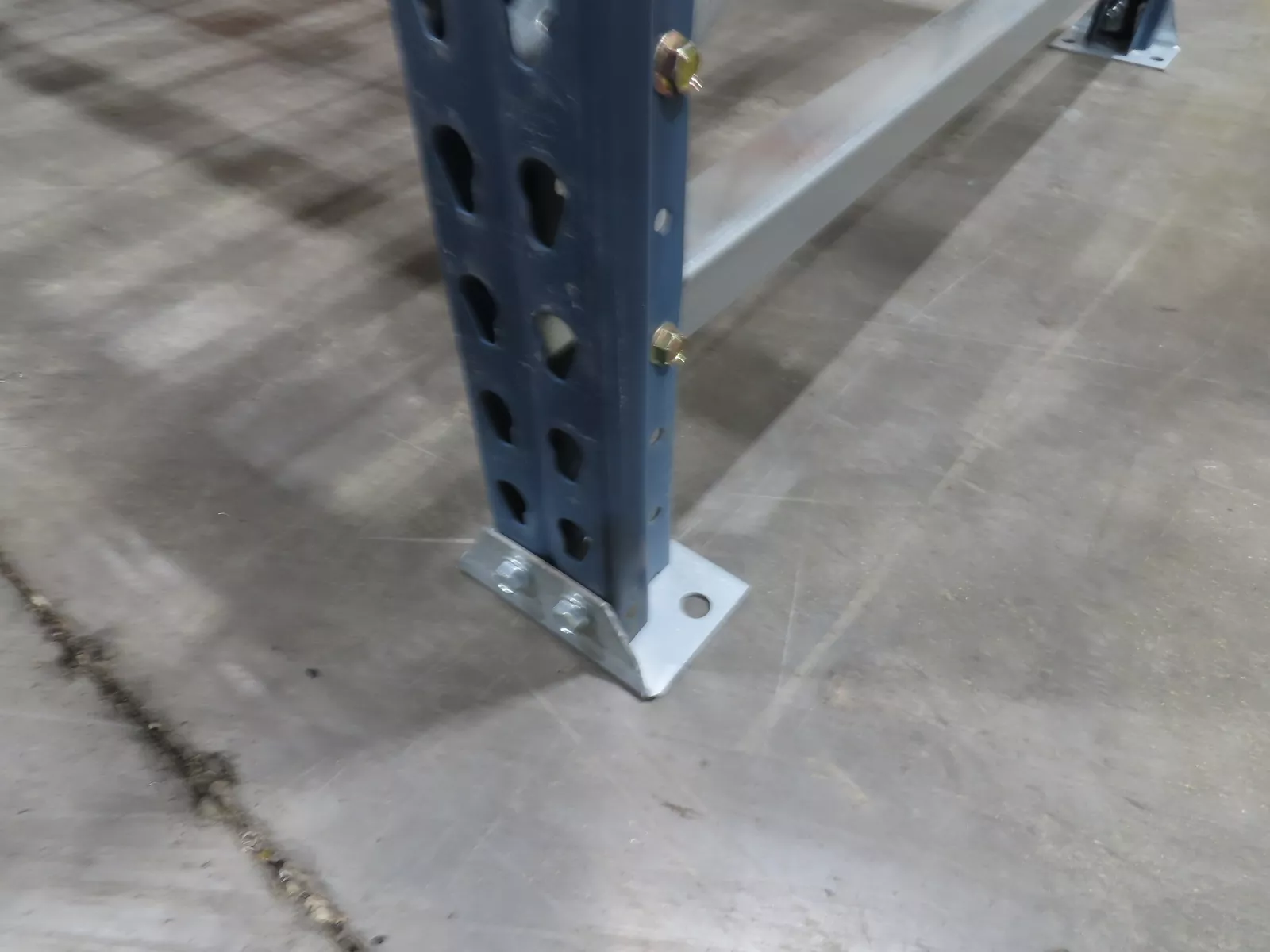
One of the primary regulatory frameworks governing warehouse racking systems is the American National Standards Institute (ANSI) and the Rack Manufacturers Institute (RMI) guidelines. ANSI/RMI MH16.1 outlines the design, testing, and maintenance of industrial steel storage racks, providing a comprehensive framework to prevent structural failures. For example, if you’re considering drive-in racking systems, they must be able to withstand the lateral forces generated by the loading and unloading processes. Ignoring these specifics could lead to catastrophic failures, akin to what occurred in a recent warehouse collapse in Illinois, where inadequate racking systems led to injuries and a lawsuit.
Furthermore, Occupational Safety and Health Administration (OSHA) regulations play an essential role in warehouse safety. OSHA’s guidelines dictate that racking systems must be installed properly and inspected regularly. Imagine a bustling e-commerce warehouse that recently expanded its square footage to accommodate an explosion in online retail. Without routine inspections and adherence to OSHA’s standards for load capacities, that expansion could turn into a ticking time bomb. Employers can face fines that escalate into the thousands, not to mention the risk to employee lives.
Moreover, the National Fire Protection Association (NFPA) has specific recommendations related to warehouse racking systems, particularly in terms of fire safety. For instance, NFPA 13 lays out guidelines for sprinkler system rack protection to minimize fire risks. Given the increasing number of warehouses repurposed for e-commerce distribution, with their high-density racking systems filled with flammable materials, adherence to these guidelines can save not only property but also lives.
Understanding and adhering to the specific standards that govern warehouse racking systems is not just about compliance; it’s about safeguarding your operations and enhancing your bottom line. Investing in safety training, conducting regular inspections, and engaging with these well-established standards will set your facility apart from competitors who might be cutting corners. Remember, in the world of warehousing, safety and efficiency go hand in hand, leading to a thriving business that stands the test of time.
What Specific Standards Apply To Warehouse Racking Systems?
What Specific Standards Apply To Warehouse Racking Systems?
- Warehouse efficiency and safety are critical for operations in logistics and warehousing.
- Adherence to safety standards is essential to avoid operational inefficiencies and potential accidents.
- The American National Standards Institute (ANSI) and Rack Manufacturers Institute (RMI) provide guidelines for warehouse racking systems.
- ANSI/RMI MH16.1 outlines the design, testing, and maintenance of industrial steel storage racks.
- OSHA regulations mandate proper installation and regular inspection of racking systems to ensure workplace safety.
- The National Fire Protection Association (NFPA) offers guidelines for fire safety related to warehouse racking systems.
- Investing in safety training and adhering to established standards can differentiate a facility from competitors and enhance operational success.
What Specific Standards Apply To Warehouse Racking Systems?
How Do I Ensure Compliance With OSHA Racking Regulations?
How Do I Ensure Compliance With OSHA Racking Regulations?
When it comes to your warehouse operations, compliance with OSHA racking regulations isn’t just a legal obligation—it’s pivotal for safeguarding your workforce, enhancing productivity, and protecting your bottom line. Ignoring these regulations could spell disaster, resulting in costly penalties and, more importantly, increasing the risk of workplace accidents.
So, how can you ensure your racking systems are OSHA-compliant? Let’s break it down.
1. Know the Regulations Inside and Out
Understanding the specifics of OSHA standards is the first step. Familiarize yourself with the relevant sections in the OSHA standards such as 29 CFR 1910.176. These guidelines outline safe handling, storage, and usage of materials, emphasizing that all racking systems must be adequately designed for the weight they’ll support. Ignorance is not bliss, especially when non-compliance can mean fines that could eat into your annual profits.
2. Conduct Regular Inspections and Maintenance
Regular inspections can spotlight potential issues before they escalate into serious problems. Train your employees to identify hazards like bent beams, corrosion, or loose braces. For instance, during a recent audit in a Chicago warehouse, a major retailer discovered that ignored maintenance led to a collapse, resulting in injuries and significant downtime. Regular checklists should be employed to ensure no corner goes unchecked, and repairs should be documented diligently.
3. Invest in Training Programs
The backbone of compliance is well-trained personnel. Involve your team in comprehensive training that covers the safe use of racking systems and the importance of compliance. Utilize industry experts to develop workshops or online training modules. After all, an informed employee is an empowered employee. Just last September, a retail giant embraced ongoing safety education and reported a 30% reduction in workplace incidents within a year—a win-win in safety and savings.
4. Document Everything
Accurate documentation not only provides solid proof of compliance but also builds a safety-first culture in your organization. Maintain records of inspections, maintenance, and employee training. Should OSHA ever increase scrutiny in your industry (which is often the case with regulatory bodies), you’ll have the documentation to defend your practices.
5. Partner with Experts
If compliance feels overwhelming, consider partnering with a compliance consultant or safety expert. This investment can mitigate risks dramatically. For instance, a comprehensive audit of your racking system by a certified professional could yield recommendations that save you from costly mishaps down the line.
Incorporating these proactive measures into your operation not only fulfills OSHA racking regulations but also manifests a culture of safety, productivity, and accountability—a trifecta that keeps your employees and profits protected. After all, in these uncertain times, a compliant operation is your best safeguard against both risk and reputational damage.

How Do I Ensure Compliance With OSHA Racking Regulations?
How Do I Ensure Compliance With OSHA Racking Regulations?
- Compliance with OSHA racking regulations is crucial for workplace safety and productivity.
- Familiarize yourself with OSHA standards, particularly 29 CFR 1910.176, to avoid costly fines.
- Conduct regular inspections and maintenance to identify and address potential hazards.
- Invest in comprehensive training programs to ensure employees are knowledgeable about safe racking practices.
- Maintain accurate documentation of inspections, maintenance, and training for compliance verification.
- Consider partnering with compliance consultants or safety experts for audits and recommendations.
- Implementing these measures promotes a culture of safety, productivity, and accountability in the workplace.

How Do I Ensure Compliance With OSHA Racking Regulations?
Are There Penalties For Not Following OSHA Guidelines?
Are There Penalties For Not Following OSHA Guidelines?
When it comes to workplace safety, ignoring the Occupational Safety and Health Administration (OSHA) guidelines is not just reckless; it can seriously impact your bottom line. Picture this: your flourishing business suddenly finds itself on the wrong side of OSHA regulations, and what could have been a minor oversight spirals into a costly nightmare. Let’s delve into the potential penalties of non-compliance and why adhering to OSHA standards is not just a legal obligation, but a smart business strategy.
First and foremost, let’s talk numbers. OSHA can levy penalties that reach into the tens of thousands of dollars per violation. In 2023, the maximum penalty for a serious violation can be as high as $15,625, and for willful or repeated violations, this figure can soar to $156,259. Just ask the construction contractor in Texas who was fined over $200,000 for multiple safety violations, including failure to provide proper fall protection. This isn’t just pocket change—it can shatter the financial foundations of a small to medium-sized business.
But the fallout doesn’t stop with fines. A company’s reputation is inextricably linked to its commitment to safety. A publicized OSHA investigation or a serious incident can tarnish a business’s image. Consider the case of a manufacturing firm in Ohio, which faced not only hefty fines for neglecting safety measures but also a significant decline in customer trust. Clients began to question whether their orders were being produced in a safe environment, leading to losses in contracts and a dip in sales. In an era where consumers prioritize responsible businesses, a single misstep can have cascading effects.
In addition, there’s the human cost to consider. Non-compliance can lead to workplace injuries and fatalities, impacting employees and their families. Imagine a scenario where an employee is injured due to insufficient safety measures; not only does it create a rift between management and workers, but it also opens the door to lawsuits that can drain your finances even further.
Lastly, the current climate has shown that OSHA has ramped up its enforcement efforts, especially in industries heavily scrutinized post-pandemic. Facilities in healthcare and warehousing, for instance, are on high alert for compliance as OSHA pivots its focus to ensure worker safety.
The penalties for not following OSHA guidelines extend beyond fines; they can ripple through your business, affecting your reputation, financial stability, and most importantly, the well-being of your employees. Compliance isn’t just a regulatory checkbox—it’s a fundamental pillar of sustainable, responsible business practices.
Are There Penalties For Not Following OSHA Guidelines?
Are There Penalties For Not Following OSHA Guidelines?
- Ignoring OSHA guidelines can lead to severe financial consequences for businesses, including hefty fines.
- In 2023, penalties can reach up to $15,625 for serious violations and $156,259 for willful or repeated violations.
- Non-compliance can damage a company’s reputation, leading to loss of customer trust and contracts.
- Workplace injuries from insufficient safety measures can result in lawsuits, further straining finances.
- OSHA has increased enforcement efforts, particularly in industries such as healthcare and warehousing.
- Non-compliance impacts employee well-being, creating rifts between management and workers.
- Adhering to OSHA standards is crucial for sustainable and responsible business practices.

Are There Penalties For Not Following OSHA Guidelines?
Where Can I Find Industry Best Practices For Racking?
Where Can I Find Industry Best Practices for Racking?
When navigating the labyrinthine world of racking systems, it’s no secret that the right resources can save you both time and money. If you’re searching for the best practices that high-performing organizations are utilizing to optimize their racking solutions, look no further.
First, consider tapping into industry associations such as the Material Handling Industry (MHI) or the Rack Manufacturers Institute (RMI). These organizations don’t just parade statistics; they’re treasure troves of white papers, case studies, and guidelines that reflect the pulse of modern warehousing. For instance, their annual industry reports often highlight trends that could be instrumental for your own racking systems. With a focus on safety, efficiency, and innovative designs, these resources can help you identify what’s working—and what’s not—in real-time.
Next, harness the power of webinars and online training sessions hosted by veterans in the field. Companies like Ace and Promat regularly host events bringing together thought leaders to discuss the latest practices and technologies in racking. For example, just last month, a webinar focused on optimizing racking layouts in response to supply chain shifts has garnered significant attention, as distributors grapple with real-time challenges that disrupt inventories across the globe. If you missed it, don’t fret; most of these events are recorded and conveniently archived so you can catch up at your own pace.
Another potent strategy is to engage directly with your peers through industry forums and social media groups. Platforms like LinkedIn have become indispensable for professionals looking to share insights and experiences. Don’t shy away from asking specific questions about racking best practices. You may find more seasoned experts eager to share wisdom accumulated through years of implementing and refining their systems. Remember, every insightful comment you read could trigger new ideas on maximizing your own racking solutions.
Lastly, never underestimate the value of equipment manufacturers’ resources. Companies such as Toyota Material Handling and SSI Schaefer often provide in-depth guides and FAQs on their websites, addressing everything from product selection to installation techniques. By leveraging their expertise, you can discover innovative systems tailored to current market conditions, further optimizing your warehouse operations.
In summary, navigating the racking landscape necessitates an arsenal of resources. By combining insights from industry associations, webinars, peer discussions, and equipment manufacturers, you’ll find an abundance of best practices designed to elevate your racking strategy to new heights—keeping you ahead of the competition in an ever-evolving marketplace.
Where Can I Find Industry Best Practices For Racking?
Where Can I Find Industry Best Practices For Racking?
- Utilize industry associations like the Material Handling Industry (MHI) and the Rack Manufacturers Institute (RMI) for white papers, case studies, and guidelines.
- Refer to annual industry reports from these organizations to stay updated on trends in racking systems.
- Participate in webinars and online training sessions hosted by industry veterans for insights into the latest racking practices and technologies.
- Engage with peers in industry forums and social media groups, like LinkedIn, to share insights and ask questions about racking best practices.
- Explore resources provided by equipment manufacturers, such as Toyota Material Handling and SSI Schaefer, for guidance on product selection and installation techniques.
- Combine insights from various sources to discover innovative strategies tailored to current market conditions.
- Leverage these collective resources to enhance your racking strategy and maintain a competitive edge in the evolving marketplace.

Where Can I Find Industry Best Practices For Racking?
How Can I Determine If My Racking System Is Compliant?
Ensuring that your racking system is compliant may feel like a daunting task, but fear not—it’s not just a regulatory obligation; it’s a strategic advantage. Staying ahead in today’s fast-paced business landscape requires not only compliance but also confidence that your warehouse operations are efficient and safe.
Start with a comprehensive evaluation of your racking system. Begin by consulting the latest standards set forth by organizations such as the American National Standards Institute (ANSI) and the Occupational Safety and Health Administration (OSHA). For instance, the ANSI/National Rack and Shelving Association’s standards can serve as your baseline. Ensure that your rack systems are designed and installed according to these guidelines. It’s worth noting that non-compliance not only risks substantial fines but could also expose you to serious liability issues—something no business can afford.
Next, review your documentation. This includes:
1. Blueprints and design schematics: Ensure that what was initially diagrammed conforms to what’s actually assembled.
2. Inspection reports: Regularly scheduled inspections by qualified personnel can prevent catastrophe. Make sure to log these inspections and take corrective actions if issues arise.
3. Load specifications: Current events highlight the importance of exceeding merely minimum thresholds. With supply chain disruptions in the news, consider whether your racking can handle unexpected inventory surges. Adjust your load calculations to account for potential increases in stock.
Bringing in an external compliance expert can also provide a fresh perspective and catch potential issues you might overlook. Their trained eyes can identify flaws or necessary improvements you didn’t even consider—like ensuring seismic compliance following events such as recent earthquakes reported in various regions.
Furthermore, implementing an ongoing maintenance program is a key factor in ensuring compliance. Regular checks for wear and tear and immediate repairs can keep your systems within safe operational limits. Perhaps consider digital solutions: innovative software solutions track compliance metrics, safety inspections, and maintenance schedules seamlessly.
Finally, foster a company culture that prioritizes safety and compliance. Train your staff on the importance of maintaining the integrity of the racking system; easy-to-follow guidelines and checklists can empower them to spot potential hazards before they spiral out of control.
The road to compliance is not just about ticking boxes; it’s an imperative for growth and sustainability. Evaluate, document, maintain, and educate—these steps will transform compliance from a burden into a business boon! Take charge now and elevate your operations to new heights while sealing your brand’s reputation as the industry leader in safety and reliability.
How Can I Determine If My Racking System Is Compliant?
How Can I Determine If My Racking System Is Compliant?
- Compliance with racking systems is not only a legal obligation but also a strategic advantage for efficient warehouse operations.
- Consult the latest standards from organizations like ANSI and OSHA to ensure racking systems are designed according to guidelines.
- Regularly review important documentation, including blueprints, inspection reports, and load specifications, to maintain compliance.
- Consider hiring external compliance experts to identify potential issues and ensure adherence to safety requirements.
- Implement a maintenance program with regular inspections and repairs to keep racking systems within safe operational limits.
- Promote a company culture focused on safety and compliance through staff training and the use of easy-to-follow guidelines.
- Transform compliance from a burden into a business advantage by evaluating, documenting, maintaining, and educating on safety practices.
How Can I Determine If My Racking System Is Compliant?
What Resources Are Available For Warehouse Safety Training?
In the fast-paced world of warehousing and logistics, safety is non-negotiable. With the increasing frequency of workplace accidents resulting in severe injuries and even fatalities, it has never been more crucial for business leaders to invest in robust safety training programs. The good news? A plethora of resources is available to ensure employees are equipped with the knowledge and skills to maintain a safe working environment.
Online Training Platforms
Gone are the days when safety training meant long, dreary lectures. Today, dynamic online platforms like SafetySkills and 360training offer comprehensive courses tailored specifically for warehouse settings. These platforms provide interactive content, engaging videos, and real-world scenarios that help reinforce essential safety protocols. Moreover, recent advancements in artificial intelligence have enabled these platforms to customize training based on job roles, ensuring employees receive tailored content that addresses their specific risks.
Industry Associations
Organizations such as the Occupational Safety and Health Administration (OSHA) and the National Safety Council provide a wealth of resources to bolster warehouse safety compliance. Their training programs and webinars are particularly relevant in light of recent regulatory changes and heightened scrutiny on workplace safety standards. By participating in these programs, businesses can not only ensure compliance but also foster a culture of safety that resonates with employees—thereby reducing turnover and boosting morale.
On-Site Training Experts
Consider leveraging on-site training services offered by experts in the field. Companies like Safety Maturity provide personalized training sessions that are conducted right in the warehouse. Not only does this foster an interactive environment, but it also allows for contextual learning—trainees can practice safe handling of machinery while under the guidance of a seasoned professional. Post-training assessments ensure that the knowledge gained is effectively translated into practice.
Mobile Applications
In an era where mobile technology is ubiquitous, safety apps like SafetyCulture are revolutionizing the way employees record and report safety concerns. These applications facilitate real-time incident reporting and checklist management, ensuring that safety protocols are followed consistently. With the rise of a younger workforce that prefers tech-based solutions, using these tools can also enhance employee engagement and accountability.
Continuous Education
Don’t forget the power of continuous education. Subscribing to newsletters from safety organizations and engaging in webinars keeps your team informed about the latest safety trends, innovations, and emerging regulations—all critical for maintaining a safe and compliant warehouse environment.
In summary, the resources available for warehouse safety training are diverse and ever-evolving. Embracing these options not only mitigates risk but also positions your business as an industry leader committed to employee well-being. Making safety a priority is not just good ethics—it’s smart business.

What Resources Are Available For Warehouse Safety Training?
What Resources Are Available For Warehouse Safety Training?
- Safety is crucial in warehousing and logistics due to increasing workplace accidents.
- Online training platforms like SafetySkills and 360training offer interactive courses tailored for warehouse settings.
- Industry associations such as OSHA and the National Safety Council provide valuable resources for compliance and training.
- On-site training from experts allows for contextual learning and practical experience in safe handling of machinery.
- Mobile applications like SafetyCulture enhance real-time reporting and management of safety concerns.
- Continuous education through newsletters and webinars keeps teams updated on safety trends and regulations.
- Investing in safety training is essential for mitigating risks and establishing a culture of safety in the workplace.
What Resources Are Available For Warehouse Safety Training?
How Often Should I Review OSHA Regulations For Racking?
How Often Should I Review OSHA Regulations for Racking?
In the world of warehousing and logistics, the stakes are impossibly high: safety, efficiency, and compliance are not just industry buzzwords; they are the lifeblood of your operations. When it comes to racking systems, ignorance can be dangerous—and expensive. So, how often should you review OSHA regulations for racking to ensure you’re on the right side of safety and legality?
Schedule Regular Reviews: Just like you wouldn’t allow a client to dictate when you need to review your finances or marketing strategies, you can’t afford to let complacency take root in your safety protocols. Ideally, a quarterly review of OSHA regulations related to racking systems is essential. This regular schedule allows you to stay ahead of any regulatory changes and ensures that your compliance measures are always aligned with current best practices. For instance, if OSHA introduces new guidelines aimed at minimizing risks, you’ll want to know about it right away, not after a significant incident.
Stay Updated on Current Events: The business landscape is always shifting. Events such as the increase in e-commerce demands or recent supply chain disruptions due to global crises signal that the standards you relied on last year may no longer apply. For example, if racking systems are being pushed to their limits to accommodate higher throughput, are you still adhering to the load limits defined by OSHA? Being proactive about reviewing regulations ensures you protect your employees and assets amidst evolving market dynamics.
Training and Compliance Audits: Important as it is to know the regulations, ensuring that your team understands and implements these standards is vital. Conduct training sessions at least twice a year, which provides an excellent opportunity to revisit OSHA requirements. Combine this with an annual compliance audit of your racking systems, and you’ll be creating a culture of safety that can prevent accidents and ultimately save your business money. For example, last year a leading logistics company faced a hefty fine after failing to address a minor violation regarding racking safety—an easily avoidable cost of ignorance.
Ultimately, to navigate the complexities of OSHA regulations for racking systems efficiently, you must commit to an ongoing cycle of review, training, and application. Not only does this keep your workforce safe, but it also positions your business as a leader in compliance, giving you an edge over competitors who might take the regulations lightly. In a game where the price of negligence involves legal fees and loss of reputation, staying informed is non-negotiable. Review, adapt, and excel in safety.

How Often Should I Review OSHA Regulations For Racking?
How Often Should I Review OSHA Regulations For Racking?
- Safety, efficiency, and compliance are critical in warehousing and logistics.
- Conduct quarterly reviews of OSHA regulations related to racking systems to stay updated.
- Stay informed about current events that may affect compliance standards, such as e-commerce demands.
- Regularly check adherence to load limits and guidelines set by OSHA.
- Conduct training sessions on OSHA requirements at least twice a year.
- Implement an annual compliance audit of racking systems to foster a culture of safety.
- Commit to ongoing review, training, and application to maintain compliance and ensure worker safety.
How Often Should I Review OSHA Regulations For Racking?
Conclusion
Conclusion: Navigating OSHA Warehouse Racking Regulations with Confidence
In today’s rapidly evolving industrial landscape, having a thorough grasp of OSHA warehouse racking regulations is vital for maintaining not just compliance but also the safety and productivity of your operations. As we journey through the complexities of regulatory frameworks, it becomes clear that the responsibility of safeguarding your workplace goes far beyond simply avoiding fines—it encompasses the protection of your most valuable asset: your employees.
Start by familiarizing yourself with OSHA’s standards, particularly 29 CFR 1910.176, which outlines essential safety protocols for material handling and storage. This groundwork allows you to build a solid foundation for your warehouse practices. But don’t stop there; leverage resources from leading industry organizations such as the Material Handling Industry (MHI) and the Rack Manufacturers Institute (RMI) to deepen your understanding. Remember, recent changes and trends—exacerbated by events like the pandemic—demand that warehousing operations remain vigilant and well-informed. Your facility can no longer afford to cut corners in safety compliance, particularly in light of increased scrutiny across essential sectors.
Moreover, consider partnering with safety consultants or industry experts who can provide tailored insights and proactive solutions to ensure your racking systems align with the latest regulations. Their expertise can illuminate the often-overlooked nuances of compliance, from regular inspections to employee training programs that foster a safety-first culture.
Take actionable steps today: review your racking system compliance, engage your team in ongoing safety training, and routinely audit your operations. Document everything meticulously to build a transparent safety history that not only defends against potential penalties but also cultivates a reputation built on trust.
Don’t let indecision or complacency put your operation at risk. The consequences of non-compliance ripple throughout your organization—affecting profitability, employee morale, and your company’s standing in the marketplace. By cultivating an environment of safety and adherence to regulations, you position your business for resilience and growth amidst uncertainty.
At Arrow Industrial Sales, we understand the maze of OSHA regulations can feel overwhelming, but you don’t have to navigate it alone. Take decisive action—call us at (574) 349-6575 today and equip your operations with the knowledge and resources necessary to thrive while ensuring safety and compliance are at the forefront of your warehouse management practices. Remember, acting now means not only safeguarding your employees and investments but also securing your business’s future. Don’t wait; make your warehouse a beacon of safety and compliance!
Conclusion
Conclusion:
- Understanding OSHA warehouse racking regulations is essential for compliance, safety, and productivity.
- Familiarize yourself with OSHA’s standards, especially 29 CFR 1910.176, for material handling and storage safety protocols.
- Utilize resources from the Material Handling Industry (MHI) and the Rack Manufacturers Institute (RMI) to enhance knowledge.
- Stay informed about recent regulatory changes and industry trends that impact warehousing operations.
- Consider partnering with safety consultants for tailored compliance insights and solutions.
- Regularly review racking system compliance, engage in ongoing safety training, and document operations for transparency.
- Contact Arrow Industrial Sales for guidance on navigating OSHA regulations and ensuring safety in warehouse management.
Conclusion
Other Resources
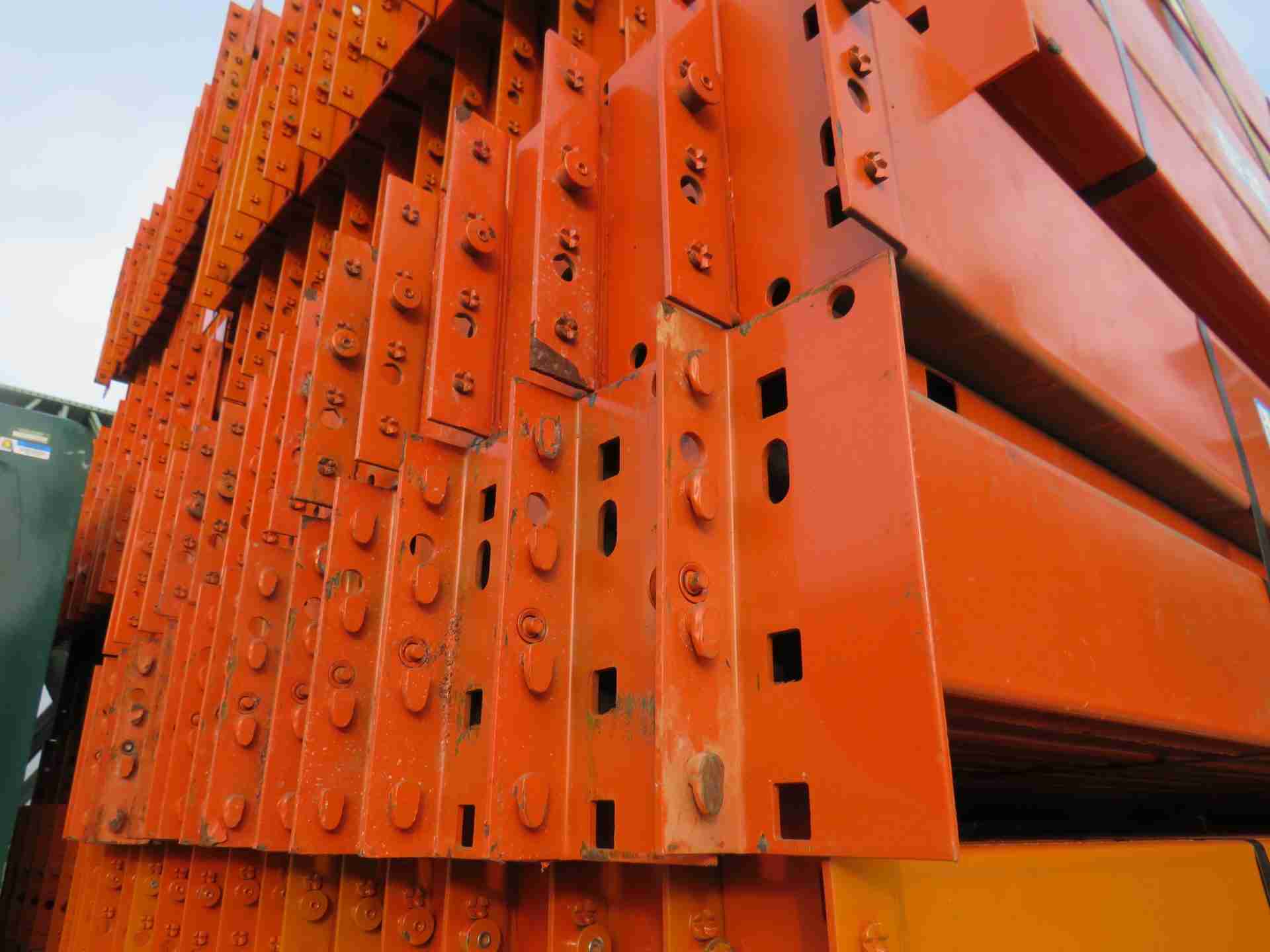
Other Resources
Here is a list of other resources you can review online to learn more:
- “1910.176 – Handling materials – general.”
- “1910 Subpart N – Materials Handling and Storage”
- “1910 | Occupational Safety and Health Administration”
- “29 CFR Part 1910 Subpart N — Materials Handling and …”
- “Materials Handling and Storage”
- “Warehousing – Know the Law | Occupational Safety and …”
- “Understanding OSHA Requirements for Warehouse Racking”
- “1910 – Table of Contents | Occupational Safety and Health …”
Use This Prompt To Get More Resources With Your Favorite Online AI Tool: Please provide me with a list of online articles with their URLS in a bulleted list that I can read regarding How to Find OSHA Warehouse Racking Regulations?
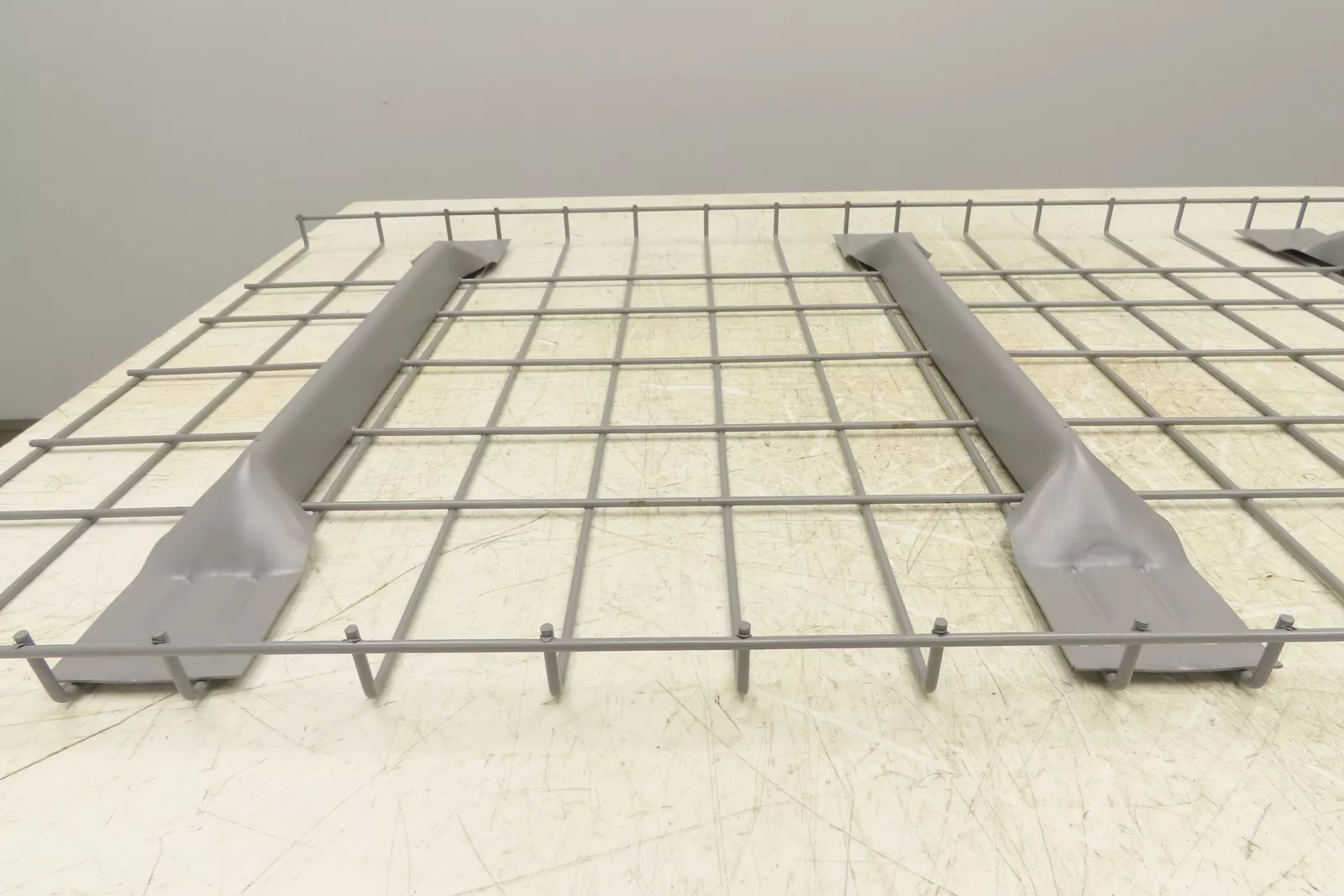
Other Resources
Glossary Terms
How to Find OSHA Warehouse Racking Regulations? – Glossary Of Terms
1. OSHA (Occupational Safety and Health Administration): A federal agency that sets and enforces workplace safety standards in the United States.
2. Warehouse Racking: The framework or system used for storing goods in a warehouse, typically consisting of vertical storage units and shelves.
3. Regulations: Rules or directives made and maintained by authorities to ensure safety and compliance in specific environments, such as warehouses.
4. Compliance: The act of conforming to established guidelines or regulations, ensuring safety measures are followed.
5. Standards: Established criteria or norms, often set by regulatory bodies, that specify safety measures for equipment, including racking systems.
6. Forklift Safety: Guidelines and practices to ensure the safe operation of forklifts in warehouse environments, particularly around racking systems.
7. Load Capacity: The maximum weight that a racking system can safely support, specified by manufacturers and regulators.
8. Inspection: The process of evaluating warehouse racking systems to ensure they meet safety and regulatory standards.
9. Safety Data Sheet (SDS): A document that outlines the hazards of a material and the safety measures needed to handle it, relevant when managing stored goods.
10. Aisle Width: The space between racks that allows for safe movement of personnel and equipment; regulated to ensure accessibility and safety.
11. Storage Density: The amount of storage space utilized in a warehouse; high-density storage can increase risks if not properly managed.
12. Fall Protection: Safety measures, including guardrails and harnesses, designed to protect workers from falling when working at heights.
13. Seismic Safety: Standards and practices to ensure racking systems can withstand earthquakes, particularly important in seismically active regions.
14. Material Handling: The movement, protection, storage, and control of materials within a warehouse, closely aligned with racking practices.
15. Pallet: A flat transport structure that supports goods in a stable fashion for storage and movement, commonly used with racking systems.
16. Racking System Types: Various designs of racking, including selective, drive-in, and push-back, each with unique safety requirements.
17. Weight Distribution: The manner in which weight is spread across a racking system, crucial for maintaining stability and preventing collapse.
18. Load Securing: Methods to ensure that items are properly secured on racks to prevent shifting or falling.
19. Training: Programs designed to inform workers about safe racking practices and compliance with OSHA regulations.
20. Incident Report: Documentation detailing any accidents or injuries related to warehouse operations, crucial for identifying compliance failures.
21. Audit: A systematic examination of a warehouse’s safety practices and adherence to regulations, including racking safety.
22. Workplace Hazards: Potential dangers found in the workplace, including improper racking that could lead to injury or damage.
23. Design Specifications: Detailed requirements and guidelines used to design warehouse racking systems in compliance with safety standards.
24. Ergonomics: The study of how workers interact with their environment; important for minimizing strain during material handling in warehouses.
25. Reporting Requirements: Regulations that necessitate the recording and reporting of specific incidents or non-compliance to OSHA.
26. Telehandler: A type of equipment often used in warehouses to lift and move materials, requiring its own safety considerations around racking.
27. Safety Audit Tools: Instruments or checklists used to evaluate compliance and safety in warehouse environments.
28. Risk Assessment: The process of identifying, evaluating, and mitigating risks associated with warehouse operations, including racking.
29. Emergency Response Plan: A strategy for responding to emergencies, including accidents resulting from racking failures.
30. Documentation: Records related to safety inspections, compliance, and training, which are essential for OSHA audits and evaluations.

Glossary Of Terms
Other Questions
How to Find OSHA Warehouse Racking Regulations? – Other Questions
If you wish to explore and discover more, consider looking for answers to these questions:
- What are the consequences of failing to comply with racking regulations?
- How can I train my employees on OSHA safety regulations effectively?
- What specific roles in a warehouse should be trained on OSHA regulations?
- How often should racking systems be inspected for compliance?
- What resources are best for staying current on OSHA updates?
- Are there specific certifications required for warehouse safety trainers?
- How do OSHA regulations differ for various types of warehouses?
- What technology can assist in ensuring compliance with racking regulations?
- How can I find legal advice specific to warehouse safety compliance?
- What should I do if my racking systems are found to be non-compliant?
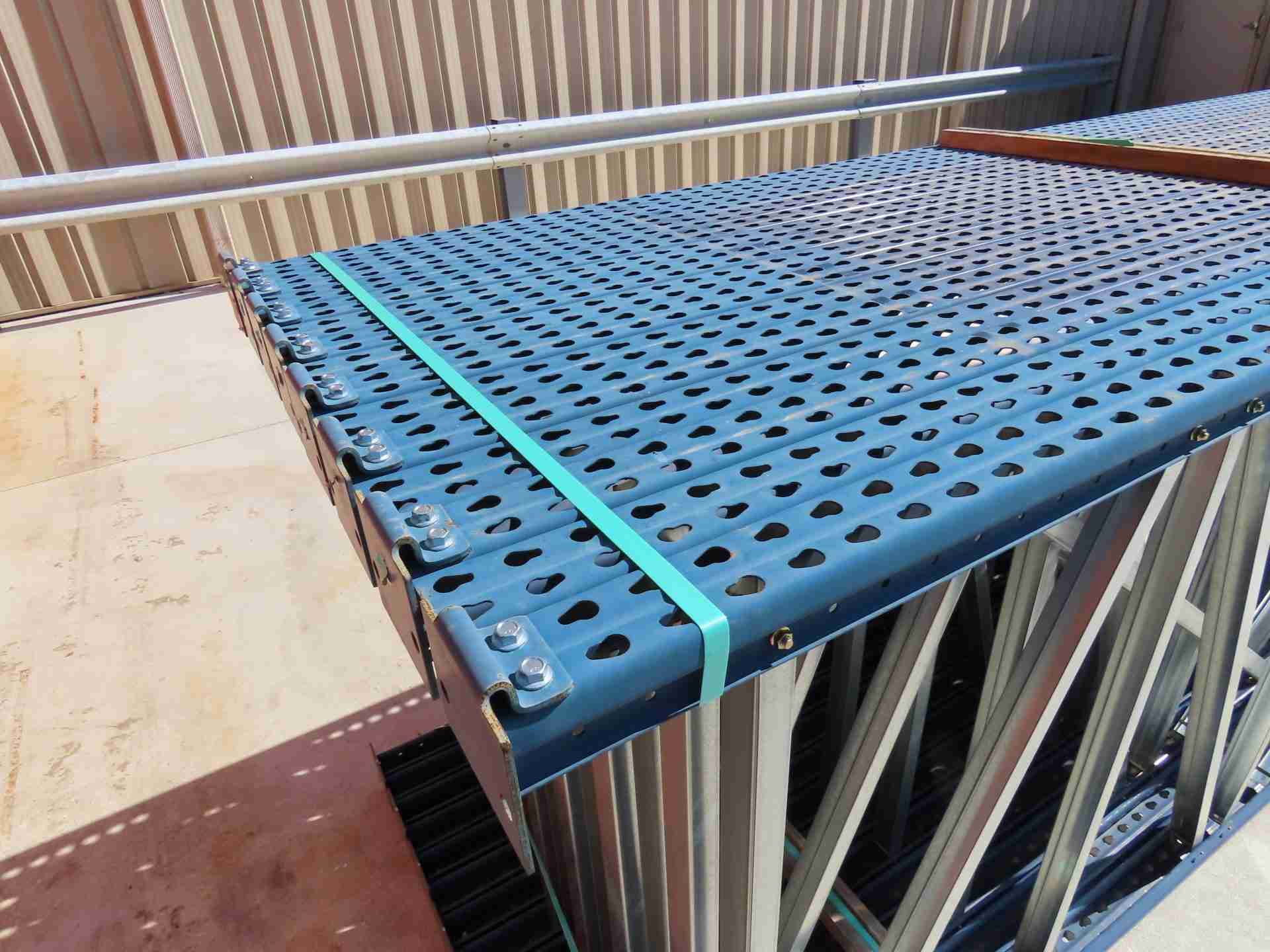
Other Questions
Checklist
How to Find OSHA Warehouse Racking Regulations? – A Checklist
1. Understanding Basic Regulations
_____ Familiarize yourself with the OSHA (Occupational Safety and Health Administration) guidelines.
_____ Review 29 CFR 1910, with a focus on Subpart N for material handling and storage.
_____ Keep updated on the General Duty Clause to identify potential hazards in your warehouse.
2. Utilizing Resourceful Websites
_____ Navigate directly to the official OSHA website: [osha. gov](https://www. osha. gov).
_____ Explore the “Standards” section for specific regulations pertinent to warehouse racking.
3. Engaging with Industry Associations
_____ Access insights and documentation from the Material Handling Industry (MHI).
_____ Consult guidelines from the Rack Manufacturers Institute (RMI) on design and safety.
4. Conducting Regular Inspections
_____ Schedule routine inspections of your racking systems.
_____ Use a checklist during inspections to ensure no area is overlooked.
_____ Document and address any maintenance issues promptly.
5. Training and Education
_____ Implement ongoing training programs for employees on OSHA guidelines related to warehouse racking.
_____ Encourage employees to report unsafe conditions without fear of retaliation.
_____ Host safety training sessions at least twice a year.
6. Consulting with Experts
_____ Consider hiring safety consultants for compliance audits.
_____ Attend webinars and industry conferences to stay informed on best practices.
7. Documentation Practices
_____ Maintain records of inspections, training, and compliance audits.
_____ Ensure that blueprints and schematics match the current racking system assembly.
8. Following Safety Standards
_____ Familiarize yourself with ANSI/RMI MH16. 1 for industrial steel storage racks.
_____ Check for compliance with National Fire Protection Association (NFPA) guidelines related to fire safety.
9. Staying Updated
_____ Subscribe to safety newsletters and forums for the latest updates on OSHA regulations.
_____ Schedule quarterly reviews of OSHA regulations relevant to your warehouse racking systems.
10. Promoting a Safety Culture
_____ Foster an environment of open communication about safety concerns.
_____ Encourage all team members to actively participate in safety practices and compliance.
By following this checklist, you’ll be on the right path to ensuring that your warehouse racking systems are compliant with OSHA regulations, thereby promoting a safer and more efficient workspace.
Checklist
At RackingWorld, we help guide you through selecting warehouse storage systems and racking.
Be sure to read our other related stories at RackingWorld to learn more about warehouse storage systems.
0 Comments