
Maximizing Efficiency And Organization In Your Warehouse Setup
By Tom Seest
At RackingWorld, we help guide you through selecting warehouse storage systems and racking.
Be sure to read our other related stories at RackingWorld to learn more about warehouse storage systems.
What Is Warehouse Racking?
In the fast-paced world of logistics and warehousing, maximizing efficiency and optimizing space is not just a goal—it’s a necessity. Warehouse racking systems are the backbone of any effective warehousing operation. These structures are designed to store goods and materials in a systematic way, minimizing waste and ensuring accessibility. Why does this matter? Because today’s market demands speed and efficiency, and your racking system is key to achieving that.
At its core, warehouse racking is about organization. Think of it as your warehouse’s organizational chart, categorizing and prioritizing inventory in a way that promotes easy retrieval and management. Whether you operate a bustling e-commerce hub or a traditional brick-and-mortar store’s inventory room, a well-planned racking system can make all the difference. Look at major players like Amazon; their impressive fulfillment centers utilize advanced racking solutions to maintain seamless operations and quick turnaround times.
There are numerous types of racking systems available in the marketplace, each tailored to specific needs. For instance, selective pallet racking is the most commonly used method, offering easy access to individual pallets. If you run a business with a wide variety of products but low quantities of each, this system allows for quick picking directly from the aisles. On the other hand, drive-in and drive-through racking systems are perfect for businesses that deal with bulk quantities, allowing for dense storage while maximizing space. In times when supply chains are under strain—as seen during the global disruptions caused by the COVID-19 pandemic—the ability to make the most of your warehouse space is more critical than ever.
Moreover, consider the surge in e-commerce transactions brought on by recent world events. With demands for prompt delivery at an all-time high, investing in modern racking solutions can position your business to meet these challenges head-on. High-density racking allows for the storage of a variety of products while still ensuring easy access, helping you fulfill orders with speed and accuracy.
In sum, warehouse racking is not merely a storage solution; it’s a strategic tool that can greatly enhance your operational efficiency and customer satisfaction. With the rapid evolution of retail dynamics and consumer expectations, now is the time to evaluate your racking system and make necessary enhancements. Don’t let your competitors leave you behind. Invest in effective warehouse racking today and watch your business thrive.
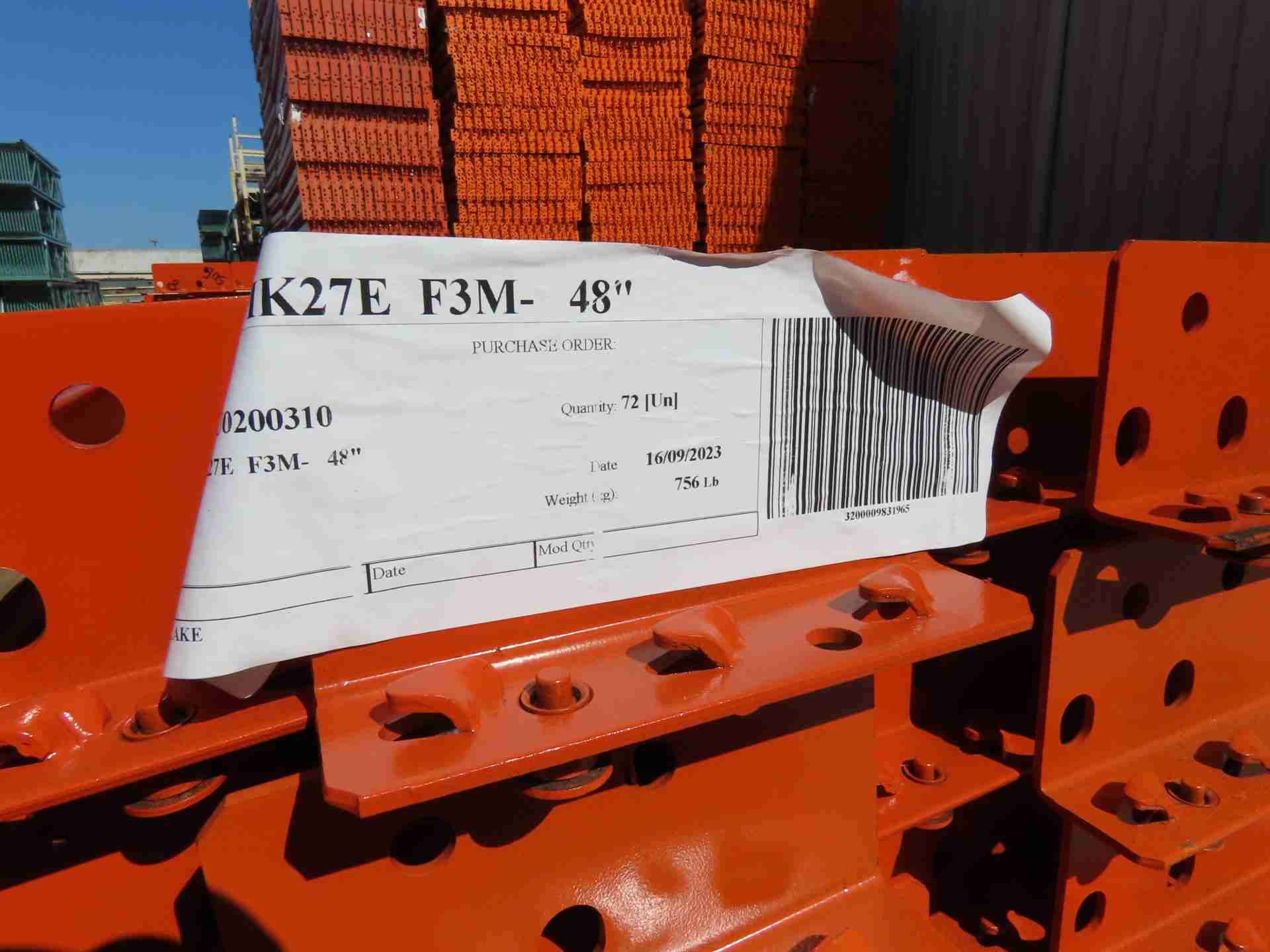
What Is Warehouse Racking?
What Is Warehouse Racking?
- Warehouse racking systems are essential for maximizing efficiency and optimizing space in logistics and warehousing.
- These systems help organize inventory, promoting easy retrieval and management, akin to an organizational chart.
- Major companies like Amazon leverage advanced racking solutions for seamless operations and quick turnaround times.
- Common racking types include selective pallet racking for easy individual access and drive-in/drive-through systems for dense bulk storage.
- Modern racking is critical during supply chain disruptions, such as those caused by the COVID-19 pandemic.
- High-density racking solutions support the surge in e-commerce, ensuring quick order fulfillment and customer satisfaction.
- Businesses should evaluate and invest in effective racking systems to keep up with evolving retail dynamics and consumer expectations.

What Is Warehouse Racking?
Table Of Contents
- What Is Warehouse Racking?
- What Is Warehouse Racking And Why Is It Important?
- What Are The Different Types Of Warehouse Racking Systems?
- How Do I Choose The Right Racking System For My Warehouse?
- What Factors Should Be Considered When Designing A Racking Layout?
- What Are The Key Benefits Of Using Warehouse Racking?
- How Does Warehouse Racking Improve Space Utilization?
- What Safety Regulations Apply To Warehouse Racking Systems?
- How Can I Maintain My Warehouse Racking For Longevity?
- What Are Common Mistakes In Warehouse Racking Design?
- How Does Warehouse Racking Affect Inventory Management?
- What Technologies Can Enhance Warehouse Racking Efficiency?
- How Can I Retrofit Existing Systems With Modern Racking Solutions?
- What Is The Cost Of Implementing Warehouse Racking Systems?
- How Do Seasonal Fluctuations Impact Warehouse Racking Needs?
- What Role Does Warehouse Racking Play In Supply Chain Optimization?
- Conclusion
- Other Resources
- Glossary Of Terms
- Other Questions
- Checklist
What Is Warehouse Racking And Why Is It Important?
Warehouse racking is the backbone of any efficient storage operation, crucial for maximizing space and improving productivity. Simply put, it refers to the system of shelves, beams, and frameworks used to organize and store goods in warehouses or retail environments. When strategically designed and employed, warehouse racking can significantly enhance inventory management, streamline operations, and reduce costs—benefits every business should aspire to achieve.
Consider a thriving e-commerce company during the recent surge in online shopping. As demand skyrocketed, the need for effective inventory control and swift order fulfillment became paramount. A well-organized racking system allowed these companies to store a diverse range of products—ranging from small electronics to bulky furniture—while optimizing floor space. Take, for instance, a popular home goods retailer that adopted high-density racking solutions, effectively tripling their storage capacity. This transformation allowed them to meet customer expectations for quick delivery without requiring additional warehouse space, ultimately leading to a substantial boost in customer satisfaction and retention.
Warehouse racking is particularly important in today’s climate of supply chain volatility, where businesses are challenged with managing fluctuating inventories and the need for rapid fulfillment. A recent study highlighted that companies leveraging advanced racking systems reported a 30% improvement in their inventory turnover rates. This is critical in a market where every second counts, and where operational efficiency can be the difference between profit and loss.
Moreover, the safety factor cannot be overlooked. Proper warehouse racking minimizes the risk of accidents, which is not only essential for protecting employees but also for maintaining compliance with occupational safety regulations. For instance, a leading global logistics provider invested in reinforced pallet racking and safety equipment, reducing workplace accidents by 40% over one year! Not only do such proactive measures safeguard workers, but they also enhance a company’s reputation, building trust with customers and clients alike.
Warehouse racking is more than just a storage solution; it’s a strategic asset essential for thriving in a competitive market. By investing in a high-quality racking system, businesses can enhance efficiency, boost safety, and position themselves to adapt to current and future marketplace demands. Don’t let outdated practices weigh you down—embrace innovative racking solutions today!
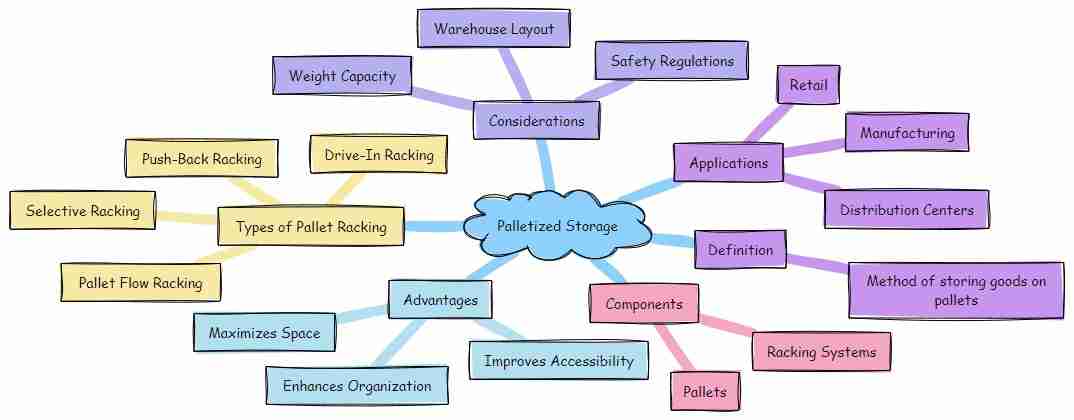
What Is Warehouse Racking And Why Is It Important?
What Is Warehouse Racking And Why Is It Important?
- Warehouse racking is essential for optimizing storage space and improving productivity in warehouses and retail environments.
- A well-organized racking system enhances inventory management and streamlines operations, reducing costs for businesses.
- Increases in e-commerce demand have highlighted the need for effective inventory control and fast order fulfillment through efficient racking systems.
- High-density racking solutions can significantly enhance storage capacity, as seen with a popular home goods retailer that tripled their capacity.
- Advanced racking systems can improve inventory turnover rates by up to 30%, essential in a fast-paced market.
- Proper racking minimizes workplace accidents, ensuring employee safety and compliance with safety regulations, as demonstrated by a logistics provider reducing accidents by 40%.
- Investing in high-quality racking systems is a strategic move that enhances efficiency, safety, and adaptability in a competitive market.
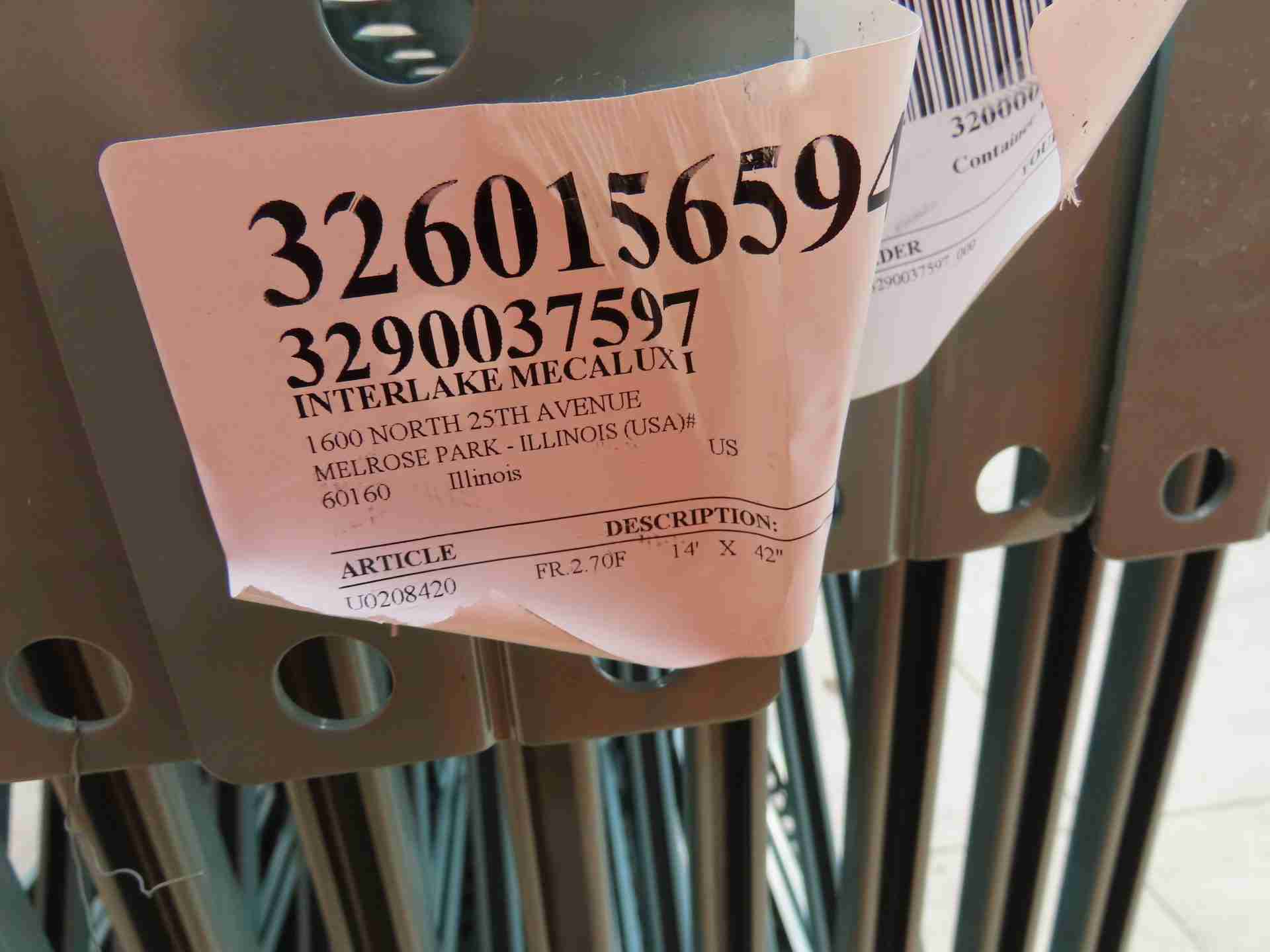
What Is Warehouse Racking And Why Is It Important?
What Are The Different Types Of Warehouse Racking Systems?
In the world of warehousing and logistics, the right racking system can revolutionize your storage efficiency, maximize your space, and drastically improve order fulfillment. Understanding the various racking systems available is crucial in selecting the one that aligns perfectly with your operational needs and goals. Here’s a closer look at the most prevalent types of warehouse racking systems.
1. Selective Racking
This is the bread-and-butter choice for most warehouses. Selective racking offers easy access to each pallet, allowing for the storage of large quantities of different items. With its adjustable shelves and uprights, it’s as versatile as it is effective. Retail giants like Amazon often implement this system to ensure their products are always ready to ship, thus supporting their robust logistics framework.
2. Drive-In/Drive-Through Racking
For those looking to maximize storage density, drive-in or drive-through racking is an excellent choice. This system allows forklifts to enter the racking lanes, storing pallets in multiple depths. Ideal for high-volume, low-variability inventory, this system is particularly suited to cold storage warehouses, as it enables efficient use of space while minimizing the surface area exposed to warm air. Recent supply chain challenges have underscored the need for such efficient storage solutions, further pushing businesses to optimize their space.
3. Pallet Flow Racking
Considered the backbone of “first in, first out” (FIFO) inventory systems, pallet flow racking uses a gravity-driven conveyor system to rotate stock effectively. This is vital for products with expiration dates, such as food and pharmaceuticals. As supply chain disruptions have highlighted the importance of shelf-life management, industries are increasingly pivoting towards this innovation to prevent waste while maintaining efficiency.
4. Cantilever Racking
For those dealing with bulky or long items, such as lumber or pipe, cantilever racking provides an ideal solution. With vertical storage arms, this system allows for easy loading and unloading without the obstruction of shelves. It’s the racking solution of choice for businesses in construction and manufacturing, where size and weight often complicate storage options.
5. Mezzanine Racking
Combining storage and workspaces, mezzanine racking systems are ideal for maximizing vertical space. By adding a raised floor within your facility, you effectively double your storage capacity without the need for a larger building. This is particularly relevant in today’s real estate market, where space is at a premium.
Ultimately, choosing the right racking system can drive efficiency and productivity within your warehouse. As we navigate a rapidly evolving marketplace, staying informed about these systems will empower you to make strategic decisions that foster growth and resilience in your operations.
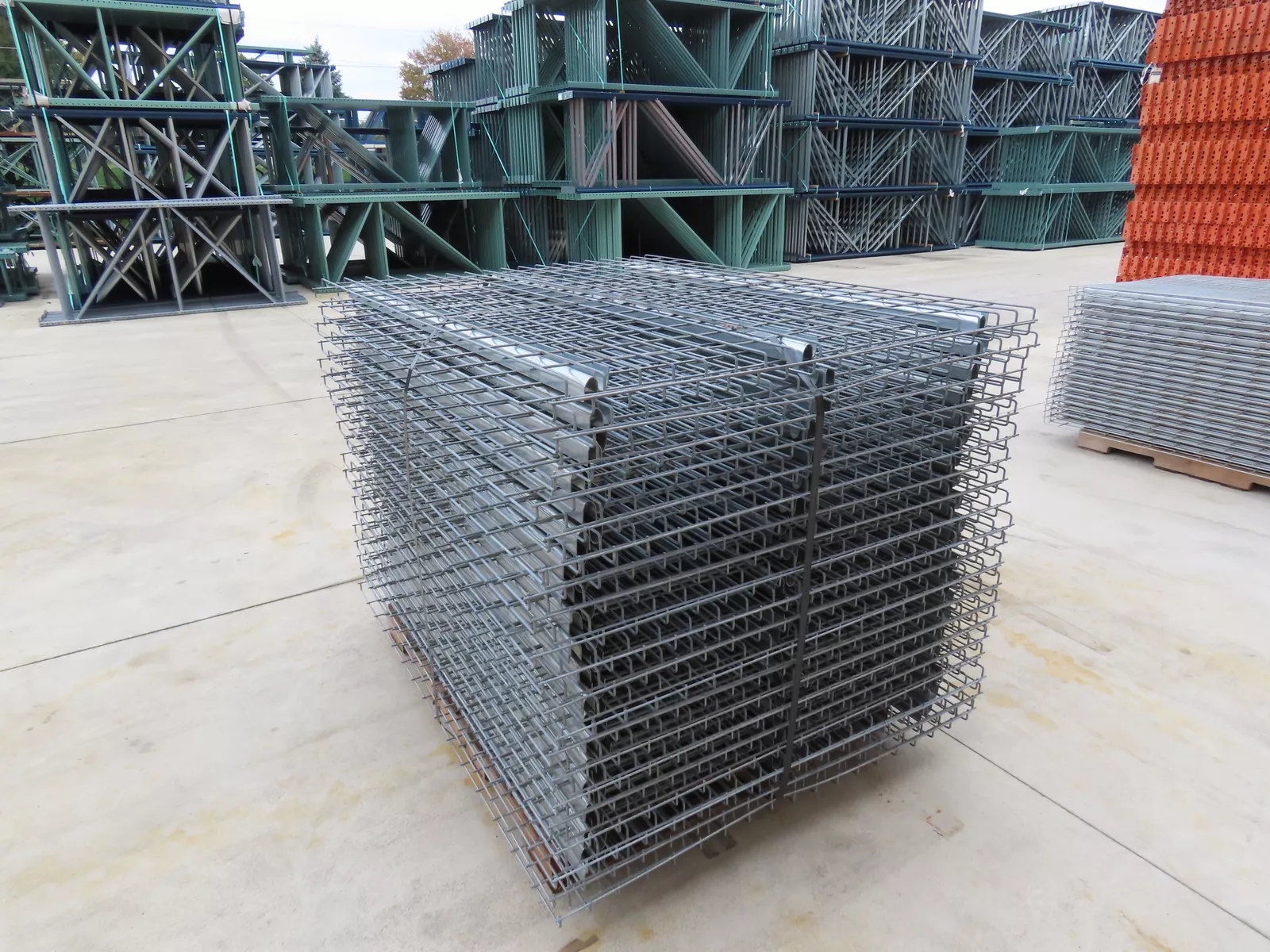
What Are The Different Types Of Warehouse Racking Systems?
What Are The Different Types Of Warehouse Racking Systems?
- The right racking system can enhance storage efficiency, maximize space, and improve order fulfillment in logistics.
- Selective racking is a common choice, providing easy access and adjustable shelving for diverse inventory.
- Drive-in/drive-through racking maximizes storage density, ideal for high-volume, low-variability inventory, especially in cold storage.
- Pallet flow racking supports FIFO inventory management, crucial for products with expiration dates, reducing waste.
- Cantilever racking is ideal for bulky or long items, facilitating easy loading and unloading in construction and manufacturing industries.
- Mezzanine racking combines storage and workspaces, effectively doubling storage capacity without needing more building space.
- Choosing the appropriate racking system is essential for driving efficiency and productivity in warehouses, especially in a changing market.
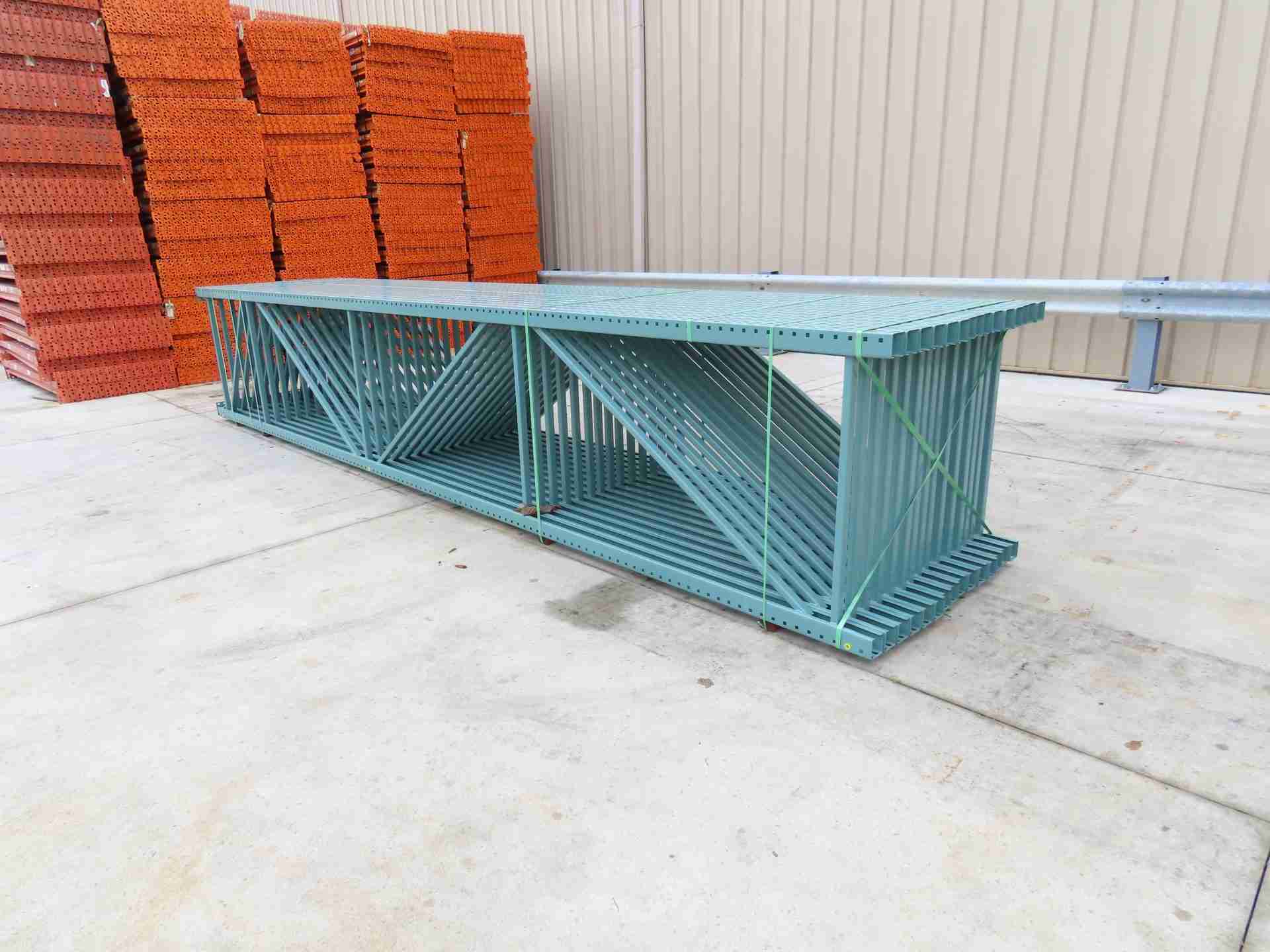
What Are The Different Types Of Warehouse Racking Systems?
How Do I Choose The Right Racking System For My Warehouse?
Choosing the right racking system for your warehouse is akin to selecting the right foundation for a skyscraper. It is the backbone of operational efficiency and can make or break your inventory management strategy. The key is to understand your unique needs and the nuances of different racking solutions.
Understand Your Inventory Needs
The first step in selecting a racking system is to analyze your inventory. What are you storing? Is it heavy machinery, small parts, or perishable goods? Each of these requires specific considerations. For example, if you are storing heavy items, a selective pallet rack may be ideal, allowing easy access while maintaining stability. Conversely, for smaller items, consider a cantilever racking system that optimizes vertical space and offers flexible configurations.
Evaluate Warehouse Layout
The layout of your warehouse is another crucial factor. Are you dealing with narrow aisles or wide-open spaces? If aisle width is at a premium, consider narrow aisle racking systems that allow for dense storage while maintaining accessibility. Recent trends in warehouse design show that companies are adopting multi-story racking systems to maximize space without the need to expand physically. Companies like Amazon and others are setting industry standards, using vertical space efficiently to streamline operations.
Choose Between Static and Dynamic Solutions
Static systems, while sturdy, offer limited flexibility. On the other hand, dynamic systems, such as push-back or flow racks, are designed for high turnover environments. For instance, if your operation requires quick access to a rotating inventory, a flow rack can facilitate this by utilizing gravity-fed lanes. In April 2023, as supply chains started to shift post-pandemic, many businesses pivoted to dynamic systems to accommodate the unpredictable demand for products, showcasing the importance of adaptability in today’s marketplace.
Consider Future Growth
Lastly, think long-term. As your business evolves, so will your inventory needs. Choose a system that can scale with you. Modular racking systems offer this flexibility; they can be adjusted or expanded as your stock and operations grow. With the rise of e-commerce and home delivery services, businesses must be prepared for rapid changes. Remember, a racking system isn’t just a simple shelving option; it’s an investment in your operational efficiency.
In summary, choosing the right racking system involves understanding your inventory, evaluating your warehouse layout, considering the dynamic needs of your business, and planning for future growth. Think strategically; your choice will affect your warehouse efficiency, financial performance, and customer satisfaction for years to come.

How Do I Choose The Right Racking System For My Warehouse?
How Do I Choose The Right Racking System For My Warehouse?
- Choosing the right racking system is essential for operational efficiency and effective inventory management.
- Analyze inventory to determine storage needs; different items require specific racking solutions.
- Evaluate warehouse layout, considering aisle width and space; narrow aisle systems may optimize access.
- Consider static vs. dynamic racking solutions; dynamic systems are better for high turnover environments.
- Think long-term and account for future growth with scalable modular racking systems.
- Adaptability is crucial due to shifting supply chains and changing product demand.
- Strategic choice of racking system impacts overall warehouse efficiency, financial performance, and customer satisfaction.
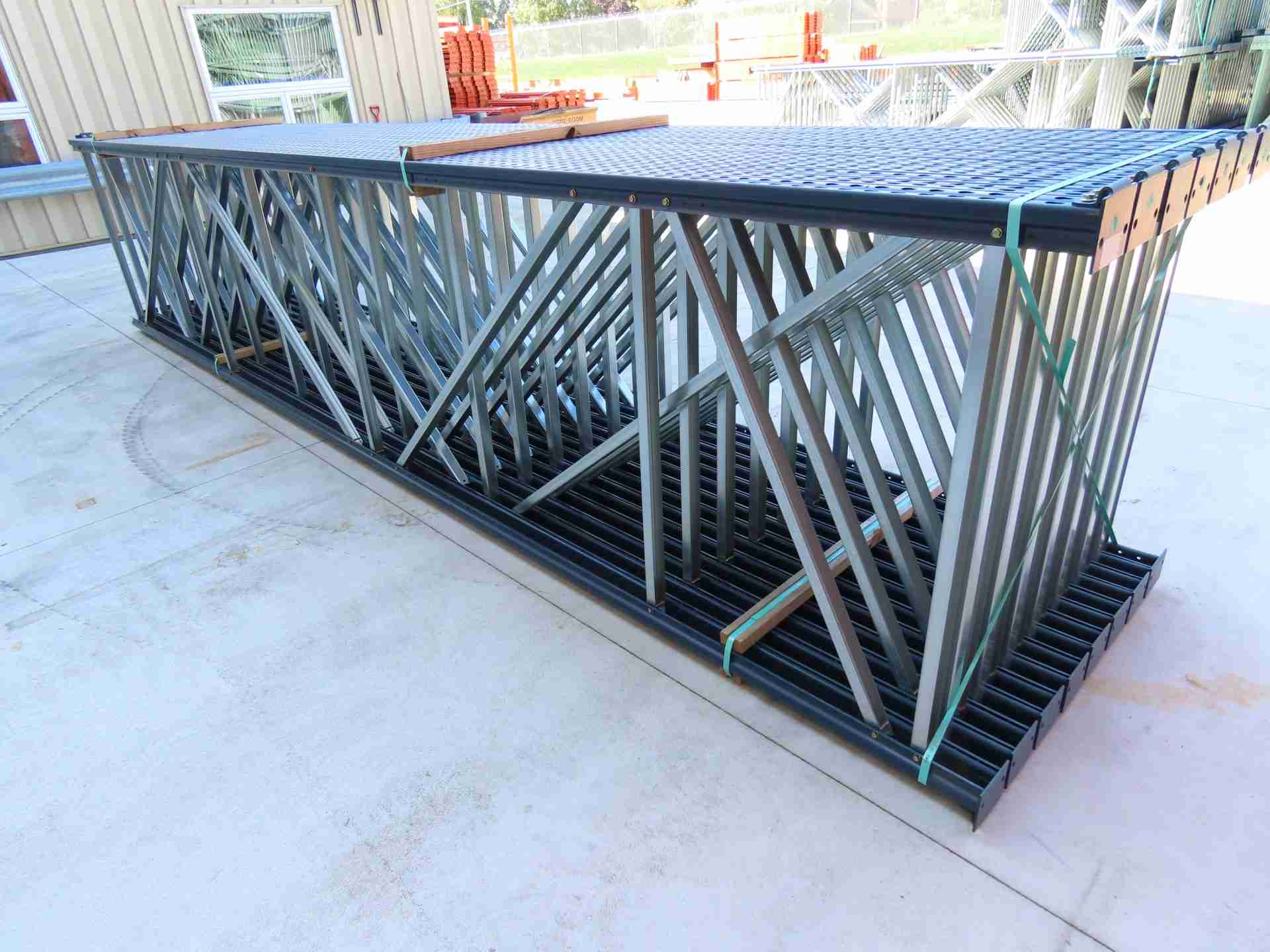
How Do I Choose The Right Racking System For My Warehouse?
What Factors Should Be Considered When Designing A Racking Layout?
When it comes to designing an effective racking layout, the stakes couldn’t be higher. The efficiency of your warehouse operations hinges on a strategic and well-thought-out system. Here are several critical factors to consider that can turn your storage area into a powerhouse of productivity and cost savings.
1. Inventory Type and Volume
First and foremost, consider the nature of your inventory. Are you handling bulk items or small, diverse SKUs? For instance, companies like Amazon have mastered multiple racking systems to handle varying product types, from high-velocity items in pick modules to bulk storage for slower-moving products. Recognizing your inventory profile allows you to select the right racking solution, whether it’s traditional pallet racks, FIFO systems, or even automated storage solutions.
2. Warehouse Space Utilization
Ever heard the saying, “When you fail to plan, you plan to fail?” This is especially true in warehouse design. A thorough assessment of your space, including height, width, and floor plan, will determine how best to utilize vertical space and optimize aisle widths. For example, if your structure allows for high-rise racking, leveraging that height can increase storage capacity significantly. Companies are now looking at vertical storage systems to maximize space, especially in urban warehousing where every inch matters.
3. Accessibility and Workflow
Your racking layout should enhance operational flow, not hinder it. Consider how items will be retrieved and restocked. A well-structured picking path reduces travel time and labor costs—an essential factor during peak seasons like the holidays. In fact, during the recent supply chain disruptions, businesses that had a streamlined layout were better poised to adapt to changes in demand, allowing them to pivot quickly and distribute products efficiently.
4. Safety Regulations and Product Weight
Safety should never be an afterthought. Ensure that your racking system adheres to industry standards and is capable of supporting the weight of stored items. For instance, the rise of e-commerce has led many warehouses to accommodate heavier loads as online shopping surges. By investing in heavier-duty racks and ensuring your layout promotes safe practices, you not only protect your assets but also enhance employee morale and productivity.
5. Future Scalability
Finally, consider your future needs. The dynamic nature of global commerce means that today’s successful businesses must plan for tomorrow’s growth. Designing a flexible racking system that allows for expansion or modification can save you time and money down the line. Recent trends indicate that businesses are increasingly opting for modular racking systems that adapt as needs change, giving them the agility to respond to market fluctuations without significant overhauls.
In summation, taking the time to analyze these factors holistically will not only streamline your operations but also position your business to thrive in today’s fast-paced environment. Think strategically, and your racking layout can be a game-changer.
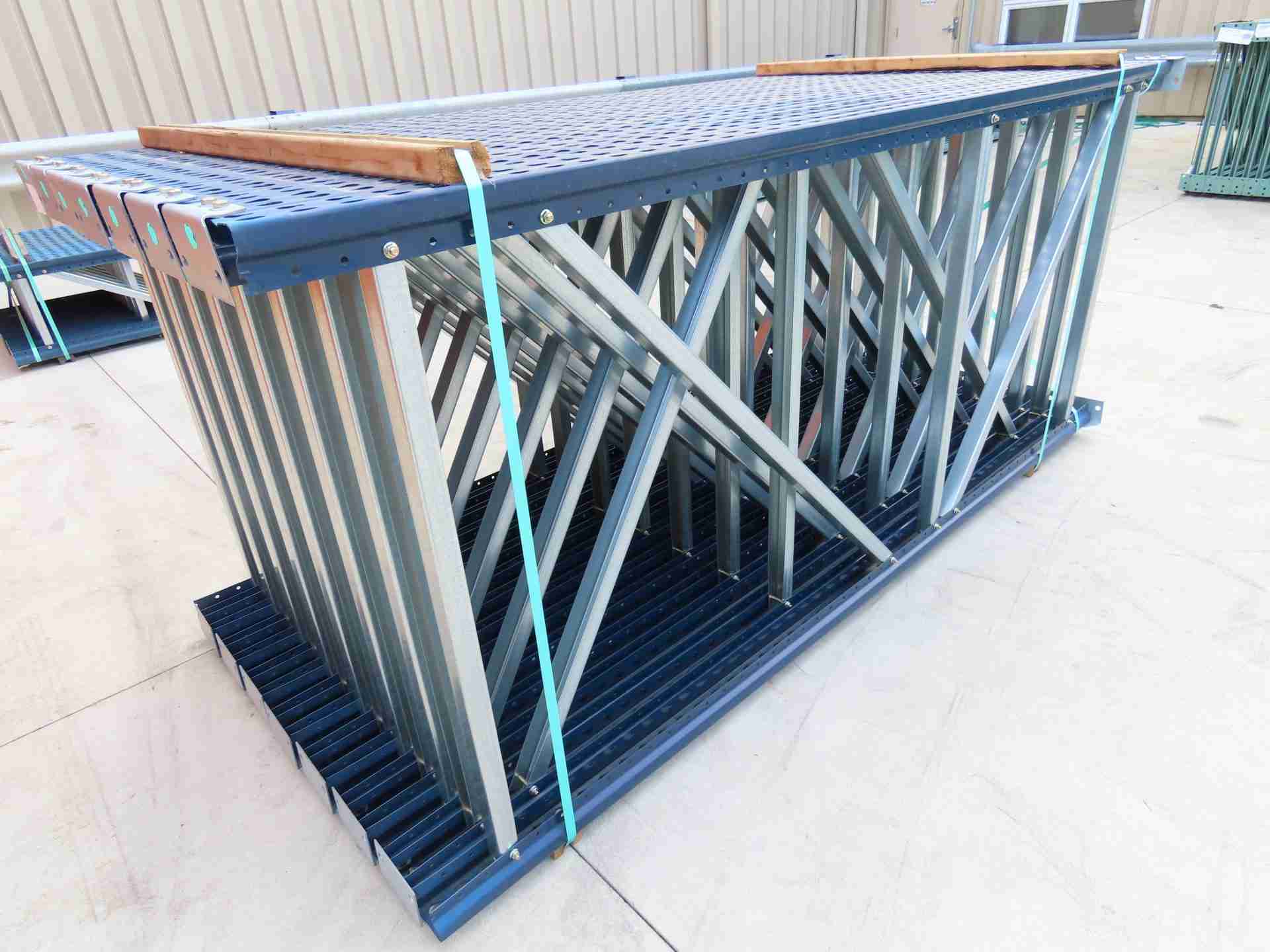
What Factors Should Be Considered When Designing A Racking Layout?
What Factors Should Be Considered When Designing A Racking Layout?
- Inventory Type and Volume: Recognize the nature of your inventory to choose the right racking solution, utilizing various systems for different product types.
- Warehouse Space Utilization: Thoroughly assess your space to optimize vertical storage and aisle widths, maximizing capacity and efficiency.
- Accessibility and Workflow: Design a racking layout that enhances operational flow, reducing travel time and labor costs, especially during peak seasons.
- Safety Regulations and Product Weight: Ensure adherence to safety standards with racks that can support heavy loads, promoting employee safety and productivity.
- Future Scalability: Plan for future growth by designing flexible, modular racking systems that can adapt to changing needs without major overhauls.
- Holistic Analysis: Consider all factors in tandem to streamline operations and position your business for success in a fast-paced environment.
- Strategic Thinking: A well-planned racking layout can significantly enhance warehouse productivity and cost-effectiveness.
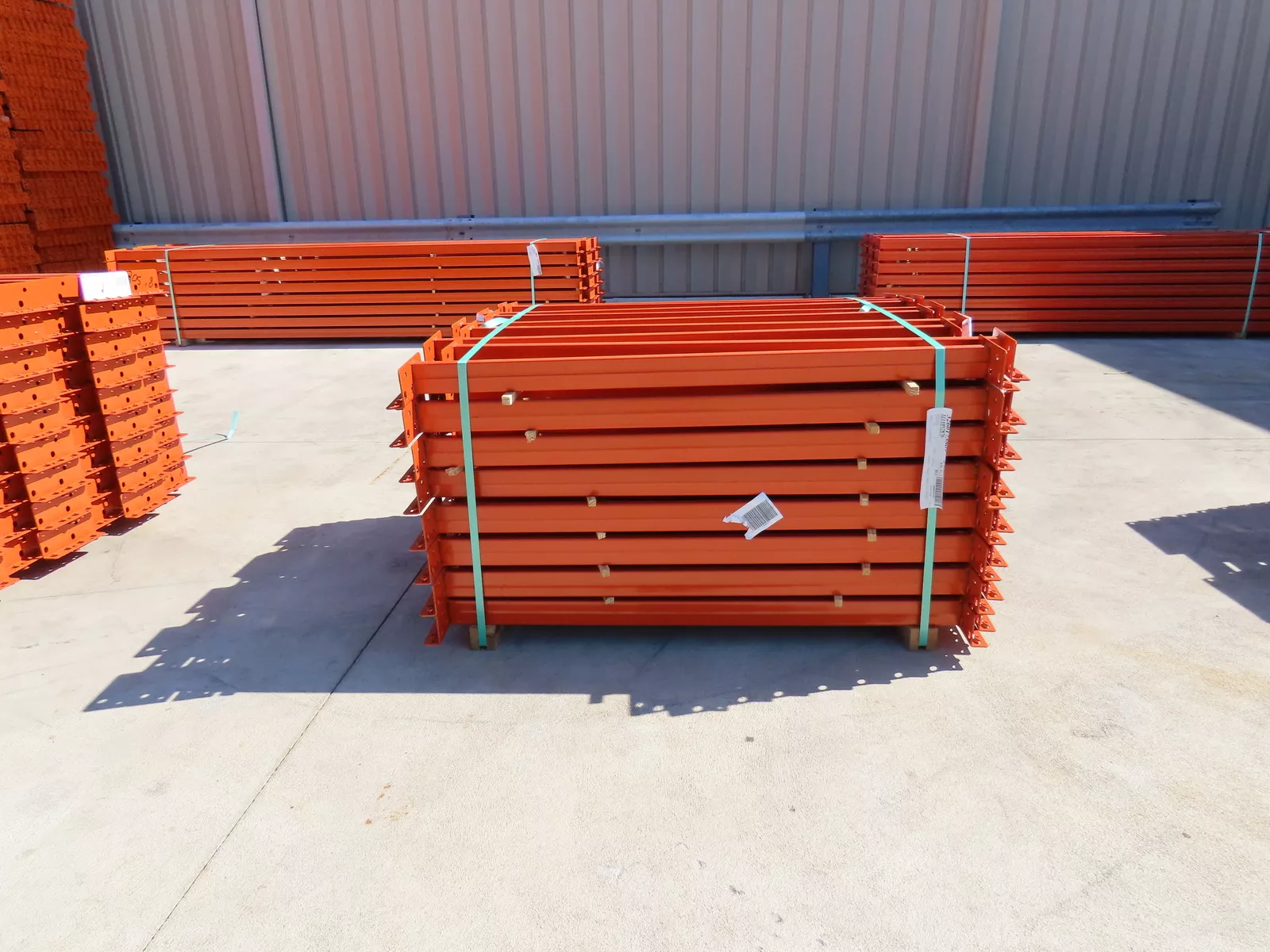
What Factors Should Be Considered When Designing A Racking Layout?
What Are The Key Benefits Of Using Warehouse Racking?
In today’s fast-paced business environment, efficiency isn’t just a bonus; it’s a necessity. Warehouse racking systems have emerged as the backbone of modern logistics, offering a multitude of benefits that can streamline operations, maximize space, and ultimately boost your bottom line. Let’s break down the key advantages of implementing racking in your warehouse.
Maximized Space Utilization
Every square foot in your warehouse is an asset, and traditional shelving can squander that potential. With vertical storage capabilities, racking systems allow businesses to take advantage of height, transforming what was once wasted airspace into functional storage. This is particularly vital as e-commerce continues to surge, pushing warehouses to adapt quickly to increasing inventory demands. For example, a major retailer using pallet racking saw a 40% increase in storage capacity simply by optimizing their vertical space.
Enhanced Inventory Management
Efficient inventory management is crucial in minimizing costs and ensuring customer satisfaction. Racking systems enable easy access and organization of products, giving warehouse staff a clear visual of stock levels. Imagine implementing a FIFO (First In, First Out) strategy using selective racking; you reduce spoilage in perishable goods while ensuring a smooth picking process. In an era where delays can lead to losses, streamlined inventory workflows are indispensable.
Increased Safety
Safety is paramount in any warehouse operation. The right racking system can significantly enhance safety for both workers and products. Designed with stability in mind, these systems reduce the risks associated with improper stacking or stockpile collapses. Moreover, modern racking often includes features like safety pins and guardrails. For instance, logistic companies that invest in racking systems reported a 30% decrease in workplace accidents, leading not only to a safer environment but also lower insurance premiums.
Scalability and Flexibility
As businesses grow, so do their needs. Racking systems are not just a one-size-fits-all solution; they offer unparalleled scalability and flexibility. Whether you’re expanding into new product lines or transitioning to seasonal inventory fluctuations, adaptable racking can accommodate your changing demands. Think about how tech giants like Amazon automate their warehouses; by utilizing adjustable racking, they optimize their space for an ever-evolving catalog.
Cost-Effective Solutions
Finally, consider the long-term savings. By investing in a quality racking system, businesses reduce excess labor costs, improve order picking accuracy, and decrease wasted time. According to industry reports, companies that utilize warehouse racking can realize ROI increases of up to 200% within the first year. As economic pressures mount and competition intensifies, redefining your warehousing strategy with the right racking system could be your secret weapon.
The benefits of implementing warehouse racking systems extend far beyond mere storage. They represent a strategic investment in operational efficiency, safety, and growth. In a landscape where every advantage counts, leveraging the right racking could make all the difference.
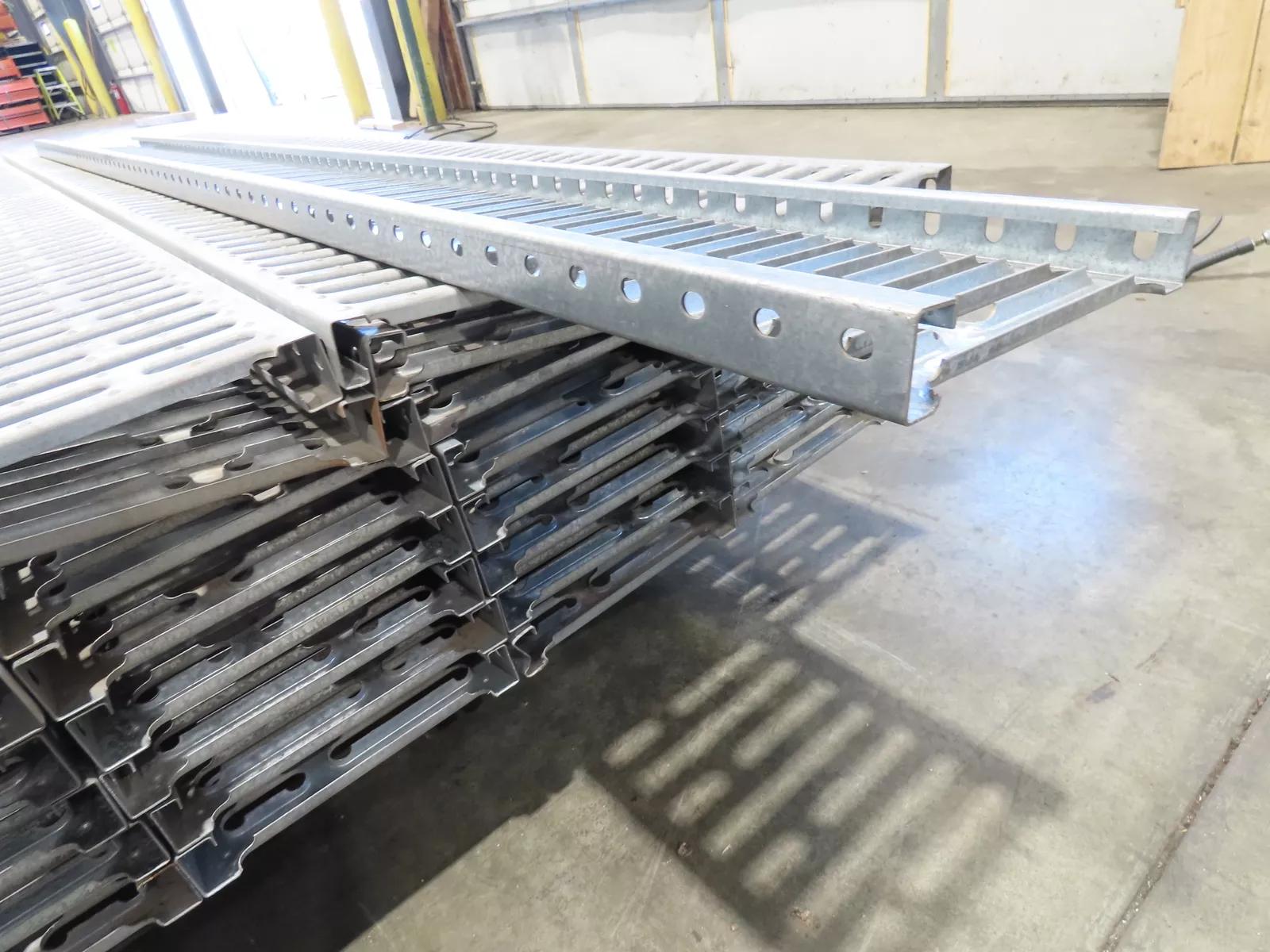
What Are The Key Benefits Of Using Warehouse Racking?
What Are The Key Benefits Of Using Warehouse Racking?
- Necessity of Efficiency: In modern business, efficiency is essential for success.
- Maximized Space Utilization: Racking systems optimize vertical space, increasing storage capacity by as much as 40% for some retailers.
- Enhanced Inventory Management: Racking aids in better organization, promoting strategies like FIFO to reduce spoilage and streamline operations.
- Increased Safety: Well-designed racking systems enhance safety and reduce the risk of accidents, leading to a reported 30% decrease in workplace incidents.
- Scalability and Flexibility: Racking systems adapt to business growth and changing inventory needs, similar to approaches used by major companies like Amazon.
- Cost-Effective Solutions: Quality racking can lead to significant cost savings and a potential ROI increase of up to 200% within the first year.
- Strategic Investment: Implementing racking systems is a proactive approach to enhancing operational efficiency and safety.
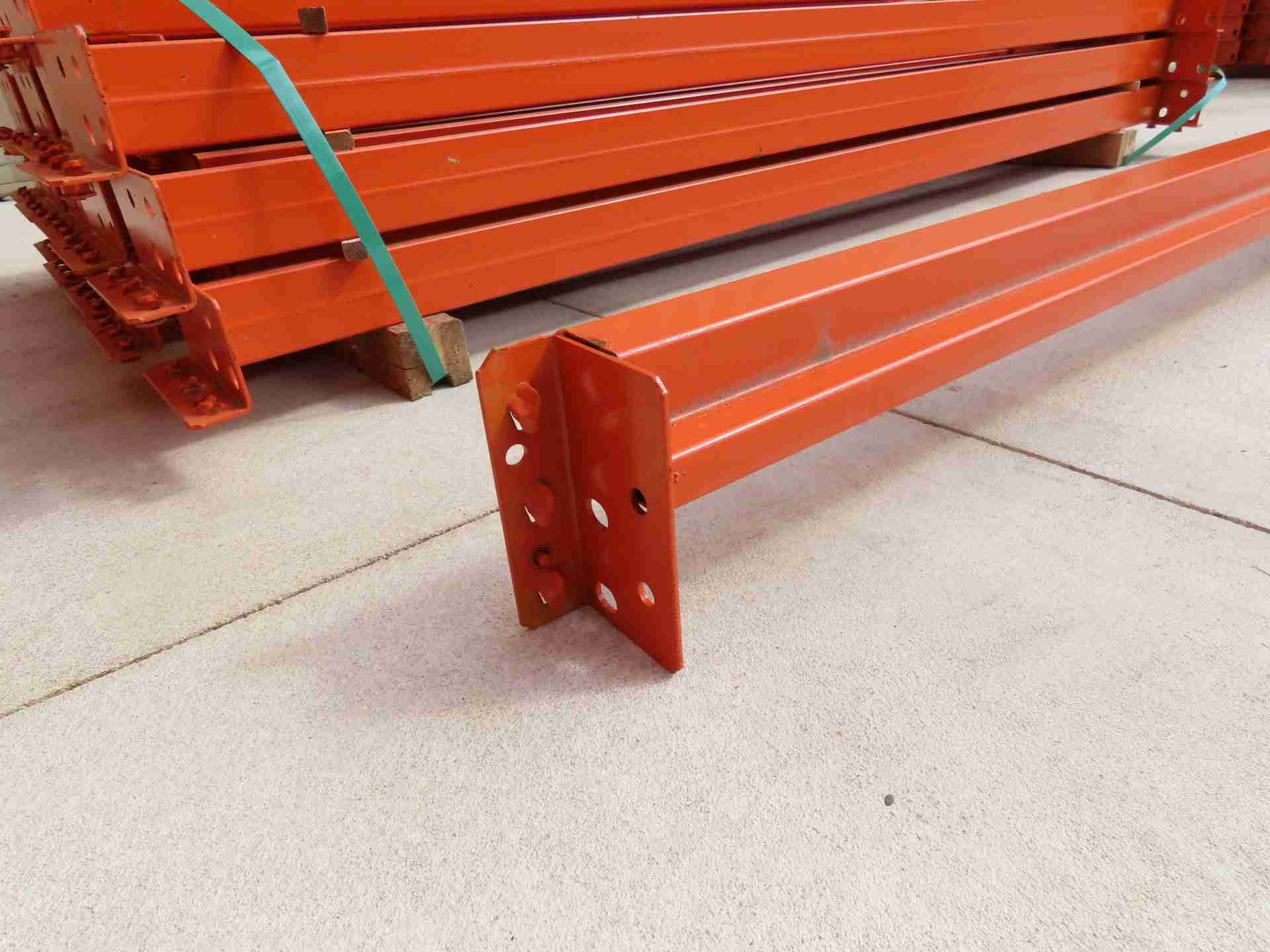
What Are The Key Benefits Of Using Warehouse Racking?
How Does Warehouse Racking Improve Space Utilization?
In the fast-paced world of logistics and supply chain management, every inch of space counts. With e-commerce booming and consumer expectations soaring, warehouses must be transformed from simple storage areas into dynamic, efficient spaces that accommodate fluctuating demands. Enter warehouse racking systems—a critical solution for maximizing space utilization and boosting operational efficiency.
At its core, warehouse racking is about more than just organizing products; it’s about reimagining your entire warehouse layout to unlock hidden potential. Traditional storage methods often leave significant gaps and dead spaces, but modern racking systems—like selective, drive-in, and cantilever racks—allow you to use vertical space effectively. For instance, installing vertical racking can increase storage capacity by up to 50%, essentially doubling your inventory without the need for expansion. Imagine ramping up your storage capabilities while sidestepping costly real estate investments!
Take a cue from the rapid evolution of logistics centers. Major players like Amazon utilize sophisticated racking systems to keep pace with the demand for faster deliveries. Such setups not only accommodate a vast range of products but also streamline retrieval processes. By using automated picking systems in conjunction with high-density racking, these companies can fulfill orders at lightning speed, turning everyday operations into a competitive advantage. The outcome? An optimized warehouse that adapts to changing trends and consumer needs.
Additionally, the integration of technology with racking systems enhances inventory management. For example, RFID technology can be deployed alongside racking systems to track inventory in real-time, significantly reducing the chances of stockouts and overstock situations. This technology ensures your products are not just neatly stored but also easily accessible and accurate.
But it’s not just about the big players; small to mid-sized businesses are taking notice, too. During the recent challenges posed by supply chain disruptions, companies that invested in efficient racking systems found themselves equipped to pivot quickly. A local furniture company, for instance, revamped its warehouse with a cantilever racking system, allowing for better storage of bulky items while maintaining order accuracy. This adaptability helped the business meet customer demands without scrambling to find space or resources.
Warehouse racking is a game-changer for space utilization. With the right racking solution, you can dramatically enhance efficiency, accommodate growth, and future-proof your operations. In an era where agility and speed are paramount, investing in a strategic racking system isn’t just a good business move; it’s essential for survival and success in today’s competitive landscape. Don’t just keep up—get ahead!
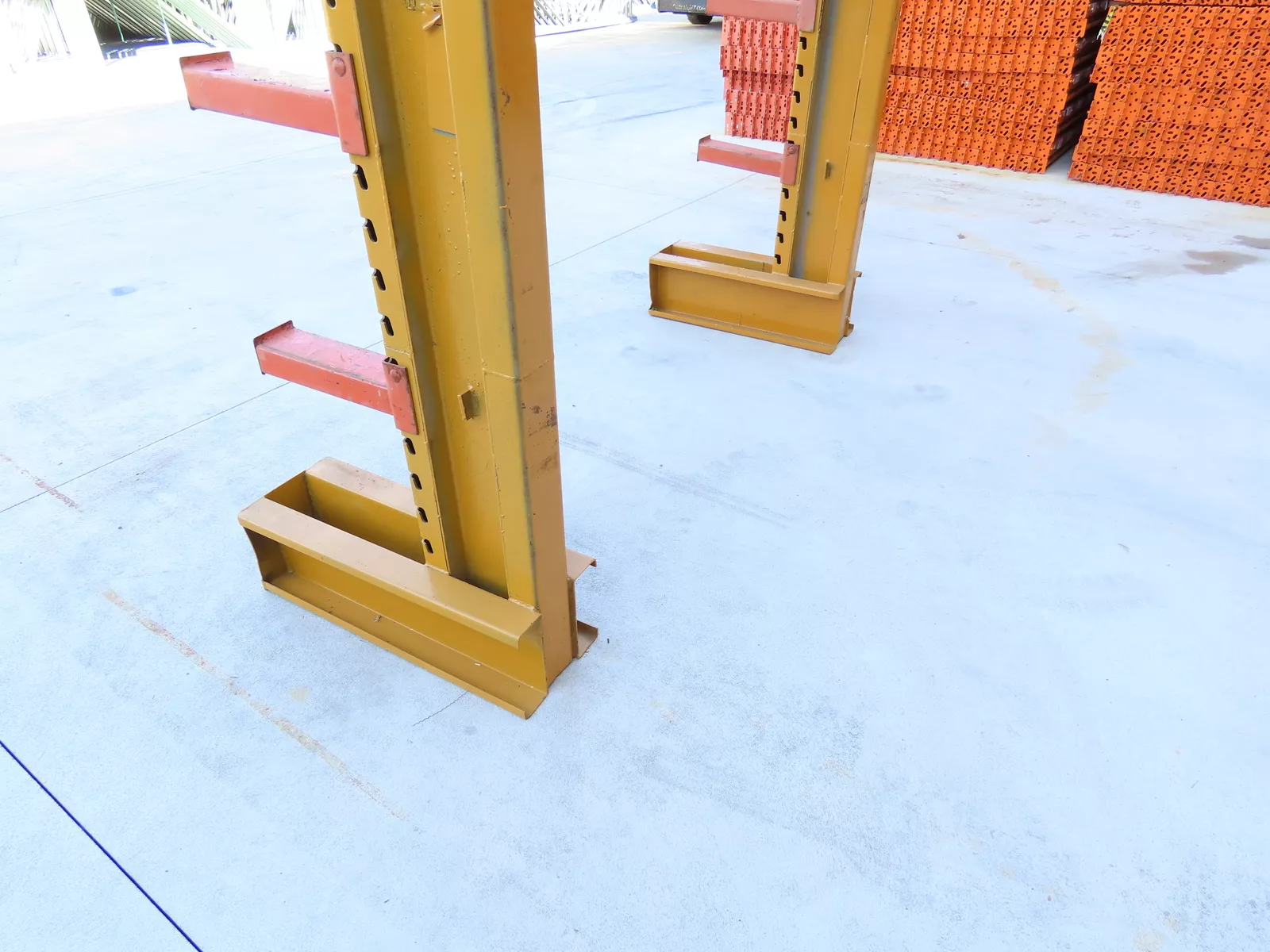
How Does Warehouse Racking Improve Space Utilization?
How Does Warehouse Racking Improve Space Utilization?
- Warehouse racking systems are vital for maximizing space utilization in logistics and supply chain management.
- Modern racking systems, such as selective, drive-in, and cantilever racks, effectively use vertical space, potentially increasing storage capacity by up to 50%.
- Major e-commerce players like Amazon employ sophisticated racking systems to enhance operational efficiency and speed up order fulfillment.
- Integrating technology, such as RFID, with racking systems improves inventory management and reduces the risks of stockouts and overstock situations.
- Small to mid-sized businesses can also benefit from efficient racking systems to adapt quickly to supply chain disruptions.
- Investing in strategic racking solutions can dramatically enhance operational efficiency and future-proof business growth.
- In today’s competitive landscape, a robust racking system is essential for survival and success in the logistics sector.
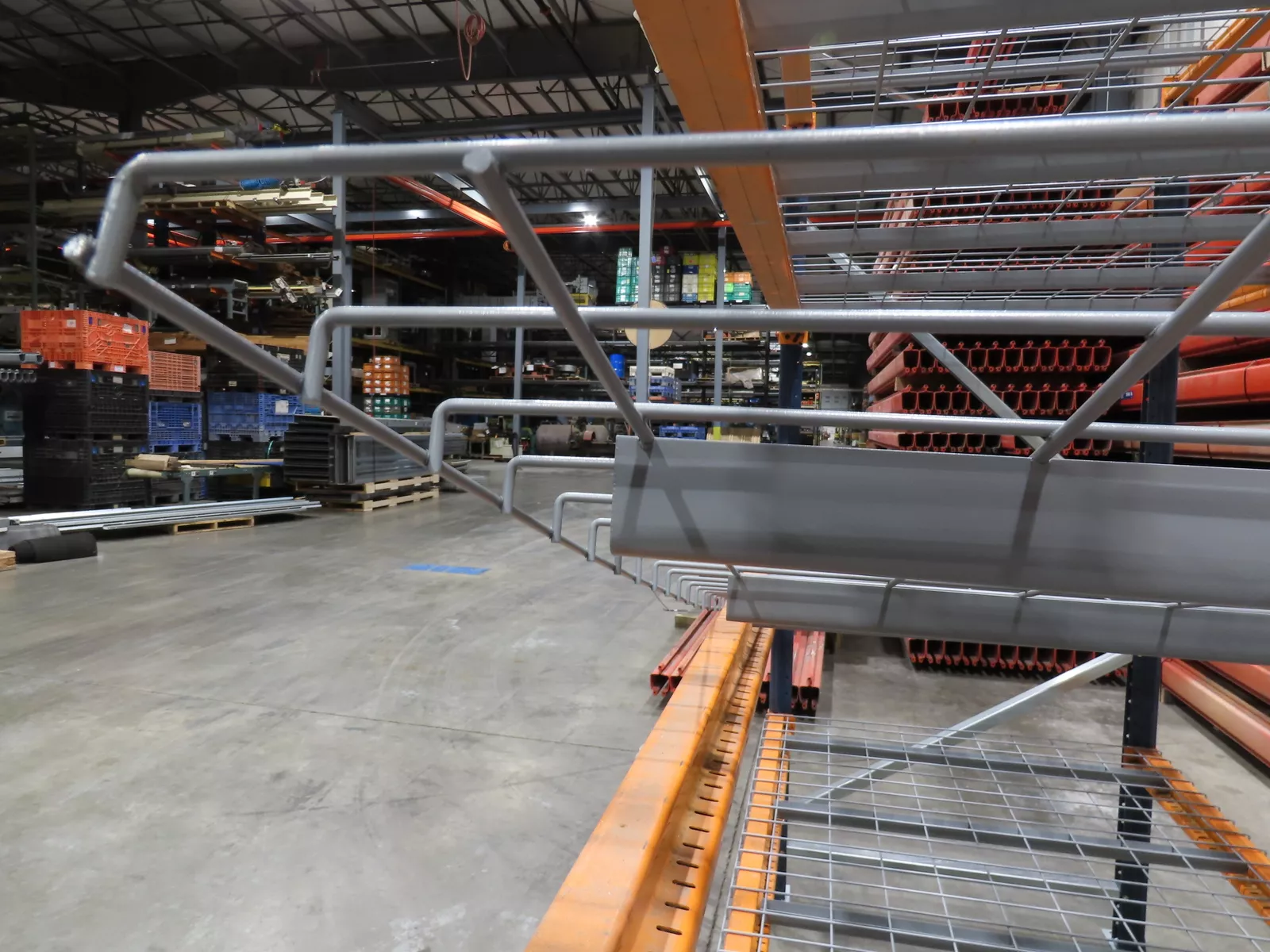
How Does Warehouse Racking Improve Space Utilization?
What Safety Regulations Apply To Warehouse Racking Systems?
In the world of logistics and warehousing, safety is not just an option; it’s a must. As we dive into the often-overlooked realm of warehouse racking systems, it’s essential to pay close attention to the safety regulations that govern these structures. Compliance is not only a legal requirement but a crucial part of safeguarding your workforce and protecting your inventory from catastrophic failures.
First and foremost, the Occupational Safety and Health Administration (OSHA) provides a comprehensive framework of regulations for warehouse operations, including racking systems. For instance, OSHA’s regulations stipulate that all racks must be designed and installed to withstand the vertical and horizontal loads expected in the facility. A recent incident at a major U.S. distribution center highlighted the ramifications of neglecting these regulations. The failure of racking systems due to excessive weight led to injuries and significant operational downtime, costing the company millions in damages. This example underscores the necessity of regular inspections and compliance with OSHA standards, which dictate, among other things, that racking systems be designed for safety and that employees are trained to handle materials correctly.
In addition to OSHA, many states have local safety codes that supplement federal regulations. For instance, the California Code of Regulations (CCR) outlines specific escape routes and clearance requirements for warehouse racking that are designed to prevent accidents. Facilities operating in high-volume environments must ensure that their racking systems not only conform to destination regulations but also provide designated areas for safe forklift operation, with clear pathways and appropriate signages.
Furthermore, the American National Standards Institute (ANSI) has set rigorous standards for the design and maintenance of storage racks. The ANSI MH16.1 standard specifically addresses design criteria, testing, and guidelines for installation, ensuring that organizations have a roadmap for achieving safety compliance. More organizations are adopting these standards voluntarily, as adhering to them can be a powerful marketing tool, showcasing a commitment to safety that can enhance customer trust.
Finally, as we navigate an unprecedented era of supply chain challenges, including labor shortages and increased e-commerce demands, businesses must prioritize the safety of their racking systems. A proactive approach means staying informed about industry trends and regulations, regular training for warehouse staff, and investing in high-quality racking systems that align with current safety standards.
So, before you dismiss warehouse racking safety as merely a compliance issue, recognize that it is an opportunity to foster a culture of safety that can differentiate your business in a competitive marketplace. Embrace safety regulations as a cornerstone of your operational strategy, and watch how it protects your employees and boosts your bottom line.
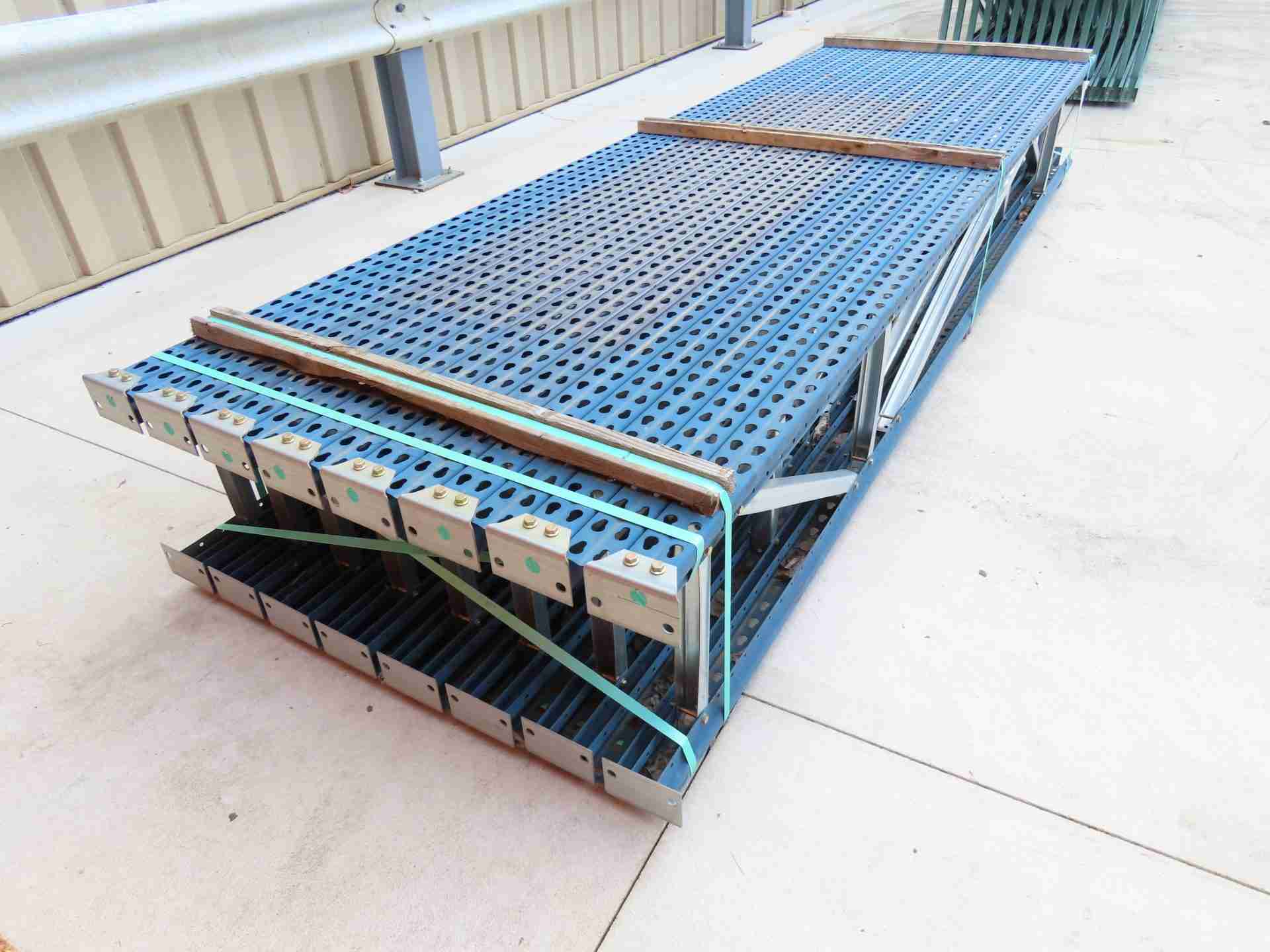
What Safety Regulations Apply To Warehouse Racking Systems?
What Safety Regulations Apply To Warehouse Racking Systems?
- Warehouse safety is essential, governed by strict safety regulations for racking systems.
- OSHA provides frameworks that mandate racks be designed to withstand expected vertical and horizontal loads.
- Non-compliance can lead to serious incidents, affecting workforce safety and leading to financial losses.
- Local safety codes, like California’s CCR, add additional requirements for escape routes and clearances.
- ANSI MH16.1 sets design and maintenance standards for storage racks, aiding compliance efforts.
- Adhering to safety standards can enhance customer trust and serve as a marketing advantage.
- Proactive safety measures can differentiate businesses and improve organizational culture amidst supply chain challenges.
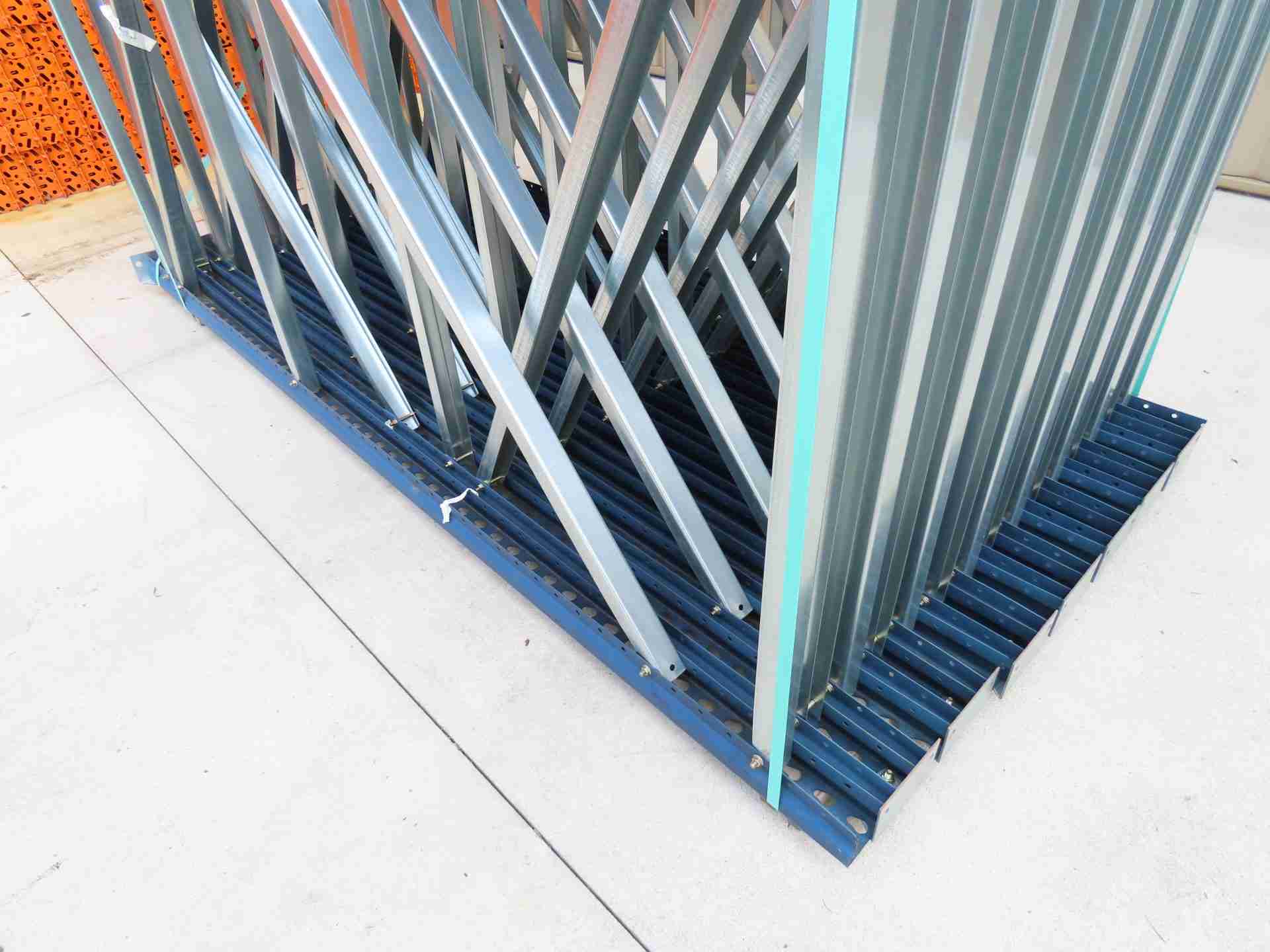
What Safety Regulations Apply To Warehouse Racking Systems?
How Can I Maintain My Warehouse Racking For Longevity?
When it comes to the health of your warehouse, racking systems often go unnoticed until there’s a problem. But just like a well-oiled machine, consistent maintenance can significantly extend the life of your racking and save you from costly downtimes. The key to longevity lies in a proactive approach.
1. Regular Inspections: Your Frontline Defense
Think of inspections as your first line of defense, much like routine check-ups for your car. Perform weekly visual checks and conduct detailed structural inspections at least quarterly. Look out for rust, dents, or misalignment—these can signal bigger issues. If you’re not sure what to look for, consider hiring a professional to conduct a comprehensive inspection to uncover hidden risks. Even recently, supply chain disruptions have highlighted the importance of stability in logistics; ensuring your racking systems are sound can help mitigate risks in those critical moments.
2. Training Your Team: Empower Your People
Your racking system is only as good as the team that uses it. Training your staff on best practices is essential. This includes proper loading techniques, weight limits, and the use of machinery. An under-trained worker can inadvertently overload a rack or misuse equipment, leading to accidents or damage. For instance, during the COVID-19 pandemic, many warehouses had to adapt quickly. Ensuring that your team is equipped to handle unexpected changes—like fluctuations in inventory levels—can make a substantial difference.
3. Maintain Feng Shui in Your Warehouse
Just as a good design in your home invites harmony, optimizing your warehouse layout can promote better usage of your racking. Ensure that items are placed optimally according to frequency of use. Regularly rotating stock not only prevents obsolescence but also reduces wear on particular racking sections. Moreover, a tidy warehouse is easier to inspect and maintain; clutter can mask potential problems.
4. Invest in Quality: Don’t Skimp on the Basics
Choosing high-quality racking is an investment that pays dividends. While it may be tempting to go for the cheapest option, subpar materials can lead to frequent replacements. Remember the recent incidents in various distribution centers where poorly constructed racking gave way under stress? Such mishaps result not just in financial losses but can also jeopardize employee safety.
5. Regular Maintenance Schedule: Stay Ahead of the Game
Establish a routine maintenance schedule that includes cleaning, tightening bolts, and checking for wear and tear. It doesn’t take much time—commit to tackling this monthly. Like clockwork, regular maintenance can keep your racking from ever being a concern.
By developing a rigorous maintenance plan today, you protect the integrity of your warehouse tomorrow. Everyone wants a safe and efficient operation; prioritizing racking longevity is a giant step in that direction. Your bottom line will thank you.
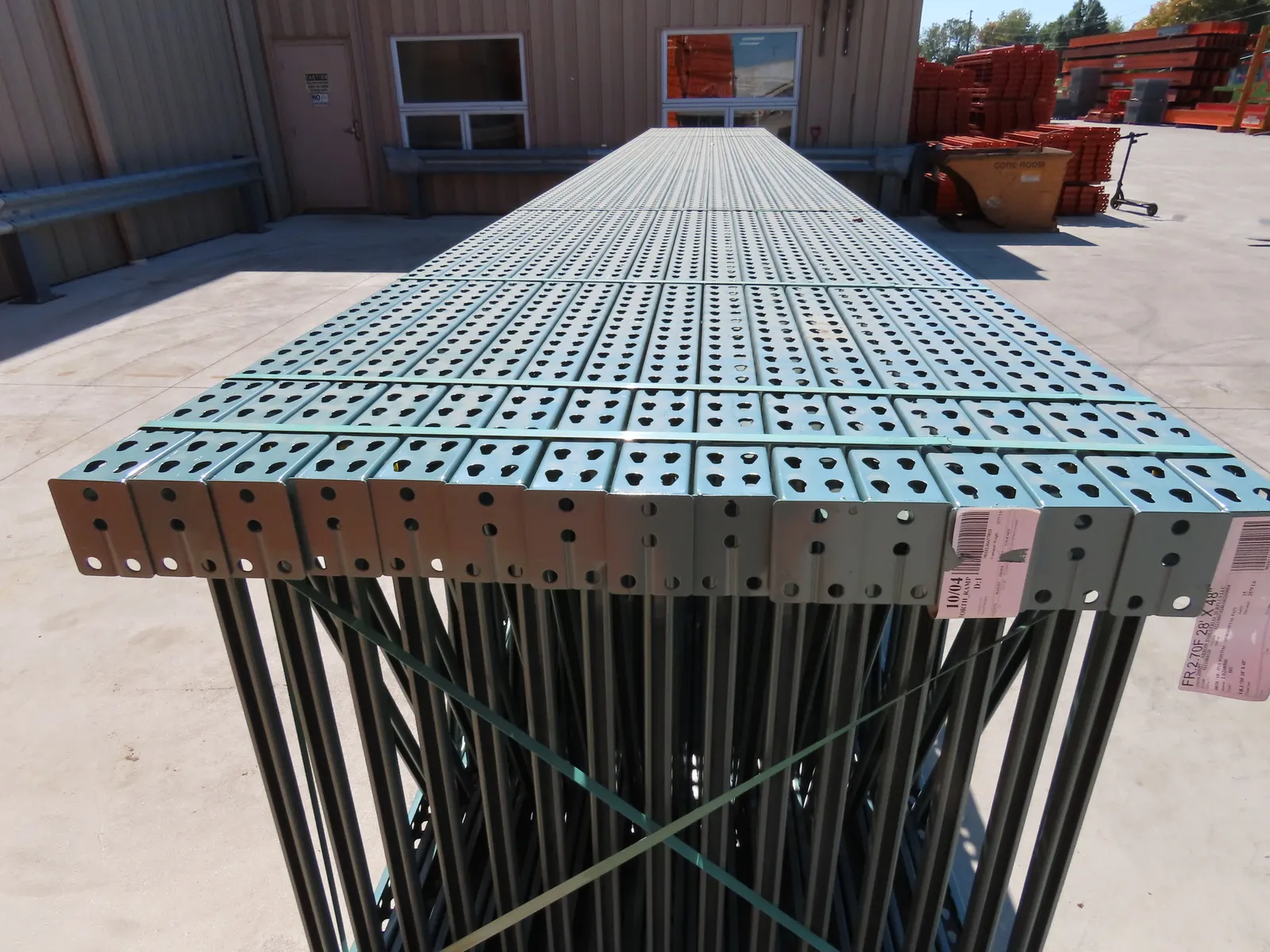
How Can I Maintain My Warehouse Racking For Longevity?
How Can I Maintain My Warehouse Racking For Longevity?
- Regular Inspections: Conduct weekly visual checks and quarterly structural inspections to identify potential issues like rust and misalignment.
- Training Your Team: Train staff on best practices for loading, weight limits, and machinery usage to prevent accidents and damage.
- Maintain Feng Shui in Your Warehouse: Optimize layout and stock rotation to enhance racking usage and simplify maintenance checks.
- Invest in Quality: Choose high-quality racking materials to avoid frequent replacements and ensure employee safety.
- Regular Maintenance Schedule: Implement a monthly maintenance routine for cleaning, tightening bolts, and checking for wear and tear.
- Proactive Approach: Consistent maintenance can extend the lifespan of your racking and avoid costly downtimes.
- Benefits of Maintenance: A successful maintenance strategy fosters a safe and efficient warehouse operation, positively impacting your bottom line.
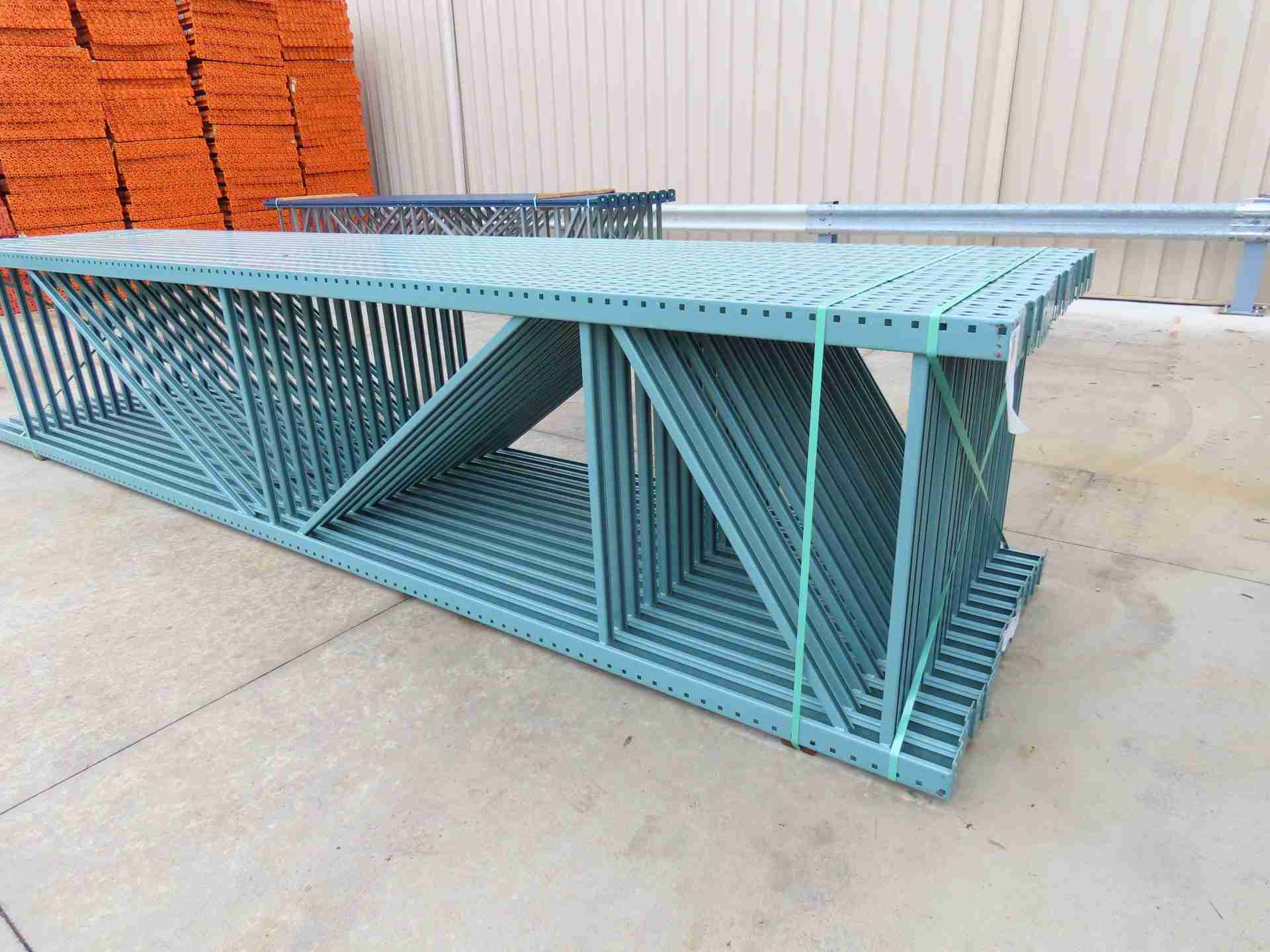
How Can I Maintain My Warehouse Racking For Longevity?
What Are Common Mistakes In Warehouse Racking Design?
When it comes to warehouse racking design, even the most experienced operators can stumble into critical pitfalls. The stakes are high — a poorly designed racking system not only craters your efficiency but can also lead to costly accidents and inventory losses. To steer clear of these missteps, let’s dive into some of the most prevalent mistakes and how you can sidestep them.
1. Ignoring Accessibility Needs
One of the most glaring errors is not considering accessibility. Imagine a scenario where high-demand items are tucked away in hard-to-reach locations. When workers spend precious time navigating around inconvenient racking arrangements, productivity plummets. A current trend we’re seeing in many burgeoning e-commerce warehouses highlights the shift towards vertical space utilization. Yet, while reaching for the sky, it’s vital to ensure that the most frequently picked items are easily accessible on the lower shelves. Failure to optimize for accessibility often spirals into chaos and inefficiency.
2. Underestimating Load Capacities
Another blunder is miscalculating load capacities. Perhaps you’ve seen it in the news — incidents where racks collapsed under undue weight, causing injury and extensive product loss. Not verifying your racking system’s load limits can lead to disaster. A high-profile case involved a major retail chain that faced substantial legal repercussions after a racking collapse that they had ignored during their warehouse redesign. Educate yourself on the specifications of your racking system and choose high-quality options that meet your cyclical inventory needs.
3. Overlooking Safety Regulations
Many warehouse managers also underestimate the importance of safety compliance. With OSHA regulations becoming more stringent, overlooking these guidelines can cripple your operation financially and reputationally. Familiarize yourself with current safety standards, and integrate them from the onset of your racking design planning. For instance, incorporating safety features such as anti-collapse mesh and proper labeling can save you headaches down the road and prevent accidents.
4. Failing to Plan for Future Adaptations
Lastly, a common mistake is the lack of foresight in planning for future needs. The landscape of warehousing is rapidly changing. Companies that neglect to prepare their racking design for potential growth or shifts in inventory dynamics will inevitably face obsolescence. Agile manufacturers are now investing in modular racking systems that can easily adapt to changing inventory types and volumes, thus avoiding a hefty redesign later.
In summary, avoiding these common pitfalls in warehouse racking design can set the foundation for a streamlined, efficient, and safe operation. By prioritizing accessibility, load capacity, safety compliance, and future adaptability, you will not only safeguard your investments but position your warehouse for lasting success.
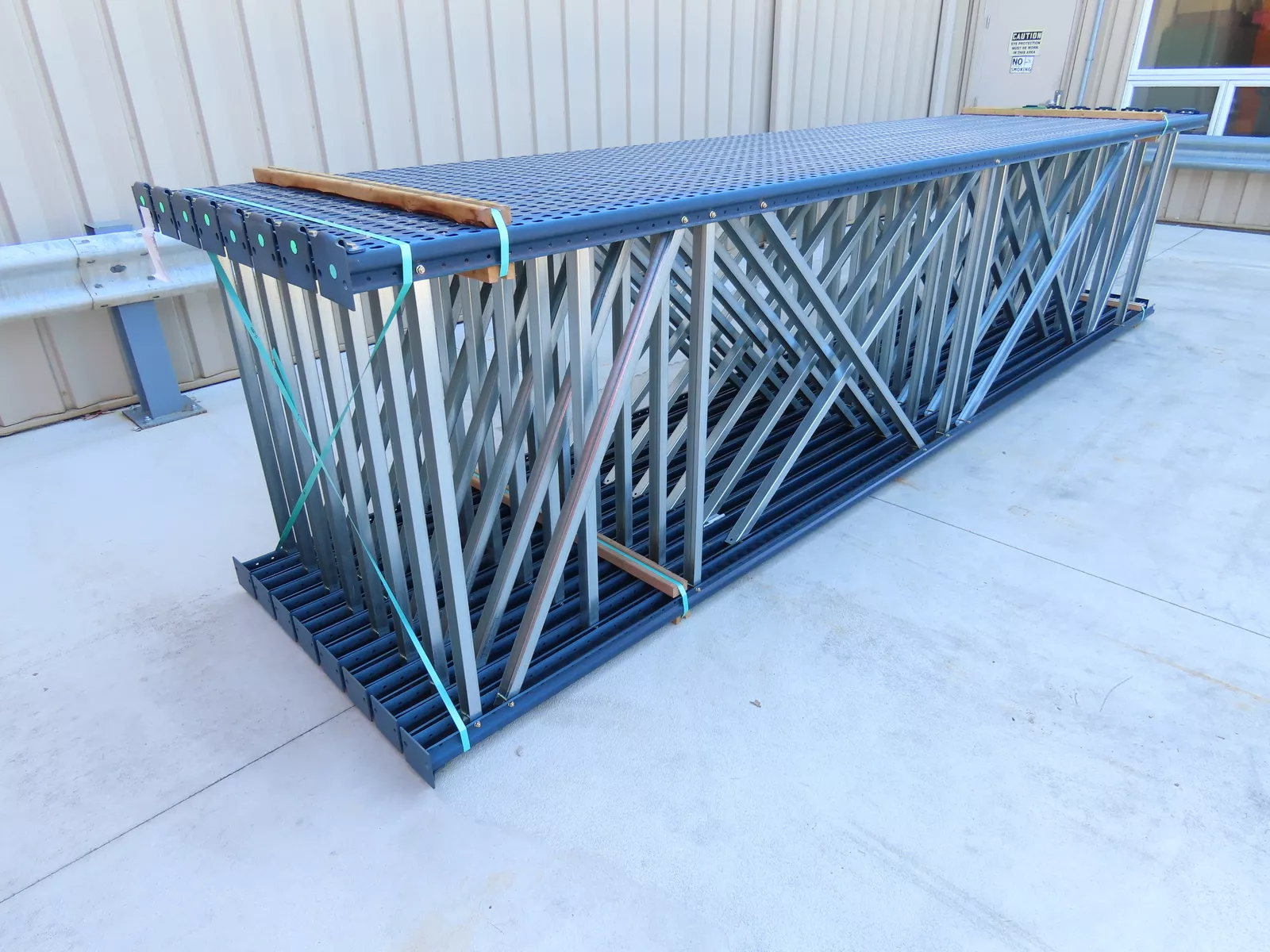
What Are Common Mistakes In Warehouse Racking Design?
What Are Common Mistakes In Warehouse Racking Design?
- Warehouse racking design mistakes can lead to inefficiency, costly accidents, and inventory losses.
- Ignoring accessibility needs can impede productivity; high-demand items should be placed on lower shelves.
- Underestimating load capacities can result in collapses and injuries; understanding racking specifications is crucial.
- Overlooking safety regulations, especially OSHA guidelines, can harm financial and reputational standing.
- Incorporating safety features in racking design can prevent accidents and compliance issues.
- Failing to plan for future adaptations can lead to operational obsolescence; modular racking systems are recommended.
- Prioritizing accessibility, load capacity, safety compliance, and adaptability lays the groundwork for an efficient warehouse operation.
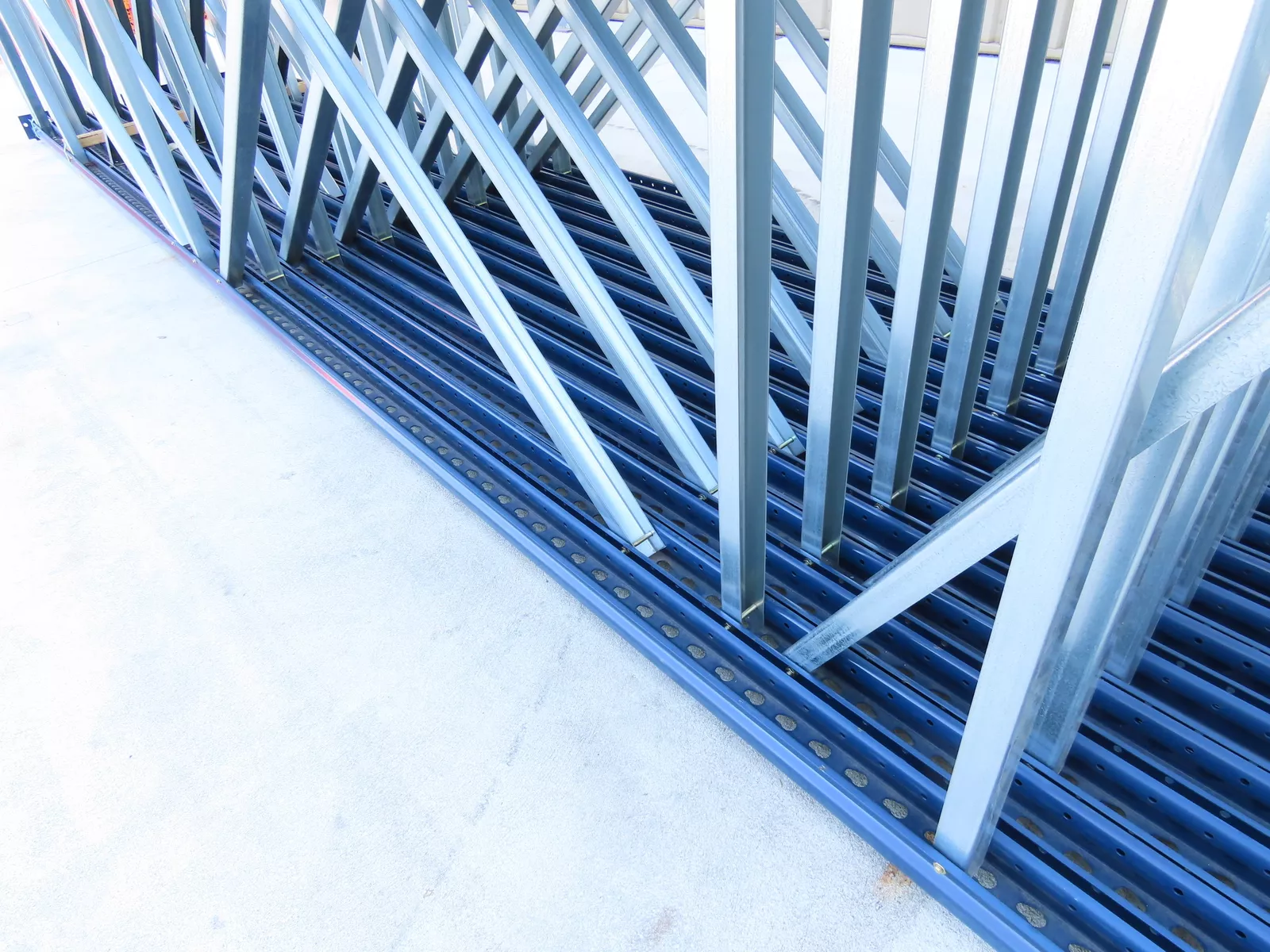
What Are Common Mistakes In Warehouse Racking Design?
How Does Warehouse Racking Affect Inventory Management?
In today’s fiercely competitive marketplace, every cent counts, and that’s why understanding the interplay between warehouse racking and inventory management isn’t merely a good idea—it’s a necessity. The racking system you choose can fundamentally alter your operational efficiency, affect your bottom line, and ultimately, determine how swiftly and effectively you can respond to customer needs.
Let’s consider a real-world example. Following the pandemic-induced supply chain disruptions, companies like Amazon have re-evaluated their warehousing strategies to maintain rapid order fulfillment. One of the major shifts has been toward implementing specialized racking systems, such as FIFO (First-In-First-Out) and LIFO (Last-In-First-Out), which ensure optimal inventory turnover and enhance product availability. For example, a beverage company that previously struggled with surplus stock now utilizes dynamic rack designs that allow for easier rotation of products, reducing spoilage and increasing sales of aging inventory.
Efficient racking systems not only maximize space utilization but also streamline picking processes. With the rise of e-commerce and the need for quick shipping times, companies are leveraging a mix of selective and pallet racking systems to optimize their picking accuracy and speed. In a current scenario, grocery warehouses implementing mobile racking systems have reported a 30% improvement in their picking efficiency—essential when consumers are expecting their groceries delivered within hours.
Moreover, consider the impact of advanced technologies integrated into warehouse racking. By employing automation and artificial intelligence, businesses can revolutionize how they manage their inventory. Automated racking systems equipped with sensors provide real-time data on stock levels, dramatically reducing the likelihood of overstock or shortages. A leading electronics retailer adopted a semi-automated racking solution and reported an impressive 25% reduction in labor costs while simultaneously increasing pick accuracy.
However, improper racking can lead to chaos. Disorganized inventory systems create a cascading effect of inefficiencies—longer picking times, increased labor costs, and, ultimately, dissatisfied customers. A retailer with traditional shelving systems experienced a 40% increase in order fulfillment time, leading to a wave of negative customer reviews, which hit their brand reputation hard.
The right warehouse racking system can be the linchpin of effective inventory management, enabling businesses to respond quickly to market demands while simultaneously improving their operational efficiency and profitability. As we move forward into an evolving economic landscape, investing in smart racking solutions will be vital for businesses looking to thrive. Remember, it’s not just about storing products; it’s about strategically positioning your business for success.
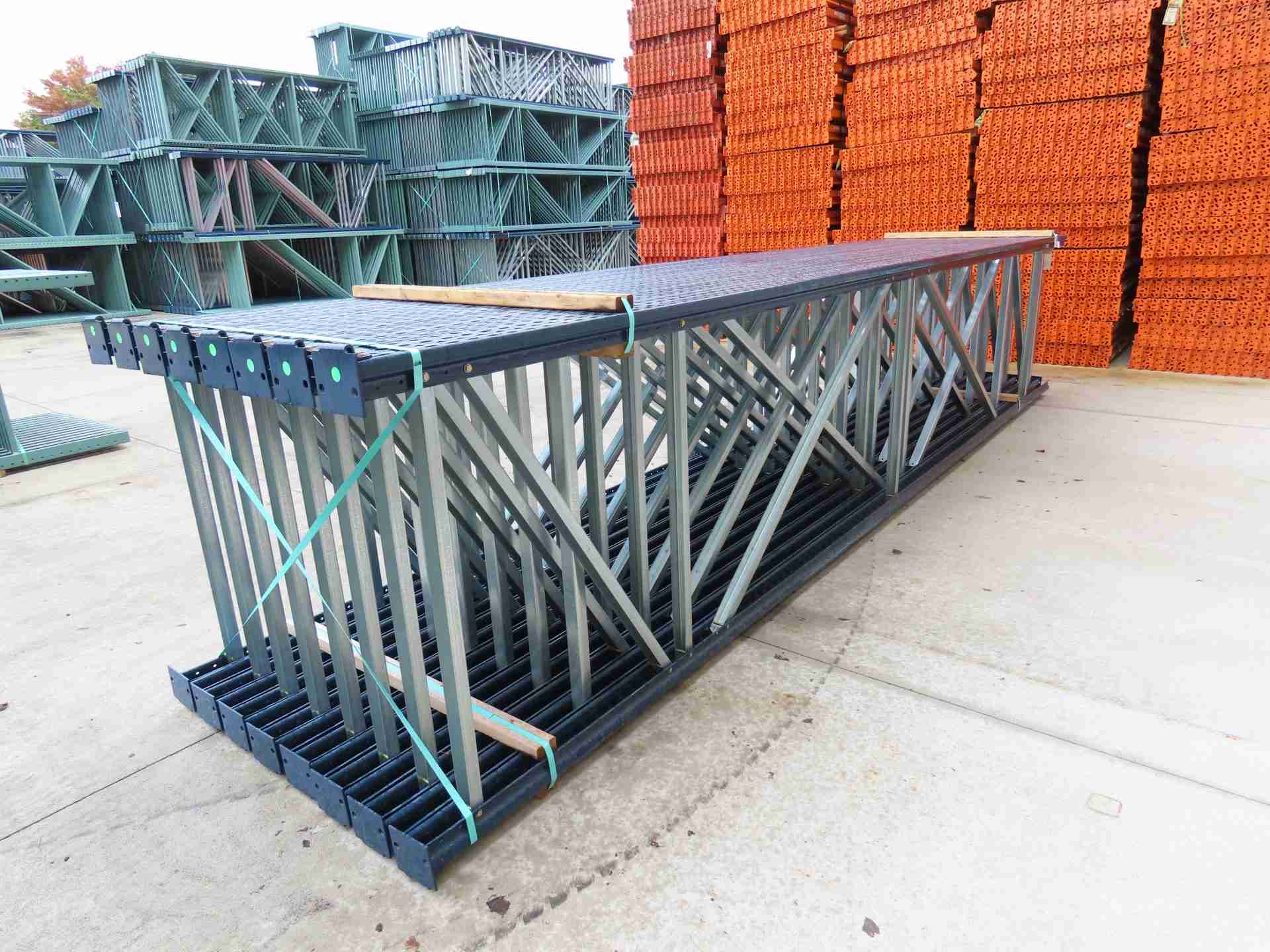
How Does Warehouse Racking Affect Inventory Management?
How Does Warehouse Racking Affect Inventory Management?
- Understanding the relationship between warehouse racking and inventory management is essential for operational efficiency and cost-effectiveness.
- Post-pandemic, companies like Amazon have revamped warehousing strategies, adopting systems like FIFO and LIFO for better inventory turnover.
- Dynamic rack designs have helped companies, such as beverage firms, reduce spoilage and increase sales by facilitating easier product rotation.
- Efficient racking maximizes space and streamlines picking processes, crucial for e-commerce businesses that require fast shipping.
- Advanced technologies, including automation and AI, significantly enhance inventory management and reduce labor costs and errors.
- Improper racking systems can lead to inefficiencies, longer picking times, and a negative impact on customer satisfaction and brand reputation.
- Investing in smart racking solutions is vital for businesses aiming to enhance operational efficiency and meet market demands effectively.

How Does Warehouse Racking Affect Inventory Management?
What Technologies Can Enhance Warehouse Racking Efficiency?
In today’s fast-paced marketplace, maximizing warehouse racking efficiency isn’t just an operational goal; it’s a strategic imperative. With advancements in technology, businesses can now leverage innovative solutions to streamline their warehousing processes. Let’s delve into the game-changing technologies that can enhance your warehouse efficiency.
Automated Storage and Retrieval Systems (AS/RS)
Imagine a system where robots autonomously navigate the aisles, retrieving and storing items with pinpoint accuracy. This is no longer a distant dream—automated storage and retrieval systems (AS/RS) are revolutionizing warehouses. Companies like Amazon and Walmart have already adopted these systems, experiencing significant time savings and reduced labor costs. In a recent study, AS/RS implementations reportedly increased picking accuracy by over 95%. For businesses managing vast inventories, this technology is not just an option; it’s essential.
Warehouse Management Systems (WMS)
A robust warehouse management system is the backbone of an efficient operation. With capabilities like real-time inventory tracking, data analytics, and labor management, WMS solutions—such as those from Oracle or SAP—empower managers to optimize every aspect of their racking systems. One notable success story comes from Target, which recently implemented a WMS upgrade that improved its order fulfillment speed by 30%. Imagine the competitive edge you could gain by making those improvements in your own warehouse!
Internet of Things (IoT)
The Internet of Things is transforming warehouse operations into highly visible, actionable environments. By equipping racking systems with IoT sensors, companies can gather data on inventory levels, environmental conditions, and equipment status in real time. This not only improves decision-making but also aids in predictive maintenance—reducing downtime and increasing overall efficiency. For example, UPS has begun using IoT technology to monitor package flow, resulting in reduced delays and enhanced service levels.
Robotic Process Automation (RPA)
RPA applications are increasingly being utilized to handle repetitive tasks in warehouses, from order processing to inventory management. Companies leveraging RPA, such as eBay, have reported up to 80% reductions in manual efforts. This enables staff to focus on higher-value activities, enhancing productivity across the board.
Augmented Reality (AR)
Finally, consider augmented reality as a tool for training and operations. With AR glasses, warehouse workers can navigate complex racking systems seamlessly, locating items swiftly and accurately. As retail giants like IKEA experiment with AR solutions for assembly instructions, the potential for its application in warehousing grows exponentially.
As these technologies become more accessible and affordable, the question is: what are you waiting for? Invest in enhancing your warehouse racking efficiency today, and watch your operations reach new heights.
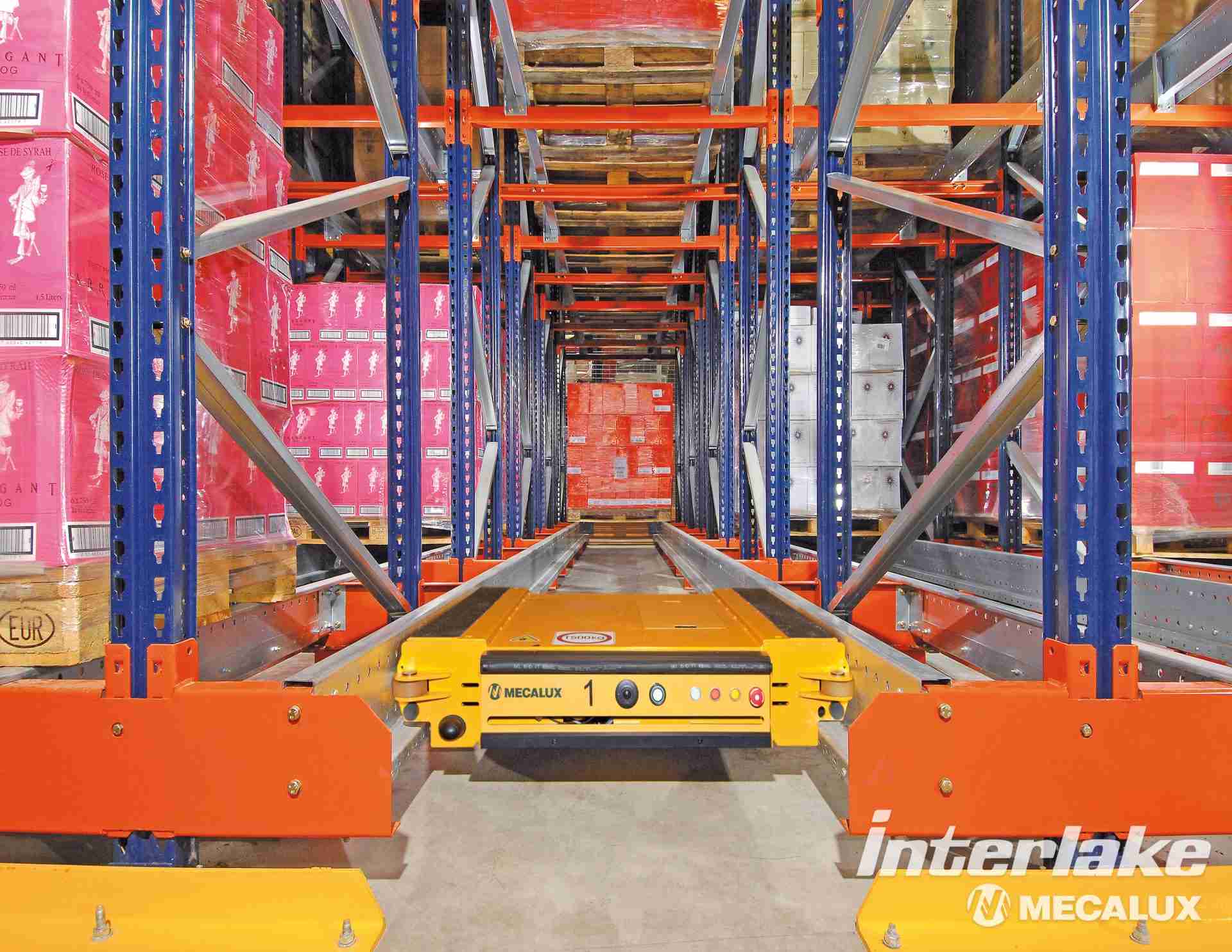
What Technologies Can Enhance Warehouse Racking Efficiency?
What Technologies Can Enhance Warehouse Racking Efficiency?
- Maximizing warehouse racking efficiency is essential for operational success in today’s fast-paced marketplace.
- Automated Storage and Retrieval Systems (AS/RS) enhance accuracy and reduce labor costs, with companies like Amazon and Walmart leading the way.
- Warehouse Management Systems (WMS) enable real-time inventory tracking and data analytics, leading to significant improvements in order fulfillment speed.
- The Internet of Things (IoT) creates actionable environments by providing real-time data on inventory and equipment status, thereby improving decision-making.
- Robotic Process Automation (RPA) is utilized to handle repetitive tasks, resulting in significant reductions in manual efforts and allowing staff to focus on higher-value activities.
- Augmented Reality (AR) assists in training and navigation within warehouses, improving efficiency and accuracy in locating items.
- Investing in these technologies can significantly enhance warehouse operations and provide a competitive edge.
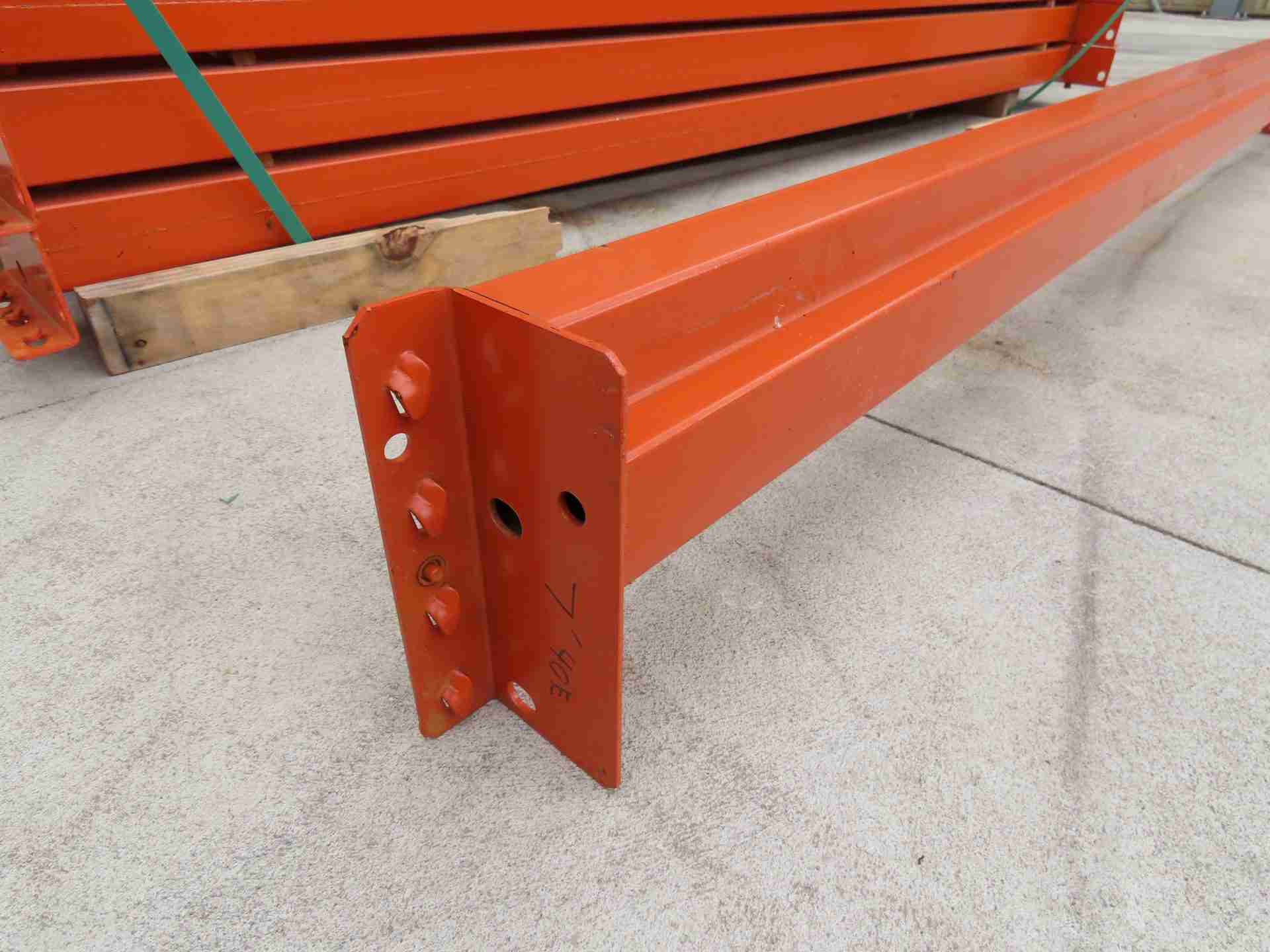
What Technologies Can Enhance Warehouse Racking Efficiency?
How Can I Retrofit Existing Systems With Modern Racking Solutions?
In a rapidly evolving marketplace, where efficiency and adaptability are paramount, modern racking solutions can revolutionize your existing systems. Retrofitting doesn’t just mean adding a new layer; it’s about integrating cutting-edge solutions that enhance your operational workflows while maximizing space and minimizing costs.
Take a moment to assess your current racking systems. Are they languishing under the weight of outdated designs? Are you feeling the pinch of space shortages while inventory levels continue to rise? Retrofits can provide a game-changing opportunity to breathe new life into your operations.
Start with a Strategic Evaluation: Your first step is a comprehensive analysis of your existing setups. Measure, assess load capacities, and determine workflow bottlenecks. For instance, imagine a warehouse using static shelving that’s become a relic in the age of e-commerce. An analysis shows that implementing modular racking can increase vertical space utilization by 40%. In today’s “just-in-time” economy, the ability to quickly adjust storage configurations in response to changing demand can make all the difference.
Select the Right Modern Solutions: Now that you’ve identified your needs, it’s time to explore the myriad of contemporary racking solutions available. Drive-in racking systems, for example, allow for high-density storage and quicker inventory turnover. With the recent supply chain challenges stemming from global events, organizations are prioritizing systems that can swiftly pivot and adapt. A company that retrofitted its traditional racking with dynamic storage solutions saw a 25% increase in fulfillment speed—resulting in a significant boost in customer satisfaction and retention.
Leverage Technology: Consider integrating technology into your racking solutions. Automated storage and retrieval systems (AS/RS) are no longer just for high-volume operations. Even smaller warehouses are learning the incredible efficiencies gained from implementing technology that tracks inventory movement and optimizes space utilization in real-time. The cost savings in labor and improvement in picking accuracy provide a strong return on investment that today’s savvy entrepreneurs can’t afford to overlook.
Partner with Experts: Finally, collaborate with industry leaders who specialize in racking. Their expertise can guide you in selecting the most effective retrofit solutions tailored specifically for your needs. By investing in modern racking, you’re not just keeping up with the competition; you’re setting the pace.
Transforming existing systems with modern racking solutions isn’t merely an upgrade—it’s a strategic reinvention that propels your business toward streamlined success. The future of efficient storage is here. Are you ready to embrace it?
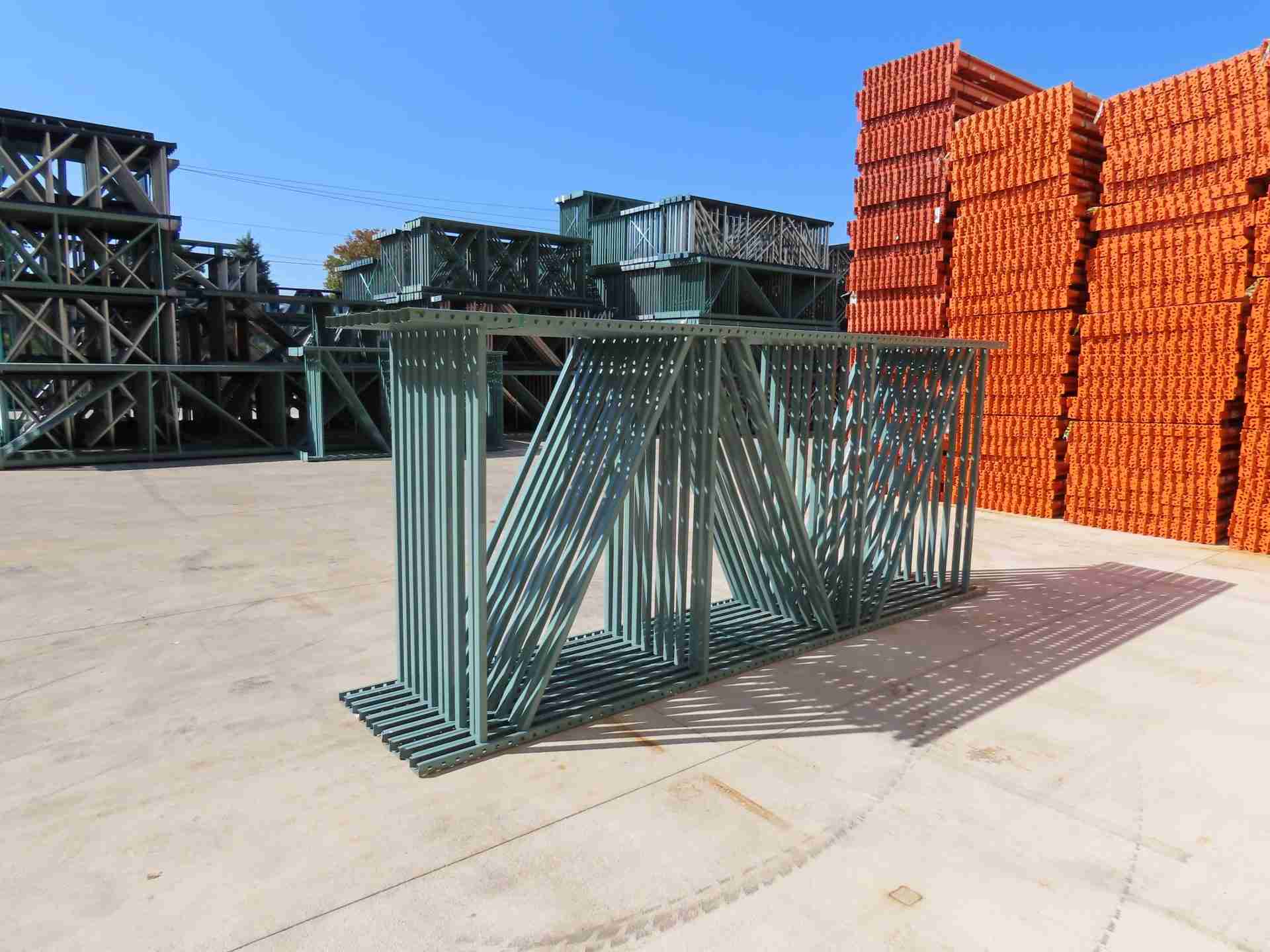
How Can I Retrofit Existing Systems With Modern Racking Solutions?
How Can I Retrofit Existing Systems With Modern Racking Solutions?
- Modern racking solutions enhance operational workflows by maximizing space and minimizing costs.
- Assessment of current racking systems is essential to identify outdated designs and space shortages.
- Strategic evaluation requires analyzing existing setups, load capacities, and workflow bottlenecks.
- Implementing modern solutions, like modular and drive-in racking, can significantly improve space utilization and inventory turnover.
- Technology integration, such as automated storage and retrieval systems (AS/RS), boosts efficiency and picking accuracy.
- Collaboration with racking experts helps tailor retrofit solutions to specific business needs.
- Modernizing racking systems is a strategic reinvention that positions businesses for greater success in the marketplace.
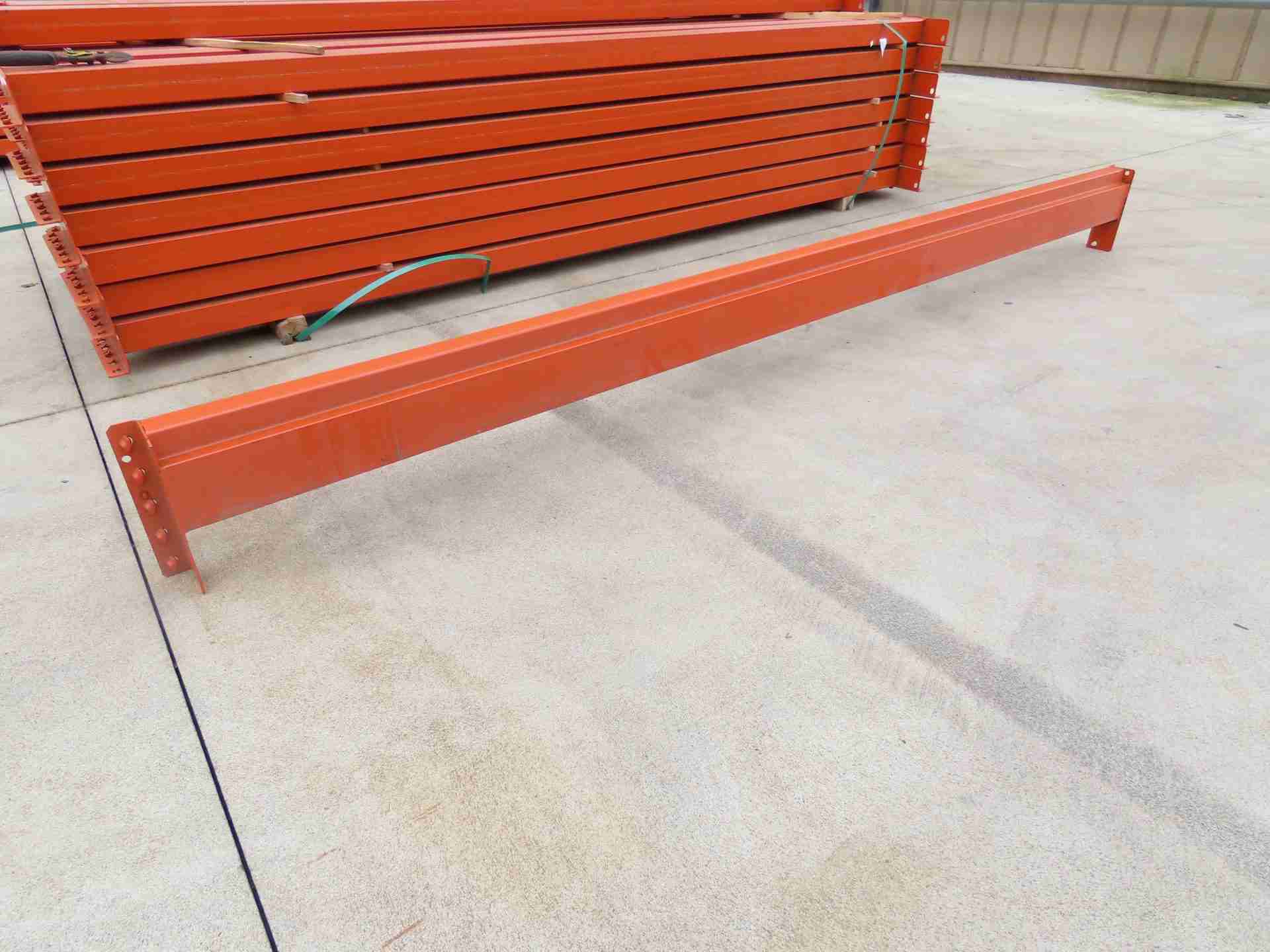
How Can I Retrofit Existing Systems With Modern Racking Solutions?
What Is The Cost Of Implementing Warehouse Racking Systems?
When it comes to optimizing your warehouse space, racking systems emerge as critical components, promising efficiency and organization. Yet, many business owners are often left grappling with the question: “What will this actually cost me?” Understanding the financial implications of implementing warehouse racking systems is not just essential—it’s a strategic decision that can yield significant returns.
First, let’s break down the costs. A basic pallet racking system can range from $100 to $300 per pallet position, depending on size, material, and design complexity. For example, if you run a mid-sized distribution center aiming for 500 pallet positions, you could be looking at an investment of $50,000 to $150,000, just for the racking itself. But that’s only the beginning.
Installation costs also play a critical role in the budget. Hiring professionals to install a racking system typically ranges from 10% to 20% of the equipment cost, meaning another $5,000 to $30,000 in our earlier scenario. Keep in mind that improper installation can lead to dangerous collapses and costly damages—meaning you’ll want to invest wisely in this area.
Additional considerations include preparation and design fees. You might need to consult with a warehouse optimization expert to guarantee that the racking system you choose maximizes your storage capacity and aligns with your workflow. These services can cost anywhere from $1,000 to $5,000, depending on the complexity of your operations.
But don’t overlook the hidden costs. Inventory loss during transition periods, potential downtime, and retraining staff on the new system also contribute to your total expenditure. Did you know that supply chain disruptions have led to a 30% increase in logistical costs in some sectors in recent months? Efficiently designed racking systems can mitigate these factors by streamlining operations and reducing mishaps.
Moreover, it pays to consider the long-term benefits. A well-implemented racking system can lead to improved inventory turnover rates, better order fulfillment accuracy, and ultimately, enhanced customer satisfaction—all of which contribute to your bottom line. For instance, companies that recently adopted vertical racking solutions reported a 20% increase in storage capacity, thereby significantly offsetting their initial investment.
So, as you weigh the costs of implementing a warehouse racking system, remember: it’s not merely an expense, but a foundational investment in operational efficiency. Embrace the benefits that come from a well-organized and optimized warehouse, and you’ll find that the initial costs pale in comparison to the gains in productivity and profitability.
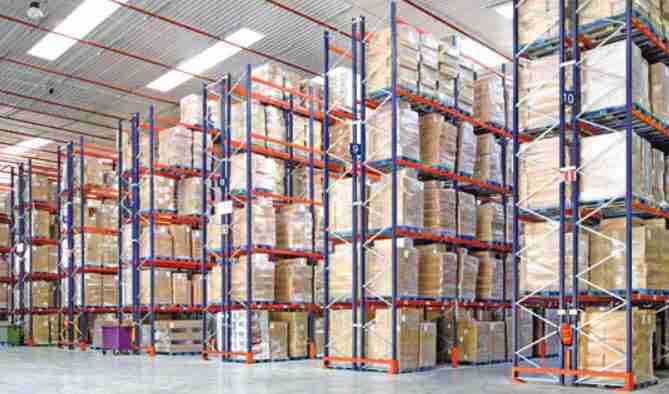
What Is The Cost Of Implementing Warehouse Racking Systems?
What Is The Cost Of Implementing Warehouse Racking Systems?
- Racking systems are essential for optimizing warehouse space, offering efficiency and organization.
- The cost of a basic pallet racking system ranges from $100 to $300 per pallet position.
- For a mid-sized distribution center with 500 pallet positions, the racking investment could be between $50,000 to $150,000.
- Installation costs typically add an additional 10% to 20% of the equipment cost, equating to $5,000 to $30,000.
- Preparation and design fees for consulting with warehouse optimization experts can range from $1,000 to $5,000.
- Hidden costs, such as inventory loss and downtime, can increase overall expenditure in the transition period.
- A well-implemented racking system can lead to long-term benefits, including improved inventory turnover and customer satisfaction.

What Is The Cost Of Implementing Warehouse Racking Systems?
How Do Seasonal Fluctuations Impact Warehouse Racking Needs?
Every savvy warehouse manager knows that the landscape of inventory storage is not static. Seasonal fluctuations exert a significant influence on warehouse racking needs, and recognizing this can turn a potential headache into an opportunity for efficiency and profit maximization. As the seasons change, so do consumer behaviors, inventory volumes, and therefore the requirements for storage solutions.
Consider e-commerce giants like Amazon. During the holiday season, demand skyrockets for a plethora of products—from electronics to seasonal gifts. To accommodate this influx, Amazon and similar companies ramp up their racking systems, often incorporating adjustable shelving and pallet racking that can be tailored to handle variable product sizes and quantities. This flexibility allows them to maximize storage capacity while ensuring that popular items are readily accessible.
Let’s examine the retail sector, particularly during back-to-school season. Educational supplies, clothing, and tech gadgets create surges in demand. A retailer that prepares with the right racking setup can optimize their space to fit larger quantities of these items while simultaneously facilitating efficient picking and packing. For example, implementing dynamic racking solutions can help maintain a high turnover rate, which is critical when dealing with perishable items like clothing or school supplies that often go out of season quickly.
Moreover, recent events such as the pandemic have reshaped consumer habits, leading to unpredictability in inventory needs. With fluctuations in e-commerce growth, warehouses must now be equipped to handle spikes in demand. The integration of smart racking systems that can automatically adjust based on inventory analytics enables warehouses to be agile, reacting swiftly to changes brought on by market trends or seasonal shifts.
Another example is the post-pandemic supply chain recovery phase. Retailers are reevaluating their racking layouts to capitalize on new sourcing strategies and shifts in consumer purchasing patterns, resulting in reconfigured shelves and enhanced efficiency. Those who seize the opportunity to upgrade and adapt their racking systems in response to these seasonal shifts will not just survive—they will thrive.
Understanding and anticipating seasonal fluctuations in demand is vital to optimizing warehouse racking needs. By investing in flexible, adaptive racking solutions, businesses can position themselves for success, ensuring they are not just ready for the current season but equipped to adapt to future shifts in consumer behavior. Remember, in the world of warehousing, preparation is the name of the game, and stacking the odds in your favor starts with knowing what’s around the corner.
How Do Seasonal Fluctuations Impact Warehouse Racking Needs?
How Do Seasonal Fluctuations Impact Warehouse Racking Needs?
- Warehouse managers must recognize seasonal fluctuations that affect inventory storage needs.
- E-commerce companies like Amazon adapt their racking systems during peak demand seasons, using adjustable shelving and pallet racking.
- Retailers must prepare for demand surges during events like back-to-school by optimizing their racking setups.
- Dynamic racking solutions help maintain high turnover rates for perishable items, accommodating varying supply needs.
- The pandemic has caused unpredictability in consumer habits, necessitating agile warehouse operations.
- Post-pandemic recovery is prompting retailers to revise racking layouts to improve efficiency and align with new consumer purchasing patterns.
- Investing in flexible racking solutions allows businesses to effectively manage seasonal demand shifts and prepare for future changes.

How Do Seasonal Fluctuations Impact Warehouse Racking Needs?
What Role Does Warehouse Racking Play In Supply Chain Optimization?
In today’s rapidly evolving business landscape, the efficiency of your warehouse is not just a cost center; it’s a pivotal driver of your overall supply chain success. Enter warehouse racking—often overlooked, yet an indispensable player in maximizing operational efficiency and optimizing your supply chain.
Imagine a sprawling warehouse that features outdated, disorganized shelving. Products are mismanaged, employees are constantly hunting for items, and, consequently, fulfillment times skyrocket. Conversely, a strategically designed racking system streamlines processes, minimizes waste, and improves turnaround times. In an era where Amazon sets high expectations for delivery speed, companies can no longer afford the luxury of inefficient layouts.
Take, for example, the case of XYZ Corp, a mid-sized e-commerce business struggling with inventory accuracy and space utilization. By implementing a selective pallet racking system, they transformed their warehouse. Not only did they gain vertical space, but they also improved the picking process, allowing employees to locate items quickly and efficiently. The result? A 30% reduction in order fulfillment times and a 20% increase in overall productivity within just a few months!
The economic climate has shifted drastically, and supply chain disruptions have become the norm rather than the exception. The pandemic has altered consumer behavior, leading to increased online shopping and a significant rise in e-commerce fulfillment demands. Companies are scrambling to adapt. Efficient racking solutions empower businesses to store more product types in a smaller footprint, enhancing flexibility to pivot when market conditions change. For example, the recent surge in interest for sustainable products has led some companies to supplement their offerings without the need for a significant warehouse overhaul, simply by optimizing current space.
Additionally, consider the current tech innovations influencing warehouse management. Automated racking systems integrated with AI can track inventory levels in real-time, preventing stockouts or overstock situations. This level of precision leads to informed decision-making regarding inventory purchasing and logistics, ultimately translating into cost savings.
Warehouse racking is more than a simple storage solution; it is a strategic component that fuels supply chain optimization. By investing in the right racking systems, businesses not only enhance efficiency but also create a resilient infrastructure capable of responding to ever-changing market demands. Remember, in the world of logistics, every inch of space—and every second saved—counts. Don’t let your warehouse be an operational bottleneck; transform it into a profit-generating powerhouse!
What Role Does Warehouse Racking Play In Supply Chain Optimization?
What Role Does Warehouse Racking Play In Supply Chain Optimization?
- Warehouse efficiency is crucial for overall supply chain success, positioning racking systems as vital components.
- Outdated shelving leads to disorganization, increased fulfillment times, and difficulty in locating products.
- A strategically designed racking system minimizes waste, streamlines processes, and enhances turnaround times.
- Case study: XYZ Corp reduced order fulfillment times by 30% and increased productivity by 20% with selective pallet racking.
- Supply chain disruptions and changing consumer behavior require companies to adapt with efficient racking solutions.
- Innovations like automated racking systems and AI enhance inventory management, promoting informed decision-making.
- Investing in the right racking systems fosters resilience and efficiency, enabling businesses to thrive in a dynamic market.
What Role Does Warehouse Racking Play In Supply Chain Optimization?
Conclusion
In the ever-evolving landscape of logistics and warehousing, the importance of an effective warehouse racking system cannot be overstated. As we’ve explored throughout this article, warehouse racking is not merely a means of storing goods; it’s the very backbone of operational efficiency, organization, and profit maximization. Your ability to navigate the complexities of modern supply chains hinges on the strategic employment of racking solutions that fit your specific needs and objectives.
From maximizing space utilization to streamlining inventory management, the right racking system equips your operations to meet increasing demands for efficiency, safety, and speed—all crucial in today’s market. We’ve examined how major players like Amazon have set the standard by adopting advanced racking solutions that enable swift processing and delivery. The evidence is clear: companies with well-designed racking systems yield tangible improvements in productivity, customer satisfaction, and overall profitability.
Additionally, the interplay between warehouse racking and technology cannot be ignored. Advanced systems offer tools for real-time inventory management, enhance safety protocols, and provide the adaptability your warehouse needs in fluctuating market conditions. As businesses face ongoing challenges—supply chain disruptions, rising e-commerce expectations, and shifting consumer behaviors—the integration of modern racking solutions becomes essential.
But this is not just about keeping pace; it’s about leading the pack. Competitors who capitalize on efficient racking solutions stand to gain a significant edge. The stakes are high, as every day that passes without optimizing your warehouse layout is another day spent behind in a marketplace where speed and excellence define success.
Now is the time to assess your current warehouse racking setup and consider the enhancements that will elevate your operational capabilities. It’s more than just an upgrade; it’s an investment in your future. At Arrow Industrial Sales, we are ready to assist you in finding the perfect racking solutions to meet your specific needs. Don’t let outdated systems hold you back—call Arrow Industrial Sales today at (574) 349-6575 to explore modern racking solutions tailored for your business. The warehouse revolution is here; take the first step toward transforming your operations and seizing new opportunities now!

Conclusion
Conclusion:
- An effective warehouse racking system is crucial for operational efficiency and profit maximization.
- The right racking solutions maximize space utilization and streamline inventory management.
- Companies like Amazon demonstrate how advanced racking solutions improve productivity and customer satisfaction.
- Integration of technology in racking systems enhances inventory management and safety protocols.
- Businesses must adapt to challenges such as supply chain disruptions and changing consumer behaviors with modern racking solutions.
- Optimizing warehouse layouts is essential to gain a competitive edge in today’s fast-paced market.
- Investing in upgraded racking systems is vital for future operational capabilities; contact Arrow Industrial Sales for tailored solutions.
Conclusion
Other Resources
Other Resources
Here is a list of other resources you can review online to learn more:
- “Stock management and warehouse inventory | Amazon IT”
- “Understanding e-commerce logistics | Order fulfilment”
- “E-commerce and 3PL warehouse solutions – Racking”
- “Pallet Rack”
- “Conventional pallet racking”
- “SSI Schaefer Celebrates Success of Singaporean Partners”
- “Amazon”
- “Fifo Pallet Rack”
- “WAREHOUSING MODULE”
Use This Prompt To Get More Resources With Your Favorite Online AI Tool: Please provide me with a list of online articles with their URLs in a bulleted list that I can read regarding What Is Warehouse Racking?
Other Resources
Glossary Terms
What Is Warehouse Racking? – Glossary Of Terms
1. Racking: A system used for storing goods in a warehouse, consisting of load-bearing structures for organizing items vertically to optimize space.
2. Pallet Rack: A type of racking made to hold palletized products, composed of upright frames and horizontal beams.
3. Beam: The horizontal structural component of a pallet rack that supports the weight of stored goods.
4. Upright: The vertical supports of a racking system that provide stability and height for the racks.
5. Load Capacity: The maximum weight a racking system or a specific beam can safely hold.
6. Shelving: Flat surfaces on racking systems where items are placed for storage, often made of wood or metal.
7. Selective Racking: A racking system that allows direct access to each pallet, maximizing accessibility but generally minimizing storage density.
8. Drive-In Racking: A high-density storage system that allows forklifts to drive into the rack for loading and unloading pallets from a single side.
9. Push Back Racking: A type of racking where pallets are loaded onto rolling carts; as new pallets are added, they push previous pallets back, allowing for last-in, first-out (LIFO) inventory management.
10. Cantilever Racking: A racking system designed to store long or bulky items, featuring horizontal arms extending from vertical columns.
11. Flow Racking: A system where products are loaded from the back and retrieved from the front, using gravity to facilitate the movement of items.
12. Multi-tier Racking: A racking configuration with multiple levels stacked one above the other to maximize vertical storage capacity.
13. Warehouse Management System (WMS): Software used to manage warehouse operations, including inventory tracking, order fulfillment, and racking optimization.
14. FIFO (First In, First Out): An inventory management principle where the oldest stock is used or sold first; often implemented with flow racking systems.
15. LIFO (Last In, First Out): An inventory system where the most recently added stock is sold or used first, often associated with push back racking.
16. Safety Pin: A device used to secure beams to uprights in racking systems, preventing accidental disengagement.
17. Rack Guards: Protective barriers installed around racking systems to prevent damage from forklifts and other warehouse equipment.
18. End-of-Aisle Rack: A rack positioned at the ends of aisles, often used for storing smaller items or for promotional displays.
19. Grid Racking: A specialized racking system with a grid-like structure, allowing for the storage of various item sizes and enhancing airflow through stored products.
20. Heavy-Duty Racking: Racking designed to carry heavier loads, typically featuring reinforced beams and uprights.
21. Mobile Racking: Racking systems mounted on wheels that can be moved to create or close aisles, optimizing space utilization.
22. Condensed Storage: A method of maximizing storage density by minimizing aisle space, often achieved through specialized racking configurations.
23. Compliance: The adherence to safety and regulatory standards regarding the installation and use of racking systems in warehouses.
24. Inspections: Regular evaluations of a racking system to ensure it is structurally sound and safe for use.
25. Vertical Storage: Utilizing height in warehouse design to maximize storage capacity without increasing floor space.
26. Inventory Turnover: A measure of how often inventory is sold and replaced over a specific period, influential in racking design.
27. Trucks and Aisles: The pathways and loading areas amongst racking systems where forklifts or pallet jacks operate.
28. AS/RS (Automated Storage and Retrieval Systems): Technology-driven systems that automate the process of storing and retrieving goods from racking systems.
29. Mixed Load Racking: A type of racking that allows for the storage of different types of loads within the same area, promoting flexibility.
30. Distribution Center: A facility used to store and distribute products efficiently, often utilizing advanced racking systems to streamline operations.
Glossary Of Terms
Other Questions
What Is Warehouse Racking? – Other Questions
If you wish to explore and discover more, consider looking for answers to these questions:
- What are the advantages of different types of warehouse racking systems?
- How do I assess the current racking system in my warehouse?
- What are the most common safety violations related to warehouse racking?
- How often should warehouse racking be inspected and maintained?
- What is the impact of warehouse racking on labor costs?
- How does warehouse racking influence order picking efficiency?
- Can warehouse racking systems be customized for specific industries?
- What technologies are emerging in the warehouse racking space?
- How does climate control affect warehouse racking design?
- What are the future trends in warehouse racking solutions?
- How can small businesses take advantage of modern racking systems?
- What are the ROI considerations for investing in warehouse racking?
- What are the environmental impacts of warehouse racking systems?
- How do seasonal changes affect warehouse racking needs?
- What metrics should be monitored to evaluate racking system performance?
Other Questions
Checklist
What Is Warehouse Racking? – A Checklist
1. Identify Inventory Needs
_____ Analyze the types of products you store (size, weight, quantity).
_____ Determine if you handle perishable goods, heavy machinery, or a variety of SKUs.
_____ Consider future inventory changes or seasonal fluctuations.
2. Evaluate Warehouse Layout
_____ Measure available space (height, width, and floor plan).
_____ Assess aisle widths and functional areas (receiving, picking, packing).
_____ Identify key workflow paths for retrieval and restocking.
3. Choose Racking System Type
_____ Select from racking options:
_____ Selective Racking for easy access.
_____ Drive-In/Drive-Through Racking for bulk items.
_____ Pallet Flow Racking for FIFO systems.
_____ Cantilever Racking for long or bulky items.
_____ Mezzanine Racking for maximizing vertical space.
_____ Ensure the chosen type aligns with inventory requirements and layout.
4. Analyze Load Capacities
_____ Verify the load capacities of the chosen racking systems.
_____ Make sure those capacities meet your inventory’s weight and volume needs.
_____ Document safety margins to prevent overloading.
5. Plan for Accessibility and Safety
_____ Design the racking layout with accessibility in mind for high-demand items.
_____ Ensure compliance with safety regulations (OSHA and ANSI standards).
_____ Plan for safe operation routes for forklift and staff movement.
6. Consider Technology Integration
_____ Evaluate the integration of Warehouse Management Systems (WMS).
_____ Explore Automated Storage and Retrieval Systems (AS/RS).
_____ Investigate IoT applications for real-time inventory tracking.
_____ Assess the potential for using robotics or augmented reality.
7. Budget for Implementation
_____ Estimate the costs of racking systems (per pallet position, installation).
_____ Account for additional expenses (design consultations, hidden costs).
_____ Calculate long-term ROI based on increased efficiency and space utilization.
8. Train Your Team
_____ Provide training on the new racking system and best practices.
_____ Educate staff on safety compliance and proper loading techniques.
_____ Establish routine training for adapting to seasonal changes and challenges.
9. Establish Maintenance Procedures
_____ Schedule regular inspections and maintenance checks.
_____ Create protocols for addressing damage or wear.
_____ Develop a system for documenting maintenance activities.
10. Review and Iterate
_____ Continuously evaluate racking performance and inventory flow.
_____ Gather feedback from staff on the practicality and efficiency of the layout.
_____ Adapt racking systems based on evolving operational needs and market trends.
Utilize this checklist as a roadmap to enhance your warehouse operations through effective racking solutions. Ensuring each step is considered will lead to a more organized, safer, and efficient warehouse environment, ultimately boosting productivity and customer satisfaction.
Checklist
At RackingWorld, we help guide you through selecting warehouse storage systems and racking.
Be sure to read our other related stories at RackingWorld to learn more about warehouse storage systems.
0 Comments