
Maximizing Warehouse Space Efficiently
By Tom Seest
At RackingWorld, we help guide you through selecting warehouse storage systems and racking.
Be sure to read our other related stories at RackingWorld to learn more about warehouse storage systems.
What Is Push Back Pallet Racking
In the world of warehousing and inventory management, efficiency is king. Imagine a system that streamlines storage, maximizes space, and enhances accessibility—all while reducing labor costs and minimizing the risk of inventory damage. Enter push back pallet racking, a revolutionary storage solution that effortlessly combines functionality with smart design.
So, what exactly is push back pallet racking? At a fundamental level, it’s a dynamic storage system that utilizes a series of nested, rolling carts, operating on a gently sloped track. When you load a pallet into the front of the rack, it pushes the pallets behind it back, cleverly creating a compact, organized space. When you need to retrieve a pallet, simply remove the one at the front, and those behind roll forward into place—no heavy lifting or awkward maneuvering necessary.
This method is not only efficient—it maximizes your warehouse’s vertical and horizontal space. Push back racking can offer up to 90% more storage than conventional racks, making it a game-changer for retailers and manufacturers alike. Large-scale companies like Amazon have leveraged this technology within their fulfillment centers to improve order accuracy and speed, adjusting swiftly to fluctuating demands during peak shopping seasons.
Consider a business managing a large inventory of seasonal items: push back pallet racking provides the flexibility needed to cycle through inventory without the chaos of traditional static shelving. With it, as new stock arrives, you can efficiently store and retrieve items from various pallet levels—all while keeping your space tidy and accessible.
Looking to the future, sustainability is a key concern across industries, and push back racking offers eco-friendly benefits as well. By increasing the efficiency of space utilization, companies can reduce their carbon footprint by requiring less warehouse real estate. This trend aligns perfectly with the growing demand for environmentally responsible business practices, especially as consumers seek transparency in how products are sourced and stored.
In a rapidly changing logistics landscape, where the need for adaptability is paramount, push back pallet racking stands out as the quintessential solution. It allows businesses not only to keep pace with market demands but also to thrive—transforming storage challenges into opportunities for growth. In a nutshell, it’s the kind of innovative system that could very well redefine your warehousing strategy and help your business ascend to new heights. Take your first step toward a more efficient and organized future today!

What Is Push Back Pallet Racking
What Is Push Back Pallet Racking
- Push back pallet racking is a dynamic storage system that enhances efficiency in warehousing and inventory management.
- The system uses nested, rolling carts on a sloped track to maximize space and reduce labor costs.
- It can provide up to 90% more storage capacity than conventional racks, optimizing vertical and horizontal space.
- Major companies like Amazon utilize push back racking to improve order accuracy and speed during peak seasons.
- This system allows for easy storage and retrieval of seasonal inventory without the clutter of traditional shelving.
- Push back racking supports sustainability by optimizing space utilization, thus reducing the carbon footprint of warehouse operations.
- The system is designed to adapt to changing market demands, transforming storage challenges into growth opportunities.

What Is Push Back Pallet Racking
Table Of Contents
- What Is Push Back Pallet Racking
- What Is Push Back Pallet Racking?
- How Does Push Back Pallet Racking Work?
- What Are The Benefits Of Push Back Pallet Racking?
- How Does Push Back Racking Compare To Other Systems?
- What Types Of Products Are Best Suited For Push Back Racking?
- How Do You Determine The Layout For Push Back Pallet Racking?
- What Are The Installation Requirements For Push Back Racking?
- How Do You Maintain Push Back Pallet Racking Systems?
- What Safety Considerations Are There For Push Back Racking?
- How Does Push Back Racking Improve Warehouse Efficiency?
- What Is The Cost Of Push Back Pallet Racking Systems?
- Are There Different Configurations Of Push Back Racking?
- How Is Push Back Pallet Racking Designed For Different Load Sizes?
- Can Push Back Racking Be Customized For Specific Needs?
- What Are Common Misconceptions About Push Back Pallet Racking?
- Conclusion
- Other Resources
- Glossary Of Terms
- Other Questions
- Checklist
What Is Push Back Pallet Racking?
When it comes to maximizing warehouse space efficiently, the investment in a push back pallet racking system can revolutionize your storage strategy. Picture this: a warehouse that not only utilizes its vertical space but also ensures rapid retrieval of pallets with minimal effort. Push back pallet racking technology makes this a reality, and it’s becoming a game-changer in today’s logistics-heavy environment.
Essentially, push back racking allows pallets to be stored in a compact manner on inclined rails. This design facilitates a first-in, last-out (FILO) inventory management method, meaning that the oldest stock is always retrieved last, optimizing the freshness of products—crucial for industries like food and pharmaceuticals. For instance, a company dealing in perishable goods can dramatically reduce spoilage by ensuring older stock is retrieved first, adhering to strict safety regulations while enhancing customer satisfaction.
Imagine a busy distribution center handling high volumes of e-commerce orders—think of Amazon or large retailers. Push back systems streamline the retrieval process. Instead of cumbersome selective racking where individual pallet retrieval could mean lost time and increased labor costs, push back allows employees to push the pallets back, thus accessing the desired pallet without disrupting the rest. This not only speeds up the picking process but also translates to lower operational costs—something every business aims for today, especially when margins are tighter than ever.
Furthermore, as businesses adapt to the ongoing challenges posed by supply chain disruptions and increased demand for quick order fulfillment—intensified by global events such as pandemics or geopolitical issues—push back pallet racking proves invaluable. With the flexibility to adjust based on warehouse flow and inventory levels, it accommodates fluctuations and enables rapid response without demanding significant capital outlay for new infrastructure.
Additionally, in our ever-evolving world, sustainability is no longer optional. A push back racking system maximizes storage density within the same footprint, reducing energy consumption associated with heating and cooling larger warehouse spaces. Thus, companies can benefit from both cost savings and meet their green initiatives—an important consideration in corporate responsibility today.
Push back pallet racking represents not just an efficient storage solution, but a strategic advantage in an increasingly competitive marketplace. As businesses continue to innovate and adapt, leveraging such systems can be the key to thriving, not just surviving. So, why settle for mediocre when your operations could operate at peak efficiency? The time to rethink your racking strategy is now.

What Is Push Back Pallet Racking?
What Is Push Back Pallet Racking?
- Investment in a push back pallet racking system can significantly enhance warehouse storage strategies.
- Facilitates first-in, last-out (FILO) inventory management, optimizing product freshness, especially in food and pharmaceuticals.
- Streamlines retrieval processes in high-volume distribution centers, reducing time and labor costs compared to traditional racking systems.
- Offers flexibility to adapt to supply chain disruptions and fluctuating demand, enabling quick responses without large capital investments.
- Maximizes storage density and reduces energy consumption, supporting corporate sustainability initiatives.
- Provides a strategic advantage in a competitive marketplace by improving operational efficiency.
- Encourages businesses to rethink their racking strategies for peak performance and growth potential.

What Is Push Back Pallet Racking?
How Does Push Back Pallet Racking Work?
Push back pallet racking represents a remarkable evolution in warehouse storage solutions, combining efficiency with simplicity. At its core, this system utilizes a series of inclined tracks that enable pallets to slide back on wheeled carts. Imagine a roller coaster for your inventory; as pallets are loaded from the front, they effortlessly push back, creating space for the next pallet to be placed in line. This ingenious design maximizes your storage capacity while minimizing the need for complex maneuvers, allowing for quick and effective inventory management.
In a world dominated by e-commerce giants—think Amazon and Walmart—the need for efficient warehousing solutions has never been more pressing. These companies are continuously innovating their supply chains to keep up with consumer demands, setting a benchmark for efficiency that smaller enterprises must strive to meet. Push back pallet racking systems perfectly cater to this high-demand environment, allowing warehouses to store multiple pallets deep while maintaining top-tier accessibility.
For example, let’s say you manage a mid-sized distribution company. Your current racking system allows for only few pallets in front of each SKU, causing time-consuming headaches every time you need to restock. By switching to a push back system, not only do you double your storage capacity, but you also increase picking speed. Workers can easily access the pallets they need without the hassle of navigating around others—ensuring that the goods stored at the back are just as accessible as those in front.
Moreover, consider the safety aspect. The push back system minimizes the need for frequent forklift operations deep within the racking system, reducing the risk of accidents. In today’s climate, where worker safety is paramount, employing a safer, more efficient system isn’t just smart; it’s essential.
As market trends evolve, the pressure to increase productivity while managing costs is undeniable. Reports indicate that rising labor costs and the need for rapid fulfillment cycles are driving businesses to adopt more dynamic storage solutions. Push back pallet racking not only provides easier inventory control but also contributes to a leaner, more responsive supply chain—traits that are essential in today’s fast-paced economy.
With the pressures of the current market landscape, businesses cannot afford to lag in efficiency. Embrace the push back pallet racking system, and gain the competitive edge you need to thrive in an increasingly demanding industry. As others scramble for space and efficiency, you’ll be elegantly gliding ahead, pushing back the boundaries of what’s possible.

How Does Push Back Pallet Racking Work?
How Does Push Back Pallet Racking Work?
- Push back pallet racking is an innovative warehouse storage solution that combines efficiency and simplicity.
- The system utilizes inclined tracks that allow pallets to slide back on wheeled carts, optimizing storage capacity.
- This design minimizes complex maneuvers, facilitating quick inventory management.
- High-demand environments, such as those dominated by e-commerce giants like Amazon and Walmart, benefit greatly from this system.
- Switching to push back racking can double storage capacity and enhance picking speed, making inventory access easier.
- The system reduces the frequency of forklift operations in deep racking, which enhances workplace safety.
- As market dynamics shift, employing this storage solution can help businesses remain competitive by improving productivity and responsiveness.
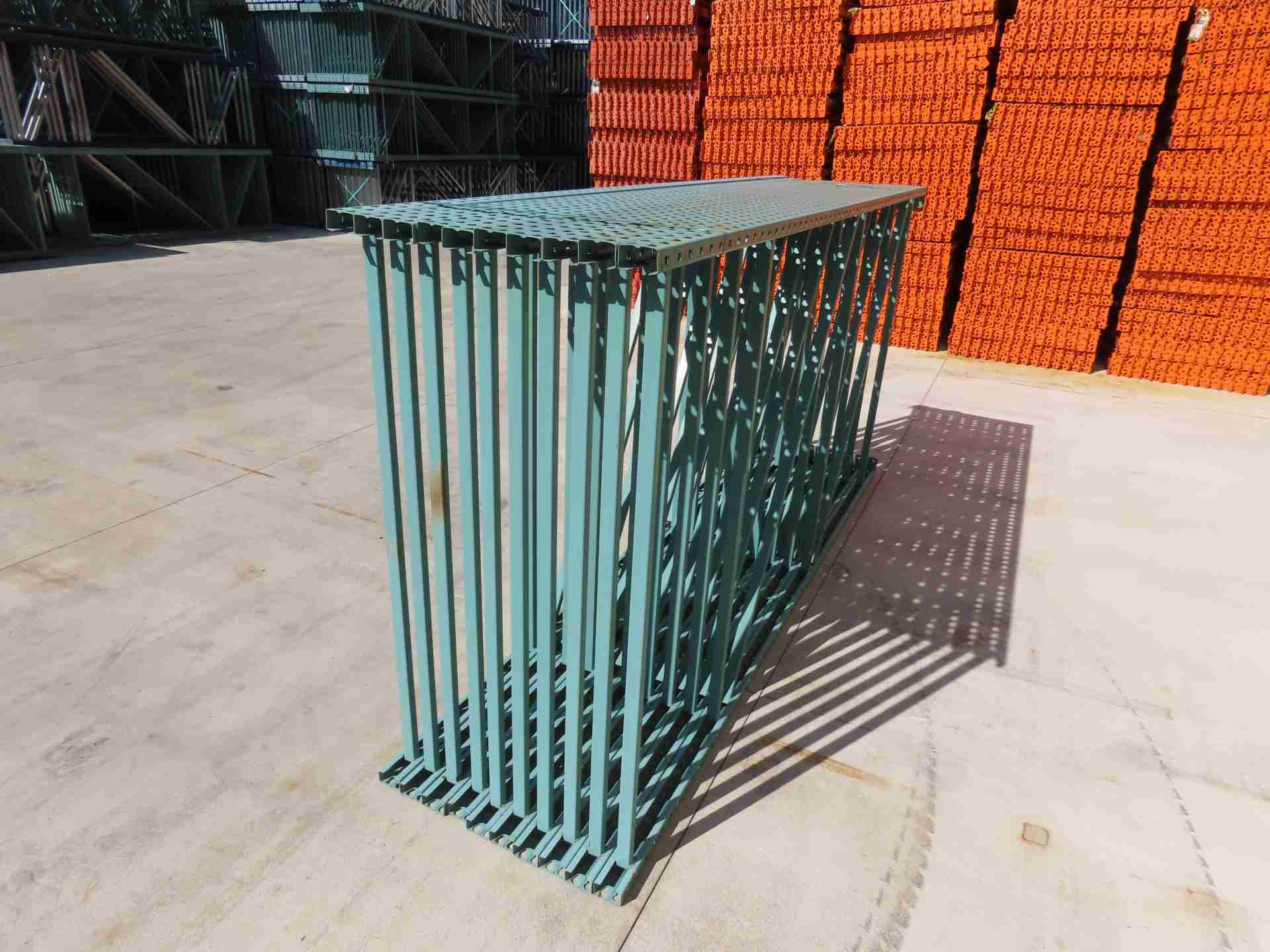
How Does Push Back Pallet Racking Work?
What Are The Benefits Of Push Back Pallet Racking?
In today’s fast-paced warehousing and logistics environment, maximizing storage space while maintaining efficiency is paramount. Enter push back pallet racking—a storage solution designed to revolutionize how you store and access inventory. But what exactly are the benefits?
1. Space Efficiency
Push back pallet racking utilizes a design where pallets are stored on inclined tracks within the racking system. This allows for a higher density of storage compared to traditional racking systems. Businesses can retrieve pallets from the back of the rack without needing to move others out of the way. For instance, a warehouse that once accommodated 1,000 pallets may now hold upwards of 1,400 with push back systems. This is critical in urban areas where square footage comes at a premium.
2. Enhanced Accessibility and Fast Retrieval
Imagine a system where you can access your inventory with the speed and ease of flipping a light switch. Push back racking allows for Last In, First Out (LIFO) inventory management. This means that goods brought in last are also the first to leave, reducing the time and labor involved in picking and packing. During times like the recent 2023 holiday season, when demand spikes, having an efficient retrieval system is essential. Companies that adopted push back racking saw a noticeable uptick in order fulfillment speed, accommodating last-minute shoppers eager for timely deliveries.
3. Reduced Labor Costs
With improved storage density and accessibility, the reduction in labor costs becomes evident. Employees can operate forklifts more efficiently, needing fewer hours to retrieve pallets. For example, a major beverage distributor recently transitioned to push back pallet racking and reported a 25% decrease in labor hours spent on picking tasks. That translates directly into operational cost savings, which can dramatically improve profit margins.
4. Greater Inventory Control
Inventory management is increasingly crucial in a world coping with supply chain disruptions. Push back pallet racking provides greater visibility, allowing warehouses to track what’s in stock more easily. Given the recent challenges with global supply chains, this feature has proved invaluable; businesses can quickly assess inventory levels and make informed decisions about reordering, ensuring they never fall short of demand.
5. Flexibility and Scalability
Lastly, push back pallet racking is adaptable. Companies can tailor the system to accommodate various pallet sizes and weights, making it ideal for a wide range of industries. As businesses grow or pivot—like many have post-COVID—this system can scale accordingly, offering a robust solution regardless of changing inventory needs.
Push back pallet racking offers a blend of space efficiency, improved accessibility, labor cost reductions, better inventory control, and scalability—key pillars of a successful operation in today’s competitive landscape. Embrace this innovative solution today and watch your business soar!

What Are The Benefits Of Push Back Pallet Racking?
What Are The Benefits Of Push Back Pallet Racking?
- Space Efficiency: Utilizes inclined tracks for higher storage density; can increase pallet capacity significantly.
- Enhanced Accessibility and Fast Retrieval: Supports LIFO inventory management for quicker access, crucial during demand surges.
- Reduced Labor Costs: Fewer labor hours required for pallet retrieval, leading to operational cost savings and better profit margins.
- Greater Inventory Control: Improved visibility for easier stock tracking and informed reordering amidst supply chain disruptions.
- Flexibility and Scalability: Adapts to various pallet sizes and weights, accommodating business growth and changing needs.
- Increased Efficiency: Streamlined operations enhance overall productivity in warehousing and logistics.
- Competitive Advantage: Provides essential operational improvements for businesses to thrive in a competitive landscape.

What Are The Benefits Of Push Back Pallet Racking?
How Does Push Back Racking Compare To Other Systems?
When it comes to maximizing warehouse efficiency, the choice of racking system can make or break your operation. Push back racking stands out among various options due to its blend of accessibility, density, and versatility. But how does it stack up against other popular systems like pallet flow and selective racking?
First off, let’s talk about space optimization. Push back racking is designed to make use of gravity and depth to store more products in a smaller footprint. Each lane can accommodate multiple pallets, allowing you to store different SKUs without occupying additional square footage. In contrast, selective racking offers a one-to-one access ratio, which may lead to wasted space for businesses that are looking to store a wide variety of products simultaneously. For instance, with the current surge in e-commerce driven by events like the recent holiday shopping boom, many warehouses are seeking ways to handle increased inventory without expanding their operations. In such cases, push back systems enable companies to maximize their storage capabilities without a costly expansion.
Next, let’s discuss access and handling. Push back racking allows for last-in, first-out (LIFO) inventory management, which is beneficial for businesses like those in the food and beverage industry, where products have specific expiry dates. This system enables quick access to older products without requiring operators to move other pallets, unlike selective racking, which can lead to cumbersome rearrangements. The convenience factor cannot be overstated; in a world where efficiency equals profitability, the streamlined operations provided by push back racking can shave hours off order fulfillment time.
Moreover, consider labor costs. With push back racking, fewer forklifts are needed for operations, reducing the risk of accidents and labor-related expenditures. For example, consider how warehouse automation technologies emerged as a necessity during the pandemic—similarly, a push back system simplifies the workflow, allowing your team to focus more on fulfilling orders than on managing the storage layout.
Lastly, let’s not overlook adaptability. The versatility of push back racking makes it suitable for various industries, from automotive parts to pharmaceuticals. In a rapidly changing marketplace where businesses are continuously adapting to customers’ needs, having a flexible racking system enables swift implementation of new strategies without overhauling the entire warehouse setup.
To sum up, push back racking not only stands out for its smart space utilization, easier access, reduced labor costs, and adaptability but also positions your warehouse to thrive in today’s fast-paced environment. When it comes to choosing the right racking system, it’s evident that push back racks provide an unparalleled edge in workflow efficiency. So, ask yourself: are you ready to push back against inefficiency?

How Does Push Back Racking Compare To Other Systems?
How Does Push Back Racking Compare To Other Systems?
- Push back racking enhances warehouse efficiency through optimal accessibility, density, and versatility.
- Designed for space optimization, push back racking utilizes gravity to store multiple pallets in a compact area.
- Last-in, first-out (LIFO) inventory management in push back systems allows for quicker access to older products, beneficial for industries with expiry dates.
- Push back racking reduces the need for multiple forklifts, leading to lower labor costs and accident risks.
- The system simplifies workflows, freeing up team members to focus on fulfilling orders rather than storage management.
- Its adaptability makes push back racking suitable for various industries, accommodating changing market demands seamlessly.
- Overall, push back racking offers significant advantages in space utilization, access, labor cost reduction, and adaptability, making it an ideal choice for warehouses.

How Does Push Back Racking Compare To Other Systems?
What Types Of Products Are Best Suited For Push Back Racking?
In the fast-paced world of warehousing and distribution, maximizing storage efficiency is not just a nice-to-have; it’s a fundamental necessity for profitability. One warehouse solution that has been gaining traction is push back racking, a system designed for optimum space utilization and streamlined access. But not all products are created equal when it comes to fitting seamlessly into this system. Identifying which product types best suit push back racking can profoundly impact inventory management and operational efficiency.
Push back racking is particularly well-suited for items that are stored in bulk or palletized goods, making it an ideal solution for industries such as food and beverage, manufacturing, and consumer goods. For instance, consider a beverage distributor that stocks a variety of sodas and waters. Utilizing push back racks allows for deep storage, where multiple pallets of the same product can be stacked. Items can be loaded from the front while pushing the entire stack back. This method ensures quick access to the oldest inventory while maintaining a continuous flow for newer products, thus ensuring that no stock sits idle and becomes obsolete.
In addition to beverage distributors, manufacturers of seasonal items—such as holiday decorations or gardening supplies—can benefit from push back racking. These products typically experience fluctuating demand, with certain items seeing a surge in activity for short periods. With push back racking, manufacturers can optimize their shelf space during peak seasons, ensuring that fast-moving items are easily accessible without causing interruptions in the flow of inventory management.
Current market trends show that e-commerce businesses, especially those dealing in home goods or electronics, can take advantage of push back racking as well. As consumer preferences shift toward fast delivery, these companies require a robust warehousing solution that allows for rapid picking and packing. By integrating push back racks into their supply chain, they ensure that the most frequently sold items are easily reachable, significantly reducing the time spent picking orders.
Moreover, push back racking is advantageous for businesses seeking to enhance their environmental credentials. By maximizing vertical space and promoting efficient inventory management, warehouses can minimize their carbon footprint and operational costs.
In summary, push back racking is best suited for industries dealing with bulk and palletized goods such as food and beverage, seasonal products, and e-commerce. By understanding the unique needs of your inventory and aligning them with the push back system, you’re not just optimizing space—you’re paving the way for increased profitability and efficiency. Embrace this revolutionary storage solution and watch your warehouse transform into a well-oiled profit-generating machine.

What Types Of Products Are Best Suited For Push Back Racking?
What Types Of Products Are Best Suited For Push Back Racking?
- Maximizing storage efficiency in warehousing is crucial for profitability.
- Push back racking is gaining popularity for optimal space utilization and access.
- This system is well-suited for bulk or palletized goods in industries like food, manufacturing, and consumer goods.
- Beverage distributors can utilize push back racks for deep storage and quick access to older inventory.
- Manufacturers of seasonal items can optimize space and access during peak demand periods.
- E-commerce businesses benefit from push back racking for rapid order picking and packing.
- Adopting push back racking can enhance environmental credentials and reduce operational costs.

What Types Of Products Are Best Suited For Push Back Racking?
How Do You Determine The Layout For Push Back Pallet Racking?
In the fast-paced world of logistics and warehousing, optimizing space and efficiency isn’t just an option; it’s a necessity. One of the best ways to achieve this is by incorporating push back pallet racking systems. However, the effectiveness of your push back setup hinges largely on the layout you choose. So how do you determine the best layout for your needs?
Start by assessing your inventory. Does your warehouse primarily handle a limited variety of items, or do you require space for a diverse range of products? For example, if you specialize in seasonal goods, such as holiday decorations, consider a layout that allows for the easy repositioning of racks. This tactic not only accommodates varying inventory levels throughout the year but also enhances the ease of access for workers.
Next, analyze your warehouse’s operational flow. It’s essential to create a layout that minimizes the distance between receiving, storing, and shipping areas. In a recent survey by the Warehousing Education and Research Council, companies that optimized their flow saw efficiency gains of over 30%. Picture a scenario where a delivery arrives; a well-planned layout means that the push back racking system can quickly receive incoming stock without creating bottlenecks. This efficient flow of goods ensures increased productivity and faster turnaround times.
Moreover, factor in safety and accessibility. When designing your layout, consider how easy it is for employees to navigate the aisles. For instance, implementing a design that allows for wider pathways can reduce injuries and accidents, aligning with safety protocols that are critical in today’s warehousing environment. An integrated layout with proper signage and accessibility features will not only cultivate a culture of safety but also assist in compliance with local regulations.
Finally, don’t forget to evaluate the technology you can implement for further refinement. Automated inventory management systems can offer real-time data to drive your layout decisions. For example, utilizing software tools that track item turnover rates enables you to position fast-moving items in easily accessible racks, making sure your most popular products are front and center.
In summary, determining the layout for push back pallet racking requires a comprehensive look at your inventory, operational flow, safety, and technology. By aligning these elements, you can create an efficient, productive, and safe environment that will not only meet current needs but will also allow for future growth. Embrace this strategic approach, and watch your warehouse operations thrive.
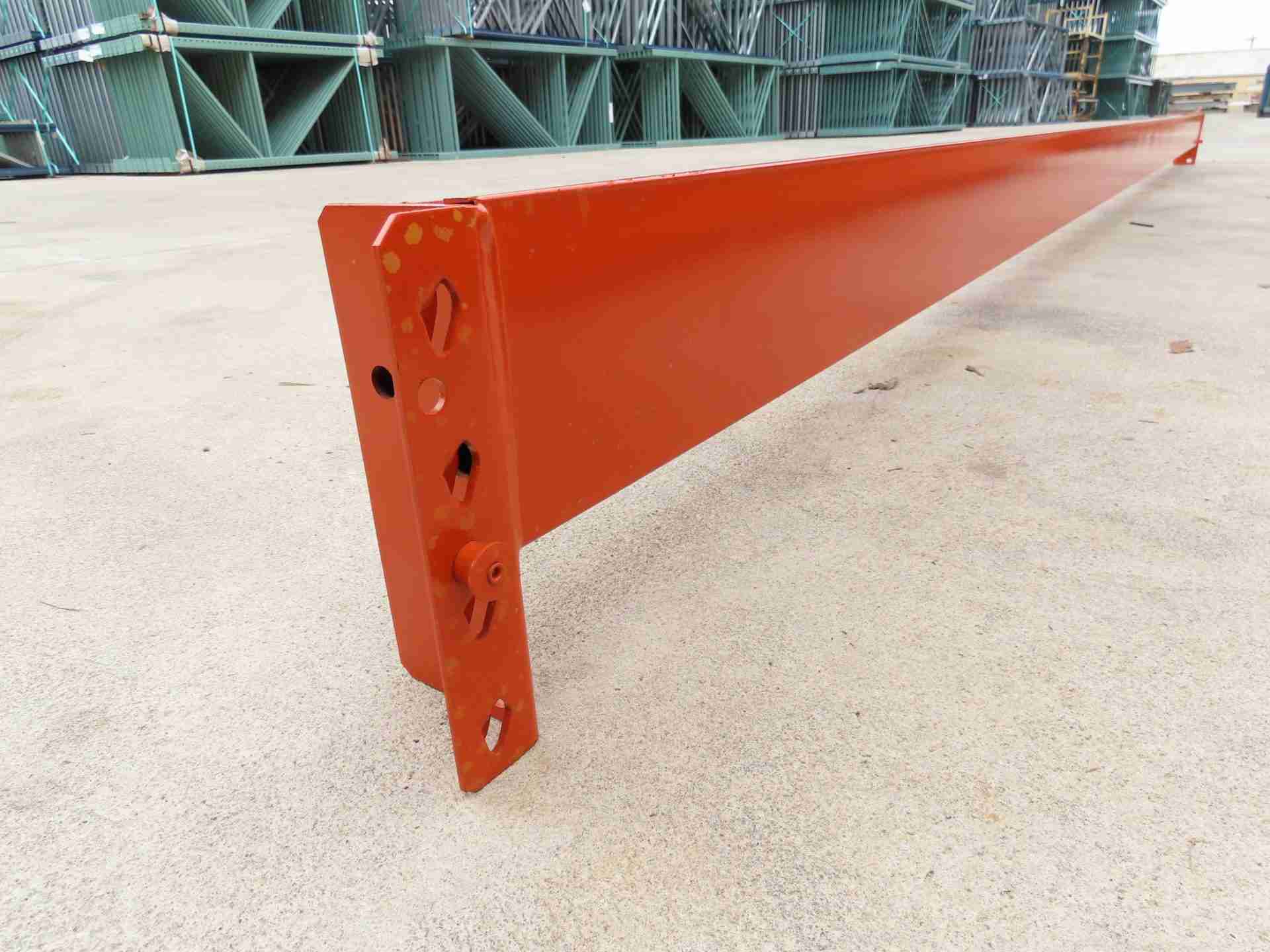
How Do You Determine The Layout For Push Back Pallet Racking?
How Do You Determine The Layout For Push Back Pallet Racking?
- Optimizing space and efficiency in logistics and warehousing is essential, not optional.
- Incorporating push back pallet racking systems depends greatly on the chosen layout.
- Assess your inventory to determine if a limited or diverse range of products will influence your layout.
- Analyze operational flow to minimize distances between receiving, storing, and shipping areas, boosting efficiency.
- Prioritize safety and accessibility by designing wider pathways and integrating proper signage.
- Implement technology like automated inventory management systems for real-time data to refine your layout.
- Aligning inventory, flow, safety, and technology fosters a productive and adaptable warehouse environment.

How Do You Determine The Layout For Push Back Pallet Racking?
What Are The Installation Requirements For Push Back Racking?
When it comes to optimizing your warehouse space, push back racking systems are a game changer. However, to unlock their full potential, you must understand the essential installation requirements that make this sophisticated system work seamlessly. Investing in push back racking is not just about purchasing a product; it’s about setting the stage for operational efficiency.
1. Space Availability
First and foremost, assess your warehouse size and layout. Push back racking requires adequate aisle space, typically around 6-8 feet, to allow for the smooth operation of forklifts and other machinery. This is crucial to prevent bottlenecks. If you’re operating in a bustling distribution center, like many retailers adjusting to increased online shopping, ensuring enough space can facilitate smooth throughput. Make sure to plan for future growth, as demand continues to rise – experts predict that e-commerce will dominate retail well into the foreseeable future.
2. Floor Load Capacity
The structural integrity of your warehouse’s floor is vital when installing push back racks. Determine the load capacity, as these systems can be quite heavy, particularly when fully loaded with products. Depending on your operational needs—a grocery distributor, for example—your racking system might be stacked to double height for maximum storage. Consult with an engineer or a racking specialist to ensure your floor can handle the weight without compromising safety.
3. Load Types and Sizes
Not all products fit well within a push back racking system. This racking solution is ideally suited for medium to heavy loads with multiple SKU lines. Consider the dimensions of your items: will you be storing pallets of packaged goods, or bulk items like electronics or furniture? For instance, a company like Amazon uses push back racking to manage its vast array of SKUs efficiently. Understanding how your existing inventory fits into the racking system is essential for maximizing space and maintaining easy access.
4. Safety Compliance
Remember, safety is paramount. Push back racking systems must comply with local regulations and standards. Ensure that your warehouse meets OSHA requirements regarding load limits and safety measures, particularly if you are navigating the complexities of current supply chain challenges. Regular inspections and maintenance are non-negotiable to keep your equipment in compliance and your workforce safe.
5. Professional Installation
Finally, invest in professional installation. It’s tempting to cut costs by opting for DIY, but the precision required for push back racking is best left to the experts. Proper alignment and setup ensure not just safety but also operational efficiency.
By paying attention to these installation requirements, you can unlock the full potential of push back racking, paving the way for a more organized and productive warehouse environment. Whether it’s seasonal spikes seen in retail or steady sales in manufacturing, robust storage solutions are your secret weapon in navigating today’s ever-evolving marketplace.

What Are The Installation Requirements For Push Back Racking?
What Are The Installation Requirements For Push Back Racking?
- Space Availability: Assess the warehouse size and layout, ensuring 6-8 feet aisle space for forklift operation to prevent bottlenecks and accommodate future growth.
- Floor Load Capacity: Verify the structural integrity of the warehouse floor, as push back racking can be heavy; consult with an engineer to ensure safety.
- Load Types and Sizes: Ensure compatibility of products with push back racking, which is suited for medium to heavy loads with multiple SKU lines.
- Safety Compliance: Adhere to local safety regulations and OSHA requirements, with regular inspections and maintenance to ensure compliance.
- Professional Installation: Hire experts for installation to guarantee proper alignment, safety, and operational efficiency.
- Operational Efficiency: Understand that push back racking is not just a product, but an investment in enhancing warehouse productivity.
- Adapting to Market Changes: Utilize robust storage solutions to effectively manage seasonal spikes or steady sales in today’s evolving marketplace.

What Are The Installation Requirements For Push Back Racking?
How Do You Maintain Push Back Pallet Racking Systems?
Push back pallet racking systems are an investment that can tremendously boost the efficiency of your warehouse operations. However, like any sophisticated system, they require consistent maintenance to ensure they perform at peak capability. Neglecting these essential upkeep tasks can lead to costly downtimes and safety hazards, eroding your return on investment. So, how do you effectively maintain your push back pallet racking systems?
1. Regular Inspections:
Start with scheduled inspections of your racking systems. Ideally, this should be done monthly, but depending on your warehouse traffic, bi-weekly checks could be more beneficial. Look for signs of wear such as bent beams, loose connections, or damaged push-back carts. This proactive approach can save you from a catastrophic failure, which could lead to both human injury and substantial product loss.
Example: In early 2023, a major retailer faced a $200,000 loss when a failure in their push back system caused a cascade of pallets to collapse. Had inspections been routinely conducted, those catastrophic failures could have been mitigated through early intervention.
2. Proper Load Management:
Understanding and adhering to the specified load limits of your racking system is crucial. Overloading can lead to structural failure and an unsafe working environment. Consider conducting training sessions for your staff to ensure they are aware of the load ratings. It’s about creating a culture of safety—one that protects not only physical assets but the people working around them.
3. Environmental Considerations:
Location matters. If your push back racking is situated in an area subject to moisture or extreme temperatures, consider adding protective coatings or climate controls to guard against corrosion and material degradation. Just last year, many warehouses suffered during the record heat waves, leading to material failures that impacted product integrity.
4. Maintenance of Supporting Equipment:
Your racking is only as strong as the equipment that supports it. Regularly service forklifts and other handling equipment deemed necessary for your push back system. An ill-maintained forklift can lead to collisions that compromise the integrity of the racking systems.
5. Engage Experts:
Lastly, don’t hesitate to engage professional warehouse system audits. Experts can provide a fresh perspective on maximizing efficiency and safety while identifying potential problems you may overlook. Leveraging experienced consultants can be the difference between smooth operations and operational chaos.
Maintaining your push back pallet racking systems is not a burdensome task; rather, it’s an essential component of a well-oiled warehouse operation. Implementing these best practices today ensures your investment continues to pay dividends tomorrow!

How Do You Maintain Push Back Pallet Racking Systems?
How Do You Maintain Push Back Pallet Racking Systems?
- Push back pallet racking systems enhance warehouse efficiency but require consistent maintenance.
- Regular inspections should be scheduled monthly or bi-weekly to identify issues like wear or damage.
- Understanding and adhering to load limits is crucial to avoid structural failure and ensure safety.
- Environmental factors, such as moisture and temperature, necessitate protective measures for racking systems.
- Regular maintenance of supporting equipment, like forklifts, is essential to prevent accidents affecting racking integrity.
- Engaging experts for warehouse audits can help identify efficiency improvements and safety concerns.
- Implementing maintenance best practices ensures the longevity and effectiveness of your racking investment.

How Do You Maintain Push Back Pallet Racking Systems?
What Safety Considerations Are There For Push Back Racking?
When it comes to optimizing warehouse space within your business, push back racking systems present a compelling solution. However, with great efficiency comes great responsibility. Understanding the safety considerations surrounding these systems is crucial—not only for the protection of your employees but also for the integrity of your operation.
Load Capacity Awareness
First and foremost, it’s essential to know the load capacities of your push back racking system. Each rack has a specified maximum weight it can safely support. Overloading racks not only increases the risk of structural failure but can also lead to severe injuries. For example, in 2023, a major retail chain faced a safety scandal when an overloaded rack collapsed, injuring several employees and resulting in significant financial ramifications. Always consult and adhere to the manufacturer’s specifications regarding load limits.
Proper Equipment Use
Forklifts and pallet jacks are crucial for the operation of push back racking systems. It’s vital that your team receives proper training on the specific equipment used within your warehouse. Implementing a comprehensive training program can prevent accidents caused by improper usage. In an age where safety compliance is under constant scrutiny, don’t become a headline for the wrong reasons.
Inspection and Maintenance
Routine inspections can prevent costly workplace accidents. Designate a safety officer to monitor the condition of your racking systems periodically. Look for signs of wear and tear such as bent beams or damaged components. In recent months, industries across the country have seen an uptick in safety inspections in response to rising accident rates. Don’t wait for an accident to prompt scrutiny; be proactive, not reactive.
Clear Aisles and Signs
Your push back racking system is only as safe as the environment surrounding it. Ensure that aisles are kept clear and that signage is adequate. By marking high-traffic areas and indicating weight limits, you create a safer workplace. Additionally, ensuring that everyone is aware of the layout and potential hazards can streamline operations and reduce accidents.
Emergency Protocols
Finally, have clearly defined emergency protocols in place. Even with the best systems and training, accidents can happen. Conduct regular drills so employees know exactly what to do in the event of an emergency. This readiness not only protects your employees but reinforces a culture of safety within your operation.
Implementing push back racking systems can drive efficiency, but overlooking safety considerations could lead to detrimental consequences. By prioritizing safety, you position your business for not just operational success, but long-term sustainability and employee wellbeing.

What Safety Considerations Are There For Push Back Racking?
What Safety Considerations Are There For Push Back Racking?
- Push back racking systems optimize warehouse space but require careful safety considerations.
- Understand and adhere to the specified load capacities to prevent structural failures and injuries.
- Train employees properly on the use of forklifts and pallet jacks to ensure safe operation.
- Conduct routine inspections and maintenance of racking systems to identify wear and tear early.
- Keep aisles clear and use clear signage to enhance safety and streamline operations.
- Establish clearly defined emergency protocols and conduct regular drills to ensure employee readiness.
- Prioritizing safety not only protects employees but also supports long-term operational success and sustainability.

What Safety Considerations Are There For Push Back Racking?
How Does Push Back Racking Improve Warehouse Efficiency?
In today’s fast-paced world of logistics and supply chain management, improving warehouse efficiency is not just a nice-to-have; it’s a necessity. Among the many solutions available, push back racking stands out as an innovative, game-changing system that revolutionizes space utilization and speed of operation. Imagine streamlining your warehouse in a way that maximizes space while minimizing inefficiencies—push back racking does exactly that.
So, what is push back racking? At its core, this system allows pallets to be stored on inclined rails, enabling pallets to be pushed back as new ones are loaded in. This system redefines the conventional First-In-First-Out (FIFO) method by allowing Last-In-First-Out (LIFO) access, which proves invaluable for operations dealing with multiple SKUs. For example, a beverage distributor could use push back racking to store various brands of soda, allowing for quick access to popular items while keeping less popular brands in the back. Imagine the speed at which your workers could fulfill orders!
Consider the recent surge in e-commerce activity ignited by the pandemic. Businesses that adapted quickly, utilizing push back racking systems, not only kept up with demand but actually surpassed it. As fulfillment centers rushed to keep up with the online shopping boom, those employing push back racking optimized their pick paths, resulting in faster order processing times and significantly reduced labor costs. The recent data from warehousing industry reports indicates that companies employing push back racking saw productivity increases of nearly 30%.
Moreover, push back racking optimizes vertical space—a must in an age where storage real estate comes at a premium. With the average cost per square foot skyrocketing, this system offers a compact solution, enhancing inventory density. For retailers grappling with skyrocketing warehouse rents, like many during this inflationary period, push back racking provides a path to storing more goods without expanding their footprint. Companies that implemented this system often found that they could increase their inventory by up to 40%, leading directly to heightened sales opportunities.
Consider the importance of adaptability: businesses that have implemented push back racking can adjust their inventory needs on-the-fly, accommodating seasonal trends or sudden market shifts with relative ease. In a climate where change is the only constant, this adaptability is critical to maintaining a competitive edge.
In summary, leveraging push back racking can transform your warehouse into an efficient, responsive hub of activity. By embracing this innovative system, businesses not only enhance their operational efficiency but also position themselves for sustainable growth in an ever-evolving marketplace. Investing in push back racking is not just smart—it’s essential for any forward-thinking enterprise looking to thrive in today’s economy.

How Does Push Back Racking Improve Warehouse Efficiency?
How Does Push Back Racking Improve Warehouse Efficiency?
- Improving warehouse efficiency is essential in today’s logistics and supply chain management.
- Push back racking is an innovative system that optimizes space utilization and speeds up operations.
- This system allows for Last-In-First-Out (LIFO) access, benefiting operations with multiple SKUs.
- Businesses using push back racking have seen productivity increases of nearly 30% amidst rising e-commerce demand.
- It maximizes vertical space and can increase inventory by up to 40%, helping to cope with rising warehouse costs.
- Adaptability of push back racking enables businesses to adjust inventory for seasonal trends and market shifts.
- Adopting this system is crucial for businesses aiming for sustainability and growth in a competitive landscape.

How Does Push Back Racking Improve Warehouse Efficiency?
What Is The Cost Of Push Back Pallet Racking Systems?
When contemplating the acquisition of a push back pallet racking system, understanding the cost is essential for any savvy business owner. Every dollar spent should translate into productivity gains, improved space efficiency, and enhanced safety – all wrapped in a neat package that contributes to your bottom line.
So, what can you expect to invest? The cost of push back pallet racking systems varies widely based on several factors, including system size, configuration, and additional features. Typically, businesses can expect to spend anywhere from $75 to $150 per pallet position. For a medium-sized warehouse requiring a setup for 100 pallets, that could mean anywhere from $7,500 to $15,000, not counting installation and any necessary accessories.
To illustrate, let’s say you own a thriving e-commerce business and need to optimize your warehouse space due to the recent surge in online shopping—a trend that continues to boom post-pandemic. In this scenario, investing in a push back pallet racking system could not only boost your storage capacity but also allow you faster access to your inventory, contributing to quicker turnarounds—a vital boon as customer expectations for speedy delivery remain high.
Moreover, the initial investment reflects not just the physical product but also the advantages of increased efficiency. Imagine shelving that allows you to store deeper than traditional systems while accessing goods effortlessly. Each time a new product arrives, you’re not just stacking items; you’re leveraging a system designed for rapid movement—an undeniable edge in today’s competitive marketplace.
But let’s not overlook the hidden costs or savings related to push back systems. Installation can vary, typically ranging from 10% to 20% of the initial purchase cost. Plus, ongoing maintenance, especially with heavy use, can add incremental expenses to your budget. However, consider this: choosing a high-quality system may cost slightly more upfront but can save significantly in labor costs and enhance safety, reducing the chance of workplace accidents.
In today’s economic climate, where supply chain challenges loom large, understanding the costs associated with push back pallet racking is not just a numbers game—it’s a strategic move. Equip your business with the right tools to not only survive but thrive, making informed investments that ensure you’re always ahead of the curve. After all, your warehouse is more than a storage space; it’s the engine room of your profitability. Aim high, and let your racking system reflect that ambition.

What Is The Cost Of Push Back Pallet Racking Systems?
What Is The Cost Of Push Back Pallet Racking Systems?
- Understanding the cost of push back pallet racking systems is crucial for business owners to ensure productivity gains and improved efficiency.
- Cost ranges from $75 to $150 per pallet position, with a medium-sized warehouse setup for 100 pallets costing between $7,500 and $15,000, excluding installation.
- Investing in a push back system can optimize warehouse space and provide faster inventory access, essential for meeting customer demands.
- The investment also brings increased efficiency with deeper shelving and rapid movement of goods, a competitive advantage in the market.
- Installation costs typically range from 10% to 20% of the purchase price, with potential ongoing maintenance costs for heavy usage.
- Choosing a high-quality system, although potentially more expensive initially, can lead to significant labor cost savings and improved workplace safety.
- Understanding these costs is essential for strategic decision-making in today’s complex supply chain environment, ensuring a profitable operation.

What Is The Cost Of Push Back Pallet Racking Systems?
Are There Different Configurations Of Push Back Racking?
When it comes to optimizing storage efficiency in warehouses and distribution centers, push back racking stands out as a formidable solution. But did you know that these systems come in various configurations tailored to meet different needs? Understanding these options can dramatically enhance your operational efficiency, reduce costs, and improve inventory accessibility.
Standard Push Back Racking
The classic configuration features a series of inclined tracks that allow palletized goods to be pushed back as new pallets are loaded into the system. This FIFO (First In, First Out) setup is fantastic for perishable goods and can facilitate rapid turnover. Imagine a grocery chain managing seasonal produce; utilizing standard push back racking can streamline inventory management, ensuring fresh items are always right at the forefront.
Lateral Push Back Racking
This variant takes efficiency up a notch. Instead of moving goods back on a single line, lateral push back systems have pallets moving sideways along tracks. This configuration is particularly beneficial for warehouses where space optimization is critical. With the push towards more sustainable, space-efficient logistics — as emphasized in recent supply chain trends — lateral push back racking can help companies maximize cubic storage, allowing for better inventory control without compromising access.
Double-Deep Push Back Racking
For businesses with high volume but low product variety, double-deep push back racking is the king of storage solutions. This configuration permits two pallets deep in each storage slot, effectively doubling storage density. A popular choice among automotive parts suppliers, it enables them to store more products in less space, reducing overhead costs while maintaining quick access to frequently needed items.
Mobile Push Back Racking
From the thriving e-commerce sector comes the innovative mobile push back racking system. This newer model is designed to move along tracks, allowing operators to condense aisles and expand storage capacity when needed. Imagine a fulfilling warehouse operation for a popular online retailer; mobile systems accommodate rapid surge demands while efficiently balancing access and space.
Conclusion
Investing in the right configuration of push back racking can transform your warehouse operations. As logistics continue to evolve—driven by factors like rising online shopping demands and global supply chain challenges—having the right system means staying ahead of the curve. Upgrade your storage solutions today, and witness the remarkable impact on your overall efficiency and profitability. The time to innovate and streamline is now!

Are There Different Configurations Of Push Back Racking?
Are There Different Configurations Of Push Back Racking?
- Push back racking enhances storage efficiency in warehouses and distribution centers.
- Standard Push Back Racking allows FIFO (First In, First Out) management, ideal for perishable goods.
- Lateral Push Back Racking moves pallets sideways, optimizing space in warehouses.
- Double-Deep Push Back Racking accommodates two pallets deep, increasing storage density for high volume, low variety products.
- Mobile Push Back Racking is designed to move along tracks, enabling flexible aisle management and storage capacity expansion.
- Choosing the right configuration can improve operational efficiency, reduce costs, and enhance inventory accessibility.
- Investing in modern racking solutions is crucial to adapt to evolving logistics demands and improve profitability.

Are There Different Configurations Of Push Back Racking?
How Is Push Back Pallet Racking Designed For Different Load Sizes?
In a dynamic warehouse environment, the right storage solution can make all the difference between chaos and efficiency. Push back pallet racking is a prime example of innovation designed to cater to varying load sizes while maximizing space and productivity. But how does this system adapt itself to different load specifications? Let’s dive into some key features and real-world applications.
At the heart of push back pallet racking lies a unique design that allows pallets to be stored at multiple levels while enabling easy access for loading and unloading. This racking system operates on a “first-in, last-out” (FILO) basis, meaning that the last pallet added is the first to be removed. This ease of operation is pivotal; it helps reduce the time your warehouse staff spends navigating the racking system.
Consider a beverage distribution center, for example. Suppose they stock various products, from lightweight cans to heavy kegs. The push back system can accommodate the lighter cans at the upper levels while reserving lower spaces for heavier kegs. This strategic layering takes advantage of gravity, ensuring that the heavier items are not only easily accessible but also positioned to minimize risk when being retrieved.
Adjustability is another standout feature of push back pallet racking. Resilient frame designs allow the heights between levels to be altered according to load sizes and specifications. Whether you’re storing lightweight packaging materials or substantial industrial components, this adaptability makes it easy to optimize your warehouse layout. During events such as seasonal sales or unexpected supply chain changes, businesses can shift their inventory swiftly, ensuring they remain responsive to market demands.
A recent trend seen in the e-commerce sector underlines this adaptive capability. With fluctuating consumer preferences, warehouses that utilize push back pallet racking can efficiently reconfigure their storage systems to accommodate new products and accommodate shifting load sizes. During the 2023 holiday season, businesses like Amazon saw a surge in product offerings, relying heavily on adaptable storage solutions like push back racking to maintain operational efficiency.
In summary, push back pallet racking is ingeniously designed to handle different load sizes through its structural adaptability and operational efficiency. As markets evolve and businesses face new challenges, investing in a customized push back racking system positions enterprises for success, making them not just participants but leaders in their industry. Don’t let your storage solution limit your business growth; choose a system that evolves with your warehouse needs!

How Is Push Back Pallet Racking Designed For Different Load Sizes?
How Is Push Back Pallet Racking Designed For Different Load Sizes?
- Push back pallet racking enhances warehouse efficiency by optimizing storage space.
- Operates on a “first-in, last-out” (FILO) basis, simplifying loading and unloading processes.
- Allows for strategic layering of items based on weight, maximizing accessibility and safety.
- Adjustable frame designs accommodate different load sizes and specifications.
- Enables quick reconfiguration to adapt to seasonal demand fluctuations in inventory.
- Proven beneficial in e-commerce for managing varied product offerings effectively.
- Investing in customized push back racking positions businesses as industry leaders in a dynamic market.

How Is Push Back Pallet Racking Designed For Different Load Sizes?
Can Push Back Racking Be Customized For Specific Needs?
Absolutely! In the ever-evolving landscape of warehousing and distribution, flexibility is key to staying ahead. Push back racking systems offer an innovative and dynamic solution for modern businesses looking to optimize their storage space. But the real magic lies in the customization options that allow these systems to cater specifically to your unique operational needs.
Imagine a busy e-commerce warehouse handling an influx of online orders. Standard pallet racking might fall short in accommodating rapid SKU changes and varying product sizes. Here, a customized push back racking system can be your game-changer. By integrating adjustable lane depths and varying pallet heights, you can ensure that your most popular items are easily accessible while maintaining ample storage for less frequently sold products. This tailored approach not only maximizes space but also enhances efficiency, allowing your team to fulfill orders faster.
Customization isn’t solely about dimensions; it extends to the materials and finishes used. For instance, with recent supply chain disruptions affecting raw materials, businesses must adapt quickly. A push back racking system made from high-grade galvanized steel with a corrosion-resistant finish can be an excellent choice for companies operating in diverse environments – whether it’s a cold storage facility or a humid climate. This ensures longevity and maintains structural integrity, translating into lower operational costs over time.
Additionally, as sustainability becomes a significant factor in corporate strategy, customizable push back racking systems can be designed with eco-friendly materials. Businesses can opt for recycled steel components or systems that enable energy-efficient stocking and retrieval, aligning operations with sustainability goals. Companies such as IKEA have set the standard in sustainability practices, and implementing these concepts in your warehouse can enhance your brand reputation in a market that increasingly favors eco-conscious choices.
Let’s not overlook technology. Modern push back racking systems can integrate with warehouse management systems (WMS) to enhance real-time visibility and tracking. With a tailored solution, you can incorporate barcode scanning or RFID technology that significantly speeds up inventory management processes. This technological integration is particularly crucial today, as many logistics companies scramble to keep pace with the growing demand for rapid delivery options in light of recent global challenges.
Push back racking is not a one-size-fits-all solution. With the ability to customize based on size, materials, and technology, businesses can significantly enhance their operational efficiency and flexibility. The key is to identify your specific needs and get a tailored solution that fosters growth and keeps your warehouse operations seamless and efficient. Engaging with expert racking professionals can help you identify these opportunities and craft the perfect storage solution for your enterprise.

Can Push Back Racking Be Customized For Specific Needs?
Can Push Back Racking Be Customized For Specific Needs?
- Flexibility is essential for navigating modern warehousing and distribution challenges.
- Push back racking systems provide a dynamic and customizable solution for optimizing storage space.
- Customization options include adjustable lane depths and pallet heights to accommodate various SKUs and product sizes.
- Materials like high-grade galvanized steel with corrosion-resistant finishes ensure durability and reduce operational costs.
- Sustainability can be integrated with options for recycled materials and energy-efficient design, enhancing brand reputation.
- Modern systems can integrate with warehouse management systems, improving inventory tracking and efficiency.
- Engaging with racking professionals is crucial for identifying specific needs and crafting ideal storage solutions.

Can Push Back Racking Be Customized For Specific Needs?
What Are Common Misconceptions About Push Back Pallet Racking?
When it comes to optimizing warehouse space and efficiency, push back pallet racking often steals the spotlight as a superior solution. However, several misconceptions can lead businesses astray, causing missed opportunities and wasted resources. Let’s set the record straight.
Misconception 1: Push Back Racking Lacks Flexibility
Many believe push back racking is a one-size-fits-all solution, inadequate for diverse pallet sizes or seasonal stock fluctuations. This couldn’t be further from the truth. In reality, push back systems can accommodate a variety of pallet sizes, allowing businesses to adapt quickly to changing inventory needs. For instance, during peak seasons, such as the holiday rush, e-commerce companies can efficiently switch from large bulk pallets to smaller, individual pallets without a hitch. The push back system’s inherent design ensures that adapting to new inventory sizes doesn’t mean losing valuable time or compromising space.
Misconception 2: Installing Push Back Racking is Complicated and Costly
Another common myth is that installation and maintenance are overly complex and prohibitively expensive. While push back racking systems may seem intimidating at first glance, advancements in materials and design have significantly simplified installation processes. With the right supplier, installation can be completed swiftly, minimizing downtime. In fact, recent developments in modular designs have made it easier for firms to scale their operations efficiently—particularly important as supply chain disruptions continue to challenge businesses globally. Think about the unpredictability of today’s supply landscape; those who can pivot readily with their equipment are the ones that thrive.
Misconception 3: Push Back Racking is Not Safe
Concerns about safety are often amplified in discussions about push back racking systems. Critics argue that the equipment poses more danger than traditional racking systems. However, in reality, push back systems are designed with safety in mind, featuring robust structural integrity and thoughtful engineering. Regular inspections and adherence to safety protocols can further enhance a safe working environment. Recent warehouse collapses highlighted in the news show that neglecting proper safety systems—regardless of rack type—can lead to disastrous consequences. A push back system, maintained correctly, can actually reduce the likelihood of accidents due to its organized flow and accessibility.
Misconception 4: Push Back Racking is Only for Large Warehouses
Lastly, there’s a prevalent belief that push back racking systems are only suitable for expansive warehouse spaces. This is a misconception that’s costing small to medium-sized businesses dearly. The reality is, even facilities with limited square footage can benefit from high-density storage solutions like push back racking. By maximizing vertical space, smaller operations can increase their storage capacity without the need for costly expansions, addressing the growing trend of urban logistics and the demand for efficient space utilization.
Understanding the truths behind these misconceptions can empower your business to make informed decisions, driving efficiency and productivity in today’s fast-paced market. Take the leap into push back pallet racking, and unleash your warehouse’s full potential!

What Are Common Misconceptions About Push Back Pallet Racking?
What Are Common Misconceptions About Push Back Pallet Racking?
Here’s a summary of the text in a formatted bulleted HTML list:
- Push back pallet racking is often viewed as a superior solution for optimizing warehouse space and efficiency.
- Misconception 1: Push back racking lacks flexibility; it can actually accommodate various pallet sizes, adapting quickly to inventory changes.
- Misconception 2: Installation is overly complex and costly; recent advancements have simplified installation and made scaling operations easier.
- Misconception 3: Safety concerns about push back racking are unfounded; these systems are designed with safety and structural integrity in mind.
- Misconception 4: Push back racking is only for large warehouses; it can also benefit small to medium-sized businesses by maximizing vertical space.
- Knowledge of these misconceptions empowers businesses to make informed decisions and enhance operational efficiency.
- Embracing push back pallet racking can help unleash a warehouse’s full potential in a fast-paced market.

What Are Common Misconceptions About Push Back Pallet Racking?
Conclusion
In the ever-evolving landscape of logistics and warehouse management, the need for efficient space utilization and operational excellence has never been more critical. As we’ve explored throughout this article, push back pallet racking emerges as a transformative solution that maximizes storage capacity while enhancing inventory accessibility and reducing labor costs. This innovative system, characterized by its ability to accommodate multiple pallets deep and its intuitive Last-In-First-Out (LIFO) functionality, is revolutionizing how businesses manage their inventory.
By integrating push back racking into your operation, you can access significant benefits that directly translate into improved productivity and profitability. The sheer space efficiency provided by this system allows companies to store more products within the same footprint—resulting in as much as 90% more storage than conventional racking. This is especially vital in today’s fast-paced environment, where every square foot counts, particularly for urban businesses facing escalating real estate costs.
Moreover, the system’s adaptability allows it to cater to various industries, from the perishable goods sector striving to combat spoilage, to e-commerce giants racing to meet consumer demands. With the rapid shifts in market dynamics fueled by recent global events, the flexibility of push back racking positions businesses for success, ensuring they can scale operations swiftly without significant infrastructure changes.
However, understanding the nuances—such as layout design, installation requirements, and regular maintenance—are essential to reaping the full benefits of push back racking. Company leaders must prioritize safety measures, conduct regular inspections, and engage with experienced professionals to tailor the system according to their specific operational needs.
The urgency to make this strategic shift is palpable. Delaying the adoption of push back pallet racking could mean falling behind competitors who are already optimizing their storage and order fulfillment processes. If you’re ready to transform your warehouse into a more organized and efficient powerhouse, make the call today. Connect with Arrow Industrial Sales at (574) 349-6575 and take the first step toward a future of enhanced efficiency and responsiveness in your operations. Don’t just keep up—get ahead and redefine your warehousing strategy now!

Conclusion
Conclusion:
- The need for efficient space utilization and operational excellence in logistics and warehouse management is critical.
- Push back pallet racking maximizes storage capacity and enhances inventory accessibility while reducing labor costs.
- This system allows for multiple pallets to be stored deep with a Last-In-First-Out (LIFO) functionality.
- Companies can achieve up to 90% more storage within the same footprint compared to conventional racking.
- Push back racking is adaptable for various industries, from perishable goods to e-commerce.
- Proper layout design, installation, and maintenance are essential for maximizing benefits and ensuring safety.
- Adopting push back racking is vital to stay competitive in the rapidly changing market dynamics.

Conclusion
Other Resources

Other Resources
Here is a list of other resources you can review online to learn more:
- “Push-Back Pallet Racking”
- “Push-Back Racking (LIFO)”
- “Pallet Racking Systems: Stacking Success: The Future of …”
- “Frequently Asked Questions About Push Back Pallet Racking”
- “Used Pallet Racking for Sale”
- “Push Back Racking | LIFO Warehouse Racking Systems”
- “What is Push-Back Racking? Advantages & Disadvantages”
- “Push Back Racking | LIFO Push Back Pallet Storage”
- “Push-Back Racking – Productive High-Density LIFO Pallet …”
- “Push-back Racking (LIFO) | Pallet Racking”
- “What Are The Types Of Racks In a Warehouse?”
- “Warehouse space planning | PPT”
- “csi-logistics-trend-radar-6-dhl.pdf”
- “LOGISTICS AND WAREHOUSING MANAGEMENT”
- “(PDF) Inventory Management in Supply Chains”
- “Used Pallet Flow Rails for Sale”
- “Vanderlande commits to Amazon and Global Optimism’s …”
- “Warehouse Solutions: Space and Pace: Innovating …”

Other Resources
Glossary Terms
What Is Push Back Pallet Racking – Glossary Of Terms
1. Push Back Racking: A type of pallet racking system that allows pallets to be stored up to multiple deep. It utilizes a rail system to enable back pallets to push forward as new pallets are added.
2. Pallet: A flat transport structure that supports goods stored in units, making it easier to move with forklifts and pallet jacks.
3. Storage Density: The amount of storage space utilized, typically measured by the volume of goods stored within a given area.
4. FIFO (First In, First Out): A method of inventory management where the oldest stock is sold or used first, commonly implemented in food and perishable items storage.
5. LIFO (Last In, First Out): An inventory management method where the newest stock is sold or used first, often used for nearly all types of goods.
6. Forklift: A powered industrial truck used to lift and move materials over short distances, essential for operating pallet racking systems.
7. Rail System: Tracks installed within a push back racking system that allow pallets to slide forward when new pallets are added.
8. Beam: Horizontal members in a racking system that support pallets and can be adjusted to different heights based on storage needs.
9. Frame: The vertical structure that supports the beams and provides stability to the racking system.
10. Load Capacity: The maximum weight that a racking system can safely store without risking failure or collapse.
11. Aisle Width: The space between rows of racks that is necessary for equipment, such as forklifts, to operate safely.
12. Pallet Stop: A device positioned at the end of a push back aisle to prevent pallets from falling off the rack.
13. System Configuration: The arrangement and design of a racking system, which can vary based on specific storage needs or space limitations.
14. Safety Pin: A pin inserted into a racking system to secure components in place and prevent accidental disassembly.
15. Access Control: Measures and systems implemented to manage who can access certain areas of a warehouse, particularly in storing valuable inventory.
16. Inventory Turnover: A measure of how often inventory is sold and replaced over a given period, important for managing stock levels.
17. Maintenance Schedule: A planned routine for inspecting and maintaining pallet racking systems to ensure safety and efficiency.
18. System Flexibility: The ability of the racking system to adjust to changing storage needs, including adjusting shelf heights and configurations.
19. Heavy-Duty Racking: Robust racking systems designed to handle significantly heavier loads than standard options.
20. Warehouse Management System (WMS): Software used to manage warehouse operations, including inventory management, order fulfillment, and shipping logistics.
21. Clearance Height: The vertical space above a pallet position to allow for safe handling and storage of pallets without obstruction.
22. Retrieval Speed: The efficiency and speed of accessing pallets in a racking system, impacting overall warehouse productivity.
23. Order Picking: The process of selecting products from inventory to fulfill customer orders, often facilitated by organized racking systems.
24. Dynamic Storage: Racking systems that utilize movement and automation to increase efficiency, such as push back or flow racking.
25. Load Beam: A horizontal structural component of a rack specifically engineered to support and distribute the weight of the pallets.
26. Pallet Position: A designated spot on the racking system for storing a pallet, which can vary based on the type of racking used.
27. Capacity Planning: The process of ensuring that a warehouse has adequate racking systems and space to meet current and anticipated inventory demands.
28. Pallet Flow: A racking system that allows pallets to move by gravity through lanes, usually beneficial for high turnover items, acting in a FIFO manner.
29. Structural Integrity: The ability of the racking system to support loads without distortion or failure; crucial for safety and longevity.
30. OSHA Compliance: Adhering to the Occupational Safety and Health Administration regulations regarding workplace safety, including the safety of storage systems like pallet racks.

Glossary Of Terms
Other Questions
What Is Push Back Pallet Racking – Other Questions
If you wish to explore and discover more, consider looking for answers to these questions:
- What types of industries can benefit the most from push back pallet racking?
- How much space can a warehouse save by implementing push back racking compared to traditional systems?
- Are there any specific safety certifications required for push back pallet racking systems?
- What are the typical loading capacities for push back pallet racking?
- How does seasonal inventory fluctuation affect the utilization of push back racking?
- What are the best practices for training staff on using push back racking systems effectively?
- Can push back pallet racking accommodate different pallet sizes and weights?
- What common problems occur with push back racking systems and how can they be avoided?
- What maintenance schedules are recommended for push back pallet racking systems?
- How can technology, such as automation or inventory management systems, integrate with push back racking?
- What is the average return on investment for businesses that switch to push back pallet racking?
- Are there alternative racking systems that might be more suitable for certain business models?
- How can businesses ensure they choose the right configuration for their push back racking?
- What are the environmental benefits of implementing push back pallet racking systems?
- How does push back racking compare to mobile racking systems in terms of efficiency?

Other Questions
Checklist
What Is Push Back Pallet Racking – A Checklist
Before Installation
1. Assess Inventory Needs
_____ Determine the volume and variety of products you handle.
_____ Identify perishable or seasonal inventory requirements.
2. Evaluate Warehouse Layout
_____ Measure available space for racking and aisle requirements (typically 6-8 feet).
_____ Plan for future growth and space optimization.
3. Understand Floor Load Capacity
_____ Consult with a structural engineer to confirm your floor can support the weight of the racking system.
4. Consider Safety Compliance
_____ Review local regulations regarding load limits and safety measures.
Selecting the Right Configuration
5. Choose the Appropriate Racking Type
_____ Standard Push Back Racking for FIFO scenarios.
_____ Lateral or Double-Deep Push Back for high storage density.
_____ Mobile Push Back for adaptable space management.
6. Customize Dimensions and Features
_____ Adjust lane depths and pallet heights according to your unique load sizes.
Installation Phase
7. Hire Professional Installation Services
_____ Ensure safe and precise setup for optimal efficiency.
8. Test Functionality Post-Installation
_____ Conduct trial runs for pallet access and retrieval processes.
Maintenance and Safety
9. Conduct Regular Inspections
_____ Schedule inspections monthly or bi-weekly to check for wear, damage, and structural integrity.
10. Train Staff on Proper Equipment Use
_____ Implement safety training programs specific to forklift and pallet jack operations.
11. Manage Load Distribution Effectively
_____ Ensure adherence to specified load limits and maintain clear aisles for safety.
12. Establish Emergency Protocols
_____ Create and practice emergency response plans regularly.
Maximizing Operational Efficiency
13. Integrate Technology Solutions
_____ Utilize warehouse management systems for real-time inventory tracking.
14. Evaluate Environmental Considerations
_____ Use protective coatings if located in moisture-prone areas.
15. Monitor and Adjust for Seasonal Changes
_____ Reconfigure storage layouts based on seasonal inventory fluctuations and consumer demands.
Continuous Improvement
16. Engage Warehouse Experts for Audits
_____ Seek external evaluations to identify further efficiency gains and address potential risks.
17. Stay Informed on Industry Trends
_____ Keep up with advancements in racking technology and sustainability practices.
Use this checklist to guide you through the implementation and maintenance of Push Back Pallet Racking to ensure an efficient, safe, and productive warehouse operation!

Checklist
At RackingWorld, we help guide you through selecting warehouse storage systems and racking.
Be sure to read our other related stories at RackingWorld to learn more about warehouse storage systems.
0 Comments