
Maximizing Warehouse Efficiency With Pallet Flow Racking
By Tom Seest
At RackingWorld, we help guide you through selecting warehouse storage systems and racking.
Be sure to read our other related stories at RackingWorld to learn more about warehouse storage systems.
What Is Pallet Flow Racking
If you’re looking to optimize your warehouse operations, pallet flow racking is a game-changer you can’t afford to overlook. This dynamic storage solution not only maximizes space but also enhances efficiency—two critical components in a marketplace where speed and accuracy can make or break a business.
At its core, pallet flow racking is designed to hold pallets on inclined tracks, using gravity to move them through the system. Imagine your warehouse logistics transformed: instead of manually pushing pallets in and out, products effortlessly glide toward packing stations, reducing handling time and labor costs. Think of it as a well-oiled machine—once it’s set in motion, the flow of goods becomes streamlined, demands are met promptly, and your bottom line gets a substantial boost.
Let’s talk about specificity. Pallet flow racking systems utilize a first-in, first-out (FIFO) method. This is especially advantageous for businesses dealing with perishable items. Take, for instance, a food distribution center where keeping track of expiration dates is essential. With FIFO in place, older stock is picked first, minimizing waste and ensuring freshness. Recently, several grocery chains adopted this technology, resulting in enhanced performance and a notable decline in spoiled inventory during these supply chain-challenging times.
One of the most compelling advantages of pallet flow racking is its ability to free up valuable floor space. In an age where warehouse real estate is more expensive than ever, the ability to store more products vertically can mean the difference between moving operations to a larger facility or maximizing your current footprint. Major retail stores and e-commerce giants are investing heavily in these systems, enabling them to store high volumes of stock efficiently. For instance, in a recent expansion, a well-known online retailer implemented pallet flow racking to manage their seasonal stock more effectively, resulting in a 30% increase in throughput during peak shopping periods.
Pallet flow racking isn’t just another trend; it’s a practical solution backed by innovation. With the recent advances in automation and robotics, the integration of pallet flow systems has become even more sophisticated. Automated guided vehicles (AGVs) and artificial intelligence are now being utilized to move pallets, monitor inventory levels, and predict stock needs. This blend of technology and practical storage solutions creates a powerful combination that positions businesses to not just compete but dominate in today’s market landscape.
In summary, if you want to enhance efficiency and drive down costs while improving customer satisfaction, investing in pallet flow racking systems is a strategic move. With the right implementation, you’ll experience a significant transformation in your supply chain management, ensuring that your business doesn’t just keep pace with the competition but excels ahead of it.

What Is Pallet Flow Racking
What Is Pallet Flow Racking
- Pallet flow racking optimizes warehouse operations by maximizing space and enhancing efficiency.
- The system uses gravity for moving pallets on inclined tracks, reducing handling time and labor costs.
- It employs a first-in, first-out (FIFO) method, which is beneficial for businesses with perishable goods.
- Pallet flow racking frees up valuable floor space, allowing for efficient vertical storage in high-cost warehouse environments.
- Major retailers and e-commerce companies are adopting pallet flow racking to boost throughput and manage inventory effectively.
- Recent technological advancements, such as automation and robotics, enhance the functionality of pallet flow systems.
- Investing in pallet flow racking can significantly transform supply chain management and improve customer satisfaction.

What Is Pallet Flow Racking
Table Of Contents
- What Is Pallet Flow Racking
- What Is Pallet Flow Racking?
- How Does Pallet Flow Racking Work?
- What Are The Benefits Of Pallet Flow Racking?
- What Industries Use Pallet Flow Racking?
- How Do You Design A Pallet Flow Racking System?
- What Are The Key Components Of Pallet Flow Racking?
- How Is Pallet Flow Racking Different From Traditional Racking?
- What Is The Cost Of Installing Pallet Flow Racking?
- What Maintenance Is Required For Pallet Flow Racking?
- How Does Pallet Flow Racking Improve Warehouse Efficiency?
- What Safety Measures Are Needed For Pallet Flow Racking?
- Can Pallet Flow Racking Be Customized For Specific Needs?
- How Does Inventory Management Work With Pallet Flow Racking?
- What Are The Common Challenges With Pallet Flow Racking?
- How Does Pallet Flow Racking Impact Labor Costs?
- Conclusion
- Other Resources
- Glossary Of Terms
- Other Questions
- Checklist
What Is Pallet Flow Racking?
In the fast-paced world of warehousing and logistics, efficiency is king. Enter pallet flow racking, a cutting-edge storage solution designed to keep your operations running smoothly and profitably. Imagine a system that maximizes your vertical space, reduces labor costs, and streamlines your inventory management. That’s the power of pallet flow racking—a game changer for businesses looking to optimize their storage capabilities.
At its core, pallet flow racking utilizes a gravity-fed mechanism that allows pallets to flow smoothly from the loading side to the picking side. This innovative design means that instead of navigating through rows of static shelving, your team can retrieve items with speed and ease, increasing throughput and cutting down on wasted time. It’s like having a conveyor belt for pallets, effortlessly delivering products to your pickers as needed.
Consider a grocery distribution center that handles a vast assortment of perishable goods. By employing pallet flow racking, the center can efficiently manage inventory turnover while keeping products fresh. As new stock arrives, it flows to the back of the system, pushing older stock to the front. This first-in, first-out (FIFO) approach not only reduces spoilage but improves customer satisfaction by assuming your shelves are stocked with the latest—and greatest—products.
Furthermore, given the recent shifts in consumer behavior toward online shopping and just-in-time logistics, many businesses have had to adapt rapidly. The pandemic accelerated these changes, making efficient inventory management a priority for retailers everywhere. Now more than ever, companies are seeking more dynamic storage solutions that can help them respond quickly to fluctuating demand. Pallet flow racking stands out as a strategic option, offering the flexibility and efficiency that today’s fast-moving market demands.
Let’s take another example: an e-commerce fulfillment center that handles various product categories, from electronics to home goods. By implementing pallet flow racking, the facility can easily adjust to seasonal spikes in demand or new product launches. The straightforward configuration allows for rapid reorganization without significant downtime, making it easier for businesses to adapt their operations to changing market conditions.
In summary, pallet flow racking is more than just a storage solution; it’s a strategic advantage that can drive efficiency and profitability in your operations. Whether you’re managing perishables in a grocery store or streamlining your distribution for an online marketplace, integrating pallet flow racking into your facility is a smart move in today’s competitive landscape. Embrace the flow—your bottom line will thank you.

What Is Pallet Flow Racking?
What Is Pallet Flow Racking?
- Pallet flow racking enhances efficiency in warehousing and logistics.
- Utilizes a gravity-fed mechanism for seamless pallet movement from loading to picking sides.
- Facilitates faster item retrieval, increasing throughput and reducing wasted time.
- Adopts a first-in, first-out (FIFO) method to manage inventory, reducing spoilage and improving customer satisfaction.
- Adapts to shifts in consumer behavior and demand, making efficient inventory management essential.
- Offers flexibility for e-commerce fulfillment centers to quickly adjust to market changes.
- Pallet flow racking is a strategic advantage for optimizing storage capabilities and profitability.

What Is Pallet Flow Racking?
How Does Pallet Flow Racking Work?
Pallet flow racking is transforming the landscape of warehouse storage and efficiency, and for good reason. Imagine a system that maximizes your storage density while minimizing the time required to retrieve products. That’s the brilliance of pallet flow racking—a system designed to leverage gravity in a way that not only optimizes space but also boosts your operational speed.
At its core, pallet flow racking utilizes a series of inclined lanes where pallets roll down on wheels or rollers. As goods are received at one end of the lane (the “loading” side), they slide toward the other end (“picking” side) as older stock is picked from the front. This gravity-fed method ensures an organized inventory flow, adhering to the First-In, First-Out (FIFO) principle. For savvy business owners, this is like having a reliable employee who guarantees efficient stock rotation without the fuss.
Consider, for instance, a grocery distribution center managing perishable goods. It’s essential to rotate inventory effectively to avoid waste. With pallet flow racking, expired products can be systematically pushed to the front, ensuring that only fresh stock is available for dispatch. During these times when supply chain issues plague industries worldwide, this system serves as an invaluable asset for food distributors seeking to mitigate losses and improve service to grocery retailers.
Current economic trends highlight the need for adaptability within the supply chain. Companies are now being pressed to find innovative solutions that allow them to pivot quickly based on shifting consumer demands. Pallet flow racking systems not only streamline operations but also make it simpler to adapt to changing inventory needs. Retailers can quickly restock popular items without overcrowding or disorganization that typically hampers efficiency.
Furthermore, integrating technology with your pallet flow racking can bring your operational efficiency to new heights. Automated retrieval systems guided by artificial intelligence can analyze stock levels, predict demand, and automatically manage inventory updates. The result? A system that doesn’t merely support your storage needs but actively drives sales through efficiency.
In a climate where speed and adaptability dictate success, investing in pallet flow racking is not just a smart move—it’s a game-changer. So why settle for less? Elevate your warehousing capabilities and foster operational excellence that stands head and shoulders above your competition. After all, in business, those who adapt thrive, and with pallet flow racking, you’re positioning your organization for growth in an ever-evolving marketplace.

How Does Pallet Flow Racking Work?
How Does Pallet Flow Racking Work?
- Pallet flow racking enhances warehouse storage efficiency and maximizes storage density.
- This system features inclined lanes allowing pallets to roll down, optimizing space and accelerating operational speed.
- It follows the FIFO (First-In, First-Out) principle, ensuring an organized inventory flow and efficient stock rotation.
- Pallet flow racking is particularly beneficial for managing perishable goods, reducing waste by pushing expired products to the front.
- The system adapts to changing inventory needs, allowing quick restocking without overcrowding.
- Integration of technology, such as AI-driven automated retrieval systems, elevates operational efficiency and inventory management.
- Investing in pallet flow racking positions organizations for growth and adaptability in a fast-changing marketplace.

How Does Pallet Flow Racking Work?
What Are The Benefits Of Pallet Flow Racking?
In today’s fast-paced supply chain landscape, optimizing warehouse space while maximizing efficiency is more critical than ever. Enter pallet flow racking—a revolutionary storage solution that redefines how businesses manage inventory. By harnessing the power of gravity and smart design, pallet flow racking can deliver unparalleled advantages to your operations.
1. Enhanced Space Utilization and Flexibility
Picture a bustling warehouse brimming with products. Every square foot counts. Pallet flow racking offers an ingenious design that allows for deeper storage without compromising accessibility. With a unique inclined shelf layout, pallets move seamlessly from the load side to the pick side, facilitating first-in, first-out (FIFO) inventory management. For example, companies like Amazon have leveraged this method, efficiently organizing their vast array of products while maximizing vertical space. This flexibility enables warehouses to adapt quickly to shifting market demands, reducing the need for costly expansions or relocations.
2. Improved Picking Efficiency
Time is money. Markets are moving fast, and speed can make or break a business deal. Pallet flow racking significantly cuts down on picking times by providing direct access to all pallets. Warehouse workers can quickly retrieve the required items without navigating through rows of static racking systems. A recent study showcased that logistics companies implementing pallet flow systems improved their picking times by up to 30%. In a world where efficiency is king, faster picking translates directly into enhanced service levels and happier customers.
3. Reduced Labor Costs
As labor rates continue to rise globally, finding ways to minimize costs without sacrificing productivity is paramount. Pallet flow racking reduces the need for excessive labor through streamlined processes and efficient layouts. Workers spend less time traveling back and forth, leading to reduced overtime costs and enhanced worker satisfaction. As automation technologies advance, integrating pallet flow systems with automated guided vehicles (AGVs) is becoming increasingly popular, further driving down operational costs.
4. Safety and Reduced Product Damage
Safety is non-negotiable in any warehouse environment. Pallet flow racking minimizes the risk of accidents by promoting clearer pathways for personnel and equipment. Additionally, the design lowers the risk of product damage, as pallets are supported uniformly and are less likely to tip or fall. The ongoing discussions around workplace safety compliance amidst the backdrop of a pandemic have underscored the need for systems that prioritize both efficiency and employee well-being.
Incorporating pallet flow racking into your warehouse strategy is more than just a tactical improvement; it’s a strategic imperative. By enhancing space utilization, boosting picking efficiency, lowering labor costs, and promoting safety, you’re not just investing in storage; you’re investing in the future scalability and success of your business. In an era where adaptability is essential, pallet flow racking stands out as a smart choice for dynamic organizations ready to thrive.

What Are The Benefits Of Pallet Flow Racking?
What Are The Benefits Of Pallet Flow Racking?
- Enhanced Space Utilization and Flexibility: Pallet flow racking optimizes warehouse space with inclined shelves for deeper storage and FIFO management, allowing for efficient organization and adaptability to market demands.
- Improved Picking Efficiency: Direct access to pallets significantly reduces picking times by up to 30%, enhancing service levels and customer satisfaction.
- Reduced Labor Costs: Streamlined processes in pallet flow racking decrease the need for labor and reduce overtime costs, increasing overall worker satisfaction.
- Safety and Reduced Product Damage: The design of pallet flow racking promotes clearer paths and lowers the risk of product damage, prioritizing safety in warehouse operations.
- A Strategic Imperative: Implementing pallet flow racking is not just a tactical improvement; it’s essential for future scalability and organizational success.
- Integration with Automation: Pallet flow systems can be combined with automated guided vehicles (AGVs) to further lower operational costs and enhance workflow.
- Adaptability: This storage solution supports dynamic organizations by providing a flexible approach to inventory management in a fast-paced supply chain.

What Are The Benefits Of Pallet Flow Racking?
What Industries Use Pallet Flow Racking?
In today’s fast-paced, efficiency-driven marketplace, businesses across various sectors are seeking innovative solutions to enhance their storage and distribution processes. Enter pallet flow racking—a dynamic storage system that is revolutionizing the way industries handle inventory. But which sectors are jumping on this game-changing bandwagon?
Food & Beverage Industry
First on the list is the food and beverage industry, where speed and hygiene are paramount. With perishable goods requiring swift movement and proper storage conditions, pallet flow racking offers a first-in, first-out (FIFO) storage method, ensuring that older products are shipped out before newer ones. For example, major grocery chains streamline operations by adopting pallet flow systems for their frozen food sections, allowing them to maintain freshness and minimize waste, which is crucial in today’s sustainability-focused market.
Pharmaceuticals
Next, consider the pharmaceutical sector, where accuracy and compliance are non-negotiable. Due to the regulatory landscape, pharmaceutical companies benefit enormously from the organized, efficient retrieval of inventory that pallet flow racks provide. With the rapid distribution of COVID-19 vaccines, for example, organizations like Pfizer have had to ramp up their storage capabilities dramatically. Implementing this racking system not only maximizes space but also reduces the risk of stock mismanagement, ensuring that time-sensitive products reach healthcare providers without delay.
E-commerce and Retail
The explosive growth of e-commerce has propelled logistics firms and retailers to adopt cutting-edge warehousing solutions. Amazon, a frontrunner in the online shopping revolution, employs pallet flow racking systems to manage their vast inventory of products—from electronics to household items. This versatile system allows them to efficiently handle high order volumes while still maintaining a smooth workflow. As more consumers pivot to online shopping, pallet flow racking stands out as an answer to the demands of modern inventory management.
Manufacturing
Finally, let’s not overlook the manufacturing industry. Companies that produce bulk materials, like automotive or consumer goods, are implementing pallet flow racking to keep production lines moving smoothly. For instance, an automotive parts manufacturer could utilize pallet flow racking to ensure steady supplies on the assembly line, thus reducing downtime and increasing output efficiency.
Pallet flow racking is becoming the backbone of efficient inventory management across various sectors. By optimizing storage and retrieval processes, companies from food and beverage to pharmaceuticals and beyond are not only improving operational efficiency but also responding to the evolving demands of modern consumers. Embrace this trend now, and watch your inventory systems transform.

What Industries Use Pallet Flow Racking?
What Industries Use Pallet Flow Racking?
- Pallet flow racking is transforming storage and distribution across various industries.
- The food and beverage industry benefits from FIFO storage methods, enhancing freshness and minimizing waste.
- Pharmaceutical companies utilize pallet flow racking for organized inventory retrieval and compliance with regulations.
- E-commerce giants like Amazon adopt pallet flow racking for efficient inventory management amidst rising online shopping demands.
- The manufacturing sector employs pallet flow racking to maintain smooth production lines and increase output efficiency.
- This innovative storage system optimizes operations and meets the expectations of modern consumers.
- Pallet flow racking is essential for businesses aiming to improve inventory management and operational efficiency.

What Industries Use Pallet Flow Racking?
How Do You Design A Pallet Flow Racking System?
Designing a pallet flow racking system isn’t just an exercise in engineering; it’s about maximizing efficiency, optimizing space, and ultimately driving profit. In the world of logistics and warehousing, the stakes have never been higher. As e-commerce continues to surge—growing over 20% year-over-year—businesses must adapt quickly to keep pace. A well-designed pallet flow racking system can be the difference between a seamless operation and a costly bottleneck.
1. Understand Your Inventory Needs
Begin by analyzing the types and sizes of pallets you’ll be moving. A supermarket chain, for example, would benefit from a system designed for high turnover items like snacks and beverages, using a first-in, first-out (FIFO) method. Contrast this with a manufacturer storing heavy machinery parts, which may require a system that can accommodate varying pallet weights and dimensions. Gather data on peak times, seasonality, and turnover rates to inform your design.
2. Layout Considerations
The layout of your pallet flow racking system is crucial. Factors like building dimensions, the flow of goods, and even the efficiency of picking paths will impact your overall system performance. Imagine a busy fulfillment center during the holiday season: without a carefully planned layout, products can get stuck in slow-moving queues. Aim to create a design that minimizes travel time; this means positions should be assigned based on demand. Frequently picked items should be closer to the loading dock, while slower-moving stock can be pushed further back.
3. Select the Right Equipment
Not all pallet flow systems are created equal. You’ll want to choose carts and tracks that suit both your SKU and operational functions. Consider incorporating adjustable lanes, like those used by major retailers during shopping events, to allow quick modifications based on fluctuating inventory. Ensure your system can easily accommodate diverse load sizes without compromising speed or safety.
4. Implement Advanced Technologies
The smart warehouse is here to stay. Technologies like RFID and real-time inventory management can elevate your pallet flow system from basic to cutting-edge. Use these tools to monitor stock levels and automate reordering processes. For instance, companies that integrated automated systems during recent supply chain disruptions have seen a marked improvement in order fulfillment rates.
Designing a pallet flow racking system is a comprehensive process that requires careful consideration of inventory needs, layout, equipment selection, and new technologies. The effort invested in this process will not only enhance operational efficiency but also position your business to thrive in an increasingly competitive market. Make your warehouse work smarter, not harder.

How Do You Design A Pallet Flow Racking System?
How Do You Design A Pallet Flow Racking System?
- Designing a pallet flow racking system focuses on maximizing efficiency, optimizing space, and increasing profit in logistics and warehousing.
- With e-commerce growing over 20% year-over-year, businesses must quickly adapt to maintain operations and avoid bottlenecks.
- Understand inventory needs by analyzing types and sizes of pallets, seasonal demands, and turnover rates to inform racking design.
- Layout is crucial; a well-planned design minimizes travel time and improves system performance, especially during peak seasons.
- Select appropriate equipment, including carts and tracks, ensuring they accommodate various load sizes and allow for operational flexibility.
- Implement advanced technologies like RFID and real-time inventory management to enhance monitoring and streamline reordering processes.
- Investing in a well-designed pallet flow racking system boosts operational efficiency and positions businesses for success in a competitive market.

How Do You Design A Pallet Flow Racking System?
What Are The Key Components Of Pallet Flow Racking?
In the fast-paced world of warehousing and distribution, efficiency isn’t just a luxury—it’s a necessity. Enter pallet flow racking, a storage solution designed to streamline your operations and maximize your space. But what exactly are the key components that make this system a powerhouse for inventory management?
At the heart of pallet flow racking is the rack itself, typically constructed from durable steel. These racks employ a sloped design that allows pallets to glide down on wheels or rollers. Imagine your products effortlessly gliding towards the picking station, thanks to gravity. This gravity-fed mechanism reduces the need for forklifts to navigate narrow aisles and greatly minimizes the risk of accidents—crucial in today’s safety-conscious work environment.
Then there’s the pallet flow lane, which is the core of the operation. Ranging from two to six lanes, these designated channels enable a seamless first-in, first-out (FIFO) inventory system. The FIFO approach is essential in industries like food and pharmaceuticals, where product rotation is not just a best practice—it’s critical. Considering the recent discussions around food waste and supply chain inefficiencies, utilizing FIFO can help businesses mitigate these challenges more effectively, making this an important selling point for those looking to stay ahead.
Guides and dividers also play a vital role in maintaining order. These components ensure that pallets remain aligned within the flow lanes. Without them, you risk chaos, with pallets jamming or collapsing under pressure—a scenario that could spell disaster for your careful inventory management strategies.
Let’s not forget about the braking system. Effective braking mechanisms are essential to control the speed at which pallets flow down the incline. This feature not only enhances safety but also protects the integrity of the products you’re handling. As e-commerce sales continue to soar, the ability to handle increased inventory demands without compromising safety is paramount.
In a world where storage space is at a premium, enterprises are bankrupting themselves if they neglect to invest in innovative solutions. Wireless technology integration in modern pallet flow racking systems can offer real-time monitoring of inventory levels, ensuring businesses can react swiftly to fluctuations in demand—just as companies did when adjusting their strategies during supply chain disruptions caused by global events like the pandemic.
Understanding the key components of pallet flow racking allows you to visualize not only how this system can enhance your operations but also how it can contribute to a stronger bottom line. If you’re committed to optimizing your warehouse, then investing in pallet flow racking is an unequivocal game changer.

What Are The Key Components Of Pallet Flow Racking?
What Are The Key Components Of Pallet Flow Racking?
- Pallet flow racking is essential for improving efficiency in warehousing and distribution.
- Constructed from durable steel, the racks utilize a sloped design for gravity-assisted pallet movement.
- The system employs a first-in, first-out (FIFO) inventory management approach, crucial for industries like food and pharmaceuticals.
- Guides and dividers keep pallets aligned, preventing jams and ensuring smooth operations.
- An effective braking system controls pallet speed, enhancing safety and product integrity.
- Modern systems can integrate wireless technology for real-time inventory monitoring, adapting to demand fluctuations.
- Investing in pallet flow racking can optimize warehouse operations and improve overall profitability.

What Are The Key Components Of Pallet Flow Racking?
How Is Pallet Flow Racking Different From Traditional Racking?
In the fast-paced world of warehousing and distribution, optimizing space and increasing efficiency is vital. Enter pallet flow racking—a modern solution that’s redefining inventory management and outpacing traditional racking systems in both functionality and performance.
At first glance, traditional racking systems may seem robust and reliable. They often use a simple approach: pallets are stored horizontally on static racks, and employees manually retrieve items when needed. While this method has served many businesses well, it can inadvertently lead to a range of challenges, particularly when speed and turnover rates are critical. Bottlenecks occur, space utilization is suboptimal, and labor costs can skyrocket—leaving organizations vulnerable, especially in high-demand scenarios like Black Friday or holiday sales.
Now, let’s dissect the brilliance of pallet flow racking. Imagine a dynamic system where pallets slide on gently sloped lanes. As one pallet is removed, the next rolls forward—ensuring a first-in, first-out (FIFO) inventory system. This design not only conserves space but also enhances workflow efficiency. For instance, companies like Amazon, amid their recent expansion and increased demand, are seeing the benefits firsthand. By incorporating pallet flow racks into their fulfillment centers, they are managing vast inventories with record speed, minimizing wasted time and enhancing order accuracy.
Moreover, consider the impact of seasonal trends and unpredictable market conditions. The pandemic taught businesses the importance of agility. Traditional systems struggle with the rapid inventory turnover required during peak seasons—leading to potential stockouts or overstocks. In contrast, pallet flow racking adapts fluidly, allowing businesses to meet consumers’ evolving demands while maximizing accessibility.
Another crucial aspect is safety. Traditional racking can present dangers if not managed diligently. Stacked pallets can sometimes lead to collapsed merchandise or accidents. Pallet flow racking mitigates this risk by maintaining a more organized and accessible inventory. Companies like Walmart are emphasizing safer work environments, and employing advanced storage solutions like pallet flow racking can significantly contribute to that goal.
In today’s volatile marketplace, where e-commerce giants are continually disrupting norms, having the right infrastructure is not a luxury—it’s a necessity. By choosing pallet flow racking over traditional racking systems, companies are not only enhancing efficiency but also positioning themselves to adapt and thrive in an ever-changing landscape. Organizations willing to embrace this innovative solution will not only save space and reduce costs but will also polish their logistical prowess, emerging as leaders in their fields.
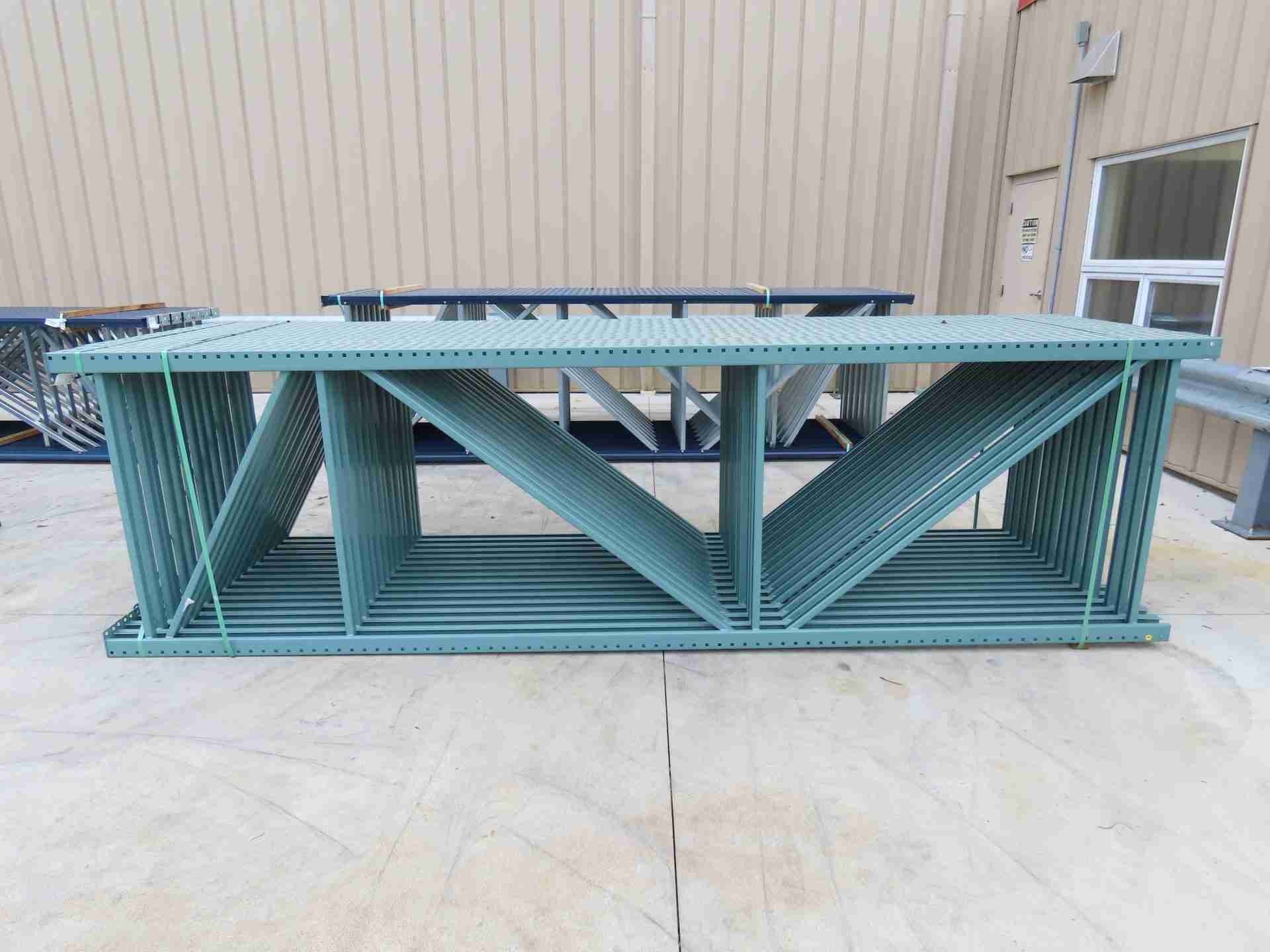
How Is Pallet Flow Racking Different From Traditional Racking?
How Is Pallet Flow Racking Different From Traditional Racking?
- Optimizing space and increasing efficiency is essential in warehousing and distribution.
- Pallet flow racking offers a modern, efficient alternative to traditional racking systems.
- Traditional racking methods can lead to bottlenecks, suboptimal space use, and increased labor costs.
- Pallet flow racking uses a FIFO system, allowing pallets to slide forward, enhancing workflow and space utilization.
- This system adapts effectively to seasonal trends, improving inventory turnover during peak demand periods.
- Pallet flow racking enhances safety by maintaining organized inventory, reducing risks associated with traditional racking.
- Companies adopting pallet flow racking position themselves for success in a volatile, evolving e-commerce landscape.
How Is Pallet Flow Racking Different From Traditional Racking?
What Is The Cost Of Installing Pallet Flow Racking?
When contemplating an upgrade to your warehouse operations, the question of cost looms large. A savvy investment in pallet flow racking could transform your throughput and efficiency, but what does that price tag look like? Let’s unpack the elements that contribute to the total cost of installation.
Basic Costs Involved
At the heart of the equation is the price of the racking system itself. Pallet flow racks vary widely in price, typically ranging from $100 to $250 per pallet position, depending on the material quality and design complexity. For a warehouse with, say, 1,000 pallet positions, that translates to an initial investment of $100,000 to $250,000. However, this is just the beginning.
Installation and Setup
Next, consider the cost of installation. Professional installation services might add another $10,000 to $50,000 to your total, depending on the racking system’s intricacies and your specific warehouse layout. Proper installation is crucial; a poorly installed system could lead to safety hazards and inefficiencies down the line, costing you far more in lost productivity and potential damage.
Additional Costs to Account For
Also, think about ancillary costs. You might need to invest in warehouse modifications, such as reinforced flooring to accommodate the system’s weight and dynamics. This can add thousands on top of your racking expenses.
Don’t forget end-use considerations! If you transition to a pallet flow system, you might need to retrain your staff or invest in additional equipment, such as fork trucks designed for different pallet sizes. These factors can add another $15,000 to $30,000 to your budget.
Long-Term Savings
Now, before you recoil at the numbers, remember this: the implementation of pallet flow racking can dramatically increase your warehouse’s efficiency. With proper systems in place, you may see a reduction in picking time by as much as 50%, driving greater throughput and significantly reducing labor costs. A recent study highlighted that companies employing advanced racking systems reported a 30% increase in inventory turns, a game-changer in today’s fast-paced supply chain environment.
Conclusion
Ultimately, while the initial costs of installing pallet flow racking may seem high, the long-term benefits are undeniable. Think of it as an investment in efficiency and profitability. As global supply chain demands continue to evolve, getting ahead of the curve with smart racking solutions can keep you competitive. Assess your needs, factor in the costs, and prepare to reap the rewards of a well-organized, efficient warehouse.

What Is The Cost Of Installing Pallet Flow Racking?
What Is The Cost Of Installing Pallet Flow Racking?
- Consider the cost of upgrading warehouse operations with pallet flow racking.
- Pallet flow racks typically range from $100 to $250 per pallet position, leading to an initial investment of $100,000 to $250,000 for 1,000 positions.
- Installation costs can add an additional $10,000 to $50,000, depending on system complexity and warehouse layout.
- Ancillary costs may include modifications like reinforced flooring, which can further increase expenses.
- Transitioning to a pallet flow system might require retraining staff and investing in new equipment, adding $15,000 to $30,000 to the budget.
- Long-term savings include a potential 50% reduction in picking time and a 30% increase in inventory turns.
- Investing in pallet flow racking is ultimately about enhancing efficiency and profitability in a competitive supply chain environment.

What Is The Cost Of Installing Pallet Flow Racking?
What Maintenance Is Required For Pallet Flow Racking?
In the fast-paced world of warehousing and distribution, efficiency is king. Pallet flow racking systems, designed for high-density storage and swift inventory rotation, are invaluable assets in keeping operations running smoothly. Yet, many businesses overlook the mundane but critical aspect of maintenance for these systems. Imagine jeopardizing your well-oiled machine due to a simple lack of care. Here’s what you need to know to keep your pallet flow racking functioning at peak performance.
First and foremost, regular inspection is non-negotiable. Just as you wouldn’t neglect your car’s regular oil changes, your pallet flow racking requires frequent checks to identify wear-and-tear or potential hazards. Conduct weekly inspections to ensure that the beams, rollers, and tracks are in top condition. Look for signs of damage, such as bent or cracked components. An incident at a major distribution center last year starkly illustrated this: a pallet flow rack collapse caused significant financial loss and halted operations because maintenance protocols had faltered. Don’t let this be your reality.
Next on the checklist is cleanliness. Dust and debris can accumulate quickly, especially in environments dealing with food, pharmaceuticals, or other sensitive products. These obstructions can impede the smooth movement of pallets, leading to increased downtime. Schedule regular cleaning sessions and ensure that all areas around the racking are free of clutter. This not only keeps the operation running smoothly but also enhances workplace safety—an often overlooked aspect that can save you trouble down the line.
Another critical maintenance procedure is ensuring proper load distribution. Overloading specific lanes can lead to issues that resonate throughout your entire operation. Utilize dynamic load tests to determine optimal weight thresholds and redistribute as necessary. This simple practice not only extends the lifespan of your racking but also prevents costly damage and accidents.
In light of current supply chain challenges, adopting a proactive approach to racking maintenance is not just advisable; it’s essential. With global supply chains still recovering from disruptions, ensuring your pallet flow systems operate flawlessly can be your competitive edge. Remember, in an environment where inefficiencies can compound delays and costs, maintaining your pallet flow racking is an investment in reliability.
Think of maintenance not as a chore, but as a strategic opportunity to enhance operational efficiency. By prioritizing inspections, cleanliness, and proper load distribution, you are setting the stage for long-term success. Don’t let oversight trip you up—commit to a robust maintenance regimen and watch your productivity soar!
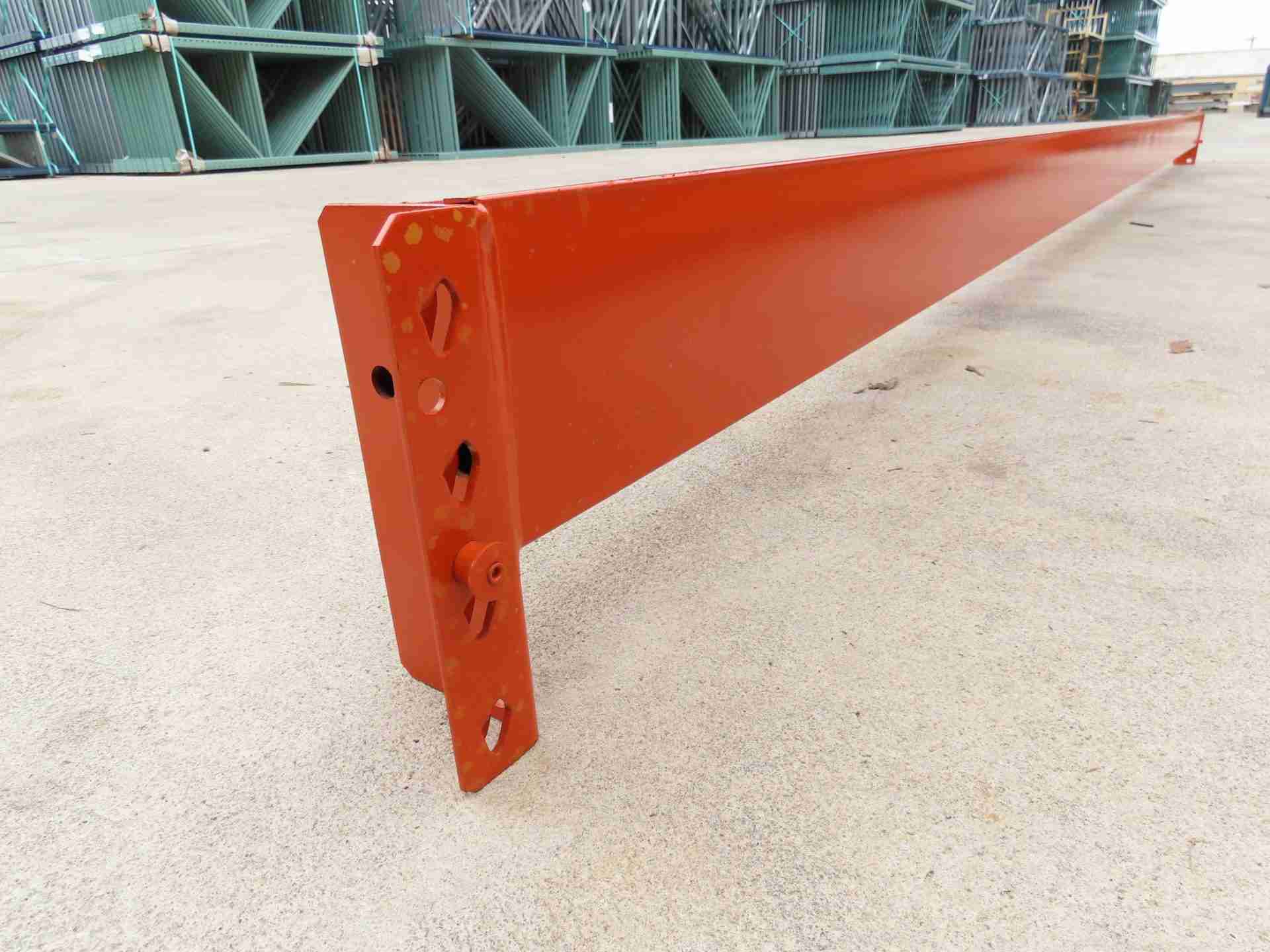
What Maintenance Is Required For Pallet Flow Racking?
What Maintenance Is Required For Pallet Flow Racking?
- Efficiency is crucial in warehousing and distribution; pallet flow racking systems are essential for high-density storage and quick inventory rotation.
- Regular inspections are vital; conduct weekly checks for wear-and-tear on beams, rollers, and tracks to prevent operational disruptions.
- Cleanliness is important; dust and debris can obstruct pallet movement and lead to increased downtime, affecting safety and efficiency.
- Ensure proper load distribution; avoid overloading specific lanes to prevent damage and maintain operational integrity.
- Adopt a proactive maintenance approach; essential for maintaining competitive advantage in light of current supply chain challenges.
- Treat maintenance as a strategic opportunity to enhance operational efficiency and long-term success.
- Commit to a robust maintenance regimen to prevent oversight and boost productivity.

What Maintenance Is Required For Pallet Flow Racking?
How Does Pallet Flow Racking Improve Warehouse Efficiency?
In the highly competitive arena of modern logistics, efficiency isn’t just a goal—it’s a necessity. Enter pallet flow racking, a revolutionary storage system that transforms the way warehouses operate. This isn’t merely about maximizing space; it’s about streamlining workflow, reducing labor costs, and responding to customer demands with blistering speed.
Imagine a scenario where a bustling warehouse is managing a steady influx of products, yet the space is becoming a hindrance. Traditional racking methods can create bottlenecks, leading to inefficiencies and dissatisfied customers. With pallet flow racking, products move like a well-choreographed dance. Utilizing a first-in-first-out (FIFO) system, goods flow to the picking area seamlessly, ensuring that older stock is sold before it becomes obsolete. This is especially critical in industries like food and pharmaceutical, where expiration dates matter.
Take, for instance, the recent surge in e-commerce driven by the global pandemic. Companies like Amazon have made headlines not just for their selection but for their lightning-fast delivery. Each second counts, and pallet flow racking systems enable warehouses to process orders quicker, slashing picking time. By reducing the need for employees to navigate through tight aisles of static shelving, these systems dramatically increase throughput.
Moreover, pallet flow racking can significantly lower labor costs, which have skyrocketed in today’s tight labor market. For example, a distribution center using traditional shelving might require a team of ten workers to fulfill orders. By optimizing space with pallet flow systems, that same warehouse could reduce its workforce to five, all while maintaining, or even uplifting, its output. This is a game-changer for warehouse managers looking to do more with less.
But it’s not just about labor savings; it also enhances safety. With optimized layouts and reduced foot traffic, the risk of accidents diminishes. A safer environment is a more productive environment, and that results in fewer disruptions and liabilities.
As industries aim for sustainability, pallet flow racking is also an eco-friendly option. By maximizing vertical space, less warehouse square footage is required for storage, ultimately reducing the carbon footprint.
In summary, if your objective is to transform your warehouse into a model of efficiency, look no further than pallet flow racking. This innovative solution not only maximizes space but also accelerates operations, reduces costs, and increases safety—all while positioning your business to thrive in an ever-evolving marketplace. Embrace the future of warehouse management today and watch your productivity soar.

How Does Pallet Flow Racking Improve Warehouse Efficiency?
How Does Pallet Flow Racking Improve Warehouse Efficiency?
- Pallet flow racking revolutionizes warehouse storage, making efficiency a necessity in modern logistics.
- Employing a FIFO system, it ensures older stock is sold first, crucial for industries with expiration dates.
- Enables faster order processing, significantly reducing picking times compared to traditional shelving.
- Optimizes labor by reducing workforce needs, cutting costs without sacrificing output.
- Enhances safety by minimizing foot traffic and optimizing layouts, leading to fewer accidents.
- Provides an eco-friendly storage solution by maximizing vertical space, reducing warehouse carbon footprints.
- Transforms warehouses into models of efficiency, crucial for thriving in a competitive marketplace.

How Does Pallet Flow Racking Improve Warehouse Efficiency?
What Safety Measures Are Needed For Pallet Flow Racking?
In today’s fast-paced logistics and warehousing environments, pallet flow racking systems have become integral to maximizing storage space and efficiency. However, with great power comes great responsibility. Implementing safety measures in your pallet flow racking system is not just a best practice—it’s a necessity. Here’s how you can ensure your racking solution is as safe as it is efficient.
First and foremost, regular inspections are crucial. Schedule routine evaluations of the structural integrity of your pallet flow racking. According to a recent study by the National Institute for Occupational Safety and Health (NIOSH), improper installation or maintenance of racking systems can lead to catastrophic incidents, resulting in injuries and significant financial losses. Inspections should focus on checking for wear and tear, damaged components, and proper alignment. Remember, prevention is always less costly than dealing with an accident after it occurs.
Next, employ specialized training for your staff. Ensure that employees are trained on the specifics of pallet flow systems, including weight limits and load distribution. For instance, an employee handling a heavy load without proper training may inadvertently overload a section of the racking, leading to collapse. Holding frequent safety seminars and certifications can go a long way—after all, educated employees are your first line of defense against accidents.
This year, as supply chain disruptions continue to make headlines, consider the implementation of advanced safety technology. Automated monitoring systems are emerging as a game changer, providing real-time data on load capacities and racking stability. This technology can alert warehouse managers to potential issues before they escalate. Investing in this type of technology not only enhances safety but can also bolster productivity, creating a win-win scenario for your operations.
Moreover, it’s essential to implement proper signage. Clear, descriptive signs indicating weight limits, product placement, and safety protocols do wonders in reinforcing safe practices. An often-overlooked element, signage ensures that every team member is on the same page, minimizing the risk of human error.
Finally, don’t overlook the layout of your workspace. The arrangement of your pallet flow racking should allow for safe maneuverability, with sufficient aisle space for forklifts and personnel. A cluttered environment invites accidents—an essential component of your safety strategy is promoting cleanliness and organization.
To sum it up, prioritizing safety measures in your pallet flow racking is not merely about compliance; it’s about fostering a culture of safety that protects your greatest assets—your people and product. As the industry evolves and new challenges emerge, staying ahead with a robust safety plan is the cornerstone of sustainable success.

What Safety Measures Are Needed For Pallet Flow Racking?
What Safety Measures Are Needed For Pallet Flow Racking?
- Pallet flow racking systems are vital for maximizing storage space and efficiency in logistics and warehousing.
- Regular inspections are essential for ensuring the structural integrity of racking systems to prevent accidents and financial losses.
- Specialized training for staff on weight limits and load distribution is crucial to prevent overloading and potential collapses.
- Advanced safety technology, like automated monitoring systems, can provide real-time data on load capacities and stability.
- Proper signage indicating weight limits and safety protocols reinforces safe practices among employees.
- A well-organized workspace layout is necessary for safe maneuverability and to avoid accidents.
- Prioritizing safety measures fosters a culture of safety that protects both people and products, essential for sustainable success.

What Safety Measures Are Needed For Pallet Flow Racking?
Can Pallet Flow Racking Be Customized For Specific Needs?
When it comes to optimizing your warehouse operations, flexibility is paramount. Enter pallet flow racking—an ingenious storage solution that not only maximizes space but also ensures quick access to inventory. However, what many businesses overlook is the remarkable customization potential of pallet flow systems. These systems can be tailored to meet your specific needs, enhancing efficiency, safety, and overall productivity.
Imagine a busy distribution center handling perishable goods. Standard pallet flow racking may not suffice in such cases. Customizing your racking with temperature-controlled lanes can significantly improve the preservation of your products. These specially designed racks maintain a consistent temperature, mitigating spoilage and extending shelf life—an indispensable feature for any business dealing in food products or pharmaceuticals.
But that’s not all. The scalable nature of pallet flow racking allows businesses to adapt as they grow or pivot. For instance, a burgeoning e-commerce company can start with a basic Lane-Width Layout for mixed SKUs and then expand to a more specialized system, like FIFO (First In, First Out), as their inventory grows. This adaptation is crucial in today’s fast-paced market; think of the increased demand spikes seen during events like holiday seasons or global disruptions, such as those from the recent pandemic. Companies that can effortlessly adjust their storage solutions are the ones that thrive.
Moreover, safety concerns are ever-present in warehousing environments. Custom integration of safety features is another game-changer. By incorporating anti-tip barriers or adjustable shelving, businesses can reduce the risk of workplace accidents. A recent report highlighted a 25% increase in safety incidents within warehouses that didn’t utilize customized racking solutions, emphasizing the importance of tailoring your storage for safety.
Customization doesn’t end with size or configuration; it also extends to the technology employed. Integrating automated systems like RFID tracking can streamline inventory management, giving companies real-time visibility of their stock levels. Imagine gaining insights into your inventory movement trends and replenishment needs—all enhanced by a racking solution tailored to your specific requirements.
In a world where standard solutions may not address unique challenges, customizing pallet flow racking emerges as a strategic initiative. Whether you’re dealing with temperature-sensitive products, planning for growth, incorporating safety measures, or leveraging technology, the customizable nature of pallet flow racking can be your ticket to operational excellence and unprecedented competitive advantage. Don’t just adapt; thrive with a solution that’s designed for you.

Can Pallet Flow Racking Be Customized For Specific Needs?
Can Pallet Flow Racking Be Customized For Specific Needs?
- Flexibility is crucial for optimizing warehouse operations, with pallet flow racking as an effective storage solution.
- Pallet flow systems offer remarkable customization potential, enhancing efficiency, safety, and productivity.
- Temperature-controlled lanes can be implemented in pallet flow racking to preserve perishable goods and extend shelf life.
- The scalable nature of pallet flow racking allows businesses to adapt their systems as their needs grow, crucial for handling demand spikes.
- Customized safety features, like anti-tip barriers and adjustable shelving, can reduce workplace accidents significantly.
- Integration of automated systems, such as RFID tracking, improves inventory management and provides real-time visibility of stock levels.
- Customizing pallet flow racking addresses unique challenges, driving operational excellence and providing a competitive advantage.

Can Pallet Flow Racking Be Customized For Specific Needs?
How Does Inventory Management Work With Pallet Flow Racking?
In today’s fast-paced market, effective inventory management is the backbone of success for businesses looking to maximize efficiency and minimize costs. One innovative solution that has transformed traditional warehousing is pallet flow racking. This system not only streamlines inventory processes but also enhances accessibility, thus providing a competitive edge.
So, how does it work? At its core, pallet flow racking utilizes a series of sloped shelves and rollers that enable pallets to flow toward the picking side effortlessly. This “first-in, first-out” (FIFO) method ensures that older stock is sold before newer stock, safeguarding against spoilage in perishable goods or obsolescence in items like electronics. For instance, big players in the food and beverage industry, like Coca-Cola, have adopted this system to ensure that their products are always fresh and moving quickly off the shelves.
Imagine this scenario: your warehouse is filled with hundreds of pallets of various products. Without an efficient system, you risk bottlenecks, misplaced items, and an overwhelming amount of time lost in searching for inventory. Pallet flow racking organizes your inventory in a way that maximizes space and optimizes the picking process. For example, a recent survey indicated that companies utilizing pallet flow racks saw a staggering 50% increase in picking efficiency. This is not just an improvement; it’s a revolution!
The beauty of pallet flow racking lies in its adaptability to diverse industries. Take the case of a major e-commerce retailer, which recently overhauled their inventory management by integrating pallet flow systems. The result? A 30% decrease in order picking times and a significant decrease in labor costs. With consumers increasingly demanding faster delivery, this efficiency can make or break a business in today’s climate.
However, while the advantages are clear, the implementation must be meticulous. Prior to installation, businesses must conduct an analysis of their inventory turnover rates, product dimensions, and warehouse layout. Partnering with a reputable provider can mean the difference between seamless integration and operational headaches.
The strategic implementation of pallet flow racking could be your ticket to not merely surviving but thriving in a competitive landscape. By embracing this innovative inventory management method, businesses can improve efficiency, drop costs, and ultimately, enhance customer satisfaction—key ingredients for long-term success in any industry. Whether you’re in retail, manufacturing, or food service, the future of your inventory management awaits!
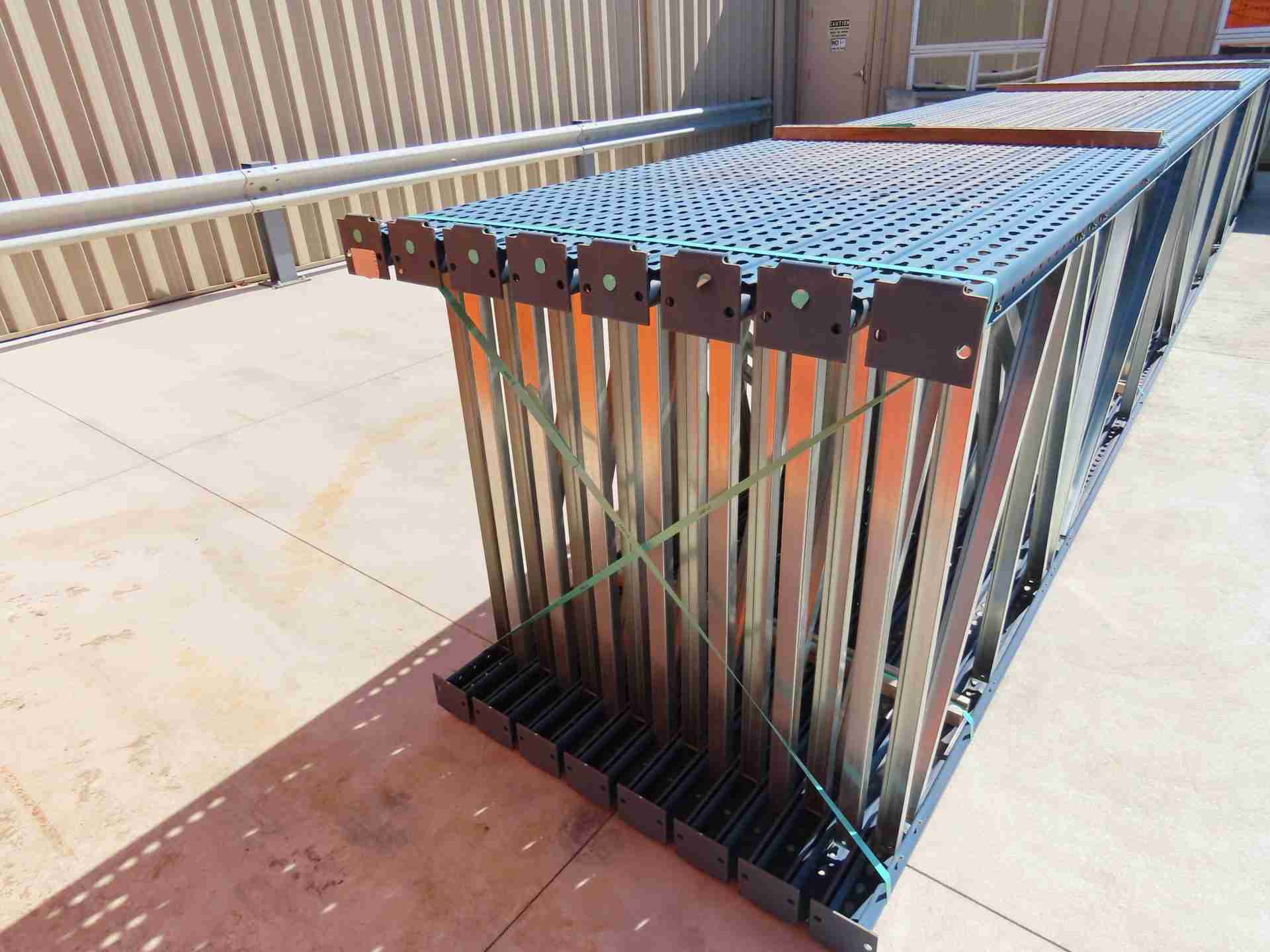
How Does Inventory Management Work With Pallet Flow Racking?
How Does Inventory Management Work With Pallet Flow Racking?
- Effective inventory management maximizes efficiency and minimizes costs for businesses in fast-paced markets.
- Pallet flow racking transforms warehousing by streamlining inventory processes and enhancing accessibility.
- This system uses sloped shelves and rollers for effortless pallet flow, ensuring a “first-in, first-out” (FIFO) method that prevents spoilage and obsolescence.
- Companies like Coca-Cola utilize pallet flow racking to maintain product freshness and quick sales.
- Implementing pallet flow racking can lead to a 50% increase in picking efficiency, revolutionizing inventory management.
- The adaptability of pallet flow racking benefits diverse industries, exemplified by an e-commerce retailer’s 30% decrease in order picking times.
- Careful analysis of inventory turnover, product dimensions, and warehouse layout is crucial for successful implementation.
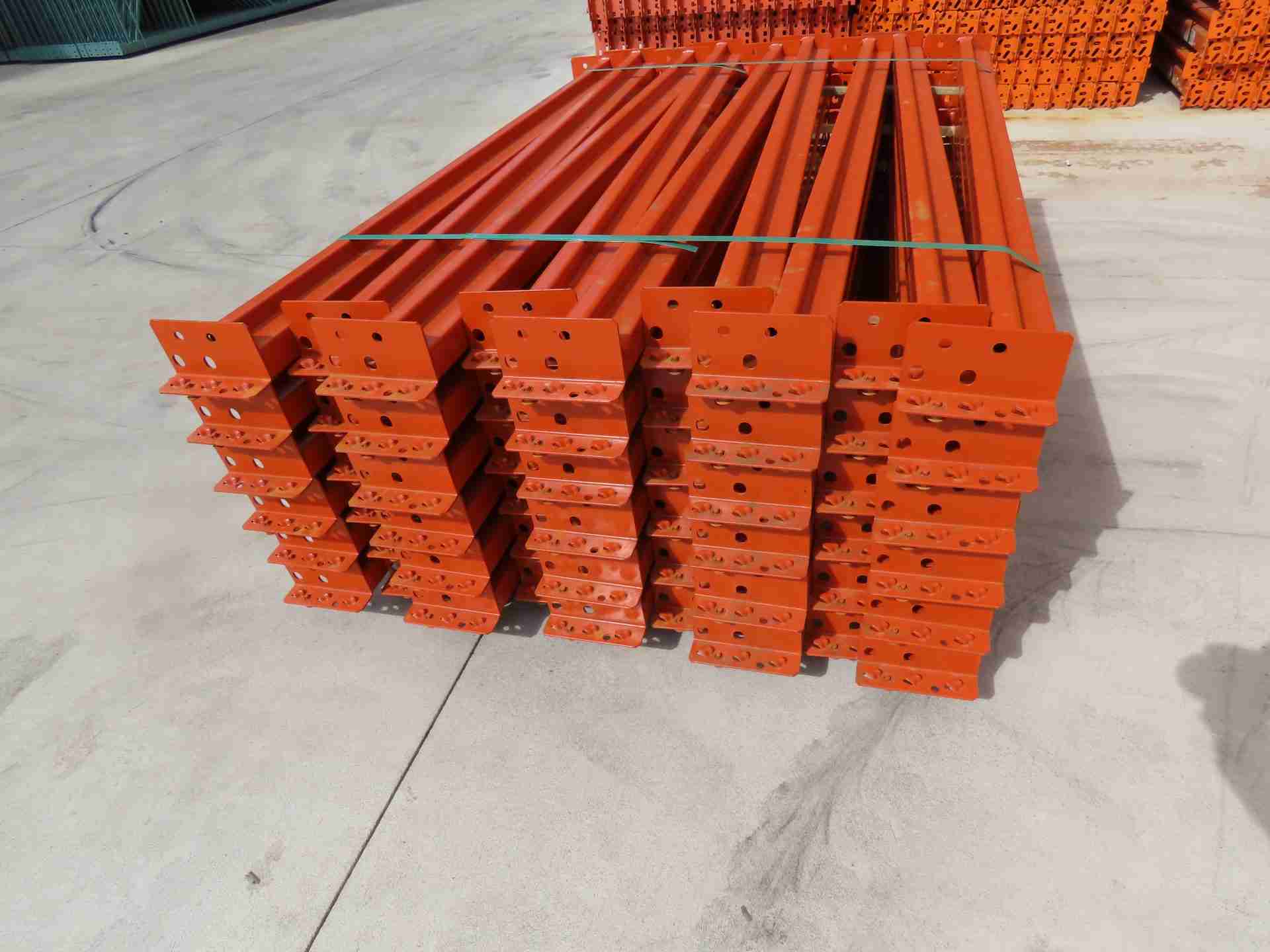
How Does Inventory Management Work With Pallet Flow Racking?
What Are The Common Challenges With Pallet Flow Racking?
In the fast-paced environment of warehousing and logistics, pallet flow racking presents an efficient, gravity-fed solution to maximizing storage potential and enhancing inventory management. Yet, like any system, it is not without its challenges. Understanding these pitfalls can save your business time, money, and headaches in the long run.
1. Complexity in Design and Installation
Pallet flow racking systems aren’t a one-size-fits-all solution. Each warehouse has its unique requirements based on product types, throughput, and even seasonal fluctuations. A poorly designed system can lead to inefficiencies and increased operational costs. For example, a retailer that experiences seasonal spikes, like during the holiday season, may struggle if their pallet flow system has not been tailored to handle fluctuating stock levels. This could result in excess inventory taking up valuable floor space, ultimately negatively impacting profitability.
2. Maintenance and Operational Issues
Just like a complex machine, pallet flow racks require regular maintenance to operate smoothly. Rollers can wear out, wheels can become misaligned, and debris can accumulate, disrupting the flow of products. If you’re not proactive about maintenance, these minor issues can escalate into significant, costly downtimes. Recent reports have highlighted disruptions in supply chains due to maintenance neglect, leading to costly delays—something no business can afford, especially in today’s competitive market.
3. Safety Concerns
With their height and weight capacity, pallet flow racks can pose safety risks if safety protocols are not followed. Improper loading and overloading can lead to catastrophic failures. For instance, consider the incident reported last year when a major grocery distributor faced a lawsuit after an employee was injured due to a pallet flow rack collapse. This incident serves as a cautionary tale: investing in safety training and regular inspections isn’t just good practice—it’s essential.
4. Compatibility with Existing Systems
Many businesses are hesitant to adopt a new racking system due to concerns about compatibility with existing storage solutions. Integrating pallet flow racking with other systems, such as picking and packing areas, requires thoughtful planning. Companies that fail to conduct thorough assessments before implementation often find themselves dealing with inefficiencies that undermine the very objectives they sought to achieve. The importance of adapting to emerging technologies cannot be overstated; those who do not will find themselves outpaced by competitors who embrace innovation.
In summary, while pallet flow racking offers substantial benefits, navigating its challenges requires careful planning, regular maintenance, and a keen awareness of safety standards. Lean into smart design and continuous optimization to ensure that your investment fuels growth and efficiency rather than frustration.

What Are The Common Challenges With Pallet Flow Racking?
What Are The Common Challenges With Pallet Flow Racking?
- Pallet flow racking is an efficient, gravity-fed solution for warehousing and inventory management.
- Complexity in design and installation can lead to inefficiencies if systems aren’t tailored to unique warehouse needs.
- Regular maintenance is essential to avoid operational issues that could lead to costly downtimes.
- Safety risks are significant; improper loading and overloading can result in catastrophic failures.
- Compatibility with existing systems is crucial; poor integration can undermine operational efficiency.
- Thorough planning and adaptation to emerging technologies are necessary to stay competitive.
- Smart design and continuous optimization will help leverage the benefits of pallet flow racking effectively.

What Are The Common Challenges With Pallet Flow Racking?
How Does Pallet Flow Racking Impact Labor Costs?
In today’s fast-paced supply chain environment, businesses are continuously seeking ways to optimize their operations and cut costs. One of the most effective strategies that has emerged recently is the implementation of pallet flow racking systems. This innovative storage solution not only maximizes warehouse space but has a profound impact on labor costs—an essential factor that can distinguish thriving businesses from stagnating ones.
Pallet flow racking systems utilize a dynamic design that allows pallets to glide smoothly on inclined lanes, offering first-in, first-out (FIFO) inventory management. The simplicity of this mechanism drastically reduces the time workers spend searching for items, retrieving pallets, and moving around the warehouse. Imagine a warehouse where employees are not wasting time navigating through a labyrinth of static shelves and pallets, but rather accessing products with speed and efficiency. This streamlined process alone can reduce labor hours significantly.
For instance, let’s consider Company X, a mid-sized distribution center specializing in consumer goods. After implementing a pallet flow racking system, they reported a 30% decrease in labor costs within the first quarter. Workers were able to pick and replenish inventory much faster, leading to increased productivity and fewer overtime hours. This boost in operational efficiency allowed the company to allocate resources more strategically—investing in other areas such as marketing or technology enhancements.
The push for increased efficiency is timely, especially as supply chains are still recovering from disruptions caused by global events, such as the COVID-19 pandemic. As consumer demand fluctuates and e-commerce continues to surge, businesses must adapt swiftly. Companies that leverage pallet flow racking are poised not only to cut labor costs but also to meet customer expectations swiftly.
Another example is Company Y, which operates in the online retail space. They adopted pallet flow racking just in time for the holiday season—a peak demand period. By optimizing their picking processes, they reduced the average time spent on order fulfillment from 24 hours to just 8 hours. This drastic improvement in efficiency potentially saved tens of thousands in labor costs during a critical sales period.
Investing in pallet flow racking is more than just enhancing warehouse efficiency; it’s about transforming a company’s labor strategy entirely. By reducing the time and effort spent on inventory management, businesses can lower labor costs, optimize their workforce, and ultimately drive profit margins higher. As industry demands continue to evolve, companies that embrace innovative solutions like pallet flow racking will have a competitive edge in navigating the future of logistics.
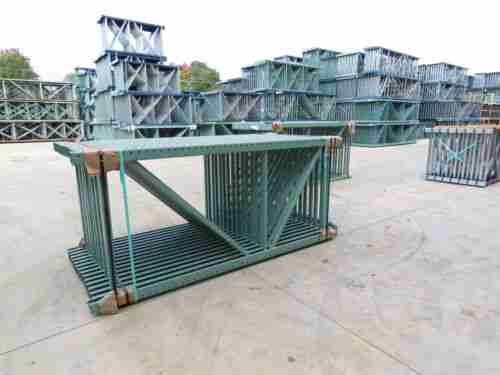
How Does Pallet Flow Racking Impact Labor Costs?
How Does Pallet Flow Racking Impact Labor Costs?
- Businesses seek to optimize operations and cut costs in a fast-paced supply chain environment.
- Pallet flow racking systems maximize warehouse space and significantly impact labor costs.
- These systems use a dynamic design for first-in, first-out (FIFO) inventory management, reducing the time workers spend searching for items.
- Company X reported a 30% decrease in labor costs after implementing pallet flow racking, increasing productivity and reducing overtime.
- Businesses leveraging pallet flow racking can swiftly adapt to fluctuations in consumer demand and meet customer expectations.
- Company Y reduced order fulfillment time from 24 hours to 8 hours during peak demand, saving on labor costs.
- Investing in pallet flow racking transforms labor strategies, lowers costs, optimizes workforce, and enhances profit margins.
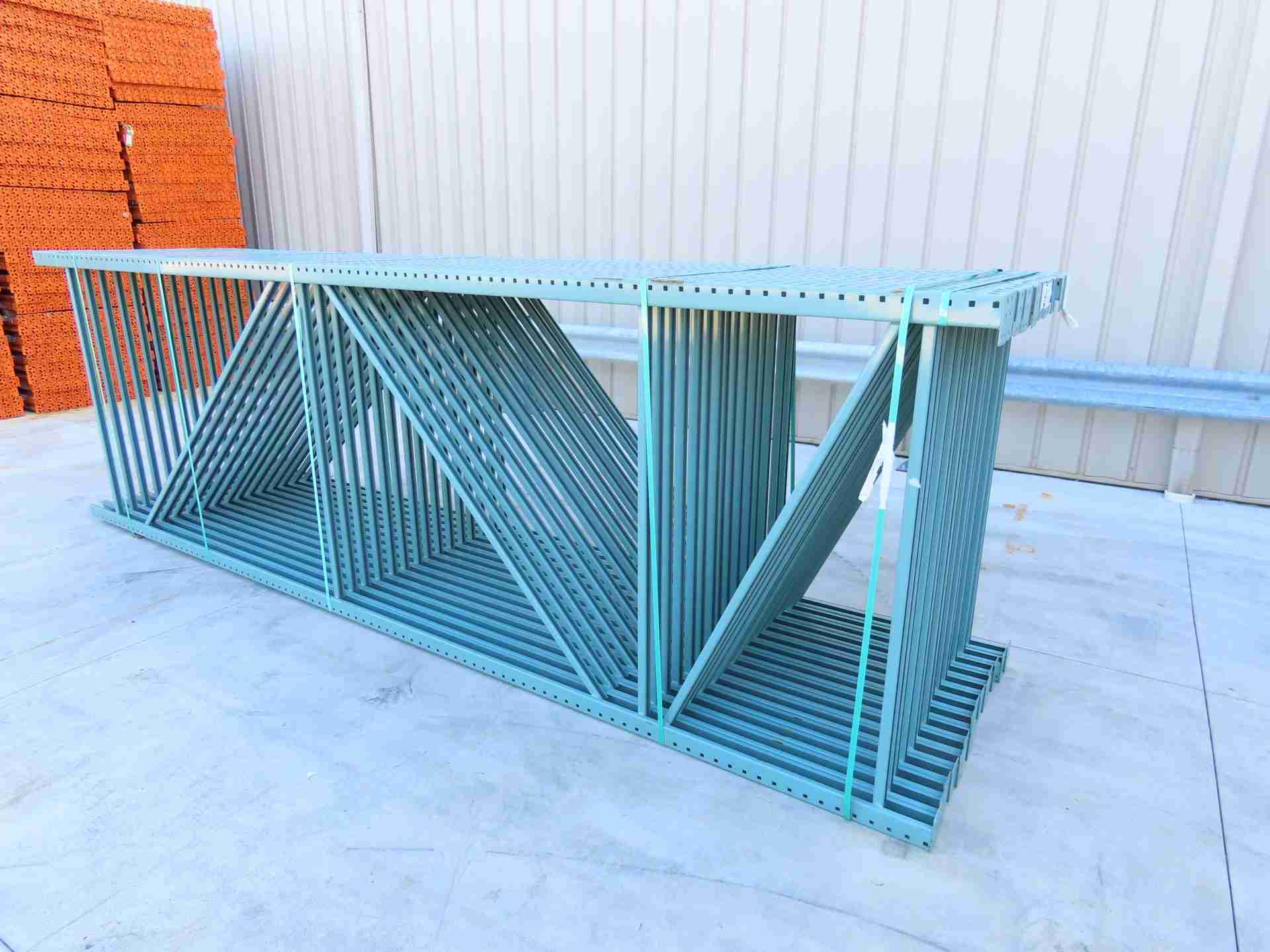
How Does Pallet Flow Racking Impact Labor Costs?
Conclusion
In the competitive world of warehousing and logistics, where efficiency translates directly to profitability, pallet flow racking stands out as a transformative storage solution. This innovative system utilizes gravity to streamline the movement and retrieval of pallets while maximizing the use of vertical space. It’s not just a storage solution—it’s a game changer that empowers businesses to optimize operations in ways previously unimaginable.
Imagine a bustling warehouse where products glide effortlessly toward picking stations instead of being shuffled around. By using a first-in, first-out (FIFO) inventory management approach, businesses can ensure older stock is rotated out before it spoils, which is crucial for industries dealing with perishable goods. Companies like Amazon have already capitalized on pallet flow racking’s efficiency, enhancing order throughput and reducing labor costs.
Adopting pallet flow racking is not merely about keeping up with the competition; it’s an essential strategy for survival in a rapidly evolving marketplace. As recent trends have shown, the ability to adapt and respond to customer demands quickly is critical, especially as e-commerce continues its relentless ascent. With fewer labor requirements and increased picking speeds, organizations can not only save on costs but also bolster employee satisfaction—happy employees lead to robust productivity!
However, this is no time for hesitation. The advantages of pallet flow racking are considerable, but timely implementation is paramount. Facilities that continue to rely on outdated racking methods risk operational bottlenecks and escalating costs, while those who embrace modern solutions like pallet flow systems can position themselves as leaders in their industry.
Are you ready to experience the full potential of your warehouse? Arrow Industrial Sales can help you navigate your pallet flow racking options, guiding you to the best solutions tailored to your unique needs. But remember, opportunities like this don’t last! Call Arrow Industrial Sales today at (574) 349-6575. Don’t let your competitors outpace you—act now to secure your spot at the forefront of warehousing efficiency, and watch your operations transform!

Conclusion
Conclusion:
- Pallet flow racking is a transformative storage solution that enhances warehouse efficiency and profitability.
- This system uses gravity to facilitate the movement and retrieval of pallets, maximizing vertical space utilization.
- It employs a first-in, first-out (FIFO) approach, crucial for managing perishable goods and preventing spoilage.
- Companies like Amazon demonstrate the benefits of pallet flow racking, such as improved order throughput and reduced labor costs.
- Adopting this system is essential for survival in a competitive, rapidly evolving marketplace, particularly in the e-commerce sector.
- Timely implementation of pallet flow racking can prevent operational bottlenecks and rising costs associated with outdated methods.
- Contact Arrow Industrial Sales to explore tailored pallet flow racking solutions to enhance warehouse operations.

Conclusion
Other Resources
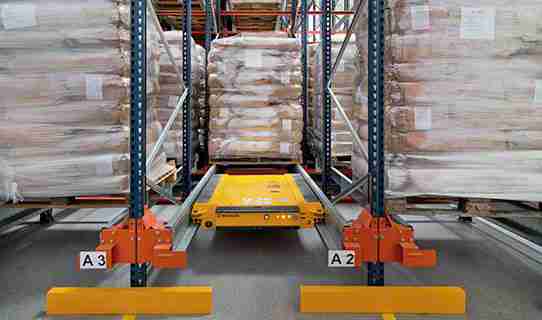
Other Resources
Here is a list of other resources you can review online to learn more:
- “TERMS and GLOSSARY SUPPLY CHAIN …”
- “Categoria: ESL”
- “Pallet Racks & Automated Guided Vehicles (AGVs)”
- “Analysis of logistics in Fashion & Luxury market – Webthesis”
- “AGV – Understand How Automated Guided Vehicles Fit into …”
- “LOGISTICS AND WAREHOUSING MANAGEMENT”
- “Live Storage Pallet Racking (FIFO)”
- “Supply & Demand Chain Executive December 2019”
- “Warehouses of the Future: Powered by AI”
- “A Conceptual Market Analysis of Automated Vehicles for …”
- “Smart warehouses spread to new markets”
- “What can Warehouse AGV do? Types and Tasks”
- “From Click to Delivery: E-commerce warehouse automation”
- “Ali Haider| Content Marketing Analyst at WareIQ”
- “Supply Chain Management (SCM) Terms and Glossary …”
- “The Handbook of Logistics and Distribution Management”
- “The Dawn of New-Age Warehousing”

Other Resources
Glossary Terms
What Is Pallet Flow Racking – Glossary Of Terms
1. Pallet Flow Racking: A storage system that uses a series of inclined shelves and rollers to allow pallets to flow from the back of the rack to the front for efficient inventory management and accessibility.
2. Gravity Flow: A method where pallets are moved by the force of gravity, enabling automatic movement without the need for powered equipment.
3. Roller Track: A system of rollers installed on the racking that facilitates the smooth movement of pallets within the flow racking setup.
4. FIFO (First In, First Out): A method of inventory management where the first pallets placed in the system are the first to be retrieved, reducing the risk of product obsolescence.
5. Load Weight Capacity: The maximum weight that each individual pallet or the entire racking system can safely hold without compromising safety or structural integrity.
6. Palletized Load: A load that has been packaged or arranged onto a pallet for easy handling, storage, and transportation.
7. Aisle Width: The designated space between rows of racks, which determines the accessibility and maneuverability of forklifts or pallet jacks.
8. Rack Beam: Horizontal supports that connect vertical uprights in the racking system; designed to hold the weight of the pallets.
9. Vertical Upright: The vertical structures of the racking system that provide support and stability for the entire unit.
10. Safety Brake: A mechanism designed to prevent pallets from rolling off the end of the rack too quickly, ensuring a controlled descent.
11. Pallet Types: Different configurations of pallets, such as standard, euro, or disposable pallets, affecting how they fit and operate within the flow racking system.
12. Storage Density: The amount of product stored in a given area, which is maximized in pallet flow systems compared to traditional racking.
13. Inspection Access: Designated areas or features that allow for easy examination or maintenance of the racking system and products.
14. Inventory Turnover: A measure of how quickly inventory is sold and replaced, important for managing stock levels efficiently within flow racking.
15. Stock Rotation: The practice of moving older inventory out first to minimize spoilage or obsolescence, which is facilitated by FIFO systems.
16. Structural Integrity: The overall stability and strength of the racking system, ensuring it can handle the loads and stresses applied to it.
17. Accurances: The various types of products or pallets stored within the racking, which can affect layout and flow efficiency.
18. End Stops: Barriers placed at the ends of the racking lanes to prevent pallets from rolling off the edges.
19. Lane Configuration: The specific arrangement of flow lanes within a racking system that can vary based on product type and throughput requirements.
20. Lead Time: The total time taken from the planning of a pallet flow system to the actual execution or use, influencing inventory management strategies.
21. Forklift Types: Different styles of forklifts (e. g. , counterbalance, reach, turret) used to load and unload pallets within the racking system, each with unique capabilities and efficiencies.
22. Pallet Height: The total height of the stacked pallets, which must be considered for safe storage and retrieval in a pallet flow system.
23. Dynamic Storage: An attribute of pallet flow racking that allows for easy and efficient rotation and retrieval of stock, adapting to changing demands.
24. Handling Equipment: Tools utilized for moving pallets in and out of the racking system, including forklifts, pallet jacks, and conveyor systems.
25. Inventory Management System: Software or processes used to track inventory levels, orders, and deliveries, vital for maximizing the efficiency of pallet flow racking.
26. Safety Standards: Regulations and guidelines that dictate the requirements for the design, use, and maintenance of pallet flow racking systems to ensure workplace safety.
27. Load Distribution: The even distribution of weight across the racking system to prevent tipping or collapse, a crucial aspect of safe storage practices.
28. Throughput: The rate at which goods or materials are processed in the racking system, important for evaluating operational efficiency.
29. Ergonomics: The study of how the design of the racking system can enhance safety and efficiency for workers, reducing strain and risk of injury.
30. Maintenance Protocol: Established procedures for regularly checking and maintaining the racking system to ensure optimal performance and compliance with safety standards.

Glossary Of Terms
Other Questions
What Is Pallet Flow Racking – Other Questions
If you wish to explore and discover more, consider looking for answers to these questions:
- What types of products are best suited for pallet flow racking?
- What factors should be considered when selecting a pallet flow racking system?
- How does pallet flow racking compare to other modern storage solutions?
- What is the expected return on investment (ROI) for pallet flow racking systems?
- How can businesses effectively train employees on using pallet flow racking?
- What are common misconceptions about pallet flow racking?
- What are the key metrics to evaluate the effectiveness of a pallet flow system?
- How does seasonal demand affect the design of a pallet flow racking system?
- What role does technology play in enhancing pallet flow racking systems?
- Are there specific regulations or standards that govern pallet flow racking installations?
- What are the long-term maintenance costs associated with pallet flow racking?
- How can pallet flow racking systems enhance sustainability in warehouse operations?
- What should companies know about the life cycle of pallet flow racking systems?
- How do companies track inventory with pallet flow racking systems?
- Can pallet flow racking be used in smaller warehouse setups, and if so, how?

Other Questions
Checklist
What Is Pallet Flow Racking – A Checklist
1. Assess Your Inventory Needs
_____ Analyze types and sizes of pallets you’ll be moving.
_____ Gather data on peak times, seasonality, and turnover rates.
2. Design Considerations
_____ Evaluate the layout of your warehouse (dimensions and workflow).
_____ Create paths for efficient picking and minimize travel time.
3. Choose the Right Equipment
_____ Select appropriate racking materials and designs.
_____ Consider adjustable lanes for varying stock levels.
4. Integrate Advanced Technologies
_____ Implement real-time inventory management tools (e. g. , RFID).
_____ Explore automation options (e. g. , automated guided vehicles).
5. Regular Maintenance Protocol
_____ Schedule weekly inspections for wear and tear.
_____ Ensure cleanliness to prevent debris from affecting operations.
_____ Conduct dynamic load tests for proper weight distribution.
6. Employee Training
_____ Provide training on the use and safety of pallet flow racking.
_____ Conduct safety seminars regularly.
7. Safety Measures Implementation
_____ Establish a regular inspection schedule for structural integrity.
_____ Install clear signage for weight limits and safety protocols.
8. Customization and Flexibility
_____ Assess need for temperature-controlled lanes for perishable goods.
_____ Plan for scalable solutions that can adapt to market fluctuations.
9. Monitor & Evaluate Performance
_____ Track metrics such as picking times and labor costs.
_____ Adjust strategies based on performance data and inventory changes.
10. Stay Informed on Industry Trends
_____ Keep up-to-date with innovations in warehouse management systems.
_____ Participate in forums or training that focus on supply chain efficiencies.
Ensure that each checklist item is done meticulously to enjoy the benefits of pallet flow racking effectively and to increase your warehouse’s productivity and efficiency.

Checklist
At RackingWorld, we help guide you through selecting warehouse storage systems and racking.
Be sure to read our other related stories at RackingWorld to learn more about warehouse storage systems.
0 Comments