
Unlocking The Benefits Of Adjustable Pallet Racking
By Tom Seest
At RackingWorld, we help guide you through selecting warehouse storage systems and racking.
Be sure to read our other related stories at RackingWorld to learn more about warehouse storage systems.
What Is Adjustable Pallet Racking
Adjustable pallet racking is a dynamic storage solution that revolutionizes the way warehouses and distribution centers operate. In a world where efficiency is paramount and space is at a premium, this innovative system offers the flexibility needed to adapt to changing inventory demands. Imagine transforming your storage space into a powerhouse of organization and accessibility—this is the promise of adjustable pallet racking.
At its core, adjustable pallet racking consists of a framework of upright beams and horizontal crossbars that allow for easy adjustment of shelf heights and configurations. This means that as your inventory evolves—be it seasonal products, promotional items, or new product lines—you can simply reposition the shelves to accommodate your needs. For instance, a retailer anticipating a surge in holiday merchandise can swiftly adjust the racking to hold larger volumes of product, ensuring that they capitalize on peak shopping periods without excess labor or hassle.
Consider the current landscape of supply chain challenges, exacerbated by ongoing global disruptions. Companies are continually seeking ways to improve their operational efficiency, and adjustable pallet racking presents an appealing solution amid these changing tides. Retail giants like Amazon have long mastered efficient warehousing, but small to medium-sized businesses can equally harness this power. A local distributor, for example, could install adjustable pallet racks to optimize their space for fluctuating shipments—reducing clutter while enhancing productivity.
The benefits of adjustable pallet racking extend beyond just versatility. It fosters a safer work environment. As product weight and sizes vary, having the ability to customize your storage arrangements ensures the stability and security of your inventory. Furthermore, it encourages better stock management practices. With clear visibility and access to products, employees can swiftly locate items, leading to faster order fulfillment—a decisive advantage in today’s fast-paced market.
Moreover, adjustable pallet racking is a cost-effective investment. Many systems are designed for easy assembly and disassembly, allowing for seamless transitions and expansion without substantial upfront costs. When you consider the significant savings generated by improved space utilization and reduced labor time, it becomes clear that adjustable pallet racking is not just a trend; it’s a strategic move for any warehouse or distribution center looking to thrive.
In summary, adjustable pallet racking is more than a mere storage solution; it’s a catalyst for operational excellence. As the demand for adaptability grows in our evolving marketplace, embracing this approach can place your business ahead of the curve. Don’t miss out on maximizing your operational potential. Embrace adjustable pallet racking today!

What Is Adjustable Pallet Racking
What Is Adjustable Pallet Racking
- Adjustable pallet racking provides a flexible storage solution for warehouses and distribution centers.
- It consists of upright beams and crossbars that allow easy adjustment of shelf heights and configurations.
- The system adapts to changing inventory demands, ideal for seasonal products and fluctuating merchandise.
- Companies can optimize operational efficiency amid supply chain challenges by utilizing adjustable pallet racking.
- This racking promotes a safer work environment by ensuring stability and security for varying product weights and sizes.
- It enhances stock management through clear visibility and access, leading to faster order fulfillment.
- Adjustable pallet racking is a cost-effective investment with easy assembly and potential savings from improved space utilization.

What Is Adjustable Pallet Racking
Table Of Contents
- What Is Adjustable Pallet Racking
- What Is Adjustable Pallet Racking?
- How Does Adjustable Pallet Racking Work?
- What Are The Benefits Of Adjustable Pallet Racking?
- What Industries Use Adjustable Pallet Racking?
- How Is Adjustable Pallet Racking Installed?
- What Is The Load Capacity Of Adjustable Pallet Racking?
- How Do I Choose The Right Adjustable Pallet Racking System?
- What Are The Safety Considerations For Adjustable Pallet Racking?
- How Does Adjustable Pallet Racking Improve Warehouse Efficiency?
- What Are The Costs Associated With Adjustable Pallet Racking?
- Can Adjustable Pallet Racking Be Customized?
- How Do I Maintain Adjustable Pallet Racking Systems?
- What Are The Common Issues With Adjustable Pallet Racking?
- How Does Adjustable Pallet Racking Compare To Static Racking?
- What Accessories Are Available For Adjustable Pallet Racking?
- Conclusion
- Other Resources
- Glossary Of Terms
- Other Questions
- Checklist
What Is Adjustable Pallet Racking?
Adjustable pallet racking is an innovative storage solution designed to maximize warehouse efficiency and optimize space utilization. This versatile system allows businesses to easily customize their shelving configurations to meet varying inventory needs, making it an essential tool in today’s fast-paced logistics environment. With the rise of e-commerce and the ongoing supply chain challenges highlighted by recent global events, such as the pandemic and its aftermath, companies are more than ever turning to adjustable pallet racking as a means to streamline operations and enhance accessibility.
At its core, adjustable pallet racking consists of upright frames and beams that can be easily modified to accommodate different sizes and types of pallets. This flexibility is a game-changer for businesses of all sizes. For example, a retailer with fluctuating stock levels can adjust its racking system to store seasonal inventory effectively, while a manufacturing facility might configure its layout to cater to a wide range of component sizes. This adaptability not only increases the amount of inventory that can be stored but also improves accessibility, reducing the time spent locating and retrieving items.
Furthermore, adjustable pallet racking systems are often designed with safety and durability in mind, featuring heavy-duty materials that can withstand significant weight loads. With recent supply chain disruptions pushing businesses to rethink their storage strategies, investing in a robust racking system becomes an imperative. Companies like Amazon and Walmart have demonstrated the advantages of efficient warehousing; their state-of-the-art fulfillment centers utilize adjustable systems to maintain a competitive edge in the market.
In addition to increased capacity and safety, these racking systems can lead to substantial cost savings. With an adjustable pallet racking setup, organizations can avoid the pitfalls of traditional static shelving, such as over-purchasing equipment to accommodate future growth. Business leaders are increasingly realizing that this investment isn’t merely a move to organize a warehouse but rather a long-term strategy to enhance productivity and operational efficiency.
In light of current economic uncertainties, businesses cannot afford to overlook the benefits of adjustable pallet racking solutions. As inventory flow becomes more unpredictable and space constraints more pressing, making the switch to a dynamic racking system could be the catalyst your company needs to achieve greater scalability and profitability in these challenging times. It’s not just a storage solution; it’s a strategic asset pivotal in navigating the evolving landscape of modern commerce.

What Is Adjustable Pallet Racking?
What Is Adjustable Pallet Racking?
- Adjustable pallet racking enhances warehouse efficiency and optimizes space utilization.
- This system allows for customizable shelving configurations to adapt to various inventory needs.
- Increased reliance on adjustable racking is driven by e-commerce growth and supply chain challenges.
- Features upright frames and beams that can be modified to fit different pallet sizes and types.
- Designed with safety and durability in mind, accommodating heavy weight loads.
- Investing in adjustable racking can lead to substantial cost savings and improved productivity.
- Essential for businesses facing economic uncertainties and needing scalable storage solutions.

What Is Adjustable Pallet Racking?
How Does Adjustable Pallet Racking Work?
Adjustable pallet racking is the unsung hero of modern warehousing—an ingenious solution that allows businesses to maximize their storage efficiency while remaining adaptable to their changing needs. Imagine a system that not only supports your operational growth but also saves you time, space, and money. That’s the promise of adjustable pallet racking.
At its core, adjustable pallet racking comprises a series of vertical frames and horizontal beams that create a modular framework capable of holding palletized goods. The true genius lies in its adjustability; businesses can change the height of the beams to accommodate various pallet sizes or even different types of products. For example, if you are managing a distribution center that recently expanded its product line to include larger items, the ability to quickly modify the racking configuration can save you hours of hassle and floor space reallocation.
Let’s look at real-world scenarios. In recent months, a major retailer faced challenges due to the boom in e-commerce. With increased online orders, their existing racking systems became less efficient. By investing in adjustable pallet racking, they were able to reconfigure their warehouses swiftly, allowing for a more streamlined picking process. This not only decreased retrieval times but also improved inventory accuracy—making the entire operation more productive.
Moreover, adjustable pallet racking is not just about saving space; it’s also about enhancing safety. Consider a food distribution business that deals in both bulky items and smaller, cosmetic products. Their adaptable racking system allows them to segregate heavy items from lighter ones, minimizing the risk of accidents. Racking systems that integrate safety features, such as protective barriers and sway braces, ensure that your business operates smoothly, thereby reducing liability and boosting employee confidence.
In today’s climate, where supply chain volatility is an everyday reality, having a flexible storage solution is more important than ever. As companies grapple with fluctuating inventory levels, adjustable pallet racking provides the agility required to respond to market demands swiftly. With increased consumer expectations for quick delivery times, optimizing your warehouse layout can be a game-changer.
Adjusting your pallet racking system isn’t just a logistical detail; it’s a strategic investment in your business’s future. Leverage its flexibility to adapt to your unique needs and challenges. The right adjustable pallet racking system empowers your operation, positioning you to tackle today’s challenges and seize tomorrow’s opportunities with confidence. Your warehouse should be an asset, not a liability—so make the upgrade that pays dividends.

How Does Adjustable Pallet Racking Work?
How Does Adjustable Pallet Racking Work?
- Adjustable pallet racking enhances storage efficiency in modern warehousing.
- It consists of vertical frames and horizontal beams, allowing for modular organization.
- The system’s adjustability enables quick modifications for different pallet sizes and product types.
- Real-world application includes a major retailer improving e-commerce efficiency through adaptable racking.
- Safety is enhanced by segregating heavy and light items, reducing accident risks.
- Flexible storage solutions are critical amid supply chain volatility and fluctuating inventory levels.
- Investing in adjustable pallet racking is a strategic move for future-proofing business operations.

How Does Adjustable Pallet Racking Work?
What Are The Benefits Of Adjustable Pallet Racking?
In an ever-evolving marketplace, where efficiency and effectiveness can make or break your business, adjustable pallet racking systems offer a game-changing solution for warehousing and inventory management. Understanding their benefits can significantly impact your bottom line, enhance productivity, and streamline operations.
Maximized Space Utilization
First and foremost, adjustable pallet racking allows you to optimize every square inch of your warehouse. Traditional shelving systems often lead to wasted space, whereas adjustable racks can be tailored to fit different pallet sizes, heights, and configurations. For instance, major retailers like Amazon are reaping the rewards of maximizing vertical space through adjustable racking. By utilizing the full height of their distribution centers, they can house more products, reducing costs per square foot and ultimately boosting profitability.
Flexibility to Adapt to Changing Needs
In today’s fast-paced business climate, the ability to pivot is vital. Adjustable racking systems provide the flexibility to modify your layout as your inventory fluctuates or as new products emerge. Picture a scenario where a sudden increase in demand for a trending item compels you to reorder larger quantities. With adjustable racking, you can swiftly rearrange the system to accommodate these changes without significant downtime. Companies responding to the post-pandemic surge in e-commerce are turning to adjustable systems, allowing them to scale operations rapidly and efficiently.
Enhanced Safety and Efficiency
Safety in the workplace is non-negotiable, and adjustable pallet racking solutions inherently support a safer environment. These systems can be configured to allow for better aisle spacing, reducing the risk of collisions between forklifts and personnel. Moreover, adjustable racks enable easy access to higher shelves, minimizing the need for hazardous climbing and reducing workplace injuries. Remember, a safe work environment is not just a legal requirement but a moral imperative that boosts employee morale and productivity.
Cost Savings Over Time
While adjustable pallet racking may represent a higher initial investment compared to static shelving systems, the long-term savings are indisputable. The adaptability of these racks means you won’t need to overhaul your entire storage setup as your operational needs change, saving you both time and money in the long run. Consider the current supply chain challenges gripping industries worldwide; having a flexible storage solution helps mitigate the costly repercussions of demand spikes and product shortages.
Conclusion: An Investment in Future Growth
Incorporating adjustable pallet racking into your warehousing strategy is not merely a practical choice; it’s a smart investment in future growth. As businesses navigate the complexities of modern commerce and environment—be it supply chain disruptions or fluctuating consumer demand—embracing the flexibility and efficiency of adjustable racking systems is a surefire way to stay ahead of the competition. Make the switch today, and watch your operational efficiency soar!

What Are The Benefits Of Adjustable Pallet Racking?
What Are The Benefits Of Adjustable Pallet Racking?
- Maximized Space Utilization: Adjustable pallet racking optimizes warehouse space, accommodating various pallet sizes and configurations for more efficient storage.
- Flexibility to Adapt to Changing Needs: These systems allow quick layout adaptations as inventory needs fluctuate, crucial for responding to sudden market demands.
- Enhanced Safety and Efficiency: Adjustable racks improve aisle spacing and provide safer access to high shelves, reducing accident risks and enhancing workplace safety.
- Cost Savings Over Time: Though initially more expensive, adjustable racking leads to long-term savings by avoiding the need for frequent system overhauls.
- Opportunity for Future Growth: Integrating adjustable systems into operations is a strategic investment for future adaptability in evolving markets.
- Improved Operational Efficiency: Adopting adjustable racking can significantly enhance operational productivity by optimizing space and safety.
- Support During Supply Chain Challenges: Flexibility in storage solutions helps venues navigate current demand spikes and product shortages effectively.

What Are The Benefits Of Adjustable Pallet Racking?
What Industries Use Adjustable Pallet Racking?
Adjustable pallet racking is the unsung hero of modern warehousing and distribution, revolutionizing the way various industries optimize their storage space and improve their operational efficiency. Whether you’re involved in retail, manufacturing, or logistics, understanding which sectors reap the benefits of this versatile storage solution can illuminate opportunities for your own business.
1. Retail and E-Commerce
In today’s fiercely competitive landscape, the retail and e-commerce sectors epitomize the necessity for effective storage solutions. As online shopping continues to surge—evidenced by the recent uptick during the pandemic—retailers are tasked with managing diverse inventories. Adjustable pallet racking offers the flexibility to accommodate a range of product sizes, from bulky furniture pieces to delicate electronics. Leading e-commerce giants often employ these systems to streamline their fulfillment processes, thereby enhancing their ability to meet consumer expectations for rapid delivery.
2. Food and Beverage
The food and beverage industry, with its distinctive storage needs, heavily relies on adjustable pallet racking. Perishable goods require careful organization to ensure product rotation and prevent waste. Companies like Nestlé and Coca-Cola utilize these racking systems to maximize vertical space, allowing for easy access and compliance with health regulations. Recent global supply chain disruptions have further underscored the importance of robust warehousing systems, making adjustable pallet racking a critical asset for food distributors seeking to stabilize their operations.
3. Manufacturing
Manufacturers are increasingly adopting adjustable pallet racking to enhance their efficiency and streamline processes. This sector often deals with substantial raw materials and finished goods that demand a structured storage approach. Automotive giants, such as Ford and GM, leverage these systems to carefully organize components, facilitating lean manufacturing principles. The recent emphasis on sustainability in manufacturing also drives the need for flexible storage solutions that can adapt as production line demands shift.
4. Pharmaceutical and Health Care
The pharmaceutical industry has seen extraordinary growth, amplified by the global necessity for vaccines and health supplies. Adjustable pallet racking enables pharmaceutical companies to strategically store products under optimal conditions while allowing for quick access to high-demand items. Organizations like Pfizer and Moderna are prime examples of those utilizing innovative warehousing solutions to cater to sudden surges in demand effectively.
Adjustable pallet racking isn’t just a storage solution; it’s a game changer across multiple industries. By employing these systems, businesses can optimize their storage practices, adapt to market demands, and enhance their overall operational efficiency. Whether you’re a small startup or an industry giant, the benefits of adjustable pallet racking are undeniable—and now is the perfect time to embrace this strategic asset.

What Industries Use Adjustable Pallet Racking?
What Industries Use Adjustable Pallet Racking?
- Adjustable pallet racking revolutionizes warehousing and distribution by optimizing storage space and improving operational efficiency.
- The retail and e-commerce sectors benefit significantly from adjustable pallet racking for managing diverse inventories and enhancing fulfillment processes.
- In the food and beverage industry, these racking systems are crucial for organizing perishable goods and ensuring compliance with health regulations.
- Manufacturers use adjustable pallet racking to streamline storage of raw materials and finished goods, adhering to lean manufacturing principles.
- The pharmaceutical industry employs adjustable pallet racking to meet the growing demand for medical supplies while maintaining ideal storage conditions.
- These storage systems help businesses adapt to market demands and enhance overall operational efficiency.
- Whether for startups or industry giants, adjustable pallet racking offers undeniable benefits as a strategic asset in various sectors.

What Industries Use Adjustable Pallet Racking?
How Is Adjustable Pallet Racking Installed?
Installing adjustable pallet racking is like setting the stage for a grand production in your warehouse. It’s about maximizing efficiency, streamlining your operations, and creating a safe space that not only meets but exceeds the demands of your business. Let’s break down this process in straightforward, actionable terms.
Step 1: Planning and Layout Design
Before the first bolt is tightened, careful planning is essential. Engage with your warehouse team to assess the types of products you’ll be storing. Consider the weight, dimensions, and frequency of access. Create a detailed layout that maximizes vertical space while ensuring smooth traffic flow for forklifts and personnel. Tools like Warehouse Management Software (WMS) can aid in visualizing the layout and optimizing storage capacity—pushing your productivity to peak performance.
Step 2: Securing Necessary Materials
Once the design is in place, gather all necessary components. Adjustable pallet racking systems typically include uprights, beams, and safety accessories. Sourcing materials from reputable suppliers like Steel King or Interlake Mecalux not only ensures quality but also promotes durability, which is crucial in today’s fast-paced supply chain environment.
Step 3: Foundation and Setup
Next, examine your warehouse floor to ensure it can support the planned racking system. Clean the area thoroughly and mark where each upright will be positioned. This step is vital—imagine trying to grow a garden on rocky terrain; your racking will need a solid foundation to flourish! For added stability, concrete anchors can secure the uprights, ensuring safety as the racks grow taller.
Step 4: Assembly Process
With a solid foundation laid and all materials at the ready, it’s time for assembly. Start by erecting the uprights and securing them with beams. Follow the manufacturer’s instructions meticulously; even small oversights can result in safety hazards down the line. A two-person team can make this process more efficient—a job best tackled collaboratively to maintain safety and order.
Step 5: Load Testing and Safety Checks
After installation, perform a thorough inspection and load test before introducing inventory. This ensures that each section can bear its intended weight without compromising safety. In light of recent events, such as the heightened focus on workplace safety regulations, this step cannot be overstated.
Final Thoughts on Installation
Adjustable pallet racking installation isn’t merely a technical task—it’s a transformational step that positions your warehouse for growth. As we navigate an ongoing evolution in supply chain dynamics, a well-executed racking system can provide that competitive edge, making each aisle a potential profit center rather than just another row of shelves.

How Is Adjustable Pallet Racking Installed?
How Is Adjustable Pallet Racking Installed?
- Installing adjustable pallet racking enhances warehouse efficiency and safety.
- Step 1: Planning involves evaluating product types, weights, and flow for optimal layout.
- Step 2: Gather quality materials, including uprights and beams, from reputable suppliers.
- Step 3: Ensure the warehouse floor is clean and stable for racking setup; use concrete anchors for stability.
- Step 4: Assemble the racking by following manufacturer instructions and working collaboratively.
- Step 5: Conduct thorough load testing and safety checks before inventory introduction.
- Well-executed racking systems are crucial for growth in evolving supply chain dynamics.

How Is Adjustable Pallet Racking Installed?
What Is The Load Capacity Of Adjustable Pallet Racking?
In the fast-paced world of warehousing and logistics, understanding the load capacity of adjustable pallet racking can be a game-changer for businesses seeking efficiency and safety. Adjustable pallet racking is designed to create a versatile storage solution, maximizing vertical space and providing easy access to stored goods. However, neglecting to understand its load capacity can lead to costly mistakes and hazardous working conditions.
Load capacity refers to the amount of weight each rack can safely support, and this capacity varies based on several factors, including the type of racking system, the quality of materials, and how the racks are configured. Generally, a standard adjustable pallet rack can support anywhere from 1,000 to 5,000 pounds per beam, but this varies significantly by the specific configuration and manufacturer specifications.
Consider a scenario where a large online retail firm is shifting to a more efficient warehousing solution due to the rise in e-commerce demand, especially seen during recent events like the pandemic. They may choose to invest in a robust adjustable pallet racking system to keep their products organized while ensuring they can quickly fulfill orders. If they fail to account for load capacities, they might overload their racks, leading to catastrophic failures—an expensive lesson that could halt operations and pose safety risks to employees.
Investing in adjustable pallet racking not only provides the flexibility to adapt to changing market conditions but also allows businesses to scale operations efficiently. For instance, if a company anticipates a seasonal surge, they could easily adjust their racking configuration to accommodate a higher volume of inventory. However, it’s paramount that they consult with racking system experts to accurately determine how to optimize load capacities based on their unique inventory types.
The importance of compliance cannot be overstressed. Regulatory bodies and safety standards dictate that all racking systems meet certain load-bearing criteria to prevent accidents and legal repercussions. The Occupational Safety and Health Administration (OSHA) mandates proper training, maintenance, and use of these systems to ensure workplace safety.
In summary, the load capacity of adjustable pallet racking is not merely a number; it represents a crucial piece of operational strategy. By understanding the nuances of these systems and leveraging them wisely, businesses can not only streamline their warehousing processes but also create an environment focused on safety and efficiency—a winning combination in today’s competitive market landscape.

What Is The Load Capacity Of Adjustable Pallet Racking?
What Is The Load Capacity Of Adjustable Pallet Racking?
- Understanding load capacity of adjustable pallet racking enhances efficiency and safety in warehousing.
- Load capacity varies by racking type, materials quality, and configuration, typically supporting 1,000 to 5,000 pounds per beam.
- Failure to account for load capacities can lead to overloading, resulting in operational halts and safety hazards.
- Adjustable pallet racking provides flexibility to adapt to market changes and scale operations efficiently.
- Consulting racking system experts is essential for optimizing load capacities based on unique inventory needs.
- Compliance with regulatory bodies, including OSHA, is crucial to prevent accidents and ensure workplace safety.
- Proper understanding of load capacity contributes to operational strategy, enhancing safety and efficiency in warehousing.

What Is The Load Capacity Of Adjustable Pallet Racking?
How Do I Choose The Right Adjustable Pallet Racking System?
Choosing the right adjustable pallet racking system is a pivotal decision for any business looking to optimize storage and improve efficiency. This isn’t just a matter of picking a system and installing it; this is about ensuring that your operational needs align with your investment. After all, the right choice can elevate your warehouse from mere storage space to a strategic asset driving your bottom line.
First, analyze your inventory. What kinds of products are you storing? If you deal with non-uniform items—items of varying sizes or weights—you’ll want a racking system that offers adaptability. For instance, selective pallet racking systems are ideal for diverse inventories. They allow for easy access to each pallet, thus minimizing the time spent behind-the-scenes. This increased accessibility can streamline workflows, which is crucial as the demand for fast delivery continues to rise, evidenced by the likes of Amazon and their logistics innovations.
Next, consider your operational flow. For example, if your business is experiencing a surge in e-commerce and shifting towards a ‘just-in-time’ inventory strategy—much like many retailers adapting to consumer behavior post-pandemic—then narrow aisle racking systems or drive-in racking might be your best bet. These systems allow for maximizing space while still facilitating the smooth movement of goods, ensuring you remain competitive.
Don’t overlook your future growth plans. You might have a solid strategy laid out for the next 5 years—perhaps expansion into new markets or product lines. Modular racking systems can easily be adjusted or expanded to accommodate these changes without extensive overhauls. By investing in a system that evolves with you, you avoid costly disruptions and ensure you can pivot quickly as the business landscape shifts.
Safety is another critical consideration. The Occupational Safety and Health Administration (OSHA) has set guidelines that penalize workplaces lacking in safety protocols. Make sure your chosen system is compliant and supports your safety culture. Pallet racks equipped with features like safety pins and anti-collapse guards can mitigate risks and protect your employees.
Finally, don’t forget about your vendor. Find a partner who understands your specific needs and can provide ongoing support. A well-experienced vendor can guide you through options and help troubleshoot potential issues down the road, ensuring your investment consistently performs to its fullest potential in today’s competitive market.
Selecting the right adjustable pallet racking system can revolutionize your warehouse’s efficiency and overall productivity. Make sure to evaluate your inventory, operational flow, future growth, safety, and vendor support to make an informed decision that serves your business both today and in the years to come.

How Do I Choose The Right Adjustable Pallet Racking System?
How Do I Choose The Right Adjustable Pallet Racking System?
- Choosing the right adjustable pallet racking system is crucial for optimizing storage and improving efficiency.
- Analyze your inventory to determine the best racking system; selective pallet racking is ideal for diverse inventories.
- Consider your operational flow; systems like narrow aisle racking or drive-in racking can maximize space and facilitate smooth goods movement.
- Plan for future growth with modular racking systems that can be adjusted or expanded easily as your business evolves.
- Ensure safety compliance with OSHA guidelines; choose pallet racks with safety features to protect employees.
- Select a vendor who understands your needs and can provide ongoing support to ensure optimal performance.
- Evaluate all these factors to make an informed decision that enhances warehouse efficiency and productivity.

How Do I Choose The Right Adjustable Pallet Racking System?
What Are The Safety Considerations For Adjustable Pallet Racking?
When it comes to maximizing warehouse efficiency, adjustable pallet racking systems serve as a go-to solution for businesses of all sizes. However, this efficiency must not come at the cost of safety. In an era where the warehouse and logistics sector is booming—evidenced by the growth of e-commerce giants and increased demand for quick fulfillment—it’s more important than ever to prioritize *safety* in your storage solutions.
Load Capacity and Distribution
First and foremost, understanding the load capacity is critical. Each shelving unit has specific strengths, often defined by the manufacturer. Overloading your racking systems can compromise structural integrity and lead to catastrophic failures. For instance, consider the recent incident at a major distribution center where improperly stacked pallets caused a partial collapse, resulting in warehouse shutdown and costly repairs. Be proactive: always adhere to the weight limits and distribute loads evenly across the racks.
Proper Installation and Regular Inspections
Just as a house cannot stand without a solid foundation, adjustable pallet racks require expert installation to ensure safety. Each beam connection and upright must be firmly anchored and properly aligned. Make sure to engage trained professionals for installation, and don’t skimp on routine inspections. A simple dent or bend in the rack could indicate a potential hazard. If your warehouse has gone years without updates, it’s time to schedule a thorough assessment.
Employee Training and Awareness
Employee awareness is another pillar of safety. Staff should undergo comprehensive training on proper loading techniques and the limits of pallet racking systems. Encourage a culture of safety where employees feel comfortable reporting unsafe conditions. In a high-profile case last year, a leading retail chain implemented mandatory safety training, resulting in a dramatic drop in workplace accidents—showcasing how committed training can lead to both safety and efficiency.
Use of Safety Equipment
Finally, consider investing in safety equipment such as anti-collapse mesh, safety bars, or rack fencing. In recent months, incidents involving accidents in warehouses highlighted the lives at stake—the stakes are simply too high to ignore safety measures. These inexpensive additions can provide a crucial layer of defense against cargo shifts and prevent accidents from occurring.
Adjustable pallet racking can boost your operational efficiency, but without careful consideration for safety, that efficiency could be jeopardized. Make safety a priority, and watch both your productivity and peace of mind soar, ensuring that your business remains not only efficient but secure.

What Are The Safety Considerations For Adjustable Pallet Racking?
What Are The Safety Considerations For Adjustable Pallet Racking?
- Adjustable pallet racking systems improve warehouse efficiency but must prioritize safety.
- Understanding load capacity is essential to avoid overloading and potential structural failures.
- Proper installation by trained professionals is crucial for stability and safety; regular inspections are necessary.
- Employee training on loading techniques and safety practices fosters a culture of safety in the workplace.
- Investing in safety equipment like anti-collapse mesh and rack fencing enhances protection against accidents.
- Neglecting safety measures can jeopardize efficiency, making safety a top priority for productivity.
- By prioritizing safety, businesses can enhance operational efficiency while ensuring security in their warehouses.

What Are The Safety Considerations For Adjustable Pallet Racking?
How Does Adjustable Pallet Racking Improve Warehouse Efficiency?
In today’s fast-paced logistics environment, warehouse efficiency isn’t just a goal—it’s a necessity. With rising consumer expectations and tightening delivery windows, companies must adapt to optimize every inch of their storage space and improve their operational workflow. Enter adjustable pallet racking: a game-changing solution that turns traditional warehousing into a finely tuned machine.
Adjustable pallet racking is not just a fancy term for shelving; it’s a robust system that allows businesses to customize their storage environment to meet specific needs. Imagine a bustling distribution center struggling to accommodate seasonal inventory fluctuations. With adjustable pallet racking, employees can easily modify storage height and depth to suit varying product sizes and demands, enabling faster pick-and-pack operations. This means your warehouse can adapt on-the-fly, reducing downtime and increasing throughput—two critical metrics for any efficiency-minded operation.
A current example can be observed with retailers gearing up for the holiday season. As they prepare for unprecedented volumes of online orders, companies like Amazon and Walmart are revamping their warehouse layouts. By integrating adjustable pallet racking systems, they optimize their fulfillment centers to manage multiple SKUs effectively, ensuring they can fulfill orders promptly, even during peak periods. This agility not only boosts customer satisfaction but also significantly improves bottom-line results.
Moreover, adjustable pallet racking systems promote better inventory management. By facilitating a first-in, first-out (FIFO) approach, businesses can easily rotate stock, minimizing the risk of pallet spoilage and waste—an essential feature for industries like food and pharmaceuticals. Imagine cutting down waste by 20% simply by ensuring that your oldest products are shipped out first. It’s this relentless focus on efficiency and waste reduction that sets the most successful businesses apart from the competition.
But the benefits extend beyond mere storage capacity and inventory rotation. Improved safety is another huge advantage. Adjustable pallet racking allows for better visibility and accessibility, reducing the risk of accidents and injuries in the workplace. Investing in ergonomic designs also safeguards employees’ well-being, leading to increased morale and productivity.
As the marketplace evolves and competition intensifies, adjustable pallet racking is not just an option; it’s an imperative. Equip your warehouse with this innovative system, and watch as it transforms your operations, reduces costs, and accelerates growth. Now, more than ever, it’s time to rethink your storage solutions and invest in adjustable pallet racking for unparalleled efficiency and success.

How Does Adjustable Pallet Racking Improve Warehouse Efficiency?
How Does Adjustable Pallet Racking Improve Warehouse Efficiency?
- Warehouse efficiency is crucial in today’s logistics environment due to rising consumer expectations and tighter delivery windows.
- Adjustable pallet racking enables businesses to customize their storage according to specific needs, enhancing operational workflow.
- This system allows quick adjustments for seasonal inventory fluctuations, facilitating faster pick-and-pack operations.
- Retailers like Amazon and Walmart are using adjustable pallet racking to optimize fulfillment centers during peak order volumes, improving customer satisfaction and financial performance.
- The system promotes effective inventory management through a first-in, first-out (FIFO) approach, reducing spoilage and waste.
- Adjustable pallet racking improves workplace safety by offering better visibility and accessibility, contributing to employee morale and productivity.
- As competition increases, investing in adjustable pallet racking is essential for transforming operations and achieving greater efficiency and success.

How Does Adjustable Pallet Racking Improve Warehouse Efficiency?
What Are The Costs Associated With Adjustable Pallet Racking?
When it comes to optimizing your warehouse space, adjustable pallet racking stands out as a top choice. However, before you pull the trigger on this investment, it’s essential to consider the multifaceted costs associated with it. Understanding these expenses will enable you to make a more informed decision that aligns with your organization’s financial and operational goals.
1. Initial Investment: The first cost to consider is the initial purchase and installation of the racking system. Prices can range significantly based on size, material, and brand—generally falling between $70 to $150 per pallet position. For example, a warehouse looking to install racking for 500 pallets could see costs upwards of $35,000, depending on the specifics. Additionally, you’ll want to factor in installation fees, which can typically range from $2 to $5 per pallet position. This upfront cost can be daunting, but think about it as an investment in efficiency and organization.
2. Maintenance and Upkeep: Like any equipment, adjustable pallet racking systems require regular maintenance to ensure safety and functionality. Inspections and repairs can run between $500 to $2,000 annually, depending on the scale of your operation and how intensively you use the racks. Ignoring this aspect can lead to serious safety violations or costly damages.
3. Insurance Costs: With an increase in infrastructure comes a rise in insurance premiums. Having adjustable racking could lead insurers to consider your warehouse a higher risk, particularly if you’re handling heavy products. Therefore, an increase in liability insurance costs should also be on your radar. It’s crucial to talk with your insurance agent to get an accurate projection of these costs.
4. Operational Adjustments: Switching to adjustable pallet racking also requires staff training, which can add another layer of expense. Depending on your workforce size and the complexity of your new system, training costs can range anywhere from $1,000 to $5,000. Remember, a well-trained staff is vital for maximizing the effectiveness of your racking system.
5. Opportunity Costs: Imagine losing a sale because your inventory is disorganized or your warehouse is inefficient. The opportunity costs associated with implementing a new pallet racking system can be substantial.
While adjustable pallet racking is a game-changer for warehouse efficiency, understanding the associated costs ensures there are no surprises down the line. By factoring in initial investment, maintenance, insurance, training, and opportunity costs, you can set yourself up for success, optimizing your space and maximizing your productivity.

What Are The Costs Associated With Adjustable Pallet Racking?
What Are The Costs Associated With Adjustable Pallet Racking?
- Initial Investment: The purchase and installation costs range from $70 to $150 per pallet position, potentially totaling upwards of $35,000 for 500 pallets, plus installation fees of $2 to $5 per position.
- Maintenance and Upkeep: Regular inspection and repair costs can range from $500 to $2,000 annually, depending on usage and scale.
- Insurance Costs: Increased infrastructure can lead to higher liability insurance premiums, necessitating discussions with your insurance agent.
- Operational Adjustments: Training staff on the new racking system can incur costs from $1,000 to $5,000, but is essential for maximizing system effectiveness.
- Opportunity Costs: Disorganized inventory or warehouse inefficiencies can result in lost sales and significant opportunity costs.
- Comprehensive Cost Understanding: Considering all costs helps avoid surprises and prepares your organization for efficient space optimization.
- Long-term Benefits: While initially daunting, investing in adjustable pallet racking enhances efficiency and organization in the long run.

What Are The Costs Associated With Adjustable Pallet Racking?
Can Adjustable Pallet Racking Be Customized?
When it comes to optimizing warehouse space and boosting operational efficiency, adjustable pallet racking stands out as a powerhouse solution. But let’s face it—limitations lurk around every corner in the business world. Wouldn’t it be fantastic if you could tailor those racking systems to fit your unique needs? The good news is: yes, adjustable pallet racking can indeed be customized.
First, consider your specific storage requirements. Do you specialize in oversized items, or are you dealing more with smaller, diverse SKUs? Adjustable pallet racking offers the flexibility to alter the height and depth of the shelves, adapting seamlessly to your inventory needs. For instance, if your business has recently expanded its product line to include bulk items—as many companies did during the recent surge in e-commerce—you can easily reconfigure your existing racking system to accommodate these changes. That’s smart logistics in action!
Customization goes beyond mere dimensions. You can opt for various materials and finishes to enhance durability and aesthetics. For example, if your warehouse operates in a cold-storage environment, custom cold-resistant racking solutions can be designed to prevent rust and maximize longevity. Furthermore, if you are keen on sustainability, consider racking options made from recycled materials or those that promote energy efficiency.
Technology integration is another game changer. With the rise of automation and smart warehouses, today’s adjustable racking can be outfitted with RFID tracking systems or even smart sensors that monitor inventory levels in real time. Imagine a scenario where your racking system automatically alerts you when stock is low or suggests optimal storage locations based on real-time data. This level of customization enhances not just storage efficiency, but the overall agility of your business operations.
Additionally, don’t overlook the importance of safety. Customized pallet racking can incorporate safety features like guard rails, mesh decks, or specialized loading equipment to meet specific regulatory standards or protect employees. With safety being at the forefront of workplace concern—especially as we witness more industries adhering to stricter safety protocols—these customizations are not just beneficial; they’re essential.
Adjustable pallet racking is far from a one-size-fits-all solution. The ability to customize this pivotal component of your warehousing strategy can lead to significant advantages for your business, enhanced operational efficiency, and improved safety. As markets evolve and consumer demands shift, your racking system should be as responsive as you are. Don’t settle for standard when custom means better, safer, and more efficient operations. The future of intelligent warehousing is at your fingertips—are you ready to seize it?
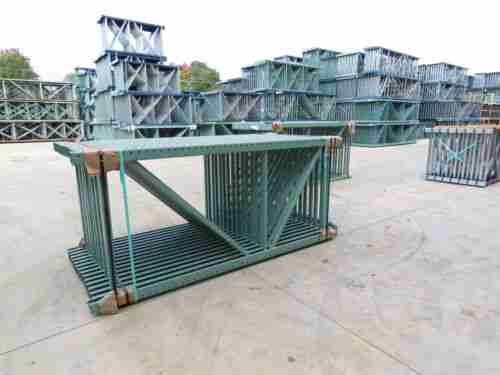
Can Adjustable Pallet Racking Be Customized?
Can Adjustable Pallet Racking Be Customized?
- Adjustable pallet racking is an effective solution for optimizing warehouse space and boosting operational efficiency.
- Customization allows racking systems to fit specific storage needs, accommodating both oversized items and diverse SKUs.
- Racking systems can be reconfigured easily to adapt to changing inventory, such as an expansion of product lines.
- Various materials and finishes are available for enhanced durability, specific operational environments, and improved aesthetics.
- Technology integration, such as RFID tracking and smart sensors, can optimize inventory management and monitoring.
- Safety features can be customized into the racking systems to comply with regulations and protect employees.
- Customizable adjustable pallet racking enhances operational efficiency, safety, and adaptability to market changes.

Can Adjustable Pallet Racking Be Customized?
How Do I Maintain Adjustable Pallet Racking Systems?
In today’s fast-paced warehousing and distribution landscape, adjustable pallet racking systems stand as a linchpin for operational efficiency. Yet, like any asset, these systems require regular maintenance to ensure safety, longevity, and optimal functionality. Failing to maintain your adjustable pallet racking can lead to downtimes, costly repairs, or even catastrophic accidents. Let’s delve into effective maintenance strategies that not only safeguard your investment but also enhance productivity.
1. Routine Inspections: A Proactive Approach
Ensuring the integrity of your racking systems begins with routine inspections. Experts recommend conducting visual checks at least once a month. Look for bent frames, loose bolts, or damaged crossbars. If a new shipment arrives and your racking system is being put through its paces, consider increasing the frequency of inspections. For example, during peak seasons—much like the recent holiday spikes—your systems face increased strain. A simple monthly check can preempt significant issues.
2. Employee Training:
Human error is often the culprit behind pallet racking mishaps. Training your staff on proper loading procedures is critical. For instance, promoting the use of appropriate pallet weights and load distribution can prevent overloading and potential racking failures. An innovative company could implement a gamified training module, where employees earn rewards for demonstrating proper techniques—this not only keeps safety front-of-mind but also promotes a culture of responsibility.
3. Regular Cleaning:
Maintain visibility—and safety—by keeping your racking systems clean. Dust, debris, and even spilled liquids can compromise the stability of your racks. Implement a weekly cleaning schedule, involving your team in simple yet effective tasks such as wiping down beams and ensuring pathways remain unobstructed. A clean warehouse is a safe warehouse; it reduces hazards and enhances operational efficiency.
4. Documentation and Compliance: A Legal Obligation
In light of recent stricter regulations on workplace safety, it’s imperative to maintain thorough documentation of all inspections, incidents, and maintenance performed on your racking systems. This not only protects your business against potential legal repercussions but also aids in future maintenance scheduling. Don’t wait for an incident to highlight the importance of compliance; be proactive.
5. Engage with Professionals:
While DIY maintenance is essential, there are times when you should call in the experts. Regularly scheduled professional inspections can identify hidden issues that might escape casual observation. Companies that specialize in racking systems can provide tailored solutions specific to your operations.
Maintaining adjustable pallet racking systems is not just about extending their life; it’s about safeguarding your warehouse’s efficiency and safety. By implementing a comprehensive maintenance strategy and fostering a culture of awareness among your employees, you can ensure your operations run smoothly—and perhaps even outperform the competition in this ever-evolving market.

How Do I Maintain Adjustable Pallet Racking Systems?
How Do I Maintain Adjustable Pallet Racking Systems?
- Adjustable pallet racking systems are essential for operational efficiency in warehousing and distribution.
- Regular maintenance is crucial to prevent downtimes, costly repairs, and accidents.
- Routine inspections should be conducted monthly, especially during peak seasons, to detect issues early.
- Training employees on proper loading procedures can minimize human error and enhance safety.
- A weekly cleaning schedule helps maintain visibility and stability, reducing hazards in the warehouse.
- Thorough documentation of inspections and maintenance is necessary for legal compliance and proactive maintenance scheduling.
- Engaging with professionals for regular inspections can uncover hidden issues and ensure tailored maintenance solutions.

How Do I Maintain Adjustable Pallet Racking Systems?
What Are The Common Issues With Adjustable Pallet Racking?
Adjustable pallet racking systems offer flexibility and efficiency in modern warehousing, but they come with their share of challenges. Understanding these common issues is crucial for warehouse operators who desire to maximize their storage capabilities while minimizing headaches. Here’s a deep dive into the most prevalent problems associated with adjustable pallet racking.
1. Structural Integrity Risks
One of the most pressing issues is the risk of structural failure. Adjustable pallet racking is designed to support significant weight, but any miscalculation or poor installation can lead to serious accidents. For example, in April 2023, a warehouse in Chicago experienced a racking collapse due to improper weight distribution, leading to injuries and significant financial losses. Regular inspections and adherence to industry standards are paramount in mitigating these risks.
2. Poor Configuration Choices
Too often, warehouses fall into the trap of poorly configuring their racking systems. Choosing the wrong size, height, or layout can lead to wasted space and inefficient operations. A company recently reported a drop in productivity by 25% after switching to a thicker gauge racking system, which reduced aisle space and accessibility. Customizing your racking to fit your unique storage needs, not just opting for a one-size-fits-all solution, is crucial.
3. Inventory Management Challenges
Adjustable pallet racking systems can complicate inventory management if not accurately tracked. As products move in and out, maintaining an understanding of what’s where becomes increasingly difficult. Recent supply chain disruptions have underscored the importance of effective inventory tracking; a breakdown in organization can lead to lost sales and customer dissatisfaction. Employing advanced inventory management systems integrated with your racking layout can provide the clarity needed.
4. Safety Compliance Issues
Compliance with safety regulations is another significant hurdle. Adjustable pallet racking must adhere to strict guidelines, and failure to do so can result in hefty fines. If your racking isn’t built and maintained according to OSHA standards, you risk not only financial penalties but also the safety of your employees. Regular training and assessments are vital to ensuring that your staff understands the safety protocols related to racking systems.
5. Difficult Adaptation to Changes in Demand
Market fluctuations demand the ability to pivot quickly. An adjustable racking system can be a double-edged sword; while it offers inherent flexibility, rapid changes can lead to disorganization if not managed properly. Companies must remain agile by constantly evaluating their racking configuration against real-time market conditions and inventory turnover rates.
While adjustable pallet racking provides great benefits, it’s imperative to remain vigilant about the common pitfalls. By proactively addressing these issues, you can enhance safety, efficiency, and profitability in your warehousing operations. Don’t just invest in racking; invest in a strategy for success!
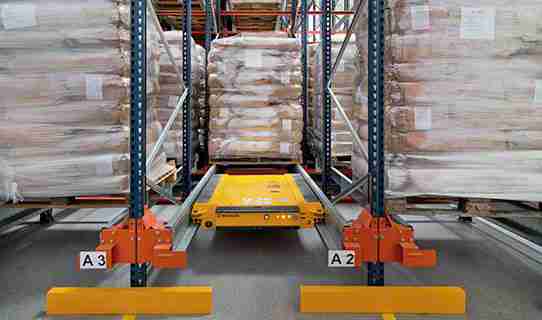
What Are The Common Issues With Adjustable Pallet Racking?
What Are The Common Issues With Adjustable Pallet Racking?
- Adjustable pallet racking systems provide flexibility and efficiency in warehousing but present various challenges.
- Structural integrity risks can lead to accidents if miscalculations or poor installations occur; regular inspections are essential.
- Poor configuration choices can result in wasted space and reduced productivity; customization is key for effective use.
- Inventory management can become complicated without accurate tracking, stressing the need for advanced systems integrated with racking layouts.
- Compliance with safety regulations is crucial; failure to adhere can lead to fines and safety risks for employees.
- Adapting to market fluctuations is necessary; flexibility in racking systems requires ongoing evaluation of configurations.
- Proactive addressing of these challenges can enhance safety, efficiency, and profitability in warehousing operations.

What Are The Common Issues With Adjustable Pallet Racking?
How Does Adjustable Pallet Racking Compare To Static Racking?
When it comes to managing warehouse spaces, businesses often face a pivotal choice: should they invest in adjustable pallet racking or stick with static racking systems? This decision can significantly influence storage efficiency, flexibility, and overall operational success.
Adjustable pallet racking is designed with adaptability in mind. Unlike static racking, where the shelves are fixed in place, adjustable racking allows you to modify the height of shelves to accommodate various load sizes—literally transforming your warehouse into a dynamic space that grows with your business. For instance, consider a company that frequently deals with seasonal inventory fluctuations. They can easily adjust their racking system to create space for larger items during peak seasons and revert to a more compact arrangement during quieter months. This ensures optimal space utilization and minimizes the risk of overstocking.
In contrast, static racking may serve well for businesses with consistent inventory sizes and limited product variations. However, it can present challenges when stock changes. For example, a company in the retail sector relying solely on static racking may find itself in a bind during supply chain disruptions, such as those experienced in 2023 due to global shipping delays. The static setup limits reconfiguration possibilities and can lead to inefficiencies, as the fixed shelves cannot accommodate the emerging needs of the business.
Cost-efficiency is another key factor. While static racking may appear cheaper upfront, the hidden costs of inefficiency, lost revenue from space constraints, and the potential need for future expansion can significantly outpace the initial savings. Adjustable racking provides a more scalable solution. By investing in a flexible system, companies can easily adapt to market shifts without incurring substantial additional costs.
Moreover, with the rise of e-commerce, businesses find themselves needing faster turnover rates and better picking efficiency. Adjustable pallet racking systems enhance accessibility since they allow for easier retrieval of goods, an essential factor in today’s fast-paced market. For example, with the increased demand for quick delivery options, a retail warehouse using adjustable racking can streamline its picking process, reducing the time products spend in storage.
While both adjustable and static racking systems have their merits, the advantages of adaptability, efficiency, and scalability offered by adjustable racking make it the clear choice for businesses aiming to thrive in a rapidly changing environment. Instead of settling for the status quo, why not invest in a system that flexibly moves with your business? The future is not static—make sure your warehousing solution isn’t either.

How Does Adjustable Pallet Racking Compare To Static Racking?
How Does Adjustable Pallet Racking Compare To Static Racking?
- Businesses must choose between adjustable pallet racking and static racking for optimal warehouse management.
- Adjustable pallet racking allows modification of shelf height to accommodate various load sizes, enhancing space utilization.
- Static racking benefits businesses with consistent inventory but poses challenges during stock changes and supply chain disruptions.
- Cost-efficiency is a concern; while static racking is cheaper upfront, hidden costs may outweigh initial savings.
- Adjustable racking offers scalability, allowing companies to adapt to market shifts without significant additional costs.
- The rise of e-commerce necessitates faster turnover rates; adjustable racking improves accessibility and retrieval processes.
- Adaptability, efficiency, and scalability of adjustable racking make it the better choice for businesses in a dynamic market.

How Does Adjustable Pallet Racking Compare To Static Racking?
What Accessories Are Available For Adjustable Pallet Racking?
When it comes to maximizing your warehouse’s potential, adjustable pallet racking is an indispensable tool. However, the effectiveness of your racking system depends not only on its design but also on the accessories you choose to enhance its functionality. Let’s dive into the must-have accessories available for adjustable pallet racking that can transform your warehouse into a paragon of efficiency and productivity.
Beam Safety Locks: At the heart of any effective racking system is safety. Beam safety locks ensure that each beam is securely attached to the upright frames, preventing accidental disengagement during loading and unloading. This simple yet crucial accessory protects your workforce and your investment, especially in high-traffic environments like distribution centers.
Wire Decking: Want to improve ventilation and visibility while maintaining reliable support? Look no further than wire decking. This accessory enhances safety by preventing small items from falling through the rack and allows for easier inventory tracking with its open design. Given the recent uptick in e-commerce and online retail, utilizing wire decking can significantly streamline your dynamic inventory management.
Pallet Supports: For those dealing with uneven or oddly-sized pallets, pallet supports are a game changer. These sturdy brackets stabilize pallets, ensuring they remain level and secure. As retailers adapt to the fast-paced demands brought on by current supply chain challenges, having pallet supports can make a significant difference in sustaining product integrity.
Column Guards: Protecting your investment means safeguarding your racking system from accidental impacts. Column guards are essential for protecting the lower sections of your uprights from damage caused by forklifts and other equipment. In the wake of increased construction developments this year, which have led to busier warehouses, these protective accessories are more crucial than ever.
Safety Barriers: As warehouses become more bustling hubs of activity, safety barriers serve as vital accessories to demarcate pedestrian walkways and prevent accidental collisions. With the prevalence of high-traffic zones in distribution centers, implementing these barriers can enhance the overall safety of both your employees and inventory.
Adjustable Shelf Kits: Looking to diversify your storage? Consider adjustable shelf kits that adapt to various item sizes, allowing for customized shelving solutions within your racking system. This flexibility caters to the modern industry’s demand for versatile warehousing solutions – a trend that’s proving increasingly valuable as businesses embrace a wider array of products in their stock.
Investing in these accessories not only upgrades your adjustable pallet racking but also significantly enhances safety, productivity, and efficiency. As the global market continues to evolve, staying ahead with the right accessories will prepare your warehouse for the demands of tomorrow.

What Accessories Are Available For Adjustable Pallet Racking?
What Accessories Are Available For Adjustable Pallet Racking?
- Beam Safety Locks: Securely attach beams to upright frames, preventing accidental disengagement and ensuring safety during loading/unloading.
- Wire Decking: Improves ventilation and visibility, prevents small items from falling, and facilitates easier inventory tracking.
- Pallet Supports: Stabilize uneven or oddly-sized pallets, ensuring they remain level and secure, maintaining product integrity.
- Column Guards: Protect lower sections of uprights from damage caused by equipment, essential in busy warehouse environments.
- Safety Barriers: Demarcate pedestrian walkways and prevent collisions, enhancing overall safety in high-traffic zones.
- Adjustable Shelf Kits: Provide flexibility for various item sizes, allowing for customized shelving solutions within racking systems.
- Investing in these accessories enhances safety, productivity, and efficiency, preparing warehouses for future demands.

What Accessories Are Available For Adjustable Pallet Racking?
Conclusion
At Arrow Industrial Sales and RackingWorld.com, we understand that in the competitive landscape of warehousing and distribution, success hinges on the ability to adapt. Adjustable pallet racking is not just another storage solution—it’s a transformative asset that enhances operational efficiency and maximizes available space. As businesses grapple with fluctuating inventory demands, rising e-commerce expectations, and the need for agile logistics, investing in adjustable pallet racking represents a clear path forward.
This innovative system equips you with the flexibility to customize shelf heights and configurations, enabling swift adjustments to accommodate seasonal products, changing market trends, or unexpected inventory surges. Imagine having the ability to reposition your racking with ease, allowing your warehouse to respond dynamically to the rapid pace of supply chain needs. This adaptability not only optimizes storage capacity but also empowers your team to streamline picking processes and improve overall productivity.
Moreover, the benefits extend far beyond flexibility. Adjustable pallet racking fosters a safer work environment by allowing for better load management and reducing clutter. With enhanced visibility and accessibility of inventory, employees can locate and retrieve items more efficiently, drastically decreasing fulfillment times. In an era where speed is of the essence, this translates to heightened customer satisfaction and increased profit margins.
Financially, adjustable pallet racking is a long-term investment that yields significant cost savings. Beyond initial investment, consider the savings realized through improved space utilization, reduced labor costs, and minimal downtime for reconfigurations. As supply chain challenges persist, ensuring your operations are both scalable and cost-efficient has never been more critical.
Yet, timing is key. The market is continually evolving, and businesses that fail to adapt risk falling behind. Don’t wait for the wave of change to pass. Embrace adjustable pallet racking to future-proof your warehousing strategy. Our experts at Arrow Industrial Sales are ready to provide personalized consultations to help you choose and implement the ideal racking system for your specific needs.
Act now! Call us at (574) 349-6575 for more information. Transform your warehouse into a hub of efficiency and agility today; solutions tailored to your needs await! Don’t let another day go by without capitalizing on the immense benefits of adjustable pallet racking. Your operational excellence journey starts here.

Conclusion
Conclusion:
- Adjustable pallet racking enhances operational efficiency and maximizes warehouse space.
- This system provides the flexibility to customize shelf heights and configurations based on inventory demands.
- Adjustable racking allows for quick adjustments to accommodate seasonal products and market trends.
- Improves overall productivity by streamlining picking processes and optimizing storage capacity.
- Fosters a safer work environment through better load management and reduced clutter.
- Delivers significant cost savings through improved space utilization and reduced labor costs.
- Embrace adjustable pallet racking to future-proof your warehousing strategy and maintain competitiveness.

Conclusion
Other Resources

Other Resources
Here is a list of other resources you can review online to learn more:
- “Adjustable Pallet Racking”
- “Amazon’s distribution space: constructing a ‘labour fix’ …”
- “The distribution network of Amazon and the footprint …”
- “Amazon Global Online Retail Operations – Supply Chain …”
- “Distribution Centers Explained”
- “Warehouse system racking and mapping | PPT”
- “Apparel Inventory Management: Industry Expert Tips!”
- “Future of retail operations: Winning in a digital era”
- “Perform Efficient Amazon FBA Inventory Management …”
- “Managing Seasonal Inventory Fluctuations in Your …”
- “Top Fulfillment Services for Oversize Goods & 3PL Solutions”
- “(PDF) The Future of Warehouse Work: Technological …”
- “The Strategic Aims of Warehousing”
- “Overflo Warehouse Baltimore Maryland | The Place for Space”
- “How does warehouse location impact supply chain …”
- “The Importance Of Warehousing In Supply Chain …”
- “Warehouse of the Future | W. P. Carey Research”
- “Amazon’s Super-Efficient Warehouses”
- “Basics of Warehouse Operations | Key Processes”
- “The Future of Warehouse Work: Technological Change in the …”

Other Resources
Glossary Terms
What Is Adjustable Pallet Racking – Glossary Of Terms
1. Adjustable Pallet Racking: A versatile storage system consisting of vertical frames and horizontal beams that can be adjusted in height to accommodate various pallet sizes.
2. Beam: A horizontal support component of pallet racking that holds the pallets and is adjustable to different heights.
3. Frame: The vertical structure in pallet racking that supports the beams; frames can come in various widths and heights.
4. Pallet: A flat transport structure used to support goods in a stable manner while being lifted by forklifts or pallet jacks.
5. Load Capacity: The maximum weight that a racking system can safely support, often specified for both beams and frames.
6. Upright: The vertical member of the racking frame that provides structural support.
7. Safety Lock: A device used to secure beams to frames, preventing accidental disengagement.
8. Pallet Size: Refers to the dimensions of a pallet, which can vary based on industry standards and product requirements.
9. Depth: The distance from the front to the back of a pallet racking system, affecting how many pallets can fit in a row.
10. Width: The measure of how wide the racking is; typically, it refers to the distance between two uprights.
11. Vertical Space: The height available for storage above the floor, important for maximizing storage capacity in warehouses.
12. Aisle Space: The distance between rows of pallet racking, which allows access for forklifts or picking operations.
13. Forklift: A powered industrial truck used to lift and transport materials in a warehouse, commonly used with adjustable pallet racking.
14. SKU (Stock Keeping Unit): A unique identifier for each distinct product in inventory, influencing how pallet racking is organized.
15. Warehouse Optimization: Strategies aimed at improving storage efficiency and accessibility, often involving adjustable pallet racking.
16. Cross-bracing: Diagonal supports within racking frames that add stability and prevent swaying.
17. Column Protector: Protective devices installed at the base of frames to guard against damage from forklifts.
18. Load Signage: Labels that indicate the weight limit for beams and frames to ensure safe loading practices.
19. Cantilever Racking: A type of racking system that supports long items that cannot be stored on standard pallet racking.
20. Pallet Flow Rack: A dynamic racking system designed to push pallets forward using gravity; often used for FIFO (First In, First Out) inventory management.
21. Drive-In Racking: A high-density storage solution where forklifts can drive into the racking system to store pallets, maximizing space.
22. Rack Defender: A protective structure that shields racking frames from accidental impacts during operations.
23. Adjustability: The ability to easily change the height and configuration of the racking system to suit varying storage needs.
24. Environmental Compliance: Adhering to regulations and standards for safety, storage, and inventory management in a warehouse environment.
25. Stock Rotation: A method of managing inventory to ensure older stock is sold before newer stock, facilitated by adjustable racking systems.
26. Interchangeability: The ability to use various pallet sizes and types within an adjustable pallet racking system without requiring redesign.
27. Installation: The process of assembling and configuring pallet racking systems, often requiring expertise for safety compliance.
28. Maintenance: Regular checks and repairs to ensure the racking system remains safe and functional over time.
29. Flue Space: The space between racking rows that is required for fire safety and allows for sprinkler systems to function properly.
30. Performance Metrics: Standard measurements used to assess the efficiency and effectiveness of a pallet racking system, including turnover rates and space utilization.

Glossary Of Terms
Other Questions
What Is Adjustable Pallet Racking – Other Questions
If you wish to explore and discover more, consider looking for answers to these questions:
- What factors should I consider when selecting adjustable pallet racking?
- What is the maximum weight capacity for adjustable pallet racking?
- How does adjustable pallet racking improve safety in the warehouse?
- What are the installation requirements for adjustable pallet racking?
- Which industries benefit the most from adjustable pallet racking?
- What common mistakes should I avoid when using adjustable pallet racking?
- How can I personalize my adjustable pallet racking system for unique needs?
- What maintenance routines are recommended for adjustable pallet racking systems?
- How can adjustable pallet racking improve inventory management?
- What are the best practices for training employees on using adjustable pallet racking?

Other Questions
Checklist
What Is Adjustable Pallet Racking – A Checklist
Checklist for Implementing Adjustable Pallet Racking
1. Define Your Requirements
_____ Assess types of products and their sizes.
_____ Determine your inventory turnover rates.
_____ Identify specific storage needs (e. g. , bulk items, seasonal products).
2. Planning and Layout Design
_____ Engage warehouse team for layout design input.
_____ Utilize software like Warehouse Management Systems for optimization.
_____ Ensure smooth traffic flow for forklifts and personnel.
3. Selecting the Right System
_____ Choose a racking system that allows for easy height adjustments.
_____ Consider modular options for future scalability.
_____ Evaluate safety features available.
4. Installation Preparation
_____ Gather necessary racking components (uprights, beams, safety gear).
_____ Ensure the foundation can support planned racking.
_____ Clean installation area before setup.
5. Installation Process
_____ Follow manufacturer instructions during assembly.
_____ Ensure proper alignment and secure connections.
_____ Collaborate as a team for more efficient assembly.
6. Safety and Compliance
_____ Perform load tests on racking systems before introducing inventory.
_____ Adhere to OSHA safety regulations and standards.
_____ Invest in safety accessories (e. g. , safety locks, barriers).
7. Ongoing Maintenance
_____ Conduct routine inspections (monthly or during peak seasons).
_____ Train staff on proper loading techniques and racking limits.
_____ Schedule documented professional inspections of the system.
8. Inventory Management
_____ Implement inventory management software to track stock levels.
_____ Utilize FIFO (First In, First Out) practices to manage perishables.
_____ Regularly evaluate racking layout based on inventory changes.
9. Utilize Accessories
_____ Add safety locks to secure beams.
_____ Use wire decking for better visibility and support.
_____ Install column guards to protect uprights from damage.
10. Review and Adapt
_____ Monitor the effectiveness of the adjustable racking regularly.
_____ Stay informed on safety regulations and best practices.
_____ Adjust your racking system as needs and inventory change.
Implementing an adjustable pallet racking system can significantly enhance efficiency and safety in your warehouse operations. Following this checklist will guide you through the process seamlessly. Embrace flexibility and stay ahead of inventory demands!

Checklist
At RackingWorld, we help guide you through selecting warehouse storage systems and racking.
Be sure to read our other related stories at RackingWorld to learn more about warehouse storage systems.
0 Comments