
Mastering Pallet Racking Installation: Insider Tips
By Tom Seest
At RackingWorld, we help guide you through selecting warehouse storage systems and racking.
Be sure to read our other related stories at RackingWorld to learn more about warehouse storage systems.
Can Anyone Install Pallet Racking?
When it comes to optimizing warehouse space, pallet racking has become synonymous with efficiency and organization. Yet, a crucial question often arises: can anyone install pallet racking? The short answer is no—while the allure of self-installation might be tempting, the truth is that it’s a task best left to professionals.
Imagine trying to assemble a complex puzzle with missing pieces. That’s the risk you take when you consider DIY installation of pallet racking. According to recent industry reports, improperly installed racking systems have resulted in injuries and costly damage, underscoring that a few hours saved in installation can lead to massive headaches down the line.
Let’s break down why hiring a professional is the right choice. First, experts bring a depth of knowledge that the average warehouse manager may lack. For example, the nuances of load distribution and safety regulations are not common knowledge. Professionals understand the intricate details of SEMA (Storage Equipment Manufacturers Association) guidelines, ensuring your racking is safe and meets all legal requirements. Remember the recent incident in a major distribution center where improper installation led to a collapse? This misfortune serves as a poignant reminder of what can happen when safety regulations are overlooked.
Furthermore, hiring a seasoned racking installer isn’t merely about safety; it’s also about maximizing efficiency. Professionals are trained to assess your unique storage needs. They will analyze your inventory flow and recommend systems tailored specifically to your operational demands. Maybe your warehouse has irregularly shaped items or fluctuating inventory levels—this is where a one-size-fits-all approach fails spectacularly.
You don’t want to endure the frustration of adjusting your racking system after the fact because you tried to save a few bucks initially. In today’s economic landscape, where efficiency is paramount, even a single misstep can have ripple effects on productivity and profit.
Moreover, consider the current trend of automation and technology integration in warehousing. As more businesses pivot toward smart solutions, integrating automated racking systems requires specific expertise that most DIY enthusiasts simply don’t possess. Professionals will ensure every aspect, from standard pallet racks to complex automated systems, is installed to perfection.
While the notion of saving money through DIY installation may be alluring, think longer term. An investment in professional installation guarantees safety, efficiency, and peace of mind. After all, your assets, workforce, and reputation are worth more than a few spare dollars spent on the project initially. Make the smart choice—consult with professionals and let them optimize your space effectively.

Can Anyone Install Pallet Racking?
Can Anyone Install Pallet Racking?
- Pallet racking is essential for optimizing warehouse space and ensuring efficiency.
- DIY installation of pallet racking is discouraged due to safety risks and potential damage.
- Professional installers have knowledge of load distribution and safety regulations, including SEMA guidelines.
- Improper installation can lead to significant hazards, such as system collapses.
- Experts assess unique storage needs and recommend tailored solutions for inventory flow.
- With the rise of automation in warehousing, professional installation is crucial for integrating advanced systems.
- Investing in professional installation ensures long-term safety, efficiency, and protection of assets.

Can Anyone Install Pallet Racking?
Table Of Contents
- Can Anyone Install Pallet Racking?
- Can I Install Pallet Racking By Myself?
- What Tools Do I Need For Installation?
- Are There Safety Regulations For Pallet Racking?
- How Do I Choose The Right Type Of Pallet Racking?
- What Are The Common Mistakes In Installing Pallet Racking?
- Do I Need A Permit To Install Pallet Racking?
- How Long Does It Take To Install Pallet Racking?
- What Is The Cost Of Installing Pallet Racking?
- Should I Hire A Professional For Installation?
- How Do I Maintain Pallet Racking After Installation?
- Can Pallet Racking Be Adjusted After Installation?
- What Weight Limits Should I Consider For Pallet Racking?
- How Do I Ensure Pallet Racking Stability?
- Are There Different Pallet Racking Systems Available?
- What Are The Benefits Of Installing Pallet Racking?
- Can I Install Pallet Racking In A Small Space?
- What Safety Gear Is Required During Installation?
- How Can I Maximize Space With Pallet Racking?
- Can I Relocate Pallet Racking Once Installed?
- What Is The Lifespan Of Pallet Racking?
- How Do I Find Reputable Installers For Pallet Racking?
- Conclusion
- Other Resources
- Glossary Of Terms
- Other Questions
- Checklist
Can I Install Pallet Racking By Myself?
When it comes to maximizing storage space, pallet racking stands as a beacon of efficiency. It’s an investment that can skyrocket your business productivity, but the question looms large: Can you install pallet racking by yourself? While the allure of DIY projects is powerful, let’s unpack the realities so you can make an educated decision.
First, let’s consider the complexity of pallet rack systems. They come in various configurations and sizes, catering to an array of industries—everything from retail to warehousing. Installing a pallet rack isn’t just about piecing together metal parts; it requires an understanding of load capacities, structural integrity, and safety regulations. Recent headlines have underscored the importance of safety in warehouses, such as reports of companies being fined for non-compliance with safety standards. Would you like to be on the wrong side of a safety violation? Probably not.
While many feel tempted to cut costs by opting for DIY installation, think of the potential pitfalls. Imagine this scenario: you’ve worked hard to acquire your pallet racking, but in your zeal to save money, you overlook critical elements. Your stacks aren’t stable, and they collapse. Not only do you lose valuable inventory, but you could also injure yourself or your employees. The financial repercussions could dwarf any savings you initially hoped to achieve.
Let’s look at a more positive example. A small business owner decided to invest in professional installation instead of attempting a DIY solution. While it involved an upfront cost, it saved her time—allowing her to focus on what she does best: running her business. Additionally, her peace of mind came from knowing her system was installed correctly and met all safety standards, directly contributing to an impressive increase in sales. In today’s fast-paced economy, one smart move can spark a chain reaction of growth.
So, before you rush into the world of DIY pallet racking installation, consider not just the immediate savings but the long-term impact on your business. Professional installation may initially feel like an added expense, but it’s an investment in safety, practicality, and peace of mind—one that could elevate your efficiency and bottom line.
While you *can* install pallet racking by yourself, the question remains: should you? The answer is clear: unless you’re highly trained and confident in your understanding of these systems, hiring a professional is the smarter path. Ensure your investment works for you, not against you!

Can I Install Pallet Racking By Myself?
Can I Install Pallet Racking By Myself?
- Pallet racking is an efficient storage solution that can enhance business productivity.
- DIY installation of pallet racking presents complexities, including load capacities and safety regulations.
- Non-compliance with safety standards can lead to fines and serious risks in warehouse environments.
- Improper DIY installation may result in unstable stacks, potential injury, and financial losses.
- Professional installation can save time and ensure systems meet safety standards, positively impacting sales.
- Consider the long-term benefits and safety investments over initial cost savings when deciding on installation.
- Unless highly trained, hiring professionals for installation is typically the safer and more practical choice.

Can I Install Pallet Racking By Myself?
What Tools Do I Need For Installation?
Embarking on an installation project, whether it’s a new home appliance, a DIY furniture assembly, or a tech gadget setup, requires more than just enthusiasm. To achieve a smooth and successful installation, you need the right tools. Let’s break down the necessary equipment so you’re fully prepared to turn an overwhelming task into a triumph.
1. Basic Hand Tools: Start with the Essentials
At the core of every installation toolkit lies a set of basic hand tools. A high-quality screwdriver set—both flathead and Phillips—is indispensable for loosening and tightening screws. Just imagine, you’re trying to install that sleek new smart thermostat, and you fumble around looking for the right size. Investing in an ergonomic screwdriver can save you time and discomfort.
Don’t overlook a sturdy hammer. This versatile tool can help you assemble furniture that may require nails or dowels. When you find yourself trying to build a trendy flat-pack bookshelf, you’ll want to drive those nails in with confidence. A pair of pliers and a good utility knife are equally vital for all sorts of cutting and gripping tasks.
2. Power Tools: Efficiency Is Key
In our fast-paced world, efficiency wins the race. For larger projects, especially when handling wood or heavy materials, a cordless drill is non-negotiable. Brands like DeWalt or Makita are trusted names that combine power and durability for DIY enthusiasts. This tool will save you numerous hours—something that makes all the difference when you’re juggling multiple projects or, perhaps, navigating a recent spike in home renovations due to the current remote work trend.
A jigsaw can also be handy for more intricate cuts. Need to fit that handy kitchen island into an oddly shaped space? A jigsaw allows you to customize the piece quickly and effectively, keeping your kitchen plans on track.
3. Safety Gear: Protect Yourself
Lastly, let’s not forget the importance of safety gear. As you dive into these tasks, a good pair of safety goggles can protect your eyes from debris, while a dust mask can help prevent inhalation of harmful particles. With the rise of home improvement shows on streaming platforms and the corresponding uptick in DIY projects, everyone is taking on a little more than they can handle, so safeguard your health.
In summary, having the right tools not only ensures a successful installation but also amplifies your confidence. As project trends evolve, arming yourself with these essentials will empower you to tackle whatever challenge comes your way—efficiently and safely. So gear up and get ready to make your installation dreams a reality!

What Tools Do I Need For Installation?
What Tools Do I Need For Installation?
- Installation projects require the right tools for success.
- Basic hand tools essential for every toolkit include a quality screwdriver set, a sturdy hammer, pliers, and a utility knife.
- A cordless drill is key for efficiency, particularly for larger projects and heavy materials.
- Brands like DeWalt and Makita are recommended for reliable power tools.
- A jigsaw is useful for making intricate cuts, especially for fitting pieces into unique spaces.
- Safety gear, including goggles and dust masks, is crucial to protect yourself while working on projects.
- Being well-equipped boosts confidence, enabling you to tackle installation challenges effectively and safely.

What Tools Do I Need For Installation?
Are There Safety Regulations For Pallet Racking?
When it comes to maximizing warehouse efficiency, pallet racking is a game-changer. But with great storage power comes great responsibility—especially regarding safety regulations. Understanding and adhering to these regulations not only protects your assets but also ensures the safety of your employees, a principle that has never been more paramount in today’s fast-paced business landscape.
In the United States, the Occupational Safety and Health Administration (OSHA) lays down a fundamental framework for workplace safety, including guidelines for pallet racking systems. These regulations mandate that racking systems are properly designed, constructed, and maintained to prevent collapses or accidents. For example, racking systems must be capable of bearing loads without exceeding their specified capacity. It’s vital to regularly inspect these systems, ensuring that they are free of visible defects like bent beams or loose bolts, which can spell disaster if overlooked.
In an infamous case last year, a warehouse in Pennsylvania experienced a catastrophic racking failure due to a lack of proper inspections and maintenance. As a result, OSHA issued citations totaling over $100,000. This incident underscores the significance of diligent adherence to safety regulations—not just to avoid penalties, but to protect your most valuable asset: your workforce.
Moreover, industry standards like the American National Standards Institute (ANSI) and the Rack Manufacturers Institute (RMI) provide additional guidelines, including load capacities and design specifications. These industry benchmarks foster an environment of safety and accountability, ensuring all racking systems are up to par and equipped to handle the demands of modern warehousing.
In current events, companies are increasingly prioritizing safety as a competitive advantage. Firms that demonstrate rigorous compliance with safety regulations are not just reducing risk—they’re building trust with their clients. For instance, Amazon recently faced scrutiny for safety practices in their distribution centers. In response, they amplified their commitment to safety protocols, resulting in fewer injuries on the job, thereby enhancing their brand image.
Investing in a robust pallet racking system that complies with all relevant safety regulations isn’t just about avoiding accidents; it’s a proactive strategy to fortify your business against unforeseen liability—and it’s a way to create an efficient, secure working environment. By taking compliance seriously and implementing best practices, you not only safeguard your employees and your business but cultivate a culture that values safety, efficiency, and trustworthiness—qualities that resonate deeply in today’s marketplace.

Are There Safety Regulations For Pallet Racking?
Are There Safety Regulations For Pallet Racking?
- Pallet racking enhances warehouse efficiency but comes with safety responsibilities.
- OSHA guidelines mandate proper design, construction, and maintenance of racking systems to prevent accidents.
- Regular inspections are crucial to identify defects such as bent beams or loose bolts.
- A recent racking failure in Pennsylvania emphasized the importance of safety regulations, resulting in citations over $100,000.
- Industry standards from ANSI and RMI provide additional safety and design guidelines for racking systems.
- Companies that prioritize safety can gain a competitive advantage and build client trust, as demonstrated by Amazon’s improved safety protocols.
- Investing in compliant pallet racking systems fosters a safe, efficient working environment and protects against unforeseen liabilities.

Are There Safety Regulations For Pallet Racking?
How Do I Choose The Right Type Of Pallet Racking?
How Do I Choose The Right Type of Pallet Racking?
Choosing the right type of pallet racking may feel overwhelming, especially given the myriad options on the market today. However, a strategic approach can turn this challenge into an opportunity for growth and efficiency in your warehouse operations. The goal isn’t just to store products; it’s about maximizing your space and optimizing your workflow to drive profitability.
First, consider your inventory. Are you dealing with fast-moving consumer goods (FMCG), bulky machinery, or seasonal stock? For instance, if your business revolves around high-turnover items like food products, selective pallet racking may be your best bet. This system offers easy access to every pallet and is designed for agility, allowing you to replenish stock as quickly as it depletes. Brands like Walmart have successfully utilized this method to maintain efficiency in their supply chain, turning over millions of products each day.
Next, weigh your space constraints. If you’re operating in a tight facility, narrow aisle racking can be your saving grace. This system allows use of specialized forklifts to navigate and maximize vertical space. It’s essential to remember that, while you might need to invest in additional equipment, the increased storage capacity could lead to significant savings on rent or land acquisition. In regions where real estate prices are skyrocketing, such as parts of California or New York, these savings can be transformative.
Additionally, think about your future needs. If you expect your business to grow, you might want to consider drive-in or push-back racking options. These systems enable dense storage while allowing for efficient loading and unloading, perfect for companies on a growth trajectory, akin to the surge we’ve seen in e-commerce driven by the pandemic. If you’ve been following the current retail landscape, many businesses are adapting their warehouses for omnichannel strategies; flexible racking systems will play a crucial role in ensuring that you can pivot when demands shift.
Finally, do not underestimate the importance of safety and compliance. Make sure to choose racking that meets industry standards and can withstand the rigors of your environment. In a marketplaces increasingly focused on sustainability and safety, prioritizing racking systems that align with these values can enhance your brand image and attract a socially-conscious consumer base.
The right type of pallet racking isn’t just about storing goods; it’s a strategic asset that can propel your business forward. Evaluate your inventory, assess your space, plan for growth, and prioritize safety. This thoughtful approach will set the foundation for a productive and efficient warehouse that meets the challenges of today’s competitive market.

How Do I Choose The Right Type Of Pallet Racking?
How Do I Choose The Right Type Of Pallet Racking?
- Choosing the right pallet racking can enhance warehouse efficiency and drive profitability.
- Consider the type of inventory: FMCG may benefit from selective pallet racking for quick access.
- Narrow aisle racking may be necessary for tight spaces, maximizing vertical storage and requiring specialized equipment.
- Future growth considerations include drive-in or push-back racking for efficient loading and unloading.
- Adapting to omnichannel strategies is crucial as many businesses evolve their warehouse systems.
- Safety and compliance are essential; select racking that meets industry standards and environmental rigors.
- A strategic approach to pallet racking can position your business effectively in a competitive market.

How Do I Choose The Right Type Of Pallet Racking?
What Are The Common Mistakes In Installing Pallet Racking?
When it comes to installing pallet racking, the difference between success and disaster can hinge on a few critical choices. While the potential for improved efficiency and organization is substantial, the pitfalls are just as profound if you’re not careful. Here are the common mistakes that can turn your warehouse dreams into a logistical nightmare.
1. Inadequate Planning and Measurements
Before the first bolt is set, failure to plan can lead to chaos. Many were reminded of this when a major distributor experienced significant delays and costs due to improperly planned layouts during a supply chain overhaul in 2023. Walking into your space, measuring, and accounting for all variables—including ceiling height, aisle width, and the type of products you store—are non-negotiables. Oversizing or undersizing racking can lead to wasted space or unsafe loading zones.
2. Ignoring Load Capacity and Weight Distribution
Another misstep often made is disregarding the racking system’s load capacity. Remember the viral story of a warehouse collapse that made headlines last fall? The culprit was a racking system overloaded beyond its rated capacity. Always ensure that your racking units are designed to handle the weight of the products they will store, including accounting for pallet size variations. Balancing the load across the frame will not only enhance safety but also prolong the racking’s lifespan.
3. Skimping on Safety Features
Safety should never be an afterthought. Many installations overlook critical safety features such as upright protectors and bracing. Just last spring, regulatory inspectors flagged several warehouses for infractions that stemmed from inadequate safety measures. Investing in protective features today can save you from costly accidents and potential litigation down the road. Remember: a safety-first approach safeguards your staff and protects your assets.
4. Disregarding Local Regulations
In an age of increasing compliance scrutiny, various local and federal regulations regarding warehouse storage are more stringent than ever. Ignoring these can lead to costly fines and enforced downtimes. After all, it’s your job to know the rules of the game. Research and consult with local safety officers to mitigate legal risks before you press the “install” button.
5. Cutting Corners on Assembly and Installation
While it may be tempting to take the DIY route to save costs, cutting corners on professional assembly often leads to headaches later. Misalignment, poor fitting, and inadequate securing can lead to racking failures. As one notable case from a 2023 warehouse failure proved, a little bit of upfront investment in professional installation could have made all the difference.
In summary, avoiding these common pitfalls can lead to enhanced operational efficiency, increased safety, and peace of mind. Take the time to plan, comply, and invest in quality—your warehouse will thank you!

What Are The Common Mistakes In Installing Pallet Racking?
What Are The Common Mistakes In Installing Pallet Racking?
- Inadequate Planning and Measurements: Proper planning is crucial; failure can lead to chaos and increased costs, as seen in a major distributor’s 2023 layout issues.
- Ignoring Load Capacity and Weight Distribution: Overloading racking systems can lead to collapses; ensure racking matches product weight and load is evenly distributed.
- Skimping on Safety Features: Safety features like upright protectors are essential; neglect can lead to accidents and regulatory infractions.
- Disregarding Local Regulations: Staying compliant with local and federal laws is vital to avoid fines and operational downtimes.
- Cutting Corners on Assembly and Installation: Professional assembly is worth the investment; DIY shortcuts can result in misalignments and racking failures.
- Enhanced Operational Efficiency: Avoiding these mistakes leads to improved safety and efficiency in warehouse operations.
- Investing in Quality: Taking the time to plan, comply, and use quality materials ensures a successful installation and long-term benefits.

What Are The Common Mistakes In Installing Pallet Racking?
Do I Need A Permit To Install Pallet Racking?
When considering pallet racking systems for your business, one critical question arises: “Do I need a permit to install pallet racking?” This question is essential, as navigating the web of local and federal regulations can sometimes feel as daunting as assembling the racking itself. However, it’s essential to lean into this process; understanding your obligations not only protects your business but can also enhance its reputation.
The answer to the permit question often hinges on several factors: local building codes, the height of your racking system, and the nature of your business. Many municipalities require a permit for storage systems exceeding a specific height, often around 8 feet. For example, if your facility is designed for warehousing or distribution and you plan to install racking systems that exceed this height, you likely need to obtain a permit. Failing to do so can result in hefty fines, forcing you to dismantle your newly installed racking.
Let’s consider a hypothetical case. Imagine a burgeoning e-commerce startup that’s scaling rapidly and decides to install high-density pallet racking. They forgo checking local regulations, believing they’re simply optimizing their warehouse space. A few weeks later, a tip-off leads city inspectors to shut down their operations until they obtain the proper permits. Not only are they hit with a fine, but they also lose valuable operational time.
Recent events underscore this concern. In California, a surge in warehouse-related accidents has prompted local governments to reevaluate their safety codes. As a result, more municipalities are tightening their regulations around warehouse safety, including the installation of pallet racking. For businesses, keeping abreast of these changes is crucial to maintaining operational integrity.
In addition to building permits, consider safety regulations overseen by agencies like OSHA. Compliance with these standards is mandatory, and organizations must enforce safety protocols within their pallet racking systems, no matter if they require permits or not. Thus, you can add value to your company’s reputation by prioritizing safety and compliance.
Ultimately, consulting a local expert or even an attorney specializing in commercial real estate can save you not only the hassle of red tape but also incalculable costs in fines and operational disruptions. So, before you drive that first pallet jack onto your new racking system, take a step back. Invest a little time in understanding what permits or certifications you may need, and make sure your business is built on a solid foundation—one that’s compliant and conducive to growth and success. Investing in compliance is not just a legal obligation; it’s a savvy business move that pays off.
Do I Need A Permit To Install Pallet Racking?
Do I Need A Permit To Install Pallet Racking?
- Understanding whether a permit is needed for pallet racking is crucial for businesses.
- The necessity for a permit often depends on local building codes, racking system height, and business type.
- Many municipalities require permits for racking systems exceeding 8 feet in height.
- Failing to obtain the necessary permits can lead to fines and operational shutdowns.
- Recent regulations in California highlight the importance of adhering to safety codes and installation rules.
- Compliance with safety regulations from agencies like OSHA is mandatory for all businesses.
- Consulting a local expert or attorney can help navigate regulations and avoid costly disruptions.

Do I Need A Permit To Install Pallet Racking?
How Long Does It Take To Install Pallet Racking?
When it comes to optimizing warehouse space, investing in pallet racking is a smart decision that pays dividends. However, one question looms large over many operations managers: “How long does it take to install pallet racking?” The answer, while variable, hinges on several critical factors, including the size of your warehouse, the complexity of the racking design, and whether you’re a seasoned pro or a DIY enthusiast.
Let’s break it down. For a straightforward installation—say, a standard selective racking system in a medium-sized warehouse—you’re typically looking at anywhere from a few days to a week. Experienced installation teams can erect basic systems rapidly. For example, if your layout includes simple, single-deep racking and has minimal obstacles, it might be completed in as little as 48 hours with a crew of experts on site.
Now, you may be thinking: “What about a more complex setup, like drive-in racking or very tall installations?” That’s where the timeline expands. These systems require precise planning and can involve intricate components like aisles or specific safety regulations. In these cases, installations might stretch to two weeks or more. For instance, in the wake of recent supply chain disruptions influenced by global events, businesses that have pivoted to more efficient warehouse layouts have seen installation timelines extend, as manufacturers face delays that can set back project schedules.
Furthermore, the preparation leading up to the actual installation can take additional time. Space assessments, obtaining necessary permits, and ensuring that your site is ready might add days or weeks prior to the actual racking being installed. Companies must allocate time for pre-installation activities—think evaluations of your current inventory processes and the training of your staff to use the new system effectively.
Like perennial favorites in marketing, installing pallet racking isn’t just about putting shelves in place; it’s a strategic move to enhance operations. To maximize the benefits of your new racking system, consider engaging professionals who can provide surveys and guidance tailored to your unique operational needs.
Ultimately, remember that while installation timeframes vary, the right system—and a seamless installation—can lead to a revolution in your warehouse efficiency. In today’s fast-paced economy, getting it right the first time is crucial, and efficient pallet racking is your winning ticket to improve productivity and streamline processes. So, before diving in, ensure your expectations align with reality—because your warehouse success depends on it!

How Long Does It Take To Install Pallet Racking?
How Long Does It Take To Install Pallet Racking?
- Investing in pallet racking optimizes warehouse space and enhances operations.
- Installation time for pallet racking varies based on warehouse size, design complexity, and installer experience.
- A straightforward installation can take from a few days to a week, with experienced teams completing it faster.
- Complex setups like drive-in racking may extend installation timelines to two weeks or more due to planning and regulations.
- Preparation activities, such as space assessments and obtaining permits, can add extra time before installation begins.
- Engaging professionals for surveys and guidance can maximize the benefits of your racking system.
- Aligning expectations with reality is crucial for warehouse success and improving efficiency through effective pallet racking.

How Long Does It Take To Install Pallet Racking?
What Is The Cost Of Installing Pallet Racking?
When it comes to optimizing storage space in warehouses and distribution centers, pallet racking is your golden ticket. However, before you dive headfirst into purchasing and installing these systems, understanding the cost is crucial. Let’s break down the factors that affect the overall price of installing pallet racking and what you can expect when budgeting for such an investment.
First, the type of pallet racking you choose will play a significant role in your overall expenditure. There are various options available, from selective racking and drive-in racks to more specialized systems like push-back or pallet flow racking. For instance, selective racking— the most common type—can range between $2,000 to $5,000 for a standard installation in a medium-sized warehouse. On the other hand, if you opt for a more sophisticated drive-in rack system, costs can soar to $8,000 or more, depending on the complexity and additional features.
In addition to the type of racking, the installation area is a critical factor. The size of your warehouse and the required dimensions of the racking system can significantly affect labor costs. For example, a warehouse with high ceilings may require specialized equipment to safely install the racking, adding to overall labor expenses. Given the rising labor costs in many regions, especially as economies rebound post-pandemic, this component is increasingly important to consider.
You’ll also want to keep in mind ongoing trends—such as supply chain disruptions—that could impact materials and lead times. Recent reports indicate rising costs in steel due to global market fluctuations. If you’ve been keeping an eye on prices, you know the ramifications of these events can shift your initial budget expectations substantially.
Then there’s the hidden costs that may not surface until you’ve committed to installation. This includes permits, inspections, and potential modifications needed for your warehouse layout. Depending on local regulations, these additional expenses could add anywhere from hundreds to thousands of dollars to your final bill.
Finally, don’t overlook maintenance costs for your pallet racking system. Investing in routine inspections and repairs not only ensures safety but also prolongs the life of your investment. Allocating a budget for maintenance can save you money in the long run.
The cost of installing pallet racking is a multifaceted equation that deserves careful consideration. Take your time to assess all variables to ensure that your investment yields the highest return, maximizing functionality and efficiency in your operations. With the right planning and foresight, you can transform your storage capabilities without breaking the bank.

What Is The Cost Of Installing Pallet Racking?
What Is The Cost Of Installing Pallet Racking?
- Pallet racking is essential for optimizing storage space in warehouses and distribution centers.
- The type of pallet racking significantly influences costs, with options ranging from selective racking ($2,000
- $5,000) to drive-in racks ($8,000 or more).
- The installation area, including the size of the warehouse and ceiling height, affects labor costs and may require specialized equipment.
- Supply chain disruptions and fluctuating steel prices can lead to rising material costs, impacting budget expectations.
- Hidden costs such as permits, inspections, and modifications can add hundreds to thousands of dollars to the installation bill.
- Maintenance costs for inspections and repairs are essential for safety and prolonging the life of the racking system.
- Careful assessment of all factors is necessary to maximize the return on investment and enhance operational efficiency.

What Is The Cost Of Installing Pallet Racking?
Should I Hire A Professional For Installation?
In the age of DIY enthusiasm, it’s tempting to think you can tackle any project on your own—or, worse, that you should. However, when it comes to installation of home systems, appliances, or even IT equipment, the question must be asked: Is your time and peace of mind worth more than the cost of hiring a professional?
Let’s consider a recent trend: smart home technology. Millions of homeowners are jumping on the bandwagon to automate their living spaces—increasing efficiency, convenience, and security. But, as many have learned through trial and error, these complex systems don’t always play nice during installation. One report highlighted a homeowner who attempted a DIY smart lighting system only to find themselves in a dark house for three days due to wiring mishaps. If they had hired a professional, they would have avoided not only the headache but the costly return of incompatible products.
Picture this: you buy a high-end home theater system. You’re excited, but as you start setting it up, you realize the installation manual reads like an ancient cryptic text. Connections, calibrations, and settings swirl around in your head. A professional, with their expertise, could have the entire system operational in no time, complete with optimal sound settings—saving you countless hours and making your movie night truly enjoyable.
Not to mention, hiring a professional often provides you with a safety net. Consider HVAC installation—this is not just about comfort; it’s about safety. A poorly installed system can lead to energy inefficiency, and even worse, carbon monoxide leaks. Hiring a licensed technician not only ensures the job is done right but often comes with warranties that can save you thousands in any unforeseen repairs.
Let’s not overlook the current labor market dynamics—many skilled tradespeople are finding themselves busier than ever, given the ongoing construction boom. Whether it’s plumbing, electrical, or HVAC work, the demand for qualified professionals means that you often receive not only quality service but also advice tailored to today’s best practices.
Ultimately, the decision should be based on a cost-benefit analysis. While there’s a certain pride in DIY, the value of expertise, time saved, and peace of mind that comes from hiring a professional often outweighs the few dollars saved by going it alone. Are you ready to invest in a flawless installation? Consider whether your project deserves the touch of a professional. Your home—and your sanity—will thank you.

Should I Hire A Professional For Installation?
Should I Hire A Professional For Installation?
- DIY projects are often tempting, but hiring a professional can often save time and ensure peace of mind.
- Smart home technology is becoming popular, but complex installations can lead to significant issues.
- A homeowner faced three days of darkness due to a DIY smart lighting installation gone wrong.
- A professional can ensure proper setup of high-end systems, optimizing performance and saving you time.
- Professional installation of systems like HVAC is crucial for safety and energy efficiency.
- High demand for skilled tradespeople means you receive quality service and current best practices.
- Weighing the cost-benefit of professional help versus DIY reveals that expertise and peace of mind are often worth the investment.

Should I Hire A Professional For Installation?
How Do I Maintain Pallet Racking After Installation?
Once you’ve invested in pallet racking systems, ensuring their longevity and functionality becomes paramount. Neglecting maintenance can lead to costly disruptions, safety hazards, and compromised inventory management. So, how do you keep your pallet racking in tip-top shape?
Regular Inspections Are Your Best Friend
Start by establishing a routine inspection schedule. Ideally, conduct checks weekly, focusing on key components like beams, uprights, and frame bracing. Look for signs of wear and tear, such as dents, rust, or misalignment. For example, if your racking system has been exposed to recent flooding—like the hurricanes causing chaos in parts of the U.S. this past fall—check for water damage and adjust accordingly.
Implement a Load Management System
Understanding weight limits is crucial. Every rack has a specified load capacity, and exceeding it can lead to catastrophic failures. Train your staff on proper loading techniques and to recognize the indicators of an overloaded system, such as deflected beams. Using weight sensors to monitor loads dynamically is an investment that pays off by preventing overloading and enhancing safety.
Protect Against Environmental Risks
Don’t underestimate the impact of the environment on your racking system. Dust and debris can accumulate over time, leading to corrosion and instability. Make sure to implement a regular cleaning regimen that addresses these concerns. Take a cue from the recent increases in warehouse automation; many are adopting robotics for cleaning tasks, which ensures thorough sanitation of facilities, minimizing debris build-up not only on racks but throughout the entire storage area.
Conduct Safety Training and Staff Engagement
Involve your team in your maintenance program. Regular training fosters a culture of safety and awareness. Empowering employees to report issues can lead to early detection of problems. Host monthly refresher courses that emphasize the importance of safety gear and smart handling of materials to instill proper practices.
Document Everything
Finally, maintain a clear log of all inspections, repairs, and any incidents. This documentation not only serves as a reference point for your team but can also prove invaluable in case of disputes or safety audits. Moreover, with the rising emphasis on compliance and accountability due to recent regulatory changes in warehouse operations, having a well-kept record positions you favorably in the eyes of auditors.
Act Before Problems Arise
Proactive maintenance is your shield against major issues. Just like preventative medicine, it’s far better to tackle minor problems before they balloon into significant headaches. By committing to these practices, you’ll not only enhance the safety and reliability of your pallet racking system but also protect your investment and ensure smooth operations in an increasingly dynamic business environment. Remember, a well-maintained warehouse is a productive warehouse!

How Do I Maintain Pallet Racking After Installation?
How Do I Maintain Pallet Racking After Installation?
- Regular inspections are crucial for the longevity of pallet racking systems; a weekly schedule is recommended.
- Focus inspections on key components like beams, uprights, and frame bracing, watching for signs of wear, damage, or misalignment.
- Implement a load management system to ensure staff understand weight limits and proper loading techniques; consider using weight sensors for real-time monitoring.
- Protect against environmental risks by maintaining a regular cleaning regimen to prevent dust and debris accumulation.
- Engage staff in safety training to foster a culture of awareness and empower them to report issues—monthly refresher courses can reinforce safety practices.
- Document all inspections, repairs, and incidents thoroughly for reference and compliance, especially considering recent regulatory changes.
- Adopt proactive maintenance to prevent minor issues from escalating, ensuring the reliability and effectiveness of your pallet racking system.

How Do I Maintain Pallet Racking After Installation?
Can Pallet Racking Be Adjusted After Installation?
When it comes to optimizing warehouse space and improving operational efficiency, pallet racking is a game-changer. But, odds are, you’re pondering a crucial question: Can pallet racking be adjusted after installation? The short and definitive answer is YES! In fact, the ability to adjust pallet racking systems is one of the key features that keeps your storage solutions flexible, dynamic, and responsive to your ever-changing business needs.
Imagine this scenario: You’ve just redesigned your product line to respond to the booming e-commerce trend, necessitating changes to your inventory flow and storage setup. Instead of being stuck with a static racking system that restricts your operations, adjustable pallet racking systems allow for easier access, optimize space usage, and can even promote safer working conditions. Just think of the efficiency gains when you can alter shelf heights to accommodate various product sizes or quickly reconfigure your layout to meet new demands.
Let’s consider real-world examples. Companies like Amazon have thrived by using adjustable racking systems that allow them to pivot operations based on market demands. With the rise in online shopping, their ability to quickly adapt their warehousing and fulfillment processes has given them a competitive edge. Similarly, a mid-sized retailer utilizing adjustable racking could quickly shift its focus from bulky inventory during peak shopping seasons to streamlined, smaller products as trends change. This flexibility can make all the difference in staying relevant and financially viable.
Of course, the adjustment process involves careful consideration. It’s crucial to comply with safety regulations and to ensure that your racking system is still meeting local codes, especially when you’re planning significant adjustments. Consulting with racking system professionals during this process can provide insights that save you time, money, and potential operational headaches.
There’s no need for your business to be constrained by fixed shelving when you can maximize your space through smart, adjustable pallet racking solutions. As business landscapes shift—whether it’s a sudden increase in demand due to current economic trends or new challenges arising from global events—having a racking system that evolves along with your needs will keep you one step ahead of the competition. Remember, flexibility isn’t just a nice-to-have; it’s a survival strategy in today’s fast-paced marketplace. So go ahead, adjust that racking! Your operational efficiency—and bottom line—will thank you.

Can Pallet Racking Be Adjusted After Installation?
Can Pallet Racking Be Adjusted After Installation?
- Pallet racking is key for optimizing warehouse space and improving operational efficiency.
- Yes, pallet racking can be adjusted after installation, allowing for flexible storage solutions.
- Adjustable pallet racking systems enhance access, optimize space, and promote safer working conditions.
- Companies like Amazon utilize adjustable racking to adapt quickly to market demands and stay competitive.
- Mid-sized retailers benefit from the flexibility to shift inventory focus based on seasonal trends.
- Adjustment processes must comply with safety regulations and local codes; consulting professionals is recommended.
- Flexibility in racking systems is essential for surviving and thriving in today’s fast-paced business environment.

Can Pallet Racking Be Adjusted After Installation?
What Weight Limits Should I Consider For Pallet Racking?
When it comes to selecting the right pallet racking for your warehouse, understanding weight limits is not just a matter of compliance—it’s a strategic decision that can impact your operational efficiency, safety, and ultimately, your bottom line. As warehouses evolve into more complex ecosystems, proper weight management within your racking systems becomes crucial.
First, let’s get into the nitty-gritty: every racking system comes with a designated weight limit per shelf and per rack. Manufacturers provide these specifications based on material strength and design. For instance, a standard selective pallet rack may typically handle loads between 2,000 to 5,000 pounds per shelf. However, if you’re dealing in the world of e-commerce and managing bulk shipments of heavier goods, such as machinery parts or industrial supplies, these limits can quickly become a constraint to your operations.
Consider the global supply chain disruptions caused by recent events like the COVID-19 pandemic. Many businesses found themselves scrambling to adjust their inventory management as shipping delays necessitated a reevaluation of stock levels. Some firms upgraded their pallet racking to accommodate higher volumes of goods or heavier shipments, leading to an increase in overall sales. If your racking systems can’t support heavy weight loads, you might miss out on opportunities to optimize your operations during such volatile times.
Another point to consider is not only the weight of the pallets themselves but also the weight distribution. An unevenly loaded pallet can exceed recommended weight limits and pose significant safety hazards—including damage to your goods and increased risk of workplace injuries. It’s essential to maintain a well-thought-out plan that considers the total weight across your racking setup and not just at an individual level.
Furthermore, local regulations and safety standards must always remain in your mind—failing to comply can lead to costly fines or even a shutdown of your facility. For example, recently implemented regulations in several states aim to ensure warehouses regularly assess and report their load-bearing capacities. Ignoring these can lead to dire consequences.
Investing in the right pallet racking solution means more than just buying a system; it’s about choosing the optimal configuration that aligns with your product mix and anticipated growth. For businesses anticipating seasonal spikes or permanent shifts in their product lines, understanding weight limits and planning accordingly will not only safeguard your operations but will also put you in a position to thrive in an unpredictable market. The bottom line? Your racking system should support your business goals—make sure you choose wisely.

What Weight Limits Should I Consider For Pallet Racking?
What Weight Limits Should I Consider For Pallet Racking?
- Understanding weight limits in pallet racking is crucial for operational efficiency and safety.
- Every racking system has a specified weight limit per shelf and rack, typically ranging from 2,000 to 5,000 pounds.
- Global supply chain disruptions, like those from the COVID-19 pandemic, have highlighted the need for adaptable inventory management.
- Uneven weight distribution on pallets can exceed limits and create safety hazards, stressing the importance of a well-planned weight management strategy.
- Local regulations and safety standards must be followed to avoid fines or facility shutdowns, as compliance is critical.
- Choosing the right pallet racking involves aligning the system with product mix and growth expectations to optimize operations.
- Your pallet racking system should support your business goals, necessitating careful selection and planning.

What Weight Limits Should I Consider For Pallet Racking?
How Do I Ensure Pallet Racking Stability?
In an era where efficiency and safety go hand-in-hand, ensuring the stability of your pallet racking system is not just a matter of convenience—it’s an imperative. With the rise of e-commerce and increased warehouse activity post-pandemic, the demand for secure and reliable storage solutions has skyrocketed. But how do you strike the perfect balance between maximizing your storage capacity and ensuring safety? Let’s delve into some surefire strategies to bolster your pallet racking stability.
1. Invest in Quality Equipment
When it comes to pallet racking, you cannot afford to skimp on quality. A flimsy or poorly engineered rack can lead to catastrophic failures. Opt for racks crafted from durable, high-grade materials that are compliant with industry regulations. For instance, manufacturers like Teardrop and Selective Rack Systems offer racking solutions that have been rigorously tested for stability and strength.
2. Conduct Regular Inspections
Any system of storage requires diligence to maintain safety. Commit to a schedule of regular inspections. In fact, a routine check-up can identify wear and tear before it becomes a major issue. Look for signs of fatigue in beams, upright frames, and connections. This practice can save you from costly damages and even potential lawsuits down the road—an unimaginable risk you don’t want to take especially if your warehouse is bustling with activity.
3. Ensure Proper Loading Techniques
How you load your pallets significantly affects stability. Always adhere to the manufacturer’s guidelines regarding weight limits and configuration. Uneven distribution or overloading a single rack can lead to tipping. Remember the recent news highlighting a warehouse collapse in Texas? The chaos that ensued serves as a grim reminder of the importance of proper loading practices. Train your staff on how to load and unload safely, and don’t overlook the value of signage as a visual cue.
4. Use Anchors and Bracing
For added security, consider utilizing anchors and bracing. By securing your pallet racking to the floor and incorporating diagonal bracing, you enhance the overall stability of your system. This is particularly crucial for high-rise storage configurations where a slight sway can have dire consequences.
5. Embrace Technological Solutions
With the rapid advancements in warehouse technology, consider automated pallet management systems that monitor load and structural integrity. Such innovations not only streamline operations but also provide real-time alerts for any stability concerns.
Ensuring the stability of your pallet racking is an ongoing commitment that pays off in safety, efficiency, and peace of mind. Adopt these strategies, and you’ll not only enhance the integrity of your warehouse operations but also protect your bottom line—because in business, stability isn’t just an option; it’s a necessity.

How Do I Ensure Pallet Racking Stability?
How Do I Ensure Pallet Racking Stability?
- Ensuring pallet racking stability is crucial for efficiency and safety in warehouses.
- Investing in quality equipment, such as durable racking systems, prevents catastrophic failures.
- Conducting regular inspections helps identify issues early, saving costs and avoiding lawsuits.
- Following proper loading techniques is essential to maintain stability and prevent accidents.
- Using anchors and diagonal bracing enhances the stability of high-rise storage configurations.
- Embracing technological solutions enables real-time monitoring of load and structural integrity.
- Maintaining pallet racking stability ensures safety, efficiency, and protects the bottom line.

How Do I Ensure Pallet Racking Stability?
Are There Different Pallet Racking Systems Available?
In the dynamic world of warehousing and inventory management, the right pallet racking system can be the sparkling gem amidst a sea of disorganized clutter. But hold onto your clipboard, because not all pallet racking systems are created equal. There’s a buffet of options tailored to meet the diverse needs of modern businesses, and making the right choice could be the difference between chaos and streamlined efficiency.
First up, we have the classic Selective Racking system. It’s the bread and butter of the pallet racking world. This system allows for maximum accessibility, enabling your workforce to locate and retrieve items quickly. Picture your warehouse as a well-oiled machine, with products flowing smoothly without delays. As e-commerce continues to soar—accelerated further by the recent pandemic—more warehouses are turning to selective racking to keep up with the increasing demand for quick fulfillment.
Next on the menu is the Drive-In Racking system. This is the go-to choice for businesses with high-density storage needs, particularly if you’re dealing with bulk items that don’t require frequent access. Products are loaded into deep lanes, allowing for a remarkable use of vertical space. Take for instance, the rise of big-box retailers that are stockpiling goods to weather fluctuations in supply chains—a drive-in system will help them maximize every inch of their storage area.
For those looking to add a little more sophistication to their warehousing, consider Push-Back Racking. This system is a great blend of high-density storage and easy access. It allows for multiple pallets to be stored in a single lane on a system that uses carts and gravity to push back the pallets. It’s the perfect solution for companies with a wide variety of products that need to maintain a quick turnover while still maximizing storage.
Don’t overlook the Cantilever Racking system, especially if you manage long or bulky items. This versatile solution is designed for items that don’t fit neatly onto standard shelving, making it indispensable for industries like lumberyards or furniture stores. As companies innovate in materials handling, the cantilever system can evolve to meet their unique needs.
Understanding the various pallet racking systems available today is essential in a world where supply chain agility is valued as much as the products themselves. Just look to the recently unveiled government grants to support automated inventory systems—this is a clear sign that optimizing storage efficiency is becoming more competitive than ever. Choosing the right pallet racking isn’t just smart; it’s a strategic move that can set your business apart in an ever-competitive landscape. Choose wisely, and watch your operations thrive!

Are There Different Pallet Racking Systems Available?
Are There Different Pallet Racking Systems Available?
- Right pallet racking systems are crucial for effective warehousing and inventory management.
- Selective Racking is the most accessible option, enabling quick item retrieval and flow in the warehouse.
- Drive-In Racking maximizes vertical space for high-density storage of bulk items, ideal for big-box retailers.
- Push-Back Racking combines high-density storage with easy access, suitable for varied products requiring quick turnover.
- Cantilever Racking is designed for long or bulky items, making it essential for industries like lumberyards or furniture stores.
- Understanding different pallet racking systems is important for enhancing supply chain agility and storage efficiency.
- Investing in the right racking system is a strategic move that can provide a competitive advantage in business operations.

Are There Different Pallet Racking Systems Available?
What Are The Benefits Of Installing Pallet Racking?
What Are The Benefits of Installing Pallet Racking?
In today’s fast-paced business landscape, where efficiency and space optimization drive profitability, pallet racking stands out as a game-changer for warehouses, distribution centers, and retail environments. Investing in pallet racking systems isn’t just about storage; it’s about creating a more organized, efficient, and scalable operation. Here’s why incorporating pallet racking into your business strategy could be one of the wisest decisions you make.
# Maximize Space Utilization
The most immediate benefit of pallet racking is its ability to maximize vertical space. Traditional shelving systems often fall short in this area, but pallet racking allows you to utilize heights that would otherwise remain untouched. For instance, consider a warehouse that has 20-foot ceilings. By installing pallet racking, you can stack pallets high and effectively increase your storage capacity by 50% or more.
# Enhanced Accessibility and Efficiency
Pallet racking systems are designed with accessibility in mind. Unlike cumbersome shelving units, pallet racks enable quick retrieval and loading of goods, which can significantly cut down on labor costs and pick times. Imagine a warehouse where employees spend less time searching for products and more time fulfilling customer orders. That’s the kind of efficiency that can give your business a competitive edge.
# Improved Inventory Management
When paired with modern inventory management systems, pallet racking allows for better tracking, categorization, and management of stock. This is particularly vital in light of the recent boom in e-commerce driven by the pandemic. Businesses that have adapted swiftly with organized inventory systems have thrived, reducing excess stock and improving cash flow. A well-designed pallet racking system can integrate seamlessly with your supply chain processes, making real-time inventory updates a breeze.
# Safety and Durability
In an age where workplace safety regulations are stricter than ever, robust pallet racking systems offer enhanced safety features compared to traditional shelving units. Their sturdy construction significantly reduces the risk of collapses or injuries, while also withstanding the rigors of daily operations. Investing in a high-quality racking system can result in reduced liability and insurance costs—savings that can be reinvested into your business.
# Scalability for Future Growth
When planning for the future, scalability is crucial. Pallet racking systems are designed to adapt to your evolving needs. Whether expanding your product line or accommodating increased inventory, a modular racking solution can grow alongside your business. In a world where adaptability is paramount, this forward-thinking approach can keep you ahead of competitors.
The benefits of installing pallet racking extend far beyond mere storage solutions. From enhanced efficiency to improved safety and future scalability, investing in a pallet racking system is a strategic move that has the potential to transform your business and bolster your bottom line. Don’t just keep up with the industry—lead it by making your warehouse operations more efficient and organized.

What Are The Benefits Of Installing Pallet Racking?
What Are The Benefits Of Installing Pallet Racking?
- Maximize Space Utilization: Pallet racking optimizes vertical space, increasing storage capacity by 50% or more.
- Enhanced Accessibility and Efficiency: Enables quick retrieval and loading of goods, reducing labor costs and pick times.
- Improved Inventory Management: Integrates with inventory systems for better tracking and management, especially beneficial in e-commerce.
- Safety and Durability: Robust construction offers higher safety standards, reducing risk of collapses and liability costs.
- Scalability for Future Growth: Modular design allows adaptation to evolving business needs and inventory changes.
- Competitive Advantage: Streamlined operations enhance efficiency and organization, positioning businesses to lead in their industry.
- Transformational Investment: Investing in pallet racking can significantly transform operations and improve profitability.

What Are The Benefits Of Installing Pallet Racking?
Can I Install Pallet Racking In A Small Space?
Absolutely! The notion that pallet racking is exclusively for sprawling warehouses or expansive commercial spaces is a myth that needs busting. Even if your area is tight, with the right strategies and systems in place, you can maximize your storage potential and create an efficient workspace that optimizes productivity.
Let’s consider the current trend towards minimalism in both home and office spaces. As more people embrace decluttering and efficient living, the demand for smart storage solutions has surged. Small businesses, home offices, and even urban apartments are looking for innovative ways to store goods without compromising aesthetics or space. Here’s where pallet racking shines.
Imagine transforming that cramped garage or tiny office into a highly functional storage area simply by installing some carefully selected pallet racks. For instance, adjustable pallet racking systems allow you to tailor your setup to fit the dimensions of your area perfectly, offering vertical storage without compromising floor space. You might be pleasantly surprised at how much you can store vertically—after all, height is often one of the most under-utilized assets in small spaces!
Do you run an e-commerce business out of your home? Picture this: compact pallet racking in your garage or spare room that allows for easy organization and quick access to your inventory. You could implement a ‘first in, first out’ system to ensure freshness for perishable goods, or arrange items by dimension to streamline operations. Efficiency isn’t just a buzzword; it translates to time and cost savings.
Adapting to current events, consider the post-pandemic boom in e-commerce and the changes this has forced on logistics. As businesses pivoted online, many have had to rethink their inventory management, drawing attention to the versatility of pallet racks. Local shops, once limited by their physical footprint, now stand to benefit from intelligent storage solutions—an opportunity that savvy entrepreneurs are seizing.
Choosing the right pallet racking system is critical. Look for options that can be easily disassembled or reconfigured—perfect for small spaces that may need to adapt as your business grows. Some companies even offer stackable options, allowing you to climb the verticals without sacrificing floor space—an absolute game-changer!
Ultimately, small spaces shouldn’t be an impediment to effective storage. With the right pallet racking systems, you can unlock the hidden potential of your area, ensuring you have the space you need to thrive. So, why wait? Transform your small space into a powerhouse of efficiency today!

Can I Install Pallet Racking In A Small Space?
Can I Install Pallet Racking In A Small Space?
- Pallet racking is beneficial for small spaces, not just large warehouses.
- The trend towards minimalism has increased the demand for smart storage solutions.
- Adjustable pallet racking systems can optimize vertical storage without occupying floor space.
- Compact pallet racking can enhance organization and accessibility for home-based e-commerce businesses.
- The post-pandemic boom in e-commerce has prompted businesses to rethink inventory management.
- Choosing a flexible pallet racking system is crucial for adapting to changing business needs.
- Small spaces can be efficiently transformed into functional storage areas with the right pallet racking systems.

Can I Install Pallet Racking In A Small Space?
What Safety Gear Is Required During Installation?
When embarking on any installation project, be it residential or commercial, safety should be your top priority. Ensuring your team is equipped with the right safety gear not only protects individuals against potential hazards but also enhances overall efficiency and morale. In today’s landscape, where workplace safety regulations are more stringent than ever, neglecting proper safety equipment can lead to costly accidents or compliance fines. Let’s delve into the essential safety gear you should have on hand during your installations.
1. Hard Hats: The First Line of Defense
In construction zones, overhead hazards are a constant threat. A sturdy hard hat is crucial for protecting against falling objects—a lesson reinforced by recent OSHA statistics indicating that over 40% of construction injuries are head-related. Today’s hard hats come with advanced technology, including built-in communication devices and cooling systems, ensuring safety doesn’t come at the expense of comfort.
2. High-Visibility Vests: Standing Out Safely
If your installation work takes place in high-traffic areas, high-visibility vests are non-negotiable. These brightly colored garments provide a layer of protection by making wearers easily noticeable to machinery operators and other workers. With events like the expansion of urban developments and infrastructure projects booming, now is the time to invest in quality, reflective gear that ensures every team member stands out.
3. Eye Protection: Clear Visibility Ahead
In an age when safety glasses are more affordable and accessible than ever, using them isn’t just smart—it’s essential. Whether you’re grinding, cutting, or performing tasks that could produce flying debris, protective eyewear is indispensable. Recent studies show that 3 out of 5 workers do not wear eye protection despite the risks, making participation in safety training programs crucial for emphasizing its importance.
4. Gloves: Not Just an Optional Accessory
Protecting your hands is non-negotiable. Different tasks require different types of gloves—cut-resistant for sharp objects, insulated for electrical work, and nitrile for chemical handling. In a climate where eco-friendliness is at the forefront, look for gloves made from sustainable materials that don’t compromise safety.
5. Steel-Toed Boots: Grounded in Protection
Finally, let’s discuss footwear. Steel-toed boots are a staple in any installation crew’s safety arsenal. They protect against heavy loads, punctures, and slips. Recent events in the construction sector, such as those reported in workplace safety audits, demonstrate how proper footwear can significantly reduce injury rates.
Equipping your team with the right safety gear is a non-negotiable step towards creating a safer work environment. By investing in quality equipment, you demonstrate a commitment to workplace safety that can ultimately enhance productivity, morale, and compliance with regulations—an investment that pays dividends in efficiency and trust. Make safety gear your first consideration, and the benefits will follow.

What Safety Gear Is Required During Installation?
What Safety Gear Is Required During Installation?
- Safety should be the top priority for any installation project, whether residential or commercial.
- Proper safety gear protects against hazards and improves overall efficiency and morale.
- Neglecting safety equipment can lead to costly accidents and compliance fines.
- Hard Hats: Essential for protection against overhead hazards; advanced designs enhance safety and comfort.
- High-Visibility Vests: Crucial in high-traffic areas for increased visibility to machinery operators and other workers.
- Eye Protection: Vital for preventing injuries from flying debris; safety glasses are affordable and essential.
- Gloves & Steel-Toed Boots: Protect hands and feet; different gloves for various tasks and steel-toed boots for protection against heavy loads.

What Safety Gear Is Required During Installation?
How Can I Maximize Space With Pallet Racking?
In the fast-paced world of warehousing and distribution, leveraging every square foot of space is critical to staying competitive. Enter pallet racking—a game-changing solution that allows you to optimize vertical space and streamline your operations. Imagine transforming a cluttered warehouse into a well-organized powerhouse, where products flow seamlessly and your profit margins soar. Here’s how you can make the most of pallet racking to maximize space and efficiency.
First, consider the various types of pallet racking systems available. Selective pallet racking, for example, is popular for its accessibility to goods, allowing you to store pallets in a straightforward manner. For high-density storage, consider drive-in or drive-through racks, where forklifts can access pallets from the front or back, condensing storage without sacrificing accessibility. Recent trends indicate that many warehouses are adopting this approach, influenced by heightened e-commerce demand and the need for faster turnaround times. By utilizing high-density systems, your warehouse can accommodate more inventory without expanding its footprint.
Next, embrace the power of vertical space. Your warehouse may have tall ceilings—don’t let that space go to waste! Installing high-rack systems allows you to stack pallets efficiently, effectively doubling or even tripling your storage potential. A case study from a leading retail giant revealed that by implementing vertical racking, they increased their storage capacity by upwards of 30% within just a few months.
Another cornerstone of effective pallet racking is proper inventory classification. Implement the Material Handling Solutions analysis—segmenting your inventory based on turnover rates. Place fast-moving items in the most accessible locations and utilize deeper rows for slower-moving products. This practice not only maximizes space but also enhances order picking efficiency, which is crucial during peak seasons like the upcoming holiday rush.
Let’s not forget about technology. Investing in a warehouse management system (WMS) can revolutionize your pallet racking strategy. With real-time data, you can monitor stock levels, optimize layout, and even predict future inventory needs based on current trends, like the surge in online shopping. As businesses pivot to meet demand—evidenced by recent reports showing significant growth in e-commerce—having a WMS will ensure you’re agile and ready.
Furthermore, regular maintenance of your pallet racking can prevent accidents and ensure longevity. Safety audits not only keep your employees safe but also minimize downtime caused by repairs, allowing you to maintain a smooth operation.
With the right pallet racking system, strategic inventory management, and the integration of technology, you can maximize your storage space like never before. Embrace these strategies today, and watch your operational efficiency—and profits—skyrocket!

How Can I Maximize Space With Pallet Racking?
How Can I Maximize Space With Pallet Racking?
- Efficient use of space is critical in warehousing and distribution.
- Pallet racking optimizes vertical space and enhances operational efficiency.
- Types of pallet racking include selective, drive-in, and drive-through, catering to varying storage needs.
- High-rack systems utilize tall ceilings effectively, potentially increasing storage capacity by over 30%.
- Implementing Material Handling Solutions analysis for inventory classification improves space usage and order picking efficiency.
- A warehouse management system (WMS) provides real-time data for optimizing layouts and predicting inventory needs.
- Regular maintenance and safety audits of pallet racking are essential for preventing accidents and ensuring smooth operations.

How Can I Maximize Space With Pallet Racking?
Can I Relocate Pallet Racking Once Installed?
When it comes to maximizing your warehouse or storage efficiency, pallet racking solutions are an undeniable cornerstone. However, circumstances change. Whether it’s a shift in inventory, the expansion of your business, or simply the need to optimize your layout, you may find yourself asking: “Can I relocate pallet racking once it’s installed?” The answer is not just a simple yes or no; it’s a multifaceted consideration that demands your attention and strategy.
Relocating pallet racking is not only possible, but it can also be beneficial. With the right approach, it can lead to enhanced operational flow, better space utilization, and increased productivity. For instance, consider the recent trend of e-commerce companies adapting their warehouses to accommodate rapid order fulfillment. These businesses often find themselves needing to rearrange racking systems frequently to align with fluctuating consumer demands. With a well-executed relocation plan, they can shift their pallet racks to optimize the path pickers take, speeding up order processing and driving revenue.
However, before you start dismantling your racks, recognize that not all systems are created equal. Some may be more amenable to relocation than others. Heavy-duty pallet racks, for instance, can withstand the rigors of movement and installation when done properly. Conversely, more lightweight systems might struggle if improperly handled. Renowned retailers like Target and Amazon frequently reassess their racking configurations in light of evolving inventory and workflow requirements, illustrating that adaptability is critical.
When planning a relocation, take into account several vital factors. First, safety must always be paramount. Consult with professionals who specialize in warehouse racking systems to ensure that your new layout abides by local safety regulations and building codes. Second, create a detailed layout that considers your operational flow, accessibility, and even future growth potential. Failing to plan could lead to inefficiencies that negate any benefits of the relocation.
Moreover, now may be the ideal time to upgrade your racking system. Recent advancements in technology have introduced high-density storage options and smart racking solutions that allow for better tracking and inventory management. Integrating these technologies during a relocation can give you a competitive edge.
Ultimately, relocating pallet racking isn’t just about moving metal beams; it’s about letting your environment work for you. As businesses evolve, aligning your warehouse setup with your operational strategy can be key to staying agile and competitive. So, if you’re outgrowing your current layout, don’t hesitate to consider a relocation—it could very well be your next big step toward success.

Can I Relocate Pallet Racking Once Installed?
Can I Relocate Pallet Racking Once Installed?
- Pallet racking solutions are vital for maximizing warehouse efficiency.
- Relocating pallet racking is possible and can lead to better space utilization and increased productivity.
- Frequent rearrangement of racking systems is common in e-commerce to meet changing consumer demands.
- Not all pallet racking systems are equally suited for relocation; heavy-duty racks are generally more durable than lighter systems.
- Safety and compliance with local regulations must be prioritized when planning a racking relocation.
- Consider creating a layout that accommodates operational flow and future growth when relocating racking systems.
- Upgrading to advanced racking technologies during relocation can enhance inventory management and provide a competitive advantage.
Can I Relocate Pallet Racking Once Installed?
What Is The Lifespan Of Pallet Racking?
When investing in pallet racking systems for your warehouse or distribution center, longevity is paramount. The lifespan of these critical assets can vary greatly, but with the right approach, you can ensure they work efficiently for many years to come. Generally, the typical lifespan of pallet racking systems ranges between 10 to 20 years, depending largely on factors such as material quality, installation, maintenance practices, and usage.
First, let’s delve into material quality. High-grade steel racks, for instance, can withstand significant loads and resist corrosion, extending their operational life. Well-crafted racks from reputable manufacturers are designed not only to handle heavy inventory but also endure the relentless wear and tear of warehouse operations. If, for example, you are a retailer managing high turnover items during peak seasons—like the recent surge in e-commerce from holiday demand—investing in robust racking systems is essential to ensure downtime is minimized.
Installation is another vital factor. Correct installation is non-negotiable. Poorly installed racks can lead to accidents, inefficiencies, and premature wear. Take a moment to reflect on recent headlines related to warehouse safety violations due to inadequately assembled racking systems; these cases emphasize the importance of hiring professionals who specialize in pallet racking installation. Properly trained personnel not only adhere to safety protocols but also optimize space utilization, further extending the life of your racking system.
But even the best materials and installation won’t protect your investment if regular maintenance is overlooked. Scheduled inspections should be part of your operational protocols. Post the 2021 pandemic, many businesses have shifted their focus to safety and prevention. Implementing an ongoing maintenance program, which includes a thorough examination of your racking structure and addressing any damage immediately, improves safety and lifespan. Don’t forget to consider potential environmental factors, such as humidity or dust, which can affect the durability of your system.
Finally, usage plays a critical role in the lifespan of your pallet racking. Overloading racks beyond their rated capacity can lead to deformation or even collapse. Make it a point to educate your team about weight limits and maintenance checks.
In summary, the lifespan of your pallet racking can be significantly optimized by selecting quality materials, ensuring professional installation, committing to regular upkeep, and being mindful of how the system is operated. A proactive, informed approach ensures that your investment in pallet racking pays off handsomely, standing the test of time in the ever-evolving landscape of warehousing and logistics. Don’t leave longevity to chance—take actionable steps today to protect your valuable assets!

What Is The Lifespan Of Pallet Racking?
What Is The Lifespan Of Pallet Racking?
- The lifespan of pallet racking systems typically ranges from 10 to 20 years, influenced by material quality, installation, maintenance, and usage.
- High-grade steel racks are essential for durability, capable of withstanding heavy loads and resisting corrosion.
- Proper installation is critical; poorly installed racks can cause accidents and reduce lifespan.
- Hiring trained professionals for installation helps ensure safety and optimal space utilization.
- Regular maintenance, including scheduled inspections and immediate damage repairs, is necessary for longevity.
- Usage factors, such as not overloading racks beyond their rated capacity, are vital for maintaining structural integrity.
- A proactive approach involving quality materials, professional installation, and regular upkeep will enhance the longevity and efficiency of pallet racking systems.

What Is The Lifespan Of Pallet Racking?
How Do I Find Reputable Installers For Pallet Racking?
How Do I Find Reputable Installers for Pallet Racking?
When it comes to installing pallet racking, the stakes are high. Whether you’re a warehouse manager looking to optimize storage space or a business owner aiming to enhance efficiency, the effectiveness of your pallet racking system largely depends on the expertise of the installers. But how do you find reputable installers who won’t just complete the job but will also ensure the longevity and safety of your investment?
First, consider leveraging the power of referrals. Start by reaching out to your industry contacts or local trade organizations. Chances are, someone you know has undergone a similar undertaking and can point you to reliable installers who have impressed them. Don’t shy away from asking critical questions: What process did they use? Did the installers provide a clear quote? Were they responsive to concerns? Real-world experiences are invaluable in narrowing down your choices.
Next, dive into online reviews and ratings systems. Platforms like Google Business, Yelp, or industry-specific forums can be treasure troves of information. Look for installers who consistently receive high ratings and positive comments regarding their attention to detail and customer service. A recent trend in 2023 shows an uptick in online testimonials and community discussions, emphasizing the importance of choosing installers who are not only skilled but also conscientious about client satisfaction.
Another effective strategy involves requesting case studies or references from potential installers. A contractor worth their salt will readily provide you with examples of previous work. Ask for projects similar to yours—size, industry, and complexity matter. Analyze how those projects were executed and whether they met the deadlines and budgets promised.
Additionally, ensure the installers hold the necessary certifications and insurance. Not only does this demonstrate their credibility, but it also protects you from potential liabilities. In a recent case involving a poorly installed racking system, a company faced substantial legal action due to injury claims. This situation reinforces the importance of working with certified and insured professionals.
Finally, never underestimate the power of a face-to-face meeting. Meeting potential installers in person allows you to gauge their professionalism and approach. Are they eager to answer your questions? Do they seem knowledgeable about the latest safety codes and industry regulations?
In the current evolving landscape of warehousing—where efficiency and safety are more crucial than ever—investing time in finding reputable pallet racking installers can yield dividends in productivity and peace of mind. Remember, it’s not just about finding someone to get the job done; it’s about partnering with experts who will help you build a safe, organized, and efficient storage solution for your future.

How Do I Find Reputable Installers For Pallet Racking?
How Do I Find Reputable Installers For Pallet Racking?
- Finding reputable pallet racking installers is critical for optimizing storage space and enhancing efficiency.
- Start by seeking referrals from industry contacts or local trade organizations to discover reliable installers.
- Check online reviews and ratings on platforms like Google Business and Yelp for feedback on installer performance.
- Request case studies or references from potential installers to assess their experience with similar projects.
- Ensure installers have necessary certifications and insurance to protect against potential liabilities.
- Conduct face-to-face meetings to evaluate professionalism and expertise in safety codes and regulations.
- Investing time in finding reputable installers leads to long-term productivity and a safe storage solution.

How Do I Find Reputable Installers For Pallet Racking?
Conclusion
In summation, the installation of pallet racking systems isn’t just a mere task; it’s a pivotal investment in the future success of your business. Tackling the complexities of this process requires careful consideration of various factors, including safety, efficiency, compliance, and even potential pitfalls associated with DIY approaches. As highlighted throughout this article, the value of hiring professional installers far outweighs the short-term appeal of cutting costs through self-installation.
At Arrow Industrial Sales, we understand that a well-installed pallet racking system significantly enhances your warehouse’s efficiency and maximizes good management. The right professionals bring expertise, detailed knowledge of safety regulations, and a tailored approach to address your unique storage needs. Moreover, when integrated into your operations, a thoughtfully designed and executed racking system can lead to improved inventory management, facilitating a seamless flow of goods that ultimately enhances your bottom line.
However, the urgency to act cannot be overstated. In today’s rapidly evolving economic landscape—where every second counts and operational efficiency is paramount—waiting can mean lost productivity, greater risks, and missed opportunities. By choosing Arrow Industrial Sales, you are not just opting for installation; you are ensuring the safety of your assets and workforce, while positioning your business for future growth.
Are you ready to take the next step? Don’t navigate the complexities of pallet racking installation alone. Contact Arrow Industrial Sales at (574) 349-6575 today for expert guidance tailored to your needs. Let us help you transform your space into a well-organized, efficient operation that drives profitability and growth. The time for action is now—don’t wait until it’s too late!

Conclusion
Conclusion:
- Installing pallet racking systems is a crucial investment for business success.
- Considerations include safety, efficiency, compliance, and risks of DIY methods.
- Hiring professional installers offers more value than cost-cutting self-installation.
- Arrow Industrial Sales emphasizes the importance of proper installation for warehouse efficiency.
- Professionals offer expertise, safety knowledge, and customized storage solutions.
- Prompt installation helps avoid lost productivity, risks, and missed opportunities.
- Contact Arrow Industrial Sales for expert guidance and transform your operation today.

Conclusion
Other Resources

Other Resources
Here is a list of other resources you can review online to learn more:
- “Pallet Racking”
- “Racking Systems”
- “A Guide to Pallet Racking Safety”
- “Maximize Warehouse Efficiency with Smart Racking …”
- “Introduction to SEMA – Rack Safety in the UK”
- “Racking solutions”
- “Pallet racks”
- “HSE And SEMA Racking Inspections Services …”

Other Resources
Glossary Terms
Can Anyone Install Pallet Racking? – Glossary Of Terms
1. Pallet Racking: A storage system designed to hold palletized loads in warehouse settings, maximizing vertical storage space.
2. Installation: The process of assembling and setting up pallet racking systems in a designated area.
3. Load Capacity: The maximum weight that a single rack can safely support without structural failure.
4. Aisle Width: The distance between rows of pallet racking, important for safe maneuvering of forklifts and access to pallets.
5. Forklift: A powered industrial truck used to lift and move materials, critical for the installation and use of pallet racking systems.
6. Manufacturers’ Instructions: Guidelines provided by the pallet racking manufacturer outlining proper assembly and safety precautions.
7. Anchor Bolt: A fastener used to secure the racking system to the floor, enhancing stability and safety.
8. Vertical Frame: The upright component of a pallet rack that supports the horizontal beams and holds the load.
9. Horizontal Beam: The horizontal structure that spans the space between two vertical frames, providing support for pallets.
10. Pallet: A flat transport structure that supports goods in the warehouse, designed for efficient handling.
11. Safety Information: Guidelines and best practices to ensure safe installation and use of pallet racking, including load limits and proper assembly techniques.
12. Regulatory Compliance: Adherence to local safety regulations and standards that govern the installation and use of storage equipment.
13. Screwdriver: A hand tool used in the assembly of pallet racking, typically for attaching bolt connections.
14. Leveling: The process of ensuring that the pallet racking is even and stable on the warehouse floor to prevent tipping.
15. Pallet Rack Systems: Different configurations of pallet racks based on storage needs, including selective, drive-in, or push-back systems.
16. Design Layout: The planned arrangement of pallet racks within a warehouse to optimize space and workflow efficiency.
17. Project Manager: An individual responsible for overseeing the installation and logistics of the pallet racking system.
18. Weight Distribution: The even spread of weight across racking systems to prevent overloading any single point.
19. Hazard Assessment: The evaluation of potential risks involved in the installation and use of pallet racking and strategies to mitigate them.
20. Rollback Prevention: Features designed to keep pallets from sliding off the racking, ensuring safe storage.
21. First In, First Out (FIFO): A stock management principle that uses racking systems in a way that allows for older stock to be used before newer stock.
22. Inventory Management: Techniques and systems employed to track and manage stock levels, often influenced by pallet racking configuration.
23. Disassembly: The process of taking apart pallet racking systems, often necessary for relocation or redesign.
24. Construction Worker: An individual who physically installs the pallet racking system, skilled in assembling storage frameworks.
25. Overall Height: The total vertical measurement of a pallet racking unit, important for maintaining clearance in a warehouse.
26. Support Brace: A structural component that adds stability to the racking system, preventing lateral movement.
27. Rack Inspection: Regular assessments of pallet racking for damage, safety, and compliance with regulations.
28. Installation Crew: A team of workers dedicated to the assembly of pallet racking systems.
29. Adjustment Mechanism: Various means to modify the height or configuration of pallet racking to accommodate different storage needs.
30. Weight Rating: A specified limit of how much weight each level of the pallet racking can safely hold.

Glossary Of Terms
Other Questions
Can Anyone Install Pallet Racking? – Other Questions
If you wish to explore and discover more, consider looking for answers to these questions:
- What types of pallet racking systems are available?
- How do I assess the load capacity of my racking system?
- What are the best practices for maintaining pallet racking?
- Are there specific tools needed for pallet racking maintenance?
- What steps should I take if my racking system becomes damaged?
- How often should I conduct safety inspections on my pallet racking?
- What factors should I consider when relocating pallet racking?
- Are there specific regulations and codes I need to follow during installation?
- What training is necessary for employees who will be using the pallet racking?
- How can I incorporate flexibility into my pallet racking system?
- What are the signs that my pallet racking needs replacement?
- How can I optimize pallet racking for different types of inventory?
- Can pallet racking systems be rented instead of purchased?

Other Questions
Checklist
Can Anyone Install Pallet Racking? – A Checklist
Pre-Installation Planning
_____ Assess Your Space:
_____ Measure the height, width, and depth of the installation area.
_____ Evaluate aisle width and ceiling height.
_____ Determine Inventory Needs:
_____ Analyze the types of products to be stored (size, weight, fast-moving vs. slow-moving).
_____ Research and Choose Racking Type:
_____ Select the appropriate pallet racking system (e. g. , selective, drive-in, push-back).
_____ Obtain Necessary Permits:
_____ Check local building codes and safety regulations regarding height and installation requirements.
Safety Preparations
_____ Gather Required Safety Gear:
_____ Hard hats
_____ High-visibility vests
_____ Safety goggles
_____ Protective gloves
_____ Steel-toed boots
_____ Consult Professionals:
_____ Hire certified pallet racking installers.
_____ Ensure they are insured and possess necessary qualifications.
Installation Process
_____ Prepare the Installation Site:
_____ Clear the area of debris and obstacles.
_____ Ensure proper lighting and accessibility.
_____ Follow Manufacturer Instructions:
_____ Adhere to guidelines for assembly and safety features.
_____ Load Management:
_____ Verify weight limits for each rack and ensure proper load distribution.
Post-Installation Maintenance
_____ Conduct Regular Inspections:
_____ Schedule weekly inspections to check for wear, misalignment, or any safety issues.
_____ Train Staff:
_____ Educate employees on safe loading techniques and how to recognize potential hazards.
_____ Document Everything:
_____ Keep records of inspections, maintenance, and any incidents for compliance and accountability.
Adjustments and Future Planning
_____ Assess After Installation:
_____ Monitor the effectiveness of the racking setup post-installation and make adjustments as needed.
_____ Plan for Growth:
_____ Consider future inventory needs and whether the racking system can be adjusted or expanded.
By following this checklist, you can ensure a successful and safe pallet racking installation that maximizes your warehouse space and enhances operational efficiency.
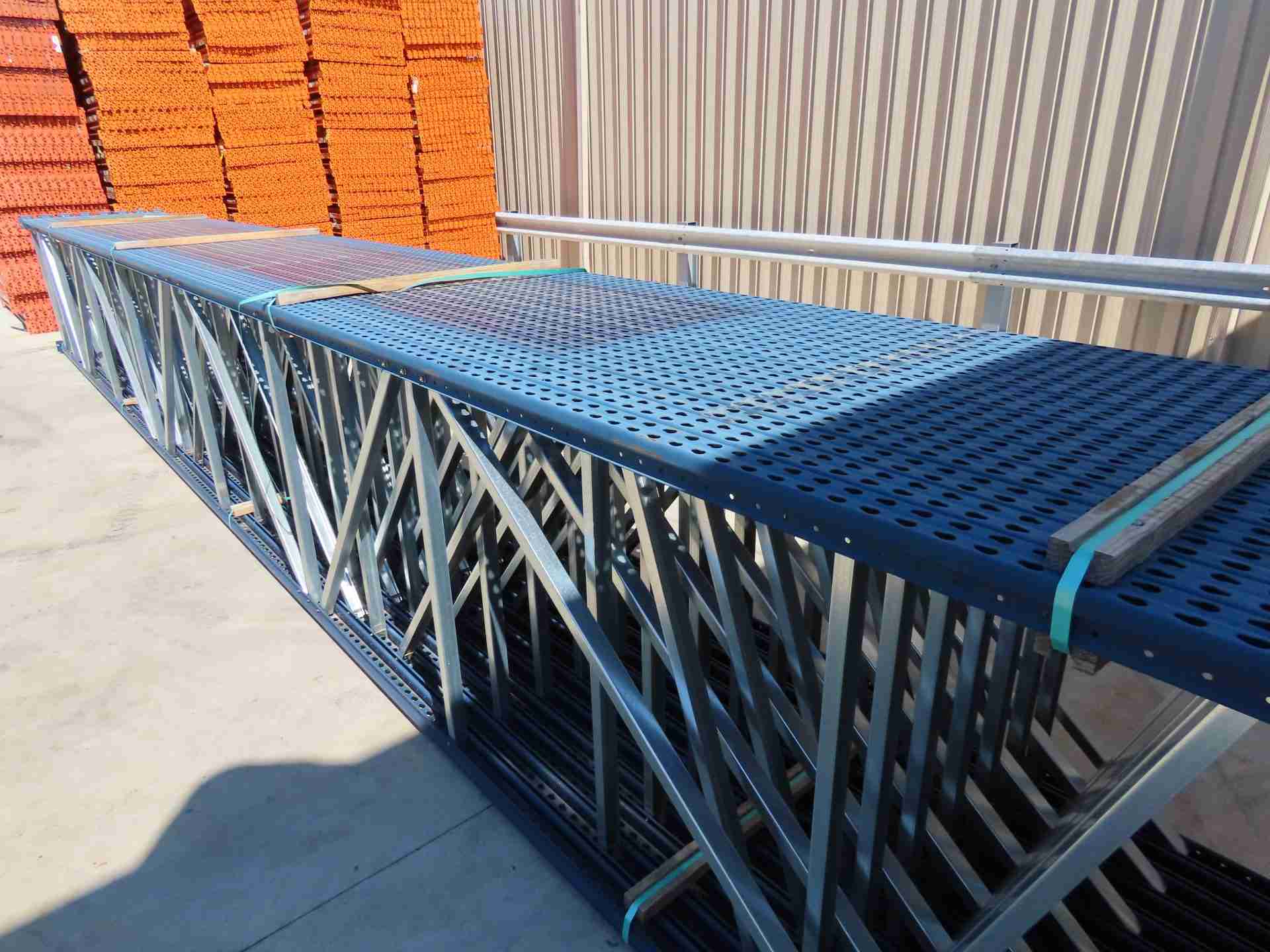
Checklist
At RackingWorld, we help guide you through selecting warehouse storage systems and racking.
Be sure to read our other related stories at RackingWorld to learn more about warehouse storage systems.
0 Comments