
Boosting Efficiency and Productivity with AI In Warehousing
By Tom Seest
At RackingWorld, we help guide you through selecting warehouse storage systems and racking.
Be sure to read our other related stories at RackingWorld to learn more about warehouse storage systems.
Are There Ways to Leverage Artificial Intelligence In a Warehouse?
In today’s fast-paced world of logistics and supply chain management, it is crucial for warehouse operations to stay ahead of the curve in order to remain competitive. One of the most effective ways to achieve this is by leveraging the power of artificial intelligence (AI) in your warehouse.
AI technology has the potential to revolutionize the way warehouses operate, making processes more efficient and streamlined. With the ability to analyze vast amounts of data in real-time, AI can provide valuable insights into inventory management, order fulfillment, and overall warehouse optimization.
For example, AI-powered algorithms can predict demand patterns and optimize inventory levels to prevent stockouts and overstock situations. This can lead to significant cost savings and improved customer satisfaction. Additionally, AI can automate repetitive tasks such as data entry, enabling warehouse staff to focus on more strategic activities.
Furthermore, AI can enhance the accuracy and speed of order fulfillment processes. By utilizing machine learning algorithms, warehouses can automate picking and packing operations, reducing errors and increasing productivity. This can result in faster order processing times and improved customer service.
Recent advancements in AI technology have also enabled the development of autonomous mobile robots that can navigate warehouse environments and perform tasks such as inventory counting and item retrieval. These robots can work alongside human employees to optimize warehouse operations and improve efficiency.
In a recent study conducted by Deloitte, it was found that companies who have implemented AI technology in their warehouses have experienced a 25% increase in productivity and a 30% reduction in operating costs. This demonstrates the significant impact AI can have on warehouse operations.
There are numerous ways to leverage AI in a warehouse to improve efficiency, reduce costs, and enhance customer satisfaction. By embracing AI technology, warehouses can stay ahead of the competition and achieve greater levels of success in today’s rapidly evolving business landscape. Don’t get left behind – harness the power of AI in your warehouse today.
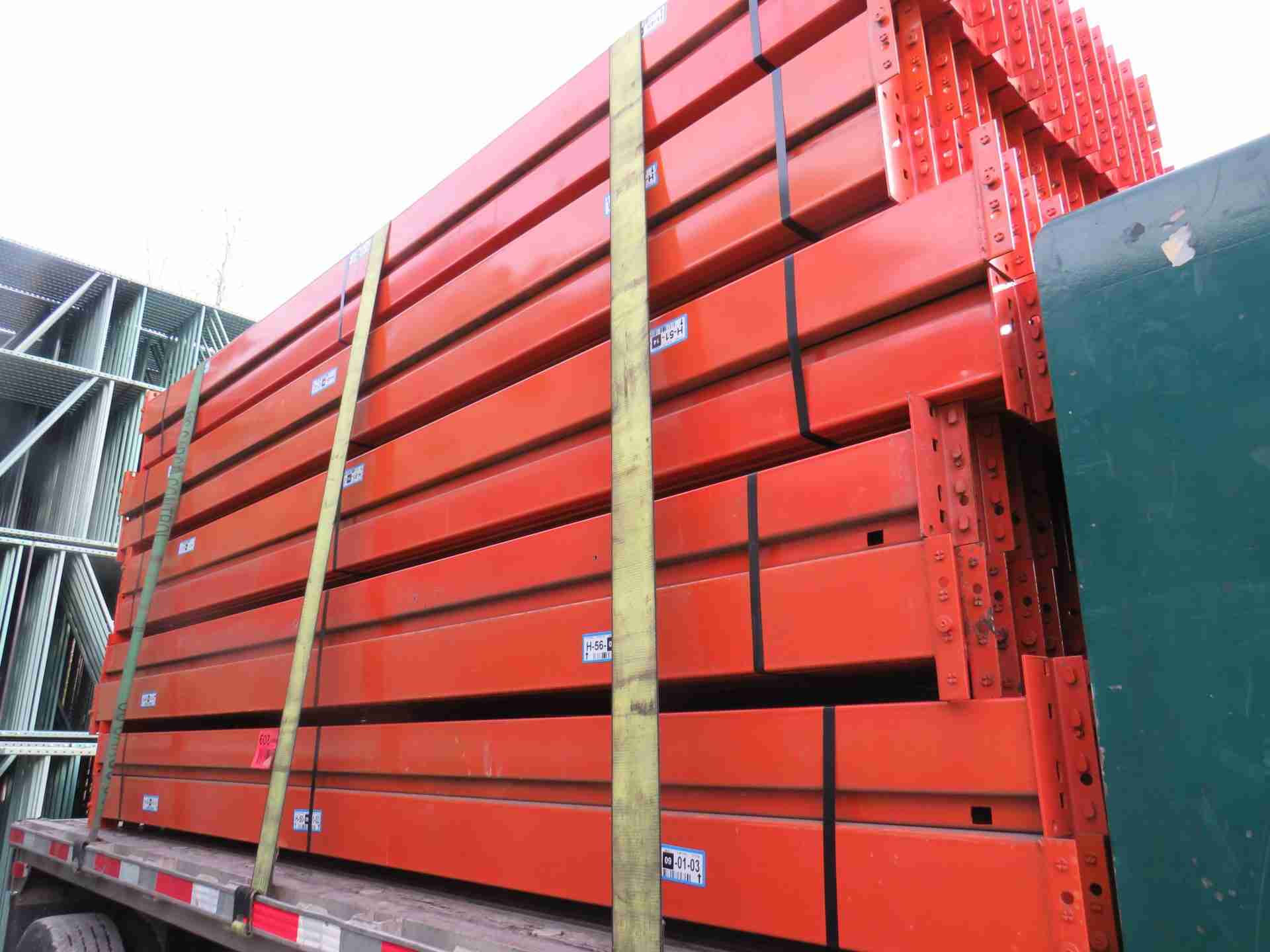
Are There Ways to Leverage Artificial Intelligence In a Warehouse?
Are There Ways to Leverage Artificial Intelligence In a Warehouse?
- AI technology can revolutionize warehouse operations by making processes more efficient and streamlined.
- AI can provide valuable insights into inventory management, order fulfillment, and overall warehouse optimization by analyzing vast amounts of data in real-time.
- AI-powered algorithms can predict demand patterns, optimize inventory levels, and automate repetitive tasks to prevent stockouts, overstock situations, and reduce errors.
- By utilizing machine learning algorithms, warehouses can automate picking and packing operations, resulting in faster order processing times and improved customer service.
- Advancements in AI technology have led to the development of autonomous mobile robots that can navigate warehouse environments and perform tasks to optimize operations and efficiency.
- Companies implementing AI technology in their warehouses have experienced a 25% increase in productivity and a 30% reduction in operating costs, according to a study conducted by Deloitte.
- Leveraging AI in a warehouse can improve efficiency, reduce costs, and enhance customer satisfaction, allowing warehouses to stay ahead of the competition and achieve greater success in today’s business landscape.
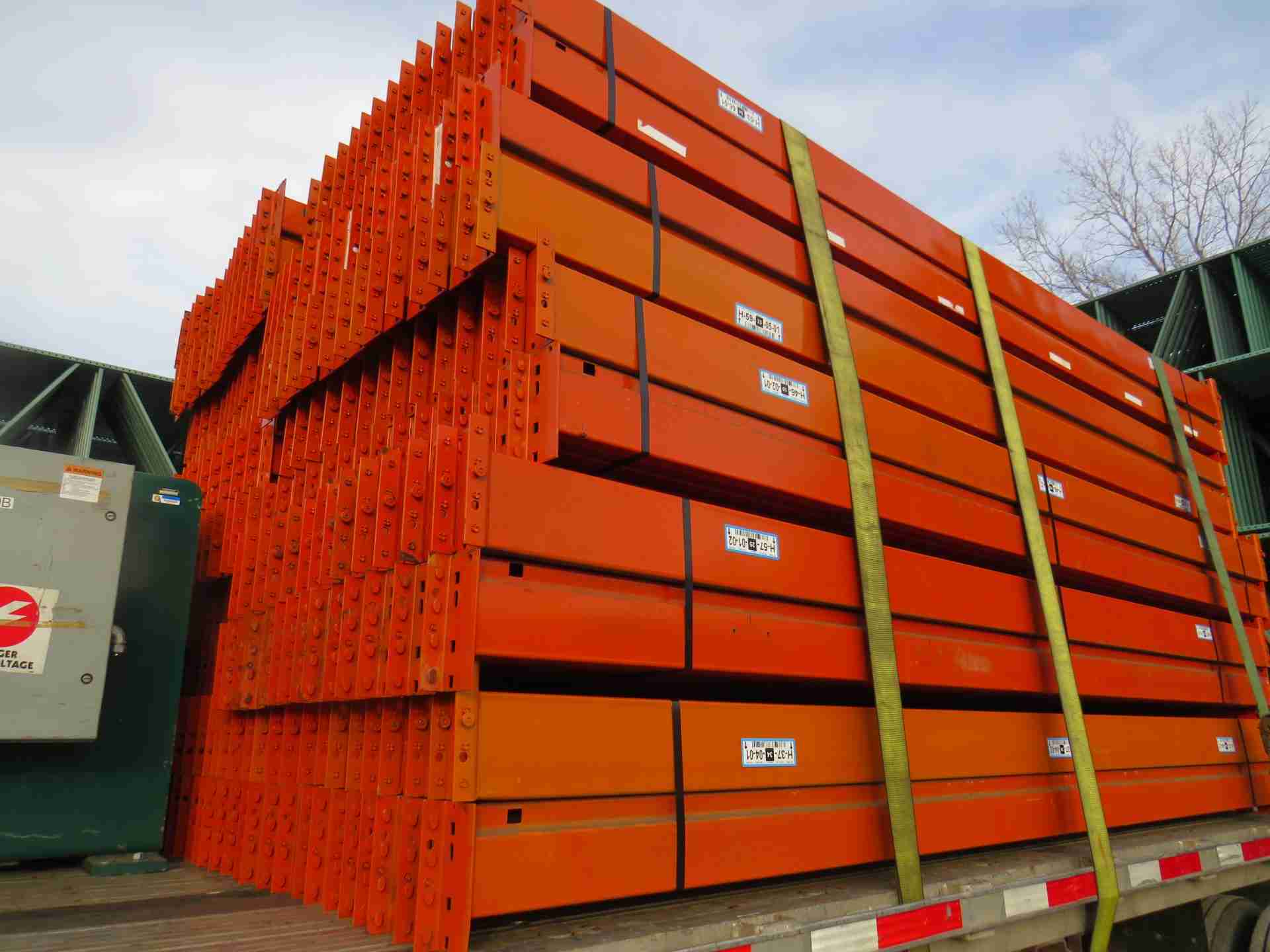
Are There Ways to Leverage Artificial Intelligence In a Warehouse?
Table Of Contents
- Are There Ways to Leverage Artificial Intelligence In a Warehouse?
- How Can AI Improve Inventory Management?
- What Role Can AI Play In Optimizing Warehouse Layout?
- Can AI Be Used To Predict Maintenance Needs?
- How Does AI Improve Picking And Packing Processes?
- What Benefits Does AI Offer For Warehouse Safety?
- In What Ways Can AI Streamline Supply Chain Logistics?
- Is AI Capable Of Reducing Human Error In Warehouse Operations?
- How Can AI Enhance Order Fulfillment Accuracy?
- Are There Risks Associated With Implementing AI In A Warehouse?
- How Can AI Support Demand Forecasting In A Warehouse Setting?
- Conclusion
- Other Resources
- Glossary Of Terms
- Other Questions
- Checklist
How Can AI Improve Inventory Management?
In today’s fast-paced business environment, effective inventory management is crucial for maximizing efficiency and profitability. Fortunately, the advancements in artificial intelligence (AI) have revolutionized the way companies manage their inventory. AI technology can provide businesses with valuable insights and real-time data analysis to optimize their inventory levels and meet customer demands.
One way AI can improve inventory management is through demand forecasting. By analyzing historical sales data, market trends, and external factors such as weather patterns or economic conditions, AI algorithms can accurately predict future demand for products. This allows businesses to adjust their inventory levels accordingly, reducing the risk of stockouts or excess inventory. For example, e-commerce giant Amazon utilizes AI technology to predict demand and automatically replenish its inventory in fulfillment centers, ensuring products are always in stock for customers.
Another benefit of AI in inventory management is predictive maintenance. By monitoring equipment performance and analyzing data in real-time, AI systems can identify potential issues before they occur, preventing costly downtime and disruptions to the supply chain. For instance, General Electric uses AI-powered sensors in its machines to predict maintenance needs and optimize inventory levels for replacement parts, improving operational efficiency and reducing maintenance costs.
AI-driven inventory optimization is also becoming increasingly popular among retailers. By analyzing consumer behavior, seasonal patterns, and sales data, AI algorithms can suggest optimal pricing and inventory levels for products, maximizing profits and minimizing waste. For example, clothing retailer H&M utilizes AI technology to recommend pricing strategies and adjust inventory levels based on customer preferences, resulting in increased sales and improved customer satisfaction.
Furthermore, the integration of AI with Internet of Things (IoT) devices is opening up new possibilities for inventory management. Smart sensors and RFID tags enable real-time tracking of inventory movement and storage conditions, allowing businesses to monitor stock levels, reduce shrinkage, and improve order fulfillment accuracy. This not only streamlines operations but also enhances the overall customer experience.
The use of AI in inventory management offers a wide range of benefits for businesses looking to stay competitive in today’s marketplace. By leveraging AI technology for demand forecasting, predictive maintenance, inventory optimization, and IoT integration, companies can improve efficiency, reduce costs, and drive business growth. As AI continues to evolve, the possibilities for enhancing inventory management are endless, making it a valuable tool for businesses of all sizes.
How Can AI Improve Inventory Management?
How Can AI Improve Inventory Management?
- AI technology revolutionizes inventory management in today’s business environment.
- AI improves demand forecasting by analyzing sales data and market trends.
- AI enables predictive maintenance to prevent costly downtimes in supply chain.
- AI-driven inventory optimization suggests pricing and levels for retailers.
- Integration of AI with IoT devices allows real-time tracking of inventory.
- AI in inventory management offers efficiency, cost reduction, and growth opportunities.
- AI is a valuable tool for businesses of all sizes to enhance inventory management.
How Can AI Improve Inventory Management?
What Role Can AI Play In Optimizing Warehouse Layout?
In today’s fast-paced world of e-commerce and logistics, optimizing warehouse layout is of utmost importance for businesses to stay competitive and efficient. One revolutionary tool that is changing the game in warehouse optimization is artificial intelligence (AI). AI has the capability to significantly improve warehouse layout efficiency, streamline operations, and ultimately increase productivity.
One way AI can optimize warehouse layout is through data analysis. By collecting and analyzing data on inventory levels, customer demand, and order fulfillment rates, AI can provide valuable insights into the most efficient layout for a warehouse. For example, AI can help businesses determine the best placement of inventory to minimize travel time for pickers and packers, reducing labor costs and increasing throughput.
Furthermore, AI-powered algorithms can continuously optimize warehouse layout in real-time based on changing factors such as order volume, seasonal demand, and supplier delays. This dynamic optimization ensures that the warehouse layout is always aligned with current business needs, maximizing efficiency and reducing warehouse downtime.
Another way AI can optimize warehouse layout is through predictive analytics. By analyzing historical data and trends, AI can forecast future demand patterns and optimize warehouse layout accordingly. For example, AI can predict which products will be in high demand during holiday seasons and recommend the best layout for storing and picking those items to meet customer demand efficiently.
Moreover, AI can also help businesses utilize space more effectively in their warehouses. By analyzing factors such as SKU dimensions, order frequency, and customer preferences, AI can recommend the most optimal placement of products to maximize space utilization and minimize storage costs. This strategic positioning of inventory can lead to significant cost savings for businesses in the long run.
AAI plays a crucial role in optimizing warehouse layout by analyzing data, providing real-time optimization, predicting future demand, and maximizing space utilization. By leveraging the power of AI, businesses can streamline operations, increase productivity, and stay ahead of the competition in today’s rapidly evolving e-commerce landscape.
As we have seen with recent advancements in AI technology, such as the use of machine learning algorithms in autonomous vehicles and facial recognition software, the potential for AI to revolutionize warehouse layout optimization is limitless. By harnessing the power of AI, businesses can unlock new levels of efficiency and productivity in their warehouses, ultimately leading to greater profitability and success in the marketplace.
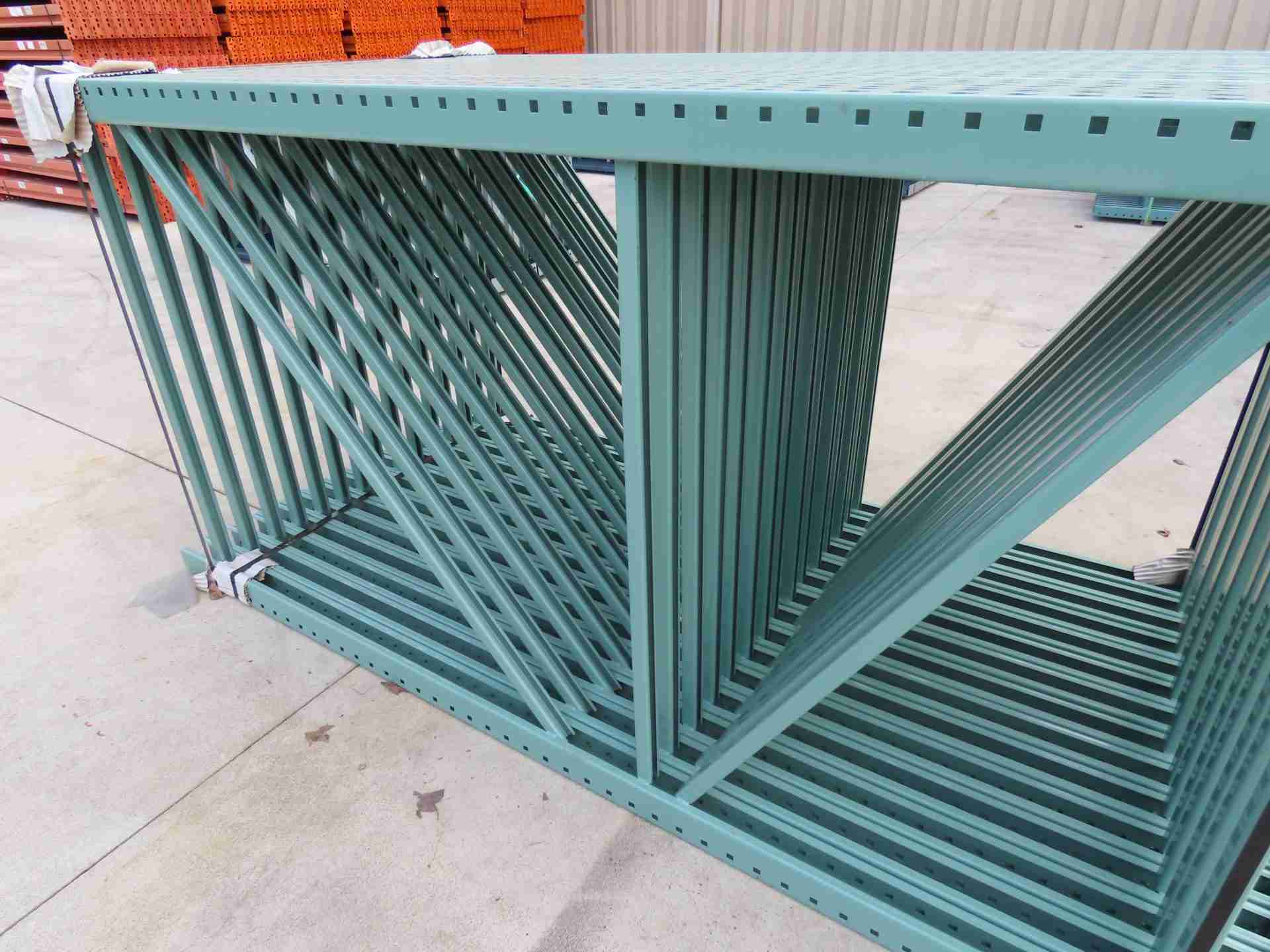
What Role Can AI Play In Optimizing Warehouse Layout?
What Role Can AI Play In Optimizing Warehouse Layout?
- AI can optimize warehouse layout through data analysis, providing insights for efficient placement of inventory to minimize travel time and increase productivity.
- AI-powered algorithms can continuously optimize warehouse layout in real-time based on factors like order volume, seasonal demand, and supplier delays, maximizing efficiency.
- AI utilizes predictive analytics to forecast future demand patterns and optimize warehouse layout accordingly, ensuring efficient storage and picking of high-demand products.
- AI helps businesses utilize warehouse space more effectively by analyzing SKU dimensions, order frequency, and customer preferences to recommend optimal product placement and minimize storage costs.
- AI plays a crucial role in warehouse optimization by providing real-time optimization, predicting future demand, and maximizing space utilization for increased productivity.
- By leveraging the power of AI, businesses can streamline operations, increase productivity, and stay ahead of the competition in the rapidly evolving e-commerce landscape.
- The potential for AI to revolutionize warehouse layout optimization is limitless, offering new levels of efficiency, productivity, and profitability for businesses in the marketplace.

What Role Can AI Play In Optimizing Warehouse Layout?
Can AI Be Used To Predict Maintenance Needs?
Maintenance is a crucial aspect of any business operation, and failing to predict maintenance needs can lead to costly downtime and unexpected breakdowns. However, with advancements in artificial intelligence (AI) technology, businesses now have the opportunity to proactively address maintenance issues before they become a problem.
AI can be used to analyze vast amounts of data collected from equipment sensors, historical maintenance records, and other relevant sources to predict when maintenance is needed. By utilizing machine learning algorithms, AI can identify patterns and trends in the data that indicate when a piece of equipment is likely to fail or require maintenance. This predictive maintenance approach allows businesses to schedule maintenance tasks at opportune times, minimizing disruption to operations and reducing overall maintenance costs.
For example, a manufacturing plant can use AI to monitor the performance of its production machinery and predict when certain components are likely to fail. By preemptively replacing these components before they break down, the plant can avoid costly repairs and downtime. Similarly, a fleet management company can use AI to analyze vehicle performance data and schedule maintenance tasks based on predicted wear and tear, ensuring that their vehicles remain in optimal condition.
One industry where AI predictive maintenance is making a significant impact is in the aviation sector. Airlines are using AI to monitor the health of aircraft engines and other critical components, alerting maintenance teams to potential issues before they escalate. This proactive approach not only improves aircraft reliability and safety but also helps airlines optimize their maintenance schedules and reduce costs.
AAI has the potential to revolutionize the way businesses approach maintenance needs. By harnessing the power of AI to predict maintenance requirements, companies can improve equipment reliability, reduce downtime, and ultimately save money. As AI technology continues to advance, businesses that embrace predictive maintenance will gain a competitive edge in their respective industries. Don’t wait until it’s too late – leverage the power of AI to stay ahead of maintenance needs and keep your operations running smoothly.

Can AI Be Used To Predict Maintenance Needs?
Can AI Be Used To Predict Maintenance Needs?
- Maintenance prediction is crucial for avoiding costly downtime and breakdowns.
- AI technology can analyze data to predict maintenance needs proactively.
- Machine learning algorithms can identify patterns in data for maintenance predictions.
- Example of AI in action: monitoring machinery performance in manufacturing plants.
- Airlines using AI for predictive maintenance in aviation sector to optimize schedules.
- Advantages of AI in maintenance: improving reliability, reducing downtime, saving money.
- Businesses that embrace predictive maintenance gain competitive edge.
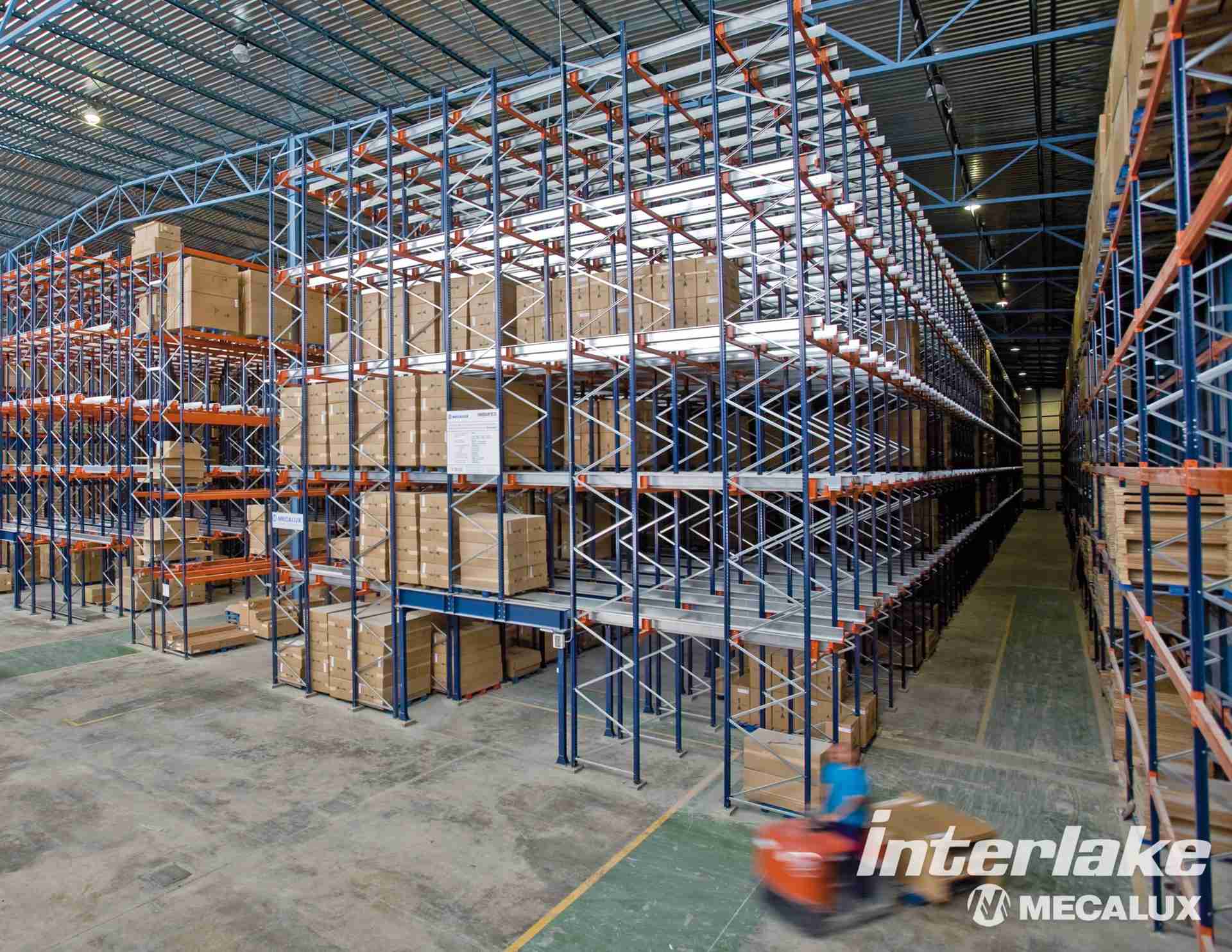
Can AI Be Used To Predict Maintenance Needs?
How Does AI Improve Picking And Packing Processes?
In today’s fast-paced world of e-commerce and retail, efficient picking and packing processes are crucial for ensuring customer satisfaction and maximizing profits. Fortunately, thanks to the advancements in artificial intelligence (AI), businesses can now streamline their operations and achieve higher levels of productivity than ever before.
One way AI improves picking and packing processes is by utilizing machine learning algorithms to optimize warehouse layout and inventory management. By analyzing historical data and real-time information, AI can determine the most efficient routes for pickers to take and the best placements for products within the warehouse. This not only speeds up the picking process but also minimizes errors and reduces the risk of stockouts.
For example, a leading online retailer recently implemented AI-powered picking and packing technology in their fulfillment centers. By using predictive analytics to forecast customer demand and automate inventory replenishment, they were able to reduce order processing times by 30% and cut down on the number of backorders. As a result, customer satisfaction levels soared, leading to an increase in repeat business and overall revenue.
AI also plays a critical role in improving the accuracy of packing processes. Through computer vision and image recognition technology, AI-powered systems can identify products, verify quantities, and ensure that the correct items are being packed for each order. This not only reduces the likelihood of shipping errors but also helps in preventing fraudulent activities such as product substitutions.
In light of recent events such as the global pandemic, the need for efficient picking and packing processes has become more pressing than ever. With the surge in online shopping and the shift towards contactless delivery, businesses are under immense pressure to fulfill orders quickly and accurately. AI offers a solution to this challenge by enabling companies to automate repetitive tasks, minimize human intervention, and adapt to changing demand patterns in real-time.
AAI is revolutionizing the way businesses approach picking and packing processes, allowing them to achieve higher levels of efficiency, accuracy, and customer satisfaction. By harnessing the power of machine learning, predictive analytics, and computer vision, companies can transform their warehouses into high-performance operations that are capable of meeting the demands of today’s digital marketplace. Embracing AI-driven solutions is not only a strategic move but a necessary one for businesses looking to stay competitive and future-proof their operations in an increasingly digital world.
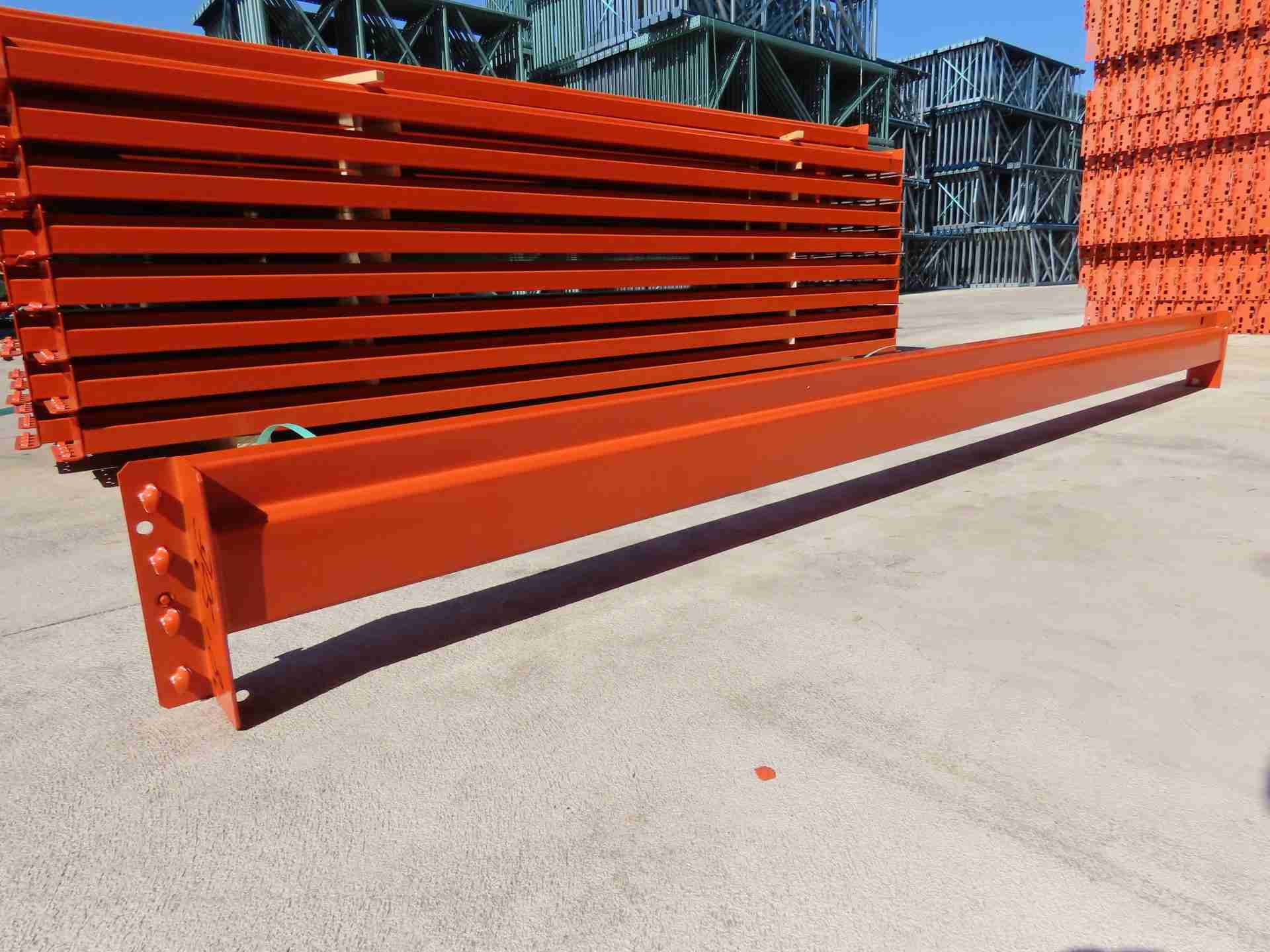
How Does AI Improve Picking And Packing Processes?
How Does AI Improve Picking And Packing Processes?
- AI optimizes warehouse layout and inventory management.
- Reduces errors and minimizes stockouts.
- Improves accuracy of packing processes.
- Identifies products, verifies quantities, and prevents errors.
- Enables companies to automate tasks and adapt to changing demand.
- Increases efficiency, accuracy, and customer satisfaction.
- Necessary for businesses to stay competitive in the digital marketplace.

How Does AI Improve Picking And Packing Processes?
What Benefits Does AI Offer For Warehouse Safety?
Artificial intelligence (AI) has revolutionized the way warehouses operate, particularly when it comes to safety. The benefits AI offers for warehouse safety are numerous and can greatly improve the overall efficiency and effectiveness of a warehouse operation.
One of the key benefits of using AI in warehouses is the ability to predict and prevent accidents before they happen. By analyzing data from sensors and cameras throughout the warehouse, AI can identify potential hazards in real-time and alert workers or trigger safety mechanisms to prevent accidents. For example, AI can detect when a forklift is moving too quickly or approaching a pedestrian, and automatically slow it down or sound an alarm to warn the driver and avoid a collision.
AI can also help improve safety training by creating virtual reality simulations that allow workers to practice their safety procedures in a realistic yet controlled environment. These simulations can help workers develop muscle memory for safety protocols and be better prepared to handle emergencies in the warehouse.
Furthermore, AI can enhance overall warehouse security by monitoring access points and detecting unauthorized personnel or suspicious behavior. By integrating facial recognition technology and AI-powered surveillance cameras, warehouses can prevent theft and ensure that only authorized personnel have access to certain areas of the facility.
Moreover, AI can streamline safety inspections and maintenance by automating routine checks and alerting maintenance teams when equipment or machinery requires servicing. This proactive approach to maintenance can help prevent breakdowns and malfunctions that could pose safety risks to workers.
Additionally, AI can assist in inventory management, which indirectly contributes to warehouse safety. By accurately tracking inventory levels and locations in real-time, AI can help prevent overcrowding in aisles and storage areas, reducing the risk of accidents and injuries caused by falling objects.
The benefits of using AI for warehouse safety are undeniable. From predicting and preventing accidents to enhancing security and streamlining maintenance processes, AI has the potential to revolutionize safety standards in warehouses. By incorporating AI into their operations, warehouses can create a safer work environment for their employees and ultimately improve overall efficiency and productivity. The future of warehouse safety is undoubtedly AI-driven, and companies that embrace this technology will undoubtedly stay ahead of the curve.
What Benefits Does AI Offer For Warehouse Safety?
What Benefits Does AI Offer For Warehouse Safety?
- AI can predict and prevent accidents by analyzing data in real-time and triggering safety mechanisms.
- AI can improve safety training with virtual reality simulations for practicing safety procedures.
- AI enhances warehouse security by monitoring access points and detecting unauthorized personnel.
- AI streamlines safety inspections and maintenance by automating routine checks and alerts.
- AI assists in inventory management to prevent accidents and injuries caused by falling objects.
- Using AI in warehouses can create a safer work environment and improve efficiency and productivity.
- Companies that embrace AI for warehouse safety will stay ahead of the curve in the future.

What Benefits Does AI Offer For Warehouse Safety?
In What Ways Can AI Streamline Supply Chain Logistics?
In What Ways Can AI Streamline Supply Chain Logistics?
In the ever-evolving landscape of supply chain logistics, businesses are constantly seeking ways to optimize operations, reduce costs, and increase efficiency. One of the most promising technologies paving the way for this optimization is artificial intelligence (AI). Leveraging the power of AI in supply chain logistics can revolutionize the way businesses manage inventory, track shipments, forecast demand, and more.
One way AI can streamline supply chain logistics is through predictive analytics. By analyzing historical data and real-time information, AI algorithms can accurately forecast demand, identify potential disruptions, and suggest optimal inventory levels. This proactive approach helps businesses anticipate demand fluctuations, minimize stockouts, and reduce excess inventory – ultimately leading to cost savings and improved customer satisfaction.
For example, retail giant Amazon has been at the forefront of utilizing AI in its supply chain operations. Through its advanced algorithms, Amazon is able to predict customer demand with remarkable accuracy, leading to faster order fulfillment and reduced shipping times. This proactive approach has enabled Amazon to stay ahead of the competition and maintain its position as a leader in the e-commerce industry.
Another way AI can streamline supply chain logistics is through route optimization. By analyzing traffic patterns, weather conditions, and other variables, AI-powered systems can suggest the most efficient routes for trucks and delivery vehicles. This not only reduces fuel costs and emissions but also ensures timely deliveries, minimizing delays and improving customer satisfaction.
Companies like UPS have already integrated AI-powered route optimization algorithms into their operations, resulting in significant cost savings and efficiency improvements. By leveraging AI to optimize delivery routes, UPS has been able to reduce fuel consumption, improve on-time delivery rates, and enhance overall operational performance.
The integration of AI in supply chain logistics offers a myriad of benefits for businesses looking to streamline operations and drive growth. From predictive analytics to route optimization, AI has the potential to revolutionize the way supply chains are managed, ultimately leading to cost savings, efficiency improvements, and better customer experiences. By embracing this transformative technology, businesses can stay ahead of the curve and thrive in an increasingly competitive marketplace.
In What Ways Can AI Streamline Supply Chain Logistics?
In What Ways Can AI Streamline Supply Chain Logistics?
- AI can streamline supply chain logistics through predictive analytics, accurately forecasting demand and optimizing inventory levels.
- Amazon uses AI algorithms to predict customer demand, leading to faster order fulfillment and reduced shipping times.
- AI can optimize delivery routes by analyzing traffic patterns and weather conditions, reducing fuel costs and improving customer satisfaction.
- UPS has integrated AI-powered route optimization algorithms, resulting in significant cost savings and efficiency improvements.
- The integration of AI in supply chain logistics offers benefits such as cost savings, efficiency improvements, and better customer experiences.
- AI has the potential to revolutionize the way supply chains are managed, driving growth and enhancing operational performance.
- Businesses can embrace AI technology to stay ahead of the curve and thrive in a competitive marketplace.

In What Ways Can AI Streamline Supply Chain Logistics?
Is AI Capable Of Reducing Human Error In Warehouse Operations?
Is AI Capable Of Reducing Human Error In Warehouse Operations?
In the fast-paced world of warehouse operations, errors can be costly. From mislabeled shipments to misplaced inventory, even small mistakes can have a big impact on efficiency and profitability. But what if there was a solution that could help eliminate human error and streamline processes? Enter artificial intelligence (AI).
AI technology has advanced leaps and bounds in recent years, making it a valuable tool for warehouse managers looking to improve their operations. By utilizing AI-powered systems, warehouses can automate tasks that are prone to human error, such as inventory management, order processing, and quality control.
One way AI can reduce human error is through predictive analytics. By analyzing data from past operations, AI systems can predict potential errors before they occur and suggest preventative measures. For example, if a specific product tends to be misplaced frequently, AI can flag it for extra attention and monitoring to reduce the chances of it happening again.
Furthermore, AI can also enhance the accuracy of inventory management. By using machine learning algorithms, AI can track inventory levels in real-time and alert warehouse staff when stock levels are running low or when a product is in the wrong location. This can help prevent costly stockouts and improve overall efficiency in the warehouse.
Additionally, AI-powered systems can optimize order processing by automatically routing orders to the most efficient pickers and packers, reducing the chances of errors due to miscommunication or human oversight. This can lead to faster order fulfillment and improved customer satisfaction.
With the rise of e-commerce and the ever-increasing demand for fast and accurate order processing, AI has become a crucial tool for warehouse operations. Companies like Amazon and Walmart have already implemented AI-powered systems in their warehouses to increase efficiency and reduce errors. By embracing AI technology, warehouses can stay ahead of the competition and provide customers with a seamless and error-free shopping experience.
AAI has the potential to revolutionize warehouse operations by reducing human error and improving efficiency. By harnessing the power of AI, warehouses can streamline processes, minimize mistakes, and ultimately achieve higher levels of productivity and profitability. The future of warehouse operations is here, and it’s driven by artificial intelligence.
Is AI Capable Of Reducing Human Error In Warehouse Operations?
Is AI Capable Of Reducing Human Error In Warehouse Operations?
- In the fast-paced world of warehouse operations, errors can be costly.
- AI technology has advanced, making it a valuable tool for warehouse managers.
- AI can reduce human error through predictive analytics.
- AI enhances the accuracy of inventory management.
- AI can optimize order processing and improve customer satisfaction.
- Companies like Amazon and Walmart have already implemented AI-powered systems.
- AI has the potential to revolutionize warehouse operations and improve efficiency.
Is AI Capable Of Reducing Human Error In Warehouse Operations?
How Can AI Enhance Order Fulfillment Accuracy?
In today’s fast-paced world, order fulfillment accuracy is essential for businesses to maintain a competitive edge. Fortunately, advancements in artificial intelligence (AI) technology have revolutionized the way companies can improve their order accuracy and overall efficiency.
One way AI can enhance order fulfillment accuracy is through predictive analytics. By analyzing past order data and customer behavior, AI algorithms can predict future trends and patterns, allowing companies to anticipate customer needs and adjust their inventory and supply chain accordingly. This proactive approach minimizes the chances of errors and ensures that orders are fulfilled correctly and on time.
For example, a major e-commerce retailer like Amazon uses AI algorithms to analyze customer browsing and purchasing behavior to predict which products are likely to be in demand. This allows them to stock their warehouses strategically and optimize their fulfillment processes to meet customer needs efficiently.
Another way AI can improve order accuracy is through automated inventory management. By integrating AI-powered systems with inventory tracking software, companies can monitor their stock levels in real-time and automatically reorder products when inventory runs low. This ensures that popular items are always in stock and reduces the risk of errors caused by manual inventory management processes.
For instance, a clothing retailer can use AI to track the popularity of certain clothing items and automatically reorder them when stock levels are low. This helps to prevent stockouts and ensures that customers’ orders are fulfilled accurately and promptly.
Additionally, AI can enhance order accuracy through advanced robotics and automation technologies. By implementing AI-powered robotic systems in fulfillment centers, companies can streamline their order picking and packing processes and minimize the likelihood of errors caused by human intervention. These robotic systems can work alongside human employees to increase overall efficiency and accuracy in order fulfillment.
A prime example of this is the use of robotic picking arms in fulfillment centers, such as those used by companies like Alibaba and JD.com. These robotic arms are equipped with AI technology that enables them to accurately pick and pack items from shelves, reducing the risk of errors and improving order accuracy.
AAI offers a myriad of opportunities for businesses to enhance their order fulfillment accuracy and improve overall efficiency. By leveraging the power of predictive analytics, automated inventory management, and advanced robotics, companies can streamline their fulfillment processes and ensure that orders are fulfilled accurately and on time. Embracing AI technology is crucial for companies looking to stay ahead of the competition and provide exceptional customer experiences.
How Can AI Enhance Order Fulfillment Accuracy?
How Can AI Enhance Order Fulfillment Accuracy?
- Advancements in AI technology have revolutionized the way companies can improve order accuracy and efficiency.
- AI can enhance order accuracy through predictive analytics, analyzing past data to predict future trends and adjust inventory accordingly.
- Major e-commerce retailers like Amazon utilize AI algorithms to predict customer demand and optimize fulfillment processes.
- Automated inventory management powered by AI helps monitor stock levels in real-time and reduce manual errors in reordering.
- AI can improve order accuracy through robotics and automation technologies in fulfillment centers, minimizing errors caused by human intervention.
- Robotic picking arms equipped with AI technology are used by companies like Alibaba and JD.com to accurately pick and pack items, improving order accuracy.
- AI offers opportunities for businesses to enhance order accuracy, streamline fulfillment processes, and provide exceptional customer experiences.
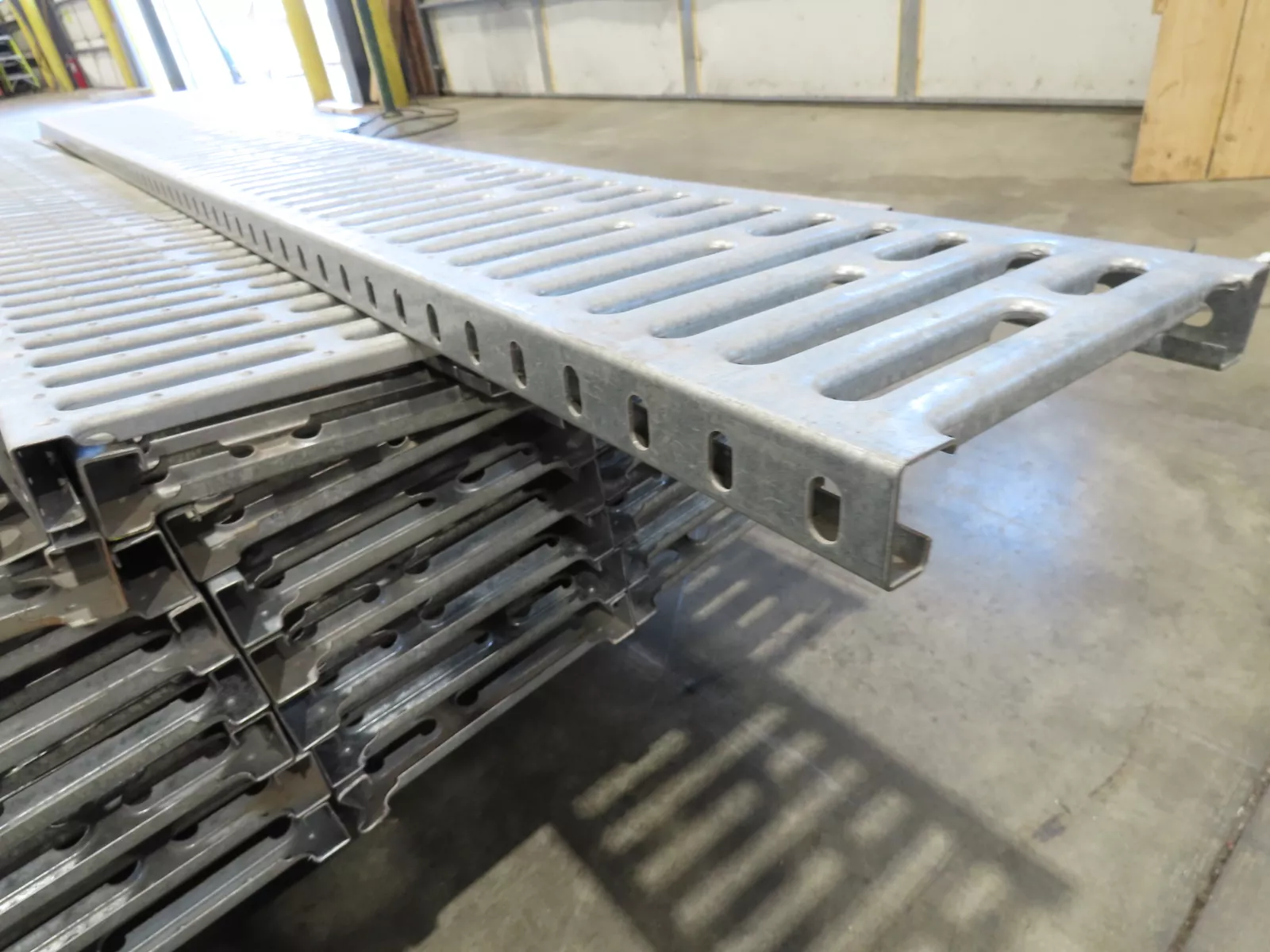
How Can AI Enhance Order Fulfillment Accuracy?
Are There Risks Associated With Implementing AI In A Warehouse?
Are There Risks Associated With Implementing AI In A Warehouse?
As technology continues to advance at a rapid pace, the use of artificial intelligence (AI) in warehouse operations has become more prevalent. While the benefits of implementing AI in a warehouse are clear, such as increased efficiency, productivity, and accuracy, there are also risks that come with this new technology.
One risk associated with implementing AI in a warehouse is the potential for job displacement. As AI technology becomes more sophisticated, there is a fear that it will replace human workers, leading to job losses and increased unemployment. For example, Amazon’s use of AI-powered robots in their fulfillment centers has raised concerns about the impact on human workers.
Another risk is the potential for data breaches and cybersecurity threats. With the increased use of AI in warehouse operations, there is a greater reliance on data and technology systems. This makes warehouses more vulnerable to cyber attacks and data breaches. For example, a warehouse that uses AI-powered inventory management systems could be at risk of a cyber attack that compromises sensitive customer data.
Additionally, there is a risk of over-reliance on AI technology. While AI can significantly improve efficiency and accuracy in warehouse operations, it is not infallible. Human oversight is still essential to ensuring that AI systems are functioning correctly and making accurate decisions. For example, a warehouse that relies too heavily on AI for order fulfillment may encounter problems if the technology malfunctions or makes errors.
Despite these risks, it is important to note that they can be mitigated with proper planning and implementation strategies. Warehouse operators can take steps to ensure that AI technology is implemented responsibly and ethically. This may include investing in training programs for workers to enhance their skills and adapt to the changing technological landscape.
While there are risks associated with implementing AI in a warehouse, the potential benefits far outweigh the potential drawbacks. By taking a proactive approach to addressing these risks, warehouse operators can harness the power of AI technology to improve their operations and stay ahead of the competition.
In summary, the use of AI in warehouses presents both potential risks and rewards. By being aware of these risks and implementing strategic measures to mitigate them, warehouse operators can harness the power of AI technology to improve efficiency and productivity in their operations while safeguarding against potential pitfalls.
Are There Risks Associated With Implementing AI In A Warehouse?
Are There Risks Associated With Implementing AI In A Warehouse?
- Job displacement risk: AI may replace human workers, leading to job losses.
- Data breaches and cybersecurity threats: Increased vulnerability to cyber attacks.
- Over-reliance on AI technology: Human oversight is important to ensure accuracy.
- Risks can be mitigated with proper planning and implementation strategies.
- Potential benefits of AI outweigh the risks if managed responsibly.
- Proactive approach can help harness the power of AI technology in warehouses.
- Awareness of risks and strategic measures can improve efficiency and productivity.

Are There Risks Associated With Implementing AI In A Warehouse?
How Can AI Support Demand Forecasting In A Warehouse Setting?
Artificial intelligence (AI) has revolutionized the way businesses operate, particularly in the realm of demand forecasting in warehouse settings. By harnessing the power of AI, companies can accurately predict consumer demands, optimize inventory management, and ultimately boost their bottom line.
One way AI supports demand forecasting in a warehouse setting is through the analysis of big data. AI algorithms can sift through vast amounts of historical data, such as sales trends, customer preferences, and market conditions, to identify patterns and make predictions about future demand. For example, AI can analyze seasonal trends in consumer purchasing behavior to help warehouses anticipate fluctuations in demand and adjust their inventory levels accordingly.
Furthermore, AI can also enhance demand forecasting accuracy by incorporating real-time data into the process. For instance, AI-powered systems can continuously monitor social media platforms, news outlets, and other sources to gather information about emerging trends, competitor activities, and other factors that may impact demand. By leveraging this real-time data, warehouses can make more informed forecasting decisions and react quickly to changing market conditions.
Another benefit of using AI for demand forecasting in a warehouse setting is the ability to automate and streamline the process. AI-powered systems can automatically generate demand forecasts based on input data, eliminating the need for manual calculations and reducing the risk of human error. This not only saves time and resources but also allows warehouses to make more accurate and timely forecasting decisions.
In addition, AI can also improve inventory management in warehouses by optimizing stock levels and reducing wastage. By accurately predicting demand, warehouses can ensure they have the right amount of inventory on hand to meet customer needs without overstocking. This can help reduce storage costs, minimize product obsolescence, and ultimately improve overall warehouse efficiency.
Overall, AI has the potential to revolutionize demand forecasting in warehouse settings by providing more accurate predictions, incorporating real-time data, streamlining the process, and optimizing inventory management. By harnessing the power of AI, warehouses can stay ahead of the competition, meet the needs of their customers, and drive growth in their business.
AAI is a powerful tool that can support demand forecasting efforts in warehouse settings and help companies achieve their business goals. By leveraging the capabilities of AI, warehouses can make more informed forecasting decisions, optimize inventory levels, and ultimately improve their overall operational efficiency.

How Can AI Support Demand Forecasting In A Warehouse Setting?
How Can AI Support Demand Forecasting In A Warehouse Setting?
- AI revolutionizes businesses by enhancing demand forecasting in warehouses.
- AI uses big data analysis to predict consumer demands and optimize inventory.
- AI identifies patterns in historical data and analyzes seasonal trends to anticipate demand fluctuations.
- AI incorporates real-time data from social media and news outlets for more accurate forecasting.
- AI automates the forecasting process, saving time and resources while reducing human error.
- AI helps warehouses optimize stock levels, reduce wastage, and improve overall efficiency.
- AI has the potential to revolutionize demand forecasting in warehouse settings and drive growth.
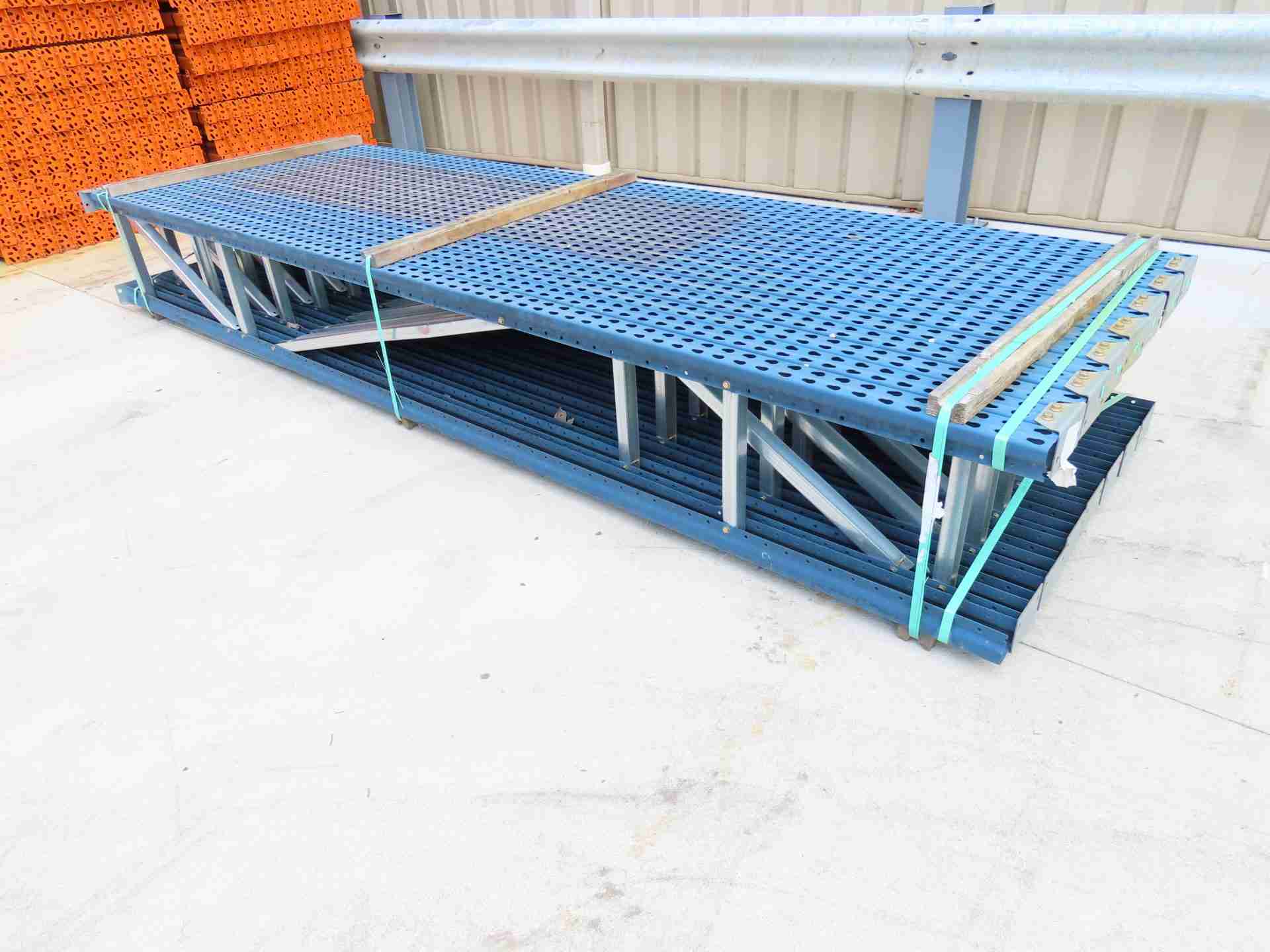
How Can AI Support Demand Forecasting In A Warehouse Setting?
Conclusion
In todays ever-evolving world of warehouse operations, staying competitive means embracing the power of artificial intelligence (AI) to revolutionize your processes and drive success. By leveraging AI technology in your warehouse, you can unlock a whole new realm of efficiency, productivity, and customer satisfaction.
From predicting demand patterns to automating picking and packing operations, AI offers a wealth of benefits for warehouses looking to streamline their operations and stay ahead of the competition. Imagine being able to accurately forecast customer demands, optimize inventory levels, and prevent costly stockouts or overstock situations. With AI by your side, you can make all of this a reality and more.
By integrating AI-powered systems into your warehouse layout optimization, inventory management, and order fulfillment processes, you can transform your operations into high-performance hubs of efficiency and productivity. Imagine robotic systems working alongside your employees to enhance accuracy and speed, or AI-powered algorithms constantly optimizing your layout in real-time. The possibilities are endless with AI leading the way.
But with great power comes great responsibility – and yes, there are risks associated with implementing AI in your warehouse. Job displacement, data breaches, and over-reliance on technology are all potential pitfalls that must be addressed with careful planning and strategic measures. By understanding these risks and taking proactive steps to mitigate them, you can harness the full potential of AI in your warehouse operations.
In summary, AI technology offers endless possibilities for warehouses looking to boost efficiency, reduce costs, and enhance customer satisfaction. By embracing AI in your operations, you can stay ahead of the curve, drive growth, and achieve greater levels of success in todays fast-paced business landscape. Dont wait – the time to harness the power of AI in your warehouse is now. Call Arrow Industrial Sales at (574) 349-6575 to get started and take your warehouse operations to the next level. The future of warehousing is here, and its powered by AI.
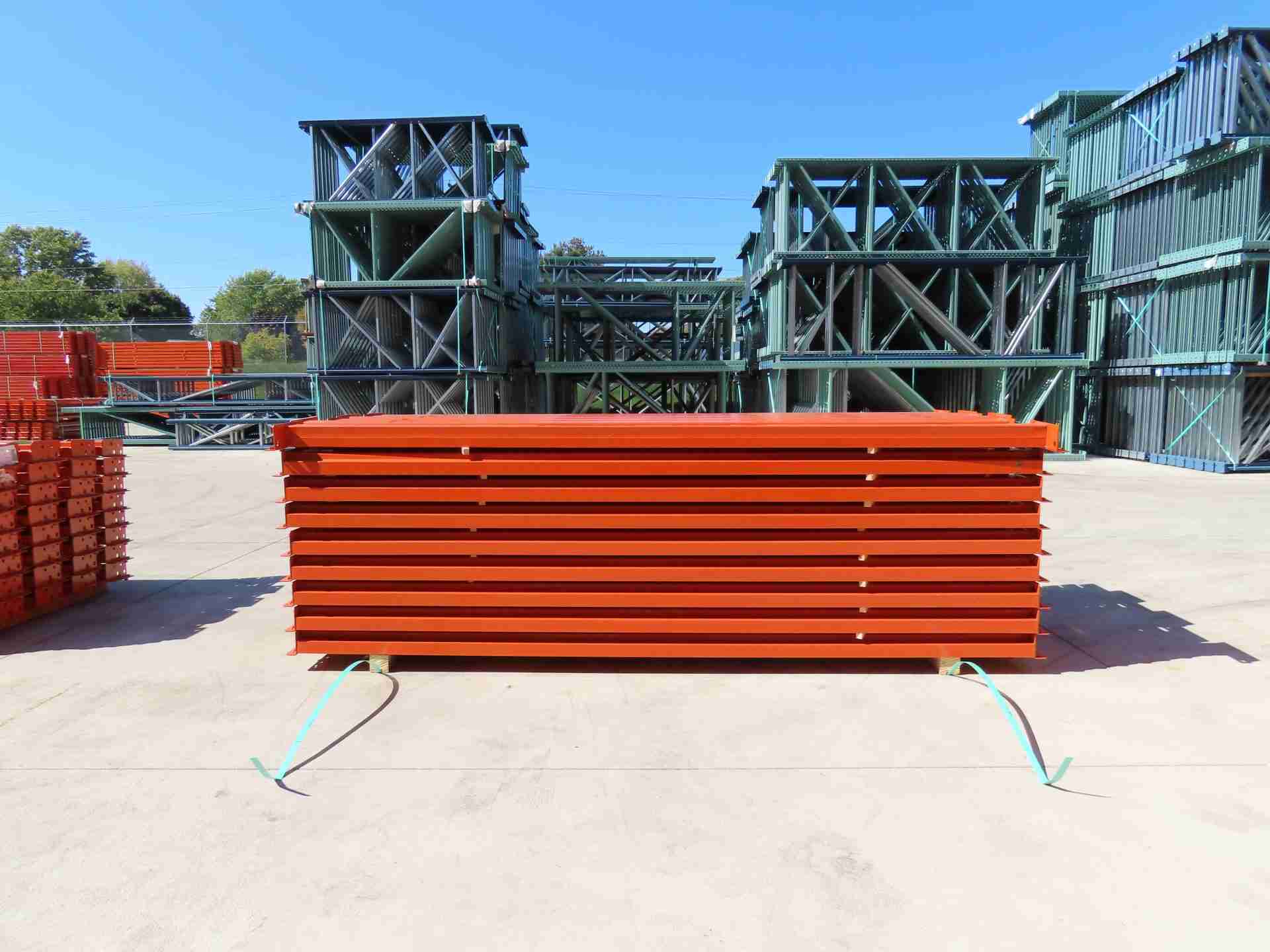
Conclusion
Conclusion:
- AI technology revolutionizes warehouse operations for efficiency and success.
- Predict demand patterns, automate operations, and optimize inventory with AI.
- Integrate AI systems to enhance efficiency, productivity, and accuracy.
- Address risks of job displacement, data breaches, and over-reliance on AI.
- AI technology boosts efficiency, reduces costs, and enhances customer satisfaction.
- Stay ahead of the curve and achieve success with AI in warehouse operations.
- Contact Arrow Industrial Sales at (574) 349-6575 to start harnessing the power of AI now.
Conclusion
Other Resources
Other Resources
Here is a list of other resources you can review online to learn more:
- “Intelligent IoT: Bringing the power of AI to the Internet of …”
- “TECHNOLOGY AT WORK v3.0: Automating e-Commerce …”
- “Week 3 assignment | Information Systems homework help”
- “AI Enabled Iot for Electrification and Connected …”
- “How AI is Helping Retailers Seamlessly Optimize their …”
- “Work Project – Digital Supply Chain Management”
- “Analysis of logistics in Fashion & Luxury market – Webthesis”
- “AI/ML with Amazon Web Services”
- “The Impact of Logistics Innovativeness on Perceived …”
- “(PDF) Potential for Improving Decision Support Catalysed …”
- “THE VISION 2030 by WGSN | PDF”
- “Retail 4.0 The future of online grocery”
- “Discussion-0903 | Applied Sciences homework help”
- “3.3. anM.”
- “Intelligent Systems in Digital Transformation. Theory and …”
- “Price Points | Omnia Retail”
- “Partnership”
- “Wincanton and Zeus unveil exclusive freight technology deal”
- “Software Engineering Methods in Intelligent Algorithms”
Other Resources
Glossary Terms
Are There Ways to Leverage Artificial Intelligence In a Warehouse? – Glossary Of Terms
1. Artificial Intelligence (AI): The simulation of human intelligence in machines, enabling them to perform tasks that typically require human intelligence such as learning, reasoning, and problem-solving.
2. Automation: The use of technology to perform tasks without human intervention, often employing AI to optimize warehouse operations like sorting and inventory management.
3. Machine Learning (ML): A subset of AI where algorithms are used to identify patterns in data, enabling the system to learn and make predictions or decisions without being explicitly programmed for every scenario.
4. Robotics: The branch of technology dealing with the design, construction, and operation of robots, used in warehouses for tasks such as picking, packing, and transporting goods.
5. Autonomous Mobile Robots (AMRs): Mobile robots that use sensors, cameras, and onboard computing to move through warehouse environments with little or no human intervention, improving efficiency in material handling.
6. Predictive Analytics: Techniques that use historical data, statistical algorithms, and machine learning to predict future outcomes, aiding in inventory management and demand forecasting.
7. Internet of Things (IoT): A network of interconnected physical devices that collect and exchange data, enhancing warehouse operations through real-time monitoring and automated alerts.
8. Warehouse Management System (WMS): Software that manages daily warehouse operations, including inventory tracking, order fulfillment, and shipping logistics, often integrated with AI for improved efficiency.
9. Computer Vision: A field of AI that enables machines to interpret and make decisions based on visual data from camera systems, useful in quality control and inventory checks.
10. Natural Language Processing (NLP): A branch of AI that helps computers understand, interpret, and respond to human language, enhancing communication for customer service and voice-activated control systems.
11. Big Data: Extremely large data sets that can be analyzed computationally to reveal patterns, trends, and associations, particularly useful for optimizing warehouse operations.
12. Cloud Computing: Delivery of computing services such as storage, processing, and tools over the internet, providing scalable resources for warehouses to run AI algorithms efficiently.
13. Digital Twins: Virtual replicas of physical systems used for simulation and analysis, enabling warehouses to test scenarios without disrupting actual operations.
14. Fleet Management: The administration of a group of vehicles or robots within a warehouse, often utilizing AI to optimize navigation routes and maintenance schedules.
15. Order Picking: The process of locating and retrieving items from inventory to fulfill customer orders, significantly enhanced by AI through optimized paths and autonomous robots.
16. Supply Chain Optimization: The application of AI to improve the efficiency of the entire supply chain, from suppliers to end customers, reducing costs and improving delivery times.
17. Load Balancing: Technique of distributing workloads across multiple systems or resources, where AI helps in dynamically adjusting operations to prevent bottlenecks.
18. Inventory Forecasting: AI-driven prediction models that estimate future inventory needs based on historical data, seasons, and market trends to avoid overstocking or stockouts.
19. Cybersecurity: Practices designed to protect data and systems from cyber-attacks, crucial for safeguarding AI-integrated warehouse management systems.
20. Data Mining: The practice of examining large sets of data to generate new information, assisting AI in uncovering actionable insights for warehouse management.
21. Path Optimization: The use of AI algorithms to find the most efficient routes for robots and workers within the warehouse, reducing travel time and increasing productivity.
22. Augmented Reality (AR): Technology that overlays digital information on the physical world, improving warehouse tasks like order picking by guiding workers visually.
23. Just-In-Time (JIT): Inventory strategy that aligns raw-material orders from suppliers directly with production schedules, greatly improved through AI analytics.
24. Real-Time Data: Information that is immediately available after collection, enabling AI systems to make timely decisions and adjust operations dynamically.
25. Wearable Technology: Electronic devices worn on the body that can gather data and improve warehouse worker productivity and safety through real-time feedback and instructions.
26. Collaborative Robots (Cobots): Robots specifically designed to work alongside human workers, enhancing productivity by taking over repetitive or physically demanding tasks.
27. Energy Management: Systems and strategies that regulate the energy consumption within the warehouse, often optimized using AI to reduce operational costs.
28. Transportation Management System (TMS): Software that assists in the planning, execution, and optimization of the physical movement of goods, which can be enhanced through AI for efficiency.
29. Dynamic Slotting: The practice of continuously re-arranging inventory within the warehouse for efficient picking, supported by AI algorithms to reduce travel time and labor costs.
30. Human-Machine Interface (HMI): User interfaces that allow humans to interact with automated systems and machines, where AI can facilitate smoother, more intuitive controls.
Glossary Of Terms
Other Questions
Are There Ways to Leverage Artificial Intelligence In a Warehouse? – Other Questions
If you wish to explore and discover more, consider looking for answers to these questions:
- What are the specific AI technologies used in warehouse operations?
- How do AI algorithms predict demand patterns?
- What are some examples of companies successfully using AI in their warehouses?
- How much investment is required to implement AI in warehouse operations?
- What role do human workers play alongside AI in warehouses?
- How do AI-powered robots function in warehouse settings?
- What are the challenges of integrating AI with existing warehouse systems?
- How secure is AI technology in preventing data breaches in warehouses?
- What training is required for warehouse staff to adapt to AI implementations?
- Can AI improve warehouse safety for employees?
- How does AI reduce operational costs in warehouses?
- What are the environmental benefits of using AI in warehouses?
- How can small to medium-sized warehouses afford AI technology?
- What future advancements in AI can we expect to impact warehouse operations?
- What ethical considerations are there in using AI in warehouses?
- How can AI help in customer order customizations?
- What KPIs (Key Performance Indicators) can be used to measure AI’s impact on warehouses?
- Are there any case studies demonstrating the ROI (Return on Investment) of AI in warehouses?
- How can AI address issues related to supplier delays and disruptions in the supply chain?
- What is the role of AI in managing warehouse waste and recycling?
Other Questions
Checklist
Are There Ways to Leverage Artificial Intelligence In a Warehouse? – A Checklist
Boosting Efficiency and Productivity
_____ Understand AI’s role in analyzing vast amounts of data in real-time for valuable insights.
_____ Learn how AI-powered algorithms can predict demand patterns.
_____ Explore AI’s dependency on analyzing historical sales data, market trends, and external factors for inventory management.
Inventory Management
_____ Use AI for accurate demand forecasting and inventory level optimization.
_____ Implement AI for predictive maintenance to identify potential equipment issues.
_____ Explore AI-driven inventory optimization based on consumer behavior and seasonal patterns.
_____ Integrate AI with IoT devices for real-time inventory tracking.
Warehouse Layout Optimization
_____ Collect and analyze data on inventory levels, customer demand, and order fulfillment rates for layout insights.
_____ Continuously optimize warehouse layout based on changing factors with AI-powered algorithms.
_____ Utilize predictive analytics for forecasting future demand patterns to optimize layout.
_____ Strategic positioning of inventory for space utilization by analyzing SKU dimensions, order frequency, and customer preferences.
Predictive Maintenance
_____ Analyze data from equipment sensors and historical maintenance records with AI.
_____ Utilize machine learning algorithms to identify maintenance needs.
_____ Implement predictive maintenance in manufacturing, fleet management, and aviation sectors.
Picking and Packing
_____ Optimize warehouse layout and inventory management with machine learning algorithms for efficient picking routes.
_____ Improve packing processes with computer vision and image recognition for product verification.
_____ Automate repetitive tasks and adapt to demand patterns in real-time.
Safety Enhancements
_____ Predict and prevent accidents by analyzing data from sensors and cameras.
_____ Improve safety training with virtual reality simulations.
_____ Enhance overall security with AI-powered surveillance and facial recognition.
_____ Streamline safety inspections and maintenance with AI automation.
Supply Chain Logistics
_____ Use predictive analytics for accurate demand forecasting and disruption identification.
_____ Optimize delivery routes by analyzing traffic patterns and weather conditions.
_____ Implement examples from companies like Amazon and UPS for cost savings and efficiency improvements.
Reducing Human Error
_____ Employ predictive analytics to identify potential errors before they occur.
_____ Enhance inventory management accuracy with real-time tracking and alerts.
_____ Optimize order processing by automating task assignments.
Enhancing Order Fulfillment
_____ Utilize predictive analytics for accurate trend and pattern analysis.
_____ Implement automated inventory management for real-time monitoring and reordering.
_____ Enhance picking and packing accuracy with advanced robotics and automation technologies.
Implementation Risks
_____ Consider potential job displacement and the need for worker training programs.
_____ Address data breach and cybersecurity threats with robust security measures.
_____ Avoid over-reliance on AI by ensuring human oversight for critical decisions.
Demand Forecasting Support
_____ Analyze big data for historical sales trends and customer behavior patterns.
_____ Incorporate real-time data from social media and news outlets for dynamic forecasting.
_____ Automate demand forecasting processes to save time and reduce human error.
_____ Optimize inventory management to reduce wastage and improve warehouse efficiency.
Checklist
At RackingWorld, we help guide you through selecting warehouse storage systems and racking.
Be sure to read our other related stories at RackingWorld to learn more about warehouse storage systems.
0 Comments