
Uncover The Root Causes Of Warehouse Equipment Breakdowns
By Tom Seest
At RackingWorld, we help guide you through selecting warehouse storage systems and racking.
Be sure to read our other related stories at RackingWorld to learn more about warehouse storage systems.
Why Does Your Warehouse Equipment Break Down Just When You Need It?
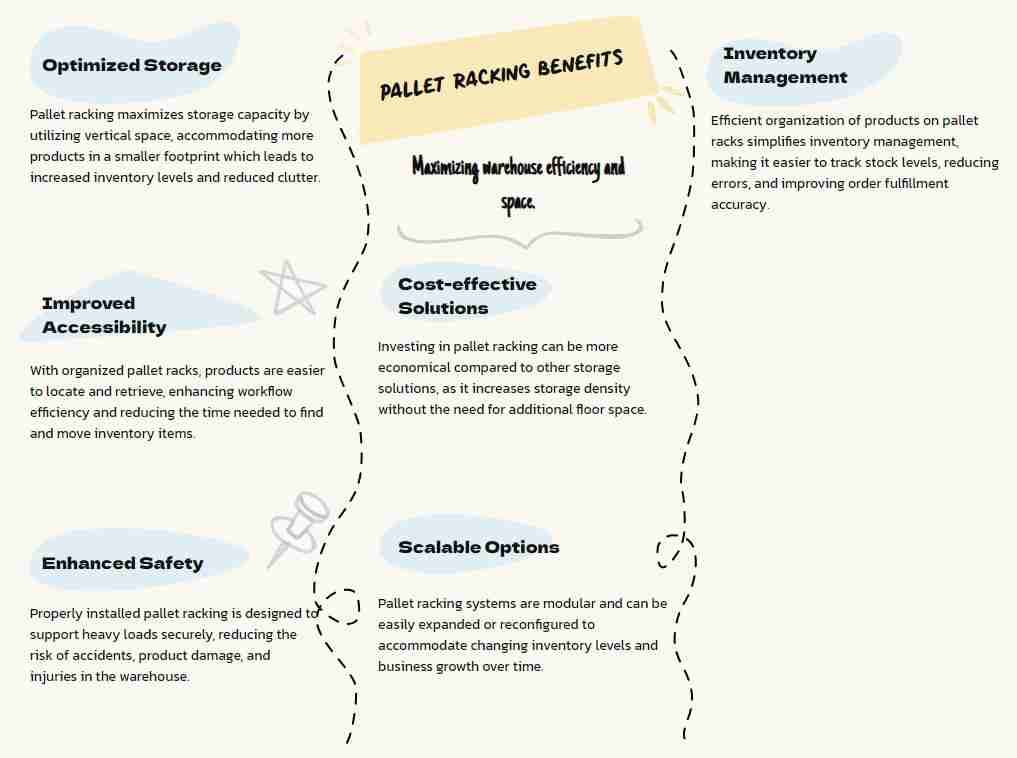
Picture this: it’s a critical day at your warehouse, orders are piling up, and just as you hit peak productivity, the pallet racking collapses under the weight of inventory stacked too high. It’s enough to make anyone’s heart race, and yet, it’s an all-too-common scenario. So, why does warehouse equipment seem to fail precisely when we need it the most?
The truth is, in the hustle and bustle of daily operations, we often overlook the signs. Equipment like pallet racking, designed to support your workflow, requires regular maintenance and checks. When was the last time you performed a thorough inspection of your systems? Often, we become so focused on meeting deadlines and fulfilling needs that we forget the critical importance of routine care.
Moreover, consider the inherent stress placed on your equipment. With the demands of the market, many warehouses push their machinery beyond recommended limits. There’s an unfortunate irony here: the very systems designed to expedite our tasks can also become our biggest bottlenecks if we neglect to treat them with the respect they deserve. Every missed inspection is like a ticking time bomb, waiting for that perfect moment—often during a critical deadline—to fail spectacularly.
But it doesn’t have to be this way. Imagine a world where your pallet racking is as dependable as the sunrise. By prioritizing regular maintenance and establishing a clear inspection schedule, you foster not only a more efficient workplace but also one that thrives under pressure. Equipment is an investment; treating it as such can save you time, money, and stress down the line.
Take action today! Gather your team for a brief meeting to discuss your equipment maintenance strategy. Identify what tools and checks can become part of your routine. Remember, a little foresight today can prevent a massive headache tomorrow. You spent good resources acquiring that pallet racking; don’t let it turn into an unanticipated hurdle just when you need it most.
Trust in your operations, empower your team, and reinforce your warehouse systems with a proactive mindset. Together, you can ensure that when challenges arise, your equipment does too—ready, reliable, and ready to help you stay ahead of the game!
Why Does Your Warehouse Equipment Break Down Just When You Need It?
Why Does Your Warehouse Equipment Break Down Just When You Need It?
- Warehouse equipment failures often occur at peak productivity times, leading to critical disruptions.
- Regular maintenance and inspections of equipment like pallet racking are frequently overlooked.
- Many warehouses push machinery beyond recommended limits due to market demands.
- Neglecting routine checks can lead to catastrophic failures at critical moments.
- Prioritizing maintenance fosters a more efficient and resilient workplace.
- Establishing a clear inspection schedule can save time, money, and reduce stress.
- Encourage teamwork to implement a proactive maintenance strategy for warehouse systems.
Why Does Your Warehouse Equipment Break Down Just When You Need It?
Table Of Contents
- Why Does Your Warehouse Equipment Break Down Just When You Need It?
- What Are Common Causes Of Warehouse Equipment Breakdowns?
- How Can Maintenance Schedules Prevent Unexpected Equipment Failures?
- What Role Does Equipment Age Play In Breakdown Frequency?
- How Can Operators Detect Early Signs Of Equipment Malfunction?
- What Impact Does Improper Usage Have On Equipment Reliability?
- How Important Is Operator Training For Equipment Longevity?
- Conclusion
- Other Resources
- Glossary Of Terms
- Other Questions
- Checklist
What Are Common Causes Of Warehouse Equipment Breakdowns?
In the bustling world of warehouses, where every second counts and efficiency reigns supreme, equipment breakdowns can feel like a dark cloud hovering over your operations. Let’s take a moment to shine a light on the common culprits behind these disruptions and how to steer clear of them. Understanding these causes isn’t just important; it’s essential for keeping your business running smoothly.
One of the primary offenders in the realm of warehouse equipment breakdowns is improper maintenance. Just like a car needs regular oil changes, your equipment—be it forklifts, conveyors, or pallet racking—demands attention and care. Neglecting maintenance schedules is akin to ignoring a ticking time bomb; the longer you wait, the greater the risk of significant failures that can derail productivity. Implementing a thorough maintenance program can be your first line of defense. Invest a little time and resources now to save substantially on costly repairs later.
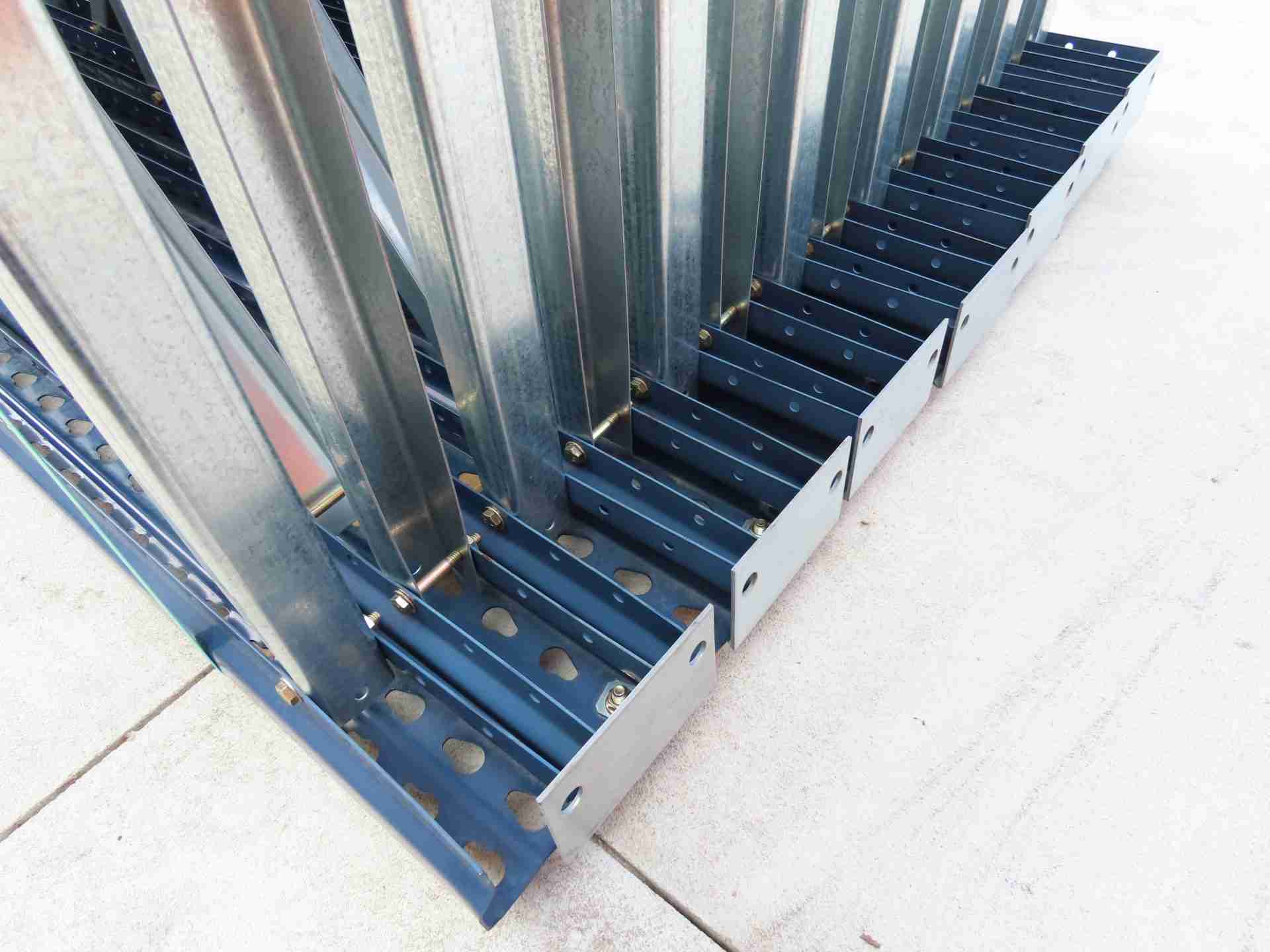
Another major factor contributing to breakdowns is overloading. Warehouse employees often push equipment to its limits, filling pallet racks to their maximum capacity without considering safety guidelines. This reckless behavior can lead to structural failures, resulting in damaged goods and potential injuries. By adhering to the recommended weight limits for your pallet racking and ensuring that your team is fully trained in best practices, you protect not only your equipment but also your workforce. Safety should never be compromised for the sake of expedience.
Furthermore, the often overlooked issue of environmental factors cannot be ignored. Humidity, dust, and extreme temperatures can wreak havoc on equipment longevity. Consider how these elements impact your machinery, and take proactive steps to mitigate their effects—like utilizing climate control measures and regular cleanings. This not only extends the life of your equipment but enhances the overall efficiency of your operations.
Finally, one must address human error. We are all human, after all. Mistakes happen, and they can lead to serious consequences when it comes to equipment operation. Fostering a culture of training and awareness in your workplace can significantly reduce the risk of breakdowns caused by human oversight. Empower your team with knowledge, ensuring they understand the intricacies of every machine, including how to handle pallet racking safely and effectively.
By recognizing and addressing these common causes of warehouse equipment breakdowns, you’re not just reacting to issues as they arise—you’re taking proactive steps to safeguard your operations and build a thriving business. Remember, trust your instincts, invest in preventative measures, and watch your warehouse transform into a well-oiled machine that drives success day in and day out.

What Are Common Causes Of Warehouse Equipment Breakdowns?
What Are Common Causes Of Warehouse Equipment Breakdowns?
- Warehouse equipment breakdowns can severely impact operational efficiency.
- Improper maintenance is a leading cause of equipment failures; regular maintenance is crucial.
- Overloading machinery beyond recommended limits can lead to structural failures and safety hazards.
- Environmental factors like humidity, dust, and extreme temperatures can damage equipment longevity.
- Implementing climate control measures and regular cleanings can mitigate environmental impacts.
- Human error is a significant contributor to equipment breakdowns; training and awareness can help reduce mistakes.
- Proactively addressing these issues can enhance operations and promote a thriving business.
What Are Common Causes Of Warehouse Equipment Breakdowns?
How Can Maintenance Schedules Prevent Unexpected Equipment Failures?
Imagine the chaos of a sudden equipment failure in your warehouse. Pallet racking collapses due to unforeseen wear and tear, inventory gets damaged, and your team is scrambling to pick up the pieces—both literally and figuratively. It’s not just about lost productivity; it’s about trust, reputation, and sometimes even safety. But what if I told you that there’s a simple yet powerful way to safeguard your operations and prevent these all-too-common disasters? Enter the maintenance schedule.
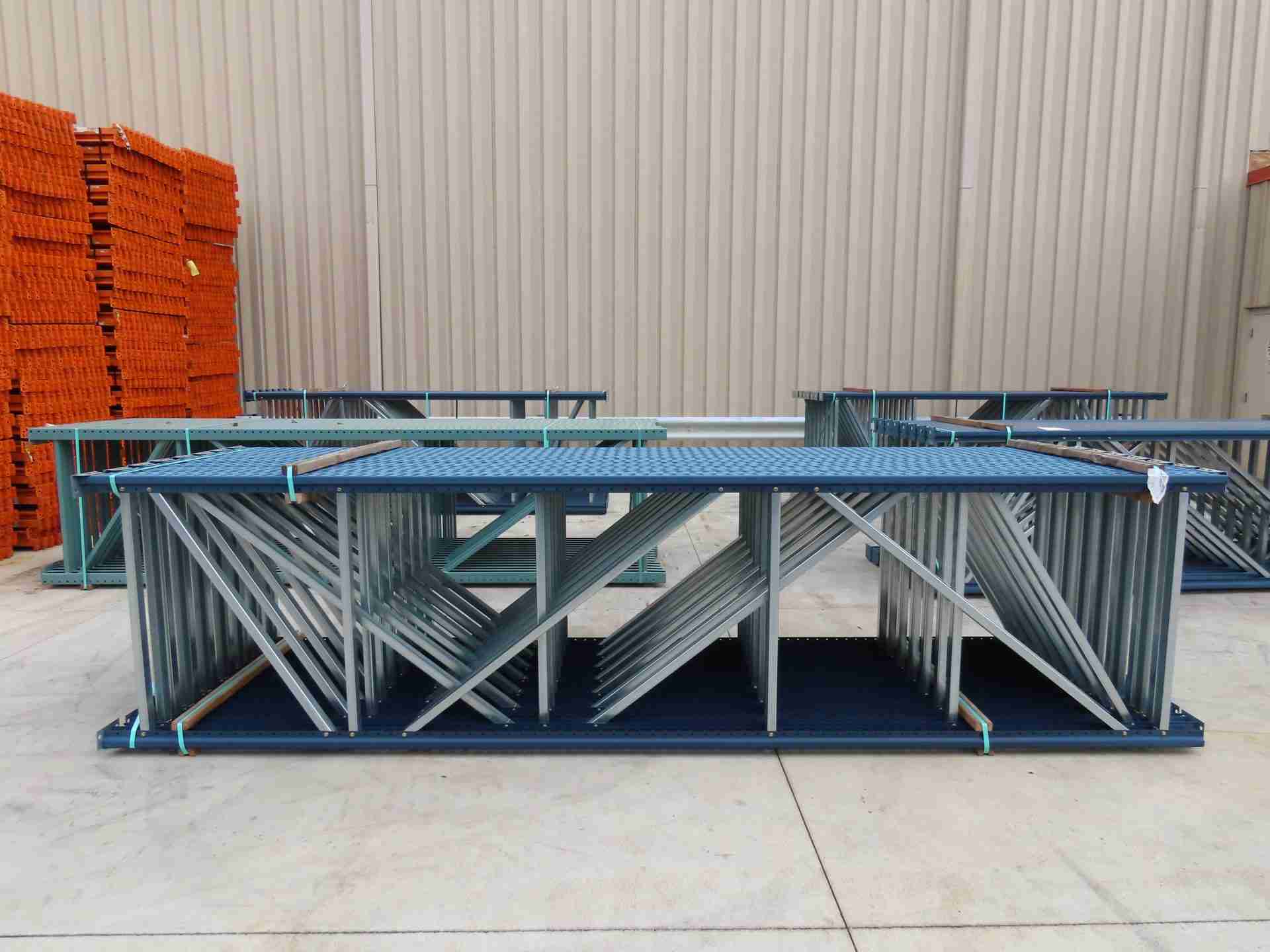
A well-crafted maintenance schedule isn’t just a list of tasks to complete; it’s your strategic ally in the battle against downtime. Think of it as a health check-up for your equipment, including your pallet racking systems. Regular inspections and maintenance help identify potential issues before they escalate into full-blown failures. It’s like catching a cold before it turns into pneumonia—you’ll save your business time and money in the long run.
But let’s get real: many business owners often push this to the back burner, as it feels less urgent compared to daily operations. However, as anyone who has faced an equipment failure can tell you, it’s precisely in those moments of urgency that the stark value of preventative measures becomes clear. The frustration, the endless phone calls, the strain on relationships with clients and suppliers—it can all be avoided with a simple maintenance schedule.
So, why put it off any longer? Getting started is easier than you might think. Begin by assessing your current equipment and understanding their maintenance needs. This may include checking your pallet racking for stability, ensuring all components are secure, and looking for any signs of wear or damage. Then, create a routine that works for your business, and stick to it like a commitment to a loved one—you won’t regret it!
Incorporate these practices into your culture: empower your staff to be vigilant and proactive. A collaborative effort can boost morale and foster a sense of shared responsibility. Soon, you’ll see not just a decrease in unexpected failures, but also an increase in efficiency and employee satisfaction.
Trust us, investing in a solid maintenance schedule and committing to its execution is the best decision you could make for your business. Because when your equipment runs smoothly, your business does too—and that’s the ultimate goal, isn’t it?
How Can Maintenance Schedules Prevent Unexpected Equipment Failures?
How Can Maintenance Schedules Prevent Unexpected Equipment Failures?
- Equipment failures in warehouses can cause chaos, damaging inventory and affecting team productivity.
- A maintenance schedule serves as a strategic ally in preventing downtime and equipment failures.
- Regular inspections help identify potential issues before they escalate into major problems.
- Many business owners neglect maintenance schedules, prioritizing daily operations instead.
- Implementing a maintenance schedule can avoid frustration, strain on relationships, and costly repairs.
- Empowering staff and fostering a culture of proactivity can improve morale and efficiency.
- Investing in maintenance ensures smoother operations, benefiting both the business and its employees.
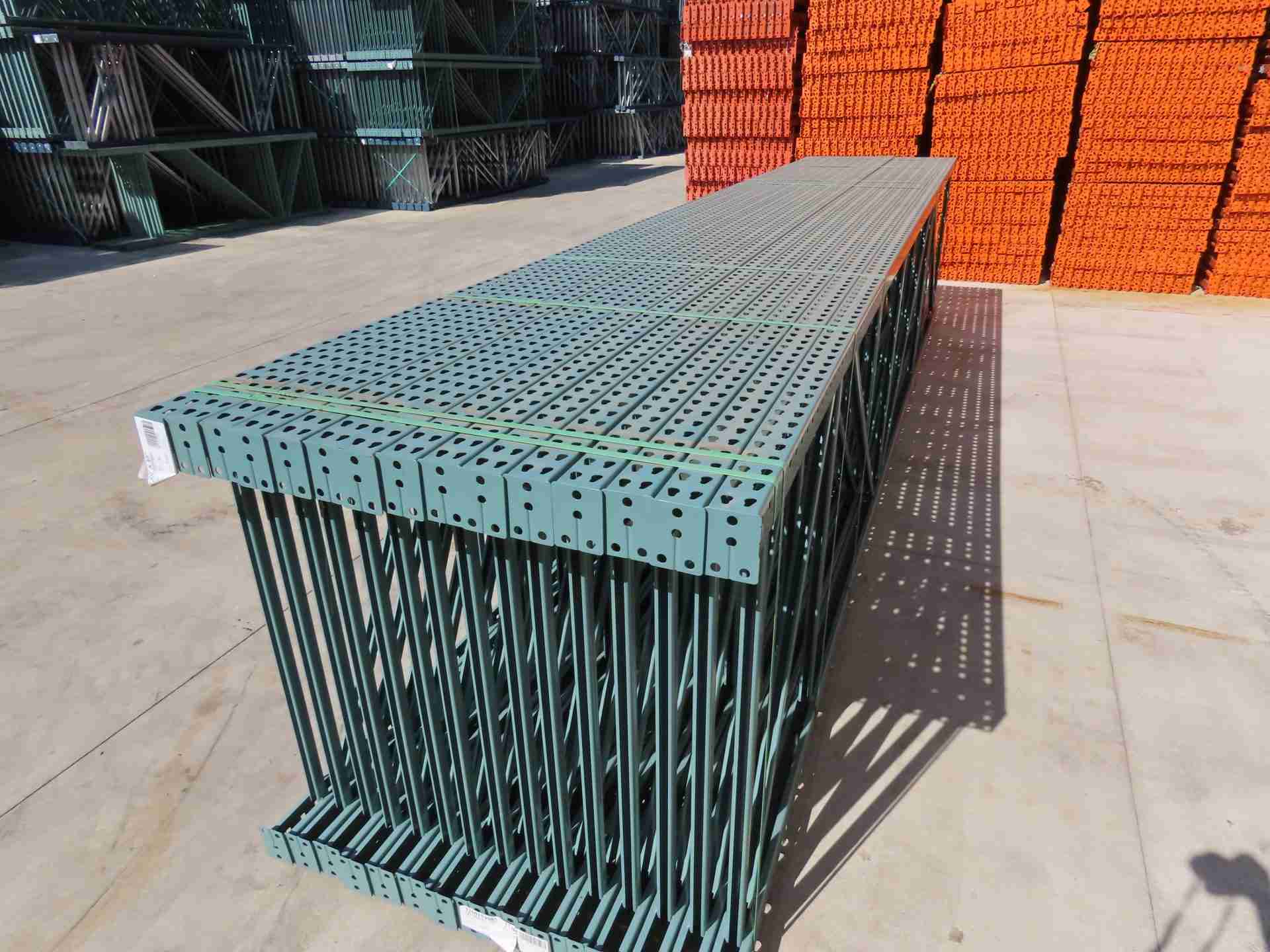
How Can Maintenance Schedules Prevent Unexpected Equipment Failures?
What Role Does Equipment Age Play In Breakdown Frequency?
When it comes to managing your warehouse or distribution center, the age of your equipment can significantly impact your operations. The simple truth is, older equipment tends to break down more frequently, and that can lead to costly interruptions — from production delays to inventory mishaps. So why play a game of roulette with maintenance?
Consider your pallet racking. This critical component actively supports not just your products, but also the efficiency of your entire operation. Just like your vehicle requires regular service to keep running smoothly, your pallet racking and other equipment need a keen eye. Over time, wear and tear can accumulate imperceptibly, until one day it culminates in a major breakdown when you least expect it.
Imagine a day during peak season when you’re racing to fulfill orders, and suddenly one of your pallet racks collapses. Not only do you face the immediate chaos and potential safety hazards, but you must also contend with the subsequent delays and lost revenue. Here’s where the concept of “preventive maintenance” comes into play—understanding that an ounce of prevention is worth a pound of cure.
Equipment age plays a crucial role in breakdown frequency. As your pallet racking ages, it becomes prone to issues like rust, structural insufficiencies, and component fatigue. This degradation can often go unnoticed until it’s too late. That’s why implementing a systematic approach to inspections and maintenance, tailored to the age of your equipment, is key.
Investing in newer equipment might seem like a hefty expense, but let’s crunch the numbers. The cost of frequent repairs, coupled with lost productivity and potential liability issues, can far exceed the price tag of new pallet racking. So, instead of waiting for something to go wrong, consider how proactive investment can safeguard your operation and reinforce your bottom line.
We’re not just talking about expenses here; we’re discussing the protection of your workforce, the integrity of your supply chain, and the very essence of trust with your customers. By recognizing the role equipment age plays in your operations, you’ll be empowered to make informed decisions that can foster long-term success. Your business and your team deserve the best—the time to take action is now. Make the choice to invest in reliable, efficient equipment that will serve you well into the future.
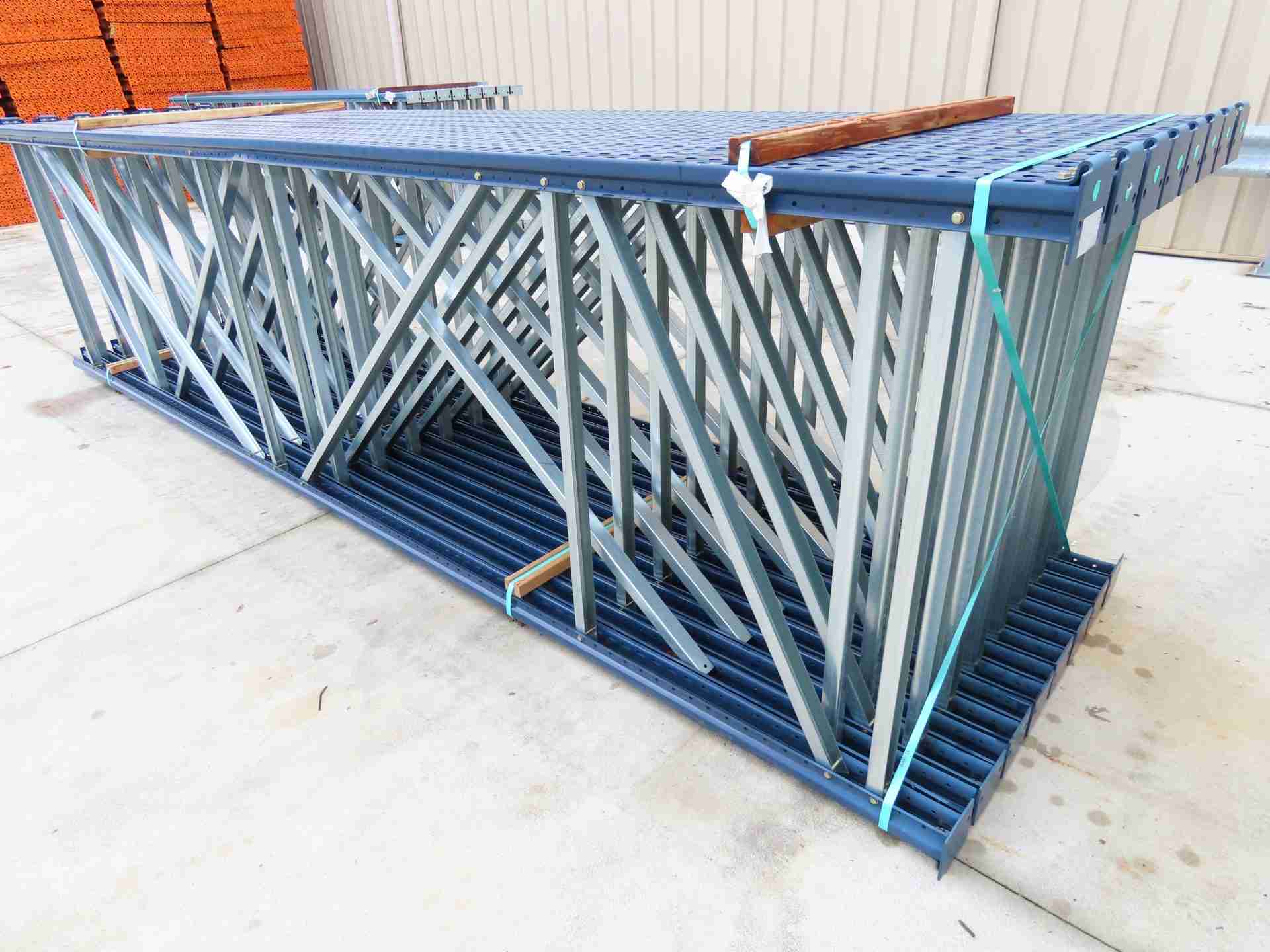
What Role Does Equipment Age Play In Breakdown Frequency?
What Role Does Equipment Age Play In Breakdown Frequency?
- Older warehouse equipment, including pallet racking, is prone to more frequent breakdowns, causing costly disruptions in operations.
- Pallet racking is critical for product support and operational efficiency, requiring regular maintenance just like vehicles.
- Neglecting maintenance can lead to unexpected breakdowns, especially during peak demand periods, resulting in chaos and potential safety hazards.
- Preventive maintenance is essential; addressing wear and tear proactively can save time and money in the long run.
- The age of equipment significantly impacts its reliability, with older pallet racking susceptible to rust and structural issues.
- Investing in new equipment may seem costly, but the expenses associated with repairs and lost productivity can far outweigh the initial investment.
- Understanding the impact of equipment age allows for informed decisions, ensuring workforce safety and maintaining customer trust while securing long-term success.
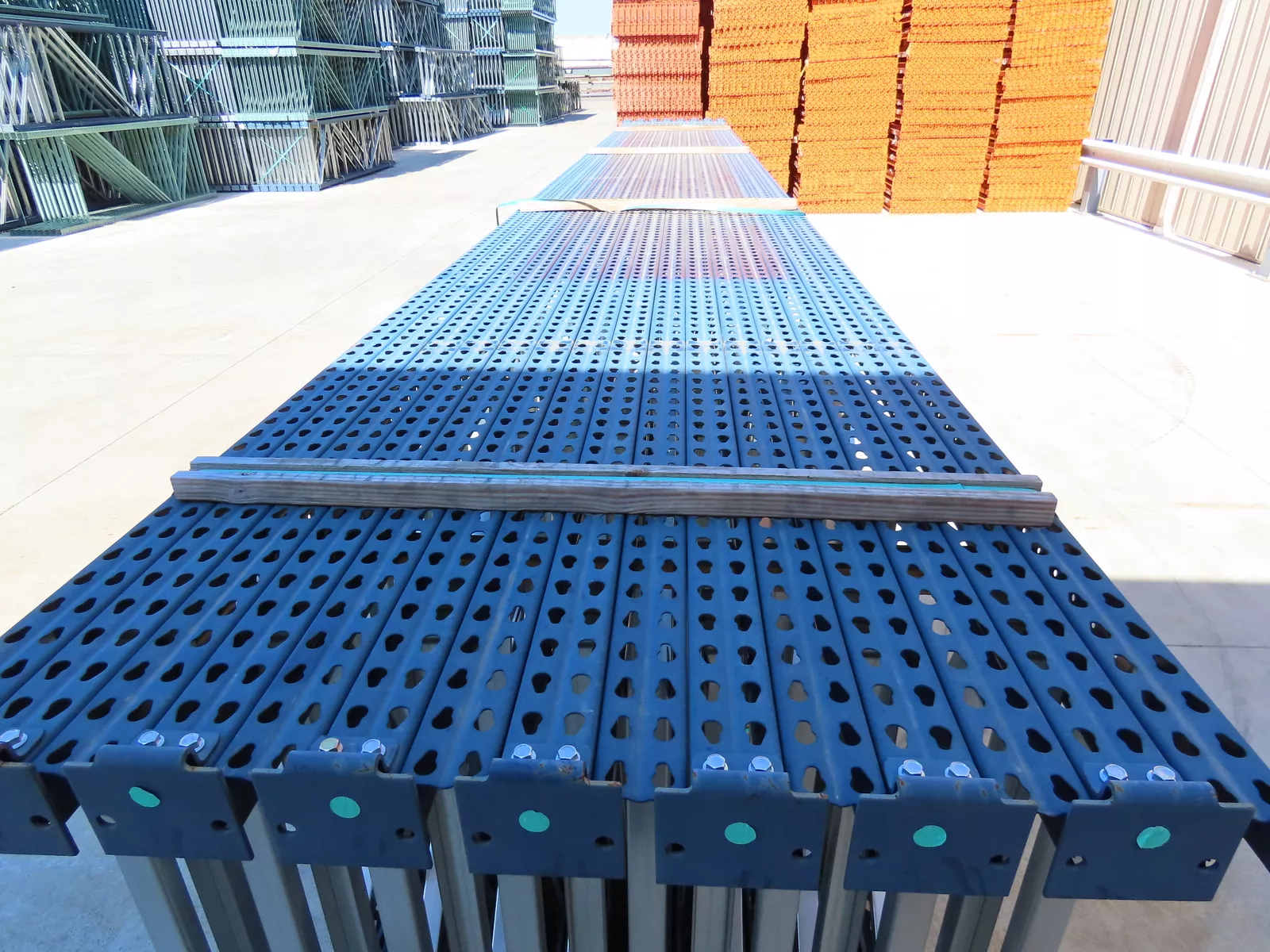
What Role Does Equipment Age Play In Breakdown Frequency?
How Can Operators Detect Early Signs Of Equipment Malfunction?
In today’s fast-paced operational environment, the last thing you want is an unexpected equipment malfunction bringing your workflow to a screeching halt—costly downtime can ruin budgets and impact customer satisfaction. But here’s the good news: you can take proactive steps to detect early signs of trouble, especially with critical assets like pallet racking systems.
Imagine walking through your facility, feeling a sense of calm knowing you have a keen eye for potential issues. As an operator, you hold the keys to ensuring not just equipment longevity, but also overall safety and productivity. This process begins with simple observations and checklists that put you in the driver’s seat.
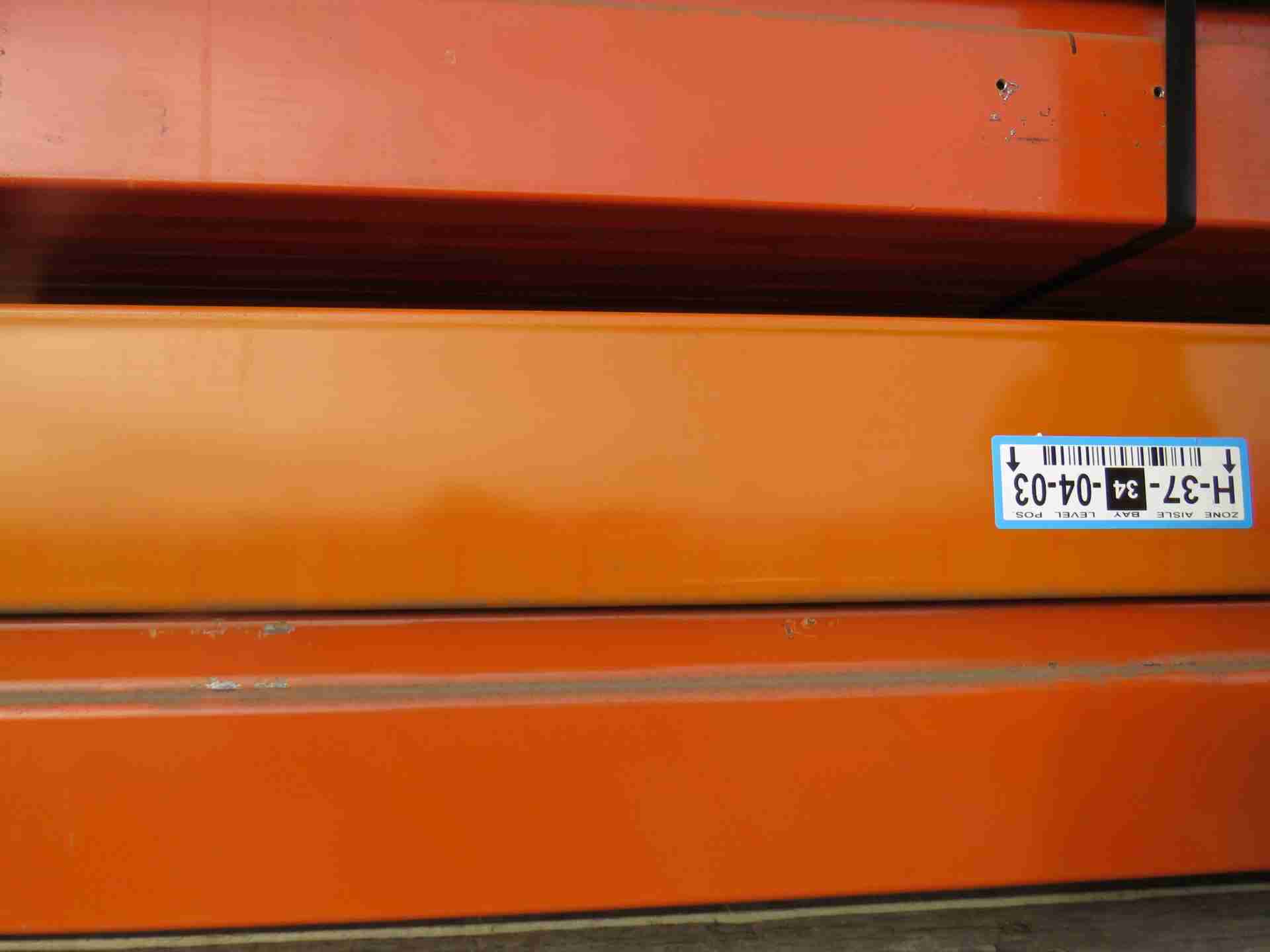
Regular visual inspections are crucial. Familiarize yourself with the condition of your pallet racking system—look for signs of wear, such as bent frames or loose connections. Most importantly, don’t overlook little details; a small crack today could mean a significant problem tomorrow. Think of your pallet racking as a living organism—if it’s off-balance or showing signs of distress, it’s worth paying attention to.
Creating a maintenance schedule can also enhance your predictive capabilities. Who doesn’t love the peace of mind that comes from knowing your equipment is in peak condition? By setting up routine check-ups, you can identify potential issues before they escalate. Get your crew involved; cultivate a culture of vigilance within your team. Encourage operators to report even the slightest concerns about equipment behavior. After all, you’re all in this together, striving for optimal performance and safety.
Don’t shy away from leveraging technology either. Simple monitoring software can provide you with data like stress loads and usage frequency. Not only does this help in maximizing the lifespan of your pallet racking, but it also allows you to make informed decisions about replacement or repair, fueling an efficient operation.
Finally, invest in training. Providing your team with comprehensive training on how to spot early warning signs will not only empower individuals but will also cultivate a proactive attitude throughout your organization. By fostering a connected culture of awareness and responsibility, you can turn potential disasters into mere blips on the radar of your daily operations.
So what are you waiting for? Take action today and elevate the performance of your pallet racking systems by committing to early detection. It’s not just about managing risks; it’s about mastering the art of operational success. Your equipment—and your bottom line—will thank you!
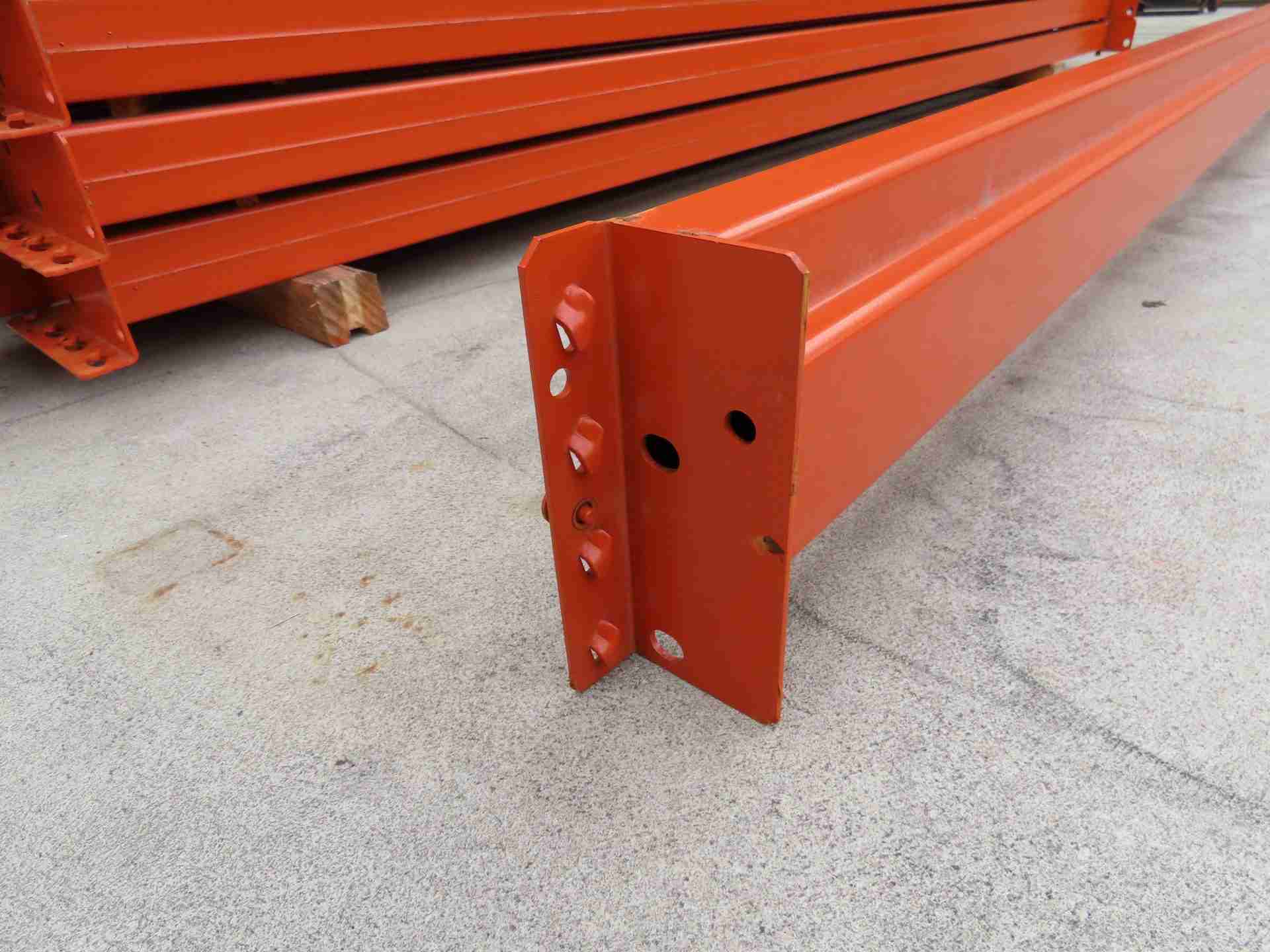
How Can Operators Detect Early Signs Of Equipment Malfunction?
How Can Operators Detect Early Signs Of Equipment Malfunction?
- Unexpected equipment malfunctions can lead to costly downtime, affecting budgets and customer satisfaction.
- Taking proactive steps to detect early signs of trouble in critical assets, such as pallet racking systems, is essential.
- Regular visual inspections are crucial; operators should look for signs of wear like bent frames or loose connections.
- Creating a maintenance schedule can enhance predictive capabilities and prevent issues from escalating.
- Encouraging team involvement and vigilance helps ensure optimal performance and safety across the workforce.
- Leveraging technology, such as monitoring software, aids in data collection for informed maintenance decisions.
- Investing in team training empowers staff to identify early warning signs, fostering a culture of awareness and responsibility.
How Can Operators Detect Early Signs Of Equipment Malfunction?
What Impact Does Improper Usage Have On Equipment Reliability?
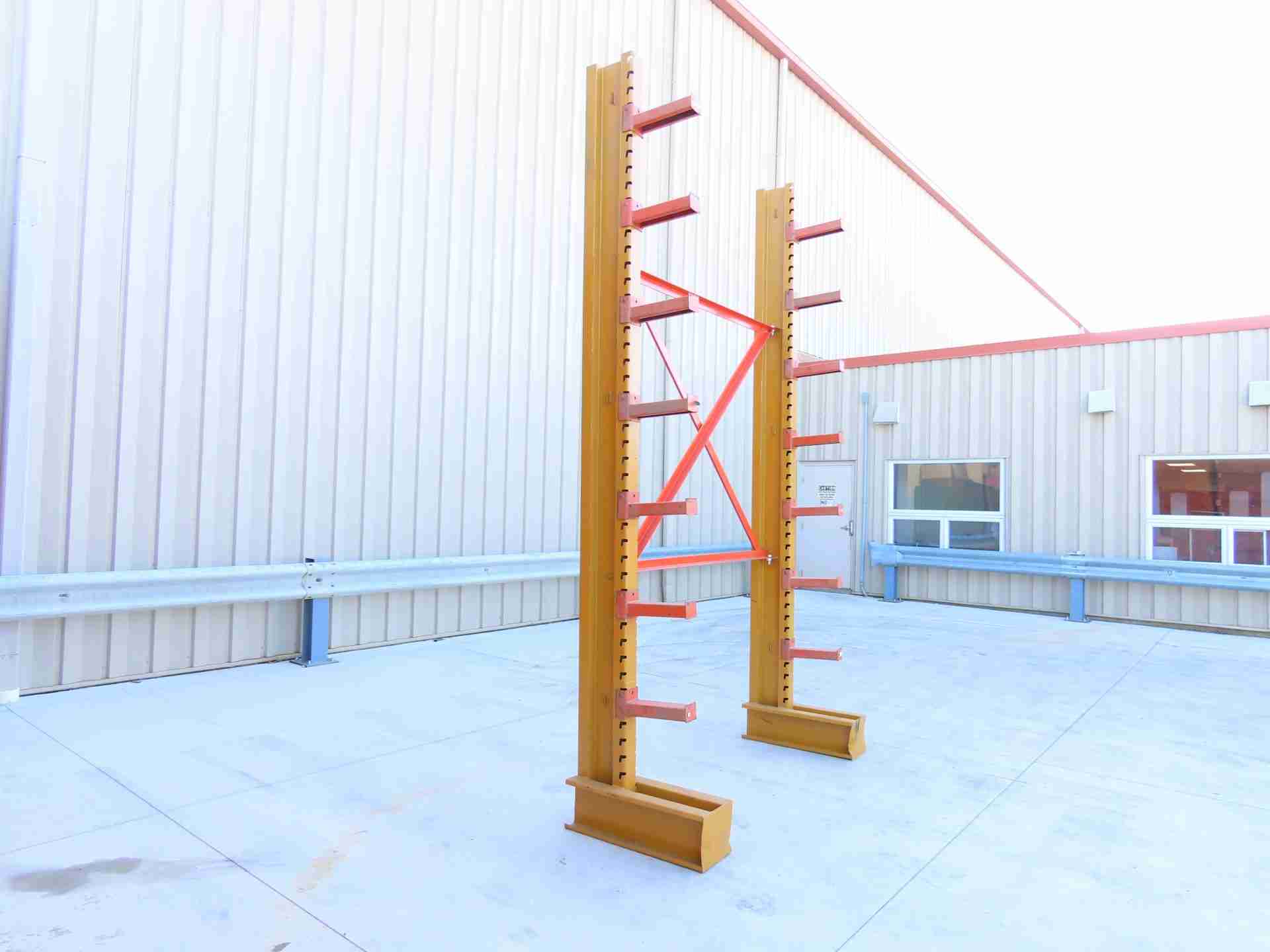
Imagine walking into a bustling warehouse filled with organized chaos, pallets loaded high, and the energy of productivity crackling in the air. Now, picture that same space marred by the sight of bent, rusty pallet racking, overloaded and improperly utilized. It isn’t just an eyesore—it’s a ticking time bomb of inefficiency and risk.
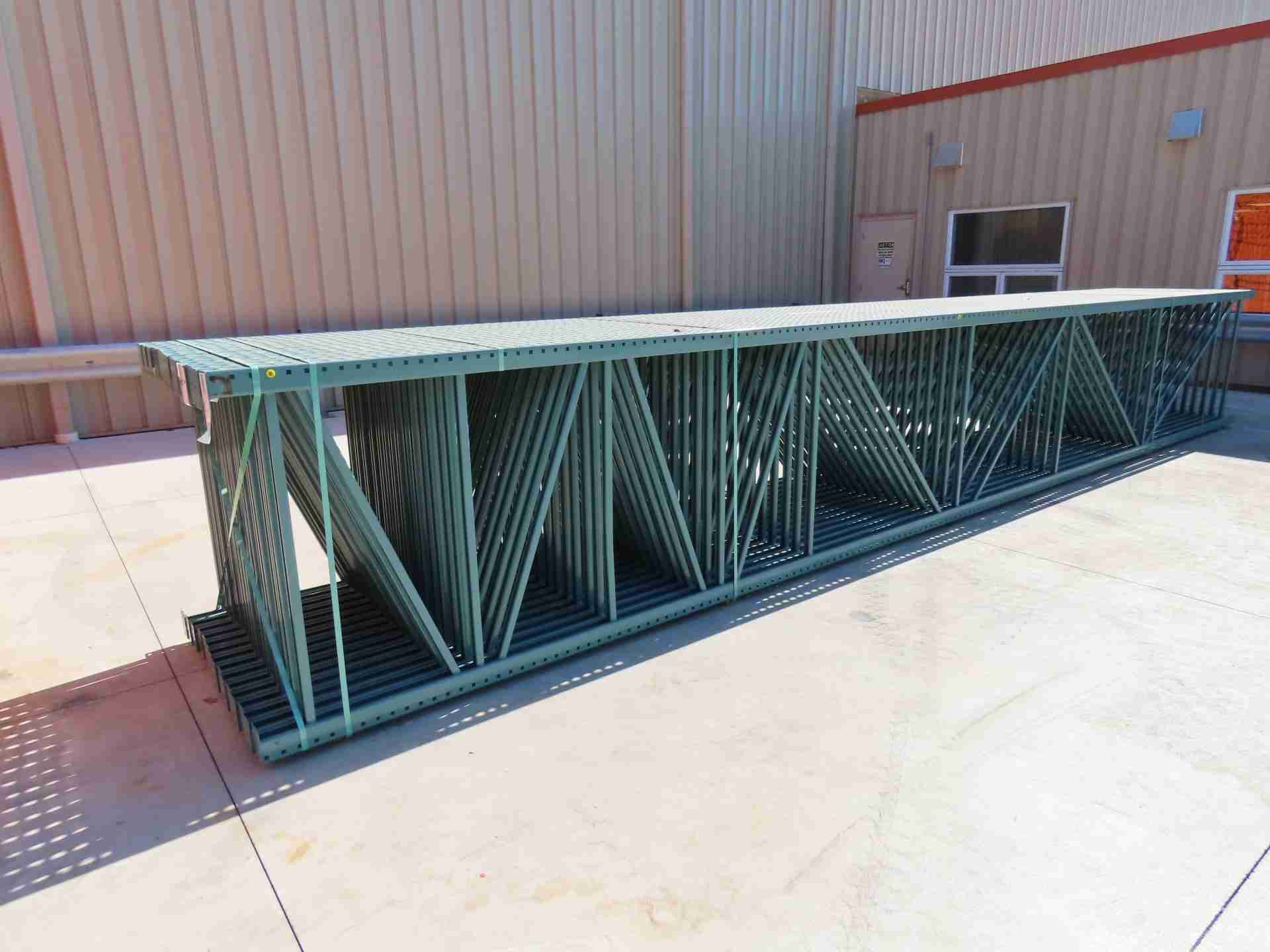
When we neglect the proper usage of equipment like pallet racking, we unleash a cascade of negative consequences. Improperly loaded racks can lead to catastrophic failures; the structural integrity of each component is compromised, creating hazards for your team and your inventory. An accident waiting to happen—and it’s all avoidable!
In our fast-paced world, it’s easy to overlook the little things. But let’s take a moment to reflect: every dollar wasted on damaged goods or personnel injuries is a dollar that could have been better spent on growing your operation. It’s not just about buying equipment; it’s about maintaining it. Every employee must be trained on the proper loading techniques, weight limits, and upkeep routines to ensure longevity and reliability.
Imagine instead a warehouse where each pallet racking system stands sturdy and proud, unmarred by the scars of negligence. Your team feels safe, confident, and empowered. Productivity skyrockets, and your reputation for reliability builds your brand’s prestige. This isn’t just wishful thinking; it’s a goal within your reach.
Now, think about the cost of repairs and downtime. Improper usage doesn’t just affect day-to-day operations; it drives up operational costs exponentially. Broken equipment means lost time—time that could be spent innovating, serving clients, or simply enjoying the reward of a job well done. By investing in proper usage training for your team and regular inspections, you can safeguard your investment and ensure that every piece of equipment is a reliable ally in your quest for heightened efficiency.
Don’t let improper usage be the Achilles’ heel of your organization. Embrace the significance of proper loading and maintenance of your pallet racking systems today. Encourage a culture of safety and awareness, and watch your operational reliability flourish. Everybody benefits—from your bottom line to the morale of your team! It’s time to act and build a warehouse system you can depend on. Your future success hinges on it!
What Impact Does Improper Usage Have On Equipment Reliability?
What Impact Does Improper Usage Have On Equipment Reliability?
- Bustling warehouse environments can become chaotic due to improper use of pallet racking.
- Neglecting proper equipment usage can lead to inefficiencies and hazards for teams and inventory.
- Every dollar wasted due to damaged goods or personnel injuries could be better spent on business growth.
- Training employees on loading techniques, weight limits, and maintenance is essential for longevity and reliability.
- Proper maintenance leads to increased safety, confidence, and productivity within the team.
- Improper usage drives up operational costs through repairs and lost time, hindering innovation and service.
- Fostering a culture of safety and awareness enhances operational reliability and benefits everyone involved.
What Impact Does Improper Usage Have On Equipment Reliability?
How Important Is Operator Training For Equipment Longevity?
How Operator Training Enhances Equipment Longevity
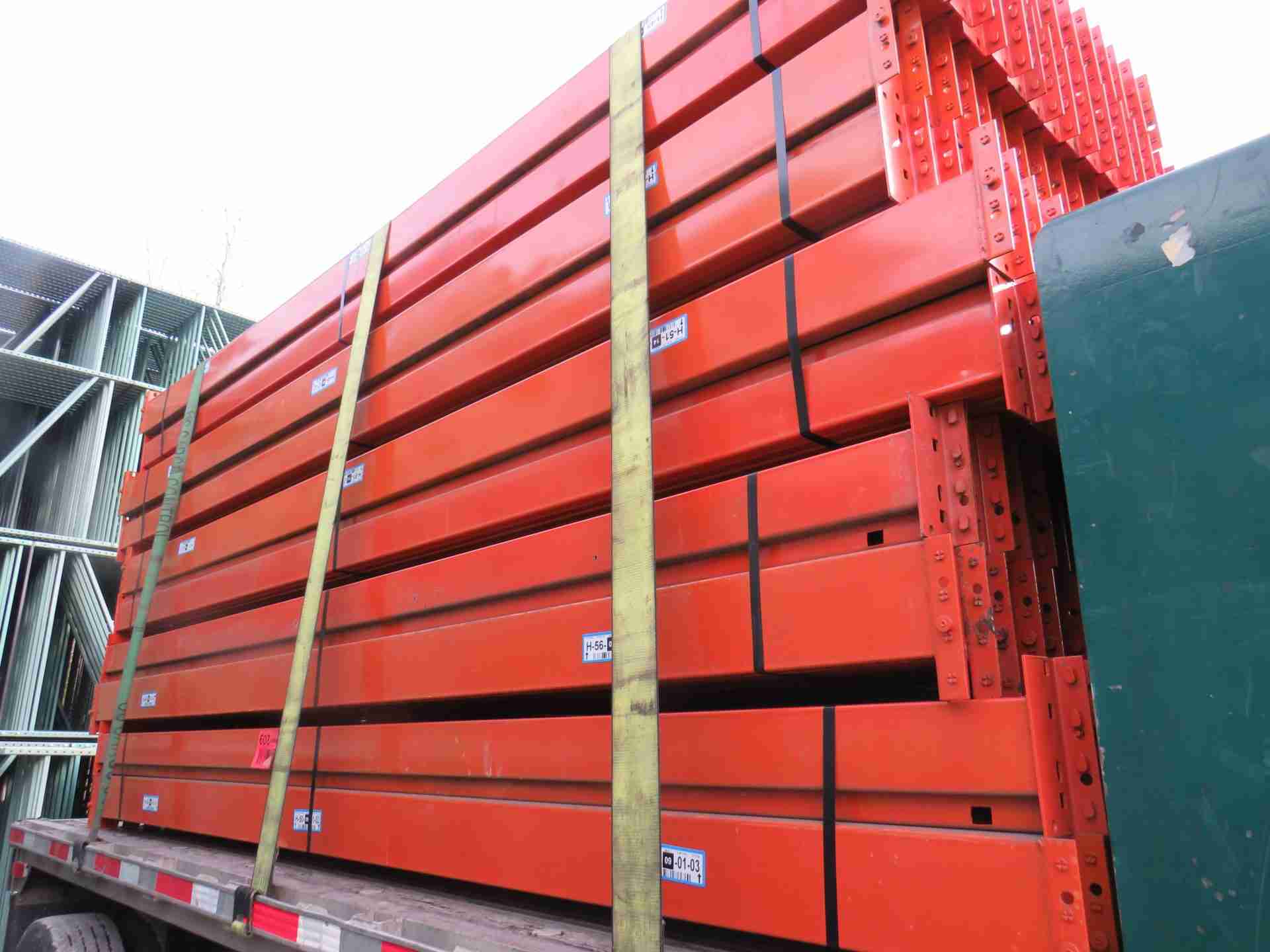
When you think about maximizing the lifespan of your valuable equipment, do you consider who’s operating it? Imagine a well-organized warehouse filled with sturdy pallet racking, all designed to hold an array of products efficiently. The most advanced systems won’t yield their true potential if the operators behind them aren’t adequately trained. This is where the magic of operator training comes in.
Let me paint a picture for you. You’ve invested heavily in top-tier equipment, perhaps a state-of-the-art forklift to navigate through rows of pallet racking. Now, imagine that equipment being mismanaged due to insufficient training. It’s not just a missed opportunity; it’s an invitation to disaster. Improper operation can lead to wear and tear, accidents, and ultimately, costly downtime. The reality is that operator training isn’t just a bonus—it’s a necessity.
When your team knows the ins and outs of proper equipment handling, they’re not just using machinery; they’re becoming defenders of your investment. They’ll understand how to load and unload pallet racking in a way that minimizes risk and maximizes efficiency. This knowledge doesn’t just preserve equipment; it nurtures it. Think about how elevating their skills helps to maintain your equipment in peak condition, extending its operational life dramatically.
But it doesn’t end at mere preservation. Training is an investment in your team’s confidence and competence. Well-trained operators are more likely to recognize potential hazards before they escalate into significant problems. They become ambassadors of safety and efficiency, helping to cultivate a workspace where everyone feels secure and focused.
So, how can you ensure your team gets the training they need? Start by partnering with industry experts who offer specialized training programs tailored to your equipment and operational needs. Provide ongoing resources and support to reinforce skill development. Encourage an environment where continuous learning is celebrated, and feedback is welcomed.
In essence, investing in operator training is investing in the longevity of your equipment. It empowers your workforce, enhances productivity, and fosters a culture of safety that reverberates throughout your organization. So, take the leap; prioritize training and watch as your pallet racking—and the entirety of your operations—thrives like never before. Trust me, your future self will thank you!
How Important Is Operator Training For Equipment Longevity?
How Important Is Operator Training For Equipment Longevity?
- Operator training is essential for maximizing equipment lifespan.
- Improper operation due to lack of training can lead to increased wear and costly downtime.
- Well-trained operators efficiently handle equipment, reducing risk and preserving machinery.
- Elevating operator skills contributes to maintaining equipment in peak condition.
- Training builds team confidence, enabling operators to identify hazards before they escalate.
- Partnering with industry experts for specialized training enhances operational effectiveness.
- Investing in operator training promotes productivity and a culture of safety within the organization.
How Important Is Operator Training For Equipment Longevity?
Conclusion
Conclusion: Safeguarding Your Warehouse with Proactive Maintenance and Training
At RackingWorld.com, we recognize that the reliability of your warehouse equipment is not just a matter of convenience—it’s an essential component of your operational success. We’ve explored the critical factors that lead to equipment breakdowns and have unpacked a roadmap to prevent costly disruptions. From routine inspections to focused operator training, we have illuminated how a proactive approach can elevate your warehouse operations to new heights.
Imagine a work environment where equipment functions smoothly, satisfying both productivity demands and safety protocols. Regular maintenance schedules and strict adherence to safety guidelines are not mere suggestions; they are necessities that fortify your operations against the unpredictability of equipment failures. Just as you would tend to your health with regular check-ups, maintaining your pallet racking and other essential machinery is an investment in the heart of your business. Remember, every delay rooted in equipment malfunction has a ripple effect, costing time, money, and reputation.
Moreover, the human element cannot be overlooked. Empowering your team through robust training programs transforms them from simple operators to knowledgeable guardians of your valuable assets. When your workforce understands the correct usage and limitations of each piece of equipment, they cultivate an environment of safety and efficiency. This realization is paramount: trained operators extend the life of equipment and mitigate risks associated with negligence.
But don’t wait for a crisis to occur. The time to act is now! Examine your current maintenance strategies, hold team discussions, and amplify efforts to integrate routine checks into your operational calendar. Your warehouse deserves the utmost care and attention, and neglecting these details could mean facing devastating setbacks just when you need efficiency the most.
As you make strides toward a proactive maintenance culture, remember that Arrow Industrial Sales stands ready to assist you. Call us at (574) 349-6575 for support in identifying the right products, strategies, and training programs tailored to your needs. Whether you’re looking to enhance your maintenance system or invest in new equipment, our team can provide you with the tools you need to operate smoothly and skillfully.
Act now to revolutionize your warehouse operations. When you prioritize equipment maintenance and operator training, you’re not just avoiding disaster; you’re creating a future of reliability and success. Don’t let opportunity slip through your fingers—empower your warehouse today!
Conclusion
Conclusion:
- Reliability of warehouse equipment is crucial for operational success.
- Proactive maintenance strategies, including routine inspections, are essential to prevent equipment breakdowns.
- Regular maintenance and safety adherence are necessary to avoid costly disruptions.
- Training programs empower operators, turning them into informed guardians of equipment.
- Understanding equipment usage extends its life and reduces risks of malfunctions.
- Now is the time to evaluate and enhance maintenance strategies and schedules.
- Consult with Arrow Industrial Sales for tailored support in improving warehouse operations.
Conclusion
Other Resources
Other Resources
Here is a list of other resources you can review online to learn more:
- What is Selective Racking: Understanding Benefits & Options
- Pallet Racks, Pallet Racking, Pallet Shelves in Stock – ULINE
- Selective Racking
- Shipping Boxes, Packaging Materials, Pallet Racking
- Bradford Systems
- ASSP
- Material Handling Industry
- Pallet Racking systems in Illinois, Great Lakes
- Used Pallet Rack for Sale in Illinois – American Surplus
- Warehouse Racking Layout: The Ultimate Guide – Conger
Use This Prompt To Get More Resources With Your Favorite Online AI Tool: Please provide me with a list of online articles with their URLs in a bulleted list that I can read regarding Why Does Your Warehouse Equipment Break Down Just When You Need It?
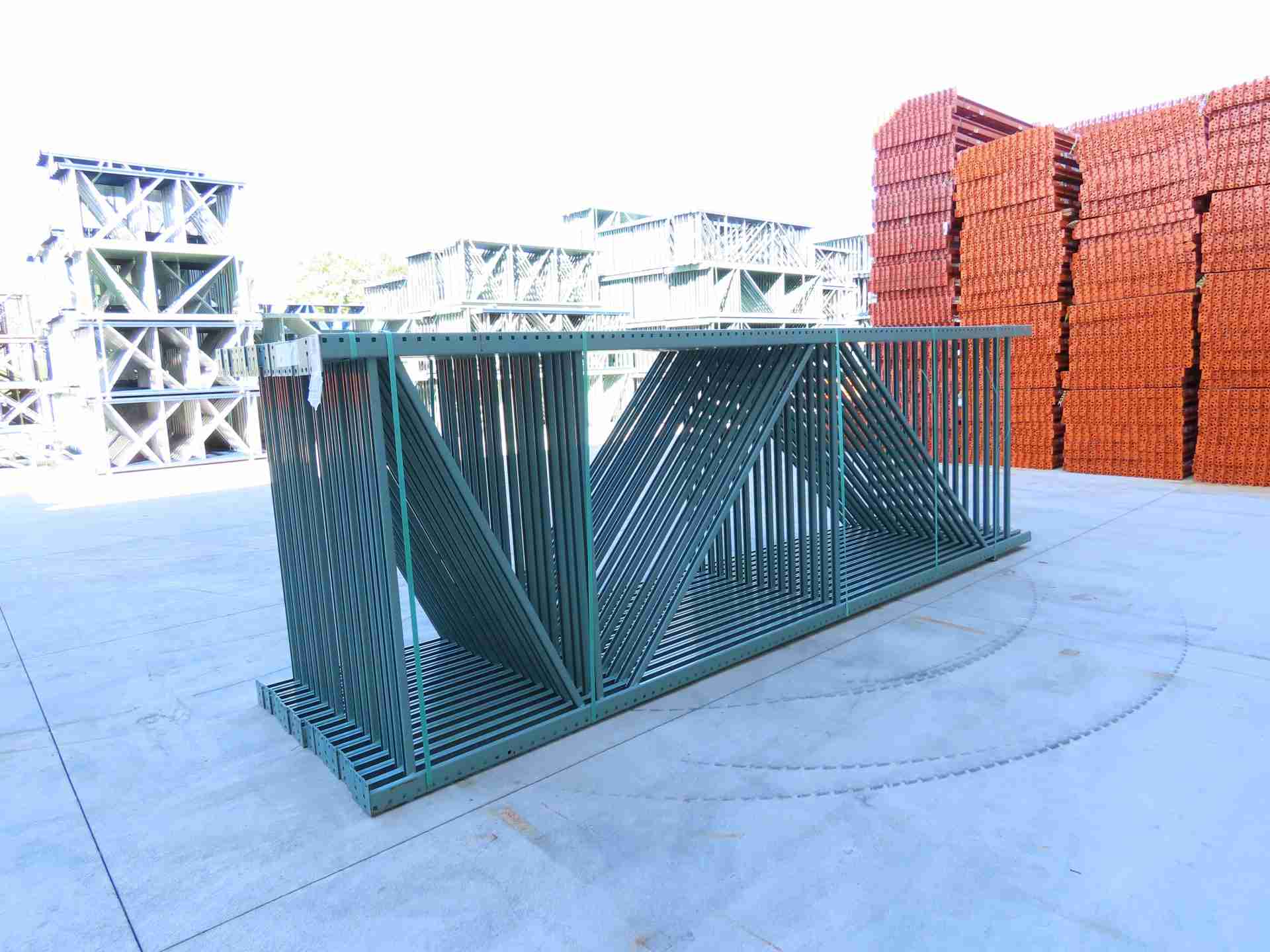
Other Resources
Glossary Terms
Why Does Your Warehouse Equipment Break Down Just When You Need It? – Glossary Of Terms
1. Asset Management: A systematic approach to managing and optimizing a company’s physical assets, including warehouse equipment.
2. Breakdown: The failure of equipment or machinery to function properly, often leading to operational disruptions.
3. Calibration: The process of adjusting and setting equipment to ensure it operates correctly and maintains accuracy.
4. Downtime: The period during which equipment is not operational due to maintenance, repairs, or unexpected breakdowns.
5. Inventory Management: The supervision of non-capitalized assets (inventory) and stock items to ensure availability and minimize waste.
6. Preventive Maintenance: Regular and planned maintenance activities aimed at preventing equipment breakdowns and prolonging lifespan.
7. Predictive Maintenance: Maintenance strategy that uses data analysis and monitoring to predict when equipment will fail, allowing for timely interventions.
8. Wear and Tear: The gradual deterioration of equipment due to regular usage, leading to potential breakdowns.
9. Operational Efficiency: The capability to deliver products or services in the most cost-effective manner without compromising quality.
10. Training and Safety: Programs designed to ensure that employees are skilled and knowledgeable in using equipment safely and efficiently.
11. Motor Failure: Breakdown of the motor components of machinery, often leading to complete equipment failure.
12. Mechanical Fault: Failures in the physical components of machines that hinder their operational capabilities.
13. Power Surge: A sudden increase in electrical power that can cause equipment malfunctions or failures.
14. Scheduled Maintenance: Maintenance work that is planned and performed at specific intervals to ensure equipment remains in good condition.
15. Equipment Lifecycle: The stages that equipment goes through from acquisition to disposal, including operation, maintenance, and repair.
16. Supply Chain Disruption: Interruptions in the supply chain that may impact the availability of equipment parts or resources needed for repairs.
17. Load Capacity: The maximum weight or load that equipment can safely handle without risking a breakdown.
18. Environmental Conditions: External factors such as temperature, humidity, and dust that can affect the performance and durability of equipment.
19. Quality Control: Measures implemented to ensure that products or services meet specific standards, impacting equipment reliability.
20. Technical Support: Assistance from trained technicians in diagnosing and fixing equipment issues when problems arise.
21. Spare Parts Inventory: A collection of essential parts kept on hand to facilitate quick repairs and minimize downtime.
22. Vibration Analysis: A technique used to detect abnormalities in machinery vibrations that can indicate potential problems.
23. Lubrication: The application of fluids to machinery parts to reduce friction, wear, and overheating.
24. Error Logs: Records of operational discrepancies or errors that can help identify patterns leading to equipment failures.
25. Safety Features: Built-in mechanisms designed to protect equipment and operators from malfunctions and accidents.
26. Calibration Drift: A gradual shift in equipment accuracy over time that can lead to operational failures if not corrected.
27. Technological Upgrades: Changes or improvements made to equipment to enhance its performance and reliability.
28. Fault Detection: The capability to identify and diagnose problems in machinery before they lead to a breakdown.
29. Emergency Repairs: Unscheduled repairs made in response to sudden equipment failures, often incurring higher costs.
30. Return on Investment (ROI): A financial metric used to evaluate the profitability of equipment relative to its purchase and maintenance costs.
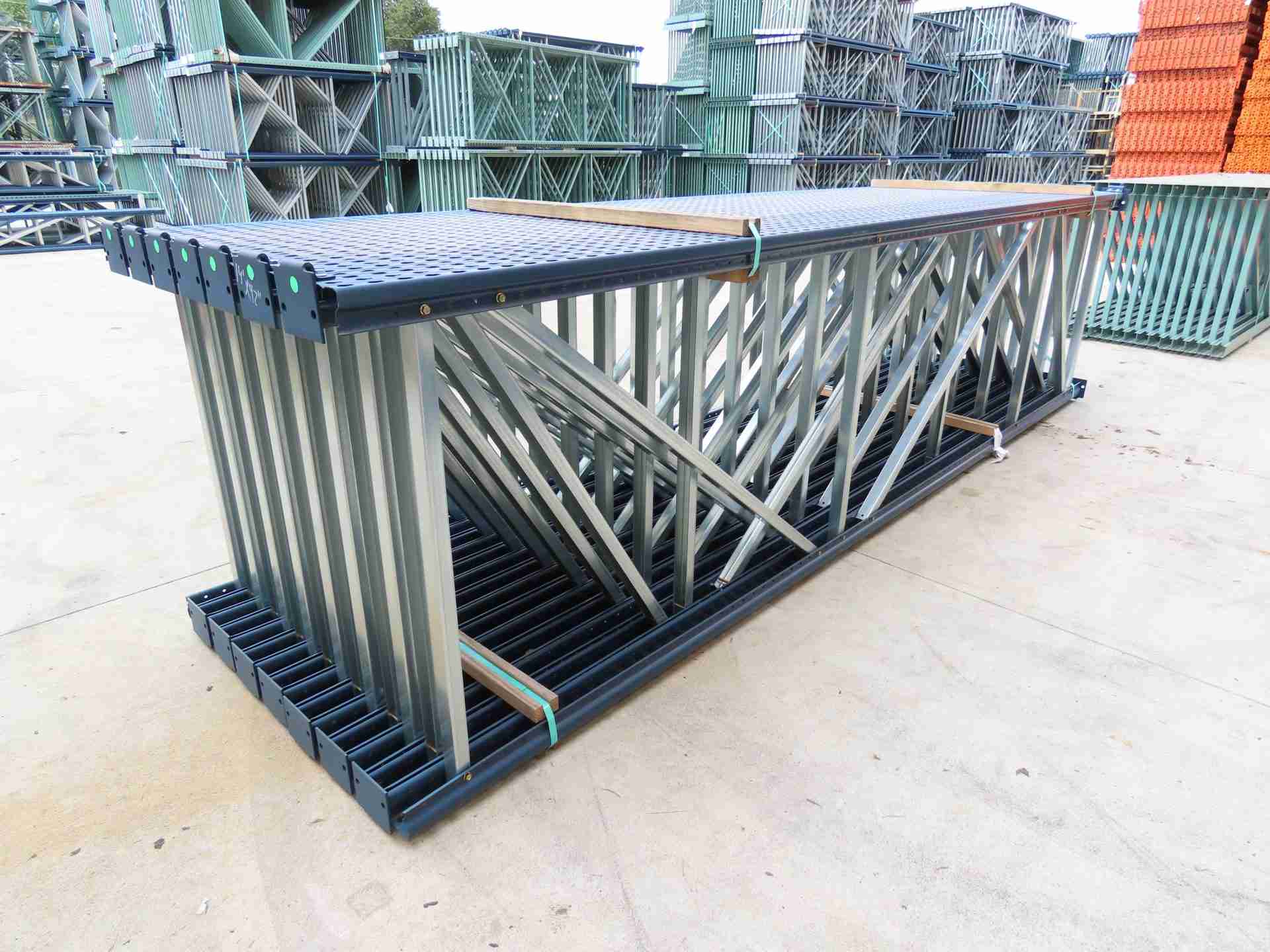
Glossary Of Terms
Other Questions
Why Does Your Warehouse Equipment Break Down Just When You Need It? – Other Questions
If you wish to explore and discover more, consider looking for answers to these questions:
- What are the most common types of warehouse equipment failures?
- How can I establish an effective maintenance schedule for warehouse equipment?
- What safety protocols should be followed during warehouse equipment inspections?
- How does equipment overload contribute to breakdowns?
- What are the specific risks associated with aged warehouse equipment?
- How can technology help in monitoring warehouse equipment conditions?
- What training programs are available for warehouse equipment operators?
- How can I assess the effectiveness of my current maintenance practices?
- What role does environmental control play in equipment longevity?
- How can I encourage a culture of safety and proper usage among my team?
- What are some signs that my warehouse equipment is due for replacement?
- How can I calculate the potential cost savings from regular maintenance?

Other Questions
Checklist
Why Does Your Warehouse Equipment Break Down Just When You Need It? – A Checklist
Warehouse Equipment Maintenance Checklist
This checklist is designed to help warehouse managers and operators ensure proper maintenance of equipment, leading to improved reliability and reduced breakdowns. Use this as a guide for regular inspections and training protocols.
Regular Equipment Inspections
_____ Conduct Visual Inspections: Look for signs of wear, such as rust, cracks, or loose connections on all equipment, especially pallet racking.
_____ Check Stability: Ensure that pallet racks are securely anchored and check for any signs of leaning or instability.
_____ Verify Weight Limits: Always adhere to the recommended weight limits to avoid overloading and potential structural failures.
Maintenance Schedule Implementation
_____ Create a Maintenance Schedule: Develop a clear, routine schedule for regular equipment checks and maintenance tasks.
_____ Document Maintenance Activities: Keep records of inspection and maintenance tasks to track equipment condition and repair history.
Operator Training and Awareness
_____ Train Operators: Provide comprehensive training on proper equipment handling, including loading techniques and weight limits.
_____ Encourage Reporting: Foster a culture where operators feel empowered to report any signs of equipment malfunction or concerns.
Environmental Considerations
_____ Mitigate Environmental Factors: Assess the warehouse environment for humidity, dust, and temperature issues that may impact equipment reliability.
_____ Implement Cleaning Protocols: Schedule regular cleaning and climate control measures to prolong equipment life.
Preventative Maintenance
_____ Perform Routine Maintenance: Schedule regular maintenance actions, such as lubrication, cleaning, and replacing worn components.
_____ Utilize Technology: Consider using monitoring software to track equipment usage and stress loads, aiding in predictive maintenance.
Review and Adapt Strategies
_____ Regularly Review Protocols: Reassess and update maintenance strategies based on equipment age and operational changes.
_____ Solicit Feedback: Encourage team discussions regarding maintenance practices and equipment performance to identify areas for improvement.
Proactive Equipment Replacement
_____ Evaluate Equipment Age: Monitor the age of equipment and plan for proactive replacements rather than waiting for breakdowns.
_____ Conduct Cost-Benefit Analysis: Consider the long-term costs of repairs versus the benefits of investing in newer, more efficient equipment.
By adhering to this checklist, you can foster a proactive maintenance culture, enhance equipment longevity, and ensure a smoother, safer operation within your warehouse.
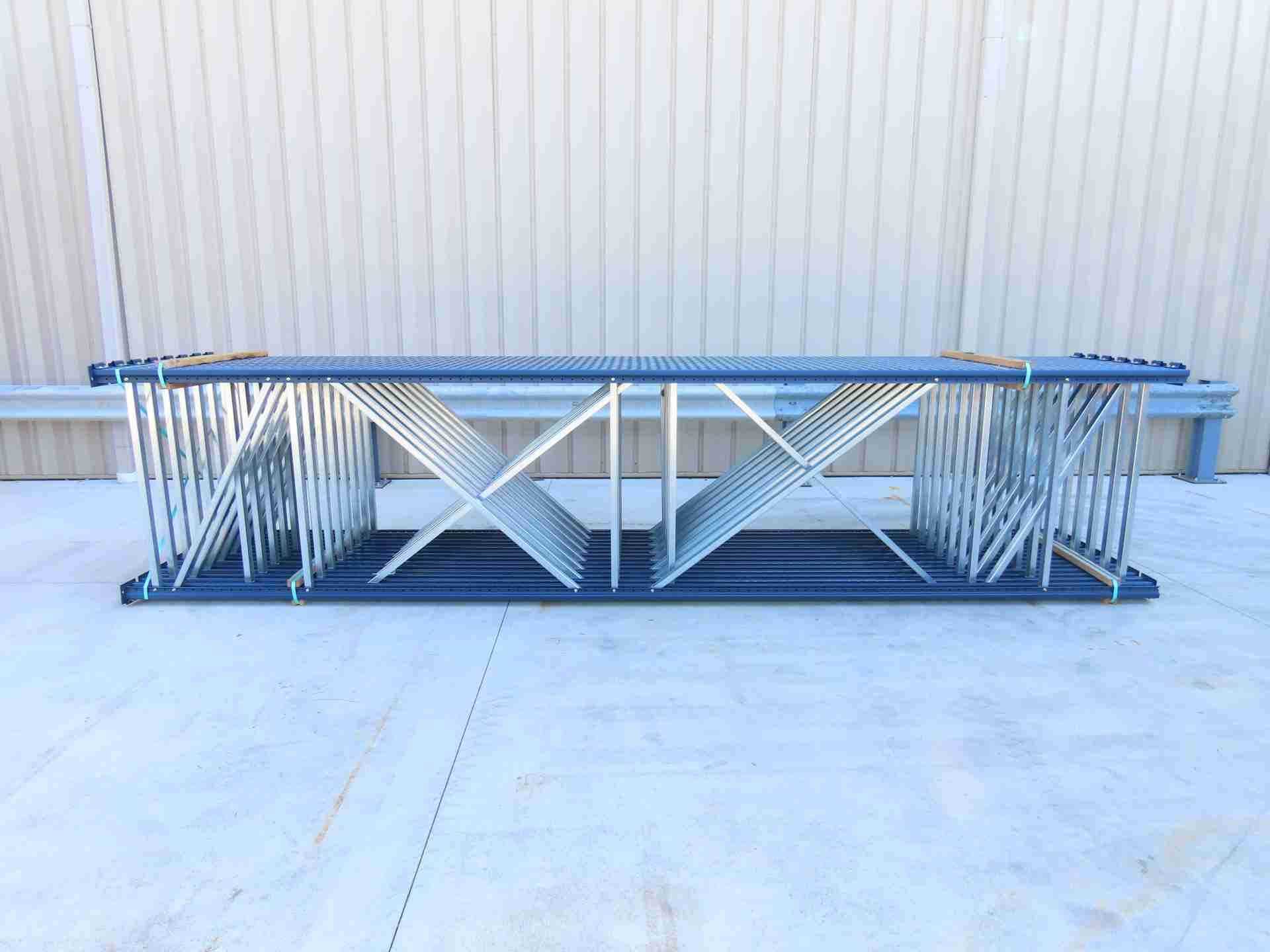
Checklist
At RackingWorld, we help guide you through selecting warehouse storage systems and racking.
Be sure to read our other related stories at RackingWorld to learn more about warehouse storage systems.
0 Comments