
Navigating Pallet Rack Rules: Your Legal Guide
By Tom Seest
At RackingWorld, we help guide you through selecting warehouse storage systems and racking.
Be sure to read our other related stories at RackingWorld to learn more about warehouse storage systems.
What Local Laws Affect Your Pallet Rack Purchase?
When considering a pallet rack purchase, understanding local laws can be as crucial as selecting the right racking system. Compliance with these regulations not only safeguards your investment but also ensures the safety of your employees and the integrity of your warehouse operations. Ignoring these local laws could lead to costly fines, operational downtime, or even accidents.
First, let’s talk about building codes. Every jurisdiction has specific codes that dictate the height, weight capacity, and load distribution requirements for pallet racking systems. For example, if you’re in California, recent updates to their building codes following the seismic safety initiatives necessitate that pallet racking is properly anchored to safely withstand earthquakes. Failing to adhere to these codes could not only endanger your property but could also open you up to legal liabilities.
Another important consideration is fire safety regulations. Depending on your location, local fire codes may dictate the type of pallet racking materials you can use, spacing requirements between racks, and the need for sprinkler systems or other fire suppression methods. Recent fires in warehouses across the Midwest have sparked a renewed focus on these regulations, prompting many businesses to reassess their compliance. Having the right pallet racking not only aids in efficient storage but also influences your fire safety plans.
Don’t forget about zoning laws either. These regulations can affect where you can store your pallet racks within your facility, or how you can modify your premises. Depending on your local zoning ordinances, certain designs or materials may require special permits or may even be prohibited. For instance, if you’re in a densely populated urban area, local regulations may limit the height of your pallet racking system, impacting how much storage space you can realistically utilize.
Finally, occupational safety and health regulations throw another layer of oversight onto your pallet racking decisions. OSHA guidelines require that all equipment and structures, including pallet racks, be safe and stable. Local variations can introduce additional requirements that you must adhere to in order to keep your workplace compliant. Ignoring these can lead to accidents that impact productivity and potentially result in severe financial repercussions.
Navigating the maze of local laws surrounding your pallet racking purchase may seem daunting, but the upside is profound. By taking the time to understand and comply with these regulations, your investment in pallet racking can lead to improved efficiency, safety, and peace of mind. So dive deep into your local laws today, and empower your business with the right pallet racking solutions that not only meet your needs but exceed legal expectations.

What Local Laws Affect Your Pallet Rack Purchase?
What Local Laws Affect Your Pallet Rack Purchase?
- Understanding local laws is crucial when purchasing pallet racks to ensure compliance and safety.
- Building codes dictate height, weight capacity, and load distribution requirements for pallet racking systems.
- Fire safety regulations may influence the materials used for racks and the need for fire suppression systems.
- Zoning laws can affect where pallet racks can be placed and may require special permits for certain designs.
- Occupational safety and health regulations mandate that pallet racks must be safe and stable according to OSHA guidelines.
- Ignoring local laws can lead to fines, downtime, accidents, and legal liabilities.
- Compliance with regulations can enhance efficiency, safety, and provide peace of mind for your business.

What Local Laws Affect Your Pallet Rack Purchase?
Table Of Contents
- What Local Laws Affect Your Pallet Rack Purchase?
- What Local Regulations Should I Consider For Pallet Racks?
- Are There Specific Safety Codes For Pallet Rack Installation?
- How Do Zoning Laws Impact My Pallet Rack Setup?
- What Permits Are Required For Installing Pallet Racks?
- Are There Weight Limits Imposed By Local Laws On Pallet Racks?
- Conclusion
- Other Resources
- Glossary Of Terms
- Other Questions
- Checklist
What Local Regulations Should I Consider For Pallet Racks?
When it comes to optimizing your warehouse with pallet racking, understanding and adhering to local regulations is not just a good practice; it’s a necessity that can save you from costly fines and dangerous incidents. Regulatory compliance is the backbone of a safe and efficient warehouse environment, and overlooking these requirements can lead to significant operational disruptions — or worse.
First and foremost, familiarize yourself with your local building codes. For example, in many regions, the installation of pallet racking must comply with specific structural integrity and fire safety standards. Recent legislation in various parts of the U.S. mandates that warehouses exceeding certain square footage must have their pallet racking systems certified by a licensed engineer. If your facility falls into this category, verify that your racking system not only meets these regulations but also has the necessary certifications.
Next, pay close attention to safety regulations set forth by the Occupational Safety and Health Administration (OSHA) and local safety boards. OSHA outlines clear requirements for pallet racking that affect everything from weight limitations to aisle width requirements. In fact, a recent OSHA audit found that non-compliance with racking regulations could result in debilitating penalties. For instance, warehouses that fail to provide adequate aisle space for operators to navigate safely expose themselves to serious liability risks, making adherence to these regulations imperative.
Don’t neglect to consider the implications of local zoning laws, especially if your warehouse operates in an area that has mixed-use development. In such cases, pallet racking systems may be subjected to additional limits not encountered in purely industrial zones. It’s crucial to consult with your local zoning office to ensure your storage solutions align with the approved use of your facility.
In addition to these regulations, insurance requirements can also play a pivotal role. Many insurers require businesses to demonstrate compliance with all local regulations and safety standards before offering coverage. This means investing in compliant pallet racking isn’t just a regulatory matter; it’s also a smart financial move that can lower your insurance premiums.
As you plan your pallet racking installation or upgrade, consider all these factors to build a system that is not only efficient but also resilient against regulatory hiccups. In today’s ever-evolving regulatory landscape, the cost of ignorance is much higher than the investment in compliance.
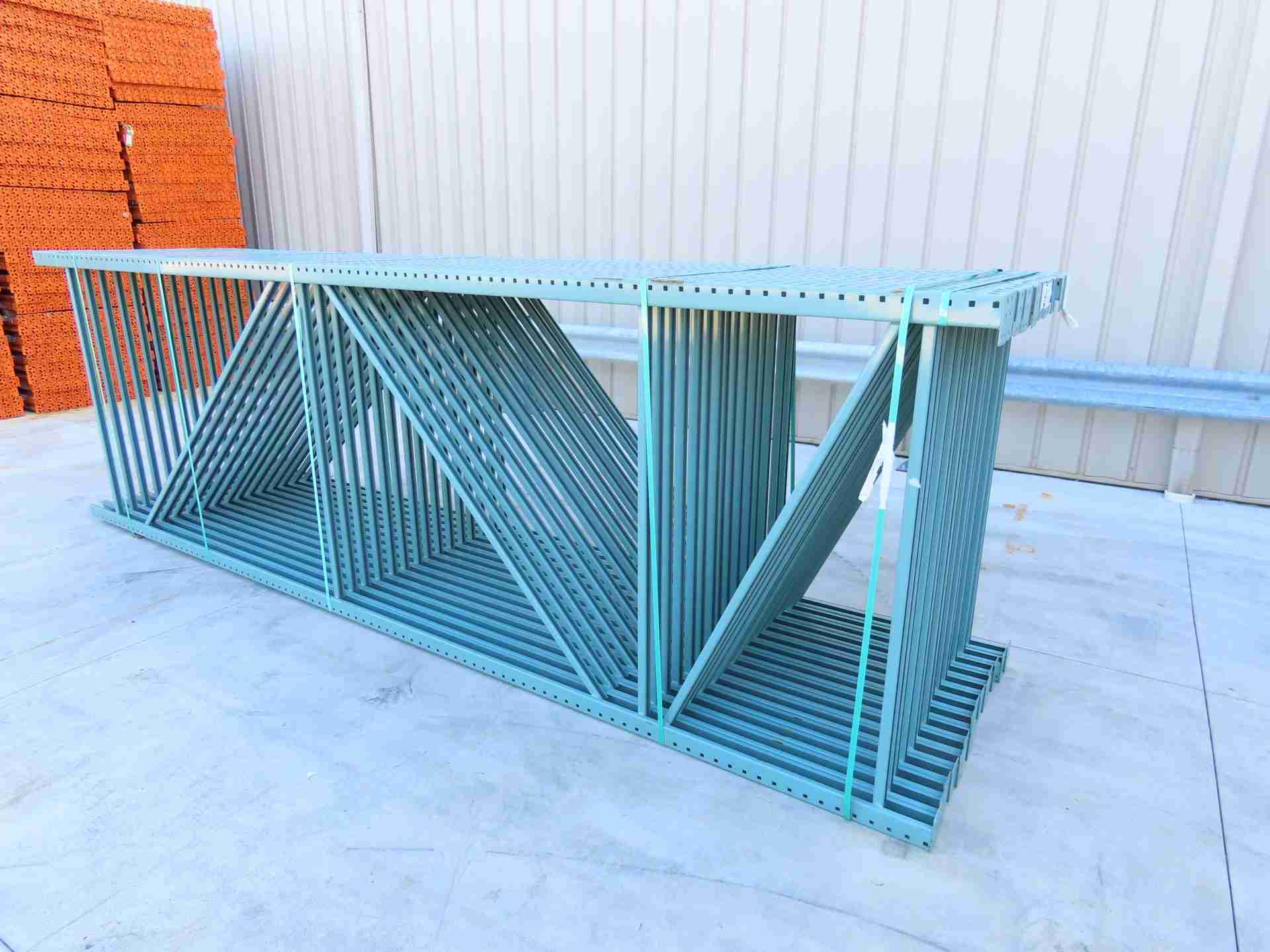
What Local Regulations Should I Consider For Pallet Racks?
What Local Regulations Should I Consider For Pallet Racks?
- Understanding and adhering to local regulations is essential for warehouse optimization with pallet racking.
- Compliance with building codes includes meeting structural integrity and fire safety standards.
- Some U.S. regions require pallet racking systems in larger warehouses to be certified by a licensed engineer.
- OSHA regulations must be followed, addressing weight limits, aisle widths, and safety requirements to avoid penalties.
- Local zoning laws can impose additional limits on pallet racking in mixed-use areas.
- Insurers often require proof of compliance with local regulations and safety standards for coverage, affecting insurance premiums.
- Investing in compliant pallet racking is crucial for building efficiency and avoiding regulatory issues.

What Local Regulations Should I Consider For Pallet Racks?
Are There Specific Safety Codes For Pallet Rack Installation?
When it comes to warehouse efficiency and safety, pallet racking systems are crucial. These systems help maximize vertical space while allowing for easy accessibility to inventory. But did you know that there are specific safety codes governing pallet rack installation? Understanding and adhering to these codes isn’t just a regulatory checkbox; it’s a fundamental aspect of protecting your workforce and investment.
Pallet racking systems, if not installed correctly, can lead to catastrophic failures. Just last year, a major retailer faced significant backlash after a poorly installed pallet rack collapsed, injuring several employees. The incident stirred discussions around compliance and safety codes. Are your racks compliant with current safety standards? Failure to adhere could not only result in accidents but also potential legal ramifications and steep fines.
The most widely recognized standards in North America are those set by the Occupational Safety and Health Administration (OSHA) and the American National Standards Institute (ANSI). These organizations publish various guidelines to ensure that pallet racks can withstand the loads for which they were designed. For example, ANSI MH16.1 outlines the requirements for the design, testing, and installation of pallet racking. This framework aids businesses in understanding the weight capacities, how to position racking systems correctly, and necessary inspections.
Don’t overlook the importance of inspections and maintenance. OSHA requires that racking systems not only meet installation guidelines but also undergo regular evaluations to identify wear and tear that could lead to structural failure. Many modern companies employ warehouse safety audits to systematically review their pallet racking systems. In a recent case, a company that regularly performed such audits discovered a significant flaw in their rack installation—preventing a potential disaster.
Another vital principle involves employee training. Just having a pallet racking system that meets safety codes isn’t enough if your employees aren’t trained on its use. Ensuring that your team understands load limits and proper unloading techniques plays a considerable role in creating a safe working environment.
In an industry marked by rapid change, adhering to the latest safety codes and regulations is imperative for businesses that want to maintain their reputation and ensure the safety of their employees. Compliant and well-maintained pallet racking systems are not just industry standards; they are essential investments in your business’s future resilience and success.

Are There Specific Safety Codes For Pallet Rack Installation?
Are There Specific Safety Codes For Pallet Rack Installation?
- Pallet racking systems are essential for maximizing vertical space and ensuring inventory accessibility in warehouses.
- Adhering to safety codes for pallet rack installation is critical for protecting workforce safety and business investment.
- Improperly installed pallet racks can lead to severe accidents, as evidenced by a recent incident involving a major retailer.
- Key safety standards are set by OSHA and ANSI; ANSI MH16.1 outlines specific design and installation requirements.
- Regular inspections and maintenance are mandated by OSHA to ensure continued safety and compliance of racking systems.
- Employee training on load limits and proper unloading techniques is crucial for maintaining a safe working environment.
- Staying updated on safety regulations is vital for businesses to protect their reputation and ensure employee safety.

Are There Specific Safety Codes For Pallet Rack Installation?
How Do Zoning Laws Impact My Pallet Rack Setup?
When it comes to optimizing warehouse operations, the role of zoning laws is often overlooked but critically important. Ignoring these regulations could lead to costly headaches, especially when it comes to your pallet racking solutions. Let’s dive into how zoning laws can dictate the structure, safety, and even the profitability of your pallet rack setup.
First and foremost, zoning laws dictate how properties can be used. For instance, if you’re located in an area zoned for commercial use, you might streamline your pallet racking systems for maximum efficiency without much fuss. However, if your facility resides in a mixed-use zone, the legal parameters could restrict certain configurations, limiting your warehouse’s potential. Imagine investing in high-capacity pallet racking only to find that your setup is non-compliant, forcing you to dismantle it and start from scratch. The cost of this mistake can be monumental.
Consider the case of a recent warehouse acquisition that turned into a compliance nightmare. The new owner discovered that their planned pallet racking arrangement violated local height restrictions dictated by zoning laws. The resulting altercation reinforced the necessity of engaging with local regulations before making any physical changes. Proper planning can help you avoid such pitfall scenarios, resulting in seamless operations and maximized vertical space.
Additionally, zoning laws often involve fire safety codes and accessibility criteria, which should inform your pallet racking layout. For example, your pallet racking setup must allow sufficient aisle widths to facilitate safe access for both employees and fire safety equipment. Failing to comply with these aspects can result in fines and disruptions, not to mention an increased risk of accidents. Increased safety should not just be seen as a legal obligation but as an investment in employee well-being and operational efficiency.
With frequent updates to legislation—especially post-pandemic, reflecting shifts in retail and logistics—staying compliant is more critical than ever. As eCommerce continues to rise, cities are reassessing zoning laws for warehouses to better accommodate the growing demand. Engaging with a zoning consultant could provide crucial insights into legal frameworks impacting your pallet racking configuration, ensuring you remain ahead of the curve.
In summary, while pallet racking systems are essential for maximizing storage and efficiency, their setup is significantly influenced by zoning laws. Before implementing your next pallet racking solution, conduct thorough research to ensure compliance, enhancing not just safety, but also the overall productivity of your warehouse.

How Do Zoning Laws Impact My Pallet Rack Setup?
How Do Zoning Laws Impact My Pallet Rack Setup?
- Zoning laws play a critical but often overlooked role in optimizing warehouse operations and pallet racking solutions.
- Compliance with zoning regulations is essential to avoid costly mistakes and potential dismantling of non-compliant setups.
- Properties zoned for commercial use allow for more flexible pallet racking configurations, unlike mixed-use zones with restrictions.
- Engaging with local regulations beforehand can prevent compliance nightmares, maximizing vertical space and operational efficiency.
- Zoning laws also dictate fire safety codes and accessibility, impacting aisle widths and layout requirements.
- Increased attention to zoning compliance is necessary amidst frequent legislative updates, especially post-pandemic.
- Consulting with a zoning expert can provide insights into legal frameworks, helping businesses stay compliant and productive.

How Do Zoning Laws Impact My Pallet Rack Setup?
What Permits Are Required For Installing Pallet Racks?
When it comes to enhancing your warehouse or storage space, installing pallet racking can be a game-changer. In the bustling world of logistics and retail, efficient use of space is paramount. However, before you dive into this transformative project, understanding the necessary permits is crucial. Navigating regulations can feel daunting, but with a clear roadmap, you can ensure a smooth installation process while avoiding costly setbacks.
First and foremost, check your local building codes. Many municipalities require a permit for pallet racking installations, especially if the system exceeds certain heights or poses a structural challenge. For example, in major urban centers like New York or Los Angeles, the fire codes and buildings department may have stringent regulations about how high you can stack your inventory and where you can place these systems concerning fire exits and sprinkler systems.
Additionally, if your installation involves modifying existing flooring—especially in cases where you’re adding significant weight—you’ll likely need an engineer’s report. This assessment can help you ensure that your warehouse floor can withstand the additional stress of heavy pallet racking without risk. This step is vital, as undersized flooring can lead to catastrophic failures, causing damage to both your inventory and your bottom line.
Moreover, if your pallet racking installation impacts electrical wires, plumbing, or HVAC systems, you may need to contact your local utility providers. During a recent surge in warehouse renovations due to e-commerce growth, many businesses overlooked these details, leading to costly delays. By getting ahead of the game, you can ensure compliance and keep your project on schedule.
Another often-overlooked aspect is the need for safety inspections. Depending on your industry, you may need to provide proof that your pallet racking complies with OSHA (Occupational Safety and Health Administration) standards. Regular inspections not only ensure safety but can also lead to long-term cost savings by preventing accidents.
Lastly, consider insurance implications. Some policies may require you to hold specific permits before claims are honored in the event of pallet racking-related accidents. Understanding these nuances can save your business tens of thousands in potential liabilities.
So, before installing pallet racking systems, conduct thorough research on local regulations and requirements. Taking the time to secure the necessary permits will not only facilitate a hassle-free installation but also protect your investment and ensure compliance with industry standards. Don’t let overlooked permits turn your warehouse dream into a logistical nightmare; plan ahead and set your business up for success!

What Permits Are Required For Installing Pallet Racks?
What Permits Are Required For Installing Pallet Racks?
- Check local building codes as many municipalities require permits for pallet racking installations.
- Permits may be necessary if the racking exceeds certain heights or poses structural challenges.
- Obtain an engineer’s report if modifying existing flooring to ensure it can support the added weight.
- Contact local utility providers if installation affects electrical wires, plumbing, or HVAC systems.
- Ensure compliance with OSHA standards through necessary safety inspections.
- Understand insurance implications; some policies may require specific permits for claims related to accidents.
- Conduct thorough research on local regulations to facilitate a hassle-free installation and protect your investment.

What Permits Are Required For Installing Pallet Racks?
Are There Weight Limits Imposed By Local Laws On Pallet Racks?
When it comes to optimizing warehouse efficiency, *pallet racking* stands as a cornerstone of modern material handling. However, many operators overlook a crucial aspect that can make or break their operations: weight limits imposed by local laws. Understanding these regulations can save you from potentially costly fines, operational disruptions, or even catastrophic accidents.
Let’s face it—nobody wants the headache that accompanies exceeding weight limits on *pallet racks*. The basic premise is simple: while industrial storage solutions allow for impressive weight capacities, local regulations often establish guidelines to ensure safety and compliance. For instance, various municipalities may enforce weight restrictions based on specific structural engineering studies of warehouse buildings. Ignoring such mandates can invite scrutiny from local authorities and may endanger your workforce.
To solidify your knowledge base, let’s consider a practical example. In California, the California Building Code (CBC) establishes guidelines for storage rack systems, including limits on individual load capacities based on seismic safety measures. When a major earthquake rattled the region last year, these regulations proved their worth—facilitating safer, more resilient storage solutions that kept workers and products safe.
Moreover, with the rise of e-commerce, particularly during global events like the pandemic, the pressure to maximize stored inventory is at an all-time high. This has led some businesses to unwittingly exceed local weight limits on *pallet racks*, resulting in accidents that could otherwise have been avoided. For example, a warehouse in Houston recently faced penalties after a compliance check revealed their racking system was overloaded, leading to fines and expensive repairs.
Remember, compliance isn’t just about avoiding penalties; it’s a matter of preserving your brand’s reputation and ensuring employee safety. Investing in regular safety audits and consulting with structural engineers to verify load capacities will arm you with the knowledge necessary to navigate local laws effectively.
While maximizing your warehouse’s potential through *pallet racking* is essential, don’t disregard the critical importance of adhering to local weight limits. A strategic approach not only ensures compliance but positions your business as a responsible, safety-conscious operator in a competitive market. Being proactive today can prevent the headaches of tomorrow, safeguarding both your assets and your workforce.

Are There Weight Limits Imposed By Local Laws On Pallet Racks?
Are There Weight Limits Imposed By Local Laws On Pallet Racks?
- Pallet racking is essential for warehouse efficiency but must comply with local weight regulations.
- Exceeding weight limits can lead to fines, operational disruptions, and safety hazards.
- Local guidelines, such as California’s Building Code, enforce weight restrictions for safety and compliance.
- Ignoring regulations can attract scrutiny from authorities and endanger workers.
- Recent e-commerce trends have increased pressure to maximize inventory, leading to potential overloads on pallet racks.
- Regular safety audits and consultations with structural engineers help ensure compliance with weight limits.
- Adhering to local regulations enhances brand reputation and protects assets and workforce safety.

Are There Weight Limits Imposed By Local Laws On Pallet Racks?
Conclusion
In the intricate world of warehouse management, understanding the nuances of local laws governing pallet racking isn’t just a good idea—it’s a necessity that can spell the difference between operational success and unforeseen setbacks. As we’ve explored, adhering to building codes, safety regulations, and zoning laws can safeguard your business from potential fines, legal troubles, and accidents that could derail your operations.
From the foundations laid by building codes that dictate the very structure of your racking system to the fire safety regulations that determine the materials you can use, each local law serves a crucial purpose in ensuring not only compliance but also the safety of your employees and the integrity of your inventory. Consider the stringent requirements enforced in earthquake-prone regions, or the mandatory inspections by OSHA that highlight the critical need for compliance. Ignoring these regulations isn’t merely a legal oversight; it can have catastrophic consequences.
Navigating these laws doesn’t need to be daunting. On the contrary, it can be a powerful opportunity to enhance your warehouse efficiency and resilience. By investing the time to consult the necessary zoning ordinances and obtain required permits, you not only mitigate risks but also maximize your storage capabilities—turning potential headaches into competitive advantages.
As you think about enhancing your operations, keep in mind that compliance goes hand in hand with better safety, reduced insurance premiums, and a more productive workplace. In a climate of constant regulatory shifts, especially with the growth of eCommerce, staying ahead of the curve is critical for success.
At Arrow Industrial Sales, we recognize that knowledge is power. That’s why we encourage you to take proactive steps today. Call us at (574) 349-6575 for tailored guidance on how local regulations impact your pallet rack purchase. Your timely consultation could save you from future headaches and set you on a path toward operational excellence. Don’t wait—arm your business with the expertise and solutions you need to thrive in a compliant, efficient, and safe warehouse environment. Time is of the essence, and every moment you delay could cost you dearly!

Conclusion
Conclusion:
- Understanding local laws on pallet racking is essential for operational success.
- Compliance with building codes, safety regulations, and zoning laws protects against fines and accidents.
- Different regulations dictate the structure and materials of racking systems, especially in risk-prone areas.
- Navigating local laws can enhance warehouse efficiency and resilience while maximizing storage capabilities.
- Compliance leads to improved safety, lower insurance premiums, and a more productive workplace.
- Staying ahead of regulatory changes is critical for success, particularly in the eCommerce sector.
- Consult Arrow Industrial Sales for tailored guidance on how local regulations influence your pallet rack investments.

Conclusion
Other Resources

Other Resources
Here is a list of other resources you can review online to learn more:
- Iowa Illinois Warehouse Racking
- Total Warehouse
- RMI
- Teardrop Pallet Rack – Ridg-U-Rak
- Material Handling Industry
- Selective Racking
- Pallet Racking systems in Illinois, Great Lakes
- The Complete Pallet Rack Guide – Simply Rack
- NSC
- National Safety Council
Use This Prompt To Get More Resources With Your Favorite Online AI Tool: Please provide me with a list of online articles with their URLs in a bulleted list that I can read regarding What Local Laws Affect Your Pallet Rack Purchase?

Other Resources
Glossary Terms
What Local Laws Affect Your Pallet Rack Purchase? – Glossary Of Terms
1. Building Code: A set of regulations that specify the standards for construction and safety of buildings, including shelving and storage systems.
2. Zoning Laws: Regulations governing land use that determine how property can be developed and what types of structures can be erected.
3. Occupancy Permit: A permit issued by a local authority that allows a building to be occupied, ensuring that it meets all safety and compliance requirements.
4. Fire Code: Regulations that set forth requirements for fire prevention and safety in buildings, which can include specifications for storage racks.
5. Load Capacity: The maximum weight that a pallet rack can safely support, determined by engineering standards and local laws.
6. Engineering Approval: A requirement that structural designs, including pallet racks, be reviewed and approved by a licensed engineer to ensure safety.
7. Safety Standards: Guidelines that dictate how equipment and installations meet safety requirements, often established by organizations like OSHA.
8. Inspections: Evaluations conducted by local authorities or third-party professionals to ensure compliance with building codes and safety regulations.
9. Permit Requirements: Legal documentation that must be obtained before installing pallet racks, often involving site plans and engineering assessments.
10. Manufacturing Standards: Industry guidelines that govern the construction and assembly of pallet racks, which may include regional variations.
11. Seismic Regulations: Specific requirements for structures in earthquake-prone areas to ensure stability and safety of pallet racks during seismic events.
12. Environmental Regulations: Laws that govern how storage systems can affect the environment, which may impact the location and materials used in pallet racks.
13. Load Distribution: The way weight is spread across a pallet rack, important for ensuring compliance with safety and structural regulations.
14. Structural Integrity: The ability of a pallet rack to remain stable and secure under load, which must be assessed in accordance with local regulations.
15. Compliance Testing: Procedures to evaluate whether pallet racks meet required safety and engineering standards established by local law.
16. Installation Guidelines: Specific instructions that must be followed during the setup of pallet racks to comply with safety and building codes.
17. Local Authority Having Jurisdiction (AHJ): The local government agency responsible for enforcing building codes and safety regulations.
18. Accessibility Standards: Laws that ensure pallet racks and storage areas are accessible to individuals with disabilities, in compliance with ADA or local laws.
19. Insurance Requirements: Conditions mandated by insurance providers concerning the safety and installation of equipment, including pallet racks.
20. Retrofitting: Modifications made to existing storage systems to comply with updated local regulations or safety standards.
21. Material Handling Regulations: Specific laws governing how equipment can be used for loading and unloading goods, affecting how pallet racks can be integrated into workflows.
22. Restrictive Covenants: Legal agreements imposed on property that may limit the types of structures that can be built, including pallet racks.
23. Manufacturers’ Guidelines: Recommended practices by pallet rack manufacturers that should be followed to ensure compliance with safety and regulatory standards.
24. Emergency Exit Requirements: Regulations that dictate how aisles and storage areas must be configured to ensure safe evacuation during emergencies.
25. Height Restrictions: Local laws that limit how high storage systems, including pallet racks, can be installed in a facility.
26. Pallet Rack Design: The specific configuration and engineering of pallet racks, which may vary according to local regulations.
27. Training and Certification: Requirements for personnel involved in the installation or use of pallet racks, ensuring they are educated in safety and compliance.
28. Warranty Compliance: Adhering to manufacturer stipulations for installation and use of pallet racks to ensure warranty coverage.
29. Capacity Reporting: The obligation to document and report the load capacities of pallet racks as part of compliance with local safety regulations.
30. Risk Assessment: The process of evaluating the potential risks associated with pallet rack setups, a necessary step before installation as per local codes.

Glossary Of Terms
Other Questions
What Local Laws Affect Your Pallet Rack Purchase? – Other Questions
If you wish to explore and discover more, consider looking for answers to these questions:
- What are the consequences of not complying with local laws regarding pallet racks?
- How can I find out specific local laws for my area related to pallet racking?
- Are there any recent updates to local pallet rack laws or regulations?
- Who should I consult to ensure my pallet racking system complies with local laws?
- What are the best practices for training employees on safe pallet rack use?
- How do changes in zoning laws affect pallet rack installation over time?
- What are the implications of not having the necessary permits for pallet rack installation?
- Can local laws differ significantly between neighboring jurisdictions for pallet racks?
- What types of inspections are required for compliance with pallet rack regulations?
- Are there financial incentives or programs for complying with pallet racking regulations?
- How can I evaluate the stability and safety of my existing pallet racking systems?
- What role do insurance companies play in the compliance of pallet racking systems?
- How can I ensure my pallet rack design is both efficient and compliant with local laws?
- What documentation should I keep for compliance and inspections of pallet racking?

Other Questions
Checklist
What Local Laws Affect Your Pallet Rack Purchase? – A Checklist
Before Purchasing Pallet Racks:
1. Understand Local Building Codes:
_____ Verify the height restrictions for pallet racks in your jurisdiction.
_____ Check the weight capacity and load distribution specifications.
_____ Confirm any recent changes, especially related to seismic safety (e. g. California Building Code).
2. Comply with Fire Safety Regulations:
_____ Investigate local fire codes regarding rack materials and spacing.
_____ Determine if a fire suppression system (e. g. sprinklers) is required.
_____ Assess whether your pallet racks allow sufficient access for fire safety equipment.
3. Review Zoning Laws:
_____ Identify the zoning classification of your property (e. g. commercial, mixed-use).
_____ Check if there are restrictions on the design and placement of pallet racks based on zoning.
_____ Confirm if you need special permits for certain configurations or heights.
4. Familiarize Yourself with Occupational Safety and Health Regulations:
_____ Review OSHA guidelines relevant to pallet racking systems.
_____ Ensure that your racking system meets the required safety and stability standards.
_____ Investigate local variations of OSHA regulations for additional requirements.
5. Consult Local Government Departments:
_____ Contact your local building and zoning department for applicable regulations.
_____ Determine if a site inspection is required before installation.
_____ Gather information on any requisite safety audits or inspections.
During Installation:
6. Obtain Required Permits:
_____ Verify if a permit is needed for installation based on height and structural impact.
_____ Ensure your project complies with local work safety protocols and standards.
_____ Acquire an engineer’s report if your installation modifies existing flooring or structural integrity.
7. Conduct Safety Inspections:
_____ Schedule frequent inspections according to OSHA guidelines.
_____ Keep a maintenance log to document compliance with ongoing inspections and assessments.
8. Train Employees:
_____ Provide training on the load limits and correct usage of pallet racking systems.
_____ Ensure employees know the proper procedures for loading and unloading materials.
After Installation:
9. Regularly Review Compliance:
_____ Stay updated on changes to local laws that could affect your racking system.
_____ Conduct annual safety audits and compliance reviews to ensure ongoing adherence to regulations.
10. Evaluate Insurance Requirements:
_____ Discuss your compliance status with your insurance provider to avoid coverage issues.
_____ Understand potential implications for premiums based on your adherence to safety regulations.
By following this checklist, you can ensure that your investment in pallet racking systems is safe, legal, and efficient, ultimately protecting your employees and business operations.

Checklist
At RackingWorld, we help guide you through selecting warehouse storage systems and racking.
Be sure to read our other related stories at RackingWorld to learn more about warehouse storage systems.
0 Comments