
Ensuring Safety And Reliability With Secondhand Rack Parts
By Tom Seest
At RackingWorld, we help guide you through selecting warehouse storage systems and racking.
Be sure to read our other related stories at RackingWorld to learn more about warehouse storage systems.
Is It Safe to Use Secondhand Rack Components?
Few things ignite the imagination of enthusiasts and DIYers more than the thrill of uncovering hidden treasures in secondhand and vintage markets. When it comes to racking systems, we face a unique crossroads, balancing excitement and caution. Sure, the allure of acquiring sturdy, well-made components at a fraction of the cost can stir the heart, but let’s not overlook the head—and, yes, the gut.
For the practical thinker, it’s essential to assess the safety and integrity of any racking system. That means scrutinizing each bolt, shelf, and bracket with the eye of a hawk. Why? Because those racking components—once secured in place—can bear the weight not just of your gear, but of your trust. The question becomes less about whether these parts are used and more about their condition. Is there evidence of rust or bending? These signs are not just visual; they’re red flags waving in the wind, urging caution.
But let’s also navigate the emotional landscape. Each secondhand piece has a story. It’s the exact kind of narrative that connects us to our choices, one that evokes pride as we resurrect these components for a new life. Sharing that history with friends can transform a mere display of tools into a community event—a gathering where stories of restoration and utility are celebrated. In this way, embracing secondhand racking isn’t just good for the wallet; it fosters connection and appreciation among those who value craftsmanship and rugged utility.
Ethically, opting for secondhand racking aligns with a more sustainable mindset. You’re reducing waste by giving old materials a new chapter, translating into an environmentally responsible choice that resonates with many today. By repurposing and reusing, you not only save money but also contribute to a community-driven effort that honors resourcefulness.
Lastly, let’s talk about authority. Recognizing trusted sources, like local workshops or respected online marketplaces, can make the journey toward selecting secondhand racking less daunting. Engage with those who know their stuff, and tap into a wealth of shared knowledge.
In this world, your safety is paramount. So, embrace the secondhand ethos, but do so with discernment, turning caution into confidence. Trust in your instincts, ground your choices in reason, and let the heart guide you in recreating a safe, functional space worthy of your dreams and aspirations.

Is It Safe to Use Secondhand Rack Components?
Is It Safe to Use Secondhand Rack Components?
- Secondhand and vintage markets captivate enthusiasts with the thrill of discovering hidden treasures.
- When purchasing racking systems, balance excitement with caution, focusing on safety and integrity.
- Assess the condition of racking components, looking for signs of rust or bending that may indicate safety issues.
- Each secondhand piece carries a story, adding a narrative that fosters pride and community engagement.
- Buying secondhand is an environmentally responsible choice, reducing waste and promoting sustainability.
- Identify trusted sources, such as local workshops or respected online marketplaces, to ease the selection process.
- Embrace the secondhand ethos with discernment, ensuring safety while making confident, thoughtful choices.
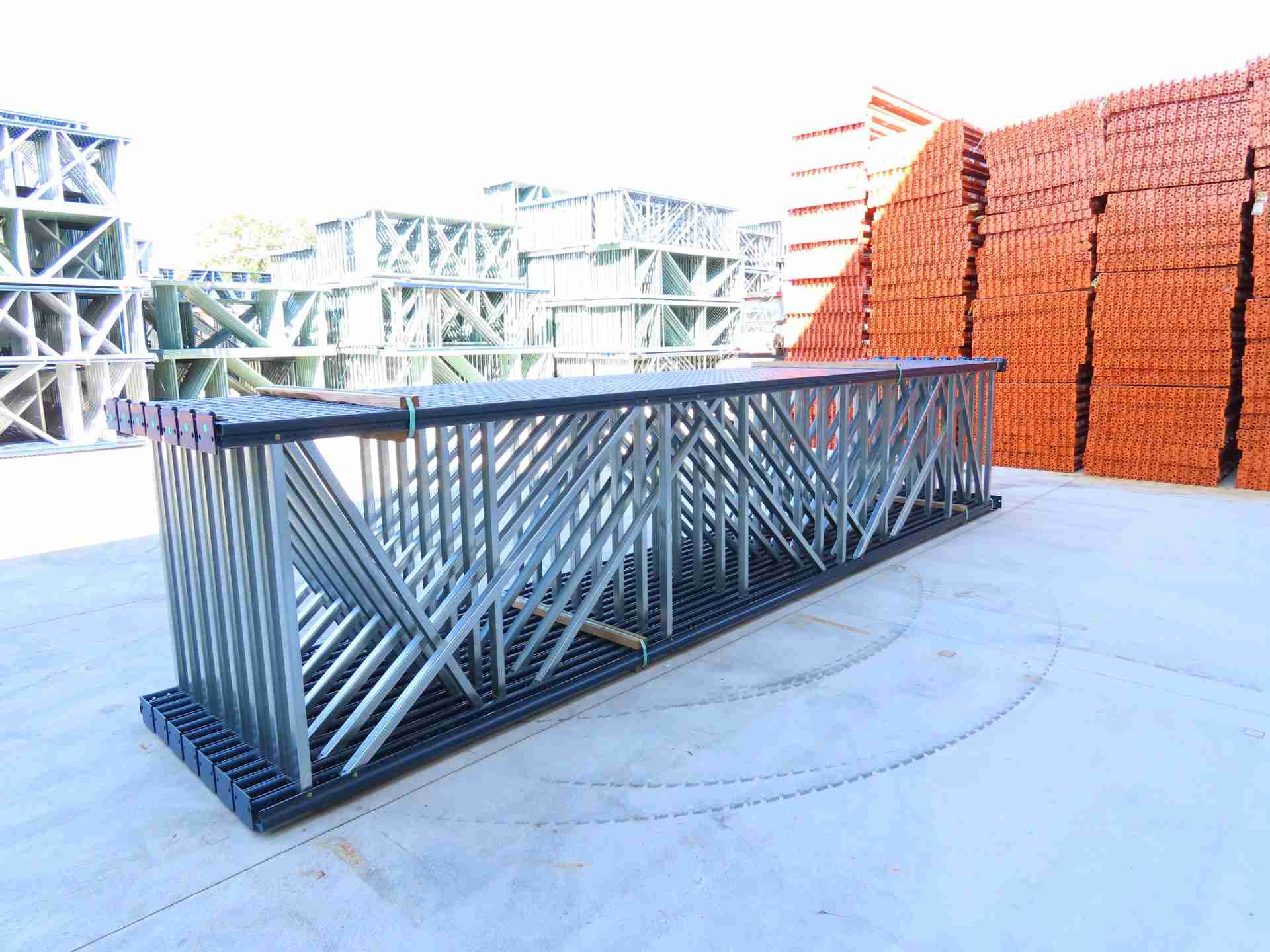
Is It Safe to Use Secondhand Rack Components?
Table Of Contents
- Is It Safe to Use Secondhand Rack Components?
- What Risks Are Associated with Using Secondhand Rack Components?
- How Can I Ensure the Quality Of Secondhand Rack Components?
- What Do Experts Say About the Reliability Of Secondhand Racks?
- How Can I Assess the Ethical Implications Of Buying Used Equipment?
- What Are the Hidden Costs Of Choosing New Versus Secondhand Racks?
- Conclusion
- Other Resources
- Glossary Of Terms
- Other Questions
- Checklist
What Risks Are Associated with Using Secondhand Rack Components?
When it comes to racking systems, the allure of secondhand components can be strong. It’s like finding an old tool at a garage sale—wear and tear aside, they hold stories, value, and potential. Yet, before you dive deep into that treasure trove of used racking, it’s crucial to weigh the hidden risks that often come with the bargain.
First, let’s talk about safety. It’s easy to overlook that a seemingly sturdy piece of racking could harbor unseen flaws. Over time, wear and fatigue can quietly compromise the integrity of metal, leaving you with a shelf that’s one too many boxes away from disaster. This isn’t just about dollars saved; it’s about trust in your workspace, your team, and the very structure that holds it all together. Every time another box stacks up, there’s an implicit gamble being made.
Moreover, think of the ethics involved in using secondhand racking. This is where the conversation turns serious. Ensuring that the racks you’re considering aren’t stolen or salvaged improperly is vital. Sourcing equipment responsibly doesn’t just protect your bottom line; it reinforces a sense of community value. Supporting sellers that prioritize safety and transparency fosters an ecosystem where everyone benefits.
Now, let’s engage those brain cells. It makes sense to invest in robust, new solutions when the stakes are this high. An inexpensive racking option might seem appealing on the surface, but on closer inspection, the total cost of ownership often tells a different story. Damaged racks can result in product loss, increased insurance premiums, and even costly downtime. If you’re running a business, those factors should hit hard in the gut.
Plus, consider the narrative that you’re crafting for your team. Are you fostering an environment of safety and responsibility, or taking shortcuts that might lead to regrets down the road? Your choices shape company culture; leading by example means prioritizing quality over quick fixes.
Lastly, think of social responsibility. Buying from reputable vendors who guarantee their products reinforces trust within your industry. You’re not just making a purchase; you’re solidifying your role in a larger narrative of accountability, quality, and care. So, before you sweep up those secondhand racking components, ask yourself: what story are you choosing to tell with your investment? It’s a decision that affects more than just your warehouse; it reverberates through your entire working community.

What Risks Are Associated with Using Secondhand Rack Components?
What Risks Are Associated with Using Secondhand Rack Components?
- Secondhand racking systems can be appealing but come with hidden risks.
- Safety concerns arise as wear and fatigue may compromise the integrity of used racks.
- Ethical sourcing is essential to avoid stolen or improperly salvaged equipment.
- Investing in new, robust racking solutions can ultimately save money and prevent losses.
- The choices made regarding racking impact company culture and employee safety.
- Supporting reputable vendors reinforces trust and accountability in the industry.
- Your investment decisions affect the wider working community, not just your warehouse.

What Risks Are Associated with Using Secondhand Rack Components?
How Can I Ensure the Quality Of Secondhand Rack Components?
When you’re diving into the world of secondhand rack components, the stakes aren’t just financial; they’re rooted in the very backbone of your operations. Let’s be honest, you want your racking to stand tall and support your dreams, not crumble under pressure from a bad decision. That’s where ensuring quality comes into play.
First, trust your gut. If a racking component gives you pause—whether it’s a bent beam or a scratched support frame—listen! It’s your instincts kicking in, trying to keep you safe and your investment sound. Excellence doesn’t come from taking shortcuts; it emerges from careful scrutiny. Evaluate every piece like you’d evaluate the foundation of your home. The integrity of a racking system is not just about it holding weight; it’s about holding confidence.
Next, tap into your head. Set aside a checklist of what “quality” means to you. Look for reputable sellers with a robust history in the industry. Seek out certifications and compliance documentation. These aren’t just fancy pieces of paper; they’re badges of honor that assure you the components have been vetted against industry standards. When a provider trusts their product enough to document its quality, that’s a good sign.
Now let’s connect with the heart of the matter—ethical sourcing. Consider the journey of that secondhand racking. Was it simply discarded, or is it part of a system that was responsibly decommissioned? Supporting vendors who prioritize sustainability not only helps the planet but also fosters a community where trust flourishes. It’s about embracing a culture of respect for resources, which ultimately enriches everyone in the supply chain.
Lastly, remember the importance of narrative—yours and theirs. When you purchase secondhand racking, you’re not just buying steel and bolts; you’re part of a story, one that speaks of resilience and ingenuity. Share your journey with others. Encourage discussions in forums, or network at industry gatherings. Learning from fellow professionals or exchanging experiences can unlock insights that transform your decision-making.
So as you contemplate the quality of that secondhand racking, approach it from all angles: the instinctual, the rational, and the ethical. Embrace the opportunity to create a robust framework for your business while fostering connections that elevate your industry. When you lay that first piece down, let it symbolize more than just support—let it embody trust, sustainability, and a brighter tomorrow.
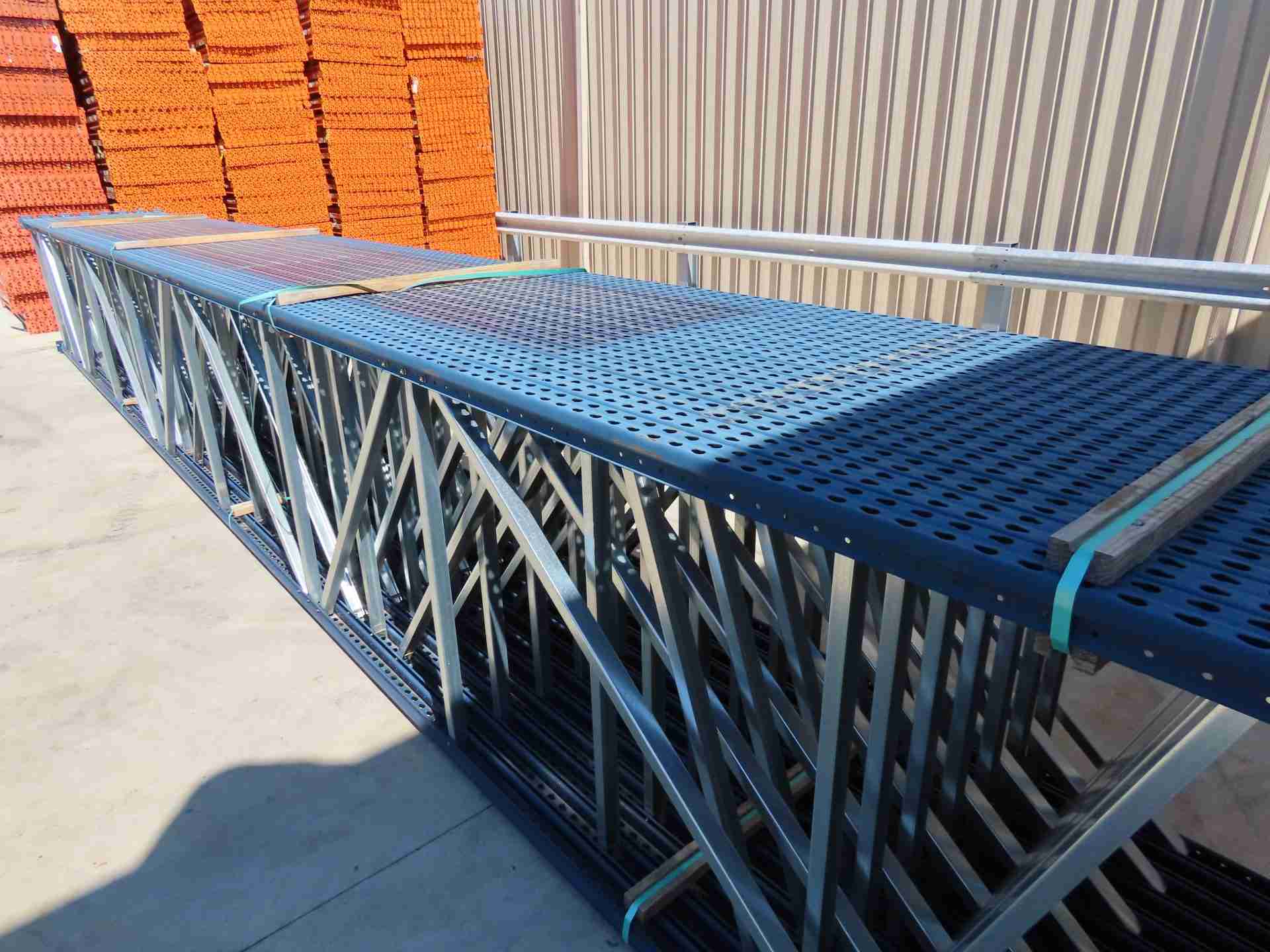
How Can I Ensure the Quality Of Secondhand Rack Components?
How Can I Ensure the Quality Of Secondhand Rack Components?
- Secondhand rack components impact both financial and operational aspects of your business.
- Trust your instincts; any concerns about the quality of a component should not be ignored.
- Evaluate racking components meticulously, as their integrity is crucial for your business’s confidence.
- Create a quality checklist and seek out reputable sellers with industry experience and certifications.
- Consider the ethical sourcing of secondhand racking; support vendors that prioritize sustainability.
- Recognize the narrative behind secondhand purchases, fostering a sense of community and shared experiences.
- Approach quality assessment from intuitive, rational, and ethical perspectives to strengthen your business foundation.

How Can I Ensure the Quality Of Secondhand Rack Components?
What Do Experts Say About the Reliability Of Secondhand Racks?
When it comes to the reliability of secondhand racks, experts have a lot to say, and their insights weave a story that hits you right in the feels. Picture this: a sturdy, time-tested racking system, once a part of a thriving warehouse, now seeking a second chance in a new space. It’s more than just racking; it’s about the stories it holds, the industry it once supported, and the future demands it could still meet.
The head speaks loudly to the practicalities involved. According to seasoned storage specialists, secondhand racks can rival brand-new systems in quality—if you know what to look for. You see, racking systems are designed to hold weight and withstand the test of time, but the key lies in assessing the condition and history of each unit. Experts encourage a thorough inspection, noting that many of these racks have seen minimal wear and tear. If the structure is solid, safe, and free from significant damage, you could easily strike gold without breaking the bank.
Yet, we can’t neglect the ethical considerations. Choosing secondhand racks is often a sustainable option, a chance to reduce waste in a world that leans ever closer to mass consumption. Professionals remind us that recycling industrial equipment is an act of stewardship—keeping the planet in mind while meeting our own business needs.
Let’s touch on the narrative aspect. Imagine a small business owner who, on a tight budget, finds a set of durable, secondhand racks. This initial investment not only supports their operational growth but tells a story—one of resilience, resourcefulness, and a commitment to making choices that align with their values. These racks, with their scuffed paint and vibrant history, become integral to a community of hard workers, each one a testament to perseverance.
Socially, we see a growing trend where businesses share their positive experiences with secondhand equipment, creating a community rooted in trust. Testimonials and success stories ripple through industry forums and social channels, bridging gaps and encouraging others to explore reuse as a viable option.
So, when experts weigh in, it’s clear: secondhand racks can provide reliability and good value, fostering not just a transaction, but a renewed purpose in the world of business. Whether for the heart, head, or gut—there’s something profound about giving old racks a second life.
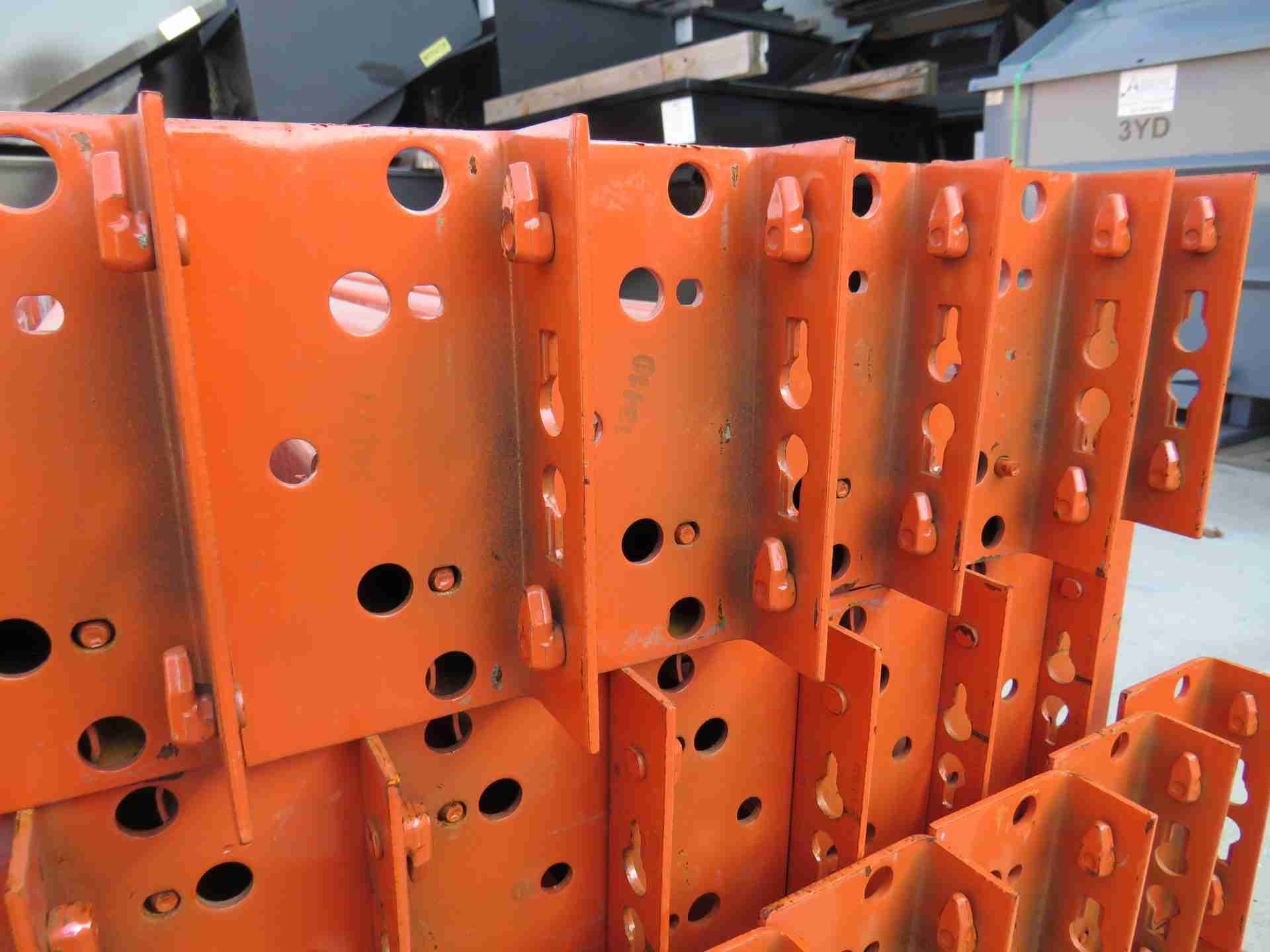
What Do Experts Say About the Reliability Of Secondhand Racks?
What Do Experts Say About the Reliability Of Secondhand Racks?
- Secondhand racks have a deep narrative, representing the history and potential for future use.
- Experts assert that quality secondhand racks can match new systems if properly evaluated.
- Assessing the condition and history of racking systems is crucial for reliability and safety.
- Choosing secondhand racks promotes sustainability by reducing waste and supporting responsible consumption.
- Businesses can invest in secondhand racks to grow while aligning with their values of resourcefulness.
- A community is forming around sharing positive experiences and testimonials of secondhand equipment.
- Secondhand racks can provide reliability and value, fostering renewed purpose in business.

What Do Experts Say About the Reliability Of Secondhand Racks?
How Can I Assess the Ethical Implications Of Buying Used Equipment?
When you think about buying used equipment, it’s easy to overlook the broader implications of that choice. You might be tempted to dismiss it as simply a financial decision, a chance to save some cash without a second thought. But let’s pause and consider the deeper layers at play. Racking your brain over the impact of your purchase is never a wasted exercise; in fact, it’s where the heart of ethical decision-making lies.
When buying used equipment, you are participating in a cycle that extends beyond your immediate need. Each item you consider has a story—and it’s packed with human labor, resources, and even triumphs and struggles. Imagine the factory worker who built it, or the small business owner who relied on it to grow their dreams. By choosing to buy used, you are not just saving a few dollars; you’re effectively joining a narrative. You’re saying “yes” to sustainability and “no” to waste. This isn’t just a transaction; it’s a testament to the values you stand for.
Rationally speaking, consider the environmental impact. A pre-loved piece of equipment doesn’t just save you money; it means fewer resources are extracted from the earth and less energy is spent on manufacturing new items. Statistically, it has been shown that repurposing equipment can significantly reduce carbon footprints. Does that sit right with you? It should.
But let’s connect on a gut level. Have you ever walked through a landfill and seen perfectly good items tossed aside? Every piece of equipment, every racking system—they all represent wasted potential. Your choice to purchase used equipment can be a part of the solution rather than the problem. It’s like a vote of confidence in a more sustainable world, a nod to those who tirelessly worked to create something that still has life left in it.
Lastly, let’s not forget the social aspect. In a community that values ethical consumption, your choices matter. When you share your story of buying used equipment, you inspire others to think critically. You create a ripple effect that encourages conversations about sustainability, remanufacturing, and responsible spending.
So, before you make that purchase, ask yourself: How does this choice reverberate through the lives of others? How does it align with the world you want to help build? When you dig into those questions, you’ll find not just the ethics of the transaction but a deeper connection to humanity. Buy wisely, and know that you are part of something bigger.

How Can I Assess the Ethical Implications Of Buying Used Equipment?
How Can I Assess the Ethical Implications Of Buying Used Equipment?
- Buying used equipment involves broader ethical considerations beyond just financial savings.
- Every used item has a story involving human labor, resources, and the struggles of its past users.
- Choosing to buy used promotes sustainability and reduces waste, aligning with personal values.
- Used equipment reduces the extraction of resources and the energy needed for new manufacturing, lowering environmental impact.
- Purchasing used items helps minimize landfill waste and supports a more sustainable lifestyle.
- Sharing your experience with buying used can inspire others to consider ethical consumption and sustainability.
- Reflect on how your purchasing choices impact others and contribute to a more conscientious world.

How Can I Assess the Ethical Implications Of Buying Used Equipment?
What Are the Hidden Costs Of Choosing New Versus Secondhand Racks?
When it comes to racking for your warehouse or workspace, the decision between new and secondhand can feel like a game of poker. You have a fresh deck of shiny racks that promise durability and modern efficiency on one side, and the rugged, seasoned veterans of secondhand racks on the other, each option carrying its own suite of hidden costs.
At first glance, new racks are tempting. They come with a warranty and the assurance that you’re getting the latest technology optimized for safety and load management. But dive deeper, and you’ll find the price tag can balloon in ways you didn’t expect. Beyond the initial purchase, consider maintenance costs, energy inefficiencies, and the potential of over-engineered designs that might not align with your actual workflow. New might mean sleek and shiny, but that doesn’t always mean it’s the right fit.
Now, turn your gaze to secondhand racks. These can feel like a treasure hunt filled with potential, often available at a fraction of the price. They come with stories etched into their steel, having endured and adapted through years of use. Yet they, too, come with hidden costs. You might save upfront, but without careful inspection, you could wind up investing more in repairs, safety modifications, or even replacements down the line. What was once a bargain can quickly feel like a gamble.
Let’s talk about the heart. There’s something undeniably satisfying about breathing new life into secondhand materials; it’s a small act of sustainability that speaks volumes about responsibility in a throwaway culture. You’re not just purchasing racks; you’re joining a lineage of practical, resourceful individuals who see value in the overlooked. Ethically, choosing wisely can also reflect your commitment to reducing waste and repurposing resources.
Socially, a smart choice in racking reflects your company’s values, influencing how customers and employees see your brand. Are you a forward-thinking innovator or a budget-conscious pragmatist? Each choice sends a message.
So, whether you’re standing in front of a pristine new racking system or a weathered piece of used equipment, remember: the true cost often lies beneath the surface. It’s not merely about what you spend today but about the long-term impact of your choice on your operations, your wallet, and your world. Choose wisely, and let your racks tell a story that supports both your ambitions and your values.

What Are the Hidden Costs Of Choosing New Versus Secondhand Racks?
What Are the Hidden Costs Of Choosing New Versus Secondhand Racks?
- Deciding between new and secondhand racking in a warehouse can be complex, akin to a game of poker.
- New racks offer durability, modern technology, and warranties, but can incur hidden costs like maintenance and energy inefficiencies.
- Secondhand racks can be more affordable but may require additional investment for repairs or safety modifications if not carefully inspected.
- Opting for secondhand racks promotes sustainability, reducing waste and supporting a culture of resourcefulness.
- Choosing your racking system reflects your company’s values, affecting perceptions among customers and employees.
- Consider the long-term implications of your choice on operations and finances, rather than just upfront costs.
- Make a decision that aligns with your ambitions and values, letting your racks tell a meaningful story.

What Are the Hidden Costs Of Choosing New Versus Secondhand Racks?
Conclusion
A journey into the world of secondhand rack components is less about mere acquisition and more about the stories, ethics, and choices we weave into our operations. As DIY enthusiasts and industry professionals alike sift through the treasure troves of secondhand markets, the balance of excitement and caution comes into play. Sure, finding a robust rack at a fraction of the cost can strike a chord, but it’s the integrity and safety of that component that must remain at the forefront.
Safety isn’t just a checkbox on your list; it’s a pivotal piece of the puzzle. Inspecting the condition of each rack—whether it’s free from rust and bends—holds the weight of trust. These structures don’t simply hold gear; they support our ambitions and livelihoods, making it imperative to ensure they can do so without compromise.
But let’s dig deeper. Each piece of equipment carries stories of resilience and utility. By choosing secondhand, we’re not merely saving money; we’re participating in a culture of sustainability and resourcefulness. This choice resonates with the values of community and craftsmanship, allowing us to foster connections that transcend the transactional. Picture the gatherings where enthusiasts celebrate their finds—stories of restoration become the backbone of community, energizing discussions about ethical consumption and responsibility.
Engaging with reputable sources amplifies our social responsibility. Purchasing from trusted vendors reinforces an ecosystem rooted in safety and transparency. It’s not just a transaction; it’s a commitment to practicing ethical consumption, ensuring that the products we integrate into our operations uphold community values and environmental stewardship.
On a rational level, those considering secondhand racks must weigh the hidden costs, both financial and ethical. The immediate savings can be appealing, but overlooking the potential for safety hazards or the need for repairs equates to risking more than just your budget. It’s a matter of company culture; by prioritizing quality, you cultivate responsibility and a commitment to excellence that resonates through your team.
Ultimately, when we choose to invest in secondhand racks, we’re crafting a narrative—one that’s about trust, accountability, and sustainability. Every component tells a story, connecting the past to the present while paving the way for a brighter future. Selecting these components isn’t just about the racks themselves; it’s about the values they embody and the legacy they continue in our workspaces. Choose wisely, and may your racks stand tall, embodying not just functionality, but the deeper principles we strive for in life and business.

Conclusion
Conclusion:
- The journey into secondhand rack components emphasizes stories, ethics, and operational choices.
- Finding affordable secondhand racks comes with the necessity of ensuring their integrity and safety.
- Inspecting racks for rust and bends is crucial for trust, as they support ambitions and livelihoods.
- Choosing secondhand promotes sustainability and resourcefulness, fostering community and craftsmanship.
- Purchasing from reputable sources enhances social responsibility and reinforces safety and transparency in transactions.
- Hidden costs, both financial and ethical, must be carefully considered when investing in secondhand racks.
- Investing in secondhand racks crafts a narrative of trust, accountability, and sustainability, reflecting core values and legacy.

Conclusion
Other Resources

Other Resources
Here is a list of other resources you can review online to learn more:
- Cantilever Rack Guide: Ordering Cantilever Racking
- IIWS Inc. Rack Installation Illinois & Rack Repairs Illinois
- Illinois Pallet Racking – Storage Solutions
- Teardrop Pallet Rack – Ridg-U-Rak
- Overhead Lifting
- ASSP
- Cantilever Rack Guide: Ordering Cantilever Racking
- Storage Equipment Manufacturers Association
- Teardrop Industrial Shelving Rack
- Iowa Illinois Warehouse Racking
- What is Selective Pallet Racking
- Pallet Racking systems in Illinois, Great Lakes
- Selective Racking
- Teardrop Pallet Rack – Ridg-U-Rak
- Cantilever Rack Configuration & Installation: A Comprehensive Guide – BMH
- Crane Manufacturers Association Of America Inc.
- NSC
- Wolter
- Chicago Pallet Racking
- Bradford Systems
Use This Prompt To Get More Resources With Your Favorite Online AI Tool: Please provide me with a list of online articles with their URLs in a bulleted list that I can read regarding Is It Safe to Use Secondhand Rack Components?

Other Resources
Glossary Terms
Is It Safe to Use Secondhand Rack Components? – Glossary Of Terms
1. Secondhand: Items that have been previously owned or used by someone else.
2. Rack Components: Parts used in rack systems, such as servers or storage units, which house electronics or equipment.
3. Safety Standards: Regulations or guidelines that dictate the safe use and operation of equipment.
4. Wear and Tear: The deterioration of an item due to regular use over time.
5. Inspection: A thorough examination of equipment to assess its condition and safety.
6. Certification: Documentation proving that a product meets certain safety and performance standards.
7. Risk Assessment: The process of evaluating potential risks associated with using secondhand components.
8. Durability: The ability of a component to withstand wear, pressure, or damage over its lifespan.
9. Compatibility: The ability of secondhand components to function correctly within an existing system.
10. Warranty: A guarantee provided by the seller regarding the condition and functionality of a product.
11. Compliance: Adherence to safety laws and regulations concerning the use of equipment.
12. Decommissioning: The process of taking equipment out of service, often requiring thorough inspection and repairs.
13. Refurbished: Equipment that has been repaired, cleaned, and restored to working order after previous use.
14. Functional Testing: Assessing the operational capabilities of a secondhand component.
15. Manufacturer Specifications: The originally provided guidelines regarding the performance and safety of equipment.
16. Longevity: The expected operational lifespan of secondhand components.
17. Safety Recall: A notice issued by manufacturers for components that have safety issues, often leading to returns or replacements.
18. Environmental Impact: The effect of using secondhand items on the environment, usually aiming to reduce waste.
19. Residual Value: The remaining value of an item after depreciation due to aging and use.
20. End-of-Life: The point at which an item can no longer be effectively used or repaired.
21. Supply Chain: The network of manufacturers, suppliers, and distributors involved in providing components.
22. Sourcing: The process of finding and obtaining secondhand components from various suppliers.
23. Documentation: Written records that provide information regarding the history, condition, and safety aspects of equipment.
24. Support Services: Assistance offered by suppliers for installation, troubleshooting, or maintenance of secondhand components.
25. Hazardous Materials: Substances that may pose risks to health or safety, potentially found in certain components.
26. Lifecycle Assessment: Evaluation of the environmental impacts of a product throughout its lifecycle, including secondhand use.
27. Operation Manual: Instructions provided for safely using and maintaining components.
28. Market Value: The current worth of secondhand components based on demand and condition.
29. Third-party Assessment: An evaluation conducted by an independent organization to verify the safety and performance of components.
30. Return Policy: The terms set by a seller regarding the return of secondhand items if they do not meet expectations.

Glossary Of Terms
Other Questions
Is It Safe to Use Secondhand Rack Components? – Other Questions
If you wish to explore and discover more, consider looking for answers to these questions:
- What specific inspections should I perform on secondhand rack components?
- How do I determine if secondhand racks are ethically sourced?
- What are the industry standards for purchasing used racking systems?
- How can I find reputable sellers of secondhand racks?
- What are the long-term risks of using secondhand versus new racks?
- Are there certifications I should look for when buying used equipment?
- How does the carbon footprint of secondhand racks compare to new ones?
- What stories and histories should I consider when choosing secondhand equipment?
- What are some common misconceptions about the reliability of secondhand racks?
- How can communities encourage the use of secondhand materials?

Other Questions
Checklist
Is It Safe to Use Secondhand Rack Components? – A Checklist
Secondhand Rack Components Checklist
Emotional Appeals
_____ Reflect on the story behind each secondhand piece. What history do they carry?
_____ Consider how repurposing these items can foster community connections and inspire others.
_____ Share your journey of restoration with friends or colleagues to celebrate craftsmanship.
Rational Appeals
_____ Conduct a thorough inspection of each component for signs of wear and tear (rust, bending, etc. ).
_____ Research the reputation of sellers or marketplaces. Do they have compliance documentation or certifications?
_____ Evaluate the total cost of ownership, including potential maintenance and repair expenses.
Ethical Appeals
_____ Ensure that the items you’re considering were ethically sourced and not stolen or salvaged improperly.
_____ Assess the environmental impact of your purchase. Are you contributing to sustainability?
_____ Support vendors who promote responsible sourcing and transparency.
Authority Appeals
_____ Seek advice from trusted experts or seasoned professionals regarding quality assessments.
_____ Look for reviews or testimonials from others who have purchased secondhand racks.
_____ Engage with reliable community forums or organizations for shared knowledge.
Narrative Appeals
_____ Create a story for your workplace about making sustainable choices with secondhand racks.
_____ Encourage discussions around your secondhand purchases to inspire a culture of responsibility.
_____ Document and share your experiences to foster connection and trust within your community.
Social Appeals
_____ Promote your choice of secondhand racks as a commitment to sustainability within your industry.
_____ Network with others who value ethical consumption and share successful experiences.
_____ Use social media or industry events to connect with like-minded individuals and organizations.
Gut Instincts
_____ Trust your intuition when assessing the physical condition of each component.
_____ Reflect on how each choice aligns with your values and business goals.
_____ Think of the potential risks associated with poor-quality components—prioritize safety.

Checklist
At RackingWorld, we help guide you through selecting warehouse storage systems and racking.
Be sure to read our other related stories at RackingWorld to learn more about warehouse storage systems.
0 Comments