
Maximizing Efficiency And Safety: Cantilever Racking’S Impact On Metal Suppliers
By Tom Seest
At RackingWorld, we help guide you through selecting warehouse storage systems and racking.
Be sure to read our other related stories at RackingWorld to learn more about warehouse storage systems.
How Do Aluminum and Non-Ferrous Metal Suppliers Leverage Cantilever Racking?
When you deal in aluminum or other non-ferrous metals, you’re handling materials that don’t just take up space—they demand respect. These metals come in odd lengths, awkward shapes, and weights that can throw a wrench in your storage plans. Cantilever racking isn’t just a fancy shelf system; it’s the tough, no-nonsense answer that lets suppliers store and access metal stock with real smartness and safety.
Picture a warehouse piled high with awkward arms and beams that don’t fit neatly on standard Pallet Racking. Cantilever racking gives you the open arms to handle those long pieces—pipes, bars, sheets—without fighting the rack or risking damage. The design lets you slide materials in and out with ease, cutting back on the strain on workers and the chance for costly dents or bends. It’s common sense meets muscle, keeping both the metals and the people handling them in better shape.
This isn’t just about making life easier. It’s about standing tall as a supplier you and your customers can trust. When your stock is orderly, safe, and accessible, you show you’re not just in it for quick flips but for the long haul. That trust translates into repeat business, stronger reputations, and a better bottom line. The kind of truth that builds solid relationships, in steel and handshake alike.
Ethically, it’s a simple call. You’re protecting your team and your inventory, avoiding accidents and waste. That’s the right thing to do. No frills. Just respect for the labor, the money, and the materials involved. You demonstrate responsibility that resonates beyond the warehouse floor; it’s good business doing good.
In real-world terms, the suppliers who switch to cantilever racking often tell the same story: less time wrestling with stock, fewer mistakes pulling orders, and a warehouse that runs like a well-oiled machine. It’s a smart investment that pays off in grit and grind, every day. From the warehouse floor to the delivery truck, cantilever racking becomes the backbone for those who roll up their sleeves and get the job done right.
So, while Pallet Racking has its place, for aluminum and non-ferrous metals, cantilever racking stands as the battle-tested champion—organizing, protecting, and setting the stage for suppliers to work smarter, safer, and with a little more pride in the craft.

How Do Aluminum and Non-Ferrous Metal Suppliers Leverage Cantilever Racking?
How Do Aluminum and Non-Ferrous Metal Suppliers Leverage Cantilever Racking?
- Aluminum and non-ferrous metals require specialized storage solutions due to their odd lengths, shapes, and weights.
- Cantilever racking provides an effective, durable system designed to store and access long metal pieces like pipes, bars, and sheets safely.
- The open-arm design of cantilever racks reduces worker strain and minimizes damage to materials during handling.
- Using cantilever racking enhances supplier reputation by promoting orderliness, safety, and long-term trust with customers.
- Ethically, cantilever racking protects employees and inventory, reducing accidents and waste.
- Suppliers report improved efficiency, fewer order errors, and smoother warehouse operations after switching to cantilever racking.
- Cantilever racking outperforms pallet racking for non-ferrous metals, promoting smarter, safer work and pride in craftsmanship.

How Do Aluminum and Non-Ferrous Metal Suppliers Leverage Cantilever Racking?
Table Of Contents
- How Do Aluminum and Non-Ferrous Metal Suppliers Leverage Cantilever Racking?
- How Does Cantilever Racking Improve Storage Efficiency for Metals?
- What Cost Savings Can Aluminum Suppliers Gain From Cantilever Racks?
- How Does Cantilever Racking Protect Delicate Non-Ferrous Metals?
- Can Cantilever Racking Adapt to Different Metal Sizes and Shapes?
- What Safety Benefits Does Cantilever Racking Offer Warehouse Workers?
- How Do Industry Leaders Choose Cantilever Racking for Metal Storage?
- Conclusion
- Other Resources
- Glossary Of Terms
- Other Questions
- Checklist
How Does Cantilever Racking Improve Storage Efficiency for Metals?
When it comes to storing metals, anyone who’s spent time wrestling with bulky, unwieldy pieces knows that the right setup can make or break the day. Cantilever racking steps into this battlefield like a trusty workhorse, smoothing out the rough edges of metal storage with a simple, no-nonsense design that just works. Unlike traditional pallet racking that boxes you in with beams and stacked shelves, cantilever racks throw those arms out wide, letting you slide long metal bars, pipes, and sheets in and out without a wrestling match or serious finger pinching.
It ain’t just about moving stuff faster, either. There’s a kind of quiet pride in seeing a warehouse floor that doesn’t look like a jumbled mess of metal pile-ups and awkwardly balanced crates. Cantilever racking transforms a cluttered space into a model of efficiency. You get a clear line of sight, easy forklift access, and zero wasted space — which means the metals get stored where they’re supposed to be, safe and sound, instead of dumped haphazardly in corners. That’s good for business, sure, but it’s also good for your peace of mind. When your team knows where to find what they need and how to get it safely, everyone works better, faster, and with fewer headaches.
And here’s where the real muscle behind cantilever racking shines: it respects the metals themselves. These aren’t just chunks of scrap; they are raw materials destined for craftsmanship, construction, and creation. Damaging a sheet or bending a pipe isn’t just a loss on the books — it’s a blow to the hard work and skill that go into turning that metal into something meaningful. With cantilever racking, you’re not shoving stuff onto pallets in a cramped space, risking dents and warps. You’re giving metals the open arms they need to stay pristine. It’s a nod to doing things right, ethically and responsibly, showing respect for materials and the hands that handle them.
This kind of setup comes with quiet authority too. It’s a tried-and-true system built from the ground up for metal storage — no flash, no fuss, just solid performance that stands up to time, weight, and frequent use. You don’t get second chances with bent beams or broken racks, and cantilever racking doesn’t pretend to be fancy; it just delivers every day like a reliable partner. That’s the kind of trust you want when managing heavy, valuable metals — a system you can count on to keep things organized and safe.
At the end of the day, switching from pallet racking crammed with obstacles to cantilever racking isn’t just a change in storage; it’s an investment in smarter work, less hassle, and more respect for the metal workhorse you deal with daily. It’s plain, practical, and built for folks who know that efficiency isn’t just about speed — it’s about making every inch count, keeping everyone safe, and getting the job done right.

How Does Cantilever Racking Improve Storage Efficiency for Metals?
How Does Cantilever Racking Improve Storage Efficiency for Metals?
- Cantilever racking offers a simple, effective design for storing bulky metal pieces, allowing easy sliding of long bars, pipes, and sheets without obstruction.
- It transforms cluttered warehouse floors into efficient, organized spaces with clear sightlines, easy forklift access, and no wasted space.
- Proper metal storage reduces damage, respecting the materials and the craftsmanship involved in turning raw metals into useful products.
- Unlike cramped pallet racking, cantilever racks prevent dents and warps by providing open support tailored for metals.
- The system is durable and reliable, designed to withstand heavy use, weight, and time without failure.
- Cantilever racking improves team productivity and safety by ensuring easy access and clear organization of materials.
- Switching to cantilever racking is an investment in smarter, safer, and more respectful metal storage that maximizes efficiency and space utilization.

How Does Cantilever Racking Improve Storage Efficiency for Metals?
What Cost Savings Can Aluminum Suppliers Gain From Cantilever Racks?
When it comes to running an aluminum supply business, every dollar counts, and cantilever racks aren’t just another piece of warehouse gear—they’re a real game-changer in saving costs. Imagine this: you’ve got long lengths of aluminum beams, pipes, and sheets cluttered about, hogging space and turning your shop floor into a maze. Pallet racking works for stacks of boxes, sure, but when you’re dealing with awkward, bulky metal pieces, cantilever racks step up like a trusted workhorse, making your storage leaner, safer, and smarter.
First off, cantilever racks free up valuable floor space by stacking those long, heavy items vertically and horizontally. This isn’t just a neat party trick; this means you can fit more inventory in the same footprint without renting extra space or expanding your building. That’s real money saved every month on rent or property costs, which any business owner knows is like a slow leak in a boat—small losses add up fast. When you can fit more stock in, you also reduce the need for frequent reordering, cutting transportation and handling expenses. Every trip saved is pure profit staying in your pocket.
Handling costs drop too. With everything organized, workers don’t waste time hunting down materials or struggling with awkward loads, which cuts down on injuries and fatigue. This isn’t just about bottom-line efficiency; it shows you care about your team’s safety and well-being—a big ethical win that builds respect and loyalty. Plus, fewer accidents mean lower insurance premiums over time. That’s a win-win that hits the heart and head alike.
There’s also the durability factor. Solid steel cantilever racks are built tough to hold heavy aluminum reliably. They don’t sag or buckle under pressure, so you avoid costly replacements or repairs. This kind of long-term durability is a silent money-saver, but those who’ve been around the block know it’s critical. Good gear that lasts means one less thing to worry about when deadlines and orders pile up.
Socially, when your warehouse runs smoothly with organized Pallet Racking and cantilever systems, it shows customers and partners you’re serious and professional. This builds trust and confidence in your brand, encouraging repeat business and referrals. People want to work with those who run clean, safe, and efficient operations—it’s just good business sense.
Cantilever racks don’t just save money; they save headaches, keep your people safe, and build a solid foundation for growth. That’s the kind of dependable, plainspoken solution every aluminum supplier should have in their toolbox.

What Cost Savings Can Aluminum Suppliers Gain From Cantilever Racks?
What Cost Savings Can Aluminum Suppliers Gain From Cantilever Racks?
- Cantilever racks optimize storage for long, bulky aluminum items, making warehouse space leaner and more efficient than pallet racking.
- They free up valuable floor space by stacking items vertically and horizontally, allowing more inventory in the same area without expanding facilities.
- Increased storage capacity reduces frequent reordering, cutting transportation and handling costs.
- Organized storage decreases handling time, injuries, and worker fatigue, enhancing safety and reducing insurance premiums.
- Durable steel construction prevents rack sagging or damage, minimizing costly repairs and replacements.
- A well-organized warehouse with cantilever and pallet racks improves brand image, building customer trust and encouraging repeat business.
- Cantilever racks provide a cost-effective, safe, and reliable storage solution that supports business growth and operational efficiency.

What Cost Savings Can Aluminum Suppliers Gain From Cantilever Racks?
How Does Cantilever Racking Protect Delicate Non-Ferrous Metals?
When you’re dealing with delicate non-ferrous metals, you know just how easy it is for things to go sideways. These materials aren’t like your run-of-the-mill steel beams; they’re softer, more prone to dents, scratches, and warping. That’s where cantilever racking earns its keep—offering a straightforward, no-nonsense solution to keep your metals safe and sound. Unlike pallet racking, which can feel like shoving everything on a crowded shelf, cantilever racking gives each piece the space and support it deserves. Arms extend out without the clutter of vertical obstructions, letting you stack pipes, tubes, sheets, or bars without pressing or scraping against anything else.
Think about it: you’ve got a shiny batch of aluminum tubing, or copper rods that have to stay perfect for the job down the line. Dropping or scratching those means lost time, wasted money, and headaches you don’t need. Using cantilever racks is like giving those metals their own personal parking spot—clear, accessible, and supported evenly from one end. It’s common sense backed by the kind of practical experience that keeps a workshop running smooth. Plus, it’s damn satisfying to know you’re handling the stuff right, showing respect for the materials and the craft.
On an ethical level, why wouldn’t you want to protect your metals? It’s not just about keeping a tight grip on profits; it’s about doing right by your team, clients, and downstream customers who count on quality. When non-ferrous metals arrive marred or damaged, it trickles down into rework, delays, and frustration. Cantilever racking eliminates a whole stack of risks by making damage a non-issue rather than just an afterthought. That’s stewardship of your tools and materials, pure and simple.
Having hard-earned authority on material handling means recognizing what works and what’s just a headache waiting to happen. Cantilever racking has been a trusted mainstay in warehouses where sensitive metals get stored, handed over, and shipped out every day. Real hands-on use has shown it’s not just a fancy option—it’s the go-to choice when protecting your metals isn’t an afterthought but a priority.
So if you’re tired of wrestling with pallet racking setups that don’t treat non-ferrous metals right, cantilever racking offers a humble but powerful fix. It makes sense for your materials, makes sense for your team, and makes sense for keeping the job done right the first time. That’s the kind of practical, down-to-earth solution anyone working in this industry can appreciate.

How Does Cantilever Racking Protect Delicate Non-Ferrous Metals?
How Does Cantilever Racking Protect Delicate Non-Ferrous Metals?
- Non-ferrous metals are delicate, prone to dents, scratches, and warping, requiring careful handling and storage.
- Cantilever racking provides a simple, effective solution by offering open arms that support metals without vertical obstructions.
- This racking system prevents damage by giving each metal piece enough space, avoiding pressing or scraping against others.
- Protecting metals with cantilever racks saves time, money, and reduces frustration by preventing product damage.
- Using cantilever racking reflects ethical responsibility toward teams, clients, and customers by ensuring quality materials.
- It is a trusted, proven choice in warehouses for handling sensitive metals and preventing costly rework and delays.
- Cantilever racking is a practical, reliable alternative to pallet racking, prioritizing material care and efficient workflow.
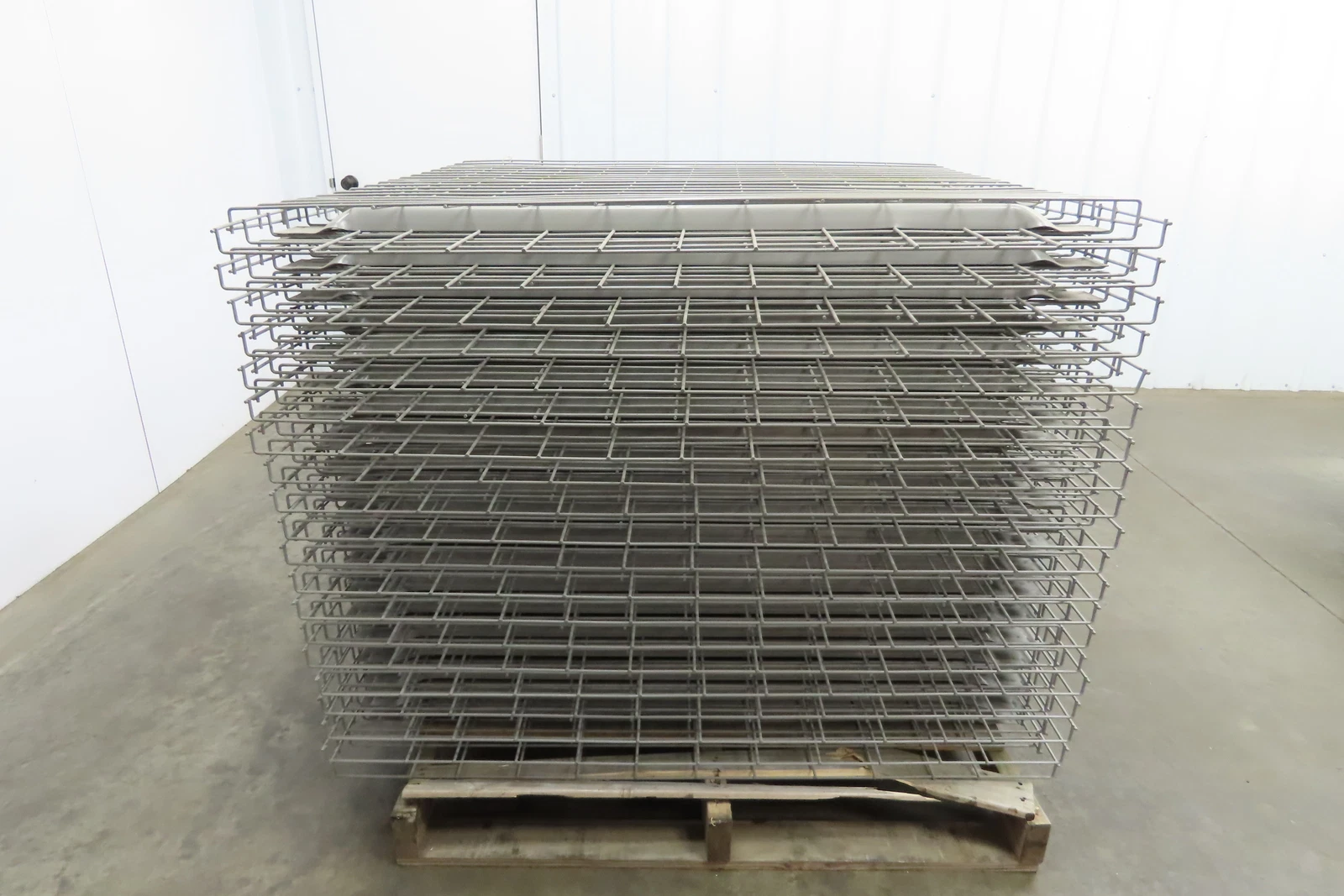
How Does Cantilever Racking Protect Delicate Non-Ferrous Metals?
Can Cantilever Racking Adapt to Different Metal Sizes and Shapes?
When you’ve worked around metal for as long as I have, you learn it doesn’t come in neat little boxes. Metals are stubborn, awkward things—long, short, skinny, thick, bent, flat, or round. Trying to stash all those shapes and sizes on pallet racking might sound like a plan, but in reality, it often leads to a mess of wasted space and frustration. That’s where cantilever racking steps into the ring like a seasoned pro who knows how to handle whatever you throw at it.
Cantilever racking is built with arms sticking out, no front columns to get in the way, making it a natural fit for oddball metal pieces that just won’t behave. It’s like the trusty old toolbox on wheels that carries every tool you need because it adapts to the job, rather than forcing the job to fit the tool. Pipes, bars, sheets, or beams—whatever your metal looks like—this setup can flex, expand, and hold it steady without turning your warehouse into a safety hazard.
On the rational side, cantilever racking offers clear benefits. You can adjust the arms up or down based on your changing inventory; different shapes don’t get jumbled together, reducing damage and making it easier to find exactly what you need when you need it. This isn’t just warehouse fluff, it’s plain efficiency that saves time and money—two things every shop floor knows are sacred. Hands down, it makes handling metal easier while protecting the materials and the folks working around them.
Ethically, using the right storage isn’t just about convenience; it means taking care of your team, your gear, and your business reputation. When metal is stored safely and smartly, accidents drop, stress eases, and everyone goes home without a scrape. Showing you prioritize safety and order is one of the quiet ways a company earns respect—not just from employees, but customers and partners who want to work with people who get it.
From a social angle, there’s a bond among the crew in a well-run shop. Folks appreciate tools and setups that make their days smoother because it’s a nod to their hard work and grit. Cantilever racking becomes more than metal and steel—it’s a symbol of common sense and respect for craft and crew.
If you’ve been wrestling with pallets and racks that don’t quite fit your metal’s personality, thinking about cantilever racking isn’t just a switch; it’s a step toward smarter work that respects the rough-and-tumble reality of what you deal with every day. The right rack can turn chaos into order, frustration into flow, and guesswork into confidence. And that makes all the difference.

Can Cantilever Racking Adapt to Different Metal Sizes and Shapes?
Can Cantilever Racking Adapt to Different Metal Sizes and Shapes?
- Metal materials come in various irregular shapes and sizes, making traditional pallet racking inefficient and space-wasting.
- Cantilever racking features outward-extending arms without front columns, ideal for storing odd-shaped metal pieces securely and accessibly.
- Adjustable arms on cantilever racks allow customization for different inventory sizes, reducing damage and improving organization.
- Using cantilever racking enhances efficiency by saving time and money, while facilitating easier metal handling and protection.
- Proper metal storage promotes workplace safety, reduces accidents, and fosters a responsible company reputation.
- Cantilever racking symbolizes respect for workers’ effort, creating a supportive and productive work environment.
- Switching to cantilever racking transforms chaotic storage into orderly, confident operations tailored to the unique demands of metalworking.
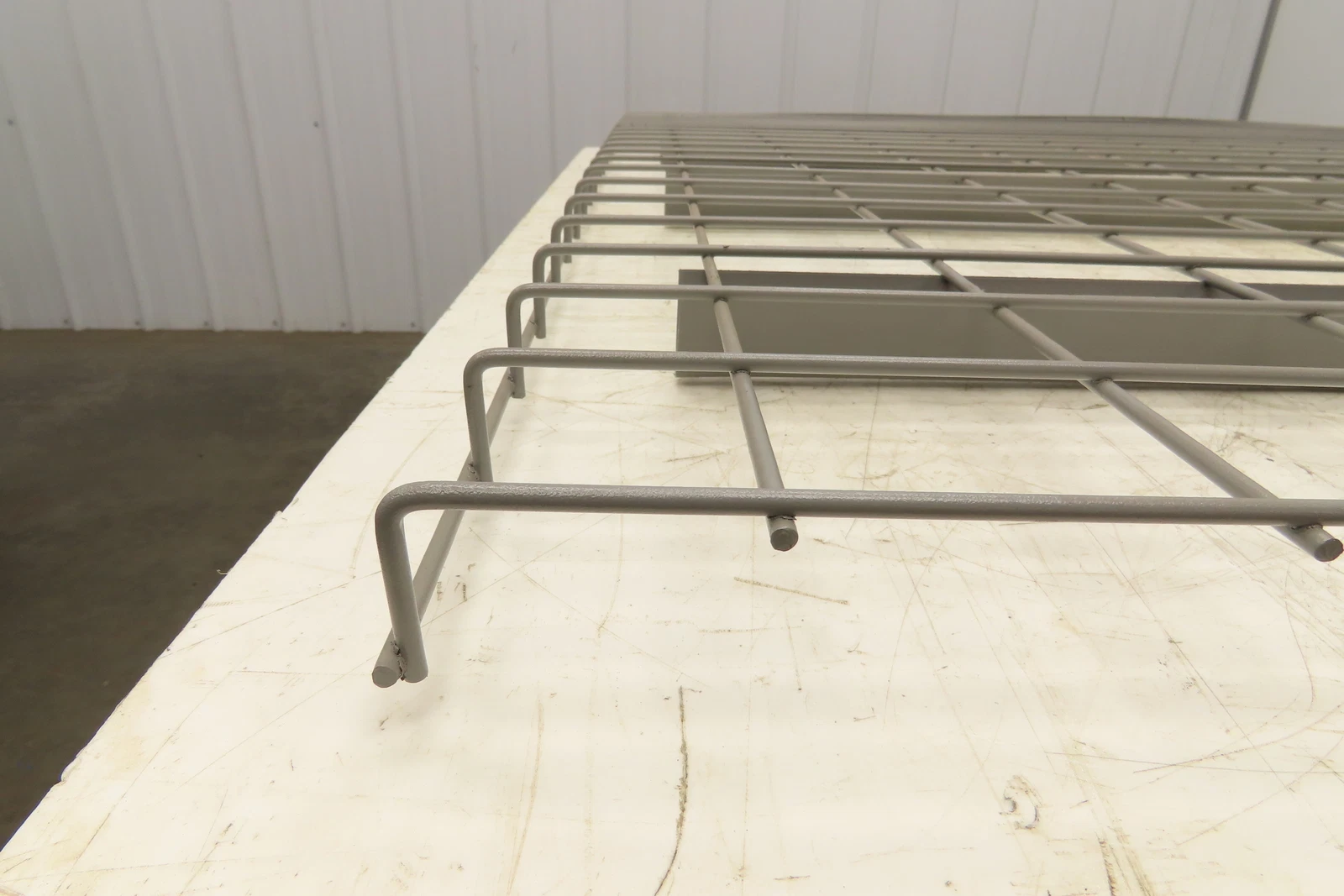
Can Cantilever Racking Adapt to Different Metal Sizes and Shapes?
What Safety Benefits Does Cantilever Racking Offer Warehouse Workers?
When you’ve been around warehouses as long as some of us have, you quickly learn that safety ain’t just about rules or signs on the wall—it’s about making sure everyone goes home in one piece at the end of the day. Cantilever racking steps in like the steady backbone every warehouse worker hopes for. Unlike traditional pallet racking, which can be a bit cramped and prone to clutter, cantilever systems open up the space, letting you stack long, bulky items with ease and without the headache of tight corners or awkward lifts.
Think about those long, heavy pipes or planks you need to move day in and day out. Pallet racking often forces you to wrestle with those loads in narrow aisles, putting your back, shoulders, and nerves to the test. Cantilever racking changes the game. It’s designed so you don’t have to contort yourself or reach over rickety shelves. That simple, open design reduces the chance someone’s going to brush up against a sharp edge or accidentally knock a load loose. Less “ouch” and more “smooth sailing” on the shift.
From the ethical side, providing cantilever racking is like saying, “We give a damn about you and your family waiting at home.” It shows respect for the people who keep the products moving, the folks who pull the heavy stuff off the racks and make sure the whole place hums like a well-oiled machine. When workers see management investing in safer equipment—not just shortcuts or temporary fixes—that trust builds, and morale climbs. A confident crew is a solid crew.
There’s also something the experts like engineers and warehouse safety pros will tell you: cantilever racking cuts down on accidents because of its strong, stable frame that handles uneven or awkward loads without tipping or collapsing. You’re not just stacking things; you’re stacking peace of mind. When the nuts and bolts are right, and the racks are solid, everyone feels it—from the new guy learning the ropes to the seasoned hand who knows the weight of a mistake.
Story’s been told too many times: warehouses lose precious hours and good people to injury and chaos when the wrong storage racks are picked. Cantilever racking offers an answer built on common sense—an invitation to work smarter, not just harder, and to keep every worker’s well-being front and center. That’s a kind of safety that doesn’t just protect bodies; it protects livelihoods, reputations, and the pride in a job well done. When your gear is right, the work flows better, and everyone walks out a little safer at quitting time.

What Safety Benefits Does Cantilever Racking Offer Warehouse Workers?
What Safety Benefits Does Cantilever Racking Offer Warehouse Workers?
- Safety in warehouses goes beyond rules; it’s about ensuring everyone returns home safely each day.
- Cantilever racking provides open space, allowing easy stacking of long, bulky items without cramped conditions or awkward lifts.
- Unlike pallet racking, cantilever designs reduce physical strain and minimize risks of injury from sharp edges or unstable loads.
- Investing in cantilever racking reflects respect for workers and builds trust and morale by showing genuine care for their safety.
- Experts highlight cantilever racking’s strong, stable frame that safely supports uneven or awkward loads, reducing accidents.
- Using the right storage system like cantilever racks prevents lost hours, injuries, and chaos, promoting smoother operations.
- Cantilever racking supports not just physical safety but also livelihoods, reputations, and pride in quality work.
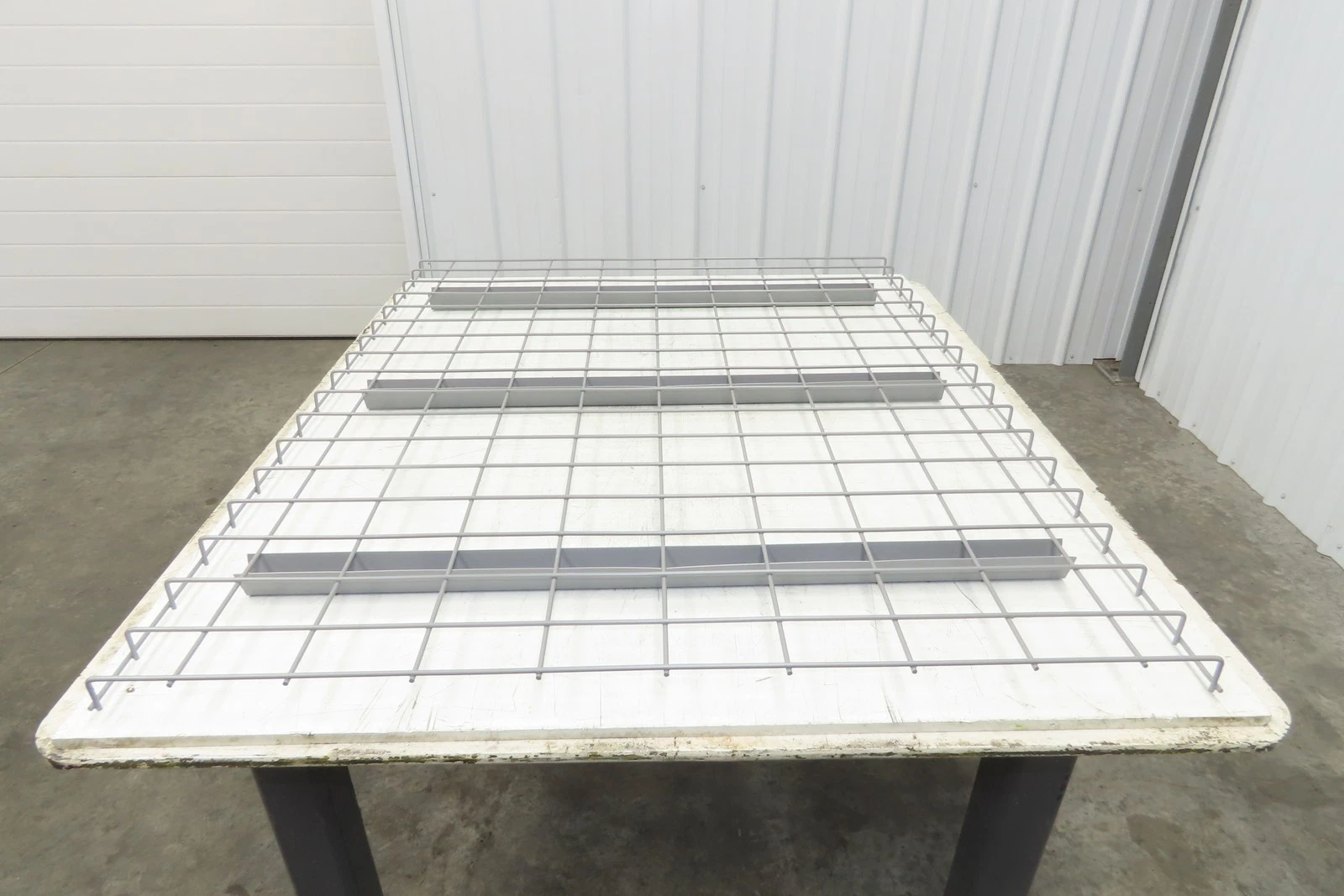
What Safety Benefits Does Cantilever Racking Offer Warehouse Workers?
How Do Industry Leaders Choose Cantilever Racking for Metal Storage?
When it comes to storing metal, industry leaders don’t just pick any old setup—they choose cantilever racking because it gets the job done right, time after time. This ain’t about flashy tech or fancy bells and whistles. It’s about solid, proven common sense that speaks to the heart, the head, and the gut.
You’ve been around forklifts, cranes, and sawdust long enough to know that metal storage isn’t just stacking pallets and calling it a day. Pallet racking has its place, sure, but when you want to store long steel bars, pipes, or oddly shaped metal sheets without banging the corners or playing jigsaw with your inventory, cantilever racking shines. It’s simple—the arms hold the load out where you can see and access it without wrestling with awkward pallets or boxes. That’s a hell of a lot less headache on the floor.
There’s a certain pride in choosing something built tough, made for the task. Cantilever racks are designed with the kind of durability that lasts, even when the job gets dirty, cold, or downright demanding. They don’t just save space—they protect the goods and the folks handling them. When an operation relies on metal stock always being ready to roll, breaking down isn’t an option. Choosing cantilever racking says, “We respect the craft and the product,” which earns trust and respect across the team.
If you ask around on any shop floor, you’ll find folks who’ve seen what half-measures look like. The narrative behind choosing cantilever racking is all about learning from those failures—avoiding scrapped materials, damaged goods, and the kind of downtime that costs real money and morale. It’s a choice guided by hard-earned wisdom, not just numbers on a spreadsheet.
Ethically, it’s about safe storage and responsible management—keeping workers safe from hazards, materials intact, and the whole operation running smooth. You don’t cut corners when handling metal that could injure or waste resources. Cantilever racking isn’t just a storage solution—it’s a statement: “We do this right.”
Industry leaders pick cantilever racking because it works. It respects the material, the crew, and the bottom line. If you want storage that makes sense from every angle—smart, safe, and sturdy—you follow their lead. This isn’t just a shelf. It’s the backbone of a well-run metal operation.

How Do Industry Leaders Choose Cantilever Racking for Metal Storage?
How Do Industry Leaders Choose Cantilever Racking for Metal Storage?
- Cantilever racking is the preferred choice for metal storage due to its proven, practical design that prioritizes efficiency and reliability over flashy features.
- Unlike pallet racking, cantilever racks are ideal for storing long steel bars, pipes, and irregularly shaped metal sheets without damage or inventory complications.
- The design holds loads visibly and accessibly, reducing handling difficulties and operational headaches on the floor.
- Cantilever racks are built for durability, capable of withstanding harsh conditions while protecting both goods and workers.
- Choosing cantilever racking reflects respect for craftsmanship, product integrity, and team trust, supporting continuous, reliable metal stock availability.
- The decision to use cantilever racking stems from practical experience and lessons learned, aiming to minimize material waste, damage, downtime, and morale loss.
- Safe, responsible storage with cantilever racks enhances workplace safety and operational smoothness, making it a fundamental element in effective metal handling operations.

How Do Industry Leaders Choose Cantilever Racking for Metal Storage?
Conclusion
In the world of aluminum and non-ferrous metal supply, storage isn’t just about stacking stuff; it’s about respect—for the material, the people handling it, and the business hustling behind the scenes. Cantilever racking steps up like the no-nonsense workhorse that gets the job done right, simplifying a tough task with a straightforward design that fits the quirks of metal stock. Unlike your standard pallet racks, which can turn a warehouse into an obstacle course, cantilever racks throw open their arms, letting long, odd-shaped, or delicate metals slide in and out with ease. This means less muscle strain, fewer accidents, and far less chance you’re turning valuable materials into junk with dents or bends.
Beyond just tidying up the floor, cantilever racking makes a statement: you care about doing things smart and safe. It’s the sign of a supplier who’s thinking long-term, building trust with customers by showing they handle their goods and people right. That kind of respect pays off in repeat business and a reputation that sticks like a handshake.
Cost-wise, it’s a quiet hero. By freeing up space and cutting down on handling headaches, these racks save real dollars every month—from lower rent and fewer trips to a safer workplace and less insurance hassle. Durable steel racks mean fewer surprise repairs eating into your margins, while organized stock keeps your operation humming. It’s efficiency wrapped in grit and common sense.
Handling delicate non-ferrous metals is another battle where cantilever racks shine. These aren’t tough-as-nails steel beams; they’re soft, easily scratched or warped. Cantilever racking offers a simple shelter that holds each piece steady and scratch-free, cutting down on costly mistakes and delays. Ethically, it’s about stewardship—it shows respect for the craft, the crew, and the downstream work depending on those materials arriving in top shape.
Adaptability is where this system earns its keep too. Metal doesn’t come in one-size-fits-all, and cantilever racks flex to fit the job—from pipes and bars to flat sheets and beams—without forcing the metal into a shape it doesn’t want. Workers get faster access, less stress, and a safer environment, which lifts morale and builds a sense of pride in a job done right.
When it comes to safety, cantilever racking is a backbone you can count on. It gives workers room to breathe, reduces awkward lifts and cramped aisles, and stands strong under uneven loads—dropping injury risks and boosting confidence across the floor. That care talks loud and clear: this is a company that values its people as much as its product.
Industry leaders who know the score choose cantilever racking not because it’s shiny or new, but because it works—steady, tough, and honest. It protects the metals, protects the crew, and keeps the operation moving without drama. It’s the kind of practical, trustworthy solution that earns respect all around, turning warehouse chaos into smooth workflow. At the end of the day, cantilever racking isn’t just storage; it’s the foundation for doing metal supply right.
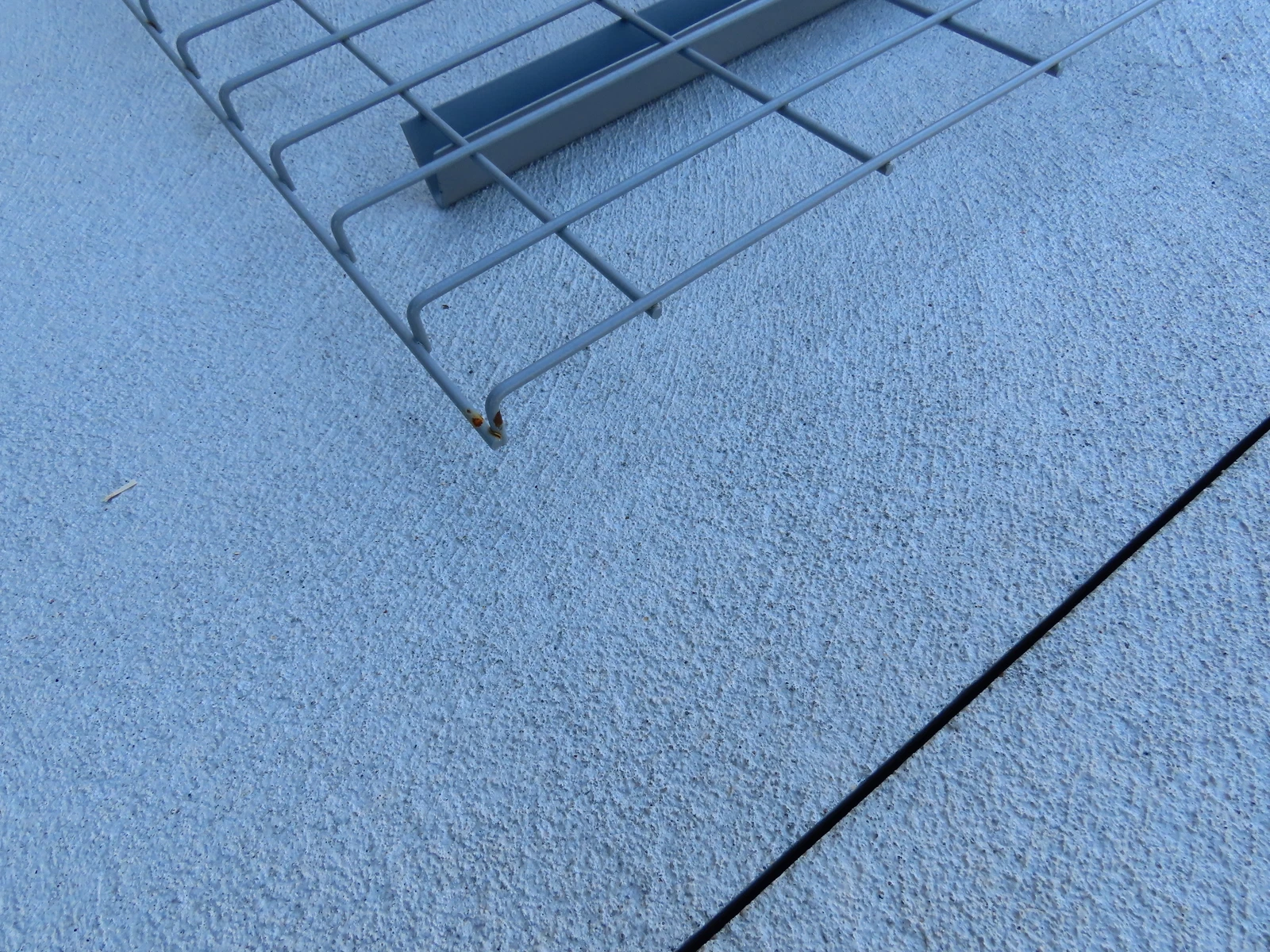
Conclusion
Conclusion:
- Cantilever racking offers a simple, effective design tailored for storing long, odd-shaped, or delicate non-ferrous metals, avoiding damage and easing handling.
- It enhances safety by reducing muscle strain, accidents, and material damage, creating a more efficient and secure workplace.
- Using cantilever racks demonstrates a supplier’s commitment to smart, safe operations and builds long-term trust with customers.
- Cost savings come from better space utilization, fewer handling issues, durable construction reducing repairs, and lower operational expenses.
- The racks protect delicate metals by providing stable, scratch-free storage, supporting ethical stewardship of materials and workforce.
- Highly adaptable, cantilever racks accommodate various metal shapes and sizes, improving worker access and morale through an organized environment.
- Industry leaders rely on cantilever racking for its reliability, protection of materials and staff, and ability to maintain smooth workflow in metal supply operations.

Conclusion
Other Resources

Other Resources
Here is a list of other resources you can review online to learn more:
- National Safety Council
- International Warehouse Logistics Association
- CA Wire
- WERC
- Pallet Racking 101: A Comprehensive Guide & Options Explained
- Warehouse Racking Systems: Beginner’s Guide to Rack Systems
- Bradford Systems
- Illinois Pallet Racking – Storage Solutions
- Mustang Material Handling
- American Society of Safety Professionals
- Illinois Pallet Racking – WPRP
- What is Selective Racking: Understanding Benefits & Options
- Cantilever Rack Configuration & Installation: A Comprehensive Guide – BMH
- Teardrop Racks – Pallet Rack World
- Warehousing Education and Research Council: https://www.werc.org/
- Chicago Pallet Racking
- Pallet Racking systems in Illinois and Great Lakes
- Iowa Illinois Warehouse Racking
- NSC
Use This Prompt To Get More Resources With Your Favorite Online AI Tool: Please provide me with a list of online articles with their URLs in a bulleted list that I can read regarding How Do Aluminum and Non-Ferrous Metal Suppliers Leverage Cantilever Racking?

Other Resources
Glossary Terms
How Do Aluminum and Non-Ferrous Metal Suppliers Leverage Cantilever Racking? – Glossary Of Terms
Cantilever Racking: A storage system with horizontal arms designed to hold long or bulky items like pipes, lumber, and metal bars.
Aluminum: A lightweight, corrosion-resistant non-ferrous metal commonly stored using cantilever racking.
Non-ferrous Metals: Metals that do not contain iron, including aluminum, copper, brass, and zinc.
Suppliers: Companies or entities that provide aluminum and other non-ferrous metals to various industries.
Storage Efficiency: The optimization of space and accessibility within a warehouse using racking systems.
Load Capacity: The maximum weight that cantilever racking arms can safely support.
Adjustable Arms: Cantilever racking components that can be repositioned to accommodate different product sizes.
Vertical Uprights: The vertical supports of a cantilever rack that hold the arms in place.
Warehouse Organization: The systematic arrangement of inventory to improve workflow and retrieval.
Accessibility: The ease of reaching and retrieving stored items from the racking system.
Bulk Storage: Storage of large quantities or bulky shapes of materials, often supported by cantilever racks.
Material Handling: The movement, protection, storage, and control of materials during warehousing.
Inventory Management: Tracking and control of stock levels, locations, and conditions.
Ergonomics: Design considerations for safe and efficient interaction with storage systems.
Space Utilization: Maximizing the use of available storage area within a facility.
Durability: The ability of cantilever racks to withstand heavy loads and environmental conditions.
Corrosion Resistance: The capability of materials, including racking components, to resist rust and degradation.
Load Distribution: The even allocation of weight across the racking arms to prevent failure.
Modularity: The design feature allowing components of cantilever racks to be added or removed as needed.
Safety Features: Elements incorporated into racking systems to prevent accidents, such as safety pins and locks.
Heavy-Duty Racking: Cantilever racks designed for storing particularly heavy or dense metals.
Long Material Storage: The capability to store lengthy items like rods, tubes, and sheets efficiently.
Space Saving: Reduction in footprint needed for storage by using vertical and cantilever racking.
Customization: Tailoring racking systems to suit specific dimensions and storage needs.
Load Stability: Ensuring stored items remain secure and balanced on the rack arms.
Retrieval Efficiency: Speed and ease of removing materials from storage.
Inventory Turnover: The rate at which stock is replaced or used.
Warehouse Safety: Practices and equipment used to minimize hazards in storage environments.
Structural Integrity: The strength and stability of the racking system under load.
Cost Effectiveness: The financial benefits gained by implementing optimized storage solutions like cantilever racking.

Glossary Of Terms
Other Questions
How Do Aluminum and Non-Ferrous Metal Suppliers Leverage Cantilever Racking? – Other Questions
If you wish to explore and discover more, consider looking for answers to these questions:
- What are the load capacities per arm, per column, and per bay for cantilever racking used with aluminum and non‑ferrous metals?
- How do you calculate required rack strength for different metal lengths, diameters, and weights?
- What arm lengths, heights, and span options are available and how do you choose the right dimensions?
- Can cantilever racking be used outdoors or in corrosive environments, and what finishes or coatings are recommended?
- How adjustable are the arms and how easy is it to reconfigure the rack for changing inventory?
- What types of arm end‑caps, padding, or protective surfaces best prevent dents and scratches on delicate metals?
- Which forklift, crane, or handling equipment is best suited for loading and unloading cantilever racks?
- How wide do aisles need to be for safe forklift access to cantilever racking?
- Can cantilever systems be combined with pallet racking or automated storage systems, and what are the integration considerations?
- What are the anchoring and foundation requirements for cantilever racks, especially for heavy or tall installations?
- How do seismic or wind loads affect cantilever racking design and what bracing is needed in seismically active regions?
- What industry standards and regulations (e.g., RMI, EN, AS/NZS, OSHA) govern cantilever racking design, installation, and inspection?
- How often should cantilever racking be inspected and what are the typical inspection checklists?
- What training should workers receive for safe storage, picking, and handling of long metals on cantilever racks?
- How do you label, organize, and access inventory on cantilever racks to maximize picking efficiency?
- What accessories are available (dividers, rollers, shelves, end stops, barriers) and when should they be used?
- How does cantilever racking compare to pallet racking and specialized coil or sheet racks for different metal types?
- What are the typical installation times and labor needs for a new cantilever racking system?
- Can existing warehouses be retrofitted with cantilever racking without major structural changes?
- What are the upfront costs of cantilever racking versus lifecycle costs, and how do you calculate ROI or payback period?
- How does cantilever racking affect insurance premiums and liability exposure for metal suppliers?
- What maintenance and repair options exist if arms, columns, or braces are damaged?
- Are replacement parts and expansion modules readily available from manufacturers or suppliers?
- What warranties do manufacturers typically offer and what do they cover?
- How should delicate or finished non‑ferrous products be separated to avoid cross‑contamination, scratching, or chemical reactions?
- How many tiers or levels of cantilever racking are practical before access, stability, or handling become problematic?
- What safety features should be installed, such as column guards, rack signage, and load labeling?
- How do you safely store mixed sizes and shapes together, and what best practices minimize damage and retrieval time?
- What case studies or performance metrics demonstrate efficiency and safety gains from switching to cantilever racking?
- How long do cantilever racks typically last, and what factors most affect their lifespan?
- Can used or reconditioned cantilever racking be a viable, safe option, and what should you inspect before purchasing used racks?
- What lead times should be expected from manufacturers for custom versus standard cantilever systems?
- How do environmental factors (temperature, humidity, chemicals) affect storage guidelines for aluminum, copper, brass, and other non‑ferrous metals?
- What permit or inspection requirements exist at the local level for installing heavy racking systems?
- How can cantilever racking support inventory control technologies like barcoding, RFID, or warehouse management systems?
- What are the best practices for stacking or nesting long lengths to prevent sagging, bowing, or stress on the rack?
- How do you plan for future growth or SKU changes when specifying cantilever racking today?

Other Questions
Checklist
How Do Aluminum and Non-Ferrous Metal Suppliers Leverage Cantilever Racking? – A Checklist
Readiness and Objectives
✅______ Define primary goals (efficiency, safety, protection of soft metals, capacity growth).
✅______ Identify target improvements (space utilization %, pick time, damage rate, injuries).
✅______ Confirm operational flow (receiving → storing → picking → staging → shipping).
Inventory Assessment
✅______ List all product forms (bar, tube, pipe, angle, channel, sheet, plate, coil, extrusions).
✅______ Record max/min length, diameter/thickness, bundle sizes, and weights per SKU.
✅______ Classify metals by sensitivity to dents/scratches (aluminum, copper, brass, etc.).
✅______ Determine turn rates and picking frequency for each SKU.
✅______ Decide FIFO/LIFO requirements.
Handling Equipment Compatibility
✅______ Confirm forklift/side-loader reach, capacity, and mast height for top arm level.
✅______ Verify required aisle width for equipment turning and clear approach.
✅______ Validate attachment needs (carpet poles, spreader bars, clamps).
✅______ Set safe load handling procedures for long loads (spotters, traffic rules).
Floor and Building Checks
✅______ Verify floor slab thickness, compressive strength, and flatness for anchor loads.
✅______ Obtain engineered anchor specifications and pull-out values.
✅______ Confirm ceiling height, sprinkler clearances, and lighting over rack zones.
✅______ Assess seismic/wind requirements where applicable.
✅______ Plan drainage/cover if outdoors; specify corrosion protection accordingly.
Rack Design and Engineering
✅______ Select cantilever column capacity based on worst-case moment from arm loads.
✅______ Choose arm length to support typical load depth with controlled overhang.
✅______ Set arm spacing to prevent sag/deflection beyond material limits.
✅______ Choose single- or double-sided columns per space plan.
✅______ Specify base length matched to arm length and column load for stability.
✅______ Select arm inclination (level or slight pitch) to prevent roll-off.
✅______ Add arm end stops/pins where needed (pipes, rounds, coils).
✅______ Add saddles/cradles for coils and round stock.
✅______ Include wire/plate decking over arms for short pieces and sheet goods.
✅______ Ensure arm adjustability increments suit SKU height changes.
✅______ Provide clear load signage per column and per arm level.
✅______ Require PE-stamped drawings and conformance to relevant racking standards.
Layout and Space Planning
✅______ Map product families by bay for shortest pick paths and minimal rehandling.
✅______ Zone by length/diameter to reduce re-slotting and damage.
✅______ Place highest-turn SKUs at ergonomic heights.
✅______ Keep heaviest items on lower levels.
✅______ Provide staging lanes near rack faces.
✅______ Mark floors for traffic, no-parking, and buffer zones.
✅______ Plan end-of-aisle protection (bollards, guardrail, end-of-row protectors).
Metal Protection Measures
✅______ Add non-marring arm covers or pads (HDPE, UHMW, rubber, felt) for soft metals.
✅______ Use dunnage/strips between layers to prevent point loads.
✅______ Apply edge guards for sheet and plate.
✅______ Segregate dissimilar metals to prevent cross-contamination or staining.
✅______ Control humidity/condensation where corrosion/tarnish is a risk.
✅______ Standardize banding/strapping and protective wrap for bundles.
Safety Controls
✅______ Post safe loading sequence and limits at each bay.
✅______ Balance loading on both sides of double-sided racks.
✅______ Prohibit impact loading; require centered placement on arms.
✅______ Install column/arm protectors in high-traffic areas.
✅______ Maintain clear sightlines and remove vertical obstructions at pick faces.
✅______ Implement spotter policy for long-load moves.
✅______ Integrate racking into facility emergency egress plans.
Labeling and Identification
✅______ Assign bay/level/arm locations with visible labels.
✅______ Use barcode/QR tags for SKUs and locations.
✅______ Color-code zones by product family or hazard.
✅______ Display max arm/bay capacities in large, durable signage.
Installation and Commissioning
✅______ Verify anchor locations and torque per engineered spec.
✅______ Check plumb/level tolerances on columns and arms.
✅______ Perform load tests per supplier guidance.
✅______ Document as-built layout and capacities.
✅______ Clear installation area of debris; establish housekeeping standards.
Training and SOPs
✅______ Train operators on approach angles, fork positioning, and long-load handling.
✅______ Train staff on damage prevention for soft metals.
✅______ Issue SOPs for storing, picking, and re-slotting on cantilever racks.
✅______ Certify operators on new equipment attachments if used.
Maintenance and Inspection
✅______ Schedule weekly visual checks (bent arms, loose anchors, damaged protectors).
✅______ Perform quarterly torque checks and detailed inspections.
✅______ Replace worn pads/covers and damaged signage promptly.
✅______ Keep bases and aisles free of debris; enforce housekeeping audits.
Cost and ROI Tracking
✅______ Baseline current KPIs (space use, pick rates, damage %, incident rate).
✅______ Estimate rent/space savings from vertical and horizontal consolidation.
✅______ Track labor time saved per pick/pull.
✅______ Monitor reduction in damage write-offs and insurance claims.
✅______ Review total cost of ownership (racks, install, protection, maintenance).
Operational Optimization
✅______ Slot high-turn SKUs at fastest-reach positions.
✅______ Group lengths to minimize partial-bundle handling.
✅______ Use kitting/staging areas for common cut lists.
✅______ Implement cycle counting by bay/zone.
✅______ Review layout quarterly as SKUs change.
Vendor and Warranty Management
✅______ Vet supplier references for similar metal applications.
✅______ Confirm lead times, spare parts availability, and expansion compatibility.
✅______ Obtain warranties for structural components and coatings.
✅______ File manuals, drawings, and certifications in a central repository.
Change Management and Expansion
✅______ Keep 10–20% capacity for growth or seasonal spikes.
✅______ Plan modular add-ons (extra arms, bays, levels).
✅______ Revalidate engineering when changing arm spacing or load patterns.
Compliance and Documentation
✅______ Maintain engineered drawings, calculations, and permits.
✅______ Log inspections, repairs, and incidents.
✅______ Ensure alignment with local codes and insurer requirements.
Go-Live Readiness
✅______ Complete operator training and sign-offs.
✅______ Verify labeling, signage, and SOP postings.
✅______ Run pilot picks and stress-test high-turn SKUs.
✅______ Approve go-live after safety and performance checks pass.

Checklist
At RackingWorld, we help guide you through selecting warehouse storage systems and racking.
Be sure to read our other related stories at RackingWorld to learn more about warehouse storage systems.
0 Comments