
Empowering Rural Communities: Optimizing Space, Savings, And Sustainability
By Tom Seest
At RackingWorld, we help guide you through selecting warehouse storage systems and racking.
Be sure to read our other related stories at RackingWorld to learn more about warehouse storage systems.
How Do Rural Cooperative Distribution Centers Leverage Pallet Racking?
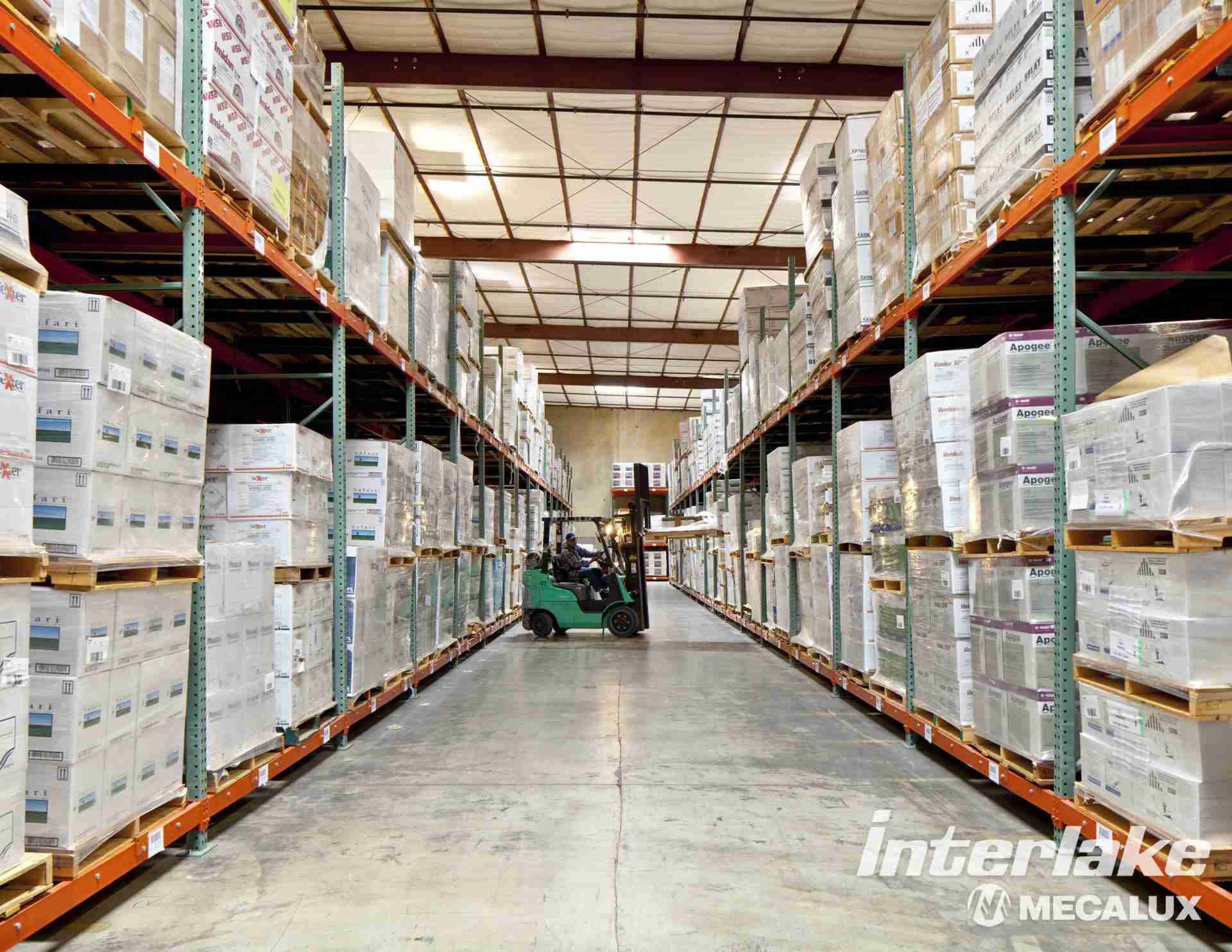
In the backwoods corners of rural America, where the sun rises slow and folks lean heavy on grit and goodwill, rural cooperative distribution centers are the unsung heroes keeping the wheels turning. Pallet racking isn’t just some fancy warehouse gadget for these places—it’s the backbone that holds everything together, both literally and figuratively. When you settle into a deal cooperative-style, everybody’s counting on the system to work smooth as fresh grease on a tractor. Pallet racking steps in as that steady, reliable partner, giving the center a way to stack goods high without losing sight or footing.
Picture a barn full of goods, from feed bags to farm tools, all needing to be sorted and shipped right. Without pallet racking, it’s easy for things to get messy, lost, or worse—damaged. These racks let the co-op maximize every inch of space. That means more products on hand, faster turns, and less time spent knee-deep in clutter trying to find what’s needed. It’s a practical solution born of necessity: when your neighbors rely on you for supplies, there’s no room for error. The system keeps shelves organized and workers safe, reducing strain and injuries that could cost hard-earned paychecks.
The beauty of using pallet racking in these centers runs deeper than just efficient storage—it’s about doing right by the community. Co-ops are built on trust and shared effort, and this tech honors that by offering a durable, low-maintenance way to manage resources. It’s ethical stewardship, ensuring product quality and fair distribution. When the harvest comes in or storms hit, those stacked pallets tell a story of resilience, showing how rural folks band together, making sure no one is left behind.
There’s also a simple pride in knowing you’re working with something tried and true. Pallet racking’s been around the block and back, proven in every kind of tough environment. It commands respect in that way—the kind that earns the nod of approval from veterans who’ve done it all without fancy help. You get the feeling that this system was made for people who value hard work over flash, reliability over gimmicks.
So, when rural cooperative distribution centers lean on pallet racking, they’re not just stacking boxes—they’re stacking confidence, community, and a promise to keep the heart of their towns beating strong. It’s a plain truth: good equipment, used well, supports more than inventory—it supports hope.

How Do Rural Cooperative Distribution Centers Leverage Pallet Racking?
How Do Rural Cooperative Distribution Centers Leverage Pallet Racking?
- Rural cooperative distribution centers rely heavily on pallet racking as the essential support system for efficient storage and operations.
- Pallet racking enables these centers to maximize space, organize goods effectively, and prevent damage or loss of products.
- It ensures faster product turnover and reduces clutter, making supplies easier to find and improving workflow.
- The system enhances worker safety by reducing physical strain and minimizing injuries, protecting valuable labor.
- Pallet racking represents ethical stewardship by supporting fair distribution, resource management, and product quality.
- Its durability and proven reliability earn respect from experienced workers who value practicality over flashy solutions.
- Beyond storage, pallet racking symbolizes community strength, resilience, and the commitment to sustaining rural livelihoods.

How Do Rural Cooperative Distribution Centers Leverage Pallet Racking?
Table Of Contents
- How Do Rural Cooperative Distribution Centers Leverage Pallet Racking?
- What Challenges Do Rural Cooperatives Face In Storage Efficiency?
- How Does Pallet Racking Improve Space In Rural Centers?
- Can Pallet Racking Reduce Handling Time In Cooperatives?
- What Cost Benefits Do Cooperatives Gain From Pallet Racking?
- How Does Pallet Racking Impact Product Safety In Rural Centers?
- Are There Ethical Sourcing Concerns In Choosing Racking Systems?
- Conclusion
- Other Resources
- Glossary Of Terms
- Other Questions
- Checklist
What Challenges Do Rural Cooperatives Face In Storage Efficiency?
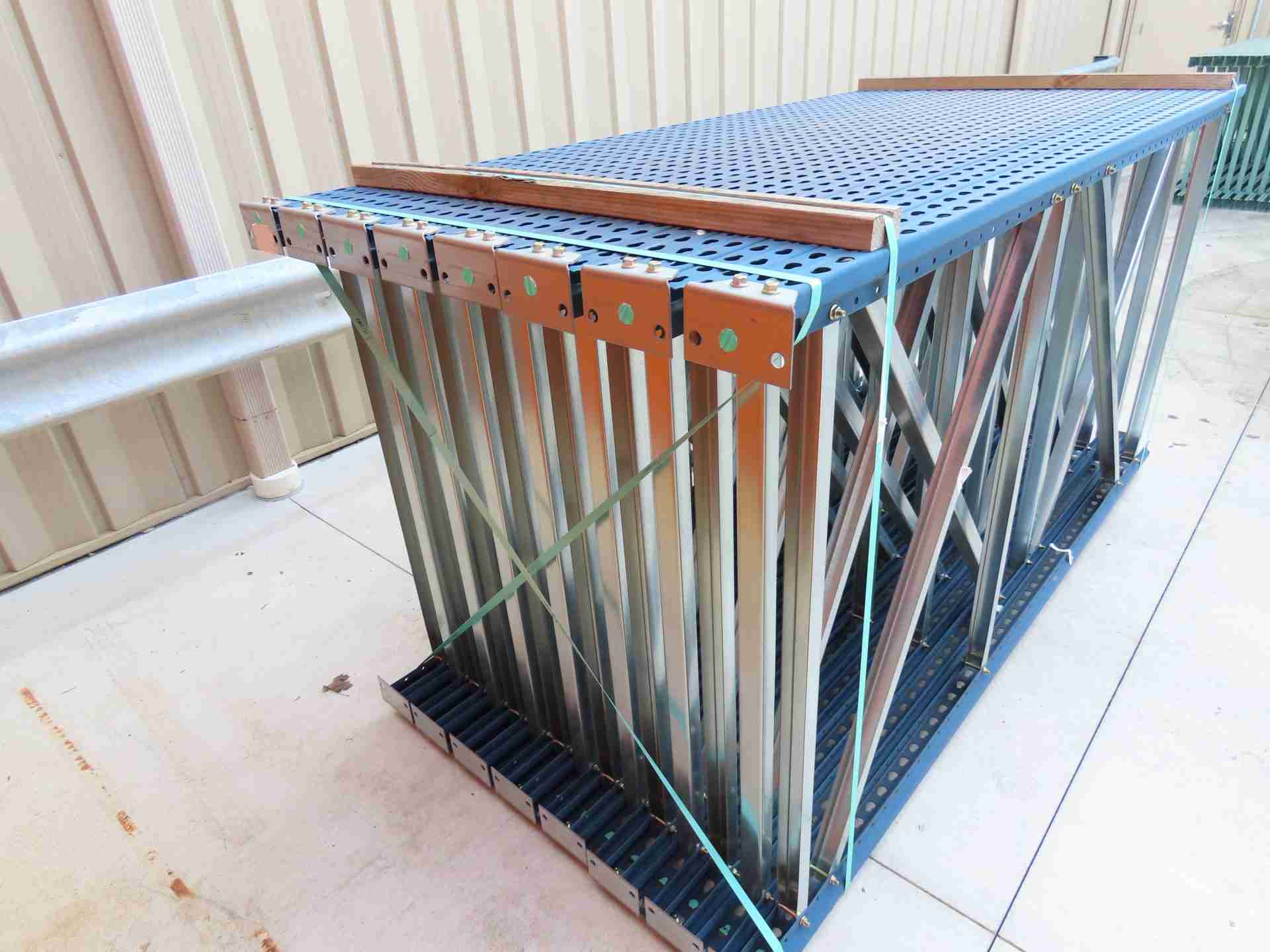
Out here, running a rural cooperative is no picnic, especially when it comes to storage. You’d think piling things up in a barn or warehouse is simple, but it’s a real headache with weeds on one side and budget cuts on the other. The first kicker is space—or the lack of it. Rural co-ops often deal with limited facilities, and every inch counts. Pallet racking systems, those clever metal frames that stack goods high without toppling over, seem like a no-brainer. Yet, installing and maintaining them costs money and know-how, stuff that’s usually in short supply around these parts.
Think about it: your harvest is bouncing in the back of the truck, and you’ve got to unload, sort, store, all before bad weather sneaks in. But with inadequate storage setups, like loose piles or flimsy shelves, crops and supplies can spoil or get damaged faster than you can say “market day.” It’s not just about keeping things off the dirt; it’s about preserving the hard-earned sweat, time, and hope wrapped up in every crate. When you see your neighbors lose a season’s worth of fruit just because of poor storage, it hits closer than any headline ever could.
Then comes the expertise gap. You don’t just throw a pallet racking system in and hope it works. It takes folks who know the ropes—how to optimize space, how to handle load limits, how to keep everything organized so you don’t waste a minute hunting for stock. Yet rural co-ops often can’t afford full-time warehouse pros or fancy training. They rely on the same hands that plant and harvest to also master storage, and that division of labor always comes with trade-offs.
On top of that, rural communities sometimes face ethical dilemmas, balancing modern efficiency against tradition. Older co-op members might be wary of changing proven methods, even if those methods lead to waste. It’s a tightrope walk between respecting heritage and embracing innovation to keep the co-op alive and thriving. Socially, too, the storage system is a community heartbeat—clunky or failing storage shakes confidence, making members worry if their cooperative can stand the next storm or market dip.
Looking at the bigger picture, investing in smarter storage isn’t just about better shelves or pallet racking. It’s about building trust among neighbors that their efforts aren’t going to waste, that their cooperative can weather challenges with grit and good sense. In the trenches of rural life, every saved crate means a meal on the table, a kid’s school fees paid, a community kept whole. Addressing these storage challenges head-on isn’t easy, but it’s where determination meets common sense—and where rural cooperatives prove they’re not just surviving, but holding their ground.
What Challenges Do Rural Cooperatives Face In Storage Efficiency?
What Challenges Do Rural Cooperatives Face In Storage Efficiency?
- Rural cooperatives face significant storage challenges due to limited space, budget constraints, and the need for effective organization.
- Pallet racking systems offer a solution by maximizing vertical storage, but they require investment and expertise that many co-ops lack.
- Inadequate storage leads to faster spoilage and damage of crops, risking the loss of entire harvests and impacting the community deeply.
- There is an expertise gap since storage management often falls to the same workers who plant and harvest, without specialized training.
- Rural co-ops struggle to balance modern storage efficiency with traditional methods, sometimes facing resistance to change.
- Storage systems serve as a social cornerstone, influencing member confidence and the cooperative’s stability during challenges.
- Investing in better storage solutions builds community trust, preserves resources, and supports the cooperative’s survival and growth.
What Challenges Do Rural Cooperatives Face In Storage Efficiency?
How Does Pallet Racking Improve Space In Rural Centers?
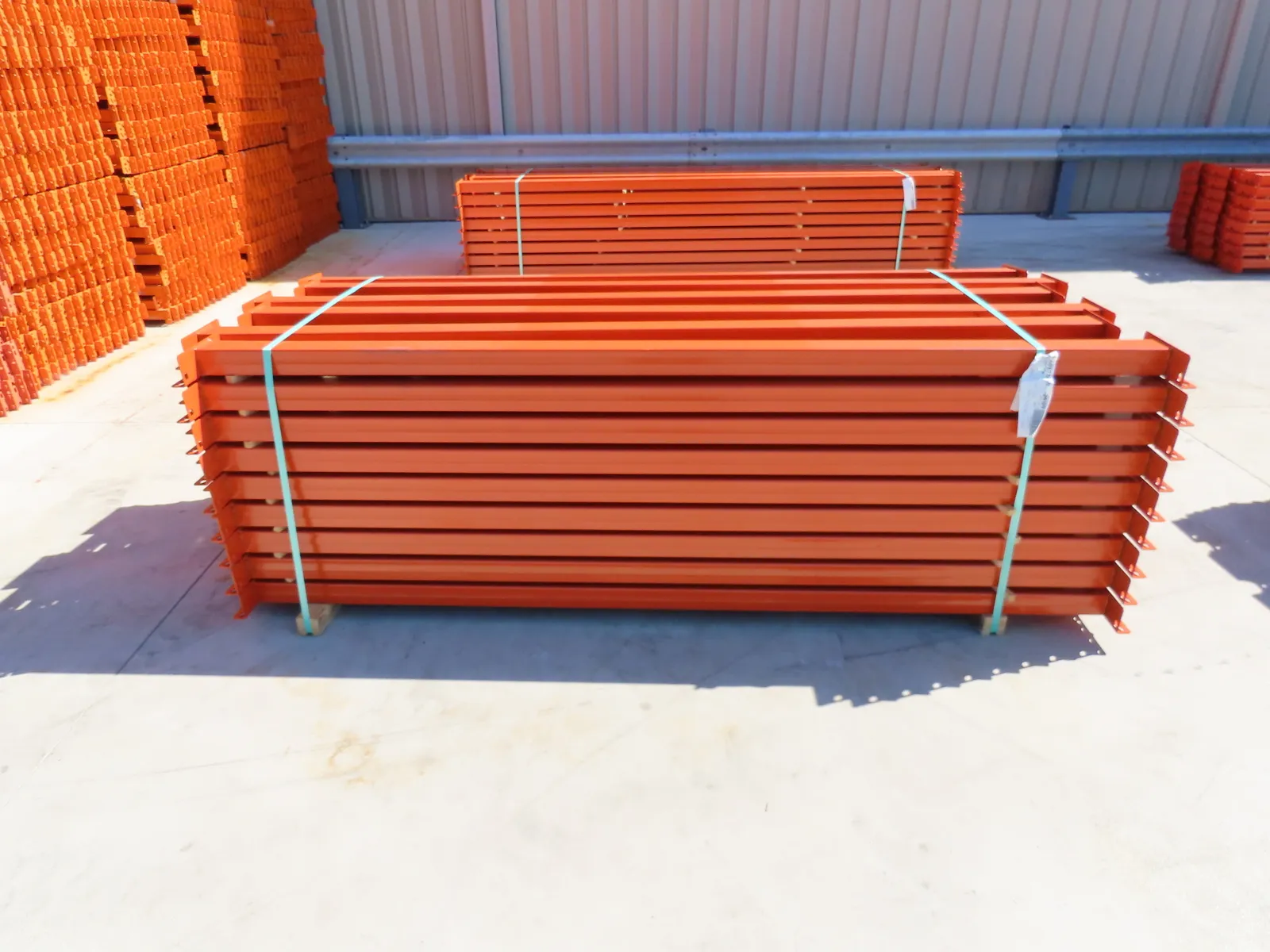
Out here in the country, space feels like one of the few things you can’t just order from a catalog or stretch with a little elbow grease. Every square foot counts, whether it’s in a barn, a supply shed, or a small warehouse. Pallet racking steps in like a good, sturdy pair of work boots—simple, reliable, and built to handle the heavy lifting of making every inch of space pull its weight.
When you stack things on the floor, you’re wasting your headroom and crowding yourself into a corner. Pallet racking changes the game by turning vertical space into usable real estate. Suddenly, what looked like a cramped storage room turns into a well-organized system where everything has a place, and finding what you need doesn’t feel like digging through a pile of yesterday’s news. It’s common sense: build up, not out, and you save room for the work that really matters—whether that’s farming equipment, feed supplies, or the tools that keep things running.
But it’s not just about making room. Pallet racking brings order to the chaos. It’s the difference between a cluttered mess that makes you grind your teeth every morning and a neat, efficient setup that feels like a relief when you walk through the door. Knowing where your stock is at a glance lets you focus on the job, not the headache. That steady, no-nonsense reliability earns trust—because when the clock’s ticking and the weather’s fighting you, you need your space to work as hard as you do.
There’s something ethically right about getting the most out of what you’ve got, too. You’re not tossing out supplies or renting some flashy warehouse farther away. You’re making do with what’s local, practical, and sustainable—qualities that build community pride and keep the rural economy strong. Pallet racking isn’t just a tool; it’s a partner in persistence, a way to roll up your sleeves and make the most of hard-earned resources.
So, if you’ve been trotting around the farm or supply center feeling boxed in, take a hard look at pallet racking. It’s the straightforward, down-to-earth answer to space troubles—workmanlike, proven, and ready to make every inch count. In a world that often moves too fast, this is real, dependable help that talks your language and gets the job done right, every time.
How Does Pallet Racking Improve Space In Rural Centers?
How Does Pallet Racking Improve Space In Rural Centers?
- Space is limited in rural settings; pallet racking provides a simple, reliable solution to maximize every square foot.
- Using vertical space with pallet racking transforms cramped storage into organized, accessible areas.
- Pallet racking saves floor space for essential farming equipment, supplies, and tools by encouraging building up rather than out.
- It brings order to clutter, creating an efficient setup that reduces frustration and saves time.
- Reliability of pallet racking earns trust by supporting work in challenging conditions.
- It promotes sustainability and community pride by optimizing local, practical resources without needing external storage solutions.
- Pallet racking is a straightforward, dependable answer to space challenges, designed to make every inch work effectively.

How Does Pallet Racking Improve Space In Rural Centers?
Can Pallet Racking Reduce Handling Time In Cooperatives?
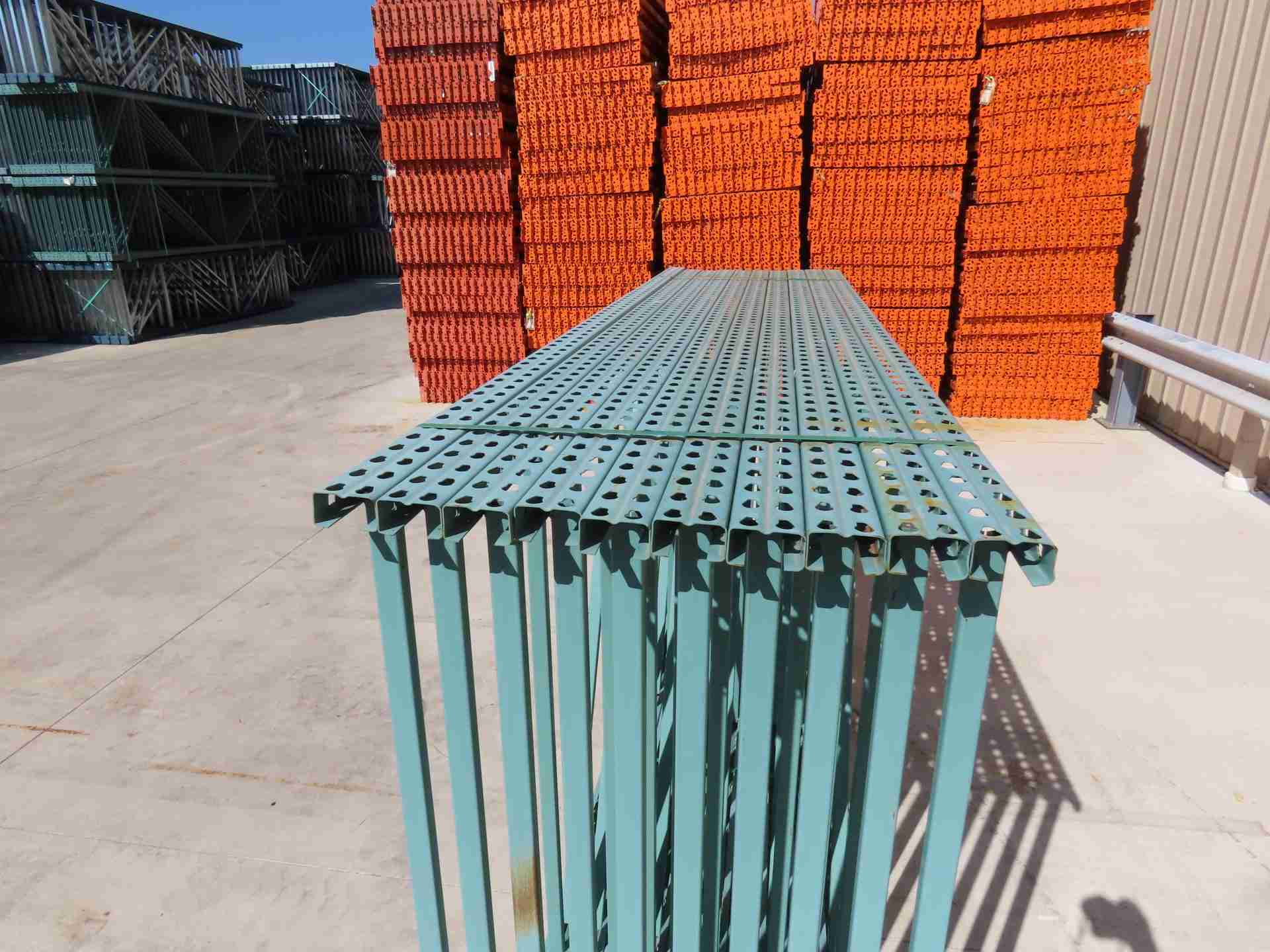
You’ve been there—workers hustling to find that one crate buried under piles of goods, forklifts weaving like they’re in a demolition derby, and everyone feeling like the day’s slipping away faster than coffee cools on a cold morning. Pallet racking isn’t just some fancy storage idea; it’s the kind of solid, no-nonsense solution that can save a cooperative from those daily headaches. When pallets have a proper, organized place to rest, handling time drops because nobody’s hunting through a jumble or stacking pallets like they’re building a rickety tower. This is common sense that comes straight from the floor, not from a glossy brochure.
Think about the heart of any cooperative—people pulling together, relying on one another, hoping to build something stronger than the sum of its parts. Giving them pallet racking is like handing them the tools to do just that. It respects their time, effort, and muscle. When goods are organized and easily accessible, it isn’t just about speed—it’s about dignity. No more wasted sweat shuffling things around, no more frustration when the clock’s ticking and the workload’s heavy. It’s about making their day smoother, safer, and more predictable. That fosters trust because workers see leadership valuing their hard work enough to invest in organization that pays off in every shift.
On the brain side of things, pallet racking cuts handling time by turning chaos into order. It’s straight-up math: less time wasted looking for stuff means more time actually getting things done. With reliable, sturdy racks, pallets slide in and out right where you expect them, reducing the stops and starts. The workflow improves, which means fewer near-misses or injuries from scrambling around. Plus, it’s easier to keep track of inventory, which cuts down mistakes, audits, and waste. It just works. Period.
There’s an ethical angle too. Cooperatives thrive on fairness and shared responsibility. Providing pallet racking shows a commitment to fairness—not making folks juggle dangerous or inefficient storage situations. It’s a simple way to clue in that every job matters, every person counts, and no one’s time should be squandered under the weight of avoidable hassle.
When one cooperative installs pallet racking, others notice. Word spreads that this isn’t just a perk for the big shots but a practical upgrade that respects the hands that keep things moving. It builds a quiet confidence and pride in the workplace that says, “We value what we do, and we do it smart.” That trust, confidence, and plain good sense add up to a community ready to roll up sleeves and get at it, knowing the system behind the scenes has their back.
So yeah, pallet racking cuts handling time by turning the workspace from a jumble into a lean, dependable machine. It’s about respect, safety, efficiency, and the everyday grit that keeps cooperatives alive and thriving.
Can Pallet Racking Reduce Handling Time In Cooperatives?
Can Pallet Racking Reduce Handling Time In Cooperatives?
- Pallet racking provides an organized, reliable storage solution that reduces handling time and prevents chaotic clutter.
- It supports cooperative workers by respecting their time, effort, and physical work, improving daily operations with dignity and efficiency.
- Organized storage enhances workflow, decreases searching time, reduces workplace injuries, and simplifies inventory management.
- Investing in pallet racking reflects a cooperative’s ethical commitment to fairness and shared responsibility.
- Such improvements build trust between leadership and workers, showing respect for everyone’s contributions.
- Visible benefits in one cooperative encourage others to adopt pallet racking, fostering pride and confidence in the workplace.
- Overall, pallet racking transforms a cluttered workspace into an efficient, safe, and dependable environment essential for cooperative success.
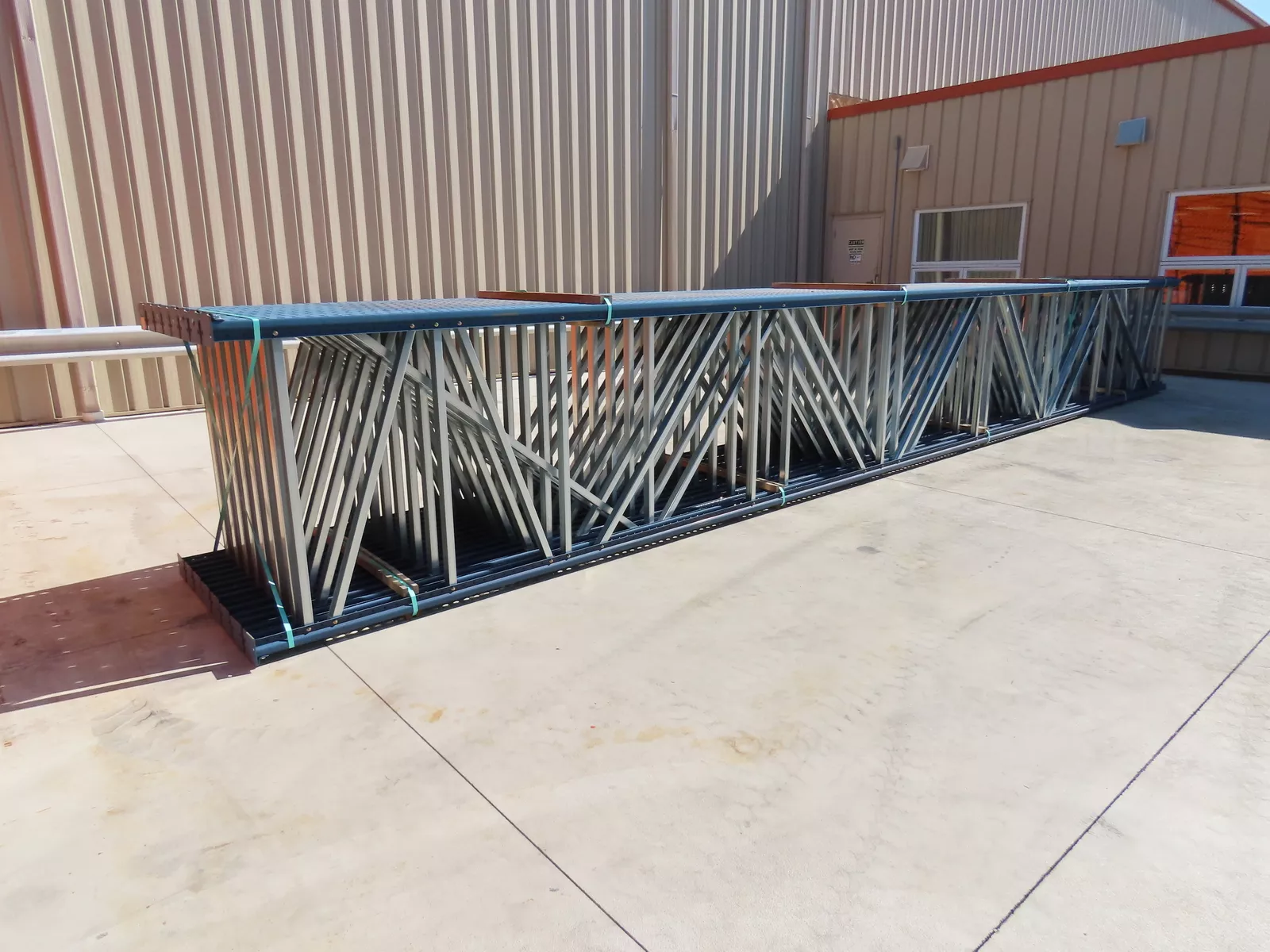
Can Pallet Racking Reduce Handling Time In Cooperatives?
What Cost Benefits Do Cooperatives Gain From Pallet Racking?
Look, cooperatives aren’t about fancy offices or flashin’ lights—they’re about rolling up sleeves, working together, and making every dollar count. Pallet racking might sound like just another piece of warehouse gear, but it’s a real game-changer when it comes to cost savings. It’s like finding extra space without paying for a new building, freeing up room so you can stack more goods safely and efficiently.
When you think about it, wasted space is wasted money. Pallet racking lets cooperatives squeeze the most out of their square footage, cutting down the need for costly expansions or renting extra storage. That kind of smart space use means you need fewer forklifts zipping around, fewer labor hours spent hunting for things, and less wear and tear on equipment. It’s the kind of no-nonsense solution that every coop member can rally behind because it saves cash and cuts headaches all at once.
But it ain’t just about dollars and cents. There’s something honest about putting your tools to work tough and steady like pallet racking does. It’s built to take the weight, the bumps, the daily grind. Knowing your inventory is safe and sound on racks that won’t buckle under pressure gives you peace of mind—and that’s worth more than a ledger entry. It’s ethical stewardship, holding assets responsibly and protecting the fruits of everyone’s labor.
Working side-by-side, cooperatives build a culture—people who trust each other and believe in sharing the load. Pallet racking fits into that story by making daily operations smoother and less stressful. When the shelves are organized, everything moves faster, no one’s scrambling, and folks can get home to their families without extra overtime. It’s a practical investment that respects the value of hard work, time, and community spirit.
Pallet racking helps cooperatives stand stronger together. It’s a tool that frees up money, saves wear, and keeps everyone’s hard-earned goods safe and easy to handle. For any cooperative looking to stretch every dollar and keep the team moving forward, it’s a quiet hero that gets the job done day after day.

What Cost Benefits Do Cooperatives Gain From Pallet Racking?
What Cost Benefits Do Cooperatives Gain From Pallet Racking?
- Cooperatives focus on teamwork, practicality, and making every dollar count rather than appearances or luxury.
- Pallet racking maximizes warehouse space without costly expansions, allowing more goods to be stored safely and efficiently.
- Efficient space use reduces the need for extra forklifts, lowers labor hours, and minimizes equipment wear and tear.
- Pallet racking is durable and reliable, providing peace of mind that inventory is secure and well-protected.
- It supports cooperatives’ values of ethical stewardship by responsibly managing and safeguarding shared assets.
- Organized storage with pallet racking improves workflow, reduces stress, and allows workers to avoid unnecessary overtime.
- Pallet racking strengthens cooperatives by saving money, protecting goods, and enabling smooth daily operations consistently.
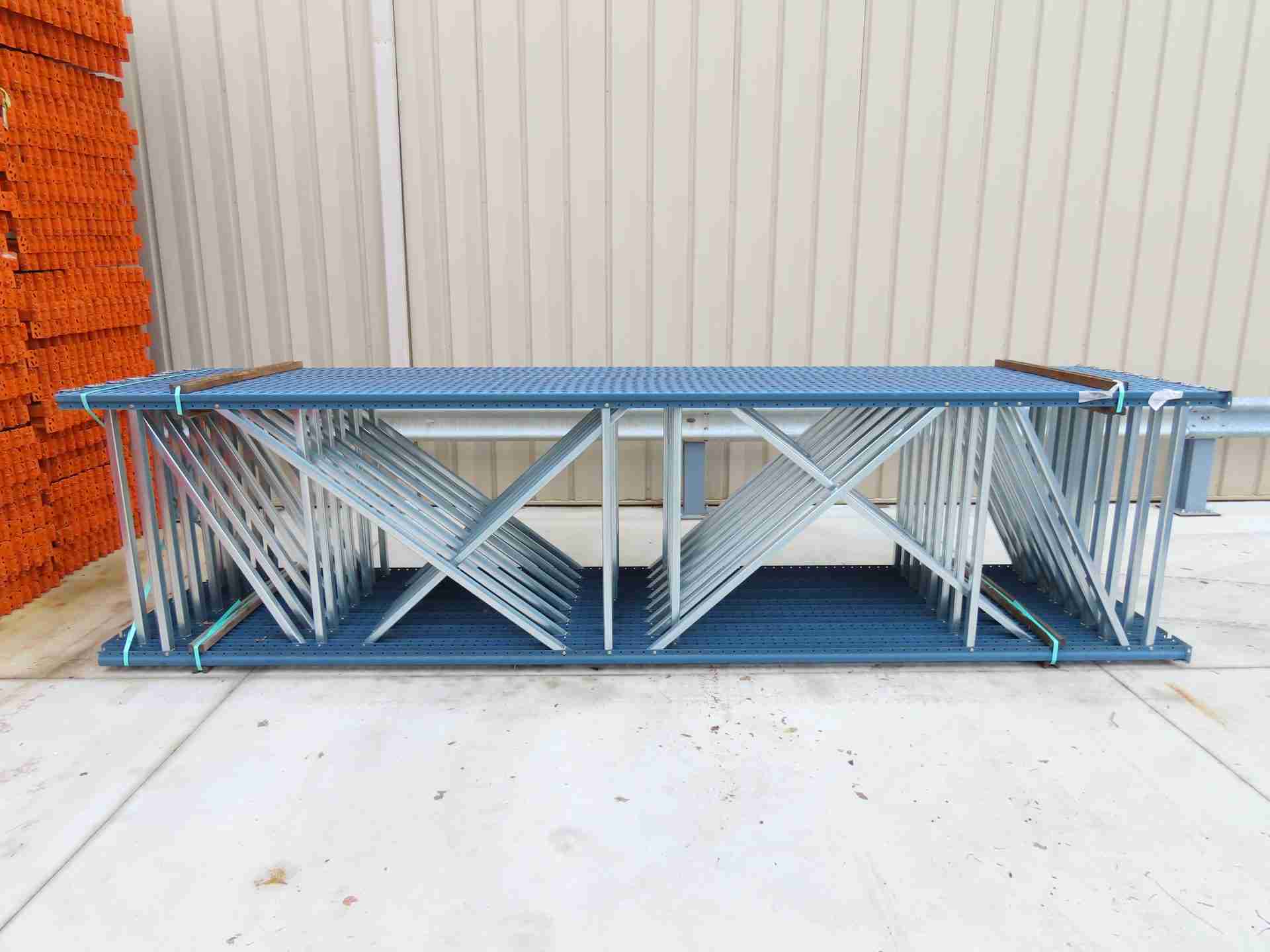
What Cost Benefits Do Cooperatives Gain From Pallet Racking?
How Does Pallet Racking Impact Product Safety In Rural Centers?
Out here where the roads stretch long and every delivery counts, pallet racking isn’t just metal on metal—it’s the backbone holding the day together. When you’re running a rural center, you can’t afford to have goods falling, breaking, or going missing because of sloppy storage. Pallet racking steps in like a reliable crew member, keeping everything stacked just right, steady as a rock. It’s about respect for the products you’ve worked hard to get, making sure what’s on those shelves gets there safe and sound, ready to serve customers far and wide.
You’ve seen it yourself—the cluttered backrooms where crates topple over like dominoes, or a misstep in stacking means a whole pallet ends up a mess. With well-designed pallet racking, it’s a different story: every box has its place, neat and organized. It’s common sense, really. When products are stowed securely, damage drops off, losses shrink, and that peace of mind lets folks focus on what matters—running the business, serving the community, not scrambling to clean up avoidable messes.
There’s a bigger picture, too. Pallet racking helps keep workers safe, and that’s no small thing. In rural centers, where teams often double up and roles overlap, ensuring the workplace is steady and predictable isn’t a luxury—it’s a responsibility. When pallets are stacked correctly, chances of accidents drop. Safe hands mean fewer injuries, less downtime, and a team that can rely on each other, not just on luck.
It’s honest work, and good pallet racking respects that. It’s a straightforward way to show care—not just for the products, but for the people who handle them. Using pallet racking well is a nod to pride in craftsmanship and a commitment to doing things right, even if no one’s watching close. It’s about building a dependable foundation, the kind of honest setup that keeps rural centers ticking and keeps communities supplied.
So when those racks go up, they’re more than just shelves. They’re a sign someone’s paying attention, someone who values safety, product integrity, and the hard work behind every shipment. That’s the real measure of pallet racking in rural centers—not just what it holds, but how it holds everything steady for the long haul.

How Does Pallet Racking Impact Product Safety In Rural Centers?
How Does Pallet Racking Impact Product Safety In Rural Centers?
- Pallet racking is essential in rural centers, ensuring goods are stored securely to prevent damage, loss, or disorganization.
- Properly designed pallet racking creates an organized space where each box has a dedicated place, reducing clutter and accidents.
- Secure storage decreases product damage and shrinkage, allowing staff to focus on running the business effectively.
- Pallet racking contributes significantly to workplace safety by preventing accidents and injuries in environments with overlapping roles.
- Using pallet racking reflects respect for both the products and the workers who handle them, showing pride and commitment to quality.
- It builds a dependable foundation that supports rural centers in maintaining efficient operations and reliable community supply chains.
- Pallet racks symbolize attentiveness to safety, product integrity, and the hard work behind every delivery, holding everything steady for the long term.

How Does Pallet Racking Impact Product Safety In Rural Centers?
Are There Ethical Sourcing Concerns In Choosing Racking Systems?
When you’re stacking pallets day in and day out, it’s easy to forget there’s more riding on that pallet racking than just boxes and forklifts. Behind every beam and bolt, there’s a chain of folks you’ll never meet, who pour sweat and skill into making sure those racks hold up. It’s not just about what the rack can carry but what kind of cost is being hidden away in the supply chain.
Choosing pallet racking isn’t just about strength or price tags—it’s about the people and places that bring those systems to you. Are the workers who welded those steel frames paid a fair wage? Do they work in safe conditions, or squeeze in long hours just to meet deadlines? Knowing your sources means more than ticking a box on a purchase order; it’s a commitment to fairness that respects the hands building your backbone.
The practical side is clear, too. Sourcing from responsible suppliers leads to better quality and trust in materials. Skimp where you can’t see, and you might find yourself facing repairs, replacements, or worse—unsafe storage conditions. It’s a real risk, and no one wants to build a business on shaky racks or shaky ethics.
There’s also a story behind every shipment. Think of the warehouses that rely on these racks to keep goods safe, workers productive, and customers happy. When you choose ethical sourcing, you’re investing not just in steel and bolts but in a network where integrity matters. It binds your company to values that stand firm beyond the factory floor.
Trust grows when companies are transparent, showing they care about their part in this chain. It sets a standard that others notice and follow. Ethical sourcing isn’t just a feel-good checkbox—it’s a mark of respect, responsibility, and pride in a job well done.
At the end of the day, pallet racking is more than gear; it’s a physical promise of safety and reliability. When you consider where it comes from, you find a deeper connection—knowing your system stands on honest work and solid values, ready to carry the weight, just like the people who made it.

Are There Ethical Sourcing Concerns In Choosing Racking Systems?
Are There Ethical Sourcing Concerns In Choosing Racking Systems?
- Pallet racking involves more than just supporting boxes—it depends on skilled workers behind every component and the hidden costs in the supply chain.
- Choosing pallet racking requires considering fair wages and safe working conditions for those who manufacture the racks, reflecting a commitment to fairness.
- Responsible sourcing leads to higher quality materials, reducing risks of repairs, replacements, and unsafe storage conditions.
- Ethical sourcing supports warehouses by ensuring safety, productivity, and customer satisfaction, linking companies to values beyond manufacturing.
- Transparency in sourcing builds trust and sets industry standards for respect, responsibility, and pride in the work done.
- Ethical sourcing is not merely symbolic but a meaningful commitment that strengthens the entire supply network.
- Pallet racking symbolizes a promise of safety and reliability, grounded in honest labor and solid values that support the weight it carries.

Are There Ethical Sourcing Concerns In Choosing Racking Systems?
Conclusion
Rural cooperative distribution centers are the heartbeat of small-town America, and pallet racking is their unsung workhorse. It’s not just metal shelves—it’s a lifeline that turns tight spaces into orderly, efficient stores of everything from feed bags to farm tools. In places where every inch of storage counts and every minute wasted chips away at the day’s hard labor, pallet racking steps up like a faithful old friend. It stacks goods high and keeps them steady, making sure supplies don’t get lost in clutter or crushed under poor handling. This simple system turns chaos into order, freeing up space and cutting down the time workers spend hunting for stock, so they can focus on the tasks that truly matter.
But pallet racking is more than practical—it’s ethical and social glue. It respects the sweat and grit behind every crate, ensuring products stay safe and workers stay protected from injury. When co-ops choose reliable racks, they’re making a statement about shared responsibility and fairness, showing that everyone’s time and effort counts. It’s a quiet pride that spreads through the community, a trust signal that the co-op is built to last through storms, harvests, and lean times.
There’s no denying the challenges rural co-ops face: tight budgets, limited expertise, and the delicate balance between honoring tradition and embracing the new. Installing and maintaining pallet racking isn’t a snap decision. Yet the smart use of this straightforward tech saves money in the long run—avoiding costly expansions, reducing labor hours, and protecting assets from damage. That’s common sense spending, grounded in the reality of what rural operations can afford and must achieve.
Time is money in these places, and pallet racking puts both back in the pocket. With organized storage, fewer slips and scrambles mean smoother workflows, safer workplaces, and a team that feels valued and respected. This practical respect translates to loyalty and a stronger cooperative spirit, where every pallet placed is part of a bigger promise: to keep the community fed, supplied, and moving forward.
Lastly, the story behind the racks themselves matters. Ethical sourcing ties this everyday work tool to a larger chain of fairness and integrity. Choosing suppliers who play by the rules isn’t just good business—it’s a nod to the hands that built those racks and the values that underpin rural life. Pallet racking, then, isn’t just what holds the goods—it holds together a web of trust, hard work, and hope, carrying the weight not only of inventory but the future of the community itself.

Conclusion
Conclusion:
- Rural cooperative distribution centers rely on pallet racking to maximize tight storage spaces and maintain order, enabling efficient access to supplies like feed bags and farm tools.
- Pallet racking prevents loss and damage by securely stacking goods, reducing clutter, and minimizing time spent searching for inventory.
- It embodies ethical and social values by protecting products, ensuring worker safety, and reflecting the co-op’s commitment to shared responsibility and fairness.
- Despite challenges such as tight budgets and limited expertise, investing in pallet racking saves money long-term by avoiding costly expansions, lowering labor hours, and safeguarding assets.
- Organized storage with pallet racking improves workflows, enhances workplace safety, and fosters a cooperative spirit where workers feel valued.
- Ethical sourcing of pallet racks supports fair business practices and honors the rural community’s values of hard work and integrity.
- Pallet racking symbolizes more than storage—it represents a foundation of trust, resilience, and hope critical to sustaining rural communities and their future.
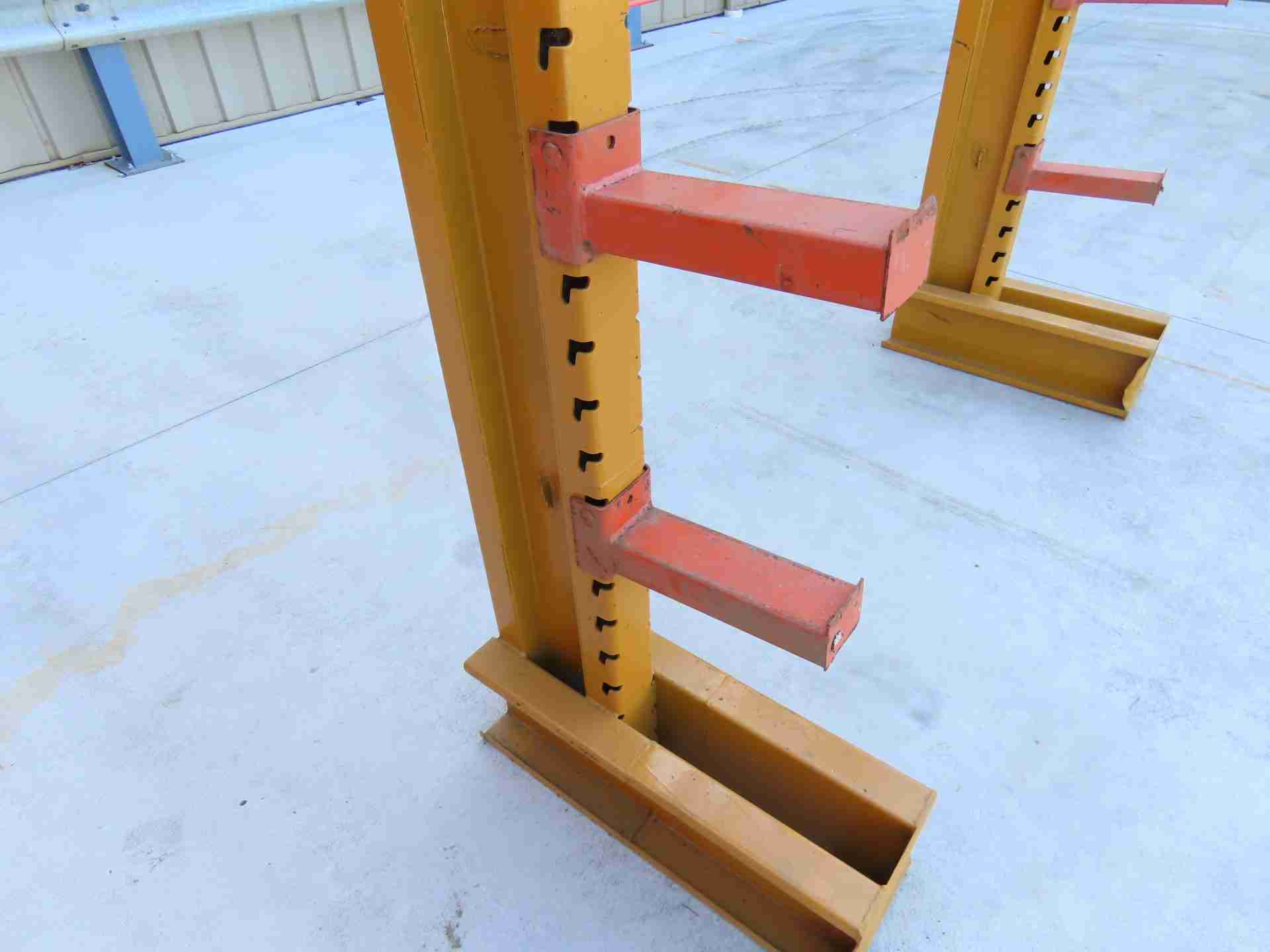
Conclusion
Other Resources
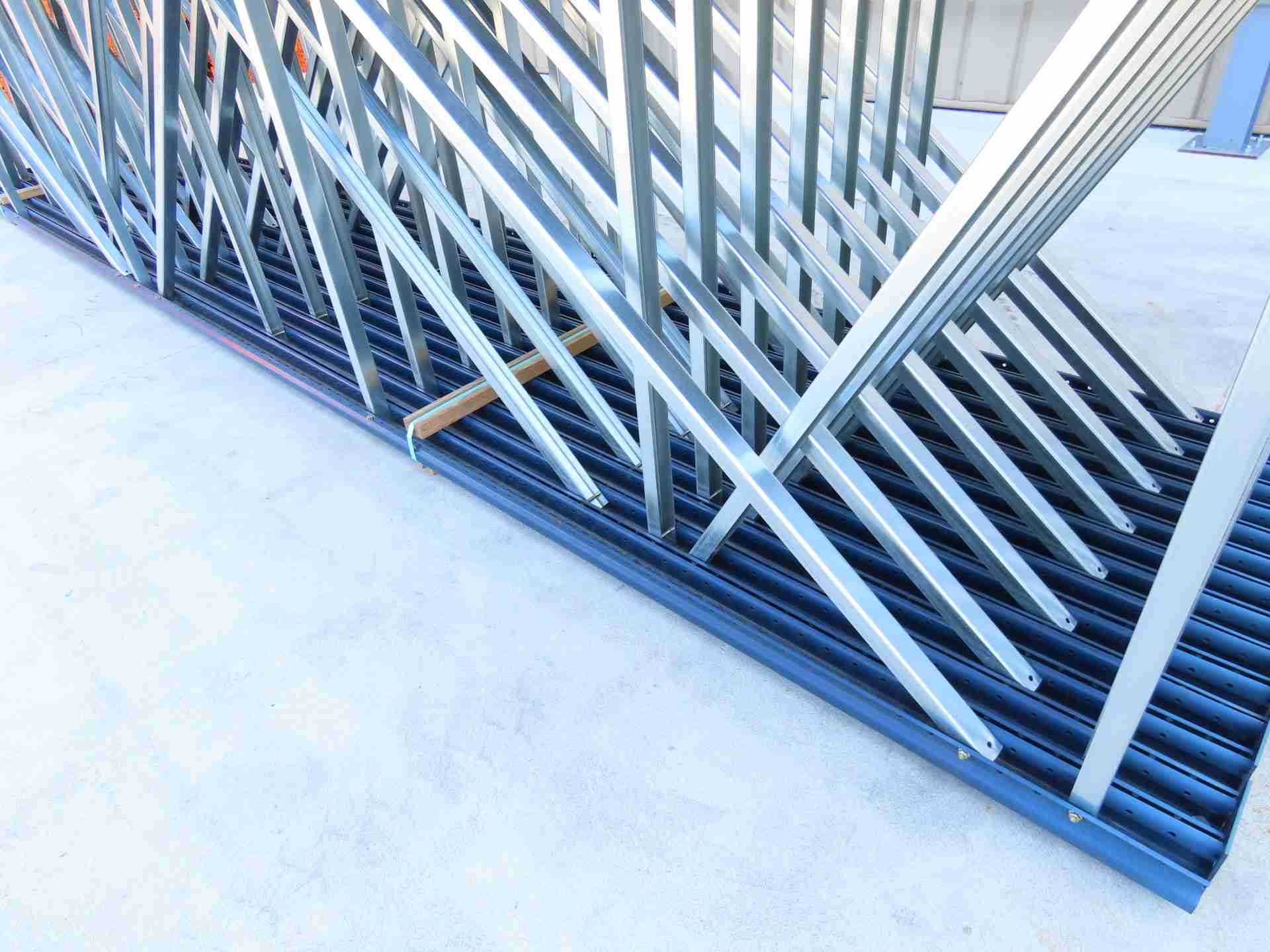
Other Resources
Here is a list of other resources you can review online to learn more:
- Warehouse Racking Chicago, IL
- CA Wire
- SEMA
- What is Selective Pallet Racking
- Teardrop Industrial Shelving Rack
- Chicago Pallet Racking
- ASSP
- Crane Manufacturers Association Of America Inc.
- Storage Equipment Manufacturers Association
- Illinois
- Warehousing Education and Research Council: https://www.werc.org/
- Cantilever Rack Configuration & Installation: A Comprehensive Guide – BMH
- WERC
- Teardrop Uprights
- Warehousing and Fulfillment
- Warehouse Storage Racking in Illinois
- Arrow Industrial Sales
- Pallet Racking systems in Illinois and Great Lakes
- American Surplus
- MHI
Use This Prompt To Get More Resources With Your Favorite Online AI Tool: Please provide me with a list of online articles with their URLs in a bulleted list that I can read regarding How Do Rural Cooperative Distribution Centers Leverage Pallet Racking?

Other Resources
Glossary Terms
How Do Rural Cooperative Distribution Centers Leverage Pallet Racking? – Glossary Of Terms
1. Pallet Racking: A storage system designed to hold materials on pallets in horizontal rows with multiple levels.
2. Cooperative Distribution Center: A facility jointly owned and operated by multiple businesses to store and distribute products.
3. Pallet: A flat transport structure that supports goods in a stable manner while being lifted by forklifts.
4. Inventory Management: The process of ordering, storing, and using a company’s inventory effectively.
5. Space Optimization: Maximizing the use of available storage area to hold the greatest quantity of goods.
6. Forklift: A powered industrial truck used to lift and move materials over short distances.
7. Load Capacity: The maximum weight a pallet rack or storage system can safely support.
8. SKU (Stock Keeping Unit): A unique identifier for each distinct product and service that can be purchased.
9. Accessibility: The ease with which items stored on racks can be retrieved.
10. Vertical Storage: The practice of storing goods in multiple layers upward, saving floor space.
11. Cross-Docking: Quick transfer of products from inbound to outbound trucks without long-term storage.
12. Material Handling: The movement, protection, storage, and control of materials throughout manufacturing and distribution.
13. Just-In-Time Inventory: A strategy to increase efficiency by receiving goods only as they are needed.
14. Load Stability: Ensuring that goods on pallets remain secure during storage and transport.
15. Modular Racking: A flexible pallet system that can be adjusted to different sizes and configurations.
16. Throughput: The rate at which goods are processed and dispatched from a distribution center.
17. Turnover Rate: The frequency at which inventory stock is replaced or sold.
18. Dock Leveler: Equipment that bridges the gap between a dock and a truck for safe loading and unloading.
19. Stock Rotation: The method of moving older inventory forward to reduce spoilage or obsolescence.
20. Structural Integrity: The ability of racks to withstand physical stresses without failure.
21. Aisle Width: The space between rows of racks allowing for movement of handling equipment.
22. Load Bearing Beam: Horizontal bars in pallet racks that support pallet weight.
23. Distribution Efficiency: The effectiveness with which products are moved through the supply chain.
24. Safety Compliance: Adherence to regulations ensuring safe operation and storage practices.
25. Automated Storage and Retrieval System (AS/RS): Technology for automatically placing and removing loads from storage racks.
26. Labor Reduction: Decreasing the amount of workforce needed through improved storage systems.
27. Cost Savings: Reduction in operational expenses achieved by optimized storage and handling.
28. Order Picking: The process of collecting products from inventory to fulfill customer orders.
29. Load Configuration: The arrangement of pallets and goods on racks to maximize stability and space use.
30. Scalability: The ability of the storage system to expand or contract based on operational needs.
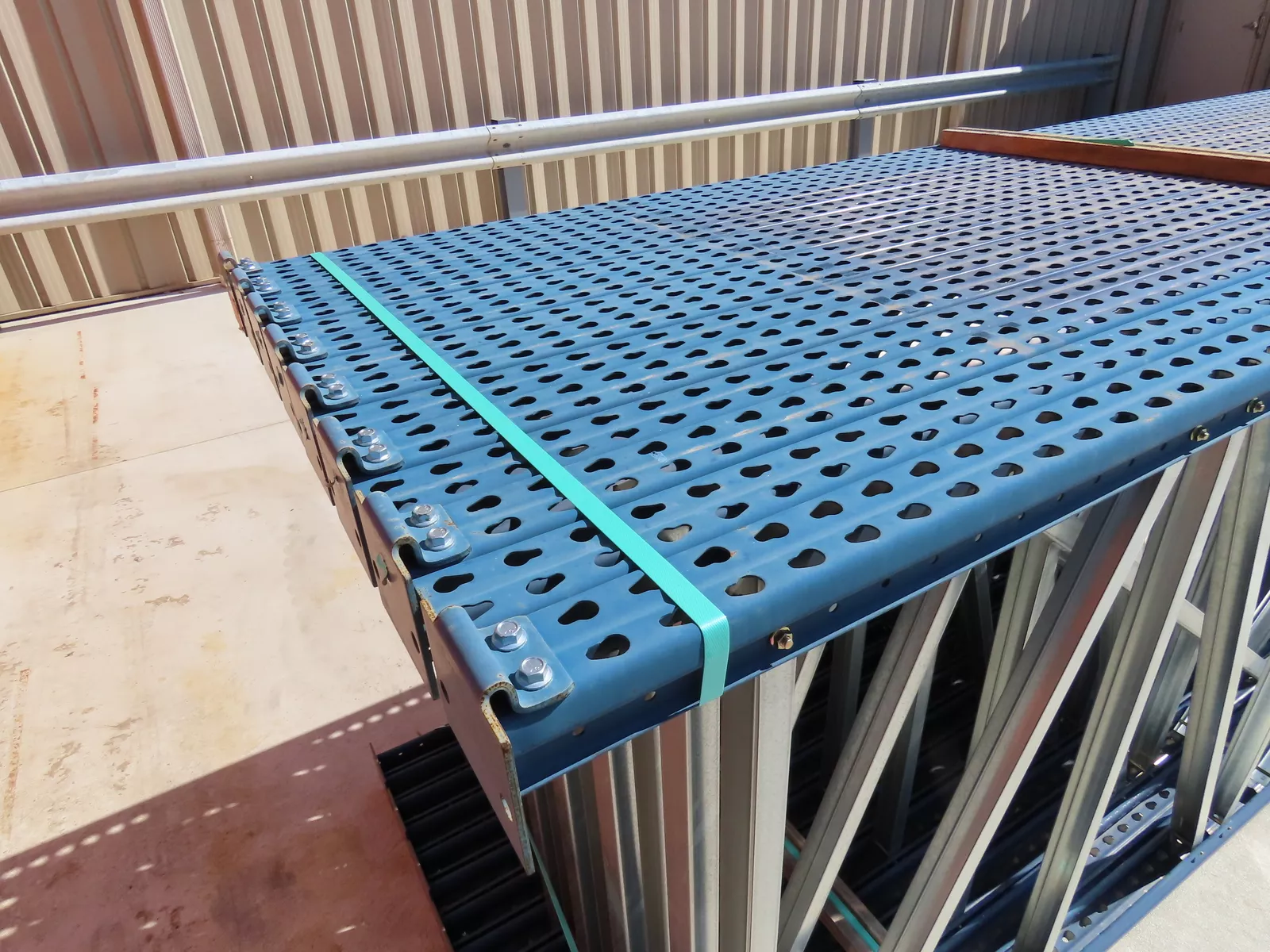
Glossary Of Terms
Other Questions
How Do Rural Cooperative Distribution Centers Leverage Pallet Racking? – Other Questions
If you wish to explore and discover more, consider looking for answers to these questions:
- What are the upfront costs of purchasing and installing pallet racking for a rural cooperative?
- Are there financing, grants, or cooperative-purchasing programs available to help rural co-ops afford racking?
- How long does a typical installation take for different sizes of facilities?
- What ongoing maintenance is required and what are typical annual maintenance costs?
- How do you calculate return on investment (ROI) and payback period for pallet racking?
- What load ratings and weight limits should be considered for various agricultural products?
- How do pallet racking systems handle uneven or older building floors common in rural facilities?
- What safety inspections and certifications are required or recommended for pallet racking?
- How frequently should racks be inspected and by whom (in-house vs. certified inspector)?
- What are the best rack types (selective, drive-in, push-back, pallet flow) for different cooperative needs?
- How can racking be integrated with existing material handling equipment like forklifts and pallet jacks?
- What training do workers need to use and maintain pallet racking safely and efficiently?
- How does pallet racking integrate with inventory management systems or barcode/RFID tracking?
- What are common retrofit options for converting barns or sheds into racked storage areas?
- How do climate and seasonal humidity or temperature swings in rural areas affect rack choice and stored goods?
- What pest- and moisture-control measures should be used in racked storage for crops and feed?
- How does pallet racking affect insurance premiums, liability, and claims for cooperatives?
- Are there local or national standards and best practices (e.g., OSHA, ANSI) to follow when installing racks?
- What are the ethical sourcing questions to ask suppliers and what certifications matter?
- How do you evaluate and select reputable racking suppliers and installers?
- Can used or refurbished racking be a safe, cost-effective option and what should be checked?
- What are the environmental impacts and end-of-life recycling options for steel racking?
- How can racking be configured for mixed-use storage (bulk feed, tools, packaged goods) efficiently?
- What customization options exist for specialty items (chemicals, cold-chain goods, oversized equipment)?
- How can cooperatives scale racking solutions as membership or volume grows?
- What are common failure modes or accidents with pallet racking and how can they be prevented?
- How should weight distribution and pallet placement rules be enforced to avoid collapses?
- What ergonomic considerations reduce worker strain when loading and unloading racks?
- How do pallet racking choices influence order-picking speed and labor scheduling?
- What metrics should cooperatives track to measure improvements in efficiency and cost savings?
- Are there local examples or case studies of rural cooperatives that successfully implemented racking?
- What permits or local zoning considerations apply when modifying rural storage buildings?
- How can cooperatives coordinate purchases or installations across multiple sites for better pricing?
- What emergency plans should be in place for rack damage from storms, earthquakes, or accidents?
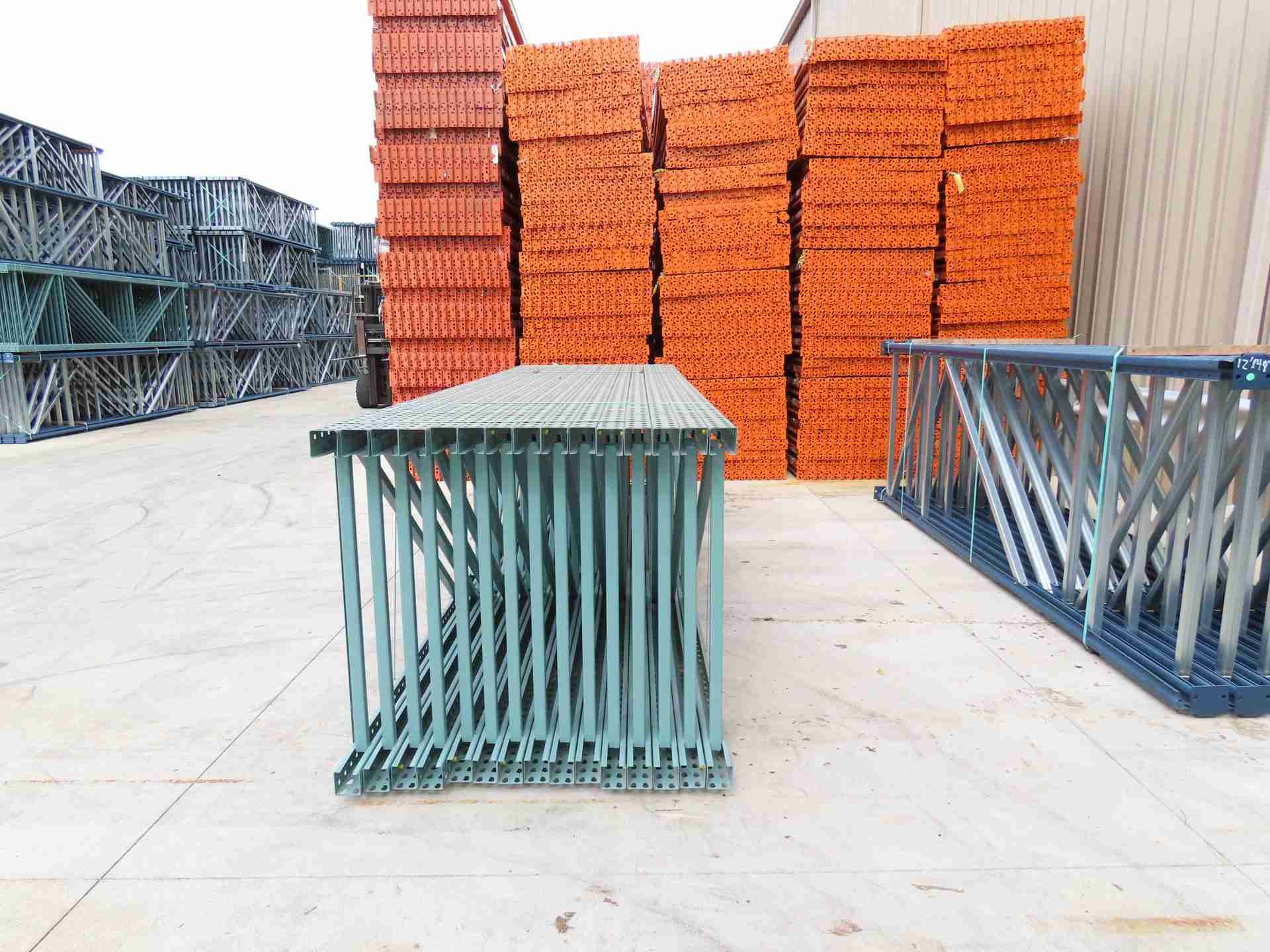
Other Questions
Checklist
How Do Rural Cooperative Distribution Centers Leverage Pallet Racking? – A Checklist
Purpose and Goals
✅______ Define primary goals: space optimization, handling time reduction, product safety, cost savings
✅______ Set measurable targets (e.g., +30% storage capacity, -25% pick time, -50% damage rate)
Space and Inventory Assessment
✅______ Measure usable floor area, clear height, column spacing, and door heights
✅______ Confirm slab thickness, concrete strength, and floor flatness
✅______ Map inbound and outbound flow, staging, and dock positions
✅______ Analyze SKU mix, pallet dimensions and weights, turnover and velocity (fast vs. slow movers), FIFO or LIFO needs
✅______ Identify seasonal surges and reserve capacity requirements
System Selection and Design
✅______ Choose rack type(s): selective, double-deep, drive-in/drive-through, pushback, pallet flow, cantilever
✅______ Align design with SKU velocity, pick method, and replenishment strategy
✅______ Calculate load ratings and verify beam and frame capacities
✅______ Plan aisle widths based on equipment (counterbalance, reach, pallet jack, very narrow aisle (VNA))
✅______ Include decking (wire or solid), backstops, row spacers, and end-of-aisle protection as needed
✅______ Validate seismic, wind, and snow load requirements for the locale
Equipment and Compatibility
✅______ Verify forklift reach, mast height, and load capacity at height
✅______ Confirm pallet quality and consistency (stringer vs. block; 2-way or 4-way)
✅______ Define charging and propane areas and traffic routes
Safety and Compliance
✅______ Provide rack load plaques and location labels
✅______ Anchor all frames to manufacturer specifications and torque-check anchors
✅______ Install rack guards, end protectors, and bollards at impact points
✅______ Maintain safe aisle widths, egress routes, and clearances to sprinklers
✅______ Review fire code, sprinkler design, and commodity classification
✅______ Establish a rack inspection program (daily visual, monthly, and annual professional)
✅______ Train staff on safe stacking, lift operation, and working at height
Operations and Layout
✅______ Slot fast movers near docks and optimal pick heights
✅______ Separate receiving, quarantine and quality hold, putaway, picks, and outbound staging
✅______ Standardize location numbering and signage
✅______ Define pick paths, replenishment triggers, and cross-dock rules
✅______ Implement a simple WMS or location tracking (software or a structured spreadsheet)
Handling Time Reduction
✅______ Create dedicated fast-pick zones or case-pick levels
✅______ Minimize double handling with clear staging and task sequencing
✅______ Provide unobstructed end-of-aisle turns and one-way traffic where feasible
Product Protection and Quality
✅______ Use appropriate decking for partial pallets and small cartons
✅______ Add pallet supports for undersized or damaged pallets
✅______ Control temperature and humidity where required; segregate chemicals, food, and feed
✅______ Implement damage tagging and a quarantine process
Cost and ROI
✅______ Build a total cost model: racking, installation, permits, equipment, training, maintenance
✅______ Quantify savings: deferred expansion or rent, labor hours, damage reduction, throughput gains
✅______ Identify grants, co-op financing, or group purchasing opportunities
✅______ Set payback and total cost of ownership (TCO) thresholds for go/no-go
Ethical and Sustainable Sourcing
✅______ Vet suppliers for fair labor, safety practices, and transparency
✅______ Request documentation: certifications, recycled content, environmental product declarations (EPDs), warranties
✅______ Prefer local or regional manufacturing and recyclable materials
✅______ Plan end-of-life recycling or reuse
Community and Governance
✅______ Present the plan to members and document approvals and budget
✅______ Address tradition vs. change with demonstrations or pilot bays
✅______ Assign clear roles for project lead, safety lead, and maintenance lead
Resilience and Seasonality
✅______ Allocate surge locations for harvest or peak periods
✅______ Protect critical SKUs with secure, accessible positions
✅______ Plan for storm preparedness: tie-downs, drainage, and backup power for critical areas
Installation and Permitting
✅______ Obtain permits and engineer-stamped drawings as required
✅______ Verify slab scans for rebar or utility conflicts before drilling
✅______ Define installer qualifications and scope of work
✅______ Schedule phased installation to maintain operations and plan temporary staging
Maintenance and Inspections
✅______ Create checklists: daily driver checks, monthly supervisor audits, and annual third-party audits
✅______ Stock spare components (beams, clips, anchors, protectors)
✅______ Establish damage reporting, tagging, and repair protocols
Training and Change Management
✅______ Train all staff on the location system, SOPs, and safety procedures
✅______ Conduct initial and refresher forklift and pedestrian safety training
✅______ Post visual SOPs at docks and key aisles
Documentation and KPIs
✅______ Maintain as-built drawings, load calculations, permits, and warranties
✅______ Record rack IDs, location maps, and SOPs and version control
✅______ Track key performance indicators (KPIs): picks per hour, dock-to-stock time, inventory accuracy, damage rate, travel distance, overtime, incident rate
Continuous Improvement
✅______ Conduct 30/60/90-day post-go-live reviews
✅______ Re-slot quarterly based on velocity changes
✅______ Capture worker feedback and implement targeted fixes

Checklist
At RackingWorld, we help guide you through selecting warehouse storage systems and racking.
Be sure to read our other related stories at RackingWorld to learn more about warehouse storage systems.
0 Comments