
Creating A Rack Design For Efficiency And Impact
By Tom Seest
At RackingWorld, we help guide you through selecting warehouse storage systems and racking.
Be sure to read our other related stories at RackingWorld to learn more about warehouse storage systems.
Your Inventory System Shouldn’t Dictate Your Rack Design
When it comes to your inventory system, racking can feel like an afterthought. But let’s take a moment to reflect on this: your racking should serve your business—not the other way around. How often have we seen companies crammed into a space that simply doesn’t fit? A warehouse filled with racking designed by someone else’s template, suffocating productivity like a tight belt on a hearty meal. When you let your inventory system dictate your rack design, you’re saying you’re okay with mediocrity, and let’s face it, there’s nothing glorious about that.
Think about it. You’ve poured your heart and soul into building your business. The sweat, the late nights, the sacrifices made. Your inventory? It deserves to be showcased and organized in a way that maximizes efficiency and accessibility, not shoved haphazardly into a predefined racking system that ignores your unique needs. When you truly understand your inventory flow and design your racking around it, you’re making a declaration: your operation is worthy of custom solutions that enhance productivity, foster teamwork, and simplify everyday tasks.
Let’s engage the head for a moment. Customizing your racking can lead to improved workflow, saving both time and money. When everything has its right place, employees can find what they need without wandering through a maze of mismatched shelving. Imagine the savings in labor costs when you cut down on lost time searching for items. With strategic racking, you boost efficiency — it’s not just smart; it’s essential.
Now, appeal to the gut. Picture your team, energized and motivated, not bogged down by an inefficient inventory system. Picture them confidently reaching for materials because they know exactly where everything is. Your racking should inspire them and support their work! It’s about creating a system that makes them proud to be part of something meaningful—a well-oiled machine where everyone feels they contribute meaningfully.
Ethically, we ought to advocate for systems that empower rather than confine. It’s not just about getting the most storage space; it’s about creating an environment rooted in respect for employees and the valuable work they do. Trust your intuition. When you design based on your operational needs, you foster a culture of respect and purpose.
Let’s break free from the mold. Let’s design racking that’s as unique as your mission. You have the authority to shape a workspace that embodies your values, enhances productivity, and makes your life—and your team’s life—a whole lot easier.
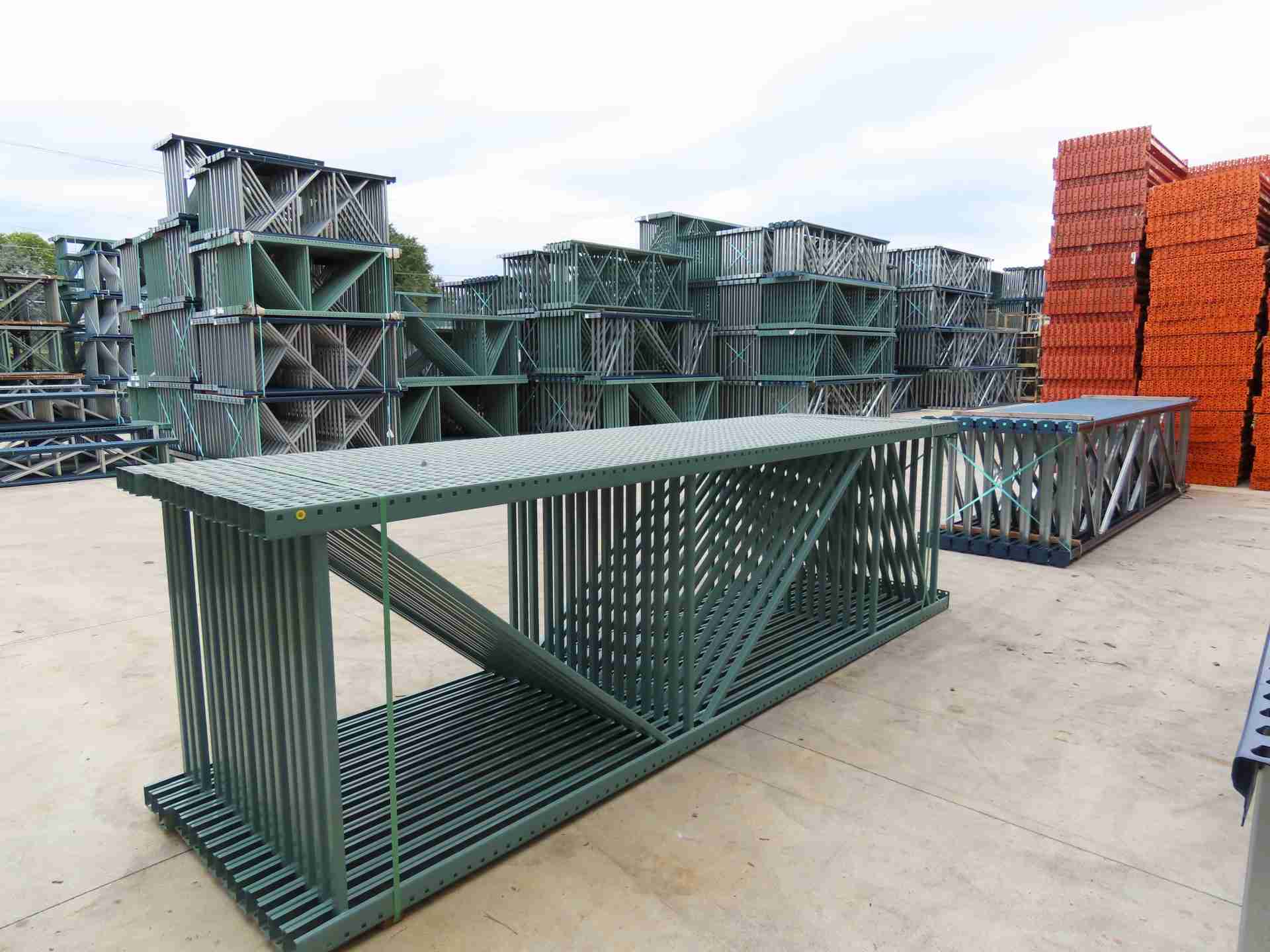
Your Inventory System Shouldn’t Dictate Your Rack Design
Your Inventory System Shouldn’t Dictate Your Rack Design
- Your racking should serve your business, maximizing productivity instead of conforming to templates that hinder efficiency.
- Understanding your inventory flow is key to designing a racking system that meets unique operational needs.
- Custom racking can lead to improved workflow, saving time and reducing labor costs through better organization.
- Efficient racking systems empower employees, allowing them to confidently access materials and boosting morale.
- Designing racking based on operational needs fosters a respectful and purposeful work environment.
- Break away from conventional designs to create a racking system aligned with your business values and mission.
- Investing in a tailored racking solution enhances productivity and simplifies operations for the entire team.
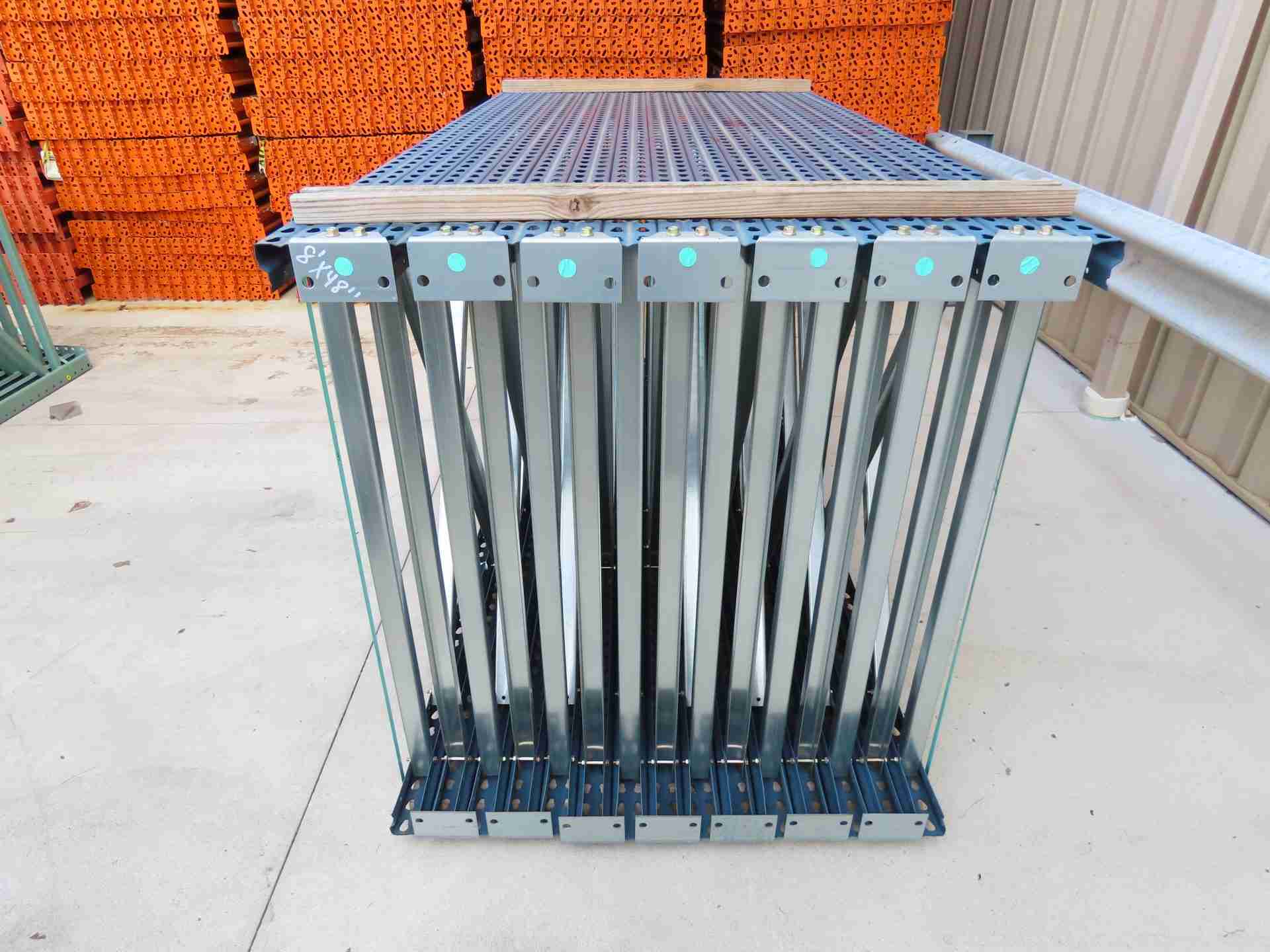
Your Inventory System Shouldn’t Dictate Your Rack Design
Table Of Contents
- Your Inventory System Shouldn’t Dictate Your Rack Design
- What If Your Rack Design Could Enhance Customer Experience?
- Is Your Inventory System Limiting Your Creativity In Design?
- How Can an Efficient Rack Design Increase Your Sales Potential?
- Are You Making Decisions Based on Data Over Intuitive Design?
- How Can Thoughtful Rack Design Inspire Loyalty In Your Customers?
- Conclusion
- Other Resources
- Glossary Of Terms
- Other Questions
- Checklist
What If Your Rack Design Could Enhance Customer Experience?
Imagine walking into a store, the air filled with the buzz of anticipation. You’re not just a patron; you’re a participant in an experience, one that’s as much about the aesthetics as it is about the utility. That’s where the magic of racking comes into play. It’s not just metal and wood; it’s the unspoken language between you and the products you seek.
Now, think about this from a customer’s perspective. When shelves are thoughtfully designed, when every product has a place, you don’t just see order—you feel it. Clutter gives you pause, but clarity pulls you in. The arrangement invites you to explore, to discover, to stay just a little longer. And in that moment, the racking becomes more than a structure; it transforms into a bridge between intention and action, guiding you effortlessly toward decisions you’ll feel good about.
You might ask, “Why does this matter?” The answer is simple: it’s not just about selling the next item; it’s about cultivating a relationship. Ethical design means putting your customer first, and that builds trust. When clients see that you care about their experience, they’re not just shopping—they’re connecting with a brand that understands them. This powerful bond is what keeps them coming back, time and time again.
But let’s also assess the numbers, because a head-on approach goes hand in hand with the heart. Well-designed racking can enhance inventory management and product visibility, ultimately driving a business’s bottom line. A customer who finds what they need, easily and quickly, is a customer who leaves satisfied—statistics consistently show that a positive shopping experience influences spending.
And let’s not forget the community aspect. When a store embraces innovative racking solutions, it sends a message: “We’re invested in making every visit enjoyable.” You create a space where customers feel valued and understood, fostering a community around shared experiences. When your racking is purposefully designed, you’re not just organizing products—you are establishing a gathering ground, where stories are exchanged and memories are made.
So, the next time you consider the functional aspect of your racking, remember: it’s more than mere storage. It’s the heartbeat of your store, the pulse of your customer’s journey, and the very essence that will inspire them to return.

What If Your Rack Design Could Enhance Customer Experience?
What If Your Rack Design Could Enhance Customer Experience?
- Shopping is an immersive experience centered on aesthetics and utility.
- Thoughtfully designed shelves create clarity and invite exploration.
- Effective racking transforms into a bridge between customer intention and action.
- Building trust through ethical design enhances customer relationships.
- Well-designed racking improves inventory management and drives sales.
- Innovative racking solutions foster a sense of community among customers.
- Racking is not just storage; it’s essential to the customer journey and experience.
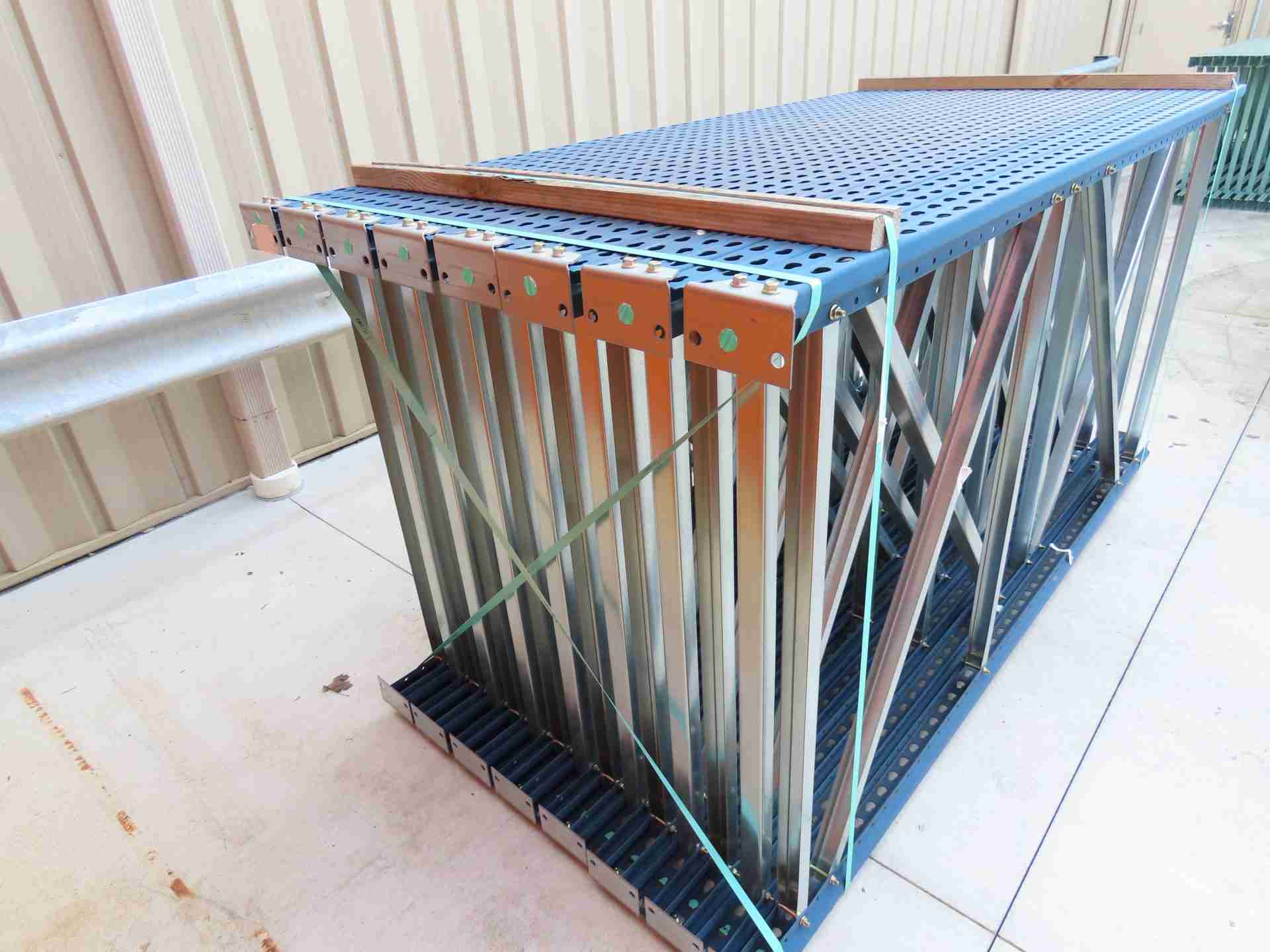
What If Your Rack Design Could Enhance Customer Experience?
Is Your Inventory System Limiting Your Creativity In Design?
Is your inventory system limiting your creativity in design? Picture this: you’re sitting at your desk, a vision of your next masterpiece swirling in your mind, when suddenly, the cold, hard reality of your inventory system sets in. That racking system you thought was your ally quickly turns into a straitjacket, pinning down your ideas with rules and regulations that stifle your imagination.
We’ve all been there. The tension between the creative spark and the clunky constraints of logistics can feel like being a painter handed a box of black and white crayons. Emotionally, the frustration blends with your passion, making you question if your creativity is even worth pursuing. It’s like trying to run a marathon with your shoelaces tied together. You know you have it in you to soar, yet you feel grounded, limited by outdated systems that don’t honor the dynamic nature of your work.
Rationally speaking, this isn’t just about frustration; it’s about opportunity. Think about it: a well-organized inventory system can work in your favor, allowing you to reclaim your time and focus on what truly matters. Imagine a setup that not only keeps track of materials but also fuels your creative process—where everything you need is readily available and easily accessible. Imagine how that flow of creativity could lead you to innovate, to design, to create avenues for impact, inspiring others in the process.
Ethically, we all crave a workspace that fosters creativity and expression. It’s not just about profits or efficiency; it’s about nurturing a culture where ideas run free. We must dare to challenge systems that box us in, creating environments that empower everyone, from the newest intern to the seasoned designer.
From an authority standpoint, recognize that companies embracing streamlined inventory practices report higher satisfaction rates and innovative outputs. When you break free from the shackles of poor organization, you’re not just improving your work; you’re contributing to a movement—a community that values creativity over conformity.
So ask yourself: is your racking system helping to elevate your designs, or is it acting like a stubborn anchor? Take the leap. Redefine your inventory system to set your creative self free. Embrace the chance to spark new ideas and foster connections that echo through your work, inspiring both you and those around you. After all, creativity isn’t just a privilege; it’s a responsibility.
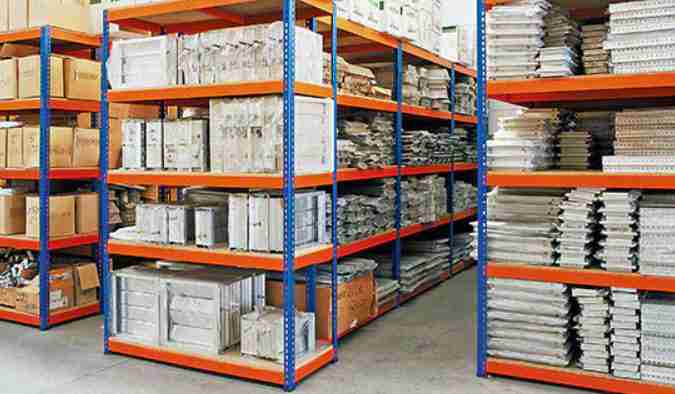
Is Your Inventory System Limiting Your Creativity In Design?
Is Your Inventory System Limiting Your Creativity In Design?
- Inventory systems can limit creativity and hinder design potential.
- Frustration arises when logistical constraints clash with creative ambitions.
- A well-organized inventory can enhance focus and reclaim valuable time.
- An effective setup fuels creativity by ensuring materials are accessible.
- Workspaces should nurture creativity and promote a culture of free expression.
- Companies with streamlined inventory report higher satisfaction and innovation.
- Redefining your inventory system can free your creative process and inspire others.
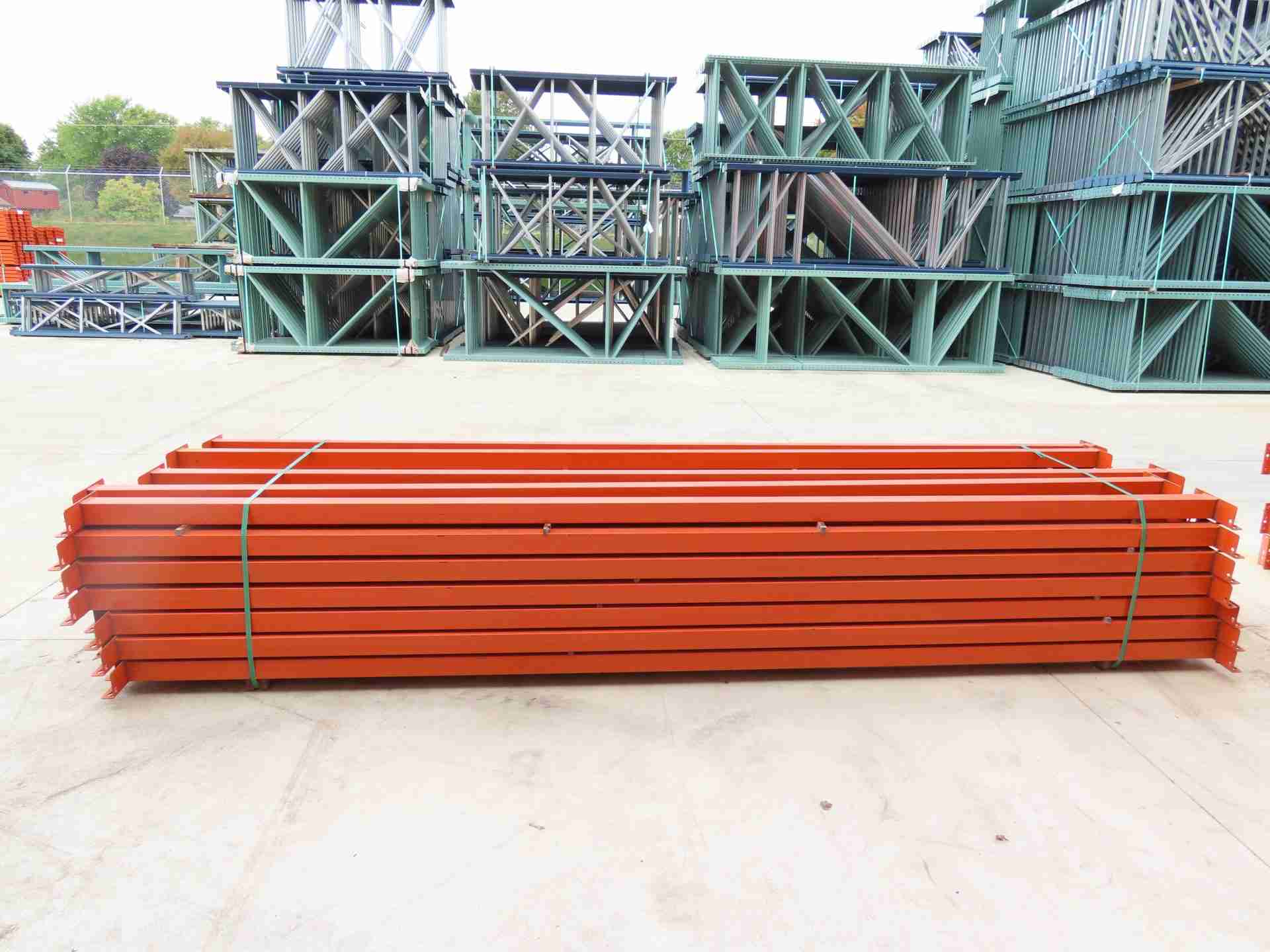
Is Your Inventory System Limiting Your Creativity In Design?
How Can an Efficient Rack Design Increase Your Sales Potential?
When you walk into a store, what draws your eye? Is it the bright colors of the merchandise, the layout of the aisles, or perhaps the way that products seem to leap off the shelf and say, “Pick me!”? An efficient rack design holds the power to transform mere displays into compelling stories, inviting customers to engage, explore, and ultimately, purchase. Engaging with racking might seem mundane at first, but it’s the unsung hero of retail sales potential, quietly working behind the scenes to elevate both the customer experience and your bottom line.
Let’s dig into the heart of the matter. Everyone loves a good story, and the right racking system tells one that resonates. Imagine a space where each item isn’t just stored, but showcased—where every angle, every shelf, and every color tells your brand’s story. It’s about elevating the ordinary to extraordinary, creating a connection that pulls at the heartstrings of your customers. They need to feel that what they’re buying is not only valuable but part of something larger than themselves.
Rationally, an efficient rack design maximizes space and accessibility. Think logistics: every square foot of your store can either be a lost opportunity or a sales catalyst. By utilizing a smart racking system, you reduce clutter and make the shopping experience intuitive, allowing customers to find exactly what they need without the frustration of searching. It’s like inviting a friend into your home—you want them to feel welcome, not lost.
Ethically, there’s a responsibility we all share. Creating a shopping environment that respects your customers’ time and energy elevates their experience. Transparency in product placement and thoughtful designs speak volumes, reflecting a brand that genuinely cares. This method builds trust, as consumers start to see you not just as a business but a partner in their shopping journey.
Let’s not forget about the social aspect—customers today crave community and connection. Effective rack designs can facilitate gatherings around products that are meant to be shared. Think about how merchandise can spark conversations and transform transactions into relationships.
So, as you ponder how to enhance your store’s layout, remember this: great racking isn’t just about holding products; it’s about holding experiences. It’s about making your customers feel that they’re part of something special. Invest in your racking, and watch how it can not only increase sales but also create a profound bond with your audience, making every visit a memorable one.
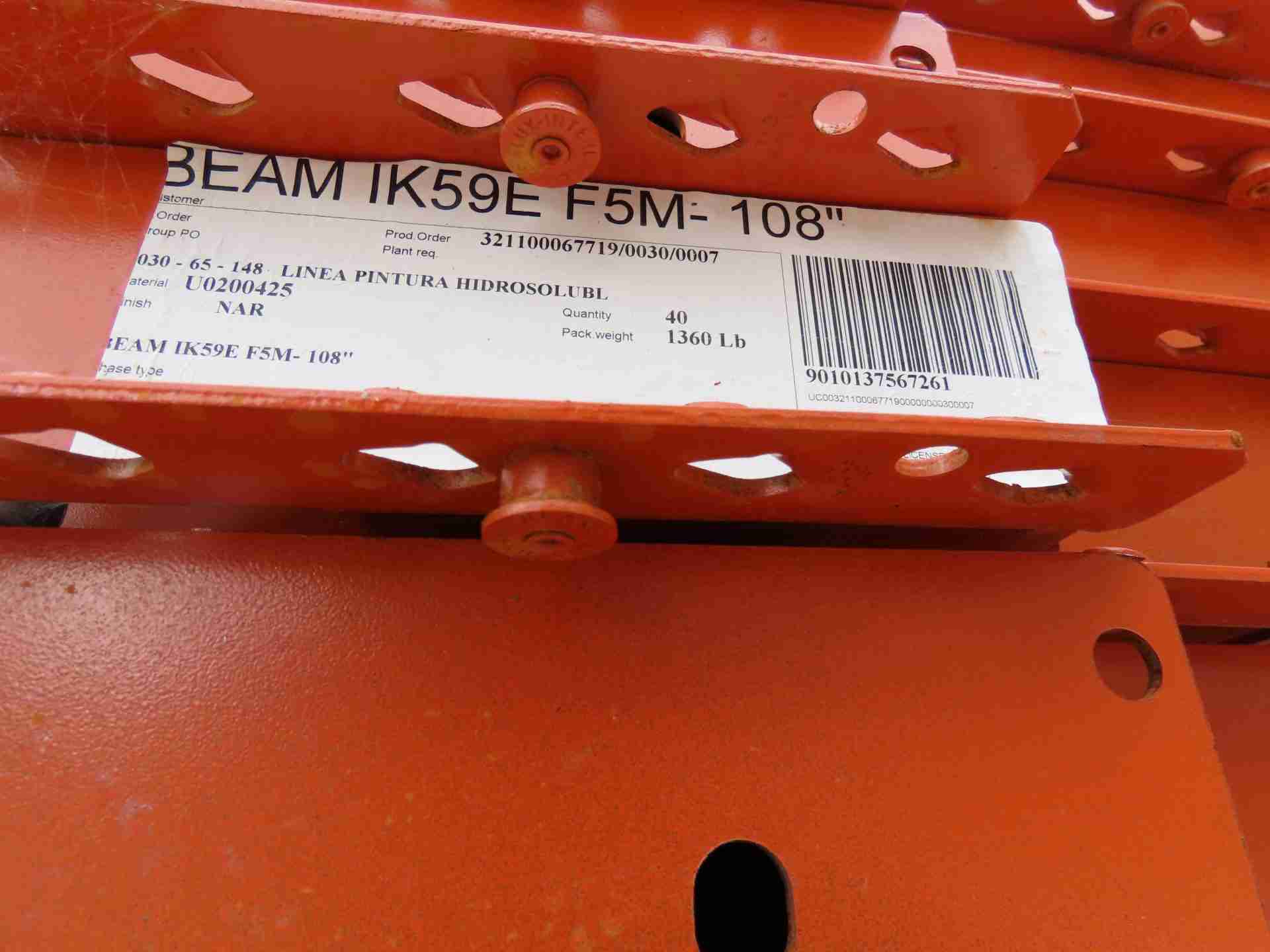
How Can an Efficient Rack Design Increase Your Sales Potential?
How Can an Efficient Rack Design Increase Your Sales Potential?
- Store design elements like merchandise colors and layout attract customer attention.
- An efficient rack design transforms displays into engaging stories that invite exploration.
- A good racking system showcases items, connecting customers to the brand’s narrative.
- Effective racking maximizes space and accessibility, enhancing the shopping experience.
- Creating a respectful shopping environment builds trust and positions the brand as a partner.
- Effective rack designs can foster community and connections among customers.
- Investing in racking enhances sales and creates memorable experiences for customers.
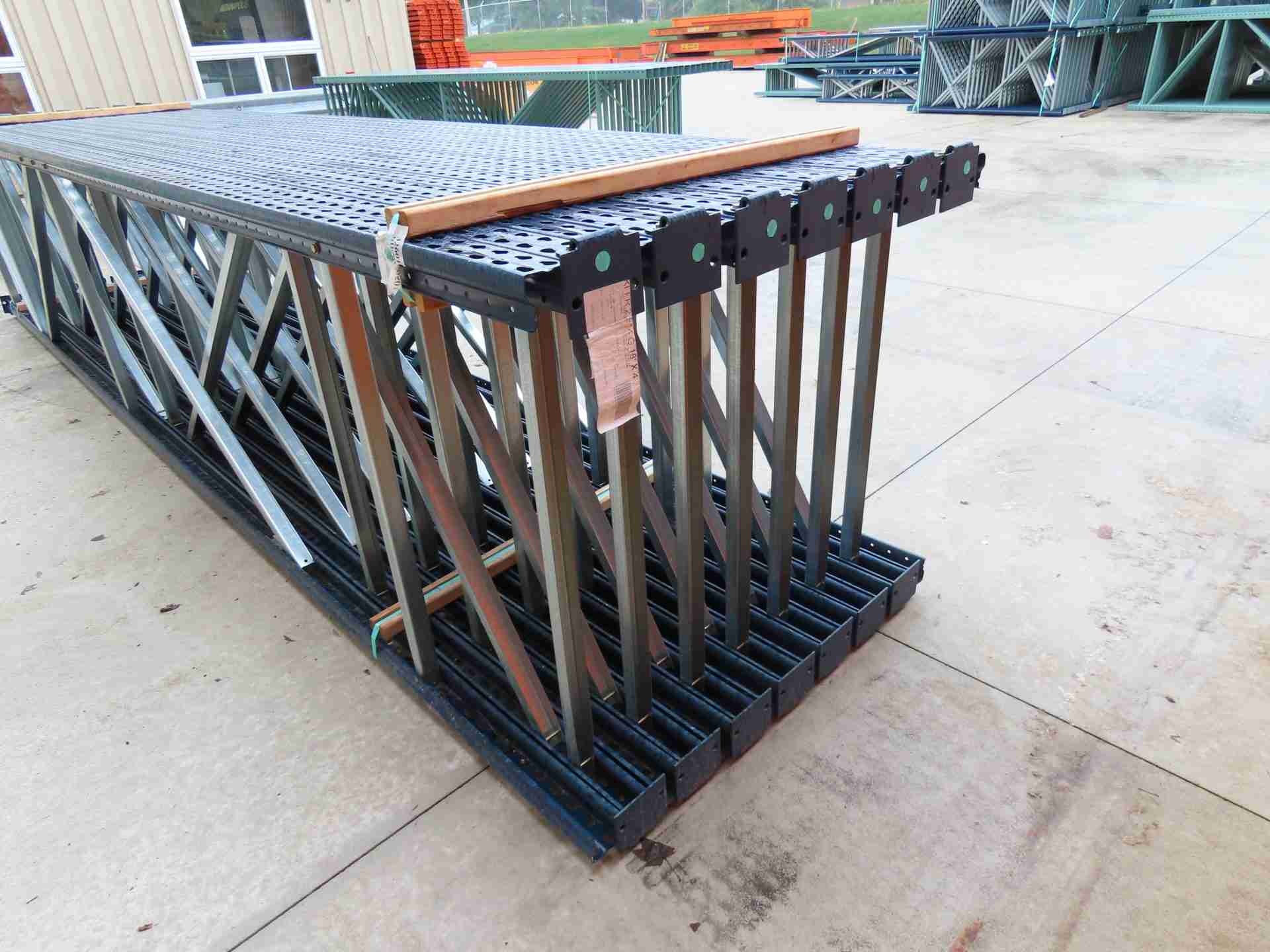
How Can an Efficient Rack Design Increase Your Sales Potential?
Are You Making Decisions Based on Data Over Intuitive Design?
When you embark on a journey of decision-making in today’s fast-paced world, it’s easy to get lost in the noise of data and analytics. Numbers dance in charts, suggesting direction and clarity, but let’s take a moment to consider the beating heart behind those digits. Racking your brain over statistics can feel methodical, but let’s not forget the essence of intuitive design—the human experience it seeks to enhance.
Imagine this: You’re standing in a bustling café, and a friend approaches you with a steaming cup of coffee. At that moment, the warmth in their smile outweighs whatever data you’ve crunched about the best coffee blends. That’s the power of connection. It’s the story behind the coffee, the laughter shared over sips, and the memories forged over time. You’re not just drinking coffee; you’re tasting moments. This is the kind of intuitive design that resonates. It appeals not just to our intellect, but to our emotions and our ethical compass.
When you prioritize data over intuition, you risk diminishing that connection. Sure, data can drive business forward—optimize profits, streamline processes, and identify trends. But what good is a decision that impacts people without reflecting their experiences? In a world preoccupied with numbers, consider the power of narrative. A compelling story can bridge the gap where data falls short, allowing us to engage deeply with our audience, our teams, and ourselves.
We live in a community rich with shared values, and when we base decisions on intuition grounded in real-world experiences, we cultivate trust. Your instincts, shaped by your unique journey, bring a perspective that no spreadsheet can replicate. There’s authority in that. Real authority arises from understanding what people want and need, not merely what data dictates.
So, as you sit with your data, think about what lies beneath. Racking your focus solely on numbers might lead you astray. Instead, embrace the messy, unpredictable nature of human emotion. When decisions are steeped in insight from both sides—data and gut—you’re not just making choices; you’re crafting a future that uplifts everyone involved. Now that’s a decision worth making. So let’s move forward together, not just as data-driven decision-makers, but as heartfelt, human-centered innovators.
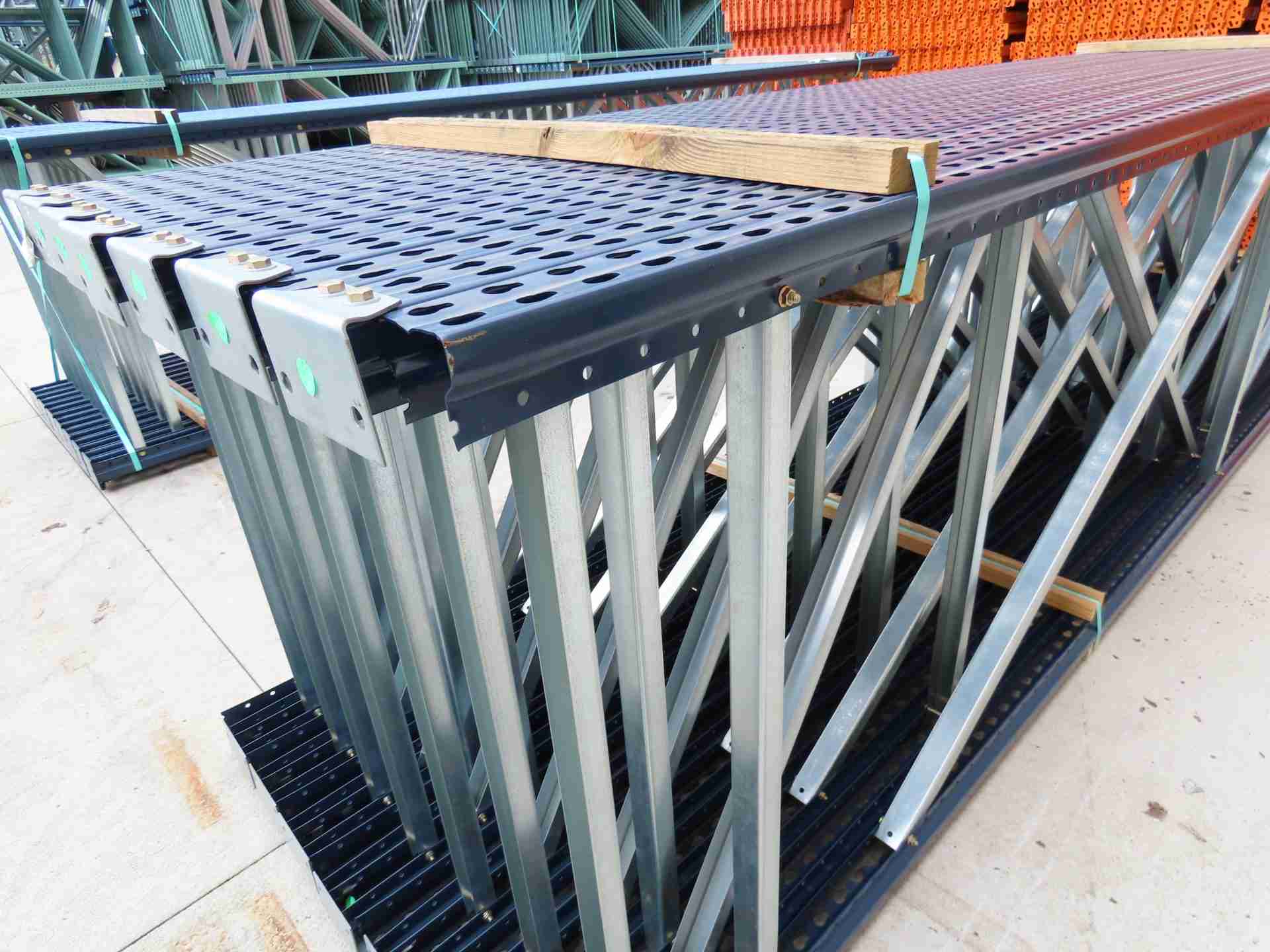
Are You Making Decisions Based on Data Over Intuitive Design?
Are You Making Decisions Based on Data Over Intuitive Design?
- Decision-making in today’s data-rich world often overshadows human experience.
- The warmth of human connection and storytelling enhances intuitive design beyond mere statistics.
- Prioritizing data over intuition can diminish the essential connection with people.
- Data helps optimize processes and understand trends, but decisions should reflect human experiences.
- Narratives can bridge gaps where data falls short, fostering deeper engagement.
- Decisions rooted in intuition and real-world experiences cultivate trust and authority.
- Effective choices come from integrating both data and emotional insights for a more human-centered approach.
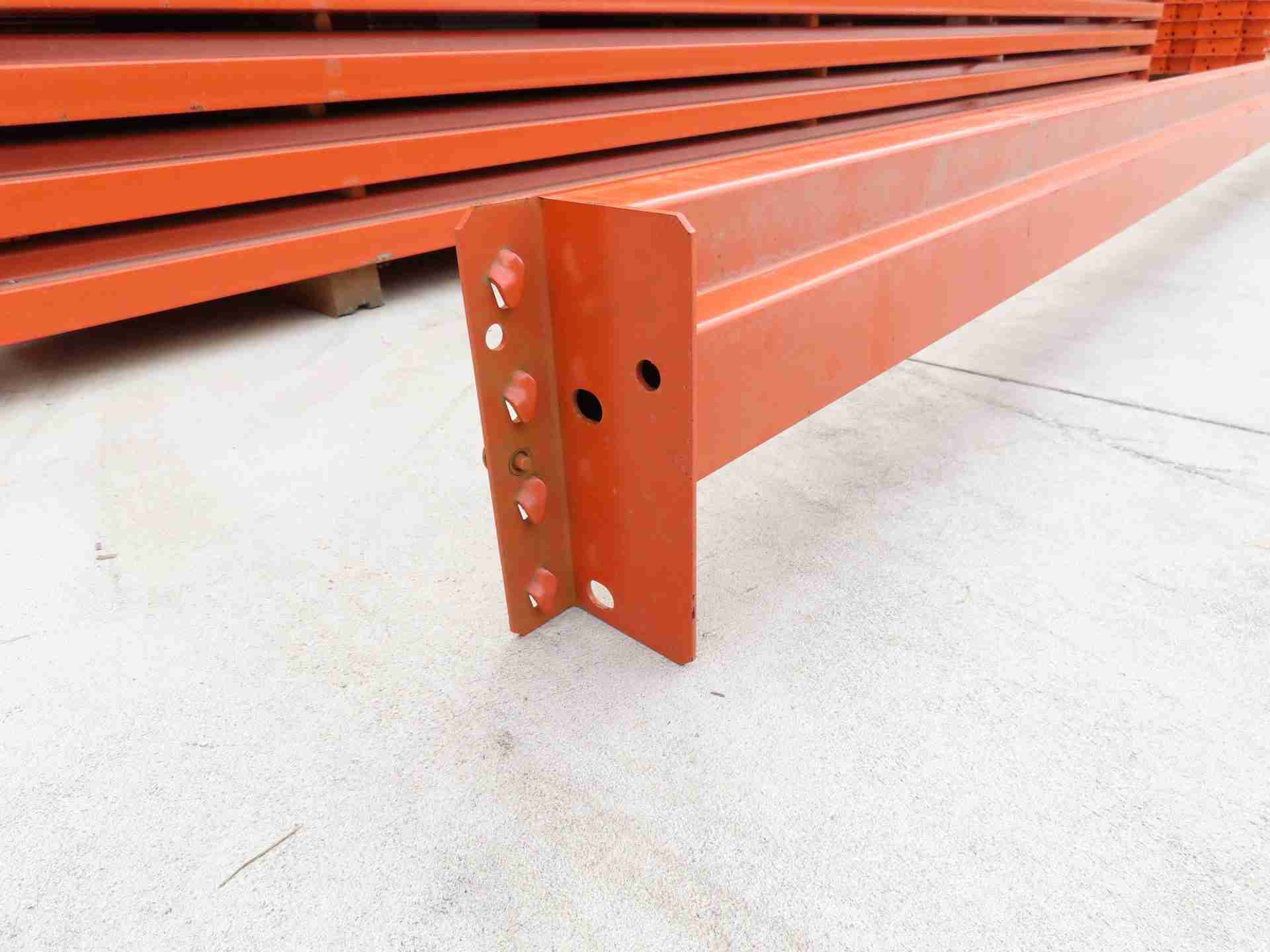
Are You Making Decisions Based on Data Over Intuitive Design?
How Can Thoughtful Rack Design Inspire Loyalty In Your Customers?
When you walk into a store, you don’t just see products; you see stories waiting to be told. Thoughtful racking isn’t just a structural necessity; it’s a bridge connecting brands and consumers, a tangible embodiment of trust. Imagine sleek, well-designed racking that draws you in, showcasing products not just to be sold, but to be celebrated.
Consider the last time you entered a store that felt like home. The racking didn’t just hold items; it cradled them. Each piece was thoughtfully placed, inviting you to explore, to discover. This isn’t mere aesthetic; it’s about creating an experience that resonates. When customers feel valued, they’re more likely to return. Each meticulously designed shelf whispers, “We care about how you experience our space.” That connection makes people feel good; it appeals to their gut instincts.
Then there’s the ethical angle. Today’s consumers are more discerning than ever. They want to know that the brands they support align with their values. Thoughtful racking can tell that story. Using sustainable materials, supporting local artisans, and designing with the customer’s journey in mind all bolster credibility. When racking reflects responsible practices, it inspires not just loyalty, but a community, bridging the gap between consumer and producer.
But let’s also talk logic. There’s a reason you don’t throw together random shelves in a jumbled aisle. Simple, clear design reduces friction. When a customer can easily navigate a space, they’re more likely to find what they need and feel good about their time there. Every element of your design should evoke a rational response: “I was able to find exactly what I wanted.” This translates into trust—a clear path to a lasting customer relationship.
And just like a good story, the best racking offers a narrative arc. It creates a journey that customers want to take. Think about how you guide them through your space: every curve, every angle, every shelf—each is part of a larger mission. When your racking sparks engagement, you invite them into a dialogue that goes beyond mere transactions.
People want to belong, and thoughtful racking helps them find their place. By creating a loyal customer base anchored in trust and experience, you establish a community that celebrates the love of products and the bonds that tie them together. That’s how racking does more than hold items; it creates lasting relationships.
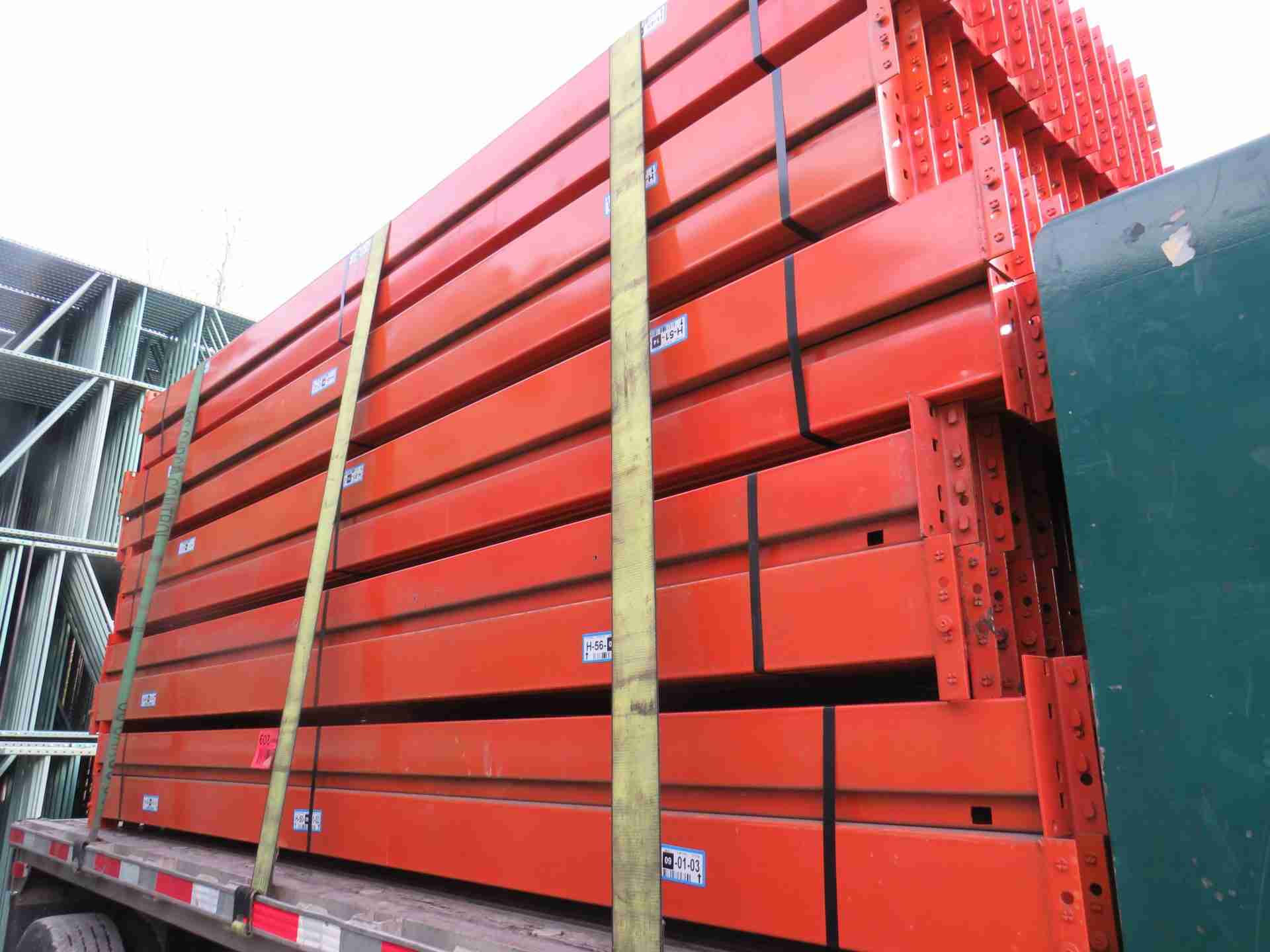
How Can Thoughtful Rack Design Inspire Loyalty In Your Customers?
How Can Thoughtful Rack Design Inspire Loyalty In Your Customers?
- Stores offer stories to be told through products and thoughtful racking.
- Well-designed racking acts as a bridge between brands and consumers, fostering trust.
- Thoughtful placement of racking creates an inviting experience that encourages exploration.
- Consumers seek brands that align with their values, enhancing brand loyalty through ethical practices.
- Clear design reduces navigation friction, making it easier for customers to find what they need.
- Effective racking creates a narrative journey, fostering engagement beyond transactions.
- Thoughtful racking builds a community of loyal customers who celebrate shared values and experiences.
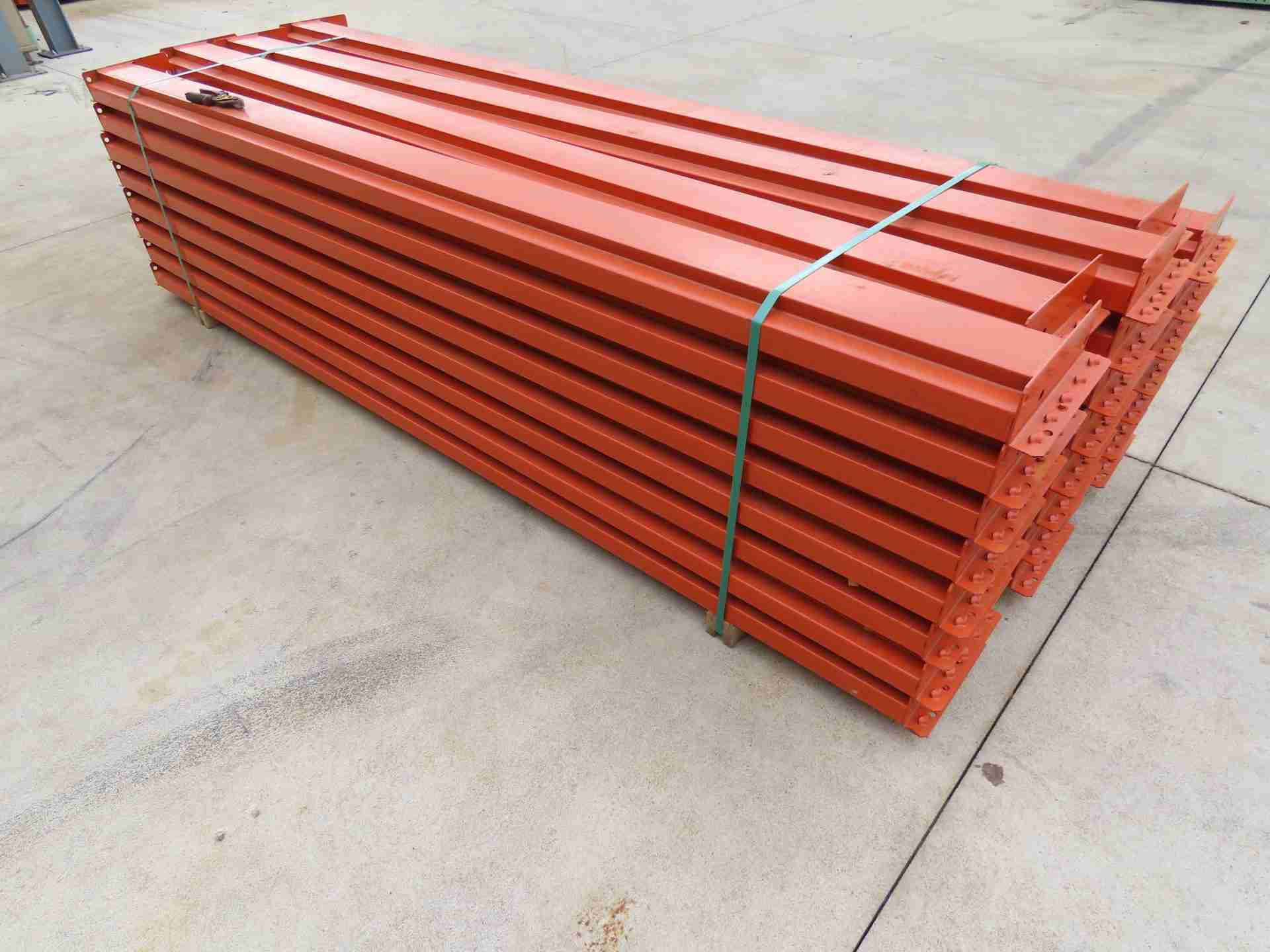
How Can Thoughtful Rack Design Inspire Loyalty In Your Customers?
Conclusion
Your inventory system should never be the architect of your racking design. Instead, racking should be a tailored solution that breathes life into your operations. Too often, businesses succumb to the norms dictated by others, cramming their unique inventories into rigid templates that yield mediocrity. Remember, every inch of your workspace is precious, much like the hours you’ve devoted to your enterprise. Why settle for a layout that chokes productivity when your inventory deserves a vibrant, organized showcase?
Let’s engage your head for a moment. Custom racking translates to improved workflow—no more lost hours searching for misplaced items or navigating cluttered aisles. Efficient design is smart business; it saves both time and labor costs, enabling your team to operate like a well-oiled machine. Picture a workplace where everything has its place, and your employees are not only effective but inspired.
On an emotional level, envision your team revitalized, not weighed down by chaos. A thoughtfully designed racking system ignites confidence and motivation, instilling pride in their daily tasks. Creating a workspace that values your team fosters respect and a sense of purpose. Your racking isn’t just a feature; it’s a declaration that you’re invested in their success.
Then, we turn to the customer experience. A well-structured retail environment enhances sales potential by creating a narrative that customers can connect with. When items aren’t merely stacked but presented thoughtfully, they invite engagement. Perfectly organized displays lessen frustration and elevate the shopping journey into an experience worth returning for. It’s about forging relationships, not transactions, embedding your brand into the hearts of consumers.
Beyond aesthetics and logic, there’s an ethical consideration as well. We have a duty to foster environments that uplift. Thoughtful design respects both employees and customers, shaping spaces where creativity thrives and community bonds flourish. The right racking system is the bedrock of ethical business, ensuring your operations reflect a commitment to quality and a connection to the community.
Ultimately, the decision is yours—whether you conform to outdated templates or claim the authority to design a space that resonates with your values. The time has come to break free from mediocrity, to craft systems that reflect your mission and empower everyone involved. So take a deep breath, trust your instincts, and let your racking tell a story worth sharing—a story that inspires loyalty, engagement, and, most importantly, success.
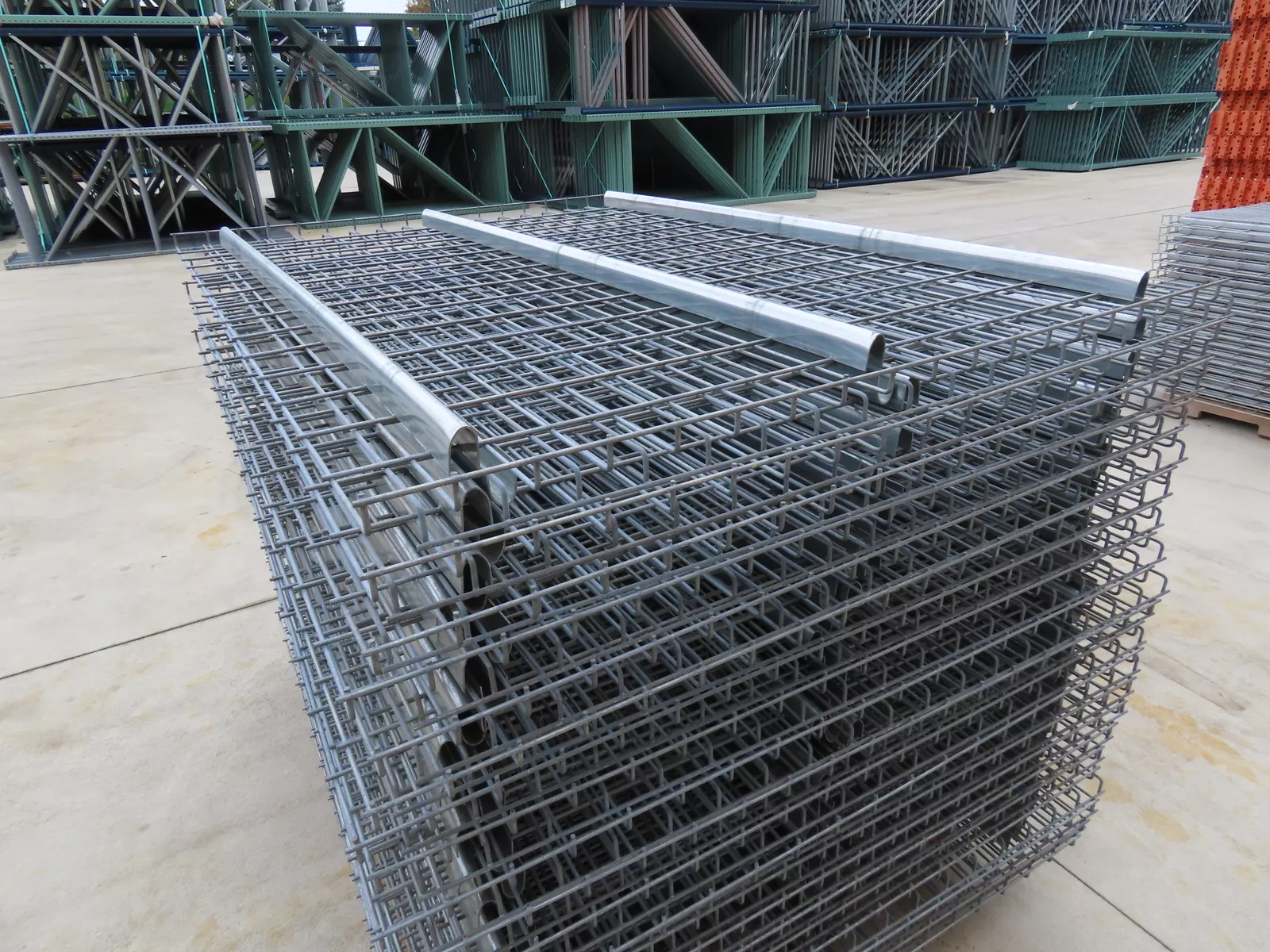
Conclusion
Conclusion:
- Your inventory system should support tailored racking design, not dictate it.
- Custom racking enhances workflow, reducing time lost to searching for misplaced items.
- An organized workspace boosts employee inspiration and productivity.
- A well-designed racking system instills confidence and pride among your team.
- Improved layout creates a better customer experience, inviting engagement and elevating sales potential.
- Thoughtful design respects both employees and customers, fostering a creative and connected community.
- It’s time to break free from mediocrity and craft systems that reflect your values and empower success.
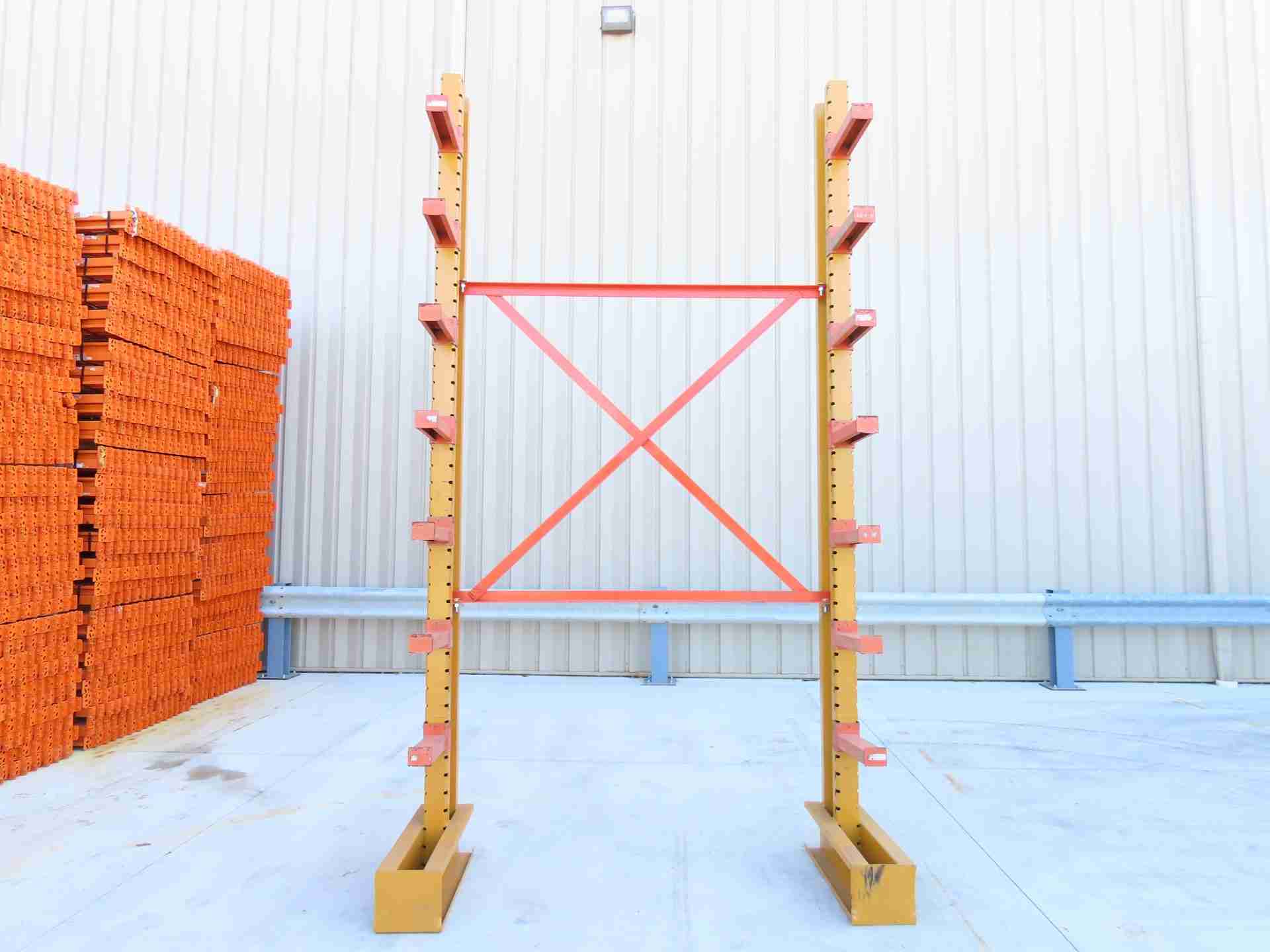
Conclusion
Other Resources
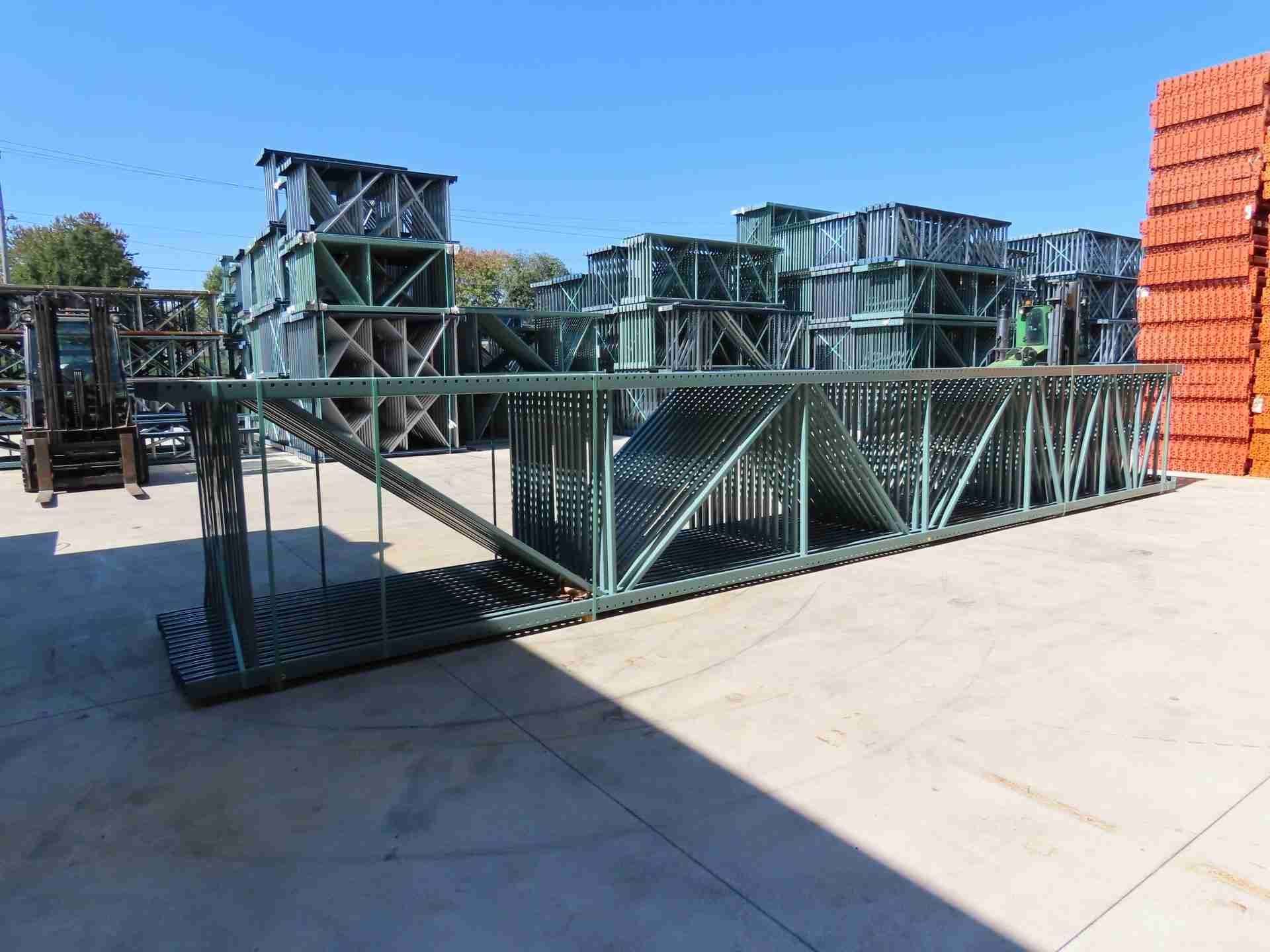
Other Resources
Here is a list of other resources you can review online to learn more:
- Rack Manufacturers Institute
- Teardrop Racks – Pallet Rack World
- What is Selective Pallet Racking
- What is Cantilever Racking? – AK Material Handling Systems
- Illinois Pallet Racking – Storage Solutions
- Selective Racking
- Used Pallet Rack for Sale in Illinois – American Surplus
- Overhead Lifting
- IWLA
- The Complete Pallet Rack Guide – Simply Rack
- Cantilever Rack Guide: Ordering Cantilever Racking
- Cantilever Racks Chicago
- Iowa Illinois Warehouse Racking
- Total Warehouse
- New Cantilever Racks and Racking Kits
- MHI
- Bradford Systems
- Pallet Rack Systems – New and Used Pallet Racking and Shelving Experts
- NSC
- Rack Manufacturers Institute
Use This Prompt To Get More Resources With Your Favorite Online AI Tool: Please provide me with a list of online articles with their URLs in a bulleted list that I can read regarding Your Inventory System Shouldn’t Dictate Your Rack Design
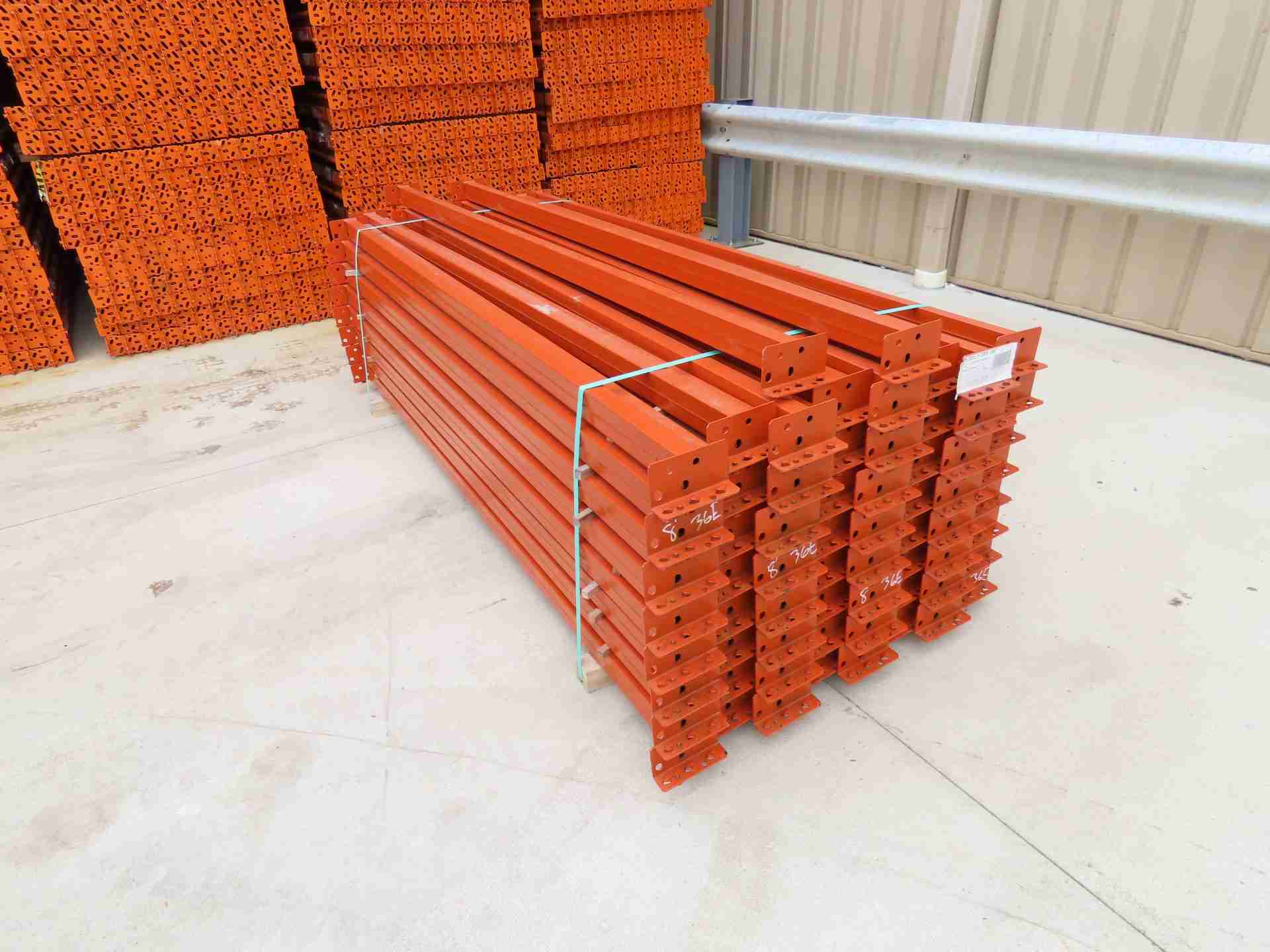
Other Resources
Glossary Terms
Your Inventory System Shouldn’t Dictate Your Rack Design – Glossary Of Terms
1. Inventory System: A structured method for tracking and managing stock levels, orders, and deliveries.
2. Rack Design: The layout and structure of shelving or storage units that hold inventory.
3. Stock Management: The process of overseeing and controlling inventory levels to ensure optimal supply.
4. Space Utilization: The efficient use of available storage space to maximize capacity and accessibility.
5. Modular Racking: A flexible shelving system that can be adjusted or expanded as inventory needs change.
6. Accessibility: The ease with which stock can be retrieved or accessed from storage.
7. Load Capacity: The maximum weight that a rack or shelf can safely support.
8. Visual Merchandising: The strategic placement of products to enhance their presentation and increase sales.
9. FIFO (First In, First Out): An inventory management method where the oldest stock is sold first to minimize spoilage or obsolescence.
10. LIFO (Last In, First Out): An inventory method where the most recently acquired stock is sold before older inventory.
11. Inventory Turnover: The rate at which inventory is sold and replaced over a given period.
12. SKU (Stock Keeping Unit): A unique identifier for each product to help track inventory levels.
13. Just-In-Time (JIT): An inventory management philosophy that aligns orders with production schedules to minimize stock levels.
14. Cold Storage: A temperature-controlled environment for holding perishable inventory.
15. Shelving Units: Frameworks or assemblies designed to hold inventory in a warehouse.
16. Batch Processing: A method of inventory management where products are grouped together for efficiency.
17. Warehouse Optimization: The practice of enhancing space, layout, and processes to improve operational efficiency.
18. Pallet Racking: A storage system specifically designed to hold pallets of goods in a warehouse.
19. Cycle Counting: An inventory auditing procedure that counts a portion of inventory on a specific day.
20. Cross-Docking: A logistics practice where incoming goods are directly loaded onto outbound vehicles with minimal storage time.
21. Demand Forecasting: The process of estimating future inventory requirements based on historical data and trends.
22. Barcoding: The use of printed barcodes to track products throughout the inventory system.
23. Inventory Valuation: The method used to calculate the monetary value of inventory on hand.
24. Lean Inventory: A strategy focused on reducing waste and improving efficiency in inventory management.
25. Safety Stock: Extra inventory kept on hand to prevent stockouts during demand fluctuations.
26. Reorder Level: The predetermined inventory level at which new stock should be ordered.
27. Location Tracking: The process of monitoring the physical location of inventory within a storage space.
28. Inventory Audit: A systematic examination of inventory records and physical stock to ensure accuracy.
29. Returns Management: The process of handling products that are returned by customers, including restocking and inspections.
30. Inventory Software: Digital tools that help manage, track, and optimize inventory levels and processes.

Glossary Of Terms
Other Questions
Your Inventory System Shouldn’t Dictate Your Rack Design – Other Questions
If you wish to explore and discover more, consider looking for answers to these questions:
- What are the key elements to consider when designing a custom rack system?
- How does rack design impact employee productivity and morale?
- What are some examples of innovative rack designs?
- How can I assess the needs of my inventory to create an effective rack system?
- What role does sustainability play in rack design?
- How can I measure the effectiveness of my rack design on customer experience?
- Are there common mistakes to avoid in rack design?
- What technologies can enhance rack design and inventory management?
- How often should I reevaluate my rack design to maintain efficiency?
- What are the costs associated with customizing rack designs?
- How do customer preferences influence rack design decisions?
- What are the potential consequences of a poorly designed rack system?
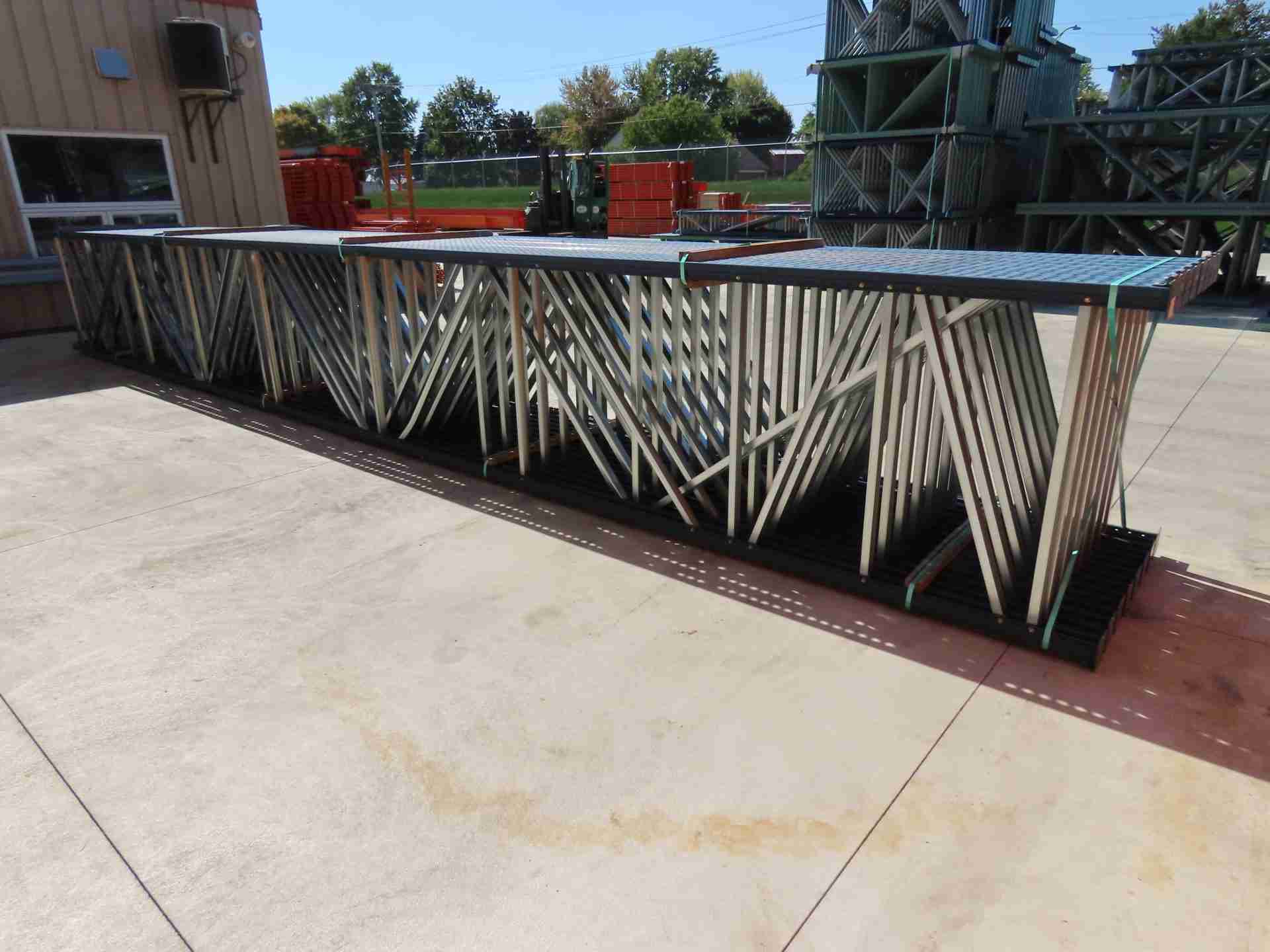
Other Questions
Checklist
Your Inventory System Shouldn’t Dictate Your Rack Design – A Checklist
Checklist for Creating an Efficient Rack Design That Elevates Business and Customer Experience
Heartfelt Appeals
_____ Reflect on your passion: How does your inventory represent your dedication to your business?
_____ Visualize employee engagement: Are your team members excited about accessing inventory easily?
_____ Foster connections: How can you create a shopping experience that feels personal and relatable for customers?
Head Appeals
_____ Analyze workflow: Have you mapped out your inventory flow to identify areas of improvement?
_____ Calculate potential savings: What time and labor costs can you reduce with an optimized racking system?
_____ Assess product visibility: Is your current setup making it easy for customers to find what they need?
Gut Appeals
_____ Consider workplace environment: Does your rack design make employees feel respected and valued?
_____ Evaluate customer experience: Do customers feel welcomed and understood in your store?
_____ Think about the emotional impact: How does your design influence the way customers feel about your brand?
Ethical Appeals
_____ Champion responsible materials: Are you using sustainable or locally sourced materials in your rack design?
_____ Commit to customer focus: Does your design prioritize the customer’s experience and needs?
_____ Empower creativity: Are your employees encouraged to innovate without being restricted by poor inventory organization?
Authority Appeals
_____ Research best practices: What innovative racking systems have successful companies implemented?
_____ Seek expert advice: Have you consulted with logistics professionals or racking specialists?
_____ Benchmark against competitors: How does your racking system compare to industry leaders?
Narrative Appeals
_____ Craft a story: What narrative does your rack design tell about your brand’s mission and values?
_____ Create engaging displays: How can you use racking to narrate the journey of your products?
_____ Connect with customers: Are you designing pathways in-store that draw customers into compelling stories?
Social Appeals
_____ Build community: Does your racking system facilitate gatherings or shared experiences around your products?
_____ Encourage team collaboration: How does your design foster teamwork among employees?
_____ Cultivate customer relationships: Are you creating spaces that invite repeat visits and build loyalty?
Use this checklist as a guide to elevate your inventory racking system, ensuring it serves as a powerful asset for both your business operations and customer interactions.
Checklist
At RackingWorld, we help guide you through selecting warehouse storage systems and racking.
Be sure to read our other related stories at RackingWorld to learn more about warehouse storage systems.
0 Comments