
Maximizing Efficiency And Preservation In Chilled Environments
By Tom Seest
At RackingWorld, we help guide you through selecting warehouse storage systems and racking.
Be sure to read our other related stories at RackingWorld to learn more about warehouse storage systems.
Using Racks In Cold Storage and Freezer Environments
In the world of cold storage and freezer environments, racking isn’t just about practicality; it’s about the heart and soul of how we preserve our food. Imagine walking into a facility where rows of meticulously organized shelves stand like soldiers, each one dedicated to protecting fresh produce, meats, and frozen delights from the ravages of time. This isn’t just racking; this is our commitment to quality, safety, and care.
These racks, engineered for efficiency and durability, are the unsung heroes of our food supply chain. They allow us to maximize space and streamline operations, ensuring that every inch is utilized effectively. Think of it: your favorite ingredients, stored safely, maintaining their form and flavor for longer. This isn’t merely a rational choice; it’s an emotional investment in the meals we share with our families and friends. Each carefully racked item represents a moment in time, preserved for when it matters most—a reminder that the food on our table carries with it the labor and care of many hands.
But the ethical dimensions of using racks in cold storage can’t be overlooked. When you choose the right racking systems, you align your business with sustainability practices. Proper organization reduces waste, minimizes energy consumption, and ensures compliance with safety standards. Each rack becomes a commitment to better practices, demonstrating that we can run effective operations while still being stewards of our planet.
Now, picture the moment you need to retrieve an item—the swift, simple access granted by an efficient racking system. You don’t just grab a piece of chicken or a pint of ice cream; you feel a sense of confidence, knowing it’s been preserved just right, thanks to those stacks of metal and wood that are far more than mere storage solutions.
In our interconnected world, there’s a growing social responsibility surrounding food sourcing and safety. When warehouses implement strategic racking systems, they not only enhance their productivity but also contribute to a more reliable food supply chain. They’re not just in the business of cold storage; they’re in the business of trust, providing assurance that the food we eat has been cared for from its origin to our plates.
Racking in cold storage and freezer environments is where functionality meets humanity—a blend that delivers peace of mind, inspires trust, and fosters connection in a community that values what it consumes. So, the next time you think about those racks lined with food, remember—they’re not just holding products; they’re holding our dedication to quality, ethics, and sustenance.

Using Racks In Cold Storage and Freezer Environments
Using Racks In Cold Storage and Freezer Environments
- Racking in cold storage is essential for preserving food quality and safety.
- Efficiently engineered racks maximize space and streamline operations, ensuring optimal storage.
- Each item racked represents a commitment to care, preserving flavor and form for future meals.
- Choosing the right racking systems promotes sustainability by reducing waste and energy consumption.
- Efficient racking systems provide quick and confident access to stored items.
- Strategic racking enhances productivity and strengthens the reliability of the food supply chain.
- Racking blends functionality with humanity, fostering community connections surrounding food consumption.
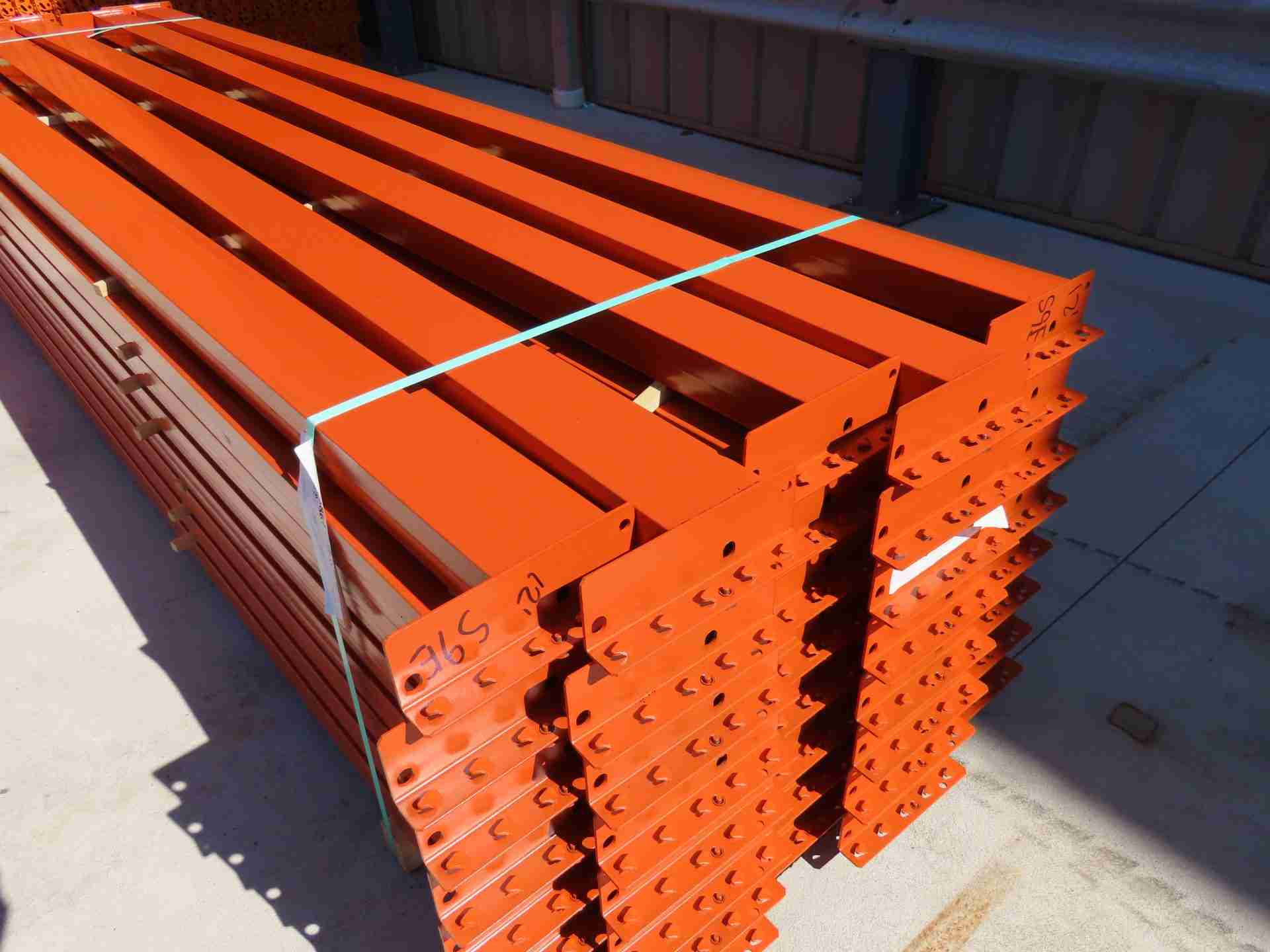
Using Racks In Cold Storage and Freezer Environments
Table Of Contents
- Using Racks In Cold Storage and Freezer Environments
- What Are the Emotional Impacts Of Improper Storage Methods?
- How Can Efficient Racks Save Money on Energy Costs?
- What Ethical Considerations Should Guide Our Cold Storage Practices?
- Are There Industry Standards We Should Follow for Freezer Racks?
- How Do Well-Organized Racks Improve Productivity In Cold Storage?
- Conclusion
- Other Resources
- Glossary Of Terms
- Other Questions
- Checklist
What Are the Emotional Impacts Of Improper Storage Methods?
When you walk into a warehouse filled with towering racks, take a moment to consider the silent workers at play: products resting on metal shelves, waiting for their moment to shine. But what happens when those items are tucked away improperly? The emotional fallout of improper storage methods reaches beyond just a logistical issue; it’s a story woven with lost potential and unmet expectations.
Picture young families eagerly awaiting a shipment of holiday decorations, only to find their cherished memories marred by damage—a dented ornament or a tangled string of lights, left to gather dust in a cramped corner. That disappointment is a gut punch, an emotional letdown that ripples through homes and hearts. We invest in these items, in memories, in stories we want to tell. Yet, when racking systems fail to uphold their end of the bargain, it feels like a betrayal.
But this isn’t just about the items. The way we store things holds a mirror to our values as a community. Poor practices reflect a lack of respect for the labor that goes into creating products and a disregard for those who eagerly await them. It’s the ethical responsibility of every warehouse and distributor to ensure that goods are treated not just as commodities but as vessels of human connection. After all, when we don’t care for them properly, we’re not just wasting resources; we’re dismissing the dreams people attach to each item.
Emotionally charged narratives unfold in every facility. Think of a local artist, proud of their handmade creations, only to find them marred by carelessness and neglect. Each cracked pottery piece isn’t just an item on a shelf; it’s a story of effort, creativity, and passion. When these objects suffer due to improper storage, it’s a slice of someone’s heart going to waste.
And let’s not ignore the impact on the workforce managing these items. They are not merely employees; they are custodians of community pride and craftsmanship. When storage methods are short-sighted, the fallout extends to your employees, discouraging their passion and commitment. We need to inspire confidence in our storage systems—both for the products and for the people handling them.
Remember, every item stored is a possibility—and every possibility deserves better. Proper storage isn’t just a matter of efficiency; it’s a promise to protect our connections, our stories, our very humanity. So let’s take a stand for better racking solutions, today and every day. After all, the chain of care starts with how we choose to store our goods.
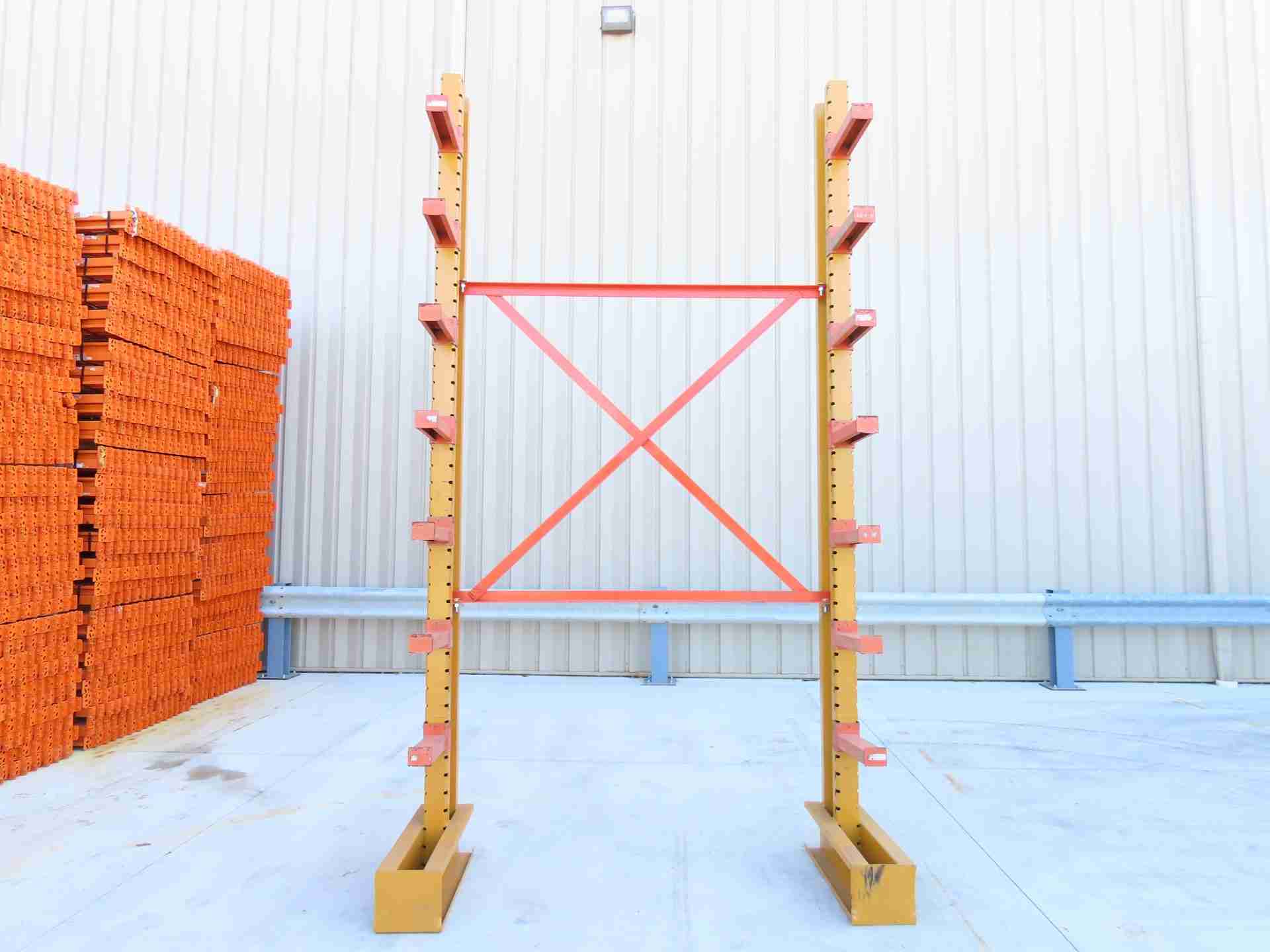
What Are the Emotional Impacts Of Improper Storage Methods?
What Are the Emotional Impacts Of Improper Storage Methods?
- Warehouse storage involves silent workers, where products wait on metal shelves for their usage.
- Improper storage leads to emotional fallout, resulting in disappointment for consumers, especially families awaiting cherished items.
- Failure in racking systems can feel like a betrayal, as products represent significant memories and investments.
- Storage practices reflect community values and ethical responsibilities toward respect for labor and consumer sentiments.
- Improper care leads to loss, hurting local artists and others who pour passion into their creations, as each damaged item tells a story.
- The impact of flawed storage extends to the workforce, discouraging their passion and commitment towards their roles.
- Proper storage is essential not only for efficiency but also for preserving connections, stories, and humanity.
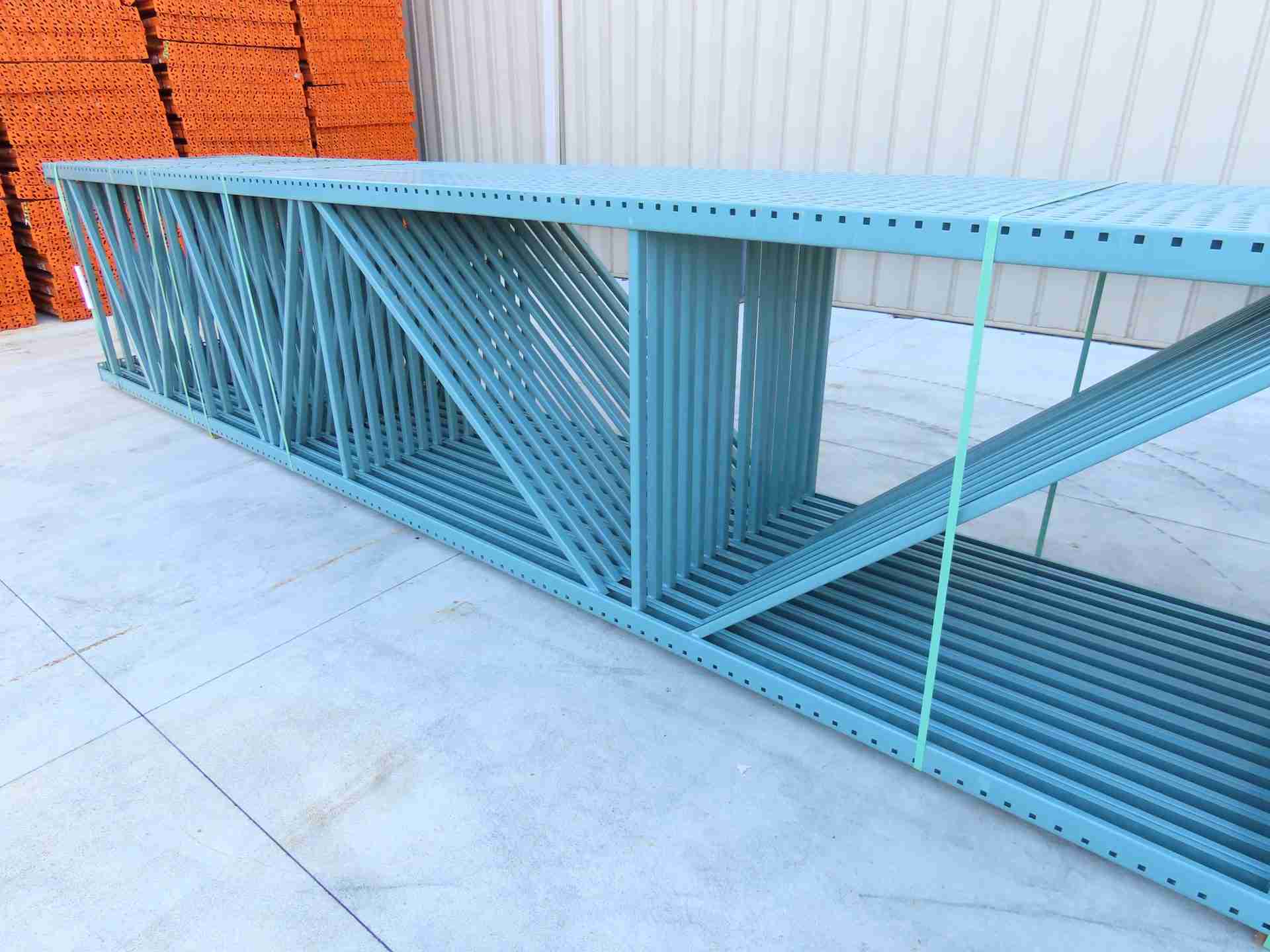
What Are the Emotional Impacts Of Improper Storage Methods?
How Can Efficient Racks Save Money on Energy Costs?
There’s something to be said about the power of a simple rack. When we think of racking, it might conjure images of dusty warehouses or cluttered sheds, but behind this unassuming piece of equipment lies a goldmine of opportunity—especially when it comes to saving precious dollars on energy bills. Picture this: a well-designed racking system isn’t just about holding products; it’s about optimizing space and airflow. When you maximize these fundamentals, you’re not just freeing up floor space; you’re creating an environment that breathes efficiency.
Now, let’s engage the head for a second. Studies reveal that temperature regulation in warehouses can be a silent cost killer. Inefficient racking can trap heat and cause HVAC systems to work overtime, jacking up energy expenses. But here’s the silver lining—effective racking layouts can enhance air circulation, helping reduce those costs significantly. Imagine slashing your energy bill by a significant percentage; that’s real money back in your pocket to invest in your dreams or improve your operations.
But we can’t forget the heart. Every cent saved is a cent that can support families. Behind the racks, there are workers who depend on that warehouse running smoothly. When businesses invest in efficient racking, they not only lower their energy expenses but also foster a healthier workspace, allowing employees to thrive in an optimal environment. It’s a win-win, proving that financial prudence and employee well-being can coexist beautifully.
There’s an ethical component to consider too. In a world grappling with climate change, the call for sustainability is louder than ever. By adopting efficient racking systems, businesses do more than save money; they also reduce their carbon footprint. Energetic and responsible choices send ripples through communities, fostering a sense of social responsibility that resonates with consumers who care where their products come from and the ethos behind them.
So, as you reflect on your operation, take a moment to think about the racks. These structures aren’t merely functional; they’re foundational to a smarter, more sustainable future. Investing in them isn’t just about energy savings; it’s about rewriting your story, one rack at a time. When you embrace efficiency, you’re not only counting the numbers—you’re creating a narrative of innovation, responsibility, and resilience. Let’s rack up those savings and build a brighter tomorrow together.
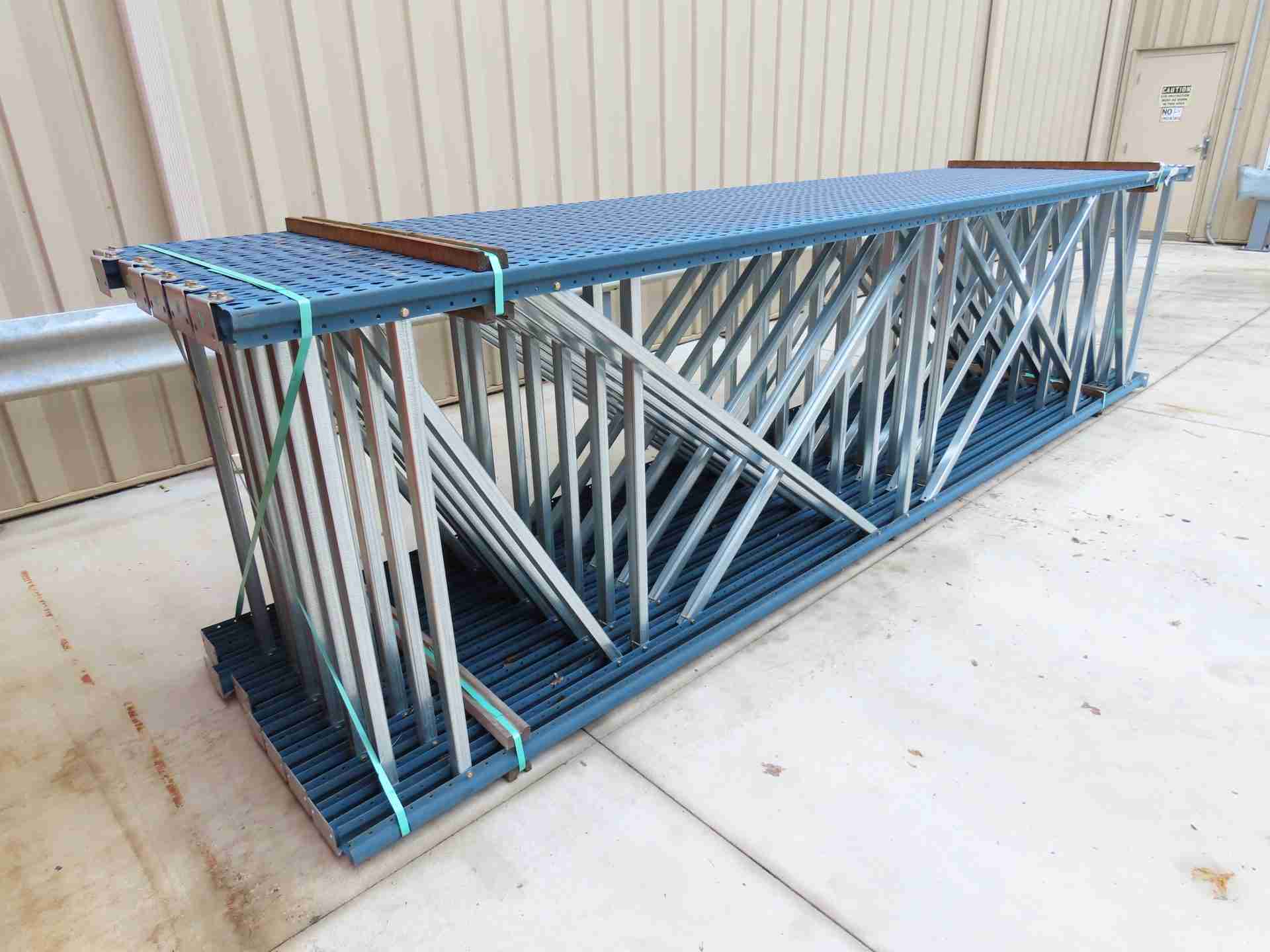
How Can Efficient Racks Save Money on Energy Costs?
How Can Efficient Racks Save Money on Energy Costs?
- A simple racking system can significantly reduce energy bills by optimizing space and airflow.
- Inefficient racking can increase HVAC energy expenses due to poor temperature regulation.
- Effective racking layouts enhance air circulation, leading to cost savings.
- Every cent saved through efficient racking supports employees and creates a healthier workspace.
- Investing in efficient racking fosters a positive work environment, benefiting both finances and employee wellness.
- Adopting efficient racking systems reduces carbon footprints and promotes sustainability.
- Investing in racking is about more than savings; it’s about creating a narrative of innovation and responsibility.
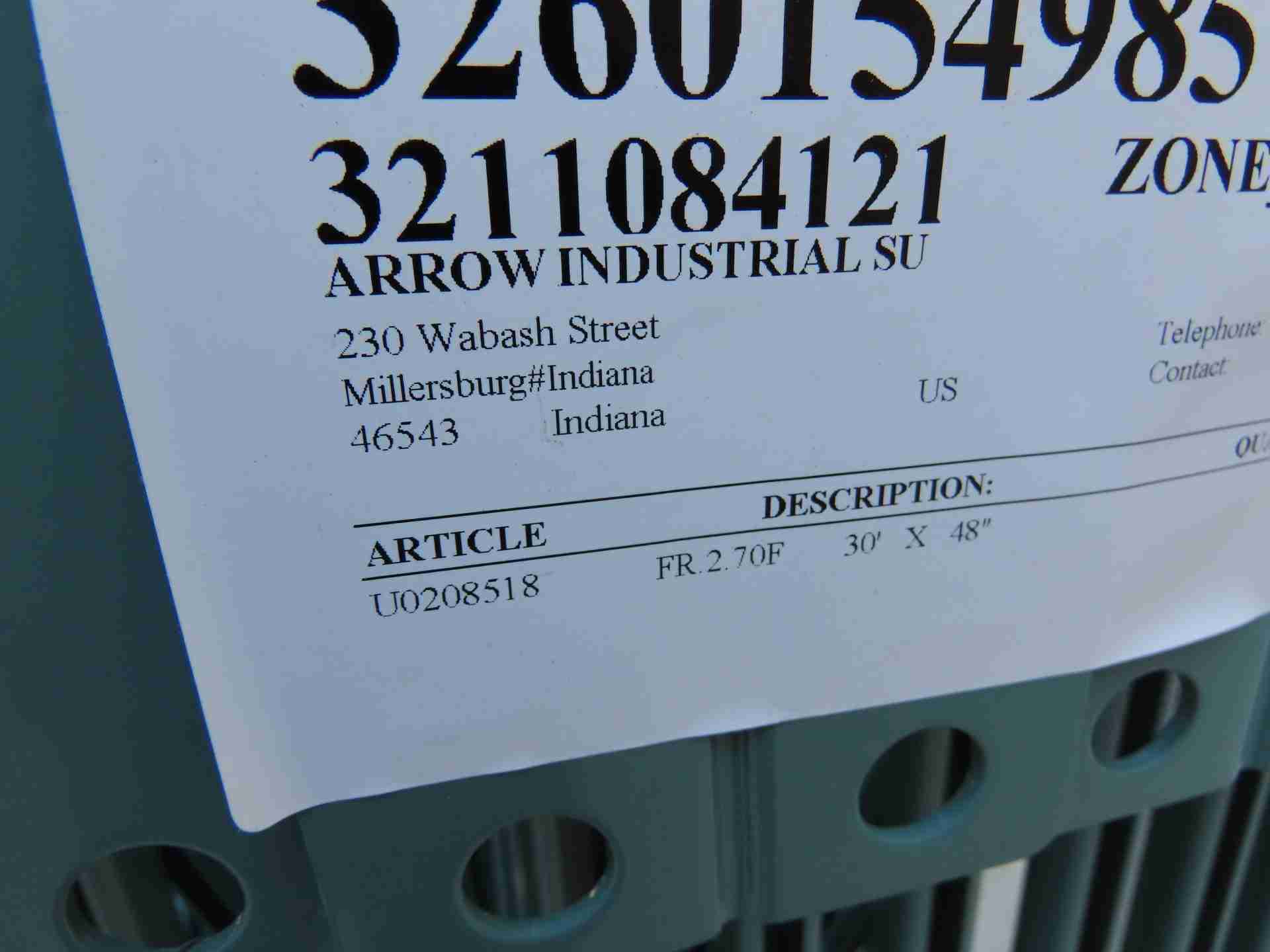
How Can Efficient Racks Save Money on Energy Costs?
What Ethical Considerations Should Guide Our Cold Storage Practices?
When you think about cold storage, the first images that may come to mind might be the sterile, frozen interiors of a warehouse or the silent hum of refrigeration units. But beneath that chill lies a complex web of ethical considerations that can affect us all—from the farmers who grow our food to the families who gather around the dinner table. As we navigate the frosty landscape of cold storage practices, it’s crucial to tap into the heart, head, and gut of this issue.
At the heart of cold storage is the value of trust. We’re not just talking about a warehouse filled with racking systems and pallets; we’re talking about the integrity of our food supply. When produce is stored in conditions that compromise its quality, we risk our health as well as the livelihoods of those who produce it. A farmer’s painstaking efforts to grow that organic produce deserve respect. It’s a connection—one that elicits gratitude for their hard work.
From a rational standpoint, we must understand the legal and environmental implications of our storage choices. Temperature fluctuations and improper practices can lead not only to wasted product but also to increased greenhouse gas emissions. It’s essential to ask ourselves: Are we doing everything possible to minimize spoilage and maintain a sustainable operation? The answer lies in embracing technologies and regulations designed to promote responsible storage practices.
Ethically, we’re faced with a choice every time we load a cooler. Do we prioritize profit or the greater good? The stories of those affected by food waste can be deeply moving. Picture a family enjoying a meal made from farm-fresh veggies that once risked spoiling due to inadequate care. It’s a reminder that what goes into our racking systems isn’t just inventory; it represents a journey, a sacrifice, and ultimately a shared experience.
Socially, we must hold ourselves and our peers accountable. Consumers are becoming more informed and conscious about their choices; they want to know that the systems supporting their food supply are ethical and sustainable. This is the time for us to champion practices that resonate with these values, to foster a community that values quality over quantity.
The cold storage mindset isn’t just about keeping things cold; it’s about warming the hearts, engaging the minds, and stirring the guts of everyone in the supply chain. As we move forward, let’s embrace responsibility, transparency, and innovative practices that honor both people and the planet. By doing so, we enhance not only our industry but also our collective humanity.

What Ethical Considerations Should Guide Our Cold Storage Practices?
What Ethical Considerations Should Guide Our Cold Storage Practices?
- Cold storage practices involve complex ethical considerations impacting farmers and consumers.
- The integrity of our food supply is paramount; compromised quality can affect health and livelihoods.
- Legal and environmental implications arise from improper storage, leading to waste and increased greenhouse gas emissions.
- There’s a choice between prioritizing profit and the greater good with every cooler load.
- Consumers are increasingly aware of ethical and sustainable food sourcing and storage practices.
- Championing responsible storage practices fosters a community valuing quality over quantity.
- The cold storage mindset emphasizes responsibility, transparency, and innovation for the benefit of people and the planet.
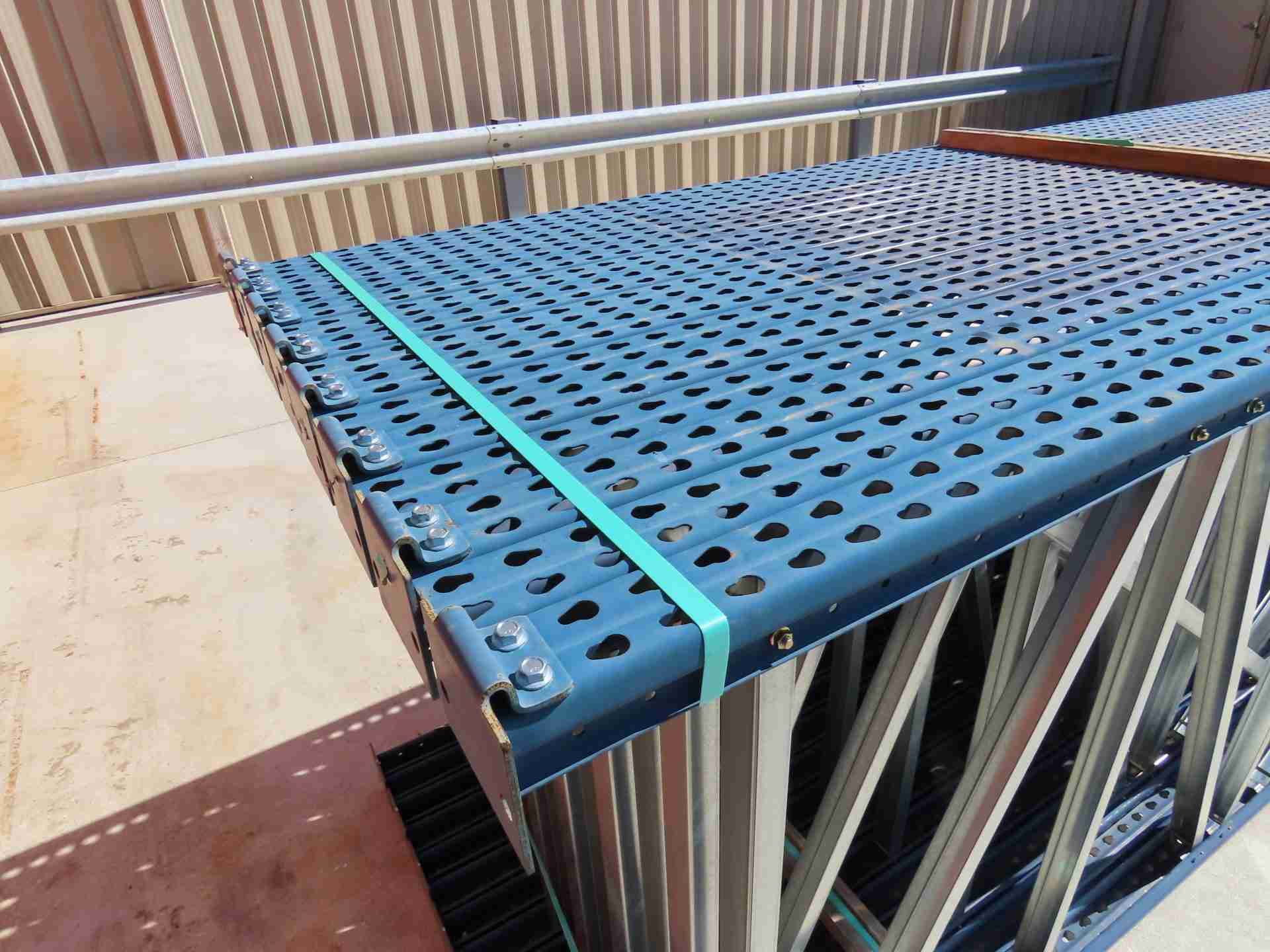
What Ethical Considerations Should Guide Our Cold Storage Practices?
Are There Industry Standards We Should Follow for Freezer Racks?
When we talk about freezer racks, think of them as the unsung heroes of cold storage. They hold the weight of our trust, safeguarding food safety and ensuring that our perishable goods remain fresh. But are there industry standards we should be adhering to? Absolutely, and it’s more than just a matter of consistency; it’s about responsibility.
Picture a bustling kitchen or a sprawling commercial facility, where every inch counts, and every rack is vital. Racking isn’t just about putting things away; it’s a testament to the quality and safety of what we consume. Without proper standards, we risk more than product loss; we jeopardize public health. The emotional weight of a recall can devastate a company, while the faces of those affected linger in our minds long after the crisis passes.
From a practical standpoint, compliance with established guidelines—like those outlined by the NSF (National Sanitation Foundation) or HACCP (Hazard Analysis Critical Control Point)—is non-negotiable. These industry standards serve as a blueprint for safety, durability, and performance. They are the benchmarks that elevate a simple freezer rack to a critical component of our food supply chain, ensuring that certain dimensions, materials, and load capacities are met. If you’re choosing equipment without this knowledge, you’re rolling the dice with both finances and health.
Ethically, we have a duty to our communities and families to provide safe, reliable products. In a world overflowing with choices, those of us in the industry must stand as authoritative voices, ensuring integrity through compliance and best practices. Adopting well-regarded standards helps foster trust—an intangible commodity, but one worth its weight in gold. Far too often, businesses cut corners, sacrificing quality for cost. But imagine the pride we can take in saying, “Yes, we did it right,” knowing we’ve contributed to something greater than ourselves.
On a social level, sharing knowledge about standards and practices with your team can inspire a culture of continuous improvement. It’s about fostering a connection where everyone understands the importance of what they do. So, whether you’re outfitting a commercial kitchen or simply trying to keep your home organized, remember: investing in proper racking doesn’t just save money; it builds a legacy of safety and reliability. Take it to heart and lead by example, because every choice counts.
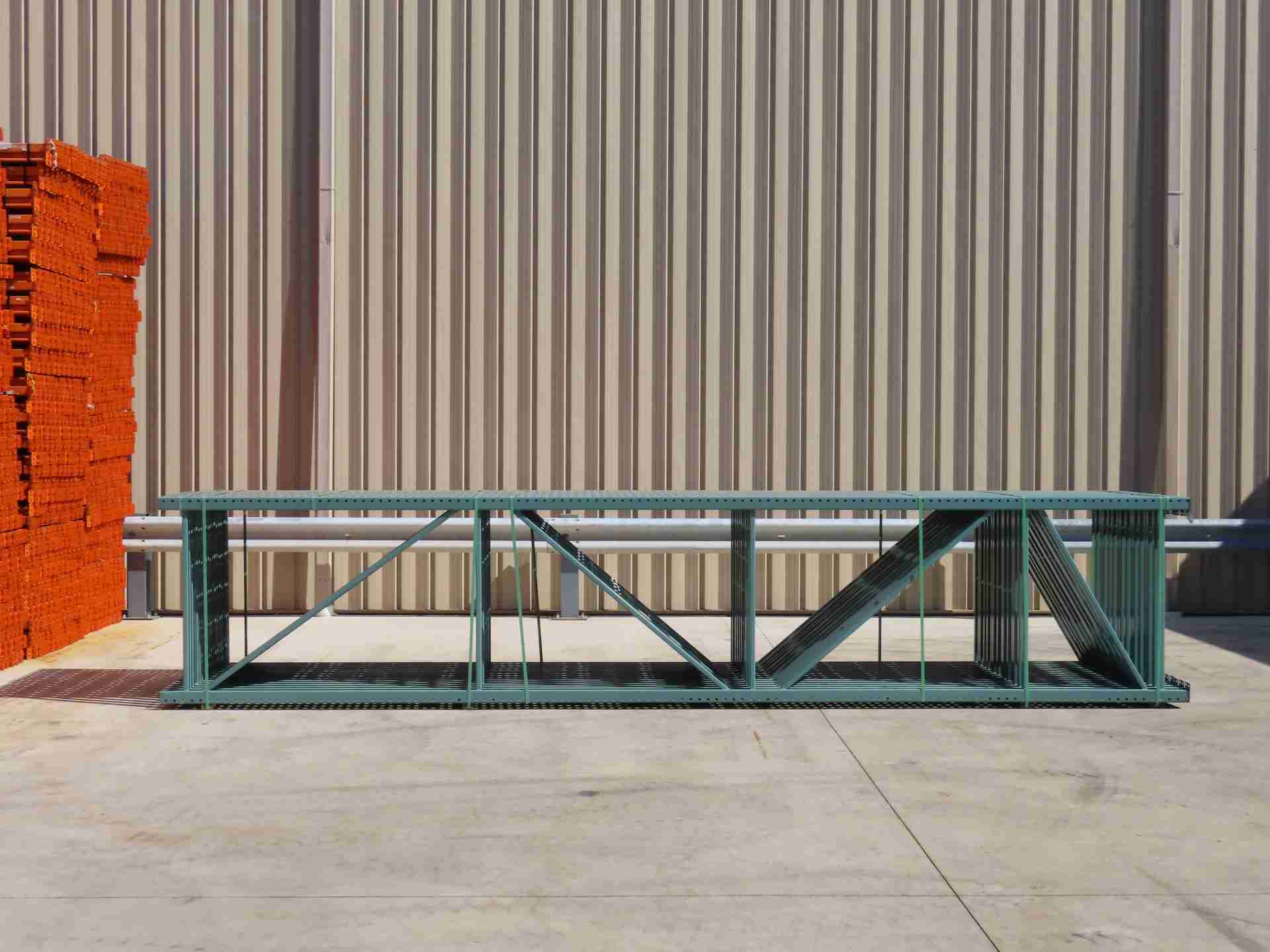
Are There Industry Standards We Should Follow for Freezer Racks?
Are There Industry Standards We Should Follow for Freezer Racks?
- Freezer racks are essential for food safety, ensuring perishable goods remain fresh.
- Adhering to industry standards is crucial for maintaining quality and protecting public health.
- Compliance with guidelines from NSF and HACCP is mandatory for safety and performance.
- Understanding proper dimensions, materials, and load capacities is vital to avoid financial and health risks.
- Businesses have an ethical duty to provide safe, reliable products to their communities.
- Sharing knowledge about standards fosters a culture of continuous improvement within teams.
- Investing in proper racking not only saves money but also builds a legacy of safety and reliability.
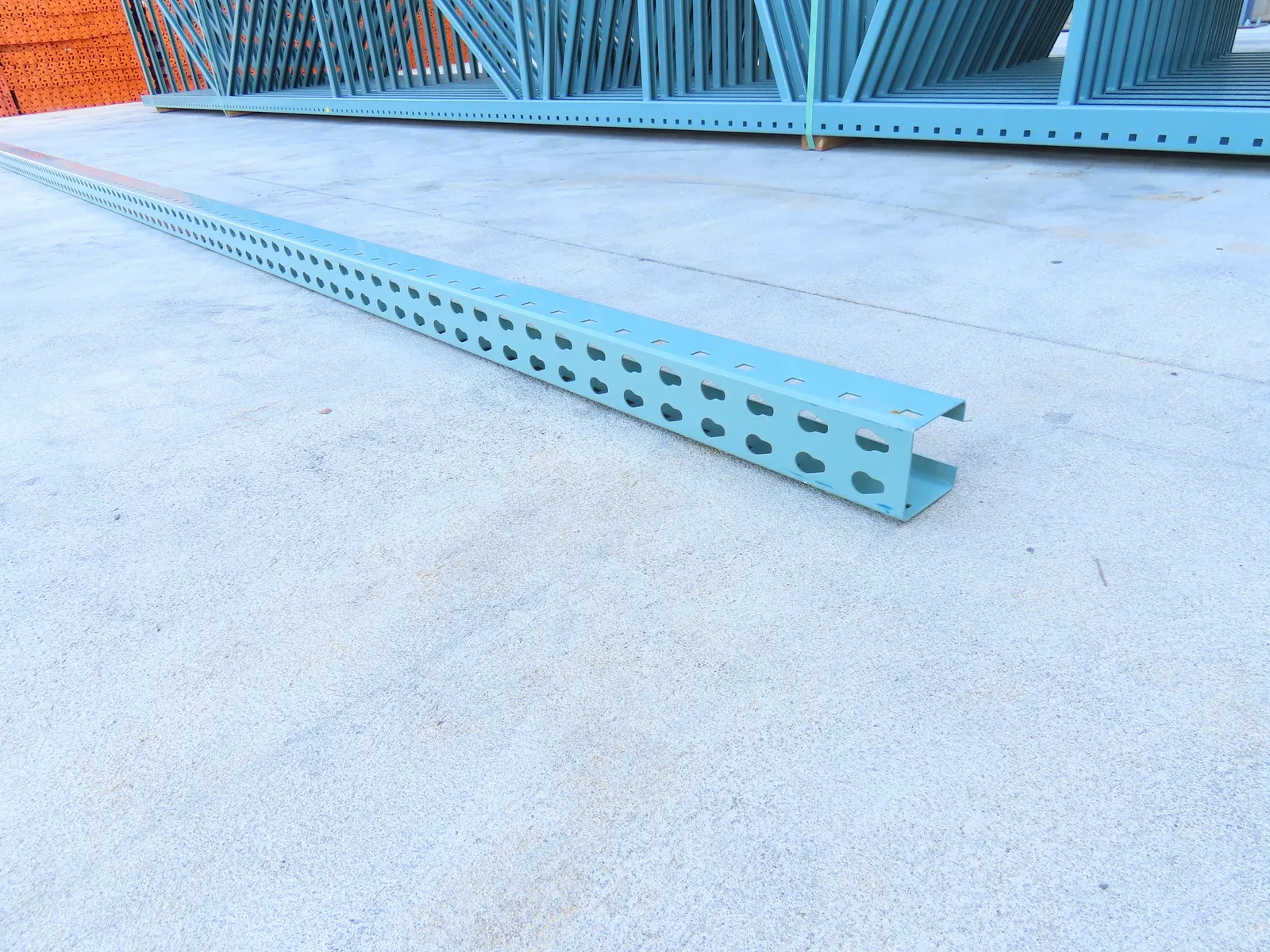
Are There Industry Standards We Should Follow for Freezer Racks?
How Do Well-Organized Racks Improve Productivity In Cold Storage?
In the cold storage industry, well-organized racking can transform more than just inventory management; it can kindle a spirit of efficiency that resonates throughout the entire operation. Picture this: a warehouse filled with pristine rows of fresh produce or pharmaceutical essentials, all neatly nestled within a thoughtfully designed racking system. This isn’t just about stacking boxes; it’s about mastering the art of organization, a symphony of order in a world that often feels chaotic.
When you step into a neatly organized cold storage facility, you feel it in your bones—the sense of productivity that vibrates in the air. Each product clearly labeled, every item accessible without the frustrating dance around misplaced goods. This rational structure doesn’t just save time; it saves money. Every minute spent searching for a misplaced item is a minute wasted—an expense stacking up faster than any racking system can hold. An organized racking setup optimizes space, maximizes inventory control, and permits swift access, empowering staff to focus on what really matters: serving customers and keeping the whole system running like a well-oiled machine.
Ethically, investing in a proper racking system isn’t just good business; it’s good stewardship. Treating valuable inventory and employees with respect means ensuring that both are handled with care. Well-designed racking protects products from damage, reducing waste and ensuring that high-quality goods make their way to consumers in tip-top shape. This commitment reflects a deeper responsibility to uphold standards that benefit not just the company but the community at large.
But let’s get to the heart of the matter—stories. Every item stored tells a tale, whether it’s the seasonal harvest destined for family dinners or the lifesaving vaccines for vulnerable populations. A well-organized racking system allows these stories to unfold seamlessly. When the time comes to fulfill an order, the satisfaction felt from quick, accurate delivery is a reward in itself.
In a world where competition is fierce, social cohesion thrives on efficiency and reliability. Workers thrive in environments where they know what to expect and where things belong; they feel proud of the space they maintain. A solid, organized rack not only builds confidence in the workflow but also cultivates a culture of teamwork and dependability.
So, consider the racking system in our cold storage facilities not just as a tool, but as a cornerstone of productivity—an unsung hero driving our commitment to excellence every day.

How Do Well-Organized Racks Improve Productivity In Cold Storage?
How Do Well-Organized Racks Improve Productivity In Cold Storage?
- Well-organized racking enhances inventory management in the cold storage industry.
- A neat racking system promotes a spirit of efficiency and productivity throughout the operation.
- Organized storage saves time and money by minimizing the search for misplaced items.
- Effective racking optimizes space, maximizes inventory control, and allows for quick access to items.
- Investing in proper racking demonstrates stewardship, protecting products and enhancing employee care.
- A well-structured system allows the stories behind stored items to unfold seamlessly, leading to customer satisfaction.
- Organized racking fosters a culture of teamwork and dependability, contributing to a reliable work environment.
How Do Well-Organized Racks Improve Productivity In Cold Storage?
Conclusion
In the world of cold storage, racking systems are more than just a practical solution; they symbolize our dedication to preserving the quality and integrity of the food we cherish. Imagine stepping into a clean, organized warehouse, where rows of expertly arranged racks stand strong, safeguarding fresh produce and frozen treats from the relentless march of time. This powerful setup maximizes space and efficiency, allowing us to store our favorite ingredients while keeping them fresh for every family gathering and celebration. It’s an emotional investment in every meal shared at the dinner table, showcasing not just food, but the passion and labor of countless individuals involved in the supply chain.
There’s an ethical responsibility tied to how we use these racking systems. Choosing the right products doesn’t only enhance operational efficacy; it champions sustainable practices that minimize waste and energy consumption. Each rack serves a dual purpose: not only does it hold goods, but it also embodies our commitment to better practices and environmental stewardship. The connection between the integrity of our food and the methods we use to store it is undeniable. As consumers grow increasingly aware of food sourcing, we must prioritize the systems that guarantee safety and quality.
Let’s not forget the importance of efficient storage. Picture the smooth operation of retrieving an item off a rack—what could easily turn into a frustrating ordeal becomes a seamless experience. This confidence fosters trust between warehouse operators and consumers. When we take care of our inventory, we’re not simply preserving products; we’re nurturing the community that relies on them, reflecting a deeper connection to the stories behind each item stored.
The narrative continues with the implications of improper storage. When racking systems falter, memories turn to disappointment. Damaged goods lead to emotions that resonate far beyond financial losses; they symbolize broken promises and lost experiences. Inefficient practices send shockwaves through our communities, undervaluing the labor and dreams wrapped up in every product.
Ultimately, embracing well-organized racking systems isn’t just a matter of efficiency; it’s a promise of accountability to our families and communities. The racks we choose to invest in define not just our operations but the very culture of caring and responsibility we build. They hold our highest values and aspirations—an enduring testament to the human stories conveyed through every morsel of food and every heartwarming meal. When we allocate time and resources to secure the proper storage, we aren’t just saving dollars; we’re creating a legacy of reliability and ethics that sustains our shared humanity.
Conclusion
Conclusion:
- Racking systems in cold storage symbolize the dedication to preserving food quality and integrity.
- Organized warehouses enhance space utilization, ensuring fresh and frozen goods remain safe and accessible.
- These systems support sustainable practices, minimizing waste and energy consumption.
- Effective storage methods ensure confidence and trust between warehouse operators and consumers.
- Improper storage can lead to damaged goods, symbolizing broken promises and lost experiences.
- Well-organized racking systems reflect accountability to families and communities.
- Investing in storage systems creates a legacy of reliability and ethics in food preservation.
Conclusion
Other Resources
Other Resources
Here is a list of other resources you can review online to learn more:
- Interlake
- Pallet Racking systems in Illinois and Great Lakes
- Racking World
- Chicago Pallet Racking
- Storage Equipment Manufacturers Association
- MHI
- Material Handling Industry
- American Surplus
- Pallet Racking systems in Illinois and Great Lakes
- Illinois
- The Ultimate Pallet Racking Guide – Speedrack West
- Overhead Lifting
- Warehouse Racking Chicago, IL
- IIWS Inc. Rack Installation Illinois & Rack Repairs Illinois
- CMMA
- Cantilever Rack Configuration & Installation: A Comprehensive Guide – BMH
- WERC
- What is Cantilever Racking? – AK Material Handling Systems
- Warehouse Racking System: Powerful Guide to Optimise, 2024
- Crane Manufacturers Association Of America Inc.
Use This Prompt To Get More Resources With Your Favorite Online AI Tool: Please provide me with a list of online articles with their URLs in a bulleted list that I can read regarding Using Racks In Cold Storage and Freezer Environments
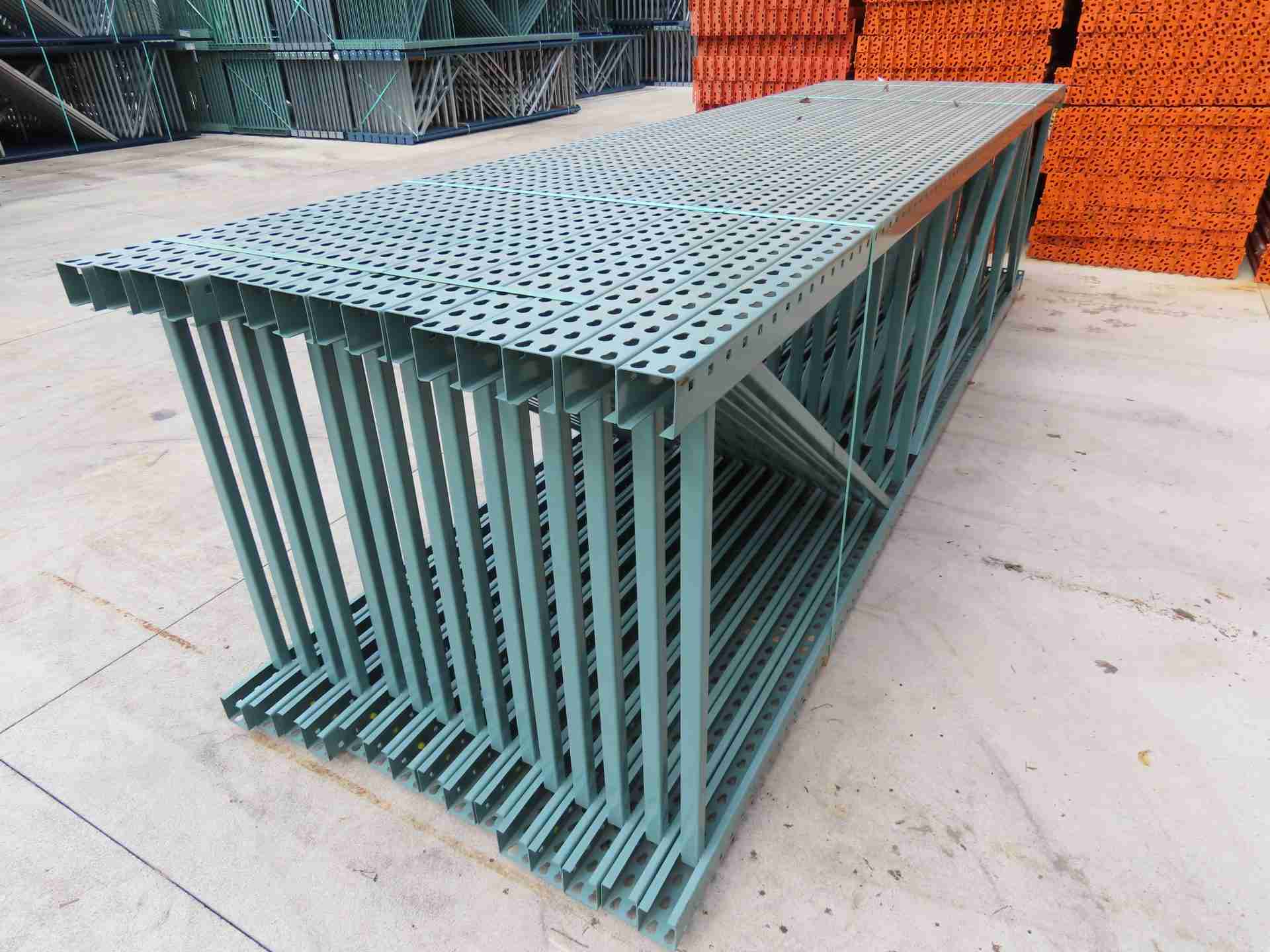
Other Resources
Glossary Terms
Using Racks In Cold Storage and Freezer Environments – Glossary Of Terms
1. Racks: Structures used to hold items in cold storage or freezer environments, maximizing space and accessibility.
2. Cold Storage: A controlled environment with lower temperatures to preserve perishable goods, typically between 32°F and 50°F.
3. Freezer: A space maintained at temperatures below 32°F to preserve food and other perishable items for long periods.
4. Shelving: Horizontal surfaces or platforms on racks used to store items at different heights within cold storage facilities.
5. Sanitation: The process of cleaning and disinfecting surfaces in cold storage to prevent contamination and ensure food safety.
6. Temperature Control: The regulation of temperature within cold storage environments to maintain product integrity and safety.
7. Humidity Control: The management of moisture levels in cold storage to prevent spoilage, freezer burn, or mold growth.
8. FIFO (First In, First Out): A stock management method where the oldest items are used first to minimize waste.
9. Temperature Logger: A device that continuously monitors and records temperature variations in cold storage.
10. Insulation: Materials used in the construction of cold storage and freezer units to maintain low temperatures and improve energy efficiency.
11. Pallets: Platforms used to support goods on racks, facilitating easy movement by forklifts in cold storage areas.
12. Rack Systems: Configurations of racks designed for specific cold storage needs, often adjustable for different product sizes.
13. Compliance: Adhering to health, safety, and food storage regulations within the cold storage industry.
14. Restocking: The process of replenishing items on racks in cold storage or freezer environments.
15. Storage Density: A measure of how much product can be stored in a given area, influenced by the design of the racks and layout.
16. Accessibility: The ease with which stored items can be retrieved, influenced by rack arrangement and design.
17. Food Safety: Practices and policies implemented to keep food safe from contamination during storage and handling.
18. Ergonomics: The study of designing workspaces, including cold storage, to optimize human efficiency while minimizing injury risks.
19. Blast Freezing: A rapid freezing process that quickly lowers food temperature to preserve freshness and quality.
20. Inventory Management: Techniques used to track inventory levels and product movement within cold storage.
21. Shelf Life: The length of time perishable goods can be stored before they spoil.
22. Airflow: The movement of air within cold storage spaces, critical for maintaining uniform temperature and reducing ice buildup.
23. Load Capacity: The maximum weight that racks can safely support in cold storage environments.
24. Condensation: The formation of water droplets due to temperature variations, which can affect the storage quality of goods.
25. Temperature Zones: Designated areas within cold storage or freezer units that maintain specific temperature settings for different products.
26. Frost Prevention: Techniques employed to minimize frost buildup in freezer environments, optimizing storage efficiency.
27. Cleaning Schedule: A planned routine for regularly cleaning and maintaining cold storage facilities and equipment.
28. Zoning: The practice of dividing cold storage into sections based on temperature needs or product types for efficient management.
29. Load Distribution: The arrangement of products on racks to evenly distribute weight and maintain rack integrity.
30. Emergency Protocols: Procedures to follow in case of equipment failure or temperature deviations in cold storage settings.
Glossary Of Terms
Other Questions
Using Racks In Cold Storage and Freezer Environments – Other Questions
If you wish to explore and discover more, consider looking for answers to these questions:
- What types of racking systems are best suited for cold storage and freezer environments?
- How do racking systems impact the shelf life of stored products?
- What are the best practices for maintaining and cleaning racking systems in cold storage?
- How can businesses choose the right racking system for their specific needs?
- What are the consequences of neglecting proper racking protocol?
- How do different industries (such as pharmaceuticals vs. food) affect racking needs?
- What training is necessary for staff managing cold storage facilities?
- How can technology improve racking efficiency in cold storage?
- What role does temperature monitoring play in the effectiveness of racking systems?
- How do local regulations impact racking systems in cold storage environments?
Other Questions
Checklist
Using Racks In Cold Storage and Freezer Environments – A Checklist
Checklist for Maximizing Efficiency and Preservation in Cold Storage and Freezer Environments
Emotional Appeals
_____ Visualize the stories behind each item: Are you preserving memories and future meals with quality storage?
_____ Reflect on the commitment to care: How does your storage reflect the values you hold dear?
_____ Foster connections: How can better storage enhance community trust in your products?
Rational Appeals
_____ Assess space utilization: Are your racks designed to maximize airflow and minimize energy consumption?
_____ Evaluate the impact of energy savings: Can you quantify potential savings from optimizing your racking systems?
_____ Identify compliance standards: Are you familiar with the NSF and HACCP guidelines applicable to your operations?
Ethical Appeals
_____ Review the sustainability of your practices: Are your racking choices reducing waste and support eco-friendly operations?
_____ Commit to product integrity: How are you protecting the quality of the goods and the welfare of those who produce them?
_____ Understand your social responsibility: Are you contributing to a reliable food supply chain that upholds ethical standards?
Authority Appeals
_____ Consult industry experts: Are you seeking advice from racking solution professionals or industry associations?
_____ Stay informed on best practices: Are you up to date with the latest technological advancements and standards in cold storage?
_____ Benchmark against peers: How do your racking practices compare with leaders in the industry for efficiency and ethics?
Narrative Appeals
_____ Share success stories: Do team members understand the impact of proper storage on customer satisfaction and safety?
_____ Document transformation: How can organized racks tell the story of better efficiency and reduced waste in your facility?
_____ Engage employees in the narrative: Have you encouraged staff to share their experiences and suggestions for improved practices?
Social Appeals
_____ Build a culture of accountability: Are you encouraging teamwork and responsibility around the storage practices in your facility?
_____ Communicate your values: How are you sharing your commitment to quality and stewardship with customers and stakeholders?
_____ Engage the community: Are you involving local partners and consumers in discussions about food safety and quality?
Use this checklist to inspire hope, cultivate understanding, and create a meaningful impact through better practices in your cold storage and freezer environments.
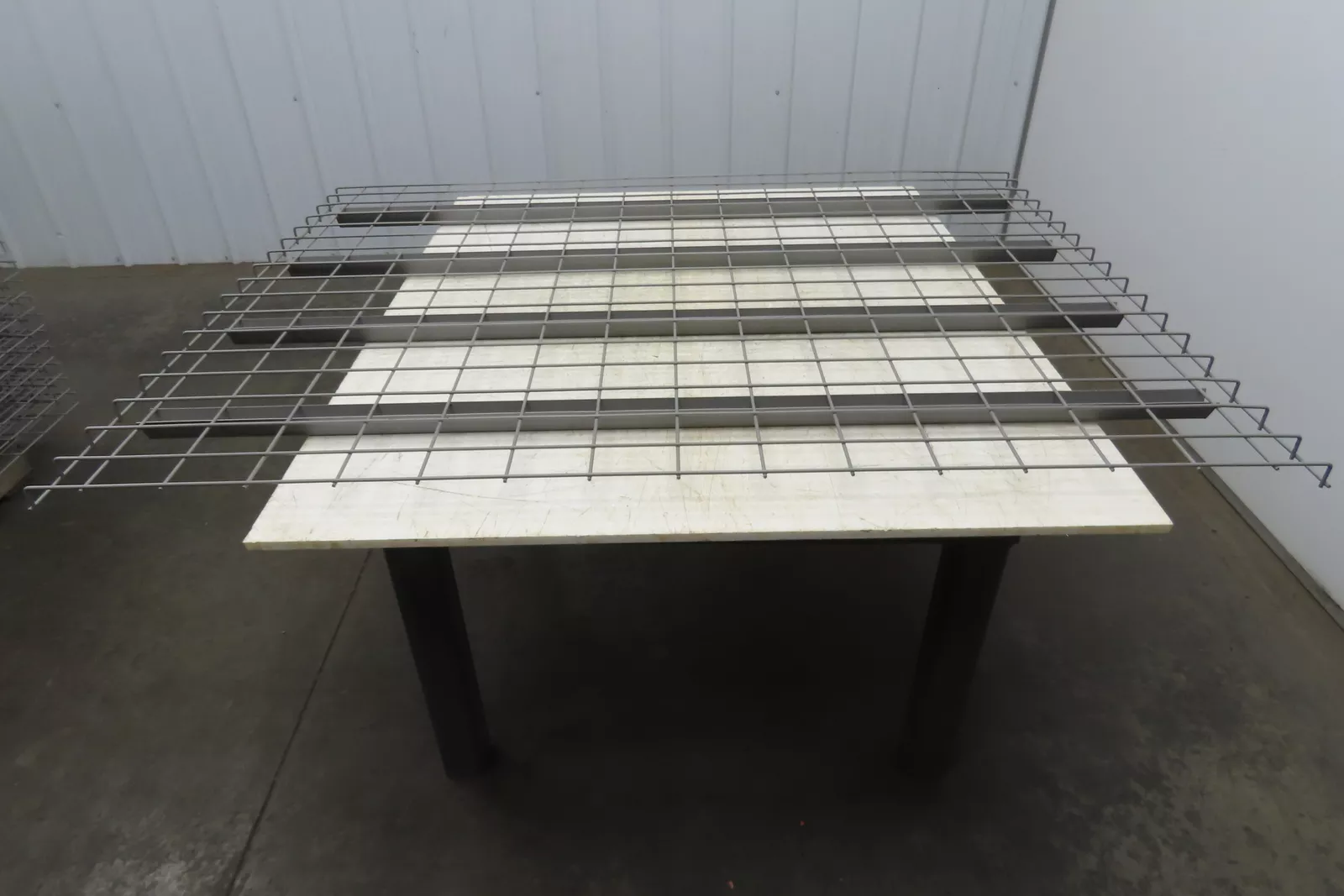
Checklist
At RackingWorld, we help guide you through selecting warehouse storage systems and racking.
Be sure to read our other related stories at RackingWorld to learn more about warehouse storage systems.
0 Comments