
Optimizing Organizational Efficiency And Product Integrity
By Tom Seest
At RackingWorld, we help guide you through selecting warehouse storage systems and racking.
Be sure to read our other related stories at RackingWorld to learn more about warehouse storage systems.
The Role Of Racking In Cold Storage
Picture yourself standing in a massive cold storage facility, the hum of refrigeration units blending with the soft rustle of products being moved around. This is where racking takes center stage, a silent hero in the world of food and product preservation. Racking isn’t just a structure; it’s the backbone of operational efficiency in the cold storage landscape.
Why does it matter? Let’s dig in. For every person who walks into a grocery store and picks up fresh produce, or anyone who enjoys a frozen meal at the end of a long day, racking plays an essential role. These systems are designed with a purpose: maximizing space, ensuring proper airflow, and maintaining consistent temperatures. That’s not just smart logistics; it’s a commitment to safety and quality.
Imagine the implications if racking systems weren’t meticulously planned. Products could spoil, shelves might collapse, and ultimately, waste would soar. Think about the families counting on those essentials, the farmers who worked tirelessly to cultivate their harvest, or the communities relying on food banks. The faces behind these statistics are real people, and that’s where the emotional weight of racking hits hardest. Effective storage solutions foster trust in a supply chain that spans from farm to table.
On a rational level, consider the costs associated with poor racking design. Imagine the financial burden of wasted food or the hits to a business’s reputation when products don’t meet safety standards. Efficient racking systems not only minimize spoilage but optimize labor, allowing staff to navigate the aisles with purpose. This level of organization enhances productivity and maximizes profitability, creating a ripple effect that supports jobs and economies.
Ethically, there’s a responsibility to ensure that perishable items are stored and transported safely. It’s about doing the right thing for consumers, for the planet, and for future generations. Brands that invest in quality racking systems demonstrate their commitment to sustainability and public health, empowering consumers to make informed choices.
As you reflect on the critical nature of racking in cold storage, consider its role as the unsung hero of the supply chain. It’s not just about shelves and pallets; it’s about supporting communities, ensuring security, and fostering a connection between producers and consumers. When racking is done right, it resonates through the whole system, proving that every detail matters in the journey from farm to fork.
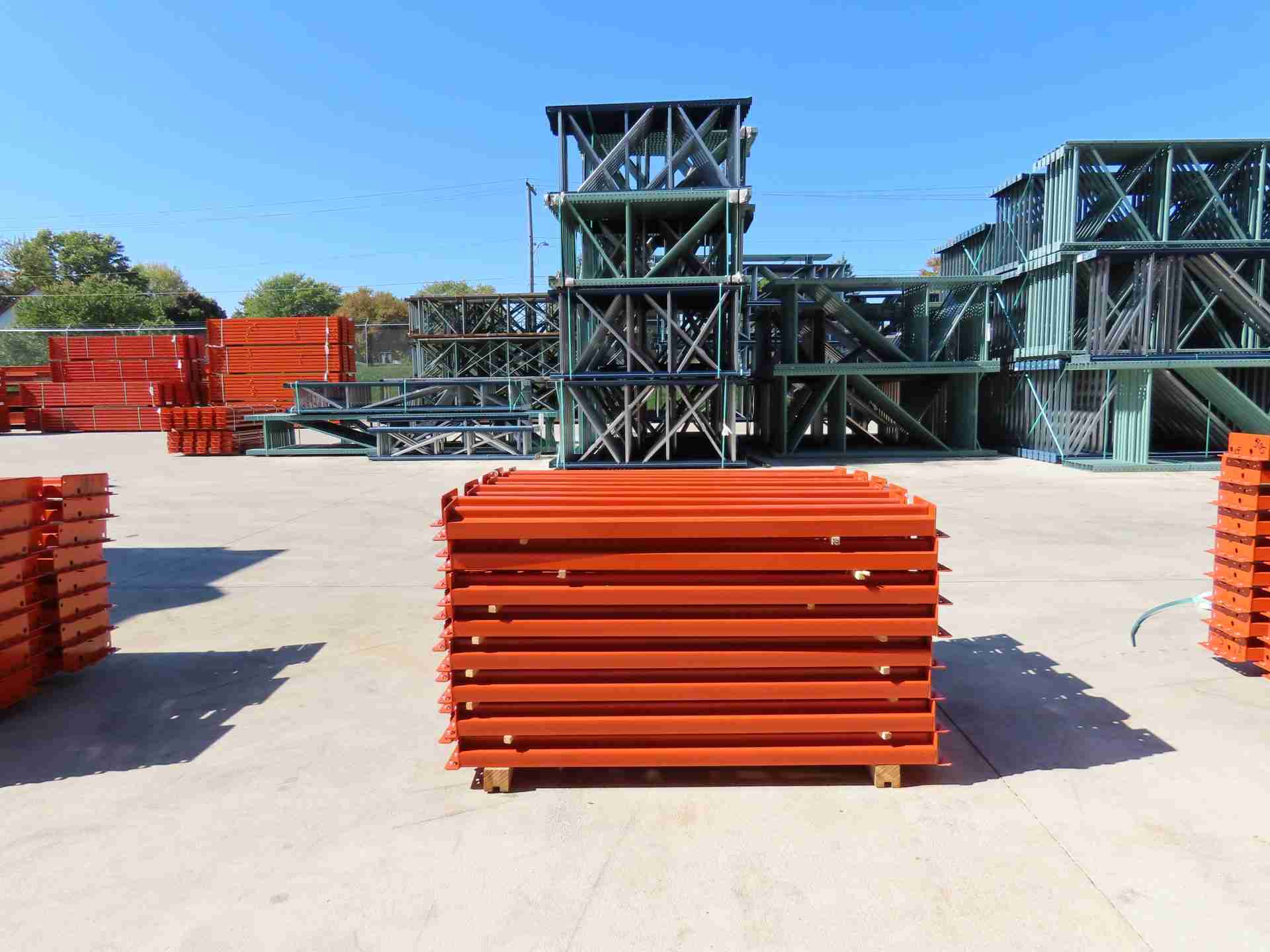
The Role Of Racking In Cold Storage
The Role Of Racking In Cold Storage
- Racking is crucial in cold storage facilities, enhancing food and product preservation.
- Effective racking maximizes space, ensures proper airflow, and maintains consistent temperatures, promoting safety and quality.
- Poor racking planning can lead to product spoilage and increased waste, impacting families and communities dependent on food supplies.
- Efficient racking minimizes spoilage and optimizes labor, enhancing productivity and profitability for businesses.
- Brands that prioritize quality racking systems show their commitment to sustainability and public health.
- Racking supports connections between producers and consumers, fostering trust in the supply chain.
- Proper racking practices reflect the importance of every detail in the food journey from farm to fork.
The Role Of Racking In Cold Storage
Table Of Contents
- The Role Of Racking In Cold Storage
- What Emotional Benefits Do Efficient Racking Systems Provide?
- What Stories From the Industry Highlight the Importance Of Racking?
- How Do Social Norms Influence the Design Of Cold Storage Facilities?
- How Can Racking Systems Mitigate Loss and Waste In Cold Storage?
- How Do Industry Standards Impact Racking Choices In Cold Storage?
- Conclusion
- Other Resources
- Glossary Of Terms
- Other Questions
- Checklist
What Emotional Benefits Do Efficient Racking Systems Provide?
When you step into a warehouse filled with efficient racking systems, what you’re really standing among is order in chaos. These systems do more than just keep inventory organized; they transform a cumbersome workplace into a sanctuary of productivity. Imagine walking through an aisle where every box and every tool is in its rightful place. It gives you a sense of calm in a world that often feels a bit too chaotic. That feeling—of knowing exactly where to find what you need—provides an emotional anchor amidst the hustle and bustle of daily tasks.
Racking systems reflect not just a commitment to efficiency, but also to the people who work with them. They tell a story about respect for the workforce—an understanding that every worker deserves a workspace where they can thrive. It’s about fostering connection. When employees aren’t rummaging through disorganized inventory or searching for misplaced tools, they experience a tremendous lift in morale. They feel valued, knowing that their employers care enough to invest in systems that make their jobs easier and safer. Beyond the nuts and bolts, there’s a heart behind these racks—one that acknowledges the human element in this equation.
And let’s talk about productivity. An efficient racking layout can significantly reduce time spent looking for items, boosting each worker’s ability to focus on what they do best. This isn’t just a minor detail; it’s the very fabric of economic success. By streamlining operations, you not only improve the bottom line but also promote a culture of efficiency that inspires confidence. Employees become eager contributors to a well-oiled machine rather than mere cogs in the wheel.
From the ethical standpoint, investing in racking systems is a choice that reflects a conscientious business ethos. Companies that take the initiative to implement effective storage solutions are investing in sustainability. They’re maximizing space, minimizing waste, and ultimately reducing their carbon footprint. This is more than just smart business; it’s a commitment to the greater good.
So next time you walk through a facility lined with efficient racking, take a moment to appreciate what’s at play. It’s not merely about storage; it’s about creating an environment that supports people, uplifts spirits, and drives success. Because in the end, it’s more than just racks and inventory—it’s about building a future where everyone feels empowered to do their best work.
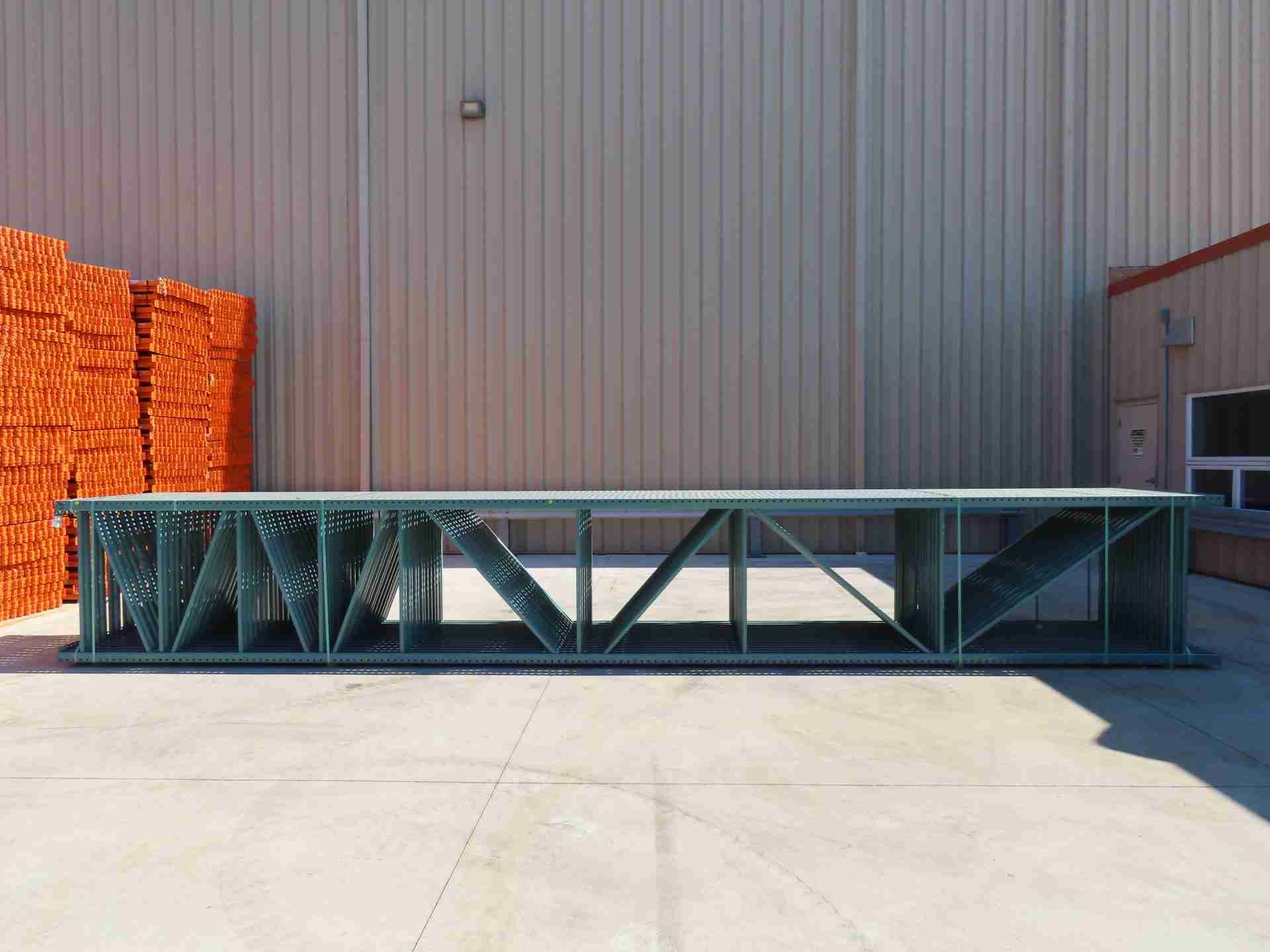
What Emotional Benefits Do Efficient Racking Systems Provide?
What Emotional Benefits Do Efficient Racking Systems Provide?
- Efficient racking systems bring order to chaos, enhancing workplace productivity.
- Organized spaces provide emotional stability, allowing workers to locate tools and items easily.
- Racking systems demonstrate respect for employees, emphasizing the importance of a supportive workspace.
- Improved organization boosts employee morale and shows that employers value their contributions.
- Effective racking layouts significantly reduce item retrieval time, enhancing focus and overall productivity.
- Investing in racking systems reflects a conscientious business ethos and promotes sustainability.
- Efficient racking creates an environment that empowers employees and drives business success.

What Emotional Benefits Do Efficient Racking Systems Provide?
What Stories From the Industry Highlight the Importance Of Racking?
In every warehouse, distribution center, or manufacturing facility, racking systems play a silent yet pivotal role, weaving together the fabric of efficiency and safety. Picture a bustling distribution hub. Products are moving, employees are darting from one end to another, and everything depends on that intricate network above your head—racking. These structures are not mere shelves but lifelines that uphold both productivity and the livelihoods of the workers below. The stories from the field resonate like an anthem for what racking truly stands for.
Consider a small family-owned business that took the plunge to expand. They faced the daunting reality of storing more merchandise than ever before. With their cramped floor space leading to chaos, the owner turned to racking solutions which transformed not just their warehouse but their entire operation. Suddenly, products were organized, employees were happier, and order fulfillment skyrocketed. That is the power of racking; it activates potential within spaces thought to be maxed out. When racking is integrated thoughtfully, it amplifies success and invites growth.
Yet the importance of racking goes beyond mere convenience; it speaks to safety. A warehouse manager once recounted how the implementation of engineered racking systems saved lives. After a near miss where improperly stored goods nearly toppled over, the team immediately upgraded to a more stable racking solution. That decision not only halted what could have been a tragic accident but also fostered a culture of safety among employees. The emotional weight of knowing you’ve contributed to a safer workspace is immeasurable.
Then there’s the ethical side of things. Efficient racking reduces waste, optimizing space and resources. In an industry mindful of environmental impact, choosing the right racking can lead to significant reductions in carbon footprints, aligning profit with purpose. As companies recognize their responsibility to the planet, smart racking systems become allies in the fight against wastefulness.
These stories are not just about steel and shelves; they’re narratives underscoring the human connection. Behind every racking system is a story—of hard work, dedication, and the relentless pursuit of improvement. When racking is done right, it fosters a sense of pride among the workforce, creating a community united by shared goals. So, next time you pass through a warehouse, remember: beneath those products and pallets lies a story waiting to inspire, connect, and elevate all those who walk through its aisles.
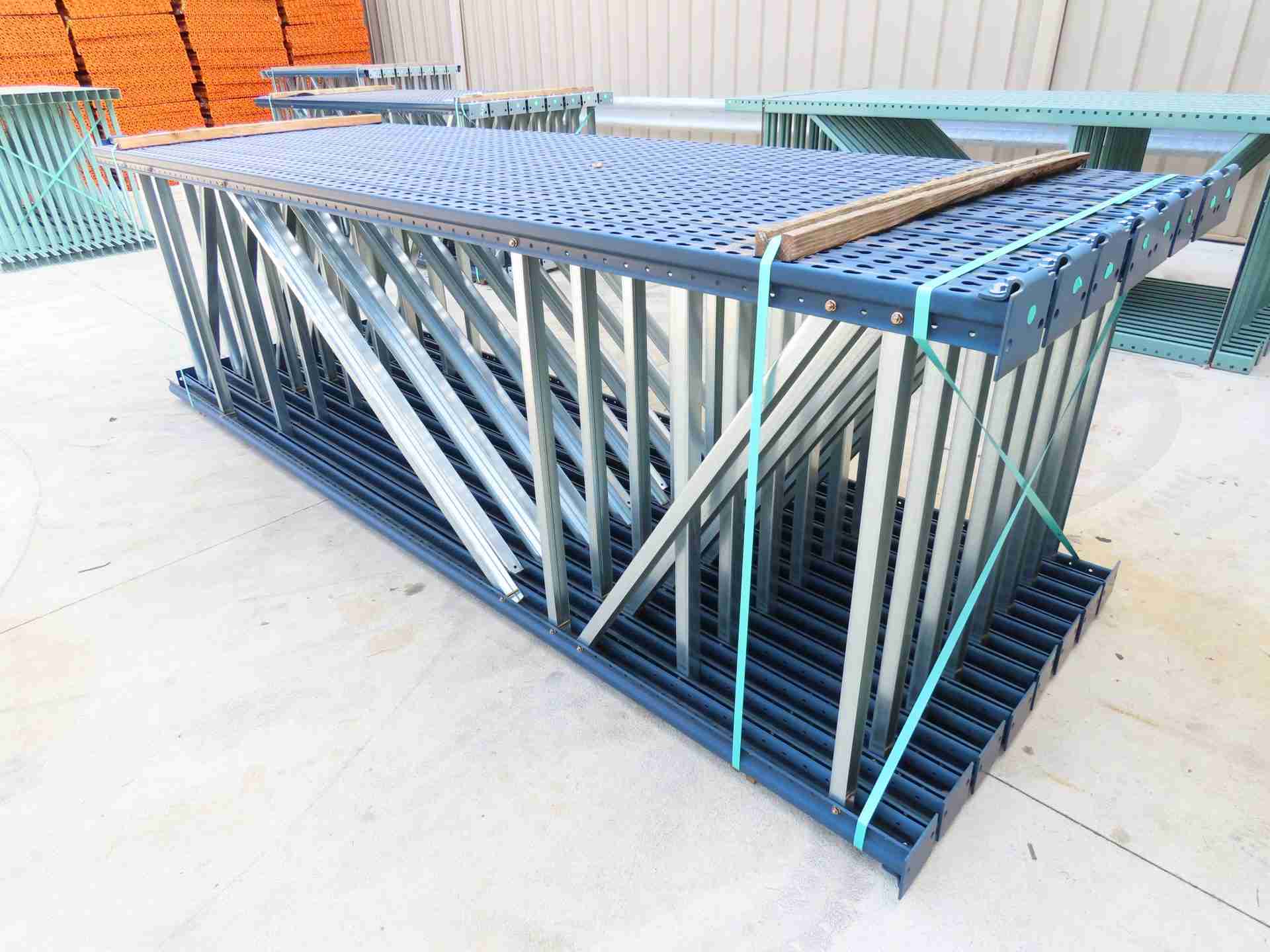
What Stories From the Industry Highlight the Importance Of Racking?
What Stories From the Industry Highlight the Importance Of Racking?
- Racking systems are crucial for efficiency and safety in warehouses, distribution centers, and manufacturing facilities.
- Effective racking transforms operations by organizing products, improving employee morale, and enhancing order fulfillment.
- Safety is paramount; engineered racking systems can prevent accidents and promote a safer work environment.
- Racking solutions can lead to a culture of safety among employees, reinforcing the importance of smart storage practices.
- Efficient racking optimizes space and resources, contributing to environmentally sustainable practices in the industry.
- Choosing the right racking can reduce carbon footprints, aligning business operations with environmental responsibility.
- Behind racking systems lie stories of hard work and dedication, fostering community and shared goals among workers.
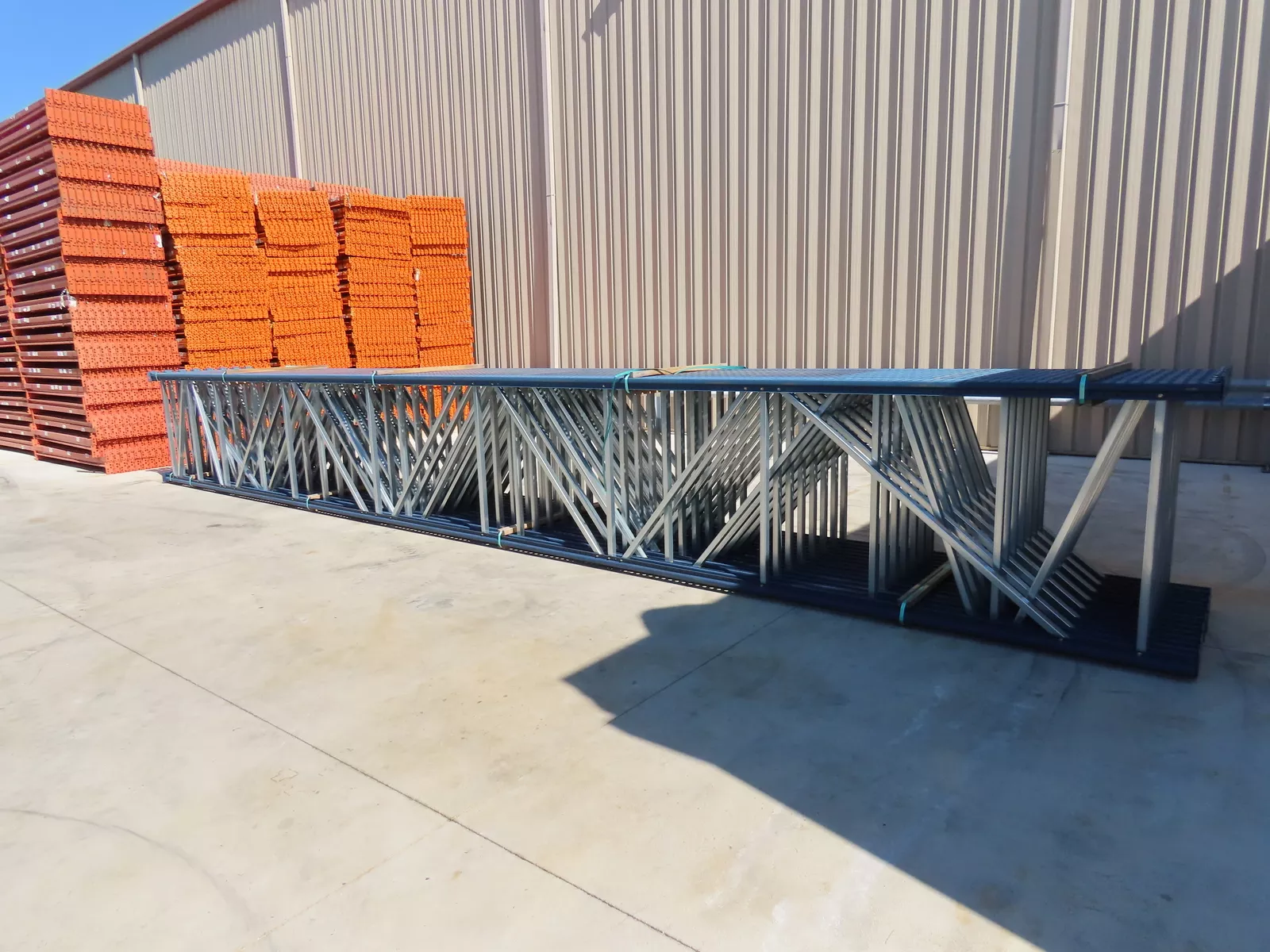
What Stories From the Industry Highlight the Importance Of Racking?
How Do Social Norms Influence the Design Of Cold Storage Facilities?
When you step into a cold storage facility, you might be struck by a certain order—the rows of gleaming pallet Racking hold impenetrable stacks of frozen goods, waiting with unwavering precision. But behind the steel and frost lies a web of social norms that shapes everything from design to daily operation. Understanding this intricate dance taps into the heart of our collective values, guiding us towards efficiency and sustainability.
From a rational standpoint, social norms drive the industry to optimize logistics. It’s not just about chilling perishables; it’s about creating systems that uphold trust in the food supply chain. When communities expect foods to arrive fresh and safe, these facilities rise to meet that demand. The layout must reflect the reliability people crave. When you see those “keeping it cool” signs everywhere, you know those aren’t just words; they symbolize an unbreakable promise that what’s stored inside is being treated with the utmost respect.
Ethically, the way we design cold storage reflects our commitment to the environment. Social pressures push firms to adopt greener practices, reducing energy consumption and waste. Facility designs now showcase energy-efficient refrigeration systems and better insulation, not only because it’s good business, but because society demands it. When companies build these structures with sustainability in mind, they’re not just following a trend; they’re embracing a moral responsibility that resonates with conscientious consumers.
Let’s delve into the human side of the equation. Picture a family gathering for a feast, eager to share a meal crafted from fresh ingredients, all of which were preserved in facilities that adhere to trustworthiness and transparency. The connection between how and where food is stored and shared sparkles in the memories created around family dinner tables. Every time you reach for that perfectly preserved item, you’re not just interacting with a product; you are engaging with an entire network of dedicated professionals who’ve made choices that reflect their values.
These social norms are more than just guidelines; they foster a sense of community. When cold storage facilities operate with integrity and an understanding of the societal context, they don’t just store food—they nourish relationships and create accessible opportunities for everyone. In this ever-evolving landscape, those who embrace these values become the leaders of tomorrow, earning the trust and loyalty that propels the industry forward. Such commitment is what transforms mere structures into vital pillars of society’s nourishment and progress.
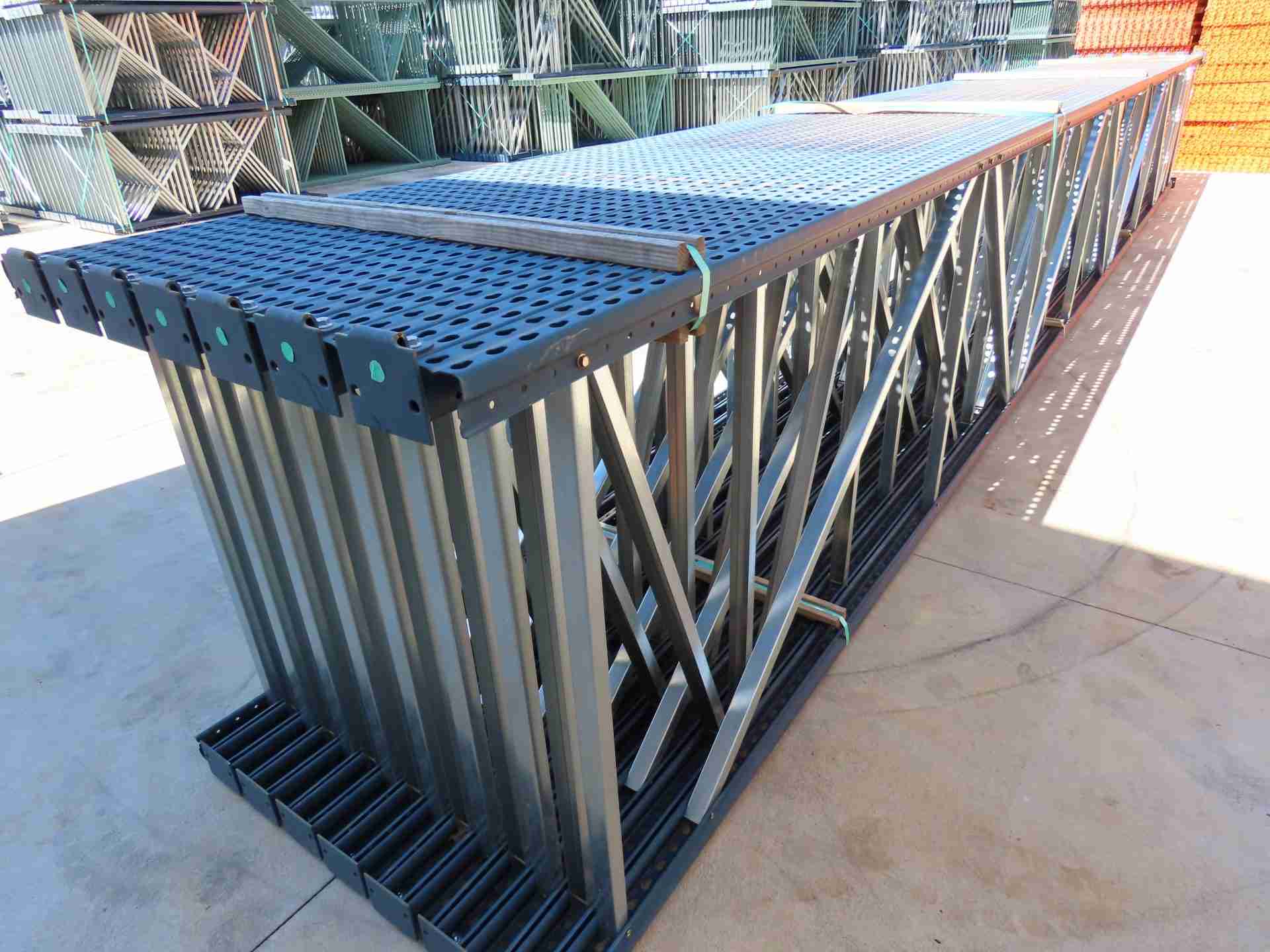
How Do Social Norms Influence the Design Of Cold Storage Facilities?
How Do Social Norms Influence the Design Of Cold Storage Facilities?
- Cold storage facilities reflect social norms influencing design and operation.
- Social norms drive logistics optimization, fostering trust in the food supply chain.
- Layouts of these facilities embody the reliability expected by communities and consumers.
- Ethical design choices focus on sustainability, motivated by societal pressures.
- Modern cold storage features energy-efficient systems and better insulation for environmental responsibility.
- Food storage practices cultivate connections and memories shared around family meals.
- Commitment to integrity and community values enhances trust and industry leadership.
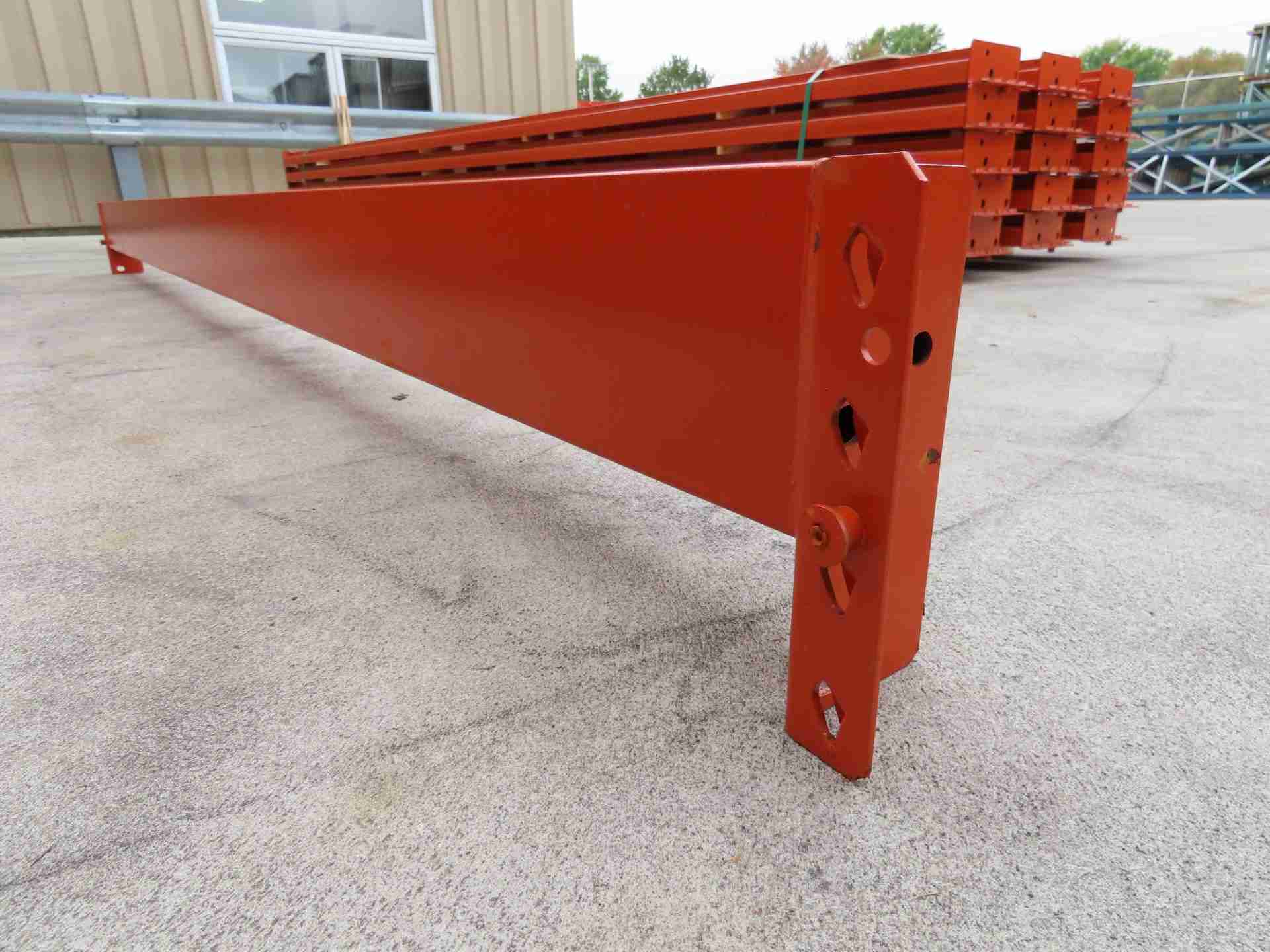
How Do Social Norms Influence the Design Of Cold Storage Facilities?
How Can Racking Systems Mitigate Loss and Waste In Cold Storage?
In the bustling world of cold storage, where every degree matters and every second counts, racking systems stand as the unsung heroes in the battle against loss and waste. Picture the chaos of a warehouse, where pallets of fresh produce and pharmaceuticals vie for space, battling the inevitable decay of time. By implementing reliable racking, we’re not just organizing our space; we’re safeguarding our investments, our livelihoods, and in many cases, our very health.
Embracing a well-designed racking system is like putting a protective shield around our most valuable assets. When your strawberries are neatly stacked and accessible rather than lost in a disheveled heap, the difference is palpable. You can almost feel that sigh of relief, a quiet assurance that they’ll reach the consumer in prime condition. This isn’t just about efficiency; it’s about prioritizing our community’s well-being. After all, every piece of produce salvaged is a meal saved, a hunger alleviated— that counts for something profound.
On an emotional level, consider the stakes. Behind every shipment, there are farmers, suppliers, and families. Each wasted item represents a connection broken, a story untold. Racking systems are a commitment to reducing that food waste, an ethical promise to do better. By improving storage conditions with proper airflow and accessibility, we’re taking responsibility not just for our products but for the people depending on them.
Rationally, investing in effective racking is a no-brainer. When a business reduces spoilage, it translates directly to the bottom line. The economics are clear: less waste equals higher profit. It’s a lesson in maintaining the delicate balance between practicality and profitability. Moreover, industry experts consistently advocate for modern racking solutions, not just as a trend but as a necessity. Join the wave of innovators who are recognizing that smart design can yield real results.
As we witness our wastefulness ramping up in a world so tightly interconnected, adopting efficient racking systems isn’t just a matter of logistics; it’s a societal imperative. This isn’t just about cold storage anymore; it’s a movement towards sustainability, urging us to rethink how we handle food and resources. So, let’s pledge together to treat our warehouses not merely as storage spaces, but as vital cogs in the wheel of responsible consumption and community health. It’s time to stack the odds in our favor—one rack at a time.

How Can Racking Systems Mitigate Loss and Waste In Cold Storage?
How Can Racking Systems Mitigate Loss and Waste In Cold Storage?
- Racking systems are essential in cold storage, preventing loss and waste.
- Effective racking organizes warehouse space, safeguarding investments and health.
- Well-designed racking enhances accessibility, ensuring produce reaches consumers in prime condition.
- Reducing food waste through proper racking supports community well-being and alleviates hunger.
- Each wasted item impacts farmers, suppliers, and families, making racking a commitment to ethical practices.
- Investing in modern racking solutions lowers spoilage and boosts profit, highlighting the balance between practicality and profitability.
- Adopting efficient racking systems is a movement towards sustainability, redefining food and resource management.

How Can Racking Systems Mitigate Loss and Waste In Cold Storage?
How Do Industry Standards Impact Racking Choices In Cold Storage?
When you step inside a cold storage facility, the air is crisp, the hustle of industry surrounds you, and the sight of organized racking can feel like a choreography of efficiency. But behind that meticulously planned setup lies a world governed by industry standards—guidelines that do more than just dictate how to stack pallets of food or pharmaceuticals. They influence not just the way a warehouse looks, but also how it operates, whose lives it touches, and how we all engage with the products we rely on every day.
Consider the farmers growing our produce or the workers on the frontlines of grocery stores. When racking choices are made with industry standards in mind, you are not only ensuring that temperatures remain constant and products are stored safely; you’re also championing best practices that protect the health and safety of your community. It’s about building trust—not only with the consumers but within the very industry that feeds us, nurtures us, and keeps our ecosystems running smoothly.
In our world, racking systems are more than metal and plastic; they become the backbone of our food supply chain. When we adhere to industry standards, we harness the power of shared knowledge, a collective understanding that carries a profound ethical responsibility. Think about it: would you feel confident purchasing fresh strawberries, knowing each crate was expertly handled and stored according to rigorous regulations? Those racking systems—strategically designed in accordance with safety standards—offer peace of mind, giving each of us the assurance that we are part of something larger than ourselves.
It’s not just about logistics or numbers; it’s about grounding those choices in the shared values of integrity and reliability. That invisible framework of industry standards doesn’t just shape how we store; it shapes how we connect. Each decision made is an echo of the collective ethos we all share, a promise to do right by one another. When industry standards guide our racking decisions, it’s not merely an operational choice; it’s a moral one, underscoring our commitment to transparency and trust—not just in the products we manage, but in the communities we serve.
So, the next time you witness a racking system bearing the weight of an entire supply chain, remember: it’s not just about storage; it’s about stewardship of our resources, our health, and ultimately, our future. Embrace the standards, and you’ll find yourself not just part of a system, but part of a movement—a movement toward a more trustworthy and resilient industry.
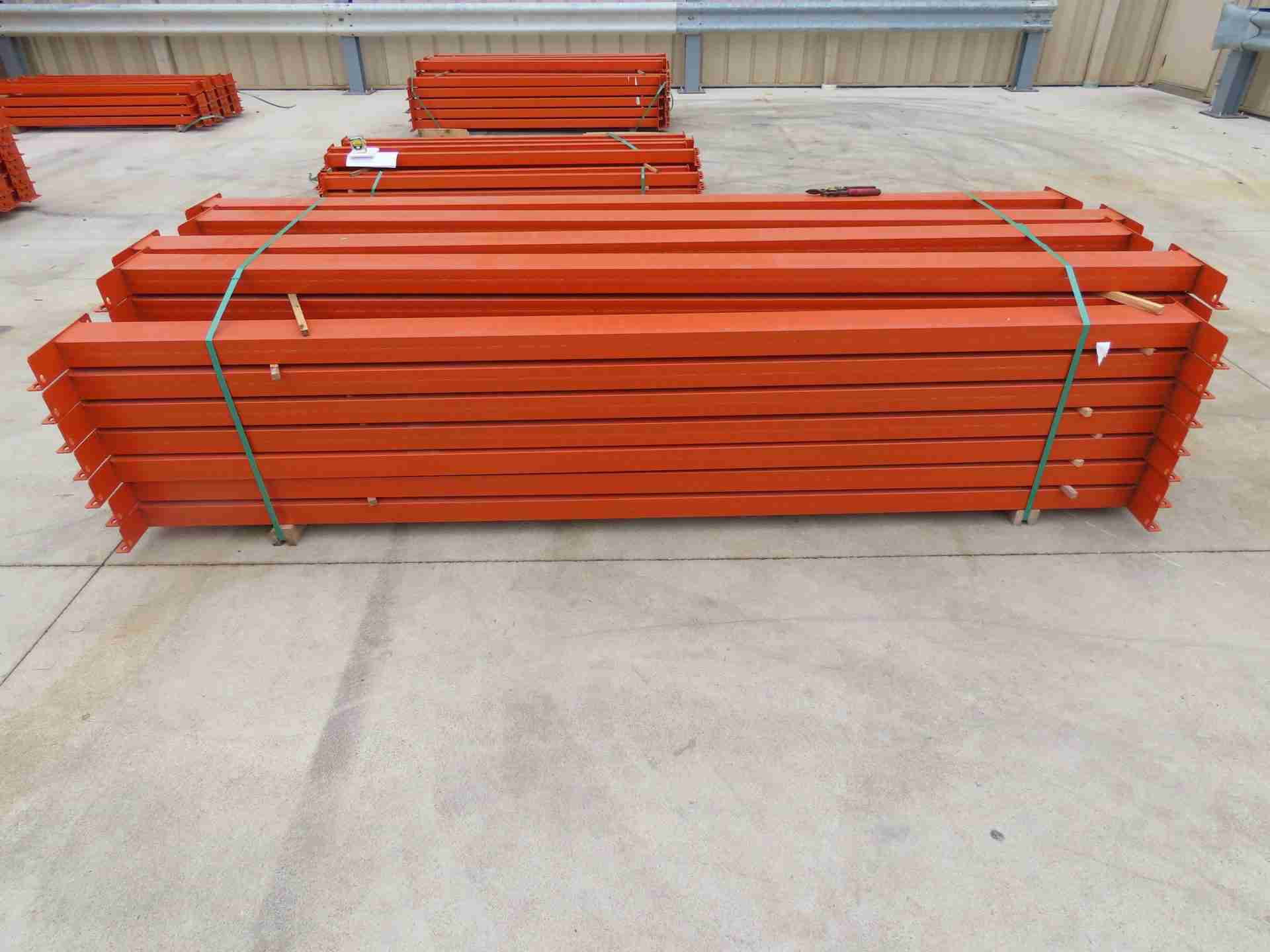
How Do Industry Standards Impact Racking Choices In Cold Storage?
How Do Industry Standards Impact Racking Choices In Cold Storage?
- Cold storage facilities feature crisp air and organized racking, embodying efficiency.
- Industry standards dictate warehouse operations, impacting various stakeholders from farmers to consumers.
- Adhering to these standards ensures product safety while promoting community health and safety.
- Racking systems serve as the backbone of the food supply chain, embodying ethical responsibility.
- Compliance with safety standards fosters consumer confidence in product handling and storage.
- Decisions based on industry standards reflect shared values of integrity and reliability.
- Embrace industry standards as part of a movement toward a trustworthy, resilient future.
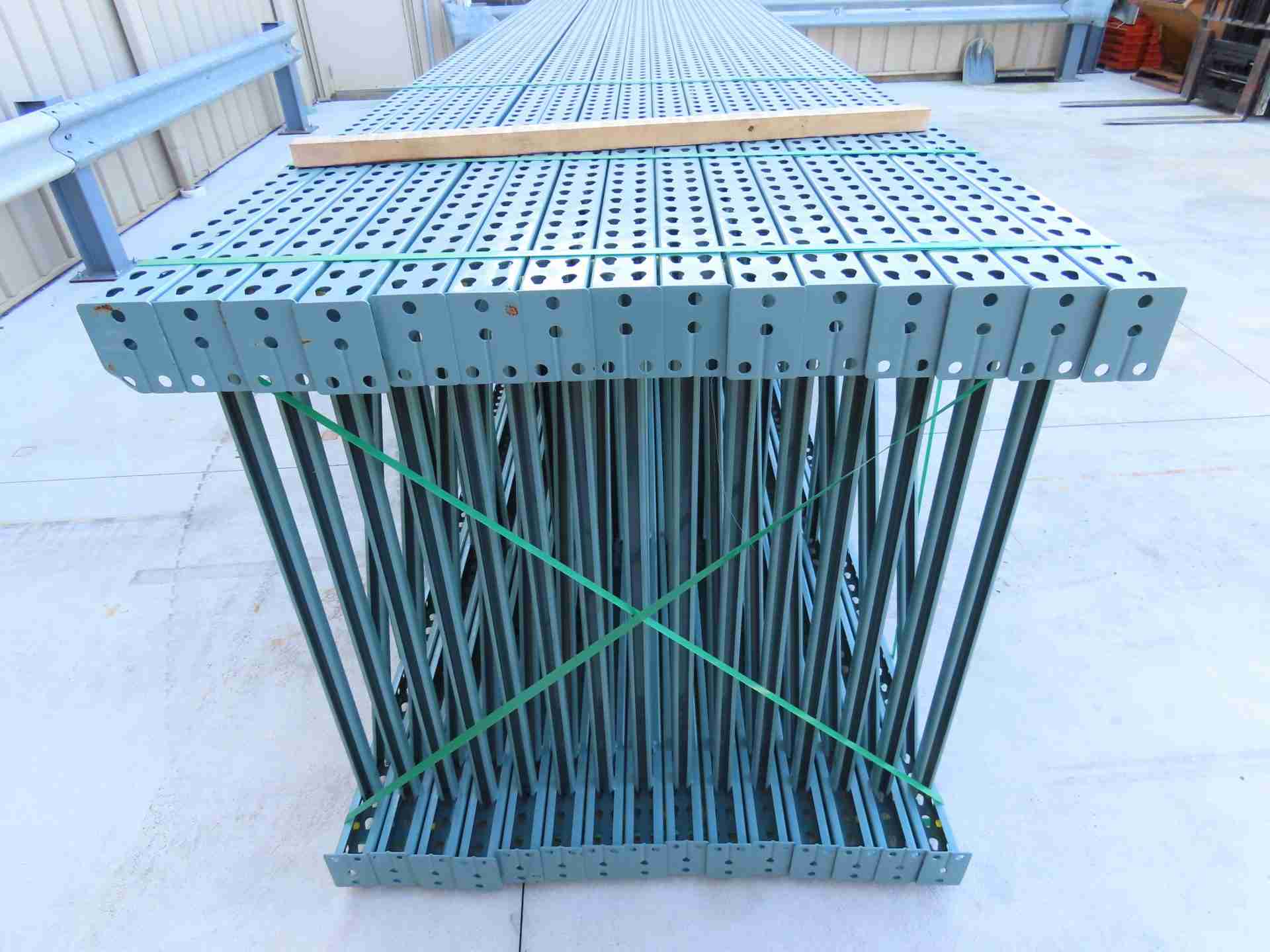
How Do Industry Standards Impact Racking Choices In Cold Storage?
Conclusion
Every minute spent in a cold storage facility tells a story—one of precision, safety, and an unwavering commitment to quality that resonates far beyond the walls of warehouses and distribution centers. Racking systems may appear to be mere metal structures, but they are, in truth, the unsung champions of our food supply chain. As you navigate through aisles filled with neatly organized racks, think of the families relying on the integrity of that produce, the farmers who nurtured each harvest, and the communities depending on access to safe food.
These racking solutions are designed with a dual purpose: to optimize space while ensuring proper airflow and temperature control. They don’t just support products; they safeguard people, prevent waste, and contribute to the larger conversation about sustainability. It becomes clear that every product left intact is not just a financial victory for businesses, but a meaningful contribution to alleviating hunger and promoting health.
The emotional weight of efficiency cannot be overstated. A cluttered warehouse communicates chaos, where the valuable human effort becomes entangled in disarray. Conversely, a well-organized racking system elevates morale—it empowers workers by reducing search time for inventory and fostering order in their daily tasks. This sense of pride creates a vibrant culture where employees feel valued and motivated.
Beyond the emotional landscape, there is a rational element to this narrative. Effective racking systems translate directly into financial viability. Every morsel of wasted food represents not just a lost product, but also an opportunity lost in the relentless march toward profitability. Adhering to industry standards transforms the choice of racking systems into a moral imperative, bolstering accountability from the farm to the dinner table. These standards ensure safety protocols that protect consumers and instill trust in brands.
In this interconnected ecosystem, racking systems are more than mere tools; they are the lifelines that link producers to consumers. Together, they embody our shared commitment to a sustainable future, promoting responsible consumption and connecting communities in ways that uplift all. When racking serves its purpose, it resonates through every facet of our lives, supporting the daily routines of countless people. The next time you encounter a storage facility, remember that what lies within those organized shelves is more than inventory; it is a testament to our ability to nurture, protect, and empower one another in the journey from farm to fork.
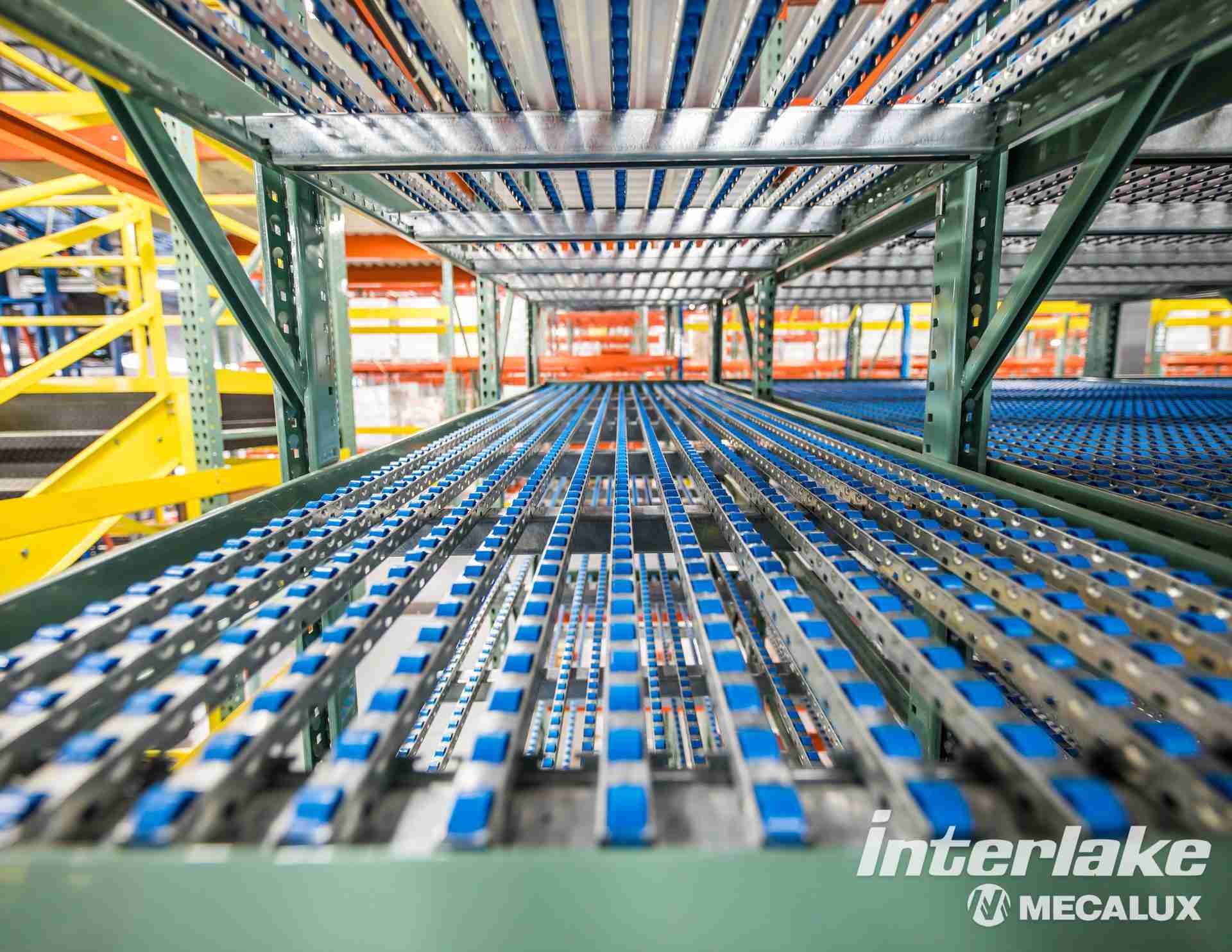
Conclusion
Conclusion:
- Cold storage facilities embody precision, safety, and commitment to quality in food supply chains.
- Racking systems are crucial for optimizing space, airflow, and temperature control, safeguarding food integrity.
- Well-organized racking reduces waste, supports health, and alleviates hunger by maximizing product retention.
- A cluttered warehouse negatively affects morale, while organized racking promotes employee pride and efficiency.
- Effective racking systems enhance financial viability by minimizing food waste and maximizing profitability.
- Adhering to industry standards in racking is a moral imperative, ensuring safety and instilling consumer trust.
- Racking systems connect producers to consumers, supporting a sustainable future and uplifting communities.
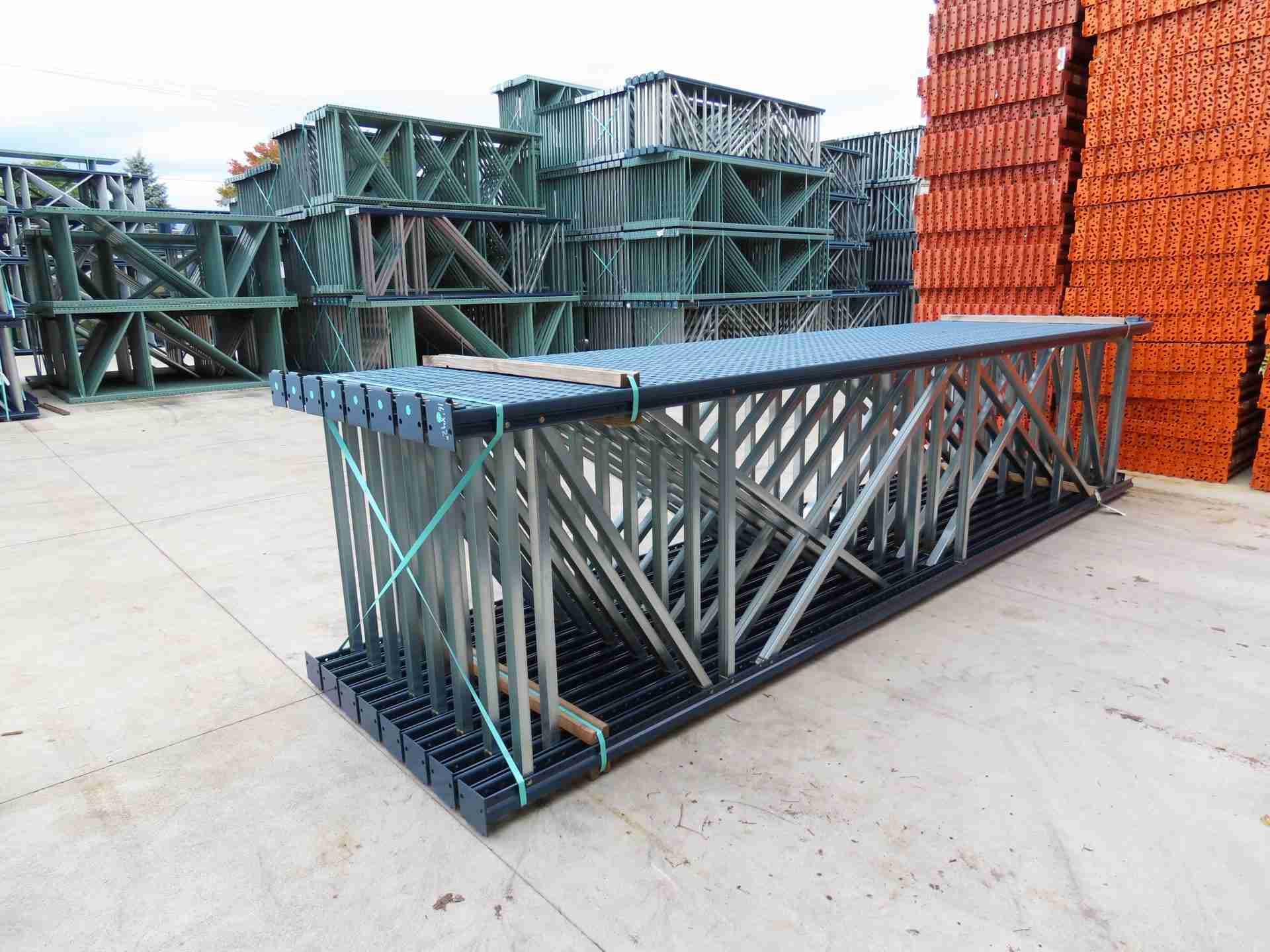
Conclusion
Other Resources
Other Resources
Here is a list of other resources you can review online to learn more:
- Warehouse Racks, Warehouse Racking in Stock – ULINE
- Rack Manufacturers Institute
- Teardrop Pallet Rack – Ridg-U-Rak
- Interlake
- CMMA
- Material Handling Industry
- CA Wire
- Teardrop Racks – Pallet Rack World
- Bradford Systems
- Warehousing and Fulfillment
- What is Selective Racking: Understanding Benefits & Options
- Pallet Rack Systems – New and Used Pallet Racking and Shelving Experts
- Mustang Material Handling
- SEMA
- Teardrop Industrial Shelving Rack
- BMH
- Pallet Racking systems in Illinois and Great Lakes
- Crane Manufacturers Association Of America Inc.
- Teardrop Industrial Shelving Rack
Use This Prompt To Get More Resources With Your Favorite Online AI Tool: Please provide me with a list of online articles with their URLs in a bulleted list that I can read regarding The Role Of Racking In Cold Storage
Other Resources
Glossary Terms
The Role Of Racking In Cold Storage – Glossary Of Terms
1. Racking: Structural framework that supports the storage of goods in a vertical arrangement.
2. Cold Storage: Warehousing facility designed to keep products at low temperatures to extend shelf life.
3. Temperature Control: Mechanisms and systems used to maintain specific temperatures in storage environments.
4. Pallet: A flat transport structure used to support goods in a warehouse, facilitating movement and storage.
5. FIFO (First In, First Out): Inventory management method ensuring that the oldest stock is sold or used first.
6. LIFO (Last In, First Out): Inventory management approach where the most recently added items are sold first.
7. Modular Racking: Racking system designed to be configurable and adjustable to accommodate various product sizes and weights.
8. Walk-in Freezer: A refrigerated space large enough for personnel to enter, typically used for bulk storage.
9. Shelving: Flat surfaces supported by vertical components used for displaying or storing goods.
10. Vertical Storage: Utilizing upward space in a facility to maximize storage capacity without increasing floor space.
11. Load Capacity: The maximum weight that a racking system can safely support.
12. Cross-Stacking: Method of stacking products in a crisscross pattern, enhancing air circulation and cooling.
13. Temperature Zone: Specific areas within a cold storage facility kept at different temperatures for various products.
14. Refrigeration System: Equipment used to cool the air within a cold storage facility to maintain required temperature levels.
15. Insulation: Material used to prevent heat transfer within storage areas, enhancing energy efficiency and temperature control.
16. Condensing Unit: Equipment that compresses refrigerant and expels heat from the cold storage environment.
17. Energy Efficiency: Optimal use of energy within a cold storage facility to reduce operating costs and environmental impact.
18. Food Safety: Practices and protocols ensuring food products are stored at safe temperatures to prevent spoilage and contamination.
19. Inventory Management: The process of overseeing and controlling stock levels to meet demand while minimizing excess.
20. Stock Rotation: Systematic process of organizing inventory to ensure that products are used or sold in the correct order.
21. Environmental Controls: Systems and technologies employed to maintain conditions within cold storage facilities.
22. Humidity Control: Regulation of moisture levels within a cold storage environment to prevent product damage.
23. Racking Configuration: The arrangement of racking systems, which can impact efficiency and accessibility.
24. Cold Chain: A supply chain logistics process maintaining safe temperatures throughout transportation and storage.
25. Safety Compliance: Adherence to regulations and standards regarding health and safety within cold storage environments.
26. Material Handling Equipment: Tools and machines that assist in the movement and storage of products, like forklifts and pallet jacks.
27. Temperature Monitoring: Continuous observation and recording of temperature levels in cold storage to ensure safety.
28. Packaging Optimization: The design and choice of packaging materials that facilitate efficient storage and transportation.
29. Automation: The use of technology in cold storage operations, such as automated pallet systems and robotics.
30. Sustainability: Practices in cold storage that reduce environmental impact, including energy-saving strategies and eco-friendly materials.
Glossary Of Terms
Other Questions
The Role Of Racking In Cold Storage – Other Questions
If you wish to explore and discover more, consider looking for answers to these questions:
- What are the different types of racking systems used in cold storage facilities?
- How can businesses assess their cold storage needs for optimal racking solutions?
- What technology is available to enhance the efficiency of racking systems?
- How often should racking systems be inspected and maintained?
- What are the costs associated with implementing new racking systems?
- What are the regulatory requirements related to racking in cold storage?
- How can improper racking impact the safety of employees?
- What role do climate change and sustainability play in the design of cold storage facilities?
- How does employee training affect the effectiveness of racking systems?
- What are the best practices for maximizing space with racking systems?
- How do consumer demands influence the design and functionality of cold storage facilities?
Other Questions
Checklist
The Role Of Racking In Cold Storage – A Checklist
Cold Storage Racking Checklist: Emotional, Rational, and Ethical Insights
Emotional Appeals
_____ Visualize Success: Imagine the calm that comes with an organized storage space. Create a mental image of each item in its rightful place.
_____ Connect with Purpose: Reflect on the local farmers and families who depend on quality storage for their livelihoods.
_____ Uplift Morale: Consider how an efficient racking system makes employees feel valued and respected in their roles.
Rational Appeals
_____ Analyze Cost Savings: Assess the financial implications of waste reduction through effective racking. Consider cost-benefit analysis for improving racking systems.
_____ Optimize Productivity: Plan layouts that minimize time spent searching for items, boosting employee efficiency significantly.
_____ Implement Best Practices: Stay informed about the latest industry standards that guide effective racking design to ensure safety and reliability.
Ethical Appeals
_____ Commit to Sustainability: Ensure that your racking systems promote environmentally friendly practices, such as reducing carbon footprints and minimizing waste.
_____ Embrace Social Responsibility: Acknowledge your role in ensuring safe food storage, contributing to community health and well-being.
_____ Engage with Transparency: Foster trust with consumers through adherence to safety and industry standards in your racking solutions.
Authority Appeals
_____ Seek Expert Advice: Stay updated with racking design recommendations from industry leaders and specialists.
_____ Follow Industry Standards: Ensure compliance with regulations that govern cold storage and racking, validating your business practices.
_____ Leverage Community Insights: Engage with other businesses and collaborations to share experiences and racking solutions that have proven effective.
Narrative Appeals
_____ Share Success Stories: Document and reflect on transformative experiences of businesses that improved efficiency through effective racking systems.
_____ Highlight Personal Connections: Relate stories from employees and customers about how well-organized racking has positively impacted their lives and work.
_____ Build a Shared Vision: Create a narrative around your commitment to quality and efficiency, connecting your mission with the community’s needs.
Social Appeals
_____ Foster a Culture of Safety: Encourage open conversations about safety practices and the role of racking systems in preventing workplace accidents.
_____ Cultivate Community Relationships: Involve local stakeholders in discussions about sustainable practices and the importance of efficient racking in food supply.
_____ Promote Collective Accountability: Create a pledge to support each other in maintaining high standards of racking, fostering pride in shared goals and responsibilities.
Utilize this checklist to ensure a holistic approach to racking in cold storage that resonates with emotional, rational, and ethical dimensions, enhancing both operational efficiency and community trust.
Checklist
At RackingWorld, we help guide you through selecting warehouse storage systems and racking.
Be sure to read our other related stories at RackingWorld to learn more about warehouse storage systems.
0 Comments