
Maximize Efficiency: Designing A Smarter Racking System
By Tom Seest
At RackingWorld, we help guide you through selecting warehouse storage systems and racking.
Be sure to read our other related stories at RackingWorld to learn more about warehouse storage systems.
The Case Against Overengineering Your Racking System
When it comes to racking systems, there’s a seductive allure in the idea of overengineering. We all want to believe that more is better—that bigger beams and additional features equate to a more reliable solution. But let’s take a moment to peel back that shiny veneer and examine what we really need. Sometimes, in our quest for the ultimate setup, we forget the very essence of racking: simplicity, efficiency, and functionality.
Picture this: a warehouse buzzing with activity. Forklifts whizzing by, workers efficiently accessing goods. Now imagine if the racking systems in that warehouse became an obstacle, a complicated maze that slows down processes and frustrates the workforce. Every added feature, every modification designed to “improve” the system, can morph into a barrier rather than a help. Think about it—the promise of greater capacity might deliver on paper, but in practice, a more complex system can hinder productivity. The heart of the operation suffers, as the team is forced to navigate a labyrinth of components that serve no real purpose.
Moreover, let’s engage our heads here. Overengineering can be a costly affair, both in terms of finances and time. Resources are poured into untested innovations and systems that might not address the core needs. Why stretch the budget on the latest fads when a straightforward, sturdy rack does the job just fine? Investing in a workhorse racking system prioritizes return on investment. It respects your budget and fosters long-term success, reducing headaches along the way.
Ethically, we have a responsibility to our teams to provide them with the tools that support their work, not hinder it. A complicated racking system can create unnecessary potential hazards, while a well-designed, simple solution can enhance safety and efficiency—two cornerstones of an ethical workplace.
Lastly, let’s consider the social angle. Every member of the team needs to feel confident and safe while they work. A racking system that is intuitive and straightforward builds trust among your workforce. They know they’ll have what they need, when they need it, without the added stress of excess complexity.
The case against overengineering your racking system is not just about rationality or functionality—it’s about understanding what truly enhances our work lives. It’s about creating an environment where simplicity serves as the backbone of success and where our teams can thrive without unnecessary complications. Rely on straightforward solutions that honor both the people working with them and the purpose they serve.

The Case Against Overengineering Your Racking System
The Case Against Overengineering Your Racking System
- Overengineering in racking systems can lead to unnecessary complexity.
- Simplicity, efficiency, and functionality are key aspects of effective racking solutions.
- Complex systems can hinder productivity and create obstacles in busy warehouses.
- Additional features often do not translate to improved performance; they may complicate processes instead.
- Overengineering can increase costs and divert resources from core needs.
- Ethically, racking systems should enhance safety and support the workforce rather than complicate it.
- A straightforward racking system fosters team confidence and trust, contributing to a better work environment.
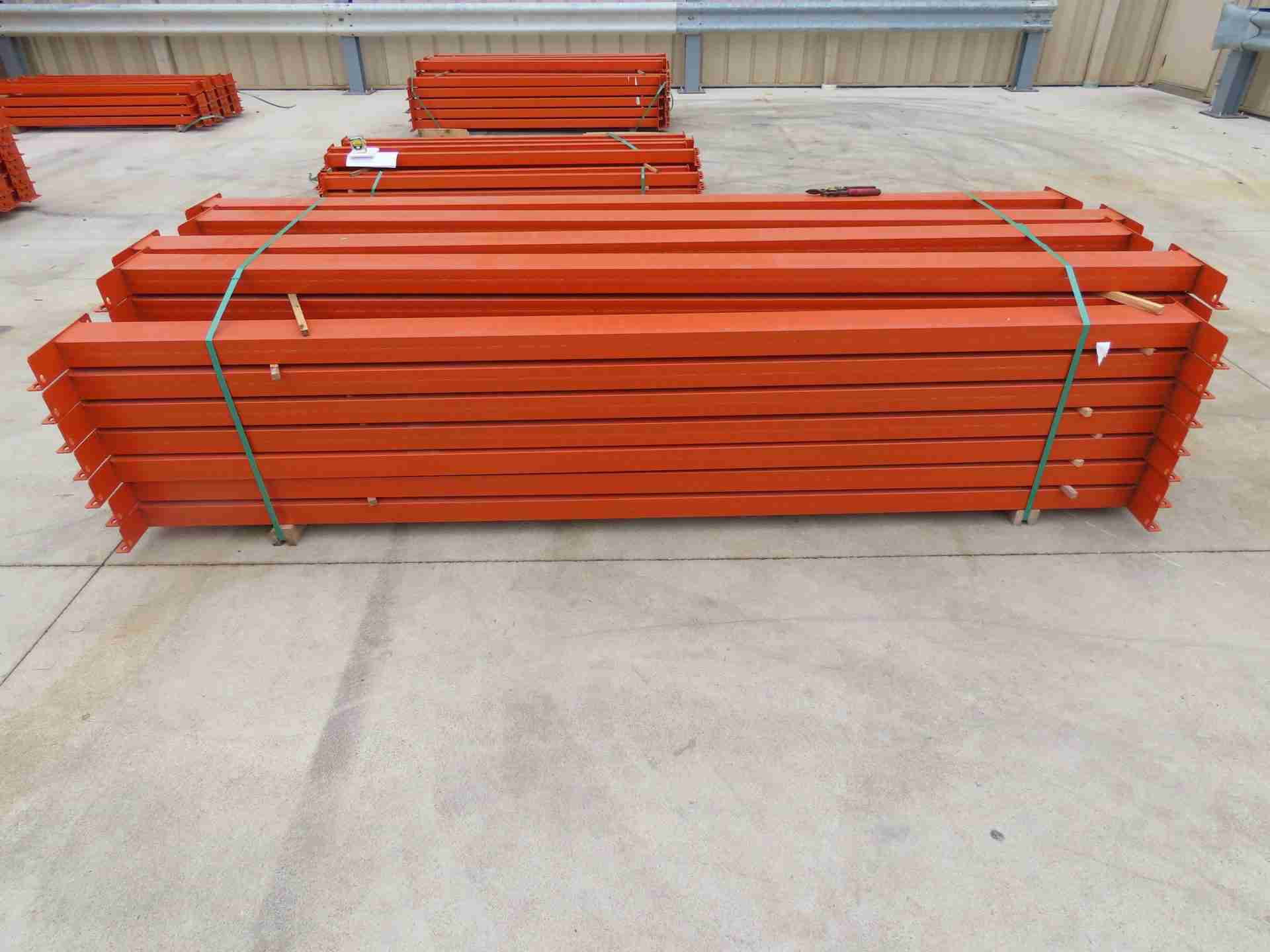
The Case Against Overengineering Your Racking System
Table Of Contents
- The Case Against Overengineering Your Racking System
- What Emotional Costs Arise From an Overly Complex Racking System?
- How Can Simpler Racking Systems Enhance Operational Efficiency?
- Are Industry Standards Being Misapplied In Your Racking System Design?
- What Stories Showcase the Benefits Of Minimalist Racking Systems?
- What Do Experts Say About the Common Pitfalls Of Overengineering?
- Conclusion
- Other Resources
- Glossary Of Terms
- Other Questions
- Checklist
What Emotional Costs Arise From an Overly Complex Racking System?
When we think about racking systems, we often get caught up in the nuts and bolts—literally—forgetting the emotional toll that can accompany an overly complex setup. Picture this: you’re in a warehouse, surrounded by towering shelves that stretch toward the ceiling, but instead of feeling empowered, you feel overwhelmed. Each aisle could just as easily lead to a dead end as it could to inventory. The stress of navigating such a labyrinth can not only drain motivation but can also plunge a workforce into the depths of frustration.
Now consider the numbers. Overly complicated racking systems can result in diminished efficiency, leading to lower productivity and increased costs. You might think, “Sure, a fancy racking system looks good on paper,” but when employees are left scratching their heads, the reality is far from glamorous. Complexity breeds confusion, and when people feel uncertain, they often become disengaged. That disengagement isn’t just an unfortunate side effect; it’s a dangerous precedent. A dedicated workforce is an invaluable asset, and when they’re feeling mentally taxed by excessively intricate systems, it can erode both morale and trust.
Ethics matter here, too. We owe it to our teams to create an environment that fosters clarity and ease, rather than chaos. Implementing a straightforward racking system reflects a respect for those who will work with it day in and day out. Ethical leadership means prioritizing the emotional well-being of your employees, ensuring they are equipped with tools that are as user-friendly as they are functional.
Telling the story of a single employee caught in the tangled web of an overly complex racking system paints a vivid picture. Imagine a warehouse worker on the brink, struggling to remember where goods are stored and wasting precious time retracing steps. That individual’s frustration spills over—into reduced output, increased tension among coworkers, and a palpable feeling of discontent hanging in the air. It’s not just a logistical nightmare; it’s a human one.
As easily as a racking system can become a source of inefficiency, it can also be transformed into a catalyst for teamwork and productivity. When racking systems are streamlined, clarity replaces confusion, and that emotional burden is lifted off the shoulders of every team member. Let’s design racking systems that not only support our goods but also elevate our people, paving the way for success that is shared and celebrated.
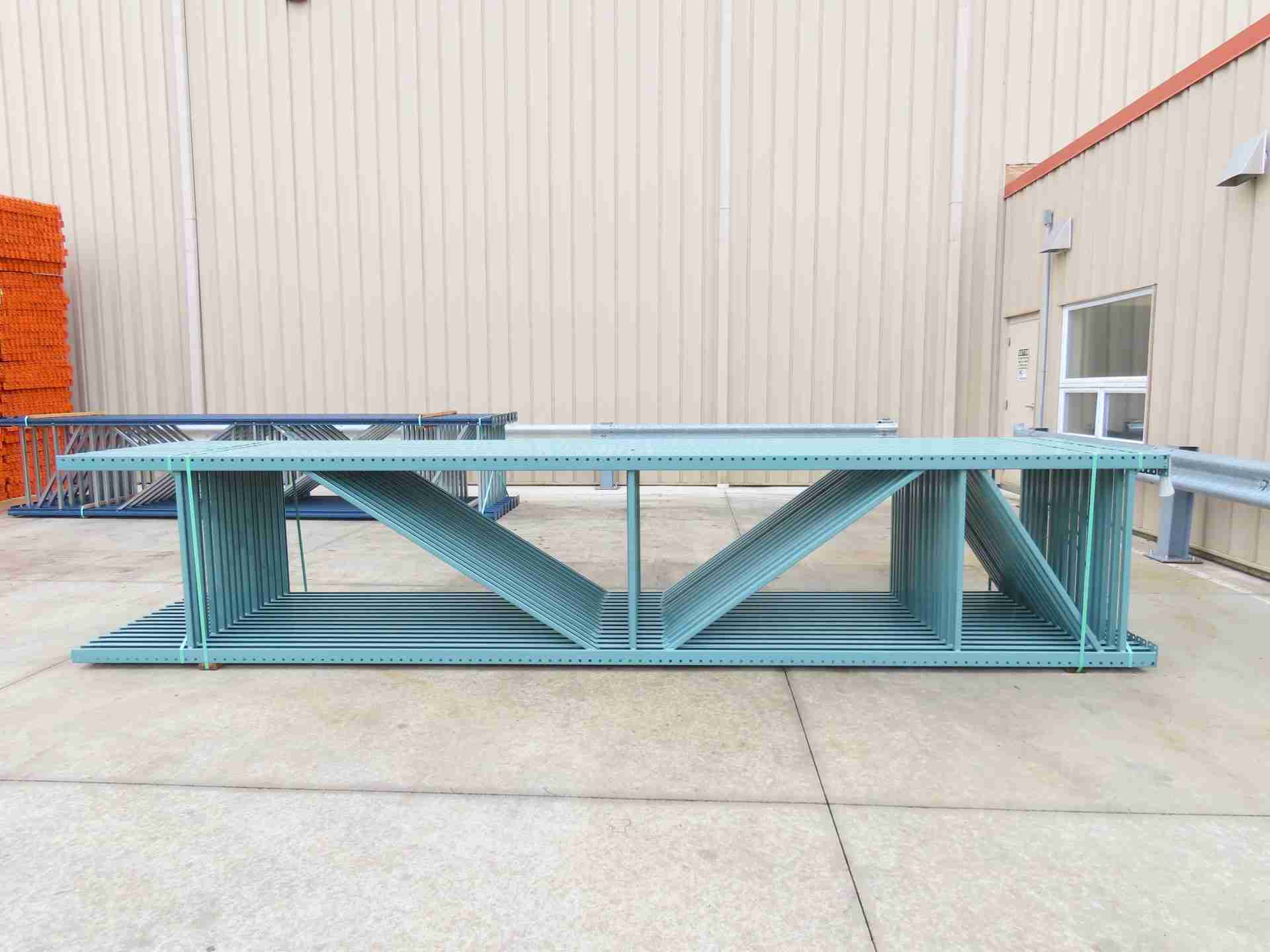
What Emotional Costs Arise From an Overly Complex Racking System?
What Emotional Costs Arise From an Overly Complex Racking System?
- Complex racking systems can create emotional stress and overwhelm for warehouse workers.
- Navigating intricate setups may lead to frustration, reduced motivation, and diminished efficiency.
- Disengagement due to confusion can erode morale and trust within the workforce.
- Ethical leadership requires creating a clear and user-friendly environment for employees.
- Employees trapped in complicated systems waste time and decrease overall productivity.
- Streamlined racking systems can enhance teamwork and lift emotional burdens from workers.
- Designing efficient racking systems supports both goods and the well-being of employees.

What Emotional Costs Arise From an Overly Complex Racking System?
How Can Simpler Racking Systems Enhance Operational Efficiency?
When you step into a warehouse filled with tightly packed goods, it’s easy to feel overwhelmed. An intricate maze of towering shelf racks can seem like an insurmountable puzzle, creating barriers not just to access but also to efficiency. Now, imagine a world where racking systems are streamlined and intuitive, where every box is just a reach away. That’s not just a dream; it’s a transformative reality that simpler racking systems can create.
Let’s talk about the heart first. Anyone who’s worked in a bustling warehouse knows the stress of not being able to find what you need when you need it. It’s frustrating, it’s exhausting, and it can even affect the morale of the entire team. Simpler racking promotes clarity and communication. Everyone knows where the items are, which fosters a spirit of cooperation. When team members work together seamlessly, it transforms the workplace from a grind into a cohesive unit, pumping out productivity like never before.
The head angle isn’t hard to grasp. The numbers speak for themselves: streamlined racking systems significantly reduce the time spent searching for inventory. Less time hunting for tools or supplies means more time dedicated to value-added tasks. When you minimize wasted efforts, you enhance not only your bottom line but also the mental energy of your workforce. An efficient operation empowers employees, turning them into problem solvers who can handle challenges instead of getting bogged down by them.
On the ethical front, simpler racking systems contribute to safety and sustainability. Fewer aisles packed with confusing setups reduce risks of accidents and injuries. A safe workplace isn’t just nice; it’s a moral obligation to your team. Making the smart investment in effective storage solutions safeguards lives and promotes a culture where well-being is prioritized.
Authority figures and case studies back up the claim that simpler racking systems lead to tangible improvements in efficiency and satisfaction. Companies that have embraced these systems report higher retention rates and lower turnover. When the boss sees content employees and increased productivity, it solidifies the idea that this isn’t just a trend; it’s a necessity for growth.
In a landscape where every second counts and every employee is an integral part of the machine, don’t let complexity rob you of your potential. Embrace simpler racking systems and watch your operational efficiency soar, transforming not just your bottom line, but the very experience of working together.

How Can Simpler Racking Systems Enhance Operational Efficiency?
How Can Simpler Racking Systems Enhance Operational Efficiency?
- Warehouse environments can feel overwhelming due to complex racking systems.
- Simpler racking promotes clarity, communication, and team cooperation.
- Streamlined systems significantly reduce the time spent searching for inventory.
- Less time on searches allows more focus on value-added tasks, enhancing productivity.
- Safer and more sustainable racking configurations minimize the risk of accidents.
- Companies reporting simpler racking systems observe higher employee retention and satisfaction.
- Embracing simplicity in racking systems can improve operational efficiency and workplace experience.
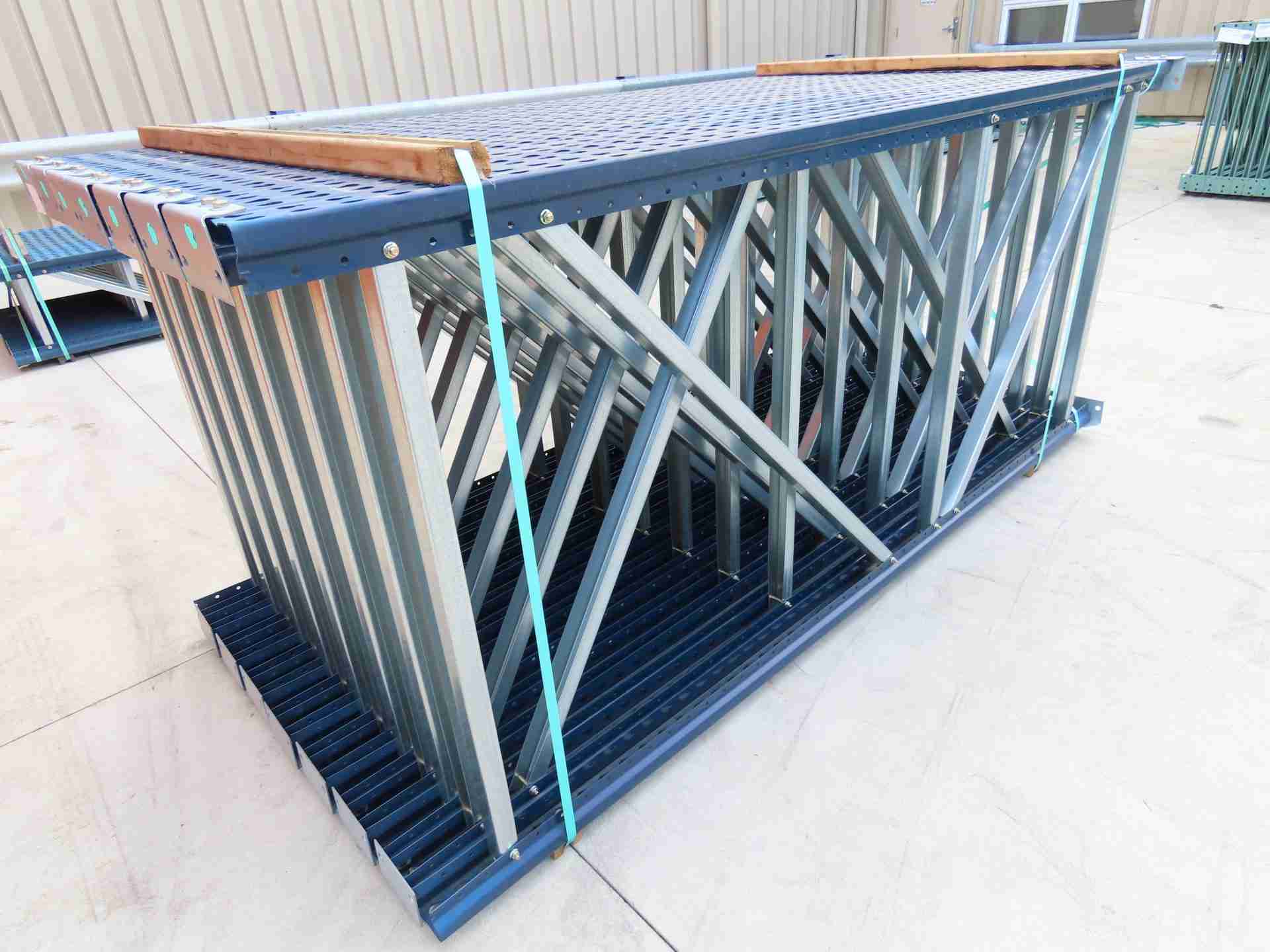
How Can Simpler Racking Systems Enhance Operational Efficiency?
Are Industry Standards Being Misapplied In Your Racking System Design?
When you think about the racking systems that hold up the backbone of our warehouses and distribution centers, it’s easy to overlook just how critical these structures are. Every beam, every bolt, and every level of shelving tells a story—a story of trust, efficiency, and safety. Yet, what happens when industry standards, the very guidelines designed to protect us, are misapplied in your racking system design? The stakes are high; we’re not just talking about metal and wood, but about the lives and livelihoods that hinge on their integrity.
Picture for a moment the weary warehouse worker, maneuvering a forklift through aisles piled high with products. They’ve got a family at home, counting on their return every day, unaware of the hidden risks that come with improper racking design. When industry standards are neglected or misapplied, it’s not merely a spreadsheet and a set of calculations—it’s a life-altering gamble. The emotional toll of an accident can ripple through a community, leaving families shattered and businesses struggling to pick up the pieces. So, your head knows the facts, while your gut senses the unease.
Let’s talk ethics. Using a racking system that doesn’t adhere to recognized standards compromises not only the safety of your workers but also your business’s reputation. Are you willing to risk it all for a shortcut? Those risks are magnified by the responsibility you hold toward your employees, your clients, and the industry. Every choice you make reflects on you, and when it comes to safety, there should be no room for compromise.
Many share stories of near-misses and avoidable accidents born from overlooked details and misapplications, resonating through boardrooms and breakrooms alike. These narratives serve as a wake-up call. A system built on care and adherence to industry standards doesn’t just protect your facility—it honors your team’s dedication and hard work.
Let’s embrace the notion that doing things right is a collective responsibility, a social contract we enter into when we commit to providing a safe workplace. When you design your racking system, think beyond the metrics. Consider the humans behind the machines—their hopes, their dreams, and their well-being. Engage in a dialogue with your team and experts alike. Ask questions and seek answers. Everyone deserves a workplace that values safety, integrity, and the ethical application of industry standards. Stand firm, and let’s build something that truly stands the test of time.
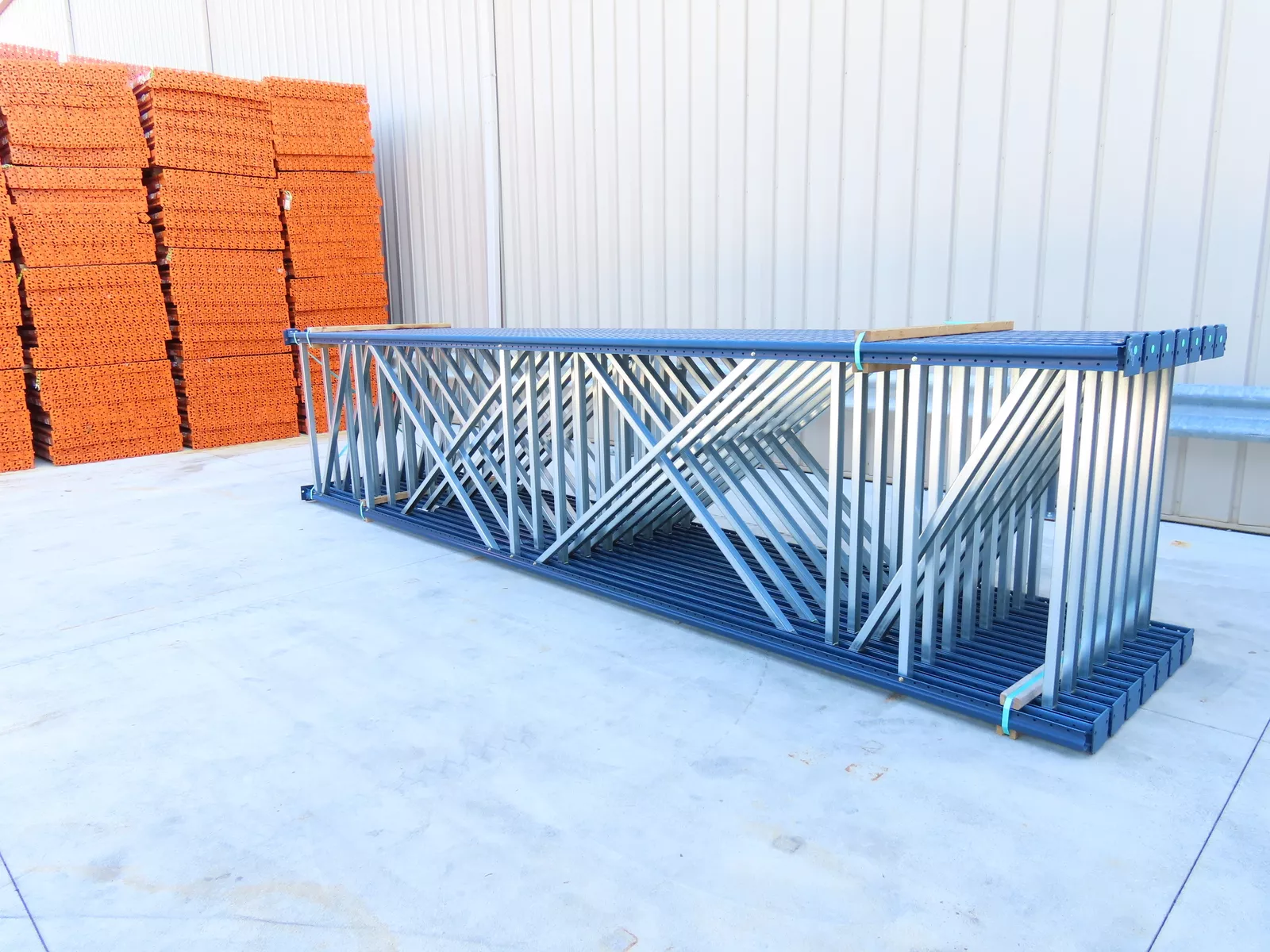
Are Industry Standards Being Misapplied In Your Racking System Design?
Are Industry Standards Being Misapplied In Your Racking System Design?
- Racking systems are essential structures in warehouses and distribution centers, affecting trust, efficiency, and safety.
- Misapplication of industry standards in racking design can jeopardize lives and livelihoods.
- Warehouse workers face hidden risks from improper racking systems, impacting their families and communities.
- Neglecting safety standards can damage a company’s reputation and pose ethical questions for business leaders.
- Stories of near-misses and accidents highlight the importance of adhering to safety protocols.
- Designing racking systems should prioritize human safety and well-being, engaging teams in the process.
- Creating a safe workplace is a collective responsibility that values integrity and ethical standards.
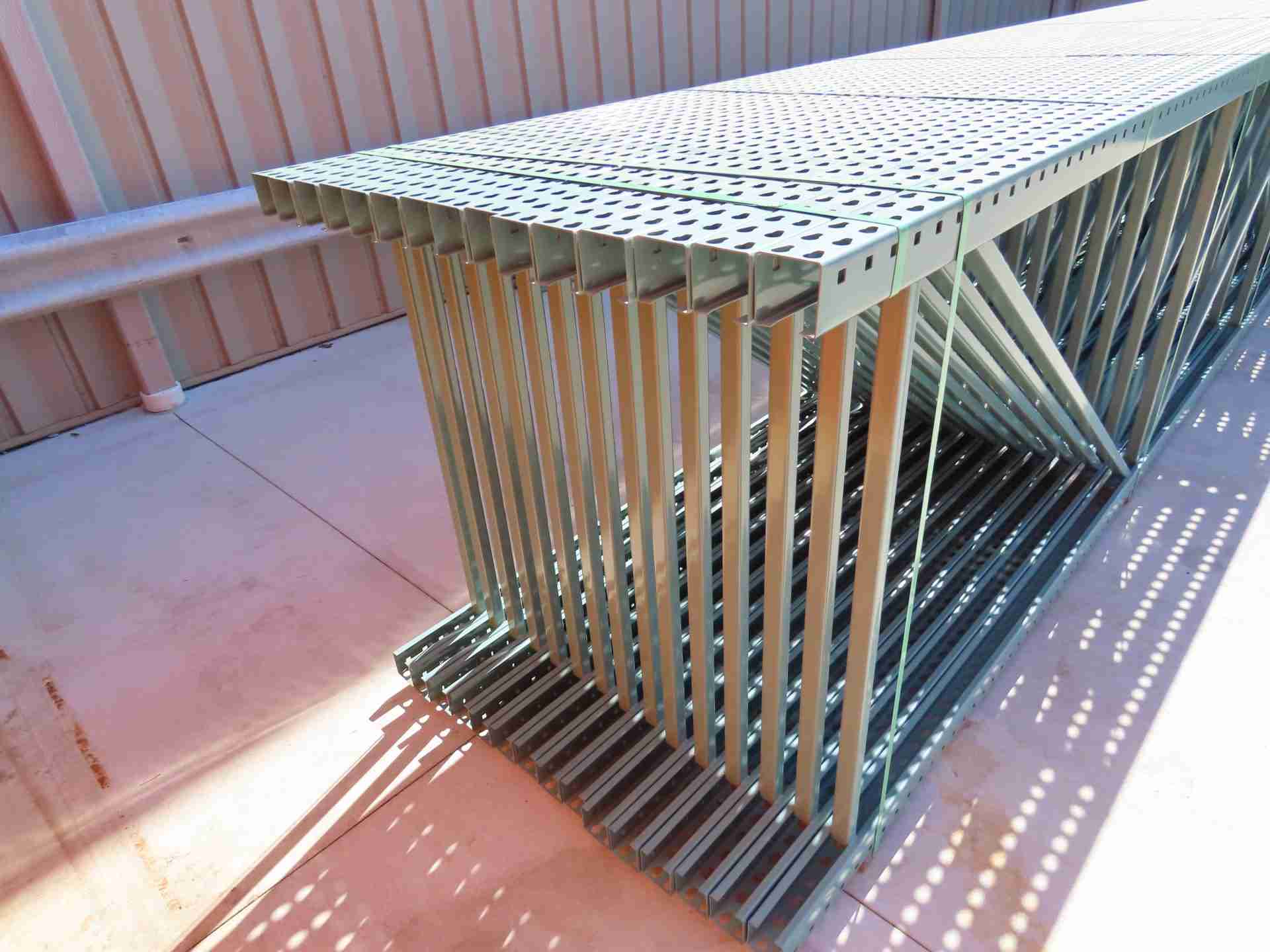
Are Industry Standards Being Misapplied In Your Racking System Design?
What Stories Showcase the Benefits Of Minimalist Racking Systems?
Picture a bustling warehouse, where chaos lurks in every corner. In the middle of this frenzy stands an operations manager, grappling with the demands of efficiency and organization. Now, imagine that same scene transformed—the cluttered aisles giving way to a streamlined, minimalist racking aesthetic. This is not just a fight against disorder; it’s a testament to the power of thoughtful design.
The magic of minimalist racking systems lies not just in their elegance but in the stories they create. Remember the logistics supervisor who struggled with slow inventory turnover? His once-overloaded warehouse felt like a labyrinth, where chaos reigned supreme. After a complete overhaul using minimalist racking, he not only reclaimed physical space but also redefined the culture of his team. With everything in its place, a newfound sense of pride and ownership blossomed, igniting a fire within his workers. They began to thrice double-check their orders, not out of fear of failure, but from a commitment to excellence.
Then there’s the small business owner who had dreams larger than her cramped storefront. Overwhelmed by a maze of boxes, she felt herself suffocated by her own ambition. Upon shifting to a minimalist racking system, the transformation was palpable. Her shop, now airy and inviting, became a destination, an experience for customers rather than just a place to shop. The very essence of her brand began to resonate through open spaces and carefully curated displays, inviting foot traffic and enthusiastic recommendations.
Each of these individuals not only found benefits in the efficiency and aesthetic of minimalist racking systems but also forged deeper connections with their teams and customers. It’s about more than organization; it’s about creating spaces that foster productivity and pride.
This is the heart of minimalist racking. It’s where rational design meets emotional resonance, elevating both the space and the spirit within its walls. The racking evolves beyond mere storage; it becomes a catalyst for operational excellence, breathing new life into businesses. This transformation isn’t just visible; it’s felt. It’s a story waiting to unfold in every crowded warehouse and bustling store, inviting anyone willing to trust in its advantages to take that leap into a beautifully organized, empowered future.
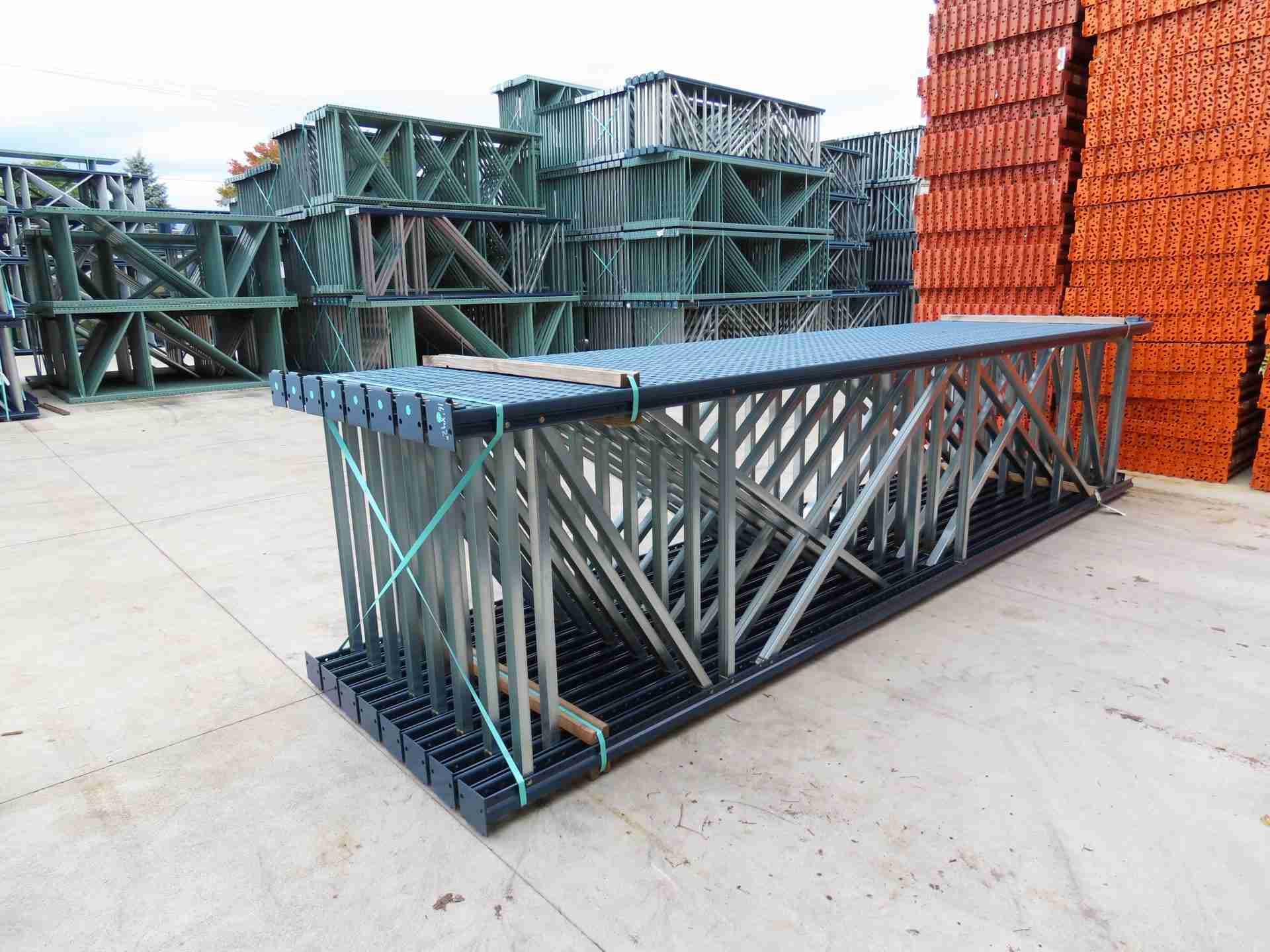
What Stories Showcase the Benefits Of Minimalist Racking Systems?
What Stories Showcase the Benefits Of Minimalist Racking Systems?
- Operations manager faces challenges of efficiency and organization in a chaotic warehouse.
- Minimalist racking systems transform cluttered spaces into streamlined, aesthetically pleasing environments.
- Logistics supervisor improves inventory turnover and team culture through a racking overhaul.
- Workers develop pride and commitment to excellence as organization enhances their workspace.
- Small business owner transforms a cramped shop into an inviting experience with minimalist racking.
- Connections with teams and customers deepen through efficiency and thoughtful design.
- Minimalist racking serves as a catalyst for operational excellence and business revitalization.
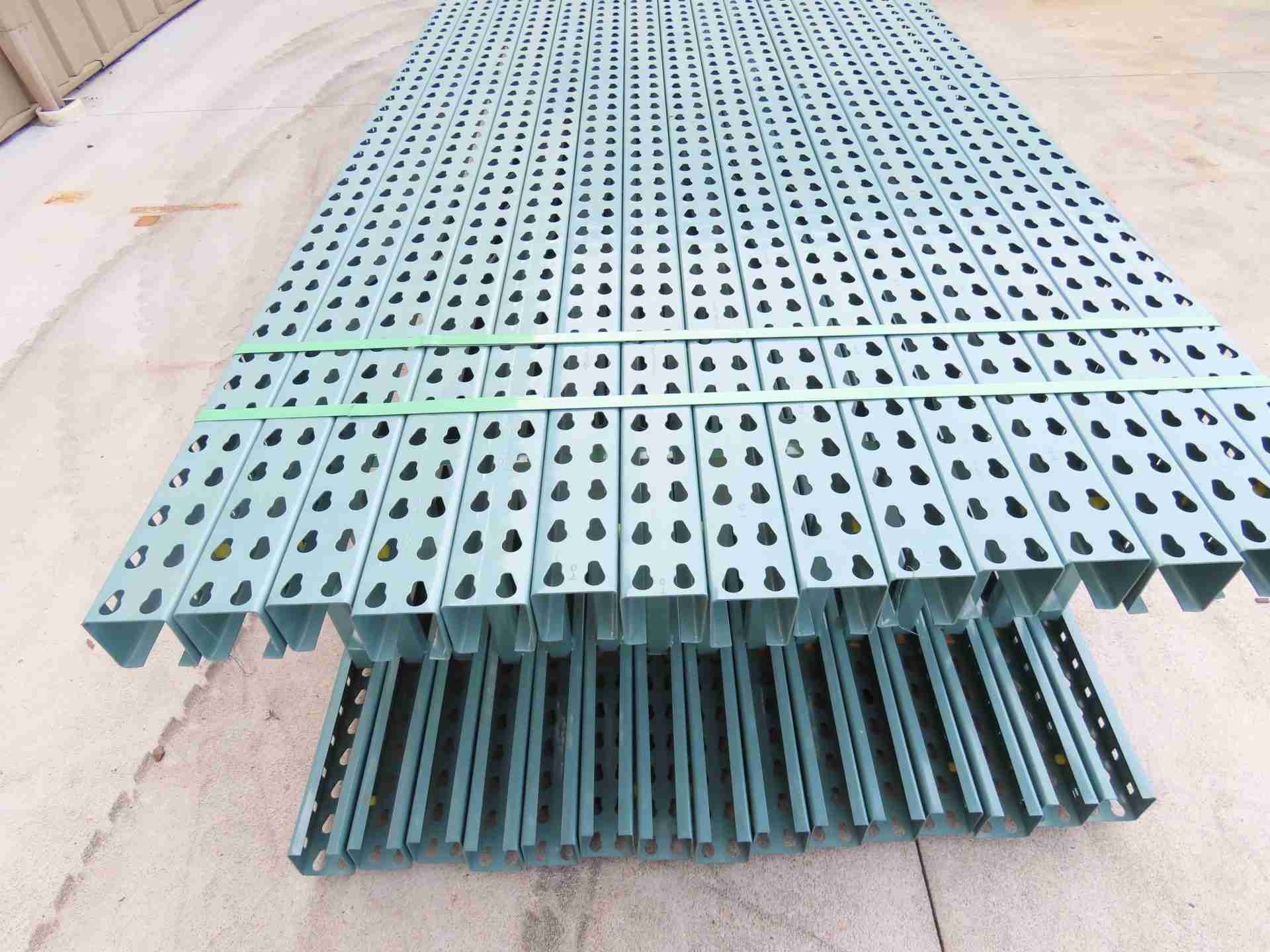
What Stories Showcase the Benefits Of Minimalist Racking Systems?
What Do Experts Say About the Common Pitfalls Of Overengineering?
When you dive into the world of engineering, it’s easy to get swept up in the allure of complexity. Experts, seasoned by time and trial, often warn against the seductive nature of overengineering—an all-too-frequent pitfall that can stifle creativity and efficiency. Picture this: a team of skilled engineers gathered ‘round, racking their brains over a solution, and somehow, they end up lost in an intricate web of unnecessary features and excessive specifications. It’s like building a skyscraper when a solid shed would have sufficed.
At the core of the conversation surrounding overengineering is the need for clarity and simplicity. Many reputable voices in the field advocate for a zen-like approach—where efficiency harmonizes with functionality. It’s not just about what could be added; it’s about what truly needs to exist to serve our community. Experts argue that design should always come back to one clear principle: meeting the user’s needs without drowning them in jargon and complication. In this sense, engineers aren’t merely creators; they are caretakers, obligated to ensure their designs serve the people who rely on them.
Moreover, the ethics of overengineering come into play—a pressing concern amid environmental awareness and resource management. Excessive complexity often translates into waste, both in materials and time. Professionals in the industry emphasize that our creations should be not only effective but also responsible. And let’s face it: the integrity of our work speaks volumes about our values.
And it goes deeper than practicality; it strikes at the heart of connection. When you engage with any product or service, you instinctively form a bond based on trust. Consumers feel a sense of betrayal when they encounter an unnecessarily convoluted solution. They seek authenticity and transparency in the tools they choose. Building trust starts with understanding that less can indeed be more.
The stories of those who’ve attempted to deploy overengineered solutions resonate throughout the industry. They serve as cautionary tales, reminding us of the importance of focus and restraint. Behind each misstep—and the unnecessary hours racked up in the process—lies an opportunity to learn, grow, and steer clear of that treacherous path. In our commit to creating with intention, we not only elevate our craft but also foster a profound connection to the people we serve.
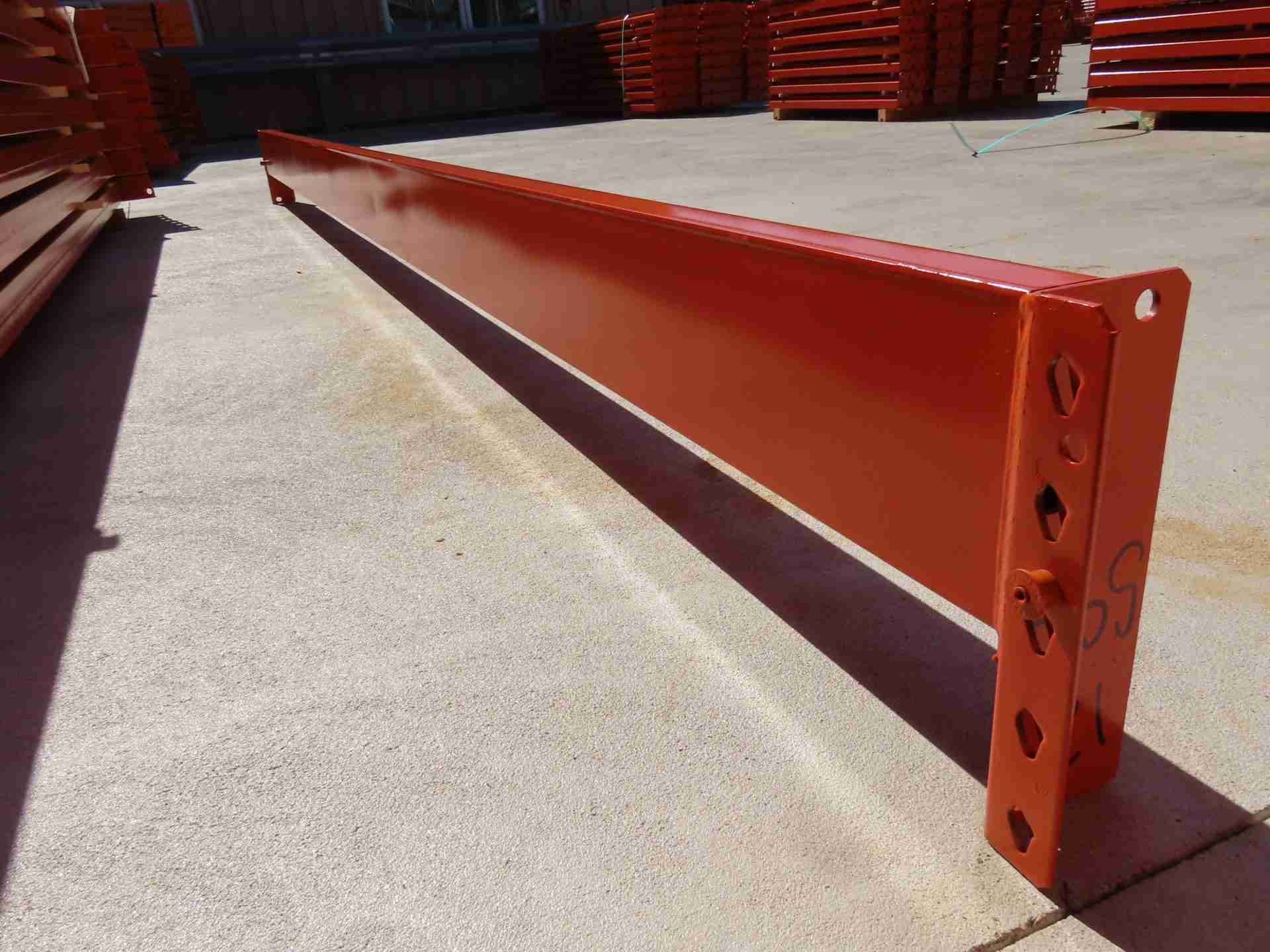
What Do Experts Say About the Common Pitfalls Of Overengineering?
What Do Experts Say About the Common Pitfalls Of Overengineering?
- Engineering can become overly complex, leading to the common pitfall of overengineering.
- Experts warn that intricate designs can stifle creativity and efficiency.
- Emphasizing clarity and simplicity is vital in engineering design.
- Designs should focus on meeting users’ needs without unnecessary complications.
- Overengineering raises ethical concerns regarding waste of materials and time.
- Consumers value trust, authenticity, and transparency in products and services.
- Cautionary tales from past overengineering attempts highlight the need for focus and restraint.
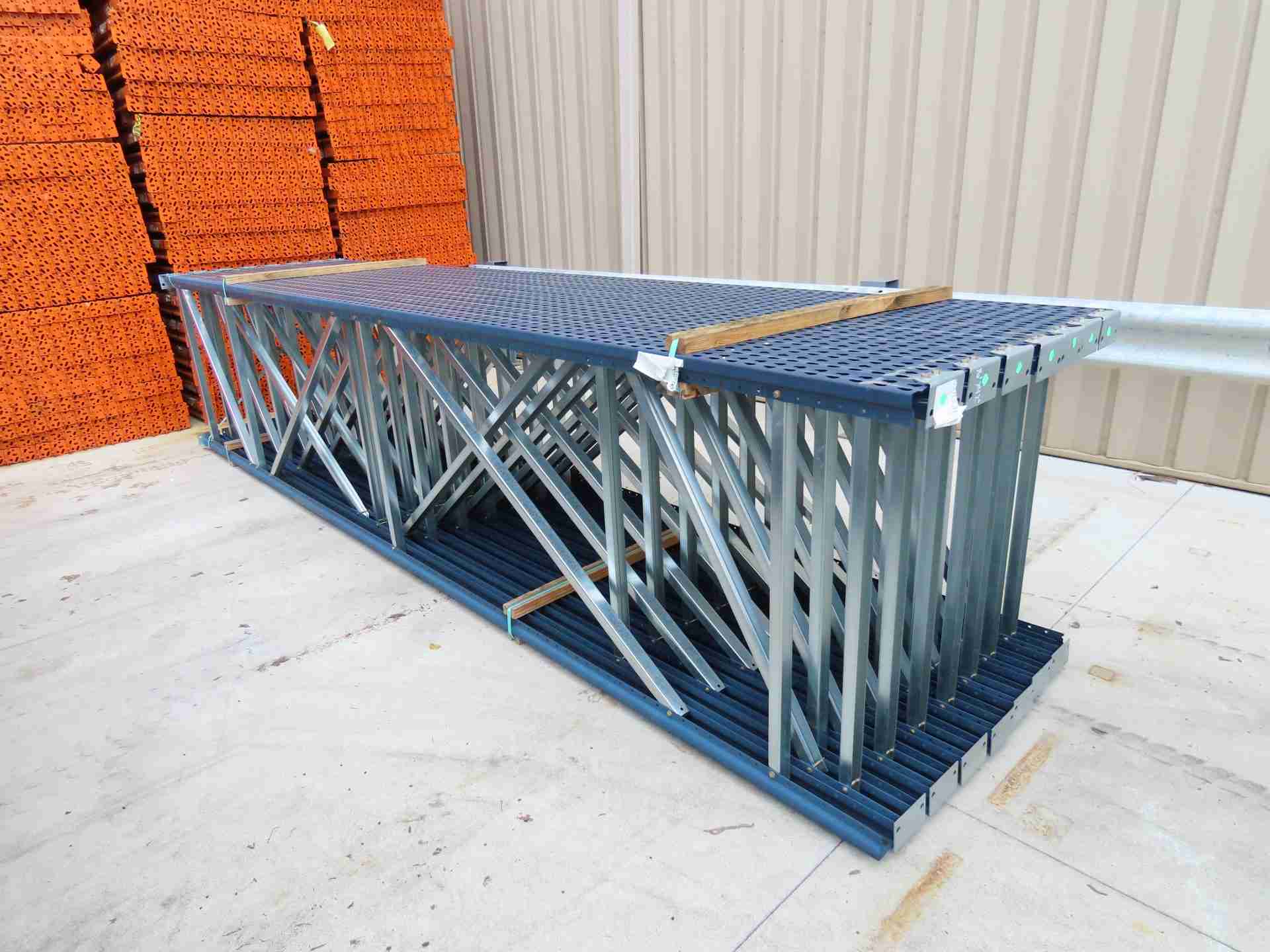
What Do Experts Say About the Common Pitfalls Of Overengineering?
Conclusion
Overengineering racking systems might seem like a good idea on the surface, promising increased capacity and reliability. However, the truth is that complexity can often become a hindrance. Imagine workers in a warehouse, navigating a confusing maze of racks that should streamline their tasks but instead leave them frustrated. The allure of fancy features can distract from the core needs of a functional workspace, reducing efficiency and morale. As we break down these barriers, it’s essential to recognize the balance between functionality and straightforward design.
Consider the emotional toll that overly complex systems can have. Warehouse employees, tasked with the vital job of processing inventory, may feel overwhelmed in an environment where ease of access is sacrificed for unnecessary bells and whistles. This confusion leads not only to disengagement but also to increased stress levels, ultimately affecting team cohesion and productivity. A straightforward racking system fosters trust among team members, enhancing their confidence and safety while allowing them to focus on their core responsibilities.
On practical grounds, overengineering can drain resources, diverting funds and time toward systems that don’t resolve primary challenges. By investing in robust, simple designs, businesses respect their budgets and create environments where their teams can thrive, turning everyday labor into a seamless operation. The ethical obligation to create a conducive workplace fits squarely within this rationale—our responsibility is to provide tools that empower, not frustrate, our teams.
Furthermore, embracing simplicity in racking systems contributes to safety, as complex designs can introduce potential hazards that compromise employee well-being. Ethical leadership demands that we prioritize our workers’ safety, ensuring that our designs reflect a commitment to clarity, functionality, and care.
Experts underscore the pitfalls of overengineering, urging designers to anchor their work in the needs of users. Solutions should enhance lives, not complicate them. Minimalist racking transforms not just the physical space but the very culture of a workplace into one defined by clarity, where workers feel proud and engaged.
The stories are clear: simplicity doesn’t just keep operations running—it elevates the human experience behind the scenes. By shedding the burdens of overengineering, we honor the commitment to create environments that empower, ensuring that our teams can thrive together in success. When we prioritize straightforward solutions, we pave the way for operational excellence, fostering a culture that celebrates collaboration and innovation. In our quest for efficiency, let’s not forget that simplicity can often yield the greatest gains.

Conclusion
Conclusion:
- Overengineering racking systems may seem beneficial but often complicates operations.
- Complex designs can frustrate warehouse workers, reducing efficiency and morale.
- Employees may feel overwhelmed by unnecessary features, increasing stress and disengagement.
- Simple racking systems enhance team trust, confidence, and focus on core responsibilities.
- Investing in straightforward designs helps manage resources and creates a favorable work environment.
- Simplicity in design contributes to employee safety and reflects ethical leadership.
- Emphasizing clarity transforms organizational culture, promoting collaboration and innovation.
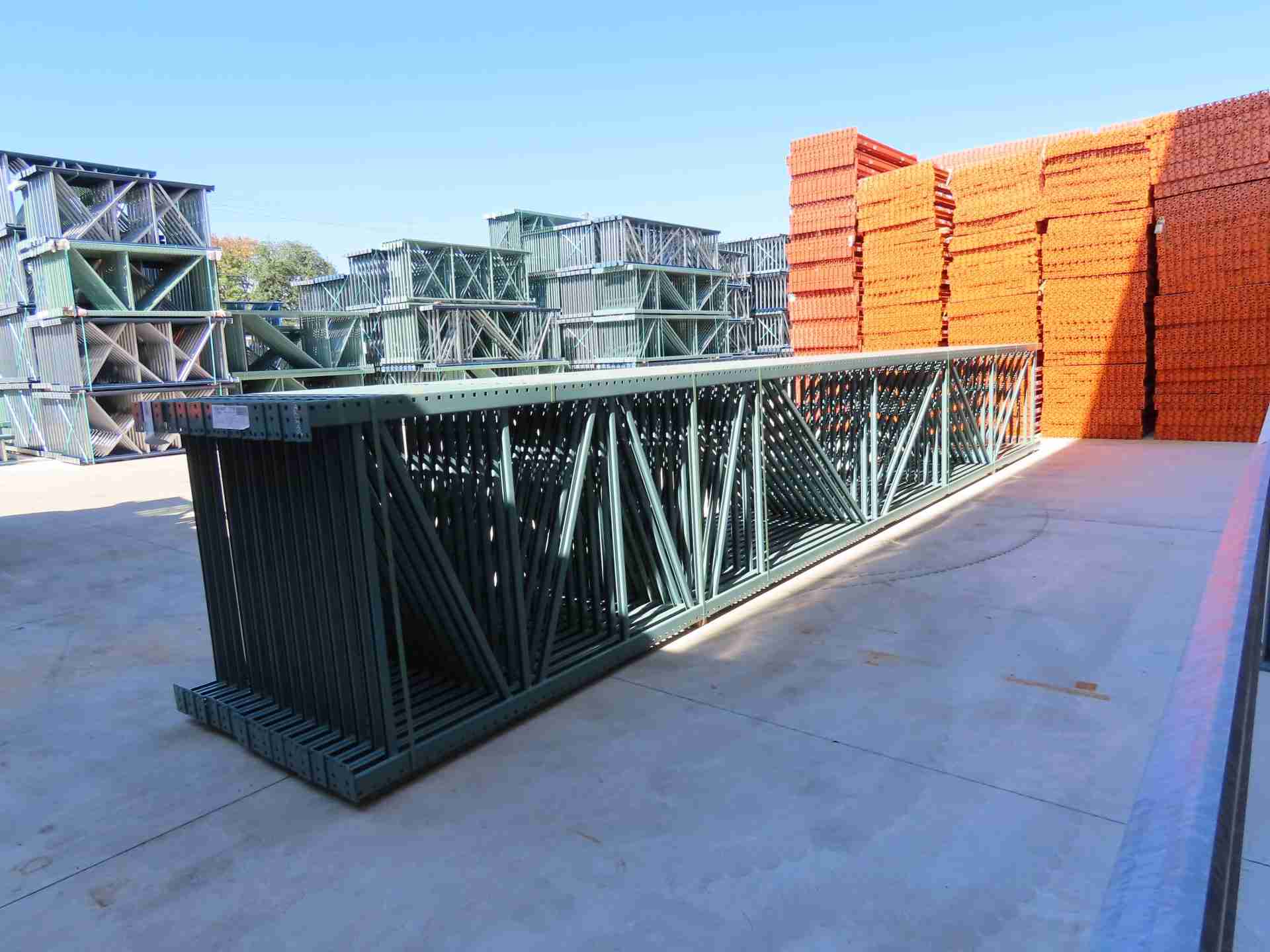
Conclusion
Other Resources
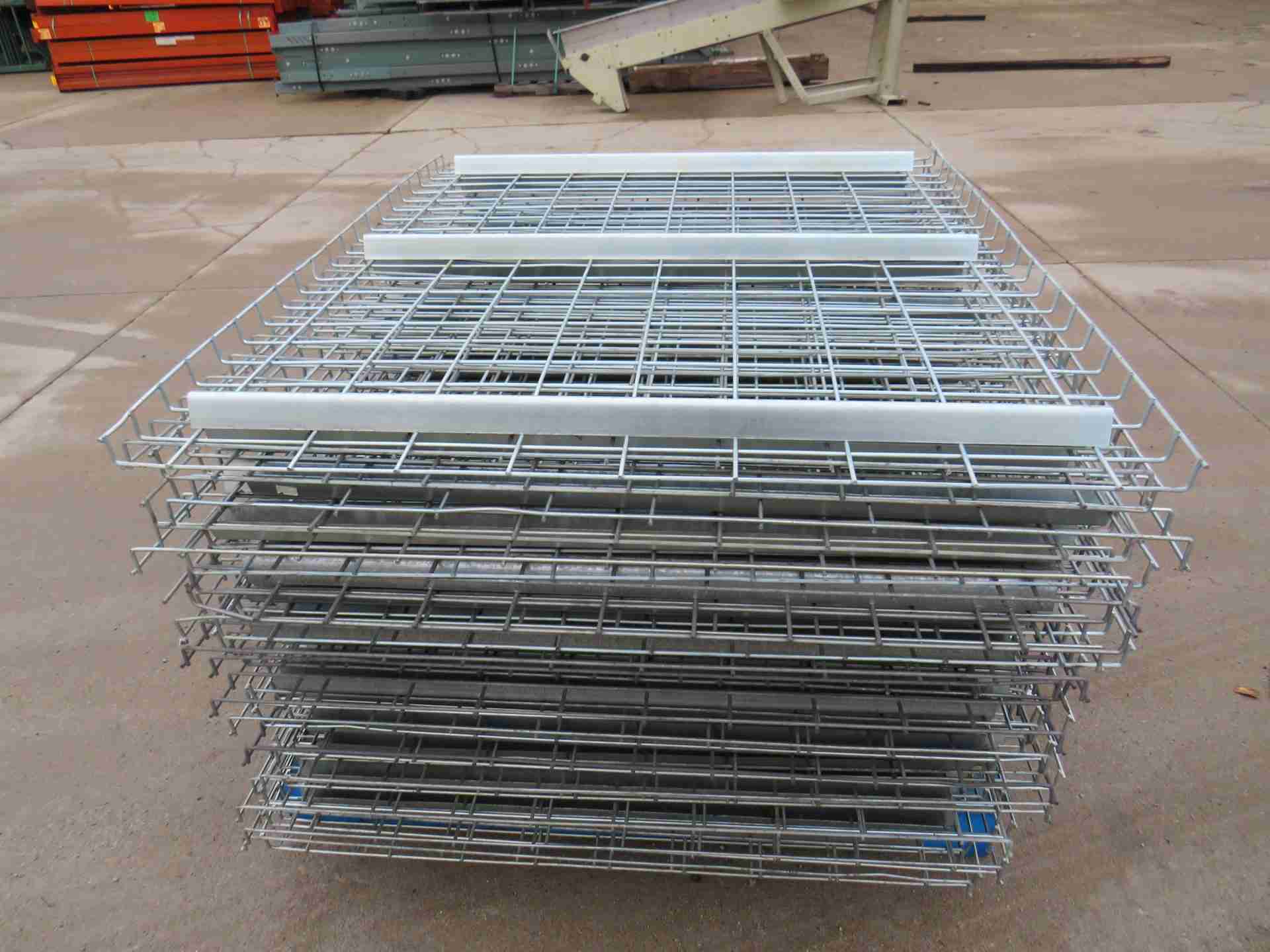
Other Resources
Here is a list of other resources you can review online to learn more:
- Warehouse Racks, Warehouse Racking in Stock – ULINE
- Overhead Lifting
- Cantilever Racking Specialists – Get the Right Racks
- Teardrop Racks – Pallet Rack World
- Illinois
- IWLA
- Pallet Racking 101: A Comprehensive Guide & Options Explained
- What is Selective Racking: Understanding Benefits & Options
- Intro to Warehouse Racks & Warehouse Racking Systems – ShipBob
- Cantilever Rack Guide: Ordering Cantilever Racking
- Arrow Industrial Sales
- MHI
- Warehouse Storage Racking in Illinois
- Warehouse Racking Chicago, IL
- Racking World
- Mustang Material Handling
- Rack Manufacturers Institute
- Selective Racking
- Total Warehouse
Use This Prompt To Get More Resources With Your Favorite Online AI Tool: Please provide me with a list of online articles with their URLs in a bulleted list that I can read regarding The Case Against Overengineering Your Racking System
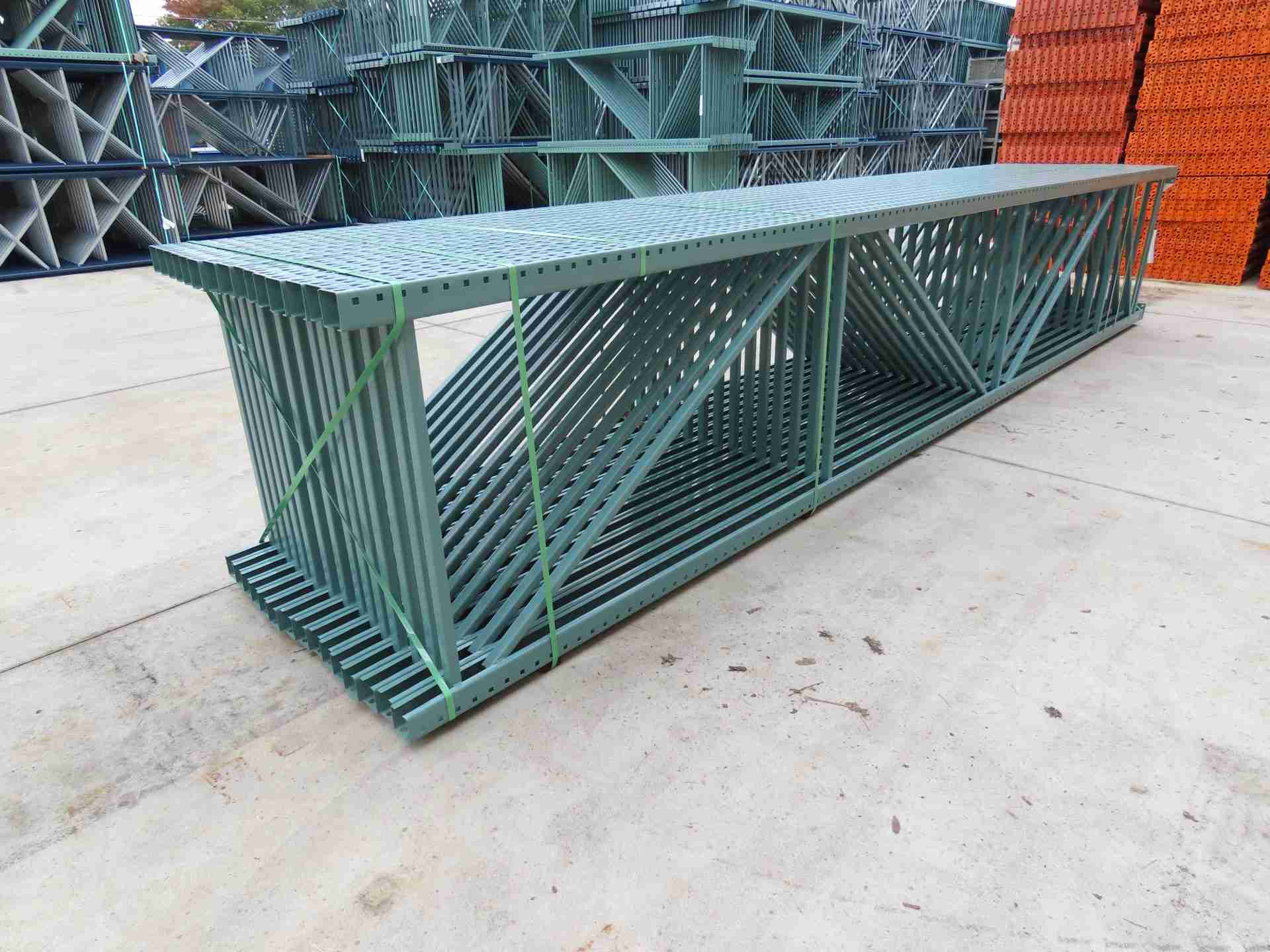
Other Resources
Glossary Terms
The Case Against Overengineering Your Racking System – Glossary Of Terms
1. Overengineering: The practice of designing a system with more complexity, features, or resources than necessary, often leading to inefficiency.
2. Racking System: A framework utilized for storing goods, typically consisting of shelves, beams, and uprights for better organization and space management.
3. Efficiency: The ability to achieve maximum productivity with minimum wasted effort or expense, critical in warehouse operations.
4. Cost-Effectiveness: Evaluating the balance between the costs incurred and the benefits gained from a system, important for budget management.
5. Scalability: The capability of a racking system to accommodate growth and changes in inventory levels without requiring a complete overhaul.
6. Simplicity: A design principle that prioritizes ease of use and maintenance, minimizing potential issues associated with complex systems.
7. Customization: Modifying a racking system to meet specific operational needs, which can sometimes lead to unnecessary complexity.
8. Standardization: Utilizing common sizes and types of components, improving compatibility and easing maintenance across the racking system.
9. Flexibility: The ability of a racking system to adapt to changing storage requirements or inventory types without substantial redesign.
10. Inventory Turnover: A measure of how quickly inventory is sold and replaced, influencing racking system design to maximize space.
11. Lead Time: The duration between the initiation of a process and its completion, critical in assessing the efficiency of a warehouse system.
12. Safety Regulations: Industry standards designed to ensure safety in warehouse operations and racking installations, influencing design choices.
13. Load-Bearing Capacity: The maximum weight a racking system can safely handle, determining the materials and design used in construction.
14. Workflow Optimization: Streamlining operations to reduce unnecessary steps, ensuring that the racking system contributes positively to productivity.
15. Space Utilization: The effective use of available storage space, essential for maximizing capacity and reducing costs in warehousing.
16. Accessibility: The ease with which stored items can be reached, which can be negatively impacted by overly complex racking designs.
17. Maintenance: The activities required to keep the racking system in good working condition, which can become burdensome if the system is overengineered.
18. Durability: The ability of racking materials to withstand wear, pressure, or damage, important for long-term operational success.
19. Automation: Using technology to automate processes within a racking system, which can sometimes lead to unnecessary complexity if not designed carefully.
20. Inventory Management: The process of overseeing and controlling orders, storage, and stock levels in a racking system, affecting overall efficiency.
21. Ergonomics: The study of people’s efficiency in their work environment, influencing racking design to enhance user comfort and productivity.
22. Transition Costs: Expenses associated with moving from one system to another, which can increase if a system is overly engineered.
23. Lean Principles: A methodology that emphasizes minimizing waste within manufacturing systems, promoting simpler, more effective designs.
24. Supply Chain: The entire system of production, processing, and distribution, of which the racking system is a critical component.
25. Modular Design: A design approach that breaks down systems into smaller parts or modules, facilitating ease of repair and scalability.
26. Training Requirements: The necessary education and instruction for employees to effectively use a racking system, which can increase with complexity.
27. Capital Expenditure: The funds used by a company to acquire or upgrade physical assets, influencing decisions on racking system design.
28. Operational Risk: The potential for loss due to inadequate or failed processes, which can be heightened by overengineering in racking solutions.
29. Performance Metrics: Standards used to assess the effectiveness of a racking system, crucial for continuous improvement in operations.
30. Return on Investment (ROI): A financial metric used to evaluate the profitability of an investment, relevant when considering the costs of complex racking systems.

Glossary Of Terms
Other Questions
The Case Against Overengineering Your Racking System – Other Questions
If you wish to explore and discover more, consider looking for answers to these questions:
- What are the key features of an efficient racking system?
- How can companies measure the productivity impact of their racking systems?
- What specific examples exist of companies that have successfully simplified their racking systems?
- What are the common misconceptions about overengineering in racking systems?
- How do industry standards vary between different types of racking systems?
- What safety regulations must be adhered to when designing racking systems?
- What role does employee training play in the effectiveness of a racking system?
- How can technology be used to enhance racking system efficiency without overengineering?
- What are the long-term financial implications of maintaining an overly complex racking system?
- In what ways can minimalist racking systems improve employee satisfaction?
- What are the ethical considerations in racking system design beyond safety?
- How does the layout of a racking system affect workflow in a warehouse?
- What solutions exist for transitioning from a complex to a simplified racking system?
Other Questions
Checklist
The Case Against Overengineering Your Racking System – A Checklist
Checklist for Maximizing Racking System Efficiency: A Balanced Approach
Heart Appeal: Emotional Resonance
_____ Envision a workspace where employees feel empowered and stress-free.
_____ Consider the emotional impact of frustration on workforce morale and productivity.
_____ Foster an environment of teamwork and cooperation through accessible design.
Head Appeal: Rational Considerations
_____ Analyze the cost-benefit ratio of overengineering vs. simple designs.
_____ Evaluate how streamlined systems can save time and improve efficiency.
_____ Review the impact of reduced complexity on employee engagement and mental energy.
Gut Appeal: Instinctual Awareness
_____ Reflect on gut feelings about safety in complex environments.
_____ Trust your intuition about the potential hazards of intricate systems.
_____ Prioritize designs that promote a sense of clarity and ease.
Ethical Appeal: Moral Responsibility
_____ Assess your obligation to provide safe and effective tools for your team.
_____ Ensure that your design choices prioritize employee well-being and operational ethics.
_____ Commit to using resources responsibly to avoid waste and excess.
Authority Appeal: Expert Insights
_____ Seek out case studies and testimonials on the success of minimalist racking systems.
_____ Consult with industry experts regarding best practices and common pitfalls.
_____ Examine how authority figures view the importance of simplicity in design.
Narrative Appeal: Storytelling Power
_____ Share stories of successful transformations from complex to minimalist systems.
_____ Highlight experiences of individuals who thrived in efficient environments.
_____ Create a narrative that connects the human experience to effective design.
Social Appeal: Community Impact
_____ Engage with your team to ensure their voices are heard in the design process.
_____ Emphasize the collective responsibility for creating safe and efficient workspaces.
_____ Foster a culture of pride and ownership through thoughtfully designed systems.
Checklist
At RackingWorld, we help guide you through selecting warehouse storage systems and racking.
Be sure to read our other related stories at RackingWorld to learn more about warehouse storage systems.
0 Comments