
The Strength Of Steel, The Versatility Of Aluminum
By Tom Seest
At RackingWorld, we help guide you through selecting warehouse storage systems and racking.
Be sure to read our other related stories at RackingWorld to learn more about warehouse storage systems.
Steel Vs. Aluminum Cantilever Systems
When it comes to cantilever systems, the age-old showdown—steel vs. aluminum—unfolds like a classic tale. Imagine a bustling warehouse, humming with the rhythm of hard work. Racking systems rise to meet the needs of industrious hands, and you can almost hear the stories they could tell. Each material carries its own legacy, but the choice between steel and aluminum is about more than just weight; it’s about the heart of your operation, the integrity of your investments, and the lives impacted by your decision.
Let’s talk steel first. The heavyweight champion of strength, steel offers unparalleled durability and reliability. It’s the rugged warrior that stands tall, undeterred by the heavy loads of storage and the rigors of daily use. Companies that choose steel often reap the rewards of longevity. It’s a practical choice rooted in rational thinking—steel stands the test of time, minimizing re-investment costs. Yet, this isn’t just about the bottom line; it’s about the people who rely on safe, sturdy racking systems. When workers trust that the shelves won’t buckle under pressure, there’s a confidence that builds in the workforce—a camaraderie that fuels productivity.
On the other hand, aluminum presents a nimble alternative. Lightweight yet surprisingly strong, it dazzles with its corrosion resistance and adaptability, making it an ethical choice for businesses focused on sustainability. Picture this: a company eager to reduce its carbon footprint, proudly utilizing aluminum complements its commitment to the planet. In a world increasingly driven by environmental responsibility, choosing aluminum reflects a broader social consciousness, a desire to align every decision with values that resonate beyond the warehouse door.
But let’s not forget the stories that connect us. From the seasoned foreman who swears by steel’s rugged dependability to the innovative team manager who champions the modern efficiency of aluminum, there’s a narrative in every decision. Investing in the right cantilever system isn’t just a calculated choice; it’s a step toward building a future where safety and efficiency forge a path to progress.
So, whether you’re leaning toward the unwavering embrace of steel or the graceful agility of aluminum, know that you’re not just choosing a material. You’re choosing a legacy, weaving a narrative of trust, strength, and community into the very structure of your business. Embrace the decision with confidence; your choice matters, and will resonate throughout every level of your operation.

Steel Vs. Aluminum Cantilever Systems
Steel Vs. Aluminum Cantilever Systems
- Cantilever systems offer a choice between steel and aluminum, each with its own legacy.
- Steel is known for its strength, durability, and reliability, making it a practical choice for heavy storage loads.
- Investment in steel leads to longevity, minimizing re-investment costs and ensuring worker confidence in safety.
- Aluminum is lightweight, corrosion-resistant, and adaptable, appealing to businesses with a focus on sustainability.
- Choosing aluminum reflects environmental responsibility and aligns business decisions with broader social values.
- Every decision involves narratives from workers experienced in either material, influencing company culture and productivity.
- Your choice between steel and aluminum shapes the future of your operation and builds a narrative of trust and community.
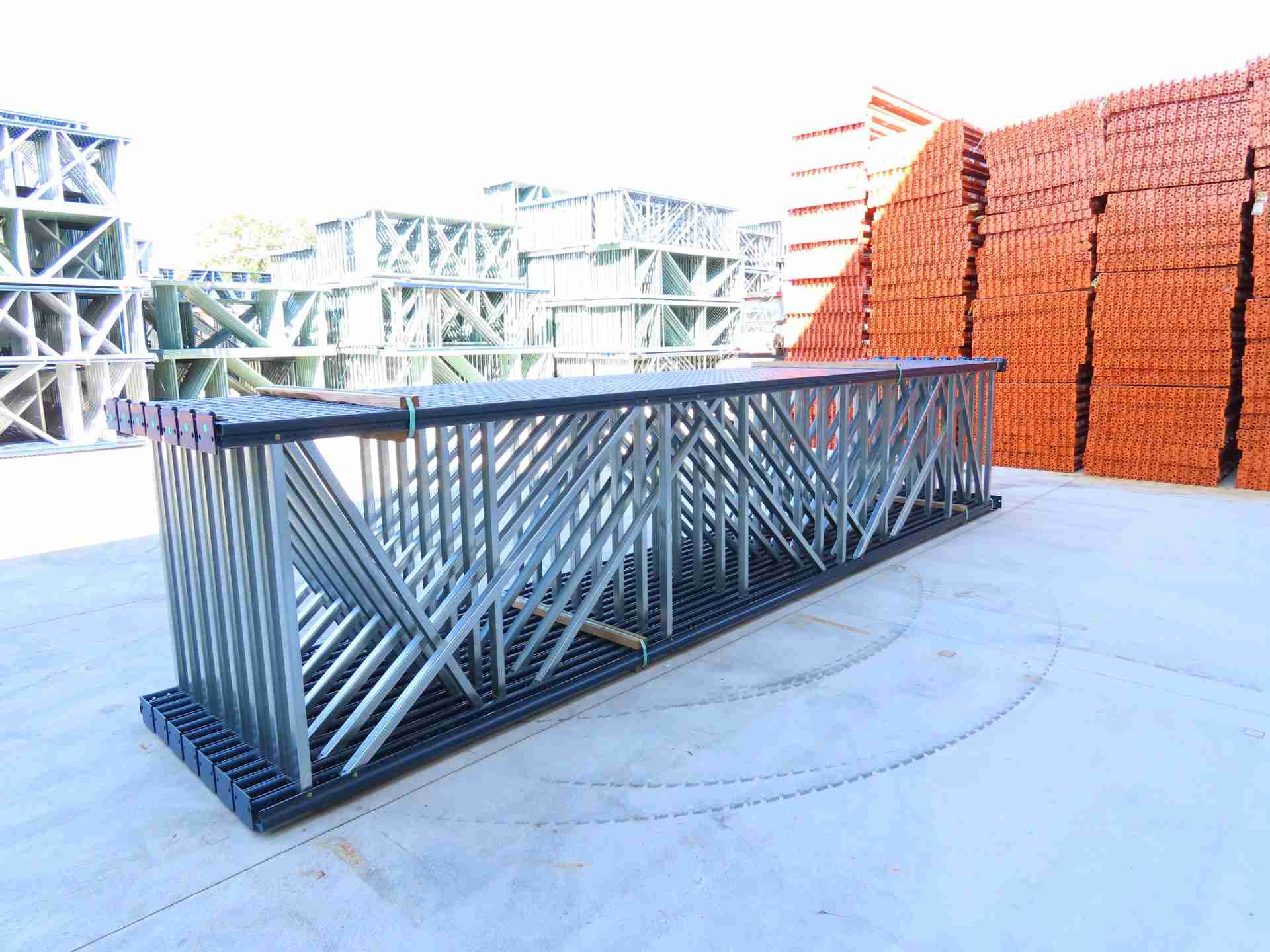
Steel Vs. Aluminum Cantilever Systems
Table Of Contents
- Steel Vs. Aluminum Cantilever Systems
- What Emotional Benefits Do Steel Cantilevers Offer Your Projects?
- How Does Aluminum Impact the Environmental Footprint Of Construction?
- How Might Your Choice Of Cantilever System Shape Future Design Trends?
- How Do Local Regulations Affect Your Choice Of Cantilever Materials?
- What Factors Influence Your Choice Between Steel And Aluminum?
- Conclusion
- Other Resources
- Glossary Of Terms
- Other Questions
- Checklist
What Emotional Benefits Do Steel Cantilevers Offer Your Projects?
When you dive into the world of construction and design, every choice you make starts to shape not just the physical space but the very atmosphere of a project. Steel cantilevers, while they certainly bring strength and structural integrity, also usher in a host of emotional benefits that resonate beyond the blueprints. Picture this: a sleek cantilever extending over a breathtaking landscape, inviting people to gather and marvel at the blend of artistry and engineering. It’s more than a design feature; it’s a statement of confidence, a declaration that beauty can coexist with functionality.
For countless projects, from modern homes to urban parks, the use of steel cantilevers introduces a sense of openness that soothes the soul. They defy gravity and challenge conventional building practices, likening the experience to witnessing an artist’s masterpiece suspended in mid-air. This emotional response is heightened in spaces where people gather—whether it’s a family catching up over coffee or friends sharing laughter at a summer gathering—creating a communal aura that fosters connection.
Rationing aesthetics and utility is often seen as a compromise, but when you incorporate cantilevers, you’re not diluting either. You’re enhancing them. Think about the racking of traditional designs; they often box people in, stifling conversation and creativity. Cantilevers, on the other hand, provide an escape from the mundane, promoting a fluid interaction with the environment that stimulates the mind.
Ethically, choosing steel cantilevers can also reflect a commitment to sustainability and responsible design. They often use less material than conventional supports, contributing to a more sustainable approach in a world that increasingly demands eco-friendliness. This not only appeals to the conscientious builder but also resonates with clients who value social responsibility.
When you decide to incorporate this innovative design element, it’s like weaving a narrative that your clients and communities can be proud of—each beam and strut telling a story of resilience, creativity, and forward-thinking. People want to be part of something special, something that echoes their values. By lending your project the strength and elegance of steel cantilevers, you’re not only constructing a building but also crafting an emotional legacy. Your work becomes a social thread, connecting individuals, inspiring awe, and creating spaces that foster joy and togetherness—an experience the world desperately craves.

What Emotional Benefits Do Steel Cantilevers Offer Your Projects?
What Emotional Benefits Do Steel Cantilevers Offer Your Projects?
- Steel cantilevers enhance both the physical space and emotion of a construction project.
- They create an inviting atmosphere that combines artistry and engineering, promoting social gatherings.
- Cantilevers challenge traditional designs, fostering connection and creativity in communal spaces.
- The design feature provides more openness than conventional structures, enhancing conversation and interaction.
- Using steel cantilevers reflects a commitment to sustainability by utilizing less material.
- Incorporating cantilevers weaves a narrative of resilience, creativity, and community values.
- Projects with cantilevers create emotional legacies that inspire awe and promote joy and togetherness.

What Emotional Benefits Do Steel Cantilevers Offer Your Projects?
How Does Aluminum Impact the Environmental Footprint Of Construction?
When we think about the construction of our homes and the buildings that shape our cities, aluminum often plays a silent yet significant role. This lightweight metal, abundant and versatile, is increasingly favored for its strength and durability. But beyond the remarkable properties that make aluminum a construction darling, its environmental footprint is what truly deserves attention.
Imagine a bustling construction site, the air heavy with the promise of new beginnings. Workers unite, racking their tools with determination, knowing that what they build today will frame the lives of generations to come. As they lift shiny aluminum beams, they might not realize they’re also lifting a burden—an environmental footprint that’s both challenging and inspiring.
Aluminum is not just about what happens on-site; its story starts long before it reaches the construction zone. Extraction, processing, and transportation have their own ecological tales, often running the risk of heavy resource consumption and greenhouse gas emissions. Yet, here’s the twist: aluminum is endlessly recyclable. For a society striving to reduce waste, this quality is a beacon of hope. Recycling aluminum saves 95% of the energy needed to produce virgin materials, transforming what could have been discarded into a resource with new life. Each time an aluminum product is recycled, it makes room for a more sustainable tomorrow.
Now, let’s talk ethics. Ethical construction isn’t just a trend; it’s a responsibility. When we choose aluminum, we’re not just selecting a material—we’re adopting a mindset that values sustainability. Supporting companies that prioritize eco-friendly processes encourages a shift in industry standards, urging others to follow suit. The narrative of construction can evolve from one of resource depletion to reclamation, forging a path towards eco-conscious urban environments.
And consider the broader social implications. Each aluminum structure doesn’t just provide shelter; it fosters community resilience. With buildings that are designed to last and reduce energy consumption over time, we’re not only protecting our planet—we’re protecting those we love. This blend of head, heart, and gut tells us that the materials we choose matter profoundly.
So, as the sun sets behind a new skyscraper glistening in the twilight, let’s revel in the knowledge that every choice—every beam of aluminum—can shape a greener future. By aligning construction practices with ecological stewardship, we have the opportunity to create not just buildings, but legacies. Let’s build not just for ourselves, but for the generations to come.

How Does Aluminum Impact the Environmental Footprint Of Construction?
How Does Aluminum Impact the Environmental Footprint Of Construction?
- Aluminum plays a significant yet often overlooked role in construction, valued for its strength and durability.
- Its environmental impact should be a primary consideration, starting from extraction to processing and transportation.
- Aluminum is endlessly recyclable, saving 95% of the energy required to produce new materials and encouraging sustainable practices.
- Choosing aluminum reflects an ethical responsibility towards sustainable construction and supports eco-friendly companies.
- Aluminum structures contribute to community resilience by providing durable, energy-efficient shelters.
- Construction decisions impact not only present needs but also future generations, emphasizing the importance of sustainable materials.
- By prioritizing ecological stewardship in construction, we can create lasting legacies for the future.

How Does Aluminum Impact the Environmental Footprint Of Construction?
How Might Your Choice Of Cantilever System Shape Future Design Trends?
When we talk about cantilever systems, we’re not just discussing engineering principles; we’re venturing deep into the heart of design itself. These structures, bold and cantilevered, reach for the skies, challenging gravity, and inspiring awe. But what does your choice of a cantilever system truly mean for the future of design? Let’s break it down.
Picture a peaceful park where children run beneath a cantilevered shelter, its architectural grace a haven for families gathering together. That’s more than just aesthetics; it’s community, connection, and purpose. By choosing a cantilever system that’s not only functional but also beautiful, you contribute to spaces where memories are made. Those racking beams don’t just hold up the roof; they hold up a future generation, bringing people together in ways that matter.
From a rational standpoint, the true beauty of cantilever systems lies in their efficiency. These structures manage to distribute loads in a way that minimizes material use without sacrificing strength. This cost-effectiveness can lead architects and builders to innovative solutions, paving the way for more sustainable construction practices. By making sound choices today, you’re not just shaping the skyline of tomorrow; you’re contributing to a culture of responsibility. What’s more ethical than investing in a design that conserves resources while fostering beauty?
Think about authority. The architects who choose cantilever systems are often heralded as visionaries. They’re pushing boundaries, crafting shapes and spaces that inspire others to do the same. You become part of this innovative legacy, influencing your peers and paving the way for conversations about what’s possible. When your designs reflect foresight and creativity, you earn respect in the industry, motivating others to follow suit.
Narratively, consider the stories your structures tell. Each beam, each angle, tells of hopes, dreams, and the monumental efforts behind creating extraordinary spaces. They represent not just what can be done, but also why we should do it—because design impacts lives.
Ultimately, your choice in cantilever systems is a message to society: that we value creativity, sustainability, and connection. This choice is not merely technical; it’s a reflection of who we are and the legacy we wish to leave behind. So, let’s embrace the power of design together, envisioning a future that balances beauty with purpose. With every cantilever, you’re not just creating a structure; you’re building a better world.

How Might Your Choice Of Cantilever System Shape Future Design Trends?
How Might Your Choice Of Cantilever System Shape Future Design Trends?
- Cantilever systems embody both engineering principles and design philosophy.
- They create functional and beautiful spaces that foster community and connection.
- The efficiency of cantilever structures minimizes material use while maintaining strength.
- Choosing cantilever designs promotes sustainable construction practices.
- Architects using cantilever systems are seen as visionaries influencing industry standards.
- Structures tell stories of aspirations and highlight the impact of design on lives.
- Your choice in cantilever systems reflects values of creativity, sustainability, and legacy.

How Might Your Choice Of Cantilever System Shape Future Design Trends?
How Do Local Regulations Affect Your Choice Of Cantilever Materials?
When you’re standing at the edge of your project, gazing at the potential of your cantilevered structure, it’s easy to get lost in the excitement of design and durability. But there’s a hidden weight that can tip that thrill into uncertainty: local regulations. These are the unspoken rules that can shape your choice of materials and the fate of your venture.
Imagine you’ve picked the most elegant steel, rust-resistant and ready to carry the load of your dreams. Yet you arrive at the planning stage only to discover local codes that prioritize sustainability, requiring you to pivot to a more eco-friendly composite material. What do you do? You either adapt or stall. Those codes are not just lines on a page; they are reflections of community values, echoing the voice of safety and responsibility.
Now, think about the emotional connection we have with our work. It’s about crafting something that stands the test of time, not just physically but ethically. Choosing materials that align with local regulations can feel like a hurdle, but it can also forge a bond with the community, establishing trust and respect. You’re sending a message that you care about more than just the end product; you care about the legacy and impact your work leaves behind.
Next, you have the logical side of the equation to consider. Every regulation is rooted in reason—whether it’s protecting the environment, ensuring structural integrity, or promoting fire safety. Understand the ‘why’ behind these regulations, and you empower yourself to make informed choices. Racking your brain over compliance is not an obstacle; it’s part of the blueprint for success. Navigating these guidelines can lead you to materials that may have initially seemed foreign but resonate with modern needs and technology.
Moreover, let’s not forget the social fabric at play. Builders, designers, and craftsmen aren’t just solitary figures; they form a community that thrives on collaboration and shared knowledge. Engaging with local materials and regulations builds camaraderie, drawing you closer to other craftsmen who have faced similar hurdles. By upholding your local regulations, you solidify your role as a responsible member of this community.
Embracing local regulations while selecting cantilever materials isn’t just about compliance; it’s about weaving your ambitions into the fabric of your surroundings. It’s an invitation to elevate your project—where innovation meets integrity, and your vision resonates with the heart of the community.

How Do Local Regulations Affect Your Choice Of Cantilever Materials?
How Do Local Regulations Affect Your Choice Of Cantilever Materials?
- Local regulations profoundly influence material choices and project outcomes.
- Choosing materials like eco-friendly composites can align with sustainability codes, enhancing project viability.
- Compliance with regulations reflects community values and promotes safety and responsibility.
- The emotional aspect of design connects with the community and fosters trust through ethical material selection.
- Understanding the rationale behind regulations empowers informed decision-making and strengthens project integrity.
- Collaboration among builders and designers enhances community ties and shared knowledge in navigating regulations.
- Adhering to local regulations elevates projects by integrating innovation with community values and aspirations.

How Do Local Regulations Affect Your Choice Of Cantilever Materials?
What Factors Influence Your Choice Between Steel And Aluminum?
When you stand at the crossroads of choosing between steel and aluminum, you’re not just weighing materials; you’re making a decision that can shape your project, your budget, and in many cases, your legacy. That’s a heavy load to carry, so let’s unpack it a bit.
First off, let’s talk about strength. Steel’s got the grit. It boasts durability and resistance to deformation, which can come in mighty handy when you’re racking the load. Yet, aluminum is no slouch. It competes by being incredibly lightweight and, believe it or not, surprisingly strong for its weight. This means that when you’re assembling a structure, each material tells a story about what you’re trying to accomplish.
Now, let’s engage your wallet for a moment. Steel often shows up as the heavyweight champ in terms of cost, which might send you looking for your calculator. Yet, consider the longevity factor: a steel structure can outlast your wildest expectations, turning your initial investment into a long-term win. On the flip side, while aluminum may cut costs initially, it’s essential to think about maintenance expenses and replacement costs down the road.
Then there’s the environment. This is where your heart gets involved. Aluminum is infinitely recyclable, making it a champion in green building initiatives, whereas the steel industry has made strides toward improved sustainability practices. With both options, consider your responsibility towards the planet as you decide what echoes in the environment for generations to come.
Don’t forget about aesthetics. There’s a beauty in an aluminum frame that can shine through in the right contexts, adding elegance where steel might stand as more industrial. Indeed, your choice may define not only a project but a feeling.
Yet, ultimately, it’s about connection. Talk to those who’ve walked this path before you, hear their stories, understand their lessons. They’ve felt the weight of their choices. When a colleague swears by steel for its tested resilience, or a friend raves about lightweight aluminum’s versatility, it invites you to think— not just about what you need, but who you are as a maker in this space.
Whether you’re stacking a truckload of steel or building a sleek aluminum structure, remember: every scrap of metal is more than material; it’s a chance to define your purpose, your ethics, and your craft. So weigh your options, and let your heart, head, and gut lead the way. The choice speaks to who you are.

What Factors Influence Your Choice Between Steel And Aluminum?
What Factors Influence Your Choice Between Steel And Aluminum?
- Choosing between steel and aluminum affects your project, budget, and legacy.
- Steel is strong and durable, while aluminum is lightweight and surprisingly strong for its weight.
- Steel typically has a higher upfront cost but offers longevity; aluminum may be cheaper initially but may incur higher maintenance and replacement expenses.
- Aluminum is infinitely recyclable, supporting green initiatives, while steel production has improved sustainability practices.
- Each material offers different aesthetics, with aluminum providing elegance and steel offering an industrial look.
- Engaging with experienced individuals helps you understand the implications of your material choices.
- Your material choice reflects your purpose, ethics, and identity as a maker.

What Factors Influence Your Choice Between Steel And Aluminum?
Conclusion
In the ongoing battle between steel and aluminum for cantilever systems, you’re engaging in more than just a technical decision; you’re stepping into a narrative that influences not only your project but also the community that surrounds it. Think about steel for a moment—its reputation for unmatched strength and durability makes it akin to a steadfast partner in the grueling demands of daily operations. For businesses weighing their options, the choice of steel often translates into fewer re-investment costs and safety assurances for workers, fostering an environment built on trust and camaraderie. Add to that the emotional security it offers—when steel stands tall, so does the confidence of those who depend on it daily.
Now, pivot your gaze towards aluminum—a material that embodies agility and a commitment to sustainability. For the environmentally conscious, aluminum is not just a choice; it’s a statement reflecting a broader dedication to ecological accountability. This lightweight, corrosion-resistant metal opens the door to innovative designs that align with modern values. Picture yourself in a workspace where every element echoes a commitment to minimizing environmental impact. That’s not merely about reducing your carbon footprint; it’s about reshaping societal expectations on how we build for the future.
But beyond these materials lies a deeper connection. Consider how your choice between steel and aluminum can inspire the next generation of designs. Each structure crafted becomes part of a larger story, one that reflects not only your goals but also the community’s aspirations. With cantilever systems, you’re extending beyond pure aesthetics or functionality; you’re engaging in a transformative process that influences collective experiences and public spaces, where families gather and connections flourish.
Don’t overlook the complexities of regulations and budgets, either. Regulations that guide material choice aren’t just bureaucratic red tape; they represent the ethical heartbeat of the community, a reminder that as you build, you’re also forging relationships based on shared responsibility. Adhering to these standards allows you to craft a legacy that resonates with integrity, emphasizing how each choice weaves into the social fabric we occupy.
Ultimately, whether you select the steadfast reliability of steel or the versatile elegance of aluminum, you’re not merely choosing a material. You’re making a choice that echoes through time, a decision steeped in history, purpose, and the collective hope of all those who will encounter the structures you create. You’re crafting a narrative that speaks volumes about who you are and what you value. It’s a legacy worth building, and it begins with your choice today.

Conclusion
Conclusion:
- The choice between steel and aluminum for cantilever systems transcends mere technicality; it impacts the surrounding community.
- Steel is celebrated for its strength and durability, leading to safety assurances and trust among workers in their daily operations.
- Choosing steel often results in lower re-investment costs, fostering camaraderie in the workplace.
- Aluminum symbolizes agility and sustainability, appealing to environmentally conscious decisions and modern values.
- This lightweight metal encourages innovative designs while minimizing environmental impact and reshaping societal expectations.
- Your choice affects designs that reflect community aspirations, influencing collective experiences and public spaces.
- Regulations guiding material choice embody community values, emphasizing responsibility and the legacy created through structural decisions.

Conclusion
Other Resources

Other Resources
Here is a list of other resources you can review online to learn more:
- Used Pallet Rack for Sale in Illinois – American Surplus
- Cantilever Rack Configuration & Installation: A Comprehensive Guide – BMH
- Pallet Rack Systems – New and Used Pallet Racking and Shelving Experts
- BMH
- Warehouse Racking Layout: The Ultimate Guide – Conger
- Warehouse Racks, Warehouse Racking in Stock – ULINE
- Shipping Boxes, Packaging Materials, Pallet Racking
- Pallet Racks, Pallet Racking, Pallet Shelves in Stock – ULINE
- Rack Manufacturers Institute
- IIWS Inc. Rack Installation Illinois & Rack Repairs Illinois
- Logic Material Handling
- Cantilever Racks Chicago
- Pallet Racking systems in Illinois, Great Lakes
- Wolter
- Illinois
- Cantilever Rack Guide: Ordering Cantilever Racking
- IIWS Inc. Rack Installation Illinois & Rack Repairs Illinois
- Rack Manufacturers Institute
- ASSP
- American Society of Safety Professionals
Use This Prompt To Get More Resources With Your Favorite Online AI Tool: Please provide me with a list of online articles with their URLs in a bulleted list that I can read regarding Steel Vs. Aluminum Cantilever Systems

Other Resources
Glossary Terms
Steel Vs. Aluminum Cantilever Systems – Glossary Of Terms
1. Cantilever: A projecting structure supported only at one end, allowing for overhanging segments.
2. Steel: A strong, durable alloy primarily composed of iron and carbon, known for its high tensile strength.
3. Aluminum: A lightweight, corrosion-resistant metal known for its malleability and conductivity.
4. Strength-to-Weight Ratio: A measure comparing the strength of a material to its weight, indicating efficiency in structural applications.
5. Corrosion Resistance: The ability of a material to withstand deterioration due to chemical or electrochemical reactions.
6. Load-Bearing Capacity: The maximum weight or force a structure can support without failure.
7. Deflection: The degree to which a structural element bends or deforms under load.
8. Weldability: The capacity of a material to be welded effectively without defects.
9. Cost-Effectiveness: A measure of the relative cost of materials and structures in relation to their performance and longevity.
10. Thermal Conductivity: The ability of a material to conduct heat, affecting thermal efficiency in structures.
11. Fatigue Resistance: The ability of a material to withstand repeated loading and unloading cycles without failure.
12. Ductility: The extent to which a material can deform under tensile stress before breaking.
13. Tensile Strength: The maximum amount of tensile (pulling) stress a material can endure before failure.
14. Structural Integrity: The reliability of a structure to support intended loads without collapsing.
15. Surface Treatments: Processes applied to materials to enhance properties such as corrosion resistance or aesthetics.
16. Lightweighting: The practice of reducing weight in structural designs to improve efficiency.
17. Sustainability: The ability to use resources in a way that meets current needs without compromising future generations.
18. Fabrication: The process of manufacturing components or structures from raw materials.
19. Design Flexibility: The ease with which a material can be shaped or modified to meet design specifications.
20. Thermal Expansion: The increase in size of materials when exposed to heat, affecting fitting and assembly.
21. Impact Resistance: The ability of a material to absorb and withstand sudden forces or shocks.
22. Aesthetic Appeal: The visual qualities of a material that contribute to the overall design of a structure.
23. Load Distribution: The method by which loads are spread across a structure to minimize stress and potential failure points.
24. Galvanization: A protective process involving coating steel with zinc to enhance corrosion resistance.
25. Recyclability: The ability to process scrap material into reusable resources, contributing to environmental sustainability.
26. Structural Analysis: The assessment of a structure’s ability to carry loads, analyzing forces, and expected performance.
27. Environmental Impact: The effect of a material’s production and use on the surrounding environment.
28. Coefficient of Friction: A numerical value indicating the friction between two materials, impacting stability and movement.
29. Joint Design: The planning of connections between structural elements, critical for load transfer and stability.
30. Lifecycle Assessment: An evaluation process to assess the environmental impacts of a product from production to disposal.

Glossary Of Terms
Other Questions
Steel Vs. Aluminum Cantilever Systems – Other Questions
If you wish to explore and discover more, consider looking for answers to these questions:
- What are the key advantages of using steel in cantilever systems?
- What specific applications benefit most from aluminum cantilever systems?
- How do the costs of steel and aluminum compare in initial investment and maintenance?
- What factors should be considered when selecting cantilever systems for specific projects?
- How do local climate conditions affect the choice between steel and aluminum?
- What are the safety considerations associated with steel versus aluminum cantilevers?
- How do local regulations shape the materials available for cantilever systems?
- What innovations are emerging in cantilever system design and materials?
- How does the weight of materials impact construction processes and logistics?
- What are the long-term implications of choosing either steel or aluminum for sustainability?
- How does consumer sentiment about materials influence industry trends?
- What are the historical trends in the use of steel and aluminum in construction?
- What role do aesthetics play in choosing between steel and aluminum for cantilever systems?

Other Questions
Checklist
Steel Vs. Aluminum Cantilever Systems – A Checklist
Checklist for Choosing Between Steel and Aluminum Cantilever Systems
Emotional Appeals:
_____ Reflect on the stories your choice tells: What legacy will your decision leave in the community?
_____ Consider the emotional safety and confidence your workers gain from a reliable material.
_____ Visualize the environment: How will your project foster connection and joy within spaces?
Rational Appeals:
_____ Analyze strength and durability: What load requirements does your project have?
_____ Evaluate long-term costs: How does the initial investment compare to maintenance and replacement costs?
_____ Assess environmental impact: How do both materials compare in terms of sustainability?
Ethical Appeals:
_____ Determine sustainability practices: Is your material choice minimizing environmental harm?
_____ Align your choice with local community values: How do local regulations influence your selection?
_____ Consider ethical sourcing: Are the materials obtained responsibly and transparently?
Authority Appeals:
_____ Seek expert opinions: Which material do industry veterans trust for similar projects?
_____ Investigate industry standards: What do leading architects recommend regarding cantilever systems?
_____ Consider code compliance: How do local regulations affect material requirements and safety?
Narrative Appeals:
_____ Collect anecdotes: What experiences have others shared about their material choices?
_____ Frame your project story: How does your selection align with a broader narrative of innovation and community?
_____ Share your vision: What is the inspirational message behind your design choice regarding materials?
Social Appeals:
_____ Build your network: Who can you connect with to learn from shared experiences in material selection?
_____ Evaluate community needs: How does your choice resonate with the values of your clientele or local community?
_____ Consider collaboration: Are there opportunities to work with local suppliers of your chosen material, reinforcing community support?
Use this checklist to guide your decision-making process as you navigate the landscape of cantilever systems, ensuring that you consider not just the materials, but the impact of your choices.

Checklist
At RackingWorld, we help guide you through selecting warehouse storage systems and racking.
Be sure to read our other related stories at RackingWorld to learn more about warehouse storage systems.
0 Comments