
Maximizing Security To Minimize Warehouse Shrinkage
By Tom Seest
At RackingWorld, we help guide you through selecting warehouse storage systems and racking.
Be sure to read our other related stories at RackingWorld to learn more about warehouse storage systems.
What Strategies Help Prevent Warehouse Shrinkage Effectively?
In the hustle and bustle of modern warehousing, shrinkage—those elusive losses that seem to vanish from your inventory with no explanation—is a common concern that can stifle profits and undermine your bottom line. But fear not; there are actionable strategies that can make the invisible visible and tighten your operational screws without breaking a sweat.
First, consider investing in robust pallet racking systems. A well-organized warehouse can work wonders, as chaos often breeds confusion. By implementing structured racking systems, you not only maximize space but also make it significantly easier to track inventory. When items are shelved neatly and marked clearly, it’s harder for goods to go missing—whether through simple misplacement or more insidious means.
Next, let’s talk about technology. In this age of information, the right tech can turn a leaky ship into a sturdy vessel. Inventory management systems equipped with real-time tracking capabilities help monitor stock levels at every twist and turn. Imagine having a digital watchdog that alerts you to discrepancies faster than you can say “shrinkage.” Think of the peace of mind knowing that your assets are being actively tracked!
Beyond tech, fostering a culture of accountability among your team is crucial. When employees understand the importance of vigilance and are trained in loss prevention tactics, they’re more likely to take ownership of their role in protecting company assets. Regular training sessions that outline best practices can be very beneficial. A knowledgeable workforce feels empowered, and empowered employees are less likely to allow shrinkage to happen on their watch.
Additionally, perform regular audits and inventory checks. By meticulously examining stock levels and cross-referencing them with your management system, you can spot discrepancies early. It’s not about playing the blame game; instead, it’s about discovering trends and patterns that can lead to improved processes.
Lastly, consider establishing a reward system for your employees that encourages vigilance and diligence. Recognize those who contribute to reducing shrinkage. This not only builds morale but also cements a team-focused approach to loss prevention. Everyone has a role to play, and your people need to feel valued for their efforts.
By integrating these strategies into your warehouse operations, you not only combat shrinkage but build a culture of integrity and efficiency. Empower your team, utilize technology, and watch your profits grow. The path to minimizing shrinkage is clear, and with a commitment to action, the solutions are well within your reach.

What Strategies Help Prevent Warehouse Shrinkage Effectively?
What Strategies Help Prevent Warehouse Shrinkage Effectively?
- Shrinkage is a significant issue in modern warehousing that impacts profits and efficiency.
- Investing in robust pallet racking systems can help organize inventory and reduce losses.
- Utilizing technology, such as inventory management systems with real-time tracking, enhances stock monitoring.
- Fostering a culture of accountability among employees ensures vigilance and ownership in loss prevention.
- Regular audits and inventory checks are essential for spotting discrepancies early and improving processes.
- Establishing a reward system encourages employee diligence and recognizes contributions to reducing shrinkage.
- Implementing these strategies builds a culture of integrity and efficiency while boosting profits.

What Strategies Help Prevent Warehouse Shrinkage Effectively?
Table Of Contents
- What Strategies Help Prevent Warehouse Shrinkage Effectively?
- What Is Warehouse Shrinkage And Why Does It Occur?
- What Are The Common Causes Of Warehouse Shrinkage?
- How Can Technology Reduce Warehouse Shrinkage Rates?
- What Role Does Employee Training Play In Preventing Shrinkage?
- How Can Inventory Management Practices Minimize Shrinkage?
- What Security Measures Are Effective Against Warehouse Theft?
- Conclusion
- Other Resources
- Glossary Of Terms
- Other Questions
- Checklist
What Is Warehouse Shrinkage And Why Does It Occur?
Imagine you’ve just invested in your latest shipment of goods, neatly organized on your pallet racking system, ready to hit the market and bring in profit. But wait! As you check your inventory, you notice your numbers just don’t add up. Welcome to the world of warehouse shrinkage, a sneaky thief that can undermine your hard work and erode your bottom line.
Warehouse shrinkage, at its core, refers to the loss of inventory that can result from various factors. You might initially think of theft—after all, the idea of items disappearing into the ether is enough to send shivers down any warehouse manager’s spine. But shrinkage is a broader challenge; it encompasses human error, administrative oversights, spoilage, and even damage to products. Each of these factors contributes to an invisible cost that directly impacts your profitability.
So, why does shrinkage occur? Let’s break it down. Employee theft, whether intentional or unintentional, accounts for a significant percentage of inventory loss. When trust isn’t established within your workplace, even the best pallet racking setup won’t protect your assets. Training and communication are critical in mitigating this risk.
The human element doesn’t stop there. Mistakes happen. An employee inadvertently miscounts inventory or fails to report damage, and just like that, you’ve got unexplained losses. It’s essential to invest in training programs and checklists that foster a culture of accountability; the more informed and engaged your team, the less likely these slip-ups will occur.
Spoilage, especially in warehouses that handle perishable goods, can also lead to shrinkage. Let’s not forget damaged goods—those unfortunate accidents that happen while navigating your warehouse. The solution? An organized, intuitive pallet racking system that houses your goods securely, allows for optimal circulation, and enables easy stock rotation. When you understand the potential risks at each stage of your inventory’s lifecycle, you can implement strategic practices to minimize losses.
Ultimately, acknowledging the phenomenon of warehouse shrinkage is the first step in overcoming it. By fostering a culture of vigilance and implementing efficient processes, you can protect your investment and ensure that your focus remains where it belongs—on growth and success. Don’t let shrinkage steal your shine; take action now and protect your bottom line!

What Is Warehouse Shrinkage And Why Does It Occur?
What Is Warehouse Shrinkage And Why Does It Occur?
- Warehouse shrinkage refers to loss of inventory due to various factors.
- Theft, human error, administrative oversights, spoilage, and product damage contribute to shrinkage.
- Employee theft, both intentional and unintentional, is a significant cause of inventory loss.
- Training and communication are crucial to mitigating theft and loss risks.
- Investing in training programs and checklists fosters a culture of accountability among employees.
- An organized pallet racking system aids in minimizing spoilage and damage to goods.
- To combat shrinkage, implement vigilant processes and prioritize growth and success.

What Is Warehouse Shrinkage And Why Does It Occur?
What Are The Common Causes Of Warehouse Shrinkage?
Warehouse shrinkage isn’t just a buzzword in the logistics industry; it’s a real challenge that can severely impact your bottom line. But understanding the common causes of shrinkage can empower you and your team to tackle this issue head-on and reclaim lost profits. Let’s delve into the factors that often lead to this frustrating phenomenon—no fluff, just hard-hitting insights you can apply today!
First on the list is inventory mismanagement. It’s all too easy for items to slip through the cracks, especially when using complex systems or outdated processes. A poorly organized warehouse can lead to misplaced items, wrong counts, and ultimately, shrinkage. For instance, consider your pallet racking systems. If your pallet racking isn’t utilized effectively, valuable space is wasted, and items become lost. A streamlined inventory management system, complete with barcode scanning or RFID technology, can work wonders in combating this issue.
Next up, let’s talk about employee theft. Whether it’s a sneaky swipe of a small item or more significant inventory fraud, internal theft is a critical concern. As much as we like to trust our teams, the unfortunate reality is that not every employee has the company’s best interests at heart. Foster a culture of honesty and integrity by offering incentives for reporting suspicious behavior and establishing robust checks and balances to keep your operations transparent.
Another significant factor in warehouse shrinkage is damage during handling. One sharp turn of a forklift can lead to cascades of damaged products, which directly translates into lost revenue. Protective measures, such as proper training for your workforce and ensuring that your pallet racking is designed for optimal safety, can significantly mitigate this risk. Remember, a well-trained team is your frontline defense against stray forklifts and other mishaps!
Lastly, consider the effects of supply chain disruptions. Whether due to labor shortages, vendor inconsistencies, or even natural disasters, these unforeseen events can lead to excess stock or misplaced inventory. Maintaining strong relationships with your suppliers and having a robust contingency plan can alleviate some of the pressures that lead to shrinkage.
Warehouse shrinkage isn’t an insurmountable mountain—it’s a series of manageable challenges. By addressing inventory management, employee behavior, damage control, and supply chain stability, you’ll cultivate an efficient operation that doesn’t just survive but thrives! Connect with your team today and take the first steps toward turning your warehouse into a well-oiled machine that maximizes profitability and minimizes shrinkage.

What Are The Common Causes Of Warehouse Shrinkage?
What Are The Common Causes Of Warehouse Shrinkage?
- Warehouse shrinkage is a significant challenge in logistics, impacting profit margins.
- Common causes include inventory mismanagement, which can result from outdated processes or disorganized systems.
- Effective use of technology, like barcode scanning or RFID, can drastically improve inventory management.
- Employee theft is a critical concern, necessitating a culture of honesty and established checks to deter dishonest behavior.
- Damage during handling, often caused by improper training or safety measures, can lead to revenue loss.
- Supply chain disruptions, from labor shortages to natural disasters, can contribute to shrinkage by causing excess stock or misplaced items.
- Addressing these factors can help create an efficient operation that maximizes profitability and minimizes shrinkage.

What Are The Common Causes Of Warehouse Shrinkage?
How Can Technology Reduce Warehouse Shrinkage Rates?
In the fast-paced world of warehousing, shrinkage—whether from theft, loss, or mismanagement—can cause a significant impact on your bottom line. But what if I told you that the solution to this troublesome problem lies in leveraging technology? Imagine a world where every item is accounted for, every product tracked, and every risk mitigated. This is not just a dream; it’s achievable with the right tools in your corner.
Let’s talk about pallet racking. This essential system not only maximizes storage space but also provides a solid foundation for applying technology. By integrating smart sensors and RFID tags into your pallet racking system, you can achieve real-time visibility into your inventory. Picture this: automated alerts when stock levels dip or when something unusual occurs. Your team is armed with the data needed to make informed decisions, reducing the likelihood of shrinkage significantly.
Now, you might be wondering how this technology foster trust and confidence within your team. When your employees know that every part of the inventory is monitored by automated systems, they feel a sense of accountability—as if everyone is in it together. That level of transparency creates a culture of ownership. When every member of your team feels responsible, the chances of theft or mishandling naturally decline.
Moreover, technology simplifies training, making new hires proficient in inventory management overnight. Virtual reality simulations and intuitive software tools make onboarding seamless, ensuring that everyone knows how to handle materials correctly and efficiently. As you invest in these technologies, you’re investing in your people—creating a workforce that takes pride in their work, further reducing shrinkage rates.
Now, let’s throw a spotlight on data analytics. Imagine sifting through a mountain of data to identify patterns that lead to shrinkage. With advanced analytics software, you can pinpoint the exact moments and conditions under which shrinkage occurs. Armed with these insights, you can fine-tune processes and implement preventive measures, transforming your warehouse from a liability into a well-oiled machine.
The question isn’t whether technology can reduce warehouse shrinkage; it’s how soon you’ll take the leap. Embrace the future, empower your team, and watch as your shrinkage rates plummet, leaving your profits to soar. Don’t just stand by—take action today and revolutionize your warehouse management forever.

How Can Technology Reduce Warehouse Shrinkage Rates?
How Can Technology Reduce Warehouse Shrinkage Rates?
- Shrinkage in warehousing from theft, loss, or mismanagement significantly impacts profits.
- Leveraging technology can effectively address shrinkage issues by providing real-time insights.
- Integrating smart sensors and RFID tags into pallet racking systems maximizes storage and enhances inventory visibility.
- Automated alerts for low stock and unusual occurrences equip teams with crucial data for informed decision-making.
- Transparent monitoring fosters a culture of accountability among employees, reducing theft and mishandling.
- Technology simplifies training for new hires through VR simulations and intuitive tools, increasing efficiency.
- Advanced data analytics allows for identifying shrinkage patterns, helping to optimize processes and boost profits.

How Can Technology Reduce Warehouse Shrinkage Rates?
What Role Does Employee Training Play In Preventing Shrinkage?
When you think of your warehouse, the first images that probably pop into your mind are rows of neatly organized pallet racking, stocked to the brim with valuable products waiting for delivery. But let’s face it: every time you lose inventory to shrinkage—be it through theft, damage, or simple error—it’s like seeing dollar bills disappear before your eyes. So, how do you protect that precious inventory? One of the most powerful weapons in your arsenal is a robust employee training program.
Imagine this: your warehouse staff, empowered with the right skills and knowledge, strategically navigating the maze of your pallet racking system like seasoned pros. They’re not just grabbing boxes; they understand the entire operation. They know how to handle products safely and efficiently, minimizing damage and reducing the risk of accidents that could lead to costly losses. But it goes beyond just the physical handling of goods. Effective employee training instills a sense of ownership and responsibility. When employees comprehend the impact of shrinkage on the bottom line, they are more likely to take proactive steps to mitigate risks.
Now, picture a scenario where your team is not just educated but genuinely motivated. Training doesn’t have to be a dry, monotonous affair. Instead, think of interactive workshops and role-playing exercises that engage employees, fostering a strong connection to the material. Combine real-world scenarios with gamified learning to keep spirits high and the knowledge retention rate soaring. When your team is excited about their growth, they are more invested in protecting your inventory—and that translates to fewer losses.
Moreover, continuous training creates a culture of vigilance. With regular sessions that update your staff on best practices, they’ll stay sharp and alert to the threats posed by negligence or dishonesty. You didn’t build those towering rows of pallet racking to become a warehouse graveyard of lost assets. Equip your team with the skills and insights to safeguard every valuable item within those shelves.
Investing in employee training isn’t just an expense; it’s your best strategy to combat shrinkage. When team members are confident, knowledgeable, and engaged, they become your most valuable line of defense against shrinkage. So let’s rethink training as a core component of your operational strategy—you’ll be amazed at the transformation in your warehouse’s efficiency and profitability!
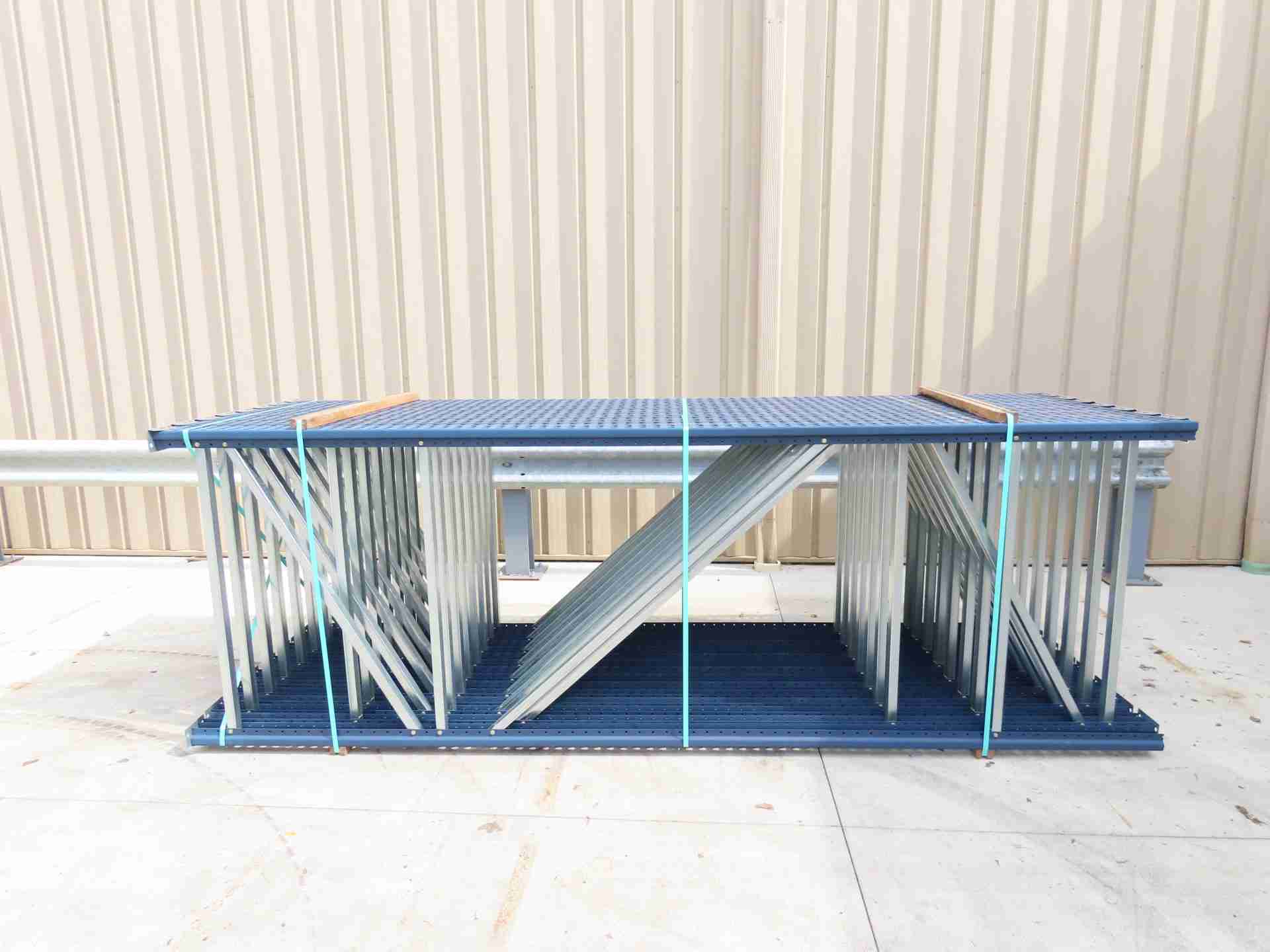
What Role Does Employee Training Play In Preventing Shrinkage?
What Role Does Employee Training Play In Preventing Shrinkage?
- Warehouse inventory loss from shrinkage (theft, damage, or error) can lead to significant financial loss.
- Implementing a robust employee training program is essential for protecting inventory.
- Well-trained staff can navigate the pallet racking system effectively, reducing damage and accidents.
- Training fosters a sense of ownership and responsibility among employees, encouraging proactive risk mitigation.
- Engaging and interactive training methods, like workshops and gamified learning, enhance knowledge retention and motivation.
- Continuous training promotes a culture of vigilance, helping staff stay updated on best practices.
- Investing in training leads to confident and engaged employees, forming a strong defense against shrinkage.

What Role Does Employee Training Play In Preventing Shrinkage?
How Can Inventory Management Practices Minimize Shrinkage?
Picture this: You’re managing a bustling retail operation, and the thrill of the sale is always in the air. But amidst the excitement, you notice something unsettling—your inventory levels just don’t seem to match sales reports. What’s that? Shrinkage! If left unchecked, this pesky issue can slice into your profits faster than a hot knife through butter. But don’t worry; with effective inventory management practices, you can minimize shrinkage and keep your business flourishing.
First off, make it a point to embrace modern inventory methods. Manual tracking can be a thing of the past—how about investing in smart technology? From RFID tags to barcoding systems, these tools can provide real-time visibility into your inventory. Imagine knowing exactly what’s on your shelves at any given moment—it’s almost like having a sixth sense! And just like that, you can swiftly identify discrepancies that often lead to shrinkage.
Don’t overlook the power of proper storage solutions, either. Pallet racking can be a game changer. By optimizing your warehouse or storeroom layout with pallet racking systems, you can ensure that every item is easily accessible. Not only does this help prevent misplaced products, but it also reduces the temptation for employees or customers to “borrow” items that aren’t theirs. With everything in its right place, you’ll cultivate an environment of accountability and transparency.
Training your staff is another cornerstone of effective inventory management. Yes, we all know the value of human capital! By instilling a culture of awareness and responsibility around inventory handling, you empower your team to care as much about the bottom line as you do. This vigilance can substantially reduce theft and errors—two primary culprits of shrinkage.
Regular audits and stock counts can’t be ignored, either! Conducting these checks more frequently can shed light on inconsistent patterns and catch problems before they evolve into larger issues. And trust me—consistency is the name of the game when it comes to maintaining your inventory integrity.
Taking proactive steps in your inventory management practices doesn’t just minimize shrinkage; it strengthens your overall operation. Let’s face it—no one wants to watch their hard-earned profits slip through their fingers. So why not start today? Invest in technology, embrace proper storage solutions like pallet racking, train your staff, and commit to regular audits. With these strategies in place, you’ll not only protect your inventory but also inspire confidence among your customers and staff alike. Your thriving business awaits!

How Can Inventory Management Practices Minimize Shrinkage?
How Can Inventory Management Practices Minimize Shrinkage?
- Shrinkage in inventory can significantly impact profits if not managed effectively.
- Investing in modern inventory methods such as RFID tags and barcoding systems enables real-time visibility.
- Proper storage solutions, like pallet racking, optimize layout and access to items, reducing misplacement and theft.
- Training staff fosters a culture of awareness and responsibility regarding inventory handling, decreasing errors and theft.
- Regular audits and stock counts are essential for identifying issues early and maintaining inventory integrity.
- Proactive inventory management not only minimizes shrinkage but strengthens overall business operations.
- Implementing these strategies builds confidence among customers and staff while protecting profits.

How Can Inventory Management Practices Minimize Shrinkage?
What Security Measures Are Effective Against Warehouse Theft?
In the world of warehousing, where time is money and every dollar counts, the threat of theft looms larger than ever. Fortunately, taking the right security measures not only protects your assets but also fortifies your peace of mind. So, let’s delve into practical strategies that can help you safeguard your warehouse against would-be thieves.
First and foremost, you must ensure that your security systems are as advanced as the technology you use for logistics. Investing in high-quality access control systems is crucial. When employees and visitors know they need proper clearance to enter restricted areas, it sets the tone for a secure environment. Think of it as a gatekeeper, allowing only trusted individuals to move freely among your precious goods.
Next, consider the often-overlooked aspect of smartspace management: proper pallet racking systems. Not only do organized pallet racks enhance the efficiency of your workflow, but they also minimize blind spots that intruders can exploit. A well-arranged setup allows your security cameras to have clear lines of sight, making it harder for thieves to hide while plotting their next move. As an added bonus, an orderly warehouse boosts team morale, reminding everyone that you take security—along with organization—seriously.
Furthermore, don’t underestimate the value of staff training. A watchful eye is your first line of defense. Regularly conduct workshops that instill a culture of vigilance among your employees. When they understand the signs of suspicious behavior and know how to report them, your warehouse becomes a fortress—one that no thief can breach without being noticed.
Of course, physical barriers play a vital role. Reinforced doors, security fencing, and motion-sensor lighting can deter even the most determined intruder. Pair these measures with comprehensive surveillance cameras equipped with real-time monitoring. This means that even when you are not present, your assets are still under watchful eyes, ensuring that your warehouse remains safe.
Lastly, forging partnerships with local law enforcement can be a game-changer. Having an established rapport means you can quickly alert them to any suspicious activities, and they become familiar with your operations. This proactive approach instills a sense of confidence, demonstrating that you are serious about securing your assets.
So, embrace these effective security measures. With a blend of cutting-edge technology, smart organizational practices like pallet racking, and a culture of vigilance among your staff, you can transform your warehouse into a fortress that not only protects your assets but also ensures your peace of mind. Taking action today means safeguarding your inventory—and your future.

What Security Measures Are Effective Against Warehouse Theft?
What Security Measures Are Effective Against Warehouse Theft?
- The threat of theft in warehousing necessitates effective security measures to protect assets and ensure peace of mind.
- Investing in advanced security systems, such as high-quality access control, is crucial for restricting access to sensitive areas.
- Implementing organized pallet racking systems enhances workflow efficiency and reduces blind spots for potential thieves.
- Regular staff training fosters a culture of vigilance, equipping employees to recognize and report suspicious behavior.
- Physical security measures like reinforced doors, security fencing, and motion-sensor lighting are vital deterrents against intruders.
- Establishing partnerships with local law enforcement allows for rapid responses to suspicious activities and reinforces security efforts.
- Combining technology, organization, and staff vigilance can transform a warehouse into a secure fortress for assets.

What Security Measures Are Effective Against Warehouse Theft?
Conclusion
In today’s competitive and fast-paced warehouse environment, battling shrinkage is not just a management concern; it’s a crucial determinant of profitability. To prevent losses that directly impact your bottom line, it’s vital to understand the multifaceted nature of shrinkage—whether stemming from theft, administrative miscounts, spoilage, or damage—and to implement cohesive strategies that address these issues effectively.
First, investing in high-quality pallet racking systems is non-negotiable. An organized warehouse eliminates confusion and lowers the chances of misplaced goods, serving as a decisive measure against shrinkage. Coupled with cutting-edge inventory management technologies like RFID and barcode scanning, you will gain real-time visibility into stock levels, allowing you to detect discrepancies swiftly and maintain inventory integrity. Imagine this: a digital system that acts as your vigilant watchdog, keeping a watchful eye on your assets.
Yet, the human element is equally important in combating shrinkage. Employee training programs that foster accountability are an investment in your operations. When each staff member understands their pivotal role in loss prevention, they transform into vigilant guardians of your inventory. Regular workshops, gamified training sessions, and a clear communication of best practices will create a culture of responsibility and engagement that dissuades theft and minimizes errors. Recognize and reward those who contribute to loss prevention, thereby nurturing morale and camaraderie.
Additionally, implementing frequent audits and inventory checks can help spot operational discrepancies early. By ensuring regular evaluations, you can identify concerning trends and adapt strategies as necessary, much like having a safety net that catches problems before they escalate.
Finally, don’t overlook the significance of proper security measures. Invest in advanced access control systems, reinforce your physical barriers, and employ comprehensive surveillance solutions. Partnering with local law enforcement can also amplify your security approach, creating a well-rounded defense against theft.
Don’t allow shrinkage to steal your profits any longer. With a proactive approach encompassing these strategies—organized pallet racking, technology integration, employee training, regular audits, and robust security—your warehouse can flourish. Connect with Arrow Industrial Sales at (574) 349-6575 today to explore how to optimize your operations and proactively fight against shrinkage. Remember, action knows no bounds, but procrastination can be costly. Your warehouse deserves an effective shrinkage strategy—take that vital step now!

Conclusion
Conclusion:
- Shrinkage is a critical concern for warehouse profitability, requiring a multifaceted understanding and cohesive strategies.
- Investing in high-quality pallet racking systems helps eliminate confusion and reduce misplaced goods.
- Utilizing advanced inventory management technologies like RFID and barcode scanning provides real-time visibility into stock levels.
- Employee training programs that emphasize accountability can transform staff into proactive guardians of inventory.
- Regular audits and inventory checks are essential for early detection of operational discrepancies and adapting strategies.
- Implementing proper security measures, including access control systems and surveillance solutions, enhances theft prevention.
- A proactive approach to shrinkage can optimize warehouse operations and significantly improve profitability.

Conclusion
Other Resources

Other Resources
Here is a list of other resources you can review online to learn more:
- Pallet Racking systems in Illinois and Great Lakes
- Cantilever Rack Guide: Ordering Cantilever Racking
- IWLA
- Interlake Mecalux
- Warehouse Racking Systems: Beginner’s Guide to Rack Systems
- Selective Pallet Racking Systems
- MHI
- Selective Racking
- Shipping Boxes, Packaging Materials, Pallet Racking
- IIWS Inc. Rack Installation Illinois & Rack Repairs Illinois
Use This Prompt To Get More Resources With Your Favorite Online AI Tool: Please provide me with a list of online articles with their URLs in a bulleted list that I can read regarding What Strategies Help Prevent Warehouse Shrinkage Effectively?
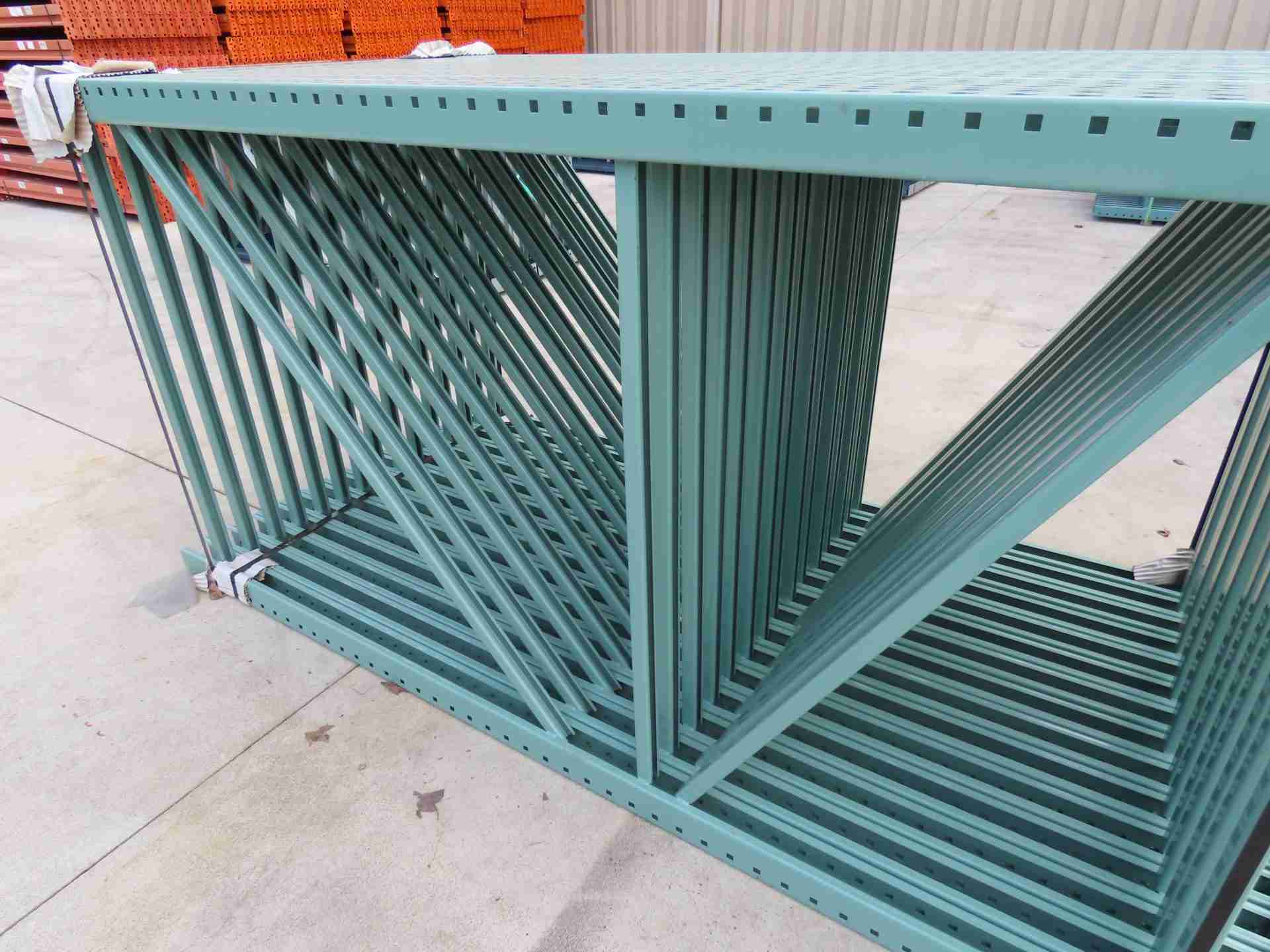
Other Resources
Glossary Terms
What Strategies Help Prevent Warehouse Shrinkage Effectively? – Glossary Of Terms
1. Shrinkage: The loss of inventory due to theft, damage, miscounting, or other reasons, leading to discrepancies between recorded and actual stock levels.
2. Inventory Audit: A systematic examination of the inventory to verify actual stock against recorded amounts, helping to identify discrepancies and shrinkage.
3. Cycle Counting: A physical inventory auditing procedure, where a certain subset of inventory is counted on a specific day, allowing for continuous monitoring of stock levels.
4. Theft Prevention: Strategies implemented to deter and manage theft, which could include surveillance systems, security personnel, and controlled access measures.
5. Access Control: Methods used to restrict entry to certain areas of a warehouse, ensuring that only authorized personnel can enter high-risk zones.
6. Surveillance Systems: Cameras and monitoring devices installed in a warehouse to deter theft, monitor employee behavior, and provide evidence in case of theft incidents.
7. Employee Training: Programs aimed at educating staff on proper handling of inventory, security procedures, and the importance of shrinkage prevention.
8. Loss Prevention Audits: Comprehensive reviews conducted to identify vulnerabilities in warehouse operations that contribute to shrinkage.
9. Inventory Management Software: Digital tools designed to track stock levels, movement, and sales in real-time, facilitating better accountability and reducing shrinkage.
10. Receiving Procedures: Processes followed when accepting deliveries, including checking shipments against purchase orders to prevent miscounting and lost items.
11. Inventory Rotation: Techniques like FIFO (First In, First Out) to ensure older stock is used first, decreasing the likelihood of loss due to spoilage or obsolescence.
12. Barcode Scanning: The use of barcodes and scanners to track inventory movement, reduce errors, and enhance accurate inventory records.
13. Stock Replenishment: Processes that ensure consistent stock levels are maintained, preventing shortages that could obscure shrinkage issues.
14. Safety Stock: Extra inventory kept on hand to mitigate the risk of stockouts; can help identify shrinkage issues if discrepancies arise.
15. Floor Layout Design: Strategic organization of products within the warehouse to facilitate easier inventory management and reduce theft and loss opportunities.
16. Data Analysis: Utilizing statistical methods to examine inventory data, identifying patterns or anomalies that could suggest shrinkage.
17. Supplier Relations: Building strong partnerships with suppliers to ensure transparency and efficiency, which can minimize discrepancies in inventory counts.
18. Employee Accountability: Establishing clear responsibilities for staff regarding inventory management, ensuring that all workers understand their role in shrinkage prevention.
19. Shrinkage KPIs: Key Performance Indicators that track the levels of inventory shrinkage over time, helping management to gauge the effectiveness of prevention efforts.
20. Warehouse Automation: Implementation of technology and robotics to enhance operational efficiency, reduce human error, and minimize opportunities for loss.
21. Process Standardization: Establishing uniform procedures for all inventory-related tasks to reduce discrepancies and increase efficiency.
22. Visual Inventory Management: Using visual cues (like colored tags or signals) to simplify inventory tracking and identification of miscounts or losses.
23. Incident Reporting: Procedures for documenting and investigating incidents of theft or loss, creating a culture of accountability and prevention.
24. Cross-Training Employees: Training staff in multiple warehouse functions to improve oversight and detection of potential shrinkage problems.
25. Regular Policy Reviews: Frequent evaluations of security and inventory policies to ensure they remain effective and relevant in preventing shrinkage.
26. Third-Party Security: Engaging external security services to provide additional oversight and protection against theft and other losses.
27. Returns Processing: Ensuring thorough checks and accurate documentation for returned items to prevent loss of assets and miscounting in inventory.
28. Damage Control: Strategies for managing and mitigating damage to inventory, including proper storage techniques and handling protocols.
29. Customer Returns: Managing the return process efficiently to minimize lost inventory and improve overall stock accuracy.
30. Security Culture: An overarching attitude and commitment within an organization to prioritize security measures and accountability in order to prevent shrinkage.

Glossary Of Terms
Other Questions
What Strategies Help Prevent Warehouse Shrinkage Effectively? – Other Questions
If you wish to explore and discover more, consider looking for answers to these questions:
- What are the most common types of warehouse shrinkage?
- How can I identify shrinkage issues in my warehouse?
- What role does employee morale play in preventing shrinkage?
- What specific technologies are available for inventory management?
- How frequently should inventory audits be conducted?
- What should be included in employee training programs to prevent shrinkage?
- How do external factors like market demand influence warehouse shrinkage?
- What best practices can be implemented for pallet racking systems?
- How can data analytics help in predicting shrinkage trends?
- What are the cost implications of implementing shrinkage prevention strategies?
- How can a company foster a culture of accountability among employees?
- What is the impact of supply chain management on shrinkage rates?
- Are there specific case studies or examples of companies successfully reducing shrinkage?

Other Questions
Checklist
What Strategies Help Prevent Warehouse Shrinkage Effectively? – A Checklist
Warehouse Shrinkage Prevention Checklist
Maximizing Security to Minimize Warehouse Shrinkage
This checklist is designed to help you implement effective strategies for reducing shrinkage in your warehouse operations. By addressing the key areas outlined in the checklist, you can protect your inventory, enhance efficiency, and improve your bottom line.
1. Organized Storage Solutions
_____ Invest in robust pallet racking systems for efficient space utilization.
_____ Implement a structured racking system to minimize misplacement.
_____ Ensure items are shelved neatly and marked clearly.
2. Utilize Technology
_____ Adopt inventory management systems with real-time tracking capabilities.
_____ Integrate RFID tags or barcode scanning for accurate inventory visibility.
_____ Set up automated alerts for low stock levels or discrepancies.
3. Cultivate a Culture of Accountability
_____ Conduct regular training sessions on loss prevention tactics for employees.
_____ Encourage open communication about theft and damage risks.
_____ Establish a reward system for employees who contribute to reducing shrinkage.
4. Regular Audits and Inventory Checks
_____ Schedule consistent audits to cross-reference physical stock with management system data.
_____ Train staff on proper counting and reporting practices.
_____ Utilize checklists to systematically review inventory accuracy.
5. Enhance Employee Training
_____ Implement a comprehensive onboarding program focused on inventory management.
_____ Employ interactive workshops and gamified training methods.
_____ Provide continuous education to keep staff informed about best practices.
6. Improve Security Measures
_____ Install high-quality access control systems to restrict entry to authorized personnel only.
_____ Utilize surveillance cameras with clear lines of sight and real-time monitoring.
_____ Reinforce physical barriers such as doors, fencing, and motion-sensor lighting.
7. Manage Employee Behavior
_____ Foster a work environment based on trust and integrity.
_____ Encourage employees to report suspicious activities without fear of retribution.
_____ Provide incentives for those who demonstrate vigilance and diligence.
8. Establish Relationships with Law Enforcement
_____ Build a partnership with local law enforcement for quicker response to incidents.
_____ Schedule regular meetings to discuss security measures and updates.
9. Monitor Supply Chain Integrity
_____ Maintain strong relationships with suppliers to ensure consistent inventory quality.
_____ Develop contingency plans for potential supply chain disruptions.
10. Review and Optimize Processes Regularly
_____ Analyze operational workflows and identify areas for improvement.
_____ Utilize data analytics to spot trends in shrinkage and adjust procedures accordingly.
_____ Stay informed about industry best practices and technological advancements.
By following this checklist, you’ll be on your way to creating a more secure warehouse environment while minimizing shrinkage and maximizing profitability. Take action today and protect your valuable assets!

Checklist
At RackingWorld, we help guide you through selecting warehouse storage systems and racking.
Be sure to read our other related stories at RackingWorld to learn more about warehouse storage systems.
0 Comments