
Revealing The Warehouse Safety Threats
By Tom Seest
At RackingWorld, we help guide you through selecting warehouse storage systems and racking.
Be sure to read our other related stories at RackingWorld to learn more about warehouse storage systems.
What Hidden Safety Risks Lurk In Your Warehouse Storage Practices?
Think your warehouse is a well-oiled machine? Think again! Hidden safety risks can lurk in the shadows of your storage practices, and ignoring them can lead to costly consequences. Picture this: a bustling warehouse environment where productivity is king, yet the very systems designed to streamline operations may also harbor hazards.
Let’s start with pallet racking, the backbone of many warehouses. While these towering structures can maximize your vertical space and organize your inventory, they also present unique risks when not configured properly. Are your pallet racks overloaded? Are they uneven or poorly secured? These seemingly small oversights can lead to catastrophic failures, putting your team and your merchandise at risk.
Now, imagine an employee reaching for a box on a high shelf, and the pallet racking suddenly gives way. It sounds like a scene from a workplace safety video, but it could happen in your warehouse if you’re not vigilant about inspecting and maintaining your racking systems. Regular checks and an organized loading strategy are essential—not just to prevent accidents, but to foster a culture of safety. Remember, every team member should feel empowered to speak up about potential hazards.
Consider the impact of your warehouse’s layout. Is it designed for efficiency, or does it create chaos? Hallways cluttered with pallets and boxes are not just an eyesore; they can be a major tripping hazard. A well-organized space promotes safety and efficiency, allowing your employees to navigate it swiftly without the risk of injury from stacks of improperly stored goods.
Beyond just employee safety, there’s the bottom line to think of. Injuries lead to downtime, and downtime leads to lost revenue. When you proactively address storage risks, you’re not just protecting lives—you’re protecting your profits. Investing time and resources into your storage practices shows your team that their safety is a priority, which in turn instills loyalty and boosts morale.
So, before you dismiss these risks as negligible, take a moment to assess your warehouse storage practices. Are you ready to eliminate hidden dangers and elevate your operations? It’s time to take action, make informed decisions, and create a safer, more efficient workspace for everyone involved. Your team—and your business—will thank you for it.
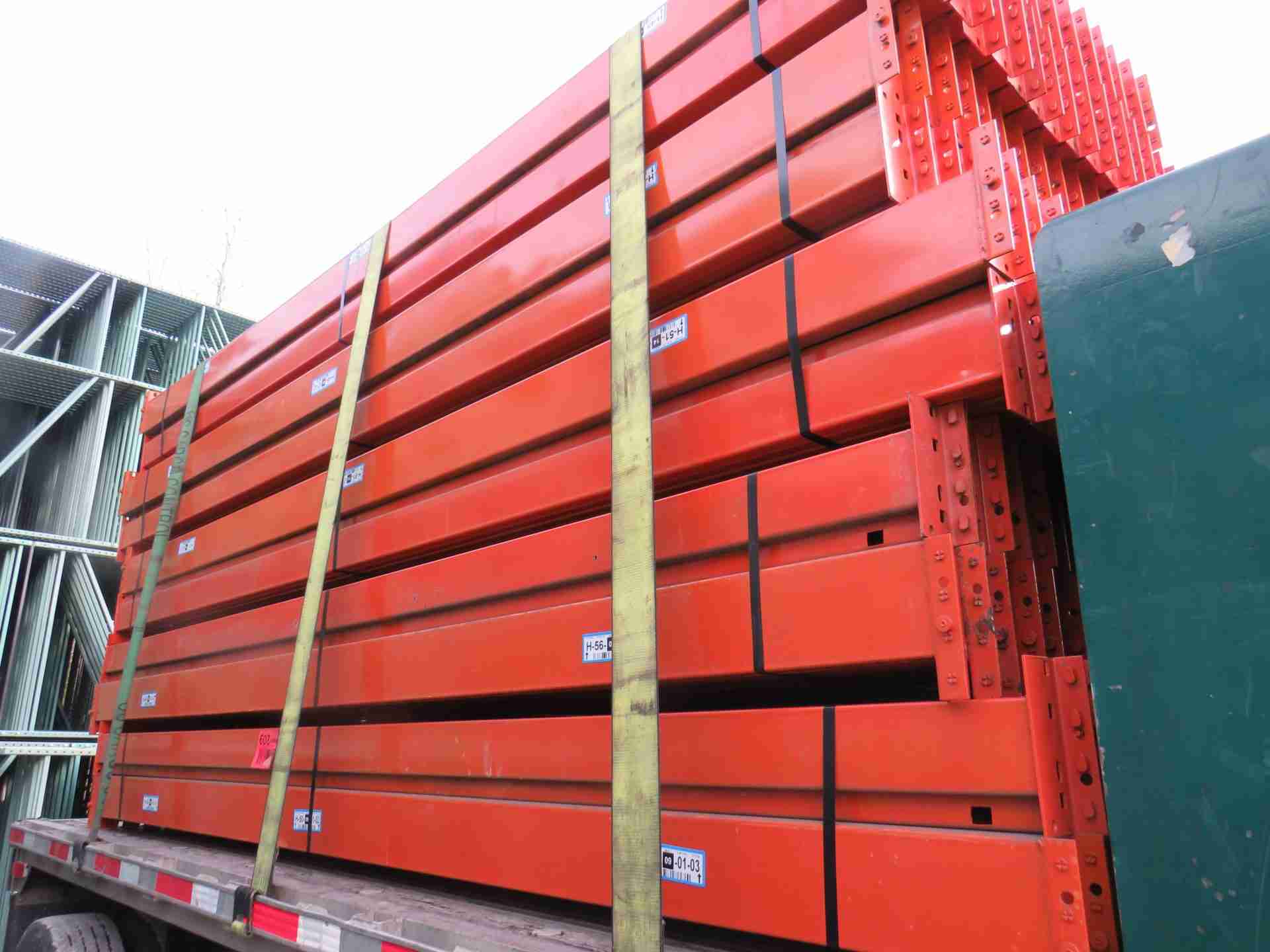
What Hidden Safety Risks Lurk In Your Warehouse Storage Practices?
What Hidden Safety Risks Lurk In Your Warehouse Storage Practices?
- Hidden safety risks in warehouses can lead to costly consequences.
- Pallet racking is essential for organization but poses risks if not configured properly.
- Overloaded, uneven, or poorly secured pallet racks can result in catastrophic failures.
- Regular inspections and organized loading strategies are crucial for employee safety.
- A cluttered warehouse layout increases tripping hazards and decreases efficiency.
- Proactively addressing storage risks protects both employee safety and company profits.
- Assessing and improving storage practices cultivates a safer and more efficient work environment.
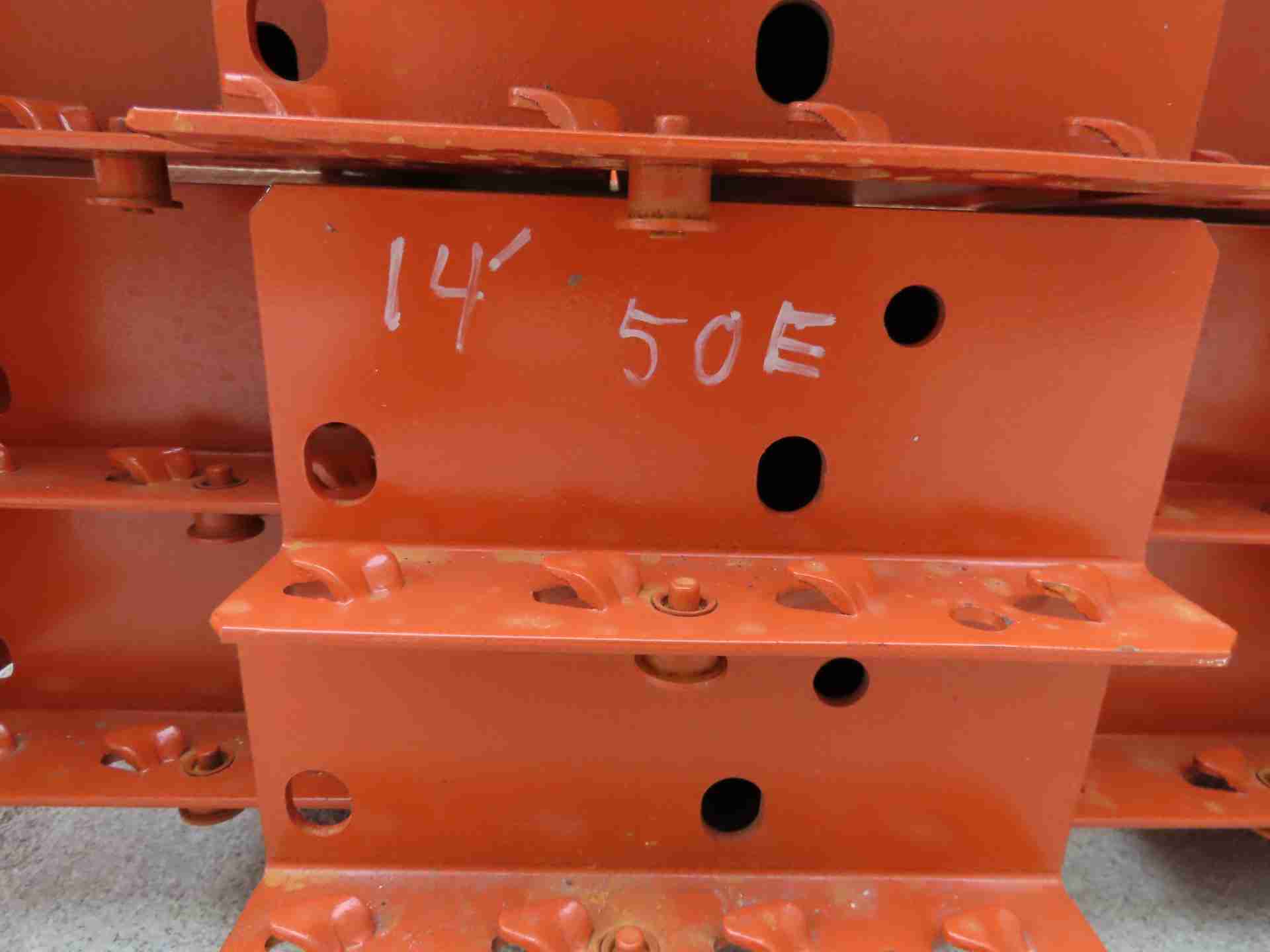
What Hidden Safety Risks Lurk In Your Warehouse Storage Practices?
Table Of Contents
- What Hidden Safety Risks Lurk In Your Warehouse Storage Practices?
- What Common Safety Hazards Exist In Warehouse Storage?
- How Can Improper Stacking Impact Safety?
- What Role Does Aisle Width Play In Warehouse Safety?
- Are Your Storage Racks Compliant With Current Regulations?
- How Can Temperature Variations Affect Stored Materials?
- What Are The Risks Of Using Damaged Pallets And Containers?
- Conclusion
- Other Resources
- Glossary Of Terms
- Other Questions
- Checklist
What Common Safety Hazards Exist In Warehouse Storage?
What Common Safety Hazards Exist in Warehouse Storage?
When you step into a warehouse, you’re entering a bustling hub of activity where every second counts. But amid the hustle and bustle, it’s crucial to recognize that safety must come first. One of the most significant players in optimizing warehouse efficiency is pallet racking — an essential but often overlooked component of warehouse storage systems. Unfortunately, it can also introduce various safety hazards if not properly managed.
Imagine your warehouse filled to the brim with supplies, each item carefully stored on pallet racking, ready to move at a moment’s notice. But what happens when that racking is overloaded or improperly installed? The danger is real. Unstable loads can tip, causing not only damage to your products but also posing a serious risk to the safety of your team. It’s imperative to ensure that each pallet rack is installed according to manufacturing standards, inspected regularly, and loaded wisely. A well-organized system can prevent accidents and protect your most valuable asset: your workforce.
Another common hazard emerges with poorly maintained walkways and aisles. Picture workers maneuvering through a maze of stacked goods on pallet racking, only to be caught off-guard by a stray pallet or misplaced item. Keeping pathways clear is not just a best practice; it’s a fundamental requirement for safety. By implementing clear labels and conducting regular clean-up sessions, you create an environment where accidents are far less likely to occur.
Forklift operations often create another layer of concern in warehouse storage. The interaction of workers and heavy machinery can be a recipe for disaster if proper protocols aren’t in place. Training your team to navigate around pallet racking safely while using forklifts not only instills confidence but fosters a culture of accountability and teamwork.
Finally, let’s talk about what you can do to combat these hazards head-on. Regular training sessions, audits, and safety drills can make all the difference in transforming your warehouse from a risky environment into a safety-first operation. Create a culture where employees feel empowered to speak up about potential hazards and implement changes before accidents occur.
In the world of warehouse storage, safety isn’t just a checklist; it’s a commitment. As you invest in robust pallet racking systems and prioritize safe practices, you not only protect your facility and workforce but also boost efficiency and morale. Remember, a safe warehouse is not just a better place to work — it’s a smarter place to conduct business. Don’t wait for an accident to make changes; take action today and put safety first!
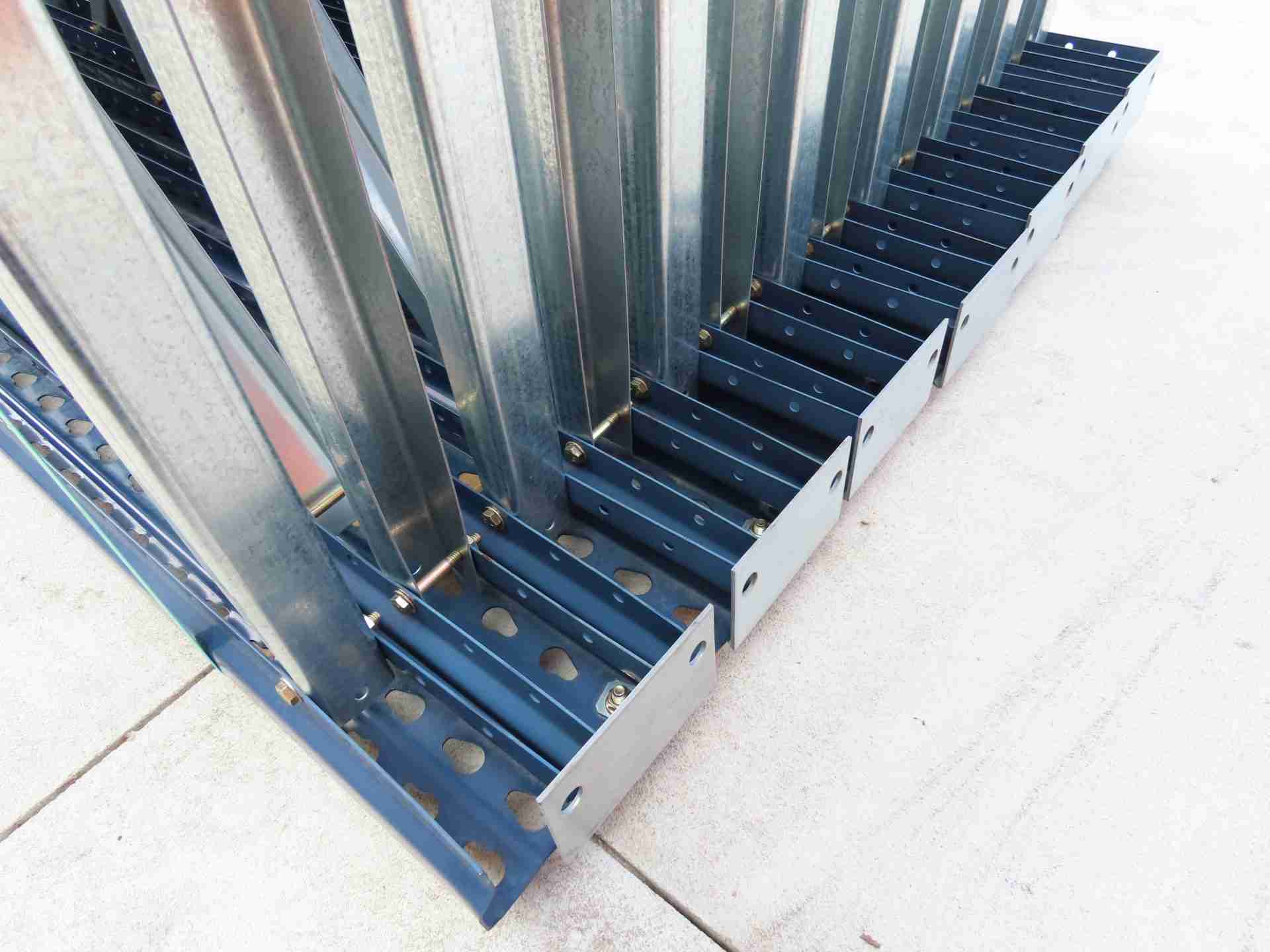
What Common Safety Hazards Exist In Warehouse Storage?
What Common Safety Hazards Exist In Warehouse Storage?
- Warehouse safety is crucial amid the hustle of activity.
- Pallet racking is essential but can introduce safety hazards if mishandled.
- Overloaded or improperly installed racking can lead to unstable loads and accidents.
- Poorly maintained walkways and aisles create risks for workers navigating through stacked goods.
- Forklift operations pose additional safety concerns; proper training and protocols are necessary.
- Regular training sessions, audits, and safety drills can significantly enhance safety culture.
- A commitment to safety boosts efficiency, morale, and overall workplace conditions.
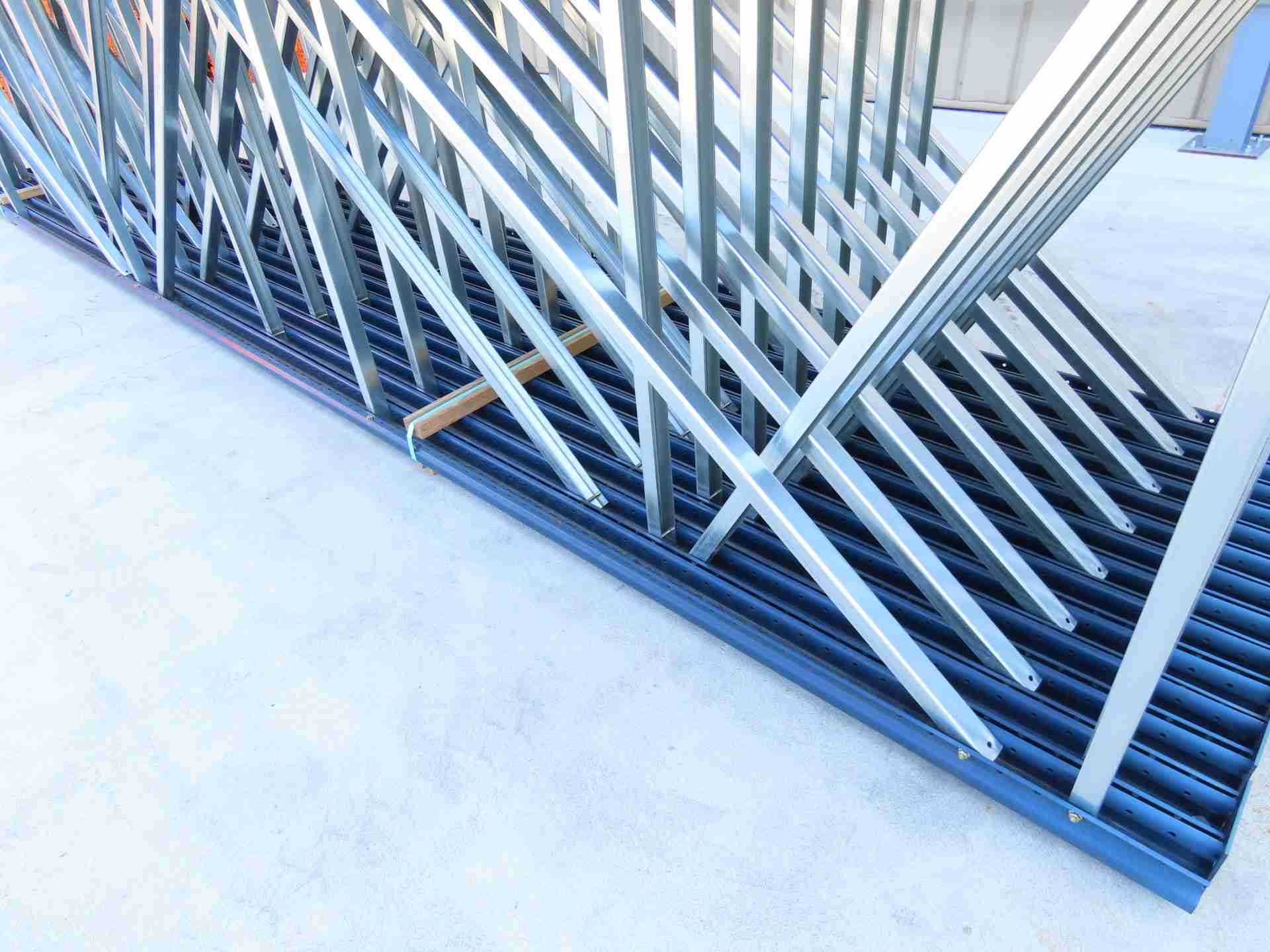
What Common Safety Hazards Exist In Warehouse Storage?
How Can Improper Stacking Impact Safety?
Imagine a bustling warehouse, filled with the hustle and bustle of workers and the hum of machinery. Amidst this organized chaos, the last thing anyone wants is for a minor oversight to lead to a major disaster. That’s where proper pallet racking comes into play. It’s not just about efficiency; it’s about safeguarding everyone who steps foot in your space.
When pallet racking is improperly stacked, the potential for accidents skyrockets. Have you ever heard the ominous sound of boxes tumbling to the ground? That’s not just lost inventory; it’s a hazard that can lead to serious injuries. A stack that’s too high, uneven, or simply misplaced is an accident waiting to happen. Workers can be caught off guard when a seemingly stable stack unexpectedly collapses, leading to chaos—and sometimes, devastating consequences.
Improper stacking can create blind spots, resulting in lack of visibility for operators and pedestrians alike. In a warehouse environment, where forklifts whiz past and personnel weave through aisles, clear sight lines are crucial. If a pallet is stacked incorrectly, it can obstruct views, increasing the risk of collisions and other mishaps. It’s not just about being efficient; it’s about creating a safe working environment for everyone involved.
Not only can improper pallet racking lead to physical injuries, but it can also wreak havoc on your bottom line. Product damage from a toppled stack means wasted resources and lost profits. In the long run, investing in proper training and guidelines for pallet racking can save a company from expensive legal troubles and insurance claims stemming from workplace injuries.
We all want a workplace where we feel secure and valued, right? By fostering a culture of safety and reinforcing the importance of correct stacking techniques, you inspire confidence among your team. When workers feel safe, their productivity soars. Confidence is not only built through rigorous training; it’s reinforced in every transaction, every movement, and every single stack.
Taking the time to ensure proper stacking might seem like a small detail, but it holds the key to maintaining a safe and efficient working environment. So, let’s make safety a priority. After all, a well-organized warehouse today leads to a safer tomorrow—because when we stack it right, we’re not just protecting our inventory; we’re protecting our most valuable asset: our people.

How Can Improper Stacking Impact Safety?
How Can Improper Stacking Impact Safety?
- Proper pallet racking is essential for maintaining safety in busy warehouse environments.
- Improperly stacked pallets can lead to accidents, injuries, and chaos among workers.
- High or uneven stacks create blind spots, increasing the risk of collisions and mishaps.
- Damage from toppling stacks results in wasted resources and lost profits.
- Investing in training and correct stacking techniques helps prevent legal troubles and insurance claims.
- Promoting a culture of safety increases worker confidence and productivity.
- Ensuring proper stacking practices is crucial for both safety and efficiency in the workplace.
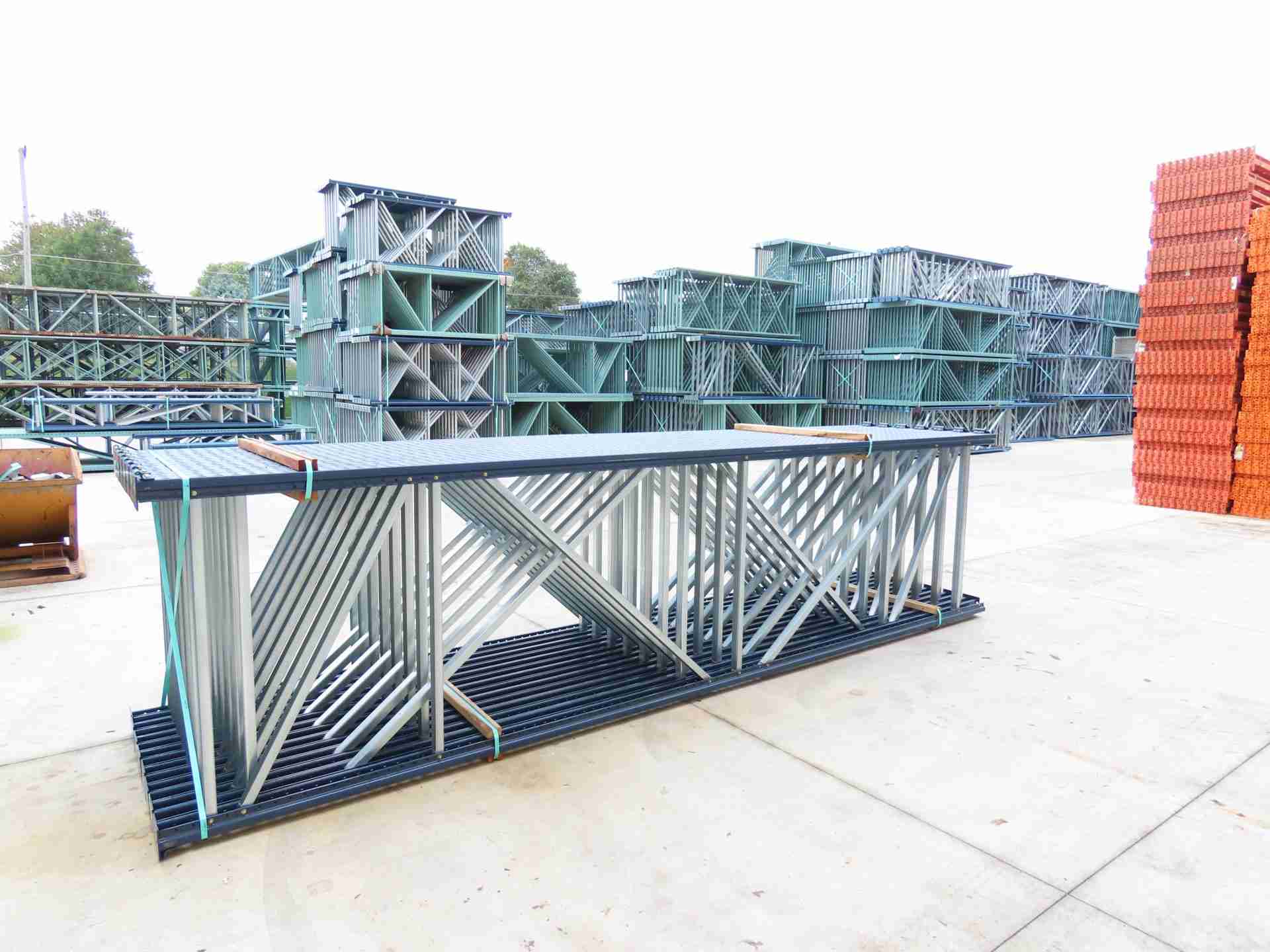
How Can Improper Stacking Impact Safety?
What Role Does Aisle Width Play In Warehouse Safety?
When it comes to warehouse safety, one factor often overlooked is the crucial element of aisle width. It’s easy to focus solely on high-tech systems or the latest equipment, but the dimensions of aisles can mean the difference between a smooth operation and a costly incident. Imagine a bustling warehouse filled with various goods, where employees are diligently working, maneuvering forklifts, and awkwardly navigating narrow pathways—risking both productivity and safety.
From your pallet racking to the spaces that allow for optimal movement, the width of your aisles can significantly impact how efficiently your team operates. Narrow aisles may seem like an effective way to maximize storage space, but don’t let the allure of additional storage cloud your judgment. Think about your team’s day-to-day activities. When everyone is crammed into tight spaces, the potential for accidents increases dramatically. Bumping into equipment, colliding with fellow workers, and, worst of all, damaging inventory are just a few consequences of neglecting appropriate aisle widths.
But here’s the good news: by prioritizing aisle width, you’re not just enhancing safety; you’re also fostering a more productive environment. Aisles that are adequately sized can reduce stress for your team, allowing them to operate machinery with confidence and precision. It creates an atmosphere where focus shifts from worrying about potential hazards to channeling energy into reaching their targets and serving customers efficiently.
Moreover, proper aisle width facilitates seamless access to pallet racking, enabling team members to retrieve items without the excess hustle. This fluidity in movements translates directly into increased efficiency and ultimately leads to happier employees. Acknowledging the importance of aisle width fosters a culture of safety that resonates throughout your entire operation.
So, what can you do right now? Evaluate your warehouse layout and measure those aisles! Consult with your team leaders and gather their feedback. Are your aisles accommodating or constricting? Investing in the appropriate aisle width not only saves you from potential pitfalls but also instills trust, both in your staff and in your operational processes.
Remember, a safe warehouse is a successful warehouse. Prioritize aisle width today, and watch your safety ratings soar, your productivity increase, and your overall workplace morale improve. Let’s turn those tight spots into open spaces—after all, safety shouldn’t be an afterthought; it should be your priority!
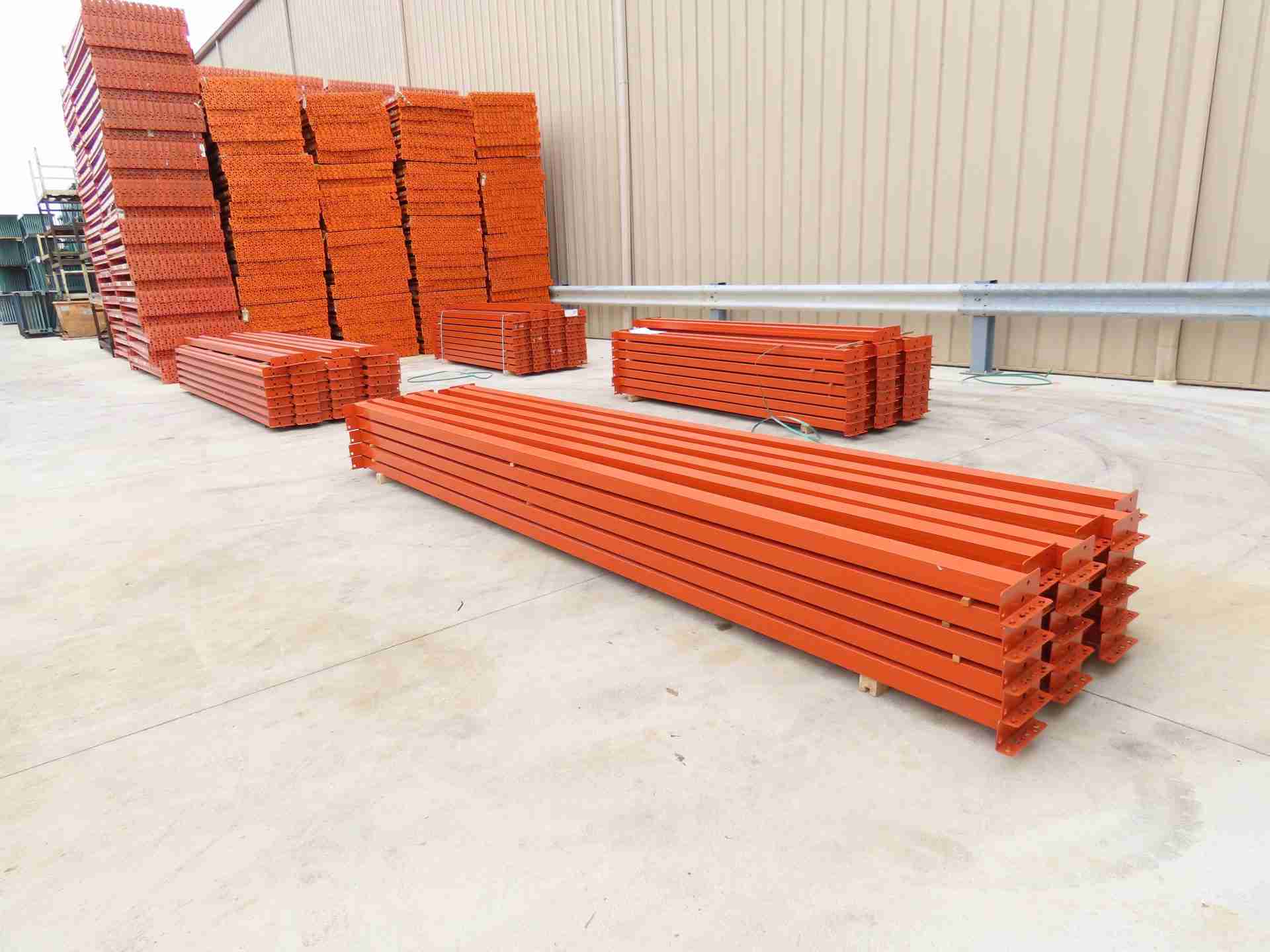
What Role Does Aisle Width Play In Warehouse Safety?
What Role Does Aisle Width Play In Warehouse Safety?
- Aisle width is a critical but often overlooked factor in warehouse safety.
- Narrow aisles can lead to accidents and reduced productivity due to limited space for movement.
- Prioritizing aisle width enhances safety and fosters a productive work environment.
- Properly sized aisles reduce stress and allow workers to operate machinery with confidence.
- Ample aisle space facilitates easy access to pallet racking, improving efficiency.
- Evaluating and measuring aisle width can help address safety concerns and enhance operations.
- Creating safe aisles boosts workplace morale and supports successful warehouse management.
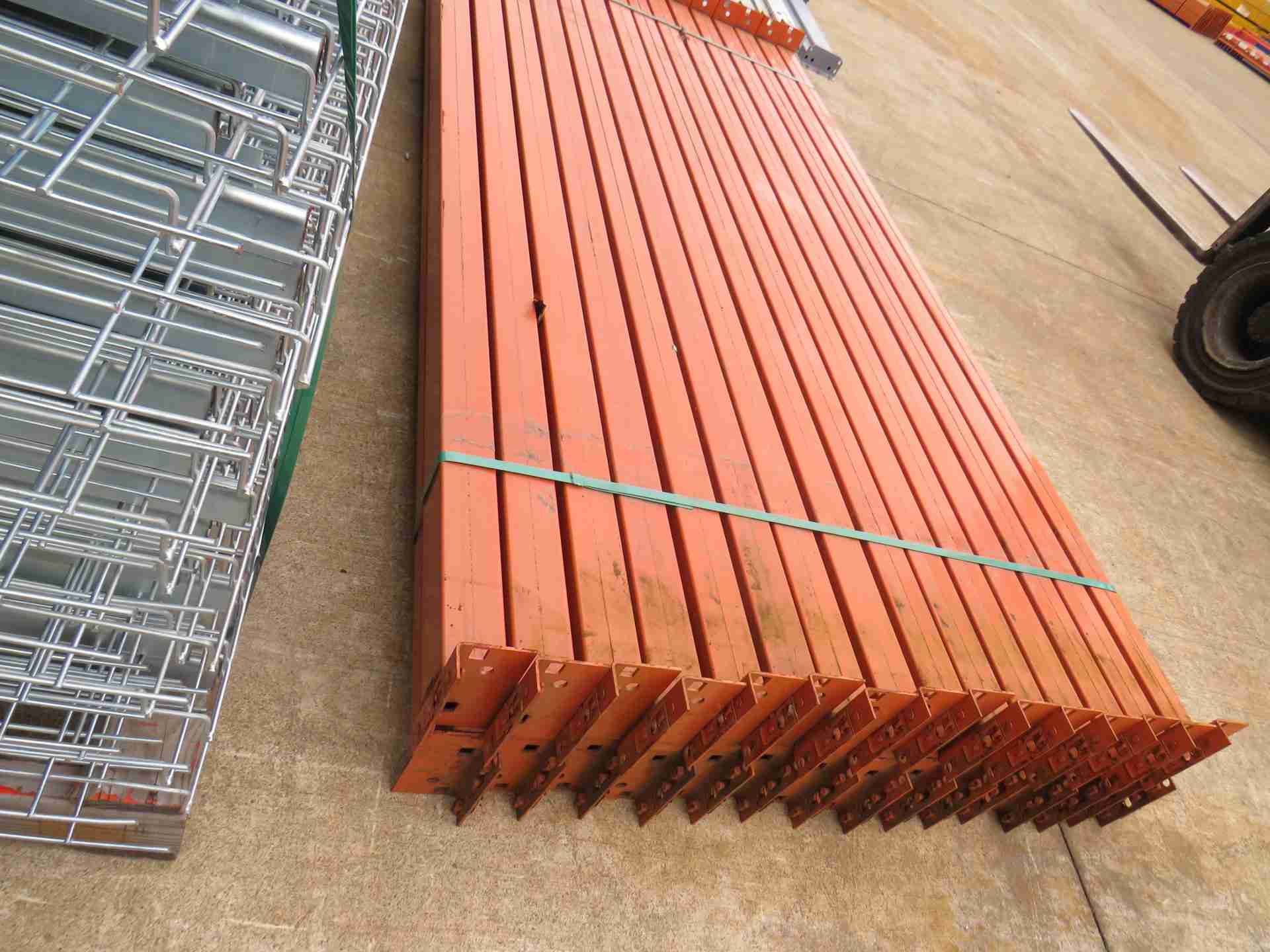
What Role Does Aisle Width Play In Warehouse Safety?
Are Your Storage Racks Compliant With Current Regulations?
In the bustling world of warehousing and distribution, one crucial aspect that often gets overlooked is the compliance of your storage racks. Yes, I’m talking about those sturdy structures that hold the very backbone of your inventory—your pallet racking systems. Your racks may seem sound, but if they don’t meet current regulations, you could face serious risks—not just financially, but in terms of safety and operations too.
Imagine this: a busy morning at your warehouse, orders flying out the door, and suddenly, you hear a crash. A pallet stacked high has come tumbling down because the racking system wasn’t up to code. Now, in addition to the damaged goods, you also have employees shaken by the experience and potentially even injured. That’s a nightmare scenario, right? Now ask yourself: could this happen to you? Is your pallet racking compliant with today’s regulations?
Staying informed about safety standards is not merely a best practice; it’s a necessity. Regulations can often shift like the shifting sands, and what once was compliant may soon be outdated. Keeping your racking systems up to date not only protects your employees, but it also protects your business from the costly repercussions of accidents and fines. Maintaining compliance fortifies your reputation as a responsible, dependable warehouse operator. Your clients must know that their products are safe and that their orders are processed in a secure environment.
So, what can you do? Start with an audit of your pallet racking systems. Consult with experts who know the ins and outs of current regulations—those who are seasoned enough to understand the specific guidelines your warehouse must follow. Create a checklist and regularly inspect your racking systems to ensure compliance. It’s not just about meeting the bare minimum; it’s about achieving excellence and building a foundation of trust with your clients and workers alike.
Taking these steps shows that you care about your team and the products you handle. After all, a compliant racking system is more than just a regulatory checkbox; it’s your assurance to everyone involved that you prioritize safety above all. Don’t wait for an incident to remind you of the importance of compliance. Act today and strengthen the backbone of your operation!
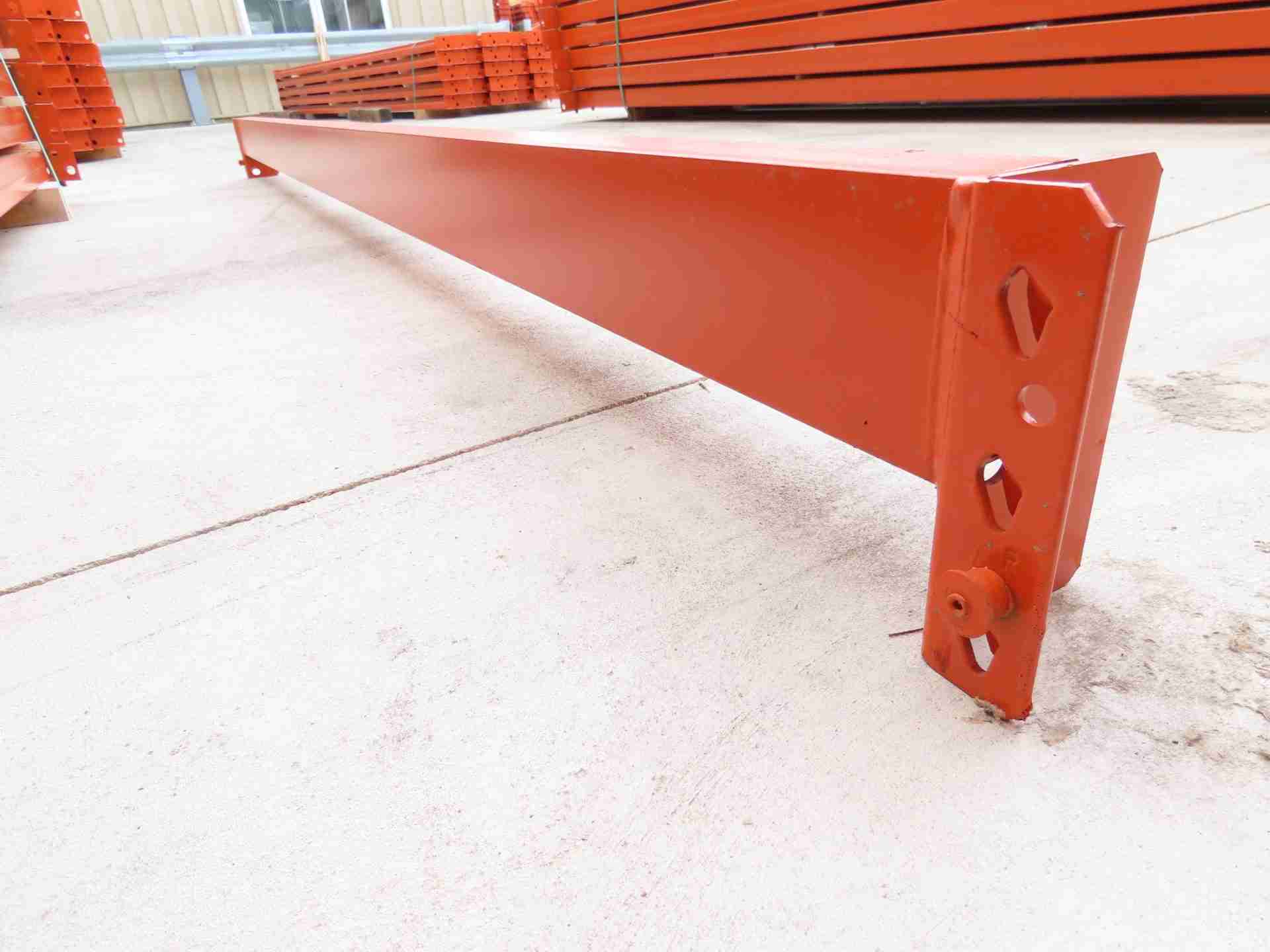
Are Your Storage Racks Compliant With Current Regulations?
Are Your Storage Racks Compliant With Current Regulations?
- Compliance of storage racks is crucial in warehousing and distribution, impacting safety and operations.
- Non-compliant pallet racking systems can lead to costly accidents and injuries.
- Staying updated on safety standards is essential due to changing regulations.
- Maintaining compliance protects both employees and the business from repercussions.
- Conduct regular audits and consult experts to ensure racking systems meet current regulations.
- Create checklists for inspections to maintain compliance and build trust with clients.
- Prioritizing compliance reflects a commitment to safety and care for team and products.
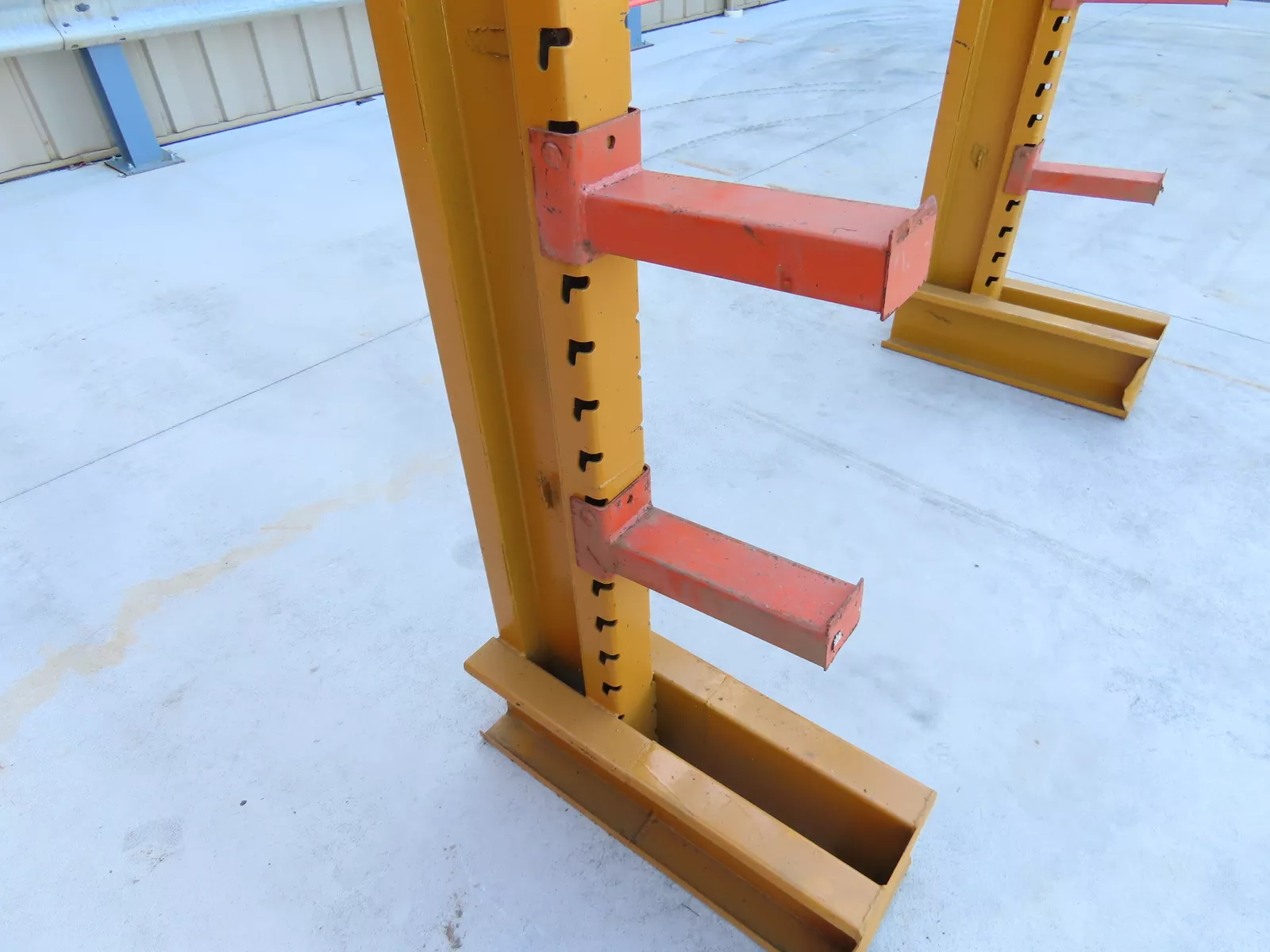
Are Your Storage Racks Compliant With Current Regulations?
How Can Temperature Variations Affect Stored Materials?
Imagine walking into a warehouse where the temperature fluctuates wildly between scorching heat and frigid cold day after day. You might think, “What’s the big deal?” But for businesses relying on stored materials, this is no small issue. Temperature variations can wreak havoc on inventory integrity, leading to compromised quality, extensive financial losses, and headaches that you simply don’t need.
Let’s talk about how temperature affects different materials and why it’s crucial to monitor those changes closely. For instance, perishables like food items and certain chemicals have strict temperature thresholds. When stored improperly, they can spoil or become unsafe quicker than you can say “lost revenue.” On the other hand, materials like metals can contract or expand with temperature changes, leading to fitting issues down the line.
Pallet racking systems can help mitigate some of these challenges, but only if they’re used wisely. The smart choice is to ensure that your pallet racking is designed to endure the environmental variances your warehouse faces. Investing in quality racking solutions can not only improve organization but also boost your confidence in the safety of your stored materials. After all, the last thing you want is to find out on delivery day that your products were damaged due to improper storage conditions.
Beyond just the physical integrity of your stock, consider the psychological impact on your team. A warehouse that maintains consistent temperature levels fosters a sense of reliability and pride in the work being done. When employees trust the systems in place, they are more inclined to focus on productivity and quality rather than worrying about what might be happening to that crucial shipment in the back corner.
So, what can you do? Start by investing in temperature monitoring systems tailored for your storage environment. Combine this with a quality pallet racking system to create a robust, fortified solution that will keep your materials safe and sound. Ultimately, making these smart investments will not just save your bottom line but will also instill a culture of care and responsibility in your team.
Embrace the change and ensure the longevity of your materials by keeping a watchful eye on temperature variations. Your business deserves nothing less than the best—and that starts with how you store your materials!
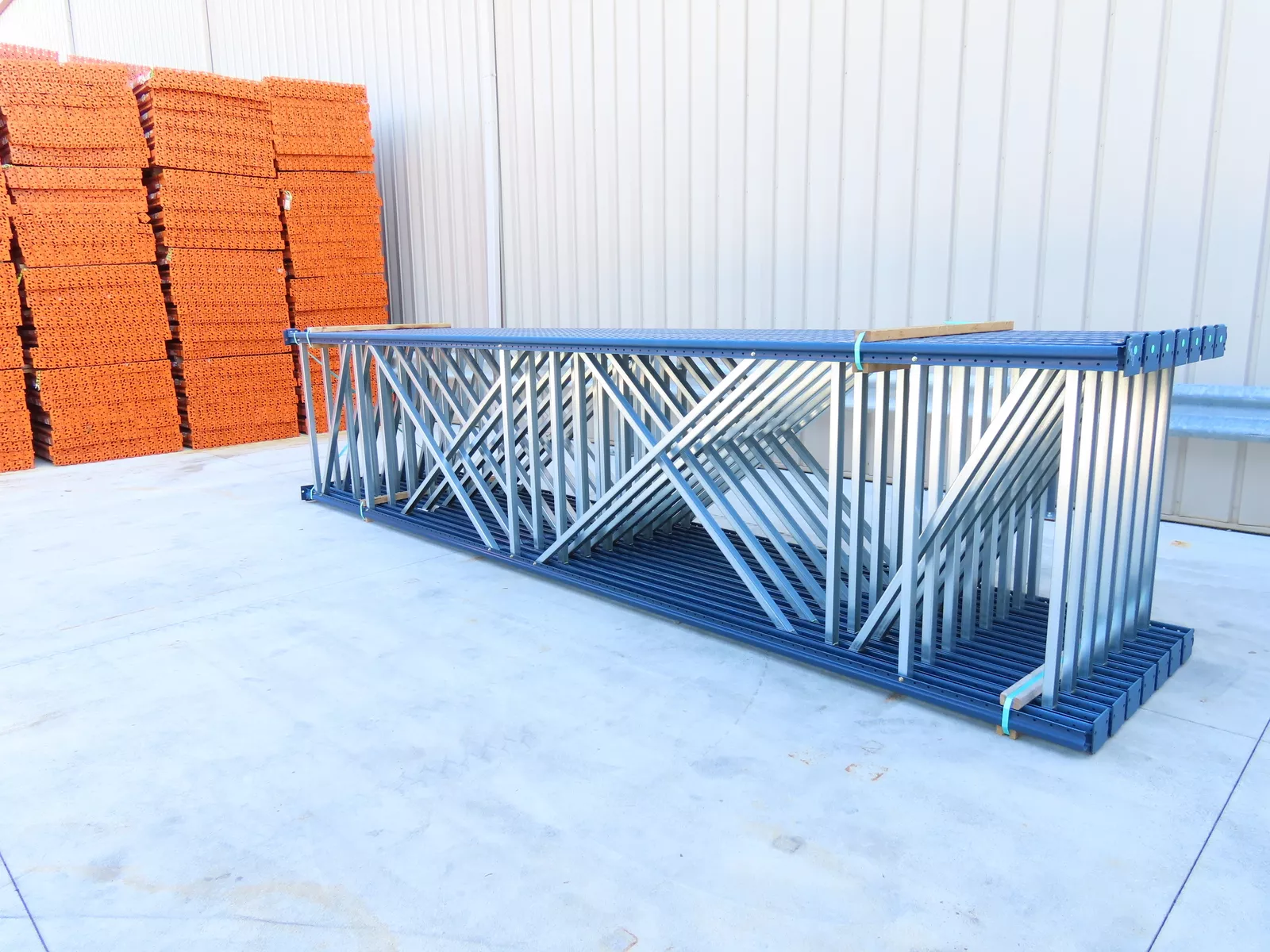
How Can Temperature Variations Affect Stored Materials?
How Can Temperature Variations Affect Stored Materials?
- Temperature fluctuations in warehouses can compromise inventory integrity, causing quality issues and financial losses.
- Perishables and certain chemicals require strict temperature control to prevent spoilage and safety hazards.
- Temperature changes can lead to expansion or contraction of materials like metals, resulting in fitting problems.
- Pallet racking systems can mitigate storage challenges but must be designed for specific environmental conditions.
- Consistent temperature levels create a sense of reliability among employees, boosting productivity and morale.
- Investing in temperature monitoring systems and quality pallet racking can protect materials and enhance operational care.
- Proactive temperature management ensures the longevity of stored materials and reflects a commitment to business excellence.
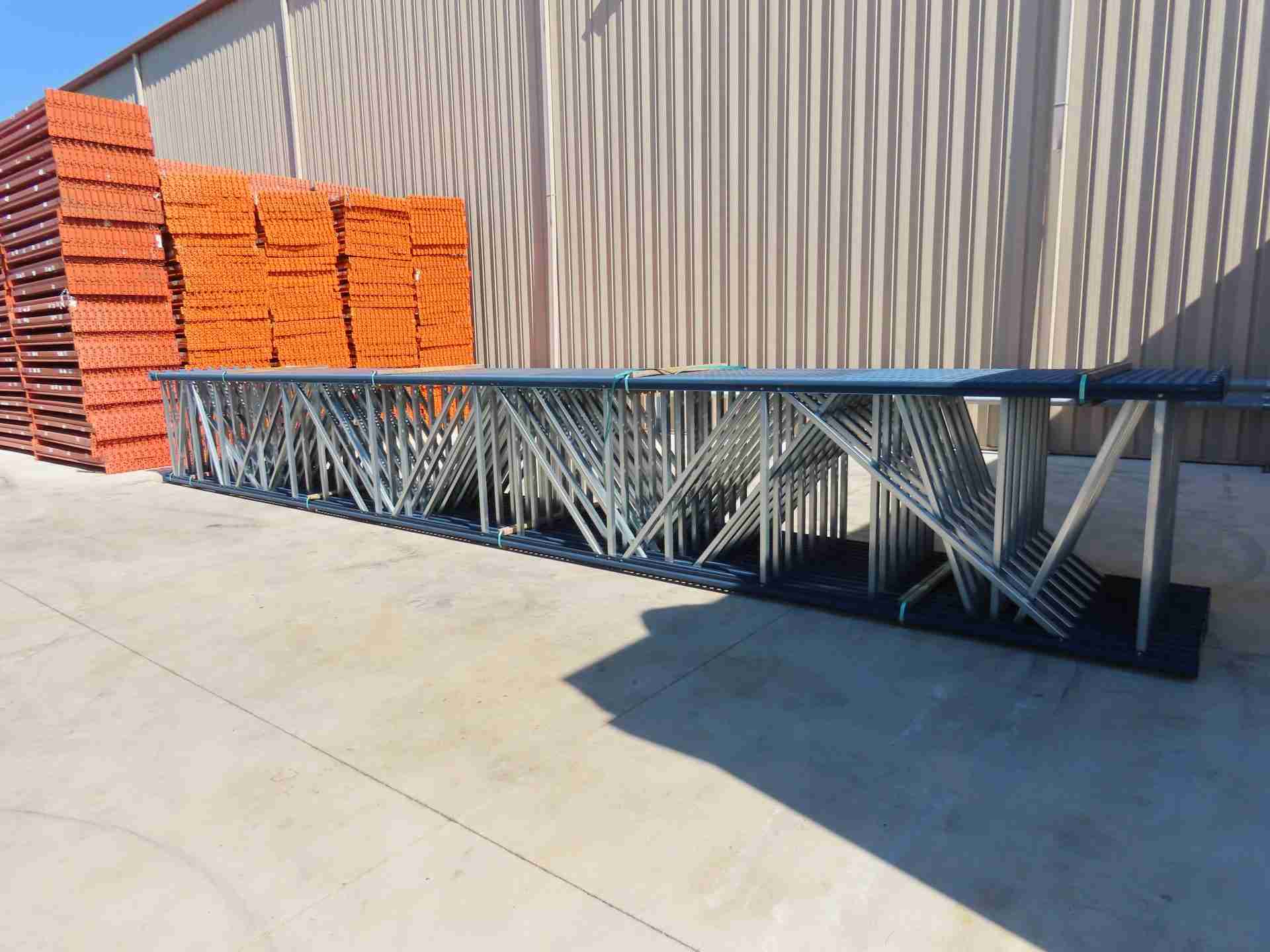
How Can Temperature Variations Affect Stored Materials?
What Are The Risks Of Using Damaged Pallets And Containers?
Imagine this: you walk into a warehouse brimming with inventory, the smell of opportunity lingers in the air. But there, in the corner, you spot a stack of damaged pallets and containers. Your heart sinks just a little. It’s time to face the reality: those damaged supplies could spell disaster for your business.
First, let’s talk about safety. It’s not just about the goods; it’s about the people too. Broken or compromised pallets can lead to accidents, causing injuries that might not only impact your workforce but also your bottom line. Each incident could result in costly workers’ compensation claims, not to mention the damage to your company’s reputation. Would you risk your employees’ safety just to save a few bucks? I didn’t think so.
Next up, think about your products. Imagine your high-quality goods getting tossed around on a weak pallet. Products could be damaged before they even reach the customer, leading to returns that chip away at your profits. And in an era where customer satisfaction is the name of the game, why take that risk? You want your customers to receive their purchases in pristine condition, and that starts with the integrity of your pallet racking system.
Let’s not forget about regulatory compliance. Industries are governed by rules designed to keep everyone safe. Using damaged pallets and containers can put you on the radar of inspectors who might be lurking in the shadows. Fines and penalties can add up faster than you can blink, significantly denting your financial forecasts.
Furthermore, consider the impact on efficiency. If your pallet racking is unstable, it compromises your entire operation. Bottlenecks occur, productivity drops, and before you know it, you’re playing a never-ending game of catch-up with your competitors. Investing in reliable and sturdy materials doesn’t just build trust; it enhances your business operations.
So, what’s the takeaway? Don’t gamble with damaged pallets and containers. Take a proactive approach to assess your inventory’s condition. Choose quality over shortcuts, and you’ll set the stage for a successful, thriving enterprise. Your employees, customers, and profitability will thank you for it. After all, in the world of business, the biggest risks can lead to the most expensive regrets. Protect your assets and elevate your operation; it’s the smart move.
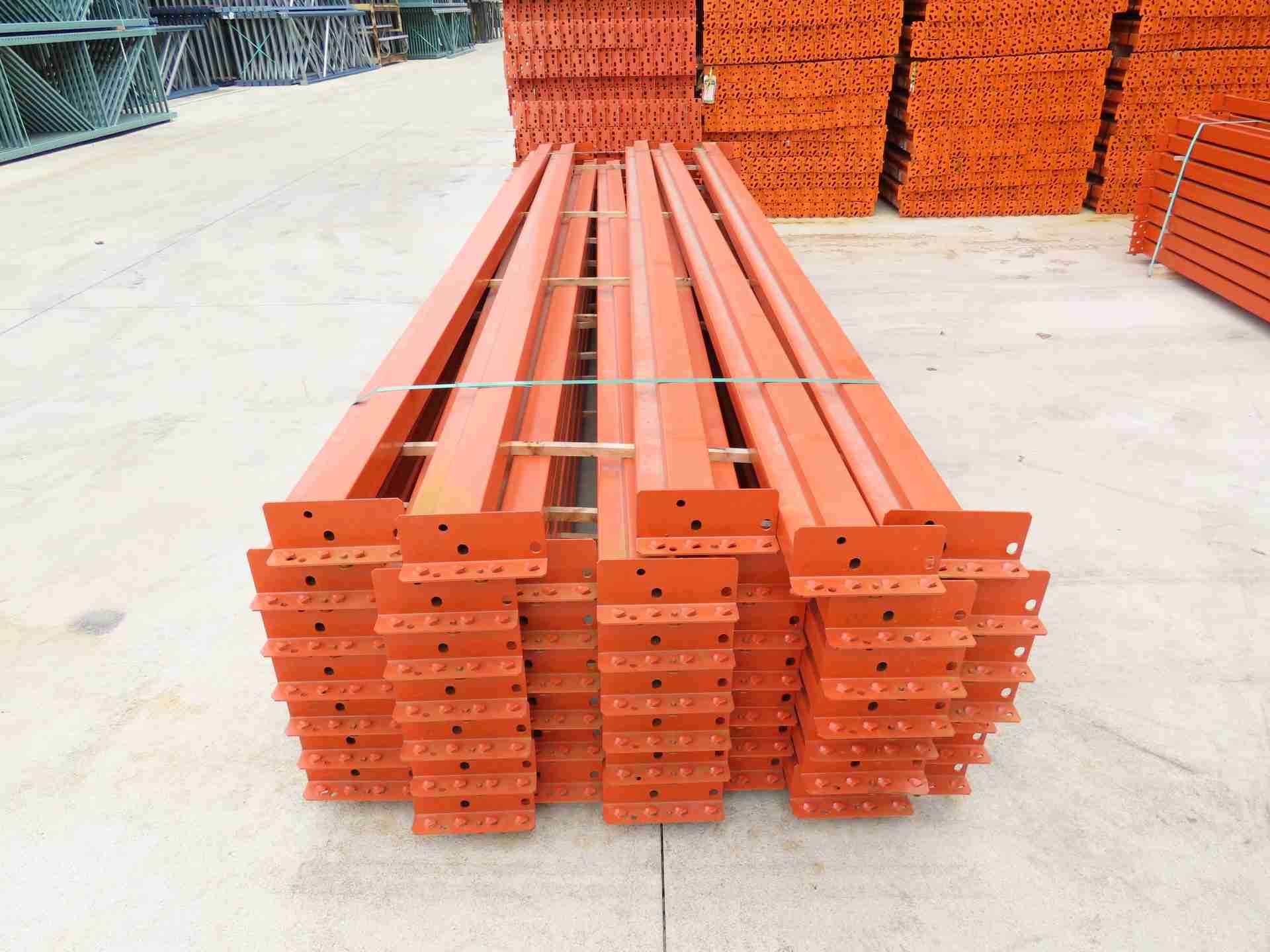
What Are The Risks Of Using Damaged Pallets And Containers?
What Are The Risks Of Using Damaged Pallets And Containers?
- Inventory integrity is crucial for business success; damaged pallets pose significant risks.
- Safety is paramount; compromised pallets can lead to accidents and affect employee well-being.
- Product damage can occur if goods are handled on weak pallets, leading to costly returns.
- Customer satisfaction hinges on quality; pristine delivery begins with reliable pallet systems.
- Regulatory compliance is at stake; damaged supplies can attract fines and penalties from inspectors.
- Efficiency suffers from unstable pallet racking, leading to productivity drops and operational bottlenecks.
- Invest in quality materials to protect assets and ensure long-term success in business operations.

What Are The Risks Of Using Damaged Pallets And Containers?
Conclusion
Conclusion: Prioritize Warehouse Safety for Success with Arrow Industrial Sales
In the dynamic landscape of warehouse operations, safety isn’t just an option—it’s a fundamental necessity that drives productivity, protects your workforce, and fortifies your bottom line. At RackingWorld.com, backed by the expertise of Arrow Industrial Sales, we understand that hidden risks can lurk in the shadows of your storage practices, threatening not only your employees but also your operational efficiency. The consequences of overlooking safety can be severe, from personal injuries that disrupt your team to costly downtime that eats into your profits.
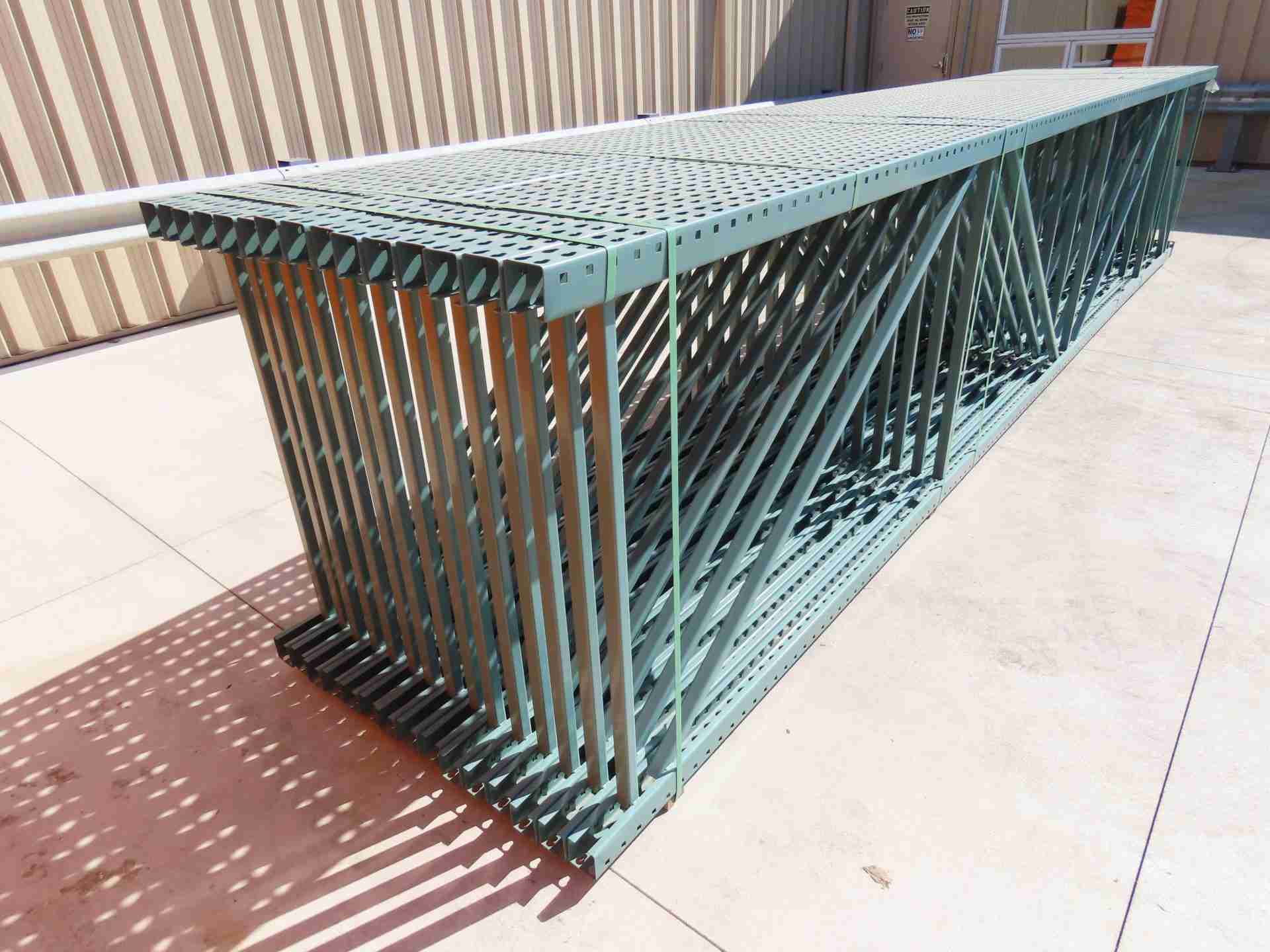
Think about the critical role pallet racking plays in your warehouse. It’s vital for maximizing vertical space and organizing your inventory, yet when improperly configured or maintained, it can become a ticking time bomb of hazards. Ensuring that your racking systems are compliant with regulations and tailored to your specific storage needs is not just advisable; it’s essential. Regular inspections and proper training can transform your warehouse from a potential accident site into a model of efficiency and safety.
Moreover, the importance of aisle width and clear pathways cannot be underestimated. Properly designed spaces empower your team to navigate confidently, reducing the risk of accidents and boosting morale. A safe environment enhances employee satisfaction, which translates to increased productivity and loyalty. Safety should be a priority in all aspects of your operations, from the regular maintenance of storage racks to the evaluation of materials under varying temperature conditions.
Take charge today! Don’t let hidden dangers compromise your business’s future. Elevate the safety practices of your warehouse by engaging with Arrow Industrial Sales. Our commitment is to help you implement robust systems that will safeguard not just your products but also your people. By making smart investments in your racking solutions, you are not only protecting your workforce but also empowering them to excel.
Call Arrow Industrial Sales at (574) 349-6575 now to gather insights that can revolutionize your warehouse operations. The time to act is today—don’t wait for an accident to drive you to improvement. Prioritize safety and see how it can transform your work environment into a thriving hub of efficiency and effectiveness. Remember, in the world of warehouse management, your most valuable asset is your people, and ensuring their safety is the best investment you can make.
Conclusion
Conclusion:
- Warehouse safety is essential for productivity, workforce protection, and financial stability.
- Hidden risks in storage practices can lead to personal injuries and costly operational downtime.
- Properly configured and maintained pallet racking is crucial to prevent hazards and maximize storage efficiency.
- Regular inspections and employee training can enhance safety and efficiency in warehouse operations.
- Clear pathways and adequate aisle width are important for reducing accidents and improving team morale.
- Engaging with Arrow Industrial Sales can help improve warehouse safety practices.
- Prioritizing safety ensures a thriving work environment and protects the workforce, which is the company’s most valuable asset.
Conclusion
Other Resources
Other Resources
Here is a list of other resources you can review online to learn more:
- BMH Equipment LLC
- Selective Racking
- Iowa Illinois Warehouse Racking
- Mustang Material Handling
- American Surplus
- Racking World
- Selective Racking
- Pallet Rack Systems – New and Used Pallet Racking and Shelving Experts
- Teardrop Pallet Rack – Ridg-U-Rak
- NSC
Use This Prompt To Get More Resources With Your Favorite Online AI Tool: Please provide me with a list of online articles with their URLs in a bulleted list that I can read regarding What Hidden Safety Risks Lurk In Your Warehouse Storage Practices?
Other Resources
Glossary Terms
What Hidden Safety Risks Lurk In Your Warehouse Storage Practices? – Glossary Of Terms
1. Aisle Width: The space between storage racks or shelves; incorrect width can obstruct movement, leading to accidents.
2. Balancing Load: Distributing weight evenly across storage areas; improper balancing can cause shelves to collapse or topple.
3. Box Stacking: The method of piling boxes; poorly stacked boxes can shift or fall, creating hazards.
4. Chemical Storage: Safe storage procedures for hazardous materials; improper storage can lead to spills or reactions.
5. Clutter: Disorganized items in workspaces; clutter increases trip hazards and decreases efficiency.
6. Conveyor Systems: Mechanical devices that move goods; improper use can lead to entrapment or injuries.
7. Cross-Training: Training employees on multiple tasks; enhances safety by ensuring more personnel can manage equipment and hazards.
8. Emergency Exits: Designated areas for evacuating in emergencies; blocked or poorly marked exits can impede evacuation.
9. Forklift Safety: Protocols for using forklifts; misuse can cause collisions or injuries to workers.
10. Guardrails: Safety barriers that prevent falls; lacking guardrails in elevated areas poses significant risks.
11. Hazardous Materials: Substances that pose health risks; improper handling can lead to exposure or environmental damage.
12. Inventory Rotation: Systematic management of stock; improper rotation can result in outdated or unsafe materials being used.
13. Labeling: Clearly marking storage areas and materials; unclear labels can lead to mishandling of items.
14. Load Limits: Maximum weight capacities for shelves and equipment; exceeding these limits can cause structural failures.
15. Material Safety Data Sheet (MSDS): Documents providing safety information on chemicals; lack of access increases risk during spills or emergencies.
16. Personal Protective Equipment (PPE): Gear worn to minimize exposure to hazards; neglecting PPE increases risk of injury.
17. Planned Inspections: Regular assessments of storage areas; failure to inspect can lead to unnoticed hazards.
18. Rack Stability: Assessment of shelving strength; unstable racks can collapse or tip over.
19. Safety Training: Programs educating workers on safe practices; inadequate training increases the chance of accidents.
20. Shelf Height: The vertical space used for storing items; storing too high increases the risk of falling items.
21. Spill Containment: Measures taken to catch and manage spills; absence can lead to slip hazards or environmental concerns.
22. Stacking Guidelines: Regulations for how to properly stack items; ignoring guidelines can increase fall risks.
23. Temperature Control: Managing climate conditions for specific materials; inadequate control can compromise integrity and safety.
24. Traffic Management: Planning pathways for equipment and personnel; poor traffic flow can lead to collisions and accidents.
25. Training Documentation: Records of safety training received by employees; lacking documentation can cause accountability issues.
26. Trip Hazards: Objects on the floor that can cause people to stumble; ensuring clear walkways can minimize risks.
27. Utility Access: Ensuring that necessary services are reachable; blocked access can impede emergency responses.
28. Workplace Ergonomics: Designing tasks to fit worker capabilities; poor ergonomics can lead to musculoskeletal injuries.
29. Warehouse Layout: The organizational arrangement of storage and work areas; poor layout can reduce efficiency and safety.
30. Workplace Policies: Guidelines dictating safe practices and procedures; lacking clear policies can lead to inconsistent safety measures.
Glossary Of Terms
Other Questions
What Hidden Safety Risks Lurk In Your Warehouse Storage Practices? – Other Questions
If you wish to explore and discover more, consider looking for answers to these questions:
- What specific safety protocols should be in place for pallet racking?
- How often should warehouse storage systems be inspected for safety compliance?
- What training is required for employees to operate equipment safely in a warehouse?
- How can a warehouse establish a culture of safety among employees?
- What are the legal implications of non-compliance in warehouse storage practices?
- What technology can assist in monitoring warehouse safety conditions?
- How does warehouse safety impact employee retention and morale?
- What are the best practices for maintaining clear walkways and aisles?
- How do temperature extremes specifically affect different types of materials?
- What steps can be taken to recover from an accident in a warehouse?
Other Questions
Checklist
What Hidden Safety Risks Lurk In Your Warehouse Storage Practices? – A Checklist
Warehouse Safety Risk Checklist
Use this checklist to evaluate and enhance the safety of your warehouse storage practices. Regularly review and update this checklist to ensure continual improvement and compliance.
Pallet Racking Safety
_____ Overloading: Are pallet racks loaded according to manufacturer’s weight limits?
_____ Stability: Are racks properly secured to prevent tipping?
_____ Inspection: Are pallet racks inspected regularly for damage or instability?
_____ Organization: Is there a clear loading strategy to ensure balanced and secure stacking?
Aisle Organization
_____ Clutter-Free: Are all aisles and walkways clear of obstructions?
_____ Aisle Width: Is the width of aisles adequate to allow safe maneuvering of equipment and employees?
_____ Labels: Are there clear labels and signage to direct traffic and communicate hazards?
Equipment and Machinery Safety
_____ Forklift Safety: Are workers trained in safe forklift operation and aware of pedestrian zones?
_____ Machinery Maintenance: Is regular maintenance conducted on all warehouse machinery to ensure safety and functionality?
Training and Culture
_____ Safety Training: Are regular safety training sessions conducted for all warehouse staff?
_____ Emergency Protocols: Are employees aware of emergency procedures, including evacuation routes and first-aid resources?
_____ Reporting Mechanism: Is there a system in place for employees to report potential hazards without fear of repercussions?
Compliance and Regular Audits
_____ Safety Regulations: Are storage racks compliant with current safety regulations and standards?
_____ Audit Schedule: Is there a regular schedule for conducting safety audits of storage practices?
_____ Documentation: Are records of inspections, incidents, and training sessions kept up to date?
Material Handling and Temperature Control
_____ Damaged Materials: Are damaged pallets and containers removed from service immediately?
_____ Temperature Monitoring: Is temperature monitored consistently, especially for sensitive materials?
_____ Storage Conditions: Are materials stored in conditions suitable for their type to avoid degradation?
Employee Welfare
_____ Morale Check: Is there a mechanism in place to gauge employee morale and feedback regarding safety?
_____ Incentives for Safety: Are rewards or recognition provided to teams that exemplify safe practices in the warehouse?
Continuous Improvement
_____ Ongoing Assessment: Is there a plan for regularly reviewing and improving safety practices based on observations and incidents?
_____ Best Practices Sharing: Are best practices shared amongst staff to encourage a culture of safety?
Conclusion
Ensure that this checklist is part of your routine operational review. A commitment to safety can lead to fewer accidents, reduced downtime, and a more engaged workforce. Prioritize safety for a successful and efficient warehouse operation!

Checklist
At RackingWorld, we help guide you through selecting warehouse storage systems and racking.
Be sure to read our other related stories at RackingWorld to learn more about warehouse storage systems.
0 Comments