
The Hidden Risks Of Your Storage Plan
By Tom Seest
At RackingWorld, we help guide you through selecting warehouse storage systems and racking.
Be sure to read our other related stories at RackingWorld to learn more about warehouse storage systems.
Is Your Storage Strategy Setting You Up for Failure?
Imagine stepping into your warehouse, and instead of a chaotic maze of disorganization, you encounter a well-structured system that flows effortlessly. The difference hinges on whether your storage strategy is designed to enhance productivity or hinder it. It’s time to ask yourself: is your current approach to storage leading you toward success, or is it setting you up for failure?
Let’s talk about pallet racking—a critical component of any effective storage strategy. These systems are not just metal structures designed to hold your products; they’re strategic tools that can either propel your operations or contribute to inefficiencies. If your pallet racking is poorly designed or underutilized, you might be shelving not just your inventory, but also your potential for growth and scalability.
Many businesses fall into the trap of believing that storage is a one-size-fits-all solution. This common misconception can lead to ineffective space usage, increased labor costs, and unnecessary frustration. If you find yourself constantly reorganizing, losing items, or wasting precious time searching for the right stock, it’s time to reassess. Are your pallet racking systems optimized for your specific needs?
Picture this: a well-organized, intelligent pallet racking setup that not only maximizes your vertical space but also streamlines picking processes. With the right configuration, your team can operate like a well-oiled machine, effortlessly moving items in and out, reducing errors, and increasing order accuracy.
The good news? You don’t have to navigate this journey alone. Bringing in storage experts can transform your current chaos into a finely-tuned system that boosts productivity. Imagine having a personalized storage strategy that reflects your unique operational requirements. You can build a strong foundation for scalability, flexibility, and resilience against market changes.
Don’t let a misguided storage strategy derail your ambitions. Take a proactive approach and reevaluate how your pallet racking is serving your business. Inspire confidence in your operation by investing time and resources into designing a storage strategy that grows with you. The journey to an optimized warehouse starts with one question: Are you ready to make a change? The answer could very well redefine your path to success. Take that leap today!
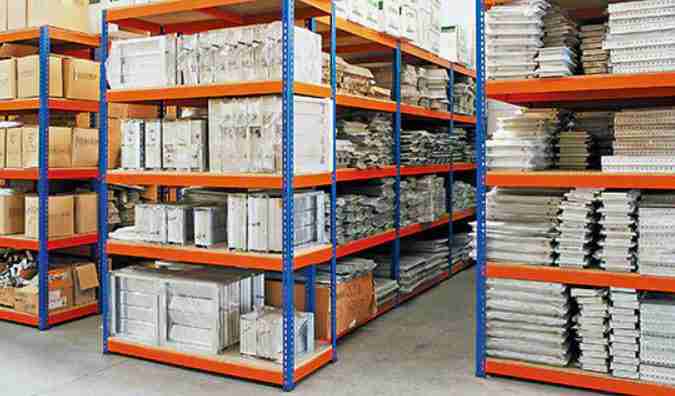
Is Your Storage Strategy Setting You Up for Failure?
Is Your Storage Strategy Setting You Up for Failure?
- Encounter a well-structured storage system instead of chaos in your warehouse.
- Assess whether your storage strategy enhances productivity or hinders it.
- Pallet racking is a critical component that can propel or detract from operational efficiency.
- Avoid the misconception that storage solutions are one-size-fits-all to prevent space and labor inefficiency.
- A well-designed pallet racking system maximizes vertical space and streamlines picking processes.
- Consulting storage experts can transform disorganization into an efficient and productive system.
- Reassess your pallet racking strategy to inspire confidence and foster growth in your business.

Is Your Storage Strategy Setting You Up for Failure?
Table Of Contents
- Is Your Storage Strategy Setting You Up for Failure?
- Is Your Storage Strategy Aligned With Your Business Goals?
- Have You Assessed Your Current Storage Needs Effectively?
- Are You Utilizing The Right Technology For Data Storage?
- How Often Do You Evaluate Your Storage Costs Versus Needs?
- Is Your Data Easily Accessible When You Need It?
- Are You Facing Issues With Data Redundancy Or Loss?
- Conclusion
- Other Resources
- Glossary Of Terms
- Other Questions
- Checklist
Is Your Storage Strategy Aligned With Your Business Goals?
In the world of business, the adage “failing to plan is planning to fail” couldn’t ring truer, especially when it comes to managing your inventory and storage solutions. Your storage strategy should ideally reflect not only your immediate needs but also your long-term business goals. This is where the right storage solutions, like pallet racking, come into play.
Imagine walking into your warehouse and feeling an overwhelming sense of order and efficiency. Products are perfectly arranged, easily accessible, and your team can work without fumbling through a cluttered space. This isn’t just a dream; it can be your reality by aligning your storage strategy with your overarching business objectives. Whether you aim to scale your operations, enhance customer satisfaction, or reduce overhead costs, a well-organized storage system is your first line of defense and can directly support these goals.
Now, let’s talk about pallet racking—a versatile storage solution that offers incredible benefits. With a properly implemented pallet racking system, you’re not just increasing storage density; you’re also enhancing your operational efficiency. Imagine being able to quickly access the products you need with minimal downtime, thereby boosting your productivity and, in turn, your bottom line.
However, it’s crucial to assess your business vision before diving into any storage solutions. Are you looking to expand your product line? Do you anticipate seasonal spikes in demand? The answers to these questions will guide you in selecting the right type of racking and optimizing your warehouse layout. A strategic alignment between your storage solutions and business goals can reduce wasted time and energy while maximizing your profit margins.
If your current storage strategy doesn’t reflect these aspirations, it’s time for an overhaul. Don’t just think of storage as an afterthought. Treat it as an integral component of your overall business strategy. Engage with experts who understand the nuances of inventory management and can help tailor a solution that aligns with your vision.
Remember, the path to success isn’t just about making sales; it’s about streamlining operations and creating an environment that fosters growth. Embrace a storage strategy that works for you and your goals—because when your storage is aligned with your business ambitions, the possibilities are endless.
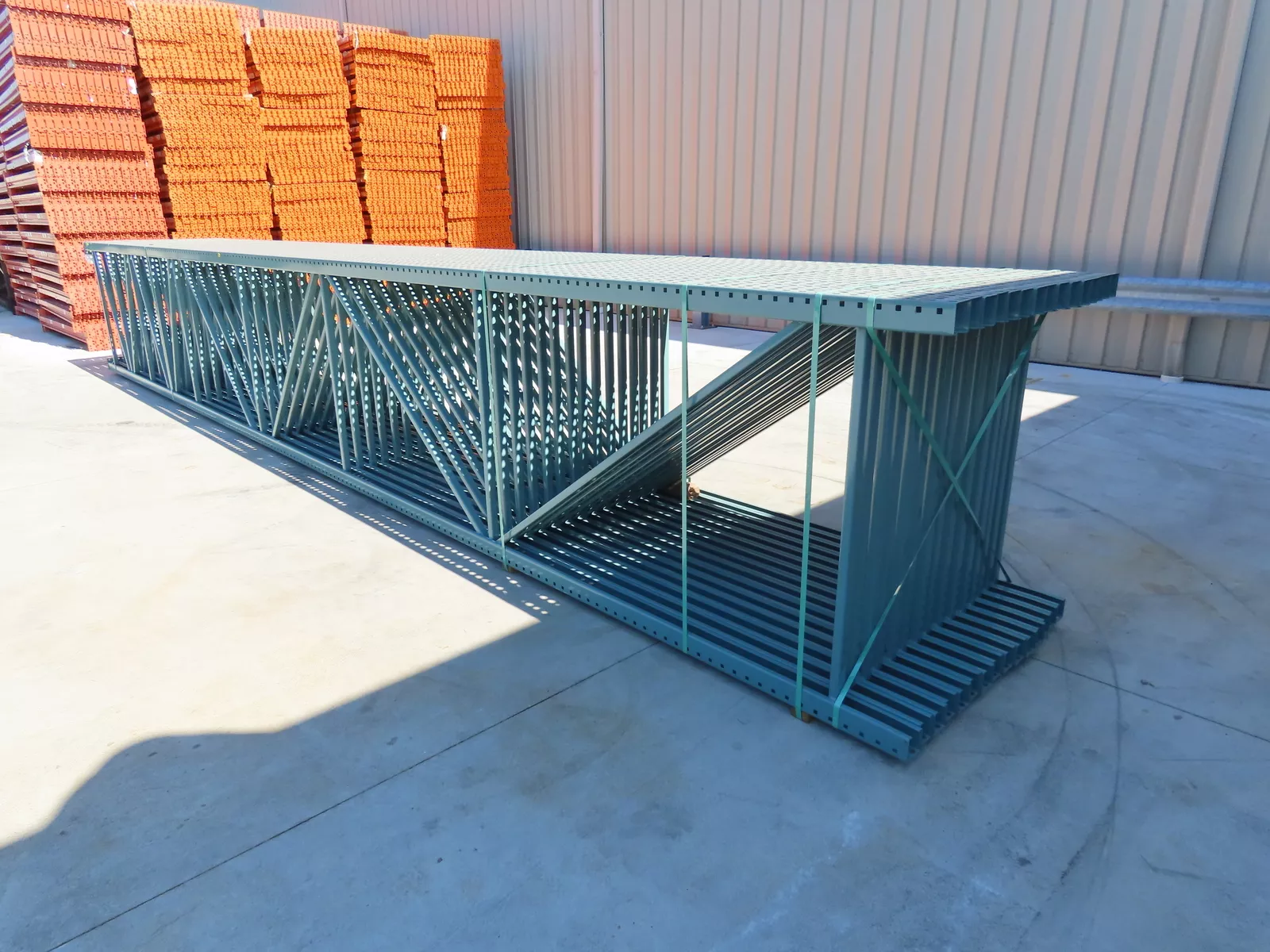
Is Your Storage Strategy Aligned With Your Business Goals?
Is Your Storage Strategy Aligned With Your Business Goals?
- The importance of planning is emphasized, particularly for inventory and storage management.
- A well-thought-out storage strategy should meet immediate needs and long-term business goals.
- Pallet racking is highlighted as an effective storage solution that enhances organization and efficiency.
- Efficient storage systems contribute to improved access to products, increased productivity, and better profit margins.
- Assessing business vision is crucial for choosing the right storage solutions and optimizing layout.
- Storage should be a fundamental part of the overall business strategy, not an afterthought.
- Aligning storage with business objectives can lead to streamlined operations and create a growth-oriented environment.
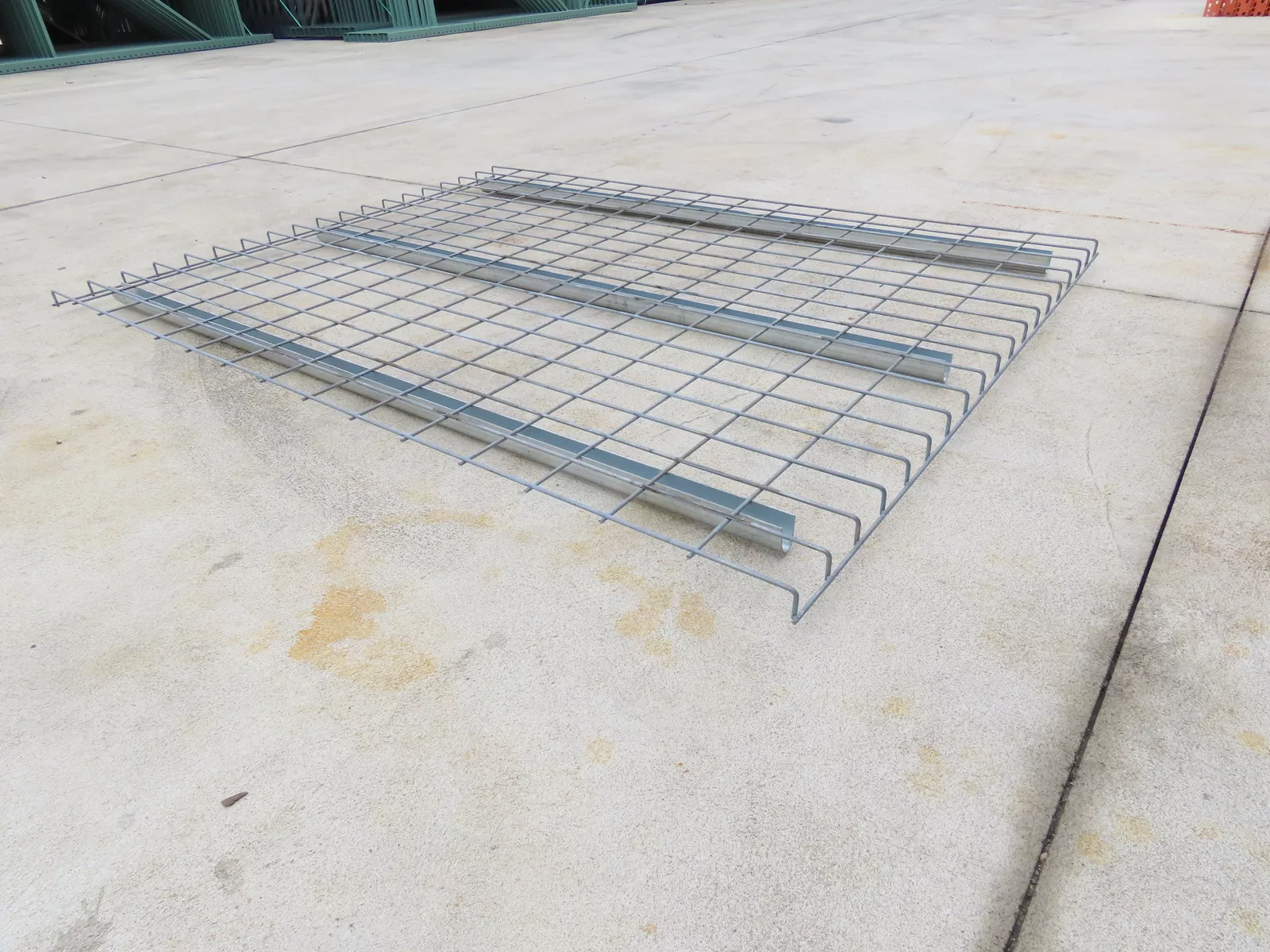
Is Your Storage Strategy Aligned With Your Business Goals?
Have You Assessed Your Current Storage Needs Effectively?
In the fast-paced world of business, where every inch of space can mean the difference between profit and loss, understanding your storage needs is not just important—it’s essential. Whether you’re moving into a new facility or simply re-evaluating your current setup, the way you approach your storage can have a profound impact on efficiency, safety, and overall profitability.
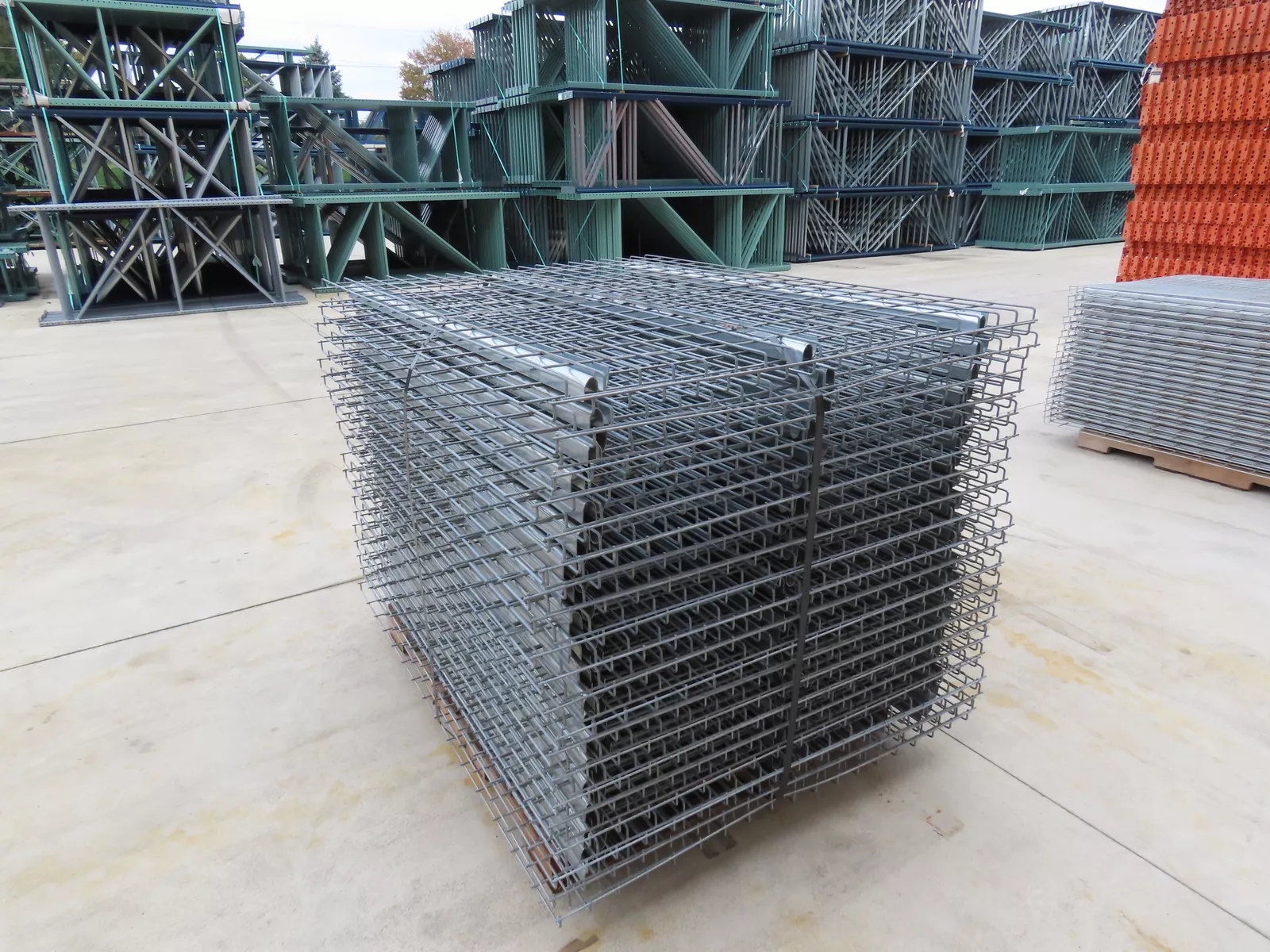
Let’s take a moment to dig deeper into your operational landscape. Have you considered the benefits of pallet racking systems? These aren’t just metal shelves—they are powerful tools that can transform your storage capabilities. Picture this: a well-designed pallet racking system not only maximizes vertical space but also optimally organizes your products, allowing you to retrieve what you need quickly and efficiently.
But it isn’t just about putting something on a shelf. The real question is whether your existing setup is enabling you or holding you back. Are you making the most of your vertical space? Could your aisles be optimized for safety and speed? If you feel a bit cluttered or overwhelmed when you look at your storage area, it may be time to reassess.
Think about this: what challenges do you encounter daily? Is the inventory getting in the way, slowing down your operations? Are your team members spending unnecessary time searching for items or making risky maneuvers just to access what they need? These pain points aren’t just inconveniences; they can ultimately stunt your growth.
Now, imagine the relief and efficiency that could come from restructured, thoughtful storage solutions. By investing time into assessing your current needs—and considering solutions like pallet racking—you empower your business to operate like a well-oiled machine. Picture your team moving seamlessly through a tidy, well-organized warehouse, able to focus on their tasks rather than wading through chaos.
So, how do you begin? Start with an audit of your space and inventory flow. Identify common bottlenecks, and engage your team to understand their challenges. Remember, this isn’t just a technical exercise; it’s an invitation to reimagine what your operational capabilities can be. Dive into this reassessment, and you’ll not only enhance your current workflow but also build a foundation that scales with your business as it grows. Trust me—your future self will thank you for it!
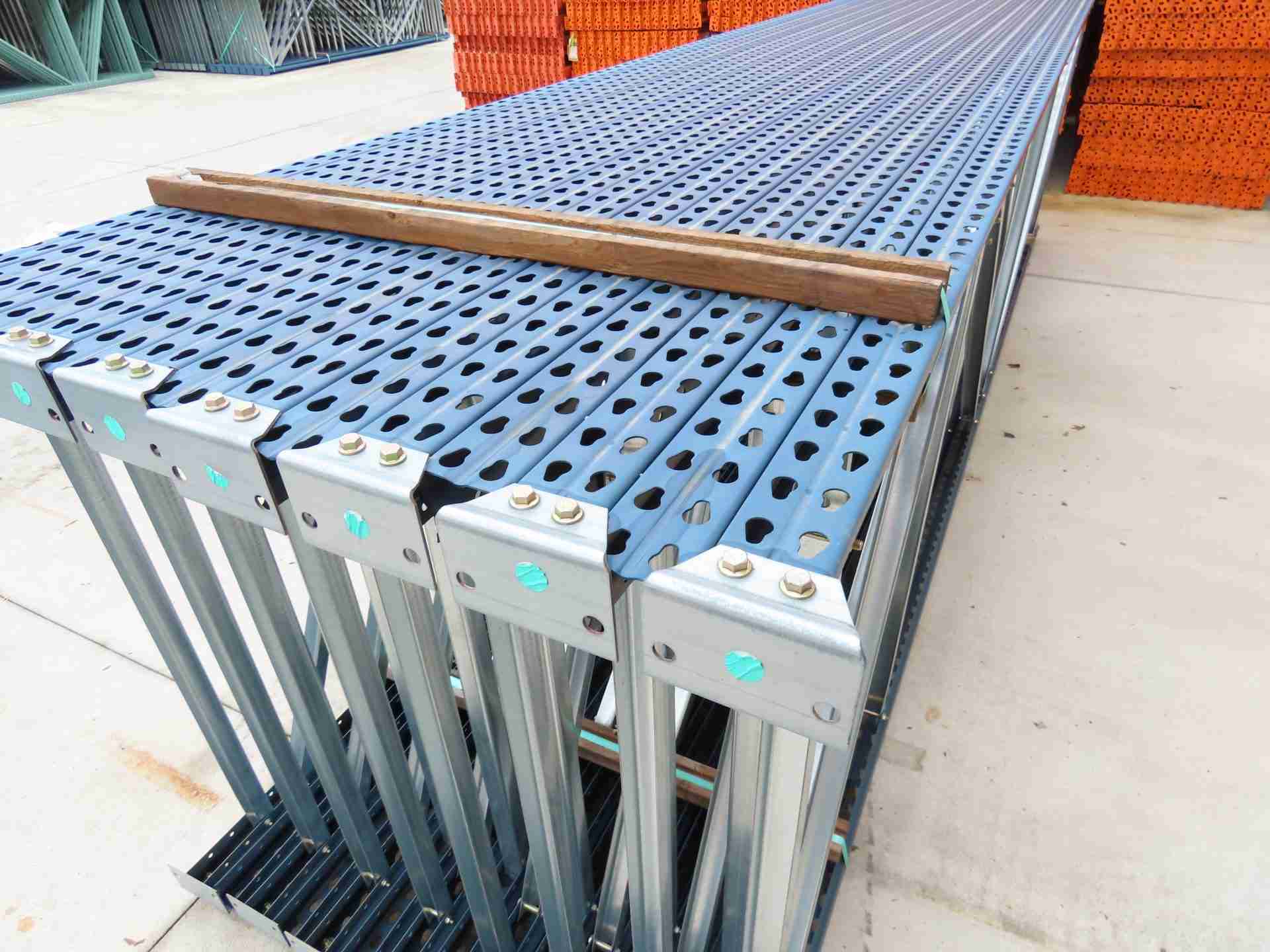
Have You Assessed Your Current Storage Needs Effectively?
Have You Assessed Your Current Storage Needs Effectively?
- Understanding storage needs is essential for efficiency, safety, and profitability in business.
- Pallet racking systems can maximize vertical space and improve product organization.
- Evaluating whether your current storage setup supports or hinders operations is crucial.
- Identifying daily challenges like clutter and time wasted searching for items can enhance operations.
- Implementing thoughtful storage solutions can lead to streamlined workflows and improved team performance.
- Start with an audit of space and inventory flow to identify bottlenecks and involve team feedback.
- Reassessing storage and operational capabilities prepares your business for future growth.
Have You Assessed Your Current Storage Needs Effectively?
Are You Utilizing The Right Technology For Data Storage?
In our digital age, the landscape of data storage is evolving at an astonishing pace. Companies are inundated with colossal amounts of information, and how well you harness this data can mean the difference between triumph and stagnation. Let’s face it—just as you wouldn’t store your inventory haphazardly on a tangled heap of pallets, you shouldn’t let your crucial data languish without proper organization and technology.
Imagine stepping into a warehouse where every item is nestled in its own specific place, perfectly accessible when you need it. This is the beauty of a well-planned pallet racking system—efficiency captured in a tactile form. Now, visualize your data stored with the same clarity and order. The right technology can turn a chaotic mountain of information into a streamlined, easily navigable asset.
Now, let’s break this down. Are you currently using clunky and outdated methods to store your data? Trust me; it’s time for a change. Switching to cloud-based solutions can provide you with the agility and accessibility you need. But it doesn’t stop there. These systems offer security features that are akin to adding layers of fortified walls around your digital resources—keeping threats at bay while ensuring availability is maximized.
Want to build trust with your clients? Enhance your data storage solutions. They want to know that their information is shielded and easily retrievable. Investing in the right technology not only simplifies your processes but elevates your brand’s credibility.
Here’s a call to action: take a moment to assess your current data storage methods. Ask yourself if they are truly serving you or just slow-boiling your potential. Now is the perfect opportunity to explore alternatives that can transform the way you handle information.
The right technology enables you to operate like a well-oiled machine, just as an expertly designed pallet racking system can dramatically improve warehouse efficiency. As you seek solutions, remember: the path to mastery lies in your willingness to innovate and adapt. Don’t let outdated systems weigh you down—elevate your data storage approach today. You’ll not only pave the way for business growth, but you’ll also build trust and loyalty among your customers. The road to a more organized, secure, and streamlined data strategy starts now.

Are You Utilizing The Right Technology For Data Storage?
Are You Utilizing The Right Technology For Data Storage?
- The evolution of data storage is crucial for companies in the digital age, impacting their success.
- Proper organization and technology are essential for managing vast amounts of data effectively.
- Cloud-based solutions provide agility and security, transforming chaotic information into manageable assets.
- Investing in enhanced data storage solutions builds client trust by ensuring data security and accessibility.
- Evaluate your current data storage methods to determine if they meet your needs or hinder growth.
- The right technology can streamline operations and improve overall efficiency, similar to an effective pallet racking system.
- Innovating and adapting your data strategies fosters business growth and strengthens customer loyalty.

Are You Utilizing The Right Technology For Data Storage?
How Often Do You Evaluate Your Storage Costs Versus Needs?
In the fast-paced world of business, every dollar counts. Just as you wouldn’t pour resources into a leaking bucket, it’s crucial to regularly evaluate your storage costs against your actual needs. Isn’t it time to look closely at what you’re investing in your warehouse? You may be surprised at what you find!
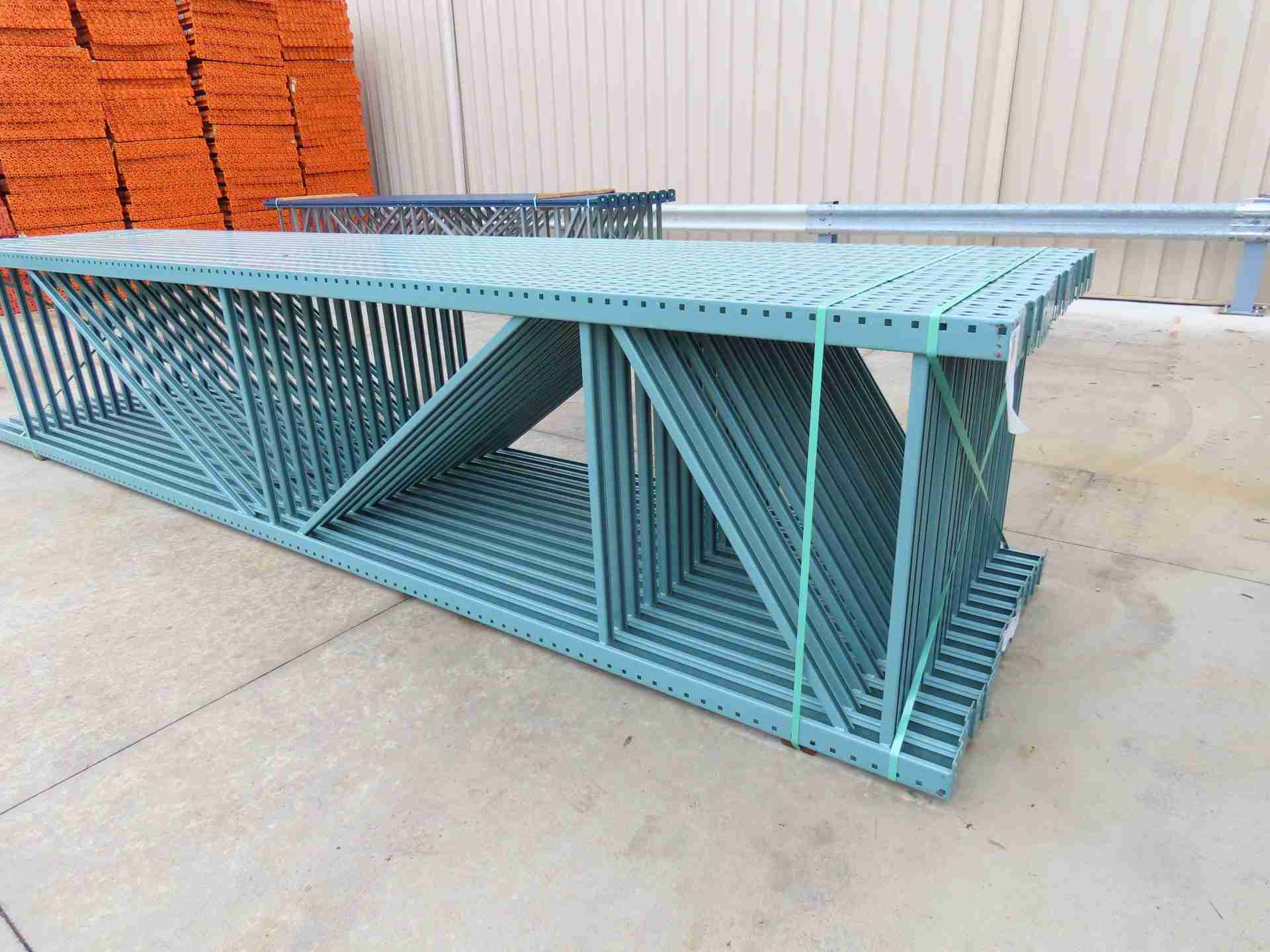
Think about your pallet racking systems. Initially set up to accommodate your inventory load, these systems can become mismatched with your current business needs. It’s easy to let these operational decisions slide, especially when everything seems to be running well. But hindsight is often a luxury we can’t afford as costs begin to stack up. How often have you found yourself asking—am I really maximizing my space and minimizing my costs?
When was the last time you assessed whether your pallet racking is working efficiently? Without regular evaluations, you run the risk of occupying valuable space and resources unnecessarily. Imagine turning that underutilized area into a thriving section that meets your actual sales demand. By re-examining your storage layout and costs, you not only alleviate financial stress but also enhance your operational efficiency.
Your storage solutions should evolve alongside your business. What worked six months ago might not suit your needs today. Regular assessments allow you to pivot, swap solutions, or even invest in more sophisticated storage systems that harness modern technology to improve tracking and retrieval. The benefits? Not only reduced costs, but a boost in productivity that propels your business forward.
So, take action. Make it a priority to evaluate your storage costs versus needs at least once a quarter. Flesh out what’s working and what isn’t. Are you holding onto outdated pallet racking that’s chewing through your budget? Or perhaps you’ve recently ramped up your inventory but haven’t adjusted your storage systems to match?
This isn’t merely about cutting costs; it’s about building a smarter, more agile business model. By embracing regular evaluations, you’re not just proactively managing your costs—you’re investing in the long-term sustainability of your operations. After all, a business that optimizes its storage both protects its profits and sets the stage for future growth. Wouldn’t you want to be the business that thrives, not just survives? The benefits await those who take the first step.
How Often Do You Evaluate Your Storage Costs Versus Needs?
How Often Do You Evaluate Your Storage Costs Versus Needs?
- Regularly evaluate storage costs to align with actual business needs.
- Pallet racking systems may become mismatched as inventory loads change.
- Failure to assess storage efficiency can lead to increased costs over time.
- Reassessing storage layouts can convert underutilized space into productive areas.
- Storage solutions should evolve with the business; solutions that worked previously may no longer suffice.
- Conduct regular evaluations at least once a quarter to maintain efficiency.
- Optimize storage not just for cost savings, but for long-term operational sustainability and growth.

How Often Do You Evaluate Your Storage Costs Versus Needs?
Is Your Data Easily Accessible When You Need It?
Imagine this: It’s Monday morning, and you’re gearing up for a crucial pitch. You need immediate access to that key analysis report, client data, or even historical sales figures to back your arguments. But as you sift through piles of paperwork and lost digital files, panic sets in. Your potential game-changing discussion is slipping away, all because your data is buried under an avalanche of disorganization. This is not just an inconvenience; it’s a glaring vulnerability that could cost you business, credibility, and peace of mind.
Now, picture a different scenario. You walk into your office, fire up your computer, and with a few clicks, you have the information you need right at your fingertips. That’s the power of effective data organization. Just as pallet racking optimizes physical storage spaces by making items easily accessible, your digital assets should be structured to allow seamless access. Implementing an efficient data management system is the equivalent of investing in a well-designed warehouse. It ensures that everything is in its rightful place and readily accessible when it matters the most.
But here’s the kicker: Accessibility isn’t merely about having everything instantly available; it’s about the trust you create within your business. Your team will feel empowered knowing they can find critical information whenever required. This sense of confidence fosters a culture of initiative, where everyone can take decisive action instead of waiting around for information to trickle in.
Don’t wait until the stakes are high. Take a proactive approach to data management today. Reinvent your operational workflow with strategic planning that includes robust data organization systems, cloud storage options, and perhaps even regular audits to maintain order.
You wouldn’t dream of letting your warehouse become a cluttered mess—so why allow your data to be anything less? By prioritizing accessibility now, you position yourself as a leader. Customers and stakeholders won’t just see you as a reliable source; they’ll turn to you when they need a solution, knowing you’ll always have the right information at the ready.
Take charge. Invest in systems that ensure your data is organized, accessible, and empowering. When you streamline your access to information, you’re not just enhancing productivity; you’re building a resilient business that’s ready for anything that comes its way. The time to act is now—don’t let disorganization define your operations.

Is Your Data Easily Accessible When You Need It?
Is Your Data Easily Accessible When You Need It?
- Crucial pitches require immediate access to key reports and data, making disorganization a significant vulnerability.
- Effective data organization empowers quick and seamless access to information, similar to optimized physical storage solutions.
- A well-structured data management system ensures everything is in its rightful place for easy retrieval when needed.
- Accessibility fosters trust within teams, encouraging initiative and decisive action rather than waiting for information.
- Proactively managing data helps reinvent operational workflows, incorporating robust organization and cloud storage solutions.
- Prioritizing data accessibility positions you as a reliable leader, building trust with customers and stakeholders.
- Streamlining data access not only enhances productivity but also strengthens business resilience against challenges.

Is Your Data Easily Accessible When You Need It?
Are You Facing Issues With Data Redundancy Or Loss?
In today’s fast-paced digital world, facing issues like data redundancy or loss can feel like a personal affront. It’s not just numbers and assets; it’s your hard work, your commitment, and often, your livelihood hanging in the balance. Imagine this: You’ve invested hours, days, even years compiling crucial data that’s vital for your operations. Then—boom—an unexpected system failure or a simple human error results in lost files and unrecoverable information. Sounds familiar? You’re not alone.
Just as a warehouse thrives on efficient pallet racking for space optimization, your business’s success relies on a streamlined, effective data management strategy. When you’re dealing with chaotic data issues akin to a cluttered storage area, clarity and organization can seem elusive. It’s essential to ensure that every piece of data is stored correctly, backed up properly, and most importantly, retrievable without hassle.
Consider this: every time you encounter data redundancy, think of it as an overstocked shelf in your facility. Not only does it take up valuable space and resources, but it also increases the risk of errors and mismanagement. Don’t let your valuable information become just another statistic in a crowded field of lost files.
Take a moment and picture what could happen if your data was ironclad—safe from loss, errors, and chaos. You would have the freedom to focus on growth, creativity, and strategic planning instead of wrestling with IT issues. This isn’t a distant dream; it’s achievable with the right approach. Embracing a reliable data management system and performing periodic audits can dramatically enhance the safety of your information and reduce unnecessary redundancies.
The power lies within your hands to take action. Start with a small step: assess your current data management practices. What’s working? What isn’t serving you? These insights can illuminate the path forward. Trust me, once you tackle data redundancy and loss, not only will your operations experience a seamless flow, but you’ll also cultivate confidence throughout your entire team. There’s something invigorating about a well-organized, efficient workspace—both physical and digital.
Remember, the key to scalability and efficiency is not just about having space on your pallet racking, but also about ensuring that every piece of data is secured, readily accessible, and free from chaos. Now is the time to fortify your data strategy and pave the way for unstoppable growth. Take action. You won’t regret it.
Are You Facing Issues With Data Redundancy Or Loss?
Are You Facing Issues With Data Redundancy Or Loss?
- Data issues such as redundancy and loss can feel personal, impacting hard work and livelihood.
- Much like a warehouse benefits from efficient pallet racking, businesses need an effective data management strategy.
- Proper data storage and backup are essential for retrieval without hassle, preventing chaos.
- Data redundancy is akin to overstocked shelves, risking errors and mismanagement while wasting resources.
- Secure and organized data management allows for focus on growth, creativity, and strategic planning.
- Periodic audits and reliable data systems can enhance information safety and reduce redundancies.
- Assessing current data practices can illuminate improvements, leading to seamless operations and increased team confidence.
Are You Facing Issues With Data Redundancy Or Loss?
Conclusion
Conclusion: Transform Your Storage Strategy to Propel Success
At RackingWorld.com and Arrow Industrial Sales, we understand that your storage strategy is more than just a logistical necessity; it’s the backbone of your entire operation. After exploring the myriad ways an inefficient storage plan can set your business up for failure, it’s clear that now is the time for action. A disorganized warehouse and outdated systems not only drain your resources but can also lead to missed opportunities and frustrated employees. By examining the hidden risks of your current setup, we invite you to envision a future where productivity reigns supreme—where streamlined processes reduce errors and enhance order accuracy.
The key to unlocking this potential lies in tailored storage solutions, such as intelligent pallet racking systems that take your unique operational needs into account. As you assess your current storage strategies, remember: the best plans are those that align with your business goals and foster growth. Ask yourself probing questions about your existing setup, such as, “Are my racking systems underutilized?” or “Do I face challenges that hinder operational efficiency?” Your answers can guide you toward creating a workspace that not only maximizes vertical space but also enhances workflow, ultimately paving the way for scalability and profitability.
But don’t delay! Every moment you remain stagnant invites inefficiencies into your business, stunting growth and increasing costs. By proactively engaging storage experts with Arrow Industrial Sales, you capitalize on their knowledge and experience, transforming chaos into efficiency. Imagine having a thriving, well-organized environment that reflects your commitments to quality and customer satisfaction.
Make it a priority to evaluate your storage costs against your needs. Regular assessments can uncover hidden inefficiencies that, once addressed, not only reduce overall expenses but also enhance your team’s performance. Delve into your data management practices, ensuring information is organized, accessible, and secure, safeguarding your efforts from potential loss.
The road to a streamlined, productive business starts with a single step. Contact Arrow Industrial Sales at (574) 349-6575 today to explore how tailored pallet racking solutions can redefine your operational strategy. Don’t just survive—thrive! Make your move now to prevent a misguided storage strategy from derailing your ambitions. Your future self will thank you!
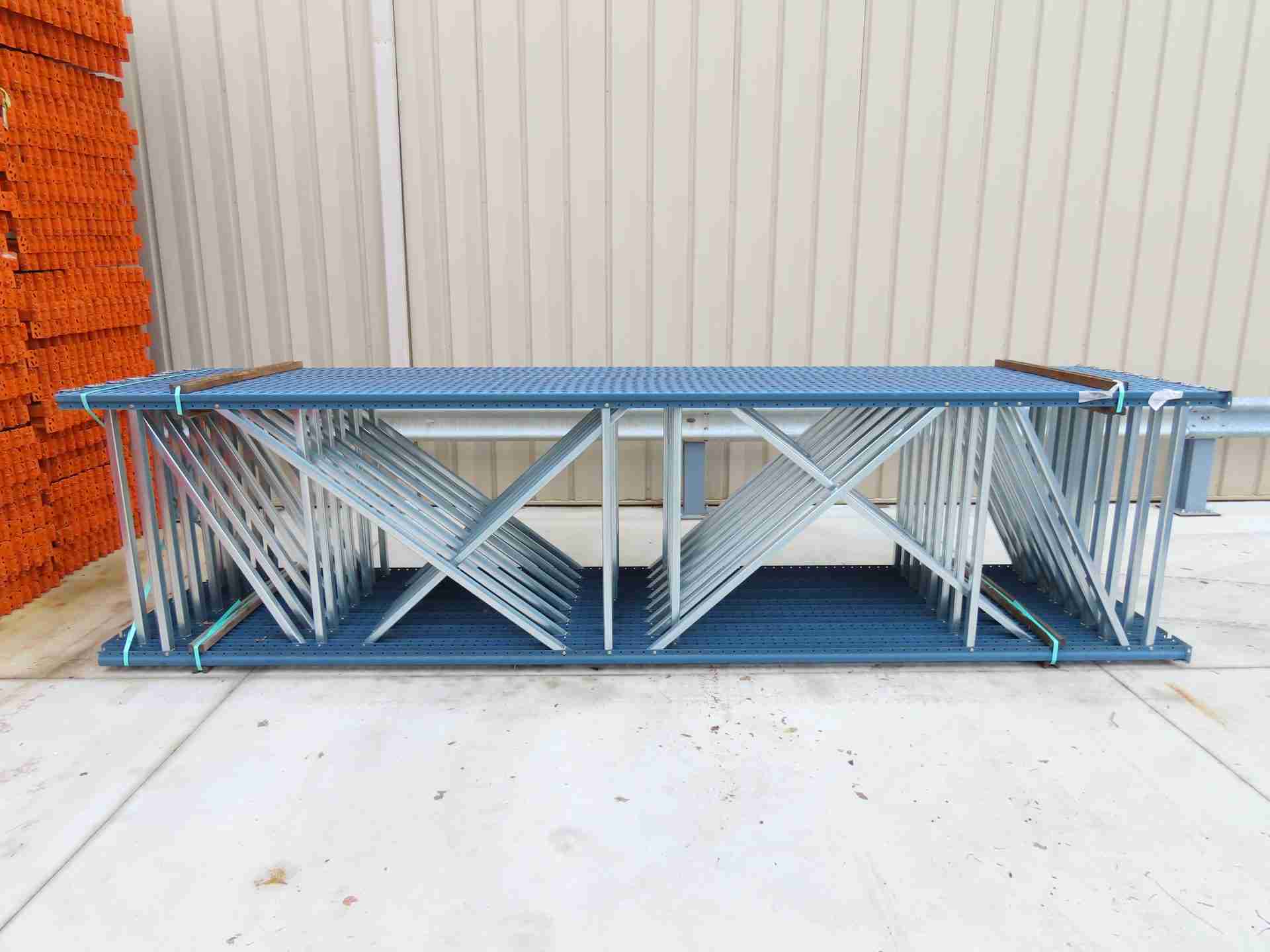
Conclusion
Conclusion:
- Storage strategy is vital for operational success; inefficiencies can lead to missed opportunities and frustrated employees.
- Examine and address the hidden risks in your current storage setup to enhance productivity.
- Tailored storage solutions such as intelligent pallet racking should align with your business goals.
- Regularly assess your storage systems to maximize vertical space and improve operational efficiency.
- Proactively engage storage experts to create an organized environment that prioritizes quality and customer satisfaction.
- Evaluate storage costs versus needs to uncover inefficiencies and enhance team performance.
- Contact Arrow Industrial Sales at (574) 349-6575 for expert assistance in transforming your operational strategy.
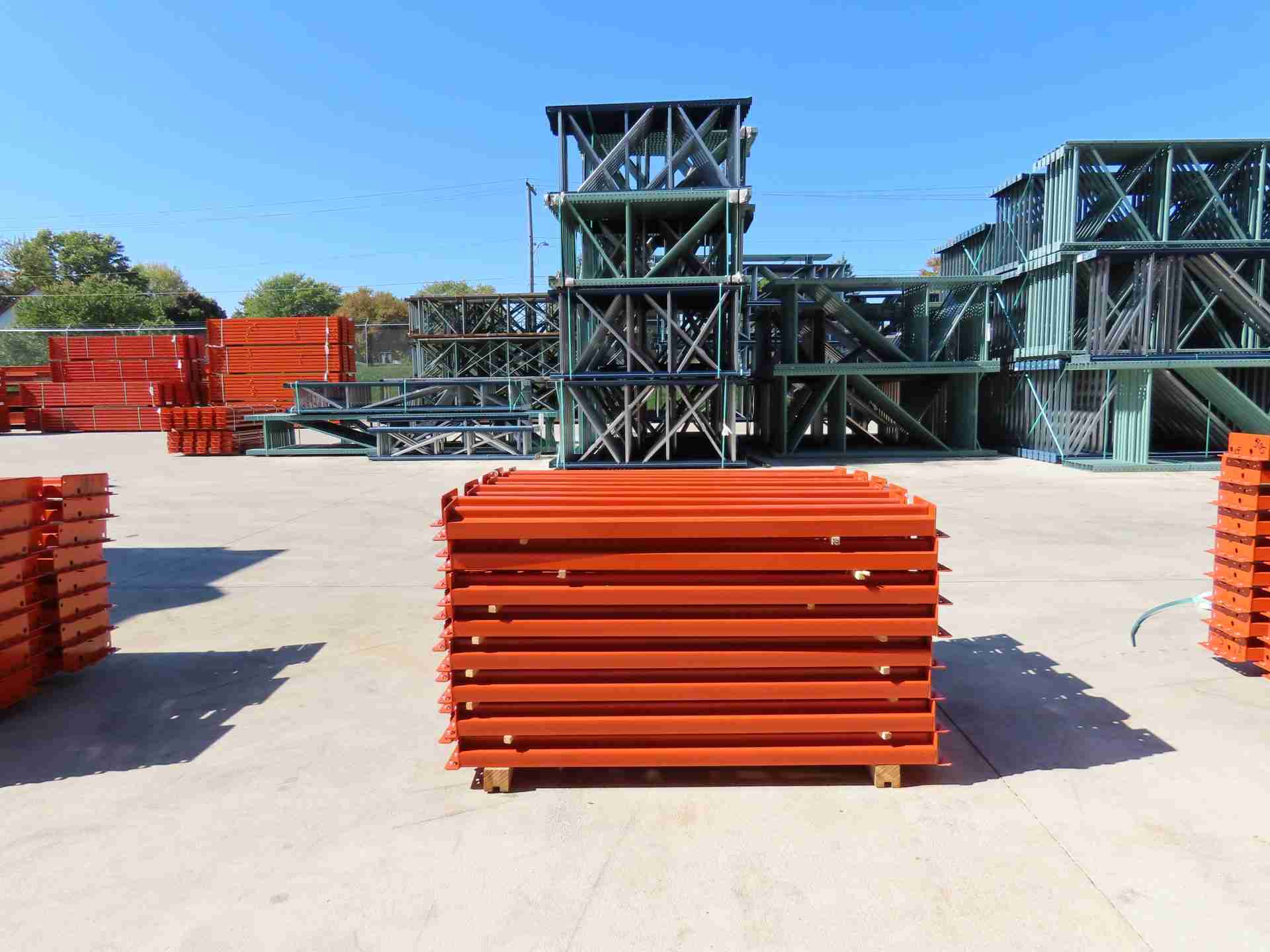
Conclusion
Other Resources
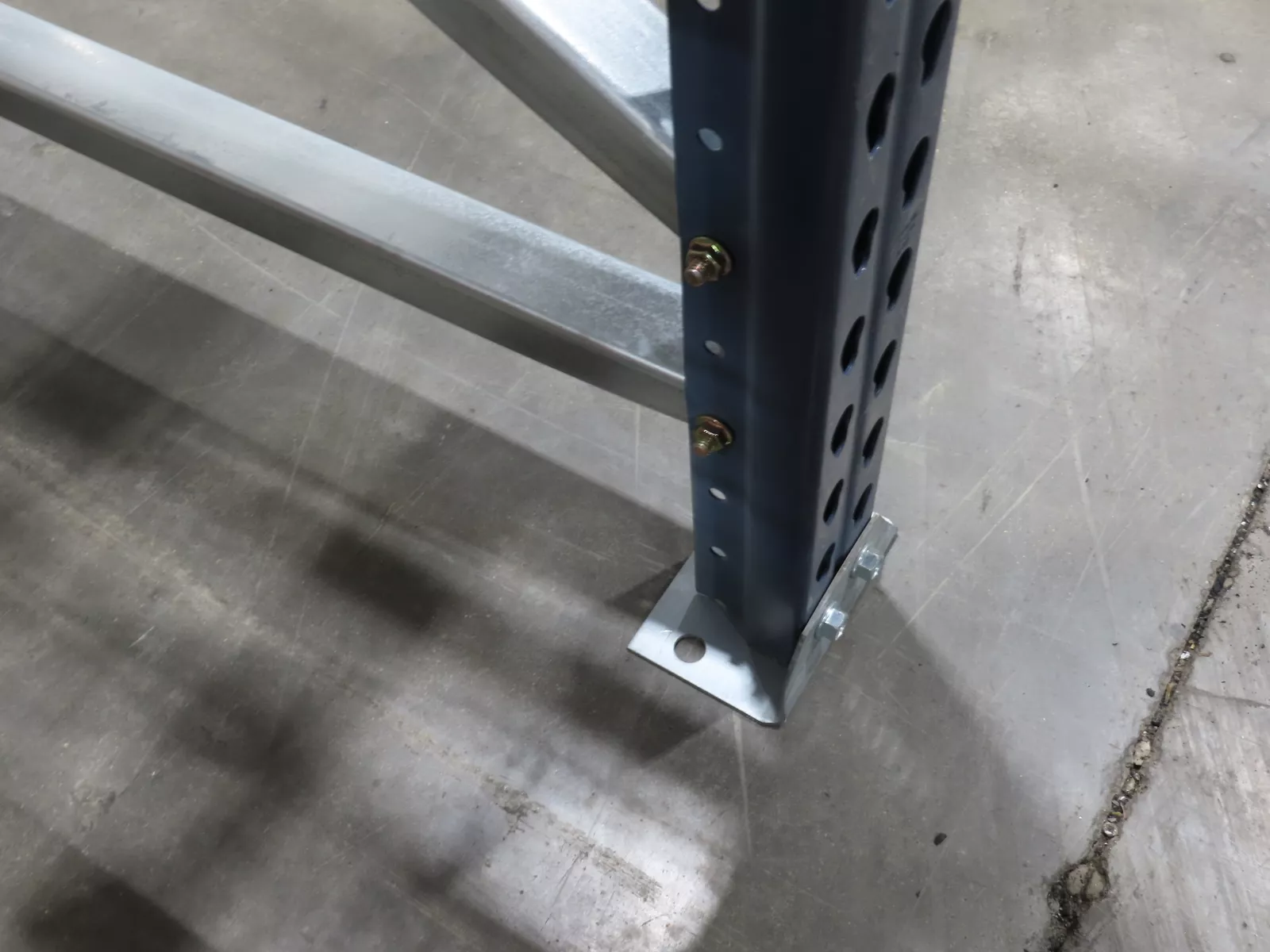
Other Resources
Here is a list of other resources you can review online to learn more:
- RMI
- Cantilever Racking Specialists – Get the Right Racks
- WERC
- IIWS Inc. Rack Installation Illinois & Rack Repairs Illinois
- New Cantilever Racks and Racking Kits
- Teardrop Pallet Rack – Ridg-U-Rak
- Warehouse Automation
- Selective Pallet Racking Systems – Container Systems
- Material Handling Safety
- Teardrop Industrial Shelving Rack
Use This Prompt To Get More Resources With Your Favorite Online AI Tool: Please provide me with a list of online articles with their URLs in a bulleted list that I can read regarding Is Your Storage Strategy Setting You Up for Failure?
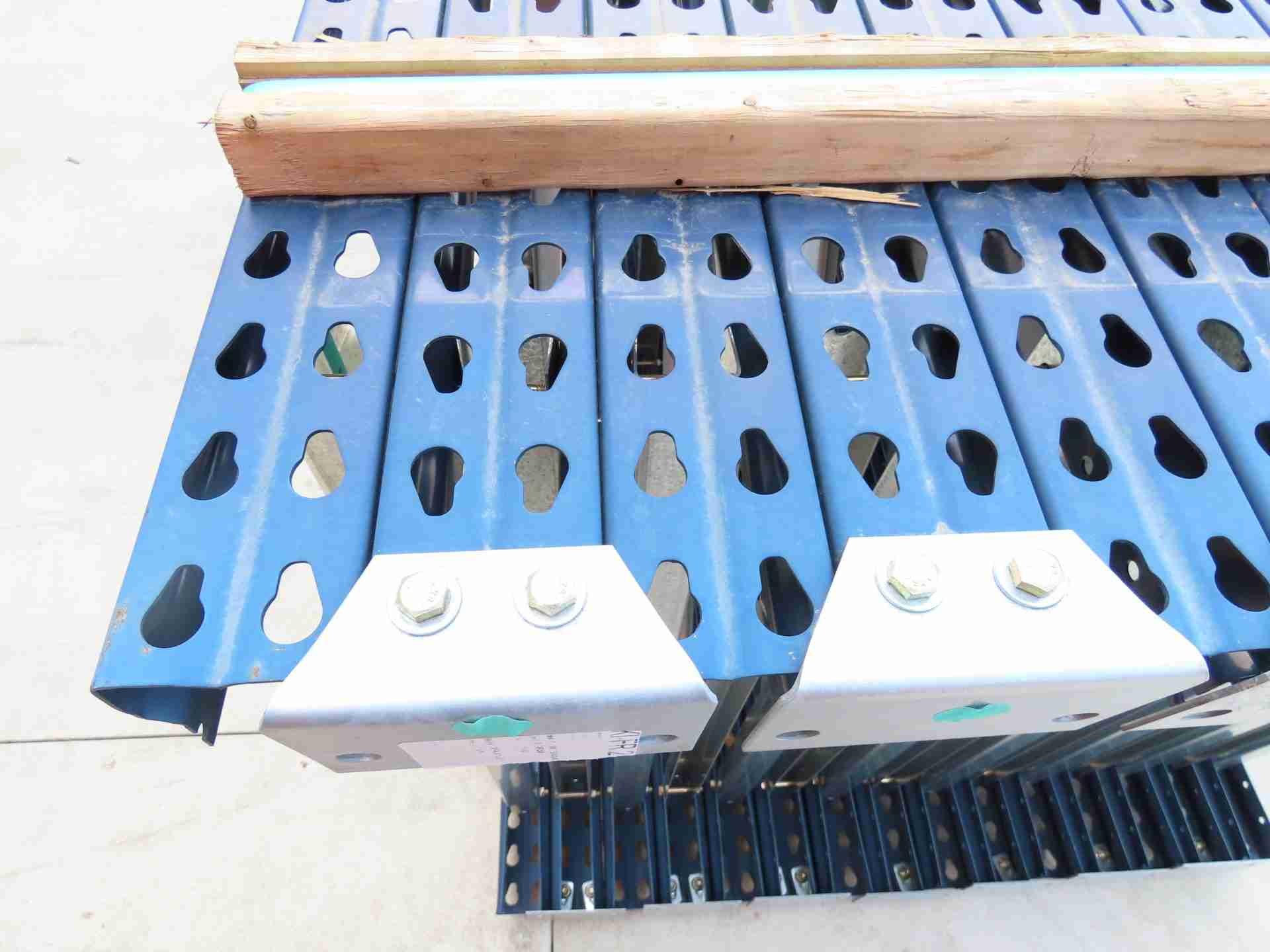
Other Resources
Glossary Terms
Is Your Storage Strategy Setting You Up for Failure? – Glossary Of Terms
1. Storage Strategy: A comprehensive plan to manage and utilize storage resources effectively, aligning with organizational goals.
2. Data Management: The practice of collecting, organizing, and maintaining data systems to ensure data integrity and availability.
3. Scalability: The ability of a storage solution to expand its capacity and performance to accommodate growth in data needs.
4. Redundancy: The duplication of critical components or data to increase reliability and ensure data recovery in case of failure.
5. Data Silos: Isolated pockets of data that are not easily accessible or shareable across different departments or systems.
6. Cloud Storage: Online storage solutions offered by third-party providers that allow users to store and access data over the internet.
7. On-Premises Storage: Physical storage systems located within an organization’s facilities, providing direct control over data.
8. Backup Strategy: A plan detailing how data will be duplicated and stored securely to prevent loss due to hardware failure or disasters.
9. Data Lifecycle Management: The process of managing data from its creation to its deletion, ensuring it is stored appropriately throughout its life.
10. Disaster Recovery: Strategies and processes for quickly restoring IT operations and data access after a catastrophic event.
11. Storage Utilization: The measurement of how efficiently storage resources are used, often expressed as a percentage of capacity used.
12. Tiered Storage: A strategy that categorizes storage into different classes based on performance, cost, and accessibility requirements.
13. Data Governance: The overall management of data availability, usability, integrity, and security within an organization.
14. Archiving: The process of moving infrequently accessed data to separate storage for long-term retention, often for compliance purposes.
15. Latency: The time delay in data transfer operations, which can impact system performance and retrieval speed.
16. Replication: The process of copying data from one location to another to ensure consistency and availability in the event of failure.
17. Storage Cost: The total financial expenditure associated with acquiring, maintaining, and upgrading storage solutions.
18. Capacity Planning: The process of predicting future data storage needs based on current usage trends and business growth projections.
19. File System: A method of organizing and storing files on a storage device, impacting how data is accessed and managed.
20. Data Compression: The process of encoding information to take up less storage space, which can improve efficiency but may affect performance.
21. Snapshot: A point-in-time copy of data, used for backup and recovery purposes that captures the system’s state.
22. Access Control: Security measures that determine who can access or modify data within a storage system, essential for data protection.
23. Storage Tier: Different levels of storage within a hierarchical architecture, optimized for various performance and cost requirements.
24. Performance Metrics: Measurements that assess how well a storage system is functioning, including speed, latency, and throughput.
25. Vendor Lock-In: The situation where a customer is dependent on a single vendor’s products or services, making it difficult to switch to alternatives.
26. Compliance: Adhering to legal and regulatory requirements related to data management and storage, crucial for certain industries.
27. Data Integrity: The accuracy and consistency of data over its lifecycle, protected through various validation processes.
28. Encryption: The method of converting data into a coded format to prevent unauthorized access, enhancing data security during storage.
29. Thin Provisioning: A storage allocation method that optimizes capacity by only using the necessary amount of space, reducing waste.
30. Migration: The process of moving data from one storage system to another, often necessary during upgrades or changes in strategy.
Glossary Of Terms
Other Questions
Is Your Storage Strategy Setting You Up for Failure? – Other Questions
If you wish to explore and discover more, consider looking for answers to these questions:
- What are the common signs that my storage strategy is ineffective?
- How do I determine if my pallet racking setup is optimal for my needs?
- What factors should I consider when assessing my storage costs?
- What are the advantages of using cloud-based solutions for data storage?
- How do I properly train my staff to utilize new storage systems effectively?
- What are the risks associated with poor data management practices?
- How often should I conduct audits of my storage and data management systems?
- What tools are available to help optimize my warehouse layout?
- How can I identify bottlenecks in my current storage process?
- What are the best practices for implementing a new storage strategy?
- How can I ensure scalability in my storage solutions for future growth?
- What role does technology play in improving storage efficiency?
- How can I balance the costs of storage with operational efficiency?
- What solutions exist for minimizing data redundancy in my organization?
- What steps can I take to improve data accessibility for my team?
- How can I align my storage solutions with upcoming market trends?
Other Questions
Checklist
Is Your Storage Strategy Setting You Up for Failure? – A Checklist
Checklist: Assessing Your Storage Strategy for Optimal Efficiency
1. Evaluate Your Current Storage Needs
_____ Have you performed an inventory audit to assess your current storage requirements?
_____ Are your pallet racking systems utilized to maximize vertical space?
_____ Have you identified any common bottlenecks or pain points in daily operations?
2. Align Storage Strategy with Business Goals
_____ Does your storage setup support your company’s long-term objectives?
_____ Are seasonal demand fluctuations anticipated and planned for in your racking system?
_____ Have you engaged with storage experts to customize solutions that align with your business vision?
3. Optimize Technology for Data Storage
_____ Are you currently using modern, efficient technology for data storage?
_____ Have you considered cloud-based solutions for better accessibility and security?
_____ Have you evaluated if your current data storage methods are meeting your needs?
4. Regularly Evaluate Storage Costs vs. Needs
_____ When was the last time you assessed your storage costs relative to operational requirements?
_____ Are you holding onto outdated equipment that increases costs unnecessarily?
_____ Have you adjusted your storage systems to match changes in your inventory levels?
5. Ensure Data Accessibility
_____ Is your data organization system structured for quick retrieval?
_____ Are regular audits of your digital data management in place to maintain order?
_____ Is your team empowered to access critical information when needed?
6. Address Issues of Data Redundancy or Loss
_____ Have you identified any instances of data redundancy in your current systems?
_____ Do you have a reliable backup system to protect against data loss?
_____ Are periodic checks in place to enhance data safety and minimize errors?
7. Engage Your Team
_____ Have you consulted with your team to understand their storage-related challenges?
_____ Are training sessions provided for efficient use of new systems or technologies?
_____ Does your team feel confident in accessing and using stored information?
8. Take Action
_____ Have you identified specific areas for improvement in your storage strategy?
_____ Are you ready to implement changes based on your assessment findings?
_____ Have you set a timeline for ongoing evaluations of your storage efficiency?
By following this checklist, you can take proactive steps to refine your storage strategy, ultimately enhancing your operational efficiency and positioning your business for growth.
Checklist
At RackingWorld, we help guide you through selecting warehouse storage systems and racking.
Be sure to read our other related stories at RackingWorld to learn more about warehouse storage systems.
0 Comments