
Streamline Your Warehouse For Improved Efficiency
By Tom Seest
At RackingWorld, we help guide you through selecting warehouse storage systems and racking.
Be sure to read our other related stories at RackingWorld to learn more about warehouse storage systems.
Is Your Cluttered Warehouse Costing You Time and Money?
Picture this: you walk into your warehouse, and chaos greets you like an unwelcome guest. Boxes piled haphazardly, pallets of inventory buried under a mountain of debris, and aisles that feel more like an obstacle course than a pathway. It’s frustrating, isn’t it? Now, take a minute to reflect on what this clutter is actually costing you. You might be surprised by the number.
Every minute spent searching for items, navigating around messes, or waiting for equipment to free up is a minute that could be spent serving customers, fulfilling orders, or optimizing your logistics. After all, time is not just money; it’s a commitment to your future success. And behind that disarray lies a more insidious cost: lost opportunities. When your warehouse resembles a maze instead of a streamlined operation, how can you expect to scale efficiently?
Let’s talk solutions. It’s time to invest in smart strategies like pallet racking. Utilizing pallet racking can reclaim valuable floor space and enhance visibility across your inventory. Imagine being able to locate any item at a glance, freeing your team to focus on what truly matters: customer satisfaction and business growth. A well-organized warehouse not only reduces time spent on inventory management but also minimizes the risk of damage, which can lead to further costs and headaches down the line.
But investing in pallet racking isn’t just about improving efficiency; it’s about building a foundation of trust with your clients. When orders are fulfilled on time, when items are readily available, and when your warehouse operates like a well-oiled machine, you create a ripple effect that strengthens relationships and solidifies your reputation.
Now, it’s time for action. Take a moment to walk through your warehouse. What do you see? Are you confident that your current setup is maximizing both space and productivity? If not, the time for change is now. Embrace the clarity that comes with an organized environment, and watch as your bottom line responds positively. Whether you’re a small business or a growing enterprise, your path to profitability begins with a clean, organized warehouse. Don’t let clutter hold you hostage any longer. Make the move to optimize, improve, and excel. Your future self will thank you.

Is Your Cluttered Warehouse Costing You Time and Money?
Is Your Cluttered Warehouse Costing You Time and Money?
- Warehouse chaos can hinder operations, leading to frustration and inefficiency.
- Time spent navigating clutter results in lost productivity and potential customer service issues.
- Disorganization can lead to missed opportunities and challenges in scaling the business.
- Investing in pallet racking can optimize floor space and improve inventory visibility.
- A well-organized warehouse minimizes damage risk, reducing future costs and complications.
- Efficient order fulfillment fosters trust and strengthens relationships with clients.
- Taking action to organize your warehouse is essential for enhancing productivity and profitability.

Is Your Cluttered Warehouse Costing You Time and Money?
Table Of Contents
- Is Your Cluttered Warehouse Costing You Time and Money?
- What Are The Hidden Costs Of A Cluttered Warehouse?
- How Does Clutter Impact Productivity In My Warehouse?
- What Are Effective Strategies To Declutter My Warehouse?
- How Can Inventory Management Software Help Reduce Clutter?
- How Do I Identify Underutilized Areas In My Warehouse?
- What Are The Best Practices For Warehouse Layout Optimization?
- Conclusion
- Other Resources
- Glossary Of Terms
- Other Questions
- Checklist
What Are The Hidden Costs Of A Cluttered Warehouse?
Imagine walking into your warehouse, only to feel overwhelmed by the chaos around you. Piles of unused inventory, disorganized pallet racking, and misplaced tools transform what should be an efficient workspace into a maze that hinders productivity. You might think, “It’s just clutter; it can’t be that bad”—but the truth is, the hidden costs of a cluttered warehouse are more than just a nuisance; they can erode your bottom line.
First, let’s talk about time. In a cluttered environment, employees spend precious minutes—sometimes hours—searching for items or materials. According to studies, workers can waste up to 30% of their time just locating tools or stock, time that could be better spent on value-adding tasks. When your pallet racking isn’t organized, you not only risk losing productivity but also create a workflow that feels more like an obstacle course than a streamlined process.
Then there’s safety—an often overlooked aspect of clutter. A disorganized warehouse increases the risk of accidents, which could lead to costly injuries or even potential lawsuits. When items are stacked haphazardly on pallet racking or other surfaces, they become fall hazards, putting your workforce at risk. Is it really worth saving a little time with less-than-organized racking when you could be jeopardizing the well-being of your employees?
And don’t forget about inventory management. A cluttered warehouse can lead to overstocking or understocking, creating significant issues in cash flow and customer satisfaction. The last thing you want is to miss a sale because you couldn’t find a product buried underneath a pile of outdated inventory, or worse, to lose a loyal customer because you don’t have the stock they need.
Investing in an organized, clear space doesn’t just save you headaches; it translates into real dollars saved in labor efficiency, reduced accidents, and maintained customer trust. So take a moment to look around your warehouse. Clutter could be costing you more than you realize. Whether it’s rethinking how you utilize your pallet racking or implementing a clear organization system, the path to a cleaner, more productive warehouse starts with you. Let’s take action—before the clutter takes action on your business!

What Are The Hidden Costs Of A Cluttered Warehouse?
What Are The Hidden Costs Of A Cluttered Warehouse?
- Cluttered warehouses hinder productivity, transforming efficient workspaces into chaotic environments.
- Employees can waste up to 30% of their time searching for misplaced items, impacting overall efficiency.
- Disorganized spaces increase the risk of accidents, leading to injuries and potential lawsuits.
- Clutter complicates inventory management, contributing to overstocking or understocking issues.
- Inaccessibility of products can result in missed sales and dissatisfied customers.
- Investing in organization can lead to savings in labor efficiency, reduced accidents, and maintained customer trust.
- Taking action to declutter your workspace is essential before it negatively impacts your business.
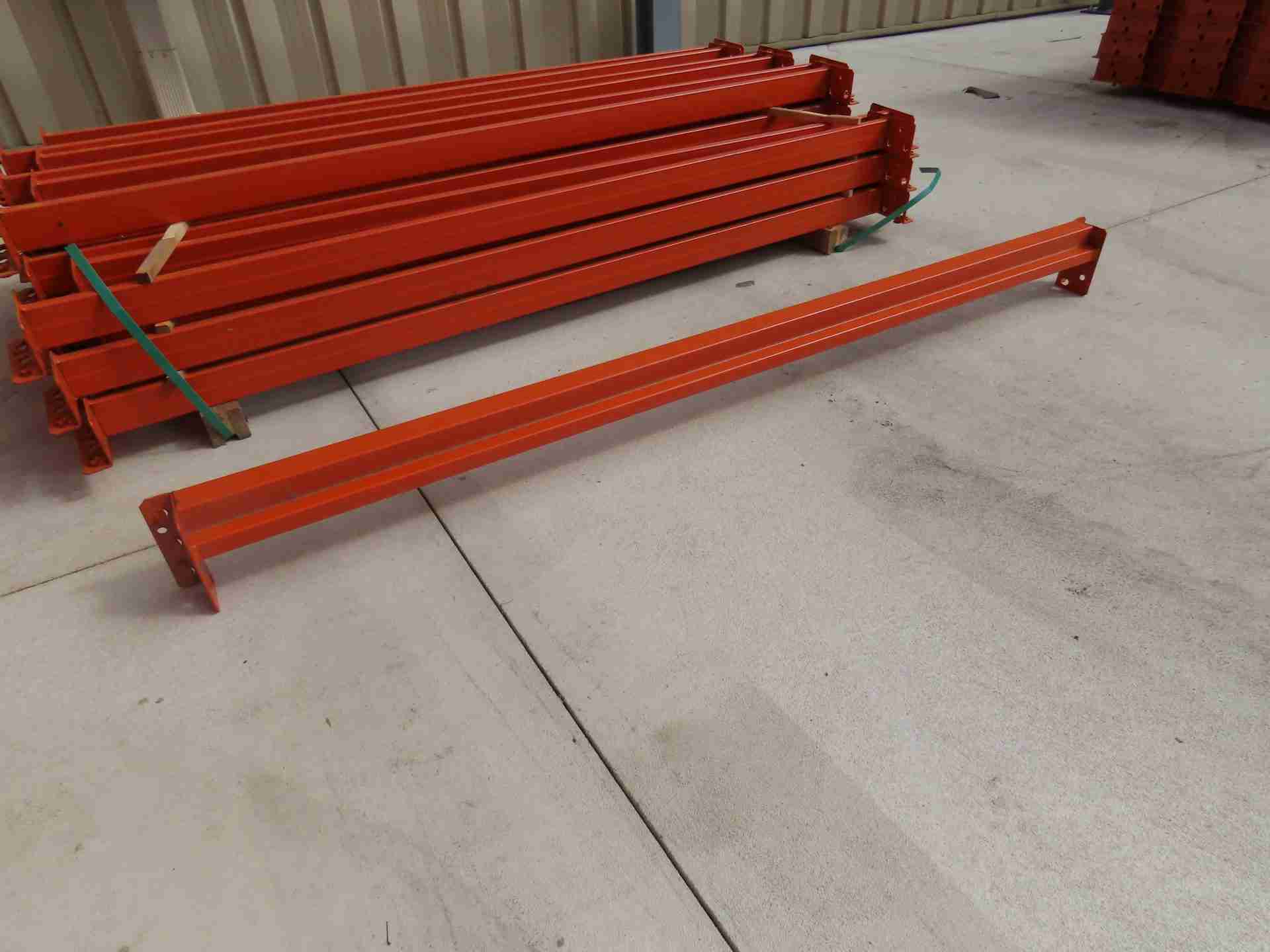
What Are The Hidden Costs Of A Cluttered Warehouse?
How Does Clutter Impact Productivity In My Warehouse?
Imagine walking into your warehouse and feeling an immediate sense of chaos. Pallet racking teeming with boxes, misplaced inventory items, and an overall sense of disarray can make even the most organized worker feel overwhelmed. This clutter isn’t just an eyesore; it’s a silent productivity killer. When your space is cluttered, employees waste valuable time searching for the items they need. They lose focus, become frustrated, and that precious momentum you worked so hard to build begins to evaporate.
But here’s the good news: this isn’t just about aesthetics. The impact of clutter can be measured in dollars and cents. A well-organized warehouse maximizes efficiency, reduces errors, and gets orders out the door faster. When the pallet racking is neatly arranged, each item is easy to locate, and employees can move swiftly from task to task without unnecessary interruptions. What could be more empowering than knowing that a few simple adjustments can lead to a significant boost in output?
Imagine transforming your warehouse from a chaotic storage space into a streamlined operation. Your team could reclaim hours each week, not to mention their sanity. By investing in effective organizational strategies and ensuring that each pallet racking system functions effectively, you’re not just clearing space; you’re clearing the path to success. Picture the sense of pride your employees would feel knowing they contribute to a seamless and efficient environment.
To turn this vision into reality, it’s essential to foster a culture of cleanliness and organization. Regular audits and training sessions instill habits that keep clutter at bay. Implementing software solutions can help track inventory and automate restocking, so items are always in their rightful place. These small steps add up to monumental shifts in productivity.
The time is now to take a hard look at the clutter in your warehouse. Can you afford to ignore the impact it has on productivity? Take action today—identify areas where improvement is needed and create a plan that invites efficiency back into your operation. A clutter-free environment not only elevates productivity; it inspires confidence, trust, and a sense of achievement—investing in your team and your bottom line. Act now, and watch as your warehouse transforms into a powerhouse of efficiency.

How Does Clutter Impact Productivity In My Warehouse?
How Does Clutter Impact Productivity In My Warehouse?
- Clutter in the warehouse creates chaos and hinders employee productivity.
- Disorganized spaces waste time, frustrate employees, and diminish focus.
- A well-organized warehouse enhances efficiency, reduces errors, and speeds up order processing.
- Improving organization can reclaim hours each week for employees and boost their morale.
- Fostering a culture of cleanliness and organization is essential for long-term success.
- Regular audits, training, and software solutions can help maintain an efficient warehouse.
- Taking immediate action to declutter can elevate productivity and inspire confidence in the team.

How Does Clutter Impact Productivity In My Warehouse?
What Are Effective Strategies To Declutter My Warehouse?
Imagine stepping into a warehouse that doesn’t just function but flows—a space where every inch is optimized, and every item is easy to locate. It may seem daunting to declutter, but the best part is you don’t have to tackle this mountain alone or all at once. With some strategic planning and a dash of motivation, you can transform your space from chaos to clarity.
Start by categorizing your inventory. Divide items into groups: what you use regularly and what sits untouched for months. This simple yet effective method can help you identify redundancies. Are you holding onto three types of pallet racking that only serve a fraction of your needs? Don’t be surprised if this inventory audit reveals excess that can be liquidated or donated. You’ll not only create more space but also clear your mind.
Next, think vertical. Utilizing pallet racking can be a game changer for maximizing storage. Instead of cluttering your floor with stacks of materials, aim upwards. This allows you to free up valuable workspaces and makes retrieval easier and safer. Investigate different types of pallet racking systems that can accommodate your specific warehouse needs. Whether you go for selective, drive-in, or push-back systems, they all offer unique benefits that can further streamline operations.
Now, let’s tackle the dreaded ‘someday I might use this’ pile. We all have it, don’t we? Identify items that genuinely serve no purpose. If they haven’t been touched in six months, consider letting them go. You’d be amazed at how liberating it feels to say goodbye to items that don’t align with your current goals or needs.
Next, implement regular maintenance cycles. Schedule bi-weekly or monthly decluttering sessions. This doesn’t have to be an arduous affair—make it a team activity! Rally your crew, play some upbeat music, and set a timer. Having a dedicated time to focus on decluttering can foster camaraderie while ensuring your warehouse maintains its functionality.
Finally, set clear goals and metrics. Whether it’s reducing clutter by a specific percentage or increasing floor space, having concrete objectives will not only keep you motivated but will provide a tangible sense of accomplishment each step of the way.
With these strategies, decluttering your warehouse becomes less of a chore and more of an exciting venture. So why wait? Dive in, harness the potential of your space, and watch your operations soar! Every square foot counts—make yours work for you!

What Are Effective Strategies To Declutter My Warehouse?
What Are Effective Strategies To Declutter My Warehouse?
- Optimize warehouse space for better flow and easy item location.
- Start by categorizing inventory into regularly used and rarely used items to identify redundancies.
- Consider liquidating or donating excess items uncovered during the inventory audit.
- Utilize vertical space with pallet racking systems to free up floor space and improve safety.
- Address the ‘someday I might use this’ pile by disposing of items not used in six months.
- Implement regular decluttering sessions as team activities to maintain warehouse functionality.
- Set clear goals and metrics to keep motivation high and track progress in decluttering.

What Are Effective Strategies To Declutter My Warehouse?
How Can Inventory Management Software Help Reduce Clutter?
Imagine walking into your warehouse and feeling an overwhelming sense of calm instead of chaos. The pallets are neatly stored on pallet racking that’s organized according to their rotation, making your daily operations smoother than ever. This transformation isn’t just a dream—it’s the power of effective inventory management software at work.
Picture this: you’re sifting through mountains of unorganized stock, desperately trying to locate a product package that’s buried beneath layers of disarray. The frustration is palpable, and time is evaporating as you dig through the clutter. With smart inventory management software, this scenario becomes a relic of the past. By implementing a robust system, you won’t just alleviate stress; you’ll reclaim precious time and space.
Here’s how it works: the software allows you to track items in real time. You can see when stock is running low and reorder efficiently, avoiding unnecessary excess or, worse yet, stockouts. If each item has a designated spot on your pallet racking, your staff can swiftly find what they need, streamlining your operations and improving overall productivity.
Moreover, data-driven insights provided by inventory management software help you identify which products are taking up space unnecessarily. With the software’s analytics capabilities, you can pinpoint slow-moving items and manage them better. By eliminating dead stock that clutters your pallet racking systems, you can free up valuable space for items that drive profit, leading to a more efficient workflow.
And it doesn’t stop there. A well-maintained inventory translates directly into enhanced customer satisfaction. When your stock is streamlined, orders are fulfilled faster, and you can deliver the products your customers actually want, not what collects dust in a corner. This reliable service fosters trust and sets your business apart in a competitive market.
Investing in solid inventory management software isn’t merely about tidying up—it’s about creating a culture of efficiency, responsiveness, and reliability. A clutter-free, organized space can shift the way your team operates, inspiring confidence and motivation among your staff. Embrace the change today, and watch how a little organization can lead to big results. Your path to a clutter-free, thriving business starts with a single click—let’s get started!

How Can Inventory Management Software Help Reduce Clutter?
How Can Inventory Management Software Help Reduce Clutter?
- Effective inventory management software transforms warehouse chaos into organized calm.
- Robust systems eliminate frustration and save time by streamlining product location.
- Real-time tracking helps manage stock levels, reducing excess and stockouts.
- Analytics identify slow-moving items, freeing space for more profitable stock.
- Streamlined inventory enhances customer satisfaction through faster order fulfillment.
- Investing in inventory management fosters a culture of efficiency and reliability.
- A clutter-free environment motivates staff and boosts overall operations.

How Can Inventory Management Software Help Reduce Clutter?
How Do I Identify Underutilized Areas In My Warehouse?
Understanding Underutilized Areas in Your Warehouse
Have you ever walked through your warehouse and felt that nagging sense that something isn’t quite right? Perhaps you notice aisles that are barely touched, or pallet racking systems that stand underutilized, holding just a fraction of their potential. You’re not alone, and it’s time we addressed this ubiquitous challenge faced by warehouse managers everywhere.
Identifying underutilized areas isn’t just about spotting empty spaces; it’s about unlocking the true potential of your business. Think of your warehouse as a symphony, where every section contributes to the harmony of efficiency. When you have areas that aren’t humming along, the whole performance suffers. First, take a step back and assess your current operations without that pesky bias of familiarity clouding your judgement. Use hard data—inventory turnover rates, picking times, and the frequency of access—to identify those lonely zones.
For instance, if certain pallet racking sections are packed with outdated stock, it’s time to rethink your inventory strategy. This isn’t a reflection of your capabilities; it’s an opportunity for growth. Can you reorganize so that high-turnover items are more accessible, while slower-moving products take a backseat? A straightforward reshuffling could turn a stagnant corner into a bustling hub of productivity.
Next, engage your team. Your workforce lives the ups and downs of operations daily, and their insights can be invaluable. Host a brainstorming session to gather their thoughts on where inefficiencies lie. You may uncover hidden treasures waiting to be maximized right under your nose. Remember, your employees are not just workers; they’re your allies in this quest for optimization.
Lastly, don’t shy away from technology. Implementing warehouse management systems can provide real-time visibility into how every inch of your space is utilized. Armed with this information, you can make informed decisions grounded in data rather than guesswork. Imagine being able to visualize those underutilized pallet racking units and transforming them into dynamic spaces that support your most pressing needs.
So, take action today. Identify those underutilized areas and embrace the change that follows. By doing so, you’ll not only enhance productivity but also instill a culture of continual improvement that echoes throughout your entire operation. Trust in the power of transformation; your warehouse—and your bottom line—will thank you for it.

How Do I Identify Underutilized Areas In My Warehouse?
How Do I Identify Underutilized Areas In My Warehouse?
- Warehouse managers often experience the challenge of underutilized spaces within their facilities.
- Identifying these areas goes beyond mere observation and requires analyzing hard data like inventory turnover rates and access frequency.
- Revising inventory strategy can optimize space by making high-turnover items more accessible while deprioritizing slower-moving stock.
- Employee engagement is crucial; gathering insights from your team can reveal hidden efficiencies and opportunities for optimization.
- Implementing warehouse management systems can provide real-time visibility of space utilization and inform strategic decisions.
- Taking action to address underutilized areas can enhance productivity and cultivate a culture of continuous improvement.
- The transformation of your warehouse has the potential to positively impact both operational efficiency and the bottom line.

How Do I Identify Underutilized Areas In My Warehouse?
What Are The Best Practices For Warehouse Layout Optimization?
When it comes to optimizing your warehouse layout, think of it as designing the heartbeat of your business—it’s where efficiency meets productivity, and ultimately, where profits are made. Just as a well-orchestrated symphony brings together various instruments to produce beautiful music, a well-optimized warehouse blends every aspect of logistics into a seamless flow.
First off, let’s talk about pallet racking. This is the backbone of an effective warehouse design. The configuration of your pallet racks can significantly influence the speed of operations and the ease of inventory management. Choose the right type of pallet racking that aligns with your specific needs—whether that’s high-density solutions for smaller items or selective racking that gives you instant access to pallets. Whatever you pick, make sure to analyze the load weights and sizes to ensure they are safely and efficiently supported.
Next, consider the layout. Optimizing aisle width for warehouse traffic patterns can be a game changer. Too narrow, and your team will be slowed down by congestion; too wide, and you’re wasting precious space. A balanced approach can make your warehouse feel larger while enhancing flow—think of creating clear pathways for picking routes that minimize backtracking and save valuable time.
Another best practice is to adopt a zone-based strategy. This means grouping similar items together for faster picking and restocking. It’s like organizing your closet; when everything has its place, nothing is lost in the chaos. Implementing just-in-time stock methods can also alleviate clutter and maximize your use of storage space.
Don’t underestimate the power of technology either. Warehouse management systems (WMS) can play a pivotal role in providing real-time data, improving inventory accuracy, and ultimately driving efficiency. Optimization is not a one-time project and instead requires ongoing assessment. Analyzing performance metrics regularly can help you refine your layout endlessly—a commitment to excellence that pays off over time.
Lastly, involve your team in the process. They know the warehouse operations inside and out, and their insights could illuminate blind spots you might miss. An open line of communication fosters a collaborative culture, ensuring that everyone is on board and driven towards the same goal of maximizing efficiency.
Your warehouse is the backbone of your business; optimizing its layout with these best practices can lead to improved operations, reduced costs, and increased customer satisfaction. Now is the time to take action and enhance your warehouse layout for greater results!

What Are The Best Practices For Warehouse Layout Optimization?
What Are The Best Practices For Warehouse Layout Optimization?
- Optimizing warehouse layout is crucial for enhancing efficiency and productivity, leading to increased profits.
- Pallet racking is the backbone of effective warehouse design and should be chosen based on specific needs and load requirements.
- Optimizing aisle widths can balance traffic flow, preventing congestion while maximizing space efficiency.
- A zone-based strategy groups similar items together, making picking and restocking faster and more organized.
- Utilizing warehouse management systems (WMS) can improve real-time data access and inventory accuracy.
- Regular performance metric analysis is essential for continuous layout refinement and optimization efforts.
- Involving team members in the optimization process fosters collaboration and leverages their operational insights.

What Are The Best Practices For Warehouse Layout Optimization?
Conclusion
Conclusion: Transform Your Warehouse Into an Efficiency Powerhouse
As the curtain falls on our discussion of the cluttered warehouse conundrum, let’s reflect on the overarching theme: the essential need for a streamlined, efficient environment—not just for the sake of order, but for tangible impacts on your bottom line. A cluttered, chaotic warehouse is more than just an eyesore; it’s a silent enemy depleting productivity, safety, and profitability. The hidden costs—time lost in searching for inventory, increased accident risks, and missed business opportunities—can erode your business’s heart and soul.
But don’t despair! There’s a powerful solution at your fingertips: optimized pallet racking systems paired with smart inventory management practices. Visualize walking into a well-organized space where every item is easily accessible, reducing downtime significantly and escalating momentum. That vision can become your reality through strategic decluttering initiatives, embracing technology, and promoting a culture of organization.
Work with your team to identify underutilized areas, implement best practices for layout optimization, and continually refine your processes. The benefits of taking these actionable steps don’t just manifest in the quantity of space reclaimed; they echo throughout your operations, enhancing customer satisfaction, building trust, and solidifying your reputation in the market.
Now is the moment to act. Don’t let clutter hold you hostage any longer; resolve today to reclaim your warehouse’s potential. At Arrow Industrial Sales, we’re here to support your journey towards operational excellence. Reach out to us at (574) 349-6575 to explore how our cutting-edge pallet racking solutions can transform your cluttered space into a beacon of efficiency.
Remember, your warehouse’s transformation doesn’t need to happen overnight; incremental changes can yield monumental results. As you embark on this journey, consider it less a chore and more an opportunity—an investment in your facility’s future that promises to pay dividends. Dare to optimize, innovate, and excel. Your business—and your future self—will indeed thank you!

Conclusion
Conclusion:
- Transforming warehouses leads to increased efficiency and positively impacts profitability.
- A cluttered warehouse reduces productivity, safety, and business opportunities.
- Implementing optimized pallet racking systems and smart inventory management is key.
- Strategic decluttering initiatives and embracing technology can enhance organization.
- Engage your team to identify underutilized areas and optimize warehouse layout.
- Taking actionable steps improves space utilization, customer satisfaction, and market reputation.
- Incremental changes in organization can lead to significant long-term benefits.

Conclusion
Other Resources

Other Resources
Here is a list of other resources you can review online to learn more:
- Illinois
- Cantilever Racking Specialists – Get the Right Racks
- Cantilever Rack Guide: Ordering Cantilever Racking
- Storage Equipment Manufacturers’ Association
- CMMA
- American Surplus
- Warehouse Racking Chicago, IL
- ASSP
- BMH Equipment LLC
- International Warehouse Logistics Association
Use This Prompt To Get More Resources With Your Favorite Online AI Tool: Please provide me with a list of online articles with their URLs in a bulleted list that I can read regarding Is Your Cluttered Warehouse Costing You Time and Money?

Other Resources
Glossary Terms
Is Your Cluttered Warehouse Costing You Time and Money? – Glossary Of Terms
1. Clutter: A disorganized accumulation of items that disrupts workflow and efficiency.
2. Inventory: The quantity of goods and materials a warehouse holds for sale or distribution.
3. Efficiency: The ability to accomplish more with less time, effort, or waste, often improved by organized systems.
4. SKU (Stock Keeping Unit): A unique identifier for each distinct product and service that can be purchased.
5. FIFO (First In, First Out): An inventory management technique where the oldest stock is sold first to reduce spoilage.
6. LIFO (Last In, First Out): An inventory method where the most recently acquired goods are sold or used first.
7. Warehouse Management System (WMS): Software designed to support and optimize warehouse functionality and distribution center management.
8. Cycle Counting: An inventory auditing procedure, where a small subset of inventory is counted on a specific day.
9. Lead Time: The total time taken from the initiation of a process to its completion; critical for inventory replenishment.
10. Picking Process: The workflow of selecting items from inventory to fulfill customer orders.
11. Storage Solutions: Systems and equipment—like shelves and racks—that maximize space and organization in a warehouse.
12. Space Utilization: The effective use of available space in a warehouse, indicating how much of it is occupied versus empty.
13. Order Fulfillment: The complete process of receiving, processing, and delivering orders to customers.
14. Overstock: Inventory that exceeds the optimal level, leading to increased holding costs and potential waste.
15. Understock: A condition where inventory levels are too low, risking stockouts and lost sales.
16. Kanban: A visual scheduling system that helps manage work by balancing demand with production capacity.
17. Barcoding: A method of data representation using barcodes to facilitate tracking and inventory management.
18. Dock Management: Coordinating the movement and storage of goods during the loading and unloading processes.
19. Cross-Docking: A logistics practice where incoming shipments are directly transferred to outgoing trucks, reducing storage time.
20. Value Stream Mapping: A visual tool to analyze and improve the flow of materials and information in a warehouse.
21. Lean Inventory: An approach that seeks to minimize waste within an inventory system while maximizing productivity.
22. Waste Reduction: Strategies aimed at reducing inefficiencies and unnecessary expenses in warehouse operations.
23. Supply Chain Optimization: The process of improving the efficiency and effectiveness of the supply chain, including warehouse operations.
24. Asset Management: The systematic approach to managing and maximizing the value of a company’s assets, including inventory.
25. Workplace Safety: Practices and precautions taken to ensure a safe working environment within the warehouse.
26. Material Handling Equipment (MHE): Tools and machines used for the movement, protection, and storage of goods within a warehouse.
27. Density: The amount of product stored in a given warehouse space, crucial for maximizing storage efficiency.
28. Operational Costs: The expenses associated with running a warehouse, which can be impacted by clutter and inefficiency.
29. Return on Investment (ROI): A measure used to evaluate the profitability of an investment relative to its costs, applicable to warehouse improvements.
30. Workflow Optimization: The process of improving the efficiency and effectiveness of a sequence of connected tasks in warehouse operations.

Glossary Of Terms
Other Questions
Is Your Cluttered Warehouse Costing You Time and Money? – Other Questions
If you wish to explore and discover more, consider looking for answers to these questions:
- What specific costs can arise from a cluttered warehouse?
- How can I effectively measure the impact of clutter on my warehouse efficiency?
- What tools can assist in decluttering a warehouse?
- How can I train my employees to maintain an organized warehouse?
- What are the most common mistakes made during warehouse decluttering?
- Can you provide examples of successful warehouse optimization cases?
- What additional storage solutions can complement pallet racking?
- How can I involve my team in improving warehouse organization?
- What metrics should I track to assess warehouse performance post-optimization?
- Are there recommended software solutions for warehouse organization?
- How often should I revisit my warehouse layout for optimization?
- What safety protocols should be implemented during decluttering?
- How can I handle outdated inventory effectively?
- What are the benefits of consulting with a warehouse management expert?
- How do I balance between storage space and easy access to inventory?

Other Questions
Checklist
Is Your Cluttered Warehouse Costing You Time and Money? – A Checklist
Checklist: Streamline Your Warehouse for Improved Efficiency
Is Your Warehouse Cluttered? Assess your Space:
_____ Walk through the warehouse and note areas of clutter.
_____ Identify high-traffic areas vs. seldom-used spaces.
_____ Assess the configuration of pallet racking systems.
Evaluate the Hidden Costs of Clutter:
_____ Calculate the time spent by employees searching for items.
_____ Assess potential safety hazards due to disorganized items.
_____ Review inventory management issues related to overstocking or understocking.
Implement Effective Decluttering Strategies:
_____ Categorize inventory: Identify frequently used vs. rarely used items.
_____ Utilize vertical space effectively by optimizing pallet racking.
_____ Set aside regular maintenance cycles (e. g. , bi-weekly decluttering sessions).
Enhance Inventory Management:
_____ Consider implementing inventory management software.
_____ Set up a real-time tracking system for stock levels.
_____ Analyze stock data to identify slow-moving items.
Identify Underutilized Areas:
_____ Review inventory turnover rates and access frequency.
_____ Engage with employees for feedback on layout and efficiency.
_____ Use technology tools (like warehouse management systems) for data analytics.
Optimize Warehouse Layout:
_____ Analyze and adjust aisle widths for optimal traffic flow.
_____ Consider a zone-based organization for grouping similar items.
_____ Regularly assess performance metrics for continuous improvement.
Involve Your Team:
_____ Host brainstorming sessions to gather input on efficiency improvements.
_____ Foster a culture of cleanliness and organization among staff.
_____ Encourage team participation in regular warehouse audits.
Establish Clear Goals:
_____ Set specific metrics for reducing clutter and improving layout.
_____ Track progress towards decluttering and organization goals.
_____ Celebrate milestones with the team to maintain motivation.
Take Action:
_____ Create a scheduled action plan for immediate changes.
_____ Document changes and improvements made.
_____ Revisit the checklist regularly to ensure continuous efficiency.
Make this checklist a part of your routine to help guide your efforts towards optimizing your warehouse and improving overall productivity!

Checklist
At RackingWorld, we help guide you through selecting warehouse storage systems and racking.
Be sure to read our other related stories at RackingWorld to learn more about warehouse storage systems.
0 Comments