
Mastering Racking System Management: Training Tips
By Tom Seest
At RackingWorld, we help guide you through selecting warehouse storage systems and racking.
Be sure to read our other related stories at RackingWorld to learn more about warehouse storage systems.
How Can You Train Workers for Better Racking Systems Management?
When it comes to optimizing your warehouse efficiency, the importance of training your workers in effective racking systems management cannot be overstated. Without the right skills, even the most sophisticated pallet racking configurations can lead to chaos, inefficiency, and costly mistakes. But how can you create a training program that not only teaches your employees the nuts and bolts of pallet racking but also engages them and inspires them to take ownership of this critical component of your operation?
First, tap into the power of storytelling. Narrate real-world scenarios where proper racking systems management made a difference: a shipment delivered on time, the avoidance of costly accidents, or the satisfaction of a happy customer. By illustrating the impact of their roles in these stories, your workers will understand that their actions directly correlate with the company’s success.
Next, incorporate hands-on training to reinforce lessons. Knowledge is more readily absorbed when individuals are actively participating. Set up training simulations that allow workers to interact with the pallet racking firsthand. They can practice loading and unloading pallets, identifying common errors, and discussing best practices in small groups. This not only strengthens their skills but also fosters camaraderie and team spirit.
Additionally, make it clear that ongoing education is a priority. In a world where warehouse management technologies and practices are continually evolving, your training program should, too. Regular refresher courses and updates on the latest trends in pallet racking system innovations will keep your workforce engaged and informed. Employees will appreciate the investment you’re making in their professional growth, and it will instill a sense of loyalty and commitment to the organization.
Don’t forget to integrate accountability into your training. Clearly communicate performance expectations, and establish metrics that measure success. When workers know what they are aiming for and can track their progress, they are more likely to take pride in their work. Offer rewards or recognition for accomplishments related to pallet racking management to incentivize continuous improvement.
Finally, communicate openly with your team. Listen to their feedback on training programs and operational challenges. When workers feel their voices matter, they will be more motivated to embrace best practices in pallet racking systems management. By building a culture of trust and collaboration, you empower your team to become champions of efficiency in your warehouse.
In summation, effective training in pallet racking systems management is not just a checklist; it’s an opportunity. Seize it. Transform your workforce into a cohesive unit that values efficiency, safety, and excellence. You’ll reap the rewards in productivity and morale.
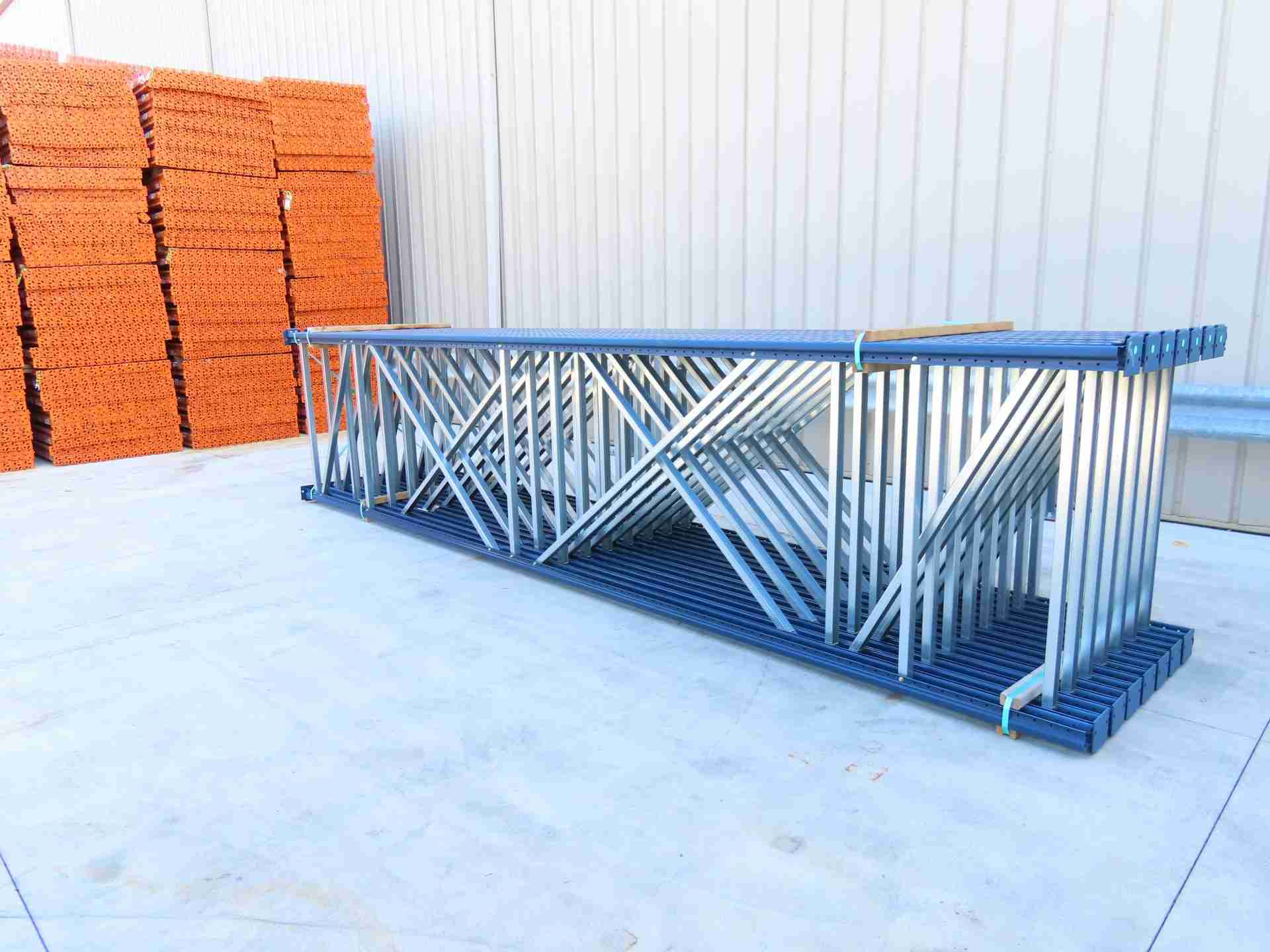
How Can You Train Workers for Better Racking Systems Management?
How Can You Train Workers for Better Racking Systems Management?
- Training workers in racking systems management is crucial for warehouse efficiency.
- Use storytelling to illustrate the importance of proper racking management and its impact on company success.
- Incorporate hands-on training simulations to enhance skill retention and foster teamwork.
- Prioritize ongoing education with regular refresher courses to keep up with evolving technologies and practices.
- Integrate accountability by setting clear performance expectations and metrics for success.
- Encourage open communication to gather feedback and foster a motivated and engaged workforce.
- View training as an opportunity to transform the workforce into a cohesive unit focused on efficiency and excellence.

How Can You Train Workers for Better Racking Systems Management?
Table Of Contents
- How Can You Train Workers for Better Racking Systems Management?
- What Are The Key Skills Needed For Racking Systems Management?
- How Can Training Improve Safety In Warehouse Operations?
- What Role Does Hands-On Experience Play In Training Workers?
- How Can Technology Enhance Racking Systems Training Programs?
- What Are The Best Practices For Teaching Racking System Layouts?
- How Can Mentorship Support Effective Racking Systems Training?
- Conclusion
- Other Resources
- Glossary Of Terms
- Other Questions
- Checklist
What Are The Key Skills Needed For Racking Systems Management?
When it comes to mastering the art of Pallet Racking management, it’s essential to cultivate a toolkit of skills that drives efficiency, safety, and profitability. After all, your racking system is the backbone of your warehouse operations, and the effectiveness of its management can make or break your logistics strategy. So, what should you focus on to ensure your racking systems soar?
1. Analytical Thinking: The cornerstone of exceptional racking systems management lies in analytical thinking. You need to scrutinize space utilization, flow of goods, and storage solutions while continuously seeking improvements. Mastering this skill means you can identify bottlenecks and implement changes that maximize your warehouse’s potential. Your ability to interpret data related to Pallet Racking setups can streamline operations dramatically.
2. Attention to Detail: In a world where even the smallest oversight can lead to costly mistakes, having a keen eye for detail is paramount. From assessing the stability of your racks to ensuring that every pallet is stored correctly, your vigilance will pay dividends. This not just enhances safety but fosters a culture of responsibility within your teams.
3. Project Management: Are you ready to take on the responsibility of optimizing your racking systems? Project management skills are indispensable here. Whether it’s overseeing the installation of new Pallet Racking or reconfiguring existing systems, your ability to manage timelines, resources, and teams will determine the success of your projects. With a defined method and communication strategy, you’ll find it easier to bring everyone on board.
4. Safety Compliance Knowledge: Safety should be woven into the fabric of your racking systems management. You need to be well-versed in the regulations that govern warehouse racking systems, ensuring that every compliance aspect is meticulously followed. This knowledge not only protects your workforce but also boosts the credibility of your operations.
5. Strong Communication Skills: Working with diverse teams—from floor staff to upper management—demands strong communication skills. You need to convey your vision for optimal racking systems and ensure everyone understands the part they play. Build relationships based on trust and clarity, and watch as your racking systems flourish.
In essence, mastering Pallet Racking management is all about nurturing these essential skills. Engaging, educating, and empowering your team and processes means more than just navigating the warehouse; it’s about steering toward success. Cultivate these skills, and watch your operations thrive.
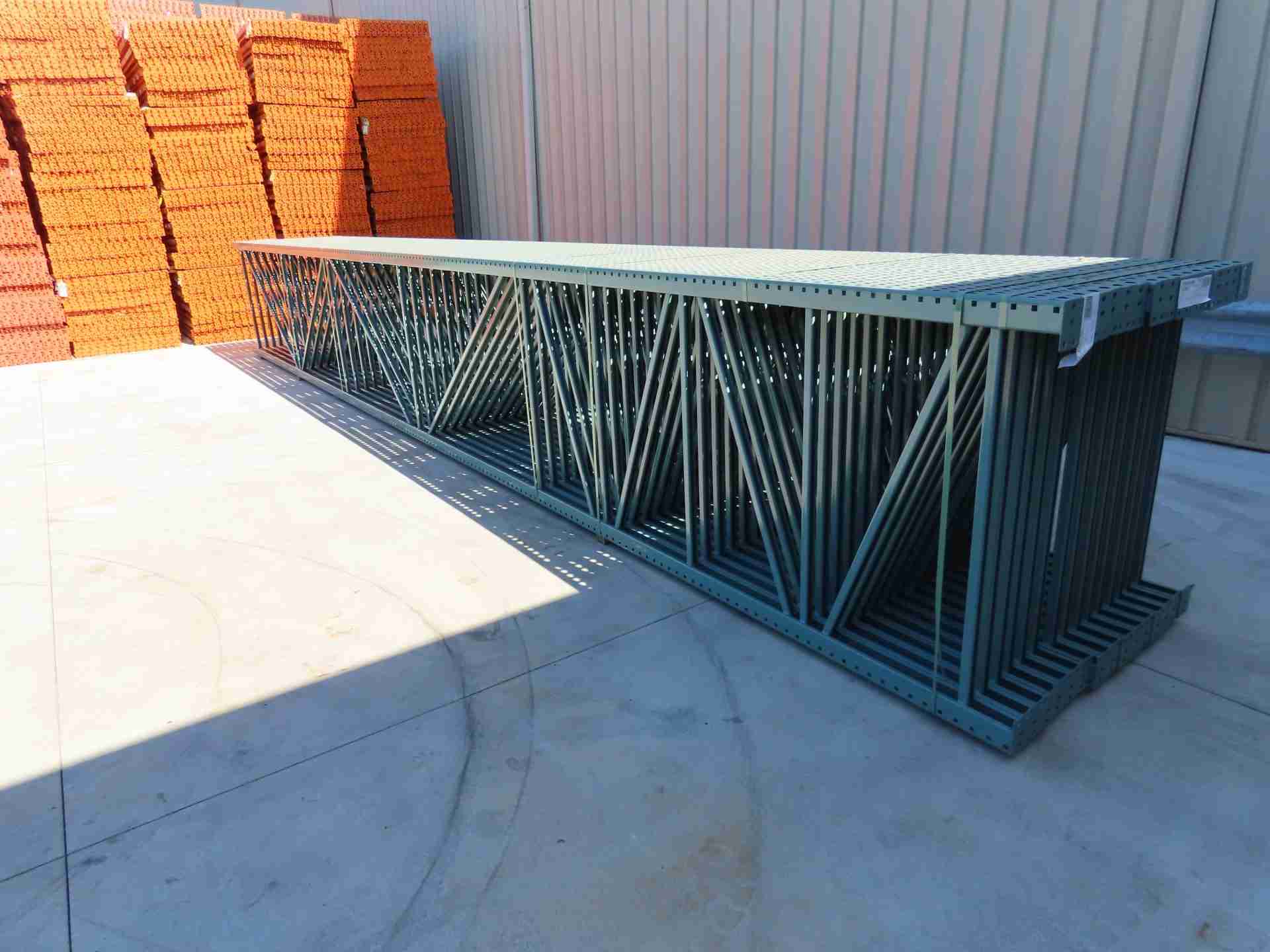
What Are The Key Skills Needed For Racking Systems Management?
What Are The Key Skills Needed For Racking Systems Management?
- Analytical Thinking: Crucial for scrutinizing space utilization, goods flow, and storage solutions to identify bottlenecks and improve operations.
- Attention to Detail: Essential for safety and accuracy in managing racks and pallet storage, promoting a culture of responsibility.
- Project Management: Important for overseeing installations and reconfigurations, managing timelines, resources, and team coordination.
- Safety Compliance Knowledge: Necessary to understand and follow regulations governing warehouse racking systems for workforce protection and credibility.
- Strong Communication Skills: Vital for effectively conveying racking system visions and fostering trust among diverse teams.
- Team Engagement: Mastering racking management involves engaging and empowering teams to navigate and enhance warehouse operations.
- Overall Success: Cultivating these skills leads to improved warehouse efficiency, safety, and profitability.

What Are The Key Skills Needed For Racking Systems Management?
How Can Training Improve Safety In Warehouse Operations?
Imagine stepping into a bustling warehouse, the air thick with the hum of machinery and the rhythmic sounds of pallets being moved. It’s a busy environment where mistakes can be costly—both in terms of profit and the well-being of your team.
Now, picture a different scene: the same warehouse, but with an air of confidence and safety. Employees glide through their tasks, expertly navigating the intricacies of pallet racking with the precision and poise that only specialized training can provide. This isn’t just a dream; it’s the reality that effective training can bring to your operations.
Training is more than a box to tick on your compliance list; it’s an investment in your most valuable asset—your people. When you prioritize comprehensive training programs, you open up a world of opportunity where your workforce develops a profound understanding of safety protocols, equipment operation, and hazard recognition. This understanding translates directly to lower accident rates and higher morale.
Have you ever considered how critical proper equipment handling is in a warehouse rich with complexity? For example, the use of pallet racking requires not just physical strength but also finesse and awareness. Trained employees are proficient in safely loading and unloading pallets, ensuring that loads are balanced and secured, reducing the risk of dangerous collapses. They learn to identify potential hazards, maintaining a safe working environment that protects both themselves and their colleagues.
Think about the potential costs of neglecting safety training. Injuries can lead to worker compensation claims, increased insurance premiums, and even liability lawsuits. By investing in training, you create a safety-first culture that not only prevents incidents but also boosts productivity. A well-trained team reduces downtime—meaning more profits for your business.
But it isn’t just about financial gain. When employees feel safe and competent, they are more engaged and enthusiastic about their work. When they know they have the support and training to excel, it fosters a sense of belonging and loyalty to the company. This culture of safety leads to lower turnover rates, and a more experienced workforce ultimately means better service for your customers.
Prioritize your training initiatives, and you’ll create a transportation and warehousing powerhouse where safety is not just a strategy—it’s the very heartbeat of your operations. Embrace the transformative power of training today, and watch your warehouse thrive with safety, confidence, and success.
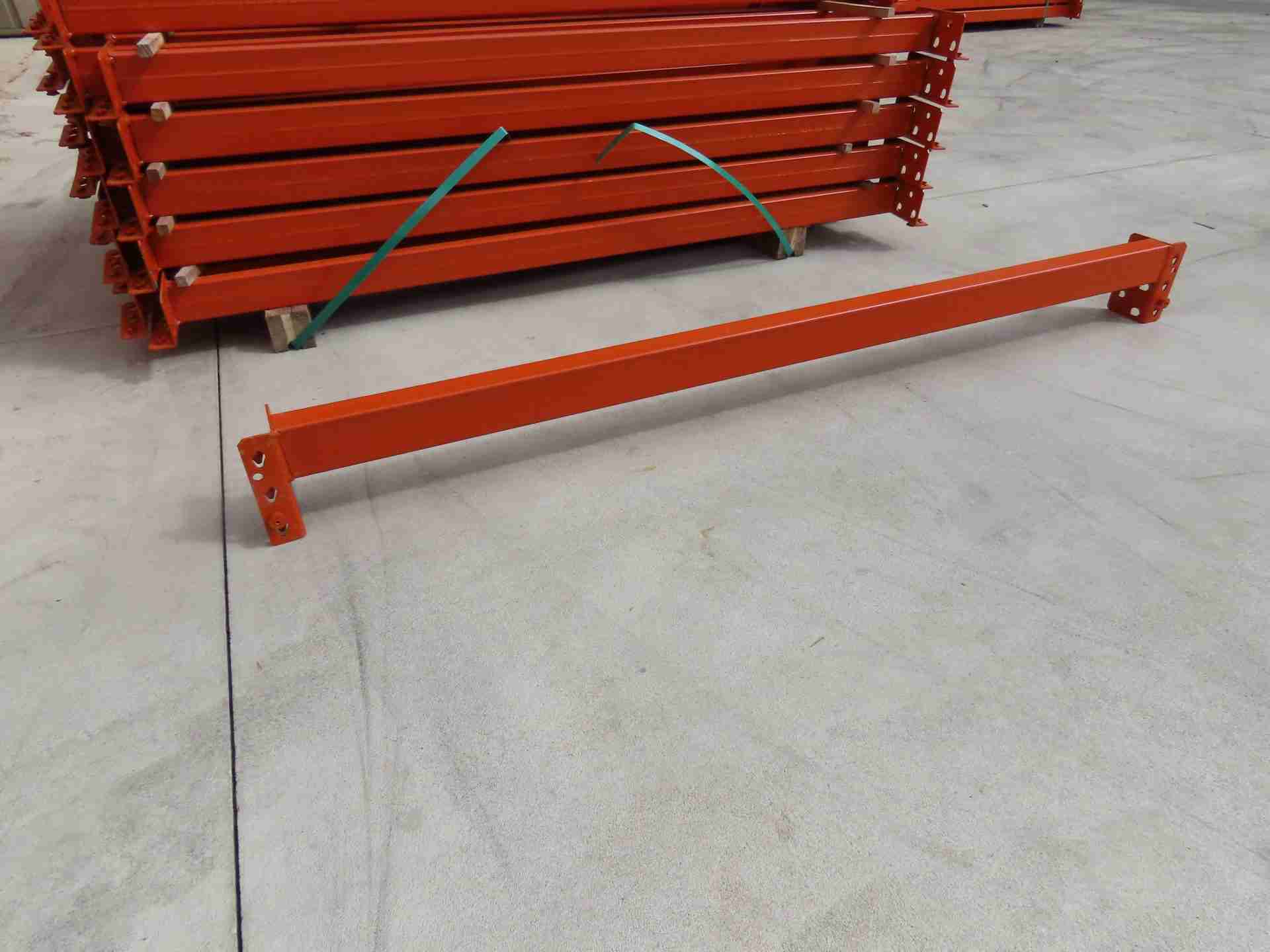
How Can Training Improve Safety In Warehouse Operations?
How Can Training Improve Safety In Warehouse Operations?
- Bustling warehouse environments can lead to costly mistakes impacting profit and employee well-being.
- Effective training transforms operations, enabling employees to navigate pallet racking with confidence and safety.
- Comprehensive training programs foster a deep understanding of safety protocols, equipment operation, and hazard recognition.
- Proper equipment handling and safety training significantly reduce the risk of accidents and injuries.
- Neglecting safety training can result in costly worker compensation claims and increased insurance premiums.
- A culture of safety boosts employee engagement, loyalty, and reduces turnover rates, enhancing service quality.
- Prioritizing training initiatives creates a safety-first environment that contributes to overall business success.
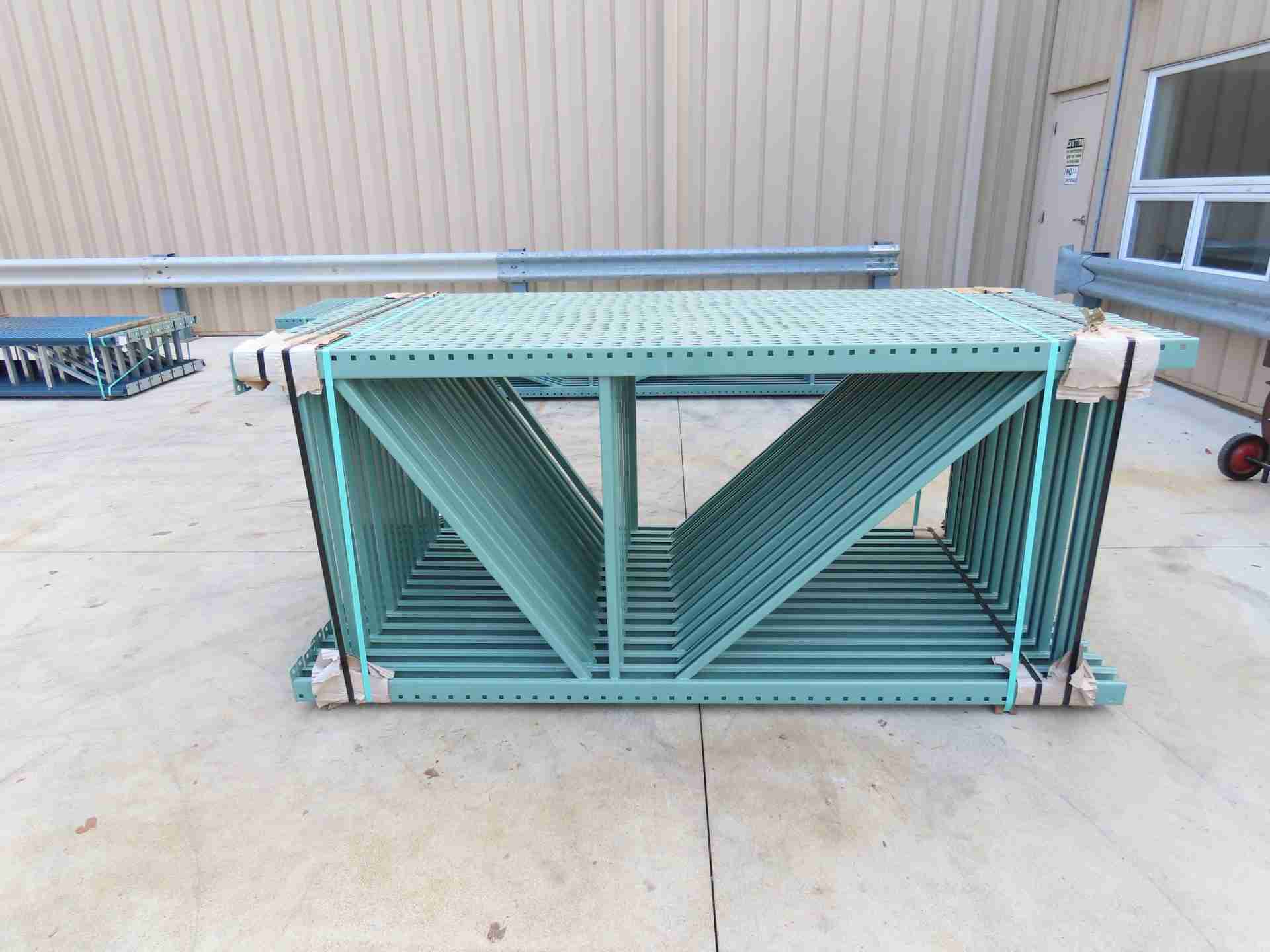
How Can Training Improve Safety In Warehouse Operations?
What Role Does Hands-On Experience Play In Training Workers?
In today’s fast-paced industrial world, merely having theoretical knowledge isn’t enough. Workers must dive into the trenches and get their hands dirty to feel truly confident and capable in their roles. When it comes to training, hands-on experience stands as a cornerstone, especially in environments where products like pallet racking are involved.
Imagine taking a new worker, fresh out of training. You can discuss pallet racking concepts for hours—safety protocols, weight limits, and even the latest in pallet design—but nothing compares to the first time they actually maneuver one of those heavy-duty racks. There’s a distinct transformation that occurs when they’re in the midst of configuring the racking system. This echoes the age-old adage: “Tell me, and I forget; show me, and I remember; involve me, and I understand.”
When workers engage directly with tools and equipment, they gain invaluable insights that reinforce their learning. They develop muscle memory and problem-solving skills that textbooks simply can’t provide. Through interaction and practice, they experience the nuances of handling pallet racking systems—how to optimize space, ensure safety, and maintain functionality—all vital to the business’s success and efficiency.
Furthermore, hands-on training fosters a culture of safety and responsibility. Employees who understand the mechanics and operations are far less likely to overlook critical safety considerations. When they can see the impact of their actions in real-time, it instills a sense of ownership and accountability. Workers begin to recognize that their day-to-day actions directly influence not just their own safety, but that of their colleagues and the entire operation.
Moreover, hands-on experience encourages camaraderie. When team members work together to tackle the challenge of pallet racking installation or organization, they bond over those shared experiences. This collaboration fosters trust and a unified approach to problem-solving, which can lead to enhanced productivity.
If you want your workforce to excel, investing in practical training sessions isn’t just a recommendation; it’s a necessity. Encourage experiential learning as a priority in your training programs. After all, when employees are confident and capable, your organization thrives. Isn’t that the goal we all strive for? Invest in hands-on experience, and watch as your workforce transforms into a well-oiled machine ready to tackle any challenge that comes their way.
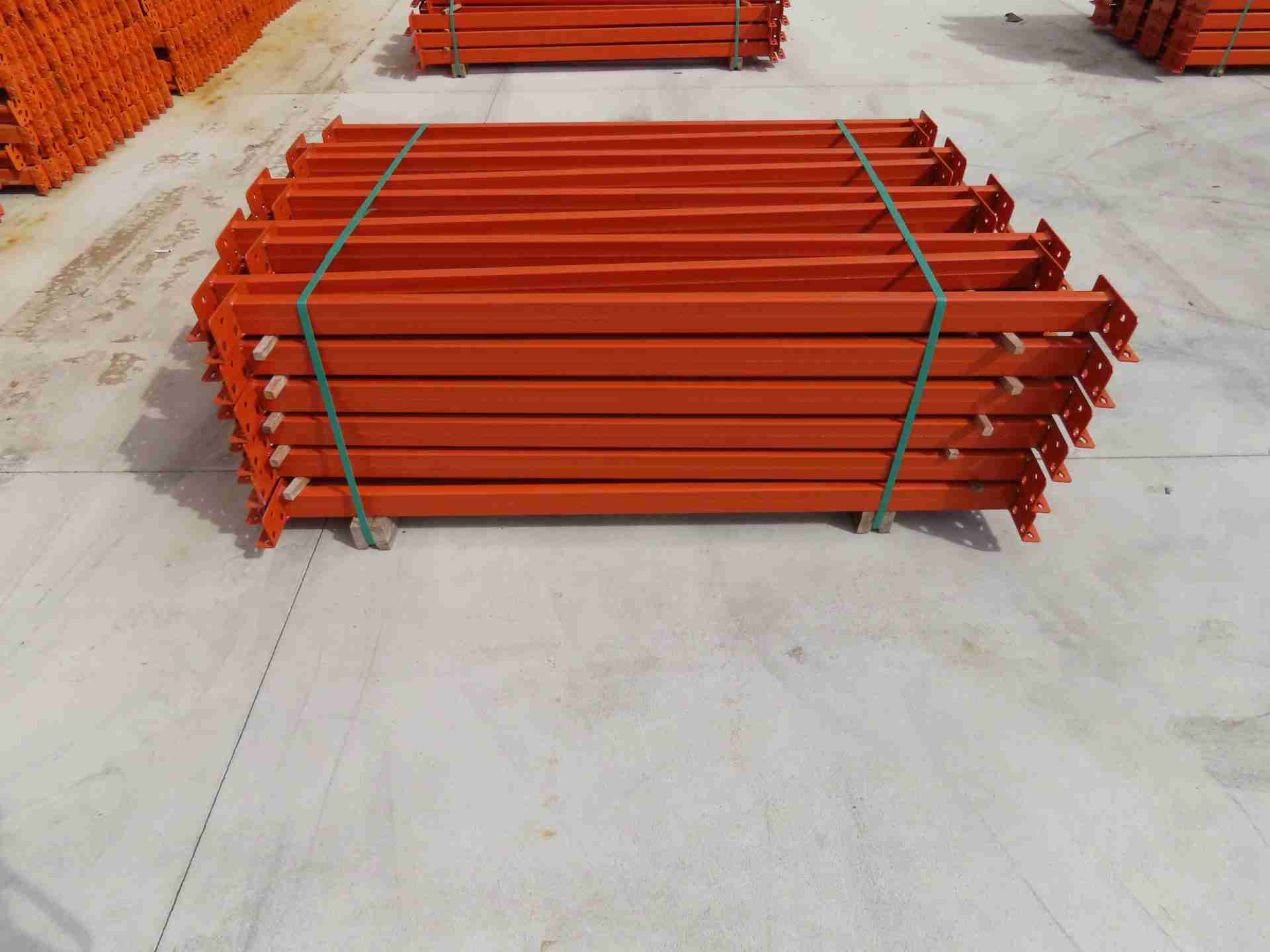
What Role Does Hands-On Experience Play In Training Workers?
What Role Does Hands-On Experience Play In Training Workers?
- Theoretical knowledge alone is insufficient in today’s industrial world; hands-on experience is essential for worker confidence.
- Engaging with tools like pallet racking transforms new workers, offering practical insights that theoretical training lacks.
- Hands-on training develops muscle memory and problem-solving skills crucial for real-world applications.
- Direct interaction with equipment fosters a culture of safety and personal accountability among employees.
- Understanding operational mechanics helps workers appreciate how their actions affect safety and efficiency.
- Experiential learning encourages teamwork and camaraderie, leading to better problem-solving and productivity.
- Investing in practical training is vital for workforce excellence and overall organizational success.
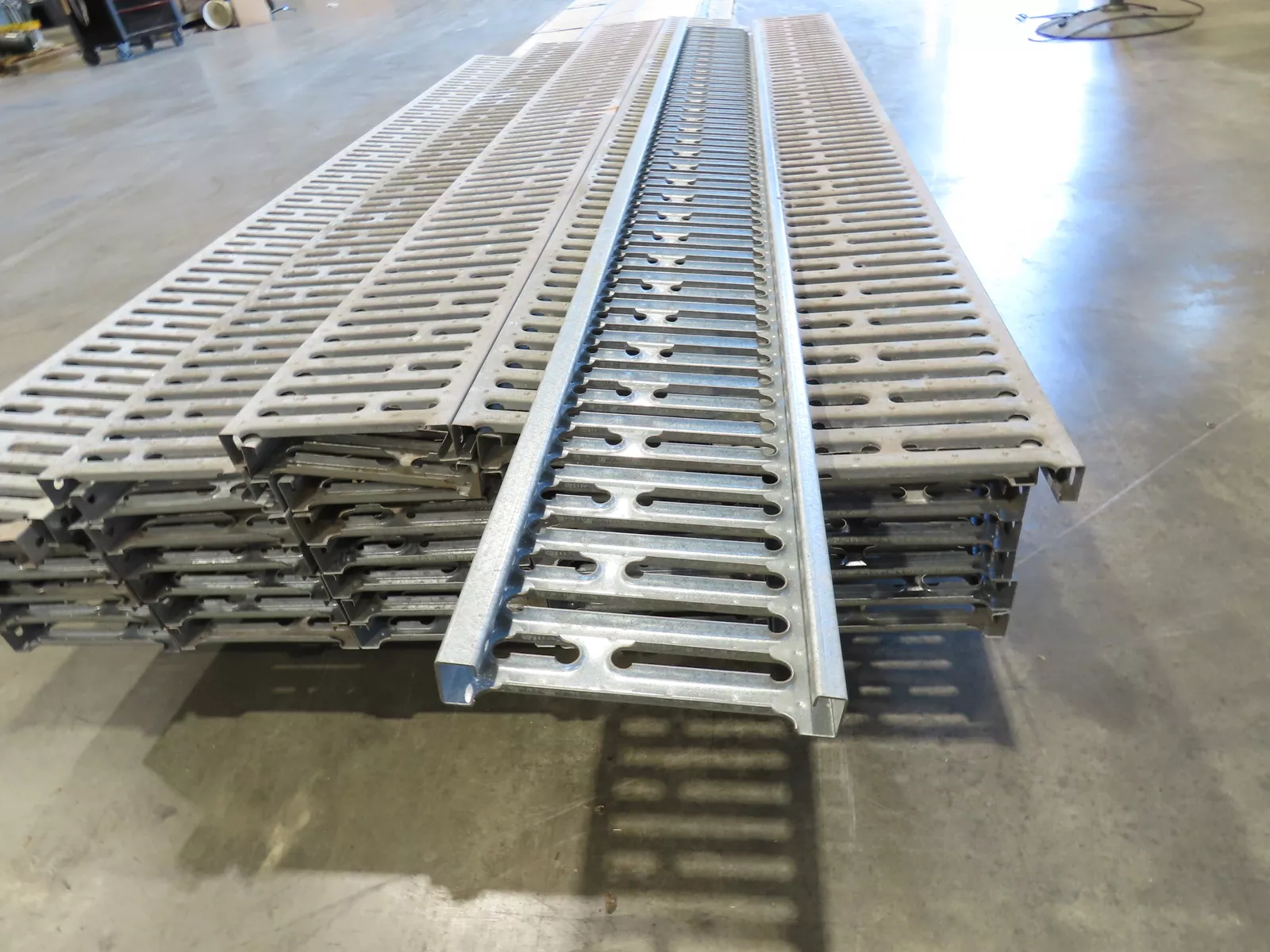
What Role Does Hands-On Experience Play In Training Workers?
How Can Technology Enhance Racking Systems Training Programs?
In the fast-paced world of warehousing and logistics, staying ahead means embracing innovations that enhance efficiency and safety. Imagine stepping into your training program and discovering the power of technology in revolutionizing your understanding of pallet racking systems. This isn’t just an upgrade; it’s a leap into a future where technology meets hands-on learning.
First, consider virtual reality (VR). The immersive nature of VR allows trainees to navigate a simulated warehouse environment, interacting with pallet racking setups as if they were in real life. This kind of engagement solves many traditional training pitfalls—the fear of mistakes, the drudgery of rote learning, and the anxiety of assessment. With VR, employees can experiment with different racking configurations and identify potential safety hazards without the risk of real-world consequences. Suddenly, complex concepts become tangible, boosting both comprehension and confidence.
Now, think about augmented reality (AR). Picture this: an employee wearing AR glasses receives instant, on-the-job guidance while they set up a pallet racking system. With step-by-step visuals and interactive prompts, they’re not just following instructions; they’re understanding every aspect of the task. This real-time feedback fosters a deeper, more impactful learning experience. No more guesswork—just clarity and competence.
Data analytics is another powerhouse tool that can transform training. Imagine having insights on which training methods yield the best results or which specific areas your employees struggle with. By analyzing this data, organizations can customize training programs to suit the unique needs of their team. Every participant receives a tailored experience, enhancing skill acquisition and retention.
But let’s not forget about mobile training apps. The convenience of learning on-the-go makes it easier than ever for teams to stay sharp on pallet racking techniques and safety procedures. They can access tutorials, quizzes, and best practices from their smartphones, ensuring they’re never out of touch with essential training materials. This accessibility cultivates a culture of continuous improvement.
Investing in technology for your pallet racking training programs isn’t just about keeping up; it’s about setting a standard. It inspires trust within your team and demonstrates a commitment to their development. As you empower your employees with advanced tools and techniques, you build not only a knowledgeable workforce but also a future-ready organization. So, take the leap; harness the power of technology to enhance your training programs and watch your productivity soar.
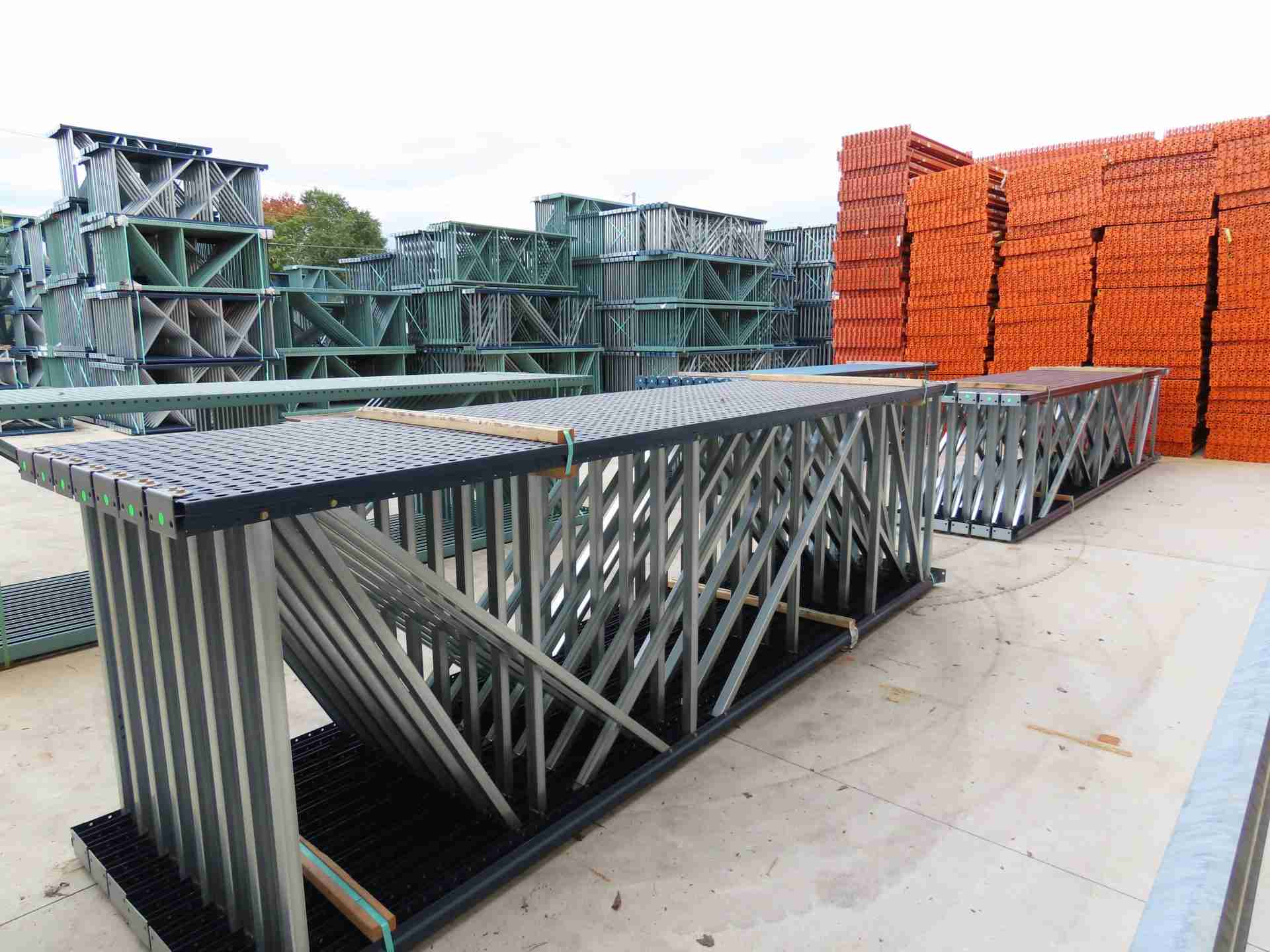
How Can Technology Enhance Racking Systems Training Programs?
How Can Technology Enhance Racking Systems Training Programs?
- Embracing innovations in warehousing and logistics improves efficiency and safety.
- Virtual reality (VR) enables trainees to explore simulated warehouse environments, boosting comprehension and reducing anxiety.
- Augmented reality (AR) provides real-time, on-the-job guidance, enhancing understanding during pallet racking setups.
- Data analytics helps organizations tailor training programs, focusing on areas where employees struggle.
- Mobile training apps offer on-the-go access to tutorials, quizzes, and best practices, fostering continuous improvement.
- Investing in technology demonstrates commitment to employee development and builds trust within the team.
- Harnessing technology in training can lead to a knowledgeable, future-ready workforce and increased productivity.
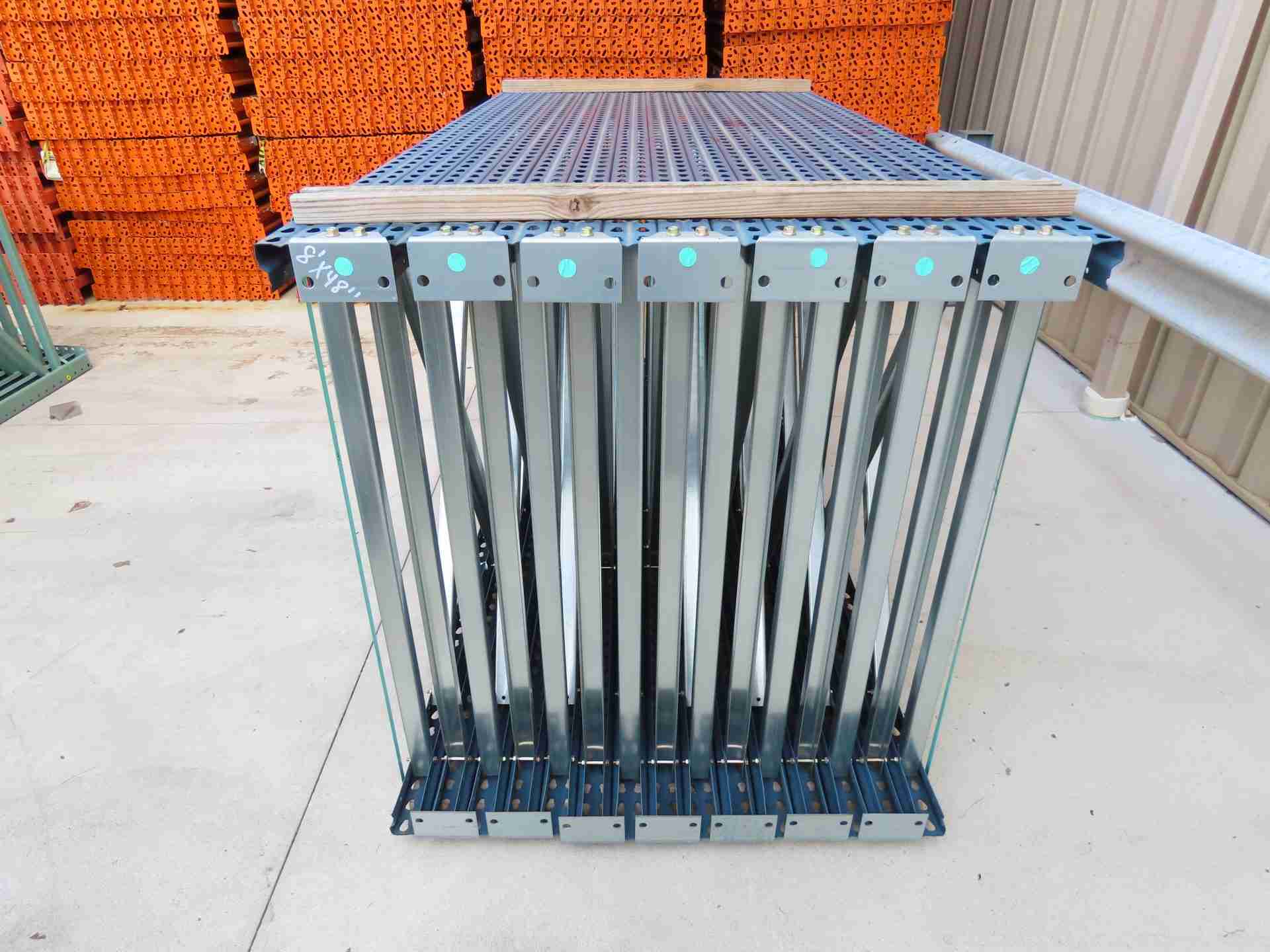
How Can Technology Enhance Racking Systems Training Programs?
What Are The Best Practices For Teaching Racking System Layouts?
When it comes to teaching racking system layouts, particularly pallet racking, your approach can make a world of difference. Just imagine stepping into a warehouse filled with rows of towering racks, each one designed to maximize space and enhance productivity. The effective layout of these systems is not just about stacking goods; it’s about strategic thinking and optimizing operations. To unlock the full potential of this critical aspect of warehouse management, embracing best practices can set your teaching apart and inspire confidence in your students.
Firstly, start with the fundamentals. Introduce the basics of pallet racking systems, including types, components, and their functionalities. Use real-world examples and visuals to paint a clear picture. When learners can connect the theory to tangible situations, the information sticks. Bring in case studies or facility tours to showcase successful implementations of pallet racking in various industries, making the learning experience relatable.
Engagement is key! Employ interactive sessions that encourage active participation. Consider using simulation software that allows your students to experiment with different layouts. Ask them to visualize how products flow through the rack systems and how space can be optimized to meet distinct needs. Foster discussions around common challenges — such as limited space or logistical inefficiencies — and encourage students to brainstorm innovative solutions. This not only strengthens their understanding of pallet racking but also empowers them to think like problem-solvers.
Additionally, emphasize safety and compliance. Teaching the importance of adherence to safety standards is crucial. Familiarize students with best practices in weight distribution, shelf heights, and aisle widths. Highlighting safety doesn’t just foster responsible warehousing; it builds trust within your audience. They will walk away with a sense of responsibility to apply their knowledge in a way that ensures the well-being of their future workplaces.
Finally, build a support network. Learning doesn’t end in the classroom. Create platforms — whether through social media groups, forums, or mentorship opportunities — where past students can share experiences, ask questions, and discuss innovations in pallet racking systems. This community not only reinforces what you’ve taught but also motivates ongoing learning.
Incorporating these best practices will not only enrich your teaching methodology but also empower your students with the skills and confidence they need to excel in the logistics landscape. Embrace this journey together, and you’ll nurture the next generation of warehouse management experts.

What Are The Best Practices For Teaching Racking System Layouts?
What Are The Best Practices For Teaching Racking System Layouts?
- Start with the fundamentals of pallet racking systems, covering types, components, and functionalities.
- Use real-world examples and visuals to enhance understanding and make learning relatable.
- Engage students with interactive sessions and simulation software for hands-on experimentation.
- Encourage discussions around challenges in pallet racking to foster problem-solving skills.
- Emphasize safety and compliance by teaching best practices for weight distribution and layout design.
- Create a support network for past students to continue learning and sharing experiences.
- Incorporate best practices to empower students and prepare them for success in logistics.
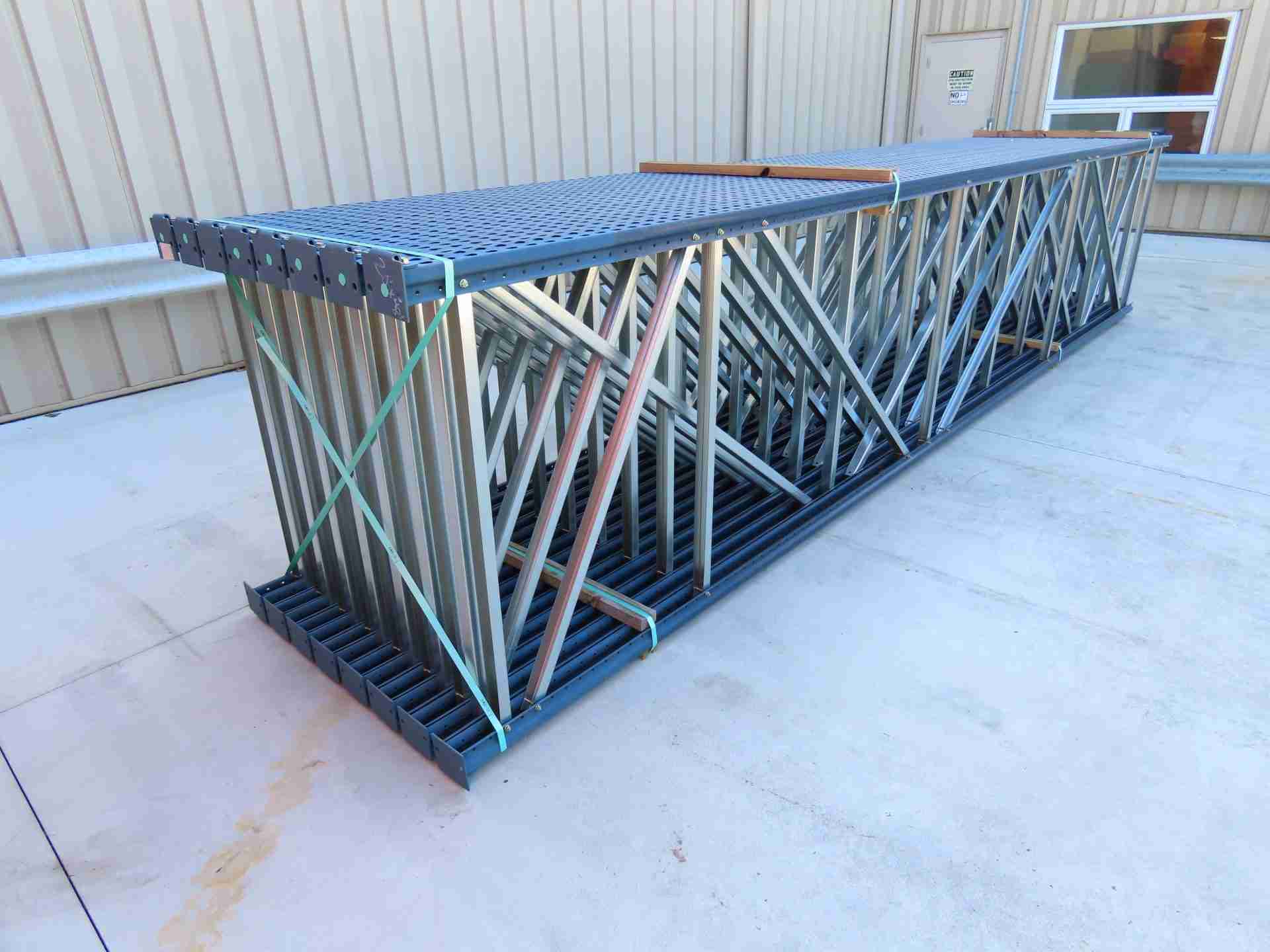
What Are The Best Practices For Teaching Racking System Layouts?
How Can Mentorship Support Effective Racking Systems Training?
When it comes to mastering pallet racking systems, mentorship isn’t just an option—it’s an absolute game changer. Imagine stepping into a bustling warehouse filled with towering rows of expertly organized pallets. Now, picture the impact of having a seasoned professional by your side, guiding you through each twist and turn of the racking landscape. This blend of practical insight and hands-on experience breeds confidence, transforming the daunting task of learning into an engaging adventure.
Mentorship cultivates a safe space for learning, where questions aren’t just tolerated; they’re encouraged. Think about how many misconceptions surround pallet racking: from weight distribution to the types of racking available, the potential for misunderstanding can be overwhelming. Yet, with a mentor, those complexities unravel. A mentor doesn’t just throw information at you; they share stories of their own experiences and the lessons learned—invaluable wisdom that you may not find in a manual. This relationship fosters an environment where learning becomes a collaborative effort.
Moreover, a mentor is a bridge to real-world application. You can study theories and diagrams, but nothing quite compares to watching a mentor set up a racking system in real time. Their interpretive dance of strategies—how to maximize space while ensuring safety—becomes your blueprint for success. You absorb not only the ‘how’ but also the ‘why,’ igniting a deeper understanding that instills confidence in your capabilities. This is how mentorship transcends traditional training; it creates a mentorship that’s about connection, community, and confidence.
In addition, mentorship builds a network of support. When you’re embarking on a project involving complex pallet racking systems, having someone with the right connections can open doors you never knew existed. Your mentor likely has relationships with suppliers, safety inspectors, and even fellow warehouse managers who can provide further insight. Thus, you’re not just gaining knowledge; you’re gaining access to a world of resources that can propel your career forward.
So, as you plan your training approach, consider the undeniable power of mentorship. Embrace opportunities to connect with experienced professionals. Whether you seek out a formal mentor or simply engage with a knowledgeable colleague, you’ll find that guidance transforms the way you view pallet racking. It becomes not just a system, but a system of support—and that’s how you build a legacy of safety and efficiency in your operations. Don’t just train; train with purpose. Embrace mentorship and watch your expertise soar!
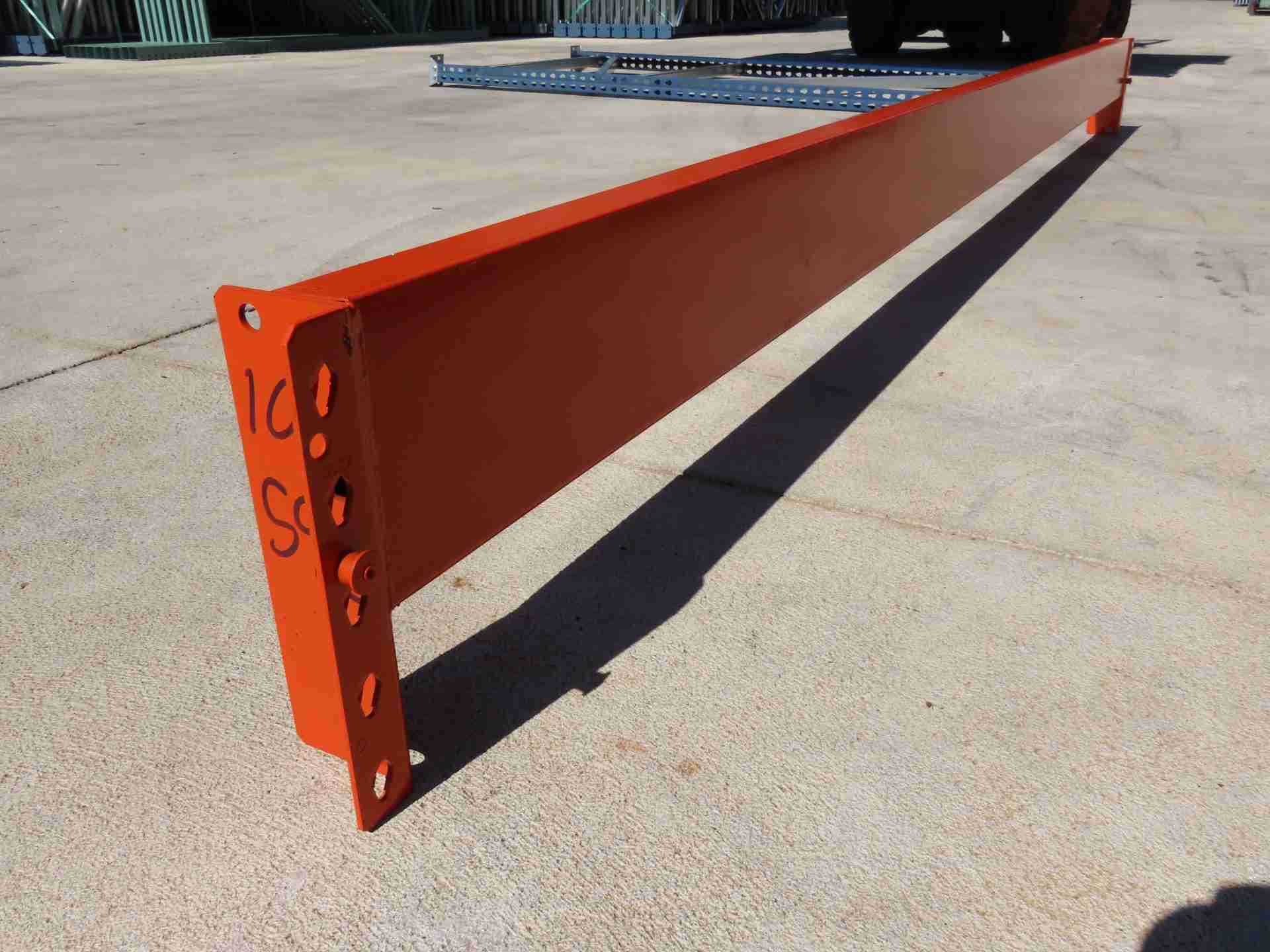
How Can Mentorship Support Effective Racking Systems Training?
How Can Mentorship Support Effective Racking Systems Training?
- Mentorship is crucial for mastering pallet racking systems, significantly enhancing the learning experience.
- A seasoned mentor provides practical insights and hands-on experience, making the learning process engaging and less daunting.
- Mentorship fosters a supportive environment where questions are encouraged and misconceptions about pallet racking can be clarified.
- A mentor shares personal experiences, offering invaluable wisdom that goes beyond traditional manuals.
- Real-world application of theories is demonstrated through a mentor’s live setup of racking systems, reinforcing both the ‘how’ and ‘why’ of the processes.
- Mentorship creates a network of support, opening doors to valuable connections with suppliers and industry professionals.
- Investing in mentorship transforms training into a purposeful journey, reinforcing safety and efficiency in warehouse operations.
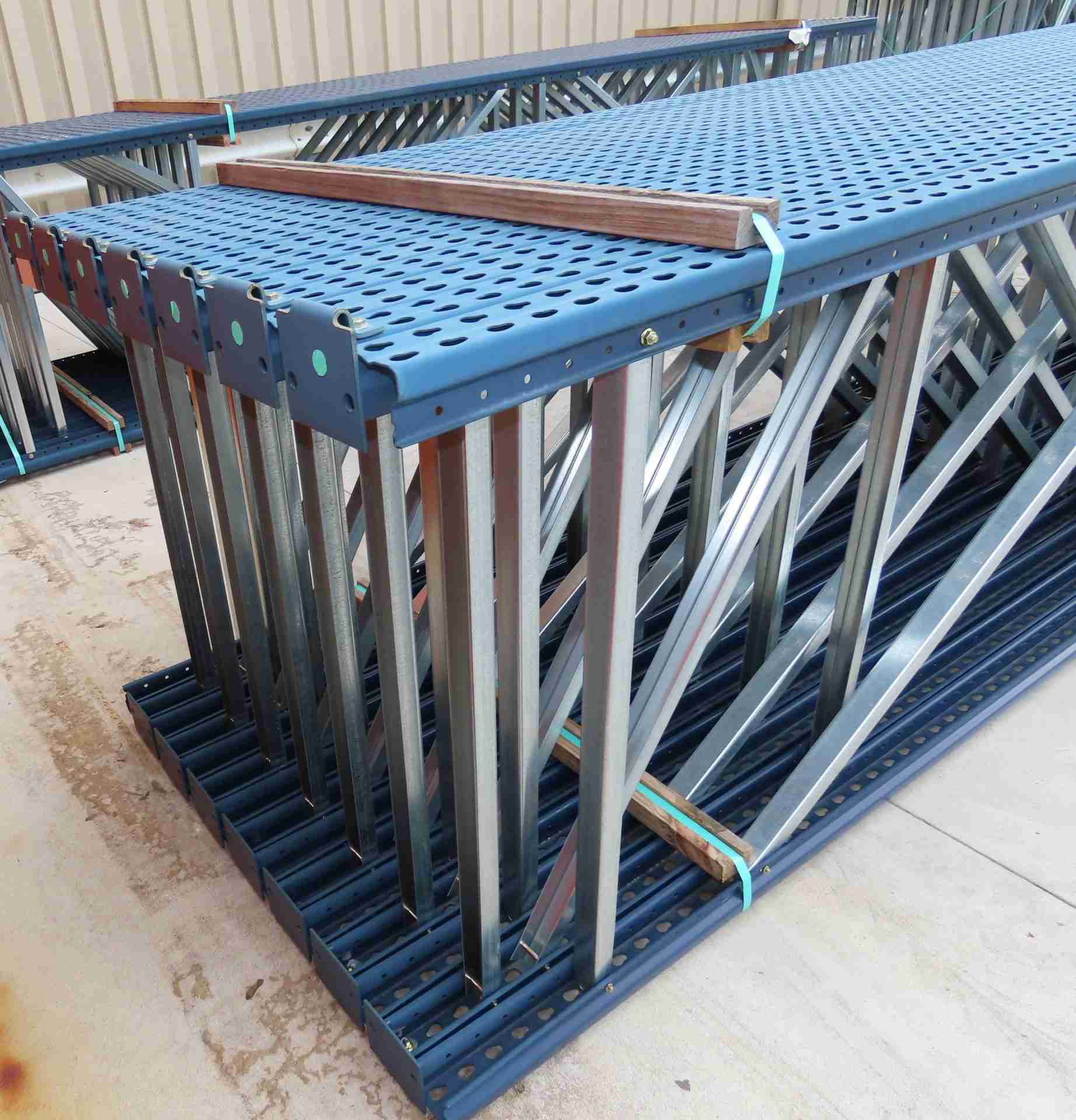
How Can Mentorship Support Effective Racking Systems Training?
Conclusion
Conclusion: Transform Your Warehouse Operations with Effective Training
As we’ve explored throughout this article, the effective management of racking systems is paramount to optimizing warehouse efficiency, ensuring safety, and driving profitability. At Arrow Industrial Sales, we understand that your workforce is your greatest asset, and investing in their training is not merely an option—it’s a necessity. By cultivating a comprehensive training program that emphasizes hands-on experience, storytelling, and real-world application, you not only enhance your team’s capabilities but also inspire a culture of ownership and accountability.
Implementing training solutions that incorporate the latest technologies—such as virtual reality and mobile learning apps—will revolutionize your approach. These innovative tools make learning engaging, immediately applicable, and vastly more effective. Your employees will gain confidence in handling complex racking systems safely, which leads to fewer accidents, reduced downtime, and ultimately, increased productivity.
Moreover, adopting best practices in mentorship can provide invaluable insights and reinforce your training. Seasoned professionals can demystify the intricacies of pallet racking management and provide a support network that extends beyond basic training. This connection builds a community of knowledge and shared experience, further enhancing operational efficiency and morale.
Remember, every point we’ve discussed ties into a larger narrative: that of continuous improvement and commitment to excellence. Create a workforce equipped not just with the skills of today, but also the foresight to adapt and thrive in an evolving industry landscape.
The time for action is now. Don’t wait for inefficiencies—or worse, accidents—to prompt change. Pick up the phone and contact Arrow Industrial Sales at (574) 349-6575. Let’s discuss how we can tailor a robust training program just for you, empowering your team to achieve excellence in racking systems management. By acting swiftly, you join the ranks of forward-thinking businesses that are transforming their operations, elevating both safety and productivity.
Seize this opportunity to invest in your workforce and watch your operations flourish. Call us today—your path to enhanced efficiency and safety begins here!
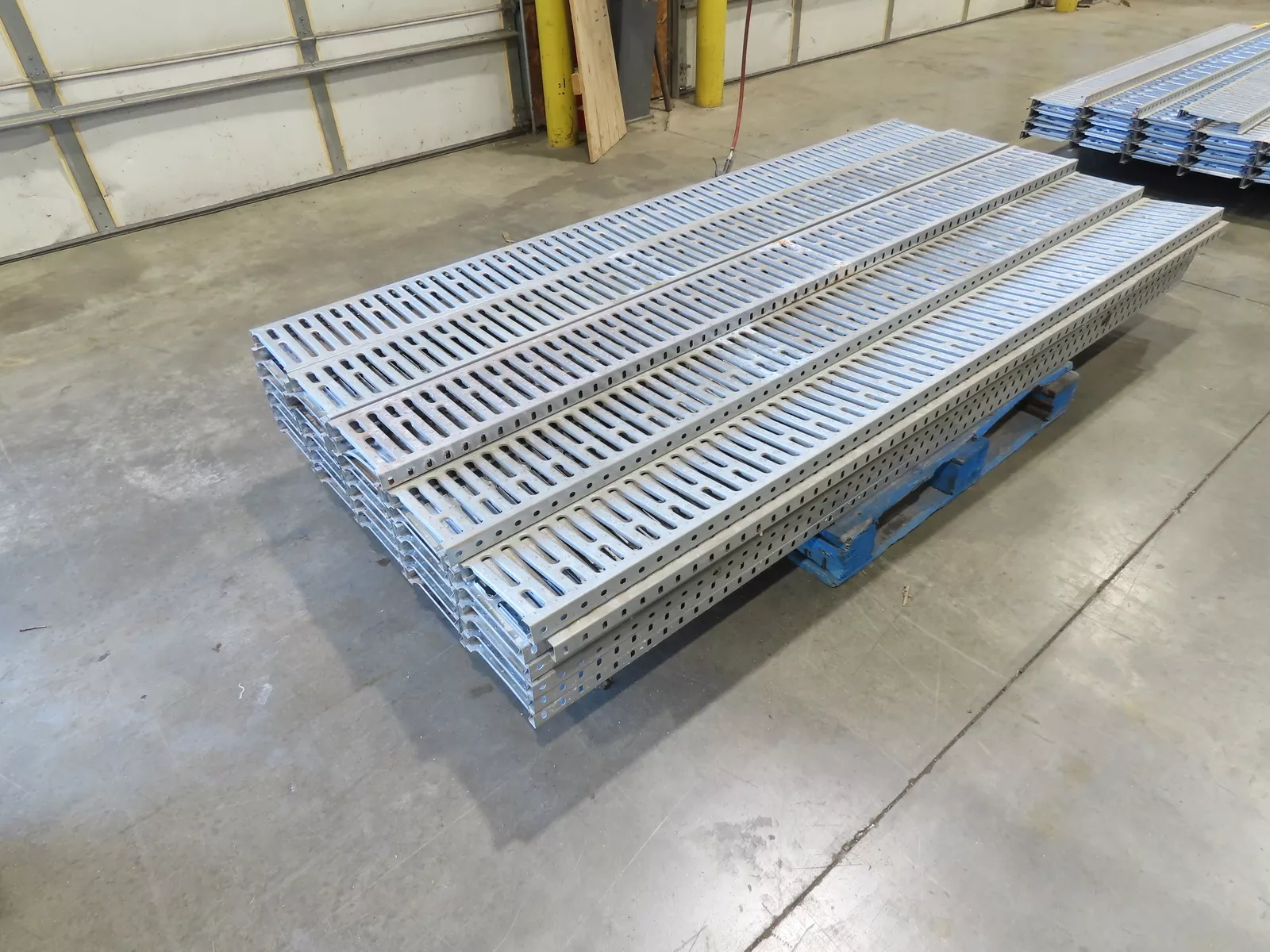
Conclusion
Conclusion:
- Effective management of racking systems is crucial for optimizing warehouse efficiency, safety, and profitability.
- Investing in comprehensive training programs enhances team capabilities and fosters a culture of ownership and accountability.
- Utilizing innovative training solutions like virtual reality and mobile learning apps makes learning engaging and applicable.
- Enhanced training leads to increased confidence in handling racking systems, resulting in fewer accidents and downtime.
- Best practices in mentorship provide invaluable insights and create a support network for ongoing operational improvement.
- Continuous improvement and commitment to excellence are essential for adapting in an evolving industry landscape.
- Act now to address inefficiencies—contact Arrow Industrial Sales to tailor a training program for your team’s success.
Conclusion
Other Resources
Other Resources
Here is a list of other resources you can review online to learn more:
- Rack Manufacturers Institute
- BMH
- Total Warehouse
- Bradford Systems
- Warehouse Racks, Warehouse Racking in Stock – ULINE
- Intro to Warehouse Racks & Warehouse Racking Systems – ShipBob
- Selective Pallet Racking Systems
- Warehouse Storage Racking in Illinois
- Rack Manufacturers Institute
- Interlake Mecalux
Use This Prompt To Get More Resources With Your Favorite Online AI Tool: Please provide me with a list of online articles with their URLs in a bulleted list that I can read regarding How Can You Train Workers for Better Racking Systems Management?
Other Resources
Glossary Terms
How Can You Train Workers for Better Racking Systems Management? – Glossary Of Terms
1. Racking Systems: Frameworks used to store goods in warehouses, designed to optimize space and organize inventory.
2. Inventory Management: The process of overseeing and controlling the ordering, storage, and use of products in a warehouse.
3. Pallet Rack: A type of storage system that uses horizontal rows to support pallets of goods at various heights.
4. Safety Protocols: Established procedures to ensure the safety of workers while working in racking environments.
5. Load Capacity: The maximum weight that a racking system can safely support without risk of collapse or failure.
6. Training Manual: A comprehensive document that outlines procedures, safety measures, and best practices for operating racking systems.
7. FIFO (First In, First Out): An inventory management method that ensures older stock is used or sold before newer stock.
8. Training Workshops: Structured instructional sessions designed to educate workers about racking systems and safety protocols.
9. OSHA Regulations: Guidelines set by the Occupational Safety and Health Administration to ensure workplace safety, pertinent to warehouse operations.
10. Ergonomics: The study of designing workspaces to fit the physical needs of workers, aimed at reducing strain and injury.
11. Racking Configuration: The specific arrangement and setup of racking systems to maximize efficiency and storage capacity.
12. Stock Rotation: The practice of regularly moving products to ensure they are sold or used in the order they were received.
13. Stability Testing: Assessing the stability of a racking system under various conditions to ensure it remains safe during operation.
14. Forklift Training: Instruction provided to workers on the proper operation of forklifts, crucial for handling racked inventory safely.
15. Space Utilization: The efficiency with which warehouse space is used for storing goods, often improved through effective racking systems.
16. Automated Racking: Advanced racking systems that use robotics and technology for managing inventory storage and retrieval.
17. Load Manifest: A document that lists all items and their respective weights in a racking system, helping with inventory tracking.
18. Visual Management: Techniques used to simplify complex information and make processes more visible, often through signs and color codes.
19. Preventive Maintenance: Regularly scheduled inspections and repairs of racking systems to prevent malfunctions and accidents.
20. Training Evaluation: The process of assessing the effectiveness of training programs to ensure workers are proficient in racking systems management.
21. Simulation Exercises: Hands-on training sessions that mimic real-life scenarios to prepare workers for operating racking systems.
22. Risk Assessment: Identifying potential hazards associated with racking systems and implementing measures to mitigate risks.
23. Lean Inventory Management: A strategy focused on minimizing waste in inventory processes while maximizing efficiency and value.
24. Compliance Standards: Regulations and guidelines that must be adhered to in designing, installing, and using racking systems.
25. Workplace Safety Culture: An organizational commitment to promoting safety and well-being in the work environment.
26. Emergency Procedures: Predefined responses and actions to take in case of accidents or emergencies in warehouse settings.
27. Best Practices: Recommended methods and techniques that lead to optimal performance and safety in racking systems management.
28. Stakeholder Engagement: Involving employees at all levels in decisions regarding racking systems to enhance engagement and compliance.
29. Continuous Improvement: Ongoing efforts to enhance processes, training, and safety measures related to racking systems.
30. Onboarding Process: The training and orientation that new workers undergo to become acquainted with racking systems and safety guidelines.

Glossary Of Terms
Other Questions
How Can You Train Workers for Better Racking Systems Management? – Other Questions
If you wish to explore and discover more, consider looking for answers to these questions:
- What are the qualifications to look for in racking systems trainers?
- How often should refresher courses be conducted for warehouse staff?
- What specific technologies can be incorporated into training programs?
- What are the most common mistakes made in racking systems management?
- How do we measure the success of a training program?
- What costs are involved in setting up a comprehensive training program?
- What role does employee feedback play in improving training programs?
- How can we implement a culture of safety among warehouse staff?
- What are some effective strategies for engaging employees during training?
- How can we ensure that knowledge gained during training is retained?
- What kind of incentives work best for encouraging performance in racking management?
- What safety certifications should employees obtain for proper racking systems management?
- How can we utilize data analytics to improve warehouse efficiency?
- How can we create a mentorship program for new employees in warehouse operations?
- What are the legal regulations regarding racking systems that employees must be aware of?

Other Questions
Checklist
How Can You Train Workers for Better Racking Systems Management? – A Checklist
Checklist for Effective Racking Systems Management Training
This checklist can serve as a guide to help you implement a comprehensive training program for workers involved in racking systems management. By following these best practices, you’ll ensure that your team is well-equipped to manage pallet racking efficiently, safely, and profitably.
Preparation and Training Content
1. Define Learning Objectives
_____ Identify the key skills and knowledge areas necessary for effective racking systems management.
2. Utilize Storytelling
_____ Incorporate real-world scenarios that demonstrate the importance of good racking management.
3. Incorporate Hands-On Training
_____ Set up simulations and practical exercises to allow employees to work directly with the racking systems.
4. Ongoing Education
_____ Schedule regular refresher courses and updates on new technologies and best practices.
5. Performance Metrics
_____ Establish clear goals and metrics to measure employee progress and success.
Skill Development
6. Focus on Analytical Thinking
_____ Encourage employees to assess racking efficiency and suggest improvements.
7. Emphasize Attention to Detail
_____ Train employees to check for stability and proper placement of pallets.
8. Cultivate Project Management Skills
_____ Offer training to develop skills in overseeing racking projects and resource management.
9. Safety Compliance Training
_____ Ensure knowledge of regulations and safety standards related to warehouse operations.
10. Promote Strong Communication Skills
_____ Train employees to share insights and collaborate effectively with team members.
Safety Focus
11. Establish a Safety Culture
_____ Prioritize safety training that covers equipment handling, hazard recognition, and emergency procedures.
12. Encourage Reporting and Feedback
_____ Create an open environment where employees can voice safety concerns and suggest improvements.
Technological Integration
13. Embrace Emerging Technologies
_____ Explore the use of Virtual and Augmented Reality in training programs to simulate real-world scenarios.
14. Utilize Data Analytics
_____ Analyze training outcomes to tailor and improve future training sessions.
15. Mobile Training Solutions
_____ Implement mobile apps that provide ongoing support and access to learning resources.
Best Practices
16. Teach Layout Design
_____ Cover the basics of racking system layouts, including space utilization and flow optimization.
17. Engage with Interactive Learning
_____ Use simulation software and group discussions to enhance engagement and understanding.
18. Build a Supportive Community
_____ Encourage networks for past trainees to discuss and share their experiences and challenges.
Mentorship
19. Establish a Mentorship Program
_____ Pair novices with experienced mentors who can provide guidance and support throughout their training.
20. Foster Real-World Application
_____ Create opportunities for trainees to observe mentors as they navigate the complexities of racking systems in the field.
Evaluation
21. Conduct Regular Assessments
_____ Evaluate employee understanding and skill application through tests and hands-on evaluations.
22. Solicit Feedback on Training
_____ Ask for input from trainees to refine and improve the training program continuously.
Wrap-Up
23. Celebrate Wins
_____ Recognize and reward employees for achieving milestones in their training and improvement in their racking system management skills.
By following this checklist, you can create an effective training program that empowers your workforce and enhances your warehouse operations, leading to improved efficiency, safety, and overall satisfaction.
Checklist
At RackingWorld, we help guide you through selecting warehouse storage systems and racking.
Be sure to read our other related stories at RackingWorld to learn more about warehouse storage systems.
0 Comments