
Discover The Best Racking System For Your Space
By Tom Seest
At RackingWorld, we help guide you through selecting warehouse storage systems and racking.
Be sure to read our other related stories at RackingWorld to learn more about warehouse storage systems.
How Can You Select The Right Racking System for Your Needs?
How Can You Select the Right Racking System for Your Needs?
Selecting the right racking system for your warehouse may feel like navigating a maze; there are countless options, and each one seems to promise efficiency and organization. But let’s simplify the process. Start by asking yourself critical questions that connect your needs to the capabilities of various racking systems—especially when it comes to pallet racking, a cornerstone for maximizing space and productivity.
First, consider the volume and type of inventory you handle. Are you storing large pallets of bulk items, or do you require the flexibility of smaller, varied products? Pallet racking systems excel at accommodating heavy loads and allow for easy accessibility, yet they can be overkill if your inventory is on the smaller side. Understand your inventory, and you’ll narrow down your choices instantly.
Next, assess the layout of your facility. Is your space wide open, or are there obstacles that could hinder the placement of traditional racking? Some pallet racking systems require extensive aisle space, while others capitalize on vertical storage, saving precious floor area. Knowing your facility’s physical limitations empowers you to select a racking solution that seamlessly integrates into your operations—rather than complicating them.
Don’t forget to consider the growth potential of your business. The last thing you want is to need a new racking system in a year because your operation has outgrown its current one. Invest in modular, adjustable pallet racking that can evolve alongside your business. This flexibility not only saves you money but also shows that you’re forward-thinking and prepared for the future.
Finally, before making a decision, tap into the experience of trusted experts. Reach out to suppliers and industry veterans; their insights will bridge the gap between the theoretical and the practical. They can help you visualize how a specific pallet racking system will fit into your environment, ensuring your investment yields real, tangible benefits.
Selecting the right racking system doesn’t have to be an overwhelming task. By understanding your inventory needs, evaluating your space, planning for growth, and consulting with professionals, you’re not just making a choice—you’re investing in the backbone of an efficient operation. Step confidently into the world of organized storage; you’ll set your business on the path to success.
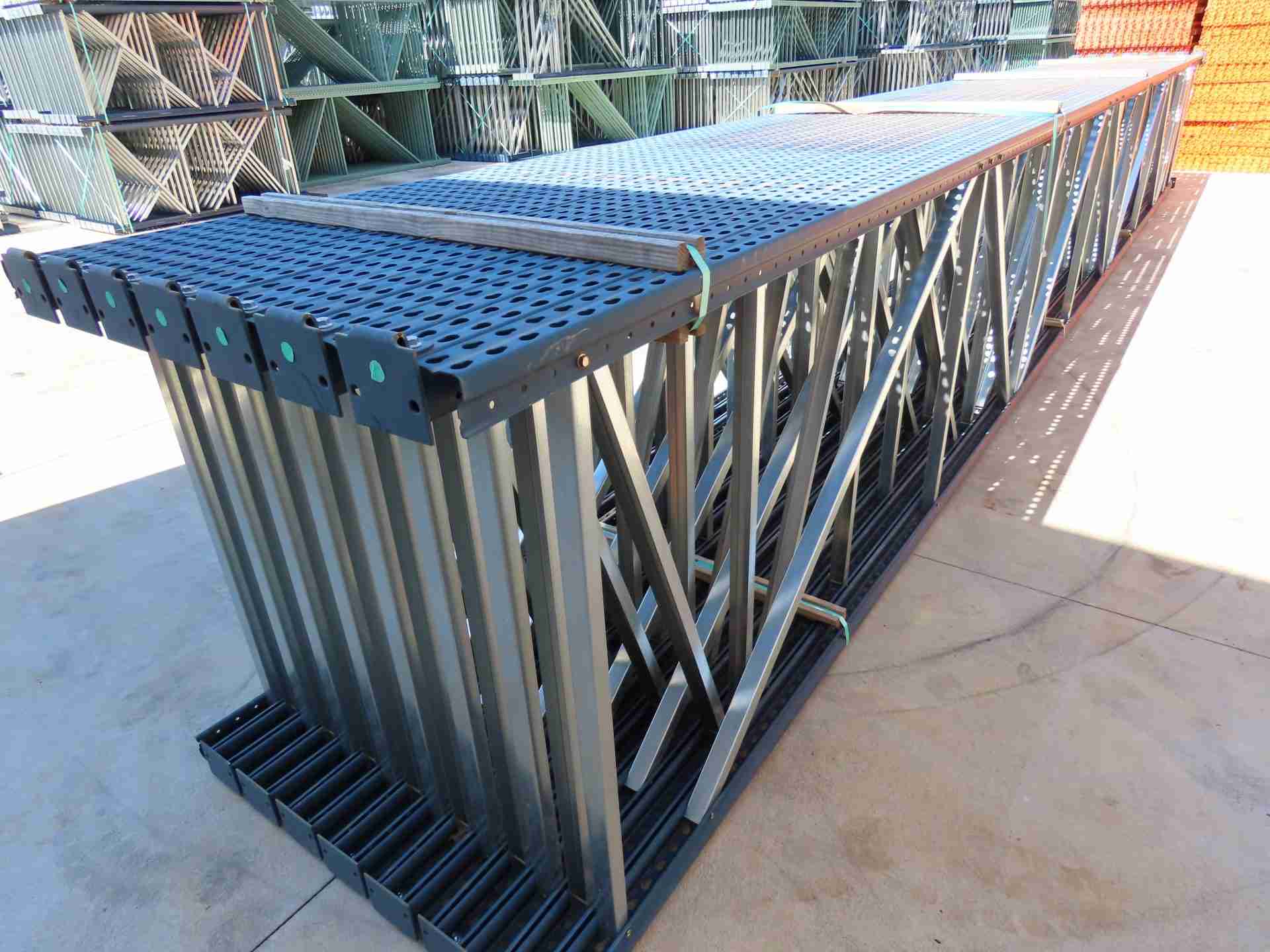
How Can You Select The Right Racking System for Your Needs?
How Can You Select The Right Racking System for Your Needs?
- Selecting a racking system involves evaluating various options for warehouse efficiency.
- Consider the volume and type of inventory: heavy pallets require different racking than smaller items.
- Assess your facility’s layout, noting whether space is open or has obstacles that affect racking placement.
- Prioritize growth potential: choose modular, adjustable systems to accommodate future needs.
- Consult with suppliers and industry experts for practical insights and visualization of solutions.
- Understanding your inventory, space, and growth helps streamline the racking selection process.
- Making informed choices ensures a robust investment in your warehouse operation’s efficiency.
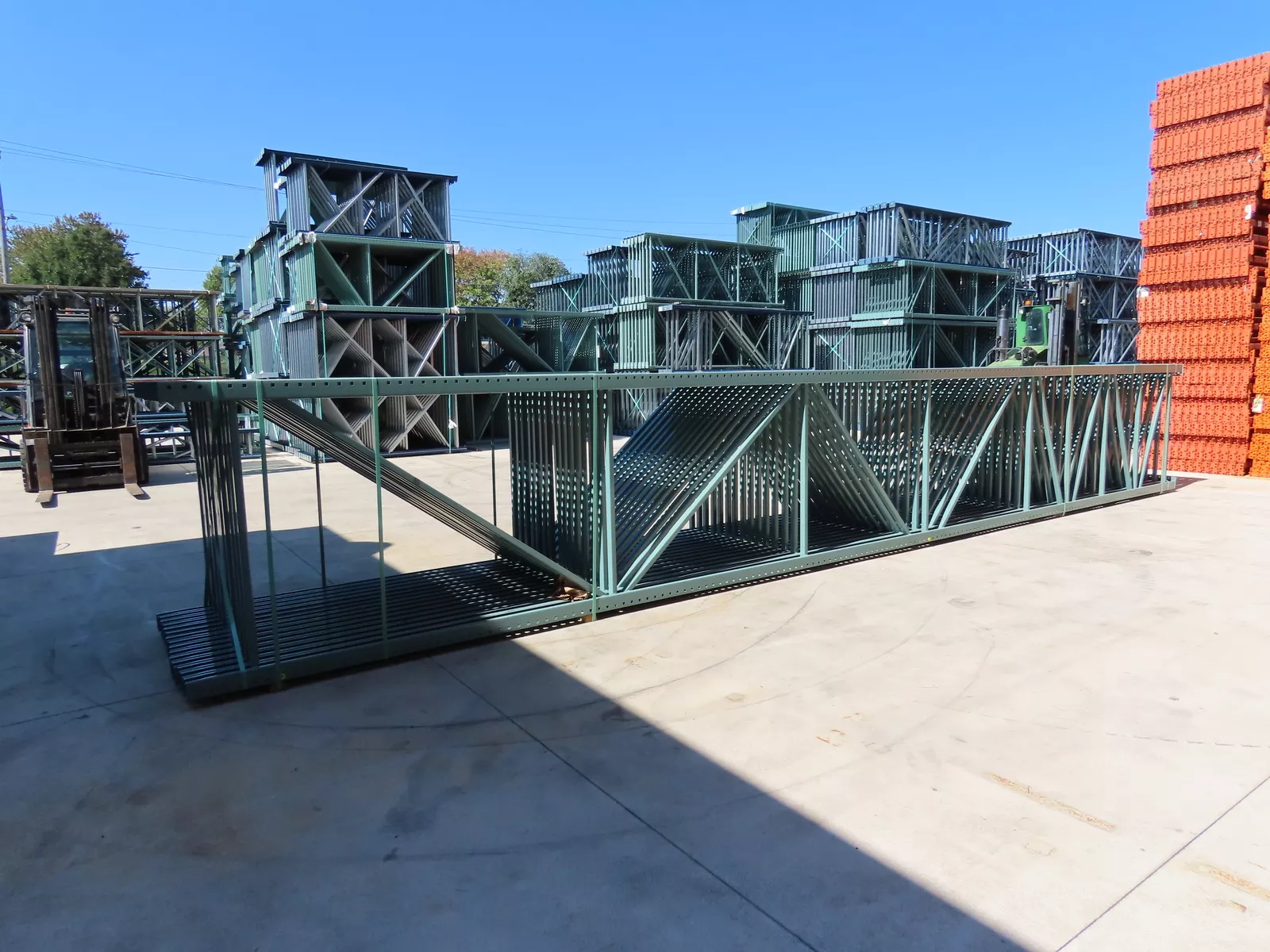
How Can You Select The Right Racking System for Your Needs?
Table Of Contents
- How Can You Select The Right Racking System for Your Needs?
- What Factors Should You Consider When Choosing A Racking System?
- How Do Different Racking Types Compare In Terms Of Cost-Effectiveness?
- What Are The Common Mistakes To Avoid When Selecting Racking Systems?
- How Do You Assess The Weight Capacity You Need For Your Racking?
- What Role Does Warehouse Layout Play In Racking System Selection?
- How Can You Ensure Your Racking System Complies With Safety Standards?
- Conclusion
- Other Resources
- Glossary Of Terms
- Other Questions
- Checklist
What Factors Should You Consider When Choosing A Racking System?
Choosing the right racking system can feel like navigating a maze, but fear not! An informed choice leads not only to efficiency but also to profitability. When it comes to maximizing your storage capabilities, one key player rises to the top: pallet racking. However, before you take the plunge, ask yourself: what factors truly matter?
First and foremost, assess your space. The dimensions of your warehouse dictate the type and size of the pallet racking system you should invest in. Are your ceilings high? If so, think vertically! Select a racking system that accommodates tall storage to optimize every inch. But don’t just think about the height; consider the width and depth too, ensuring that your racking solution fits seamlessly into your existing layout.
Next, consider the weight and type of products you will store. Pallet racking systems come in various designs—selective, drive-in, and push back—to cater to different load capacities. Aligning your racking choice with the specific demands of your inventory not only ensures safety but also improves workflow. After all, slow-moving items warrant a different approach than fast-moving ones!
Then there’s accessibility. How easily can your team reach products on these racks? An effective racking system should facilitate quick retrieval and minimize downtime. Think about the frequency of access and the types of machinery your team will use in conjunction with your racking system. More accessible systems translate to better productivity.
Don’t forget future growth! Savvy business owners know that flexibility is vital. Choose a racking solution that can grow with your enterprise, allowing for adjustments as your inventory expands or changes. The better your racking system adapts, the less you’ll have to invest in new systems down the line.
Lastly, don’t skim when it comes to quality. Investing in durable, high-quality pallet racking can save you from the headaches of frequent replacements or, worse yet, safety hazards. Trustworthy suppliers often offer warranties or guarantees, reinforcing your decision to invest wisely.
By taking these factors into careful consideration, you can create an efficient, effective racking solution that meets your needs today and into the future. Your warehouse deserves a pallet racking system that empowers your team and amplifies your productivity—so take action now! Choose wisely and watch your efficiency soar!

What Factors Should You Consider When Choosing A Racking System?
What Factors Should You Consider When Choosing A Racking System?
- Choosing the right racking system enhances efficiency and profitability.
- Assess warehouse dimensions to determine appropriate pallet racking system size and type.
- Consider the weight and type of products to select suitable racking designs (e.g., selective, drive-in, push back).
- Ensure accessibility for quick retrieval of products to minimize downtime and boost productivity.
- Opt for a flexible racking solution that can adapt to future inventory growth and changes.
- Invest in high-quality, durable pallet racking to avoid safety hazards and frequent replacements.
- Careful consideration of these factors will lead to an efficient and effective racking solution.
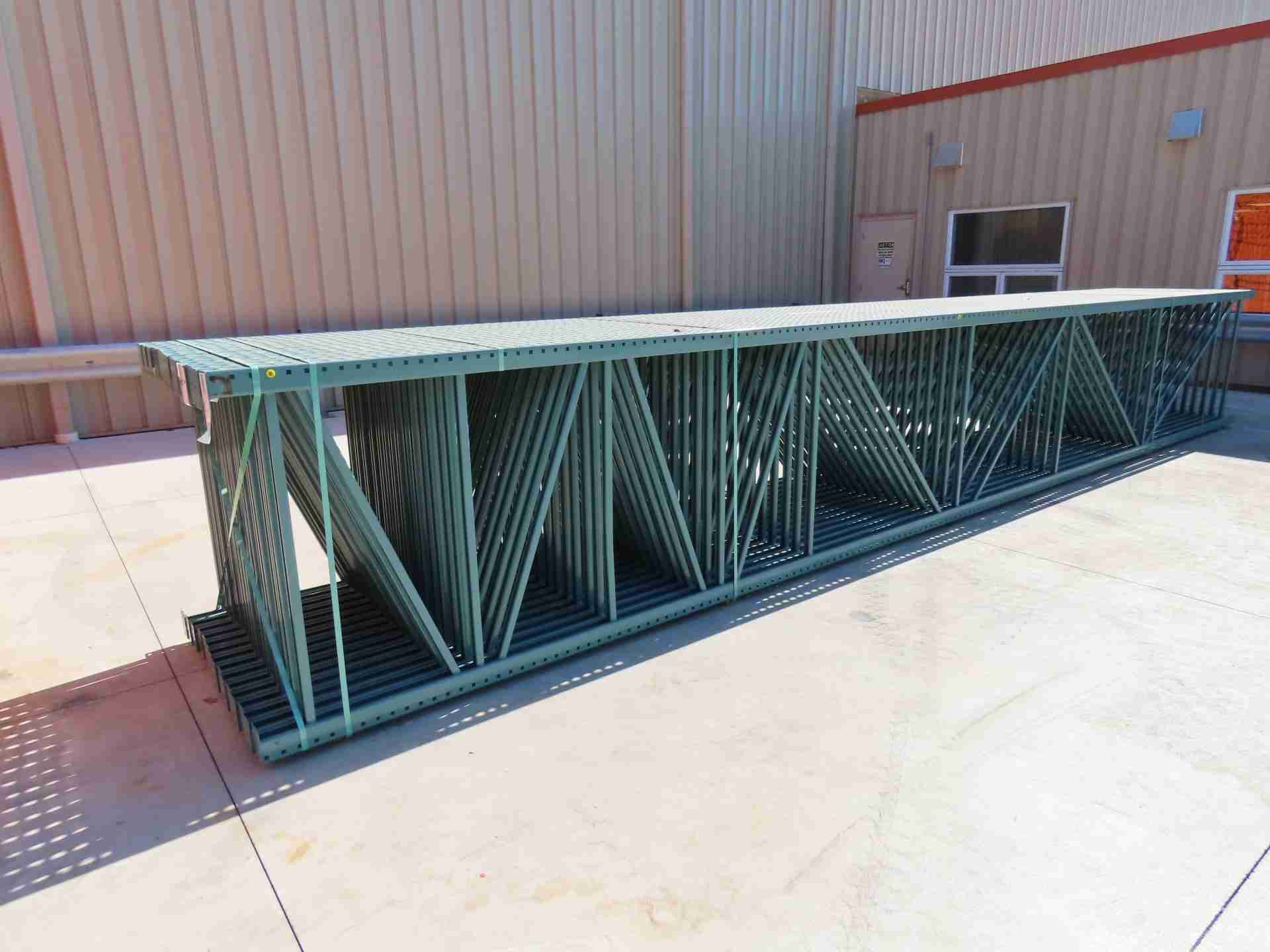
What Factors Should You Consider When Choosing A Racking System?
How Do Different Racking Types Compare In Terms Of Cost-Effectiveness?
When it comes to optimizing your warehouse or storage space, the type of racking system you choose can make all the difference between soaring profits and navigating a sea of operational chaos. You might be asking yourself: “Which racking system offers the best bang for my buck?” Let’s break down the cost-effectiveness of various racking types, with a special focus on pallet racking, so you can make an informed decision.
First and foremost, understanding your needs is paramount. Are you storing a large volume of products? Do those products vary in size and weight? For many businesses, pallet racking emerges as a clear champion. Its straightforward design allows for efficient access and maximization of vertical space, which significantly enhances storage density. In many cases, the initial investment in pallet racking pays off quickly. Why? Because it allows quicker picking and replenishment, reducing labor costs and improving order fulfillment rates. Think about it: every minute saved in the warehouse translates into increased productivity and, ultimately, higher profits.
Now, let’s compare this to other racking types—perhaps push-back racking or drive-in systems. These might offer unique advantages, but they often come with higher costs due to their complexity and specialized requirements. While there might be a learning curve or additional hardware involved, the trade-off often doesn’t justify the expense if your primary concern is cost-effectiveness.
Consider the long-term implications as well. Pallet racking systems typically require lower maintenance and are easier to adjust as your storage needs fluctuate. This flexibility not only saves you money upfront but also allows for scalability. If your business grows, or if you pivot in a new direction, your storage solution will accommodate that without another hefty investment.
Here’s the icing on the cake: implementing a well-designed pallet racking system can significantly enhance safety within your storage environment. Less clutter and organized inventory lead to fewer workplace accidents, which translates to lower insurance costs and fewer worker compensation claims.
In summary, when assessing cost-effectiveness, pallet racking often takes the lead—not just in terms of installation costs but also through practical benefits over time. So, before you make your decision, consider the efficiency, flexibility, and safety that a pallet racking system can bring to your operation. This isn’t just about storage; it’s about empowering your business to grow and thrive!
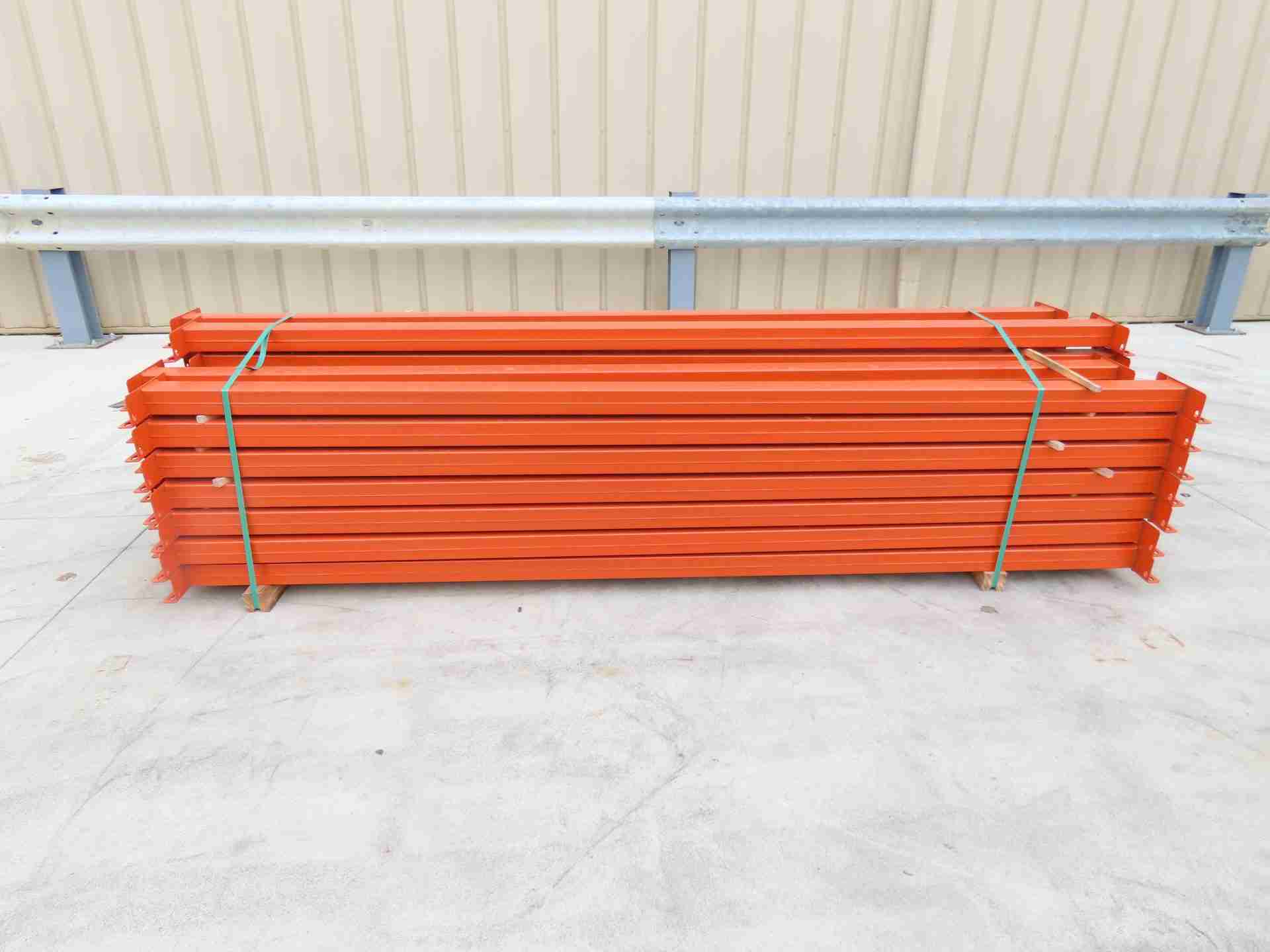
How Do Different Racking Types Compare In Terms Of Cost-Effectiveness?
How Do Different Racking Types Compare In Terms Of Cost-Effectiveness?
- Choosing the right racking system is crucial for optimizing warehouse space and boosting profits.
- Pallet racking is often the most cost-effective option due to its efficiency and space maximization.
- Initial investment in pallet racking is quickly recouped through reduced labor costs and improved order fulfillment.
- Other systems like push-back or drive-in racking may have advantages but typically come with higher costs and complexity.
- Pallet racking systems require less maintenance and offer flexibility for changing storage needs.
- Implementing pallet racking enhances safety by reducing clutter, which can lower insurance and worker compensation costs.
- Pallet racking not only aids storage but also supports business growth and operational efficiency.
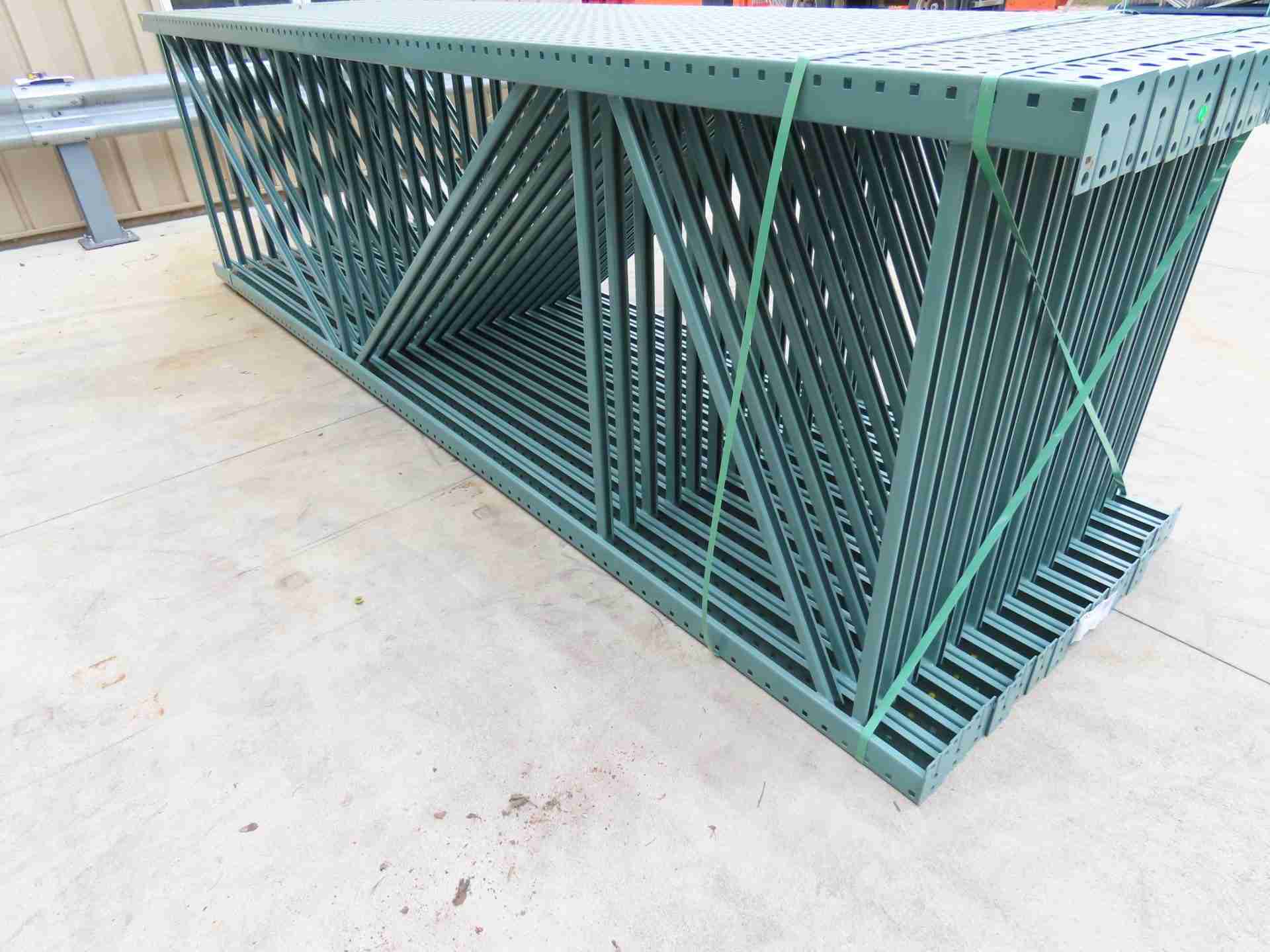
How Do Different Racking Types Compare In Terms Of Cost-Effectiveness?
What Are The Common Mistakes To Avoid When Selecting Racking Systems?
When it comes to enhancing efficiency and maximizing space in your warehouse, choosing the right racking system is crucial. Unfortunately, even the most seasoned business owners can stumble into pitfalls that lead to wasted resources and lost time. Let’s explore some common mistakes to avoid when selecting your pallet racking systems, ensuring you make a choice that elevates your operations rather than complicates them.
First and foremost, one of the biggest blunders is overlooking the specific needs of your inventory. Not all products are created equal, and neither are racking systems. A one-size-fits-all approach can lead to serious issues down the line. Are you storing heavy pallets, or do you need to accommodate smaller, more fragile items? Analyze your inventory carefully! Failure to match your pallet racking to your products can result in structural problems and inefficiencies.
Another misstep is neglecting to account for future growth. Businesses change, and that’s a good thing! However, if your racking system can’t adapt, you may find yourself in a tight spot. Imagine investing in a racking system that only meets your current needs, only to realize it’s a poor fit a few years down the line. Choose a pallet racking solution that can evolve alongside your business demands.
Additionally, don’t underestimate the importance of consulting with experts. Relying solely on your intuition can be tempting, but expertise is invaluable. There are various regulations, load capacities, and safety considerations to think about. Surrounding yourself with knowledgeable advisors or doing thorough research can save you from making costly mistakes.
Moreover, consider the installation process and long-term maintenance of your pallet racking system. A system that appears like a great deal may have hidden complexities when it comes to installation or upkeep. Evaluate the long-term costs associated with maintenance and safety. Investing in a well-structured, robust racking system now will prevent headaches in the future.
Finally, never forget the importance of employee training. A fantastic pallet racking system may falter if your team doesn’t know how to use it properly. A tailored training program can empower your workforce, ensuring that they are adept at safety procedures and operational best practices.
Avoid these common mistakes, and you’ll not only make a smart investment but also foster an environment that encourages growth and productivity. With the right pallet racking system, you’ll set the stage for operational success and the kind of efficiency that keeps your bottom line thriving. Choose wisely, because the right decision today leads to a prosperous tomorrow!
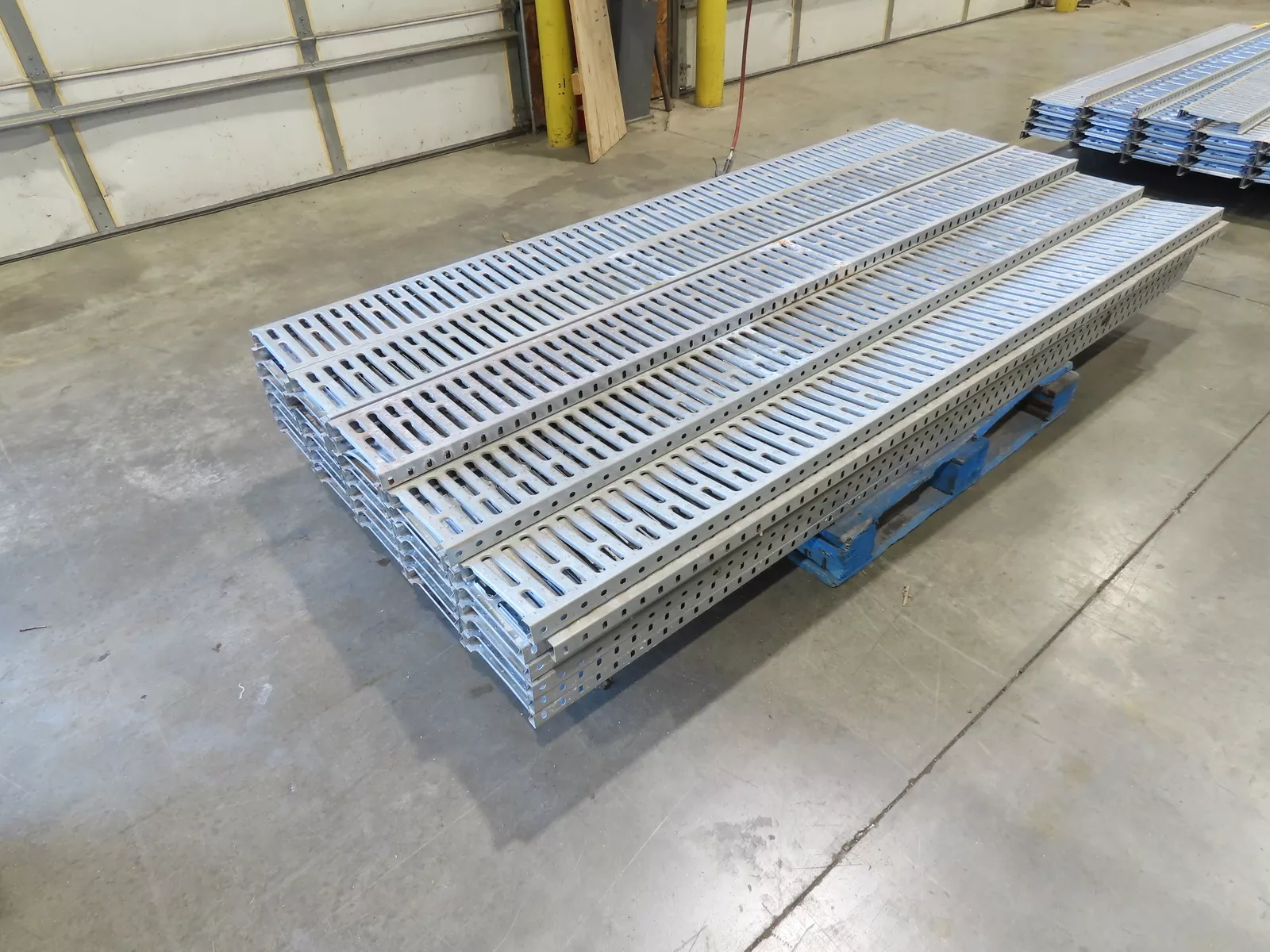
What Are The Common Mistakes To Avoid When Selecting Racking Systems?
What Are The Common Mistakes To Avoid When Selecting Racking Systems?
- Choosing the right racking system is essential for warehouse efficiency and space maximization.
- Overlooking the specific needs of your inventory can lead to structural issues and inefficiencies.
- Neglecting to plan for future growth can result in a racking system that quickly becomes inadequate.
- Consulting with experts is crucial to navigate regulations, load capacities, and safety considerations.
- Consider the installation process and long-term maintenance costs when selecting a racking system.
- Employee training is vital to ensure proper usage and safety of the pallet racking system.
- Avoiding these common mistakes will foster growth and productivity, ensuring operational success.
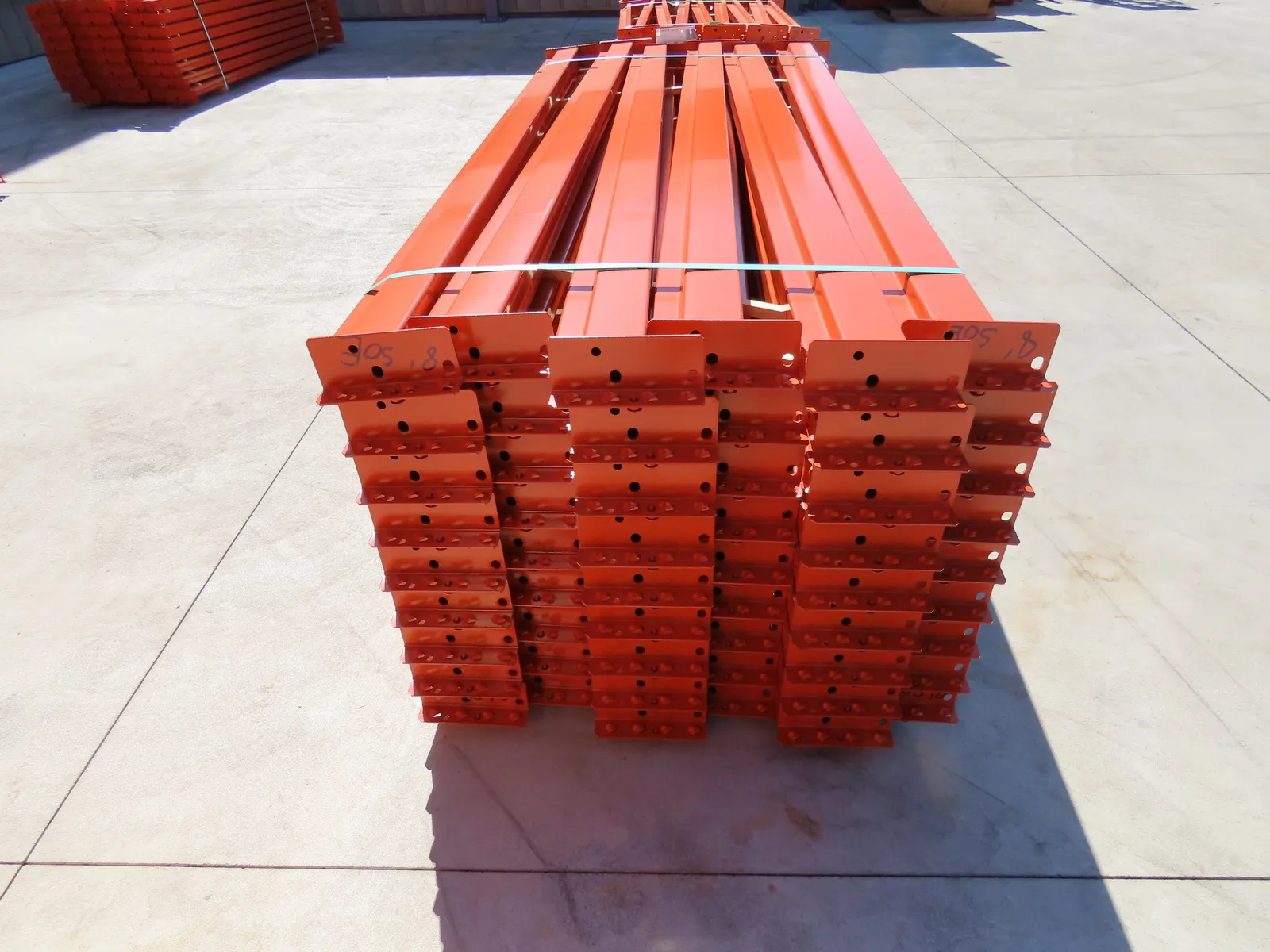
What Are The Common Mistakes To Avoid When Selecting Racking Systems?
How Do You Assess The Weight Capacity You Need For Your Racking?
When it comes to optimizing your space with pallet racking, understanding the weight capacity you require is foundational. Imagine transforming your warehouse into a well-oiled machine, where every item is stored securely and efficiently, with the confidence that your racking system can handle it all. So, how do you determine the right weight capacity for your needs? Let’s break it down.
First, begin by evaluating what you’ll be storing. Dive deep into your inventory list. Are you dealing with lightweight goods, or do you regularly handle heavy machinery parts? Knowing the average weight of your products is essential. It’s not just about the largest item in your stock; it’s about planning for what you’ll store most often. A good rule of thumb is to calculate the weight of several items in the same category and find an average. This will provide a solid baseline to work from, guiding you toward the right pallet racking system.
Next, consider the dynamic environment of your warehouse. Are you frequently experiencing new stock arrivals, or do you run on a just-in-time delivery system? In fluctuating inventory scenarios, it’s wise to factor in a safety margin on top of your average calculated weight. A conservative estimate can save you from future headaches and unwanted costs related to racking failures.
Moreover, don’t shy away from consulting your racking supplier. These professionals live and breathe pallet racking and can offer insights based on industry standards and trends. They can provide valuable advice about load distribution, which is crucial when it comes to ensuring that your racking not only supports the weight but also maintains structural integrity over time.
Finally, envision the long-term growth of your business. Are you in an expansion phase? If so, invest with foresight. Choose a pallet racking system that accommodates future stock increases without having to completely overhaul your setup down the line. Flexibility can save you time and money.
By carefully considering these factors, you’ll arrive at the necessary weight capacity for your racking needs. You’ll establish a robust storage system that is not only practical but inspires confidence in your operations. Remember, intelligent planning today leads to greater efficiency and success tomorrow. Take the plunge, and let your pallet racking work for you!

How Do You Assess The Weight Capacity You Need For Your Racking?
How Do You Assess The Weight Capacity You Need For Your Racking?
- Understanding the necessary weight capacity for pallet racking is essential for optimizing warehouse space.
- Evaluate inventory by assessing the weight of items to determine average weight for storage planning.
- In dynamic environments, incorporate a safety margin above the average weight to prevent racking failures.
- Consult with your racking supplier for insights on industry standards, load distribution, and structural integrity.
- Consider future business growth and choose a flexible racking system capable of accommodating increased stock.
- Careful planning leads to a robust storage system that enhances operational efficiency and confidence.
- Investing time in planning now can lead to greater success and efficiency in the future.
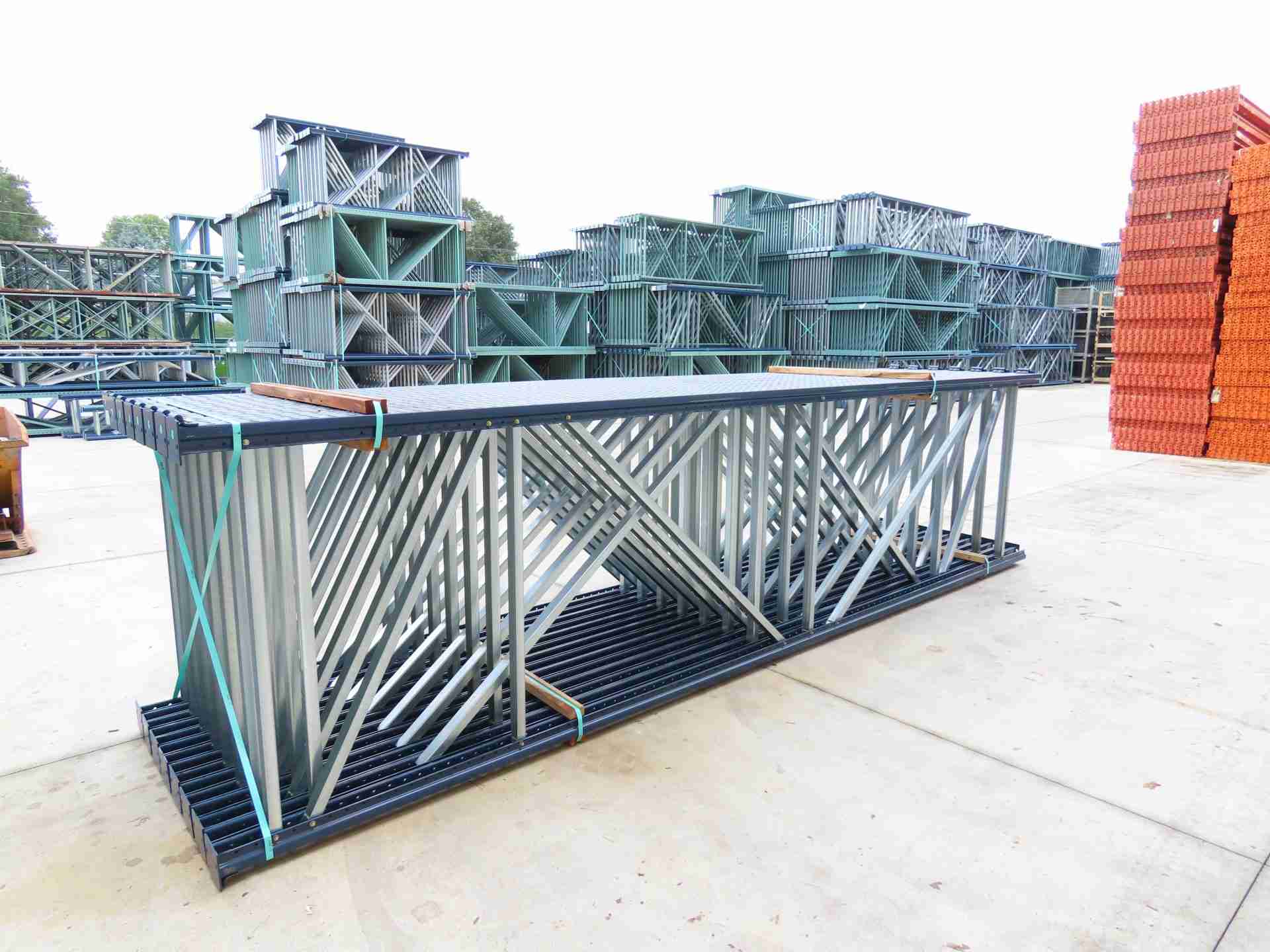
How Do You Assess The Weight Capacity You Need For Your Racking?
What Role Does Warehouse Layout Play In Racking System Selection?
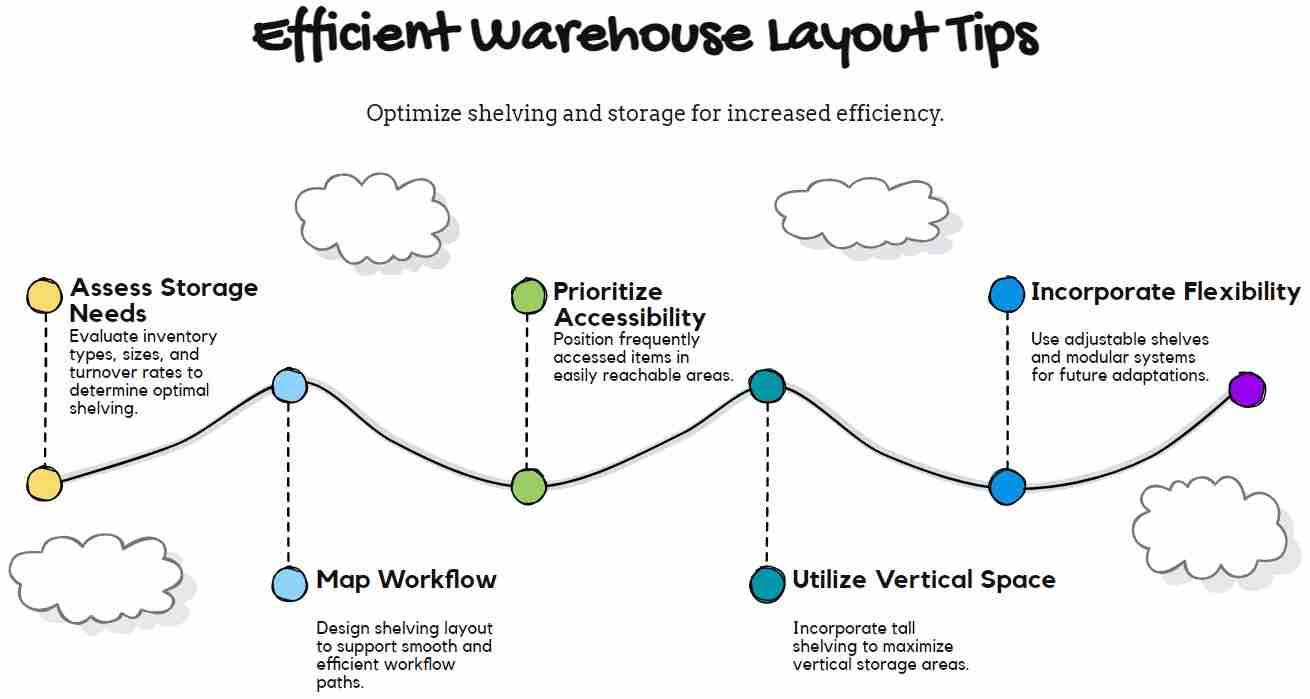
When it comes to maximizing efficiency and productivity in a warehouse environment, the warehouse layout is your silent ally—and should never be overlooked. Picture walking into a sprawling space where the flow of operations feels seamless, where every item is just an arm’s reach away from its intended destination. This is the power of a strategically planned layout, and it directly influences the selection of your racking system, particularly when it comes to pallet racking.
Think of your warehouse as a high-stakes chessboard. Each piece, every racking unit, plays a distinct role in supporting the overall strategy of your operations. But just as a chess game can only be won with keen foresight, designing the right layout requires thoughtful consideration of not just the available space, but also the way your inventory moves through that space. A well-considered layout allows your pallet racking to shine, transforming what could be clutter into organized efficiency.
Consider your inventory types and turnover rates. Items that move quickly should be placed at the front, easily accessible from the main aisles, while slower-moving items can find a comfortable home further back. This aspect of the layout drives decisions that will affect the types of pallet racking you choose. A narrow aisle design, for instance, may necessitate the use of specialized racking systems that optimize vertical space, allowing you to store more without eating up precious floor area.
The integration of sophisticated technology should also be part of your layout strategy. Imagine placing your pallet racking system near picking stations that utilize automation or barcode scanning. This can greatly reduce handling time and boost order fulfillment accuracy. Your warehouse layout is the canvas, and the racking system is the brush; the combination can paint a masterpiece of operational excellence.
Moreover, fostering a safe working environment cannot be overstated. The layout plays a pivotal role in ensuring that your pallet racking systems meet safety standards while allowing for adequate space for maneuvering machinery and personnel. A layout that prioritizes safety not only protects your team but also enhances productivity by keeping everyone focused on their tasks without the looming worry of accidents.
In essence, your warehouse layout is not just a logistical consideration; it’s the backbone of effective racking system selection. By connecting the dots between layout and racking, you empower your operations to soar with efficiency, safety, and profitability. Take a step back, analyze your space, and let the right layout guide you to the most effective pallet racking solutions. The transformation that awaits can be astounding.
What Role Does Warehouse Layout Play In Racking System Selection?
What Role Does Warehouse Layout Play In Racking System Selection?
- The warehouse layout is crucial for maximizing efficiency and productivity in operations.
- A well-planned layout enhances the functionality of pallet racking systems by organizing space effectively.
- Strategic placement of inventory based on turnover rates optimizes accessibility and flow within the warehouse.
- Narrow aisle designs may require specialized racking systems to utilize vertical space efficiently.
- Incorporating technology, like automation and barcode scanning, into the layout can improve handling times and order accuracy.
- Safety is a key consideration; a thoughtfully designed layout ensures compliance with safety standards and protects personnel.
- Overall, a strategic warehouse layout supports effective racking system selection, driving efficiency and profitability.

What Role Does Warehouse Layout Play In Racking System Selection?
How Can You Ensure Your Racking System Complies With Safety Standards?
When it comes to managing warehouse operations, safety is more than just a guideline—it’s a commitment to your team, your business, and your customers. Many industries depend on pallet racking systems to facilitate efficiency, but with that efficiency comes the responsibility of ensuring safety standards are met. So, how do you ensure your racking system complies with safety regulations? Let’s break it down into manageable steps.
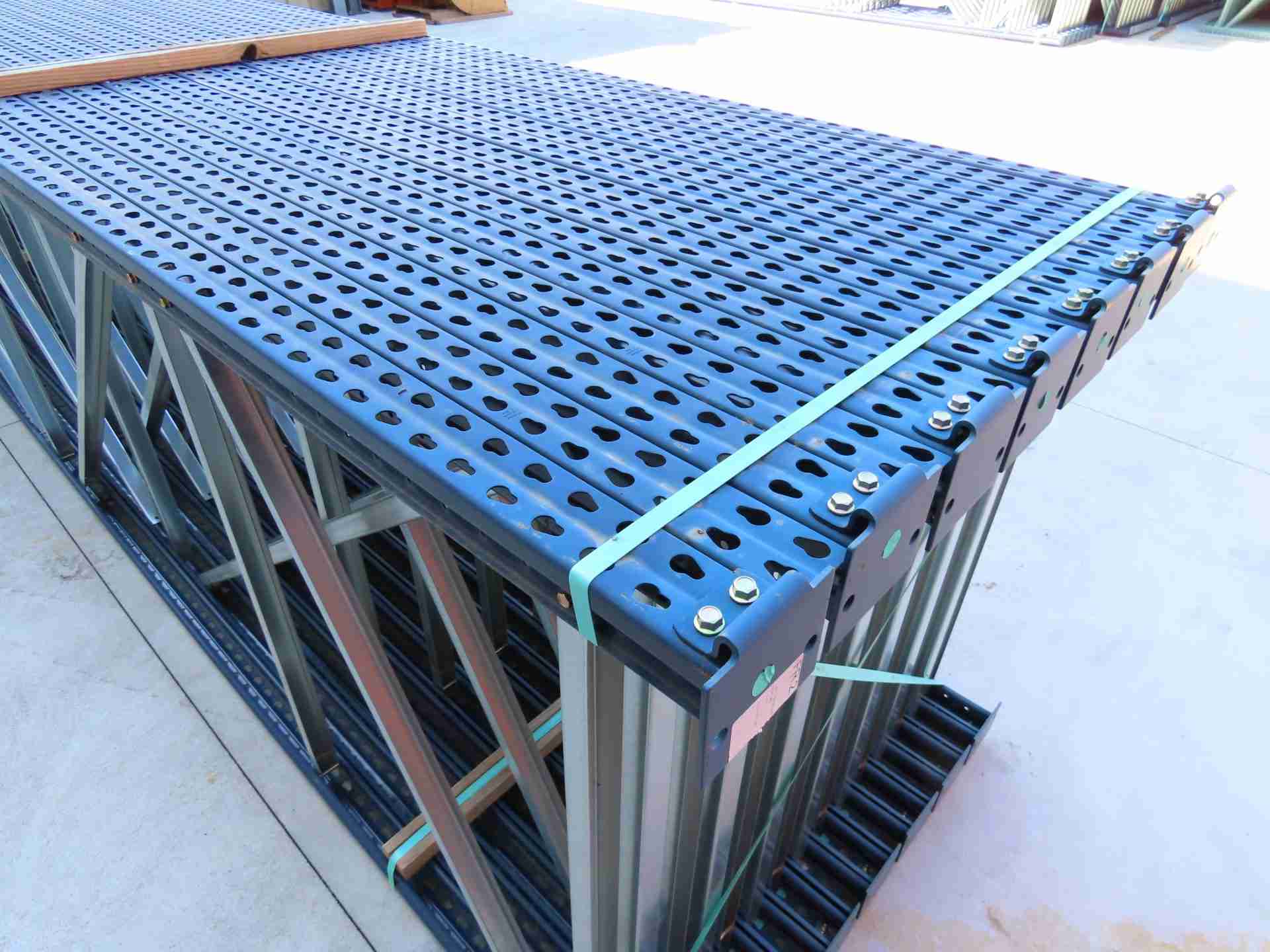
First, start by conducting a thorough inspection. Regularly assess your pallet racking for any signs of wear and tear, including bent beams, rust, or unstable structures. This isn’t merely a chore; it’s your proactive strategy to avoid disaster. Engaging your team in this process can foster accountability and cultivate a culture of safety. After all, a safe environment is a productive one.
Next, understand the regulatory standards specific to your industry. Compliance isn’t just a checklist; it’s an ongoing process. Familiarize yourself with the Occupational Safety and Health Administration (OSHA) guidelines and any local regulations applicable to your pallet racking system. Tapping into educational resources and ongoing training for your staff ensures that everyone understands the importance and intricacies of these standards.
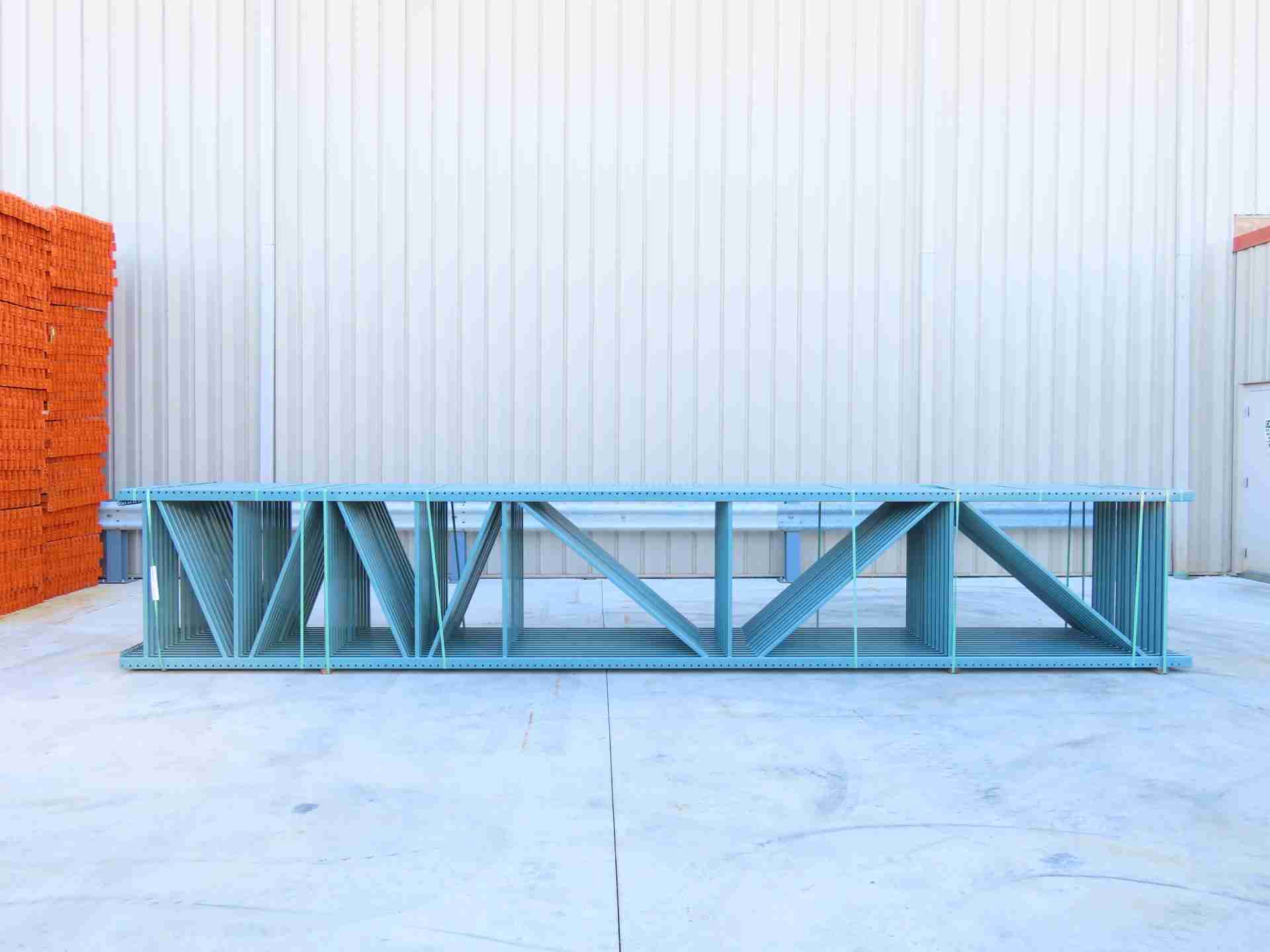
Moreover, invest in quality. Selecting the right pallet racking system from reputable manufacturers lays a solid foundation for safety compliance. Opt for systems that offer features like increased load capacities and durable materials, as this not only helps meet safety standards but also enhances overall efficiency.
Beyond that, consider working with a certified professional who specializes in warehouse safety assessments. Their expertise can provide insights into improvements, potential hazards, or even modifications that align your racking system with best practices. Investing in professional evaluations doesn’t just protect your employees; it protects your bottom line in the long run.
Lastly, keep an open line of communication. Encourage your employees to report any safety concerns or near-miss incidents. Trust your team’s instincts; they often notice dangers that go unnoticed by management. By fostering an environment where safety is openly discussed and prioritized, you not only contribute to compliance but also strengthen your organization’s culture.
In summary, ensuring that your pallet racking system complies with safety standards isn’t a daunting task; it’s a continuous journey, one that reflects your commitment to excellence. Together, we can build safer workplaces and create a culture where safety—and productivity—flourish. Start today, take deliberate steps, and watch how your efforts translate into saving lives and dollars. The rewards are worth it.
How Can You Ensure Your Racking System Complies With Safety Standards?
How Can You Ensure Your Racking System Complies With Safety Standards?
- Safety in warehouse operations is a commitment to your team, business, and customers.
- Regularly inspect pallet racking for wear and tear, involving your team to build accountability.
- Stay informed about regulatory standards, including OSHA guidelines, to ensure ongoing compliance.
- Invest in quality pallet racking systems from reputable manufacturers to enhance safety and efficiency.
- Collaborate with certified professionals for warehouse safety assessments to identify hazards and best practices.
- Encourage open communication for reporting safety concerns and fostering a culture of safety.
- Ensuring safety compliance is a continuous journey reflecting a commitment to excellence and productivity.
How Can You Ensure Your Racking System Complies With Safety Standards?
Conclusion
In the bustling world of warehousing, selecting the right racking system is often a make-or-break decision. At Arrow Industrial Sales, we understand that this process can feel overwhelming with myriad options, demands, and specifications to consider. However, the key to success lies in simplifying the selection process through informed decision-making. By focusing on your unique needs, you can avoid the common pitfalls that lead to wasted time and resources, ultimately ensuring your operations thrive.
Understanding your inventory is paramount—whether it’s heavy pallets or petite items, knowing the volume and type of goods you handle will guide your choice. This foundation allows you to zero in on racking systems specifically designed to optimize storage based on your products. But inventory is just one piece of the puzzle. Consider your facility’s layout: how the design impacts accessibility and flow can transform chaos into organized efficiency. The interplay between your warehouse space and racking systems is critical; strategic placement can mean the difference between underutilization and maximizing every precious square foot.
Furthermore, anticipate your business’s growth trajectory. Opt for flexible, durable racking solutions that adapt over time, transforming short-term investments into long-term benefits. Wise decisions now prevent the headaches of future expansions. When in doubt, consult industry experts. Their knowledge can bridge the gap between theory and practice, helping you visualize how your racking choice fits into the operational ecosystem of your facility.
Safety and compliance should never take a back seat. With compliance standards constantly evolving, establishing a robust inspection routine and investing in quality will set a solid foundation for operational safety. Furthermore, maintaining an open line of communication with your team promotes a culture of accountability, where fostering safety not only preserves lives but also boosts productivity profits.
As you embark on your journey to find the right racking system, remember that the right choice leads to efficiency, safety, and future growth. When you invest with foresight, your business will flourish. Don’t let doubt and indecision hold you back! Call Arrow Industrial Sales at (574) 349-6575 today to explore your options and discover tailored solutions that meet your space’s unique requirements. Act now, because the right system is the key to transforming your warehouse into an organized powerhouse of productivity. Embrace the possibilities, and watch as your efficiency soars!
Conclusion
Conclusion:
- Choosing the right racking system is crucial for warehouse operations.
- Understanding inventory types and volumes guides appropriate racking choices.
- Facility layout affects accessibility and operational efficiency.
- Consider flexible racking solutions to accommodate future growth.
- Consulting industry experts can help align racking systems with operational needs.
- Maintain safety and compliance through regular inspections and quality investments.
- Investing wisely in racking leads to enhanced efficiency and long-term benefits.
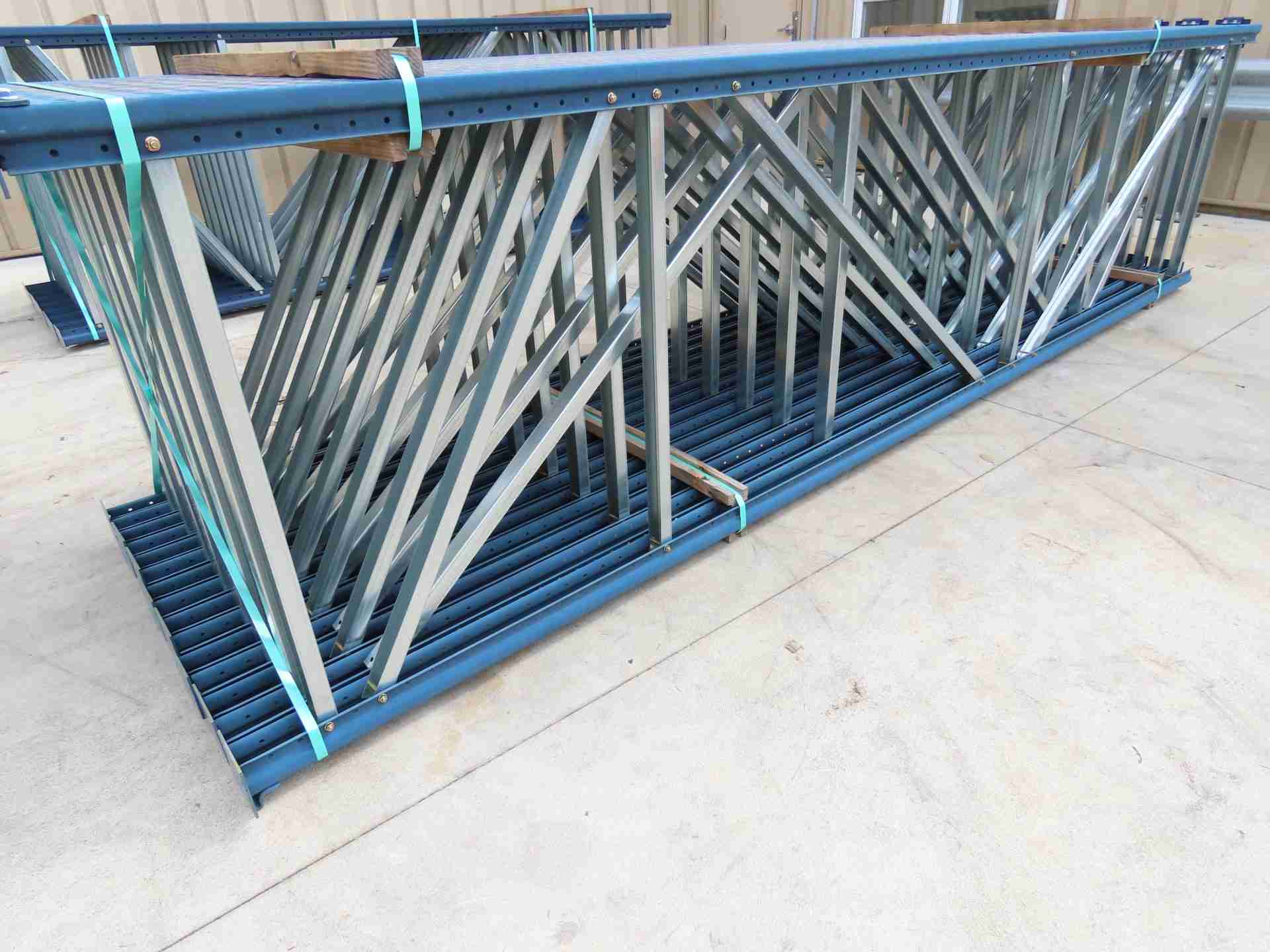
Conclusion
Other Resources
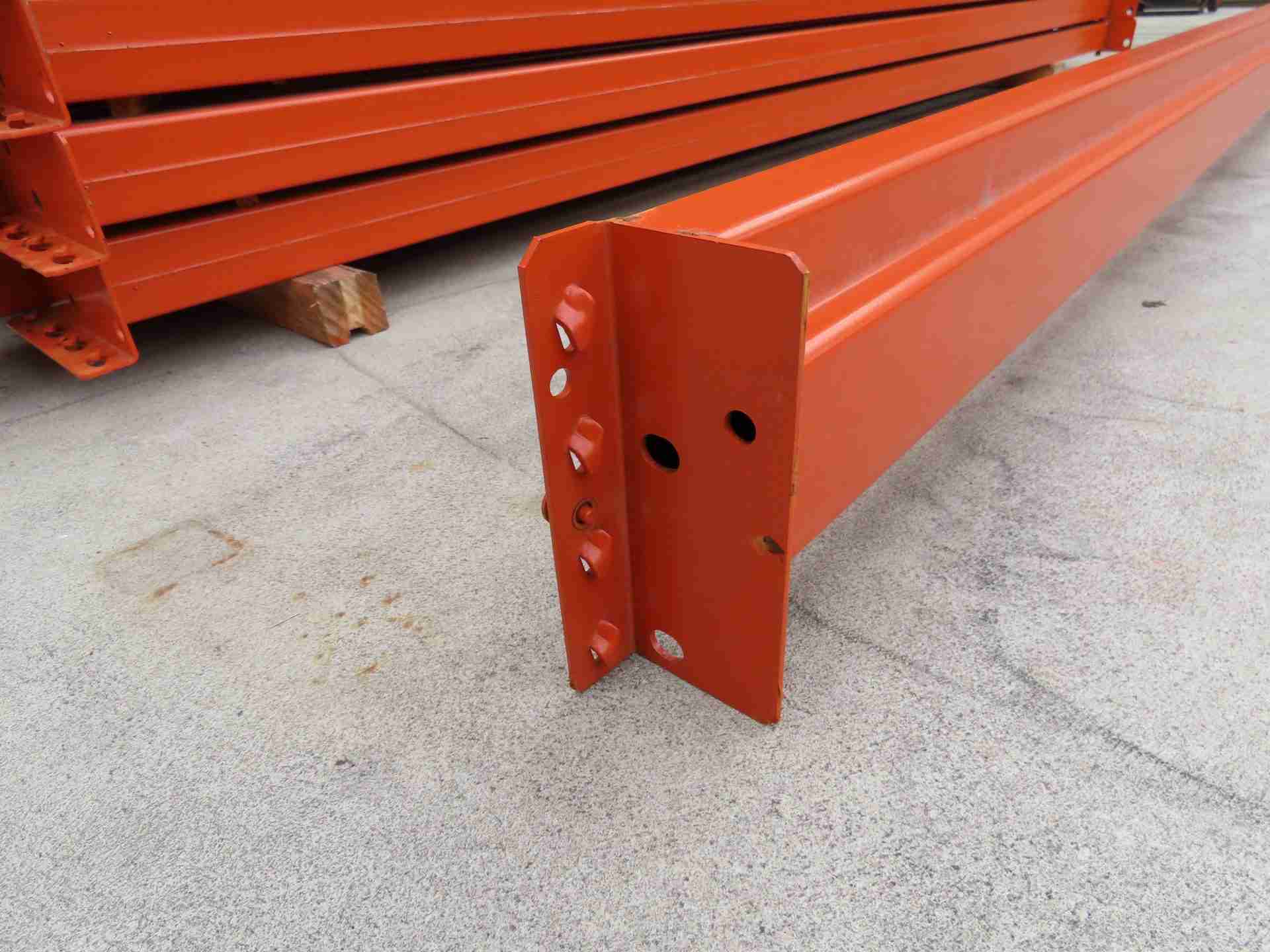
Other Resources
Here is a list of other resources you can review online to learn more:
- American Society of Safety Professionals
- Overhead Lifting
- Illinois Pallet Racking – WPRP
- Chicago Pallet Racking
- Intro to Warehouse Racks & Warehouse Racking Systems – ShipBob
- Cantilever Rack Guide: Ordering Cantilever Racking
- Crane Manufacturers Association Of America Inc.
- Pallet Racks, Pallet Racking, Pallet Shelves in Stock – ULINE
- IIWS Inc. Rack Installation Illinois & Rack Repairs Illinois
- Warehouse Racking Layout: The Ultimate Guide – Conger
Use This Prompt To Get More Resources With Your Favorite Online AI Tool: Please provide me with a list of online articles with their URLs in a bulleted list that I can read regarding How Can You Select The Right Racking System for Your Needs?
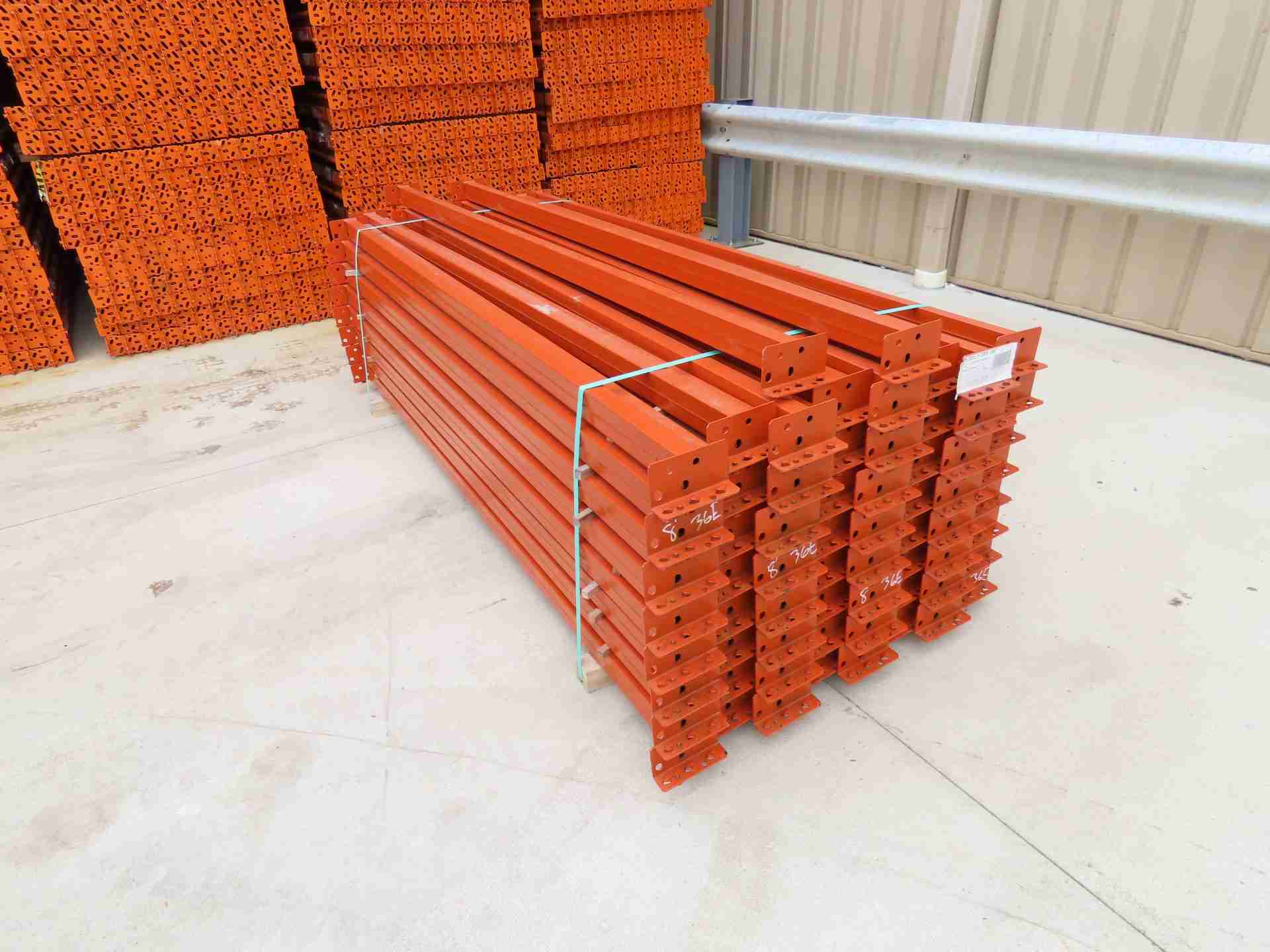
Other Resources
Glossary Terms
How Can You Select The Right Racking System for Your Needs? – Glossary Of Terms
1. Racking System: A framework for storing goods, typically using shelves supported by vertical poles, designed to maximize warehouse space.
2. Pallet Racking: A popular storage solution consisting of horizontal shelves or beams that hold pallets of goods, facilitating easy access and inventory control.
3. Load Capacity: The maximum weight that a racking system can safely support under normal operating conditions.
4. Aisle Width: The space between rows of racks, which affects both accessibility and the layout of warehouse operations.
5. Vertical Space Utilization: The effective use of vertical height in a warehouse, which is crucial for maximizing storage capacity.
6. Selectivity: The ease with which stored products can be accessed, influencing the choice between different racking styles.
7. FIFO (First In, First Out): A method for inventory rotation where the oldest stock is sold or used first, often facilitated by specific types of racking.
8. LIFO (Last In, First Out): An inventory management approach where the most recently added items are sold first, impacting racking choice.
9. Drive-In Racking: A racking system that allows forklifts to drive into the rack to load or retrieve pallets, maximizing storage density for bulk items.
10. Cantilever Racking: A racking option used for long or bulky items, with arms extending from a central column, allowing for easy loading and unloading.
11. Mobile Racking: A racking system mounted on wheeled bases that can be moved to create lanes for accessing products, optimizing space.
12. Pick Face: The section of a racking system where items are picked and prepared for dispatch, significantly impacting order fulfillment efficiency.
13. Column Spacing: The distance between vertical supports that affects the configuration and weight distribution of the racking system.
14. Dynamic Racking: A type of racking system that utilizes gravity or automated systems for the continuous movement of goods, enhancing retrieval speed.
15. Static Racking: A non-moving racking system, which is typically more straightforward but may require more floor space than dynamic systems.
16. Safety Standards: Regulations and guidelines that ensure racking systems are installed and maintained to prevent accidents and injuries.
17. Customization: The process of tailoring a racking system’s design and features to meet specific operational requirements and constraints.
18. Inventory Turnover: A measure of how quickly stock is sold and replaced over a specific period, influencing racking design choices.
19. Ergonomics: The study of designing equipment and workplaces to maximize productivity and minimize discomfort, vital in racking system selection.
20. Warehouse Management System (WMS): Software that manages inventory tracking and warehouse operations, often integrating with racking solutions for optimal performance.
21. Shelf Life: The length of time that a product can be stored before it is considered unsellable or unusable, affecting racking decisions.
22. Temperature Control: The process of managing ambient conditions, critical for certain goods, influencing the choice of storage racking systems.
23. Accessibility: The ease with which items can be reached and retrieved from racking, a crucial consideration in system design.
24. Durability: The ability of a racking system to withstand various environmental conditions and heavy loads over time, influencing lifespan and cost.
25. Modular Design: A flexible racking system design that can easily be expanded or rearranged as storage needs change.
26. Warehouse Layout: The physical arrangement of storage areas, aisles, and racking systems, which impacts workflow and efficiency.
27. Installation Cost: The expenses associated with setting up a racking system, including labor and materials, which must be considered in budget planning.
28. Maintenance Requirements: The ongoing care and inspections needed to ensure the racking system remains safe and functional.
29. Heavy-Duty Racking: A robust rack type designed to hold significantly heavier loads than standard racking systems, ideal for certain industrial applications.
30. Compliance: Adherence to industry regulations and safety standards when selecting and installing racking systems, essential for legal and safety reasons.
Glossary Of Terms
Other Questions
How Can You Select The Right Racking System for Your Needs? – Other Questions
If you wish to explore and discover more, consider looking for answers to these questions:
- What are the different types of racking systems available?
- How do I determine the best racking system for my specific inventory type?
- What are the key features to look for in a pallet racking system?
- How can I optimize the racking system for maximum space utilization?
- What safety regulations should I be aware of when selecting a racking system?
- How often should I inspect my racking system for safety compliance?
- What are the costs associated with different types of racking systems?
- How can I ensure my racking system is easy to modify for future growth?
- What factors influence the installation process of racking systems?
- How does the choice of racking system impact overall warehouse productivity?
- What are the expected maintenance costs for various racking systems?
- Can I implement automation with my racking system?
- What should I consider regarding accessibility for my racking system?
- How can I evaluate supplier reliability for racking systems?
- What are the benefits of investing in higher-quality racking systems?

Other Questions
Checklist
How Can You Select The Right Racking System for Your Needs? – A Checklist
Certainly! Below is a checklist titled “Racking System Selection Checklist” that you can give away with the article:
Racking System Selection Checklist
Inventory Assessment
_____ Identify the volume of inventory you handle (bulk vs. smaller items).
_____ Determine the weight and type of products for storage.
_____ Consider average weight and special handling needs of frequently stored items.
Facility Layout
_____ Evaluate the dimensions of your warehouse (height, width, depth).
_____ Identify any obstacles or limitations in your facility layout.
_____ Plan for aisle space requirements for different racking types.
_____ Consider incorporating technology for inventory management (e. g. , automation, barcode scanning).
Growth Potential
_____ Assess the future growth potential of your business.
_____ Choose modular and adjustable racking systems that can evolve with your needs.
_____ Factor in safety margins for weight capacity to accommodate unexpected growth.
Expert Consultation
_____ Reach out to industry experts or suppliers for advice.
_____ Ensure consultation covers safety regulations, load capacities, and best practices.
Cost-Effectiveness
_____ Compare the cost of different racking types (pallet racking vs. push-back vs. drive-in).
_____ Calculate potential labor cost savings through efficiency improvements.
_____ Assess long-term maintenance costs associated with each option.
Safety Compliance
_____ Implement regular inspections of racking systems for wear and tear.
_____ Familiarize yourself with OSHA guidelines and any relevant local regulations.
_____ Invest in high-quality racking solutions from reputable manufacturers.
_____ Create a culture of safety by encouraging employee feedback and reporting of concerns.
Training and Education
_____ Develop a training program for employees on safe racking system use.
_____ Update team training regularly based on new procedures or inventory changes.
Final Decision
_____ Verify that your selected racking system integrates seamlessly into your existing operations.
_____ Confirm that the racking system aligns with your overall business goals for efficiency and productivity.
Feel free to customize or modify this checklist to better fit the context of your article or audience!
Checklist
At RackingWorld, we help guide you through selecting warehouse storage systems and racking.
Be sure to read our other related stories at RackingWorld to learn more about warehouse storage systems.
0 Comments