
Slash Warehouse Costs: Inventory Reduction Strategies
By Tom Seest
At RackingWorld, we help guide you through selecting warehouse storage systems and racking.
Be sure to read our other related stories at RackingWorld to learn more about warehouse storage systems.
How Can You Reduce Inventory Costs In Your Warehouse?
Do you ever feel like your warehouse is a bottomless pit for money? Inventory costs can spiral out of control if not managed judiciously. Thankfully, there are strategies to streamline your operations, and one transformational method is the implementation of pallet racking systems.
Imagine walking into a warehouse where every inch of space is utilized efficiently. That’s the power of pallet racking! By optimizing vertical space, you can store more items without expanding your footprint, which translates to significant savings. Consider this: What if you could fit 30% more products in your existing warehouse? That’s not just wishful thinking; with smart pallet racking, it’s entirely possible.
Pallet racking isn’t just about stacking boxes high and hoping for the best. It’s about strategically maximizing accessibility to your inventory while minimizing the time spent picking and packing. If your warehouse is cluttered and chaotic, you’re likely spending unnecessary hours searching for items. Effective pallet racking solutions create organized aisles and clearly defined sections, making it easy for your team to find what they need, reducing labor costs in the process.
But here’s where it gets really interesting. When you invest in high-quality pallet racking, you’re investing in durability and longevity. These systems are designed to withstand the rigors of day-to-day warehouse life, meaning you won’t be faced with frequent replacements or repairs, which can eat into your profits. In essence, you’re not just cutting costs – you’re making a smart financial investment.
Moreover, think about the impact of effective inventory management on your cash flow. When items are stored efficiently, stock turnover improves, which means your capital isn’t tied up in excess inventory. By adopting just-in-time methods and leveraging the advantages of pallet racking, you enhance your responsiveness to market demands, further boosting your bottom line.
Ultimately, reducing inventory costs isn’t just a pipe dream; it’s within your reach. By embracing the innovative solutions that pallet racking offers, you cultivate an efficient, organized, and responsive warehouse environment. Your competitors may still be grappling with outdated systems, but you could be the one leading the charge, setting the standard in your industry.
So why wait? Take the plunge into a new era of inventory management and watch as your costs reduce while your efficiency skyrockets. Your warehouse—and your wallet—will thank you!

How Can You Reduce Inventory Costs In Your Warehouse?
How Can You Reduce Inventory Costs In Your Warehouse?
- Inventory costs can spiral without proper management, but pallet racking systems offer solutions.
- Pallet racking optimizes vertical space, allowing for up to 30% more product storage without expanding the warehouse footprint.
- Effective pallet racking enhances accessibility, reducing search time and lowering labor costs.
- High-quality pallet racking systems provide durability and longevity, minimizing the need for repairs and replacements.
- Efficient inventory management with pallet racking improves stock turnover and reduces excess inventory costs.
- Implementing pallet racking cultivates an organized and responsive warehouse environment, enhancing competitiveness.
- Investing in pallet racking leads to reduced inventory costs and increased overall efficiency.

How Can You Reduce Inventory Costs In Your Warehouse?
Table Of Contents
- How Can You Reduce Inventory Costs In Your Warehouse?
- How Can You Identify Unnecessary Inventory In Your Warehouse?
- What Are The Best Practices For Inventory Tracking And Management?
- How Can Technology Help Reduce Inventory Costs?
- What Role Does Demand Forecasting Play In Inventory Management?
- How Can You Optimize Your Warehouse Layout For Efficiency?
- What Strategies Can Help Improve Order Fulfillment Accuracy?
- Conclusion
- Other Resources
- Glossary Of Terms
- Other Questions
- Checklist
How Can You Identify Unnecessary Inventory In Your Warehouse?
In today’s fast-paced business environment, the last thing you want is a warehouse drowning in unnecessary inventory. It ties up valuable cash flow and clutters your space, making it hard to manage the essentials. But fear not—identifying unnecessary inventory doesn’t have to be a Herculean task. Let’s break it down into manageable steps that inspire confidence and action.
First, take a close look at your pallet racking setup. This is more than just a way to store products; it’s a window into your inventory management process. If you have pallets stacked high with items that haven’t moved for months—or worse, years—it’s time for a reality check. Your pallet racking can reveal hidden gems but also highlight stagnant stock that’s doing more harm than good.
Next, look for patterns in your inventory usage. Are there products that you always seem to have too much of? Perhaps certain items are fast-movers while others sit neglected. Analyze your sales data and establish a clear visibility of which items are performing and which are collecting dust. Implementing a system of regular inventory audits can help—don’t just do it once a year! Create a schedule, perhaps monthly or quarterly, to consistently check your shelves against your sales patterns.
Engaging your team in this process is key. They have their finger on the pulse and can provide valuable insight into what’s selling and what’s not. Encourage open conversations about inventory levels and empower your staff to suggest changes. When your team feels involved, they are more likely to take ownership and responsibility for managing inventory effectively.
Lastly, consider your storage space as a dynamic entity. Is your current configuration of pallet racking truly optimized for your operation’s needs? If the layout isn’t flexible or conducive to current market demands, it might be time for a rethink. A well-organized and strategically designed pallet racking system not only helps you see what you have but also what you don’t need.
Eliminating unnecessary inventory isn’t just about decluttering; it’s about creating room for innovation, improving cash flow, and fostering a proactive business environment. By taking a systematic approach to your inventory management, you can inspire trust within your team and confidence in your company’s financial health. So roll up those sleeves, take stock, and make your warehouse a beacon of efficiency!

How Can You Identify Unnecessary Inventory In Your Warehouse?
How Can You Identify Unnecessary Inventory In Your Warehouse?
- Excess inventory can hinder cash flow and complicate warehouse management.
- Assess your pallet racking setup to identify stagnant stock and areas for improvement.
- Analyze inventory usage patterns to distinguish between fast-moving items and those that remain unsold.
- Implement regular inventory audits—consider a monthly or quarterly schedule for better oversight.
- Engage your team in the inventory management process for valuable insights and shared responsibility.
- Ensure your pallet racking configuration is optimized for current operational needs and market demands.
- Streamlining inventory creates opportunities for innovation and improves overall cash flow.

How Can You Identify Unnecessary Inventory In Your Warehouse?
What Are The Best Practices For Inventory Tracking And Management?
In today’s fast-paced business environment, efficient inventory tracking and management can make or break your bottom line. Imagine glancing at your stock and feeling confident about every item’s quantity, location, and status—this is not just a dream; it’s a necessity. Let’s delve into some best practices that can transform your operations from chaotic to streamlined, bringing you the peace of mind that comes with mastery.
First and foremost, consider the type of storage solutions you use. Utilizing pallet racking systems can be a game-changer. Not only does it maximize your warehouse space, but it also makes items easily accessible, reducing the time spent finding what you need. Organizing your inventory on open pallet racking allows for better visualization of stock levels. This simple shift can elevate your entire inventory management strategy.
Next, embrace technology. In a world dominated by digital solutions, manual tracking methods should be a thing of the past. By implementing an effective inventory management software, you can automate tracking, receive alerts on low stock, and predict demand trends with remarkable accuracy. This doesn’t just save time; it encourages proactive decision-making. An intuitive system integrates seamlessly with your existing tools, offering insights that empower you to act rather than react.
To ensure you’re maximizing your inventory’s potential, conduct regular audits. Yes, it might seem tedious, but these checks provide clarity on what’s selling, what’s gathering dust, and what may need replenishing. Plus, consistent auditing cultivates a culture of accountability and vigilance among your team, building trust and fostering a sense of ownership.
Let’s not forget the importance of categorizing your inventory. By categorizing items into fast-moving, slow-moving, and obsolete stock, you can focus your efforts where they truly count. A well-organized inventory ensures that every team member knows where to find specific items swiftly, minimizing frustration and maximizing efficiency.
Lastly, communicate. Encourage open dialogues between your team members about stock levels, best-selling products, and inventory troubles. Building a culture of communication will not only create a sense of teamwork but also a proactive approach to inventory challenges.
Implementing these best practices can set you on the path to effective inventory management and tracking, ensuring that you’re not just keeping pace with your business but staying a step ahead. Make the commitment to refine your approach today; your profit margins—and peace of mind—will thank you.

What Are The Best Practices For Inventory Tracking And Management?
What Are The Best Practices For Inventory Tracking And Management?
- Efficient inventory tracking is crucial for success in the fast-paced business environment.
- Utilize pallet racking systems for better space management and item accessibility.
- Adopt inventory management software to automate tracking and predict demand trends.
- Conduct regular audits to evaluate stock performance and foster accountability among team members.
- Categorize inventory into fast-moving, slow-moving, and obsolete stock to improve focus and efficiency.
- Encourage open communication within the team regarding stock levels and inventory challenges.
- Implementing these best practices enhances inventory management and can improve profit margins.

What Are The Best Practices For Inventory Tracking And Management?
How Can Technology Help Reduce Inventory Costs?
In today’s fast-paced business environment, every penny counts—especially when it comes to managing inventory costs. If you’re still relying on outdated methods, it’s time to embrace technology that can transform your operations and pad your bottom line. The good news is, you don’t have to overhaul your entire system overnight; small, strategic changes can lead to significant savings and improved efficiency.
Consider, for example, the use of advanced software for tracking inventory levels. Modern inventory management systems integrate seamlessly with your existing ERP platforms, providing real-time data that informs smarter purchasing decisions. Imagine having the power to instantly know what’s sitting in your pallet racking, reducing the likelihood of overstock or stock-outs. This real-time visibility is a game-changer, enabling you to respond quickly to market demands and changing consumer preferences.
Moreover, technologies such as RFID tags and barcode scanning create streamlined processes. Gone are the days of painstaking manual counts and the anxiety that comes with them. Picture this: your warehouse staff zipping through aisles, scanning items effortlessly, and updating inventory counts in seconds. The result? A more accurate assessment of your holdings, leading to informed decisions on replenishment quantities. When you know exactly what’s in your pallet racking, you can optimize your space, reducing the clutter that often masks inefficiencies.
Warehouse automation is another avenue to explore. Imagine deploying robotic systems that assist in sorting, picking, and managing your inventory. Not only does this speed up operations, but it also minimizes human error, allowing your team to focus on more strategic initiatives that growth requires. When your workforce is empowered and your processes are flawless, it translates into substantial cost savings.
Finally, let’s talk about data analytics. The treasure trove of insights generated from inventory management systems can illuminate patterns in your sales and purchasing—information you can leverage to negotiate better terms with suppliers. Trust me, better negotiation leads directly to reduced costs, allowing you to reinvest in other areas of your business.
Embracing technology to reduce inventory costs is not just an expense; it’s an investment with a clear ROI. By harnessing these innovative tools, you’ll create a more agile, responsive, and ultimately profitable approach to inventory management—one that sets you apart from the competition. Now, take that first step; your future self will thank you for it!

How Can Technology Help Reduce Inventory Costs?
How Can Technology Help Reduce Inventory Costs?
- Modern inventory management is crucial in a fast-paced business environment where cost savings are essential.
- Advanced software integration with existing ERP platforms provides real-time inventory data for better purchasing decisions.
- Real-time visibility helps in reducing overstock and stock-outs, improving responsiveness to market demands.
- Technologies like RFID and barcode scanning streamline inventory processes, leading to more accurate stock assessments.
- Warehouse automation, through robotic systems, enhances speed and minimizes human error while allowing teams to focus on strategic tasks.
- Data analytics from inventory systems reveal insights that facilitate better negotiations with suppliers, further reducing costs.
- Investing in technology for inventory management yields a clear return on investment, improving efficiency and profitability.
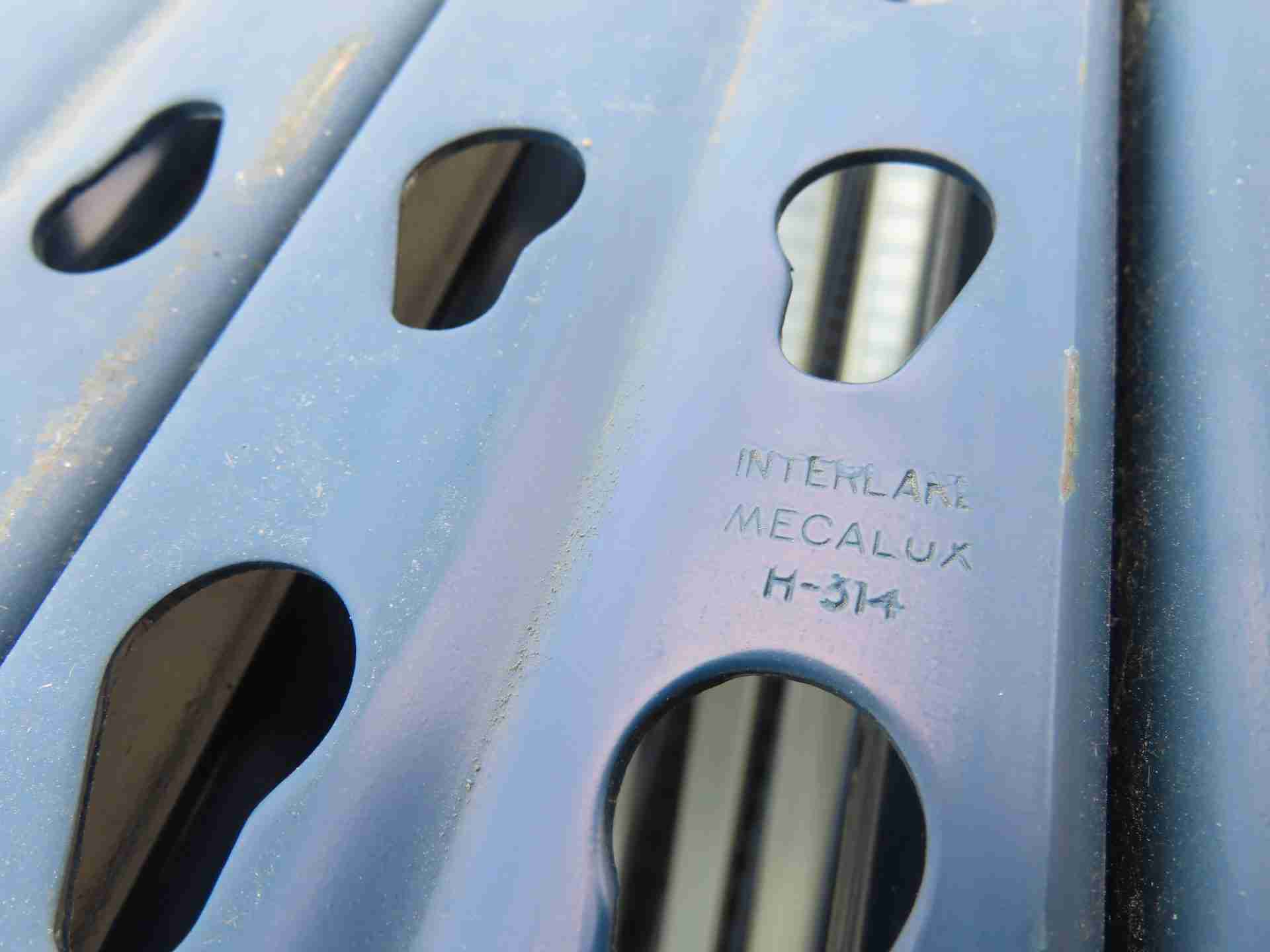
How Can Technology Help Reduce Inventory Costs?
What Role Does Demand Forecasting Play In Inventory Management?
Imagine walking into a warehouse filled with neatly organized pallet racking, a symphony of carefully stored products ready to meet customer demand. It’s a logistical masterpiece, one that didn’t happen by accident. At the heart of this operation is the unsung hero of inventory management: demand forecasting.
Why does this matter to you? Because understanding demand forecasting can dramatically enhance your inventory management, saving you both time and money. Picture yourself walking through that warehouse, confident that every item has its perfect place. You’re not overstocked on that summer BBQ grill in January, nor are you left with empty shelves when the holiday shopping rush begins. That’s the power of accurate demand forecasting.
Demand forecasting is like having a crystal ball—it allows you to anticipate market trends, seasonal fluctuations, and changes in consumer preferences. With the right forecasting tools, you’re not just making educated guesses; you’re strategizing for success. Imagine analyzing historical sales data, monitoring emerging market trends, and tuning into customer feedback to create a roadmap for your inventory needs. It’s not just about numbers; it’s about understanding your customers, their desires, and their buying patterns.
Now, let’s talk about how this ties into that impressive pallet racking system. When you have a clear outlook on demand, your inventory flows smoothly. You can optimize your pallet racking layout to ensure your fast-moving items are within easy reach while storing less popular products in less accessible areas. This not only reduces handling times but also maximizes your space, allowing for efficient operations and reduced costs.
But what if you ignore demand forecasting? You risk stockouts that frustrate customers and send them straight to your competitors. You may also find yourself drowning in excess inventory, tying up cash flow and wasting precious resources. In a world where every dollar counts, can you afford that?
Making demand forecasting an integral part of your inventory management strategy empowers you to make informed decisions. It builds customer trust because you can deliver what they want, when they want it. This reliability not only fosters loyalty but also positions you as a market leader in your space.
Ultimately, effective demand forecasting transforms inventory management from a reactive scramble to a proactive, strategic approach. It positions you to seize opportunities, mitigate risks, and cultivate a thriving business. So, are you ready to step into the future of inventory management? Start forecasting today, and watch your operational efficiency soar!

What Role Does Demand Forecasting Play In Inventory Management?
What Role Does Demand Forecasting Play In Inventory Management?
- Demand forecasting is essential for effective inventory management, enhancing efficiency and saving costs.
- Accurate forecasting prevents overstocking or stockouts, ensuring the right products are available at the right time.
- It enables businesses to anticipate market trends, seasonal changes, and shifts in consumer preferences.
- By analyzing historical sales data and customer feedback, companies can create a strategic roadmap for inventory needs.
- A clear understanding of demand improves pallet racking system organization, optimizing space and reducing handling times.
- Ineffective forecasting can lead to stockouts, excess inventory, and frustrated customers, harming cash flow and resources.
- Integrating demand forecasting empowers informed decision-making, builds customer trust, and positions businesses as market leaders.

What Role Does Demand Forecasting Play In Inventory Management?
How Can You Optimize Your Warehouse Layout For Efficiency?
Imagine stepping into a well-organized warehouse that operates like a well-oiled machine. Every inch of space is utilized, every process flows seamlessly, and everyone knows exactly where to go and what to do. You can achieve that level of efficiency by optimizing your warehouse layout—and it all starts with the right mindset.
First, consider your pallet racking systems strategically. These towering racks are not just for holding inventory; they are essential for maximizing vertical space and streamlining access to goods. Evaluate your product turnover rates and organize your racking accordingly. Fast-moving items should be placed up front and within easy reach to minimize picking time. Meanwhile, slower-moving products can be nestled further back, allowing for a fluid and efficient flow of operations.
Think about the flow of your warehouse as a symphony—every section must harmonize. Whether it’s receiving, storage, picking, or shipping, you want to create an uninterrupted path from one area to the next. Start by mapping out a clear layout that minimizes unnecessary travel time. Position your shipping station near your packing area to cut down on steps, and create clear pathways for your team to follow. This isn’t just about speed; it’s about fostering an environment that encourages staff to operate at their best.
Don’t ignore the human element in your warehouse design. Engage your team in the process—after all, they are the ones navigating this daily dance. Solicit feedback and observe them at work. You might discover small changes that yield big benefits. For instance, consider color-coding bins or utilizing signage to guide your staff visually. These thoughtful touches can elevate morale and enhance efficiency by reducing confusion and errors.
Finally, take advantage of technology. From warehouse management systems (WMS) to mobile scanning devices, integrating the latest tech can help you monitor inventory levels and streamline processes, ensuring your layout remains highly effective as your business grows.
Optimizing your warehouse layout isn’t just an operational task–it’s an investment in efficiency, productivity, and ultimately, profitability. Start today to unlock the full potential of your operations, and watch as your team feels more empowered and your margins grow to new heights. The journey to excellence begins with a single step—why not take it now?

How Can You Optimize Your Warehouse Layout For Efficiency?
How Can You Optimize Your Warehouse Layout For Efficiency?
- Achieving an efficient warehouse requires an optimized layout and the right mindset.
- Strategically position pallet racking systems to maximize vertical space and streamline access to goods.
- Organize fast-moving products at the front for easy access and slow-moving ones further back.
- Map out a clear flow for receiving, storage, picking, and shipping to minimize travel time.
- Engage and involve your team in the design process for practical insights and improvements.
- Utilize color-coding and signage to enhance visual guidance and reduce errors.
- Incorporate technology, such as warehouse management systems and mobile scanning, for better inventory management and process efficiency.

How Can You Optimize Your Warehouse Layout For Efficiency?
What Strategies Can Help Improve Order Fulfillment Accuracy?
When it comes to order fulfillment, accuracy isn’t just a checkbox on a list; it’s the beating heart of your operations. Imagine the delight of your customers when they receive exactly what they ordered, on time. The relationship you build on this reliability can transform them from casual shoppers into loyal advocates for your brand. But how do you ensure this level of precision in your order fulfillment processes? It’s simpler than you think, and it all begins with the right strategies.
One of the crucial elements of improving order fulfillment accuracy is optimizing your warehouse layout. Enter Pallet Racking. This innovative storage solution not only maximizes space but also enhances picking efficiency. By thoughtfully organizing your products on pallet racks, you can streamline your processes. When your layout allows for easy access to frequently picked items, your team spends less time searching and more time fulfilling orders. Imagine your warehouse as a well-oiled machine, every part perfectly aligned to deliver excellence.
Next, invest in technology. Implementing a sophisticated inventory management system can drastically reduce human error. Technologies like barcode scanning and real-time inventory tracking offer invaluable insights, ensuring you always know exactly what you have in stock. This not only reinforces trust with your customers but also empowers your staff to focus on what they do best—delivering exceptional service.
Regular training of your staff is another vital strategy. Create a culture of accuracy and accountability. Engage your team with ongoing training programs that emphasize the importance of order accuracy. By encouraging their involvement, you foster a sense of ownership over their roles. When they understand that their work is crucial to creating remarkable customer experiences, they’ll naturally strive for excellence.
Lastly, don’t underestimate the power of feedback and continuous improvement. Collect data on order fulfillment accuracy and analyze it diligently. What are the root causes of any inaccuracies? Are there specific products consistently going to the wrong customers? By identifying patterns, you can implement targeted improvements.
Embracing these strategies not only enhances your order fulfillment accuracy but also builds a stronger connection with your customers. A commitment to excellence in your fulfillment process signals to them that they can trust your brand, paving the way for repeat business and glowing referrals. So, take a step forward today—optimizing your order fulfillment accuracy is not just a strategy; it’s a promise to your customers that they will always receive what they deserve.
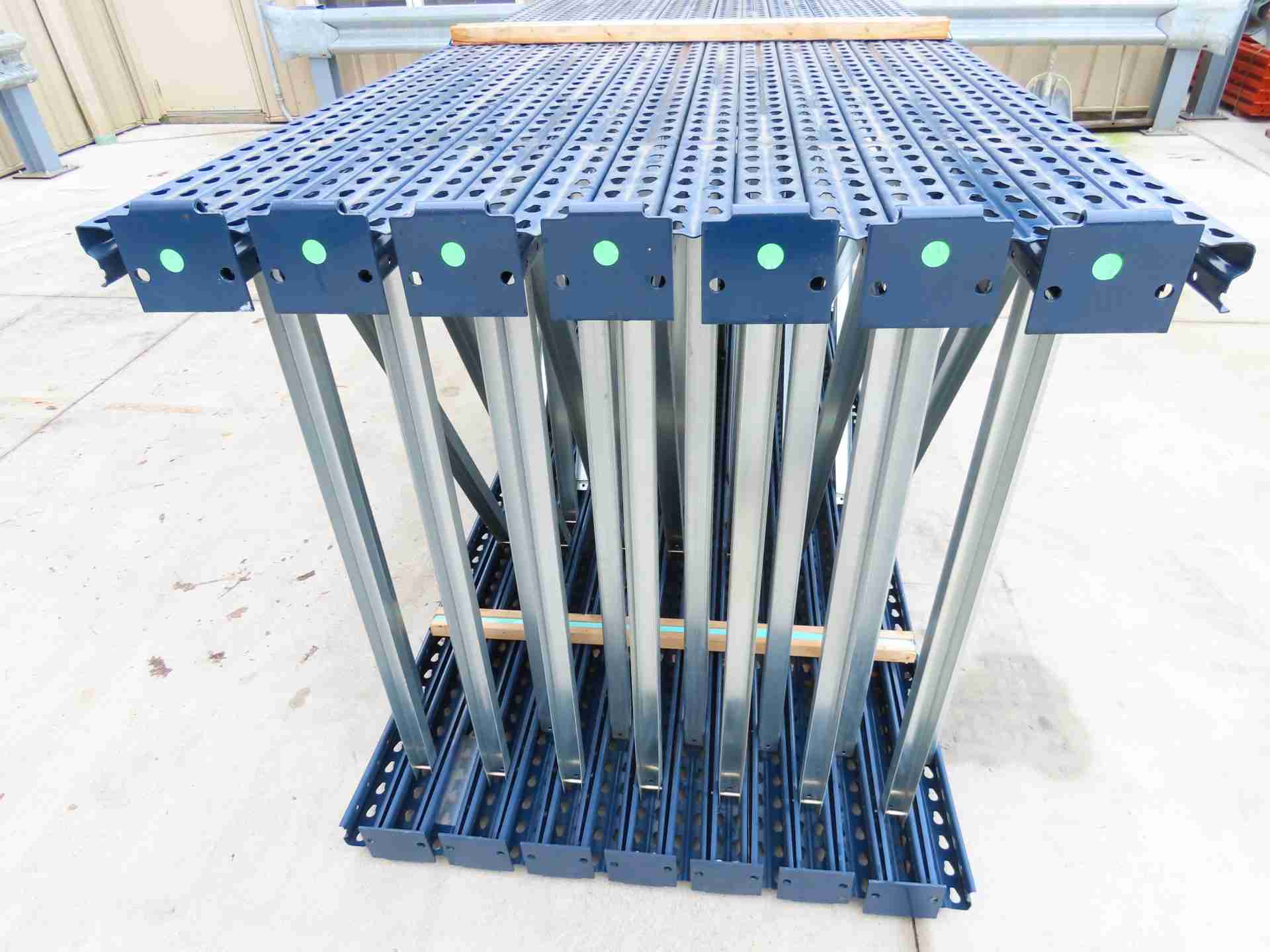
What Strategies Can Help Improve Order Fulfillment Accuracy?
What Strategies Can Help Improve Order Fulfillment Accuracy?
- Order fulfillment accuracy is essential for building customer loyalty and enhancing brand reputation.
- Optimizing warehouse layout with Pallet Racking improves space utilization and picking efficiency.
- Implement advanced technology like inventory management systems and barcode scanning to minimize human error.
- Regular staff training fosters a culture of accuracy and empowers employees to deliver exceptional service.
- Collect and analyze data on order fulfillment accuracy to identify root causes of inaccuracies.
- Implement targeted improvements based on identified patterns to enhance overall efficiency.
- Committing to excellence in order fulfillment creates trust and encourages repeat business from customers.

What Strategies Can Help Improve Order Fulfillment Accuracy?
Conclusion
In the dynamic world of warehouse management, reducing inventory costs is not merely desirable—it’s essential for achieving a sustainable competitive edge. At RackingWorld.com and Arrow Industrial Sales, we understand the challenge that excess inventory poses. It ties up precious cash flow, clutters your operation, and can erode profit margins faster than you can say “stockout.”
But fret not, because eliminating unnecessary costs and inefficiencies is not an insurmountable task. Think of your warehouse as a multifaceted mechanism that, when optimized, can drive productivity, increase efficiency, and ultimately boost your bottom line. Central to this transformation are pallet racking systems. These innovative storage solutions allow you to maximize vertical space, enabling you to fit up to 30% more products without expanding your footprint—an immediate saving opportunity ripe for the taking.
By employing effective inventory management techniques, you’ll create a thriving environment where every item is easily accessible, saving valuable time—and that translates directly into labor cost savings. Imagine not just saving costs, but reinvesting those savings back into your operations: money that can be redirected toward growth initiatives or enhancing your product offerings.
Yet, the benefits of a well-organized warehouse stretch far beyond mere storage. Associated technologies such as real-time inventory management systems, barcode scanners, and advanced software can revolutionize your tracking and fulfillment accuracy. When you have a clear sense of inventory levels, turnover rates, and customer demand, you’re poised to make smarter purchasing decisions and avoid costly overstock situations.
And while embracing these tools may seem daunting, remember that your investment in technology pays dividends in improved efficiency and reliability. You’ll be positioned not only to meet customer expectations but to exceed them, turning occasional buyers into loyal advocates for your brand.
So, as you contemplate the optimal strategies for inventory reduction, don’t just settle for the status quo. Engage with Arrow Industrial Sales today to discover how our tailored pallet racking solutions can help you streamline your operations. Now is the time to take decisive action—your warehouse is ready for a transformation that will unlock untapped potential and create lasting value. Call us at (574) 349-6575 to learn how we can assist you in reducing costs and enhancing your operations. Don’t wait; the opportunity for increased efficiency and savings is just a call away!

Conclusion
Conclusion:
- Reducing inventory costs is essential for a competitive edge in warehouse management.
- Excess inventory ties up cash flow, clutters operations, and erodes profit margins.
- Pallet racking systems maximize vertical space, allowing for significant product capacity increases without expanding footprint.
- Effective inventory management techniques create accessibility and save labor costs.
- Advanced technologies like real-time inventory systems enhance tracking and fulfillment accuracy.
- Investing in technology leads to improved efficiency, reliability, and customer satisfaction.
- Contact Arrow Industrial Sales to explore tailored solutions for streamlining operations.

Conclusion
Other Resources

Other Resources
Here is a list of other resources you can review online to learn more:
- Interlake Mecalux
- Iowa Illinois Warehouse Racking
- Overhead Lifting
- Teardrop Industrial Shelving Rack
- Storage Equipment Manufacturers Association
- Selective Racking
- New Cantilever Racks and Racking Kits
- IIWS Inc. Rack Installation Illinois & Rack Repairs Illinois
- Warehouse Automation
- WERC
Use This Prompt To Get More Resources With Your Favorite Online AI Tool: Please provide me with a list of online articles with their URLs in a bulleted list that I can read regarding How Can You Reduce Inventory Costs In Your Warehouse?

Other Resources
Glossary Terms
How Can You Reduce Inventory Costs In Your Warehouse? – Glossary Of Terms
1. Inventory Management: The process of overseeing and controlling inventory levels to ensure optimal stock without excess or shortages.
2. Just-in-Time (JIT): An inventory strategy that aligns raw-material orders from suppliers directly with production schedules, reducing holding costs.
3. Lead Time: The time it takes from placing an order until the products are received and ready for use, critical for reducing excess inventory.
4. Stock Keeping Unit (SKU): A unique identifier for each product or item in inventory, essential for accurate tracking and management.
5. Demand Forecasting: The process of estimating future customer demand to optimize inventory levels and reduce carrying costs.
6. Turnover Rate: A measure of how quickly inventory is sold and replaced; higher rates often indicate efficient inventory management.
7. Economic Order Quantity (EOQ): A calculation to determine the optimal order quantity that minimizes total inventory costs, including holding and ordering costs.
8. Buffer Stock: Extra inventory held as a safeguard against stockouts, which can increase costs if not managed properly.
9. Cycle Counting: An inventory auditing procedure that counts a subset of inventory on a specific day, enabling better accuracy without full inventory checks.
10. ABC Analysis: A technique that categorizes inventory into three classes (A, B, and C) based on importance, aiding in focused inventory management.
11. Carrying Costs: The total cost of holding inventory, including storage, insurance, depreciation, and opportunity costs.
12. Warehouse Optimization: The strategic arrangement of goods within a warehouse to streamline operations and reduce time spent retrieving items.
13. Dropshipping: A retail fulfillment method where a store does not keep the products it sells in stock, reducing inventory costs.
14. Cross-Docking: A logistics practice where incoming goods are directly transferred to outbound shipping without storage, minimizing holding costs.
15. Vendor Managed Inventory (VMI): A supply chain initiative where suppliers manage the inventory of their products, enhancing supply chain efficiency and minimizing excess stock.
16. Safety Stock: Inventory that is kept as a reserve to prevent stockouts during fluctuations in demand or supply chain disruptions.
17. Shelf Life: The length of time a product may effectively remain in inventory before it either becomes obsolete or spoils.
18. Inventory Turn: A ratio that measures how many times a company’s inventory is sold and replaced over a period, highlighting efficiency.
19. Supply Chain Management: The management of the flow of goods and services, including all processes that transform raw materials into final products, with a goal to reduce costs.
20. First-In, First-Out (FIFO): An inventory valuation method where the oldest inventory items are sold first, minimizing losses from obsolescence.
21. Last-In, First-Out (LIFO): An inventory valuation method where the most recently acquired items are sold first, impacting tax liability and cash flow.
22. Inventory Replenishment: The process of restocking items in inventory based on predetermined levels to maintain proper stock.
23. Space Utilization: The effective use of warehouse space to maximize storage capacity and minimize costs.
24. Automated Inventory System: Technology that automates tracking and management of inventory levels, improving accuracy and efficiency.
25. Negative Inventory: A situation where recorded inventory levels show less stock than physically exists, often due to errors or poor management.
26. Outsourcing: The practice of obtaining goods or services from external suppliers to reduce costs associated with holding and managing inventory.
27. Inventory Write-Off: The reduction in the recorded value of inventory due to damage, obsolescence, or other losses, affecting financial statements.
28. Stock Rotation: The practice of moving existing stock to the front of the storage area to ensure older products are sold first, reducing waste.
29. Inventory Auditing: The systematic examination of an inventory account, ensuring accuracy and compliance with financial reporting standards.
30. Consignment Inventory: Inventory that is in the possession of a retailer but owned by the supplier until sold, which can alleviate holding costs for retailers.

Glossary Of Terms
Other Questions
How Can You Reduce Inventory Costs In Your Warehouse? – Other Questions
If you wish to explore and discover more, consider looking for answers to these questions:
- What are the key factors contributing to high inventory costs?
- How can I measure the efficiency of my current inventory management system?
- What common mistakes should I avoid in inventory management?
- How do I determine the ideal levels of inventory for my business?
- What are the signs of ineffective inventory management?
- How can I train my staff to effectively manage inventory?
- What role does supplier management play in reducing inventory costs?
- Are there specific industries that benefit more from pallet racking systems?
- What are some cost-effective alternatives to pallet racking systems?
- How can I leverage data analytics to improve my inventory management?
- What are the technological trends in inventory management to look out for?
- How can small businesses implement effective pallet racking solutions?
- What are the potential risks of maintaining low inventory levels?
- How can I improve my warehouse’s picking and packing processes?

Other Questions
Checklist
How Can You Reduce Inventory Costs In Your Warehouse? – A Checklist
Inventory Cost Reduction Checklist
This checklist outlines key strategies to help you effectively reduce inventory costs in your warehouse. Use it as a guide to create a more efficient and organized inventory management system.
Warehouse Optimization
_____ Implement Pallet Racking Systems: Utilize vertical space to maximize storage without expanding your footprint.
_____ Organize Inventory Layout: Ensure fast-moving items are easily accessible at the front of your racks.
_____ Create Clear Pathways: Map out workflow from receiving to shipping to minimize unnecessary travel time.
_____ Engage Your Team: Solicit feedback from staff on layout and processes for improvements.
Inventory Management Practices
_____ Regular Inventory Audits: Establish a routine schedule for checking stock levels against sales patterns (monthly or quarterly).
_____ Analyze Sales Data: Identify patterns in inventory usage to recognize slow-moving items and potential overstock.
_____ Categorize Inventory: Organize items into fast-moving, slow-moving, and obsolete categories for better management.
Technology Integration
_____ Adopt Inventory Management Software: Automate inventory tracking and receive alerts for low stock.
_____ Utilize Barcode Scanning: Implement barcode scanning for accurate real-time inventory tracking.
_____ Explore RFID Technology: Use RFID tags for more efficient inventory management and reduced manual processes.
Demand Forecasting
_____ Monitor Market Trends: Analyze historical sales data and customer feedback to predict future inventory needs.
_____ Adjust Inventory Levels Accordingly: Ensure alignment of stock levels with forecasted demand to avoid overstock or stockouts.
Enhancing Order Fulfillment
_____ Improve Warehouse Layout for Fulfillment: Optimize arrangement for easy access to frequently picked items.
_____ Invest in Staff Training: Foster a culture of accuracy with ongoing training on order fulfillment processes.
_____ Implement Feedback Loops: Analyze order fulfillment data regularly to identify and address inaccuracies.
Continuous Improvement
_____ Engage in Open Communication: Foster a culture of dialogue among team members regarding inventory and fulfillment challenges.
_____ Monitor Performance Metrics: Track efficiency metrics to evaluate the effectiveness of your inventory management changes.
By completing this checklist, you’ll be on your way to reducing inventory costs and improving the efficiency and responsiveness of your warehouse operations!

Checklist
At RackingWorld, we help guide you through selecting warehouse storage systems and racking.
Be sure to read our other related stories at RackingWorld to learn more about warehouse storage systems.
0 Comments