
Modernizing Your Warehouse For Safety Success
By Tom Seest
At RackingWorld, we help guide you through selecting warehouse storage systems and racking.
Be sure to read our other related stories at RackingWorld to learn more about warehouse storage systems.
Could Your Outdated Warehouse Practices Be Jeopardizing Safety?
In the fast-paced world of logistics, efficiency often overshadows safety. But what if those outdated warehouse practices are not just cost inefficiencies but real threats to the well-being of your team? Let’s break down a fundamental element: your pallet racking system.
Picture this: your warehouse is a hive of activity. Pallets neatly stacked, employees darting like seasoned professionals, but lurking underneath the surface is a ticking time bomb. That’s right—old, worn-out pallet racking can turn from a space saver to a safety hazard in the blink of an eye. Have you inspected your racks lately? If your answer is, “Well, it looks okay,” then you may be at risk.
Consider the implications of neglect. A misplaced pallet, overloaded racking, or worse—an entire row collapsing—can cause personal injury, loss of valuable inventory, and costly downtime. Suddenly, what was once a bustling hub of productivity turns into a chaotic, unsafe environment. Your team’s safety and morale are directly tied to the state of your equipment. It’s not just about compliance with safety regulations; it’s about cultivating a culture that prioritizes your employees’ well-being.
So, what can you do? The first step is acknowledging the reality that some warehouse practices are stuck in the past, and that outdated systems potentially jeopardize safety. Commit to routine inspections of your pallet racking. An investment in periodic safety audits and updating your racks—whether it’s reinforcing those rickety structures or replacing outdated materials—speaks volumes to your team. It shows them that you value their safety, fostering trust and confidence.
Furthermore, engage your staff in safety trainings. Show them how to properly use equipment and the importance of reporting any hazards. Make it a continuous conversation rather than a once-a-year check-off. Ask for their input on enhancements or observe their workflow. They are on the front lines, and their insights can reveal a lot more than you may realize.
Your warehouse is a critical engine of your business. If you ensure its safety and efficiency, you’ll set a foundation for unprecedented growth. Don’t let outdated practices jeopardize the operations you’ve worked hard to build. Transform your warehouse into a secure environment where both productivity and safety go hand in hand. Empower your team; they deserve it!
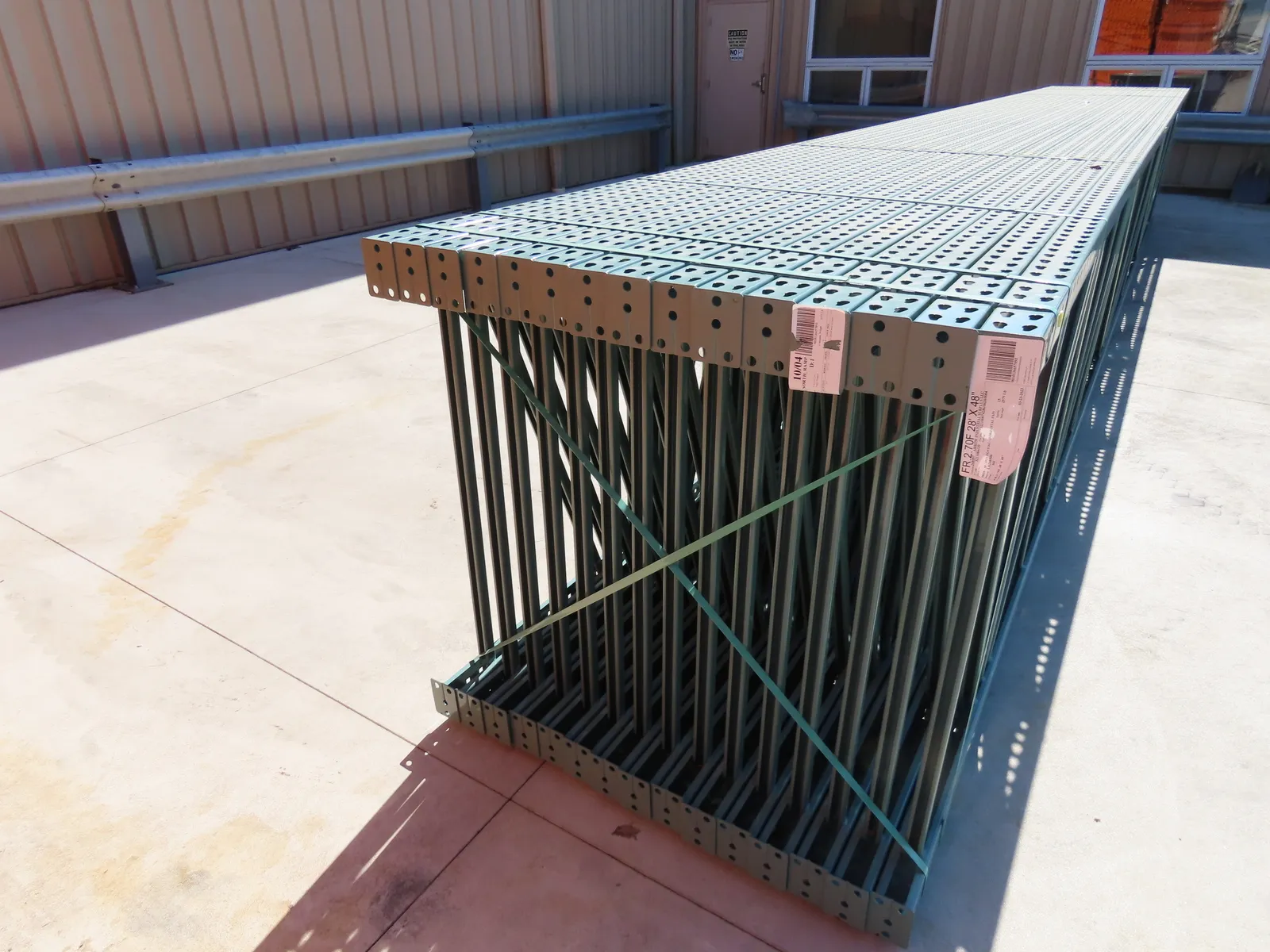
Could Your Outdated Warehouse Practices Be Jeopardizing Safety?
Could Your Outdated Warehouse Practices Be Jeopardizing Safety?
- Efficiency in logistics often overshadows safety, with outdated practices posing real threats to employee well-being.
- Old, worn-out pallet racking can become a safety hazard if not properly inspected.
- Neglecting the state of pallet racks can lead to personal injuries and significant operational disruptions.
- Team safety and morale are directly linked to the condition of warehouse equipment.
- Routine inspections and safety audits of pallet racking systems are essential to mitigate risks.
- Engaging staff in safety training and promoting open communication can enhance workplace safety.
- Transforming the warehouse into a secure environment fosters productivity and sets the stage for growth.
Could Your Outdated Warehouse Practices Be Jeopardizing Safety?
Table Of Contents
- Could Your Outdated Warehouse Practices Be Jeopardizing Safety?
- What Are The Signs Of Outdated Warehouse Practices?
- How Do Outdated Practices Impact Safety?
- What Safety Hazards Arise From Poor Warehouse Layout?
- Are Your Employees Trained On Modern Safety Protocols?
- How Can Technology Improve Warehouse Safety Standards?
- What Role Does Proper Inventory Management Play In Safety?
- Conclusion
- Other Resources
- Glossary Of Terms
- Other Questions
- Checklist
What Are The Signs Of Outdated Warehouse Practices?
Every savvy warehouse manager knows that efficiency is the lifeblood of operations. Yet, how do you know when your warehouse practices are dragging you down? Here are some unmistakable signs that it might be time to overhaul your current setup and embrace fresh, more effective strategies.
First, look at your pallet racking system. If you’ve got rows of wooden pallets stacked haphazardly or poorly organized shelving that makes it a Herculean task to find items, your warehouse is crying out for attention. Modern pallet racking systems allow for better space utilization, and when you embrace them, your picking efficiency skyrockets. If your racking isn’t designed for easy access or optimal space use, your operation is already lagging behind.
Next, consider your inventory management practices. If your team is still relying on manual counts or spreadsheets, it’s time to rethink your approach. Lost items, overstocking, and stockouts aren’t just headaches; they’re cash-flow killers. Implementing advanced inventory management software can help you gain real-time visibility and streamline your supply chain. Don’t let old-school methods hold back your potential!
Another glaring sign is your reliance on outdated technology. Are your scanners glitching out, or are you still writing things down on paper? Adopting modern tools can not only speed up your processes but also improve accuracy. Today’s warehouse needs to harness automation and data analytics. It’s not just about keeping up; it’s about leading the pack.
Employee morale is another critical indicator. If your team seems frustrated or is frequently making mistakes, this is a strong signal that something isn’t right. Outdated practices can lead to burnout, and that’s a huge red flag. Investing in training and upgrading to more efficient, employee-friendly systems can transform your workspace into a well-oiled machine where morale flourishes.
Lastly, heed the call of the market. Are you still operating like it’s 2010? Supply chain demands evolve, and consumer expectations are higher than ever. A warehouse that isn’t adaptive won’t just lose its competitive edge—it risks becoming obsolete.
Recognizing these signs is the first step toward revitalizing your warehouse practices. Embrace the future, innovate your methods, and watch as you not only regain control but also propel your business forward with unprecedented momentum!
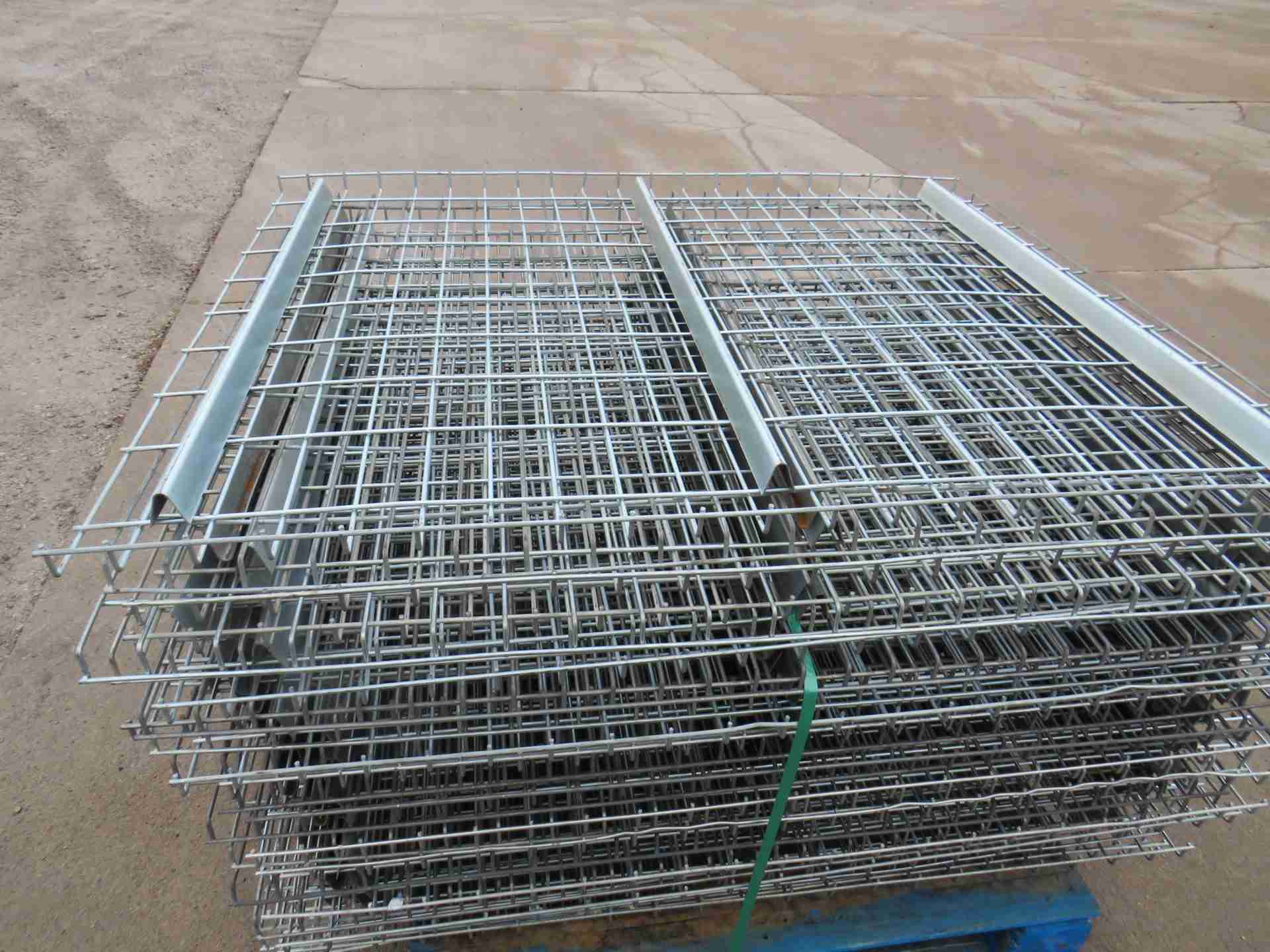
What Are The Signs Of Outdated Warehouse Practices?
What Are The Signs Of Outdated Warehouse Practices?
- Efficiency is crucial for warehouse operations; outdated practices can hinder performance.
- Pallet racking systems should be modern and well-organized to optimize space and improve picking efficiency.
- Inventory management should be upgraded from manual counts to advanced software for better visibility and streamlined processes.
- Outdated technology can lead to errors; modern tools and automation should be adopted to enhance speed and accuracy.
- Employee morale is essential; frustration and mistakes may indicate the need for system upgrades and better training.
- Stay current with market demands; evolving supply chain needs require adaptability to maintain a competitive edge.
- Recognizing these signs can lead to revitalizing warehouse practices and driving business success.

What Are The Signs Of Outdated Warehouse Practices?
How Do Outdated Practices Impact Safety?
In today’s fast-paced business world, it’s easy to fall into the trap of complacency, particularly when it comes to warehouse safety. Have you ever stopped to consider the implications of clinging to outdated practices, especially with something as fundamental as pallet racking? While it may be tempting to stick with what’s familiar, these obsolete methods can create hidden dangers that put your workforce at risk.
Picture this: you walk into a warehouse where the pallet racking systems haven’t been updated in years. The racking looks worn, and the safety labels are faded to the point of being unreadable. You can almost hear the collective sigh of anxiety from employees who feel uneasy about whether the structure can even support the loads it once did. This scenario is all too common, and it highlights a crucial point—outdated practices are not merely inconvenient; they are a significant safety concern.
Using antiquated pallet racking systems means ignoring potential hazards, increasing the likelihood of workplace accidents, and inviting unnecessary liability. Old inventory management techniques can lead to improper load placements and increase the risk of collapse. Trust me when I say, this isn’t just about getting the job done; it’s about creating an environment where safety is paramount. When employees feel secure, they are more productive, motivated, and committed to the organization.
Moreover, stakeholders are now more aware than ever. A single incident linked to outdated practices can damage your brand’s reputation, not to mention the potential for lost productivity and increased insurance costs. No one wants to be on the receiving end of injuries or costly legal battles over something that could have been prevented by simply modernizing your practices.
So, what can you do? Start by assessing your current pallet racking systems and identifying areas for improvement. Engage your team in brainstorming sessions about safe practices and solicit their feedback. By embracing a culture of continuous improvement, you foster an environment that prioritizes safety, empowering your employees while reducing risk.
Taking these steps not only shows that you care about your staff’s well-being but also builds trust and confidence in your leadership. In the grand scheme of things, investing in modern practices and systems pays off big time—both in terms of safety and in creating a thriving workplace culture where everyone can excel. It’s time to take action. Don’t let outdated practices hold your business back; ensure safety is at the forefront of your operations.
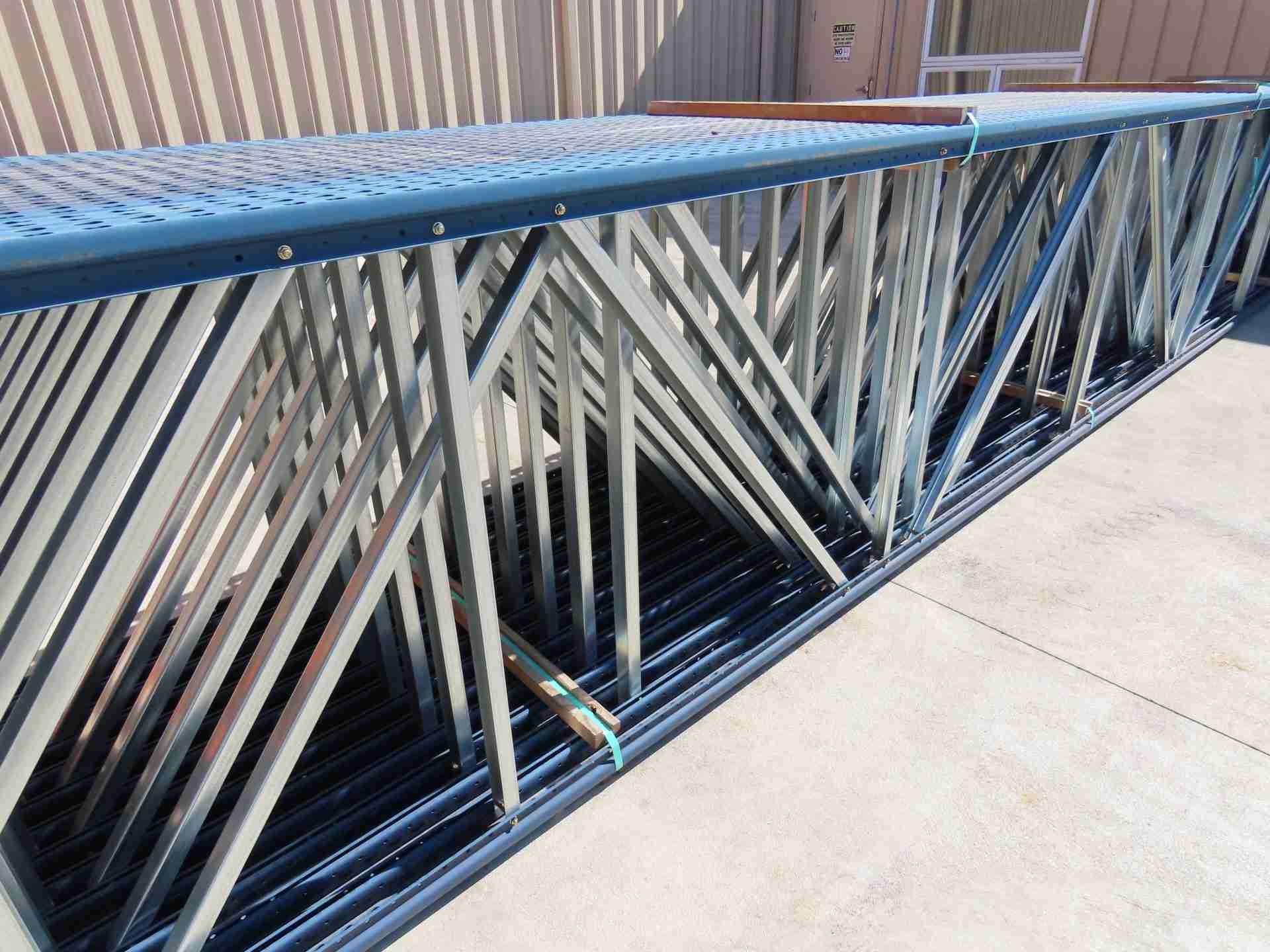
How Do Outdated Practices Impact Safety?
How Do Outdated Practices Impact Safety?
- Complacency in warehouse safety can lead to significant risks.
- Outdated pallet racking practices can create hidden dangers.
- Worn racking systems with unreadable safety labels increase employee anxiety.
- Antiquated practices heighten the risk of workplace accidents and liability.
- A single incident can damage brand reputation and increase costs.
- Engaging employees in safety discussions fosters a culture of continuous improvement.
- Modernizing practices enhances safety and promotes a thriving workplace environment.
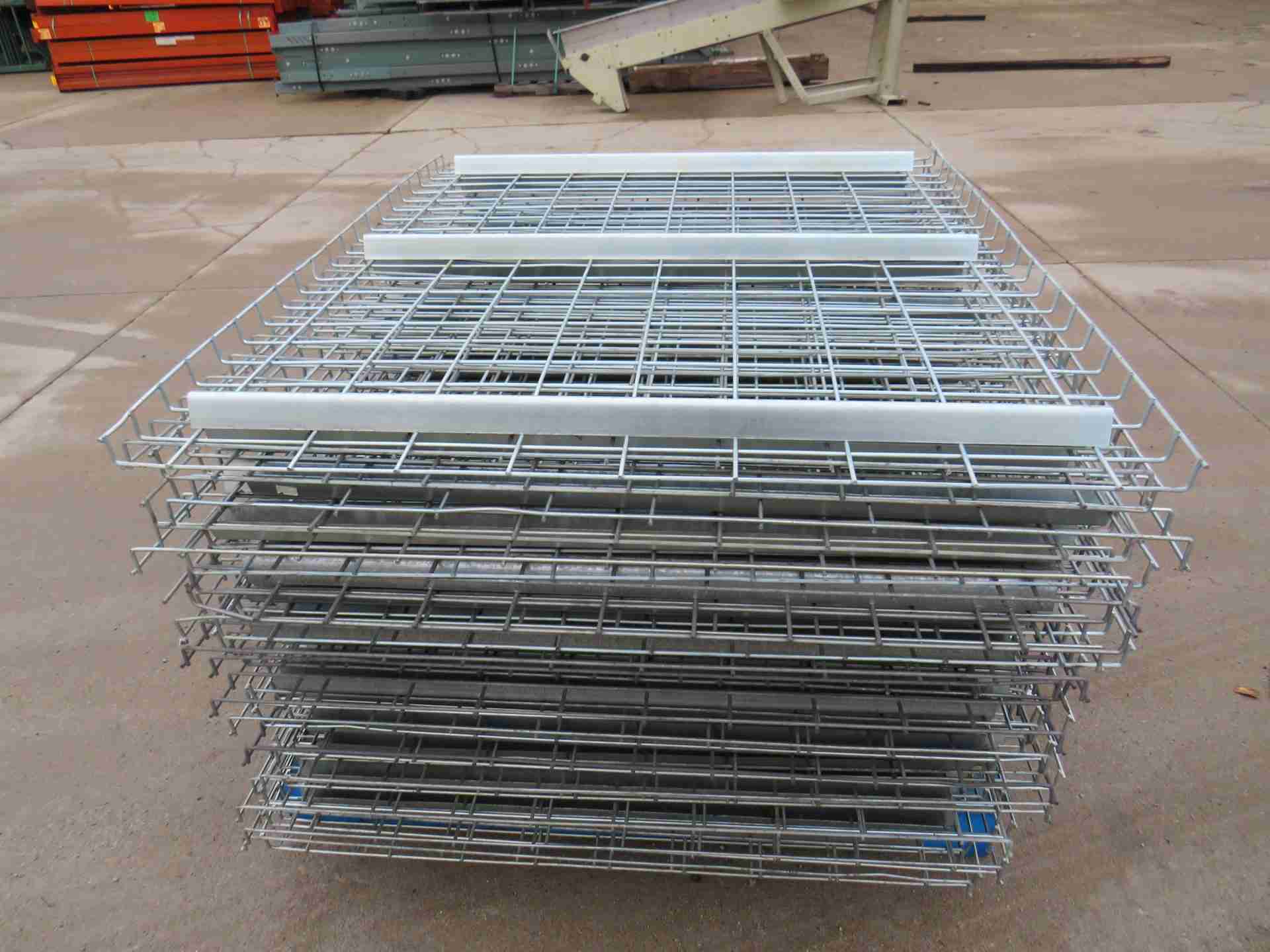
How Do Outdated Practices Impact Safety?
What Safety Hazards Arise From Poor Warehouse Layout?
Picture this: Your bustling warehouse is a hive of activity, with employees moving swiftly to fulfill orders and keep customers satisfied. But what if those swift movements are met with hidden dangers lurking around every corner? A poorly designed warehouse layout can turn your daily operations into a treacherous obstacle course. Let’s explore how these hazards can impact not just your employees but also your bottom line.
First, consider the role of pallet racking—the backbone of many warehouse operations. When these systems are poorly positioned or overloaded, they can pose serious dangers. Imagine a scenario where team members are scrambling to retrieve stock from improperly arranged pallet racking. One misstep could lead to a tipping hazard, placing lives and inventory at risk. Would that be worth saving a few minutes of setup time? Of course not.
Another lurking danger arises from inadequate pathways. Narrow aisles crammed with products and equipment can lead to collisions between employees and machinery, like forklifts. Such congestion not only increases the likelihood of accidents but also causes unnecessary downtime as teams navigate through this chaos. Employees are your greatest asset; investing in their safety should be a non-negotiable priority.
Then there’s the risk of inefficient workflow. A cluttered and confusing layout can disrupt the rhythm of operations, leading to distractions that prevent focus. When employees are unsure of their surroundings, they’re more likely to make costly errors—errors that could lead to injuries or compromised product safety. No one should feel uneasy while doing their job!
Let’s not forget about the psychological toll. A chaotic environment breeds stress and anxiety. When employees can’t trust their workspace, their productivity and morale may plummet. Who wants to work in a place where safety feels like an afterthought? By investing time and resources into creating an intuitive and safe layout, you foster a culture of trust and confidence, making your warehouse a place people want to be—where they can thrive and perform at their best.
This isn’t just about compliance; it’s about a commitment to excellence. By addressing safety hazards through intelligent design and careful consideration, you send a powerful message: you value your people just as much as your profits. So, take that leap and transform your warehouse. The safety and satisfaction of your team—and your success—depend on it.
What Safety Hazards Arise From Poor Warehouse Layout?
What Safety Hazards Arise From Poor Warehouse Layout?
- Warehouse safety is crucial to maintaining employee well-being and operational efficiency.
- Pallet racking systems must be properly positioned and loaded to prevent hazards like tipping.
- Narrow aisles filled with products can lead to collisions and increased downtime.
- An inefficient layout can disrupt workflow, leading to distractions and costly errors.
- A chaotic environment contributes to employee stress and decreased morale.
- Creating an intuitive and safe layout enhances productivity and fosters a positive workplace culture.
- Investing in safety demonstrates a commitment to both employee welfare and business success.
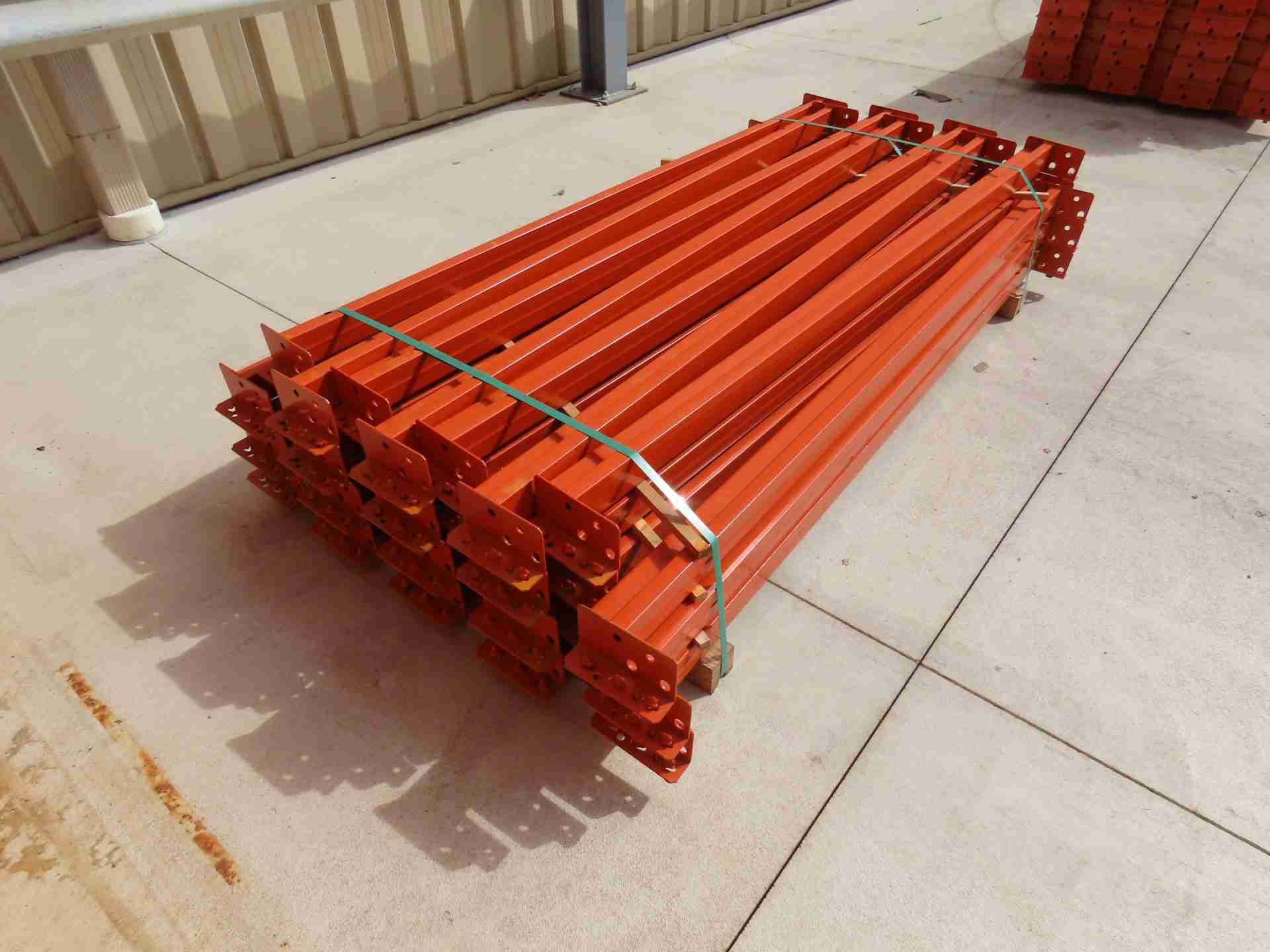
What Safety Hazards Arise From Poor Warehouse Layout?
Are Your Employees Trained On Modern Safety Protocols?
In today’s fast-paced work environments, ensuring that your team is adequately trained on modern safety protocols isn’t just a box to check off; it’s a crucial aspect of fostering a secure and efficient workplace. If one of your primary assets is your pallet racking system, it’s essential to recognize that its safety hinges on the knowledge and training of your personnel.
Think for a moment about the potential risks involved. A poorly trained employee could mismanage the equipment, leading not only to damage or unplanned downtime but also to serious injuries. How about that? An accident doesn’t just affect productivity—it can create a ripple effect, impacting morale and your bottom line. Therefore, investing in comprehensive safety training is not just a legal obligation; it’s a key strategic move that pays dividends.
Your pallet racking systems, while designed to maximize space and streamline operations, come with specific safety requirements. Proper training isn’t a luxury; it’s a necessity. Your employees must learn the nuances of safe operating practices and emergency protocols. From the interaction between various types of racking systems to understanding load limits and proper equipment use, each detail matters. Every member of your team must be empowered to recognize potential hazards and act with confidence and competence.
Let’s consider the human element: when employees receive robust training, they feel valued. They know their employer cares about their safety, which, in turn, fosters loyalty. A well-informed team not only operates with improved efficiency but also becomes the first line of defense against accidents. This creates a culture of safety that reaches beyond compliance—it instills a sense of pride in their work environment.
Do you want your workplace to be a place where safety is prioritized, and employees feel strong and empowered? Then it’s time to take action. Regular training sessions should be a cornerstone of your organization’s safety strategy. Don’t wait for accidents to happen before you take steps to bolster your safety protocols. Invest in thorough training programs that focus on modern safety protocols today. Elevate your commitment, empower your workforce, and transform your workplace into one that prioritizes safety—and let’s face it, a safe workplace is a productive workplace. And when your team shines, so does your business.

Are Your Employees Trained On Modern Safety Protocols?
Are Your Employees Trained On Modern Safety Protocols?
- Training on safety protocols is essential for fostering a secure and efficient workplace.
- Pallet racking system safety relies on the knowledge and training of employees.
- Poorly trained employees can lead to equipment mismanagement, resulting in damage and serious injuries.
- Accidents can negatively impact productivity, morale, and the bottom line.
- Investing in comprehensive safety training is a strategic move that offers long-term benefits.
- Proper training enables employees to recognize hazards and follow safe operating practices and emergency protocols.
- Regular training fosters employee loyalty and cultivates a culture of safety in the workplace.
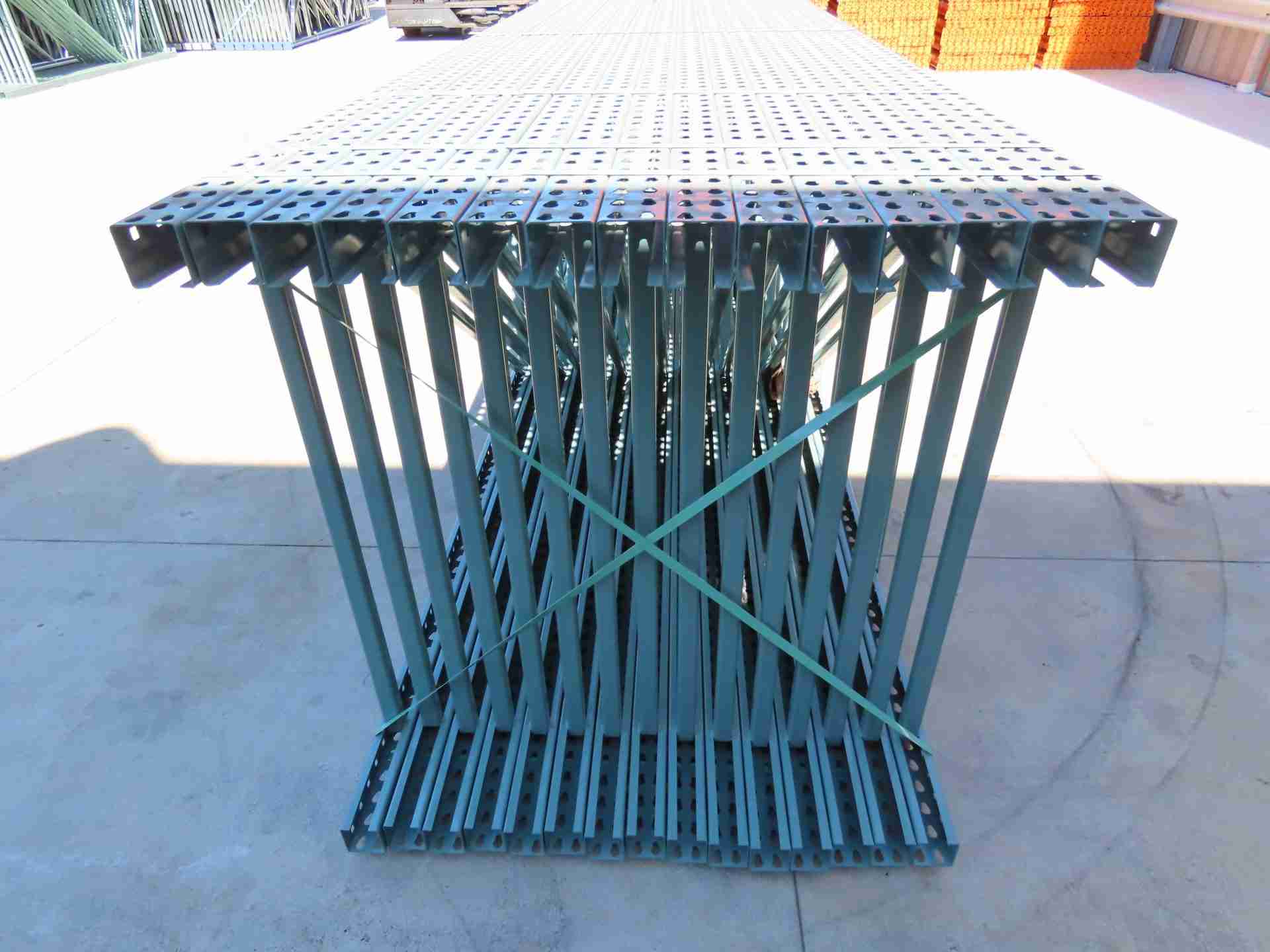
Are Your Employees Trained On Modern Safety Protocols?
How Can Technology Improve Warehouse Safety Standards?
In today’s fast-paced warehouse environment, safety should never be a compromise. Imagine a bustling facility where every employee feels secure and empowered—and technology is the key to making that vision a reality. From sophisticated software systems to innovative designs, enhancing safety standards in your warehouse starts with leveraging the right tools.
One significant area that technology is revolutionizing is pallet racking systems. Traditionally, these systems were often not designed with safety in mind, leading to unnecessary risks. However, with advanced software and smart designs, warehouse operators can now manage pallet positions efficiently, reducing the chances of overloading and instability. Imagine a system that can notify you in real time when a pallet exceeds its weight limit or when a particular racking configuration poses a potential hazard. This is not just innovation—it’s a game-changer for workplace safety!
Beyond pallet racking, integrating IoT (Internet of Things) devices can elevate safety standards exponentially. Picture sensors embedded in your equipment that monitor conditions and alert you to potential safety issues before they become accidents. These proactive measures not only safeguard your employees but also protect valuable inventory. When your workers know their surroundings are monitored and maintained by cutting-edge technology, their confidence soars, leading to higher productivity and morale.
Additionally, training programs powered by virtual reality (VR) simulations can take safety training to new heights. Instead of traditional training methods that can sometimes be dull and unengaging, imagine giving your staff the chance to navigate a simulated warehouse environment. They can learn how to properly use equipment, handle materials, and respond to emergencies in a realistic yet safe setting. This immersive experience fosters a deeper understanding of safety protocols, ensuring that when the real challenges arise, your team won’t just be prepared—they’ll thrive.
Investing in technology for warehouse safety is not merely about compliance; it’s about creating a culture of care and accountability. When your team knows that their well-being is prioritized and that they have tools that enhance their safety, they’ll feel more valued and engaged in their work.
The time for hesitation is over. Embrace the future of warehouse safety with technology—because nothing is more important than the people who keep your operations running smoothly. Together, let’s transform your warehouse into a beacon of safety and efficiency. Take the first step today; your workforce deserves it!
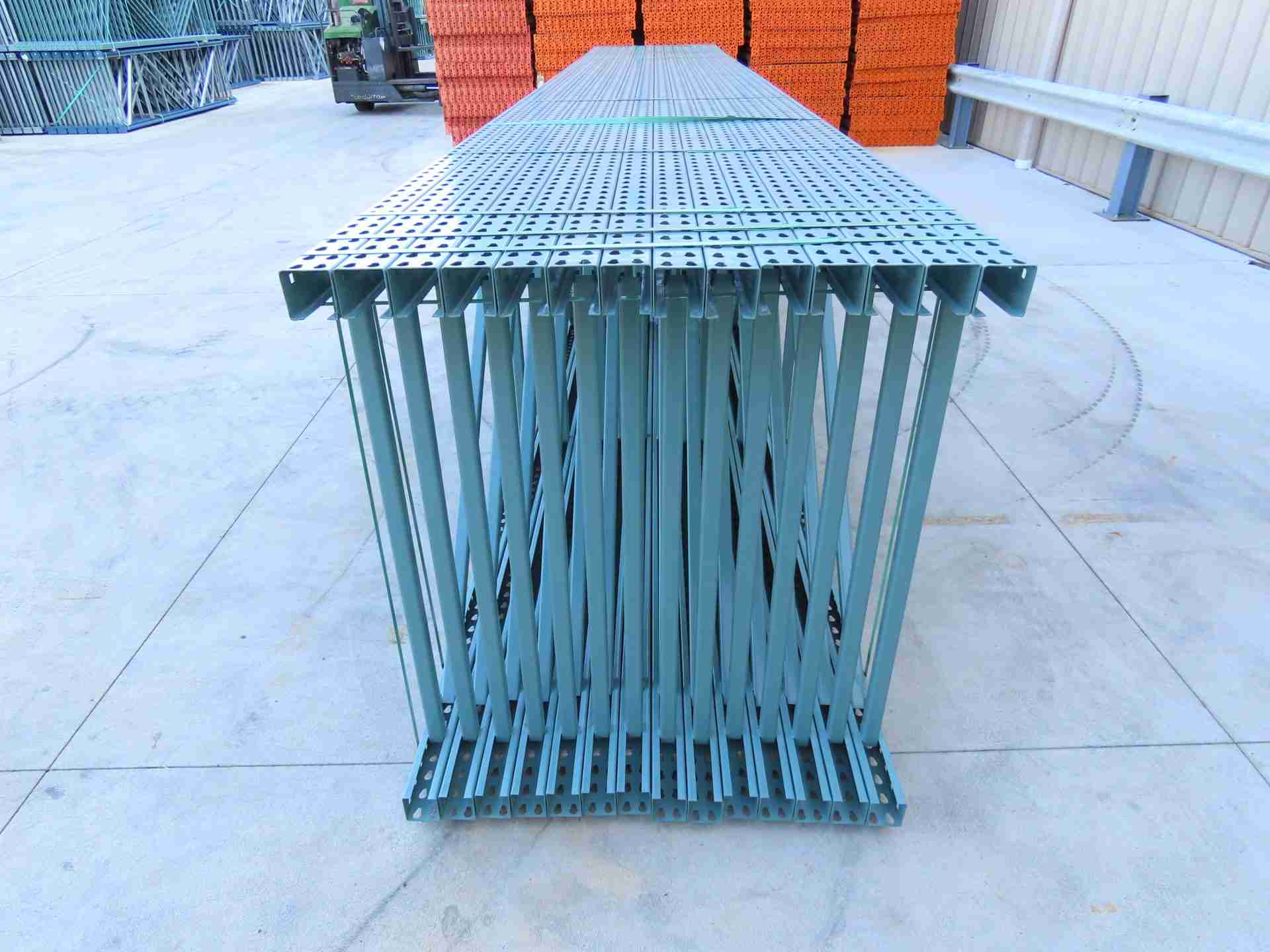
How Can Technology Improve Warehouse Safety Standards?
How Can Technology Improve Warehouse Safety Standards?
- Safety in warehouses is crucial and should never be compromised.
- Technology plays a pivotal role in enhancing safety standards, particularly through advanced software and innovative designs.
- Modern pallet racking systems utilize technology to manage positions efficiently, reducing risks like overloading and instability.
- Integration of IoT devices allows for real-time monitoring, alerting workers to potential safety issues before they escalate.
- Virtual reality training programs provide immersive safety training, better preparing employees for real-life challenges.
- Investing in technology fosters a culture of care and accountability, improving employee morale and engagement.
- Embracing technological advancements in warehouse safety ensures the well-being of employees and boosts operational efficiency.
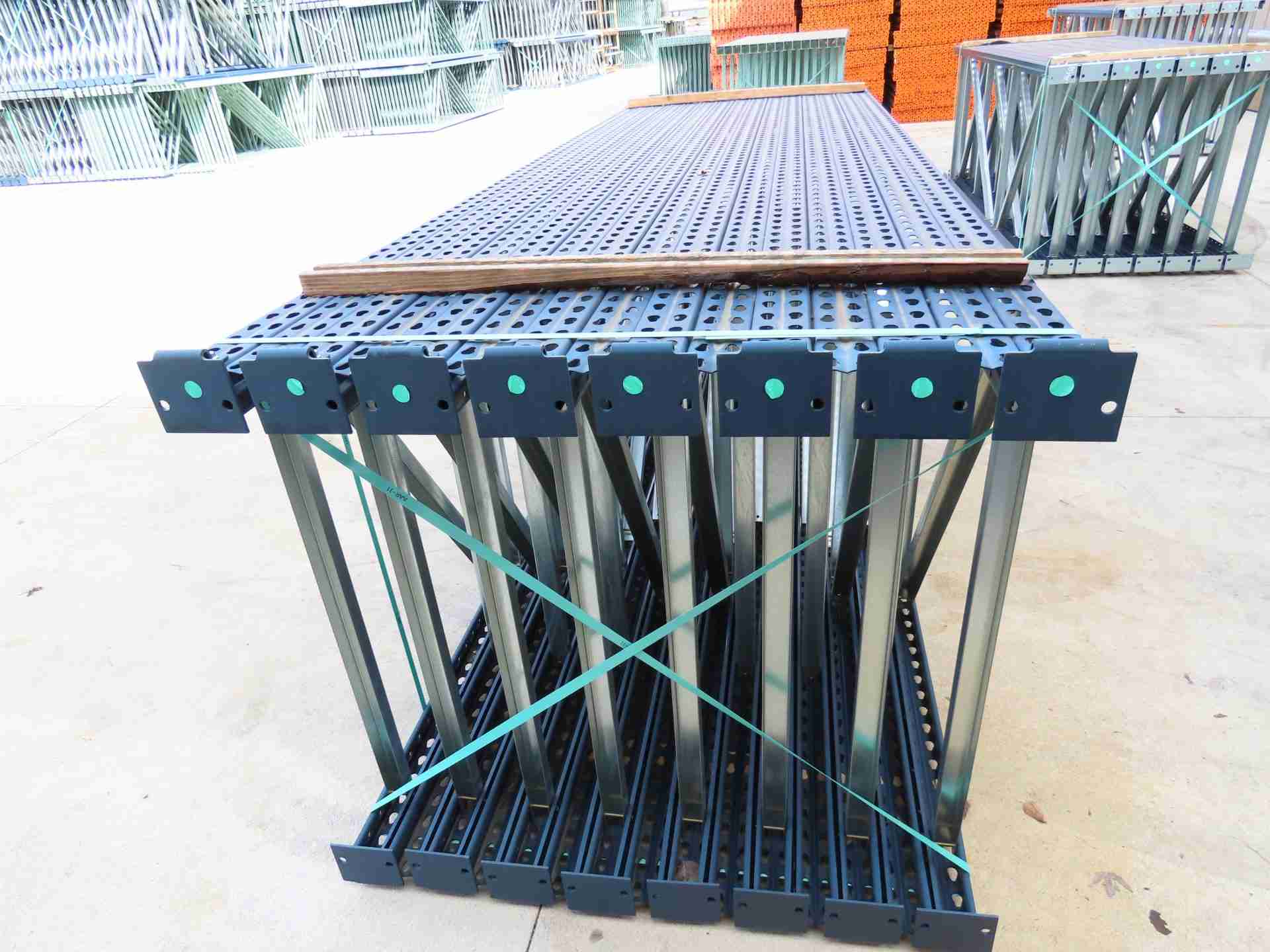
How Can Technology Improve Warehouse Safety Standards?
What Role Does Proper Inventory Management Play In Safety?
When you walk into a warehouse, the first thing you notice might be the impressive lines of pallet racking, standing tall and purposeful. But have you ever stopped to consider how that organized system does more than just house products? Proper inventory management is a fundamental pillar of safety, and understanding this can transform how your business runs.
Imagine this: a cluttered warehouse, boxes teetering precariously on the edges of shelves, employees scrambling to locate items amid the chaos. It’s a recipe for disaster—one misplaced item could lead to an injury or even a costly accident. With proper inventory management, safety becomes not just an afterthought, but a central feature of your operations. By utilizing pallet racking systems that are not only sturdy but also strategically placed, you effectively create a safe navigable space that minimizes risk.
But it’s not just about physical safety. Think about how knowing where everything is and having the right stock on hand can ease the tension in your workplace. Employees can work with confidence when they are not constantly searching for items or fighting through disorganization. This sense of security translates not only to higher productivity but also to happier employees. After all, who wants to be part of a frantic mess when they could contribute to a well-oiled machine?
Yet, it doesn’t stop at organization. Effective inventory management means you can track your stock levels with precision. Imagine having real-time data at your fingertips, allowing you to spot when supplies are running low or need to be replaced. This foresight not only keeps your operations flowing smoothly but prevents last-minute scrambles that can lead to negligence. By consistently reinforcing organized inventory practices, you also lower the chances of stock out or overstock, both of which can lead to hazardous situations.
Implementing proper inventory management is akin to building a safety net beneath your business. When you know your items are secure and your system is efficient, you can focus on what truly matters—growing your enterprise. So why wait? Take the first step toward a safer workplace today. Invest in robust inventory strategies that prioritize safety and thrive on efficiency. Your warehouse, your employees, and your bottom line will thank you!

What Role Does Proper Inventory Management Play In Safety?
What Role Does Proper Inventory Management Play In Safety?
- Proper inventory management is essential for ensuring safety in a warehouse environment.
- Cluttered warehouses pose risks; effective organization can prevent accidents and injuries.
- Strategically placed pallet racking creates a safe and navigable workspace.
- Clear organization improves employee confidence and productivity, leading to happier staff.
- Real-time stock tracking allows for better management and prevents last-minute scrambles.
- Consistent inventory practices reduce risks of stock outages and overstock situations.
- Investing in inventory management enhances operational efficiency and supports business growth.
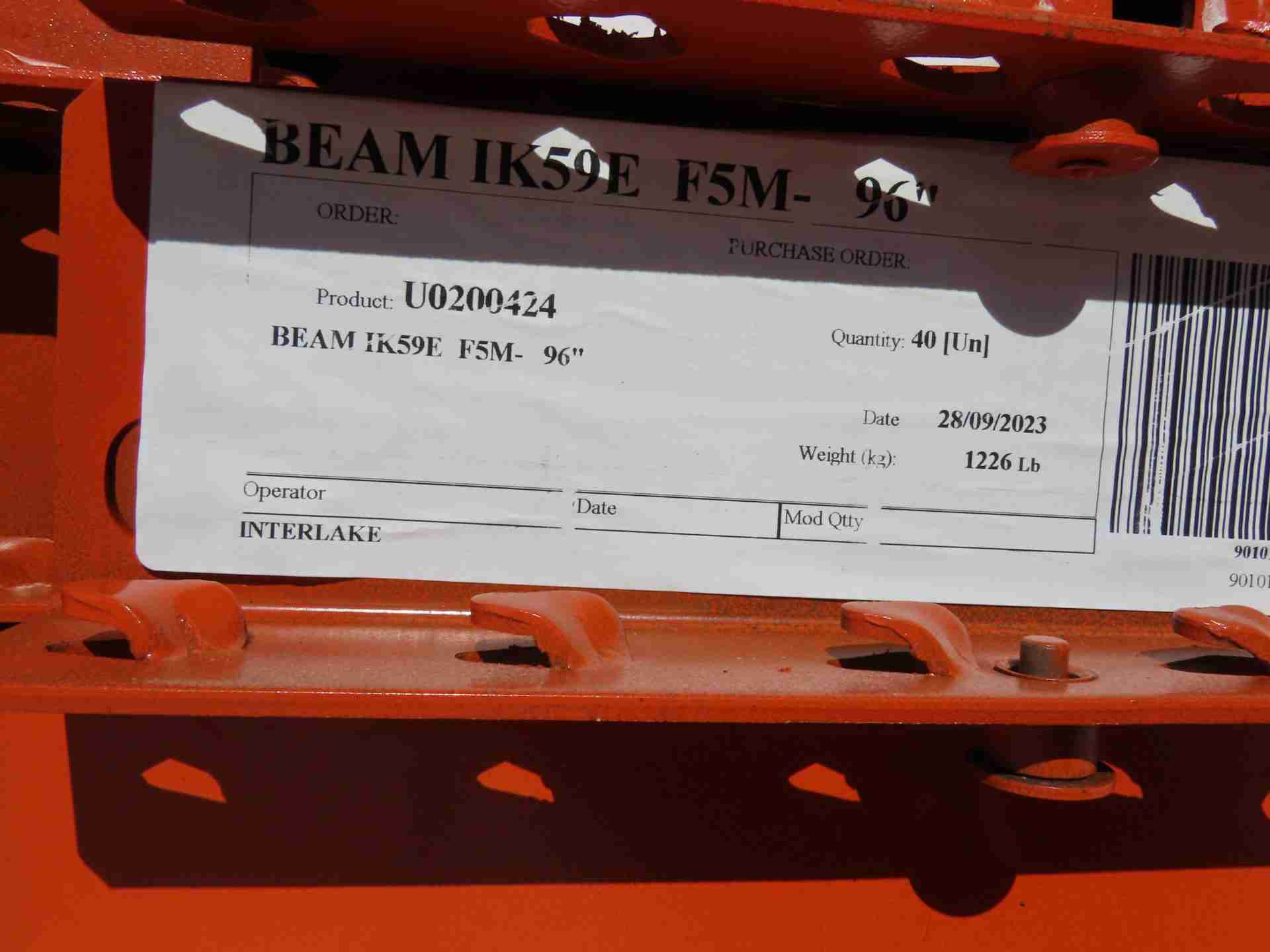
What Role Does Proper Inventory Management Play In Safety?
Conclusion
Conclusion: Transform Your Warehouse for Unmatched Safety and Productivity
In the relentless whirlwind of warehouse operations, the imperative for safety is often overshadowed by the pressing demands for efficiency and productivity. However, holding onto outdated practices—be it in pallet racking systems or employee training—poses a significant risk not just to the wellbeing of your workforce, but also to the sustained success of your business. As we’ve discussed, the consequences of neglecting safety transcend compliance; they ripple into personal injuries, financial losses, and even damage to your company’s reputation.
Picture your warehouse as a thriving center of activity. Now imagine ensuring that this vibrant space promotes security and trust. It begins with the recognition that the only way to safeguard your most valuable asset—your employees—is by modernizing your warehouse layout, updating equipment, and investing in advanced inventory management systems. Understanding the signs of outdated practices is critical; whether it’s rickety pallet racks, tedious manual inventory processes, or insufficient employee training, each element may contribute to creating an unsafe workplace.
By making a proactive approach to revamp your operational strategies, you don’t just minimize risks; you lay the groundwork for a robust culture of safety and productivity. Engaging your team through continuous training sessions fosters a sense of ownership and loyalty, transforming them into a formidable line of defense against accidents. Moreover, leveraging technology to monitor safety conditions and enhance training protocols elevates your workplace far beyond mere compliance—it cultivates an environment of empowerment, resulting in higher morale and efficiency.
Now, consider this: the longer you procrastinate on these vital changes, the greater the risks accumulate against your business. It’s not just about avoiding accidents; it’s about investing in your future, cultivating a flourishing workplace culture, and demonstrating to your employees that their well-being is at the forefront of your mission. Imagine the satisfaction of working in a warehouse that prioritizes both safety and efficiency seamlessly—a place where your team feels safe and valued while also being empowered to excel.
At Arrow Industrial Sales, we’re passionate about helping you transform your warehouse practices for the better. Don’t let outdated systems put your business at risk; act now! Contact us at (574) 349-6575 to learn more about modernizing your warehouse. The future of your operational safety is at stake, and there’s no better time to take action than now!

Conclusion
Conclusion:
- Safety in warehouse operations is often overlooked in the pursuit of efficiency and productivity.
- Outdated practices can lead to personal injuries, financial losses, and damage to company reputation.
- Modernizing warehouse layout, equipment, and inventory systems is crucial for employee safety.
- Identifying signs of outdated practices—like rickety racks or manual processes—is essential to enhance safety.
- Proactive changes promote a culture of safety and productivity, engaging employees through continuous training.
- Utilizing technology can improve safety monitoring and training, leading to higher morale and efficiency.
- Investing in safety and modern practices enhances workplace culture and demonstrates commitment to employee well-being.
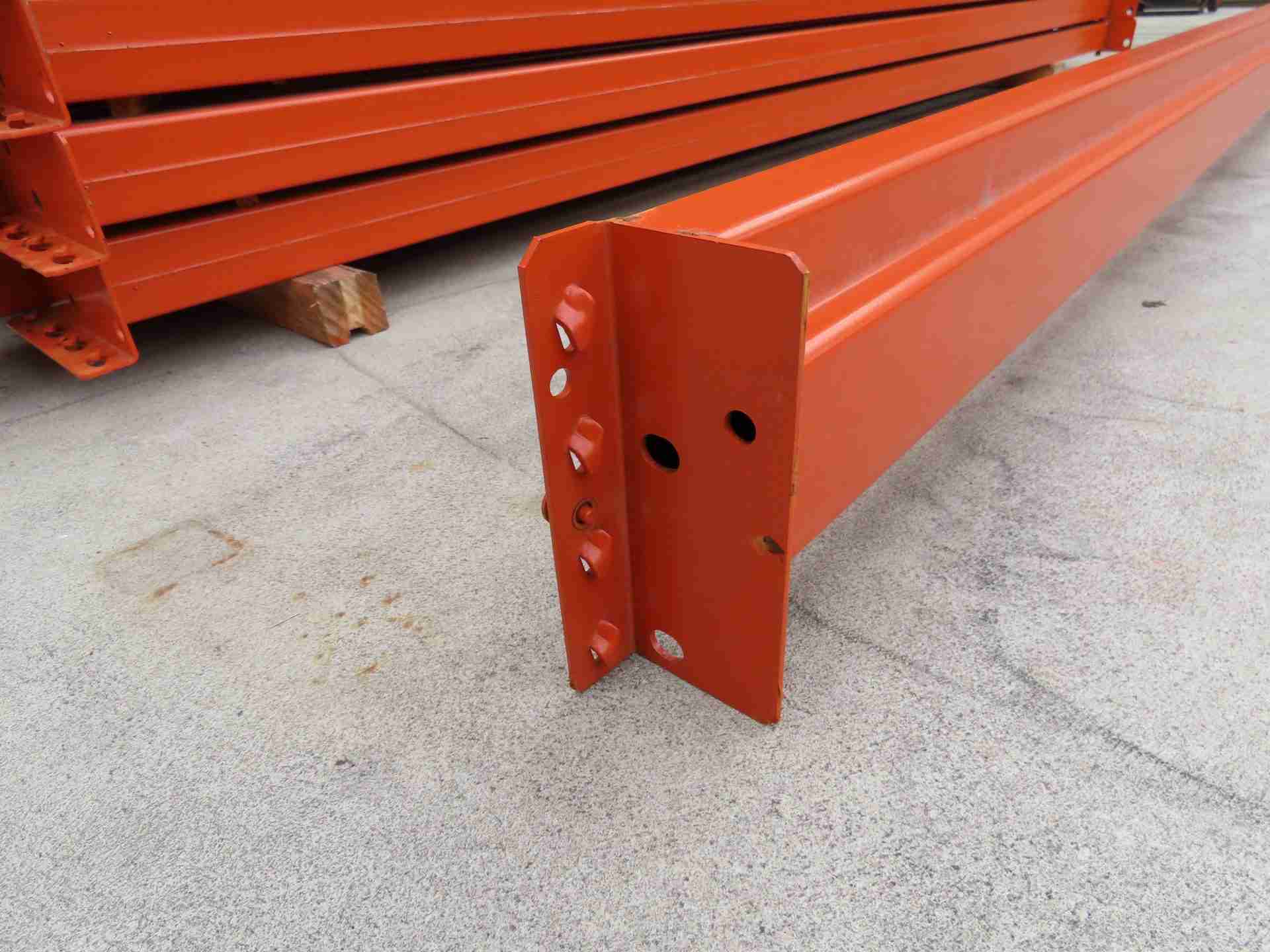
Conclusion
Other Resources
Other Resources
Here is a list of other resources you can review online to learn more:
- Warehouse Storage Racking in Illinois
- Pallet Racking systems in Illinois, Great Lakes
- Pallet Rack Systems – New and Used Pallet Racking and Shelving Experts
- Teardrop Pallet Rack – Ridg-U-Rak
- Selective Racking
- Warehousing and Fulfillment
- IIWS Inc. Rack Installation Illinois & Rack Repairs Illinois
- Logic Material Handling
- Chicago Pallet Racking
Use This Prompt To Get More Resources With Your Favorite Online AI Tool: Please provide me with a list of online articles with their URLs in a bulleted list that I can read regarding Could Your Outdated Warehouse Practices Be Jeopardizing Safety?
Other Resources
Glossary Terms
Could Your Outdated Warehouse Practices Be Jeopardizing Safety? – Glossary Of Terms
1. Accident Prevention: Strategies and measures taken to avoid incidents that could cause injury or damage in a warehouse setting.
2. Automated Systems: Technologies that perform tasks with minimal human intervention, aiming to increase efficiency and reduce errors in warehouse operations.
3. Audit: A systematic examination of warehouse practices and compliance with safety standards to identify areas needing improvement.
4. Back Safety: Techniques and practices aimed at preventing back injuries among warehouse employees, often due to lifting and reaching.
5. Compliance: Adherence to safety regulations and standards that govern warehouse operations to ensure a safe environment.
6. Collision Risk: The likelihood of accidents occurring due to the interaction between machinery, personnel, and storage systems.
7. Cross-Training: Educating employees in multiple roles to improve flexibility and safety awareness in emergency situations.
8. Ergonomics: The study of designing warehouse workspaces to fit the physical capabilities of employees, reducing strain and injury.
9. Forklift Safety: Protocols and best practices for operating forklifts safely to minimize hazards in the storage and movement of goods.
10. Hazard Identification: The process of recognizing potential dangers in the warehouse environment that could lead to accidents.
11. Incident Reporting: Documenting accidents or near-misses to analyze causes and improve future safety practices.
12. Inventory Management: The systematic approach to sourcing, storing, and selling products, ensuring that practices do not compromise safety.
13. Material Handling: Methods and equipment used to protect users while moving goods in a warehouse, emphasizing safe lifting and transport.
14. Palettization: The practice of arranging goods on pallets to facilitate storage and transportation; improper techniques can lead to safety hazards.
15. Personal Protective Equipment (PPE): Safety gear such as helmets, gloves, and vests designed to protect warehouse workers from injury.
16. Safety Culture: The shared values and practices of an organization that prioritize safety and health in all operational aspects.
17. Safety Training: Programs designed to educate employees about safe practices, potential hazards, and emergency procedures.
18. Standard Operating Procedures (SOPs): Detailed, written instructions to achieve uniformity in tasks while ensuring safety in warehouse processes.
19. Traffic Management: Strategies for controlling the movement of vehicles and personnel in a warehouse to reduce accident risk.
20. Workplace Ergonomics: The design and arrangement of tasks and equipment to improve productivity while ensuring worker safety and comfort.
21. Warehouse Layout: The physical arrangement of storage areas, aisles, and workspaces, which impacts safety and efficiency.
22. Workplace Safety Inspectors: Individuals responsible for assessing warehouse environments to ensure compliance with safety regulations.
23. Outdated Practices: Former methodologies or technologies still in use that may pose safety risks due to lack of efficiency or compliance.
24. Behavioral Safety: An approach that encourages employees to take personal responsibility for their own safety and that of others.
25. Emergency Response Plan: A documented strategy that outlines procedures to follow during emergencies to ensure worker safety.
26. Safety Signage: Visual indicators communicating safety information and hazards to prevent accidents.
27. Temperature Control: Maintaining appropriate climate conditions in warehouses, especially those storing sensitive goods, to avoid safety risks.
28. Vendor Compliance: Ensuring that suppliers meet safety standards and practices that affect warehouse operations.
29. Warehouse Management System (WMS): Software designed to support daily warehouse operations, enhancing efficiency while promoting safety.
30. Inventory Rotation: The practice of systematically moving older stock to the front to reduce hazards associated with expired products.
Glossary Of Terms
Other Questions
Could Your Outdated Warehouse Practices Be Jeopardizing Safety? – Other Questions
If you wish to explore and discover more, consider looking for answers to these questions:
- What are the key features of a modern pallet racking system?
- How often should warehouses conduct safety audits and inspections?
- What common mistakes do warehouse managers make regarding safety?
- How can employee engagement improve warehouse safety?
- What technologies are available for monitoring warehouse conditions?
- What are the benefits of implementing automated inventory management?
- How do you create a culture of safety in the workplace?
- What training programs are most effective for warehouse safety?
- How can data analytics enhance warehouse operations and safety?
- What regulatory requirements must warehouses meet for safety compliance?

Other Questions
Checklist
Could Your Outdated Warehouse Practices Be Jeopardizing Safety? – A Checklist
Checklist: Modernizing Your Warehouse for Safety Success
1. Conduct a Safety Audit
_____ Assess your current warehouse practices.
_____ Identify outdated systems and equipment.
_____ Schedule regular inspections of pallet racking systems.
2. Evaluate Pallet Racking Systems
_____ Check for stability and wear.
_____ Ensure proper weight limits are not exceeded.
_____ Organize pallets for easy accessibility and visibility.
3. Upgrade Technology
_____ Implement inventory management software for real-time visibility.
_____ Upgrade to modern scanning and tracking tools.
_____ Explore automation solutions for repetitive tasks.
4. Enhance Employee Training
_____ Provide comprehensive safety training sessions regularly.
_____ Train employees on the correct use of equipment.
_____ Encourage staff to report hazards and suggest improvements.
5. Improve Warehouse Layout
_____ Redesign layout to minimize congestion and improve workflow.
_____ Ensure adequate pathways for machinery and employees.
_____ Conduct ergonomic assessments for employee tasks.
6. Foster a Safety Culture
_____ Create open lines of communication around safety issues.
_____ Involve employees in safety discussions and feedback sessions.
_____ Celebrate safety milestones and improvements.
7. Implement Continuous Improvement Practices
_____ Regularly review safety protocols and update as necessary.
_____ Stay informed about industry best practices and innovations.
_____ Create a hierarchy of safety responsibilities within your team.
8. Leverage Technology for Safety Monitoring
_____ Explore IoT devices for real-time monitoring of conditions.
_____ Investigate virtual reality training options for realistic practice.
9. Track Inventory Efficiently
_____ Organize inventory using systematic methods.
_____ Perform regular checks to prevent stockouts and overstocking.
_____ Ensure clear labeling and organization of warehouse items.
10. Maintain Equipment and Infrastructure
_____ Schedule routine maintenance for all warehouse equipment.
_____ Replace any outdated or damaged racking systems as needed.
_____ Keep safety equipment, like fire extinguishers and first aid kits, easily accessible and up to date.
By following this checklist, you can create a safer, more efficient warehouse environment that prioritizes the well-being of your team and enhances overall productivity. Start your journey toward modernizing your warehouse today!
Checklist
At RackingWorld, we help guide you through selecting warehouse storage systems and racking.
Be sure to read our other related stories at RackingWorld to learn more about warehouse storage systems.
0 Comments