
The Hidden Costs Of Inefficient Warehouse Storage
By Tom Seest
At RackingWorld, we help guide you through selecting warehouse storage systems and racking.
Be sure to read our other related stories at RackingWorld to learn more about warehouse storage systems.
Could Improper Warehouse Storage Be Costing You More Than Just Money?
In today’s fast-paced business world, every square inch of your warehouse should be a well-oiled machine working in your favor. But what if I told you that improper warehouse storage—yes, the way you organize, stack, and manage your inventory—could be costing you far more than just money? It’s time to take a hard look at your operations, because the hidden costs could be catastrophic.
Let’s talk about the backbone of your storage solution: Pallet racking. If your pallet racking is poorly designed or incorrectly utilized, you might as well throw your profit margins out the window. Imagine this—products piled haphazardly, stock going missing, and team members wasting precious hours searching for misplaced items. No one enjoys the stress of chaos, and your workforce is no different. The dissatisfaction of your team can set off a vicious cycle of decreased productivity and morale.
Now, visualize a well-organized warehouse with highly efficient pallet racking systems. Each item has its designated spot; everything is accessible and easy to manage. Not only does this boost your team’s morale and efficiency, but it also ensures that your customers receive their orders accurately and on time. In today’s market, missing deadlines and making mistakes is more than just an inconvenience—it’s an open invitation for your competition to swoop in and take your business.
So, what’s holding you back? Ignoring the state of your warehouse may seem easier, but the truth is, it’s a detriment to your bottom line and overall industry reputation. Investing in proper pallet racking isn’t just an expense; it’s an opportunity—an opportunity to streamline your operations, increase safety, and ultimately enhance your profitability. You want to build trust with your customers? A well-organized warehouse speaks volumes about your commitment to quality and reliability.
Don’t wait for the next inventory crisis to strike. Take action now to ensure your warehouse storage is an asset, not a liability. Rethink your pallet racking layout and invest in training for your team. By making these changes, you’re not just saving money; you’re investing in your reputation, your team’s well-being, and the long-term health of your business. The ripple effect of proper warehouse management can elevate your company to new heights—proving that what seems like a minor adjustment can indeed change the game. Are you ready to reclaim control over your warehouse? The time is now.
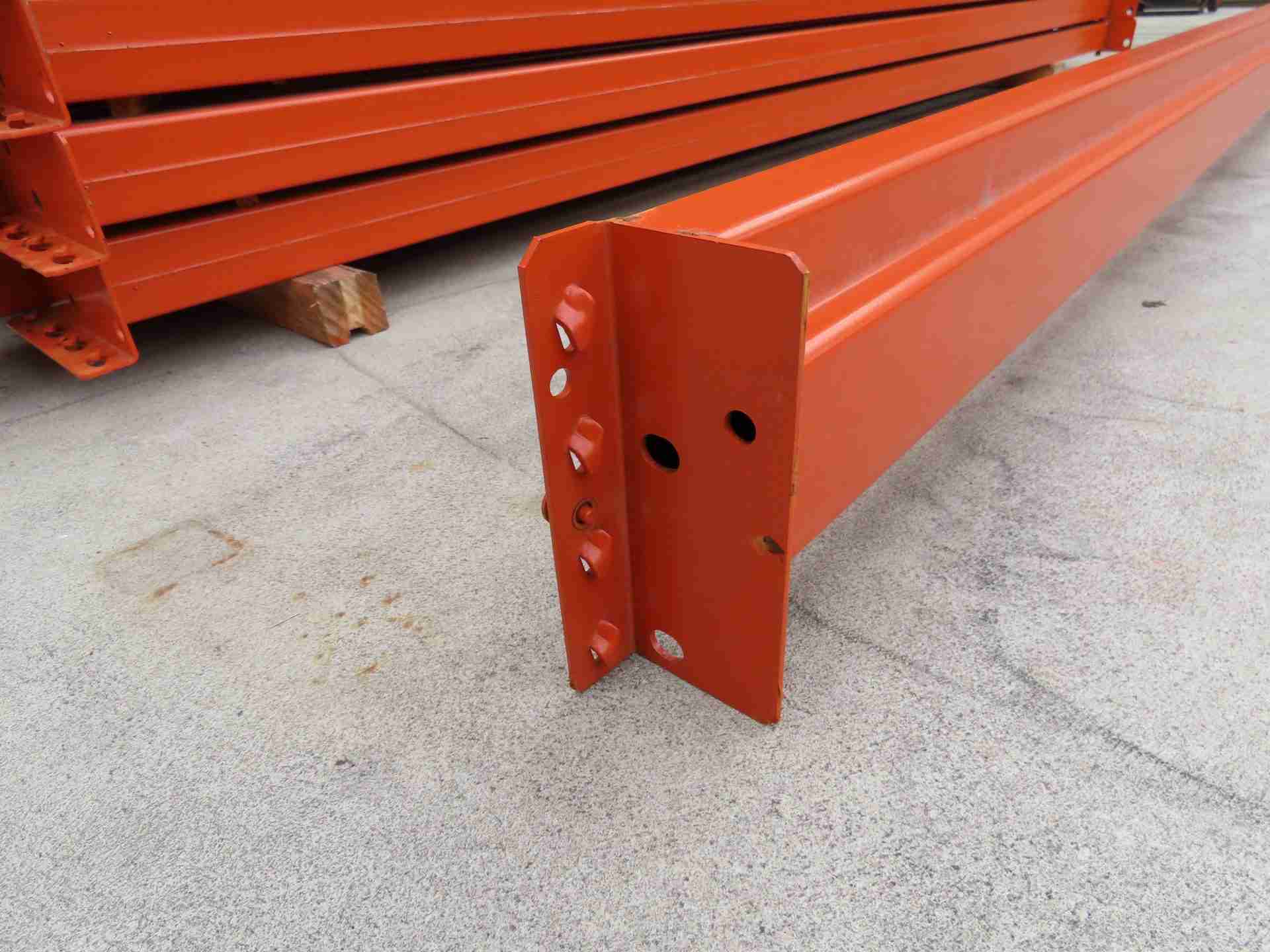
Could Improper Warehouse Storage Be Costing You More Than Just Money?
Could Improper Warehouse Storage Be Costing You More Than Just Money?
- Improper warehouse storage can lead to significant costs beyond just money.
- Pallet racking serves as the backbone of efficient storage solutions.
- Poorly designed pallet racking can result in disorganization, lost stock, and wasted time.
- A well-organized warehouse enhances team morale and productivity.
- Accurate and timely order fulfillment is critical to maintaining a competitive edge.
- Investing in proper pallet racking is an opportunity to improve operations and safety.
- Taking proactive measures now can safeguard your warehouse’s status as an asset.

Could Improper Warehouse Storage Be Costing You More Than Just Money?
Table Of Contents
- Could Improper Warehouse Storage Be Costing You More Than Just Money?
- What Are The Hidden Costs Of Improper Warehouse Storage?
- How Does Poor Storage Impact Inventory Management?
- What Are The Common Consequences Of Bad Warehouse Organization?
- Could Inadequate Space Lead To Wasted Time And Resources?
- How Does Improper Storage Affect Employee Productivity?
- Are Outdated Storage Methods Hindering Your Operations?
- Conclusion
- Other Resources
- Glossary Of Terms
- Other Questions
- Checklist
What Are The Hidden Costs Of Improper Warehouse Storage?
When it comes to managing a warehouse, it’s easy to underestimate the consequences of improper storage practices. You may think a bit of disorganization is harmless, but let’s unpack the hidden costs that can silently erode your profits and efficiency.
Imagine a bustling warehouse filled with inventory—each piece carefully curated to meet customer demand. You’ve invested significant time and money into this operation, yet poorly executed pallet racking can lead to a cascading array of issues. When racks are overloaded, misaligned, or improperly positioned, the foundational structure of your storage system is compromised. This doesn’t just risk accidents; it also invites inefficiencies that can haunt your bottom line for years.
Picture this: Your staff spends extra time searching for items buried behind a cluttered jungle of poorly stacked goods. The labor costs add up, quickly blossoming into a financial burden as you watch productivity slip right through your fingers. Meanwhile, inventory errors lead to stock discrepancies, prompting unnecessary purchases. Not only does this tie up capital, but it also impacts your ability to fulfill customer orders promptly, resulting in lost sales and damaged reputations.
You might also overlook the implications of safety. A single accident caused by improper storage can lead to costly lawsuits and insurance premium hikes. The right pallet racking system not only organizes your products but also supports a culture of safety, allowing your employees to focus on their tasks rather than worrying about precarious setups.
The investment in proper storage solutions pays off tenfold, offering you a structured framework that allows for optimal space utilization and improved accessibility. A well-organized warehouse boosts morale and enhances efficiency, enabling your team to work smarter, not harder.
Don’t let the allure of an immediate cost-saving lapse cloud your judgment. The hidden costs of improper warehouse storage can overshadow your success. Equip your warehouse with the right pallet racking solutions, and watch as both productivity and profitability soar. It’s time to take action—ensure your storage is as effective as your vision. After all, your success hinges on how well you manage the foundation of your inventory. Don’t settle for chaos; let your warehouse reflect the professionalism and success you strive for.

What Are The Hidden Costs Of Improper Warehouse Storage?
What Are The Hidden Costs Of Improper Warehouse Storage?
- Improper storage practices in warehouses can lead to significant hidden costs and inefficiencies.
- Poorly executed pallet racking compromises the foundational structure of storage, risking accidents and operational inefficiencies.
- Disorganized inventory increases labor costs as staff spend excessive time searching for items.
- Inventory errors due to poor storage can cause stock discrepancies, unnecessary purchases, and fulfillment delays.
- Safety implications arise from improper storage, potentially leading to costly accidents, lawsuits, and increased insurance premiums.
- Investing in proper storage solutions enhances space utilization, accessibility, and overall employee morale.
- Effective warehouse management directly impacts productivity and profitability, underscoring the importance of proper pallet racking systems.
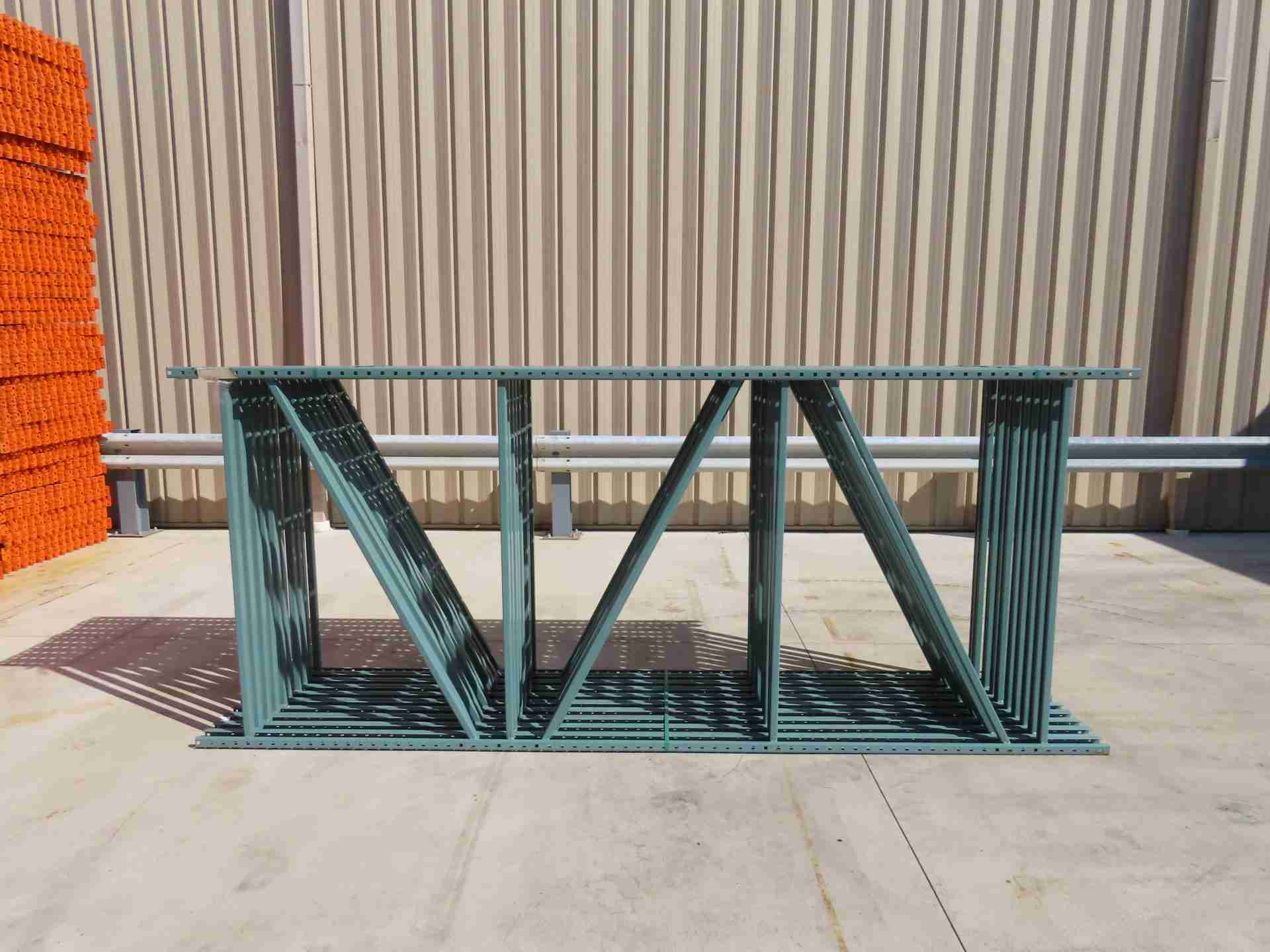
What Are The Hidden Costs Of Improper Warehouse Storage?
How Does Poor Storage Impact Inventory Management?
Imagine walking into a warehouse that’s disorganized, where products are piled high without rhyme or reason. Pallet racking stands as a crucial solution designed to optimize storage space and enhance efficiency. But when it’s poorly managed or neglected, the repercussions rip through your entire inventory management strategy. Let’s uncover how ineffective storage can derail your operations and what you can do to prevent it.
First, consider the tangible costs of a cluttered storage environment. Inventory isn’t just a number on a spreadsheet; it represents your hard-earned investment. When products are improperly stored, the risk of damage increases. Imagine the financial blow of spoiling goods that could have easily been safeguarded with a simple pallet racking system. It’s like throwing money away. Each dented product is not just a loss of inventory; it’s a slice of profit that you can’t afford to let slip through your fingers.
Moreover, poor storage leads to inefficiencies that ripple throughout your operations. Without a strategic layout, employees spend precious time searching for items rather than fulfilling orders. This lack of productivity can translate into longer lead times, which can frustrate customers and tarnish your reputation. Let’s be real—today’s consumers expect swift delivery and seamless service. When you fall short of those expectations, they’re likely to take their business elsewhere.
Then there’s the impact on data accuracy. When storage practices are haphazard, so too is the tracking of inventory. Stock outs, overstocking, and discrepancies become the mundane instead of the exceptional. This chaos not only affects your bottom line, but it also makes strategic decision-making near impossible. How can you accurately forecast demand or identify trends when your inventory data is riddled with inaccuracies?
Take a moment to reflect on your current storage solutions. Are they working for you or against you? Investing in organized pallet racking is not merely a functional upgrade; it’s a decision that can elevate your entire inventory management process. Imagine the peace of mind that comes from knowing your stock is organized, accessible, and secure.
The path to effective inventory management starts with your storage solutions. Recognizing the link between good storage practices and efficient operations is your first step forward. Don’t let poor storage be the anchor that drags your business down. Instead, rise to the challenge and take proactive measures. Unlock your potential today—your inventory management will thank you for it.
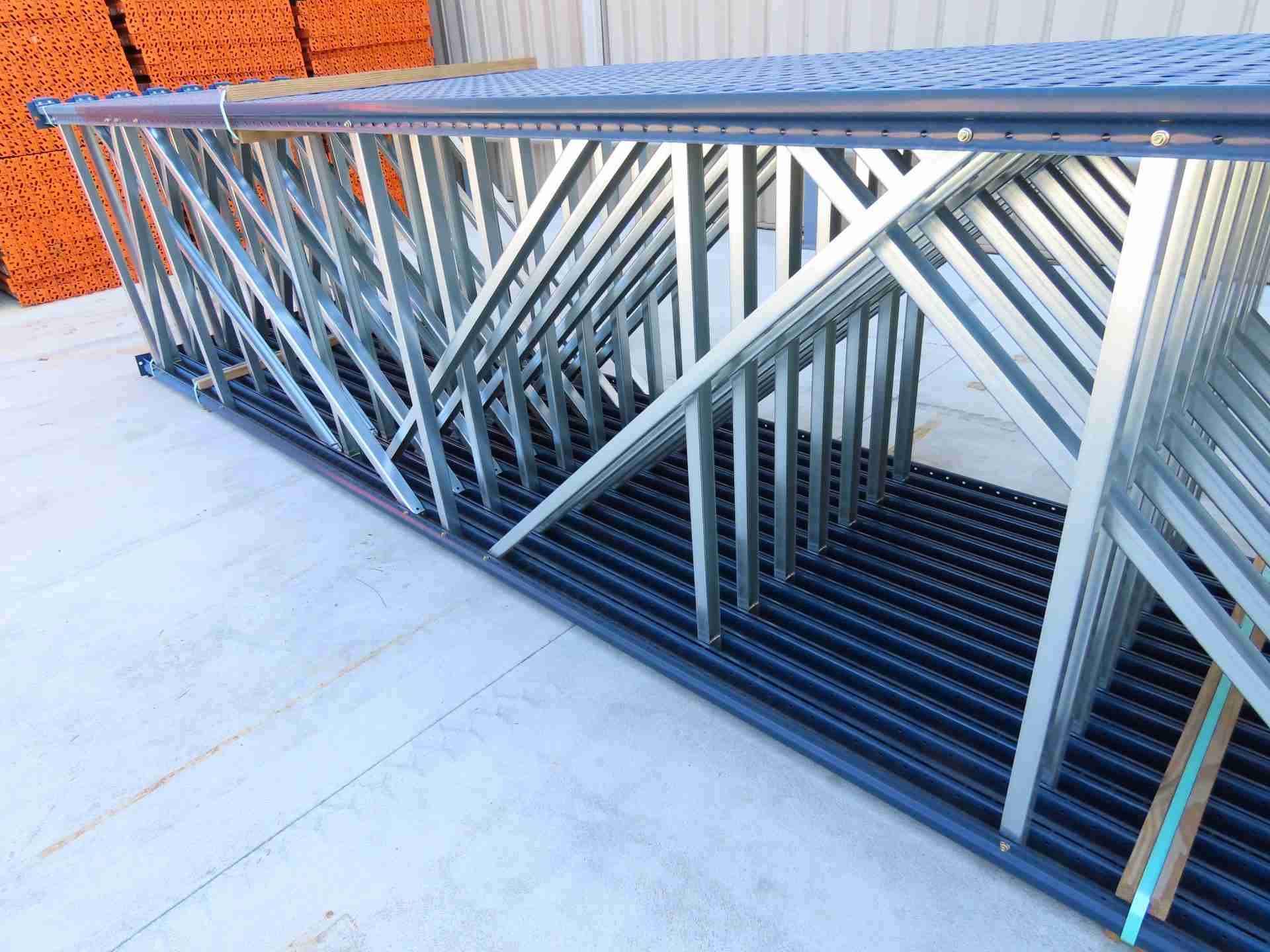
How Does Poor Storage Impact Inventory Management?
How Does Poor Storage Impact Inventory Management?
- Disorganized storage environments can significantly disrupt inventory management strategies.
- Pallet racking optimizes storage space but requires proper management to be effective.
- Improperly stored products increase the risk of damage, resulting in financial losses.
- Poor storage practices lead to inefficiencies, with employees spending time searching for items instead of fulfilling orders.
- Customer expectations for swift delivery can be compromised by extended lead times caused by disorganized storage.
- Haphazard storage affects data accuracy, leading to stock outs, overstocking, and difficulties in strategic decision-making.
- Investing in organized pallet racking can enhance overall inventory management and operational efficiency.

How Does Poor Storage Impact Inventory Management?
What Are The Common Consequences Of Bad Warehouse Organization?
Imagine stepping into a warehouse, a bustling hub of activity, but instead of a well-oiled machine, you find chaos reigns supreme. This isn’t just a nuisance; it’s an operational nightmare that can unravel efficiency, morale, and ultimately, profitability. Poor warehouse organization can have a cascade of consequences that ripple through every facet of your business.
First, consider the bottlenecks created by an inefficient layout. When your pallet racking is poorly arranged, it can lead to unnecessary delays as employees struggle to locate items. A single minute wasted searching for a product adds up to hours lost on a busy day. And when time is money, these delays directly chip away at your bottom line.
Next up is inventory mishandling. A disorganized warehouse is a breeding ground for mistakes. Incorrect picks can lead to unhappy customers who receive the wrong product or worse, no product at all. The fallout? Increased replacement costs, returns, and a tarnished reputation that might take years to mend. It’s shocking how a simple oversight, like misplacing a pallet of goods, can escalate into a full-blown logistical crisis.
Let’s not forget about safety. A cluttered warehouse poses significant risks. If rows of products are jumbled around, the chances of accidents skyrocket—injuries, damages, and even work stoppages can occur. Employees are your greatest asset, and when they feel unsafe in their environment, morale plummets. Building a culture of safety begins with a well-organized space.
Furthermore, seasonal fluctuations in demand can catch disorganized warehouses off guard. During peak seasons, such as the holidays, if your system isn’t efficient, you might find yourself overwhelmed, unable to meet customer expectations. This not only affects sales but also sows distrust among your clientele. A proactive strategy rooted in organization allows you to adapt to changes in demand seamlessly, preserving your reputation for reliability.
Finally, learning opportunities are lost in the chaos. When warehouse processes are jumbled together, it’s challenging to pinpoint areas for improvement. Regular assessments can reveal inefficiencies, but only if there’s a coherent system in place to analyze.
So, take a step back and evaluate your warehouse organization. Invest in smart pallet racking solutions, implement streamlined processes, and watch as your operational efficiency soars. A little effort on the organizational front can transform chaos into clarity, empowering your business to thrive.
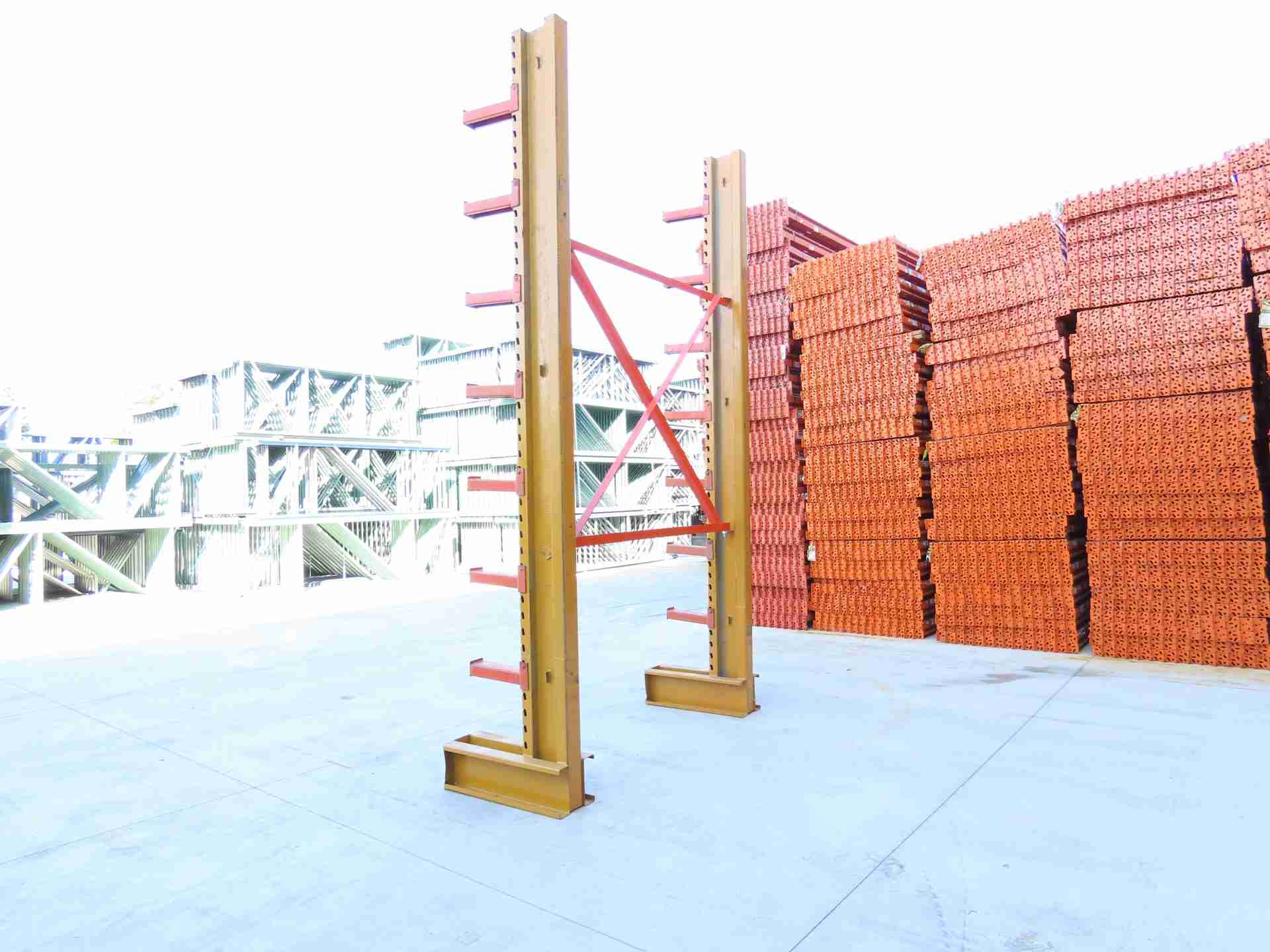
What Are The Common Consequences Of Bad Warehouse Organization?
What Are The Common Consequences Of Bad Warehouse Organization?
- A chaotic warehouse can lead to significant inefficiencies, impacting morale and profitability.
- Poorly arranged pallet racking creates bottlenecks, causing delays and wasting valuable time.
- Inventory mishandling in disorganized settings can result in incorrect orders, increased costs, and damaged reputations.
- A cluttered warehouse increases safety risks, leading to potential injuries and decreased employee morale.
- Disorganization can hinder response to seasonal demand fluctuations, affecting sales and customer trust.
- Lack of clear structure in warehouse processes makes it difficult to identify areas for improvement.
- Investing in organization and smart solutions can enhance efficiency and transform operational chaos into clarity.
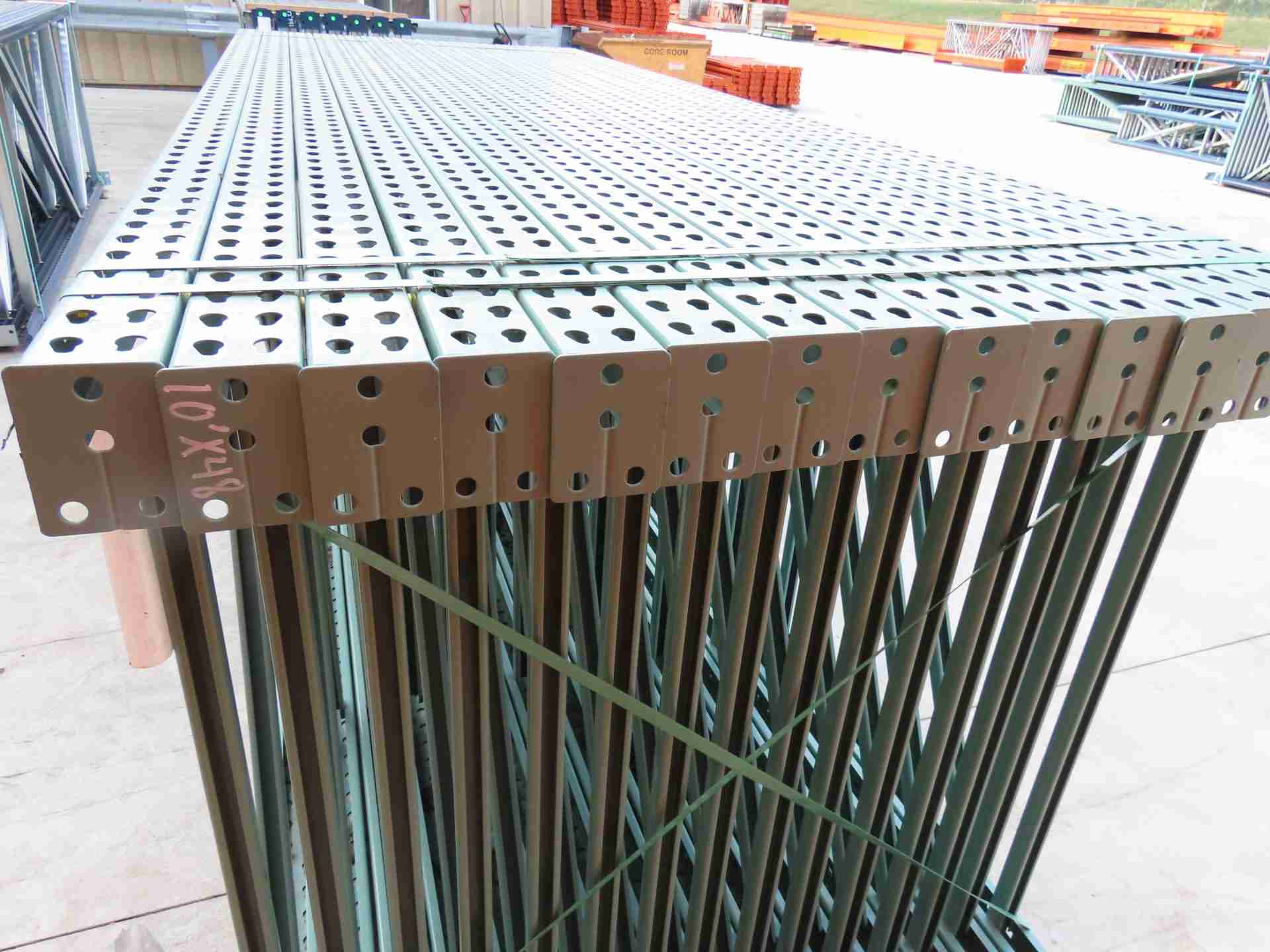
What Are The Common Consequences Of Bad Warehouse Organization?
Could Inadequate Space Lead To Wasted Time And Resources?
Picture this: a bustling warehouse where every square inch is strategically utilized. Employees move with purpose, guided by a well-organized flow of materials. Now, contrast that with a chaotic environment where clutter reigns supreme. Items pile high, pathways are obstructed, and valuable time slips away like grains of sand in an hourglass. This stark difference can often be traced back to one fundamental issue: inadequate space and poor organization, particularly when it comes to pallet racking.
What you may not realize is that the physical layout of your storage area can make or break your efficiency. Imagine searching for a vital component only to find it buried under a mountain of mismanaged inventory. It’s not just frustrating; it’s costly. Each minute spent hunting for misplaced items is a minute that could have been invested in driving your business forward. When your team is distracted, overwhelmed, or confused, not only does productivity plummet, but so do morale and ultimately, profits.
Now consider the benefits of strategic pallet racking solutions. Not only can they maximize vertical space in your facility, but they also streamline your operations. A well-designed racking system allows for easy access to your inventory while ensuring that every item has its designated spot. You’ll suddenly reclaim valuable time—time that can be redirected toward more impactful tasks like enhancing customer satisfaction or innovating your product line.
But there’s something more than just saving time; it’s about cultivating a culture of efficiency and responsibility within your organization. When your team knows where everything is and can easily reach it, they feel empowered and valued. This small adjustment transforms workflow and, in turn, elevates your bottom line.
Don’t let inadequate space become an anchor weighing down your operation. Explore the possibilities that pallet racking offers to not just store your goods, but to revolutionize how your entire organization operates. It’s time to invest in more than just equipment; it’s time to invest in a better future for your business. When you free up your resources and eliminate wasted time, you set the stage for unprecedented growth and success. So, why wait? Take the first step toward a more organized, productive workspace today!
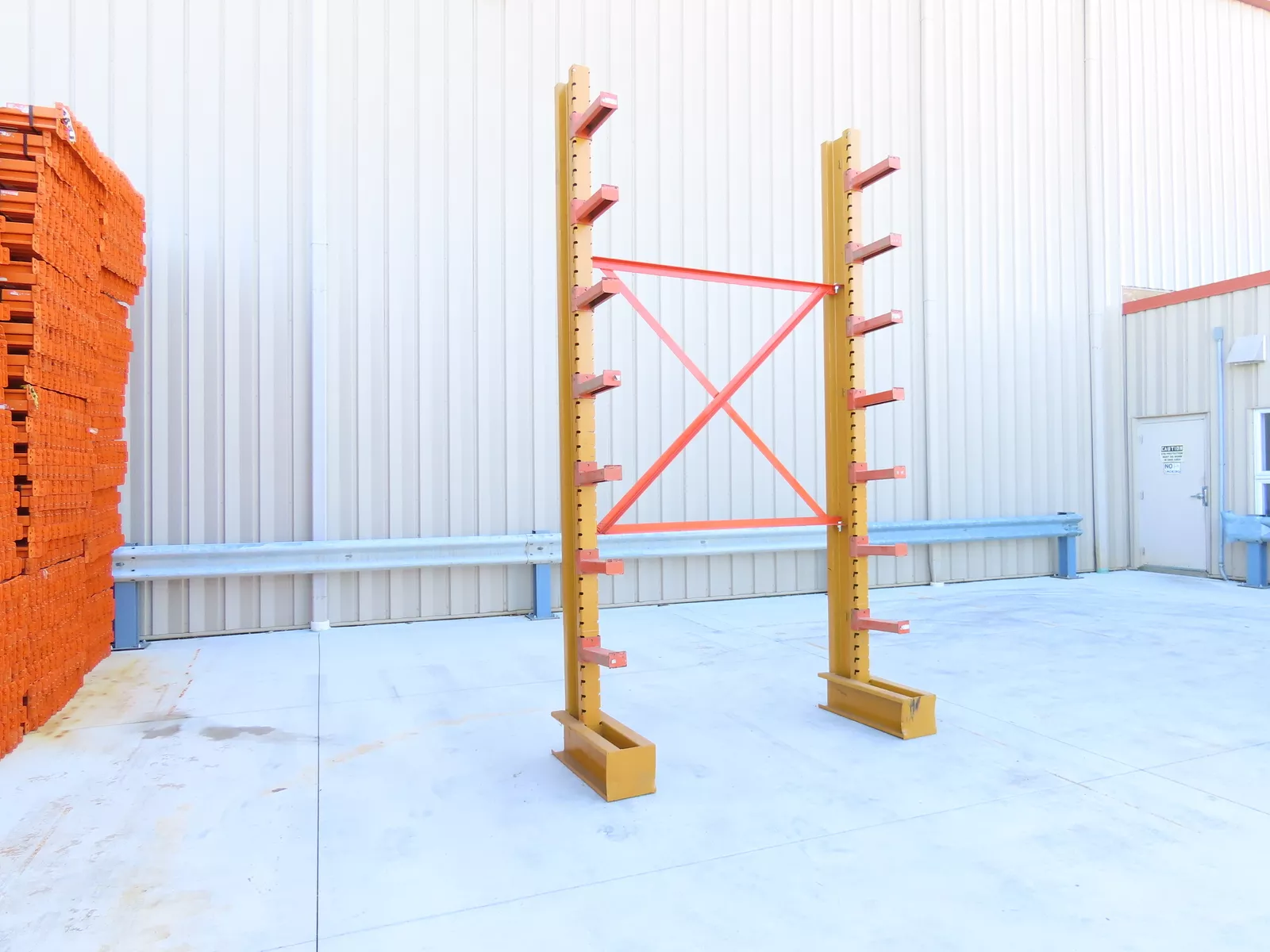
Could Inadequate Space Lead To Wasted Time And Resources?
Could Inadequate Space Lead To Wasted Time And Resources?
- A well-organized warehouse enhances employee efficiency and material flow.
- Chaotic environments with clutter lead to wasted time and decreased productivity.
- Poor organization and inadequate space, particularly in pallet racking, can hinder operational effectiveness.
- Mismanaged inventory results in frustration, costing valuable time and resources.
- Strategic pallet racking maximizes vertical space and streamlines access to inventory.
- Implementing effective racking solutions fosters a culture of efficiency and employee morale.
- Investing in pallet racking can drive organizational growth and improve overall business operations.
Could Inadequate Space Lead To Wasted Time And Resources?
How Does Improper Storage Affect Employee Productivity?
Imagine walking into an office or warehouse where chaos reigns supreme. Boxes piled haphazardly, tools strewn about, and pertinent documents camouflaged among clutter—it’s a scene that breeds frustration and inefficiency. Now ask yourself, how can employees be expected to deliver their best work in such a disorganized environment? This brings us to the heart of the matter: improper storage dramatically stifles productivity.
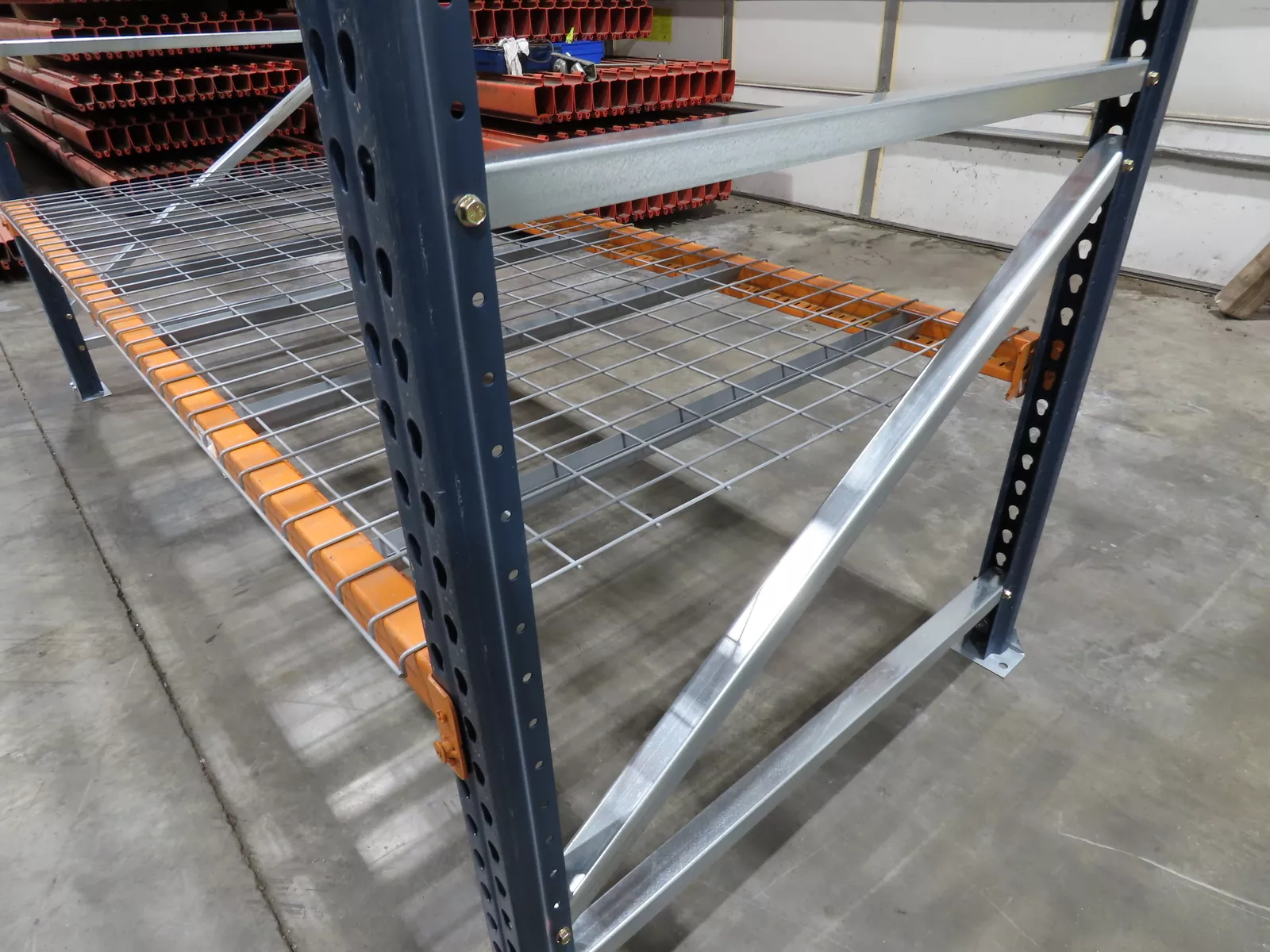
When employees find themselves navigating a maze of disarray, their time is sucked away faster than a vacuum. Consider pallet racking—an essential component for effective storage. When set up correctly, it maximizes space and makes items easily accessible, paving the way for a smooth workflow. Conversely, if pallet racking is neglected or poorly designed, employees waste precious minutes searching for the tools and materials they need. Think about it: those lost minutes add up. A team of five searching for parts can cost you hours in lost productivity each week. Multiply that across all your departments—suddenly, disorganized storage becomes an expensive epidemic.
Moreover, the psychological toll of working in a cluttered space cannot be overlooked. Employees are wired to thrive in environments where organization reigns. A clean, structured workspace fosters creativity and boosts morale. Employees feel empowered, motivated, and ready to tackle challenges head-on. At the same time, a disorganized environment amplifies stress levels and makes it hard for employees to focus on their core tasks. The result? They’re distracted, fatigued, and ultimately, less effective.
Now, let’s not forget safety. Improper storage can lead to hazardous working conditions—think about unstable shelves or pallet racks that risk collapse. When employees have to navigate unsafe environments, anxiety peaks, and productivity plummets. Your workers should feel secure, knowing they can perform their tasks without the looming threat of accidents.
What can you do? Start by investing time and resources into an effective storage strategy. Utilize pallet racking systems that prioritize organization and easy access. Give your employees the tools they need to succeed—the simpler and more structured the workspace, the more productive they will be.
Embrace the idea that proper storage isn’t just about tidiness; it’s about cultivating a thriving, efficient workplace. When you prioritize organization, you invest in your team’s potential—a return that will undoubtedly pay off in spades.
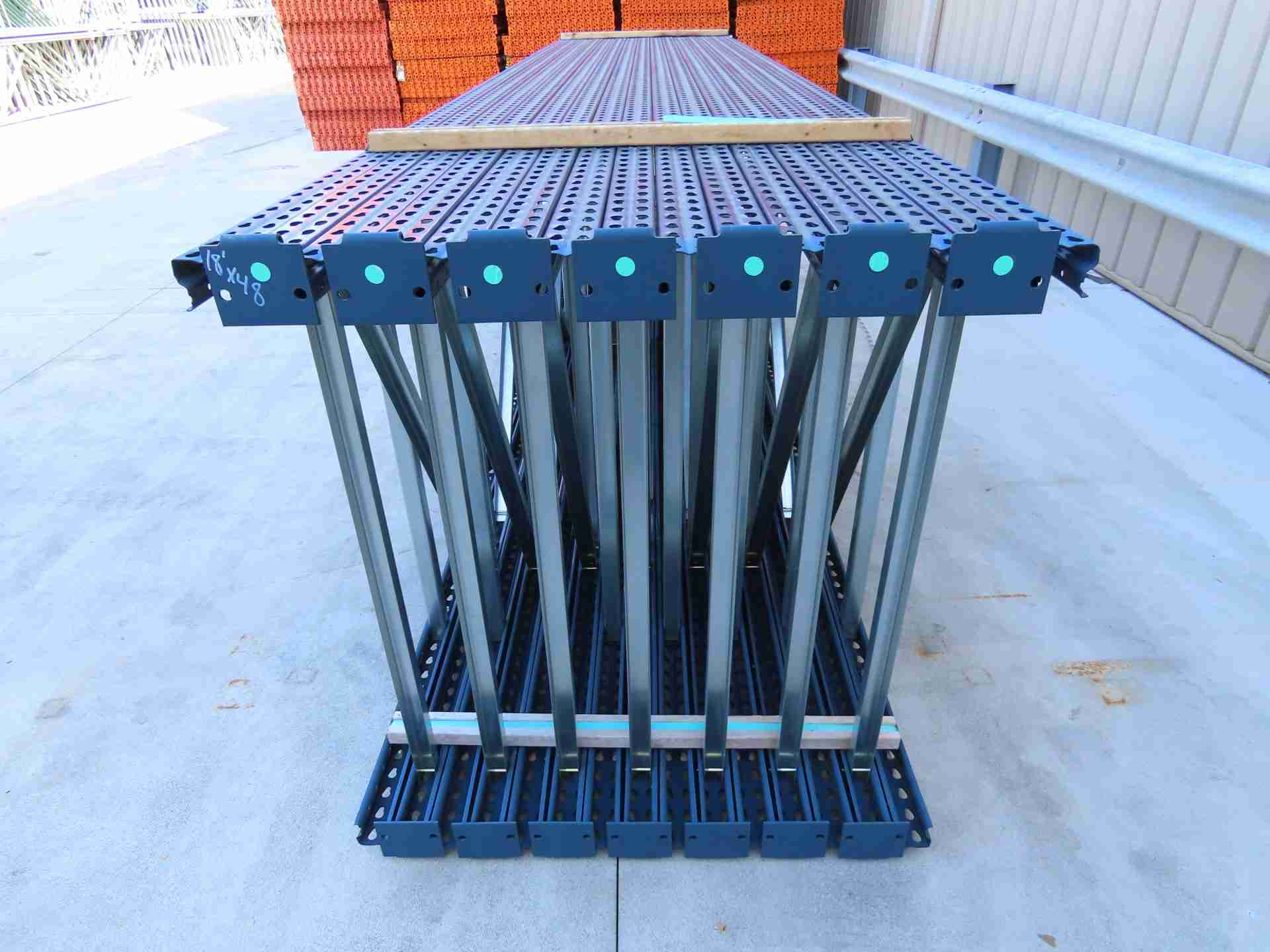
How Does Improper Storage Affect Employee Productivity?
How Does Improper Storage Affect Employee Productivity?
- Disorganization in the workplace leads to frustration and inefficiency.
- Improper storage practices significantly reduce employee productivity.
- Effective pallet racking maximizes space and accessibility for smoother workflows.
- Time wasted searching for materials and tools can add up to hours of lost productivity.
- Cluttered environments increase stress and detract from employee focus and creativity.
- Safety risks, such as unstable shelving, can arise from poor storage practices, impacting employee confidence.
- Investing in organized storage solutions directly boosts employee morale, productivity, and overall workplace efficiency.
How Does Improper Storage Affect Employee Productivity?
Are Outdated Storage Methods Hindering Your Operations?
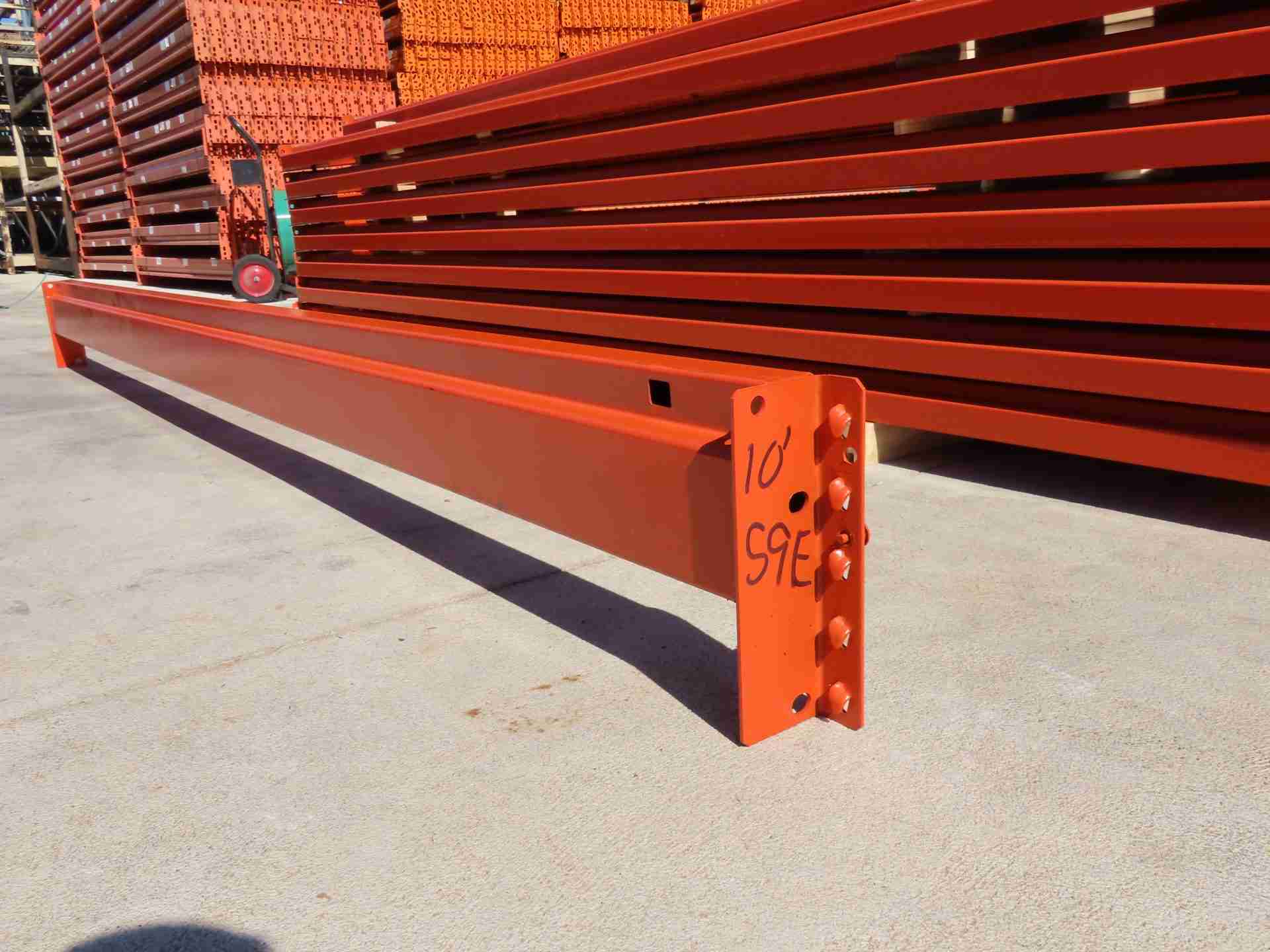
Imagine walking into your warehouse and feeling an immediate sense of chaos. Pallet racking systems are haphazardly stacked, aisles are crowded, and finding that crucial piece of inventory feels like searching for a needle in a haystack. You’re not alone. Many businesses operate under outdated storage methods that not only slow down operations but also drain productivity and morale.
Let’s talk about your current setup. Are your pallet racking systems adjusted to maximize vertical space? Are your employees frequently scrambling to pull items from hard-to-reach locations? These issues are more than just inconveniences—they’re costly inefficiencies that may be stunting your growth. The problem isn’t just the time wasted; it’s the impact on customer satisfaction when orders aren’t fulfilled on time.
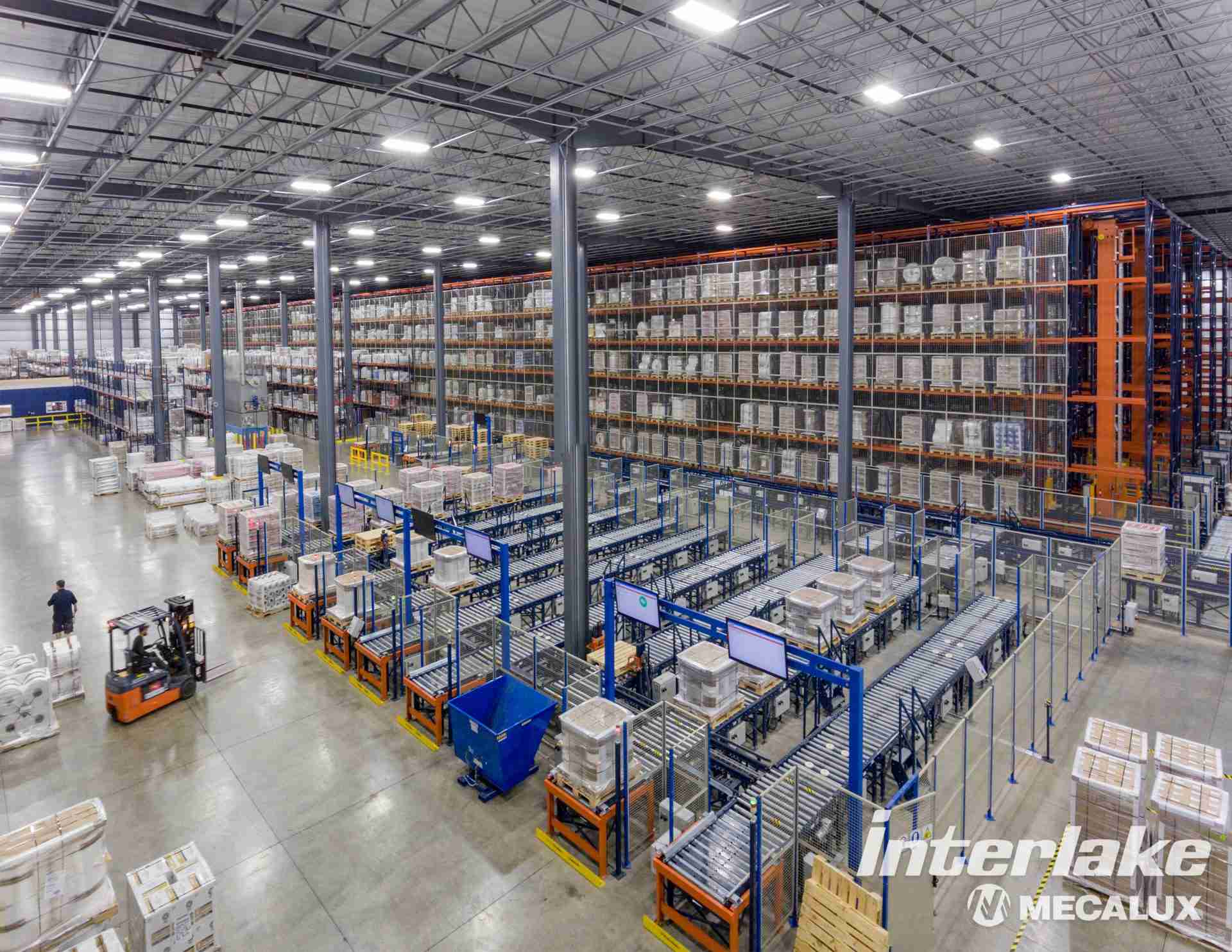
Consider the power of modern storage solutions. Today’s innovative pallet racking can transform your operations into a well-oiled machine. Imagine a layout that flows seamlessly, where every product has its designated home and is easily accessible. Your team can easily locate and retrieve items, allowing them to focus on serving your customers rather than navigating a labyrinth of outdated systems.
Investing in upgraded pallet racking doesn’t just enhance workflow; it revitalizes your entire operation. Picture employees moving with purpose and confidence instead of frustration. A leaner, more organized space not only boosts productivity but also fosters a positive work environment. When your team is happy, your customers benefit from reduced lead times, and your bottom line improves.
Now, this is not just about aesthetics or convenience—this is about making a smart investment in your business. Whether it’s maximizing current storage capacities or simply making day-to-day operations smoother, the right pallet racking solution can create a ripple effect throughout your organization.
So, ask yourself: Are outdated storage methods truly hindering your operations? The answer might be more than just a “yes.” It could be an opportunity for growth, efficiency, and ultimately, increased profits. Take that first step today. Evaluate your current systems, envision what’s possible, and don’t let archaic practices pull your business down. With the right pallet racking, you can transform chaos into order, confusion into clarity, and stagnation into success. The time for change is now!
Are Outdated Storage Methods Hindering Your Operations?
Are Outdated Storage Methods Hindering Your Operations?
- Many businesses face chaos in their warehouses due to outdated storage methods, leading to disorganization and inefficiencies.
- Issues like unoptimized pallet racking and difficult-to-reach inventory locations slow operations and impact productivity.
- Delayed order fulfillment resulting from these inefficiencies harms customer satisfaction.
- Modern pallet racking solutions can streamline operations and create efficient layouts where each product is easily accessible.
- Upgrading storage systems boosts employee morale and productivity by fostering a more organized work environment.
- Investing in efficient storage solutions can lead to improved lead times and enhanced bottom lines for businesses.
- Evaluating current systems can reveal opportunities for growth and efficiency, encouraging necessary changes.
Are Outdated Storage Methods Hindering Your Operations?
Conclusion
Conclusion: Transform Your Warehouse for Maximum Efficiency
As we’ve explored throughout this article, the consequences of improper warehouse storage extend far beyond mere inconvenience; they can manifest as hidden costs that significantly erode your profits, productivity, and overall business reputation. Poorly designed or neglected pallet racking systems create chaos, leading to wasted time and resources, increased inventory errors, and a culture of disorganization that impacts employee morale. In today’s competitive landscape, every moment spent searching for misplaced items or grappling with inefficiencies is a moment lost to your competitors.
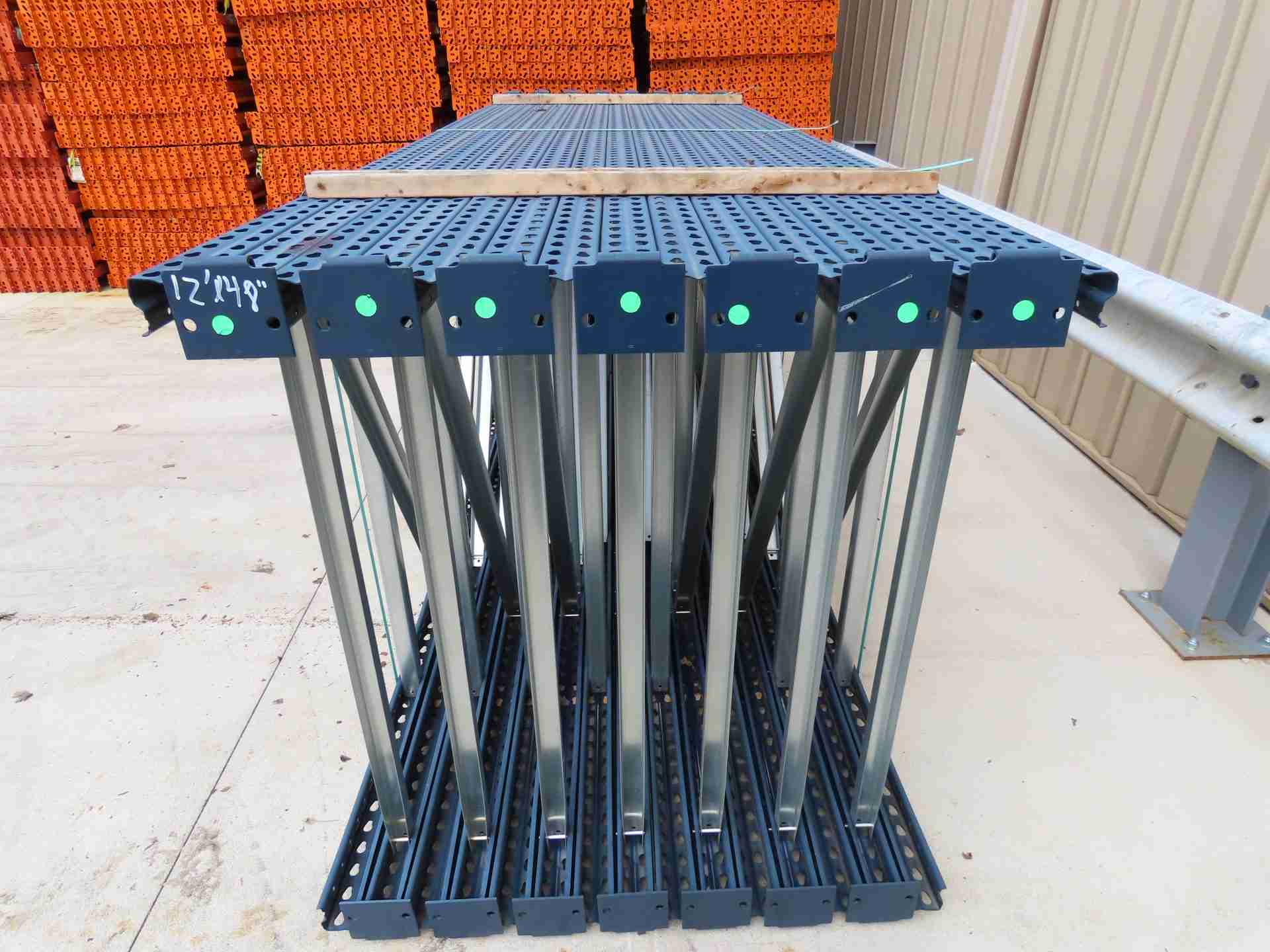
Imagine the savings from simply optimizing your storage solution. By investing in modern pallet racking systems and training your team to utilize them effectively, you will not only reclaim precious time but also enhance the safety and satisfaction of your workforce. A well-organized warehouse speaks volumes about your commitment to quality service, reinforcing customer trust and loyalty. Customers expect timely, accurate orders—failure to meet these expectations opens the door for competitors to swoop in and take your business.
The call to action is clear: do not wait for the next inventory crisis to occur. Assess your current storage methods now, and consider how outdated practices might be sending your operations spiraling into inefficiency. Remember, your warehouse should be a well-oiled machine, operating smoothly and effectively. Upgrade your pallet racking systems and embrace organizational solutions that will allow your team to work smarter, not harder.
At Arrow Industrial Sales, we are here to help. Take action today—call us at (574) 349-6575. Our experts are ready to provide the tailored solutions you need to take control of your warehouse operations. Don’t let inefficiency drag your business down; let’s transform your storage space into a key driver of success! The time to act is now—your profitability, team morale, and reputation depend on it! Reclaim your competitive edge and unlock the full potential of your business by investing in proper warehouse storage solutions today!

Conclusion
Conclusion:
- Improper warehouse storage leads to hidden costs that harm profits, productivity, and reputation.
- Poorly designed pallet racking systems result in chaos, wasted resources, and increased errors.
- Searching for misplaced items increases inefficiencies, impacting competitiveness.
- Optimizing storage solutions can lead to significant time and cost savings.
- Modern pallet racking systems enhance employee safety and satisfaction.
- Upgraded storage practices reinforce customer trust and loyalty by ensuring timely, accurate orders.
- Act now to assess and improve warehouse storage methods for better operational efficiency.
Conclusion
Other Resources
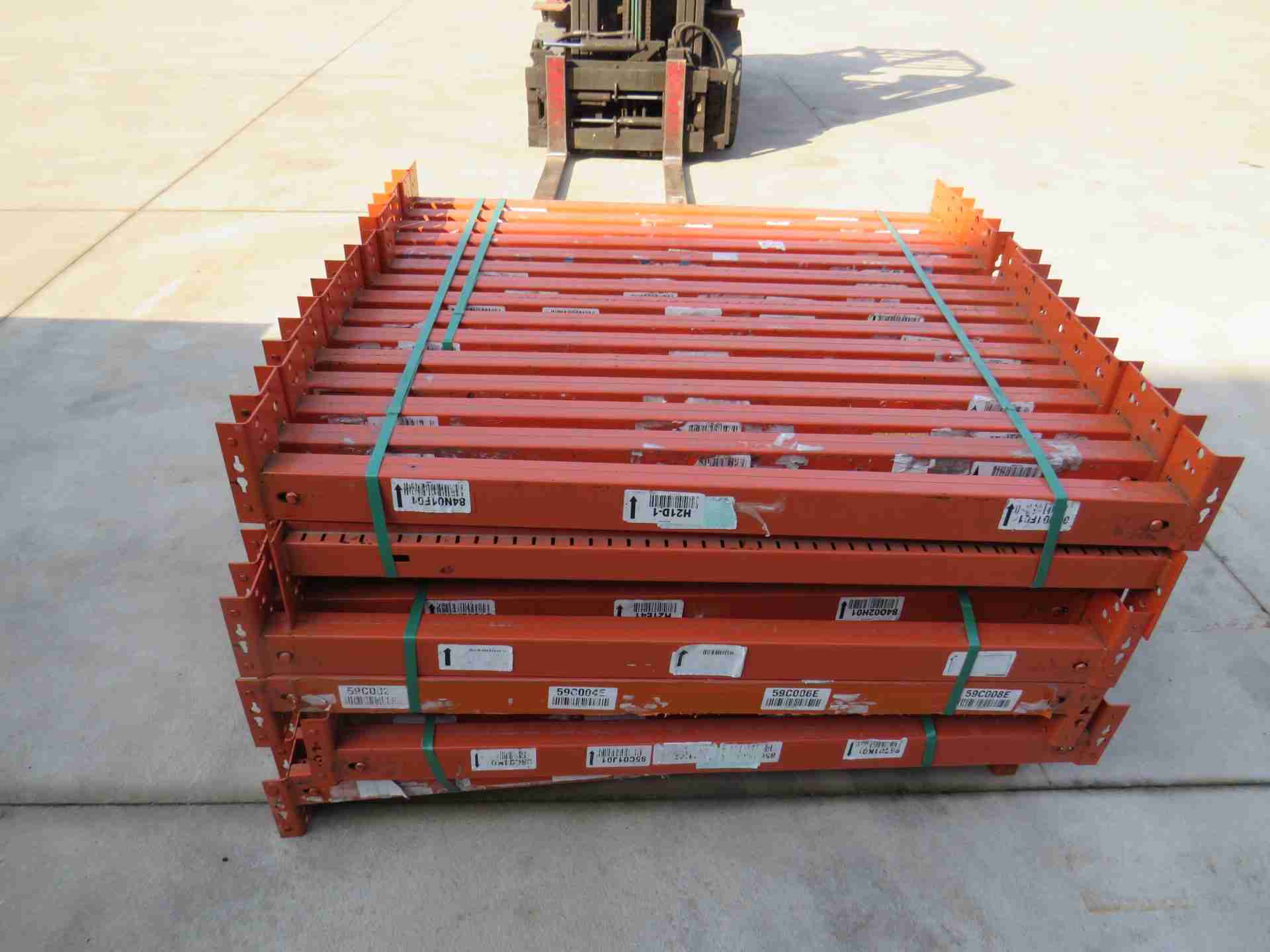
Other Resources
Here is a list of other resources you can review online to learn more:
- Teardrop Pallet Rack – Ridg-U-Rak
- Cantilever Racks Chicago
- Arrow Industrial Sales
- CA Wire
- RMI
- Pallet Racking systems in Illinois and Great Lakes
- Cantilever Rack Configuration & Installation: A Comprehensive Guide – BMH
- IIWS Inc. Rack Installation Illinois & Rack Repairs Illinois
- Selective Rack – Raymond West
- Teardrop Industrial Shelving Rack
Use This Prompt To Get More Resources With Your Favorite Online AI Tool: Please provide me with a list of online articles with their URLs in a bulleted list that I can read regarding Could Improper Warehouse Storage Be Costing You More Than Just Money?
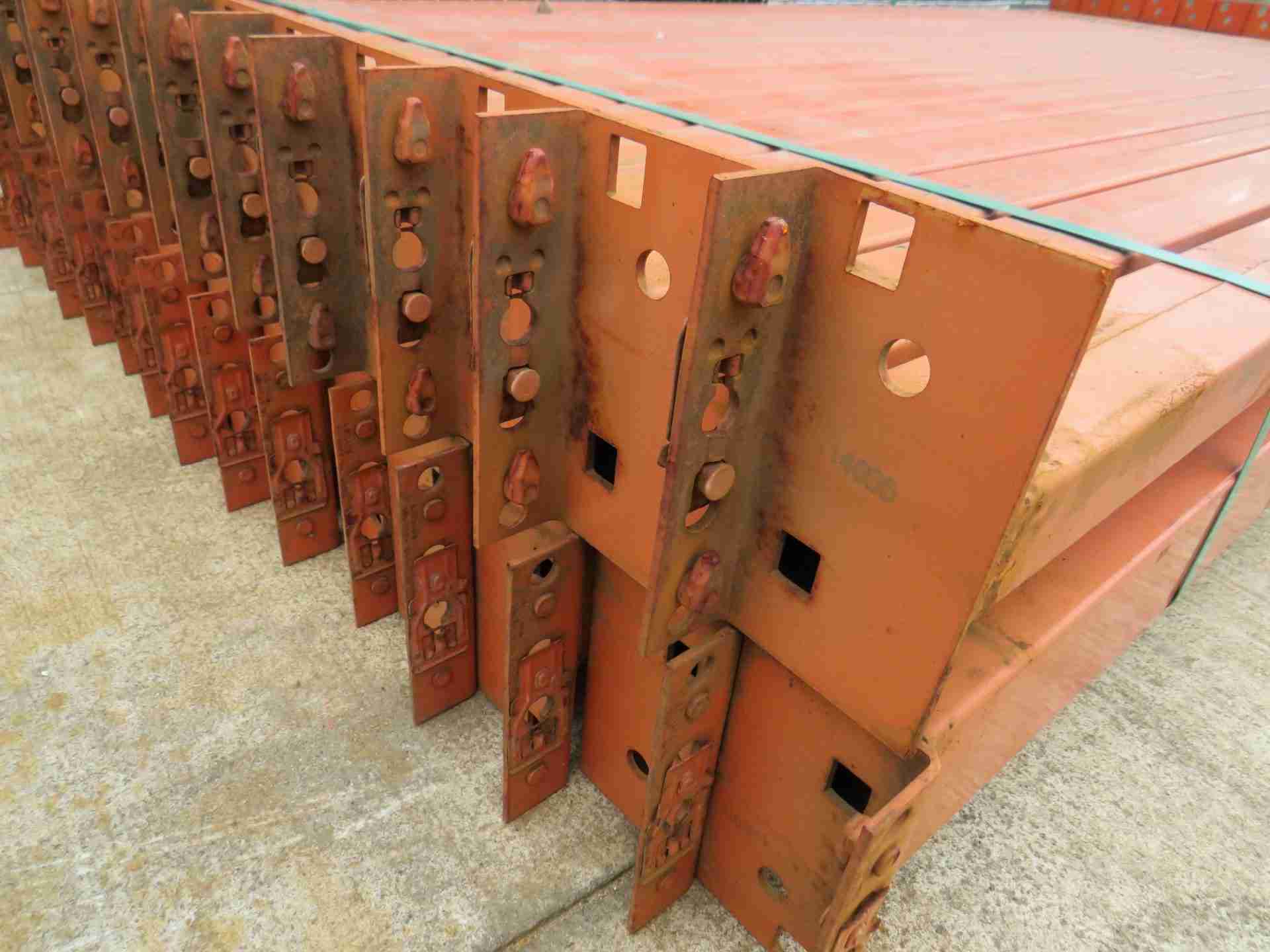
Other Resources
Glossary Terms
Could Improper Warehouse Storage Be Costing You More Than Just Money? – Glossary Of Terms
1. Inventory Management: The process of ordering, storing, and using a company’s inventory effectively and efficiently.
2. Stock Out: A situation where an item is not available for sale or distribution, leading to lost sales and customer dissatisfaction.
3. Overstock: Excess inventory that exceeds the optimal stock level, often resulting in increased storage costs and potential waste.
4. SKU (Stock Keeping Unit): A unique identifier for each distinct product and service that can be purchased, crucial for inventory tracking.
5. Warehouse Layout: The plan and design of a warehouse space, significantly influencing storage efficiency and workflow.
6. FIFO (First In, First Out): An inventory management principle where the oldest stock is sold first to minimize spoilage or obsolescence.
7. LIFO (Last In, First Out): An inventory management method where the most recently produced items are sold before older stock.
8. Safety Stock: Extra inventory held to mitigate the risk of stockouts due to variability in supply and demand.
9. Shrinkage: The loss of inventory due to theft, damage, or clerical errors, impacting overall profit margins.
10. Warehouse Management System (WMS): Software designed to support and optimize warehouse functionality and distribution center management.
11. Lead Time: The total time required from placing an order to receiving it; longer lead times can indicate inefficiencies.
12. Cycle Counting: An inventory auditing procedure where a subset of inventory is counted on a specific day, improving stock accuracy.
13. Lot Control: Managing and tracking inventory based on batches or lots to ensure quality and traceability.
14. Damaged Goods: Items that have been harmed and are no longer sellable, leading to loss and potential liability.
15. Storage Density: The amount of product that can be stored within a given space, affecting overall storage costs and efficiency.
16. Cold Storage: Temperature-controlled warehousing for perishable items, crucial for industries like food and pharmaceuticals.
17. Cross-Docking: A logistics procedure where products are directly transferred from inbound to outbound transport without storage.
18. Picking Efficiency: Measures how effectively inventory is retrieved to fulfill orders, impacting productivity and costs.
19. Compliance: Adherence to regulations and standards governing storage practices, health, safety, and environmental issues.
20. Labor Costs: Expenses associated with employees working in the warehouse, greatly influenced by productivity and operational efficiency.
21. Supply Chain: The entire system of production, processing, and distribution, where improper storage can lead to disruptions.
22. Obsolescence: Products that are no longer useful due to becoming outdated or out of demand, resulting in financial losses.
23. Return on Investment (ROI): A performance metric to evaluate the efficiency of an investment, often used to justify improvements in storage.
24. Workflow Optimization: Improving processes to maximize efficiency and reduce wasted time and resources in warehouse operations.
25. Pallet Racking: Storage systems that utilize vertical space to stack pallets of goods, crucial for maximizing storage density.
26. Inventory Turnover: A measure of how quickly inventory is sold and replaced over a period, indicating sales performance and storage effectiveness.
27. Handling Equipment: Tools and machinery used for moving, lifting, and storing goods in a warehouse, essential for efficiency.
28. Returns Processing: The method of handling returned goods, affecting inventory levels and operating costs.
29. Damage Control: Strategies to mitigate the impact of inventory loss due to damage, often involving better storage practices.
30. Cost-Benefit Analysis: A systematic approach for evaluating the economic pros and cons of different storage methods to guide decision-making.
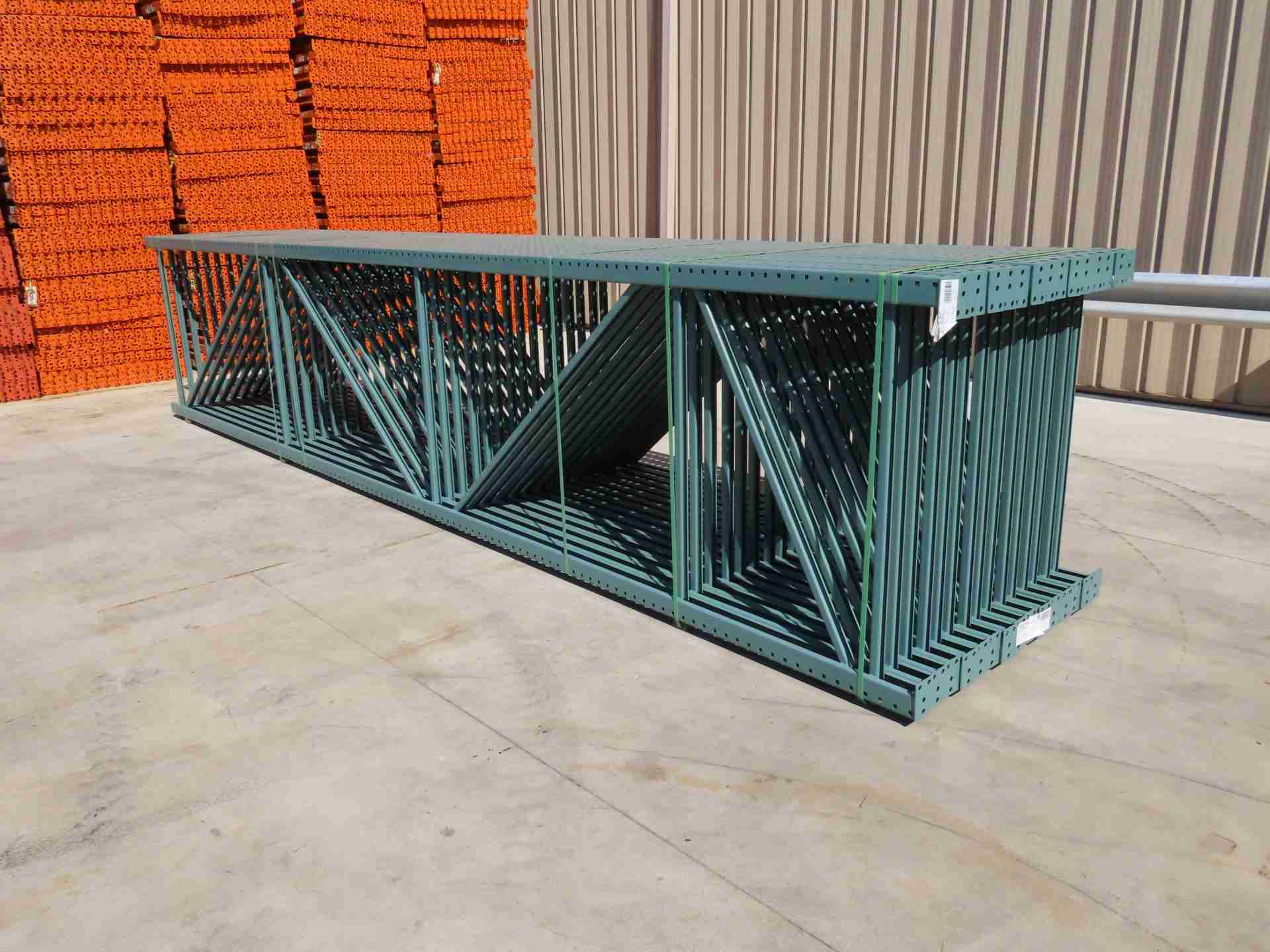
Glossary Of Terms
Other Questions
Could Improper Warehouse Storage Be Costing You More Than Just Money? – Other Questions
If you wish to explore and discover more, consider looking for answers to these questions:
- What are the specific signs that my warehouse storage is inefficient?
- How can I evaluate the current state of my pallet racking system?
- What are the best practices for organizing a warehouse?
- How can I improve employee morale through better warehouse organization?
- What are the most common types of pallet racking systems available?
- How do seasonal changes impact warehouse storage needs?
- What investments should I consider for improving warehouse storage?
- Are there regulations I need to follow when organizing a warehouse?
- How can technology assist in improving warehouse management?
- What training should be provided to employees regarding warehouse organization?
- How can I measure the effectiveness of my warehouse storage solutions?
- What role does safety play in warehouse organization?
- What are the potential consequences of ignoring proper warehouse management?
- How can I ensure that my warehouse is scalable for future growth?
- What steps should I take to implement a new storage solution?
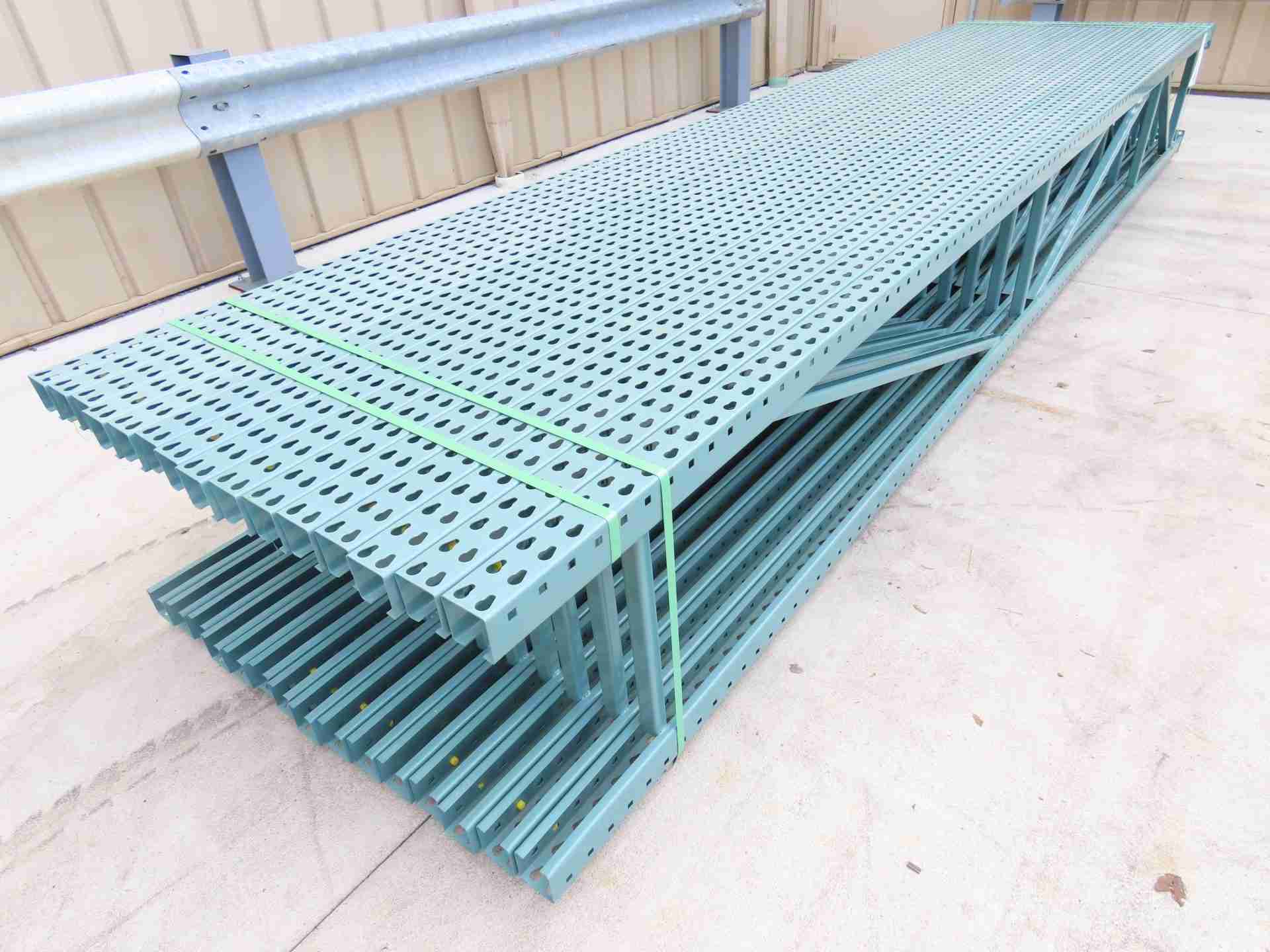
Other Questions
Checklist
Could Improper Warehouse Storage Be Costing You More Than Just Money? – A Checklist
Checklist: Optimize Your Warehouse Storage for Efficiency and Profitability
Use this checklist to evaluate your warehouse storage practices and ensure you’re maximizing efficiency, safety, and productivity.
Warehouse Storage Optimization Checklist
1. Evaluate Your Pallet Racking System
_____ Is your pallet racking well-designed to maximize space?
_____ Are racks properly aligned and positioned?
_____ Are products stacked securely without compromising safety?
2. Assess Organization and Layout
_____ Is every item in your warehouse assigned a designated spot?
_____ Are pathways and aisles clear of obstructions?
_____ Can employees easily locate and access items?
3. Monitor Employee Productivity
_____ Are employees spending excessive time searching for items?
_____ Have there been reports of frustration related to disorganization?
_____ Is employee morale affected by the warehouse environment?
4. Review Inventory Management Practices
_____ Are stock levels accurately tracked?
_____ Are there frequent inventory discrepancies (stock outs, overstock)?
_____ Is there a system in place for regular inventory audits?
5. Focus on Safety Protocols
_____ Are there safety measures in place to prevent warehouse accidents?
_____ Are employees trained in safe handling and storage procedures?
_____ Is the warehouse environment regularly inspected for hazards?
6. Inspect for Hidden Costs
_____ Have you calculated the costs related to wasted employee time?
_____ Are there financial impacts from inaccurate order fulfillment?
_____ Is there an increase in insurance premiums or legal costs due to accidents?
7. Utilize Modern Storage Solutions
_____ Are you considering upgrading to more efficient pallet racking systems?
_____ Have you explored vertical storage solutions to maximize space?
_____ Are you open to implementing technology (like software) to improve inventory management?
8. Foster a Culture of Organization
_____ Do you promote regular assessments of warehouse organization?
_____ Are employees encouraged to provide feedback on storage practices?
_____ Is there a system in place for ongoing training related to warehouse management?
9. Prepare for Seasonal Fluctuations
_____ Is your current setup adaptable to meet peak season demands?
_____ Have you refined processes for quick restocking during busier times?
_____ Are there contingency plans for handling unexpected inventory increases?
10. Plan for Continuous Improvement
_____ Do you have scheduled reviews of your warehouse storage strategies?
_____ Are you committed to investing in employee training and resources?
_____ Have you set measurable goals for improving warehouse efficiency?
Conclusion
Regularly use this checklist to monitor and improve your warehouse storage strategies. By addressing these key areas, you can enhance efficiency, boost employee morale, and ultimately protect your bottom line. Remember, a well-organized warehouse reflects professionalism and commitment to quality in your business. Start implementing changes today!
Checklist
At RackingWorld, we help guide you through selecting warehouse storage systems and racking.
Be sure to read our other related stories at RackingWorld to learn more about warehouse storage systems.
0 Comments