
Protect Your Assets: The Consequences Of Inadequate Storage
By Tom Seest
At RackingWorld, we help guide you through selecting warehouse storage systems and racking.
Be sure to read our other related stories at RackingWorld to learn more about warehouse storage systems.
Could an Inadequate Storage System Cost You Everything?
Let’s face it—if you run a business that deals with inventory, the organization of your storage space can mean the difference between staggering profits and crushing losses. Picture this: your stockroom is overflowing, but your shelving is inadequate, leaving pallets scattered and disorganized. Every time a new shipment rolls in, it feels like playing a game of Tetris where the pieces never fit. Stress levels spike, and so does the risk of lost products.
In a world where efficiency is king, an inadequate storage system can indeed cost you everything. Imagine a critical order delayed simply because a critical item went missing, buried under piles of unorganized stock. Your reputation? Shot. Your customer’s trust? Gone. But it doesn’t have to be this way.
Investing in a well-designed pallet racking system can transform your operation overnight. Not only does it maximize your available space, but it also streamlines picking processes, making it easier for your team to locate, retrieve, and ship products. Think of pallet racking as the unsung hero of your warehouse—a structure that doesn’t just hold things but organizes them in a way that boosts productivity and morale.
You might be thinking: “We’ve been managing just fine.” Yet, ask yourself this—how much are those inefficiencies costing you? The time wasted searching for products, the frustration of employees, and the lost sales from unsatisfied customers can add up quickly. When you create an efficient storage environment, you are not merely organizing; you are unlocking value and building a foundation of trust. Your team will appreciate the thoughtful investment, and your customers will notice the difference in service.
Take a moment to assess your current system. Is it supporting your business growth, or is it holding you back? Transitioning to a robust pallet racking system could very well be the pivotal change your operation needs. It’s not just about putting things on shelves; it’s about positioning your business for success and establishing your brand as a reliable player in the marketplace.
Today is the day to stop living in chaos. Start envisioning that efficient, thriving workspace that not only boosts productivity but also reflects the professionalism of your brand. Don’t let an inadequate storage system cost you everything—take the leap towards better organization and watch your business flourish!

Could an Inadequate Storage System Cost You Everything?
Could an Inadequate Storage System Cost You Everything?
- Effective organization of storage space is crucial for businesses dealing with inventory.
- Poor storage solutions can lead to disorganization, increased stress, and lost products.
- An inadequate system may delay critical orders and damage reputation and customer trust.
- Investing in a well-designed pallet racking system maximizes space and streamlines processes.
- Pallet racking can enhance productivity and employee morale by organizing inventory effectively.
- Evaluate current storage systems to identify inefficiencies that could be costing your business.
- Transitioning to better organization can position your business for success and improve customer perception.

Could an Inadequate Storage System Cost You Everything?
Table Of Contents
- Could an Inadequate Storage System Cost You Everything?
- How Does Poor Storage Impact Business Efficiency?
- Can Inadequate Storage Lead To Data Loss?
- What Are The Financial Risks Of Insufficient Storage?
- How Can Inadequate Storage Affect Customer Satisfaction?
- What Solutions Can Improve An Inadequate Storage System?
- How Can Businesses Assess Their Current Storage Solutions?
- Conclusion
- Other Resources
- Glossary Of Terms
- Other Questions
- Checklist
How Does Poor Storage Impact Business Efficiency?
Imagine walking into a warehouse where chaos reigns supreme. Boxes tossed carelessly, items piled haphazardly, and critical inventory seemingly lost in a sea of clutter. This is more than just an eyesore—it’s a recipe for inefficiency that can drain your bottom line faster than you can say “inventory audit.” When it comes to storage solutions, the right organization means everything, and that’s where affordable and reliable Pallet Racking comes into play.
In today’s fast-paced business environment, being organized is non-negotiable. A disorganized storage area not only hampers productivity but also leads to increased operational costs. Employees waste precious time searching for lost items or waiting for a clear pathway to retrieve products, time that could be better spent nurturing customer relationships or strategizing the next big move for your business. Each moment lost in fumbling through a messy stockroom is a moment lost in growth.
Efficient storage solutions, particularly with Pallet Racking systems, create a structured environment that allows for seamless operations. These systems cleverly utilize vertical space, ensuring that your stock is both accessible and organized. The beauty of Pallet Racking lies in its flexibility—by adjusting shelves according to your inventory needs, you can adapt to the changing demands of your business. This adaptability translates to a more responsive operation, ready to meet client needs without the delays caused by disarray.
Furthermore, when your storage is streamlined and efficient, safety gets a significant boost. A well-thought-out layout decreases the likelihood of accidents caused by cluttered passageways or misplaced equipment. Employees feel more secure and are therefore better focused on their tasks. A strong safety record is not just good for morale; it also builds trust with clients, showing them that you take every aspect of your business seriously.
Now is the time to take charge of your storage systems. Embracing structured solutions like Pallet Racking isn’t just a financial investment; it’s a commitment to operational excellence. When you eliminate inefficiencies, you are setting the stage for increased productivity, happier employees, and ultimately, satisfied customers. Don’t let poor storage hold you back; take the first step towards transforming your workplace into a thriving hub of efficiency! The opportunity is there—seize it!

How Does Poor Storage Impact Business Efficiency?
How Does Poor Storage Impact Business Efficiency?
- Warehouse chaos leads to inefficiency and increased operational costs.
- Disorganization hampers productivity and wastes employee time.
- Efficient storage solutions, like Pallet Racking systems, enhance organization.
- Pallet Racking utilizes vertical space, making inventory accessible and organized.
- Flexibility of Pallet Racking allows adaptation to changing inventory needs.
- Streamlined storage improves safety and decreases the likelihood of accidents.
- Investing in proper storage systems fosters operational excellence and customer satisfaction.

How Does Poor Storage Impact Business Efficiency?
Can Inadequate Storage Lead To Data Loss?
In today’s fast-paced world, where businesses run on data as much as they do on ambition, the consequences of inadequate storage can be catastrophic. Imagine your business is like a well-organized warehouse. Each shelf, every piece of Pallet Racking holds something valuable—your client information, your project files, crucial communications. What happens when that racking system is a tangled mess, overloaded, and falling apart? Chaos ensues.
Much like a cluttered warehouse, inadequate digital storage doesn’t just slow you down; it can lead to significant data loss. Think about it: When you don’t have the right tools or systems in place to store your data properly, the risk of corruption, accidental deletion, or ransomware increases exponentially. Your data, which is the backbone of your operations and the lifeblood of your strategic decisions, hangs in a precarious balance.
Now, you might be wondering, “Isn’t digital storage different from physical storage?” Sure, the mediums differ—one’s a series of complex algorithms, while the other’s a metal framework filled with boxes—but at the end of the day, the principle remains the same. Just like you wouldn’t stuff a pallet full of fragile items or overload it to the point of collapse, you shouldn’t cram your data into an ill-equipped digital space.
By grounding your operations in organized, efficient storage solutions, whether it’s embracing better servers or optimizing cloud platforms, you can fortify yourself against the worst-case scenarios. And let’s face it, data loss not only disrupts your workflow; it shakes your clients’ confidence in you. In a marketplace where reputation is paramount, the stakes are simply too high.
Here’s the real kicker: investing in adequate storage today is not just about preventing chaos; it’s about creating a platform for growth. Think of it as your business’s trust bridge—one that not only safeguards your current assets but also positions you to capture new opportunities without fear of repercussions.
So don’t wait for that fateful moment when you realize you’ve lost critical data due to inadequate storage. Take proactive steps today to protect your information and your business’s future. With the right systems in place, you can focus on what truly matters—growth, innovation, and serving your clients better than ever. Trust me, the dividends of a sound storage strategy will far outweigh the costs.

Can Inadequate Storage Lead To Data Loss?
Can Inadequate Storage Lead To Data Loss?
- Inadequate storage can lead to catastrophic consequences for businesses, similar to a disorganized warehouse.
- Cluttered digital storage can result in significant data loss and increased risk of corruption, deletion, or ransomware.
- Both digital and physical storage require careful organization to prevent chaos and maintain efficiency.
- Investing in better storage solutions can protect against data loss and enhance client confidence.
- Efficient storage not only safeguards current data but also enables future growth and opportunity capture.
- Proactive measures should be taken to prevent data loss and ensure business continuity.
- A strong storage strategy is an investment that delivers greater returns in stability and operational effectiveness.

Can Inadequate Storage Lead To Data Loss?
What Are The Financial Risks Of Insufficient Storage?
Imagine walking into your warehouse or storage facility, only to be greeted by a chaotic maze of overdue inventory and toppled pallets. The sight is not only disheartening but can also have dire financial consequences. Insufficient storage isn’t merely an inconvenience; it’s a ticking time bomb that can erode your company’s bottom line faster than you can say “pallet racking.”
At its core, inadequate storage leads to inefficiencies. You may find yourself scrambling to locate essential items, wasting precious hours—and that translates to lost revenue. Picture a sales team ready to close a deal, only to be held up by a missing product trapped beneath a disorganized stack of crates. The financial impact isn’t just limited to the immediate delays; it sends ripples through your operations, harming customer satisfaction and eroding trust. Your clients want reliability. They need consistency. When you can’t provide that, they’ll take their business elsewhere, costing you not just the sale, but potential repeat business—and that’s a hit you can’t afford.
Furthermore, inadequate storage can lead to damage. Pallet racking is not just a storage solution; it’s an investment in protecting your assets. Products stuffed into corners, stacked precariously, are at risk. One slip can mean returned goods, warranties, or worse, injuries to your employees. The fallout from injuries in the workplace can lead to long-lasting financial ramifications, not to mention the potential damage to your company’s reputation. When you can’t ensure safety and organization, you invite risk into your workplace, jeopardizing both your profitability and your peace of mind.
Lastly, consider the opportunity cost. Each square foot of your storage area should be optimized. If you’re dealing with constraints, you miss out on scaling your operations. High demand? Good luck fulfilling orders efficiently when your space is cluttered and ill-equipped. Ultimately, this could stifle your growth trajectory. Imagine the competitors who can offer seamless delivery while you stumble along—crushing, isn’t it?
Now is the time to invest in proper storage solutions that can scale with your needs. Embrace efficient pallet racking systems to safeguard your assets, enhance productivity, and foster a culture of safety and reliability. You’ll not only save money; you’ll also build a warehouse that tells your clients you mean business. After all, in today’s fast-paced world, can you really afford to take shortcuts? The answer is clear. Take action now to mitigate the financial risks of insufficient storage before it’s too late.

What Are The Financial Risks Of Insufficient Storage?
What Are The Financial Risks Of Insufficient Storage?
- A chaotic storage environment can lead to financial losses for your company.
- Inadequate storage results in inefficiencies, wasting time and hindering operations.
- Customer satisfaction declines when products cannot be located quickly.
- Poor storage practices increase the risk of product damage and workplace injuries.
- Workplace injuries can have serious financial and reputational consequences.
- Opportunity costs arise from underutilized storage space, limiting business growth.
- Investing in efficient storage solutions like pallet racking can enhance productivity and safety.

What Are The Financial Risks Of Insufficient Storage?
How Can Inadequate Storage Affect Customer Satisfaction?
Imagine driving to your favorite store, excited to purchase that item you’ve been eyeing online, only to find the shelves bare. Your anticipation turns to frustration in an instant. This scenario highlights the critical link between storage solutions, like pallet racking, and customer satisfaction.
When a business lacks adequate storage capacity, it directly impacts inventory management. If products can’t be stored efficiently or organized systematically, the potential for stockouts skyrockets. Customers don’t want to hear excuses. They want their desired product, and when it’s unavailable, they may not return for the next shopping trip. Instead, they could pivot to a competitor who has grasped the importance of well-structured storage.
Think about the operational side. A cramped storage facility leads to chaos. Employees, constantly sifting through cluttered aisles and mismanaged stock, can’t locate items swiftly. This delay translates to longer wait times for customers, resulting in dissatisfaction. When customers experience longer queues or frustrating interactions due to inadequate storage, it diminishes their overall shopping experience. If your customers’ time is wasted, so is your potential for repeat business.
Now, consider the aesthetic aspect of your business. An organized space with proper pallet racking not only improves inventory management but also creates a more inviting atmosphere. A clear and efficient storage system signals professionalism and reliability. Customers are subconsciously attuned to these cues; they want to shop where everything feels easy and orderly. When you invest in quality storage solutions, such as sturdy pallet racking, you send a message that you value not just your products, but also your customers’ experience.
Ultimately, inadequate storage can lead to an increased rate of returns, negative reviews, and, worst of all, a tarnished reputation. Trust takes years to build but can crumble in an instant with a negative customer interaction spurred by organizational chaos. In today’s competitive market, ensuring that your storage solutions, particularly pallet racking, are up to par isn’t just an operational necessity; it’s a cornerstone of customer satisfaction.
Your customers deserve to walk into your store and find what they need effortlessly. They deserve a smooth, hassle-free experience. Take a step back and evaluate your space: could the layout be optimized? Would upgraded storage solutions bring you closer to your customers’ desires? Remember, satisfied customers become loyal customers—so invest wisely and watch your business thrive!

How Can Inadequate Storage Affect Customer Satisfaction?
How Can Inadequate Storage Affect Customer Satisfaction?
- Inadequate storage capacity leads to frustrated customers when desired products are unavailable.
- Poor inventory management increases the likelihood of stockouts and customer loss to competitors.
- Cramped storage facilities result in operational chaos, causing longer wait times and dissatisfaction for customers.
- An organized storage space enhances the shopping experience, conveying professionalism and reliability.
- Quality storage solutions, like pallet racking, demonstrate a business’s commitment to customer experience.
- Inadequate storage can result in higher return rates, negative reviews, and damage to business reputation.
- Optimizing storage solutions can enhance customer satisfaction and foster loyalty, contributing to business growth.

How Can Inadequate Storage Affect Customer Satisfaction?
What Solutions Can Improve An Inadequate Storage System?
Imagine walking into a cluttered warehouse, where every inch of space feels wasted, and efficiency is a distant dream. Does this sound familiar? If you’ve been struggling with an inadequate storage system, you’re not alone. Numerous businesses face similar challenges, but the good news is that solutions exist to transform your chaos into order. It’s time to take action!
At the heart of any effective storage solution is the implementation of *Pallet Racking*. This isn’t just another storage method; it’s a game changer. Think of it as a structural backbone that maximizes vertical space and enhances overall organization. With pallet racking, products are stored on sturdy beams and frames, allowing for easy access and quick inventory management. Imagine how much time and energy you could save if items are stored in a clear, accessible manner, instead of buried under piles of boxes.
But it doesn’t stop there! Coupling pallet racking with innovative technology can lead to incredible outcomes. Consider integrating inventory management software that tracks stock levels in real-time. This approach not only streamlines workflow but also minimizes stock shortages and overages. Suddenly, decision-making becomes a breeze, and you can wave goodbye to the guesswork.
Perhaps you’re wondering how to get started? The first step is to assess your current setup. Take a close, honest look at your available space and what you need to store. Understanding your unique requirements is essential in creating a customized plan. You could even engage with a storage solutions expert who can guide you through this process. After all, partnering with the right professionals can inspire confidence and ensure you’re heading in the right direction.
Furthermore, don’t overlook the importance of employee training. Educating your team on how to effectively utilize the new storage system not only fosters a culture of efficiency but also empowers your employees. An organized workplace can lead to higher morale and productivity levels.
Transforming an inadequate storage system into a streamlined, effective one is within your reach. With the right tools—like pallet racking—and a thoughtful approach, you can foster an environment that thrives on efficiency and clarity. Don’t wait for the clutter to overwhelm you. Act now and watch your business soar to new heights!

What Solutions Can Improve An Inadequate Storage System?
What Solutions Can Improve An Inadequate Storage System?
- Many businesses struggle with inadequate storage systems, leading to wasted space and inefficiency.
- Pallet Racking is a key solution that maximizes vertical space and improves organization.
- This method enables easy access to products and facilitates quick inventory management.
- Integrating technology, such as inventory management software, enhances workflow and reduces stock issues.
- Assessing your current storage setup is crucial for developing a customized storage solution.
- Training employees on the new system promotes a culture of efficiency and boosts morale and productivity.
- With the right tools and approach, transforming your storage system can lead to significant business improvements.

What Solutions Can Improve An Inadequate Storage System?
How Can Businesses Assess Their Current Storage Solutions?
When it comes to optimizing your storage solutions, don’t just scratch the surface—dive deep. The reality is that your storage setup can make or break your operational efficiency. If you’re feeling the strain, it’s time to assess your current storage system thoughtfully.
Start by taking an inventory of your warehouse or storage space. What storage systems are in place? Do you utilize pallet racking effectively? A well-structured pallet racking system can maximize vertical space, allowing you to increase storage capacity while keeping everything organized and accessible. If your pallet racking is underutilized or poorly arranged, you’re not only losing out on space but also time and money.
Next, engage your team in the assessment process. No one knows your business operations better than the people working on the front lines. Solicit their input on how the current storage solutions work (or don’t work) for them. They’ll provide insights on frequent bottlenecks or inefficiencies, particularly if items are buried in hard-to-reach areas of your pallet racking. The more you listen, the more you can understand their pain points, leading to actionable strategies to streamline your storage solutions.
Don’t overlook the importance of technology in your assessment. Are you utilizing any modern inventory management systems, or are you working with outdated methods? The right software can shift your operations from chaotic to completely organized. An automated system can help you track inventory levels in real-time, ensuring you know exactly what’s in stock and what’s running low—saving you time and potential loss.
Furthermore, evaluate if your current storage solutions meet the demands of your business’s growth. If you’re expanding and your storage isn’t keeping up, it’s time to consider a redesign. A robust warehouse layout, equipped with the right pallet racking, can not only support current needs but also adapt to future changes.
Finally, don’t be afraid to consult with storage experts. Sometimes, an outsider’s perspective can reveal inefficiencies you may have overlooked. They can provide tailored solutions to optimize your storage and, ultimately, your bottom line.
Now is the time to assess your storage solutions with confidence. Take that first step towards a more organized and efficient operation; your future self—and your employees—will thank you.

How Can Businesses Assess Their Current Storage Solutions?
How Can Businesses Assess Their Current Storage Solutions?
- Evaluate your storage setup as it significantly impacts operational efficiency.
- Conduct an inventory of your current storage systems, focusing on pallet racking.
- Maximize vertical space with a well-structured pallet racking system to increase capacity.
- Engage your team for insights on storage inefficiencies and bottlenecks.
- Utilize modern inventory management systems to enhance organization and tracking.
- Assess if your storage solutions align with your business’s growth and future needs.
- Consult with storage experts for tailored solutions and fresh perspectives on optimization.

How Can Businesses Assess Their Current Storage Solutions?
Conclusion
Conclusion: Transform Your Storage, Transform Your Future
In the high-stakes world of business, settling for an inadequate storage system could very well cost you everything. We’ve painted a vivid picture of the chaos and inefficiency that arise from disorganized inventory storage—rife with lost items, delayed orders, and unhappy customers. But here’s the silver lining: it doesn’t have to be that way. With the right investment in a well-designed pallet racking system, you have the power to turn your operational chaos into streamlined success.
Imagine a warehouse where every inch is maximized, every item is easily accessible, and every employee can perform their tasks efficiently. A robust storage solution not only enhances productivity and morale but also minimizes the risk of accidents and data loss. Your assets and information—critical lifeblood of your business—deserve protection. Ignoring this facet could lead to financial ruin as inefficiencies drain your resources and hinder your growth potential.
The need for immediate action is paramount. By adopting efficient storage solutions, you are not only safeguarding your assets but also streamlining your operations to meet customer demands, building your reputation as a reliable player in the marketplace. As we’ve explored, inadequate storage can lead to catastrophic consequences—including lost sales, diminished customer satisfaction, and even damage to your company’s reputation.
So, here’s your chance to break free from the shackles of disarray. Start envisioning your ideal workspace—an organized, thriving hub that speaks professionalism and commitment to customer satisfaction. Assess your current storage solutions and dare to ask the tough questions. Is your system holding you back? Could a structured pallet racking system uplift your operations?
The opportunity for enhancement is now. Don’t let poor storage solutions stifle your potential. Call Arrow Industrial Sales at (574) 349-6575 today for information on premium storage solutions that align with your business needs. Urgency is crucial—because every moment spent in disorder is a moment lost towards your success. With a simple step, you can set your business on the path to enhanced efficiency, happier employees, and satisfied customers. Transform your storage, and you’ll transform your business future. Take the leap and watch your operational efficiency and profitability soar!

Conclusion
Conclusion:
- Inadequate storage systems can lead to chaos, inefficiency, and loss in business.
- A well-designed pallet racking system can transform operational chaos into success.
- Efficient storage maximizes warehouse space and enhances employee productivity and morale.
- Proper storage solutions are essential for asset protection and data security.
- Immediate action is vital to safeguard assets and streamline operations to meet customer demands.
- Evaluating current storage solutions can reveal opportunities for improvement.
- Contact Arrow Industrial Sales for premium storage solutions to enhance operational efficiency.
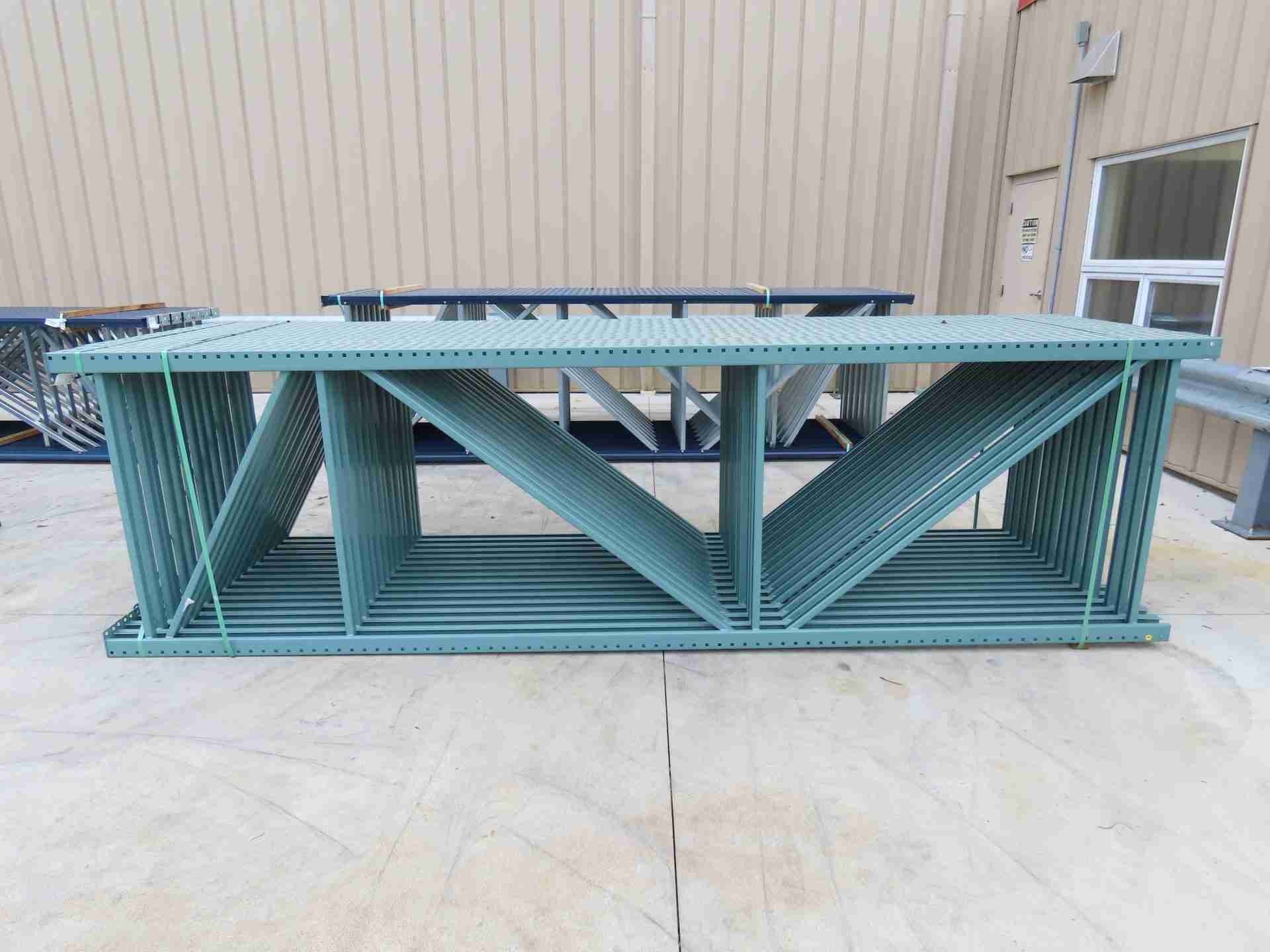
Conclusion
Other Resources

Other Resources
Here is a list of other resources you can review online to learn more:
- What is Selective Pallet Racking
- Pallet Rack Systems – New and Used Pallet Racking and Shelving Experts
- Cantilever Rack Guide: Ordering Cantilever Racking
- Wolter
- International Warehouse Logistics Association
- Pallet Racking systems in Illinois and Great Lakes
- Rack Manufacturers Institute
- Illinois Pallet Racking – WPRP
- Interlake Mecalux
- Illinois
Use This Prompt To Get More Resources With Your Favorite Online AI Tool: Please provide me with a list of online articles with their URLs in a bulleted list that I can read regarding Could an Inadequate Storage System Cost You Everything?

Other Resources
Glossary Terms
Could an Inadequate Storage System Cost You Everything? – Glossary Of Terms
1. Storage System: A method or infrastructure used to organize, manage, and store data or physical items efficiently.
2. Data Loss: The unintended loss of data due to system failure, accidental deletion, or inadequate storage solutions.
3. Backup: A copy of data stored in a secondary location to prevent loss in case of system failure.
4. Redundancy: The duplication of critical components or systems to ensure reliability and prevent data loss.
5. Data Integrity: The accuracy and consistency of data stored over its lifecycle, crucial for maintaining trust in stored information.
6. Scalability: The ability of a storage system to handle increasing amounts of data or accommodate growth without performance loss.
7. Cloud Storage: A services model where data is maintained, managed, and backed up remotely over the internet, offering accessibility and scalability.
8. Physical Storage: Tangible storage solutions like hard drives, tapes, or filing cabinets used to keep physical items or data.
9. File Organization: The system of categorizing and placing files into directories for easy retrieval and management.
10. Access Control: Security measures that restrict who can view or utilize data stored in a system, ensuring unauthorized users cannot access sensitive information.
11. Data Encryption: The process of converting information into code to prevent unauthorized access, safeguarding sensitive data.
12. Storage Capacity: The maximum amount of data that a storage system can hold, often a key consideration in system design.
13. Compression: The process of reducing the size of data files to save space without major loss of quality or integrity.
14. Data Retrieval: The process of accessing and retrieving data from storage when needed for use or analysis.
15. Disaster Recovery: Planning and processes put in place to recover data and services following a catastrophic event or system failure.
16. Information Lifecycle Management: A strategy to manage data through its lifecycle, from creation to archiving to deletion, ensuring efficiency and compliance.
17. Data Migration: The process of transferring data between storage types or locations, often required during upgrades or changes in storage systems.
18. Latency: The delay in accessing data from storage, which can affect system performance and user experience.
19. User Experience (UX): The overall experience a person has when interacting with a storage system, including ease of use and accessibility.
20. Cost Efficiency: A measure of how economically a storage system operates, balancing cost against performance and capacity.
21. Inventory Management: The process of overseeing the storage and control of physical items, ensuring accurate tracking and availability.
22. Overhead Costs: Ongoing expenses related to maintaining a storage system, including hardware, software, and operational costs.
23. Data Classification: The process of organizing data into categories for easier management, retrieval, and compliance with regulations.
24. Physical Security: Measures taken to protect physical storage systems from theft, damage, or unauthorized access.
25. Virtualization: The use of software to create a virtual version of something, such as storage, allowing for more efficient resource use.
26. Autonomous Storage: Advanced systems that use AI and machine learning to manage data storage operations with minimal human intervention.
27. Server Room: A dedicated space for computer servers where physical storage systems are housed, requiring controlled environmental conditions.
28. Network Attached Storage (NAS): A dedicated file storage device that allows multiple users to access data over a network, offering shared storage solutions.
29. Storage Area Network (SAN): A high-speed network that provides access to consolidated block-level storage, enhancing data availability and performance.
30. Regulatory Compliance: Adherence to laws and regulations regarding data storage, security, and privacy, which can incur significant penalties if violated.

Glossary Of Terms
Other Questions
Could an Inadequate Storage System Cost You Everything? – Other Questions
If you wish to explore and discover more, consider looking for answers to these questions:
- What are the signs that my current storage system is inadequate?
- How can I measure the efficiency of my storage solutions?
- What types of pallet racking systems are available and which one is right for my business?
- What factors should I consider when choosing a new storage system?
- Can inadequate storage impact employee morale and productivity?
- What are the best practices for organizing a warehouse storage system?
- How can technology enhance my storage capabilities?
- What should I do if I don’t have enough budget for a new storage system?
- How can I train my employees to use a new storage system effectively?
- What is the ROI of investing in a better storage solution?
- In what ways can I ensure the safety of my storage environment?
- What are the potential legal implications of inadequate storage?
- How frequently should I reassess my storage solutions?
- What are common pitfalls to avoid when organizing a storage system?
- What role do external factors (e.g., supply chain issues) play in storage efficiency?

Other Questions
Checklist
Could an Inadequate Storage System Cost You Everything? – A Checklist
Checklist: Protect Your Assets with Effective Storage Solutions
1. Assess Your Current Storage System:
_____ Take an inventory of your storage space.
_____ Identify the types of storage systems currently in use (e. g. , pallet racking, shelving).
_____ Evaluate how well your current systems utilize vertical space.
2. Gather Employee Feedback:
_____ Consult team members for input on current storage efficiency.
_____ Identify common bottlenecks or pain points in the system.
_____ Encourage suggestions for improvement from the front line.
3. Evaluate Technology Usage:
_____ Determine if you’re using any inventory management software.
_____ Assess the effectiveness of your current technology.
_____ Investigate options for upgrading to more efficient systems.
4. Optimize Storage Layout:
_____ Analyze if your current layout supports your operational needs.
_____ Consider potential redesigns to improve space usage.
_____ Ensure that pathways are clear and safe for employees.
5. Invest in Quality Storage Solutions:
_____ Explore the benefits of implementing pallet racking.
_____ Research additional storage solutions to meet specific business needs.
_____ Allocate budget for upgrading storage systems if necessary.
6. Boost Employee Training and Engagement:
_____ Provide training on how to use new storage systems effectively.
_____ Implement regular training sessions to keep staff informed and engaged.
_____ Foster a culture of organization and efficiency.
7. Monitor Your Storage System:
_____ Establish key performance indicators (KPIs) to track storage efficiency.
_____ Conduct regular reviews to assess the effectiveness of your storage system.
_____ Make adjustments as needed based on performance metrics and employee feedback.
8. Prepare for Future Growth:
_____ Plan for scalability in your storage solutions to accommodate future expansion.
_____ Stay informed of market trends to adapt your storage strategy accordingly.
_____ Regularly revisit and revise your storage strategy to align with business goals.
Conclusion
Having an effective storage solution is essential to the efficiency and success of your business. Follow this checklist to protect your assets and foster an organized, productive work environment.

Checklist
At RackingWorld, we help guide you through selecting warehouse storage systems and racking.
Be sure to read our other related stories at RackingWorld to learn more about warehouse storage systems.
0 Comments