
Discovering Untapped Storage With A Warehouse Audit
By Tom Seest
At RackingWorld, we help guide you through selecting warehouse storage systems and racking.
Be sure to read our other related stories at RackingWorld to learn more about warehouse storage systems.
Could a Warehouse Audit Unlock Hidden Storage Potential?
Imagine stepping into your warehouse and realizing that every inch of space is working overtime, effortlessly storing more goods than you ever thought possible. Sounds like a dream, right? Well, that dream can become reality with a thorough warehouse audit. This isn’t just a pie-in-the-sky idea; it’s a lifeline to hidden storage potential waiting to be discovered.
A comprehensive warehouse audit can be a game-changer. Think about it: how long has it been since you revisited the layout of your pallet racking? Over time, priorities shift, inventory increases, and operational needs evolve. What worked brilliantly last year might now be an obstacle to efficiency. By undertaking an audit, you’re taking a critical look at how every nook and cranny is being utilized. You may find underutilized racks, inefficiencies in pick paths, or maybe even a bit of clutter that’s creeping in and snatching away your valuable square footage.
Let’s talk about what that means for your bottom line. Each pallet rack left underused is like money sitting on a shelf—literally. By optimizing the way you store your products, you not only increase storage capacity but also expedite efficiency in your operations. This means faster order fulfillment, reduced labor costs, and happier customers. The results can be significant; you might discover room for a 20% growth in inventory without ever adding a single square foot to your facility.
But it doesn’t stop there. A well-executed warehouse audit builds trust among your team and customers alike. When your operations run smoother, and inventory is managed with a precision that screams professionalism, you foster an environment of confidence and reliability. This is what keeps customers coming back and helps your team perform at their best.
This process is about empowerment—empowering yourself with the knowledge to make better decisions, empowering your team to work smarter, and empowering your customers with incredible service. So why wait? Your warehouse is a treasure trove of undiscovered potential. Dive into a warehouse audit today, and unlock the opportunities that are just waiting to be maximized!

Could a Warehouse Audit Unlock Hidden Storage Potential?
Could a Warehouse Audit Unlock Hidden Storage Potential?
- A thorough warehouse audit reveals hidden storage potential and maximizes efficiency.
- Revisiting pallet racking layouts can prevent obstacles to operational effectiveness.
- Identifying underutilized racks and clutter can optimize space utilization.
- Optimizing storage can lead to increased capacity and expedited operations.
- Possible inventory growth of up to 20% without expanding physical space.
- A well-executed audit builds trust among team members and customers.
- The process empowers decision-making, team effectiveness, and customer service.
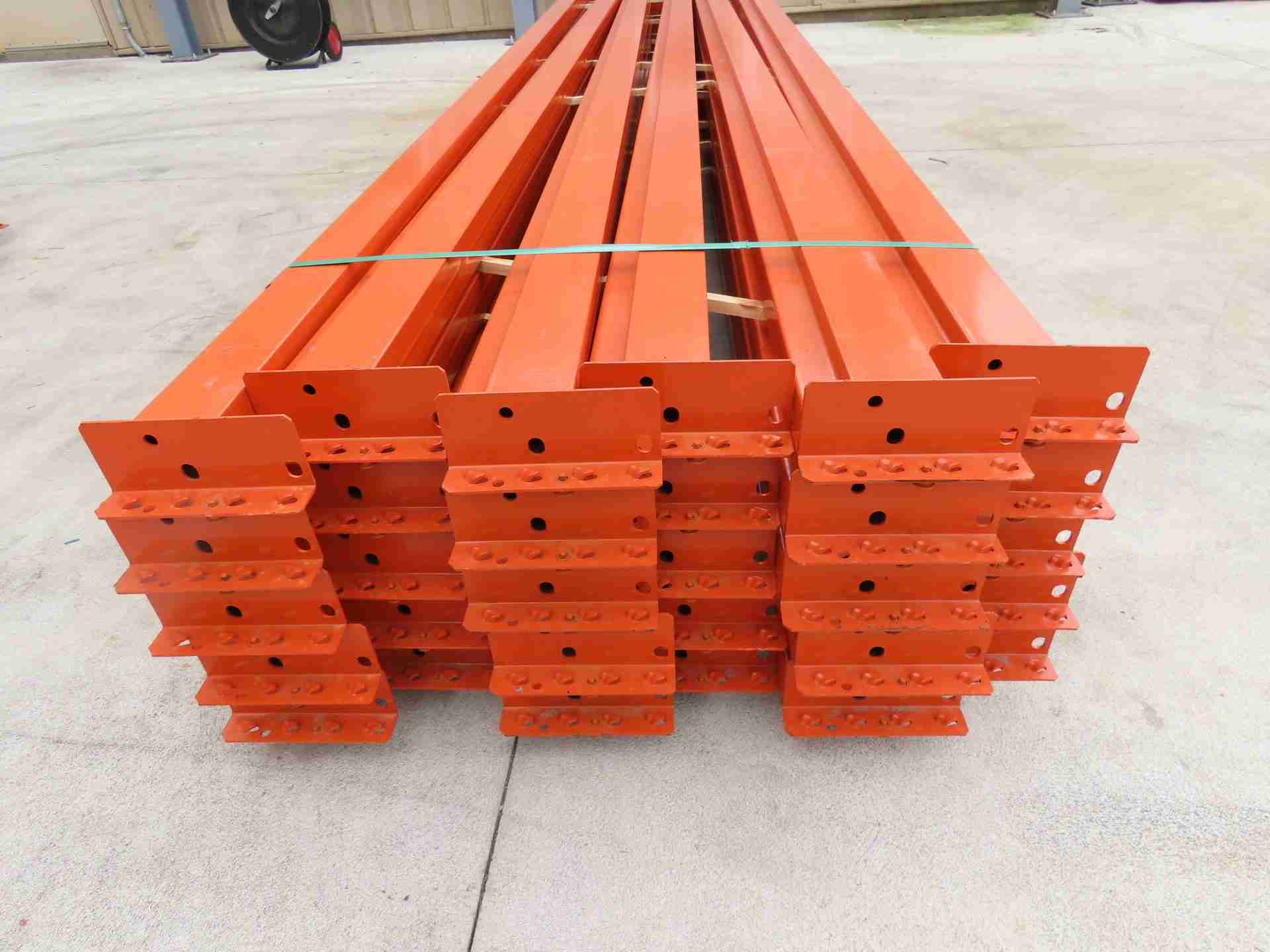
Could a Warehouse Audit Unlock Hidden Storage Potential?
Table Of Contents
- Could a Warehouse Audit Unlock Hidden Storage Potential?
- What Is A Warehouse Audit And Why Is It Important?
- How Can A Warehouse Audit Improve Efficiency?
- What Common Issues Are Identified During A Warehouse Audit?
- How Often Should A Warehouse Audit Be Conducted?
- What Data Should Be Collected During A Warehouse Audit?
- How Can Technology Enhance The Warehouse Audit Process?
- Conclusion
- Other Resources
- Glossary Of Terms
- Other Questions
- Checklist
What Is A Warehouse Audit And Why Is It Important?
Imagine walking into your warehouse and immediately sensing that everything is in its rightful place. The aisles are clear, the pallet racking systems optimized, and every item is accounted for. This is no fantasy; this is the power of a thorough warehouse audit. But what exactly is a warehouse audit, and why should you care?
A warehouse audit is a comprehensive evaluation of your storage and inventory management processes. It assesses everything from the organization of your pallet racking systems to inventory accuracy and workflow efficiency. In simple terms, it’s like a health check-up for your warehouse, revealing strengths, weaknesses, and areas ripe for improvement. Just like a doctor uses diagnostics to pinpoint ailments, a warehouse audit uses data-driven insights to enhance your operations.
Why is this important, you ask? Let’s face it—inefficiencies in your warehouse can cost you both time and money. A disorganized space often leads to misplaced items, slow order fulfillment, and frustrated employees. But a strategic audit brings clarity. By identifying bottlenecks, you can streamline processes, ensure that your pallet racking is being used effectively, and improve overall productivity. Imagine cutting down on wasted hours—what could that mean for your bottom line?
Moreover, an audit creates an environment of accountability. When you know that your processes are being evaluated regularly, it encourages your team to maintain high standards and stay engaged. Trust is built among your staff when they see that their work contributes to a well-oiled machine. This sense of accountability not only boosts morale but also enhances the customer experience, making your business more competitive and reliable.
In an age where everyone is striving for efficiency, a warehouse audit sets you apart. It not only reveals insights but positions your business to adapt and grow in an ever-changing market. Think of it not just as a necessity, but as an investment in your company’s future.
So, why wait? Start your audit today and watch your warehouse transform into a beacon of efficiency and professionalism. The dividends will be worth it, and your team will thank you for it! Embrace the opportunity to elevate your operation—because a well-managed warehouse isn’t just a nice-to-have; it’s essential for success!

What Is A Warehouse Audit And Why Is It Important?
What Is A Warehouse Audit And Why Is It Important?
- A warehouse audit is a comprehensive evaluation of storage and inventory management processes.
- It assesses the organization of pallet racking systems, inventory accuracy, and workflow efficiency.
- The audit identifies strengths, weaknesses, and areas for improvement in warehouse operations.
- Inefficiencies in the warehouse can lead to time and cost losses, such as misplaced items and slow order fulfillment.
- Conducting an audit fosters accountability, encouraging teams to maintain high standards and engage with their work.
- A warehouse audit enhances the customer experience and makes the business more competitive and reliable.
- Investing in a warehouse audit is essential for adapting and growing in a changing market.
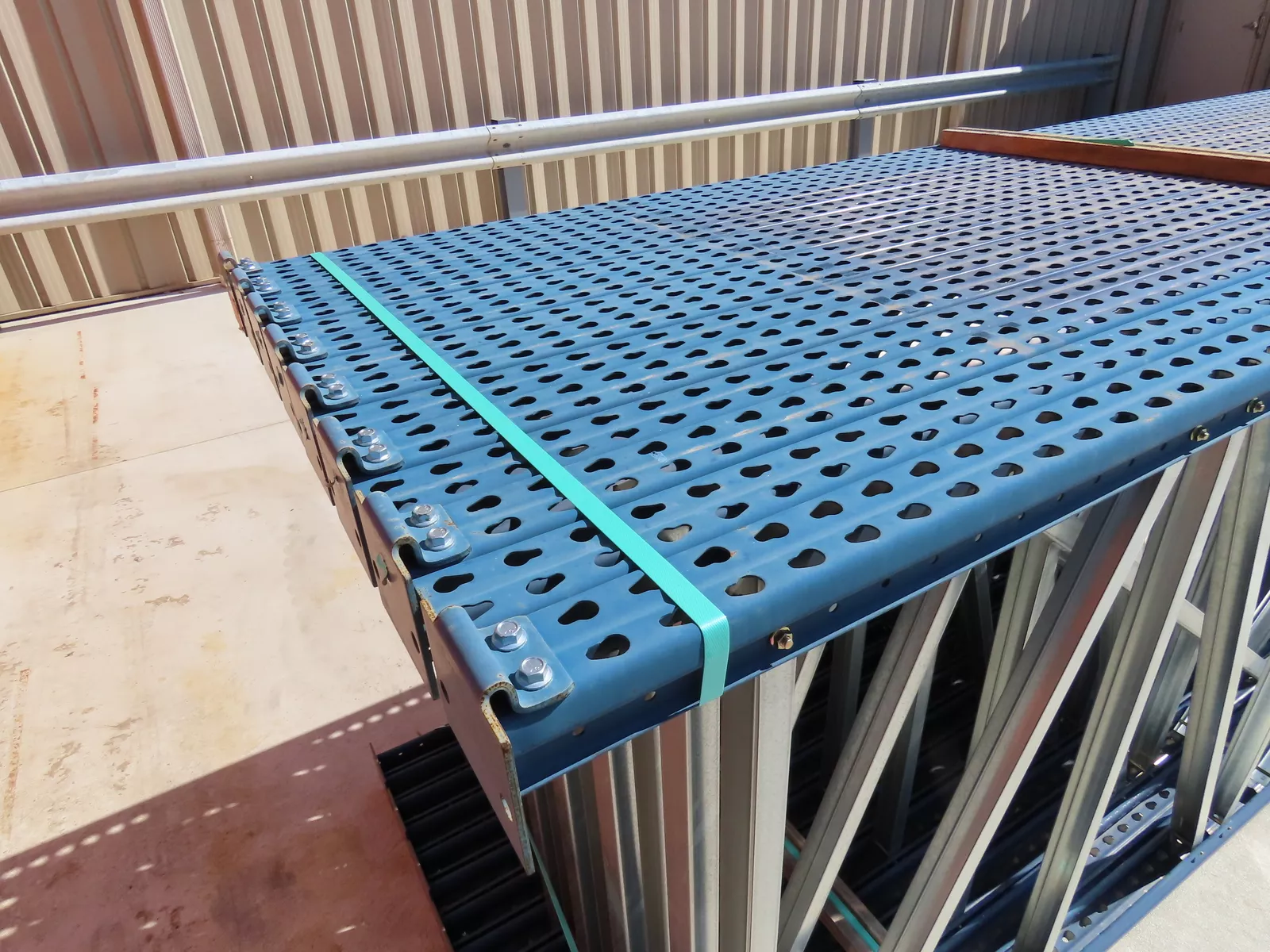
What Is A Warehouse Audit And Why Is It Important?
How Can A Warehouse Audit Improve Efficiency?
In today’s fast-paced business landscape, the stakes are higher than ever. Every second counts, and every square foot of your warehouse space represents a myriad of opportunities—or costs. An efficient warehouse isn’t just about having the right equipment or technology; it’s also about optimizing the very foundation of your operations. This is where a thorough warehouse audit comes in, acting as a comprehensive health check for your logistical backbone.
Consider your pallet racking systems. Are they as efficient as they could be? An audit forces you to take a long, hard look at how your products are stored, organized, and retrieved. Without this critical evaluation, you could be leaving valuable space—and money—on the table. By identifying inefficiencies in your pallet racking setup, such as overstocking, misplacement, or outdated systems, you can dramatically improve your workflow.
Imagine the peace of mind you’ll feel knowing that your inventory is organized optimally, allowing for faster pick times and smoother operations. How much time do your employees waste hunting for items buried behind disorganized stacks? A thorough warehouse audit provides not just visibility but a roadmap for improvement.
Moreover, it instills a culture of continuous improvement within your organization. When you engage in regular audits, your team begins to recognize the importance of maintaining an efficient workspace. It transforms a reactive mindset into a proactive one, fostering a climate where everyone is looking for ways to do better—be it through re-evaluating storage solutions or enhancing operational protocols.
And let’s not overlook the financial impact. Each minute that an employee spends searching for lost inventory or navigating a poorly organized warehouse is money lost. By streamlining your workflows, you’ll not only reduce labor costs but also enhance customer satisfaction through timely deliveries and accurate orders.
Trust is fostered through transparency, and a warehouse audit illuminates the path to operational excellence. You won’t just be checking off boxes—you’ll be building a more responsive, agile, and profitable business model. So, roll up your sleeves, dive deep, and unlock your warehouse’s full potential. The next level of efficiency is just an audit away!
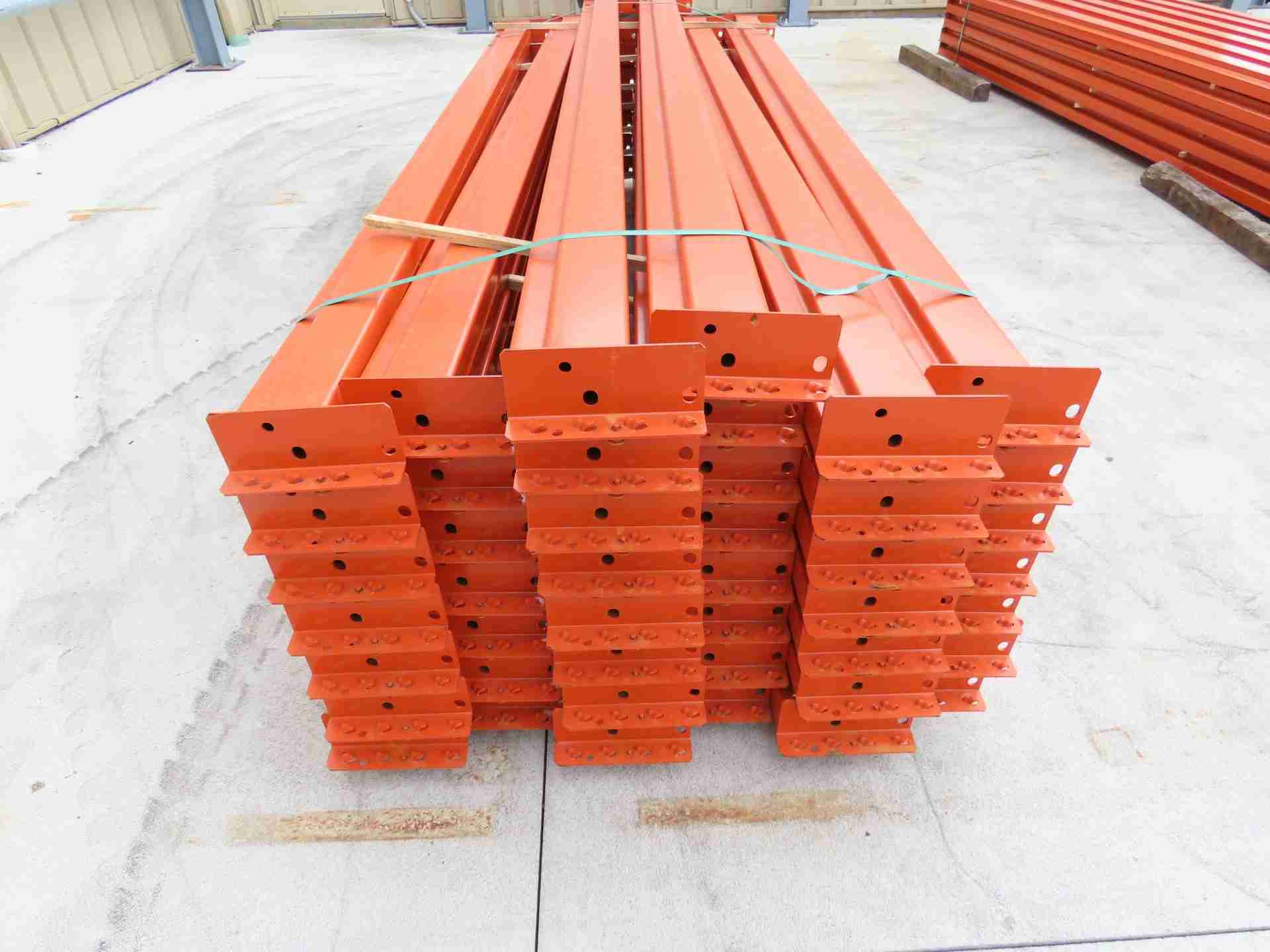
How Can A Warehouse Audit Improve Efficiency?
How Can A Warehouse Audit Improve Efficiency?
- Today’s fast-paced business environment demands efficient warehouse management to optimize opportunities and reduce costs.
- A thorough warehouse audit serves as a comprehensive health check for logistical operations.
- Evaluating pallet racking systems reveals inefficiencies that can hinder workflow, such as overstocking or misplacement.
- An organized inventory enables faster picking times and smoother operations, reducing time wasted by employees.
- Regular audits promote a culture of continuous improvement, fostering proactive efforts among team members.
- Streamlining workflows can lead to reduced labor costs and improved customer satisfaction through timely and accurate deliveries.
- A warehouse audit cultivates transparency and operational excellence, ultimately enhancing business agility and profitability.
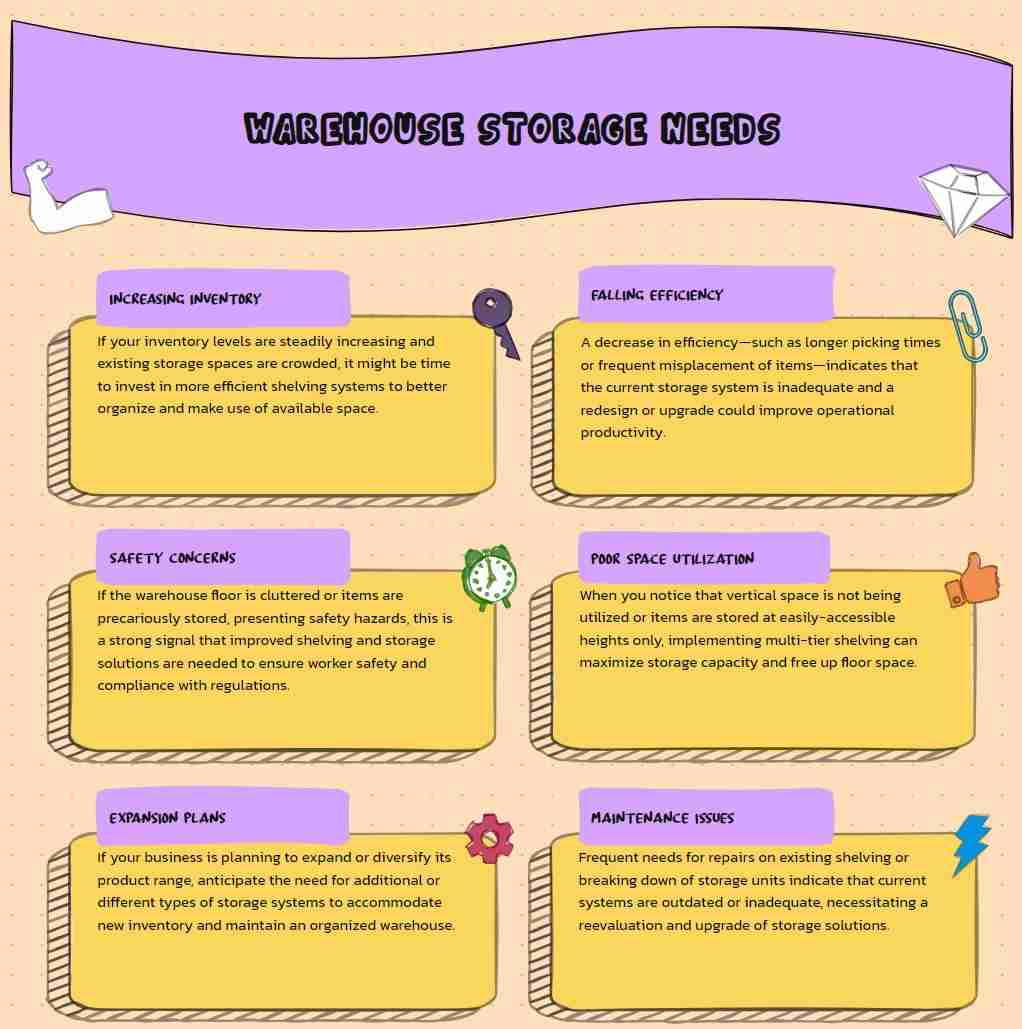
How Can A Warehouse Audit Improve Efficiency?
What Common Issues Are Identified During A Warehouse Audit?
When it comes to running an efficient warehouse, a well-executed audit can be your secret weapon. Just imagine this: you conduct a thorough evaluation of your operations, uncover a treasure trove of optimization opportunities, and emerge with a streamlined process ready to boost your bottom line. But what do auditors often discover during these critical assessments?
Let’s dive into some of the common pitfalls that might be lurking in your facility, waiting for the right moment to disrupt your productivity and profitability.
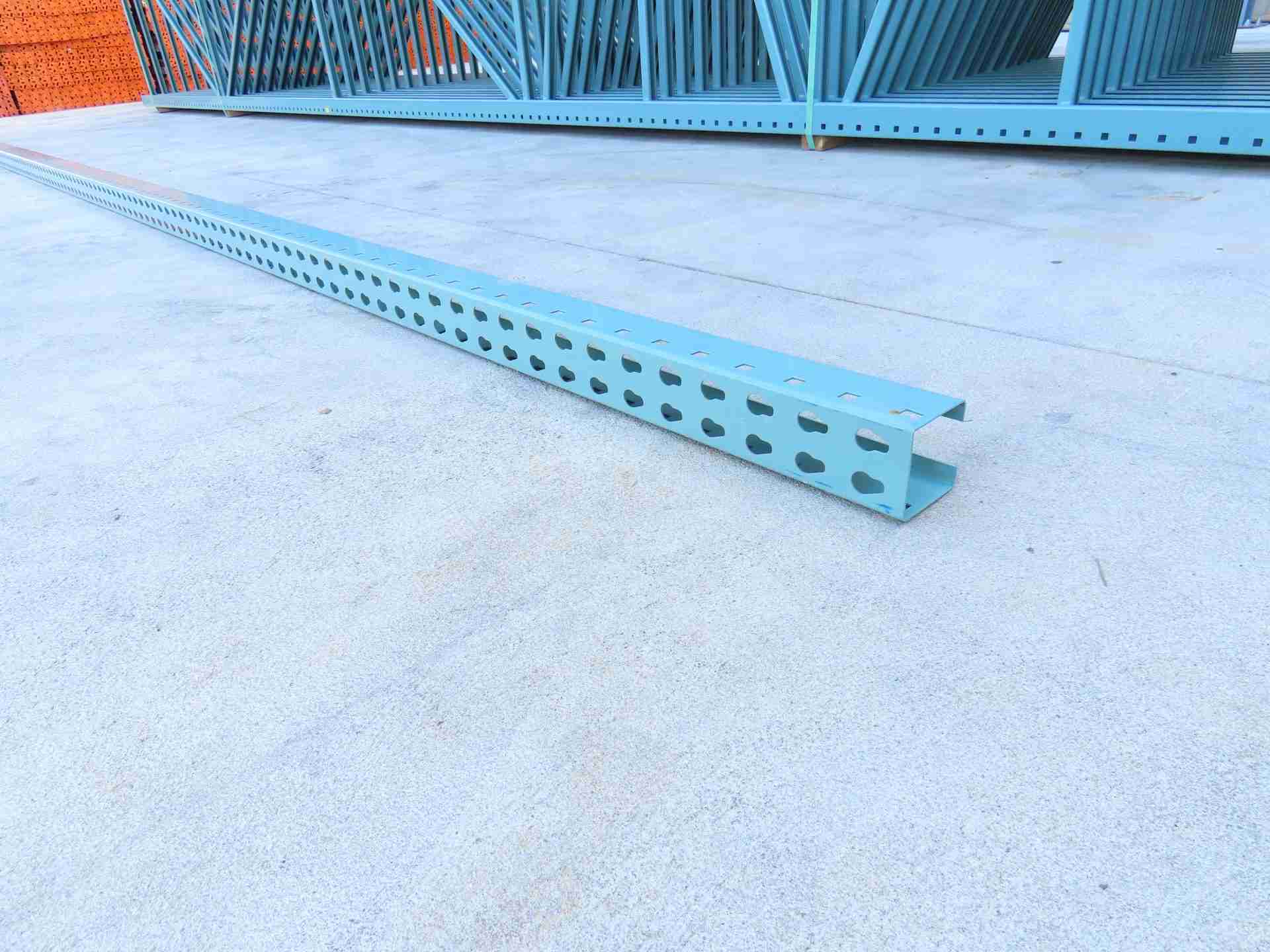
One of the biggest culprits? Pallet Racking. A well-organized racking system is the backbone of any warehouse, yet it’s surprisingly easy for the integrity of this system to be compromised. Are your racks overloaded? Do they show signs of wear and tear? Improperly managed pallet racking not only hampers accessibility but can also jeopardize safety, costing you both time and money.
Another area often flagged in audits is inventory management. Over time, inefficiencies can creep in, leading to misplaced items or outdated stock. An effective audit will reveal discrepancies—like products gathering dust in the corners of your warehouse while you scramble to find fast-moving goods. Imagine the relief of knowing exactly where every item is situated, reducing costly search times and enhancing fulfillment speed.
Don’t forget about safety procedures either. Many warehouses overlook the importance of regular safety checks. Auditors frequently uncover neglected safety protocols, such as insufficient signage or inadequate training for employees on equipment usage. Addressing these issues not only fosters a culture of safety but also helps in protecting your most valuable asset—your workforce.
Moreover, did you know that inadequate labeling can lead to misplaced items? During an audit, you’ll often find that poor visual management has contributed to a real headache in locating products quickly. Streamlining your labeling approach can transform chaos into order, making day-to-day operations run smoother.
Finally, consider the technology you’re using. Is it cutting-edge or falling behind? An audit can shine a light on outdated software or systems that hinder productivity. Upgrading your technology can lead to better data, improved tracking capabilities, and ultimately, a more robust operation.
In essence, a warehouse audit is more than just a checklist—it’s an opportunity for transformation. Resolve today to take action. Uncover the hidden issues and turn your warehouse into a well-oiled machine, ready to meet the demands of tomorrow.

What Common Issues Are Identified During A Warehouse Audit?
What Common Issues Are Identified During A Warehouse Audit?
- A well-executed warehouse audit can uncover optimization opportunities and streamline processes.
- Pallet racking integrity is crucial; overloaded or worn racks can reduce accessibility and safety.
- Inventory management inefficiencies can lead to misplaced items and outdated stock, affecting fulfillment speed.
- Regular safety checks are essential; neglected protocols can endanger workforce safety.
- Poor labeling and visual management can complicate item location, reducing operational efficiency.
- Outdated technology can hinder productivity; upgrading systems may enhance data and tracking capabilities.
- A warehouse audit is an opportunity for transformation, revealing hidden issues to improve operations.
What Common Issues Are Identified During A Warehouse Audit?
How Often Should A Warehouse Audit Be Conducted?
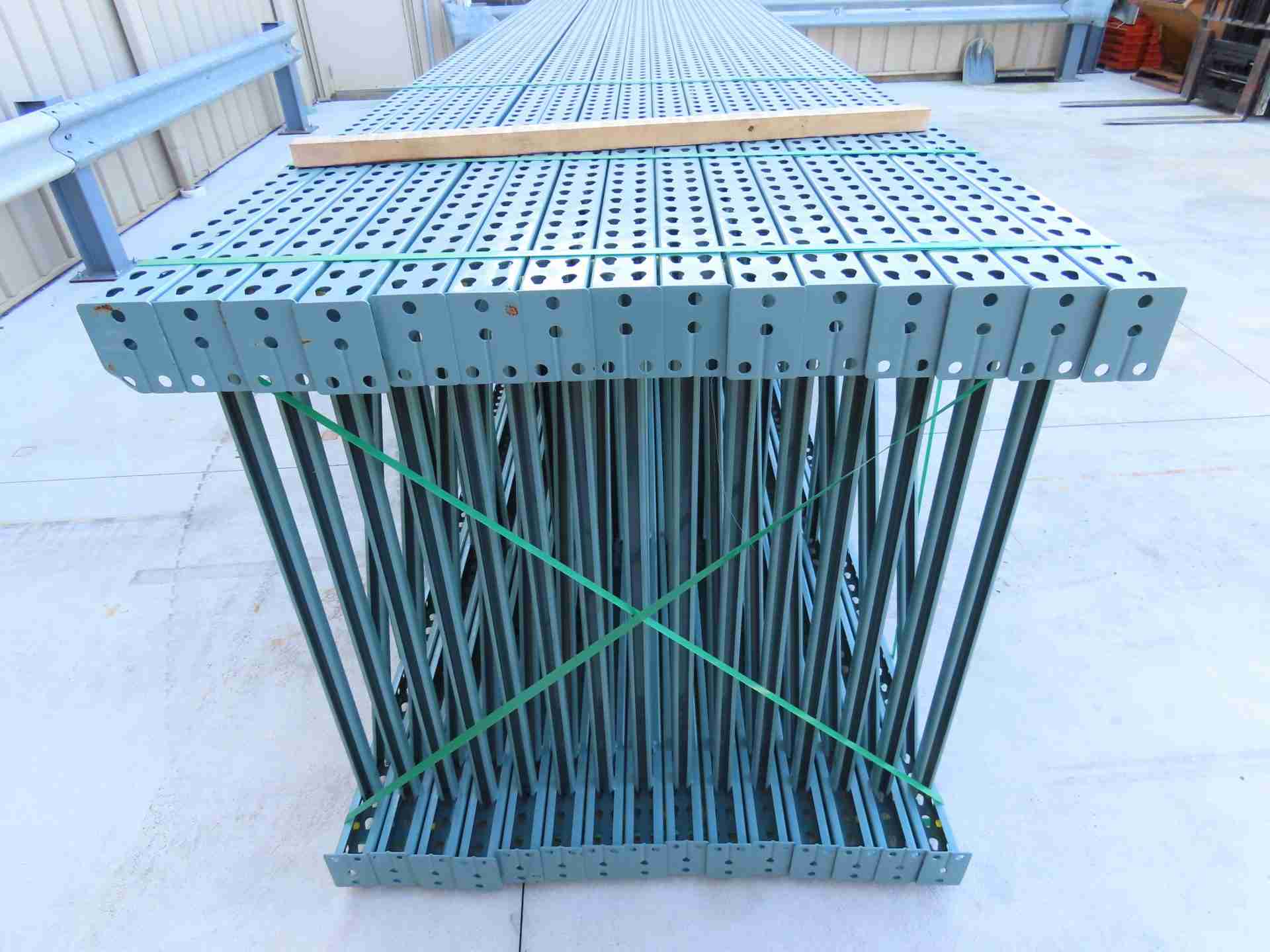
When it comes to the nitty-gritty of warehouse operations, the question isn’t *if* you need a warehouse audit, but *how often* should you conduct one? Think of your warehouse as a living organism; it requires regular check-ups to thrive! Without these audits, you might be blind to inefficiencies lurking in your pallet racking systems or unexpected inventory discrepancies that could keep you up at night.
Now, you might think, “But auditing sounds like a tedious chore!” Well, let’s reshape that thought. Imagine if regular audits were the secret weapons in your efficiency arsenal, the catalysts for transforming your storage space into a well-oiled machine. The frequency of your audits should really reflect how dynamic your operations are. For many warehouse managers, a quarterly audit hits the sweet spot. However, if your operation is bustling with high-volume sales or rapid inventory turnover, a monthly audit could be more beneficial.
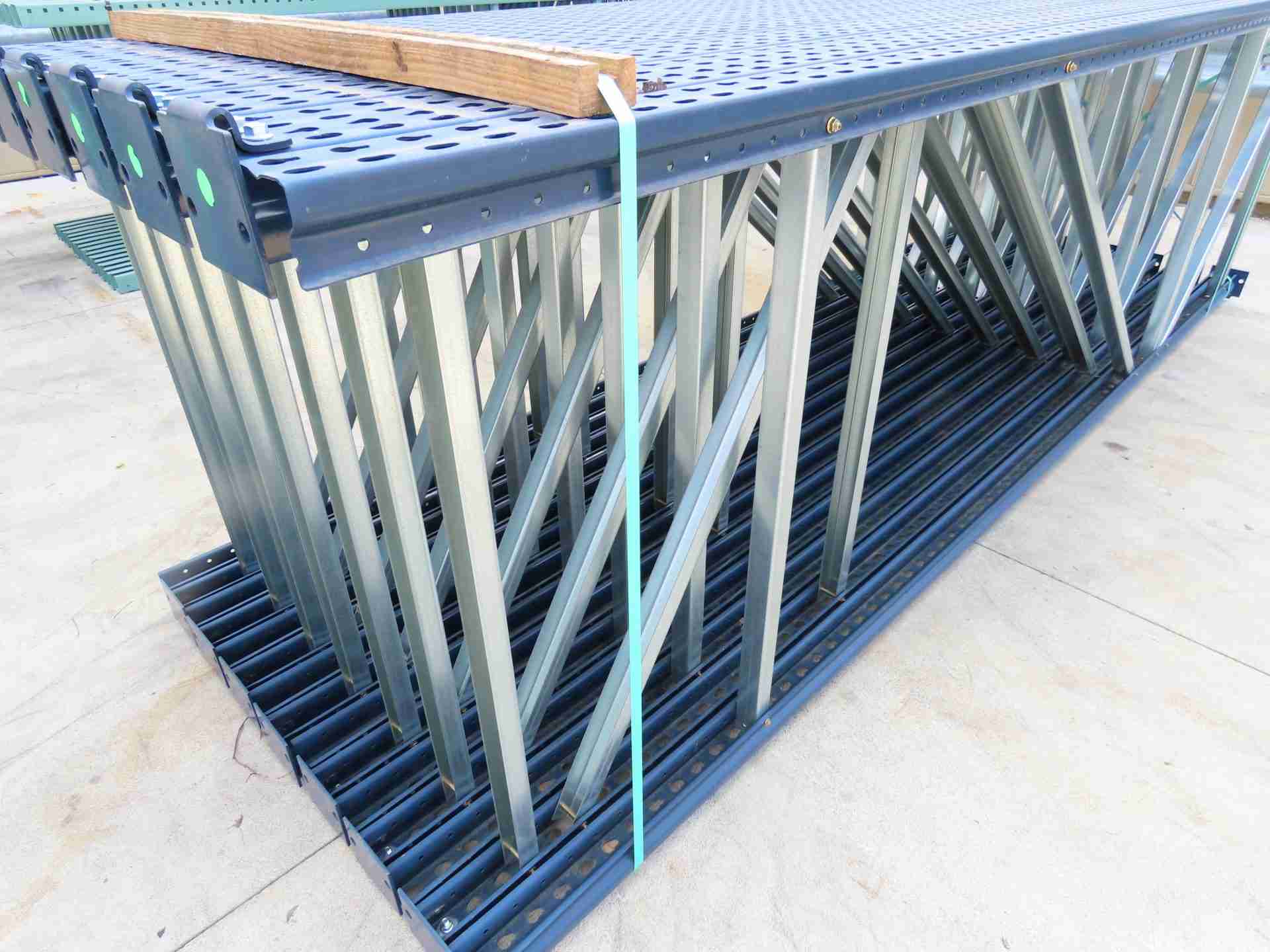
Picture this: Your pallet racking is maxed out with product, and without the proper oversight, you risk overstocking or worse—losing track of what you actually have. An audit every four weeks keeps your inventory aligned with sales forecasts, ensuring you’re not sitting on excess stock while missing out on trending items. It’s like having your pulse on the business heartbeat!
Sounds reasonable? Let’s take it a step further. Many successful warehouses establish a comprehensive annual audit as part of their operational roadmap. This in-depth examination not only checks the condition of your pallet racking and storage units but also helps refine processes, enhance safety protocols, and train staff efficiently. Trust me when I say this: a well-timed audit fosters a culture of accountability and innovation among your team.
Still hesitant? Think of the costs involved — not just the immediate expenses of an audit but the financial impact of inefficiencies or lost inventory. Regular audits safeguard your bottom line! They provide peace of mind, inspiring confidence in your systems, and allow you to pivot quickly in response to changing demands.
Ultimately, whether you opt for monthly, quarterly, or annual audits, the key is consistency. Make audits a cornerstone of your operational strategy and witness how they can transform your warehouse into a hub of efficiency and productivity. Don’t let your operations slip through the cracks—embrace the audit!
How Often Should A Warehouse Audit Be Conducted?
How Often Should A Warehouse Audit Be Conducted?
- Regular warehouse audits are essential for identifying inefficiencies and discrepancies.
- Audits can transform a storage space into a well-organized and efficient operation.
- The frequency of audits should reflect the dynamics of warehouse operations; quarterly audits are common.
- High-volume operations may benefit from monthly audits to prevent overstocking and mismanagement.
- Comprehensive annual audits help refine processes, enhance safety, and train staff effectively.
- Regular audits safeguard financial health by addressing inefficiencies and lost inventory.
- Consistency in conducting audits is key to improving warehouse efficiency and productivity.
How Often Should A Warehouse Audit Be Conducted?
What Data Should Be Collected During A Warehouse Audit?
When it comes to optimizing your warehouse operations, an audit isn’t just a checklist; it’s a golden opportunity to uncover hidden treasures that can propel your business forward. Rather than viewing this process as something tedious or obligatory, consider it an exhilarating adventure into the heart of your operations. So, what data should you be collecting? Let’s dive in!
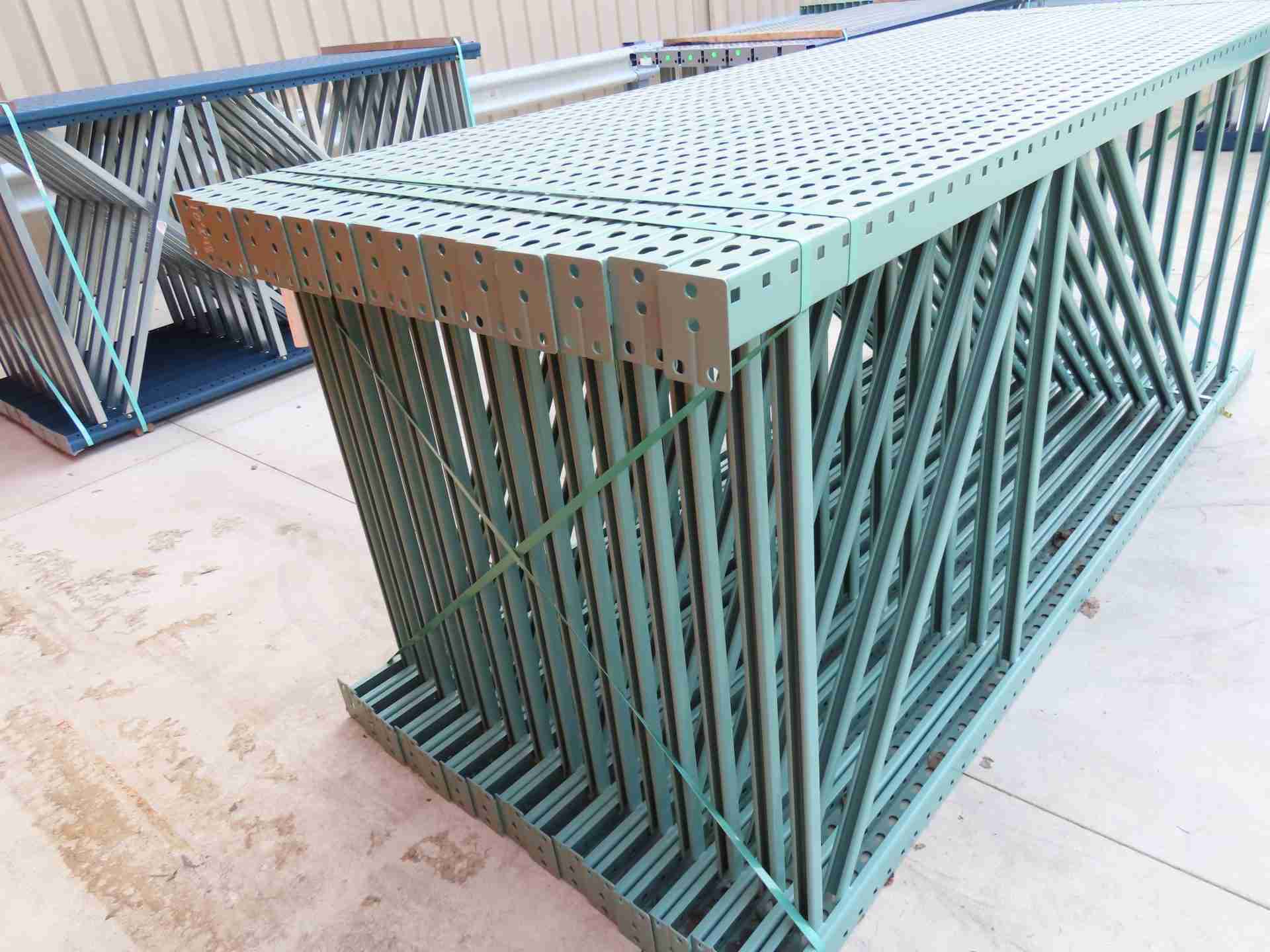
First and foremost, start with Pallet Racking configurations. This furniture of your warehouse doesn’t just hold your products; it creates the framework for efficiency. By assessing your current racking layout and inventory levels, you can identify under-utilized vertical space and ensure that stock is accessible for quick retrieval. The system may seem simple, but the mismanagement of just one pallet rack can send a cascade of inefficiencies throughout your entire operation. What might seem minor can significantly impact your bottom line.
Next, inventory accuracy must take center stage. How often do you wonder if the count on your system matches what’s sitting on your shelves? Regularly collecting data on inventory levels will not only help you spot discrepancies but also guide your reordering processes. Implementing better tracking will keep your stock levels optimized, which translates into happier customers and fewer lost sales opportunities. Trust me, nothing builds confidence like knowing exactly what you have on hand.
Don’t overlook the performance metrics of your warehouse staff. Capture data on picking rates, error rates, and even downtime. These insights reveal your team’s strengths and weaknesses. When you empower your employees with the right tools, training, and support, they don’t just work harder—they work smarter.
Lastly, examine your equipment and maintenance schedules. Keeping track of when your forklifts, conveyor systems, and other critical machinery were last serviced can prevent unexpected downtime that stifles productivity. Having a proactive maintenance strategy means less stress for you and your team.
So, set aside the notion that a warehouse audit is merely a box-ticking exercise. This is your chance to gather invaluable insights that fuel your success. The data you collect will serve as your roadmap to streamlined operations, increased profitability, and a thriving workforce. Let this not just be an audit, but a transformative journey towards a brighter future for your warehouse. Embrace the power of data, and watch your operations soar!
What Data Should Be Collected During A Warehouse Audit?
What Data Should Be Collected During A Warehouse Audit?
- A warehouse audit is a valuable opportunity for uncovering inefficiencies and optimizing operations.
- Start by assessing Pallet Racking configurations to utilize vertical space and improve accessibility.
- Regularly monitor inventory accuracy to align system counts with actual stock, facilitating better reordering.
- Collect performance metrics on warehouse staff such as picking rates and error rates for improvement insights.
- Track equipment and maintenance schedules to avoid unexpected downtime and enhance productivity.
- View the audit as a transformative process, gathering insights that lead to streamlined operations.
- Embracing data will drive profitability and promote a thriving workplace culture.

What Data Should Be Collected During A Warehouse Audit?
How Can Technology Enhance The Warehouse Audit Process?
In the ever-evolving world of warehousing, the audit process can sometimes feel like navigating a maze blindfolded. But what if I told you that technology is like a flashlight—illuminating even the darkest corners of your operations and making that maze feel navigable? Let’s explore how integrating technology into your warehouse audit process can transform the way you think about Pallet Racking, inventory management, and operational efficiency.
Imagine the last time you conducted a warehouse audit. It probably involved endless paperwork, confusing inventory lists, and more than a few headaches. Now, picture a streamlined process where everything from your Pallet Racking to stock levels is monitored in real-time. With the right software solutions, you can have a digital dashboard at your fingertips, showing you exactly where every pallet resides, the condition of each rack, and even alerts you to any discrepancies before they become larger issues.
The beauty of technology lies in its ability to minimize errors and enhance accuracy. Automated inventory tracking systems utilize barcode scanning and RFID technology to eliminate manual counting, ensuring that your audits reflect the true status of your goods. Think of it as having a diligent assistant who never tires, never misses a detail, and can work around the clock.
Now, let’s talk about trust. The security and reliability that technology brings to the table can foster deeper confidence in your audit results. With seamless integration between your warehouse management system and inventory records, you empower your team by providing them with data they can rely on. This reliability translates into better decision-making, ultimately leading to increased productivity and profitability.
But it doesn’t stop there. Technology enables faster audits, allowing you to respond swiftly to market demands. How often have you encountered delays due to outdated processes? By leveraging innovative tools, you can speed up your turnaround time—no more waiting on paper trails. And successful audits lead to better compliance, enhancing your reputation in the industry.
In a world where every second counts and every dollar matters, rewriting the narrative of your warehouse audit process is crucial. Embrace technology as your audit ally. Let it be the game-changer that turns your Pallet Racking nightmares into a well-structured dream. By doing so, you’ll not only save precious resources but also position yourself at the forefront of a competitive landscape. So why wait? Start your journey toward a more efficient warehouse audit today!
How Can Technology Enhance The Warehouse Audit Process?
How Can Technology Enhance The Warehouse Audit Process?
- The audit process in warehousing can be complex, akin to navigating a maze blindfolded.
- Integrating technology acts as a flashlight, illuminating operations and enhancing the audit process.
- Real-time monitoring of Pallet Racking and stock levels streamlines the audit process through digital dashboards.
- Automated inventory tracking, using barcode scanning and RFID, reduces errors and increases accuracy.
- Technology fosters trust and reliability in audit results, empowering teams with dependable data for decision-making.
- Implementing technology enables faster audits, responding swiftly to market demands and improving compliance.
- Embracing technology in warehouse audits can save resources and position businesses competitively in the market.

How Can Technology Enhance The Warehouse Audit Process?
Conclusion
Conclusion: Unlock Your Warehouse’s Hidden Potential with an Audit
Are you ready to transform your warehouse operations and uncover opportunities you never knew existed? The comprehensive warehouse audit is not just a mundane task; it’s a strategic necessity that can revolutionize your efficiency, productivity, and ultimately, your bottom line. Imagine stepping into your facility and seeing every square foot utilized to its full potential. Sounds appealing, right? By conducting a thorough audit, you can identify underperforming pallet racking, eliminate workspace clutter, and streamline your inventory management processes.
In a dynamic market, inefficiencies can quickly become costly. The audit provides you with deep insights into your storage layouts, workflow efficiency, and employee performance metrics—data crucial for informed decision-making. With a keen eye on your operations through a warehouse audit, you can find solutions to common pitfalls like overstocking, misplaced inventory, and outdated technology that is dragging your business down.
Beyond operational improvements, regular audits foster a culture of accountability within your team. When employees know that their workspace is consistently under review for efficiency, productivity, and safety, they feel empowered to take ownership, leading to higher morale and improved customer service. The customer experience is bound to improve as order accuracy and fulfillment speeds increase, making your operation not only more profitable but also more reliable in the eyes of clients.
However, timing is everything. Don’t wait until inefficiencies spiral out of control—be proactive! Establish a routine audit schedule that fits the rhythm of your business. Monthly audits might suit fast-paced environments, while quarterly checks can benefit more stabilized operations. Remember, consistency breeds optimization!
At Arrow Industrial Sales, we understand the urgency and importance of maximizing your storage capabilities. Don’t leave your warehouse’s potential to chance. With just one phone call to (574) 349-6575, our team can assist you in getting started on your in-depth warehouse audit. Seize this opportunity while the potential is ripe—every day you wait could be costing you valuable resources and profits. The time for transformation is now! Your warehouse is a gold mine of untapped potential; let us help you uncover it. The future of your operations awaits—don’t miss out!
Conclusion
Conclusion:
- A comprehensive warehouse audit is essential for improving efficiency, productivity, and profitability.
- Audits help identify underperforming areas, streamline inventory management, and eliminate clutter.
- They provide insights into storage layouts, workflow efficiency, and employee performance metrics.
- Regular audits can mitigate common issues such as overstocking and outdated technology.
- Establishing a routine audit schedule fosters a culture of accountability and ownership among employees.
- Proactive audits enhance customer service by improving order accuracy and fulfillment speed.
- Contact Arrow Industrial Sales at (574) 349-6575 to begin your warehouse audit and unlock hidden potential.

Conclusion
Other Resources

Other Resources
Here is a list of other resources you can review online to learn more:
- Warehousing and Fulfillment
- Warehouse Storage Racks
- Cantilever Rack Guide: Ordering Cantilever Racking
- Teardrop Pallet Rack – Ridg-U-Rak
- BMH Equipment LLC
- BMH
- Warehouse Racking Layout: The Ultimate Guide – Conger
- Illinois Pallet Racking – Storage Solutions
- Teardrop Pallet Rack – Ridg-U-Rak
- Rack Manufacturers Institute
Use This Prompt To Get More Resources With Your Favorite Online AI Tool: Please provide me with a list of online articles with their URLs in a bulleted list that I can read regarding Could a Warehouse Audit Unlock Hidden Storage Potential?

Other Resources
Glossary Terms
Could a Warehouse Audit Unlock Hidden Storage Potential? – Glossary Of Terms
1. Warehouse Audit: A systematic examination of a warehouse’s operations, inventory, space utilization, and processes to assess efficiency and effectiveness.
2. Space Utilization: A measure of how efficiently the warehouse space is used, often expressed as a percentage of total available space in use for storage.
3. Inventory Management: The supervision of non-capitalized assets (inventory) and stock items to ensure optimal stock levels and minimize waste.
4. Storage Potential: The maximum capacity and efficiency a warehouse can achieve with its current space and resources.
5. SKU (Stock Keeping Unit): A unique identifier for each distinct product and service that can be purchased, used for inventory tracking.
6. Cycle Counting: An inventory auditing procedure where a portion of the inventory is counted on a specific day to provide an ongoing check on the accuracy of inventory records.
7. Bin Location: A designated area within a warehouse where products are stored, often identified with references for easy retrieval.
8. Pallet Racking: A storage system that uses horizontal rows of pallets to store goods in a warehouse, maximizing vertical space.
9. Picking Efficiency: A measure of how quickly and accurately items can be retrieved from storage to fulfill orders, often a focus during warehouse audits.
10. Organizational Process: The methods and procedures in place to manage warehouse operations, including inventory control and order fulfillment.
11. Lean Warehousing: An approach to warehouse management that aims to minimize waste and maximize value, focusing on efficiency and continuous improvement.
12. Flow Optimization: The practice of arranging warehouse processes to promote a smooth movement of goods in and out, reducing delays and bottlenecks.
13. Replenishment Strategy: A systematic plan to restock inventory based on predictive analytics and current stock levels to avoid shortages.
14. Inventory Turnover: A ratio that shows how many times inventory is sold and replaced over a period, indicating inventory efficiency.
15. Aisle Space: The space between storage racks that allows for movement and access; optimized aisle space can greatly enhance operational efficiency.
16. Cross-Docking: A logistics practice where incoming goods are directly transferred to outgoing transport with minimal or no storage time.
17. Warehouse Management System (WMS): Software designed to support warehouse operations, including tracking inventory levels, orders, and facilitating the movement of goods.
18. Asset Utilization: The measure of how effectively a warehouse’s resources (space, personnel, technology) are employed to maximize productivity.
19. Compliance Standards: Regulatory requirements that warehouses must meet regarding safety, storage practices, and waste management.
20. Performance Metrics: Quantitative measures used to assess various aspects of warehouse operations, such as order accuracy and fulfillment speed.
21. Dynamic Slotting: An inventory management strategy that involves adjusting product placement within the warehouse based on demand fluctuations.
22. Consolidation: The practice of gathering multiple shipments into a single container or truckload for efficient transportation and reduced costs.
23. Value Stream Mapping: A visual tool that identifies all the steps in a process, highlighting areas for improvement and waste elimination.
24. FIFO (First In, First Out): A method of inventory management where older stock is sold or used before newer stock to minimize spoilage.
25. LIFO (Last In, First Out): An inventory valuation method where the most recently produced goods are sold first; applicable in certain industries.
26. Parcel Audit: A review of parcel shipments to identify errors, overcharges, or opportunities for savings in logistics costs.
27. Overstock: Inventory that exceeds demand, potentially leading to increased carrying costs or obsolescence.
28. Understock: A situation where inventory levels are insufficient to meet demand, resulting in potential lost sales and customer dissatisfaction.
29. Automated Storage and Retrieval Systems (AS/RS): High-tech systems that automatically store and retrieve items within the warehouse, enhancing efficiency and accuracy.
30. Data-Driven Decisions: The practice of making informed decisions based on the analysis of data collected during warehouse audits and operations.
Glossary Of Terms
Other Questions
Could a Warehouse Audit Unlock Hidden Storage Potential? – Other Questions
If you wish to explore and discover more, consider looking for answers to these questions:
- What are the key steps involved in conducting a warehouse audit?
- How can I prepare my team for a warehouse audit?
- What tools or software are best for managing warehouse audits?
- What specific metrics should be evaluated during a warehouse audit?
- How do I interpret the results of a warehouse audit?
- What actions should be taken after completing a warehouse audit?
- Can a warehouse audit help with compliance issues?
- What is the estimated cost of conducting a warehouse audit?
- How can I involve stakeholders in the warehouse audit process?
- What improvements can I expect after implementing changes from an audit?
- Are there common mistakes to avoid during a warehouse audit?
- How does a warehouse audit affect inventory turnover rates?
- What role does employee training play in the success of a warehouse audit?
- How can I measure the ROI of a warehouse audit?
- What are the consequences of not conducting regular warehouse audits?

Other Questions
Checklist
Could a Warehouse Audit Unlock Hidden Storage Potential? – A Checklist
Warehouse Audit Checklist: Unlocking Hidden Storage Potential
Use this checklist to guide you through the process of conducting a thorough warehouse audit, enhancing efficiency, and maximizing storage capacity.
1. Assess Pallet Racking Systems
_____ Evaluate layout for optimization.
_____ Check for underutilized vertical space.
_____ Inspect for overloading or structural issues.
_____ Ensure accessibility and organization of products.
2. Inventory Accuracy
_____ Conduct a physical count and compare to system records.
_____ Identify discrepancies and adjust inventory records.
_____ Implement methods for real-time inventory tracking.
_____ Establish a regular inventory auditing schedule.
3. Workflow Efficiency
_____ Analyze pick paths for bottlenecks or obstacles.
_____ Evaluate employee picking and error rates.
_____ Observe and document time spent on various tasks.
4. Clutter and Space Utilization
_____ Identify areas of clutter that may be taking up valuable space.
_____ Assess the use of shelving, bins, and other storage solutions.
_____ Ensure that all items have designated storage locations.
5. Safety Protocols
_____ Review safety procedures regularly.
_____ Check for proper signage and emergency exits.
_____ Inspect equipment for safety compliance and maintenance.
_____ Confirm employee training on safe operating practices.
6. Labeling and Visual Management
_____ Evaluate the effectiveness of existing labeling systems.
_____ Ensure labels are clear, accurate, and easy to see.
_____ Audit the system for visual cues that aid navigation and organization.
7. Technology and Software Use
_____ Analyze current warehouse management software for effectiveness.
_____ Explore technology solutions for tracking and audits (RFID, barcode scanning).
_____ Incorporate data dashboards for better decision-making.
8. Ongoing Audit Frequency
_____ Decide on the frequency of audits (monthly, quarterly, yearly).
_____ Schedule regular review meetings to discuss audit findings.
_____ Create a plan for addressing issues identified during audits.
9. Employee Engagement
_____ Foster a culture of continuous improvement within the team.
_____ Encourage feedback from employees about operational inefficiencies.
_____ Provide training on best practices for maintaining an organized workspace.
10. Compile and Analyze Data
_____ Collect data on pallet racking configurations, inventory performance, and equipment status.
_____ Utilize findings to create improvement strategies and performance metrics.
_____ Document changes made and their impacts on efficiency and productivity.
Final Thoughts
_____ Embrace audits as opportunities for growth and optimization.
_____ Transform findings into actionable plans for continuous improvement.
_____ Encourage team involvement in the audit process for increased accountability and morale.
Utilize this checklist as a comprehensive guide to uncover your warehouse’s hidden storage potential and improve overall operations!

Checklist
At RackingWorld, we help guide you through selecting warehouse storage systems and racking.
Be sure to read our other related stories at RackingWorld to learn more about warehouse storage systems.
0 Comments