
Revolutionizing Warehouse Efficiency With Organization Techniques
By Tom Seest
At RackingWorld, we help guide you through selecting warehouse storage systems and racking.
Be sure to read our other related stories at RackingWorld to learn more about warehouse storage systems.
Can Organization Techniques Transform Warehouse Workflow?
Imagine stepping into a warehouse where every inch of space is utilized to its fullest potential—a place where efficiency reigns, and chaos is kept at bay. This isn’t just a pipe dream; it’s the power of effective organization techniques, and they can transform the very foundation of your warehouse workflow from chaotic to harmonious.
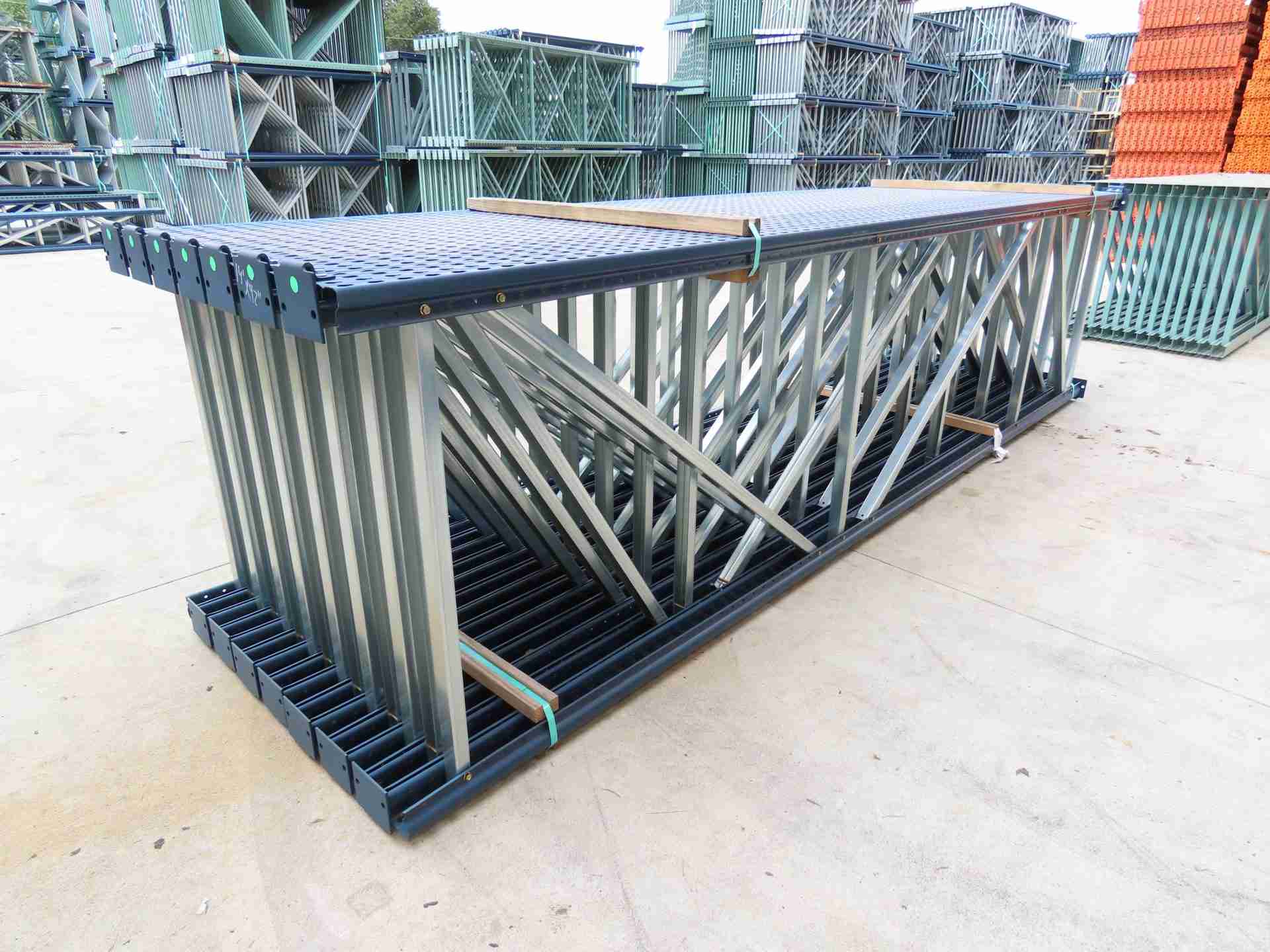
One of the most powerful techniques in your organizational arsenal is pallet racking. This innovative system is more than just a means to store items; it’s a game changer. Pallet racking maximizes vertical space, allowing you to stack and organize goods in a way that keeps your operation flowing smoothly. Imagine navigating a warehouse where every pallet has its place, where items are easily accessible, and where the tedious hunt for misplaced products is a thing of the past.
But let’s get real—organization isn’t just about aesthetics; it’s about productivity and profit. When your warehouse operates efficiently, you save time and reduce operational costs. A well-organized space means your team can easily find what they need, when they need it. Less time searching equals more time serving the customer. Happy customers can lead to repeat business and glowing referrals, and who doesn’t want that?
Implementing effective organization techniques can be a straightforward process. Start small by assessing your current layout. Are there areas where pallet racking could be used to capitalize on vertical space? Even rearranging existing racks can free up crucial floor space and streamline movement.
Consider investing in technologies like inventory management systems that integrate with your racking systems. These tools enhance your warehouse logistics and provide real-time data on stock levels. When your team has instant access to information, they can work smarter—not harder.
Change can be daunting, but it doesn’t have to be. Take actionable steps towards transforming your warehouse today; begin with an audit of your current processes, then explore how organizing systems such as pallet racking can make a significant impact.
Transformation is not just possible; it’s within your reach. Let’s not leave productivity and profit to chance. Trust in organization techniques, foster a dynamic, efficient workflow, and watch your warehouse evolve into a well-oiled machine that not only meets expectations but exceeds them. Embrace the journey, and you’ll be astonished at the results. Your warehouse deserves this transformation, and so do you!
Can Organization Techniques Transform Warehouse Workflow?
Can Organization Techniques Transform Warehouse Workflow?
- Effective organization techniques can transform warehouse workflow from chaotic to harmonious.
- Pallet racking maximizes vertical space, enhancing storage efficiency and accessibility.
- Streamlined organization leads to increased productivity and reduced operational costs.
- Efficient warehouses enable teams to find items quickly, improving customer service.
- Start by assessing your current layout and consider rearranging or implementing pallet racking.
- Invest in inventory management systems for real-time data to improve logistics and operations.
- Take actionable steps to transform your warehouse and embrace the journey for better results.

Can Organization Techniques Transform Warehouse Workflow?
Table Of Contents
- Can Organization Techniques Transform Warehouse Workflow?
- Can Organization Techniques Improve Warehouse Efficiency?
- What Are The Best Practices For Organizing A Warehouse?
- How Can Layout Changes Enhance Workflow In A Warehouse?
- What Role Does Inventory Management Play In Organization?
- How Can Technology Aid In Organizing Warehouse Operations?
- What Are Common Challenges In Warehouse Organization?
- Conclusion
- Other Resources
- Glossary Of Terms
- Other Questions
- Checklist
Can Organization Techniques Improve Warehouse Efficiency?
Imagine stepping into a warehouse that’s not just a space filled with pallets of inventory but a well-oiled machine where every inch is optimized for efficiency. What if I told you that the secret to unlocking this level of productivity lies in organization techniques? Yes, even something as straightforward as pallet racking can be the game-changer your warehouse needs.
Picture the scene: your team is scrambling to find items, stumbling over makeshift stacks, and shuffling through chaos. This scenario doesn’t just waste precious time; it drains morale, increases errors, and, ultimately, affects your bottom line. Now, let’s contrast this with a well-organized facility, equipped with smart pallet racking. Here, each item has its designated spot, and every team member knows precisely where to locate products in seconds—optimizing not just the workflow but enhancing the overall spirit of your workforce.
The beauty of effective organization is that it empowers your staff to focus on what truly matters: delivering exceptional service and support to your customers. A well-structured warehouse equipped with efficient pallet racking fosters an environment of confidence. Employees feel pride in the space they operate in, and when they’re proud, they’re productive. When your warehouse functions seamlessly, you’re not just meeting customer demands—you’re exceeding them.
Think about it this way: organization techniques like the strategic placement of pallet racking lead to a significant reduction in operational costs. By minimizing the time spent looking for items, you’re freeing up personnel for other meaningful tasks. Imagine seeing your inventory turnover rates rise, your stock discrepancies fall, and your profits soar—all because you took action to make your warehouse efficient.
Transitioning to an organized system isn’t merely a smart move; it’s an investment in your business’s future. With the right techniques, you will see your warehouse transform into an epicenter of efficiency, where chaos is replaced with clarity, and frustration is exchanged for flow.
If you’re willing to seize this opportunity, the results can be nothing short of remarkable. So, let’s embark on this journey together—because when it comes to warehouse efficiency, every small change in organization can lead to monumental results. Are you ready to unlock your warehouse’s potential? Let’s get moving today!

Can Organization Techniques Improve Warehouse Efficiency?
Can Organization Techniques Improve Warehouse Efficiency?
- Effective warehouse organization techniques, including pallet racking, enhance productivity.
- A disorganized warehouse leads to wasted time, low morale, and increased errors.
- Smart pallet racking allows team members to easily locate products, optimizing workflow.
- A structured warehouse boosts employee confidence and fosters a sense of pride, leading to greater productivity.
- Strategically placing pallet racking can significantly reduce operational costs and improve inventory management.
- Transitioning to an organized system is an investment in the future of your business.
- Even small organizational changes can yield monumental results for warehouse efficiency.

Can Organization Techniques Improve Warehouse Efficiency?
What Are The Best Practices For Organizing A Warehouse?
Organizing a warehouse might seem like a daunting task, but with the right strategies in place, it can become a well-oiled machine that not only improves efficiency but also boosts your bottom line. To kickstart this transformation, let’s explore the best practices that can streamline your operations and elevate your success.
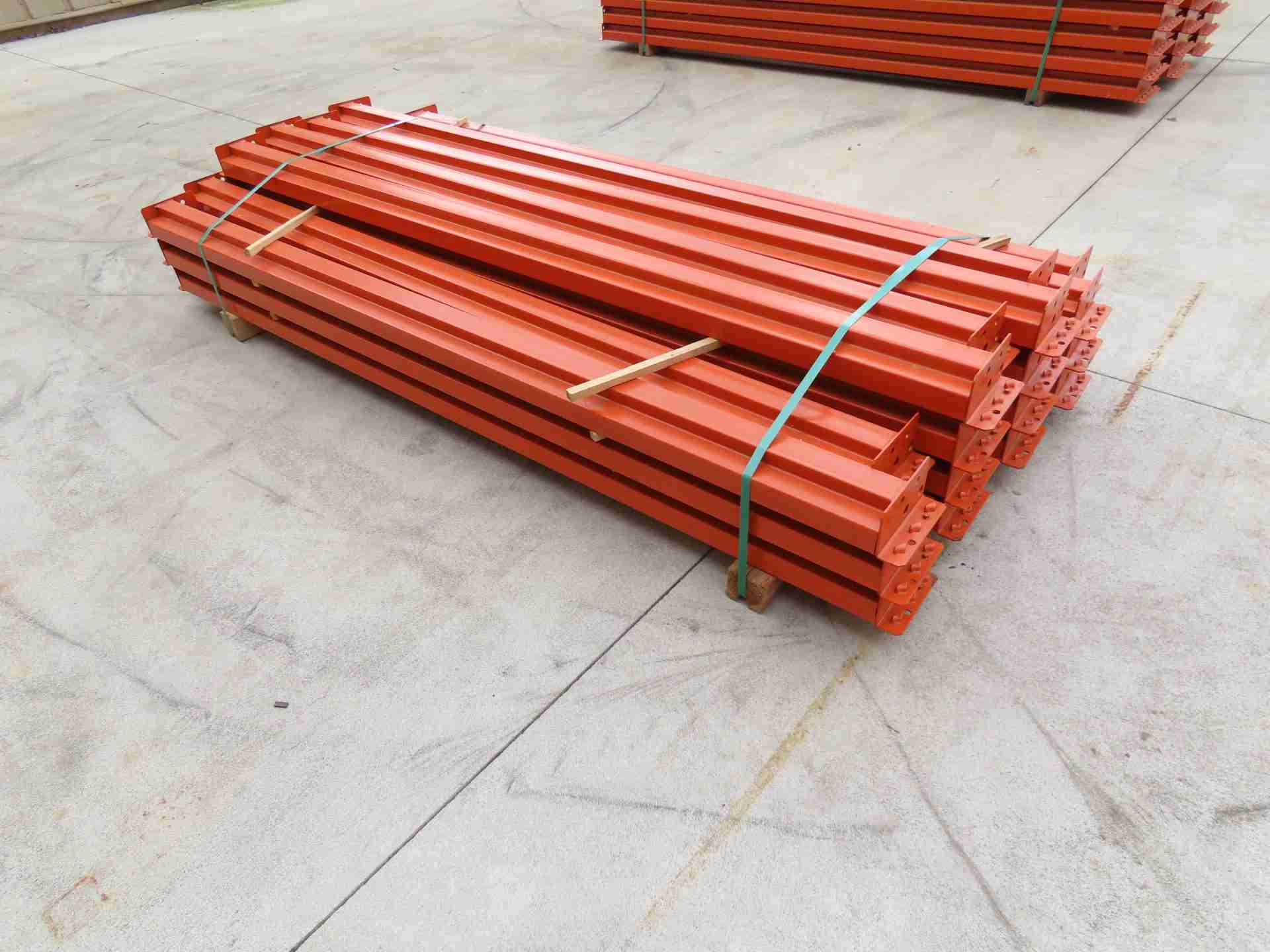
First and foremost, consider the *Pallet Racking* systems. These systems aren’t just shelves; they are the backbone of smart storage solutions. By utilizing vertical space effectively, you can free up valuable floor space for other crucial activities, such as packing and shipping. Think strategically—investing in quality pallet racking can dramatically increase your storage capacity without overwhelming your warehouse. But remember, it’s not just about stuffing items away; it’s about easily accessing them when needed.
Next, layout matters. A well-planned warehouse should flow like a well-choreographed dance. Create clear pathways for incoming and outgoing shipments. Group similar items together to reduce search time and increase picking accuracy. By visualizing your operation from your team’s perspective, you can identify bottlenecks and make necessary adjustments before they become problems.
Inventory management also plays a crucial role. Implementing a robust inventory tracking system ensures you always know what you have on hand and what needs replenishing. Imagine the reliability and trust this system can foster—not only within your company but also with your customers. You don’t want to be the company that struggles to locate an order; instead, aim to be the one that always delivers on time, every time.
Now, let’s talk about training. Invest time in equipping your team with the necessary skills to maneuver through the organized chaos of the warehouse. Regular training sessions help everyone understand the layout, controlling systems, and the protocol for handling products. A knowledgeable team is an empowered team, and empowered teams foster a culture of accountability and pride in their workspace.
Finally, continually assess and adjust your organizational strategies. The needs of your warehouse will evolve, and so should your practices. Engagement with your team can generate insights that lead to innovative solutions. Encouraging feedback creates a sense of belonging and ownership, which is invaluable.
By embracing these best practices, your warehouse can transform from a mere storage area into a hub of efficiency and productivity. Don’t just see it as a task—view it as an opportunity to elevate your business and enhance your customer satisfaction. So roll up those sleeves and get to work; a well-organized warehouse is just around the corner!

What Are The Best Practices For Organizing A Warehouse?
What Are The Best Practices For Organizing A Warehouse?
- Organizing a warehouse enhances efficiency and boosts profitability.
- Pallet racking systems maximize vertical space, freeing floor space for packing and shipping.
- A well-planned layout creates clear pathways and groups similar items to reduce search time.
- Effective inventory management ensures accurate tracking and timely replenishments.
- Regular training equips the team with skills for navigating the warehouse efficiently.
- Continual assessment of organizational strategies keeps operations aligned with evolving needs.
- Embracing best practices transforms warehouses into productive hubs, improving business and customer satisfaction.
What Are The Best Practices For Organizing A Warehouse?
How Can Layout Changes Enhance Workflow In A Warehouse?
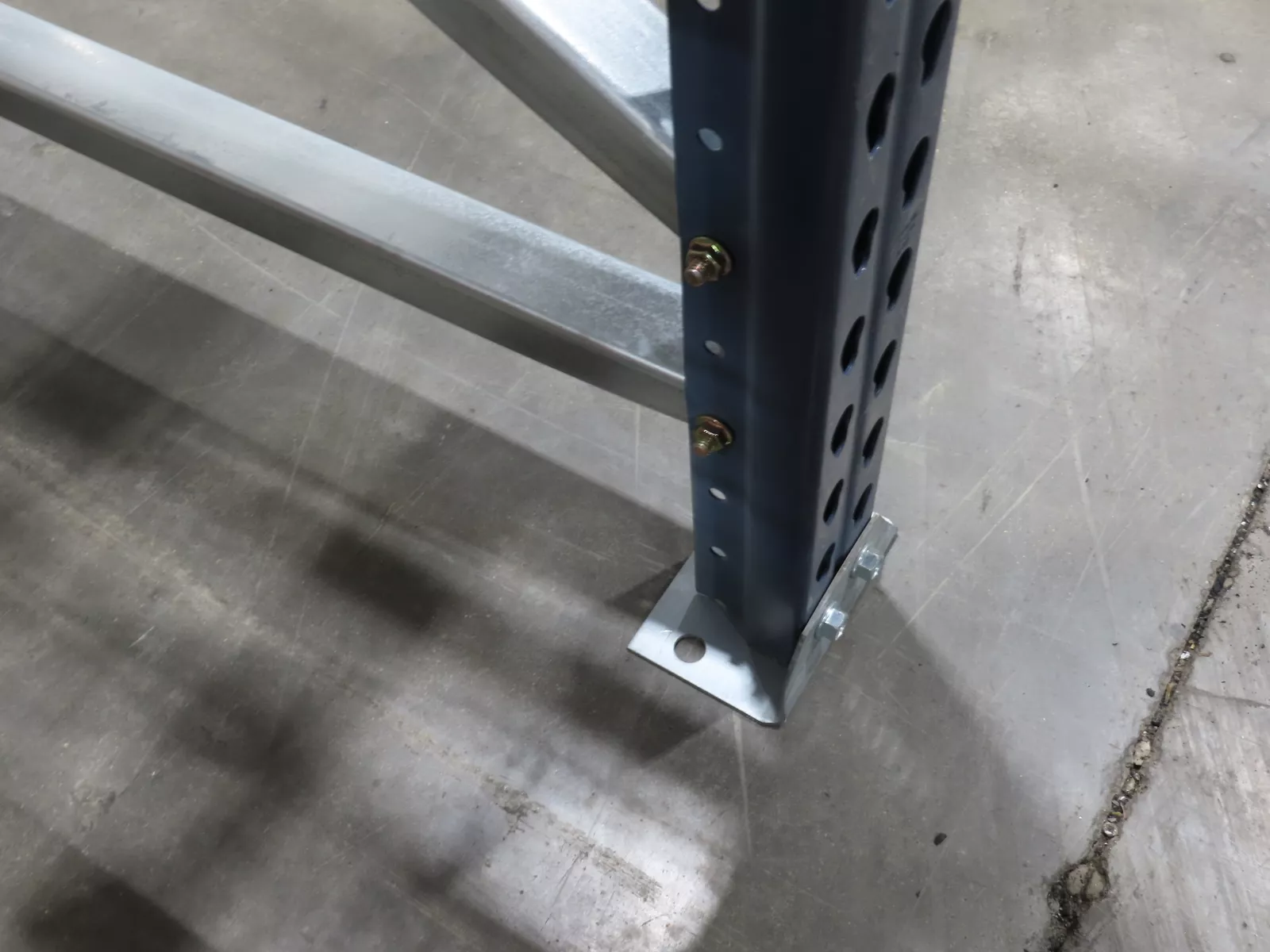
Imagine stepping into a warehouse where every move feels seamless, where every product is just within reach, and every shift of inventory is executed with precision. It’s not just a dream; it’s the reality produced by strategic layout changes that enhance workflow. One of the most effective ways to achieve this efficiency is through the reconfiguration of pallet racking systems.
Let’s face it—warehouses can become chaotic caverns of confusion if not structured correctly. By optimizing pallet racking, you can create a layout that minimizes unnecessary movement, reduces picking errors, and accelerates order fulfillment. Imagine how much more productive your team could be when they spend less time searching for items and more time fulfilling orders. Your employees will feel empowered, not overwhelmed!
Consider this scenario: with a well-thought-out pallet racking layout, high-demand items are placed within arm’s reach while rarely used products are located further away. This simple change can significantly reduce travel time, meaning your workforce can concentrate on other vital tasks. Not only does this lead to happier employees, but it also translates into a smoother operation and improved customer satisfaction.
Let’s not overlook the role of safety in this conversation. An organized warehouse, redesigned around effective pallet racking solutions, significantly decreases the risk of accidents. Clear pathways, appropriately sized aisles, and easily accessible shelving create an environment where your team can move swiftly and safely. As a result, you build a culture of trust—trust in their safety, trust in the processes, and ultimately, trust in the company.
The best part? Transforming your warehouse layout doesn’t have to happen overnight. It’s a manageable project that can yield immediate results. Start by analyzing your current workflow, tablet in hand, and take notes. Where are the bottlenecks? What’s taking too long? After identifying the pain points, you can strategically implement changes.
So, are you ready to take your warehouse operation to the next level? The path to enhanced workflow begins with a simple, actionable step: reevaluate your layout. Dive into the world of pallet racking solutions today, and see how minor adjustments can lead to major improvements. Your team, your customers, and your bottom line will thank you. Embrace the change and witness the difference—it’s not just transformation; it’s evolution.
How Can Layout Changes Enhance Workflow In A Warehouse?
How Can Layout Changes Enhance Workflow In A Warehouse?
- Effective warehouse layout enhances workflow and operational efficiency.
- Reconfiguring pallet racking systems minimizes unnecessary movement and reduces picking errors.
- Strategic placement of high-demand items improves order fulfillment speed.
- An organized warehouse promotes employee empowerment and satisfaction.
- Safety is enhanced through clear pathways, sized aisles, and accessible shelving.
- Transforming the layout is a manageable project with immediate positive results.
- Reevaluating your layout can lead to significant improvements in team performance and customer satisfaction.

How Can Layout Changes Enhance Workflow In A Warehouse?
What Role Does Inventory Management Play In Organization?
In today’s fast-paced business world, effective inventory management isn’t just a back-office function; it’s the beating heart of an organization. Imagine navigating a bustling marketplace without a clear sense of what you have, what you need, or what’s sitting on the shelves collecting dust. Sounds chaotic, right? Without proper inventory management, that chaos can seep into every corner of your business, affecting customer satisfaction, cash flow, and overall efficiency.
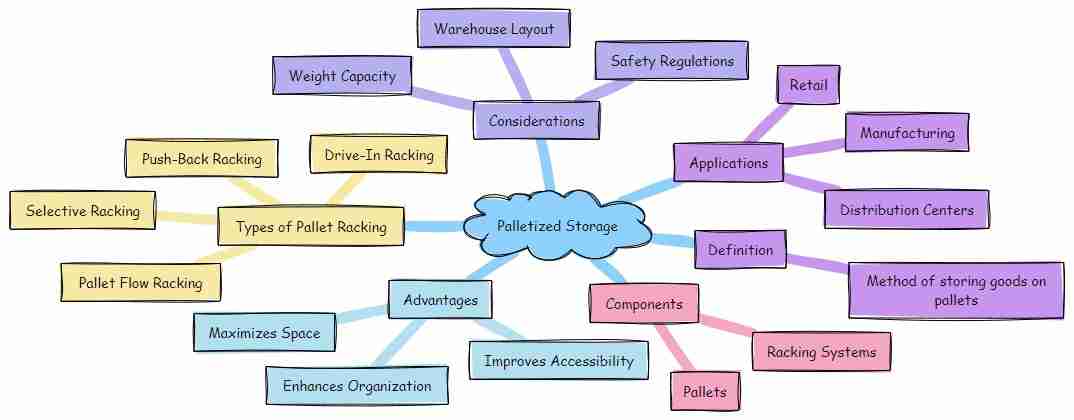
When we talk about inventory management, it’s important to visualize the complete picture—like a perfectly organized warehouse with a smartly designed pallet racking system. Picture a warehouse that flows seamlessly—products are easy to find, restocking is a breeze, and you can see at a glance what needs replenishing. This isn’t just a dream; it’s achievable with a robust inventory management strategy.
Effective inventory management plays several crucial roles. First, it enhances visibility. With real-time tracking, you know exactly what’s moving and what’s stagnant, empowering you to make informed decisions based on current data. This sudden clarity transforms your operations from a guessing game into a finely tuned machine, leading to faster fulfillment times and happier customers. Trust me, in a world where a single delay can result in lost sales or tarnished reputations, this is a game-changer.
Second, consider the cost savings. Over time, poor inventory management can lead to excess stock or, conversely, stockouts—which is just a fancy way of saying you don’t have what your customers want when they want it. Both scenarios erode your profits. By implementing strategic inventory practices, such as optimizing your pallet racking for space and efficiency, you can significantly reduce holding costs while ensuring you always have the right goods on hand.
Finally, an efficient inventory system allows you to focus on what truly matters: growth. With streamlined operations, your team can pivot from handling crises to seizing opportunities. Think about that for a moment. Instead of being bogged down by the minutiae, you and your staff can concentrate on innovation and enhancing customer experience—areas where you can truly excel.
In summary, when you invest in solid inventory management, you’re not just organizing your stock. You’re laying the groundwork for sustainable business success. So, take a look at your stockroom or warehouse. Is it equipped for the future? If not, isn’t it time to make a change?
What Role Does Inventory Management Play In Organization?
What Role Does Inventory Management Play In Organization?
- Effective inventory management is essential for organizational success, not just a back-office task.
- Lack of proper inventory management can lead to chaos, affecting customer satisfaction, cash flow, and efficiency.
- A well-organized warehouse with smart pallet racking enhances visibility and simplifies restocking processes.
- Real-time tracking of inventory allows informed decision-making, improving operational efficiency.
- Poor inventory practices can lead to excess stock or stockouts, both harming profits.
- Streamlined inventory management frees up time to focus on business growth and customer experience.
- Investing in strong inventory management lays the foundation for sustainable business success.

What Role Does Inventory Management Play In Organization?
How Can Technology Aid In Organizing Warehouse Operations?
Imagine stepping into your warehouse: the hum of productivity filling the air, staff buzzing around on their tasks, and the stark contrast from chaos to organized efficiency. It’s not just a dream; it’s a reality fueled by the smart integration of technology. If your warehouse operations resemble a jumbled puzzle, you’re not alone. Luckily, the 21st century offers solutions that can transform your efficiency like never before.
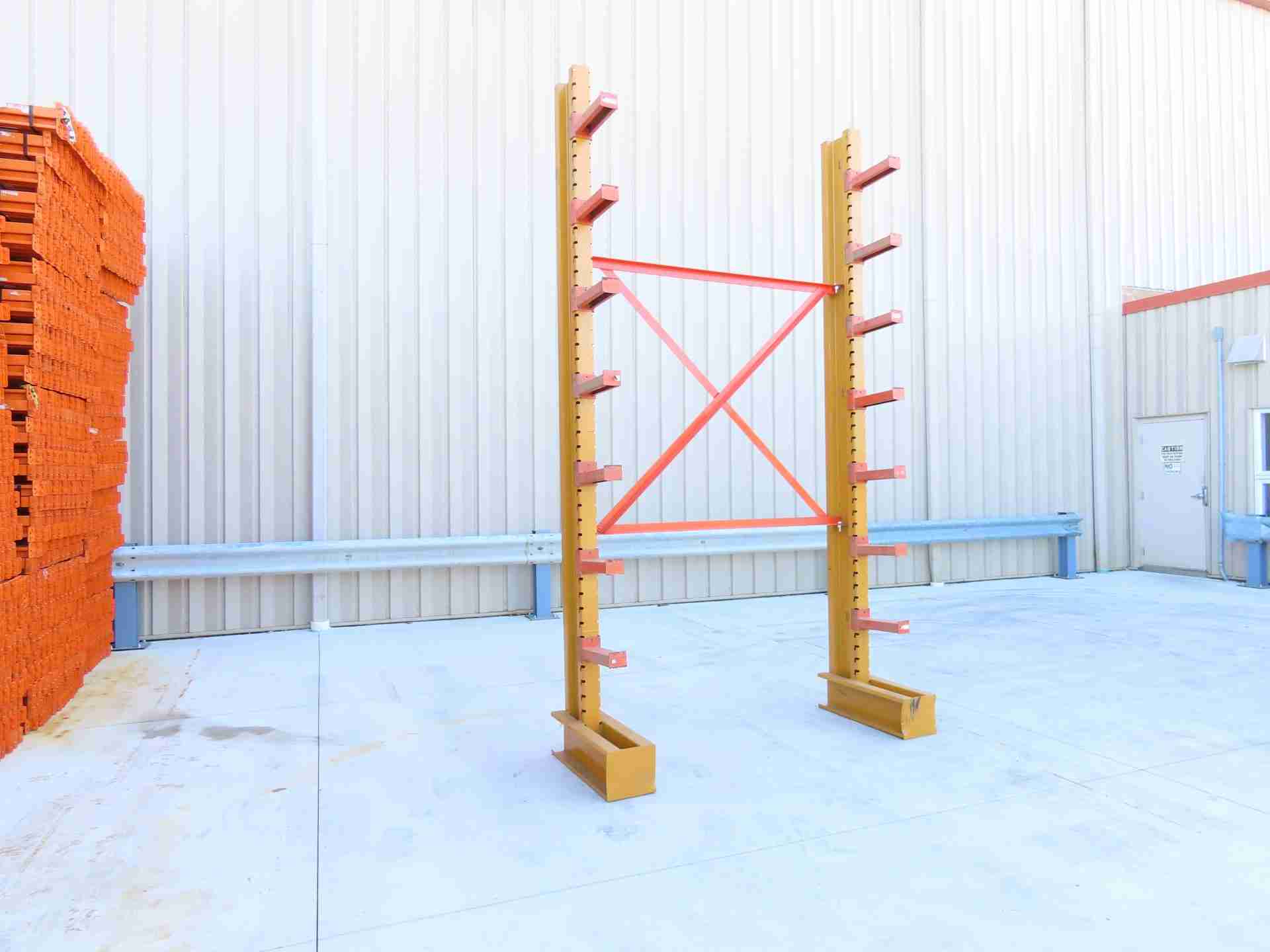
Let’s talk about pallet racking. This crucial element isn’t just about storing your items vertically; it’s about maximizing your space and streamlining your processes. But, what’s the secret sauce that enhances these physical structures? Enter technology. With the implementation of sophisticated inventory management systems, your pallet racking can be dynamic and responsive to real-time data.
Picture this: your warehouse utilizes a state-of-the-art warehouse management system (WMS) that tracks stock levels, predicts product demand, and optimizes pallet racking layouts. Suddenly, the days of searching aimlessly for that one elusive item are over. Instead, your employees can swiftly navigate to the correct section, thanks to smart systems that dictate the best routes based on the items they need to access.
The beauty of this tech-savvy approach isn’t just operational efficiency; it’s about creating a solid foundation of trust within your team. Confidence grows when every employee knows that their tasks are supported by intelligent technology. Just as a well-planned meal relies on quality ingredients, your warehouse thrives when technology and organization blend seamlessly.
But let’s get to the heart of the matter: the bottom line. Enhanced organization through technology means quick order fulfillment, reduced labor costs, and fewer inaccuracies. When your warehouse runs like a well-oiled machine, your customers feel the impact too. They receive their orders on time, leading to happier interactions and repeat business.
Feel inspired yet? You should be! The future of your warehouse operations can be bright and efficient if you seize this opportunity. Start by evaluating your current systems and explore how even small technological upgrades can turn disarray into order. Take that leap of faith, and witness the transformation unfold. Efficient pallet racking and streamlined operations aren’t just idealistic; they are entirely achievable with the right technological partner at your side. Embrace the change and lead your organization into an era of efficiency!
How Can Technology Aid In Organizing Warehouse Operations?
How Can Technology Aid In Organizing Warehouse Operations?
- The integration of technology can transform warehouse operations from chaos to organized efficiency.
- Pallet racking is essential for maximizing space and streamlining processes.
- Advanced inventory management systems enhance pallet racking by responding to real-time data.
- A state-of-the-art warehouse management system (WMS) improves stock tracking and optimizes layouts.
- Smart technology enables employees to navigate quickly to the right sections, minimizing search time for items.
- Improved organization leads to quick order fulfillment, reduced labor costs, and fewer inaccuracies.
- Adopting technological upgrades can significantly enhance operational efficiency and customer satisfaction.

How Can Technology Aid In Organizing Warehouse Operations?
What Are Common Challenges In Warehouse Organization?
Organizing a warehouse is a bit like orchestrating a symphony. Each instrument—your products, your shelves, your employees—must work in harmony to create a seamless experience. However, despite your best efforts, common challenges can create discord, leading to inefficiency and frustration. Let’s explore these hurdles and see how you can turn them into opportunities for improvement.
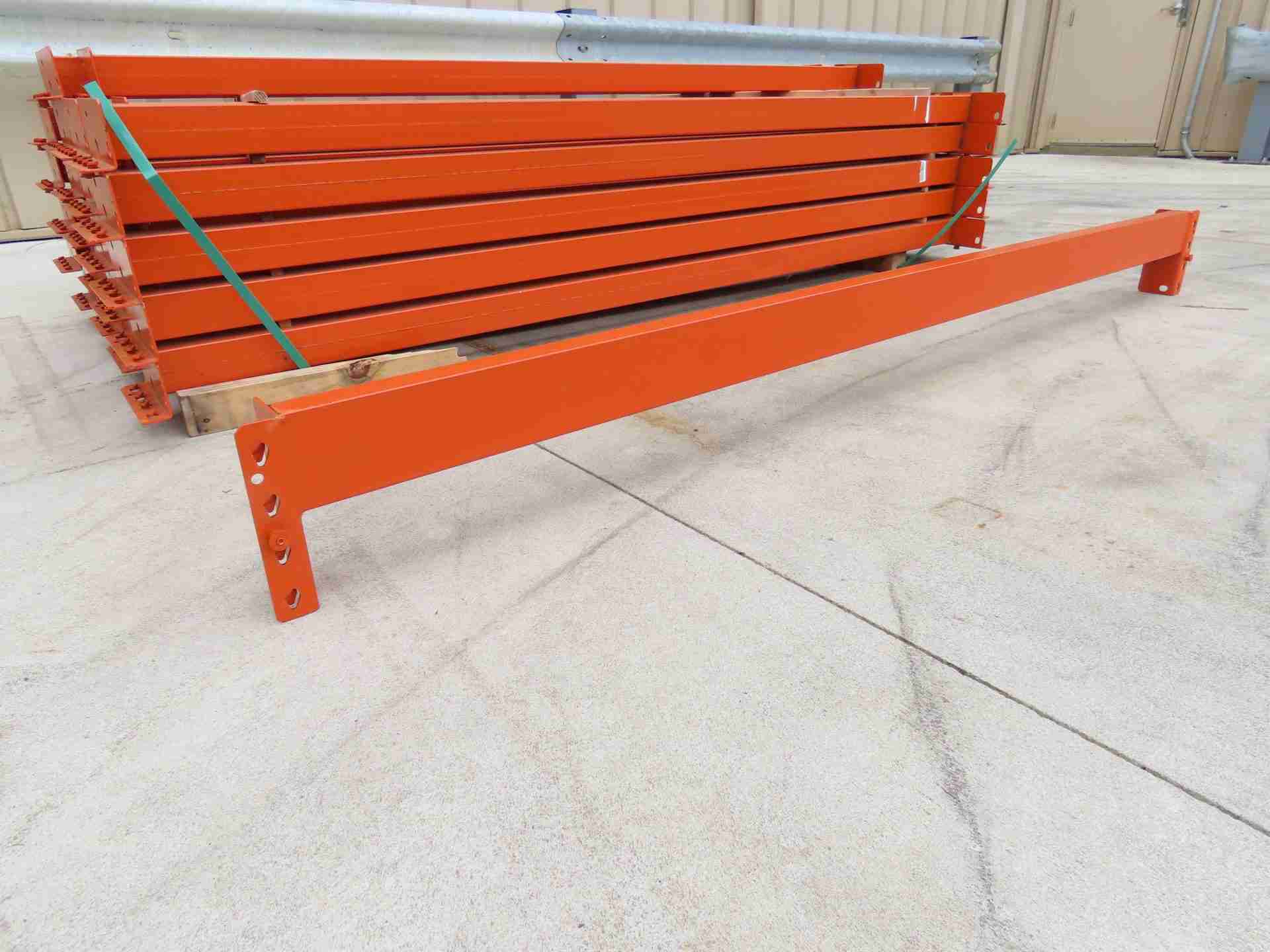
One of the most prevalent issues in warehouse organization is the inefficient use of space. When product placement is thoughtless or ad hoc, it can lead to cramped aisles and underutilized areas. Take pallet racking, for example. Properly designed and implemented pallet racking systems can free up valuable floor space and allow for optimal vertical storage. Yet, many warehouses overlook this vital aspect, resulting in a cluttered environment. Consider investing some time in assessing your current configurations. Are you using pallet racking to its fullest potential? A simple reorganization can have monumental impacts on your operations.
Inventory management is another critical challenge. When products are not systematically tracked, discrepancies arise, leading to excess stock or, worse yet, the dreaded stockouts. The importance of detailed organization cannot be overstated. Establishing a reliable inventory system aligned with your warehouse layout ensures that every item has its designated space. This not only enhances productivity but also fosters accountability among employees—an essential trust-builder in any team-driven environment.
Communication is the invisible thread that holds the warehouse fabric together. Miscommunication can lead to costly errors, whether it be misplaced items, incorrect order fulfillments, or frustrated staff trying to navigate a disordered space. Creating an open dialogue around best practices and encouraging feedback from frontline employees can make a world of difference. After all, they’re the ones interacting with your systems daily and can offer invaluable insights.
Lastly, technology integration presents its own set of challenges. As warehouses evolve, so too must the tools that support them. Many organizations resist adopting new technologies, fearing the learning curve. However, embracing these advancements can propel your warehouse from outdated practices into a streamlined powerhouse of efficiency. From automated inventory tracking to advanced pallet racking solutions, the right technology can reduce errors and enhance productivity significantly.
By recognizing these common challenges and taking proactive steps to address them, you create a thriving warehouse environment ripe for success. It’s about turning obstacles into stepping stones—an investment in your operational future that yields dividends in increased efficiency and employee morale. So, don’t just manage your warehouse; master it!
What Are Common Challenges In Warehouse Organization?
What Are Common Challenges In Warehouse Organization?
- Effective warehouse organization is crucial for efficiency, likened to orchestrating a symphony.
- Inefficient space usage can arise from poor product placement; optimizing pallet racking can improve space utilization.
- Proper assessment and reorganization of warehouse layouts can lead to significant operational improvements.
- Systematic inventory management is vital to avoid discrepancies like excess stock or stockouts.
- An organized inventory system enhances productivity and builds employee accountability.
- Effective communication among staff is essential to prevent costly errors and improve operations.
- Embracing technology can transform warehouses into more efficient operations while overcoming resistance to change.
What Are Common Challenges In Warehouse Organization?
Conclusion
Conclusion: Transforming Your Warehouse into an Efficiency Powerhouse
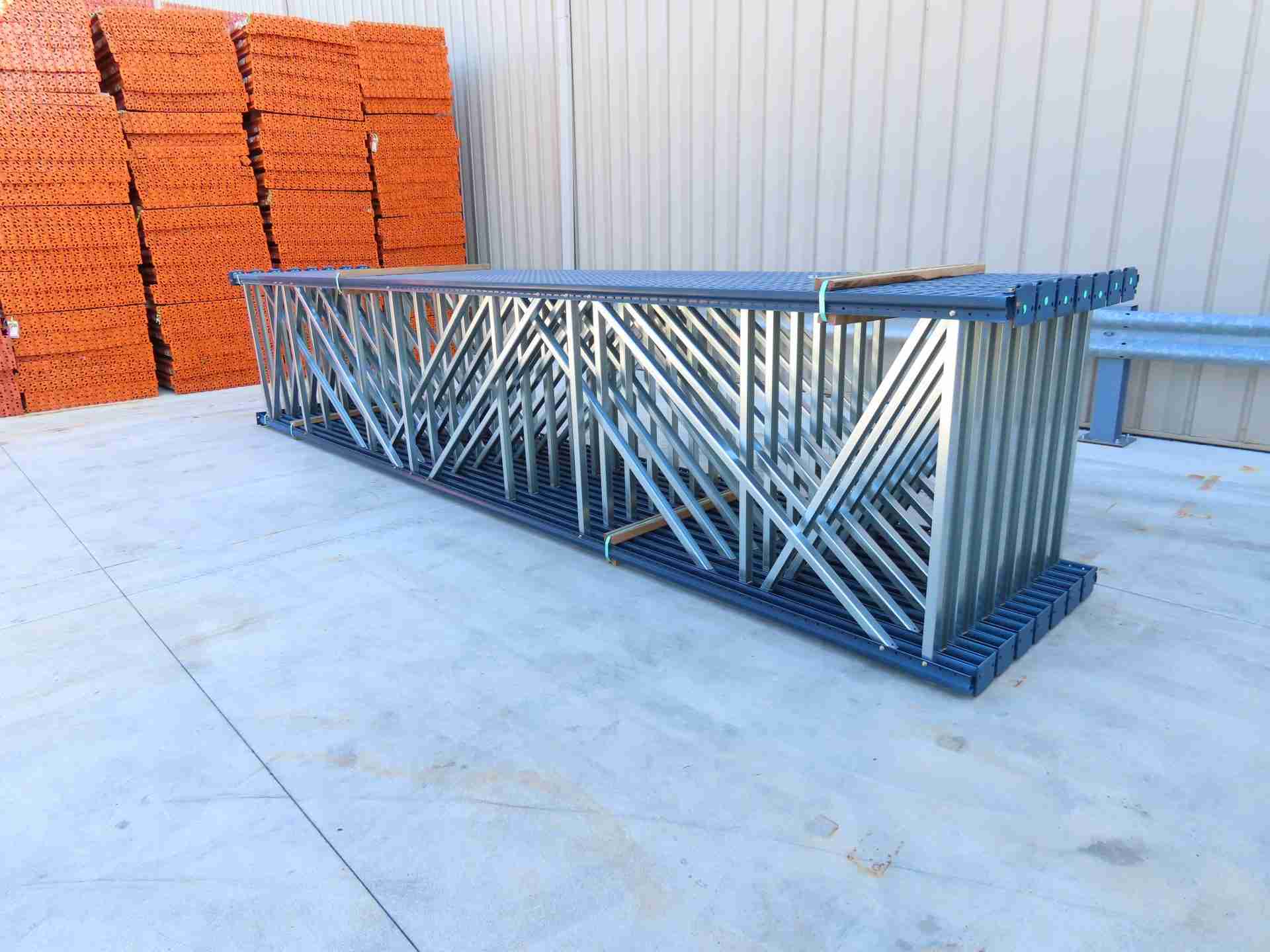
In today’s fast-paced business landscape, having an organized warehouse isn’t just a luxury—it’s a necessity. At RackingWorld.com, we believe that the backbone of operational excellence lies in implementing effective organization techniques. As we’ve outlined in this article, the transformative power of pallet racking and strategic inventory management can redefine your warehouse workflow from a disheveled chaos into a streamlined engine of efficiency.
Every inch of your warehouse space has potential, and it starts with the right organizational layout. Picture this: a well-structured space where products are easily accessible, reducing the time spent searching and allowing your team to focus on what truly matters—serving customers and propelling your bottom line. It’s not merely about aesthetics; it’s about creating a functional environment that fosters innovation, accountability, and pride among your staff.
But change can be daunting. The path to transformation requires actionable steps—beginning with a comprehensive audit of your current operations and identifying gaps. Embrace best practices like optimized pallet racking systems and robust inventory management tools to enhance visibility and accuracy. By leveraging technology, you can supercharge these systems, paving the way for real-time data and smart inventory solutions that yield immediate benefits.
Now is the time to act! Don’t let inefficiencies drag your business down any longer. Calling Arrow Industrial Sales at (574) 349-6575 will connect you with the experts ready to guide you through the intricacies of warehouse organization. Whether you’re evaluating existing systems or plotting your transformation roadmap, the solutions are at your fingertips, waiting to unlock your warehouse’s fullest potential.
Remember, the competition is not waiting, and neither should you. The urgency for operational excellence has never been clearer. Equip your warehouse with the tools and techniques necessary not only to meet expectations but to exceed them spectacularly. Embrace the journey towards organization, and brace yourself for astounding results. Your warehouse doesn’t just deserve this transformation—it demands it. Don’t put off a brighter, more efficient future. Call us today and let’s get moving towards unparalleled productivity together!
Conclusion
Conclusion:
- Organized warehouses are essential for operational excellence in today’s competitive business landscape.
- Implementing effective organization techniques can transform chaotic workflows into efficient systems.
- A well-structured warehouse layout enhances accessibility, focusing efforts on customer service and profitability.
- A comprehensive audit of current operations is crucial for identifying gaps and planning improvements.
- Optimized pallet racking systems and robust inventory management tools can improve visibility and accuracy.
- Leveraging technology enables real-time data and smart inventory solutions for immediate benefits.
- Act now to improve warehouse efficiency and competitiveness by contacting Arrow Industrial Sales for expert guidance.
Conclusion
Other Resources
Other Resources
Here is a list of other resources you can review online to learn more:
- Wolter
- Total Warehouse
- Cantilever Rack Configuration & Installation: A Comprehensive Guide – BMH
- Cantilever Rack Guide: Ordering Cantilever Racking
- Cantilever Racking Specialists – Get the Right Racks
- Selective Rack – Raymond West
- Cantilever Racks Chicago
- Overhead Lifting
- Intro to Warehouse Racks & Warehouse Racking Systems – ShipBob
- What is Selective Pallet Racking
Use This Prompt To Get More Resources With Your Favorite Online AI Tool: Please provide me with a list of online articles with their URLs in a bulleted list that I can read regarding Can Organization Techniques Transform Warehouse Workflow?
Other Resources
Glossary Terms
Can Organization Techniques Transform Warehouse Workflow? – Glossary Of Terms
1. Automation: The use of technology and machinery to perform tasks without human intervention, increasing efficiency and accuracy in warehouse operations.
2. Inventory Management: The process of ordering, storing, tracking, and controlling inventory levels to maximize efficiency and minimize costs.
3. Lean Warehousing: A methodology focused on minimizing waste and maximizing value within warehouse processes to enhance productivity.
4. Workflow Optimization: The practice of refining processes to improve the speed and efficiency of operations, reducing delays and increasing output.
5. Safety Stock: Extra inventory kept on hand to prevent stockouts due to demand fluctuations or supply delays, ensuring continual workflow.
6. SKU (Stock Keeping Unit): A unique identifier for each distinct product and service that can be purchased, crucial for effective inventory tracking and organization.
7. Pick and Pack: The process of selecting products from inventory (picking) and preparing them for shipment (packing), essential for order fulfillment.
8. Cross-Docking: A logistics practice where incoming goods are directly transferred to outbound trucks with minimal or no storage time, enhancing efficiency.
9. Forklift Management: The strategies and practices involved in operating and maintaining forklifts to optimize inventory movement and safety in the warehouse.
10. Bin Organization: The arrangement of storage bins and shelves in a systematic manner to enhance accessibility and inventory tracking.
11. Cycle Counting: A practice of regularly counting a portion of inventory, enabling timely corrections in inventory records and reducing discrepancies.
12. 5S Methodology: A workplace organization method that emphasizes Sort, Set in order, Shine, Standardize, and Sustain to enhance efficiency and tidiness.
13. Lead Time: The amount of time from the start of a process to its completion, crucial for timely fulfillment and inventory replenishment.
14. Real-Time Tracking: The ability to monitor inventory levels and movements as they happen, improving accuracy and responsiveness in warehouse operations.
15. Data Analytics: The use of analytical tools to evaluate warehouse operations and inventory data, enabling informed decision-making for workflow improvements.
16. Workstation Design: The arrangement of tools and materials at specific work areas to enhance ergonomics and efficiency in picking, packing, or sorting.
17. Batch Picking: A method of picking multiple orders simultaneously, reducing travel time and increasing order fulfillment speed and accuracy.
18. Warehouse Layout: The physical arrangement of storage areas, aisles, and workstations, critical for optimizing workflow and minimizing transport times.
19. Technology Integration: The incorporation of advanced technologies (e. g. , WMS, RFID, IoT) into warehouse operations to streamline processes and improve efficiency.
20. Order Fulfillment: The complete process from receiving an order to delivering it to the customer, encompassing inventory picking, packing, and shipping.
21. Packing Stations: Designated areas where products are packaged for shipment; well-organized packing stations can significantly speed up the fulfillment process.
22. Dynamic Slotting: A strategic method of dynamically assigning storage locations for items based on their demand forecasts and turnover rates.
23. Training Programs: Educational initiatives aimed at enhancing employee skills and knowledge related to warehouse operations and organizational techniques.
24. RFID (Radio Frequency Identification): A technology that uses electromagnetic fields to automatically identify and track tags attached to objects, improving inventory accuracy.
25. Pallet Racking: A storage system that employs pallets to hold goods, allowing efficient use of vertical space and easy access for picking and replenishing.
26. Lead Time Reduction: Strategies aimed at decreasing the time between order placement and fulfillment, enhancing customer satisfaction and warehouse efficiency.
27. Supplier Collaboration: Building strong partnerships with suppliers to streamline inventory management and ensure timely delivery of materials.
28. Visual Management: Using visual signals (e. g. , color coding, labels, dashboards) to convey information about inventory levels and workflows at a glance.
29. Continuous Improvement: An ongoing effort to enhance products, services, or processes through incremental improvements, often guided by employee feedback.
30. Sustainability Practices: Initiatives focused on reducing environmental impact through efficient waste management, resource conservation, and energy usage in warehousing.
Glossary Of Terms
Other Questions
Can Organization Techniques Transform Warehouse Workflow? – Other Questions
If you wish to explore and discover more, consider looking for answers to these questions:
- What are the specific organization techniques that have proven most effective in warehouses?
- How does pallet racking differ from traditional shelving in terms of efficiency?
- What technologies can be integrated with pallet racking systems to improve inventory management?
- How do layout changes specifically impact employee productivity in the warehouse?
- What key metrics should be used to measure the effectiveness of warehouse organization?
- What are some case studies or real-life examples of warehouses that successfully implemented organization techniques?
- What are the costs associated with implementing advanced organization techniques in a warehouse?
- How often should a warehouse layout and organization system be reassessed for optimal efficiency?
- What training programs are available for employees to adapt to new organizational systems?
- What are some common mistakes organizations make when attempting to improve warehouse organization?

Other Questions
Checklist
Can Organization Techniques Transform Warehouse Workflow? – A Checklist
Checklist: Transform Your Warehouse Workflow with Organization Techniques
1. Assess Your Current Layout:
_____ Evaluate your existing warehouse space.
_____ Identify areas that may benefit from pallet racking.
_____ Look for cluttered areas and potential bottlenecks.
2. Utilize Pallet Racking:
_____ Invest in quality pallet racking systems.
_____ Optimize the use of vertical space to free up floor area.
_____ Ensure each pallet has a designated spot for easy access.
3. Plan an Efficient Layout:
_____ Create clear pathways for incoming and outgoing shipments.
_____ Group similar items together to reduce picking time.
_____ Design the layout to minimize unnecessary movement.
4. Implement Inventory Management Systems:
_____ Adopt an inventory tracking system that integrates with your storage solutions.
_____ Utilize real-time data to manage stock levels effectively.
_____ Ensure accurate stock information to prevent excess or stockouts.
5. Focus on Team Training:
_____ Provide regular training sessions for your team on the warehouse layout and processes.
_____ Educate staff on inventory management techniques.
_____ Cultivate a culture of accountability and pride in the workspace.
6. Optimize Workflows with Technology:
_____ Implement advanced warehouse management systems (WMS) to enhance efficiency.
_____ Use technology to provide real-time tracking and optimize routes for picking.
_____ Explore automation options to streamline processes.
7. Evaluate and Adjust Organizational Strategies:
_____ Regularly review your warehouse organization for areas of improvement.
_____ Engage your team for feedback on challenges and potential solutions.
_____ Adapt organizational practices to meet changing needs.
8. Prioritize Safety and Accessibility:
_____ Ensure clear pathways and properly sized aisles to minimize accidents.
_____ Keep frequently accessed items within easy reach.
_____ Regularly check safety protocols and equipment for compliance.
9. Monitor Performance and Productivity:
_____ Track key performance indicators (KPIs) related to efficiency and customer satisfaction.
_____ Analyze inventory turnover rates and error rates in picking.
_____ Celebrate successes and set goals for continuous improvement.
10. Embrace Change:
_____ Foster a mindset that welcomes organization and improvement.
_____ Stay open to new ideas and innovative practices.
_____ Recognize that transformation is an ongoing process.
Conclusion
Transforming your warehouse workflow isn’t just about tidying up—it’s about instilling efficiency, boosting morale, and enhancing customer satisfaction. Follow these steps to unlock your warehouse’s full potential!
Checklist
At RackingWorld, we help guide you through selecting warehouse storage systems and racking.
Be sure to read our other related stories at RackingWorld to learn more about warehouse storage systems.
0 Comments