
Maximizing Warehouse Efficiency: The Power Of Metrics
By Tom Seest
At RackingWorld, we help guide you through selecting warehouse storage systems and racking.
Be sure to read our other related stories at RackingWorld to learn more about warehouse storage systems.
Are You Using Metrics to Evaluate Warehouse Storage Performance?
Let’s face it: in the fast-paced world of logistics and warehousing, you’re pushed to do more with less—and that’s a challenge we can all relate to. You’ve invested in top-quality pallet racking and slab wall systems, yet without a reliable method to evaluate your storage performance, how can you confidently assess your investment? You might even be wondering if you’re optimizing every square foot of your warehouse.
Metrics are your silent allies in the quest for efficiency. They act like the compass guiding you through the complex landscape of storage utilization. With the right metrics, you not only quantify your output but also glean critical insights into operational shortcomings. Think about your pallet racking setup. How well is it serving your needs? Subpar storage utilization can lead to wasted space, inefficient pick paths, and ultimately, lost revenue. Imagine knowing exactly how many pallets you can fit within that precious racking—metrics can help you achieve that clarity!
Start by tracking key performance indicators (KPIs) relevant to your operations. Metrics like inventory turnover rate, pick accuracy, and space utilization percentages are more than just numbers; they’re a narrative of your warehouse’s efficiency. When you analyze these figures regularly, you’re not just collecting data; you’re engaging in a transformative dialogue with your operations. You’ll discover what works, what doesn’t, and how to continuously innovate.
Let’s not overlook the emotional aspect of warehousing. Often, it’s the heart of your enterprise, not just a collection of boxes and racks. By evaluating storage performance through calculated metrics, you empower your staff and invigorate your processes. An engaged workforce that sees progress tends to care more about outcomes, leading to higher morale and better service. You foster a culture of accountability, encouraging employees to take ownership of their roles. That sentiment flows right back to your customers, enhancing your reputation and reliability in the market.
So, whether you’re maximizing your pallet racking space or contemplating new storage solutions, remember: metrics are your ally. Embrace them, chart your course, and transform your warehousing operations into a powerhouse of efficiency and profitability. Don’t wait for the issues to pile up like unsorted pallets; take charge and start measuring today. Your future self will thank you!

Are You Using Metrics to Evaluate Warehouse Storage Performance?
Are You Using Metrics to Evaluate Warehouse Storage Performance?
- Logistics and warehousing face pressure to maximize efficiency with limited resources.
- Reliable evaluation methods are essential to assess storage performance and investment quality.
- Key performance indicators (KPIs) help quantify output and provide insights into operational inefficiencies.
- Tracking metrics such as inventory turnover, pick accuracy, and space utilization reveals a warehouse’s efficiency narrative.
- Regular analysis fosters innovation and helps identify effective practices and areas for improvement.
- Engaging staff in performance evaluation enhances morale and accountability, benefiting overall service quality.
- Embracing metrics is crucial for transforming warehousing operations into efficient and profitable systems.

Are You Using Metrics to Evaluate Warehouse Storage Performance?
Table Of Contents
- Are You Using Metrics to Evaluate Warehouse Storage Performance?
- What Metrics Should I Track For Warehouse Storage Performance?
- How Can I Improve Space Utilization In My Warehouse?
- What Key Performance Indicators (Kpis) Are Most Relevant?
- How Do I Measure Picking Efficiency In My Warehouse?
- What Are The Consequences Of Poor Warehouse Performance Metrics?
- How Can Technology Enhance Warehouse Performance Evaluation?
- Conclusion
- Other Resources
- Glossary Of Terms
- Other Questions
- Checklist
What Metrics Should I Track For Warehouse Storage Performance?
If your warehouse is a well-oiled machine, it’s critical to measure its performance and efficiency to keep it running smoothly. So, what should you be tracking? Let’s dive into the key metrics that can transform chaos into order—and make you the unsung hero of your operation.
First off, let’s talk about space utilization. Are you making the most of your pallet racking setup? Space that sits idle is revenue lost. By analyzing the cubic volume of your racking systems and comparing it to the total space available, you can identify whether you’re maximizing every nook and cranny of your warehouse. Optimizing this not only boosts your productivity but also enhances your bottom line.
Next, consider tracking inventory turnover rates. This is a measure of how often your inventory is sold and replaced over a specific period. If your turnover rate is stellar, you’re not just moving product—you’re moving it profitably. High turnover often correlates with a lean inventory, reducing holding costs and freeing up cash flow. If your rates are lagging, it may be time to reevaluate your purchase policies or get rid of slow-moving stock.
Another vital metric is order accuracy. Nothing frustrates customers more than receiving the wrong item. By tracking the percentage of orders that ship accurately, you not only gauge operational effectiveness but also foster better relationships with your clients. Increased accuracy inspires trust and builds a reputation that invites repeat business.
Don’t overlook labor productivity either. Measure how much work is being done relative to the hours your team logs. Are your employees empowered and efficient? Are they adequately trained to handle the pallet racking systems? Find the correlation between training and output, and you could unlock hidden potential in your workforce.
Last but not least, keep an eye on picking speed. Time is money, after all. The quicker you can pick and pack items, the faster products leave your facility. Tracking the average time it takes to complete orders can help you streamline processes and identify bottlenecks.
By focusing on these essential metrics, you can enhance not only your warehouse storage performance but also your overall operational efficiency. This data-driven approach will not just keep your warehouse running; it will position you as a leader in the industry. So, roll up your sleeves, dive into the numbers, and watch your warehouse transformation unfold!
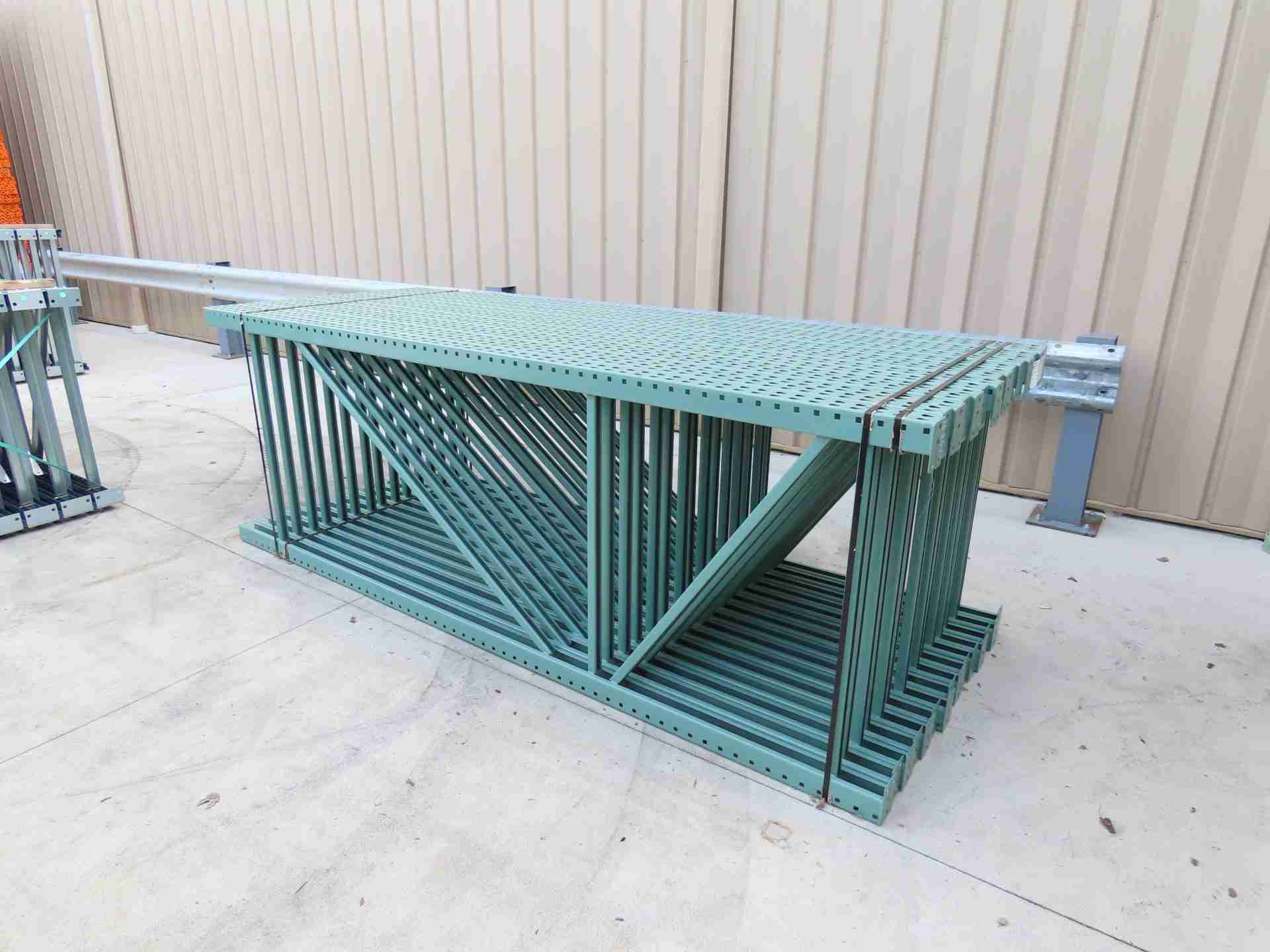
What Metrics Should I Track For Warehouse Storage Performance?
What Metrics Should I Track For Warehouse Storage Performance?
- Measure warehouse performance and efficiency to maintain smooth operations.
- Track space utilization to ensure maximum productivity and revenue generation.
- Monitor inventory turnover rates to assess profitable product movement and reduce holding costs.
- Ensure order accuracy to enhance customer satisfaction and build trust.
- Evaluate labor productivity to identify training needs and unlock employee potential.
- Focus on picking speed to streamline processes and reduce bottlenecks.
- Adopt a data-driven approach to improve overall operational efficiency and industry leadership.
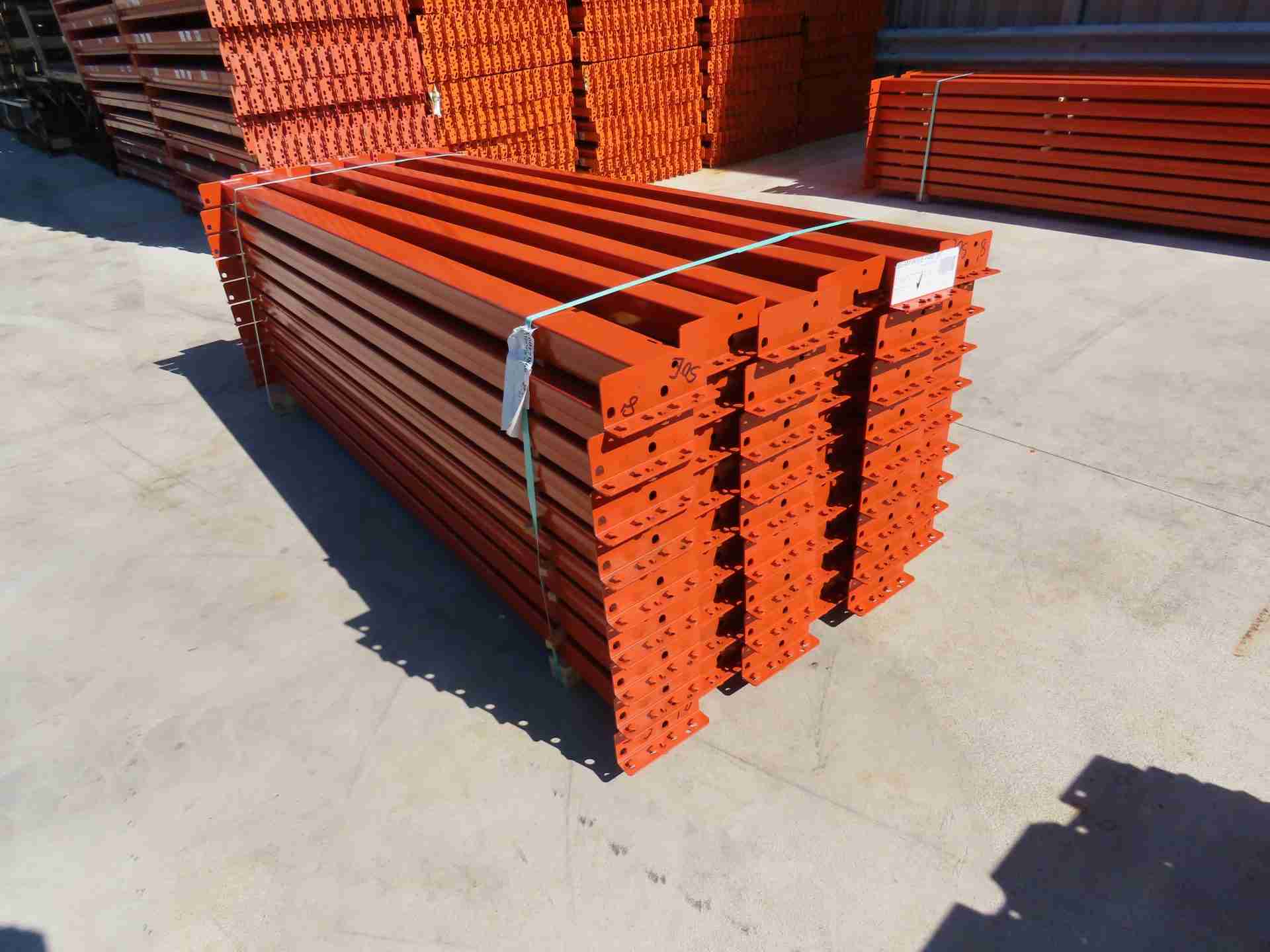
What Metrics Should I Track For Warehouse Storage Performance?
How Can I Improve Space Utilization In My Warehouse?
Imagine walking into your warehouse and seeing every inch of your space not just filled, but optimized. It’s not just a dream; it’s a goal within your reach. When it comes to improving space utilization in your warehouse, there’s a secret weapon that many overlook: anticipating your needs.
First, let’s talk about pallet racking. This isn’t just metal frames piled high with products—it’s a strategy. These systems allow you to utilize vertical space, which is often the most underutilized area of a warehouse. Don’t let that precious air above your head go to waste! By investing in high-quality pallet racking, you’re not merely shelving products; you’re cultivating an organized environment that enhances efficiency and maximizes storage capacity.
But it goes beyond just racking. Have you considered the flow of goods? Product movement from receiving to shipping must be seamless. Achieving this requires an understanding of your warehouse’s layout. Create distinct zones for receiving, storage, and shipping. Organized workflows minimize the confusion that can arise when everything is jumbled together, and they protect the investment you’ve made in expensive equipment, like pallet racking, by ensuring that goods are handled safely and efficiently.
Let’s not forget about technology. Implementing a robust warehouse management system (WMS) can revolutionize the way you monitor and manage inventory. You’ll be able to track stock levels, forecast needs, and adapt to changes seamlessly. This system, combined with your smart pallet racking strategies, can elevate your warehouse’s functionality to new heights.
Now, you might be thinking, “This sounds great, but where do I start?” Start small. Do a walkthrough of your warehouse to assess current utilization. Identify underperforming areas, and consider whether better racking solutions could improve those spaces. You’d be surprised at how little adjustments can yield significant gains.
Remember, space is money. Every square foot counts, and every aisle should lead to a more efficient operation. With strategic planning and the right pallet racking systems in place, you’ll not only improve space utilization but also foster an environment that promotes productivity and growth.
So, don’t wait! Take action today—your warehouse’s transformation is just around the corner.
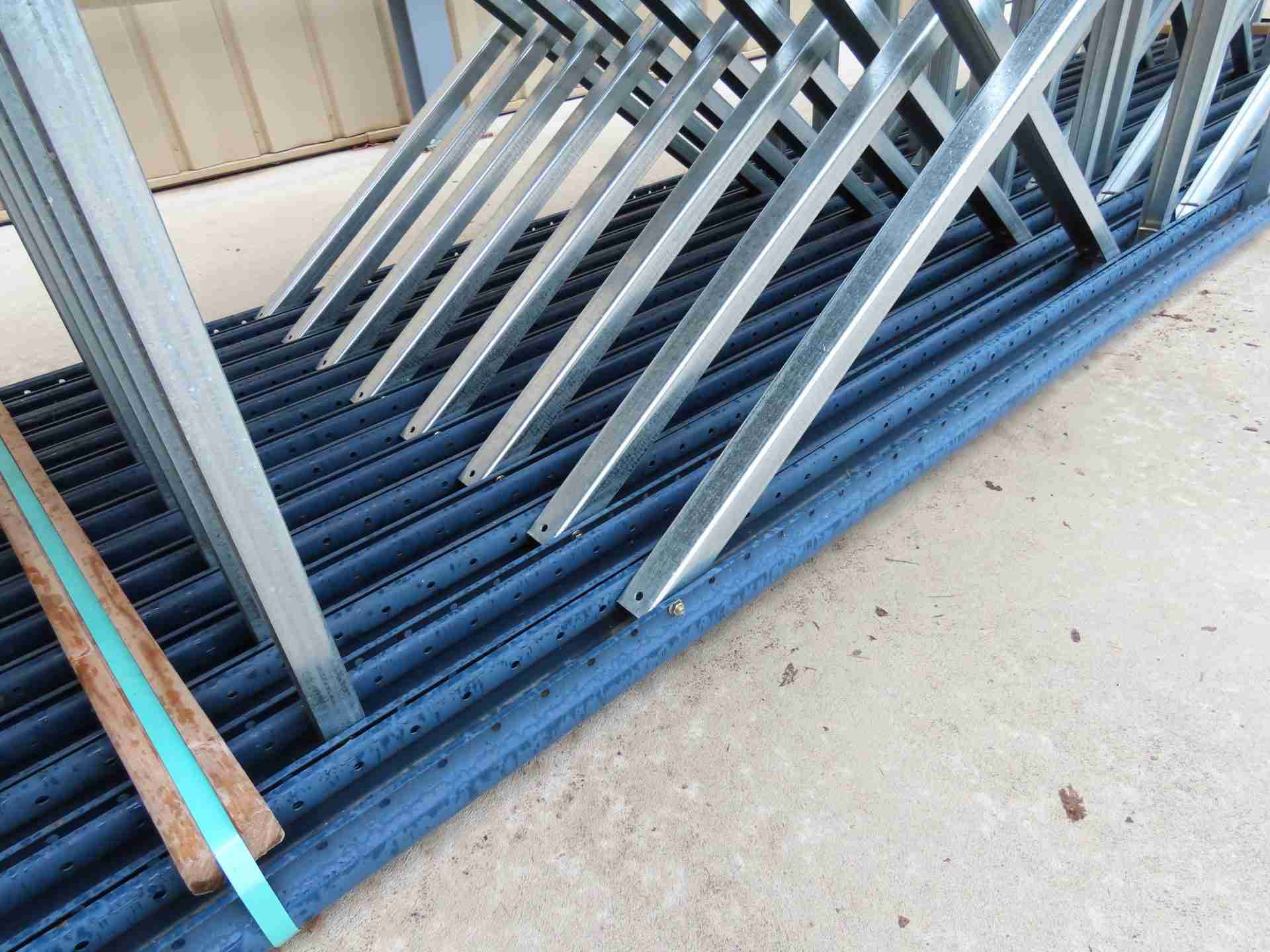
How Can I Improve Space Utilization In My Warehouse?
How Can I Improve Space Utilization In My Warehouse?
- Optimizing warehouse space is a reachable goal through anticipating needs.
- Pallet racking strategies utilize vertical space effectively, enhancing storage capacity.
- Establish distinct zones for receiving, storage, and shipping to streamline product flow.
- Implementing a warehouse management system (WMS) can improve inventory monitoring and management.
- Conduct a walkthrough of your warehouse to identify underperforming areas and potential improvements.
- Every square foot counts; strategic planning leads to a more efficient operation.
- Take action now for your warehouse’s transformation and increased productivity.
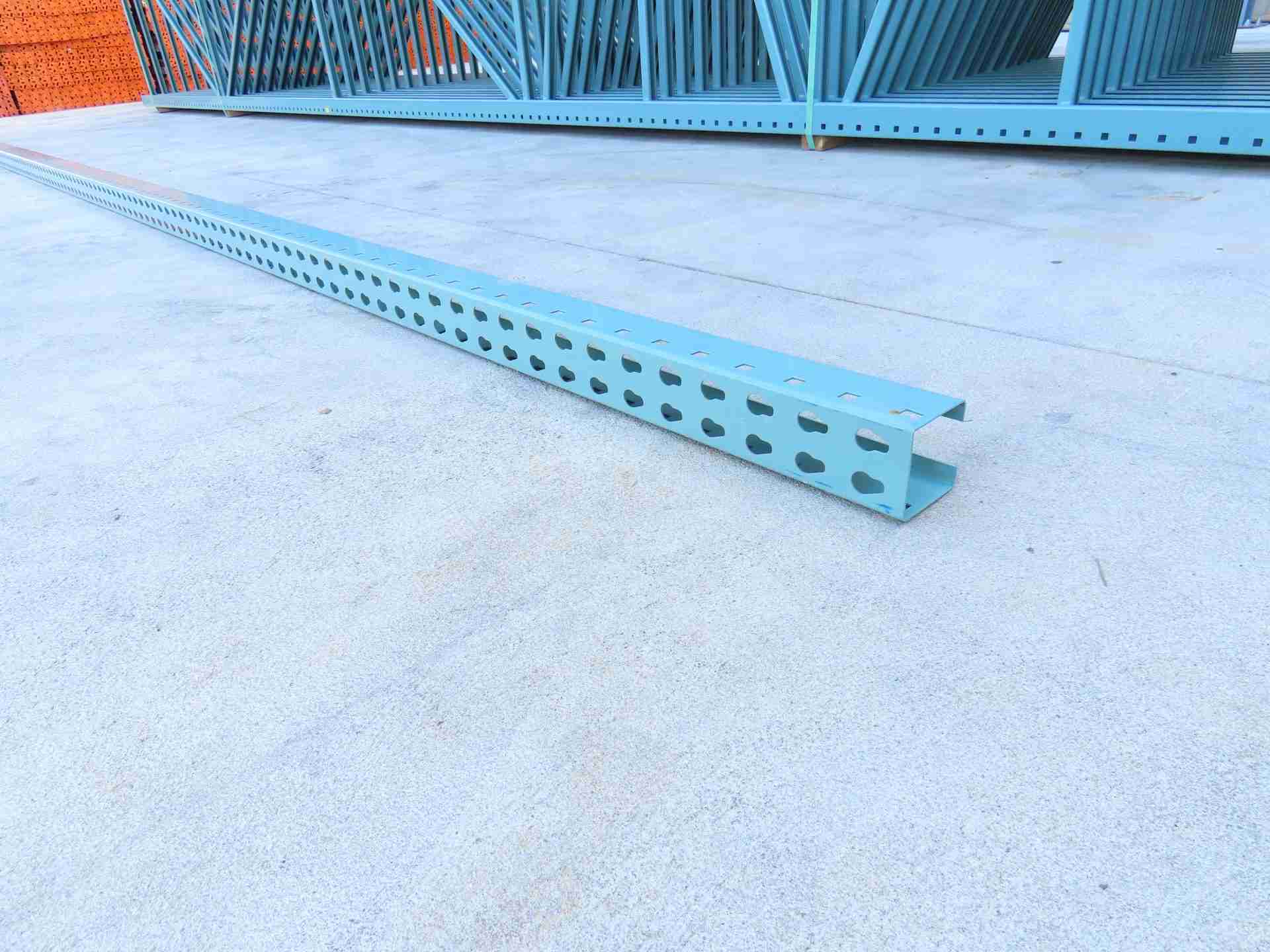
How Can I Improve Space Utilization In My Warehouse?
What Key Performance Indicators (Kpis) Are Most Relevant?
What Key Performance Indicators (KPIs) Are Most Relevant?
When it comes to measuring your business performance, knowing what metrics to focus on is paramount. It’s not just about collecting numbers; it’s about distilling those figures into actionable insights that can drive your operations forward and maximize profits. Among the myriad of available KPIs, certain ones stand out as particularly relevant and impactful, especially in today’s fast-paced marketplace.
First up, let’s talk about warehouse efficiency, particularly in the context of Pallet Racking systems. Your storage solutions are the backbone of your logistics, so how well you utilize those systems can drastically alter your operational costs. A KPI like Warehouse Space Utilization reveals how effectively you’re using your pallet racking. Are you inching towards that overflowing shelf of products, or are things neat, tidy, and readily accessible? A high utilization rate can signal a robust operation, while a low rate might indicate underperformance – probably leading to increased shipping times or even excess inventory costs.
Next, consider Order Accuracy. In an age where customer satisfaction breeds loyalty, every mispick or mislabel counts against your reputation. Tracking the percentage of correctly fulfilled orders can be a game-changer. If you’re not hitting that target, it’s time to dive into the nitty-gritty of your fulfillment process. Are your team members adequately trained? Is the layout of your Pallet Racking contributing to errors? Keeping this KPI in line not only enhances customer retention but also cuts down on costly returns, honing in on what truly matters.
Another KPI to keep a sharp eye on is Inventory Turnover. This metric can provide insights into how quickly your products are moving off the shelves and into the hands of consumers. If your turnover rates are sluggish, dive deeper. Do you have the right products stocked? Your Pallet Racking might be full of inventory that no longer sells. It’s a reality check – are you keeping products that customers desire, or are they gathering dust?
Finally, don’t overlook the significance of Labor Efficiency metrics. This KPI helps assess how well your workforce is performing relative to the volume of goods processed through your Pallet Racking systems. Highly efficient labor translates to lower operational costs and higher satisfaction among your team, fostering an environment that breeds productivity.
Remember, KPIs are not mere numbers on a spreadsheet; they tell a story about your business’s health and future potential. By identifying and focusing on the most relevant ones – like those revolving around your warehouse operations and the efficiencies of your Pallet Racking – you’ll not only inspire trust in your stakeholders but pave the way for informed decisions that lead to lasting success. Start measuring today, and you’ll find clarity in the chaos of business!

What Key Performance Indicators (Kpis) Are Most Relevant?
What Key Performance Indicators (Kpis) Are Most Relevant?
- Identifying relevant Key Performance Indicators (KPIs) is crucial for measuring business performance.
- Warehouse Space Utilization is a key indicator of how effectively pallet racking systems are being used; high utilization suggests robust operations.
- Order Accuracy impacts customer satisfaction and loyalty; maintaining high fulfillment rates can reduce costly returns.
- Inventory Turnover measures how quickly products move from shelves to customers, reflecting the relevance of stocked items.
- Labor Efficiency evaluates workforce performance and its relation to goods processed, influencing operational costs and workforce satisfaction.
- KPIs provide insights beyond numbers; they indicate business health and future potential.
- Focusing on relevant KPIs can lead to informed decisions and lasting success in business operations.
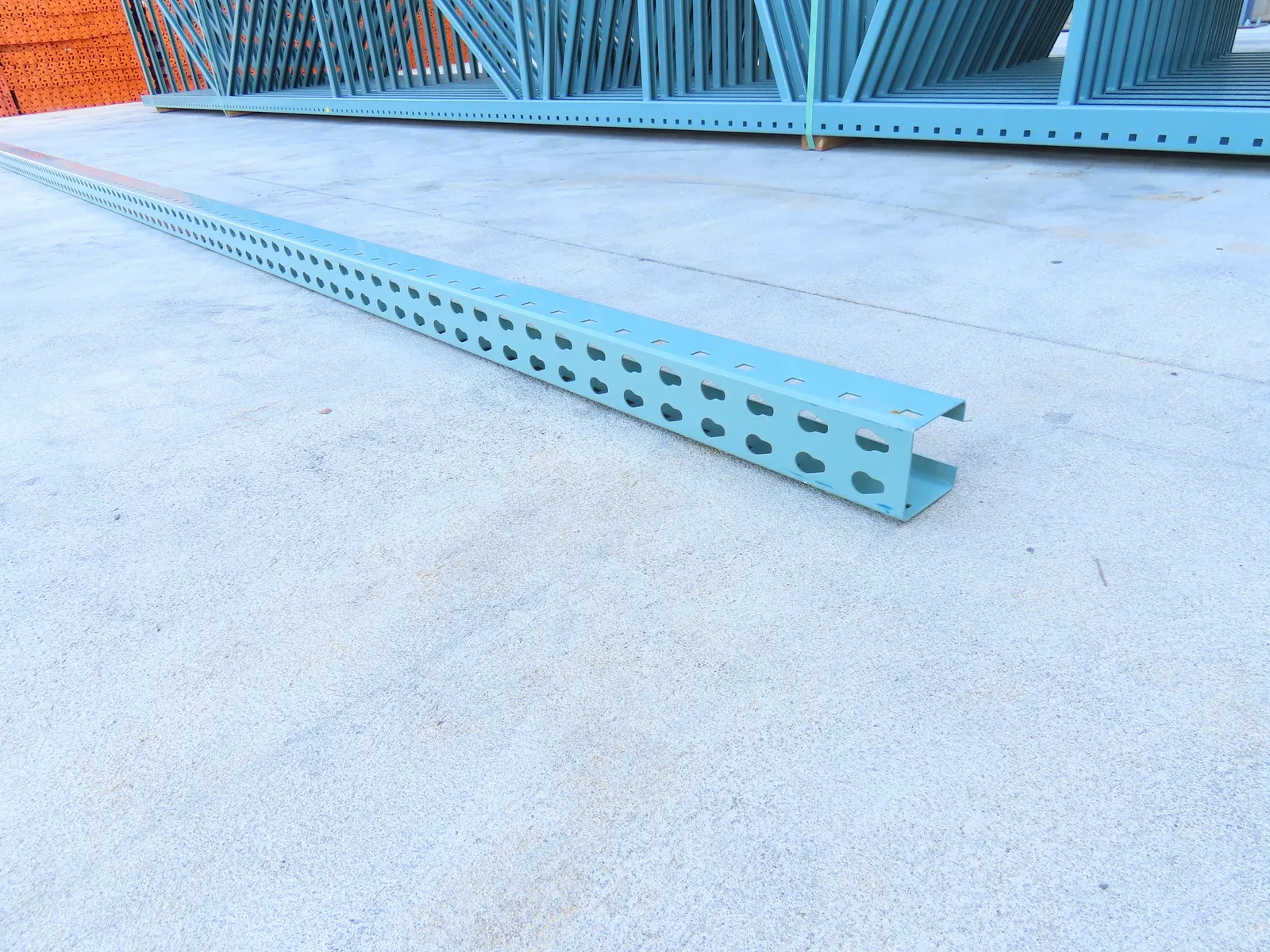
What Key Performance Indicators (Kpis) Are Most Relevant?
How Do I Measure Picking Efficiency In My Warehouse?
Understanding Picking Efficiency in Your Warehouse
In the fast-paced world of warehousing, every second counts. You want your team moving seamlessly, the floor organized, and products flying out the door. But how do you know if you’re achieving peak picking efficiency? Let’s dive deep into an essential aspect of warehouse management that can transform your operation from average to exceptional.
First things first, establish clear metrics. Knowing where you stand is crucial. Start by measuring your picking rates. This means calculating the number of items picked per hour. Keep an eye on individual and team performance. Are there patterns? Are certain days or shifts more productive? Capture this data consistently so you can foster a culture of accountability and improvement.
Next, let’s talk about your layout. Utilize your available space effectively with smart designs, such as pallet racking systems, which can maximize vertical space while providing easy access to high-demand items. A well-organized warehouse isn’t just about aesthetics; it’s a functional powerhouse. Your pickers should move efficiently, minimizing unnecessary steps. The layout of your pallet racking can be the difference between a smooth operation and chaos.
But it’s not just about space management and metrics. Look closely at your picking methods. Are you using batch picking, where multiple orders are fulfilled simultaneously? Or perhaps your team works using zone picking, where individuals focus on designated areas? Assess which method suits your products and order volumes best. Tailoring your picking strategy enhances not just efficiency but employee satisfaction as well. When your team can execute their tasks swiftly and effectively, morale naturally rises.
Moreover, invest in technology. With the right tools, you can revolutionize your picking process. Automated systems, handheld devices, or even warehouse management software can provide real-time data, helping your employees make informed decisions on the fly. Remember, empowering your team with the best tools ensures they feel valued and equipped to succeed.
Lastly, don’t underestimate the power of training. A well-trained staff is your best asset. Regularly educate your employees on best practices and new technologies. Celebrate their successes and encourage open communication. When your team feels supported and heard, performance naturally improves, leading to higher picking efficiency.
In short, measuring picking efficiency means being proactive, analytical, and committed to continuous improvement. This alone can unlock unprecedented productivity in your warehouse, driving profits and streamlining operations. Take the first step today—your bottom line will thank you.
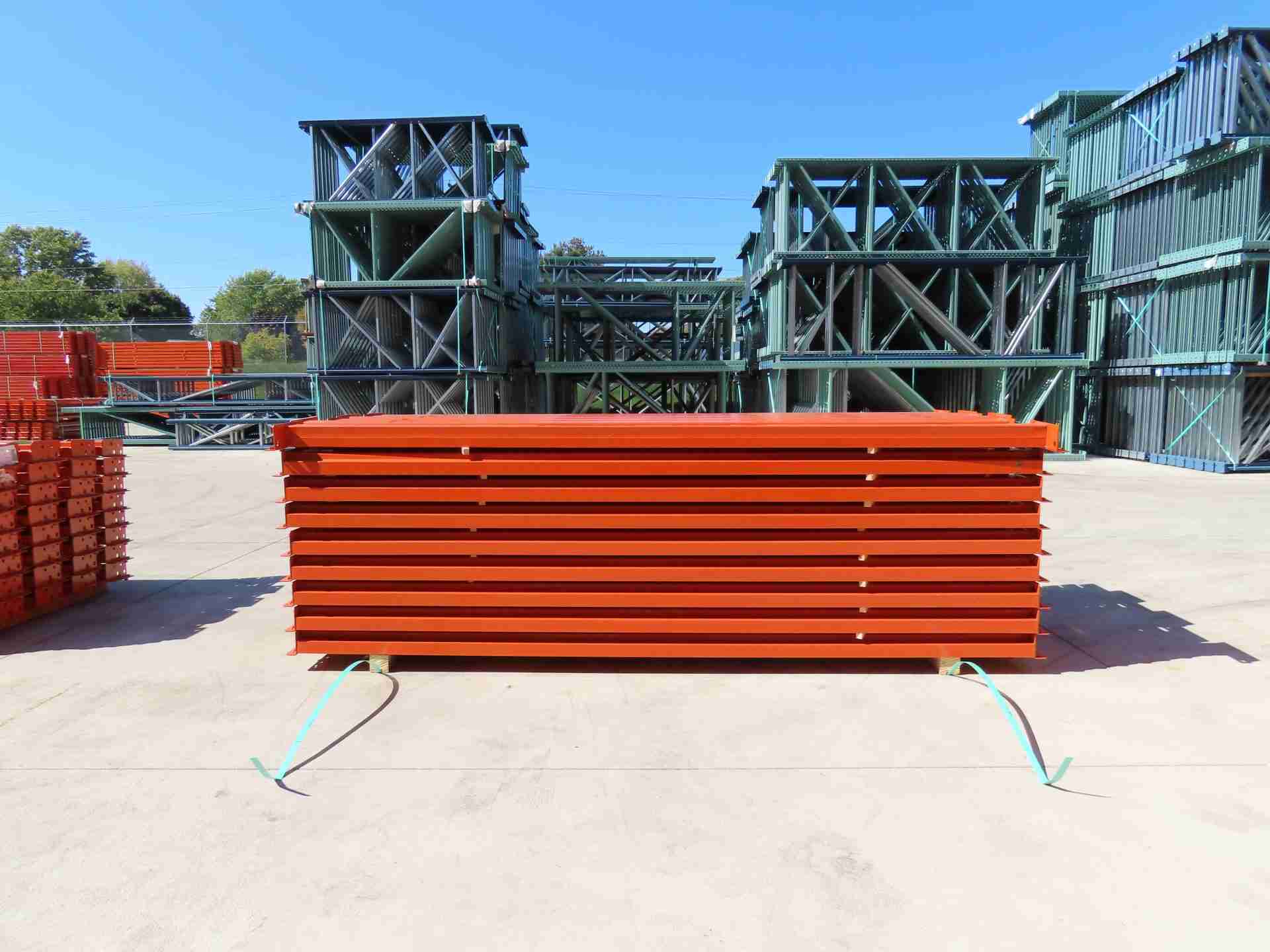
How Do I Measure Picking Efficiency In My Warehouse?
How Do I Measure Picking Efficiency In My Warehouse?
- Establish clear metrics by measuring picking rates—track items picked per hour and monitor individual and team performance.
- Optimize warehouse layout with smart designs, like pallet racking systems, to enhance access and minimize unnecessary movement.
- Assess and choose the right picking methods, such as batch or zone picking, that best suit your products and order volumes.
- Invest in technology, including automated systems and warehouse management software, to provide real-time data for informed decision-making.
- Focus on employee training to ensure staff are knowledgeable about best practices and new technologies.
- Encourage a culture of accountability and improvement through consistent data capture and open communication.
- Emphasize continuous improvement to unlock productivity, drive profits, and streamline warehouse operations.
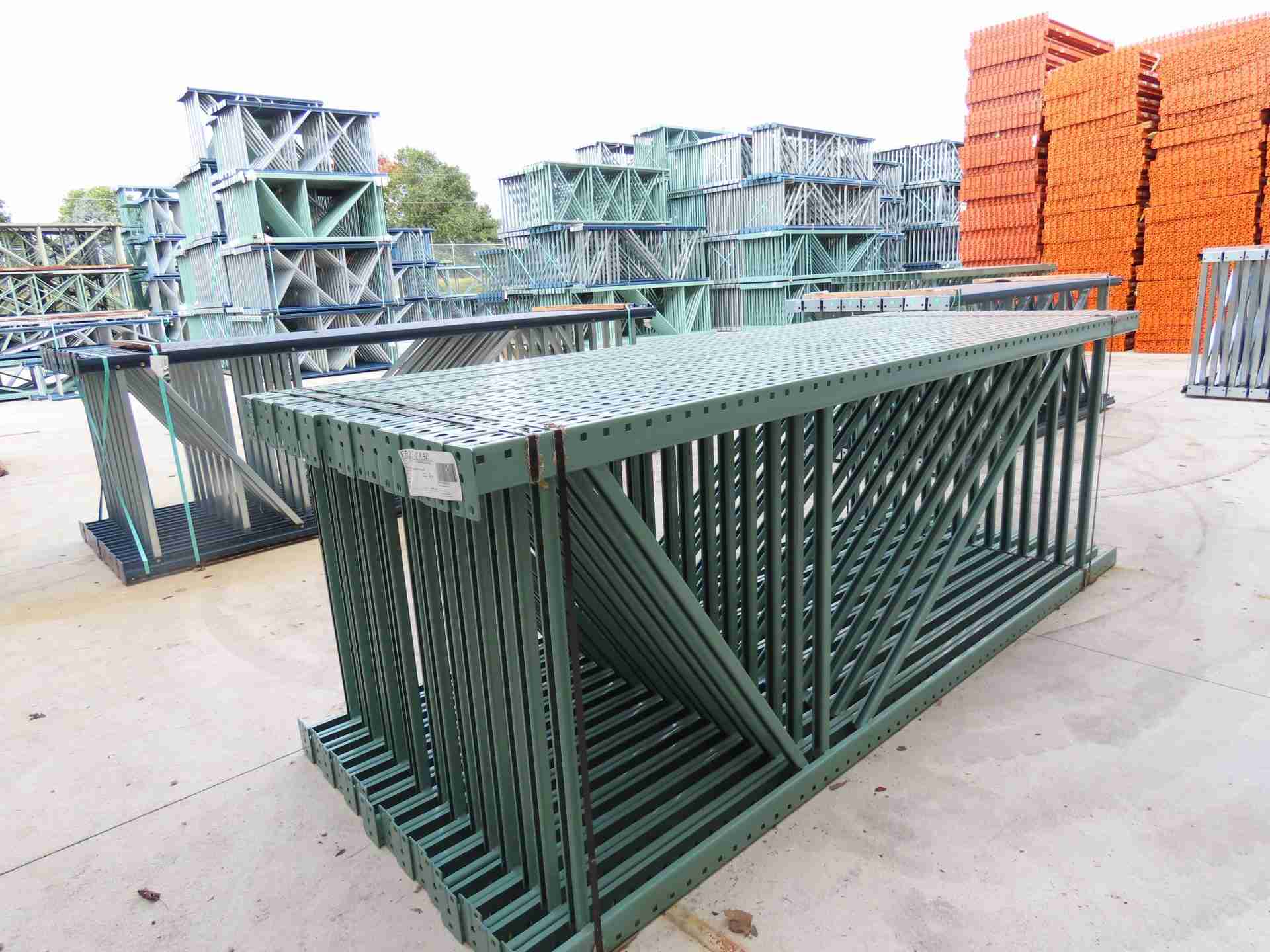
How Do I Measure Picking Efficiency In My Warehouse?
What Are The Consequences Of Poor Warehouse Performance Metrics?
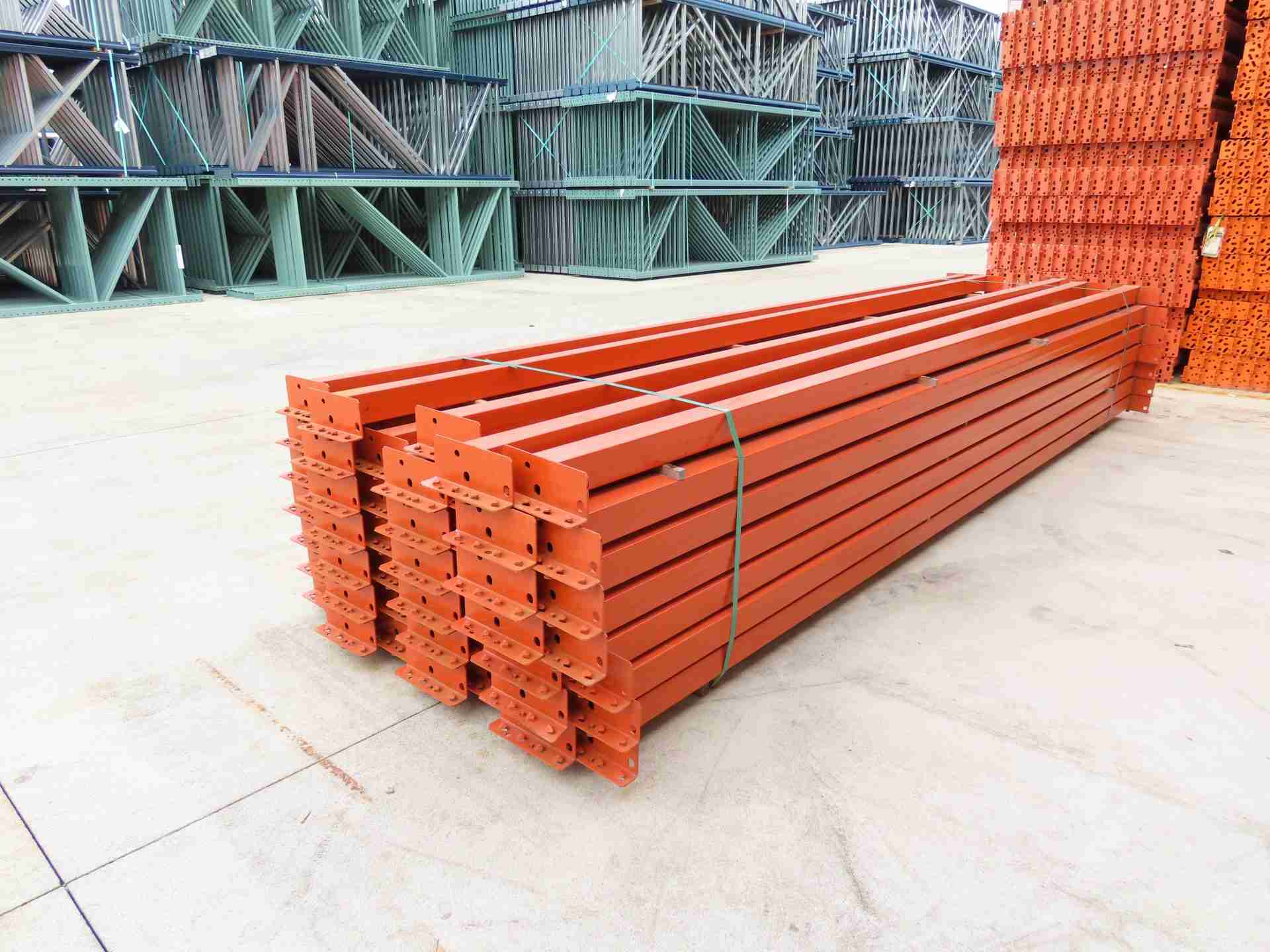
Imagine stepping into a warehouse filled with towering pallet racking, each beam teeming with product. It’s a sight that should evoke confidence—after all, a well-organized warehouse is the backbone of any business’s supply chain. But what happens when your warehouse performance metrics start to falter? The toll is greater than you might think.
Poor performance metrics don’t merely harm the efficiency of your operations; they can lead to a ripple effect that touches every corner of your business. First and foremost, you’re risking inventory discrepancies. When metrics are off, you can end up with misplaced items buried in the depths of your pallet racking. This results in wasted time searching for products that exist somewhere in your warehouse but don’t show up in your inventory reports. Imagine the frustration of telling a customer that their order is delayed—not because of supply chain hiccups but due to your inability to track what you have on hand.
Then there’s the financial impact. A poorly performing warehouse directly affects your bottom line. Over time, inefficiencies add up—think excessive labor costs, increased shipping charges, and potentially lost sales. When team members are hustling to find misplaced items amid chaos, they can’t devote their full attention to customer service or other essential functions. Frustrated customers lead to missed opportunities—revenue that is significant for your growth.
Let’s also touch on morale. Team members want to thrive in an environment that promotes efficiency and organization. But when implementing strategies based on poor performance metrics, the relentless cycle of stress and disorganization can sap motivation. As people struggle to work through unorganized pallet racking, their enthusiasm dwindles, leading to staff turnover—an expense that further compounds your woes.
So what can you do? Start by getting serious about your performance metrics. Regularly assess the accuracy and relevance of the data you use. Leverage technology that not only tracks inventory but also analyzes workflow to identify bottlenecks. By fostering a culture of continuous improvement and accountability, you’ll not only enhance performance but create an environment where team members can shine.
The bottom line is clear: neglecting performance metrics is not just a logistical oversight; it’s a recipe for disaster. Taking proactive steps today can streamline your operations, delight your customers, and set you on a path toward sustainable growth. Don’t let your warehouse become a hindrance; turn it into your most significant asset!
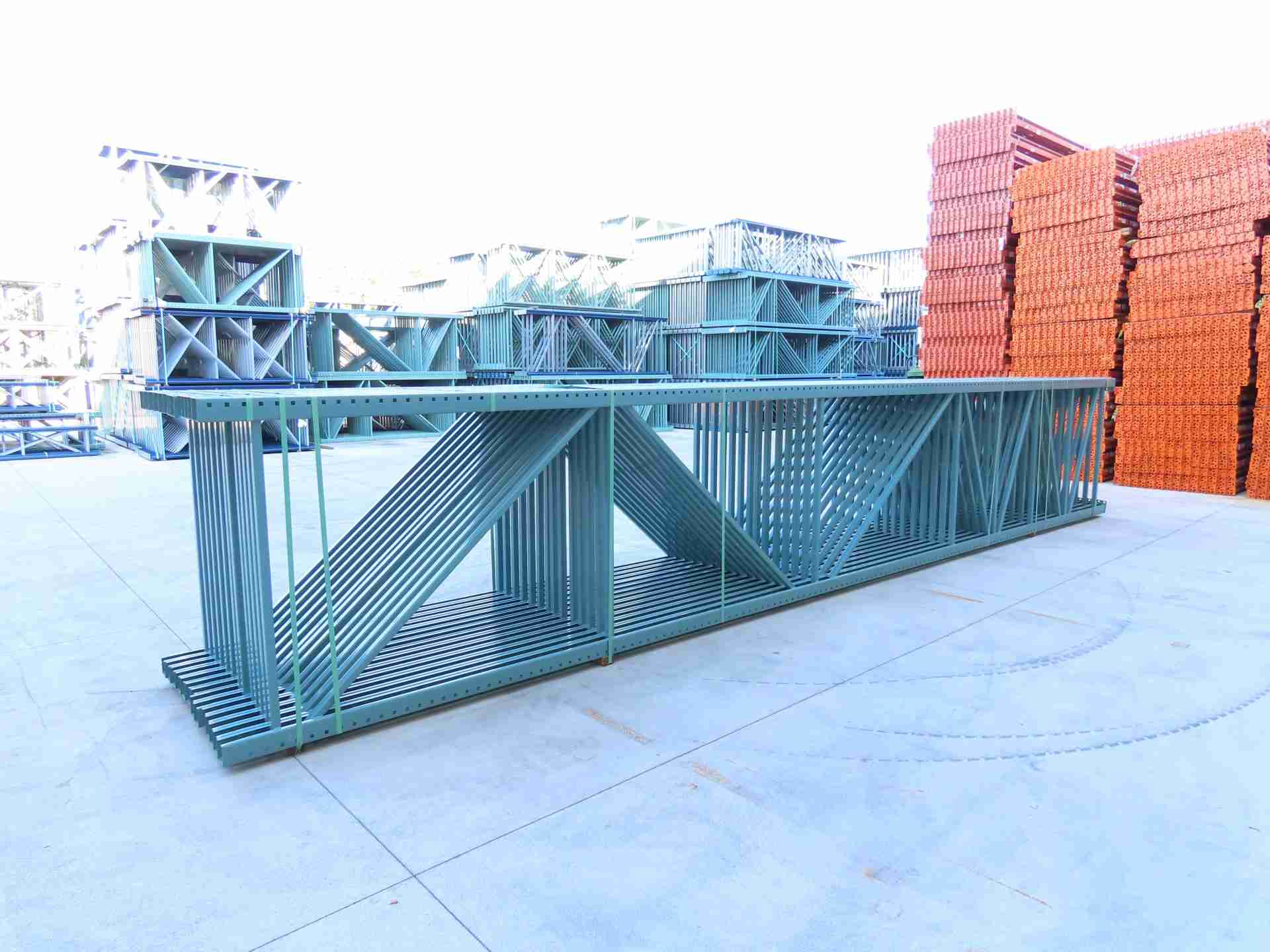
What Are The Consequences Of Poor Warehouse Performance Metrics?
What Are The Consequences Of Poor Warehouse Performance Metrics?
- A well-organized warehouse is crucial for business supply chain efficiency.
- Poor performance metrics can lead to inventory discrepancies and misplaced items.
- Issues with metrics result in wasted time and customer order delays.
- Financial impacts include increased labor costs, shipping charges, and lost sales opportunities.
- Disorganization affects team morale, leading to frustration and potential staff turnover.
- Regular assessment of performance metrics and leveraging technology can improve efficiency.
- Proactive steps in managing metrics can enhance operations and support sustainable growth.
What Are The Consequences Of Poor Warehouse Performance Metrics?
How Can Technology Enhance Warehouse Performance Evaluation?
In today’s fast-paced business landscape, optimizing warehouse performance is more crucial than ever. The key to elevating your efficiency lies in leveraging technology to transform how you evaluate operations. Let’s break it down in a way that resonates with your everyday experience.
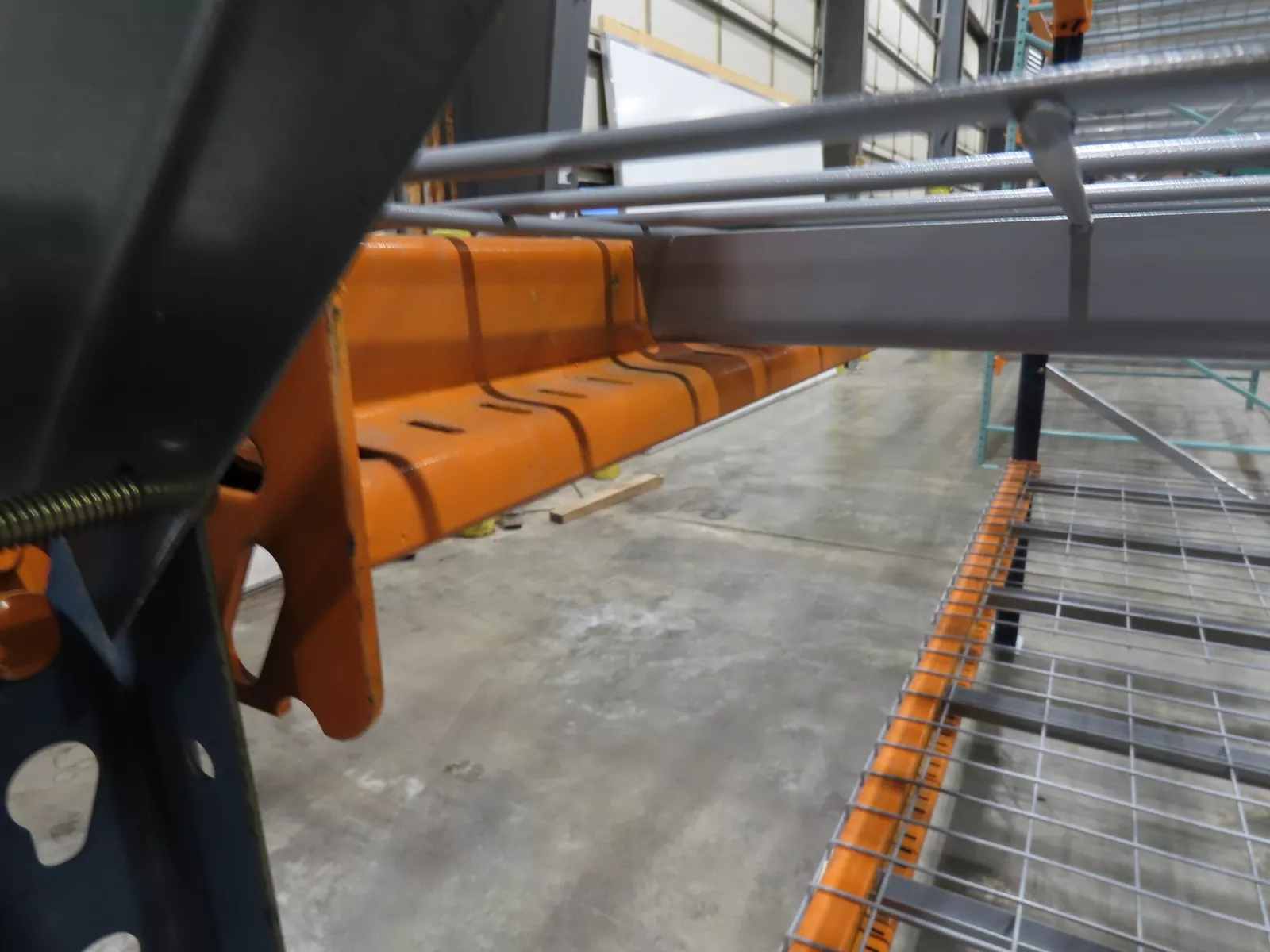
Imagine walking into a warehouse where items are neatly organized on sturdy pallet racking systems. Each rack, carefully positioned and monitored, tells a story of productivity and efficiency. But how do you go beyond that visualization and ensure your operations translate into measurable success? Enter the technology that’s reshaping the evaluation game.
Automated inventory management systems track stock levels in real-time, eliminating guesswork from your decision-making processes. Picture this: you have the ability to see exactly where every item is located on your pallet racking at a moment’s notice. No more scouring the warehouse in search of lost items; your workforce can locate, retrieve, and dispatch with unprecedented speed. This clarity leads to better resource allocation and dramatically reduces the time spent on mundane tasks.
Furthermore, advanced analytics tools offer insights into warehouse performance that were previously unimaginable. With the power of data at your fingertips, you can identify trends, recognize inefficiencies, and pinpoint areas ripe for improvement. Are certain pallets consistently slow to move? Is there a bottleneck at a specific point in your racking system? These critical insights enable you to make informed, strategic decisions to streamline operations.
But let’s not overlook the importance of employee engagement. Technology fosters a more connected and motivated workforce. Imagine your team utilizing mobile devices to access performance metrics and receive real-time updates on their tasks. This not only empowers them but also builds a culture of accountability and pride in their work. Employees become partners in your quest for improvement, driving enhanced performance from the ground up.
Finally, integrating technology with your existing systems will enhance customer satisfaction too. Real-time tracking and faster order fulfillment translate into happier customers who are more likely to return. In a world where instant gratification is the norm, being able to rely on systematic efficiency is a game changer.
So, are you ready to elevate your warehouse performance to new heights? Embrace the technological tools at your disposal and watch as your operations transform into a finely-tuned engine of growth, efficiency, and, yes, profitability. Start tinkering with technology today and witness the incredible synergy it can create within your warehouse!
How Can Technology Enhance Warehouse Performance Evaluation?
How Can Technology Enhance Warehouse Performance Evaluation?
- Optimizing warehouse performance is critical in today’s fast-paced business environment.
- Leveraging technology transforms the evaluation of warehouse operations.
- Automated inventory management systems track stock levels in real-time, enhancing efficiency.
- Advanced analytics tools provide insights into performance, helping identify inefficiencies.
- Employee engagement is improved through mobile access to performance metrics and updates.
- Integrating technology enhances customer satisfaction through faster order fulfillment.
- Embracing technology can transform warehouse operations into a more efficient and profitable engine for growth.
How Can Technology Enhance Warehouse Performance Evaluation?
Conclusion
Conclusion
As we wrap up our exploration of maximizing warehouse efficiency through metrics, it becomes glaringly obvious that these powerful tools are not merely optional—they are essential to the lifeblood of your operations. In the highly competitive logistics landscape, where every second and square foot counts, relying solely on intuition can lead to inefficiencies that chip away at your bottom line. It’s time to embrace the role of metrics as your operation’s compass, guiding you toward sustained productivity and profitability.
Imagine a world where you are not just filling space but fully optimizing every inch of your pallet racking systems. By dissecting key performance indicators like space utilization, inventory turnover rates, order accuracy, and labor productivity, you can identify operational pain points and seize opportunities for improvement. Each metric tells a story, offering indispensable insights that, when harnessed effectively, position you as a leader in the industry.
But knowledge without action is futile. Implementing actionable steps begins with a thorough assessment of your warehouse’s current state. Invest in high-quality pallet racking to maximize vertical space, develop streamlined workflows that ease product movement, and integrate advanced technologies that provide real-time tracking—all crucial in accelerating your operations. Additionally, fostering a culture of accountability among your staff not only boosts morale but transforms every employee into a partner invested in driving performance.
The urgency to act is palpable. Delaying the adoption of metrics could mean allowing inefficiencies to persist and lead to lost revenue and customer trust. Take control of your warehousing destiny today—running a successful warehouse is no longer a game of chance; it’s about making informed decisions based on hard data.
Don’t hesitate to reach out to Arrow Industrial Sales at (574) 349-6575. Our experts are ready to guide you in optimizing your warehouse storage using the best racking solutions tailored for your specific needs. Transform your operations, enhance your efficiencies, and watch your profitability soar—because in the world of warehousing, every detail counts, and the time to act is now!
Conclusion
Conclusion:
- Metrics are essential for maximizing warehouse efficiency and operational effectiveness.
- Relying on intuition can result in inefficiencies that negatively impact the bottom line.
- Utilizing key performance indicators helps identify operational pain points and improvement opportunities.
- Actionable steps should begin with a thorough assessment of the warehouse’s current state.
- Investing in quality pallet racking and advanced technologies accelerates operations through optimized workflows.
- Fostering a culture of accountability among staff enhances performance and morale.
- Delaying metric adoption can lead to lost revenue and customer trust; informed decisions based on data are crucial.

Conclusion
Other Resources
Other Resources
Here is a list of other resources you can review online to learn more:
- CMMA
- Bradford Systems
- ASSP
- Warehouse Storage Racks
- Used Pallet Rack for Sale in Illinois – American Surplus
- RMI
- Interlake Mecalux
- CA Wire
- Shipping Boxes, Packaging Materials, Pallet Racking
- Warehousing and Fulfillment
Use This Prompt To Get More Resources With Your Favorite Online AI Tool: Please provide me with a list of online articles with their URLs in a bulleted list that I can read regarding Are You Using Metrics to Evaluate Warehouse Storage Performance?

Other Resources
Glossary Terms
Are You Using Metrics to Evaluate Warehouse Storage Performance? – Glossary Of Terms
1. Accuracy: The degree to which inventory records match the actual stock levels, indicating the reliability of warehouse management.
2. Cycle Count: An inventory auditing procedure where a subset of inventory is counted on a specific day, improving accuracy and identifying discrepancies promptly.
3. Inventory Turnover: A ratio that shows how many times inventory is sold and replaced over a period, indicating efficiency in inventory management.
4. Lead Time: The time taken from placing an order until the product is received, which affects inventory levels and order fulfillment efficiency.
5. Throughput: The rate at which an operation produces goods or processes tasks, assessing how quickly the warehouse can handle orders.
6. Utilization Rate: A measure of how effectively the warehouse space is used, calculated as the ratio of occupied space to total available space.
7. Order Pick Rate: The number of orders picked per hour, providing insight into picking efficiency and labor productivity within the warehouse.
8. Stockout Rate: The frequency at which items are unavailable when needed, highlighting potential issues in inventory management.
9. Bin Location: Specific locations within the warehouse where products are stored, crucial for optimizing the picking process.
10. Safety Stock: Extra inventory kept on hand to prevent stockouts during unexpected demand increases or supply chain disruptions.
11. KPI (Key Performance Indicator): Metrics used to evaluate the success of warehousing processes, guiding decision-making and performance improvement.
12. WMS (Warehouse Management System): Software designed to optimize warehouse operations, track inventory, and streamline processes.
13. Yield: The percentage of products that meet quality standards compared to the total products processed, important for assessing Operation effectiveness.
14. Slotting: The process of determining the best placement for products in a warehouse to maximize efficiency in picking and storage.
15. Palletization: The method of stacking products onto pallets for efficient storage and transportation, impacting space utilization and handling efficiency.
16. FIFO (First In, First Out): An inventory management practice where the oldest stock is sold first, reducing spoilage and obsolescence.
17. LIFO (Last In, First Out): A method where the most recently acquired items are sold first, impacting cash flow and inventory valuation.
18. Shrinkage: The loss of inventory due to theft, damage, or errors, negatively affecting a warehouse’s profitability and efficiency.
19. Putaway: The process of moving received items to their designated storage locations, crucial for maintaining organization and efficiency.
20. Picking Accuracy: The percentage of correctly picked items in relation to total items ordered, indicative of order fulfillment quality.
21. Space Optimization: Strategies employed to ensure that warehouse space is used effectively, enhancing storage capacity and efficiency.
22. Rate of Return: The percentage of products returned by customers, providing insights into product quality and customer satisfaction.
23. Order Cycle Time: The total time taken from receiving an order to delivery, a critical measure of operational efficiency.
24. Cross-Docking: A logistics process where incoming goods are directly transferred to outgoing shipments with minimal or no storage time.
25. Automation: The use of technology and systems to streamline warehousing processes and improve efficiency, such as robotics or conveyor systems.
26. Backorder: An order that cannot be filled at the moment due to stock unavailability, affecting customer satisfaction and inventory management.
27. Reorder Point: The inventory level that triggers a new order to replenish stock before it runs out, essential for maintaining inventory levels.
28. Metric Dashboard: A visual display of key metrics that provides real-time insights into warehouse performance and operational efficiency.
29. Performance Benchmarking: The process of comparing performance metrics against industry standards or competitors to identify best practices and improvement areas.
30. First Pass Yield: The percentage of products that are produced correctly without rework during the first attempt, reflecting overall process efficiency.
Glossary Of Terms
Other Questions
Are You Using Metrics to Evaluate Warehouse Storage Performance? – Other Questions
If you wish to explore and discover more, consider looking for answers to these questions:
- What are the best practices for tracking warehouse performance metrics?
- How can I implement a warehouse management system effectively?
- What technologies are available for enhancing warehouse operations?
- How do I calculate my warehouse’s return on investment (ROI) related to storage solutions?
- What impact does employee training have on warehouse performance metrics?
- How can I identify underperforming areas in my warehouse?
- What role does automation play in warehouse efficiency?
- How can I use data analytics to improve my warehouse operations?
- What are common pitfalls to avoid when measuring warehouse performance?
- How often should I review my warehouse performance metrics?
- What key metrics should I track for different types of warehouses?
- How do seasonal changes affect warehouse space utilization and performance metrics?
- What are the benefits of collaborating with other departments for warehouse performance evaluation?
- How can I enhance picking strategies to improve productivity?
Other Questions
Checklist
Are You Using Metrics to Evaluate Warehouse Storage Performance? – A Checklist
Checklist: Metrics for Evaluating Warehouse Storage Performance
*Maximizing Warehouse Efficiency: The Power of Metrics*
1. Track Key Performance Indicators (KPIs)
_____ Space Utilization: Analyze cubic volume of racking systems against total warehouse space.
_____ Inventory Turnover Rate: Measure how often inventory is sold and replaced; aim for high turnover.
_____ Order Accuracy: Calculate the percentage of accurate orders fulfilled.
_____ Labor Productivity: Monitor work output relative to hours logged.
_____ Picking Speed: Track average time taken to complete orders.
2. Improve Space Utilization
_____ Assess Current Utilization: Walk through the warehouse to identify underutilized spaces.
_____ Optimize Pallet Racking: Ensure vertical space is utilized and adjust racking setups as necessary.
_____ Create Distinct Zones: Organize workflows for receiving, storage, and shipping.
3. Measuring Picking Efficiency
_____ Establish Picking Metrics: Calculate items picked per hour; analyze performance trends.
_____ Optimize Layout: Ensure the warehouse layout minimizes unnecessary steps for pickers.
_____ Evaluate Picking Methods: Assess if batch or zone picking suits your operation best.
4. Leverage Technology
_____ Implement Inventory Management Systems: Automate tracking stock levels in real-time.
_____ Use Advanced Analytics Tools: Analyze data for trends, identify inefficiencies, and make informed decisions.
_____ Engage Employees: Utilize mobile devices for real-time updates and performance metrics.
5. Foster a Culture of Accountability
_____ Conduct Regular Training: Keep staff educated on best practices and new technologies.
_____ Encourage Open Communication: Provide a platform for feedback and celebrate successes.
_____ Assess Data Accuracy: Regularly review and update the metrics you track.
6. Prepare for Consequences of Poor Performance Metrics
_____ Monitor Inventory Discrepancies: Ensure accurate tracking to prevent misplaced items.
_____ Evaluate Financial Impact: Analyze implications of inefficiencies on operational costs.
_____ Boost Employee Morale: Introduce strategies that alleviate employee stress and confusion in the workplace.
7. Transform Operations
_____ Review and Adjust Strategies Regularly: Make continuous improvements based on KPI analysis.
_____ Realign Warehouse Goals: Ensure all metrics align with overall business objectives.
_____ Seek Feedback from Customers: Use customer satisfaction data to refine processes and improve efficiency.
*Utilizing this checklist will help streamline your warehouse operations, improve efficiency, and enhance overall performance. Start tracking today to witness significant improvements!*
Checklist
At RackingWorld, we help guide you through selecting warehouse storage systems and racking.
Be sure to read our other related stories at RackingWorld to learn more about warehouse storage systems.
0 Comments