
Maximizing Warehouse Efficiency To Prevent Employee Burnout
By Tom Seest
At RackingWorld, we help guide you through selecting warehouse storage systems and racking.
Be sure to read our other related stories at RackingWorld to learn more about warehouse storage systems.
Are Inadequate Warehouse Storage Leading to Burnout Among Your Staff?
Let’s take a moment to consider your warehouse. It’s not just a building filled with pallets and boxes; it’s the lifeblood of your business. The efficiency of your operations can either motivate your staff or create a breeding ground for frustration and burnout. One key component that often gets overlooked is the role of pallet racking in warehouse management.
Imagine a warehouse where items are stacked haphazardly, with workers spending valuable time searching for the tools they need to do their jobs. Frustration mounts as they navigate through chaotic aisles stacked high with disorganized products. Not only does this system sap morale, but it also undermines productivity, creating a toxic work environment. On the flip side, investing in high-quality pallet racking systems can dramatically transform this scenario.
When your warehouse is organized, it creates a sense of order and purpose. Employees can find what they need quickly, allowing them to focus on what they do best instead of wasting time hunting for misplaced items. This streamlined approach fosters a positive work culture, where the staff feels valued and empowered. Imagine walking into a space where all items are stored efficiently and accessibly — it’s a breath of fresh air that reinvigorates the workforce.
But it’s not just about organization; it’s about showing your staff that you respect their time and effort. A well-planned pallet racking system demonstrates that you care about how they experience their work day. When systems are in place to streamline processes, employees feel less overwhelmed and more engaged. Low morale leads to high turnover, and a revolving door of employees spells disaster for productivity and company culture.
The key takeaway? Investing in adequate warehouse storage solutions like pallet racking is not just a financial decision; it’s a commitment to your team’s well-being and productivity. Your staff will feel the difference. They’ll work with renewed energy and enthusiasm, building an environment where success is possible.
So what are you waiting for? Take action now to enhance your warehouse’s efficiency. Trust in the power of strategic pallet racking, and watch as your team’s burnout becomes a distant memory. You’ll not only improve your operations but foster a loyal workforce that drives your business forward. It’s time to invest in the tools that empower your people!

Are Inadequate Warehouse Storage Leading to Burnout Among Your Staff?
Are Inadequate Warehouse Storage Leading to Burnout Among Your Staff?
- Your warehouse is crucial for business efficiency and employee morale.
- Disorganized spaces lead to frustration, low productivity, and employee burnout.
- High-quality pallet racking systems can dramatically improve organization.
- An organized warehouse fosters a positive work culture, enhancing employee focus.
- Respecting employees’ time through good storage solutions improves engagement.
- Investing in pallet racking is a commitment to team well-being and productivity.
- Taking action on warehouse efficiency will lead to a loyal and energized workforce.

Are Inadequate Warehouse Storage Leading to Burnout Among Your Staff?
Table Of Contents
- Are Inadequate Warehouse Storage Leading to Burnout Among Your Staff?
- What Are The Signs Of Burnout In Warehouse Staff?
- How Does Storage Chaos Impact Productivity?
- What Role Does Organization Play In Employee Morale?
- Can Inadequate Space Contribute To Increased Turnover Rates?
- How Can Poor Storage Solutions Lead To Workplace Injuries?
- What Strategies Can Improve Warehouse Storage Efficiency?
- Conclusion
- Other Resources
- Glossary Of Terms
- Other Questions
- Checklist
What Are The Signs Of Burnout In Warehouse Staff?
In the fast-paced world of warehouse management, the lifeblood of your operation is undeniably your staff. Yet, the very nature of warehouse work—navigating pallet racking, handling heavy materials, and meeting tight deadlines—can take a toll on even the most dedicated employees. Recognizing the signs of burnout is not merely a managerial duty; it’s a crucial step toward fostering a healthy, productive workforce.
Physical Symptoms: One of the first signs of burnout is fatigue. If your team starts dragging their feet around the pallet racking—exhibiting lethargy while performing routine tasks—it’s a red flag. Physical exhaustion can lead to unsafe practices, injuries, and ultimately, a decline in productivity.
Mental Exhaustion: Burnout isn’t just about feeling tired; it seeps into mental and emotional realms as well. Warehouse staff feeling overwhelmed may express frustration with minor setbacks or display apathy towards their responsibilities. If you hear comments from your team like, “What’s the point?” regarding their work, it’s time to intervene.
Decreased Engagement: Another indicator of possible burnout is a noticeable drop in morale. When your employees are disengaged, they might start taking shortcuts or neglecting to take proper care of equipment—like the crucial pallet racking systems. This not only affects workflow but can lead to significant long-term issues within your operation.
Interpersonal Strain: Watch for signs of workplace conflict. If once-cohesive teams now seem divided, and communication breaks down, the seeds of burnout may indeed be sprouting. Encourage open dialogue about workload and stressors to create a supportive environment where staff feel safe discussing their challenges.
Absenteeism: Frequent sick days? Your employees might be sending you a sign that they’re overwhelmed. While occasional absences are standard in any workplace, a pattern may indicate that your staff is struggling with burnout and can’t cope with the demands placed upon them.
Combating burnout in warehouse staff isn’t simply a feel-good initiative—it’s a savvy investment in your business’s future. When your team feels supported and valued, they not only perform better but are also more likely to remain loyal to your company, reducing turnover and saving on costly recruitment efforts.
The takeaway? Stay aware, connect with your team, and create an environment where they can thrive. Trust that when your staff feels great, your warehouse will run like a well-oiled machine. Take action today, and watch your operation flourish!
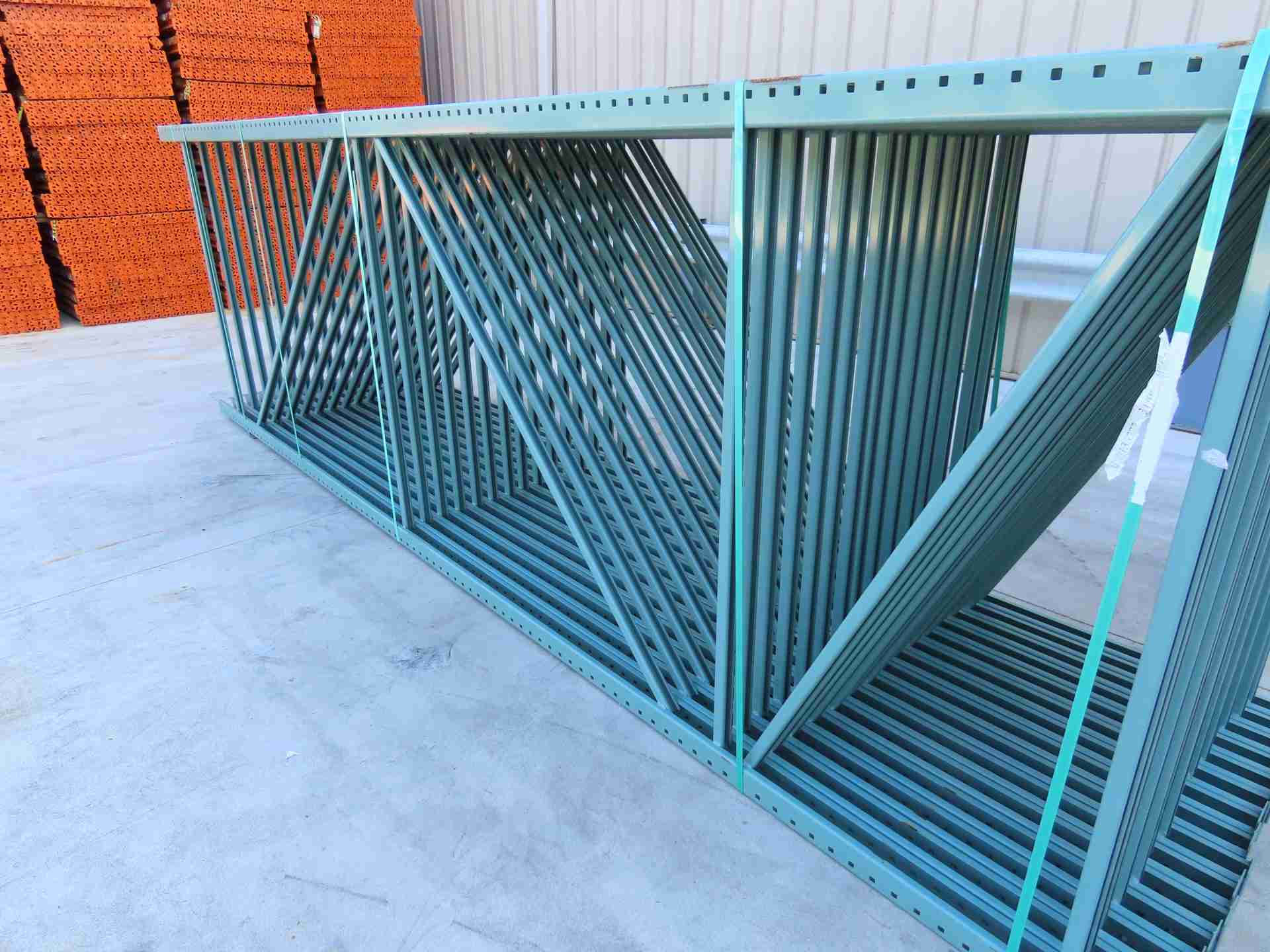
What Are The Signs Of Burnout In Warehouse Staff?
What Are The Signs Of Burnout In Warehouse Staff?
- Staff is the lifeblood of warehouse management, but the nature of their work can lead to burnout.
- Physical symptoms such as fatigue can signal burnout; lethargy in routine tasks may indicate issues.
- Mental exhaustion manifests as frustration and apathy towards responsibilities, suggesting the need for intervention.
- A decrease in engagement and morale can lead to shortcuts and neglect of equipment, harming productivity.
- Interpersonal strain, such as workplace conflicts and communication breakdowns, can be signs of emerging burnout.
- Frequent absenteeism may signal that employees are overwhelmed and struggling with burnout.
- Investing in staff well-being fosters loyalty and reduces turnover, ultimately benefiting warehouse operations.

What Are The Signs Of Burnout In Warehouse Staff?
How Does Storage Chaos Impact Productivity?
Imagine walking into a warehouse where every product seems to have sprouted legs and wandered off—boxes stacked high in a disorganized fashion, with pallet racking overloaded beyond reason. Here, chaos reigns supreme, and productivity takes a nosedive. When you can’t find what you need when you need it, all that time wasted searching for misplaced items adds up, not just in lost hours, but in lost revenue.
The reality is that storage chaos isn’t just an inconvenience; it’s a productivity killer. When products are scattered across your facility, the time employees spend hunting for items detracts from their core responsibilities. Instead of engaging in value-added activities that drive your business forward, they’re stuck in a cycle of frustration, leading to burnout and disengagement. Sound familiar?
Now, consider the advantages of a well-organized storage system featuring effective pallet racking solutions. Imagine the relief and clarity when every item is stored in its designated spot, and your team works like a well-oiled machine. Not only does this streamline operations, but it inherently boosts morale. Employees feel empowered when they can locate items quickly and efficiently. Higher morale translates to enhanced teamwork, improved service levels, and ultimately, increased customer satisfaction.
Don’t underestimate the importance of a good storage strategy. Investing in proper pallet racking not only maximizes your space but also ensures that safety standards are kept in check. When storage chaos is absent and organization is in full swing, teams can focus on their primary objectives. And let’s be honest—every business desires that competitive edge, and an organized environment contributes immensely to that goal.
What could your organization achieve with improved efficiency? Could it be the difference between meeting quarterly goals and falling short? It’s time to clear the clutter that besieges your workplace and embrace a storage solution designed to lead to success.
Creating a productive environment drives your bottom line and fosters a culture where employees thrive. The ball is in your court. Take the first step towards reclaiming lost productivity by re-evaluating your storage systems. Consider the profound impact of effective pallet racking on your operations. Invest today, and watch your productivity—and profits—soar!
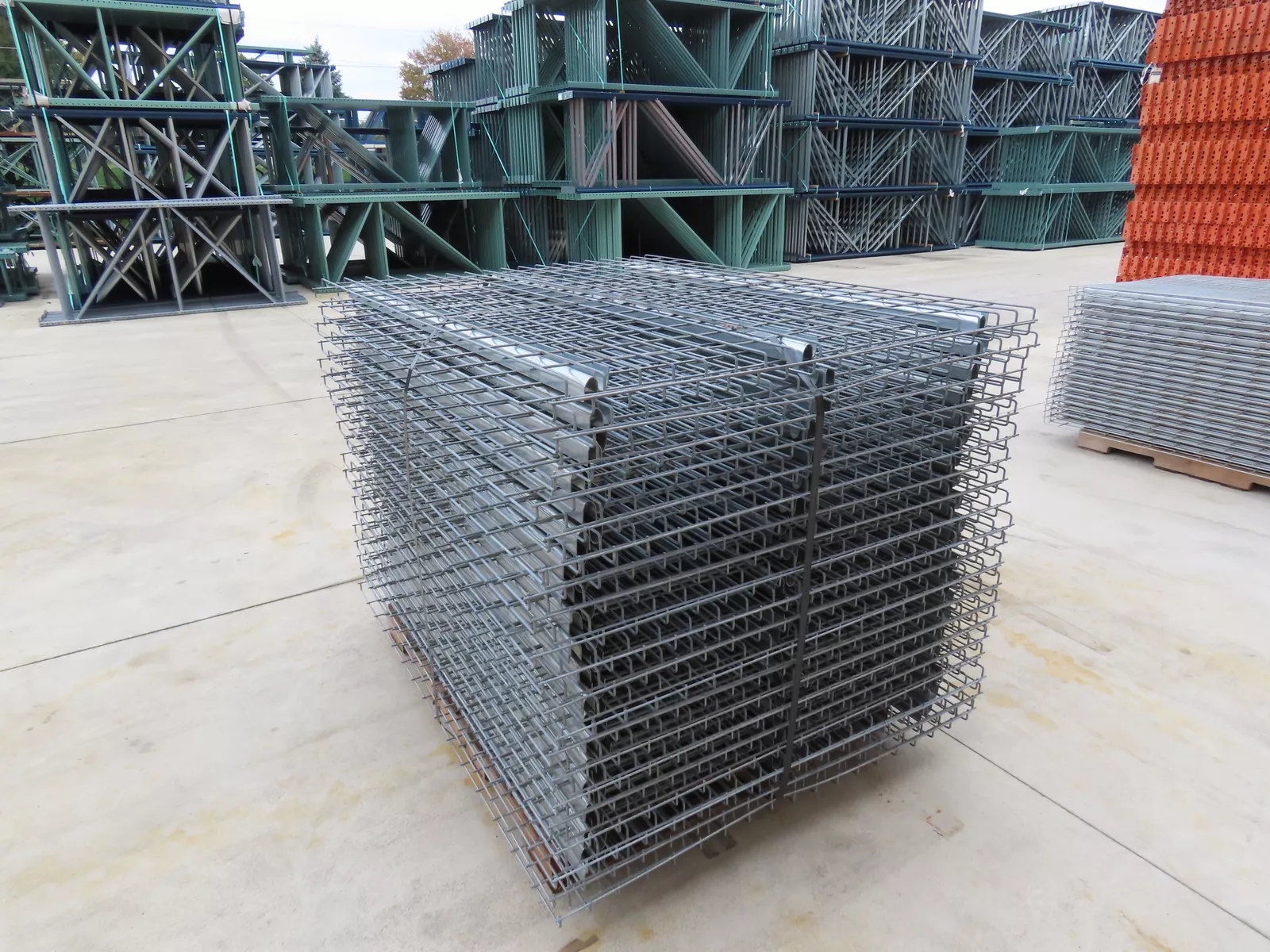
How Does Storage Chaos Impact Productivity?
How Does Storage Chaos Impact Productivity?
- Storage chaos leads to disorganized warehouses and decreased productivity.
- Time wasted searching for misplaced items results in lost revenue and employee frustration.
- A well-organized storage system improves morale and empowers employees to work efficiently.
- Organized environments enhance teamwork, service levels, and customer satisfaction.
- Investing in proper pallet racking maximizes space and upholds safety standards.
- Clear clutter to improve efficiency and achieve business goals.
- Re-evaluate storage systems to reclaim lost productivity and increase profits.
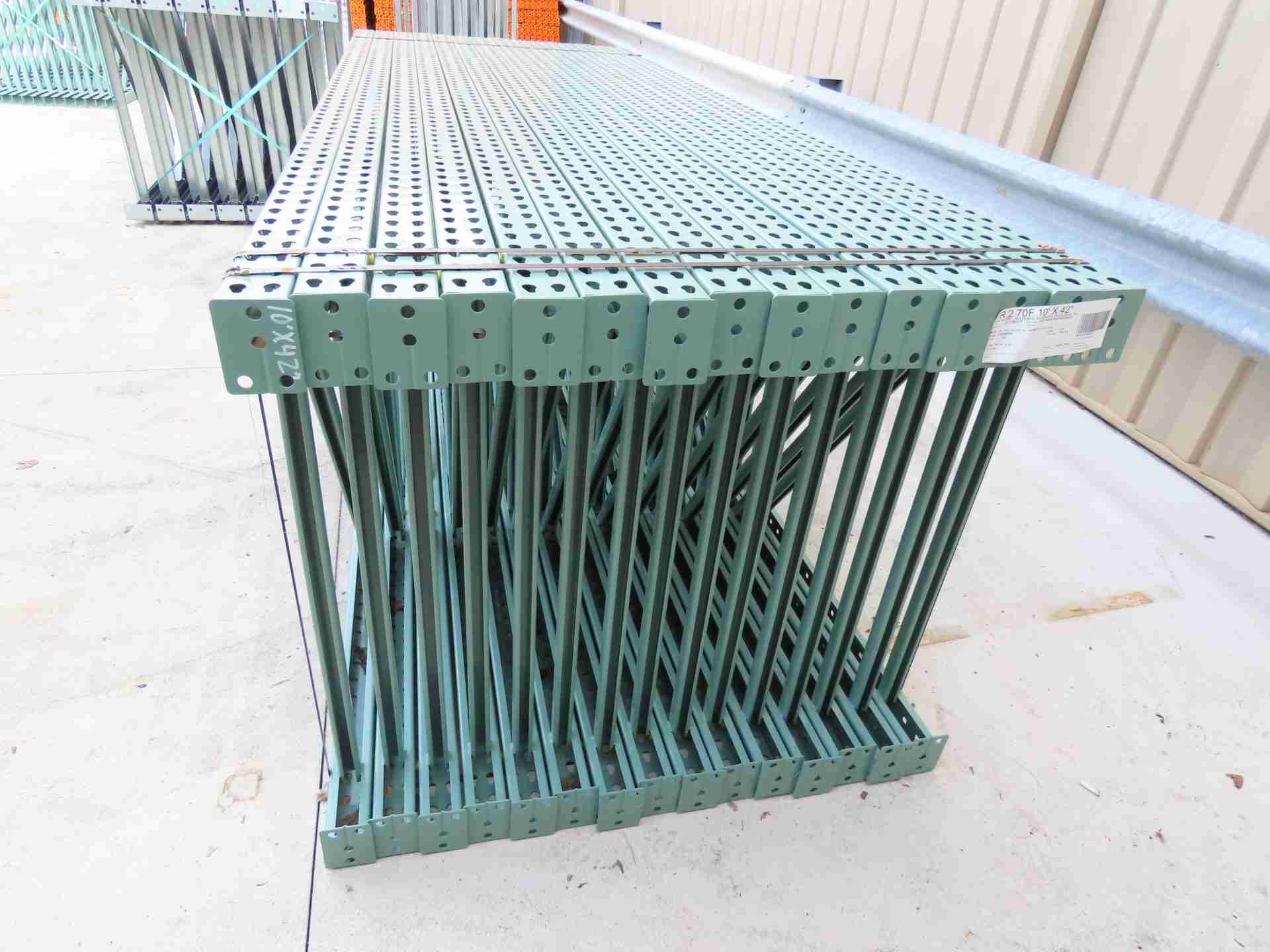
How Does Storage Chaos Impact Productivity?
What Role Does Organization Play In Employee Morale?
When you think about workplace morale, images of upbeat team meetings and thriving company culture likely come to mind. But here’s the reality: the heart of employee morale often beats steady with the rhythms of organization—specifically, how well the workspace is organized. You might wonder, “How does this chaotic inventory room or cluttered break area affect my team’s spirit?” Well, let’s dive deeper.
Imagine walking into an office or warehouse where every item, from the smallest tool to a pallet of racking, has its perfect place. Employees can easily find what they need, and that sense of order translates to fewer stressors. When racks are organized and easily accessible, it doesn’t just imply efficiency; it fosters a sense of purpose. Your employees feel empowered, not hindered, by their environment.
Now, contrast that with a disorganized space. Piles of forgotten papers, misplaced tools, and, yes, tangled shelves of awkwardly stored pallet racking create chaos. This chaos doesn’t just make it hard to get things done; it steals the joy from the job. When employees expend energy combating disorder instead of focusing on their work, their morale takes a significant hit. They feel less competent and less valued, which can erode trust in leadership and diminish overall job satisfaction.
So, how do we turn this insight into action? The answer is simple yet impactful. Invest time and resources into organizational systems that prioritize clarity and accessibility. Regularly assess your workspace. Are your pallet racking systems set up to maximize efficiency? Is inventory easy to navigate? Perhaps it’s time for a spring-cleaning revival! Clear the clutter, streamline processes, and empower your team.
In this journey to improve organization, don’t underestimate the power of team involvement. Your employees are your best asset; ask for their input on creating a more effective workspace. When they see their suggestions valued and implemented, their sense of ownership and, ultimately, morale skyrockets.
Remember, organization is not merely about aesthetics; it’s about creating an environment where employees can thrive. When people feel organized in their work-life, they feel good about their contributions—they feel motivated, inspired, and eager to excel. That’s the secret ingredient to not just boosted morale, but increased productivity and loyalty. So, take a moment to reflect: how organized is your organization? The answer may hold the key to unlocking your team’s true potential.
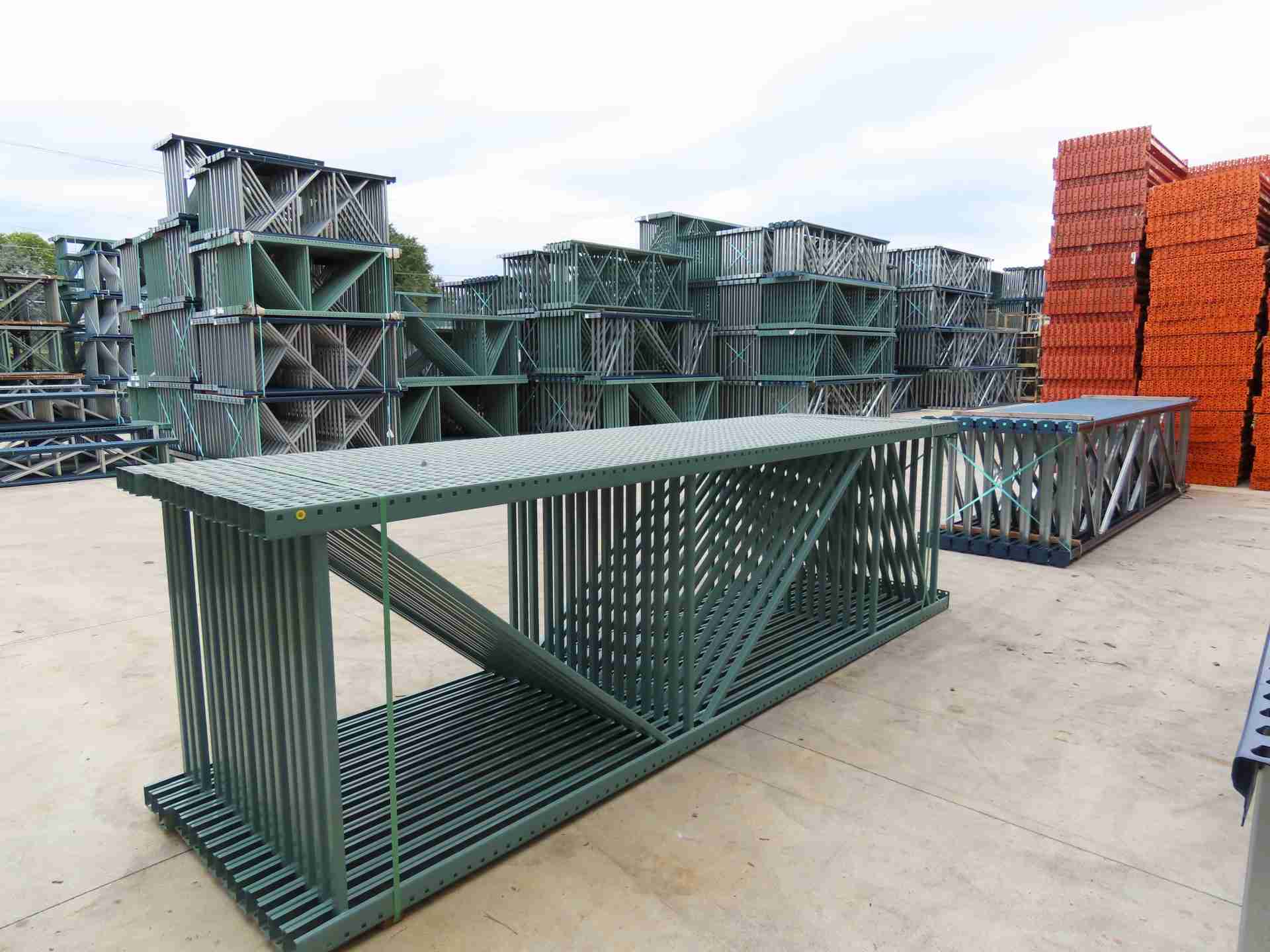
What Role Does Organization Play In Employee Morale?
What Role Does Organization Play In Employee Morale?
- Workplace morale is influenced by the organization of the workspace, not just team dynamics.
- An organized environment allows employees to easily find what they need, reducing stress and enhancing their sense of purpose.
- Disorganization leads to chaos, which negatively impacts job satisfaction and employees’ sense of competence and value.
- Improving morale involves investing time and resources in organizational systems that provide clarity and accessibility.
- Regular assessments of workspace efficiency and accessibility are crucial for maintaining morale.
- Employee involvement in organizational improvements fosters ownership and boosts morale.
- A well-organized workspace contributes to motivation, inspiration, productivity, and loyalty among employees.

What Role Does Organization Play In Employee Morale?
Can Inadequate Space Contribute To Increased Turnover Rates?
Imagine walking into an office or a warehouse and immediately feeling the squeeze of tight quarters. That sensation isn’t just claustrophobia; it’s a not-so-subtle cue about your working environment. Inadequate space can seep into your company culture, affecting morale, productivity, and ultimately, driving talent out the door. The chilly reality is, people crave space—both to think and to grow.
Is your storage area packed to the brim with disorganized Pallet Racking? Are employees confined in cubicles that seem to shrink with every added task? Such conditions breed frustration and stagnation. When your team feels trapped, their creativity is stifled, and their enthusiasm crumbles. And what happens when enthusiasm dwindles? You guessed it—turnover rates spike.
When employees are looking for a new job, working conditions are critical. They want an environment that inspires innovation and collaboration, not a penalty box that leaves them yearning for room to breathe. Even the most engaged employee can feel the weight of inadequate space. It’s not just about square footage; it’s about creating a workspace that empowers your team to perform at their best.
Inadequate space can create chaos, making it hard for employees to find the tools and resources they need. Picture a scenario where a critical piece of equipment is buried under a mound of pallets. This overwhelms employees, leading to delays and errors. Frustration mounts, and the realization sets in: they’re simply not equipped to do their best work.
So how can you transform this reality? Start by evaluating your space—both physical and psychological. An investment in better organization with solutions like Pallet Racking can not only clear the clutter but signal to your team that you value their work and well-being. When employees see that you are taking action, not just talking about change, their trust in the leadership grows.
Foster an atmosphere of openness and creativity by ensuring your team has the space they need to thrive. Implementing smart storage solutions and creating open areas for collaboration doesn’t just improve workflow; it sends a clear message to your employees that they matter. It demonstrates a commitment to their comfort and productivity, translating into loyalty and reduced turnover.
Giving your employees the space they need isn’t simply a nice gesture—it’s a smart business move. After all, a thriving team in a healthy environment is a recipe for success that every organization should strive for.
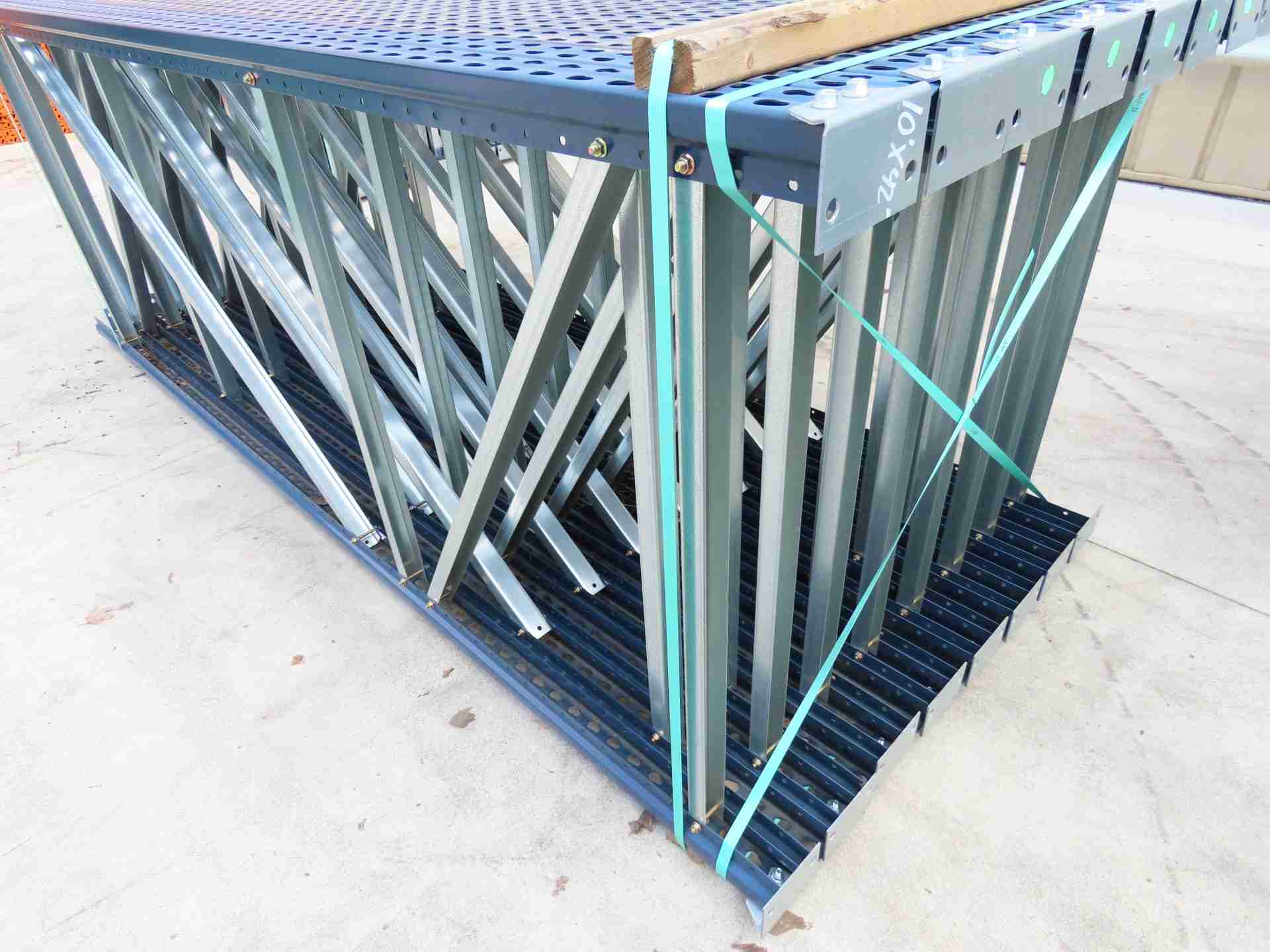
Can Inadequate Space Contribute To Increased Turnover Rates?
Can Inadequate Space Contribute To Increased Turnover Rates?
- Inadequate workspace can negatively impact company culture by lowering morale and productivity.
- Overcrowded environments lead to frustration and can drive talent away from the organization.
- Employees prefer spaces that foster innovation and collaboration rather than feeling confined.
- Chaos from disorganization can hinder employees’ ability to locate necessary tools and resources.
- Assessing both physical and psychological space is crucial for improving the working environment.
- Implementing effective storage solutions and open collaboration areas demonstrates value for employees.
- Investing in a healthy workspace is a strategic business decision, promoting team success and loyalty.
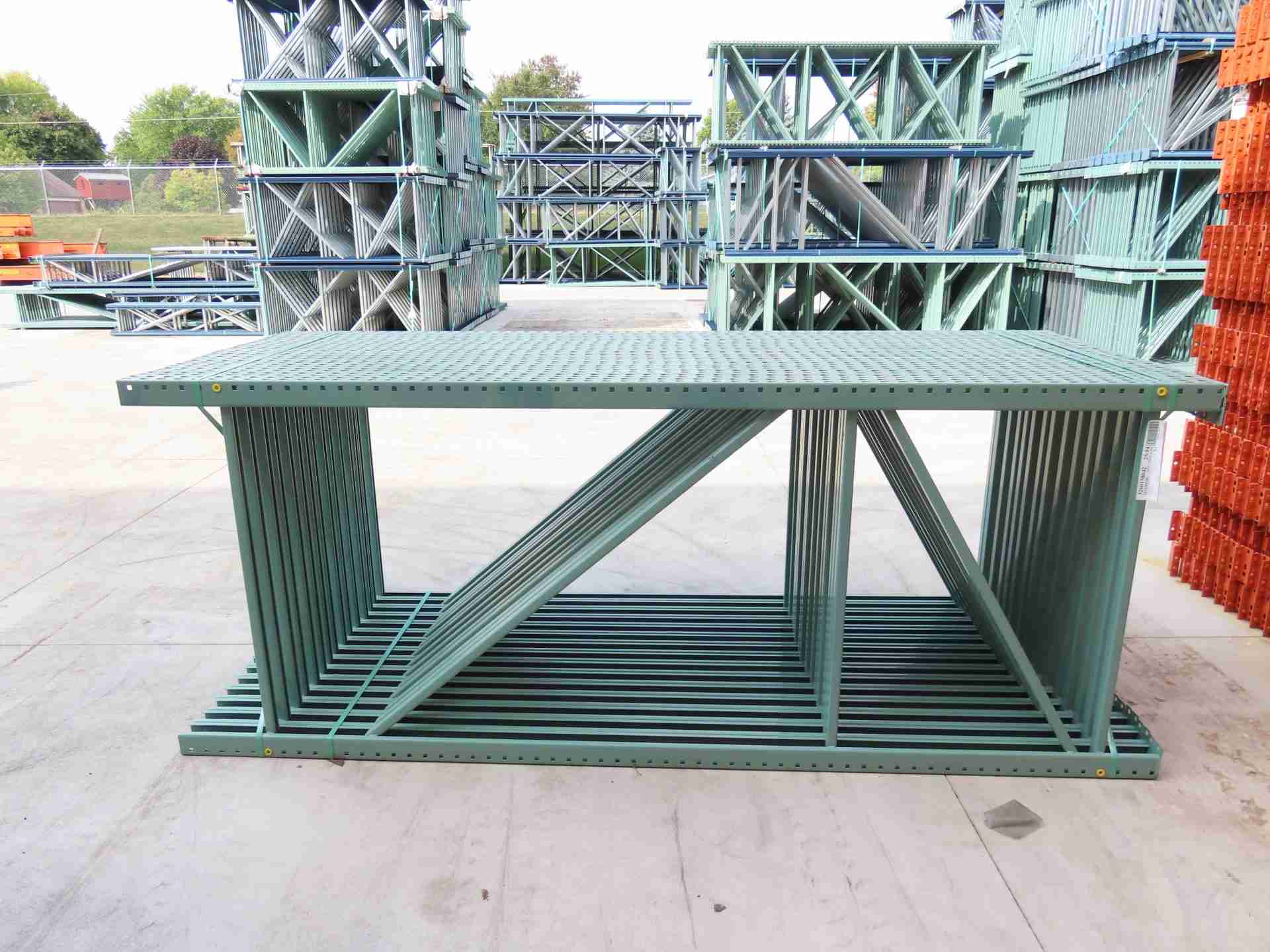
Can Inadequate Space Contribute To Increased Turnover Rates?
How Can Poor Storage Solutions Lead To Workplace Injuries?
Imagine this: a bustling warehouse, filled with hardworking employees hustling to meet deadlines and keep the business thriving. But lurking beneath that energy is a silent danger that could lead to workplace injuries—poor storage solutions. When it comes to efficiency and safety, the difference a well-organized storage system like pallet racking can make is staggering.
Poorly managed storage can create obstacles in everyday tasks. Picture an employee reaching for a boxed product sitting precariously atop a disorganized stack of crates. This isn’t just about clutter; it’s about risk. When tools, equipment, or inventory aren’t stored properly, it opens the door to accidents. Slip, trip, and fall incidents are often the tip of the iceberg; more severe injuries can lead to a cycle of lost productivity and skyrocketing insurance costs. No one wants to see their coworkers sidelined—much less be the one in a hospital waiting room.
Consider pallet racking systems. These smart, space-saving solutions are designed to optimize storage while keeping safety front and center. When pallets are correctly organized, not only do they free up valuable floor space, but they also reduce the risk of items falling or being handled improperly. This simple shift can do wonders—it transforms a chaotic environment into an orderly workspace where employees can focus on tasks rather than worrying about potential hazards lurking behind them.
Still think it’s just about keeping things neat? Think again. Companies that invest in robust storage solutions not only show a commitment to safety but foster a culture of care and respect. Employees feel valued in an environment where safety comes first, ultimately leading to higher job satisfaction and retention.
Action is crucial in preventing injuries. Don’t wait for an incident to occur before reassessing your storage strategies. Take the first step by evaluating your current systems. Are they serving their purpose, or are they simply adding to the clutter? Prioritize your workplace safety by considering solutions like pallet racking—because investing in effective storage doesn’t just protect your valuable assets; it safeguards your most important asset: your people. A safe workplace isn’t just a legal obligation; it’s a moral one. Let that commitment shine through every corner of your operation.

How Can Poor Storage Solutions Lead To Workplace Injuries?
How Can Poor Storage Solutions Lead To Workplace Injuries?
- A well-organized storage system, like pallet racking, significantly enhances workplace efficiency and safety.
- Poor storage practices can create hazards, leading to accidents, injuries, and increased insurance costs.
- Disorganized storage can obstruct everyday tasks, raising the risk of slips, trips, and falls.
- Pallet racking optimizes storage by saving space and minimizing the risk of mishandling and falling items.
- Investing in strong storage solutions signals a commitment to safety and builds a culture of care among employees.
- Employees in a safe environment exhibit higher job satisfaction and are more likely to stay with the company.
- Regularly reassess storage strategies to prioritize safety and protect employee well-being.
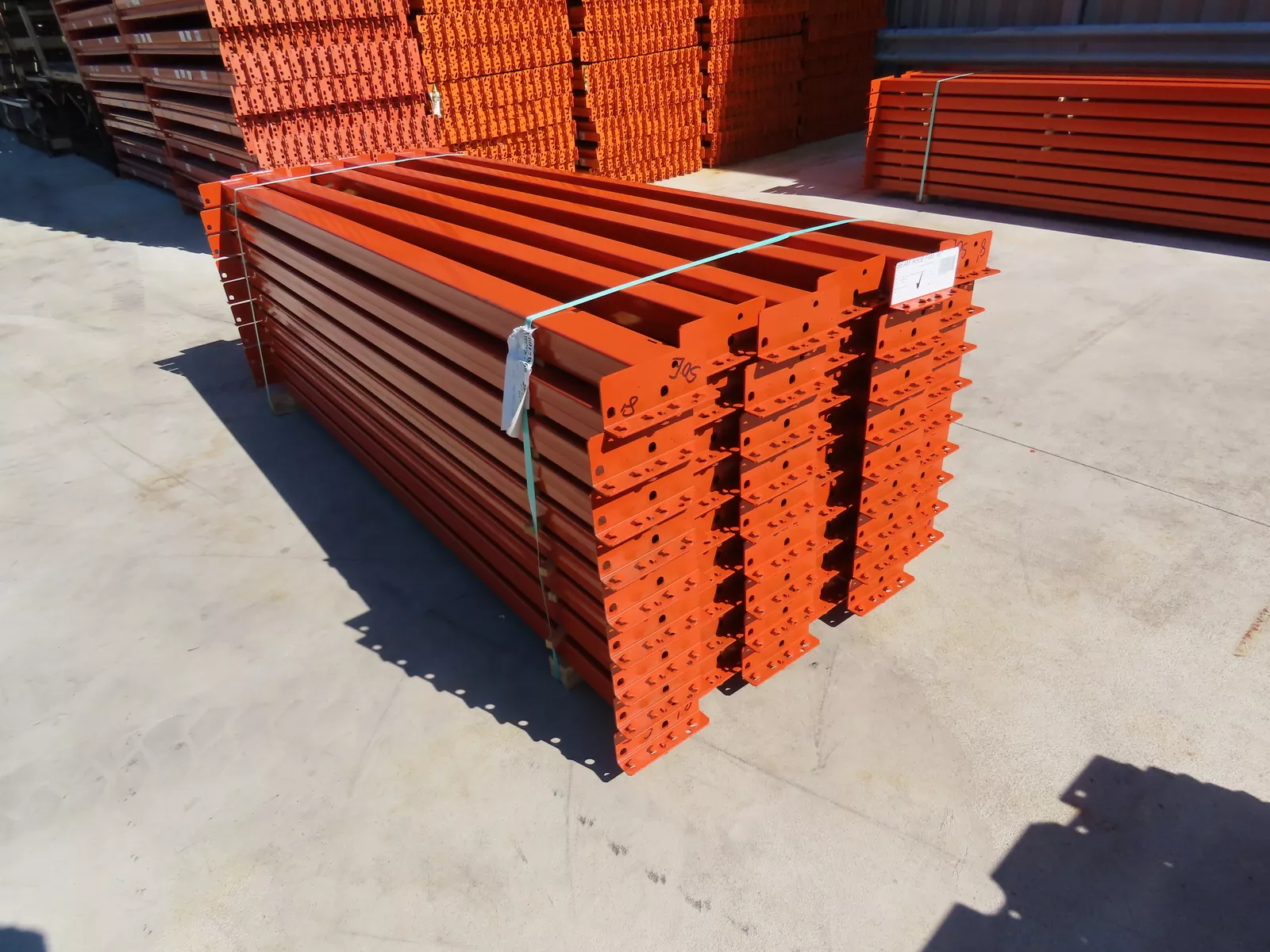
How Can Poor Storage Solutions Lead To Workplace Injuries?
What Strategies Can Improve Warehouse Storage Efficiency?
When we think about maximizing warehouse storage efficiency, one word comes to mind: organization. If your warehouse feels more like a chaotic maze than a well-oiled machine, fear not—there are proven strategies that can transform your space into a streamlined powerhouse. Let’s dive into the essentials, starting with an often-overlooked hero of warehouse efficiency: Pallet Racking.
First, take a moment to assess your current storage system. Are your products stacked haphazardly? Is space at a premium? If so, implementing a robust pallet racking system may be your first step toward salvation. Imagine walking into a warehouse where every item, from the smallest bolt to the largest machine part, is neatly organized and easily accessible. Not only does this setup save valuable time during picking and packing processes, but it also enhances safety by reducing the risk of accidents and damages.
Next, consider adopting a first-in, first-out (FIFO) inventory management strategy. This method not only keeps your stock fresh but also ensures that older products don’t languish in the back of the shelves, forgotten and wasted. Pair FIFO with your pallet racking system, and watch your efficiency soar as employees can quickly locate the items they need without rummaging through outdated stock.
Moreover, think about making the best use of vertical space. Traditional shelving often underutilizes the height of your warehouse. By investing in tall pallet racking, you can take advantage of every inch of storage space, freeing up the ground level for better accessibility. This is not just a smart move; it’s a game-changer that can instantly increase your storage capacity.
Consider the role of technology in your warehouse operations, too. Modern inventory management software can optimize your layout and monitor stock levels in real-time. When you integrate these digital tools with your pallet racking setup, you gain an unmatched oversight of your inventory. You’ll know when to reorder, how much to keep, and where everything is located—all at the click of a button.
Remember, the goal of improving warehouse storage efficiency isn’t just managing inventory; it’s about creating a system that empowers your team and delights your customers. When your warehouse runs smoothly, you can focus less on firefighting and more on growing your business.
So take action today, reevaluate your storage solutions, and implement these strategies. Your warehouse—and your bottom line—will thank you!
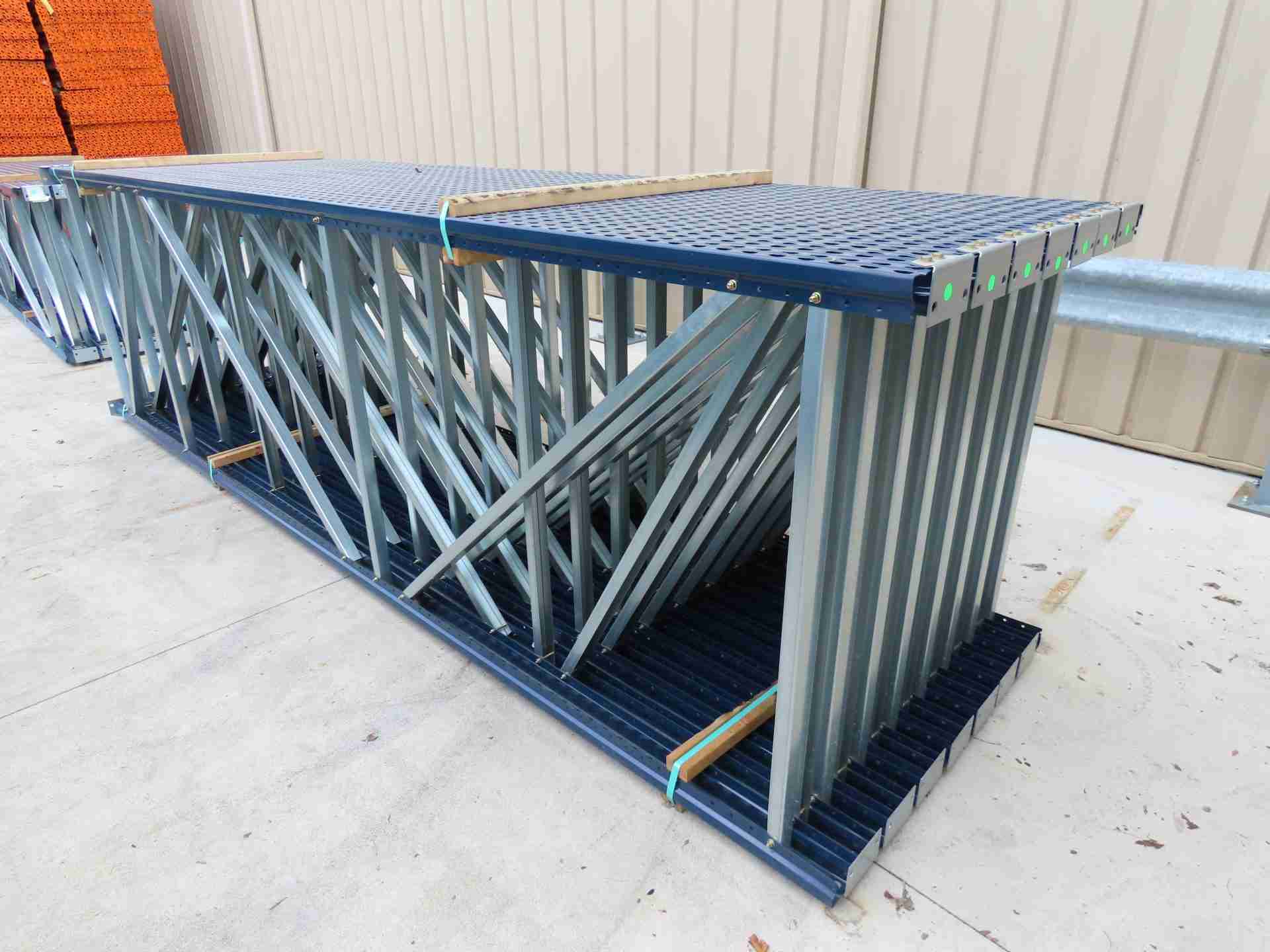
What Strategies Can Improve Warehouse Storage Efficiency?
What Strategies Can Improve Warehouse Storage Efficiency?
- Organization is key to maximizing warehouse storage efficiency.
- Assess your current storage system; consider implementing a pallet racking system for better organization.
- A well-organized warehouse saves time during picking and packing, and enhances safety by reducing accidents.
- Adopt a first-in, first-out (FIFO) inventory management strategy to keep stock fresh and minimize waste.
- Utilize vertical space by investing in tall pallet racking to increase storage capacity and improve accessibility.
- Incorporate technology, such as inventory management software, for real-time stock monitoring and layout optimization.
- Improving warehouse efficiency empowers your team and enhances customer satisfaction, supporting business growth.

What Strategies Can Improve Warehouse Storage Efficiency?
Conclusion
In the fast-paced world of warehousing, your greatest asset is undoubtedly your workforce. The efficiency of your warehouse directly impacts not only productivity but also employee morale and retention. If your team is struggling under the weight of inadequate storage solutions, it’s time to face the reality that this chaos can lead to burnout, disengagement, and high turnover rates. Conversely, a well-organized warehouse can completely transform your operation, turning a chaotic environment into a fountain of productivity and creativity.
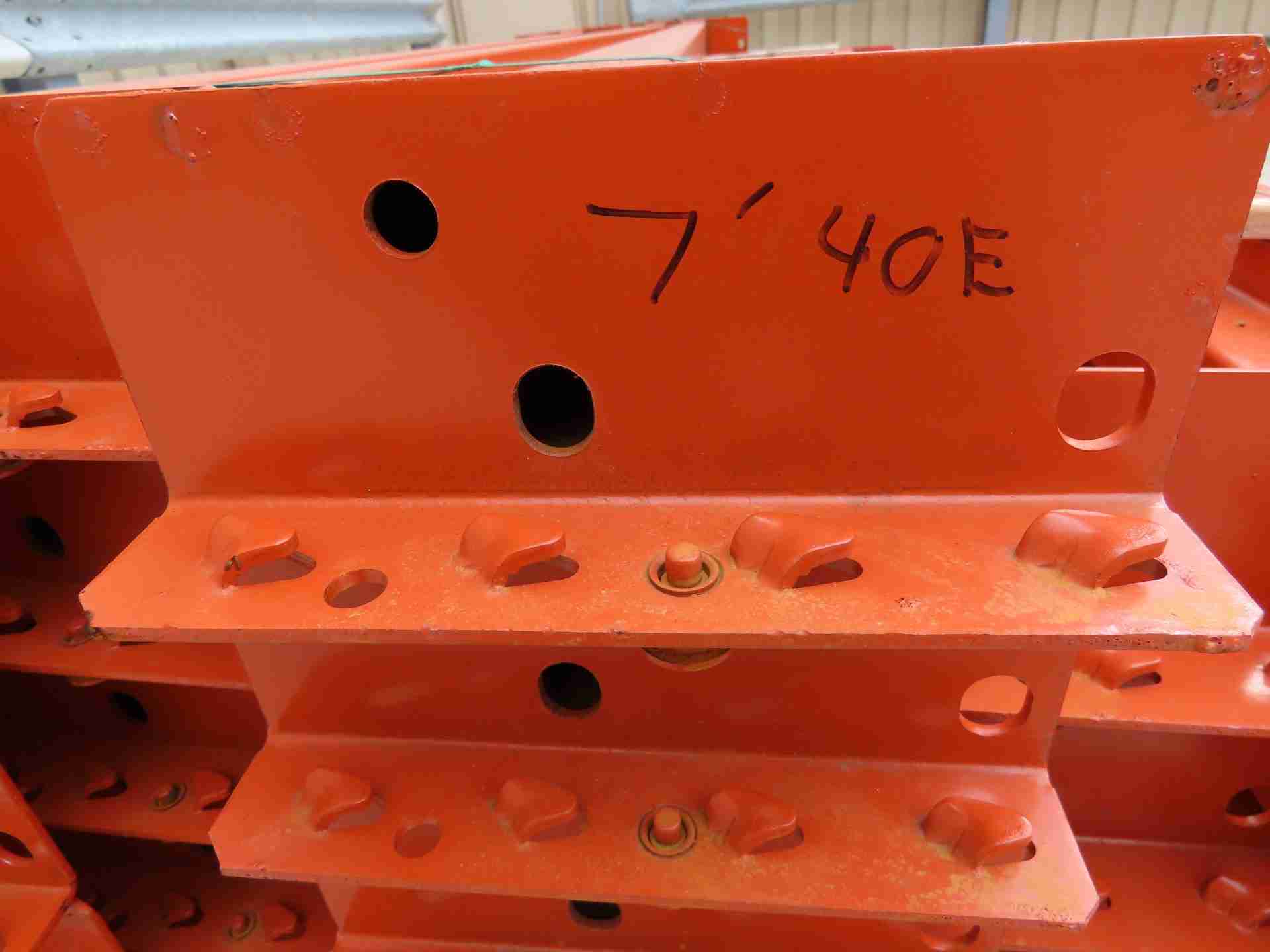
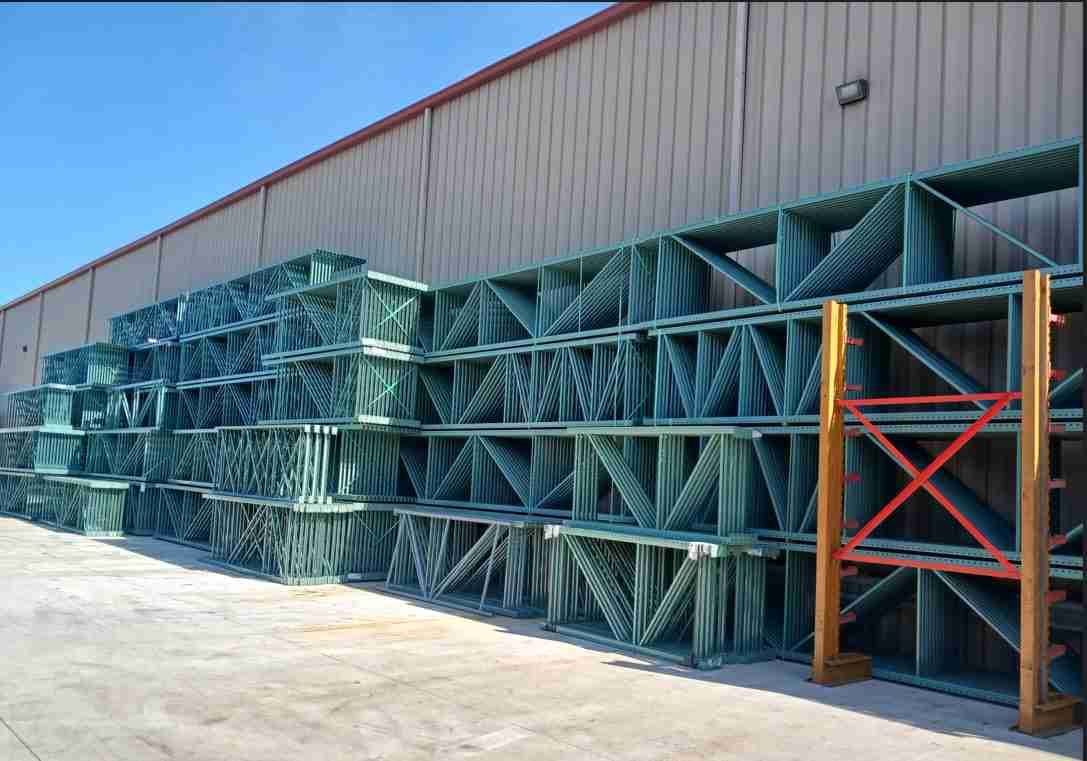
Imagine a workspace where every tool and product is exactly where it should be, and your staff can easily navigate to accomplish their tasks without frustration. With the right pallet racking system from Arrow Industrial Sales, you can foster a sense of order that empowers your team, demonstrating that you value their time and well-being. They’ll no longer waste precious energy searching for misplaced items, but instead channel their efforts into meaningful contributions that drive your business forward.
Addressing inadequate storage isn’t just about aesthetics; it is a critical investment in the health of your operation. Think about the mental and physical toll that poor organization takes on your employees. Recognizing and acting upon the signs of burnout can save you significant headaches—and costs—in the long run. With proactive measures and a strategic pallet racking solution, you not only enhance safety and efficiency but also cultivate a positive work culture where your employees thrive.
Act now to unlock your warehouse’s potential. Don’t let disorganization dictate the pace of your operations or the well-being of your staff. Invest in smart storage strategies today—because satisfied employees equate to loyal, high-performing teams that become the backbone of your success.
At Arrow Industrial Sales, we’re committed to helping you transform your workspace with effective solutions tailored to your unique challenges. Call us at (574) 349-6575 for expert advice and to discover how the right storage systems can revolutionize your warehouse—and ultimately elevate your business. Don’t delay—your team’s well-being and your organization’s productivity depend on it.
Conclusion
Conclusion:
- Your workforce is the greatest asset in warehousing, impacting productivity and employee morale.
- Inadequate storage solutions can lead to employee burnout, disengagement, and high turnover.
- A well-organized warehouse fosters productivity and creativity, improving team morale.
- Strategic pallet racking systems can create an orderly workspace, valuing employees’ time and well-being.
- Poor organization negatively affects employee mental and physical health, highlighting the need for improvement.
- Investing in smart storage strategies leads to safety, efficiency, and a positive work culture.
- Contact Arrow Industrial Sales at (574) 349-6575 for expert advice on revolutionizing your warehouse operations.
Conclusion
Other Resources
Other Resources
Here is a list of other resources you can review online to learn more:
- Chicago Pallet Racking
- Iowa Illinois Warehouse Racking
- Bradford Systems
- Teardrop Pallet Rack – Ridg-U-Rak
- American Society of Safety Professionals
- Pallet Racks, Pallet Racking, Pallet Shelves in Stock – ULINE
- Cantilever Rack Guide: Ordering Cantilever Racking
- National Safety Council
- IWLA
- Material Handling Safety
Use This Prompt To Get More Resources With Your Favorite Online AI Tool: Please provide me with a list of online articles with their URLs in a bulleted list that I can read regarding Are Inadequate Warehouse Storage Leading to Burnout Among Your Staff?
Other Resources
Glossary Terms
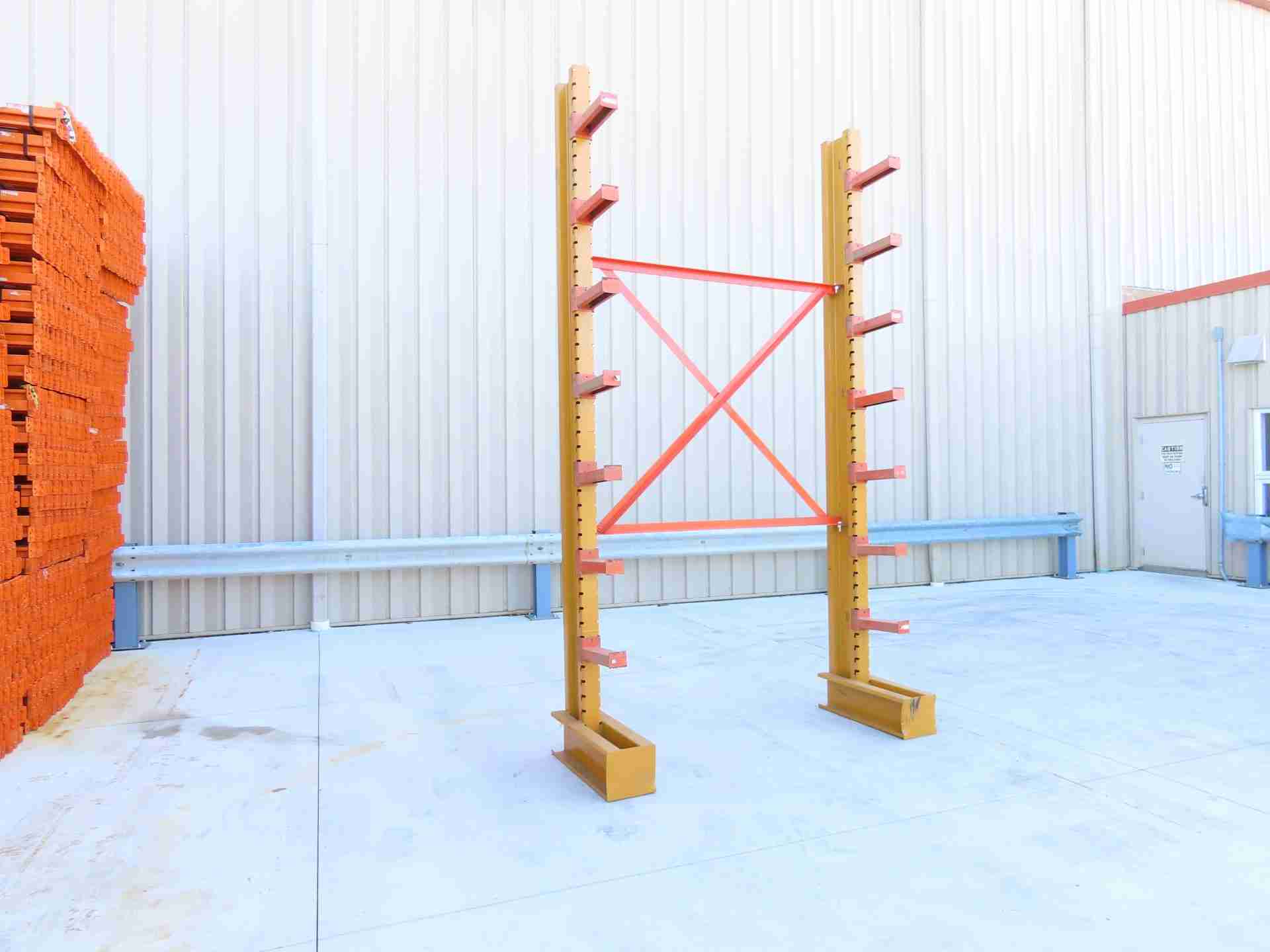
Are Inadequate Warehouse Storage Leading to Burnout Among Your Staff? – Glossary Of Terms
1. Warehouse Storage: The process of storing goods and materials in a designated area to optimize space and accessibility.
2. Inadequate Storage: Insufficient or poorly organized storage solutions that lead to inefficiencies.
3. Burnout: A state of emotional, physical, and mental exhaustion caused by prolonged stress, often resulting in decreased productivity and morale.
4. Inventory Management: The supervision of non-capitalized assets, or inventory, and stock items to ensure optimal levels are maintained.
5. Operational Efficiency: The ability to deliver products and services in the most cost-effective manner without compromising quality.
6. Workplace Ergonomics: The science of designing the workspace to fit the worker’s needs, promoting comfort and productivity.
7. Employee Morale: The overall outlook, attitude, and satisfaction of employees within the workplace, significantly influencing performance.
8. Space Utilization: The effective use of available space within a warehouse, maximizing storage capacity and operational workflow.
9. Pick Rate: The speed at which items are retrieved or picked from storage for order fulfillment, directly affecting productivity.
10. Loading Bay: An area designed for the loading and unloading of goods, crucial for warehouse operations.
11. Shelf Life: The length of time that products can be stored without losing quality or safety, impacting inventory turnover.
12. Flow Optimization: A process of arranging storage and workflows to improve the movement of goods through the warehouse.
13. Stress Management: Techniques and strategies implemented to help employees cope with workplace stress, aiming to enhance well-being.
14. Team Collaboration: The process of working together towards a common goal, critical for maintaining efficiency in warehouse operations.
15. Technology Integration: The adoption of technological solutions such as warehouse management systems (WMS) to improve storage and retrieval processes.
16. Stock Rotation: A method of organizing inventory to ensure older items are used or sold before newer ones, minimizing waste.
17. Accessibility: The ease with which employees can access stored items, crucial for efficient workflows.
18. Maintenance Planning: The strategy for regularly scheduled upkeep of warehouse equipment and systems to prevent downtime.
19. Safety Protocols: Established procedures designed to ensure safety within the warehouse environment, protecting employees from accidents.
20. Capacity Planning: The process of determining the production and storage capacity needed to meet changing demands.
21. Lean Principles: An approach focused on minimizing waste within a manufacturing system without sacrificing productivity.
22. Work-Life Balance: The equilibrium between professional work duties and personal life, essential for preventing burnout.
23. Employee Turnover: The rate at which employees leave a workplace and are replaced, often influenced by job satisfaction and stress levels.
24. Workflow Design: The planning of tasks and processes to maximize efficiency and minimize redundancy in operations.
25. Fatigue Management: Strategies aimed at reducing physical and mental fatigue among staff, promoting better productivity.
26. Quality Control: The process of ensuring that products meet certain standards and requirements throughout storage and handling.
27. Demand Forecasting: Predicting future customer demand to ensure sufficient products are stored and accessible.
28. Stockout: A situation where an item is out of stock, potentially leading to disruptions in workflow and increased stress levels.
29. Training Programs: Initiatives aimed at equipping employees with the skills needed to operate effectively within the warehouse environment.
30. Employee Engagement: The level of commitment and involvement an employee has towards their organization, heavily influenced by workplace conditions.
Glossary Of Terms
Other Questions
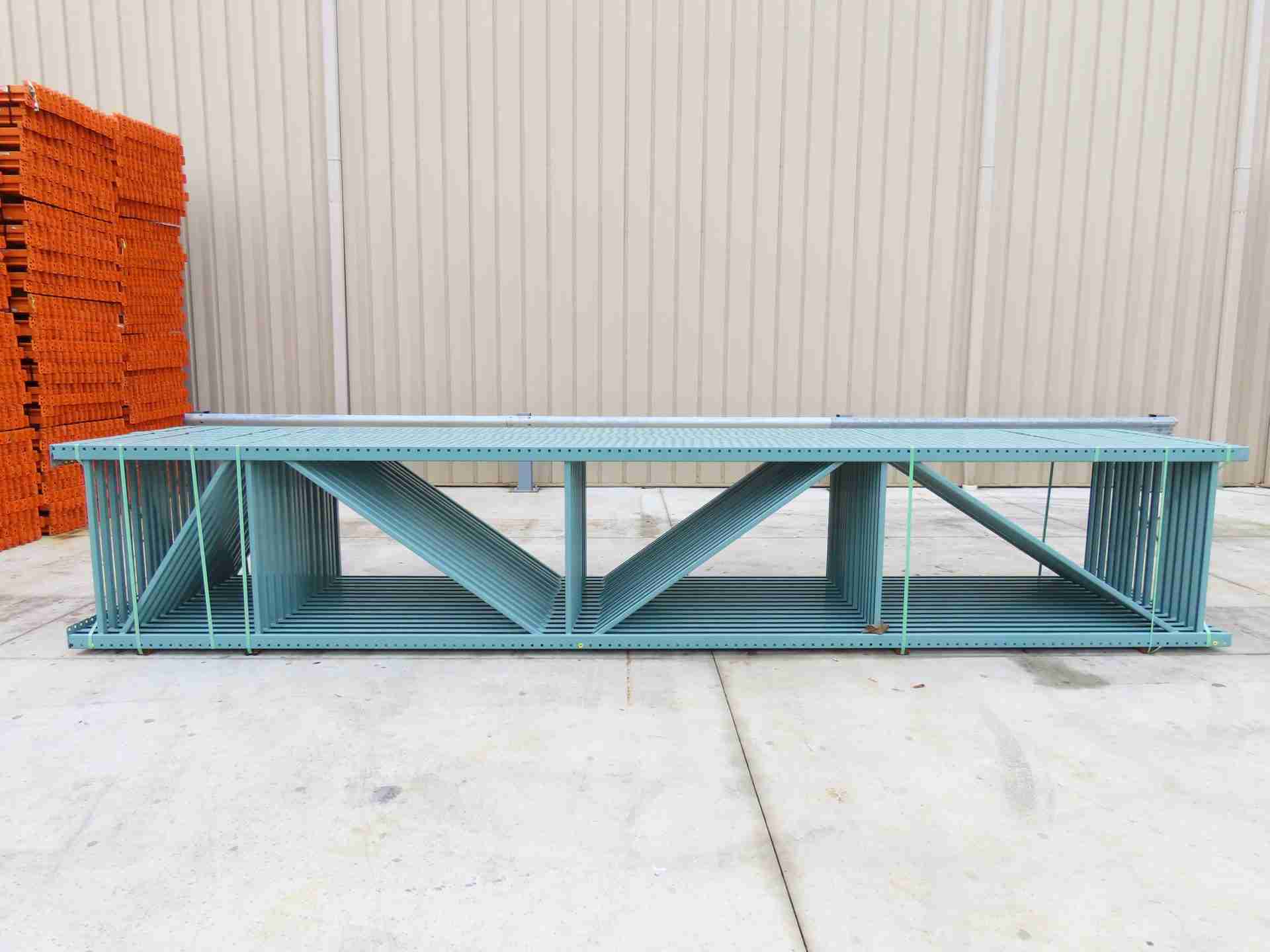
Are Inadequate Warehouse Storage Leading to Burnout Among Your Staff? – Other Questions
If you wish to explore and discover more, consider looking for answers to these questions:
- What are the most common causes of burnout in warehouse staff?
- How can I effectively measure employee morale in a warehouse setting?
- What impact does employee burnout have on overall warehouse efficiency?
- What are the long-term benefits of investing in proper storage solutions?
- How can I choose the right pallet racking system for my warehouse?
- What additional steps can be taken to improve employee engagement in the warehouse?
- How can I conduct a workplace assessment to identify efficiency gaps?
- What role does employee feedback play in improving warehouse organization?
- How can technology enhance warehouse storage efficiency?
- What are the costs associated with inadequate warehouse storage?
- In what ways can poor storage solutions lead to workplace injuries?
- How can I create a culture of safety within my warehouse?
- What strategies can be implemented to reduce turnover rates in warehouses?
- Are there specific pallet racking systems known for maximizing vertical space?
- How often should a warehouse’s storage systems be evaluated?
Other Questions
Checklist
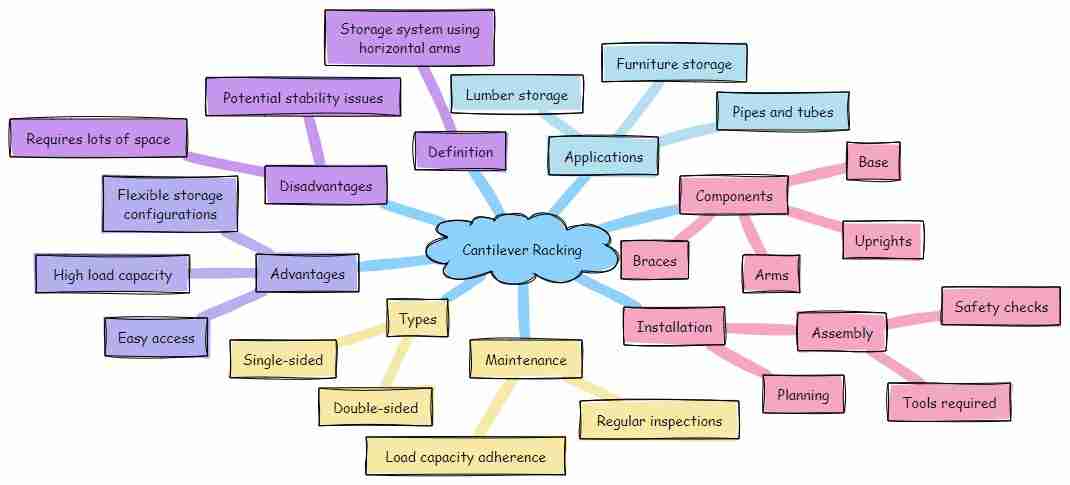
Are Inadequate Warehouse Storage Leading to Burnout Among Your Staff? – A Checklist
1. Assess Current Storage System
_____ Evaluate the layout and organization of your current pallet racking system.
_____ Identify areas with chaotic or haphazard stacking of items.
_____ Check for unused vertical space and potential for taller pallet racks.
2. Organize Warehouse Layout
_____ Ensure all items have designated storage locations.
_____ Implement properly labeled zones for different types of inventory.
_____ Consider creating aisles wide enough for easy navigation and safety.
3. Improve Accessibility
_____ Regularly review item placement for easy access to frequently used products.
_____ Ensure that tools and equipment are stored in accessible locations.
_____ Create a clear and logical pathway for efficient movement within the warehouse.
4. Adopt Inventory Management Strategies
_____ Implement a first-in, first-out (FIFO) system to manage stock.
_____ Use inventory management software for better tracking.
_____ Conduct regular audits of inventory levels and usage to optimize stock management.
5. Enhance Employee Engagement
_____ Solicit input from employees on storage organization and process improvements.
_____ Foster a supportive environment where staff can discuss workload and frustrations.
_____ Offer training sessions on effective use of warehouse tools and technology.
6. Monitor for Signs of Burnout
_____ Keep an eye out for physical symptoms like fatigue and low energy.
_____ Address signs of mental exhaustion, such as frustration or apathy towards tasks.
_____ Watch for increased absenteeism or interpersonal conflicts among staff.
7. Conduct Regular Safety Evaluations
_____ Identify and eliminate potential hazards within the warehouse.
_____ Regularly check that all storage solutions meet safety standards.
_____ Offer safety training to ensure employees know how to handle materials properly.
8. Invest in Quality Equipment
_____ Research and invest in high-quality pallet racking systems that suit your needs.
_____ Consider ergonomic tools and machinery to reduce physical strain on workers.
9. Create a Positive Work Culture
_____ Promote a sense of ownership among employees regarding their workspace.
_____ Celebrate improvements in organization and efficiency as a team.
_____ Foster teamwork through collaborative projects aimed at improving processes.
10. Continuously Evaluate and Improve
_____ Regularly revisit and assess warehouse organization and efficiency.
_____ Stay open to new methods and solutions that can enhance productivity.
_____ Encourage feedback from all levels of staff for ongoing improvements.
By following this checklist, you can create a more organized, efficient, and supportive warehouse environment that helps prevent employee burnout and improve overall productivity.
Checklist
At RackingWorld, we help guide you through selecting warehouse storage systems and racking.
Be sure to read our other related stories at RackingWorld to learn more about warehouse storage systems.
0 Comments