
Unlocking The Potential: Evaluating Local Suppliers For Pallet Rack Installations
By Tom Seest
At RackingWorld, we help guide you through selecting warehouse storage systems and racking.
Be sure to read our other related stories at RackingWorld to learn more about warehouse storage systems.
Can Local Suppliers Handle Complex Pallet Rack Installations?
In today’s fast-paced economy, efficiency and space management are crucial for successful operations. Enter pallet racking—a powerful solution for businesses looking to maximize their storage capabilities and streamline workflows. But can local suppliers truly manage complex pallet rack installations?
Absolutely, and here’s why.
Local suppliers have become the unsung heroes in the world of pallet racking. They possess deep knowledge of the specific needs of their communities and industries. For example, consider a business in the manufacturing sector that requires a customized pallet racking system to accommodate oversized items. A local supplier, with a finger on the pulse of the regional market, can assess the unique requirements and provide tailored solutions that larger corporations may overlook.
What’s more, local suppliers often have established relationships with their clients. This allows for open communication and extensive collaboration during the installation process. This kind of partnership is invaluable when you’re navigating the complexities of pallet racking systems. Imagine a distribution center in a bustling urban area that needs to optimize its vertical space. A local supplier can facilitate a quick on-site assessment, advising on the best configurations, and even adjust plans on-the-fly, ensuring your installation is nothing short of seamless.
In light of recent supply chain disruptions, opting for local suppliers can also safeguard against potential delays. With global shipping still facing challenges, the ability to source pallet racking materials and expertise nearby has never been more advantageous. For instance, a local supplier can promptly deliver components while providing on-the-ground installation services, enabling your operation to stay agile and responsive.
Moreover, consider the environmental impact. By partnering with local suppliers, you are often supporting sustainable practices. Many smaller, local companies are committed to sourcing materials responsibly and reducing transportation emissions—a compelling reason to choose local for your pallet racking needs.
So, while larger corporations might boast extensive catalogs and promotional images, the real value lies in the dedicated service and intimate understanding of local suppliers. They’re there to partner with you, addressing your unique challenges and ensuring your pallet racking system works for you, not the other way around.
Local suppliers can not only handle complex pallet rack installations but also elevate your business through personalized service, tailored solutions, and a commitment to the communities they serve. Embrace the power of local when investing in your pallet racking projects—your operations will thank you for it.
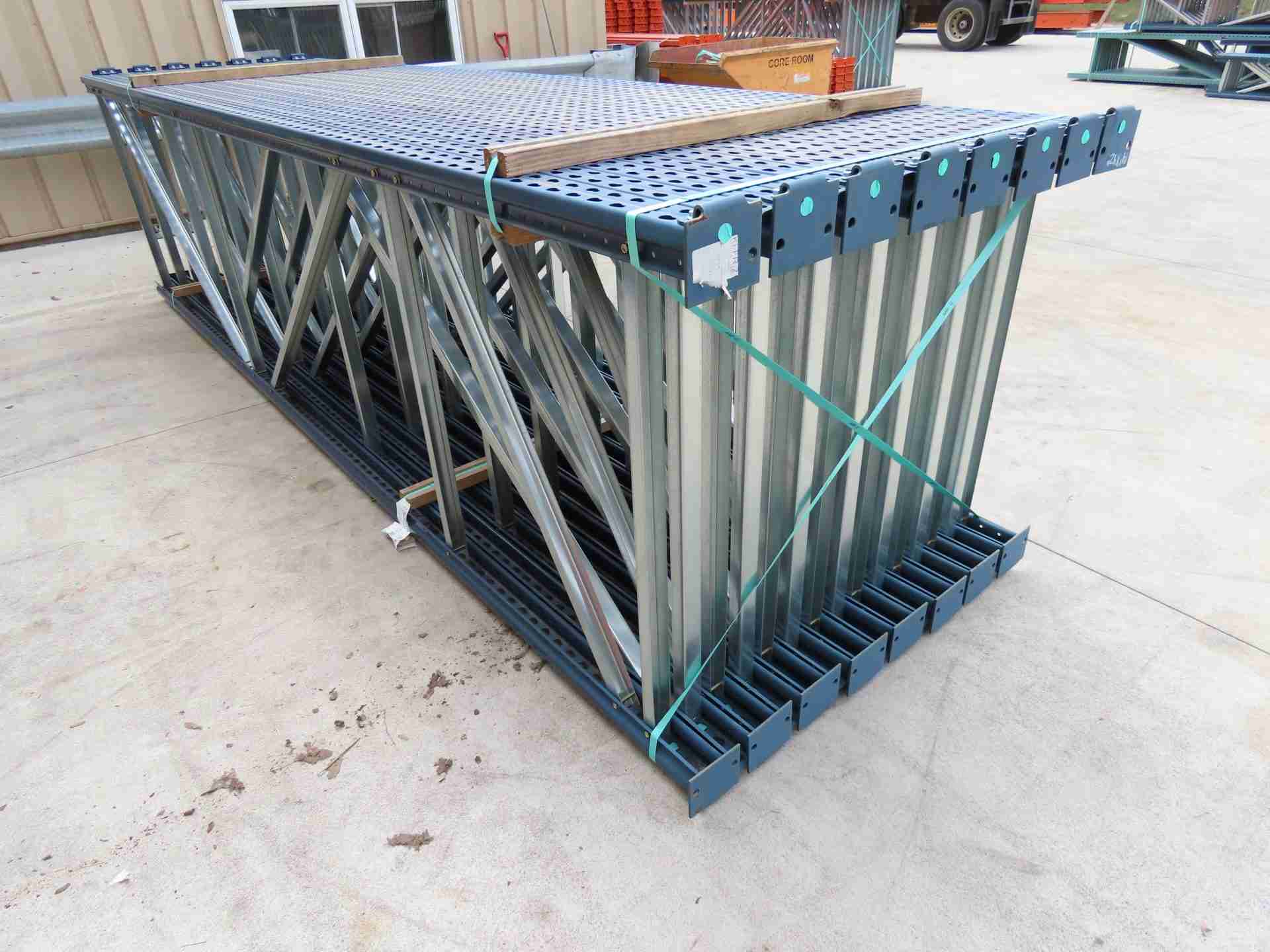
Can Local Suppliers Handle Complex Pallet Rack Installations?
Can Local Suppliers Handle Complex Pallet Rack Installations?
- Efficiency and space management are essential for successful operations in today’s economy.
- Pallet racking is a powerful solution for maximizing storage capabilities and streamlining workflows.
- Local suppliers possess deep knowledge of community and industry-specific needs, allowing for tailored solutions.
- They offer established relationships with clients, enabling open communication and collaboration during installations.
- Local suppliers mitigate delays caused by supply chain disruptions through prompt delivery and on-site services.
- Partnering with local suppliers supports sustainable practices and reduces transportation emissions.
- Local suppliers provide personalized service and unique solutions, enhancing business operations and community commitment.
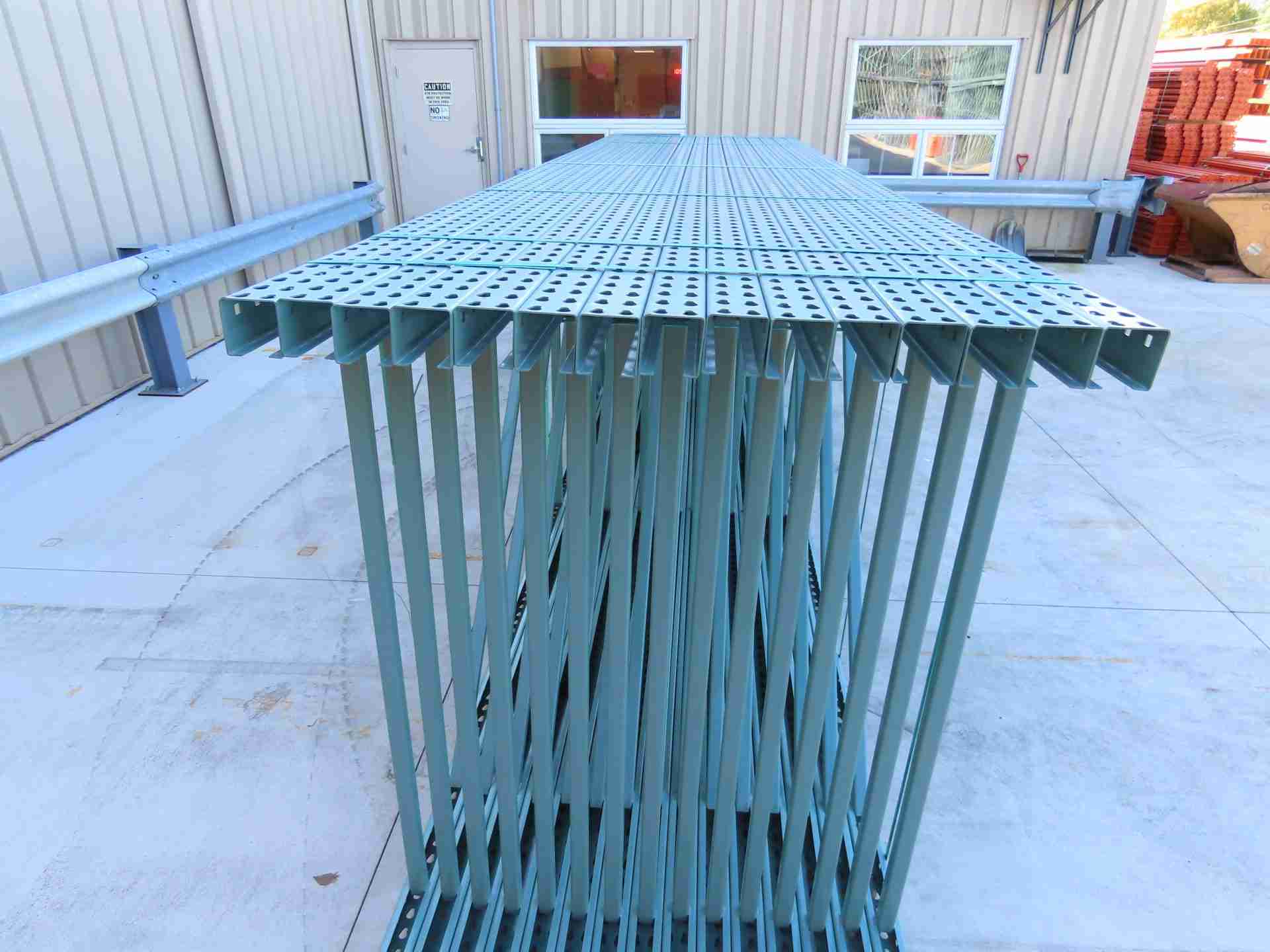
Can Local Suppliers Handle Complex Pallet Rack Installations?
Table Of Contents
- Can Local Suppliers Handle Complex Pallet Rack Installations?
- Can Local Suppliers Manage Intricate Pallet Rack Setups?
- Are Local Suppliers Equipped With Skilled Labor For Installations?
- What Are The Common Challenges Faced By Local Suppliers During Setups?
- How Important Is Experience In Complex Pallet Rack Installations?
- Can Local Suppliers Provide Tailored Solutions For Unique Spaces?
- What Certifications Should Local Suppliers Have For Installations?
- Conclusion
- Other Resources
- Glossary Of Terms
- Other Questions
- Checklist
Can Local Suppliers Manage Intricate Pallet Rack Setups?
When it comes to optimizing warehouse efficiency, few systems stand out like pallet racking. This critical infrastructure ensures that products are stored safely and can be accessed quickly, a necessity in today’s fast-paced e-commerce environment. But can local suppliers truly manage the intricacies that come with specialized pallet racking setups? The answer is a resounding yes—if you know what to look for.
Local suppliers, as opposed to larger national corporations, often have a finger on the pulse of the community’s specific needs. For instance, take a manufacturing company in Ohio that requires a complex warehousing solution to handle diverse product lines. Partnering with a local supplier allows for customized pallet racking designs that meet the unique specifications of the operation. A big-box supplier might offer a one-size-fits-all approach, but a local expert can assess the space firsthand, recommend scalable solutions, and even design a layout that maximizes vertical storage while adhering to safety regulations.
Recent events further validate the capabilities of local suppliers. With disruptions in global supply chains due to factors like the pandemic, businesses are keen on establishing local partnerships. Organizations that pivoted to local suppliers for pallet racking setups have discovered not just a sense of reliability, but the ability to implement rapid changes when needed. For example, a cold storage facility in Florida faced pressures to rearrange their pallet racking to facilitate new product lines. A local supplier was on-site within hours, providing effective solutions tailored for their distinct temperature-controlled needs.
Moreover, consider the rise of lean warehousing trends fueled by events like the 2023 trade shifts and economic uncertainties. Local suppliers often embrace innovative practices such as just-in-time inventory and minimal waste sourcing. They understand that greatest-value pallet racking is not just about the racking itself, but also how it fits into the broader supply chain strategy.
Finally, there’s the cost savings to consider. By choosing a local supplier for pallet racking, businesses often benefit from reduced transportation costs and more agile service options. For those looking at long-term ROI, investing in a supplier who can accommodate complex setups tailored to employees can lead to better employee morale and productivity.
Local suppliers are not just capable—they’re invaluable in managing intricate pallet rack setups. They provide customizable solutions, flexibility in rapidly changing environments, and a deep understanding of local market dynamics. If your operation hinges on efficient pallet racking, it’s time to explore what your local suppliers can truly deliver.
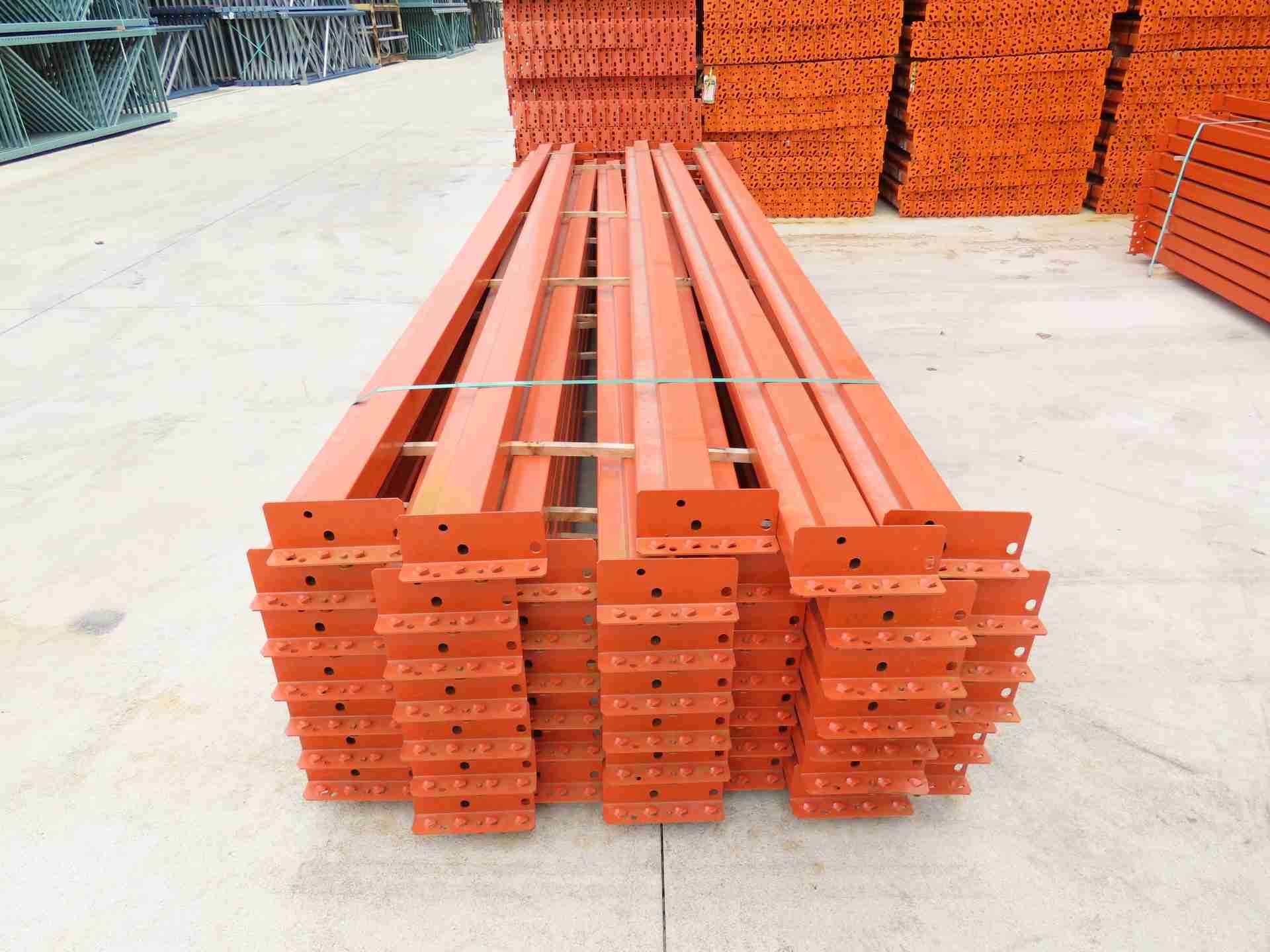
Can Local Suppliers Manage Intricate Pallet Rack Setups?
Can Local Suppliers Manage Intricate Pallet Rack Setups?
- Pallet racking is essential for optimizing warehouse efficiency and quick access to products.
- Local suppliers understand community needs and can offer customized pallet racking designs.
- Local experts can assess warehouse spaces firsthand and create scalable layouts that maximize vertical storage.
- Recent global supply chain disruptions have increased the reliability and rapid response capabilities of local suppliers.
- Local suppliers embrace lean warehousing trends, focusing on just-in-time inventory and minimal waste sourcing.
- Choosing local suppliers leads to reduced transportation costs and improved service flexibility.
- Investing in local suppliers can enhance employee morale and productivity through tailored pallet racking solutions.
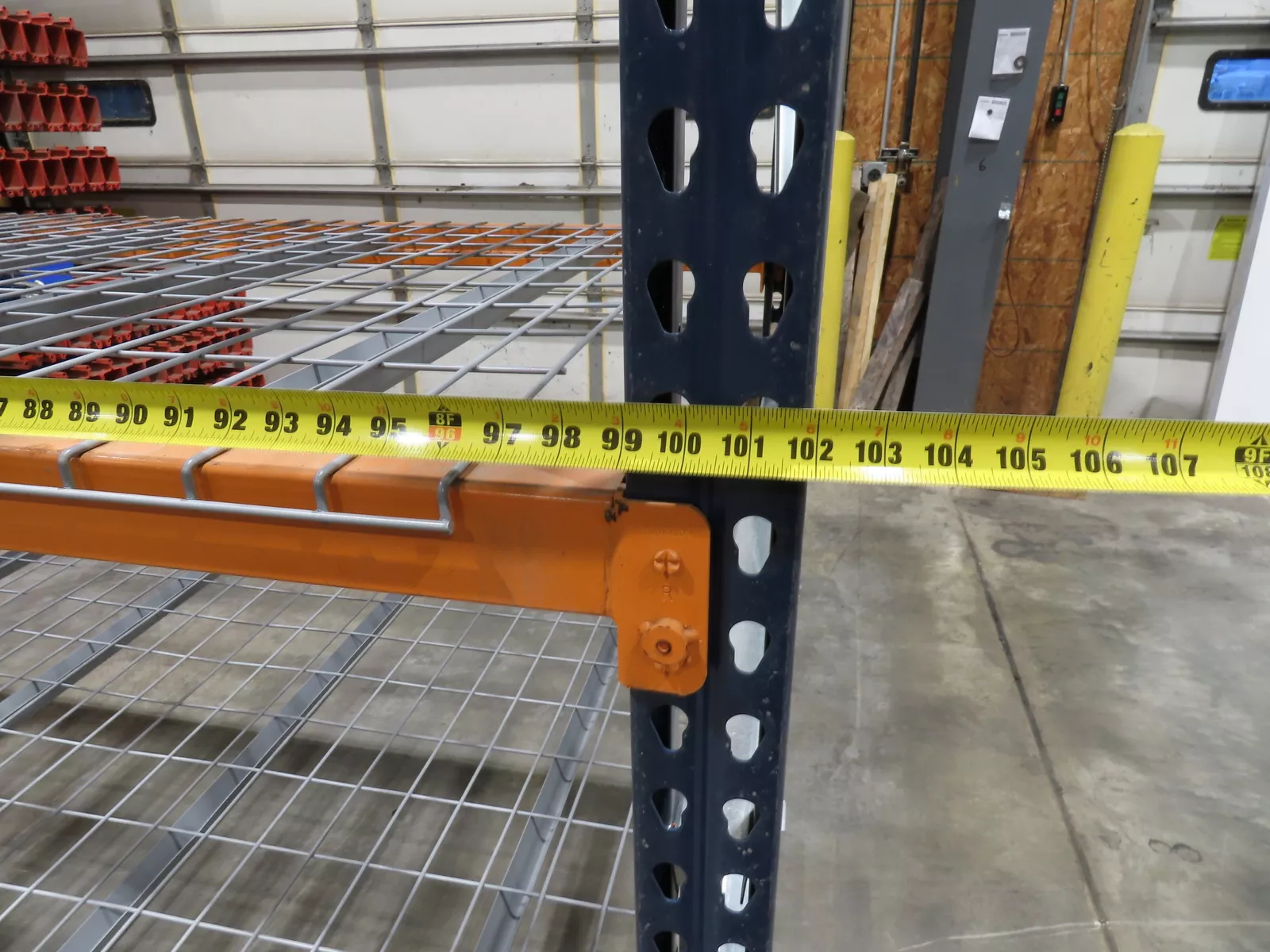
Can Local Suppliers Manage Intricate Pallet Rack Setups?
Are Local Suppliers Equipped With Skilled Labor For Installations?
When it comes to investing in your storage solutions—especially something as significant as pallet racking—one crucial question looms large: Are local suppliers equipped with the skilled labor necessary to ensure a flawless installation? While many businesses may assume that any supplier will suffice, the reality is that the level of expertise available can dramatically affect both efficiency and safety.
Recent headlines have been swirling about supply chain disruptions and rising costs, prompting many companies to turn to local suppliers for their materials. However, the importance of skilled labor cannot be overstated. For instance, a local supplier may offer attractive pricing on pallet racking, but without the trained personnel to install it properly, a company’s investment can quickly become a source of frustration and potential liability.
In fact, consider the current uptick in warehouse construction across the country. As companies look to maximize their space and streamline operations, they’re demanding solutions that go beyond mere products. They need craftsmanship to match. A trusted local supplier not only provides high-quality pallet racking but also experiences trained teams that can navigate the twists and turns of installation processes.
Let’s take a look at a hypothetical scenario that illustrates this point. A regional e-commerce firm decides to upgrade its storage by adding a state-of-the-art pallet racking system. They choose a local supplier based on their competitive pricing, but a lack of skilled installation teams leads to delays and costly mistakes. Conversely, an equally priced supplier with experienced installers delivers the racking on time and ensures it’s set up safely and efficiently. The latter company quickly sees improved warehouse operations, increasing their productivity and ultimately their bottom line.
Moreover, skilled labor isn’t just about getting the job done; it’s about doing it right the first time. An installation handled by seasoned professionals adheres to safety regulations and industry standards, significantly reducing the risk of accidents. As many businesses know, workplace injuries not only distract from daily operations but can lead to legal ramifications that result in additional costs.
While evaluating local suppliers for your pallet racking needs, prioritize those who invest in skilled labor. This investment pays dividends in reliability, efficiency, and safety. In today’s fast-paced environment, ensuring the expertise backing your installations is paramount. Don’t just save a buck; invest in peace of mind and watch your operations thrive.
Are Local Suppliers Equipped With Skilled Labor For Installations?
Are Local Suppliers Equipped With Skilled Labor For Installations?
- Assess the availability of skilled labor when choosing local suppliers for pallet racking installations.
- Supply chain disruptions and rising costs have led many businesses to seek local suppliers.
- Attractive pricing from local suppliers can be misleading if skilled installation is lacking.
- Warehouse construction is increasing, necessitating solutions that include both quality products and craftsmanship.
- A case study shows that skilled installation can drastically improve warehouse operations and productivity.
- Professional installation ensures adherence to safety regulations, reducing risks of workplace injuries and legal issues.
- Prioritize suppliers that invest in skilled labor for better reliability, efficiency, and safety in operations.
Are Local Suppliers Equipped With Skilled Labor For Installations?
What Are The Common Challenges Faced By Local Suppliers During Setups?
Local suppliers face a myriad of challenges when setting up their operations, each demanding strategic resolution for sustained success. One of the foremost hurdles is managing the logistics of physical space. Many local suppliers often grapple with selecting appropriate facilities that meet their storage requirements, such as pallet racking systems. Fast-moving products need efficient storage solutions, and the decision on which racking systems to implement can significantly impact operational efficiency. A poorly organized warehouse can lead to slowed output and mismanaged inventory, ultimately affecting customer satisfaction.
Another considerable challenge revolves around the unpredictability of supply chains. As seen during the recent disruptions caused by global events such as the pandemic and geopolitical tensions, local suppliers are increasingly vulnerable to price volatility and availability of raw materials. This creates a ripple effect down the supply chain, causing local suppliers to scramble for alternatives or new suppliers. Consider a local furniture manufacturer that relies on specific types of wood. If sourcing that wood becomes complicated, it not only delays production but can also tarnish the brand’s reputation if customers are left waiting.
Moreover, local suppliers often contend with the pressures of competition from larger national chains. With established economies of scale, these big players can offer lower prices that local suppliers simply can’t match. To stand out, local suppliers must clearly communicate their unique value—whether it’s superior quality, local sourcing, or personalized service. An example of this can be seen in the craft brewery movement; local brewers maintain their clientele by offering unique flavors and a community-focused brand message, even when the larger beverage companies churn out similar products at lower prices.
Regulatory compliance poses another significant hurdle. Local suppliers need to navigate various local, state, and federal regulations that govern their operations. This can include everything from labor laws to health regulations, especially for food suppliers. Ensuring adherence requires time, resources, and often legal expertise – a challenge many local suppliers aren’t equipped for.
Finally, technology integration remains a daunting task. With the rise of e-commerce and digital inventory systems, local suppliers must adopt new technologies or risk being left behind. This could mean investing in sophisticated inventory management software to manage their pallet racking and logistics effectively. Suppliers who fail to embrace technology may find themselves outpaced by competitors who can pivot and adapt more swiftly.
In summary, while local suppliers contribute significantly to the economy, the path to setting up successful operations is laden with challenges that require strategic foresight, resourcefulness, and a keen understanding of market dynamics.

What Are The Common Challenges Faced By Local Suppliers During Setups?
What Are The Common Challenges Faced By Local Suppliers During Setups?
- Local suppliers experience various challenges in establishing operations requiring strategic solutions.
- Logistics management is crucial, especially in selecting storage facilities like pallet racking systems to enhance operational efficiency.
- Supply chain unpredictability, highlighted by recent global disruptions, leads to price volatility and sourcing challenges for raw materials.
- Local suppliers face intense competition from larger national chains that can provide lower prices due to economies of scale.
- Regulatory compliance is a significant hurdle, necessitating adherence to various regulations that demand time and legal expertise.
- Technology integration is essential, as local suppliers must adopt digital tools, such as inventory management software, to stay competitive.
- Despite contributing greatly to the economy, local suppliers must navigate these challenges with strategic foresight and resourcefulness.
What Are The Common Challenges Faced By Local Suppliers During Setups?
How Important Is Experience In Complex Pallet Rack Installations?
When it comes to pallet racking, experience isn’t just a bonus—it’s a game-changer. In today’s fast-paced logistics landscape, companies are looking for solutions that not only maximize space but also ensure safety and efficiency. That’s where seasoned professionals step in, transforming chaotic warehouses into organized powerhouses of productivity.
Consider the recent surge in e-commerce due to shifts in consumer behavior. With businesses like Amazon racing to meet delivery demands, many warehouses are scrambling to increase storage capacity while maintaining optimal workflows. This is where complex pallet rack installations come into play. A poorly executed installation can lead to costly inefficiencies—think misplaced inventory, increased labor costs, and even safety hazards that could lead to injury and insurance claims.
Take a closer look at a case study involving a leading automotive parts supplier. They required a sophisticated pallet racking system to handle a vast array of products, ranging from bulky engines to delicate sensors. They hired a team with decades of combined experience in convoluted installations. Their expertise not only enabled a seamless setup but also helped design an ergonomic picking path, reducing picker fatigue and speeding up order fulfillment. The end result? An ROI that exceeded projections, showcasing the financial benefits of investing in experience.
Moreover, as industries face increasing regulations and standards—especially those related to workplace safety—having a team that understands complex pallet rack installations goes beyond aesthetics. It’s about compliance. Recent changes in OSHA regulations emphasize the need for safety audits and standards in warehouse operations. Firms that prioritize experience are not just building racks; they are ensuring a robust system that adheres to these guidelines, helping businesses avoid expensive fines and maintaining their reputation.
In essence, the interplay of experience and complexity in pallet racking is undeniable. Companies that skimp on experience often pay the price later—whether through inefficiency, safety hazards, or compliance issues. Investing in expert installation is not merely a line item; it is a strategic decision that pays dividends in the long run. As the landscape shifts and evolves, those who recognize the critical nature of experience in complex pallet racking installations will position themselves as leaders, ready to tackle any challenge the logistics world presents. Don’t let your operations lag behind; make the investment that will set your business apart.
How Important Is Experience In Complex Pallet Rack Installations?
How Important Is Experience In Complex Pallet Rack Installations?
- Experience in pallet racking is crucial for maximizing space, safety, and efficiency.
- The rise of e-commerce has led to increased demand for effective warehouse solutions.
- Poorly executed pallet rack installations can cause inefficiencies, misplaced inventory, and safety hazards.
- A case study of an automotive parts supplier highlights the benefits of hiring experienced professionals for complex installations.
- Compliance with workplace safety regulations, such as OSHA standards, is essential in pallet racking systems.
- Investing in expert installations helps avoid future inefficiencies, safety issues, and compliance fines.
- Recognizing the importance of experience in pallet racking positions companies as leaders in the logistics sector.
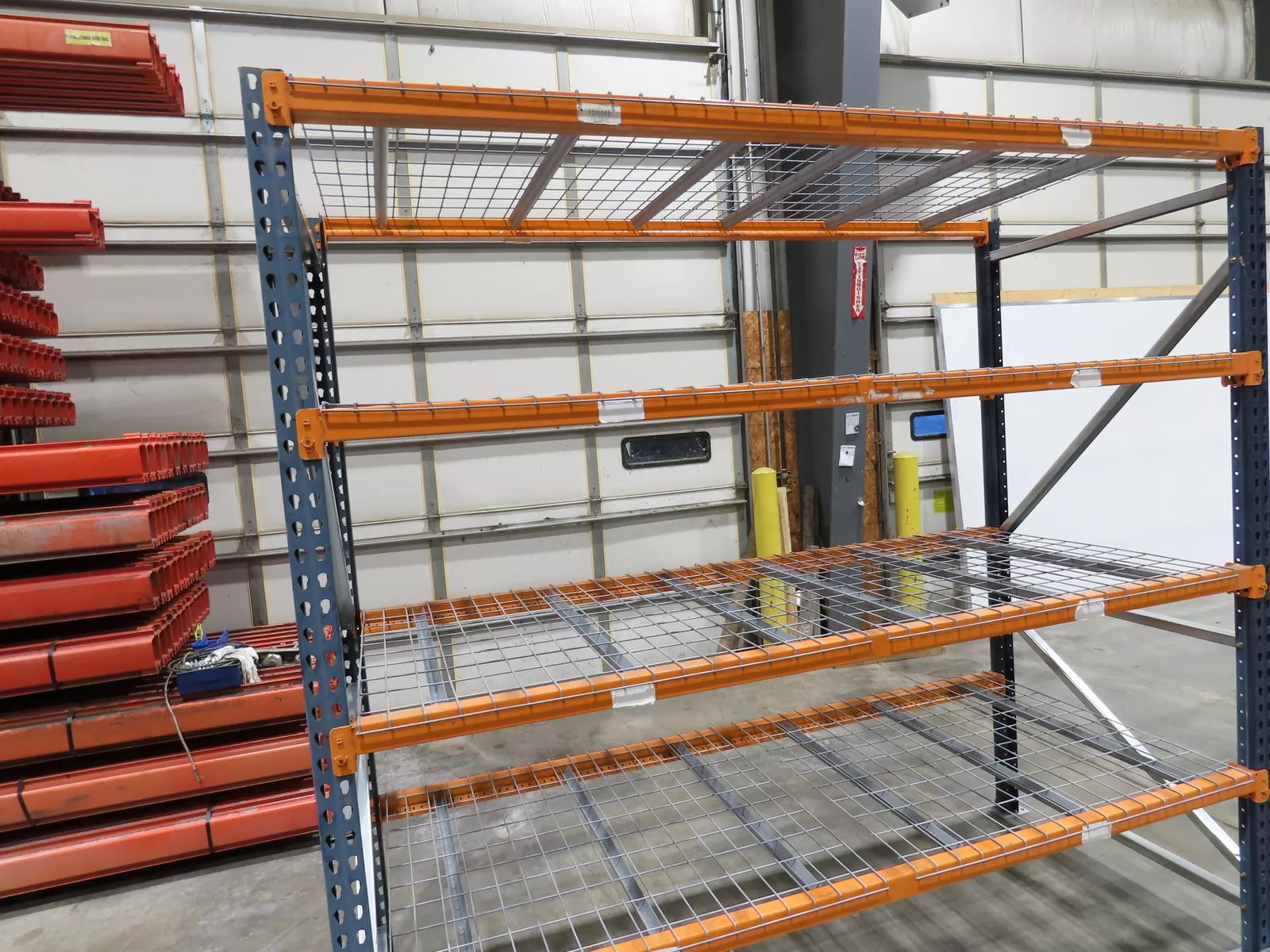
How Important Is Experience In Complex Pallet Rack Installations?
Can Local Suppliers Provide Tailored Solutions For Unique Spaces?
In a world where cookie-cutter solutions reign supreme, local suppliers are evolving into the unsung heroes for businesses seeking customized solutions for their unique spaces. Imagine a bustling warehouse that requires optimized storage but lacks conventional layouts. Local suppliers deliver innovative solutions like custom Pallet Racking systems designed specifically for your floor plan. Unlike large, national chains that often offer one-size-fits-all products, local suppliers evaluate your individual needs and provide tailored solutions that enhance operational efficiency.
Consider the recent trend in e-commerce. With increased demand for quick fulfillment, local suppliers have risen to the challenge. Companies such as XYZ Storage Solutions in Chicago have started customizing Pallet Racking systems to fit the specific dimensions of their clients’ warehouses. This level of customization not only maximizes storage capacity but also allows organizations to develop unique workflows that suit their product pick-and-pack processes. Built with adaptability in mind, these systems enable businesses to adjust their storage solutions as they scale, reducing long-term costs.
Moreover, local suppliers often have a better understanding of community needs. Take, for example, the ongoing supply chain disruptions brought on by global events. While major corporations face delays due to international shipping complications, local suppliers are agile enough to source materials from regional vendors. This capability ensures that your business can implement those tailored Pallet Racking solutions without the lengthy wait times often associated with larger suppliers.
Additionally, local suppliers foster collaboration. By engaging closely with their clients, they can incorporate feedback into their designs. For instance, a manufacturing company in Ohio recently partnered with a local supplier to develop a unique storage solution that aligns with their manufacturing process. The result was a custom Pallet Racking system that not only improved space utilization but also facilitated smoother workflow transitions, which in turn boosted productivity.
Working with local suppliers allows businesses to tap into a wealth of tailored solutions designed to meet their unique requirements. The benefits are multifaceted: from customized Pallet Racking that optimizes space, to quicker delivery times that buffer against global supply chain issues, local suppliers are uniquely positioned to respond to the ever-evolving market demands. So, whether you’re in retail, manufacturing, or warehousing, don’t overlook your local suppliers as a source of innovative, tailored solutions that elevate your business to new heights.
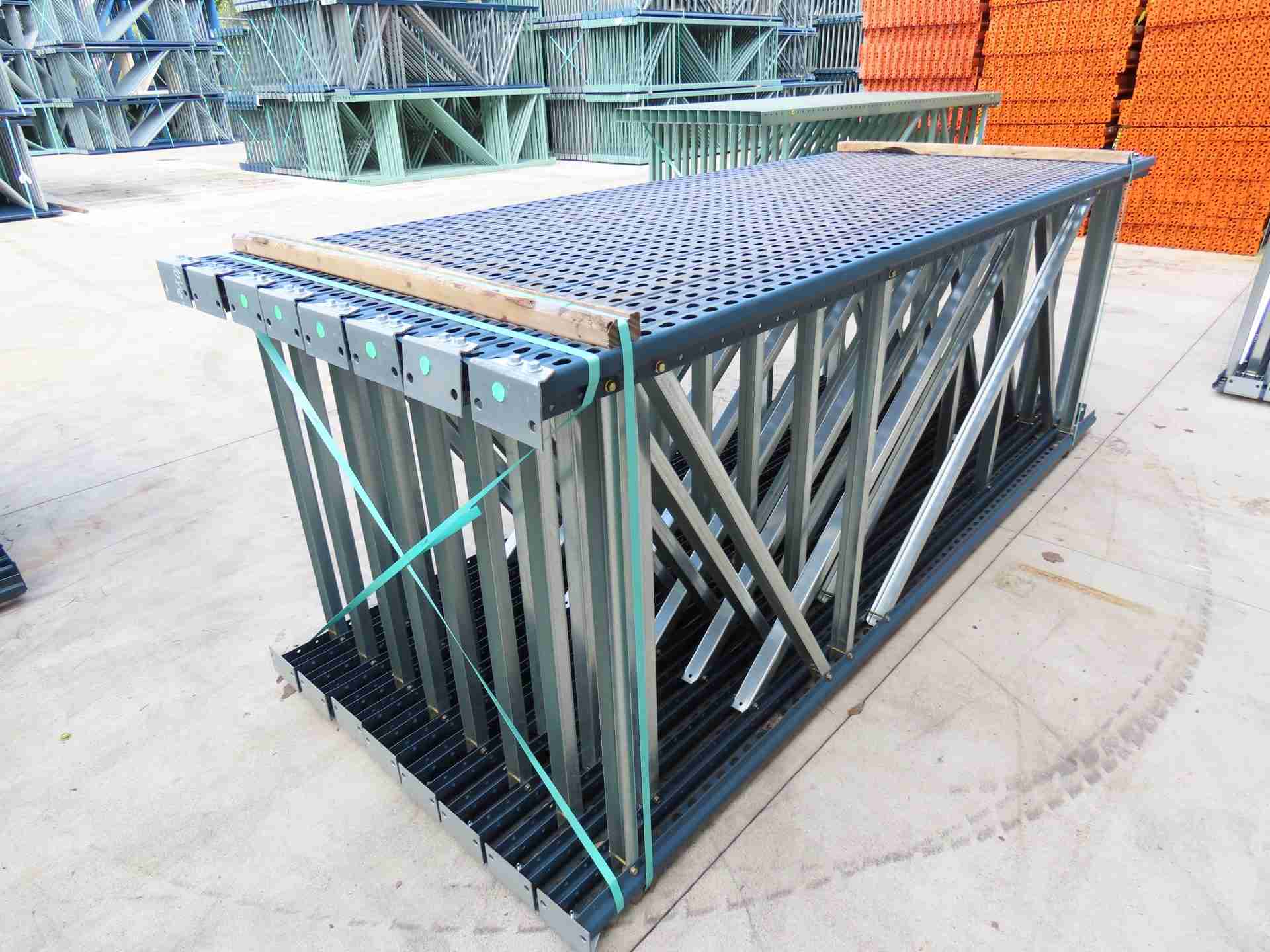
Can Local Suppliers Provide Tailored Solutions For Unique Spaces?
Can Local Suppliers Provide Tailored Solutions For Unique Spaces?
- Local suppliers are becoming essential for businesses needing customized solutions.
- They provide tailored Pallet Racking systems that fit unique warehouse layouts, unlike national chains that offer generic products.
- With the rise of e-commerce, local suppliers customize solutions to maximize storage capacity and enhance workflows.
- Local suppliers can quickly adapt to supply chain disruptions by sourcing materials from regional vendors.
- Collaboration with clients allows local suppliers to incorporate feedback into innovative designs.
- A partnership between local suppliers and companies can lead to improved productivity through custom storage solutions.
- Overall, local suppliers offer a range of benefits, including customized solutions, faster delivery, and better responsiveness to market needs.
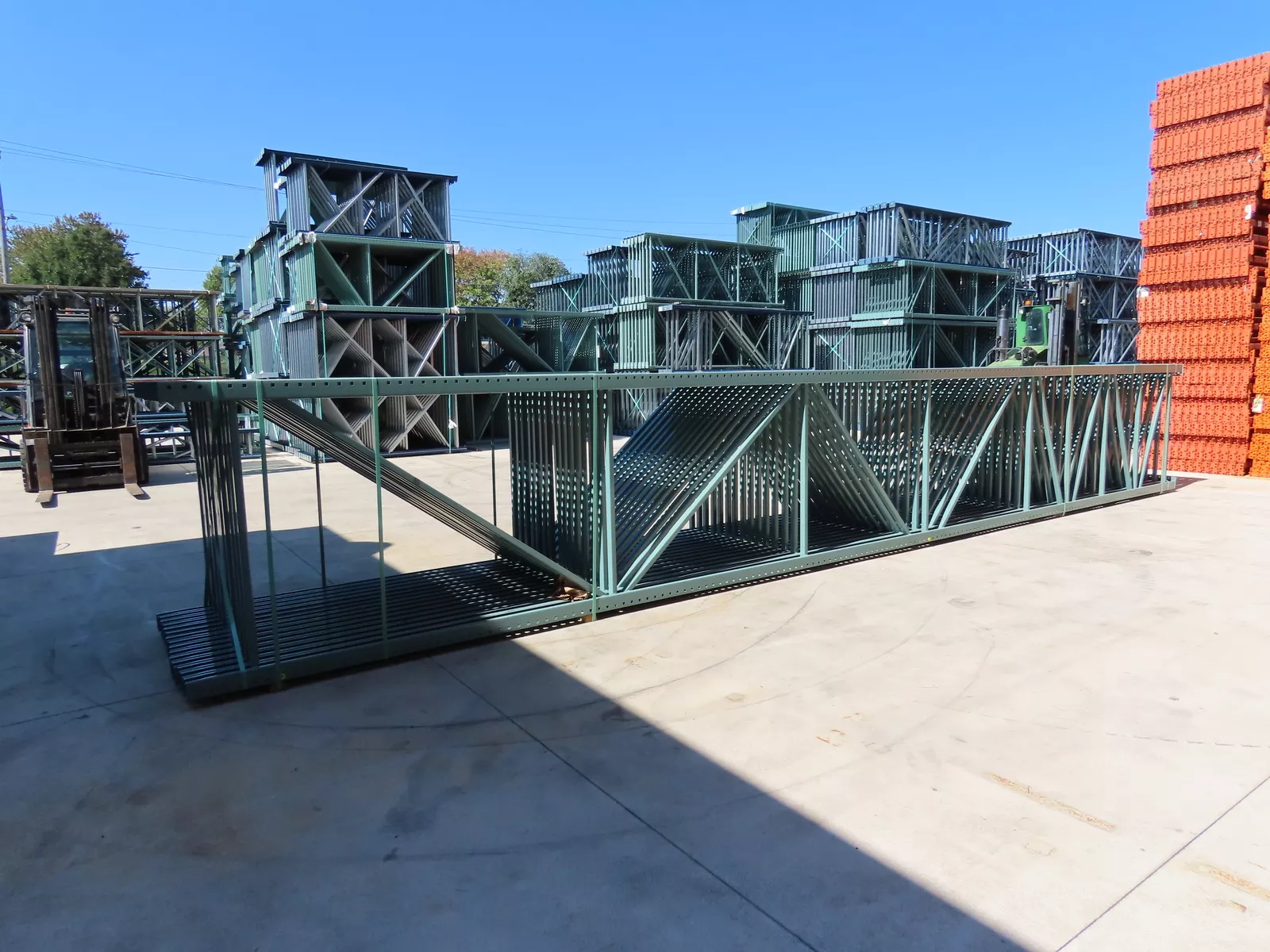
Can Local Suppliers Provide Tailored Solutions For Unique Spaces?
What Certifications Should Local Suppliers Have For Installations?
When it comes to selecting local suppliers for installations, ensuring they possess the right certifications is crucial. A reputable installer not only provides quality service but also safeguards both your investment and your workplace environment. Here’s what you should look for to make an informed decision.
First and foremost, suppliers specializing in Pallet Racking should hold certifications that demonstrate adherence to safety and quality standards. In recent years, OSHA has increased emphasis on workplace safety, and installing pallet racking systems isn’t just about stacking goods; it’s about ensuring that structures can withstand stresses and protect employees. Certifications from organizations like the Rack Manufacturers Institute (RMI) can serve as a seal of approval, confirming that the racking systems meet or exceed industry standards.
Another essential certification is the American National Standards Institute (ANSI) endorsement. Suppliers who have undergone ANSI certification commitments demonstrate their dedication to compliance with established safety protocols. This is significant, especially in light of incidents reported in the logistics sector, where improperly installed pallet racking systems have contributed to workplace accidents. A certified supplier mitigates that risk by adhering to recognized standards.
It’s also wise to consider certifications related to the material handling industry. The Material Handling Equipment Distributors Association (MHEDA) certification, for instance, ensures that suppliers have undergone rigorous checks regarding their operational and service standards. This commitment is key when dealing with extensive installations, as it often involves multiple moving parts, from initial consultation to final setup.
In a climate where supply chain disruptions have become commonplace, it’s prudent to ensure that local suppliers have relevant certifications reflecting their expertise in the field. Have they been trained and certified in the latest installation techniques? This knowledge is not just a cherry on top; it’s essential for effective installations that will hold up over time. With the evolving regulations around safety practices, certified professionals stay updated with the latest changes, ensuring your installations remain compliant.
Lastly, consider certifications related to sustainability. As companies increasingly focus on environmentally-friendly practices, suppliers with green certifications signal their commitment to sustainability in every aspect of their operations, from the materials used to the energy employed in installations.
The right certifications aren’t just badges; they represent a commitment to quality, safety, and sustainability. When searching for local suppliers for your pallet racking installation, choose those with proven credentials to ensure long-lasting quality and peace of mind. Your choice today can safeguard your business for years to come!
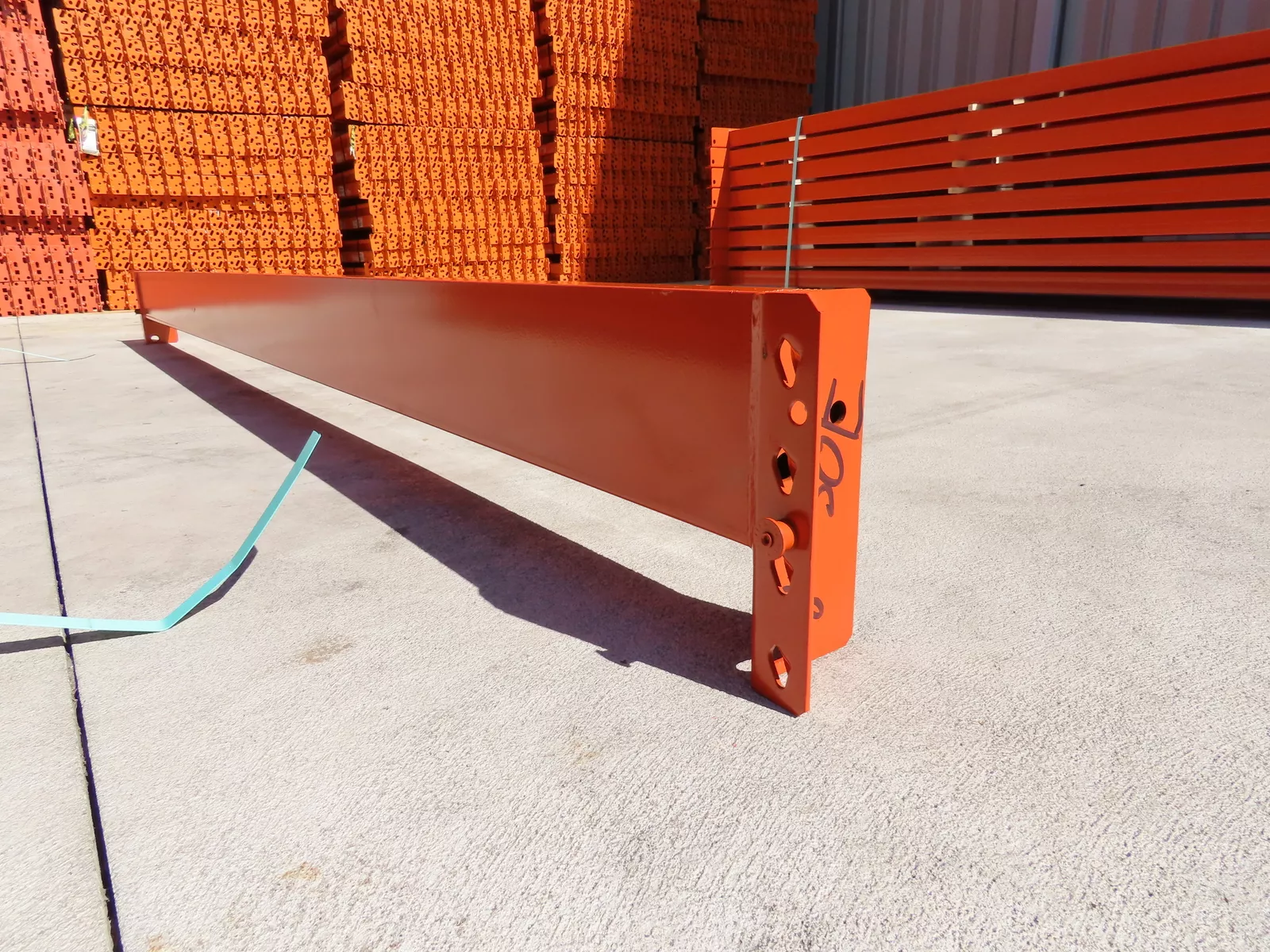
What Certifications Should Local Suppliers Have For Installations?
What Certifications Should Local Suppliers Have For Installations?
- Ensure local suppliers for installations have the right certifications for quality and safety.
- Look for suppliers specializing in Pallet Racking who hold certifications like those from the Rack Manufacturers Institute (RMI).
- American National Standards Institute (ANSI) certification indicates a supplier’s commitment to safety protocols.
- Consider certifications from the Material Handling Equipment Distributors Association (MHEDA) for operational standards.
- Verify that suppliers are trained in the latest installation techniques to ensure effective and compliant setups.
- Check for sustainability certifications, reflecting a commitment to environmentally-friendly practices.
- Select suppliers with proven credentials to guarantee long-lasting quality and peace of mind for your business.
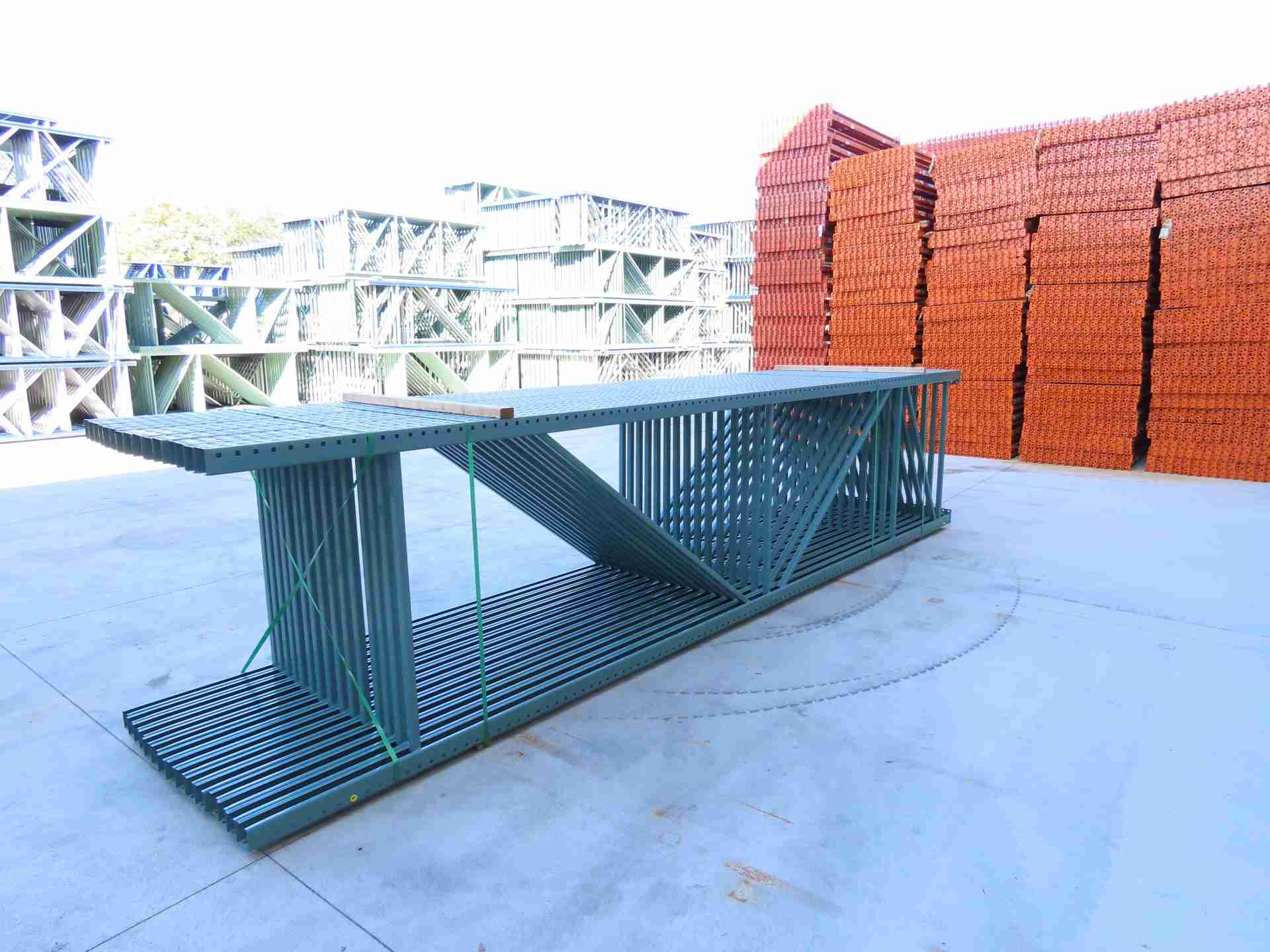
What Certifications Should Local Suppliers Have For Installations?
Conclusion
In the ever-evolving landscape of business operations, the quest for effective space management and efficiency stands at the forefront. As you seek solutions that not only enhance productivity but also ensure safety, partnering with local suppliers for your pallet racking installations emerges as a powerful strategy. The value of local expertise cannot be overstated; it’s about more than just convenience—it’s about tailored solutions that cater specifically to your unique operational challenges.
Local suppliers have their fingers firmly on the pulse of regional industry requirements, with the ability to provide customized pallet racking systems that larger corporations might overlook. Their hands-on approach allows for quick assessments and adjustments during installations, ensuring that every aspect from design to execution aligns with your business’s specific needs. Unlike big-box companies, local suppliers are renowned for their deep-rooted community relationships, fostering better communication and collaboration—qualities that are invaluable when navigating the complexities of intricate setups.
In an era where supply chain disruptions threaten timely operations, prioritizing local partnerships provides a safeguard against delays. A nearby supplier can swiftly deliver materials and installation services, allowing your business to remain nimble in a competitive landscape. Moreover, many local companies are committed to sustainable practices, supporting eco-friendly efforts that resonate with today’s conscientious consumers.
Experience is vital in the realm of complex pallet rack installations, influencing everything from operational efficiency to workplace safety. Investing in local suppliers ensures that you have skilled labor familiar with best practices and compliance standards, minimizing the risk of costly mistakes. Imagine the reassurance of knowing your installation team is equipped to handle challenges and execute your vision flawlessly.
Before making a decision, consider asking key qualification questions about certifications that ensure quality and safety in installations. Look for suppliers certified by recognized organizations like the Rack Manufacturers Institute (RMI) or the American National Standards Institute (ANSI), as these credentials speak to their expertise and commitment to industry standards.
Now is the time to embrace the power of local. By partnering with suppliers who understand your unique space and challenges, you are not just enhancing your pallet racking strategy; you are investing in a customized solution that will elevate your business. Don’t wait for inefficiencies to catch up with you—call Arrow Industrial Sales today at (574) 349-6575 to learn how your local supplier can transform your operations. Make the shift now to enjoy the benefits of personalized service and expert installation tailored just for you! Your business—and your bottom line—will thank you.
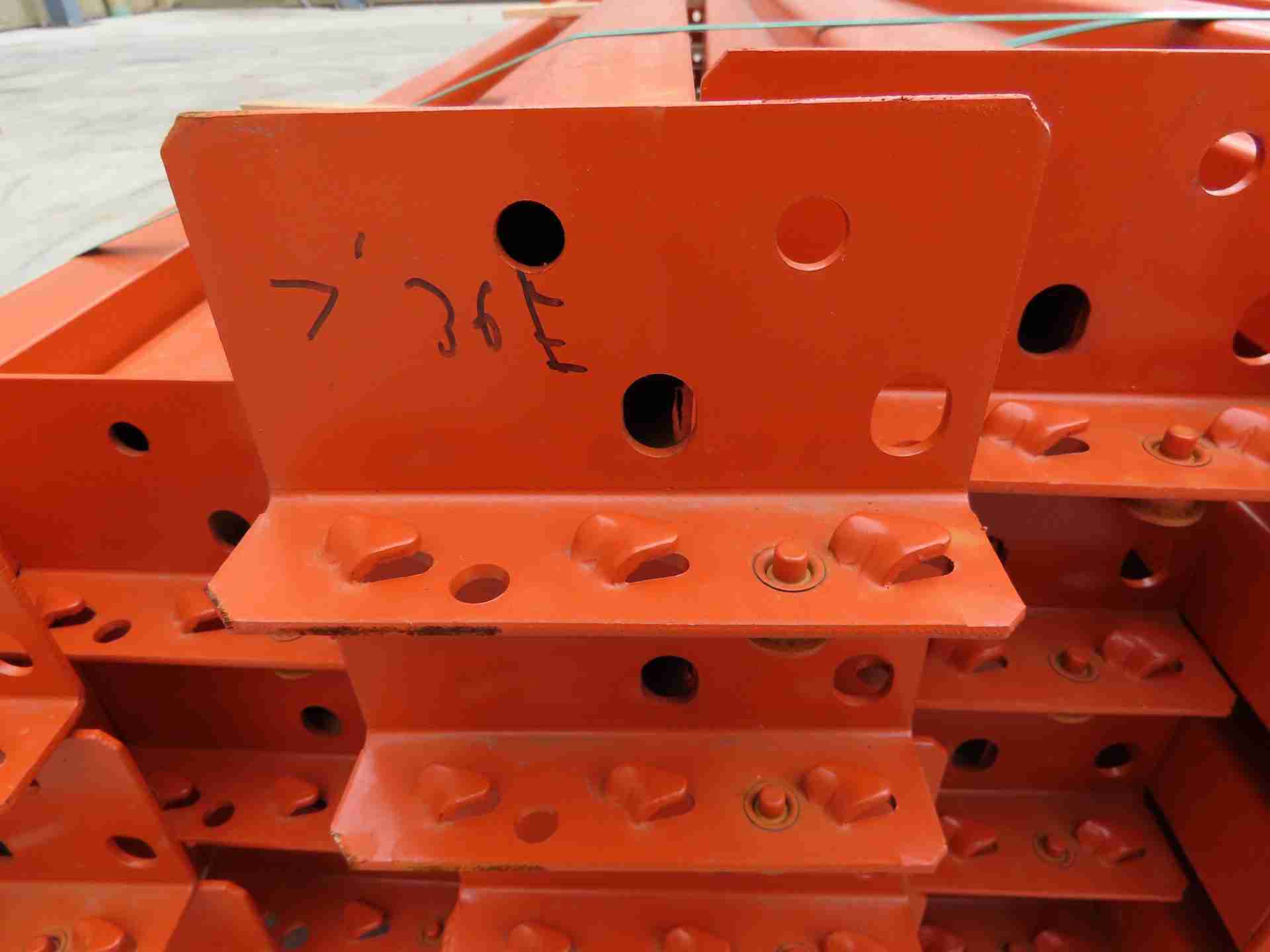
Conclusion
Conclusion:
- Local suppliers offer tailored solutions for pallet racking installations that address unique operational challenges.
- They provide a hands-on approach, enabling quick assessments and adjustments during installations.
- Local suppliers foster better communication and collaboration due to their community-rooted relationships.
- Partnering with local suppliers safeguards against supply chain disruptions, ensuring timely delivery of services and materials.
- Many local companies are dedicated to sustainable practices, aligning with eco-conscious consumer values.
- Experienced local labor minimizes risks associated with installations by adhering to best practices and compliance standards.
- Before choosing a supplier, verify certifications from recognized organizations like the Rack Manufacturers Institute (RMI) or ANSI for quality assurance.
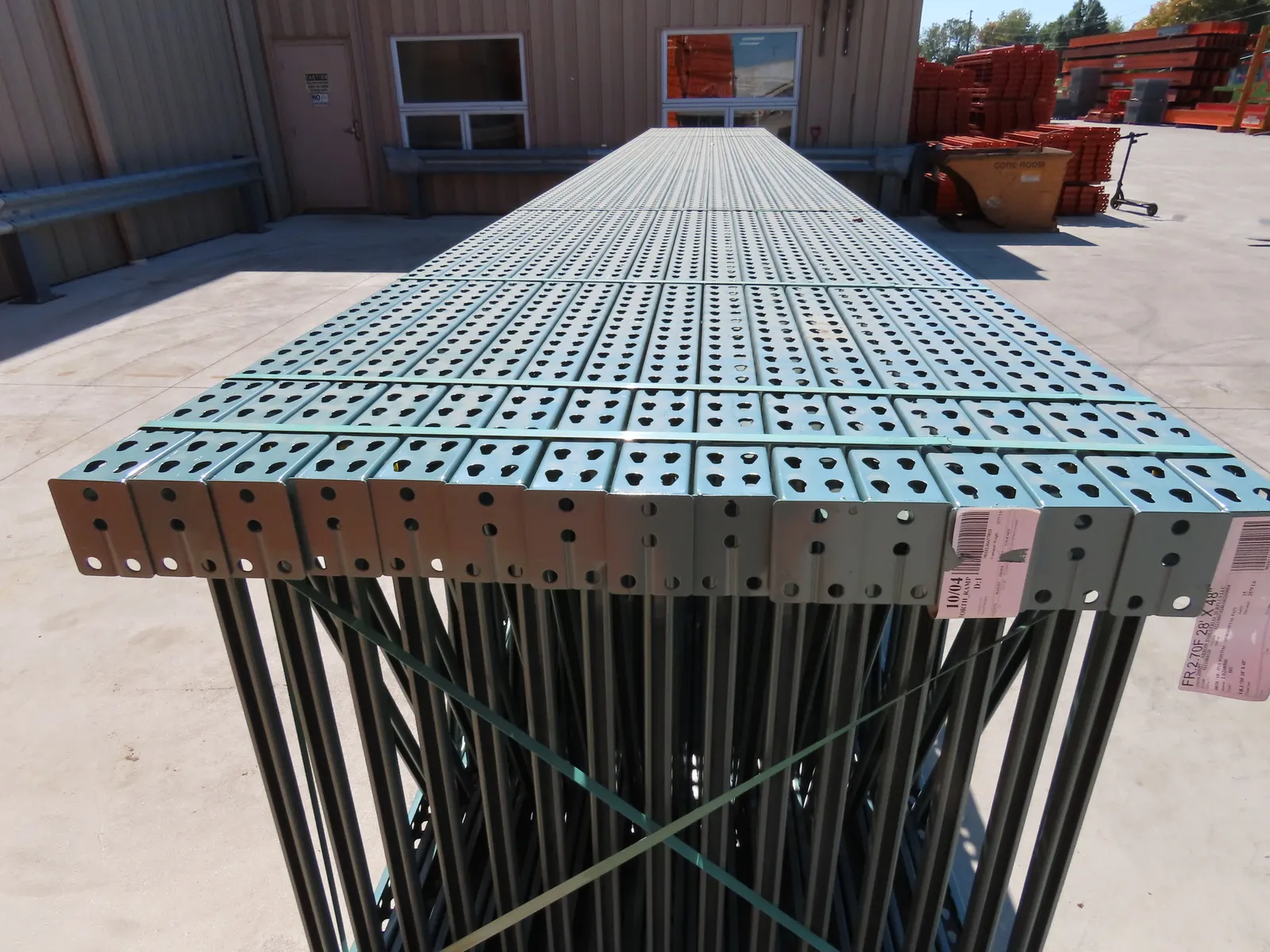
Conclusion
Other Resources
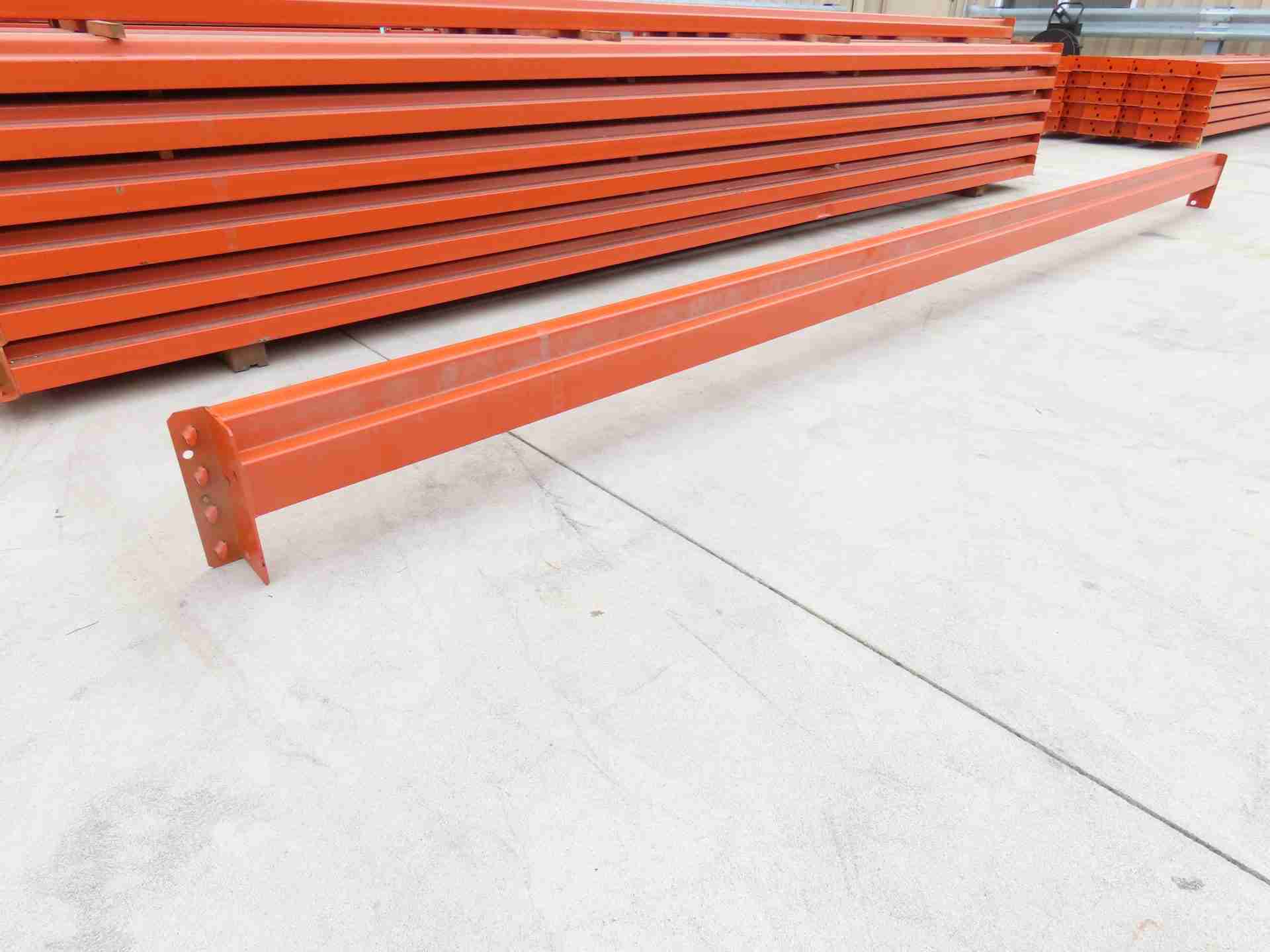
Other Resources
Here is a list of other resources you can review online to learn more:
- Interlake
- Pallet Racking systems in Illinois, Great Lakes
- Interlake Mecalux
- Logic Material Handling
- Chicago Pallet Racking
- Teardrop Uprights
- Warehouse Racking Systems: Beginner’s Guide to Rack Systems
- Selective Pallet Racking Systems
- WERC
- Material Handling Safety
Use This Prompt To Get More Resources With Your Favorite Online AI Tool: Please provide me with a list of online articles with their URLs in a bulleted list that I can read regarding Can Local Suppliers Handle Complex Pallet Rack Installations?
Other Resources
Glossary Terms
Can Local Suppliers Handle Complex Pallet Rack Installations? – Glossary Of Terms
1. Pallet Rack: A structure designed for storing goods in warehouses, providing vertical storage that maximizes space efficiency.
2. Installation: The process of setting up pallet racks in a designated area, often requiring specialized knowledge and skills.
3. Local Suppliers: Businesses located within a specific geographic area that provide goods or services related to pallet rack systems.
4. Complex Installation: A pallet rack setup that involves intricate designs or specifications, often requiring advanced planning and expertise.
5. Load Capacity: The maximum weight a pallet rack can safely hold, which varies based on design and material specifications.
6. Safety Regulations: Industry standards set to ensure the safe installation and use of pallet racks, protecting both workers and products.
7. Configuration: The arrangement and layout of the pallet racks within a warehouse to optimize space and accessibility.
8. Forklift Access: The ability for forklifts to navigate and operate within an area of pallet racks, critical for efficient loading and unloading.
9. Design Layout: The strategic planning of rack spacing and dimensions to meet operational needs and safety codes.
10. Engineering Support: Professional assistance in designing and modifying pallet rack systems to comply with complex requirements and safety standards.
11. Project Management: The process of planning, executing, and overseeing the installation of pallet rack systems, ensuring it stays on schedule and within budget.
12. Custom Solutions: Tailor-made pallet rack options designed to meet the unique needs of a specific warehouse or storage facility.
13. Installation Crew: The team of trained professionals responsible for the physical setup of the pallet rack systems.
14. Site Assessment: An evaluation of the installation location to identify any challenges or requirements before the installation begins.
15. Anchoring Systems: Methods used to secure pallet racks to the ground or wall to enhance stability and safety.
16. Vertical Storage: Utilizing the height of a warehouse to maximize storage potential through tall pallet racks.
17. Aisle Width: The measurement between rows of pallet racks, crucial for forklift maneuverability and access.
18. Pallet Size: The dimensions of the pallets being used, which determine the type and configuration of racks needed.
19. Span Resistance: The ability of the pallet rack to withstand applied weight without bending or sagging.
20. Inspection Protocols: Guidelines to regularly check the integrity and safety of pallet racks post-installation.
21. Expansion Capabilities: The potential for a pallet rack system to be expanded or modified as storage needs change.
22. Material Handling: The techniques and equipment, including pallet racks and forklifts, used to move and store goods.
23. Installation Timeline: The estimated schedule from planning to completion of the pallet rack installation process.
24. Cost Analysis: An assessment of all costs associated with purchasing and installing pallet racks, including materials and labor.
25. Warranty: A guarantee offered by suppliers pertaining to the durability and functionality of the pallet racks after installation.
26. Training: Instruction provided to warehouse staff on how to properly use and interact with pallet rack systems.
27. Load Distribution: The strategy used to evenly distribute weight across pallet racks to prevent tipping or failure.
28. Accessibility: Ease of reaching goods stored on pallet racks, influenced by rack design and warehouse layout.
29. Compliance: Adherence to local and federal safety standards relevant to pallet rack installations and usage.
30. Supplier Reputation: The track record and reliability of local suppliers in delivering quality products and services for pallet rack installations.
Glossary Of Terms
Other Questions
Can Local Suppliers Handle Complex Pallet Rack Installations? – Other Questions
If you wish to explore and discover more, consider looking for answers to these questions:
- What are the benefits of choosing local suppliers over larger corporations for pallet rack installations?
- How do local suppliers ensure the safety and compliance of pallet rack installations?
- What types of pallet racking systems do local suppliers typically offer?
- How can businesses assess the expertise of local suppliers before partnering?
- What additional services do local suppliers provide beyond installation?
- How do local suppliers handle complex logistics during pallet rack installation?
- What is the typical timeline for a pallet rack installation by local suppliers?
- How can businesses evaluate the reliability of local suppliers?
- What should businesses consider when it comes to after-sales support from local suppliers?
- What role does technology play in the services offered by local suppliers?
Other Questions
Checklist
Can Local Suppliers Handle Complex Pallet Rack Installations? – A Checklist
1. Supplier Experience
_____ Does the supplier have a proven track record with complex pallet rack installations?
_____ What types of industries have they previously served (e. g. , manufacturing, e-commerce)?
_____ Have they handled similar projects to yours?
2. Customization Capability
_____ Can the supplier provide tailored solutions for your specific spatial needs?
_____ Are they willing to perform an on-site assessment to evaluate your requirements?
_____ Do they offer flexibility in design to accommodate future changes in warehousing needs?
3. Skilled Labor
_____ Does the supplier have a qualified team of trained professionals for installations?
_____ Are they able to provide examples of their workmanship?
_____ What safety protocols do they have in place for installation processes?
4. Certifications and Compliance
_____ Does the supplier hold certifications from recognized organizations (e. g. , RMI, ANSI)?
_____ Are they compliant with OSHA regulations and other relevant safety standards?
_____ Do they have certifications related to sustainability practices?
5. Cost and Value
_____ What is the pricing structure, and how does it compare to national suppliers?
_____ Are there options for long-term maintenance or support after installation?
_____ Does the supplier demonstrate value beyond just price (e. g. , personalized service, quicker delivery)?
6. Communication and Collaboration
_____ Is there an established line of communication between your team and the supplier?
_____ How responsive is the supplier to inquiries and changes during the installation process?
_____ Do they encourage feedback and adjustments throughout the project?
7. Logistics and Delivery
_____ Can the supplier ensure timely delivery of materials to mitigate supply chain disruptions?
_____ What logistics solutions do they offer for managing the inventory of pallet racking systems?
_____ Are they able to provide on-the-ground support during installation?
8. Post-Installation Support
_____ What type of warranties and service options are available post-installation?
_____ Does the supplier offer ongoing maintenance or inspections for the pallet racking?
_____ Are they available for troubleshooting and addressing issues that arise after installation?
9. References and Reviews
_____ Can the supplier provide client references or case studies related to similar installations?
_____ What do online reviews or testimonials say about their service quality?
_____ Have there been any notable issues reported from previous clients?
10. Sustainability Practices
_____ Does the supplier engage in environmentally-friendly practices?
_____ Are they committed to sourcing materials responsibly to minimize transportation emissions?
_____ What sustainability certifications do they hold?
Using this checklist will help you systematically evaluate local suppliers for your pallet rack installations, ensuring you make an informed choice that aligns with your operational needs and values.
Checklist
At RackingWorld, we help guide you through selecting warehouse storage systems and racking.
Be sure to read our other related stories at RackingWorld to learn more about warehouse storage systems.
0 Comments