
Maximizing Efficiency And Safety In Your Warehouse With Racking Standards
By Tom Seest
At RackingWorld, we help guide you through selecting warehouse storage systems and racking.
Be sure to read our other related stories at RackingWorld to learn more about warehouse storage systems.
What Are Warehouse Racking Standards?
In the dynamic world of warehousing and logistics, efficiency isn’t just a bonus; it’s a necessity. As businesses strive to maximize storage, streamline operations, and ensure safety, understanding warehouse racking standards becomes integral.
So, what exactly are warehouse racking standards? Simply put, they are a set of guidelines and best practices designed to ensure that storage systems are safe, functional, and optimized for efficiency. These standards are not just arbitrary rules; they are developed from years of industry research, testing, and feedback from real-world applications.
Take the American National Standards Institute (ANSI) and the Rack Manufacturers Institute (RMI), for instance. These organizations provide foundational guidelines that address aspects such as load capacity, installation protocols, and regular maintenance checks. Adhering to these standards helps you avoid the pitfalls of overloading racking systems, which can lead to catastrophic failures and costly downtimes. Just this year, a well-known grocery chain faced significant financial losses due to a racking collapse in one of its distribution centers—an incident that could have easily been prevented by following established standards.
It’s not just about safety either; efficient racking contributes directly to your bottom line. For example, implementing Selective Pallet Racking can improve warehouse organization and accessibility, allowing forklifts to quickly locate items. Conversely, systems like FIFO (First In, First Out) flow racks are essential in industries dealing with perishable goods, ensuring that older inventory is prioritized.
Of course, compliance with local regulations is paramount. Global standards like ISO 9001 provide a quality management framework that many companies strive to meet. In today’s climate, post-pandemic recovery has made these standards more crucial than ever. Companies are re-evaluating their supply chains, and those who prioritize quality and safety in their racking systems stand a better chance of thriving. For instance, recent news highlighted how companies that adopted stringent safety protocols and racking standards were able to replenish stock levels faster than their competitors, capitalizing on pent-up demand.
Lastly, don’t overlook the human factor—an often-overlooked component of warehouse efficiency. Comprehensive training on racking systems not only ensures compliance with standards but also instills a culture of safety and care among employees. By fostering an environment where everyone understands the importance of these standards, you reduce risk and enhance operational flow.
Warehouse racking standards are more than just regulations—they are the backbone of efficient, safe, and profitable warehousing operations. Ignoring them is a risk no business can afford to take as it navigates the complex and ever-changing logistics landscape.

What Are Warehouse Racking Standards?
What Are Warehouse Racking Standards?
- Efficiency in warehousing and logistics is essential for maximizing storage and ensuring safety.
- Warehouse racking standards are a set of guidelines that ensure storage systems are safe and optimized for efficiency.
- Organizations like ANSI and RMI provide foundational guidelines addressing load capacity, installation, and maintenance.
- Adhering to these standards helps prevent costly failures, illustrated by a recent racking collapse at a grocery chain.
- Efficient racking systems, such as Selective Pallet Racking and FIFO flow racks, contribute directly to operational effectiveness.
- Companies must comply with local regulations and global standards, like ISO 9001, for improved supply chain management.
- Comprehensive training on racking systems fosters a culture of safety and enhances warehouse operational flow.

What Are Warehouse Racking Standards?
Table Of Contents
- What Are Warehouse Racking Standards?
- What Are The Key Warehouse Racking Standards?
- How Do Racking Standards Ensure Safety?
- What Are The Benefits Of Following Racking Standards?
- What Agencies Set Warehouse Racking Standards?
- How Do Racking Standards Vary By Warehouse Type?
- What Are The Minimum Height And Weight Requirements For Racks?
- How Often Should Racking Systems Be Inspected?
- What Common Mistakes Violate Racking Standards?
- How Can Businesses Stay Compliant With Racking Standards?
- What Training Is Required For Warehouse Staff On Racking?
- What Are The Consequences Of Non-Compliance With Racking Standards?
- How Do I Choose The Right Racking System For My Warehouse?
- How Can Technology Help Meet Racking Standards?
- What Are The Cost Implications Of Adhering To Racking Standards?
- What Role Do Engineers Play In Racking Standards Compliance?
- Conclusion
- Other Resources
- Glossary Of Terms
- Other Questions
- Checklist
What Are The Key Warehouse Racking Standards?
In today’s fast-paced logistics world, understanding warehousing racking standards is not just a compliance issue—it’s a competitive edge. When you elevate your warehouse operations by adhering to industry standards, you are not only protecting your investment; you’re also enhancing efficiency, safety, and profitability. Here’s what you need to know.
1. ANSI/RMI Standards: The American National Standards Institute (ANSI) and the Rack Manufacturers Institute (RMI) set the gold standard for racking safety. These standards cover everything from the design to the installation of warehouse racking systems. For instance, compliance with these guidelines ensures that your racking can support specified loads without risking collapse, a crucial factor highlighted by recent warehouse incidents that rocked the industry. Implementing these standards is a non-negotiable investment in your safety infrastructure.
2. OSHA Regulations: The Occupational Safety and Health Administration (OSHA) also has stringent regulations addressing workplace safety, which includes warehouse racking systems. Overhead hazards, load capacities, and proper training for your workforce are all under OSHA’s stringent guidelines. Imagine the setback of facing fines or even worse—an accident that halts your operations. Adopting OSHA regulations not only shields you from liability but also promotes a culture of safety in your workforce.
3. Building Codes: Local building codes are not just red tape; they contain valuable insights into seismic or wind resistance, especially for those operating warehouses in high-risk areas. Recent natural disasters have made it increasingly important to ensure your racking can withstand unexpected shocks. Adhering to local building codes can save you from costly repairs, insurance nightmares, and disruptions in your supply chain.
4. Load Capacity Guidelines: Each racking system has defined load capacities that must never be exceeded. Understanding these guidelines is crucial, especially when planning inventory placement. For example, if your system is designed for light-weight items and you decide to stack heavy machinery, you’re not just jeopardizing the system’s integrity; you’re risking lives and expensive product damage. Regularly reviewing and updating your stock based on these guidelines can keep your operations running smoothly.
5. Training and Maintenance: Compliance isn’t a “set it and forget it” situation. Regular training sessions for your staff are essential. Empowering them with knowledge about racking systems can dramatically reduce the risk of accidents. Additionally, consistent maintenance checks ensure that your racking systems do not fall into disrepair, keeping both your business and your employees safe.
By prioritizing these key warehouse racking standards, you are not just ticking off compliance boxes—you are strategically positioning your business for success in an increasingly demanding market. It’s time to dial in your warehouse operations and set yourself apart from the competition. In the world of warehousing, standards are not just best practices; they are your pathway to prosperity.
What Are The Key Warehouse Racking Standards?
What Are The Key Warehouse Racking Standards?
- Understanding warehousing racking standards provides a competitive edge in logistics.
- ANSI/RMI standards set safety guidelines for the design and installation of racking systems.
- OSHA regulations ensure workplace safety, addressing racking systems, load capacities, and employee training.
- Local building codes offer insights into seismic and wind resistance, particularly for high-risk areas.
- Adhering to load capacity guidelines is crucial to prevent accidents and maintain system integrity.
- Regular training and maintenance of racking systems reduce accident risks and ensure safety.
- Prioritizing compliance not only ensures safety but strategically positions your business for success.
What Are The Key Warehouse Racking Standards?
How Do Racking Standards Ensure Safety?
In the bustling world of logistics and warehousing, where efficiency meets heavy-duty machinery and towering shelves, safety isn’t just a checkbox; it’s the backbone of a thriving operation. The racking systems that support this industry are designed to maximize storage capacity, but the standards governing them are crucial to ensuring that safety remains paramount.
Consider this: in recent years, there have been several high-profile collapses due to substandard racking systems. Each incident not only leads to potential loss of life and injury but also cripples the operations of businesses involved. That’s where the importance of adhering to established racking standards comes in — they set the bar for safety, durability, and operational integrity.
Standards like those from the American National Standards Institute (ANSI) and the Rack Manufacturers Institute (RMI) provide Guidelines that outline the structural requirements for racking systems. These standards detail specifications regarding load capacities, spacing, and regular inspections needed to maintain the integrity of these systems. For example, did you know that implementing a compliance program that adheres to these standards can reduce accidents by up to 60%? This is not just an abstract statistic; it’s a game-changer for businesses looking to protect their most valuable asset: their workforce.
Furthermore, consider the example of a major retailer facing lawsuits after a racking failure led to injuries. The absence of adherence to safety standards not only jeopardized employee well-being but also resulted in a substantial financial hit due to legal fees and a tarnished reputation. By contrast, companies that prioritize compliance and invest in regular training and inspection protocols find that their workforce is not just happier, but also more productive.
Furthermore, in light of ongoing supply chain disruptions, businesses are turning to automated racking solutions, which promise greater efficiency but also introduce new complexities. Standards are evolving to encompass these new technologies, ensuring that automated systems are just as safe as traditional shelving. If a company implements an automated racking system without understanding and adhering to the latest standards, it might inadvertently expose itself to increased risk — a risk that can be easily mitigated through due diligence in compliance.
In summary, racking standards are not merely regulatory constraints; they are vital frameworks that, when followed, promote a culture of safety, efficiency, and responsibility. In an industry built on moving products and people swiftly and safely, the adherence to these standards is your best strategy for success. Make safety the cornerstone of your operations, and watch as both your productivity and your reputation soar.
How Do Racking Standards Ensure Safety?
How Do Racking Standards Ensure Safety?
- Safety is essential in logistics and warehousing, serving as the backbone of effective operations.
- Substandard racking systems have led to high-profile collapses, risking lives and crippling business operations.
- Industry standards from ANSI and RMI outline critical structural requirements for racking systems, including load capacities and spacing.
- Compliance with established standards can reduce accidents by up to 60%, protecting the workforce.
- A major retailer faced financial repercussions and a tarnished reputation due to racking system failures linked to lack of adherence to safety guidelines.
- As businesses adopt automated racking solutions, adhering to evolving standards is crucial to minimize new risks.
- Racking standards foster a culture of safety, efficiency, and responsibility, enhancing productivity and reputation.
How Do Racking Standards Ensure Safety?
What Are The Benefits Of Following Racking Standards?
In today’s competitive landscape, the importance of adhering to racking standards can hardly be overstated. Imagine your warehouse as a finely tuned machine; every bolt, shelf, and rack plays a pivotal role in its overall performance. By following established racking standards, you can not only streamline your operations but also safeguard your investments and enhance your brand’s reputation.
Safety First and Foremost
Safety is the cornerstone of any successful business, particularly those operating in warehousing and logistics. In 2021, a major recall in the automotive industry due to inadequate racking resulted in widespread disruptions— a clear warning that non-compliance can have far-reaching consequences. By rigorously adhering to racking standards, you significantly reduce the risk of accidents, protecting your workforce and minimizing liability. Think of it as an insurance policy; the more comprehensive your safety measures, the less likely you are to incur costly legal battles or reputation damage.
Maximized Efficiency
Consider a clothing retailer that meticulously organizes their stock using racking standards. By employing adjustable, clear-rack systems, they ensure that products are easy to access and inventory levels are optimized. This kind of efficiency not only speeds up order fulfillment but also enhances customer satisfaction. In recent developments, many major e-commerce brands have invested in automated racking systems, illustrating how proper racking can lead to a leaner supply chain and faster turnaround times, thereby giving you an edge over the competition.
Cost-Effectiveness
Investing in properly designed, compliant racking systems may seem like an upfront expense, but the long-term savings can be monumental. For instance, a study conducted by the Material Handling Industry of America found that businesses that standardize their racking systems can reduce operational costs by up to 20%. This is largely due to less equipment damage, reduced labor costs associated with retrieval and organization, and lower insurance premiums thanks to fewer workplace accidents.
Brand Integrity and Customer Trust
Lastly, adhering to racking standards elevates your brand’s integrity. In a world where consumers are increasingly aware of corporate responsibility, demonstrating a commitment to safety and efficiency can enhance your credibility. Brands like Amazon have excelled in this area, using cutting-edge racking technology and transparent safety practices to build trust and loyalty among millions of consumers.
Following racking standards is not just a compliance issue; it’s a critical strategy that can transform your business operations. By prioritizing safety, maximizing efficiency, cutting costs, and bolstering your brand integrity, you position your enterprise for sustained success in a fast-paced market.

What Are The Benefits Of Following Racking Standards?
What Are The Benefits Of Following Racking Standards?
- Adhering to racking standards is vital for efficient warehouse operations and overall performance.
- Safety is essential; non-compliance can lead to accidents and significant consequences, as highlighted by a 2021 automotive recall.
- Compliance with safety standards acts as an insurance policy, minimizing liability and protecting the workforce.
- Efficient racking systems improve inventory accessibility, order fulfillment speed, and customer satisfaction.
- Investment in compliant racking may seem expensive, but can result in up to 20% reduction in operational costs over time.
- Adhering to racking standards enhances brand integrity and consumer trust, as seen with companies like Amazon.
- Following racking standards is a strategic necessity for success in the competitive market.
What Are The Benefits Of Following Racking Standards?
What Agencies Set Warehouse Racking Standards?
In the rapidly evolving landscape of logistics and supply chain management, warehouse safety and efficiency are paramount. But who ensures that the racking systems holding millions of dollars’ worth of inventory are safe, reliable, and up to code? Enter the key players in setting warehouse racking standards.
First off, the American National Standards Institute (ANSI) plays a pivotal role. This non-profit organization oversees the development of voluntary consensus standards for various industries, including warehousing. ANSI’s extensive guidelines ensure that racking systems adhere to uniform safety and design specifications, making it a cornerstone of warehouse operations. For example, ANSI MH16.1 outlines guidelines for steel storage racks, providing vital benchmarks that manufacturers and operators can adhere to—ensuring that your goods remain safe and sound.
Next on the list is the Occupational Safety and Health Administration (OSHA). This government agency is laser-focused on workplace safety and health regulations. OSHA’s standards extend beyond mere recommendations; compliance is mandatory for all employers to prevent workplace injuries. Recent updates have seen OSHA increasing its scrutiny around warehouse safety practices in light of rising injury rates within the logistics sector. Failure to comply could result in substantial fines or worse—a catastrophic accident that puts both employees and assets at risk.
Moreover, the Rack Manufacturers Institute (RMI) is pivotal in developing industry-specific standards. It provides education and resources while promoting the implementation of safety benchmarks among its members. By establishing guidelines like the ANSI/RMI RP 1, the RMI assists warehouses in ensuring racking systems are not just functional, but also built to withstand the rigors of daily operations. Their work has been instrumental in navigating recent supply chain disruptions and increasing inventory turnover rates.
Finally, the International Organization for Standardization (ISO) issues global standards that impact warehouse operations, such as ISO 9001 for quality management systems. Companies that adhere to these international standards gain a competitive edge, showcasing their commitment to excellence and safety—both of which resonate with consumers and partners alike.
In today’s volatile economic climate, adhering to these agencies’ standards isn’t just a matter of compliance; it’s a strategic advantage. Warehouse operators who align their practices with ANSI, OSHA, RMI, and ISO not only safeguard their workforce but also enhance operational efficiency and brand reliability in a competitive market. As economic pressures mount and global supply chains become increasingly complex, the importance of these standards cannot be overstated—they represent a commitment to safety, quality, and ultimately, profit.
What Agencies Set Warehouse Racking Standards?
What Agencies Set Warehouse Racking Standards?
- Warehouse safety and efficiency are critical in logistics and supply chain management.
- The American National Standards Institute (ANSI) develops voluntary consensus standards for warehousing.
- ANSI MH16.1 outlines guidelines for steel storage racks, ensuring safety and design compliance.
- The Occupational Safety and Health Administration (OSHA) mandates safety regulations to prevent workplace injuries.
- The Rack Manufacturers Institute (RMI) develops industry-specific standards and promotes safety benchmarks.
- The International Organization for Standardization (ISO) provides global standards that enhance warehouse operations.
- Aligning practices with these standards offers strategic advantages in safety, operational efficiency, and brand reliability.
What Agencies Set Warehouse Racking Standards?
How Do Racking Standards Vary By Warehouse Type?
In today’s logistics-driven economy, the way goods are stored and accessed can make or break operational efficiency. Warehouse racking standards are not a one-size-fits-all solution; they significantly vary based on the type of warehouse in question. Understanding these variations is crucial for optimizing space and improving overall productivity.
Let’s break down the primary types of warehouses and their distinctive racking requirements:
1. Distribution Centers (DCs):
In distribution centers, the focus is on speed and efficiency. Racking systems such as selective racking or drive-in racks are common, allowing for quick access to goods. With the surge in e-commerce, as seen in the explosive growth of companies like Amazon during the COVID-19 pandemic, DCs must adapt to varying demand patterns. The introduction of adjustable racking systems is now a game-changer, allowing for dynamic inventory management. For instance, seasonal items can be stored using higher racking options for year-round products, maximizing vertical space.
2. Cold Storage Warehouses:
When it comes to cold storage, maintaining product integrity is paramount. Racking standards here must ensure that airflow is unobstructed. Temperature-sensitive products, such as perishable foods and pharmaceuticals, benefit from specialized racking solutions like flow racks, which promote FIFO (First In, First Out) inventory management. Recent supply chain disruptions have propelled a renewed focus on cold storage facilities, making it imperative for operators to embrace state-of-the-art racking that can withstand extreme temperatures while maintaining efficient access.
3. Manufacturing Warehouses:
In manufacturing environments, racking standards are tailored to support production workflows. Here, pallet racking systems must accommodate various sizes and weights of raw materials and finished goods. For instance, automotive manufacturers often utilize cantilever racks to facilitate the storage of long, bulky components. The evolving emphasis on lean manufacturing principles has led many manufacturers to adopt modular racking systems, which can be easily reconfigured to adapt to changing production needs.
4. Retail Warehouses:
Lastly, retail warehouses require a unique blend of aesthetics and functionality. Display racks must appeal to merchandising goals while maximizing space. With the recent trend of omnichannel retailing gaining momentum, integrating racking systems that support both storage and display options is essential. Take, for example, the innovative use of mobile racking systems by companies who are now merging online and in-store inventory, providing seamless access to products regardless of their point of sale.
The racking standards of a warehouse reflect its operational priorities. By understanding the nuances that differentiate warehouse types, businesses can create tailored solutions that enhance efficiency, productivity, and ultimately, profitability. Whether it’s maximizing vertical space in a distribution center or ensuring climate control in a cold storage facility, the right racking system is an investment in the future.
How Do Racking Standards Vary By Warehouse Type?
How Do Racking Standards Vary By Warehouse Type?
- Logistics-driven economy emphasizes the importance of effective goods storage and access for operational efficiency.
- Warehouse racking standards are not uniform and vary significantly based on the type of warehouse.
- Distribution Centers (DCs) prioritize speed and efficiency with systems like selective racking and adjustable racking for dynamic inventory management.
- Cold Storage Warehouses focus on product integrity and require specialized racking solutions that maintain airflow and promote FIFO inventory management.
- Manufacturing Warehouses use tailored racking systems to support production workflows, accommodating various sizes and weights of materials.
- Retail Warehouses blend aesthetics and functionality with mobile racking systems, adapting to the trend of omnichannel retailing.
- Understanding warehouse-specific racking needs enables businesses to create tailored solutions that enhance efficiency and profitability.

How Do Racking Standards Vary By Warehouse Type?
What Are The Minimum Height And Weight Requirements For Racks?
When considering storage solutions, particularly in the bustling realms of retail, warehouses, or e-commerce, understanding the minimum height and weight requirements for racks is not just a matter of safety; it’s also a powerful marketing angle that can elevate your business operations. As logistics increasingly become a focal point in customer satisfaction, ensuring your storage solutions are both efficient and compliant has never been more crucial.
Height Requirements: Reach for New Heights
First, let’s talk about height. Typically, industrial racks should provide a height that maximizes vertical storage while allowing for easy access to products. The common minimum height for most pallet racks is around 7 feet. This height is not arbitrary; it reflects safety regulations and guidelines to facilitate the operation of forklifts and other machinery, ensuring that workers can navigate the aisles safely.
For example, as the demand for rapid fulfillment experiences explosive growth—think of giants like Amazon—warehouses are adapting. A recent report emphasized how companies are optimizing their vertical spaces not just to stock products, but to streamline picking processes. Tall, robust shelves can become a staggering competitive advantage when used wisely, but don’t let enthusiasm for height cloud your judgment regarding safety margins and local regulations.
Weight Requirements: Strength Without Compromise
On the other side of our equation is weight. Racks must be engineered to support the weights they’ll bear, with standard guidelines often starting around 2,000 to 3,000 pounds per shelf for industrial-grade systems. Specific products, like heavy machinery or bulk items, will necessitate a stronger framework. Remember the news stories from a few years back concerning poorly engineered storage solutions collapsing? Those very headlines underline the importance of compliance with established weight guidelines.
Consider the ever-popular trend of “lean inventory.” Businesses adopting just-in-time principles need to ensure not only that racks can handle more significant weight loads but that their storage systems are optimized for quick product turnover. Investing in higher-capacity racks might have an upfront cost, but it ultimately leads to sustained returns when you minimize operational delays.
The Final Call
In an era where e-commerce and rapid dispatch rules the day, the slightest oversight in rack specifications can lead to dire consequences—not just in loss of inventory but in loss of trust from your customers. Height and weight are not just numbers; they symbolize reliability and professionalism. Elevate your space, safeguard your inventory, and let your business aspirations take flight by adhering to these essential minimum requirements for racks. Take the step towards operational excellence today!
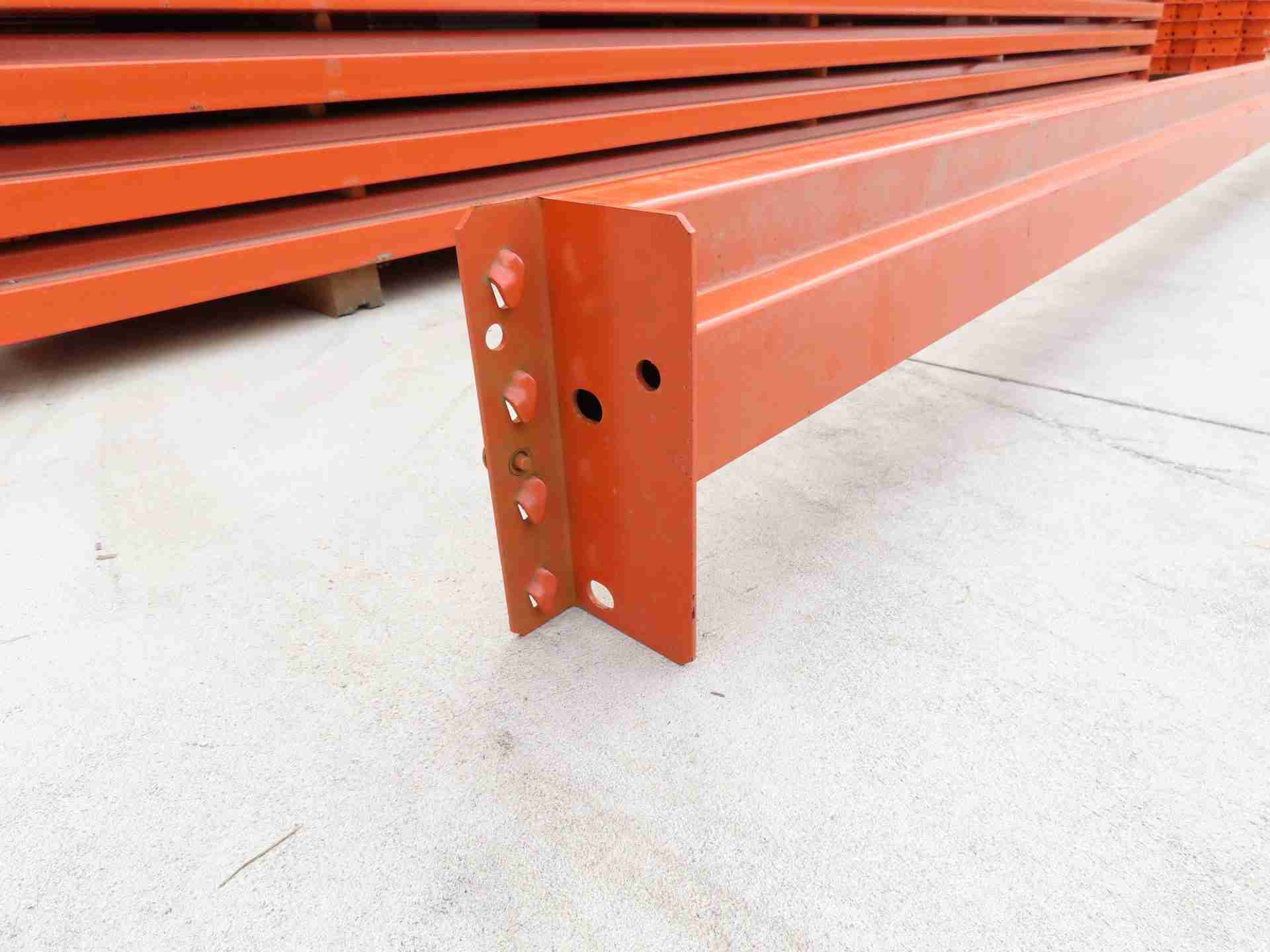
What Are The Minimum Height And Weight Requirements For Racks?
What Are The Minimum Height And Weight Requirements For Racks?
- Understanding minimum height and weight requirements for racks is essential for safety and marketing in retail, warehouses, and e-commerce.
- Industrial racks typically have a minimum height of around 7 feet to optimize vertical storage and ensure safe navigation for workers and machinery.
- Companies are increasingly focusing on vertical space optimization to enhance product stocking and picking processes.
- Racks must be engineered to support typical weights of 2,000 to 3,000 pounds per shelf, with specialized racks required for heavier items.
- Compliance with weight guidelines is critical, as failures in storage solutions can lead to significant safety issues and operational disruptions.
- Businesses adopting lean inventory principles need to ensure their racks can efficiently handle heavier loads to support quick product turnover.
- Adhering to height and weight specifications reinforces reliability and professionalism, enhancing customer trust and operational effectiveness.
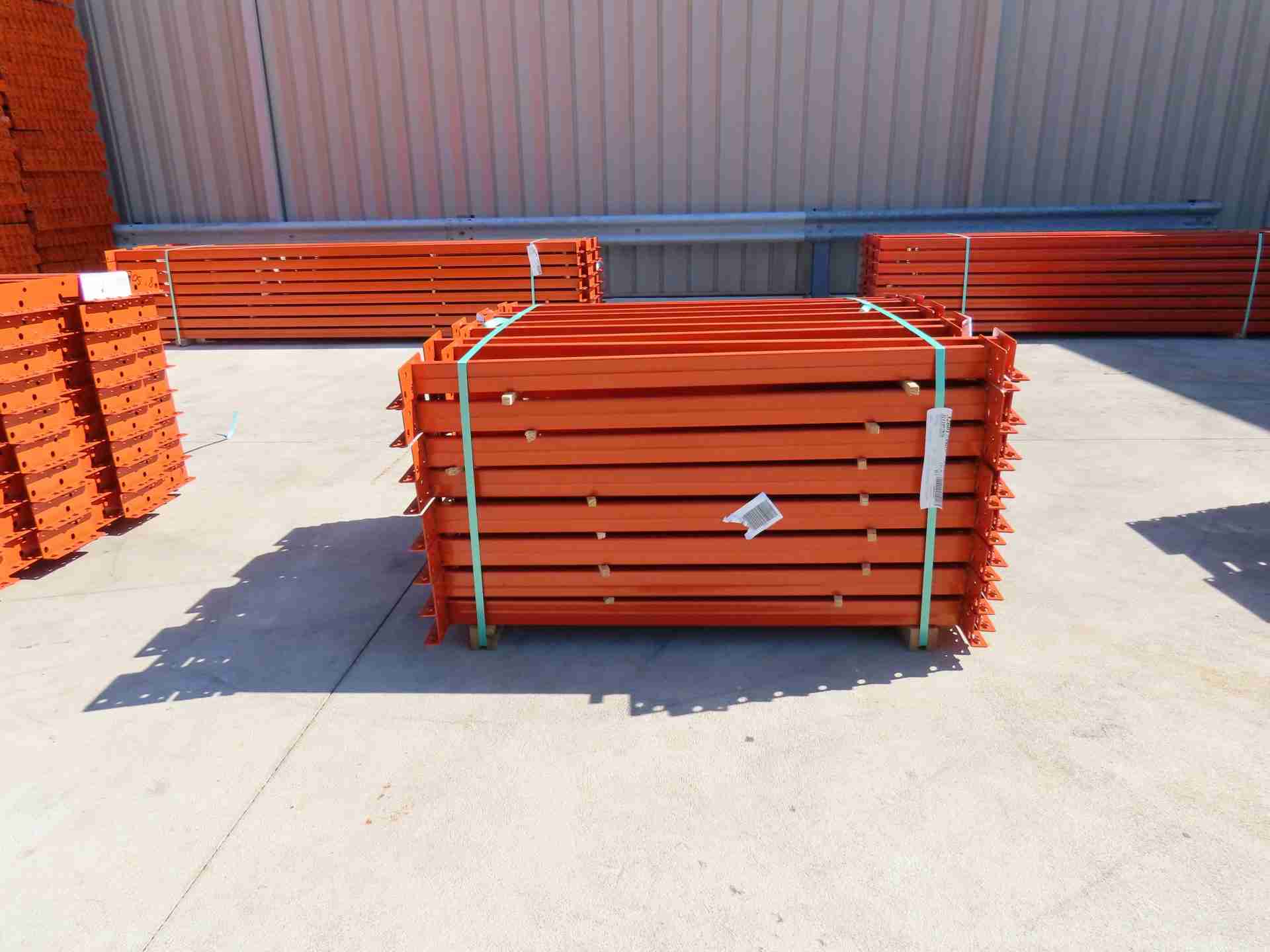
What Are The Minimum Height And Weight Requirements For Racks?
How Often Should Racking Systems Be Inspected?
In today’s fast-paced world of supply chain management, racking systems serve as the backbone of warehouse efficiency and safety. Yet, amidst the rush to streamline operations and cut costs, one crucial aspect often falls by the wayside: regular inspection of these systems. So, how often should you inspect your racking systems? The answer is straightforward yet vital: routinely and proactively.
The industry standard recommends that racking systems be inspected at least annually by a qualified professional. However, this should not be your only consideration. Systems exposed to heavy use, harsh conditions, or specific hazards might require more frequent evaluations. For instance, if your warehouse experiences a high volume of traffic or utilizes forklifts regularly, semi-annual inspections would be a prudent choice.
Let’s put this into perspective. Consider a company like Amazon, which handles massive amounts of inventory daily. Their racking systems face heavy weights and the potential for high-impact collisions. By instituting quarterly racking inspections, they minimize risk and ensure compliance with safety regulations—thus safeguarding both their team’s well-being and their financial investment.
But regular inspections don’t just stem from operational excellence; they’re often mandated by law. For example, in July 2023, OSHA implemented stricter guidelines for warehouse safety, emphasizing the importance of racking inspections in reducing workplace accidents. Non-compliance can lead not only to fines but also to a significant decrease in workforce morale and trust. Imagine the repercussions of a preventable accident due to neglected racking systems. The damage can extend beyond physical injuries, affecting productivity, reputation, and ultimately, your bottom line.
Moreover, regular inspections can help you catch issues before they escalate into costly repairs or catastrophic failures. Think of racking inspections like routine medical check-ups; they reveal hidden problems and allow you to make necessary adjustments without incurring exorbitant costs. Just as early detection can save lives, timely inspections can preserve both your assets and your operational integrity.
In summary, the frequency of racking system inspections should align with your operational risk profile, activity level, and regulatory requirements. Don’t wait for a safety incident to illustrate the value of proactive maintenance. Embrace a robust inspection schedule to enhance efficiency, ensure compliance, and, most importantly, protect your most valuable asset: your people. Remember, investing in safety is not just a cost—it’s a commitment to excellence and prosperity.
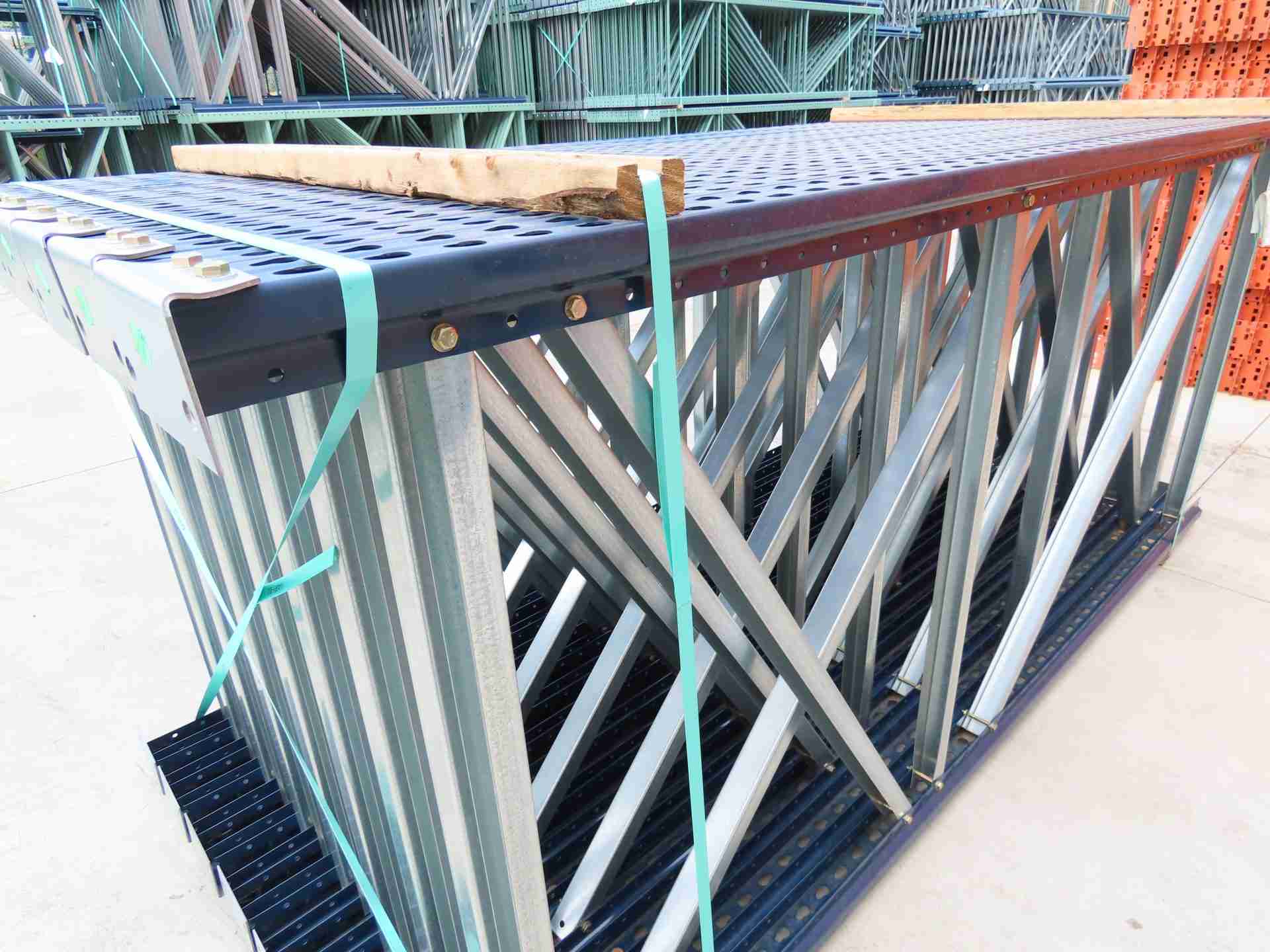
How Often Should Racking Systems Be Inspected?
How Often Should Racking Systems Be Inspected?
- Racking systems are crucial for warehouse efficiency and safety but often neglected regarding regular inspections.
- Industry standards recommend annual inspections by qualified professionals, with more frequent evaluations for heavily used or hazardous environments.
- Companies like Amazon conduct quarterly racking inspections to minimize risk and ensure safety compliance.
- OSHA’s stricter guidelines emphasize the importance of regular inspections in reducing workplace accidents, with non-compliance potentially leading to fines and decreased morale.
- Regular inspections help identify issues early, preventing costly repairs and ensuring operational integrity.
- The frequency of inspections should match the operational risk profile, activity level, and regulatory requirements of the warehouse.
- Proactive maintenance through a robust inspection schedule is vital for efficiency, compliance, and the safety of employees.
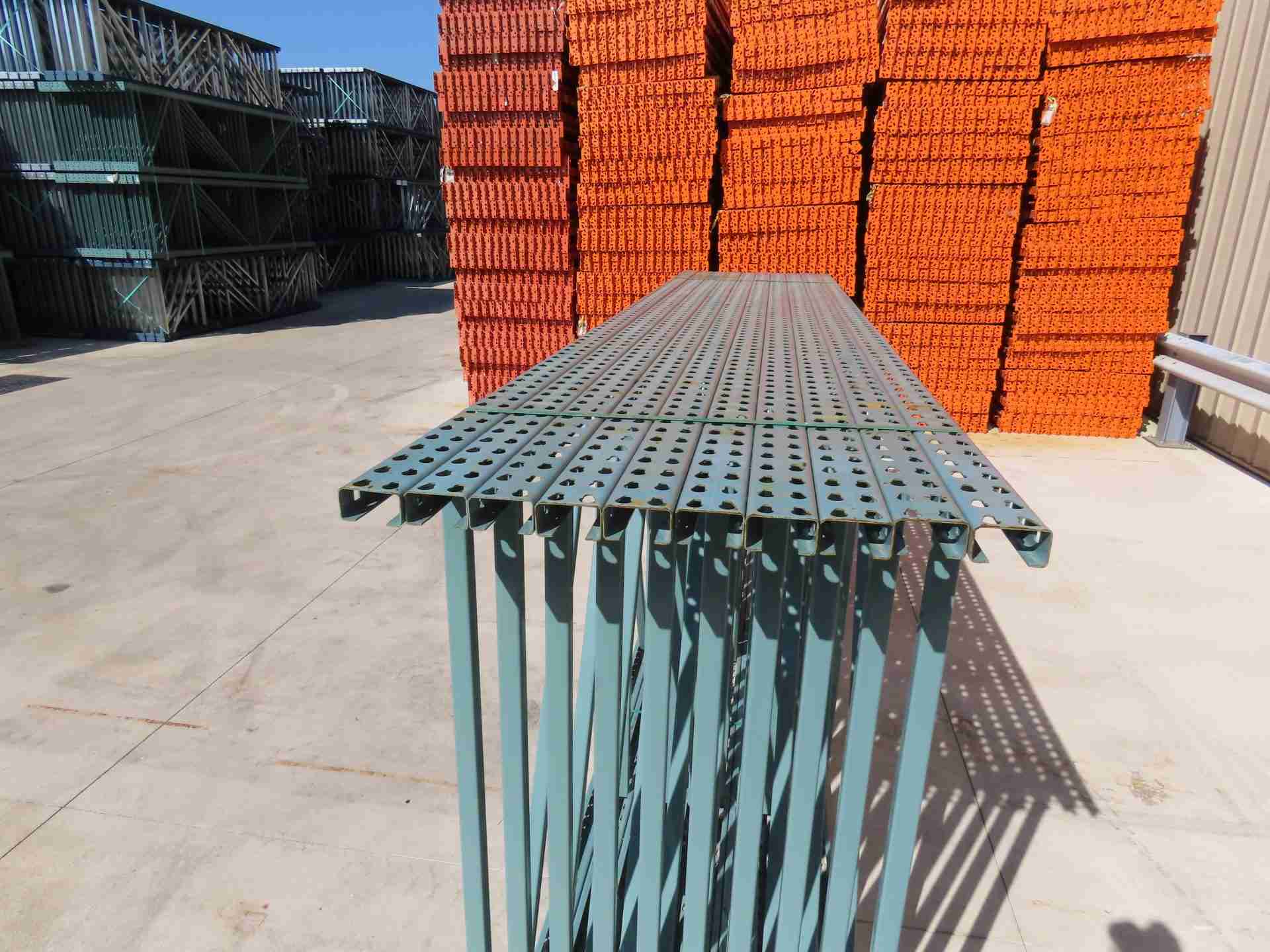
How Often Should Racking Systems Be Inspected?
What Common Mistakes Violate Racking Standards?
In the world of warehouse management, a single lapse in judgment can lead to catastrophic consequences. When it comes to racking systems, adhering to industry standards isn’t just advisable — it’s essential. Unfortunately, many businesses unknowingly flirt with disaster by committing common mistakes that violate racking standards.
Ignoring Capacity Limits
One of the most pervasive pitfalls is the failure to observe load limits. Each racking unit is designed to hold a specific weight, and exceeding this limit can lead to structural failure. For instance, several businesses recently experienced collapses due to overloading; one notable case involved a California warehouse where improper stacking led to thousands in damages and a temporary shutdown. Always ensure that your team is not only aware of these limits but also diligently monitoring the weight load of every rack.
Poor Inspection Routines
Another egregious mistake is neglecting regular inspections. Like any other piece of equipment, your racking systems require routine checks to identify signs of wear and tear. Falling short on these inspections can lead to disastrous outcomes. Take a recent incident in Texas, where a poorly maintained racking system failed, causing injuries to workers. By establishing a strict inspection routine in line with OSHA guidelines, companies can avoid dangerous scenarios that could have easily been prevented.
Inadequate Training for Staff
Misunderstanding how to properly utilize racking systems leads to costly errors. Many businesses fail to provide adequate training for their employees, leaving them unaware of the correct methods for loading and unloading materials. This oversight isn’t just about efficiency; it can have severe safety implications. An incident last fall involving a Michigan warehouse highlighted this; employees, lacking basic training, improperly loaded a rack, resulting in a collapse that injured two workers. Implementing a robust training program can significantly mitigate these risks.
Ignoring Manufacturer Guidelines
Finally, each racking system comes with its own set of manufacturer specifications, yet many companies choose to overlook them. Whether it’s failing to use the right connectors or ignoring the installation guidelines, this mistake can compromise the entire system. In today’s fast-paced business environment, adhering to these guidelines may seem tedious, but it’s crucial for operational safety. Businesses should always prioritize compliance with both manufacturer instructions and industry standards.
In summary, understanding and avoiding these common mistakes is paramount for any business looking to maintain a safe and effective warehouse environment. By addressing these issues head-on, companies can not only protect their assets but also ensure the safety of their employees. Remember, your racking system is more than just storage; it’s the backbone of your operation.
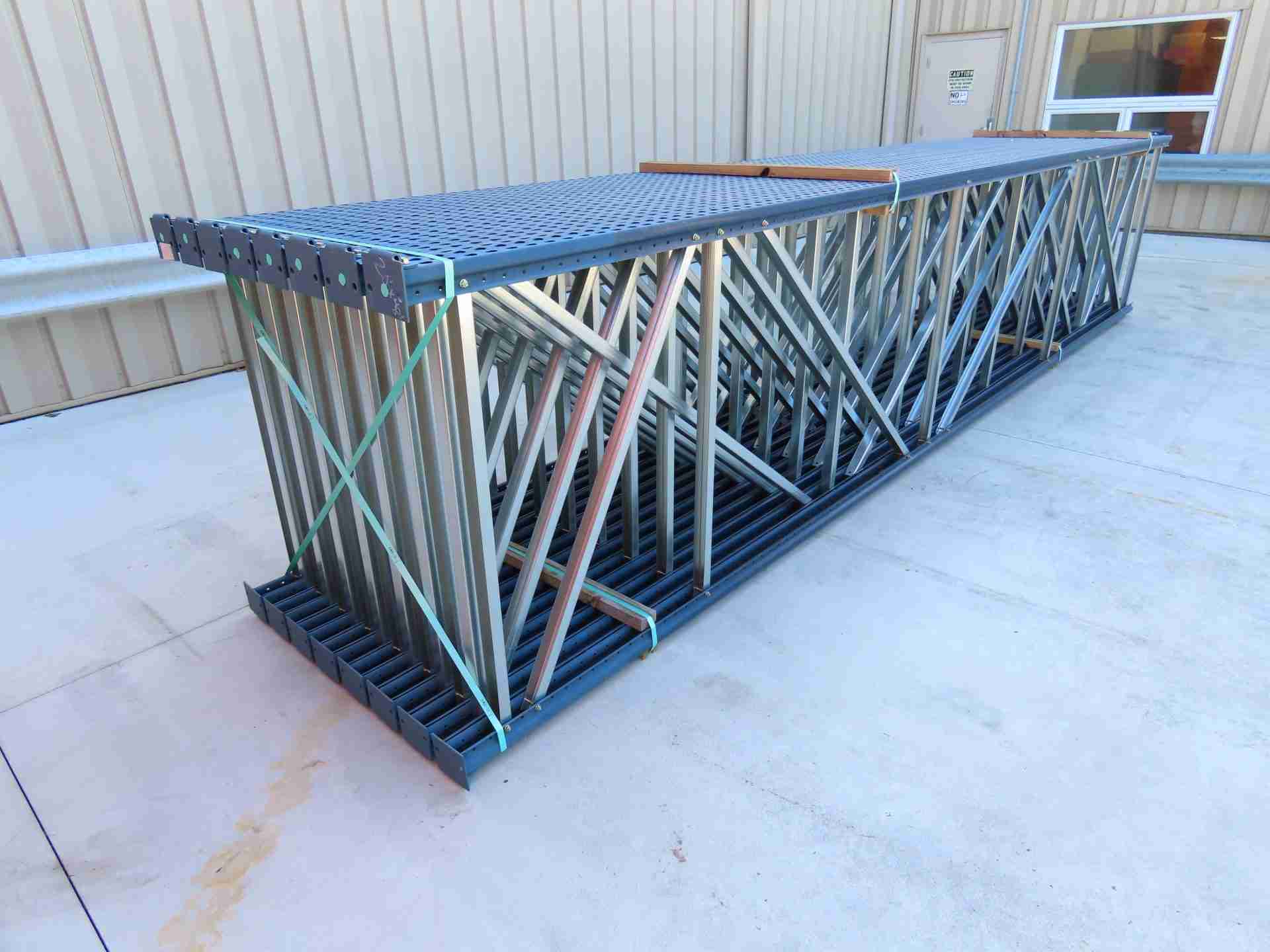
What Common Mistakes Violate Racking Standards?
What Common Mistakes Violate Racking Standards?
- A single mistake in warehouse management can have severe consequences, especially regarding racking systems.
- Ignoring load capacity limits can lead to structural failures, including warehouse collapses and financial losses.
- Regular inspections of racking systems are crucial to identifying wear and tear; neglecting this can cause injuries and operational downtime.
- Lack of adequate staff training on proper loading techniques can result in dangerous errors and accidents.
- Overlooking manufacturer guidelines for racking systems can jeopardize safety and operational integrity.
- Addressing common pitfalls in racking management helps protect assets and ensures employee safety.
- Maintaining an effective warehouse environment relies on strict adherence to standards and guidelines.
What Common Mistakes Violate Racking Standards?
How Can Businesses Stay Compliant With Racking Standards?
In the bustling world of warehouse management, maintaining compliance with racking standards is not just a regulatory checkbox; it’s a business imperative. Failing to conform can lead to dire consequences, including hefty fines, unsafe working environments, and most importantly, catastrophic accidents that could endanger lives and cripple operations. So, how can businesses ensure they’re meeting these vital standards without drowning in bureaucracy?
First and foremost, invest in ongoing training for your workforce. Compliance is not a one-and-done affair; it requires a culture of safety and awareness. Regular workshops that cover the latest safety protocols, such as proper racking installation and load capacities, can prove invaluable. A recent survey from the Occupational Safety and Health Administration (OSHA) revealed that companies prioritizing training saw a 30% reduction in workplace accidents. Consider leveraging virtual training tools or online resources to keep your team updated without interrupting their daily tasks.
Next, conduct regular audits and inspections. Proactively identifying potential hazards can save you from severe repercussions later on. This isn’t merely about following a checklist; it’s about fostering a mentality of continuous improvement. For example, after a string of warehouse accidents in late 2022, many companies adopted weekly inspection routines and engaged third-party experts to conduct thorough evaluations. This initiative not only improved compliance rates but also restored employee confidence in workplace safety.
Utilize technology to your advantage. Implementing warehouse management systems (WMS) that track racking conditions and provide real-time data on inventory and load capacities can streamline compliance efforts. Many businesses are employing RFID technology to monitor the usage and wear of their racking systems, allowing for data-driven decisions about maintenance and upgrades. In a recent case study, a logistics company saw a 25% increase in compliance checks by simply adopting smart racking solutions.
Additionally, stay current with industry regulations and standards. The landscape of compliance is ever-changing; what was compliant yesterday may not be today. Joining industry associations or subscribing to relevant publications can give you access to crucial updates. Recently, the National Safety Council has highlighted the need for heightened compliance standards in racking systems, spurring many businesses to reassess their existing practices.
Lastly, don’t hesitate to consult with experts. Engaging with compliance specialists can provide invaluable insights tailored to your business needs, ensuring you’re not just compliant but ahead of the curve. Implementing these strategies will position you not just as a compliant business but as a leader in safety and operational excellence in your industry. Remember: in the world of business, being proactive is always better than being reactive.
How Can Businesses Stay Compliant With Racking Standards?
How Can Businesses Stay Compliant With Racking Standards?
- Maintaining compliance with racking standards is crucial for warehouse safety and avoiding fines.
- Invest in ongoing training for employees to foster a culture of safety, with regular workshops on safety protocols.
- Conduct regular audits and inspections to proactively identify hazards and encourage continuous improvement.
- Utilize technology, such as warehouse management systems (WMS) and RFID, to streamline compliance and monitor racking conditions.
- Stay updated with industry regulations and standards through associations and publications to ensure compliance.
- Consult with compliance specialists for tailored insights that can enhance safety and operational practices.
- Proactively implementing these strategies positions businesses as leaders in safety and operational excellence.
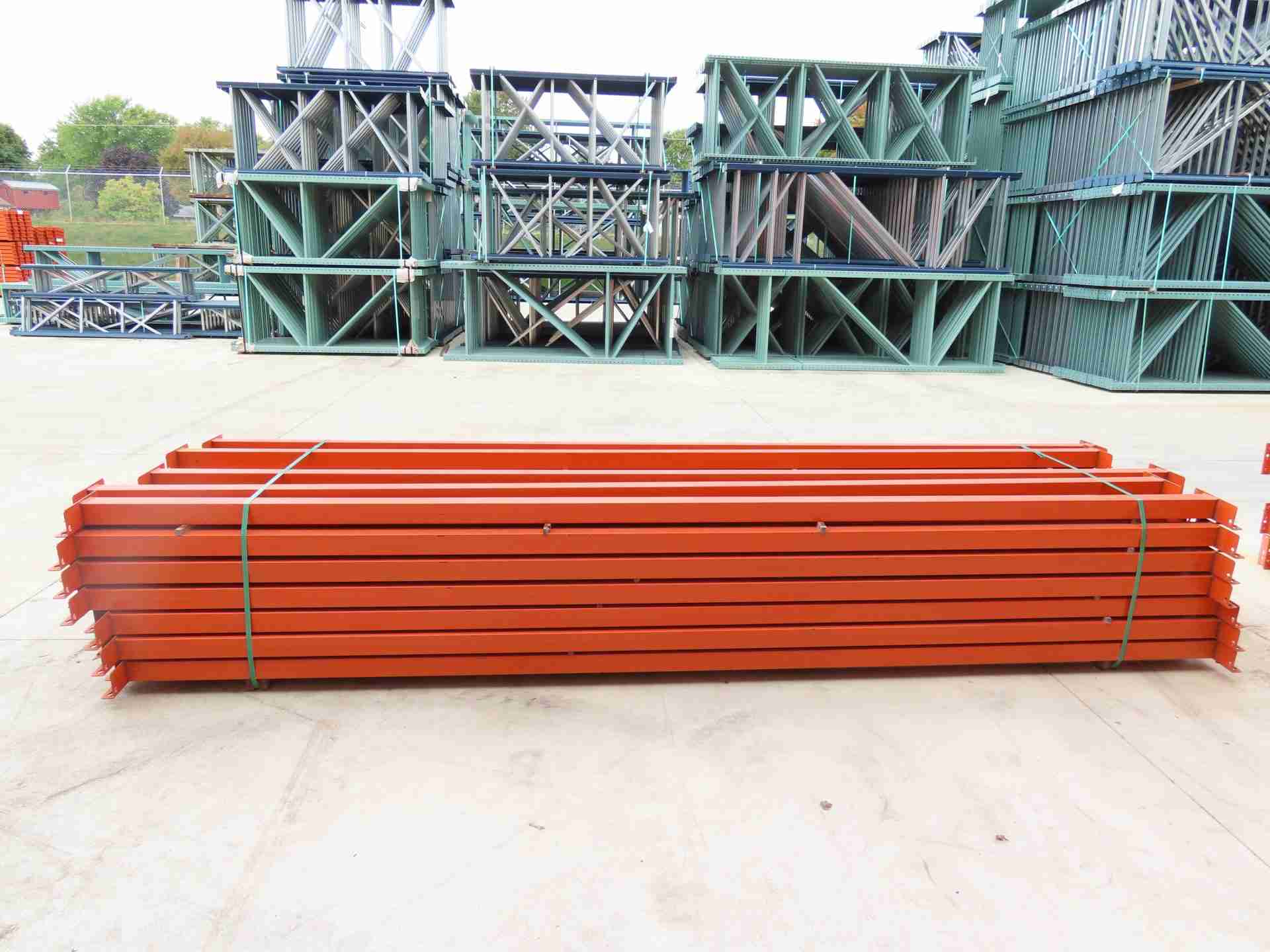
How Can Businesses Stay Compliant With Racking Standards?
What Training Is Required For Warehouse Staff On Racking?
In the fast-paced world of logistics and warehousing, your staff’s effectiveness can hinge dramatically on the quality of their training — particularly when it comes to operating racking systems. As recent trends indicate a surge in e-commerce and a shift toward more automated warehousing solutions, the importance of a well-trained crew is more essential than ever.
Let’s break down the key training components essential for your warehouse staff to master racking systems. First and foremost, safety training is non-negotiable. In light of OSHA regulations and recent increased scrutiny on workplace safety standards, educating your team on the correct handling of racking is critical. For instance, staff should be well-versed in load capacities, shelf heights, and the proper use of safety gear. A warehouse that prioritizes safety training not only minimizes accidents but also enhances morale — happy workers are productive workers.
Next, operational training comes into play. This isn’t just about telling your staff how to operate forklifts or pallet jacks; it’s about fostering a culture of efficiency. Current data suggests that poorly trained employees can waste up to 30% of their time on avoidable errors. Training programs that incorporate scenario-based learning can significantly reduce these inefficiencies. Teaching your staff to recognize the signs of structural fatigue in racking systems, for example, can prevent catastrophic failures that lead to costly downtime.
Another crucial aspect is maintenance training. With reports indicating that poorly maintained racking systems lead to billions in lost revenue every year, training your team on daily inspections and maintenance protocols is invaluable. Consider a hands-on workshop where staff members engage in practical assessments of existing racking setups. Not only does this foster ownership and pride in their workspace, but it also ensures that potential problems are caught before they escalate.
Lastly, don’t overlook technology training. As automation and sophisticated warehouse management systems (WMS) become more prevalent, equipping your staff with the skills to navigate these technological changes is vital. Training in new software systems enables your team to streamline operations, leading to faster order turnover and superior customer satisfaction — two metrics that can make or break your business in today’s competitive landscape.
In summary, investing in comprehensive training for your warehouse staff on racking systems isn’t just a regulatory checkbox; it’s a strategic move that can yield a significant return in productivity, safety, and profitability. As we march into a new era of warehouse management, the informed workforce will be your greatest asset. Embrace training today, and watch your operational efficiency soar tomorrow.

What Training Is Required For Warehouse Staff On Racking?
What Training Is Required For Warehouse Staff On Racking?
- Quality training is essential for warehouse staff to effectively operate racking systems.
- Safety training is critical due to OSHA regulations and its role in minimizing accidents and boosting morale.
- Operational training should focus on fostering efficiency and reducing avoidable errors, which can cost time.
- Maintenance training is vital, as poorly maintained racking systems can lead to significant revenue loss.
- Hands-on workshops can enhance maintenance training and promote pride in the workspace.
- Technology training is necessary to adapt to automation and advanced warehouse management systems.
- Investing in comprehensive training improves productivity, safety, and profitability, making it a strategic necessity.

What Training Is Required For Warehouse Staff On Racking?
What Are The Consequences Of Non-Compliance With Racking Standards?
When it comes to racking systems in warehouses and distribution centers, non-compliance with established standards is not just a blip on the radar—it’s a ticking time bomb. The stakes are high, and the costs associated with non-compliance can be devastating, both financially and reputationally.
Consider this: In 2022, a well-known retail corporation faced a catastrophic incident in one of its distribution centers. A collapsed racking system resulted in significant injuries to several employees and led to a multi-million-dollar lawsuit that reverberated throughout the industry. The company not only had to manage the immediate fallout of medical expenses and legal battles, but it also suffered a severe blow to its brand reputation. Trust is fragile; a single non-compliance incident can shatter consumer confidence and erode market share.
But the ramifications don’t stop at legal and financial repercussions. Non-compliance can interrupt operations, resulting in costly downtime. Imagine a busy warehouse, and suddenly, an inspector shuts down operations due to faulty racking. Orders back up, customers get frustrated, and your company’s reputation for reliability hits the floor—much like that unstable racking system itself. The profit losses can accumulate quickly, spiraling into a chain reaction that is hard to recover from.
Moreover, there’s the issue of employee safety. When racking systems do not adhere to safety standards, the risk of accidents skyrockets. No one wants to work in an environment where their safety is compromised, and you can be sure that top talent will think twice before settling down in a workplace known for rickety infrastructure. High attrition rates lead to additional hiring and training costs, not to mention the invaluable knowledge lost when seasoned employees walk out the door.
Let’s not overlook the potential impact on insurance premiums. When a company has a history of non-compliance and accidents related to inadequate racking systems, insurers take note. Higher premiums become the new normal, further squeezing an already tight budget.
In a world of increasing regulations and consumer scrutiny, compliance is no longer an option; it’s a survival strategy. Businesses that prioritize adherence to racking standards not only protect their workers but also foster a culture of excellence and safety, ensuring long-term profitability and brand loyalty. In today’s competitive landscape, where even a small misstep can result in significant consequences, compliance is the cornerstone of sustainable growth. Don’t wait for an incident to show you the importance—take proactive steps today.

What Are The Consequences Of Non-Compliance With Racking Standards?
What Are The Consequences Of Non-Compliance With Racking Standards?
- Non-compliance with racking system standards in warehouses poses severe risks and costs.
- A 2022 incident at a major retail corporation involved a collapsed racking system, leading to injuries and a multi-million-dollar lawsuit.
- Brand reputation suffers significantly after incidents of non-compliance, eroding consumer trust and market share.
- Non-compliance can disrupt operations, causing costly downtime and order backlogs, further damaging a company’s reliability.
- Employee safety is jeopardized with inadequate racking systems, leading to higher attrition rates and increased hiring/training costs.
- Non-compliance can lead to higher insurance premiums as insurers react to incident history, tightening budgets further.
- Compliance is essential for business survival, promoting worker safety, operational excellence, and long-term profitability.
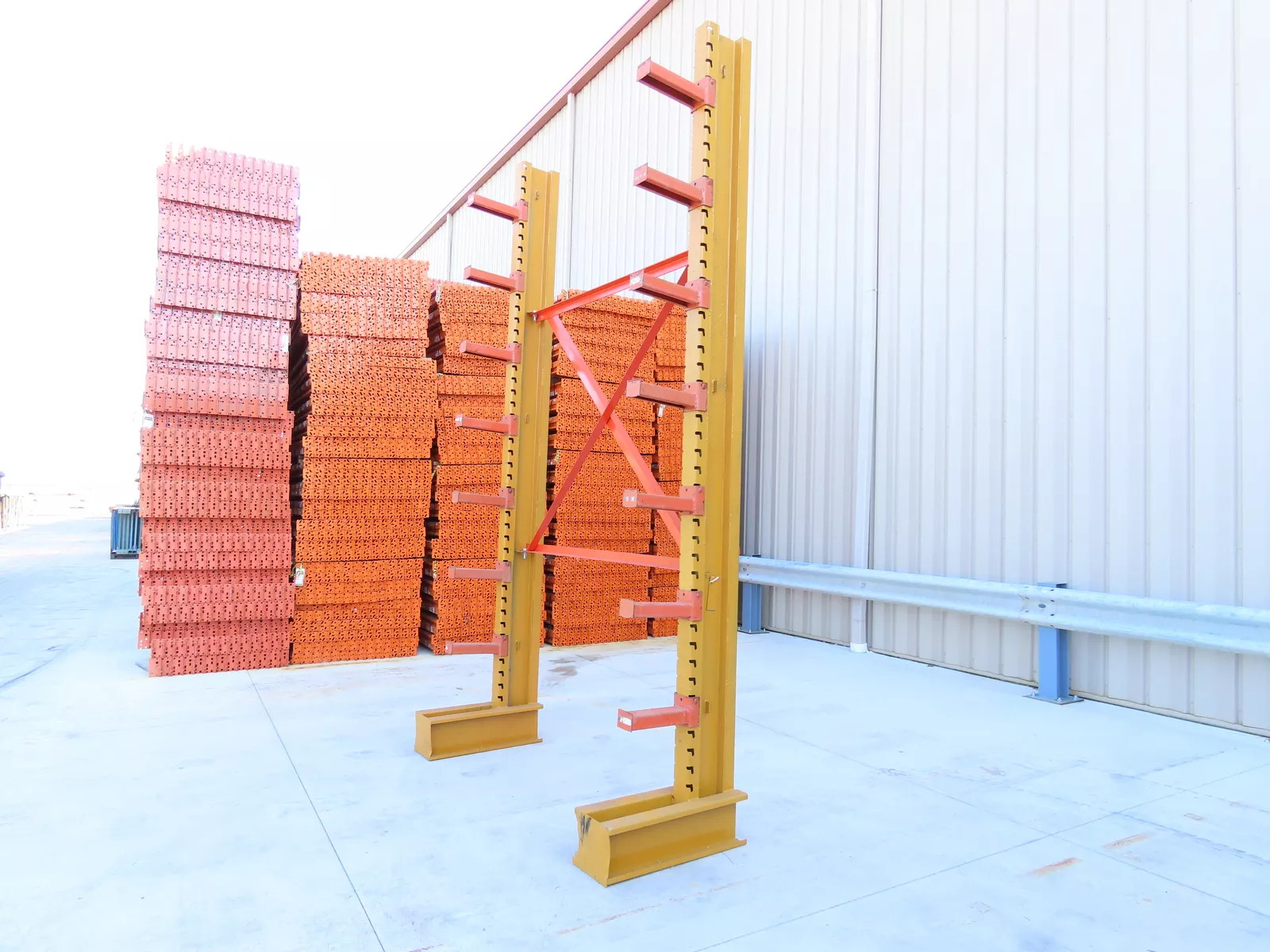
What Are The Consequences Of Non-Compliance With Racking Standards?
How Do I Choose The Right Racking System For My Warehouse?
Selecting the right racking system for your warehouse is not just a mundane task; it’s a crucial decision that can directly influence your operational efficiency, safety, and even your bottom line. In today’s dynamic market, characterized by rising costs and supply chain disruptions, a well-planned racking system can be your secret weapon.
Assess Your Needs:
Start by evaluating your specific needs. Consider the types of products you handle—are they small and lightweight or larger and bulkier? For example, if you manage a warehouse that frequently stocks automobile parts, a selective pallet racking system might serve best, enabling quick access to various pallets. Conversely, in e-commerce, where quick turns and maximum space utilization are vital, a more compact system like drive-in racking could optimize both space and retrieval efficiency.
Embrace Flexibility:
We live in a world where adaptability is key. With global supply chains constantly fluctuating, your racking system should be flexible enough to evolve with your business needs. Adjustable racking systems, like boltless shelving, allow you to modify shelf heights and configurations quickly without the need for specialized tools. This flexibility can save you time and money in the face of changing inventory.
Maximize Floor Space:
Consider the vertical height of your warehouse. In an era where warehouse space is increasingly expensive, utilizing vertical space can yield substantial savings. High-bay racking systems utilize vertical space and can hold heavy loads, facilitating high-density storage. Recently, industries have changed their approach to warehousing as they re-evaluate how to maximize profit per square foot, with many turning to advanced systems that allow for better vertical storage options.
Safety and Accessibility:
Safety cannot be an afterthought. A racking system that is poorly designed or improperly utilized can lead to accidents, which can be devastating for both employees and your financial health. For example, consider implementing systems that come with safety features like rack safety straps or anti-tip devices. These features provide peace of mind, ensuring that your operations run smoothly and safely.
Future-Proof Your Investment:
Finally, think long-term. The right racking system is not just a purchase; it’s an investment. With changes in consumer behavior and the rapid rise of e-commerce, warehouses must be equipped to handle unpredictable demand. Investing in scalable and innovative racking solutions today will prepare you for the uncertainties of tomorrow.
Ultimately, the right racking system will harmonize your warehouse operations—transforming chaos into order and inefficiency into streamlined processes. Take a moment to assess your needs, plan for the future, and get it right. Your warehouse, and ultimately your business, will thank you.
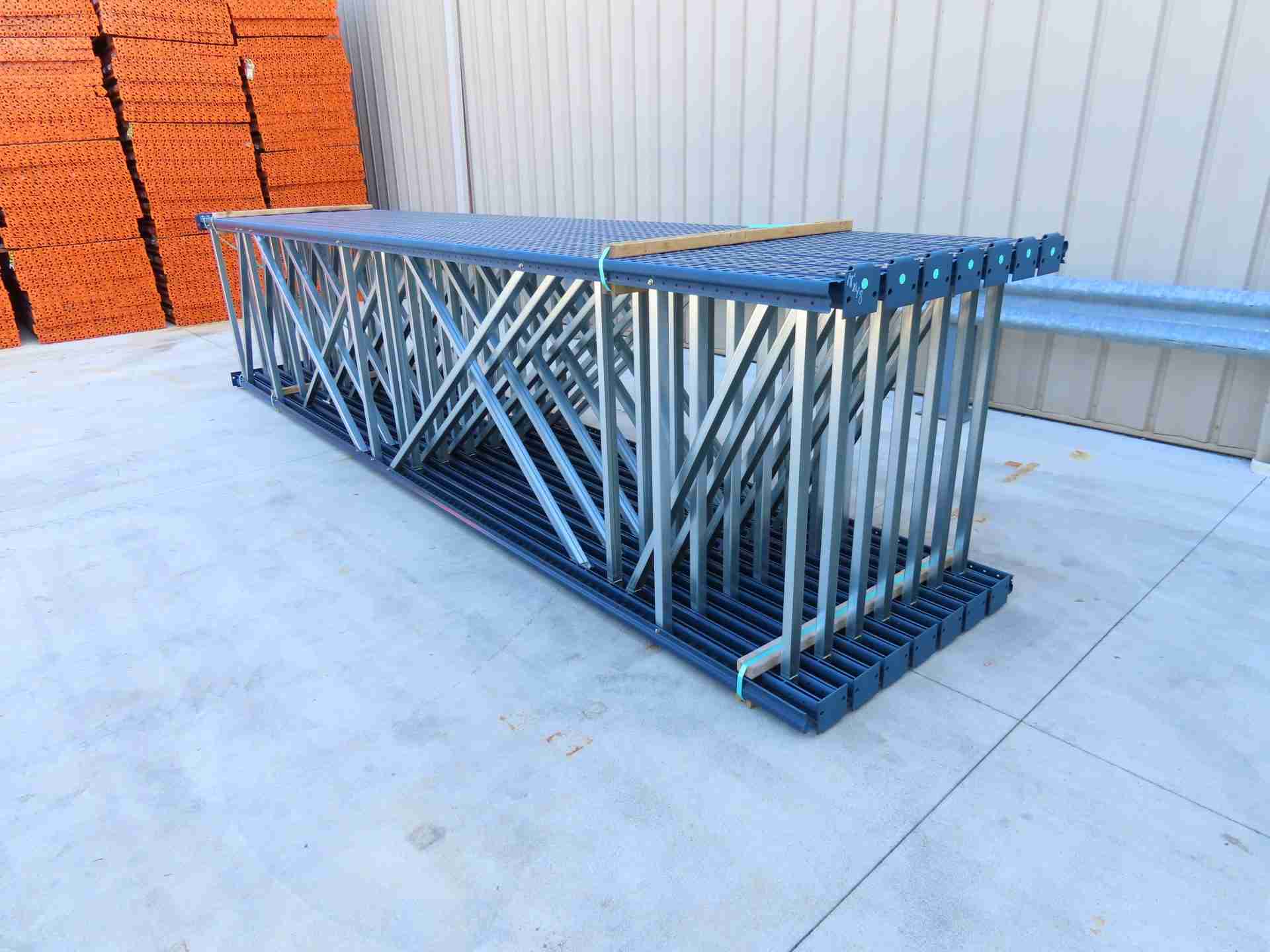
How Do I Choose The Right Racking System For My Warehouse?
How Do I Choose The Right Racking System For My Warehouse?
- Choosing the right racking system is vital for operational efficiency, safety, and cost savings.
- Start by assessing your specific needs based on the size and type of products handled.
- Flexibility is crucial; adjustable racking systems can adapt to changing inventory needs.
- Maximize floor space by utilizing vertical storage, especially in costly warehouse environments.
- Prioritize safety by implementing racking systems with safety features to prevent accidents.
- Think long-term; invest in scalable racking solutions to cope with unpredictable demand.
- The right racking system can transform warehouse operations from chaotic to efficient.

How Do I Choose The Right Racking System For My Warehouse?
How Can Technology Help Meet Racking Standards?
In a marketplace that demands precision and efficiency, companies maintaining warehouse racking systems face the dual challenge of adhering to stringent safety standards while maximizing operational productivity. Enter technology—our unwavering ally in this mission.
For businesses navigating the complexities of racking standards, software solutions like warehouse management systems (WMS) have emerged as indispensable tools. These sophisticated platforms enable companies to monitor and manage inventory with pinpoint accuracy. For instance, RFID technology can significantly enhance tracking, allowing businesses to identify compliance issues in real-time. Imagine a scenario where employees can scan barcodes on pallets, instantly assessing whether the arrangement meets OSHA safety regulations. With this immediate feedback, adjustments can be made on the fly, ensuring safety and compliance without hindering workflow.
Consider the case of a major retail chain that recently upgraded its racking inspections through the use of drone technology. Drones equipped with high-resolution cameras are now routinely deployed to scan racking systems, catching structural deformities or overloading issues before they escalate into costly disasters. This proactive approach not only bolsters safety but also reduces downtime and maintenance costs—two critical factors for any business operating in a fierce retail environment.
Moreover, emerging technologies like artificial intelligence and machine learning can also facilitate predictive maintenance. By analyzing historical data and identifying patterns in wear and tear, AI algorithms can predict when a racking system is likely to fail or require maintenance. Companies can then address these issues before they turn into compliance nightmares. During the recent surge in e-commerce, businesses leveraging AI successfully iterated their racking systems to accommodate surging inventory levels while maintaining safety standards.
Even more relatable is how augmented reality (AR) is reshaping employee training for racking systems. Through AR glasses, new hires can view digital overlays that illustrate the proper loading techniques and safety protocols directly on existing racking systems. This immersive experience not only accelerates the training process but ensures that every employee is well-versed in the standards they must uphold—fundamentally transforming safety culture within organizations.
In a world where safety and efficiency are paramount, technology offers a plethora of solutions to help businesses meet racking standards head-on. By embracing these innovations, companies can seamlessly bridge the gap between compliance and operational excellence, setting themselves apart in a competitive landscape. In essence, investing in technology for racking systems isn’t just a smart choice; it’s a strategic imperative for sustainable growth.
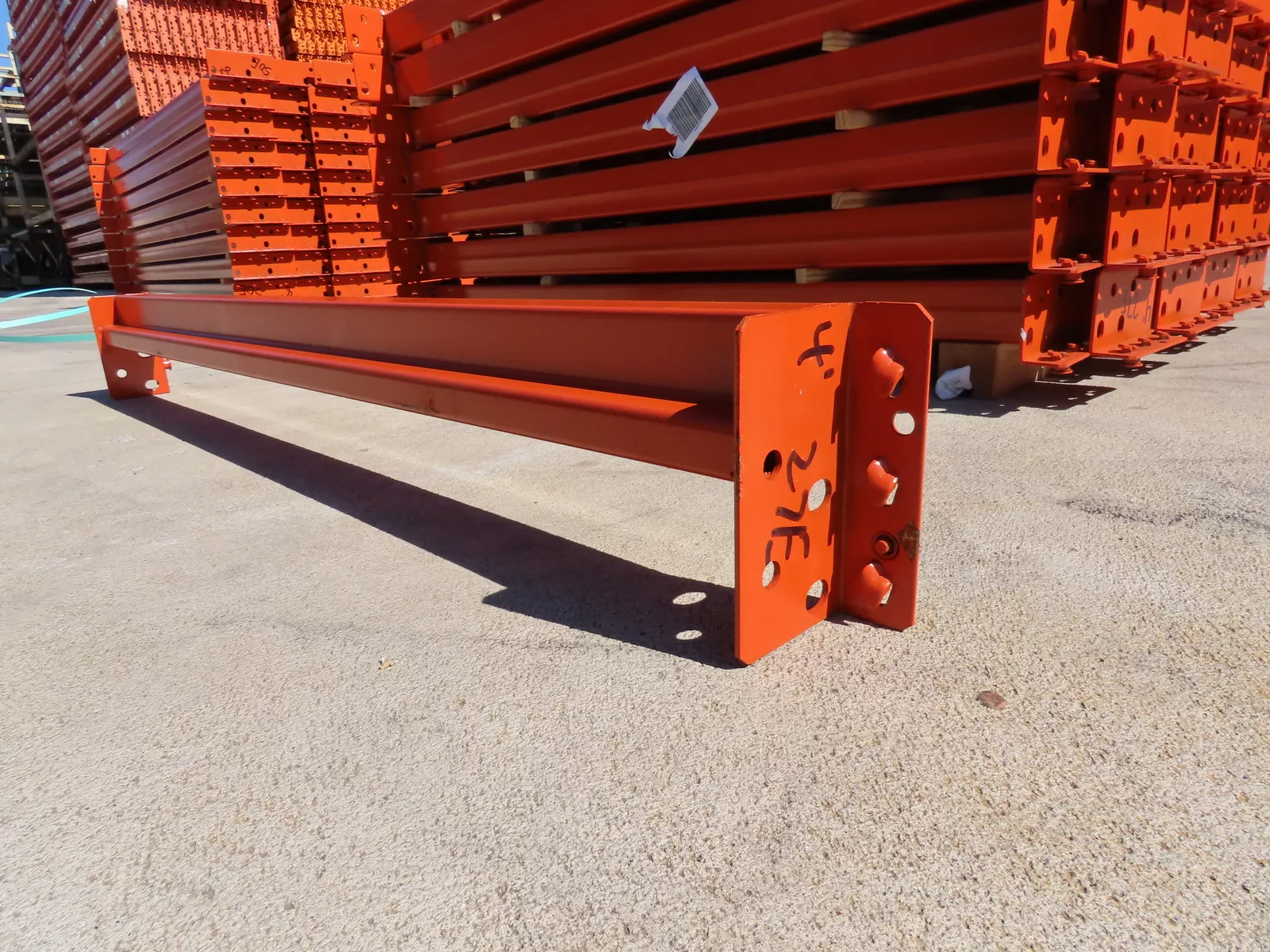
How Can Technology Help Meet Racking Standards?
How Can Technology Help Meet Racking Standards?
- Companies face challenges in maintaining warehouse racking systems while meeting safety standards and maximizing productivity.
- Warehouse management systems (WMS) are essential tools for monitoring and managing inventory accuracy.
- RFID technology enhances tracking and helps identify compliance issues in real-time.
- Drones are used for racking inspections, identifying structural issues before they lead to costly failures.
- Artificial intelligence (AI) and machine learning aid in predictive maintenance by analyzing data for future racking system failures.
- Augmented reality (AR) facilitates employee training with digital overlays that demonstrate loading techniques and safety protocols.
- Embracing technology in racking systems is vital for compliance, operational excellence, and sustainable growth.
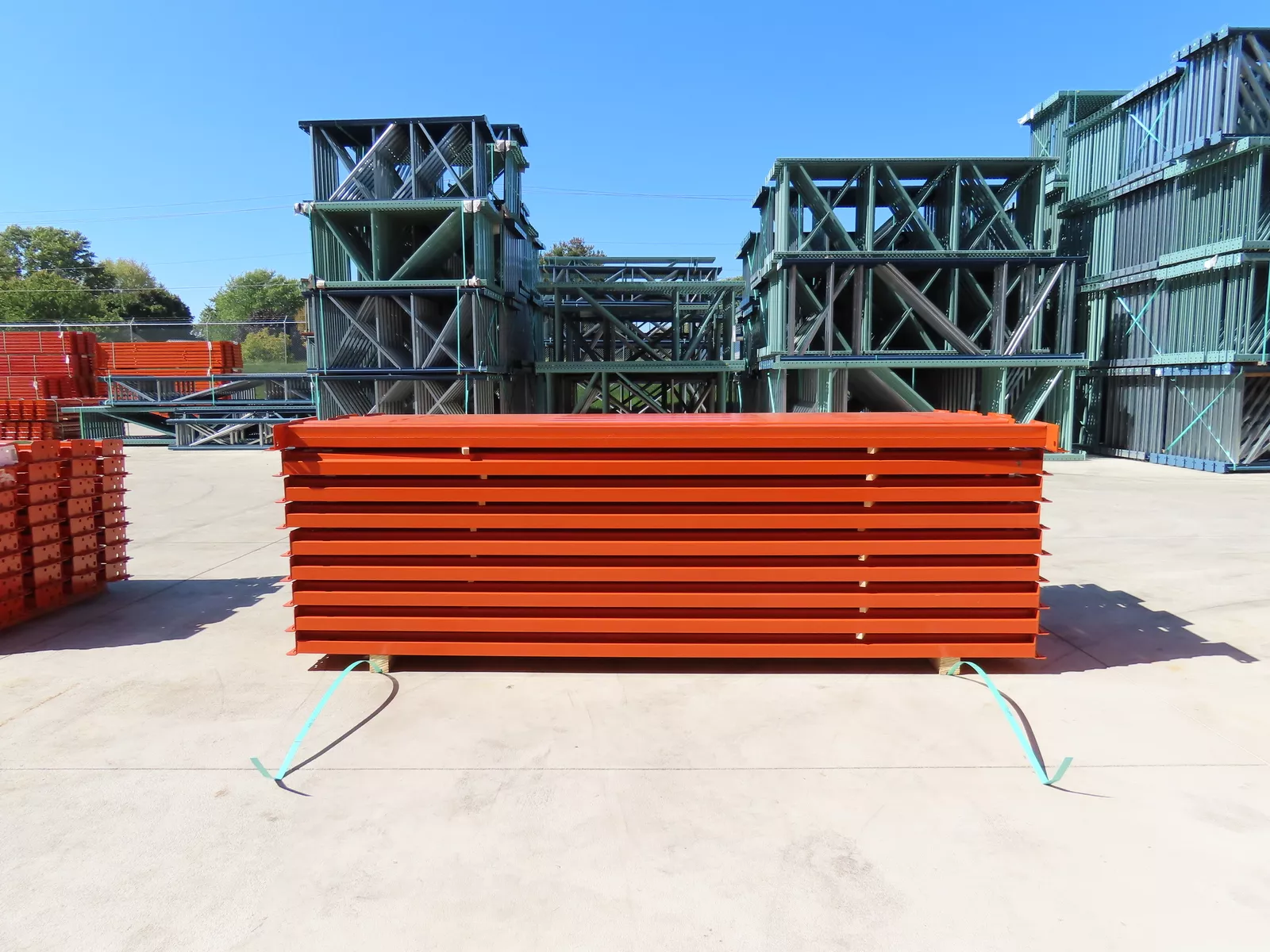
How Can Technology Help Meet Racking Standards?
What Are The Cost Implications Of Adhering To Racking Standards?
In today’s highly competitive business landscape, compliance with racking standards is not just an operational necessity; it’s a strategic advantage that can influence your bottom line. Ignoring these standards poses risks ranging from accidents and injuries to hefty fines and potential litigation. However, adhering to these regulations can also significantly impact your costs—both positively and negatively.
First, let’s consider the immediate costs associated with compliance. Depending on the size of your warehouse or distribution center, you may need to invest in new equipment or retrofitting existing racking systems to meet current safety standards. For instance, regulations like those from OSHA or ANSI often mandate specific designs, load capacities, and inspections. This may seem like a hefty upfront investment, potentially ranging from thousands to tens of thousands of dollars, but think about what it saves you in the long run.
In contrast, neglecting compliance can result in astronomical costs due to accidents. A warehouse incident could lead to employee injuries, putting a strain on your insurance premiums, workers’ compensation costs, and legal fees. For a real-world example, a recent warehouse fire that was traced back to improper racking led to fines in excess of $1 million for the company involved. This staggering figure reinforces how compliance can be a protective shield against unforeseen financial disasters.
Moreover, consider the opportunity costs of non-compliance. Not only could your warehouse be sidelined due to investigations or shutdowns, but you also risk losing clients who, in a world increasingly concerned about safety and sustainability, may shy away from partners that can’t demonstrate adherence to standards.
On the flip side, companies that go above and beyond basic compliance can leverage their commitment to safety as a marketing tool. This commitment can attract high-profile clients looking for safe, reliable partners. For example, logistics giants like DHL have incorporated stringent safety standards into their ethos, enhancing their brand reputation and driving sales.
Finally, there’s the cost connected to transitioning to more sustainable practices. Many current racking standards encourage environmentally friendly materials and processes. While this can involve initial expenses, embracing sustainability not only leads to savings in the long run—through energy efficiency and waste reduction—but also meets the growing consumer demand for responsible business practices.
In essence, the cost implications of adhering to racking standards extend far beyond the initial investment. They permeate every facet of your operations, revealing that compliance is not merely an expense—it’s an investment in your company’s safety, reputation, and future profitability.
What Are The Cost Implications Of Adhering To Racking Standards?
What Are The Cost Implications Of Adhering To Racking Standards?
- Compliance with racking standards is crucial for operational safety and offers a strategic business advantage.
- Ignoring compliance can lead to accidents, injuries, hefty fines, and potential litigation costs.
- Investing in proper racking systems may entail significant upfront costs but offers long-term savings.
- Neglecting compliance risks astronomical costs from incidents, such as the recent $1 million fine from a warehouse fire.
- Non-compliance can result in lost opportunities, including investigations or client loss due to safety concerns.
- Companies exceeding compliance can use their commitment to safety as a marketing tool, attracting high-profile clients.
- Embracing sustainable racking practices can lead to long-term cost savings and meet consumer demand for responsible business.
What Are The Cost Implications Of Adhering To Racking Standards?
What Role Do Engineers Play In Racking Standards Compliance?
When it comes to racking systems in warehouses and distribution centers, there’s no room for error. Engineers play a pivotal role in ensuring compliance with industry standards that safeguard both structural integrity and workplace safety. In an age where logistics and supply chain efficiency are paramount, the importance of having compliant racking systems cannot be overstated.
Designing for Compliance
At the heart of compliance is the design process, where engineers leverage their technical expertise to create racking solutions that meet stringent industry standards such as ANSI, ISO, and OSHA. Consider the case of a major retailer like Amazon, which recently faced scrutiny over its warehouse safety protocols. Engineers were directly involved in assessing and modifying existing racking systems to align with evolving safety regulations. Their efforts not only helped avert potential fines but also improved overall warehouse operations—exemplifying how proactive engineering can safeguard a company’s reputation and bottom line.
Integrating Innovative Technologies
In today’s rapidly evolving market, engineers are also at the forefront of integrating cutting-edge technologies into racking designs. With the rise of automation, systems must not only comply with traditional standards but also adapt to smart technologies. For instance, engineers at logistics startups are increasingly designing solar-powered racking systems that ensure energy efficiency while meeting compliance standards. Such innovations not only demonstrate compliance but also reflect a commitment to sustainability—a crucial factor for modern consumers and businesses alike.
Conducting Regular Audits
Beyond the design phase, engineers are instrumental in conducting regular audits of racking systems. These audits ensure ongoing compliance with both local and federal regulations. In the wake of recent warehouse accidents that resulted in injuries and regulatory penalties, many companies are realizing the necessity of ongoing oversight. Engineers who specialize in safety audits pinpoint areas for improvement, ensuring that racking systems not only meet the letter of the law but also uphold the highest safety standards.
Training and Education
Lastly, engineers play a critical role in training facility staff on proper racking system usage and safety protocols. By educating employees on the significance of compliance, they create a culture of safety that permeates the organization. Companies like Walmart have invested in training programs led by engineers to reinforce compliance, demonstrating that effective education is as vital as the engineering itself.
Engineers are not merely designers; they are compliance champions who ensure that racking systems are safe, efficient, and in line with regulations. In a world where safety and efficiency are paramount, turning to experienced engineers can be one of the smartest decisions a business can make. In doing so, companies can mitigate risks, enhance performance, and solidify their standing in an increasingly competitive marketplace.
What Role Do Engineers Play In Racking Standards Compliance?
What Role Do Engineers Play In Racking Standards Compliance?
- Engineers ensure compliance with industry standards for racking systems in warehouses and distribution centers, crucial for structural integrity and safety.
- Compliance begins in the design phase, where engineers create racking solutions that adhere to ANSI, ISO, and OSHA standards.
- Major retailers, like Amazon, have modified racking systems to comply with safety regulations, improving operations and avoiding fines.
- Engineers integrate innovative technologies, such as solar-powered systems, to enhance compliance while promoting sustainability.
- They conduct regular audits of racking systems to ensure compliance with local and federal regulations and to identify areas for improvement.
- Engineers are critical in training facility staff on racking system usage and safety protocols, fostering a culture of safety within organizations.
- Overall, engineers act as compliance champions, helping businesses mitigate risks and enhance performance in a competitive marketplace.

What Role Do Engineers Play In Racking Standards Compliance?
Conclusion
In the fast-paced logistics environment, warehouse racking systems do more than simply hold products; they play a decisive role in shaping operational efficiency, safety, and, ultimately, profitability. Embracing warehouse racking standards isn’t merely a regulatory checkbox—it’s a strategic advantage that can safeguard your workforce and fortify your bottom line. With guidelines set by industry leaders like the American National Standards Institute (ANSI) and the Occupational Safety and Health Administration (OSHA), racking standards are constructed from years of rigorous research, designed to minimize risks and maximize efficiency in warehouses worldwide.
Failure to adhere to these standards can lead to disastrous consequences, including catastrophic racking collapses that result in severe injuries, exorbitant fines, and irreparable harm to your company’s reputation. Just think about the high-profile incidents caused by negligence in racking systems—these stories reinforce the critical need for compliance. Companies that prioritize safety standards not only protect their employees but also realize decreased operational costs through fewer accidents and lower insurance premiums.
On the flip side, the benefits of robust racking standards are palpable. Businesses that invest in compliant, well-engineered racking systems can optimize space, improve inventory turnover, and even enhance customer satisfaction. In a highly competitive marketplace, your ability to deliver goods efficiently could be the difference between success and failure. Imagine achieving operational excellence that paves the way for growth as you adapt to evolving market demands through flexible racking solutions.
Don’t underestimate the pivotal role of continuous training and regular inspections. Educated and empowered staff are your frontline defense against accidents and inefficiencies, ensuring adherence to the standards that keep your operation fluid and your workforce secure. The use of modern technologies like warehouse management systems (WMS) can streamline compliance processes and augment safety checks, enhancing the overall integrity of your warehouse.
In a world where logistics challenges are numerous, the effective management of racking systems is more crucial than ever. As you navigate through the complexities of supply chains and safety regulations, remember that taking proactive steps toward compliance is not just about avoiding pitfalls. It’s about embracing a culture of safety that can lead to sustained profit and industry respect.
So, why wait? To enhance your operational efficiency and safety, contact Arrow Industrial Sales today at (574) 349-6575. Equip your warehouse with the best practices and products that adhere to stringent racking standards. In doing so, you’re not just complying with regulations—you’re investing in the future of your business. Don’t risk it; take action now!
Conclusion
Conclusion:
- Warehouse racking systems are key to operational efficiency, safety, and profitability in logistics.
- Compliance with racking standards, set by ANSI and OSHA, is crucial for minimizing risks and maximizing efficiency.
- Failure to comply can result in catastrophic racking collapses, injuries, fines, and harm to company reputation.
- Prioritizing safety standards leads to lower operational costs through fewer accidents and reduced insurance premiums.
- Investing in compliant racking systems can optimize space, improve inventory turnover, and enhance customer satisfaction.
- Continuous training, regular inspections, and the use of warehouse management systems (WMS) are essential for maintaining safety and compliance.
- Embracing a culture of safety not only avoids pitfalls but also fosters sustained profit and respect within the industry.

Conclusion
Other Resources
Other Resources
Here is a list of other resources you can review online to learn more:
- “1910 | Occupational Safety and Health Administration”
- “pallet racking”
- “Pallet Racks”
- “Understanding OSHA Requirements for Warehouse Racking”
- “What Does OSHA Have to Say About Pallet Rack Safety?”
- “How to Anchor Pallet Racks to Be Safe and OSHA Compliant”
- “Warehouse Racking Safety Guidelines: Satisfying OSHA”
- “Pallet Racking Safety Guidelines: What They Are and How …”
- “Facilities Planning John A. White Yavuz A. Bozer JMA …”
Use This Prompt To Get More Resources With Your Favorite Online AI Tool: Please provide me with a list of online articles with their URLS in a bulleted list that I can read regarding What Are Warehouse Racking Standards?
Other Resources
Glossary Terms
What Are Warehouse Racking Standards? – Glossary Of Terms
1. Racking: The systematic arrangement of shelves or pallets for storing goods in a warehouse.
2. Pallet: A flat structure used for supporting goods in a warehouse, typically made of wood, plastic, or metal.
3. Load Capacity: The maximum weight a rack or shelf can safely support; must be adhered to according to standards.
4. Vertical Load: The weight applied directly downward on a racking system, crucial for determining stability and safety.
5. Horizontal Load: The sideways force exerted on racking systems, often resulting from moving or shifting goods.
6. Safety Factor: A design criterion that provides a margin of safety for loads beyond the expected maximum to prevent structural failure.
7. AISLE: The passageway between the racks that allows access for personnel and equipment, such as forklifts.
8. Forklift: A powered industrial truck used to lift and move materials, vital for operating racking systems.
9. Rack Types: Various designs of racking systems, including selective, drive-in, and cantilever racking, each serving different storage needs.
10. Seismic Requirements: Standards and regulations that address how racking systems should be designed to withstand earthquakes.
11. Installation Guidelines: Instructions and best practices provided by manufacturers detailing how to correctly set up racking systems.
12. Inspection: The process of examining racking systems regularly to ensure compliance with safety and operational standards.
13. Load Distribution: The manner in which weight is spread across racking systems, crucial for maintaining stability and preventing collapse.
14. Bracing: Structural components that provide additional stability to racking systems to prevent lateral movement.
15. Compliance: Adherence to local and international standards and regulations governing warehouse safety and racking systems.
16. Design Standards: Specifications that dictate how warehouse racking systems should be engineered and configured for safety.
17. Rack Collapse: A failure of a racking system due to excessive load, poor installation, or substandard materials, posing safety risks.
18. Load Limits: The specified maximum weight for each level in a racking system, essential for safety compliance.
19. Stability: The ability of a racking system to remain upright and resist tipping under load and environmental forces.
20. Deflection: The amount of deformation (bending or sagging) in racking systems under load; must remain within acceptable limits.
21. Material Handling: The movement, protection, and control of goods throughout the manufacturing, warehousing, distribution, consumption, and disposal stages.
22. Regular Maintenance: Scheduled checks and repairs of racking systems to ensure safety, functionality, and compliance with standards.
23. OSHA: Occupational Safety and Health Administration, which sets and enforces standards for workplace safety, including racking systems.
24. ANSI: American National Standards Institute; an organization that oversees the development of voluntary consensus standards for products and services.
25. Site Assessment: The evaluation of a warehouse layout and its structural integrity to determine the most effective racking system design.
26. Racking Layout: The strategic arrangement of racking systems within a warehouse to optimize space and improve efficiency.
27. Pallet Positioning: The manner in which pallets are arranged on racking systems to ensure stability, accessibility, and compliance.
28. Inventory Turnover: A measure of how efficiently inventory is managed; impacts the design and layout of racking systems.
29. Heavy Duty Racks: Racking systems designed to hold heavier loads, often used in industrial settings.
30. Compliance Training: Education programs for employees on safety regulations, proper handling procedures, and the correct use of racking systems.
Glossary Of Terms
Other Questions
What Are Warehouse Racking Standards? – Other Questions
If you wish to explore and discover more, consider looking for answers to these questions:
- What specific guidelines do ANSI and RMI provide for warehouse racking?
- How do local regulations impact warehouse racking standards?
- What are the latest updates on OSHA regulations regarding racking systems?
- What are the consequences of not adhering to warehouse racking standards?
- How can businesses ensure their racking systems are compliant with local regulations?
- What types of training should be provided to warehouse staff about racking systems?
- What are some best practices for conducting racking inspections?
- How can technology aid in maintaining compliance with racking standards?
- What are the most common violations of racking standards in warehouses?
- How can companies effectively assess their racking system needs?
- What are standardized load capacity limits for different types of racking systems?
- What role does regular maintenance play in racking system safety?
- What educational resources are available for understanding racking standards?
- How can businesses stay updated on changes to racking standards?
- What is the impact of poor racking decisions on supply chain efficiency?
Other Questions
Checklist
What Are Warehouse Racking Standards? – A Checklist
Checklist: Warehouse Racking Standards Compliance
1. Understand and Implement ANSI/RMI Standards
_____ Familiarize your team with the American National Standards Institute (ANSI) and Rack Manufacturers Institute (RMI) guidelines.
_____ Ensure all racking systems are designed and installed per these standards.
2. Follow OSHA Regulations
_____ Review Occupational Safety and Health Administration (OSHA) regulations applicable to warehouse operations.
_____ Implement safety measures to avoid overhead hazards, ensure load capacities, and mandate proper workforce training.
3. Comply with Local Building Codes
_____ Verify compliance with local building codes for seismic or wind resistance relevant to your warehouse’s location.
_____ Regularly update your racking systems to adhere to any changes in building regulations.
4. Know Load Capacity Guidelines
_____ Have clear signage indicating load capacities for each racking unit.
_____ Train staff to regularly check and adhere to load limits when placing inventory.
5. Regular Training and Maintenance
_____ Schedule regular training sessions for all employees on racking system safety and compliance.
_____ Conduct routine maintenance checks at specified intervals.
6. Establish an Inspection Schedule
_____ Set up semi-annual or quarterly inspections for racking systems, especially in high-traffic areas.
_____ Utilize qualified professionals for thorough inspections.
7. Avoid Common Mistakes
_____ Educate your team on the importance of not exceeding load limits.
_____ Emphasize the significance of following inspection routines and manufacturer guidelines.
8. Monitor for Compliance through Technology
_____ Consider utilizing warehouse management systems (WMS) or RFID technology for real-time compliance tracking.
_____ Implement automation where possible to enhance efficiency and safety.
9. Stay Updated on Regulations
_____ Subscribe to industry publications and associations for updates on racking standards and compliance.
_____ Attend workshops and training to keep abreast of new developments in warehousing.
10. Consult with Experts
_____ Engage with compliance specialists for tailored advice on racking systems.
_____ Collaborate with engineers to optimize designs for compliance and safety.
11. Involve Employees in Safety Culture
_____ Create open forums for employees to report racking concerns or suggest improvements.
_____ Foster a culture where safety compliance is a shared responsibility among all staff members.
12. Prepare for Audits
_____ Keep documentation organized and ready for compliance audits.
_____ Review past audit findings and implement corrections as necessary.
Utilizing this checklist will help ensure that your warehouse racking systems meet necessary standards for safety, efficiency, and compliance, ultimately protecting your workforce and enhancing your operational effectiveness.

Checklist
At RackingWorld, we help guide you through selecting warehouse storage systems and racking.
Be sure to read our other related stories at RackingWorld to learn more about warehouse storage systems.
0 Comments