
Ensuring Safe And Secure Storage: OSHA Shelving Load Guidelines
By Tom Seest
At RackingWorld, we help guide you through selecting warehouse storage systems and racking.
Be sure to read our other related stories at RackingWorld to learn more about warehouse storage systems.
What Are OSHA Shelving Load Rating Requirements?
When it comes to maintaining a safe and efficient workspace, understanding OSHA shelving load rating requirements is not just a regulatory obligation; it’s a strategic advantage for businesses of all sizes. Ensuring that your shelving systems adhere to these guidelines can protect your workforce, preserve your assets, and enhance operational efficiency. Ignoring these requirements can lead to costly accidents, legal penalties, and the dreaded downtime.
So, what exactly are OSHA’s shelving load rating requirements? Essentially, these guidelines dictate the maximum weight that can be safely stored on shelves. They are designed to prevent the all-too-common scenario of shelves buckling under excessive load, which can lead to injuries and property damage. Your shelving unit’s load rating is influenced by several factors, including the type of material, shelf dimensions, and design.
For instance, a standard metal shelving unit might have a load rating of 800-1,200 pounds per shelf, while wood-based units generally range from 200-500 pounds per shelf, depending on the construction. Just picture the fallout of pushing these limits—imagine a heavy box of inventory tumbling down from an overloaded shelf. The risk to employee safety is significant, and the resulting disruptions could hamper productivity for weeks.
In today’s fast-paced environments—like warehouses and retail spaces that are recovering from pandemic-induced disruptions—adherence to OSHA guidelines has never been more critical. With more goods being stored and shipped, the ability to trust that your shelving can handle the load is paramount.
Recent events, such as the surge in e-commerce, have put extreme pressure on storage space. Companies are tempted to maximize every square inch, often overlooking the consequences. It’s vital to conduct regular inspections and audits of your shelving systems, particularly now when many businesses are refocusing their strategies for growth.
Consider investing in robust shelving solutions like wire racks or heavy-duty industrial shelving that are engineered to withstand substantial weight loads. These investments not only comply with OSHA requirements but can also improve the workflow within your operation.
Don’t wait for an incident to occur to evaluate your shelving systems. Implement the necessary changes today, and keep your workplace safe, productive, and compliant. When you prioritize OSHA shelving load rating requirements, you’re not just following the law; you’re also building a culture of safety that resonates throughout your organization, positively impacting everything from morale to your bottom line. Remember: Safety is not just a priority—it’s a profit center.
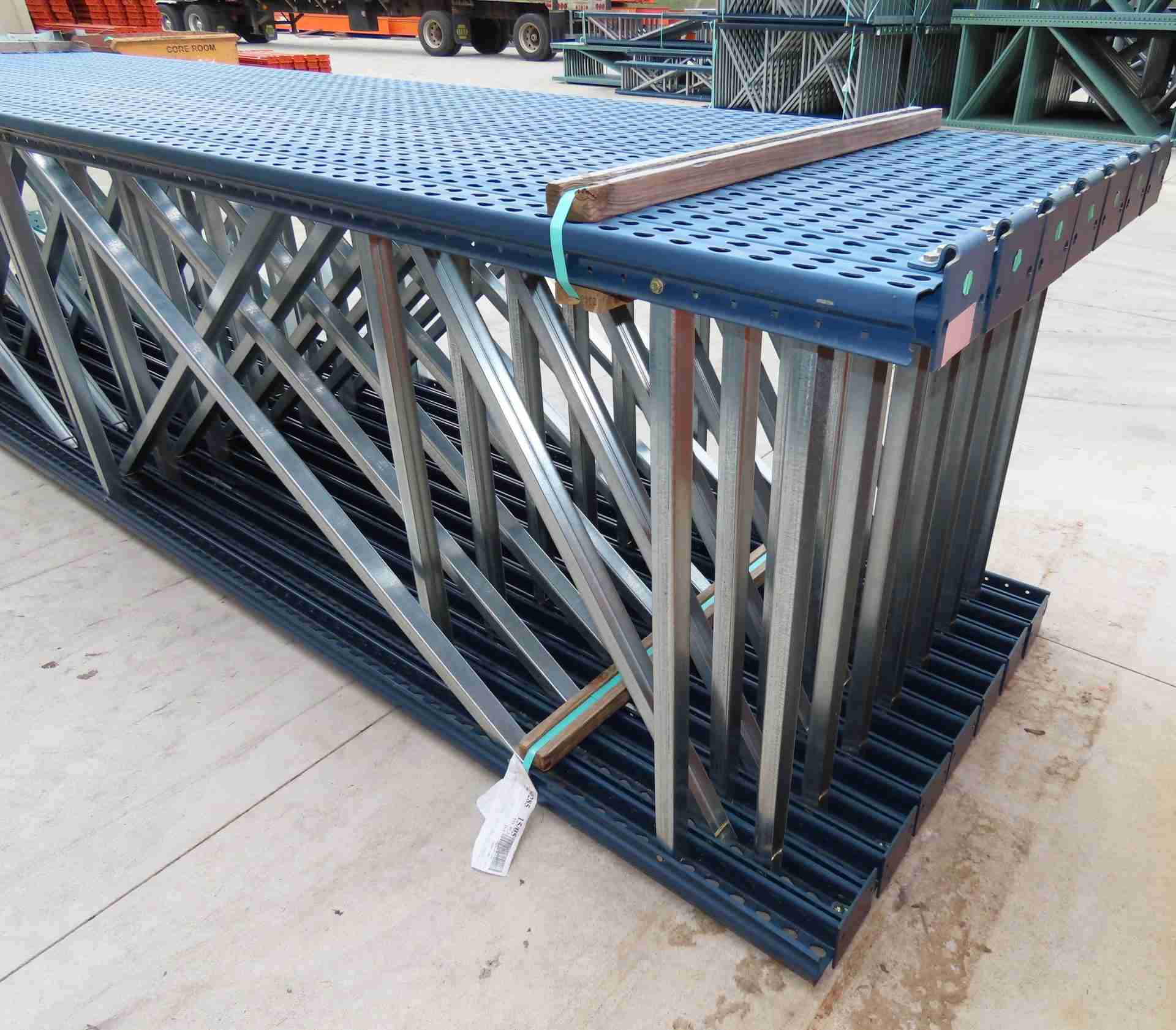
What Are OSHA Shelving Load Rating Requirements?
What Are OSHA Shelving Load Rating Requirements?
- Understanding OSHA shelving load rating requirements is essential for workplace safety and efficiency.
- These guidelines dictate the maximum weight that can be safely stored on shelves.
- Ignoring load rating requirements can lead to accidents, legal penalties, and operational downtime.
- Load ratings vary: metal shelving units can hold 800-1,200 pounds per shelf, while wood units generally range from 200-500 pounds.
- Regular inspections and audits of shelving systems are crucial, especially in high-demand environments like warehouses and retail spaces.
- Investing in robust shelving solutions can enhance compliance with OSHA requirements and improve operational workflow.
- Prioritizing OSHA requirements fosters a culture of safety that positively impacts employee morale and financial performance.
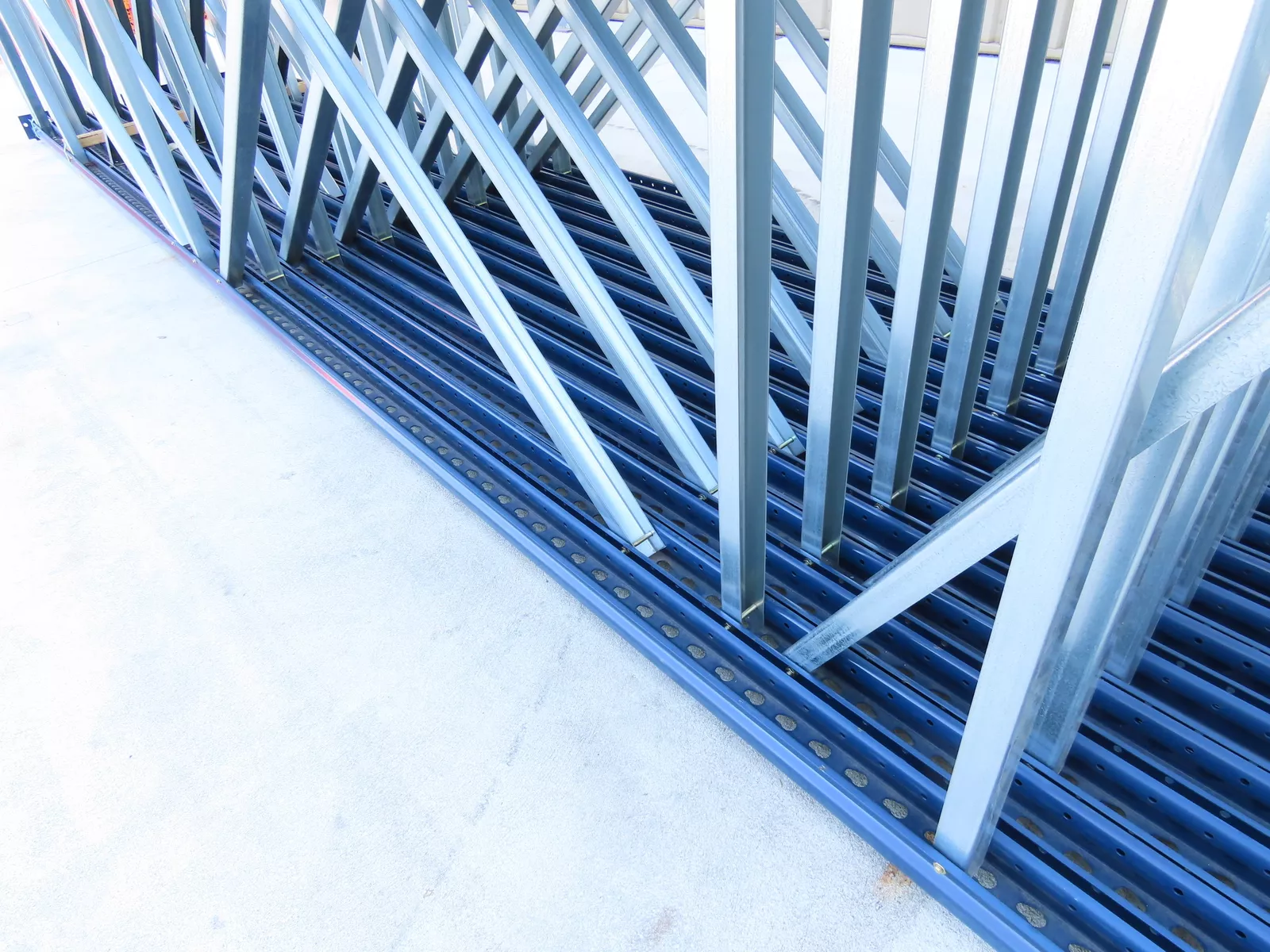
What Are OSHA Shelving Load Rating Requirements?
Table Of Contents
- What Are OSHA Shelving Load Rating Requirements?
- What Is The Purpose Of OSHA Shelving Load Rating Requirements?
- How Are Load Ratings Determined For Shelving Units?
- What Factors Influence Shelving Load Capacity?
- How Can I Find The Load Rating Of My Shelving System?
- What Are The Risks Of Exceeding Shelving Load Ratings?
- How Often Should Shelving Load Ratings Be Evaluated?
- What Are Common Materials Used In Shelving Construction?
- Are There Specific OSHA Standards For Different Shelving Types?
- How Does Proper Installation Affect Shelving Load Ratings?
- What Should Be Considered When Designing Shelving For Heavy Items?
- What Maintenance Practices Can Enhance Shelving Safety?
- How Do I Ensure Compliance With OSHA Shelving Regulations?
- What Are The Consequences Of Not Adhering To Load Rating Guidelines?
- Conclusion
- Other Resources
- Glossary Of Terms
- Other Questions
- Checklist
What Is The Purpose Of OSHA Shelving Load Rating Requirements?
When it comes to creating a safe and efficient workplace, few elements are as vital as understanding and adhering to OSHA shelving load rating requirements. These guidelines are not just bureaucratic red tape; they are essential standards designed to protect employees, enhance productivity, and ultimately contribute to the bottom line.
At the core of these requirements is the recognition that not all shelving units are created equal. Imagine a bustling warehouse storing hundreds of pallets of goods. Each shelf must be able to bear the weight of heavy products without collapsing, which could lead not only to property damage but, more importantly, to serious injuries. OSHA load rating requirements provide specific weight limits for different shelving configurations, ensuring that businesses select the right equipment for their needs. For instance, a retail space displaying seasonal merchandise may opt for lighter load-bearing shelves, while a manufacturing facility could require heavy-duty industrial shelving capable of supporting thousands of pounds.
Adherence to these requirements can also mitigate significant financial risks. Non-compliance can lead to hefty fines, downtime, and increased insurance premiums. Just last year, a mid-sized distribution company faced penalties exceeding $100,000 after an inspection revealed unsafe shelving practices. Not only did they incur costs related to the fine, but they also suffered from lost productivity and a tarnished reputation. In contrast, by investing in compliant shelving systems and regularly reviewing load ratings, businesses can avoid these pitfalls, maintaining a safe and profitable operation.
Beyond cost considerations, implementing proper load ratings underscores a company’s commitment to workplace safety. In a world where employee well-being is paramount, demonstrating a proactive stance on safety not only fosters a positive organizational culture but also builds loyalty among staff. Teams are more productive when they feel safe and valued. For example, industries like food distribution and pharmaceuticals are under intense scrutiny for workplace safety. Maintaining compliant shelving not only meets regulatory demands but also reassures partners and customers that quality and safety are non-negotiable priorities.
In an era of increasing regulations, companies that embrace OSHA shelving load rating requirements don’t just protect their workforce—they also position themselves as industry leaders dedicated to operational excellence. By investing in compliant, thoughtfully designed shelving solutions today, businesses can enjoy a safer tomorrow while enhancing their reputation, efficiency, and profitability in an ever-competitive landscape.
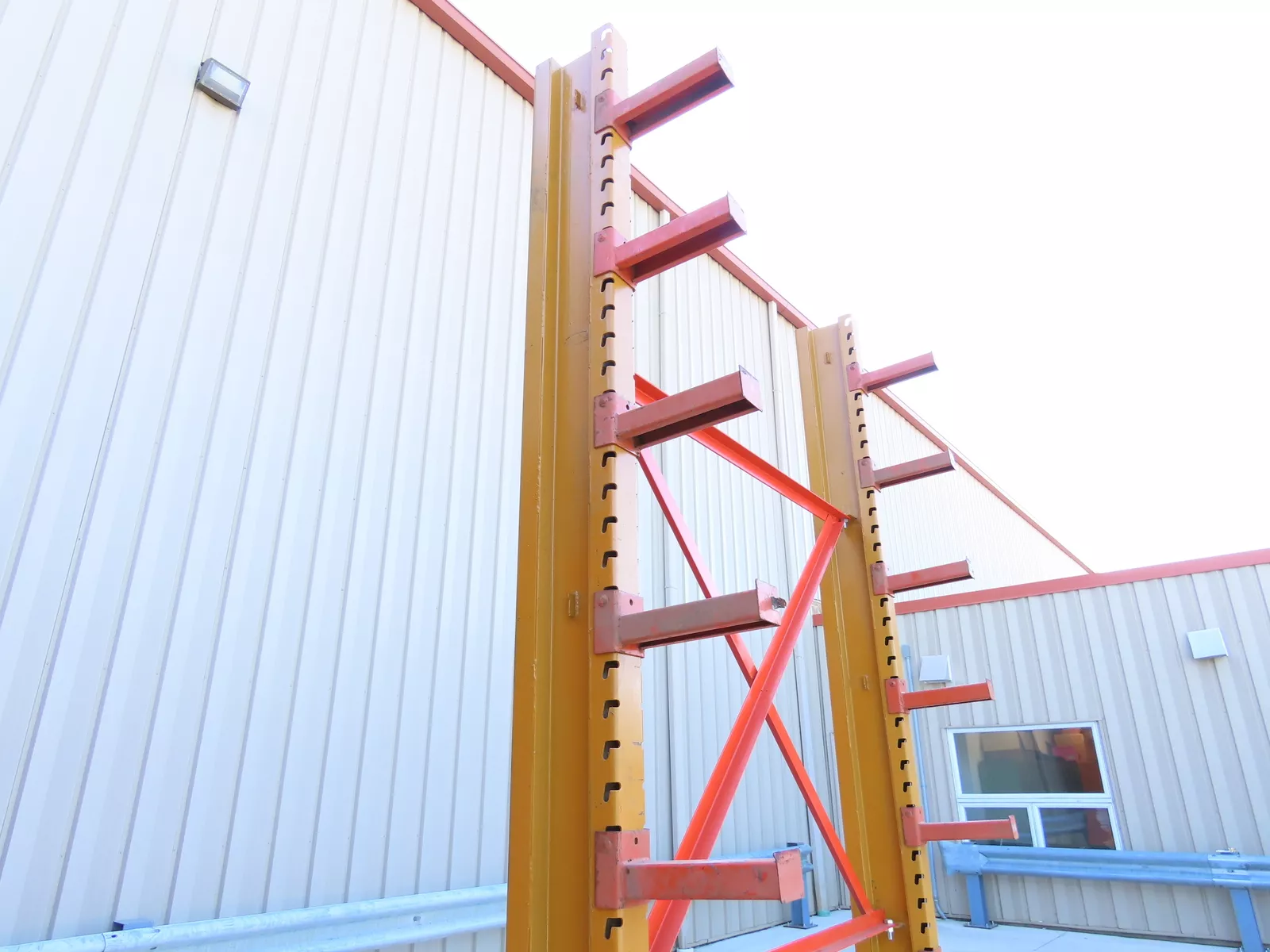
What Is The Purpose Of OSHA Shelving Load Rating Requirements?
What Is The Purpose Of OSHA Shelving Load Rating Requirements?
- OSHA shelving load rating requirements are crucial for workplace safety and efficiency.
- These guidelines prevent injuries and property damage by specifying weight limits for various shelving units.
- Compliance mitigates financial risks, such as fines and increased insurance premiums.
- Non-compliance can result in significant penalties and lost productivity, as demonstrated by a recent case of a mid-sized distribution company.
- Adhering to load ratings highlights a company’s commitment to employee safety, enhancing organizational culture and loyalty.
- Compliance is particularly important in high-scrutiny industries like food distribution and pharmaceuticals, assuring partners and customers of safety priorities.
- By embracing these requirements, companies position themselves as industry leaders focused on operational excellence and long-term profitability.
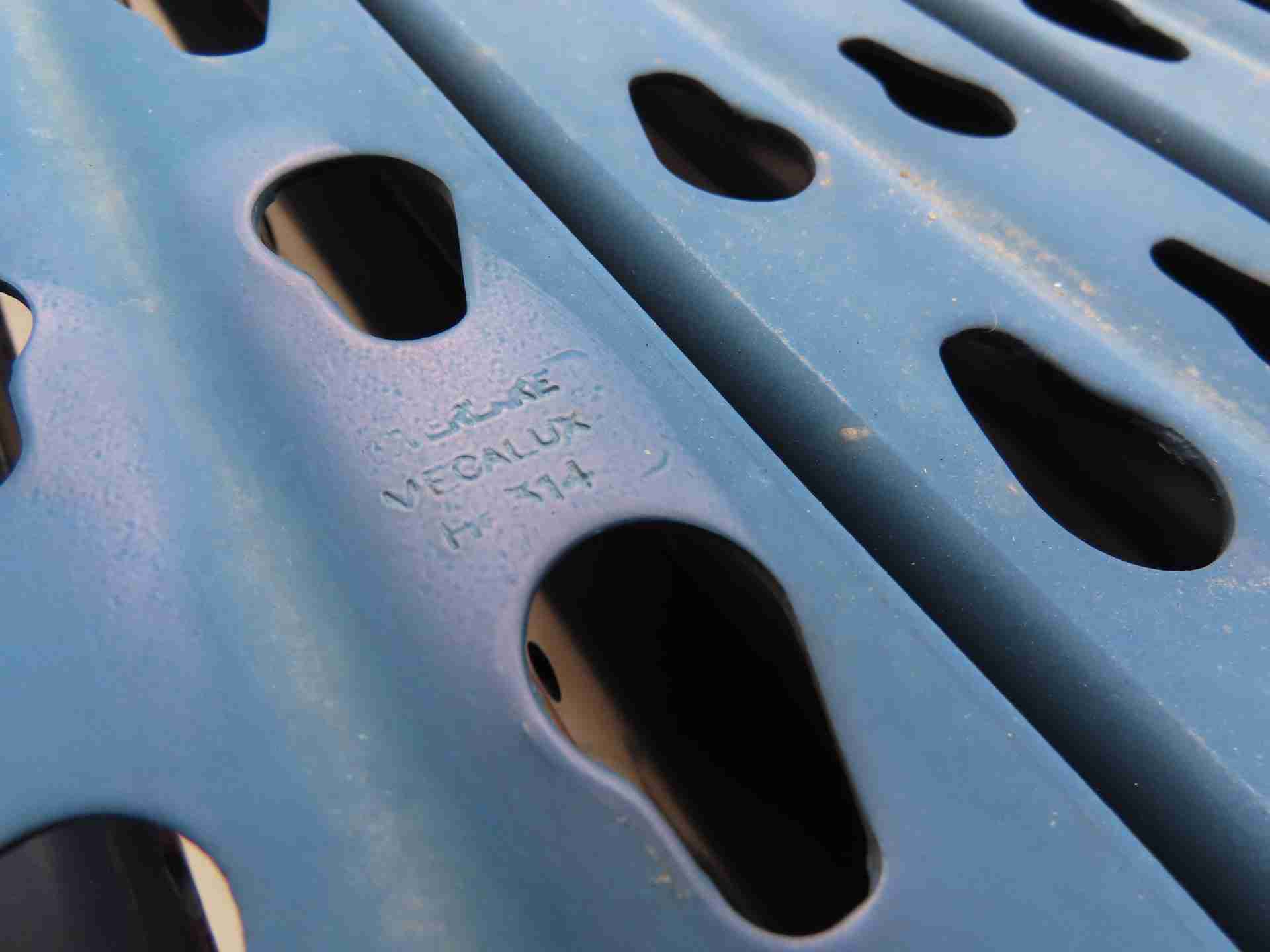
What Is The Purpose Of OSHA Shelving Load Rating Requirements?
How Are Load Ratings Determined For Shelving Units?
When you’re investing in shelving units—whether for your home, office, or retail space—understanding load ratings is absolutely critical. The load rating indicates the maximum weight a shelving unit can support without compromising its structural integrity. Misjudging these ratings can lead to disaster, from broken shelves to damaged goods, not to mention the potential safety hazards.
So, how exactly are these load ratings determined? It begins with materials. High-quality shelving units are often made from steel or dense particle board, while lower-end versions might use flimsy materials that simply can’t withstand pressure over time. For instance, a robust industrial shelving system may boast a load rating of 2,000 pounds due to its heavy-duty steel construction while a basic home shelving unit, made from lighter MDF, might only support 100-200 pounds per shelf.
Beyond material choice, the design of the shelving unit plays a significant role. The way weight distributes across shelves matters. For example, a cantilever shelving system is engineered to support unevenly distributed weight, making it ideal for items like heavy tools or machinery parts. Conversely, traditional shelving that relies on vertical support may struggle under the weight if items are stacked haphazardly.
Current trends in home organization are also influencing how load ratings are determined. The rise in DIY projects and the popularity of minimalist aesthetics mean consumers are more inclined to purchase shelving that combines form and function. Brands are responding by designing sleek, modern shelves that don’t skimp on strength. Take, for example, modular shelving units from companies like IKEA that promise style without sacrificing load capacity. Recent consumer reports emphasize quality over quantity, reinforcing that savvy shoppers are now more focused on durability than mere aesthetics.
Another key consideration is the testing process involved in determining load ratings. Manufacturers typically perform rigorous tests that simulate real-world scenarios. These tests include static load tests, where weight is carefully added until failure occurs, and dynamic load tests to mimic movement, ensuring that the shelving can withstand everyday use without buckling.
In today’s market, informed choices about shelving not only enhance functionality but also align with consumer trends focused on resilience and safety. By understanding the factors that influence load ratings, you can confidently select shelving units that provide the strength needed for your specific applications, reducing the risk of future hazards while maximizing your investment.
How Are Load Ratings Determined For Shelving Units?
How Are Load Ratings Determined For Shelving Units?
- Understanding load ratings is critical for shelving units in homes, offices, or retail spaces.
- Load ratings indicate the maximum weight a shelving unit can support without risk of damage or safety hazards.
- High-quality materials like steel or dense particle board provide better load ratings compared to flimsier materials.
- The design of shelving units affects weight distribution, impacting their load-bearing capabilities.
- Current trends emphasize the importance of combining aesthetic appeal with durability in shelving solutions.
- Manufacturers conduct rigorous testing, including static and dynamic load tests, to determine load ratings.
- Informed choices about shelving enhance functionality and align with consumer trends focusing on resilience and safety.

How Are Load Ratings Determined For Shelving Units?
What Factors Influence Shelving Load Capacity?
When it comes to shelving systems, understanding load capacity is not merely about following guidelines; it’s about mastering the art of balance—between the weight of your products and the structural design of your shelves. Various factors influence the load capacity of shelving, and knowing these can save you time, money, and headaches.
Material Matters
First off, the material used in shelving plays a critical role. Steel shelving, for instance, offers unparalleled strength and durability, making it ideal for heavy-duty storage like industrial warehouses or retail settings. Conversely, wooden shelves, while aesthetically pleasing, may not always handle heavy loads. A recent trend in e-commerce storage highlights this: numerous retailers are opting for reinforced metal shelving to accommodate the exponential growth in online orders. A single shelf designed to hold 800 pounds isn’t just a strategic choice; it can mean the difference between operational efficiency and costly slowdowns.
Design Dynamics
Next, consider the design of the shelving unit. Boltless shelving systems typically allow for more customizable configurations, facilitating the distribution of weight across multiple shelves. This flexibility can enhance load capacity in high-traffic areas like warehouses. For example, during the back-to-school season, retailers must adapt their shelving configurations quickly to accommodate an influx of products. Those who are prepared with robust and adaptable shelves are better positioned to handle that surge.
Installation Integrity
Don’t overlook installation! Properly secured shelves that are anchored to walls or floors can greatly increase load capacity. Recently, a notable big-box retailer faced a challenge during their holiday push when poorly installed shelving collapsed under the weight of consumer goods. A lack of attention to installation not only led to damaged products but also impacted customer experience.
Weight Distribution
Weight distribution is another vital consideration. Even the strongest shelving cannot withstand concentrated weight. Spreading out heavy items across the shelf, or using stacking methods wisely, is crucial. Retailers who mastered this strategy during the pandemic were often more successful in maintaining operations, as they could handle varied inventory effectively.
Regular Assessment
Finally, ongoing assessment of load capacity cannot be stressed enough. Regular inspections and adjustments ensure that your shelving remains safe and efficient. For example, with supply chain disruptions affecting inventory levels, knowledge of shelving capabilities can help businesses adjust their inventory management practices proactively rather than reactively.
In summary, understanding the multifaceted factors influencing shelving load capacity empowers businesses to make informed decisions, enhancing operational efficiency and customer satisfaction. Whether you’re a small retail shop or a sprawling warehouse, investing in the right shelving solution is a strategic imperative that pays dividends in the long run.
What Factors Influence Shelving Load Capacity?
What Factors Influence Shelving Load Capacity?
- Understanding load capacity of shelving systems is crucial for balancing product weight and shelf design.
- The material of shelving impacts load capacity, with steel offering strength for heavy-duty storage, while wooden shelves may be less durable.
- Reinforced metal shelving is increasingly preferred in e-commerce to handle rising online orders effectively.
- Design features like boltless shelving enable customizable configurations, improving load distribution in high-traffic areas.
- Proper installation of shelves is essential; well-secured units increase load capacity and prevent collapses.
- Effective weight distribution is vital; spreading heavy items across shelves prevents damage and operational issues.
- Regular assessments of shelving load capacity help maintain safety and adapt inventory management practices proactively.
What Factors Influence Shelving Load Capacity?
How Can I Find The Load Rating Of My Shelving System?
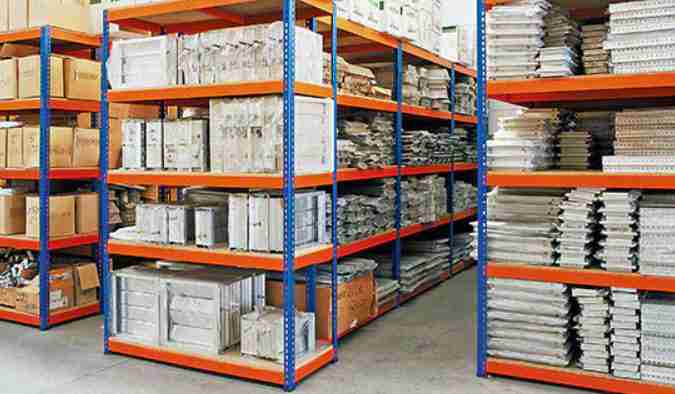
When it comes to maximizing your storage space, knowing the load rating of your shelving system is not just a technicality, it’s a necessity. Imagine going through the hassle of organizing your inventory or personal belongings, only to have shelves buckle under the weight. That’s not just an inconvenience; it’s a recipe for disaster! So how do you ensure you’re not setting yourself up for failure?
First, it’s crucial to understand that every shelving system is designed with a specific load rating based on its materials, design, and construction. Manufacturers will often provide this information—be it metal, wood, or plastic—so grab that user manual and dive in. If you’ve lost it, don’t fret! Visit the manufacturer’s website where you can usually find specifications listed under the product details.
Let’s say you have a metal shelving unit from a well-known retailer. Typically, you’ll find load ratings per shelf. For example, a heavy-duty metal shelf may have a load rating of 800 pounds per shelf. If you plan to store anything from books to canned goods, this provides peace of mind. On the other hand, if your shelving unit is a budget-friendly option, the load rating could be as low as 200 pounds. Understanding the delicate balance between cost and capacity can save you headaches down the road.
But understanding load capacity isn’t just about manufacturers’ specifications; it’s about the practical application of this knowledge. Consider a small business owner in a bustling urban area quickly scaling up in the wake of e-commerce growth. They might be tempted to cram as much inventory on their shelves as possible. Poor planning could mean disaster when those shelves can’t handle the weight. A single incident can lead to costly damages and even injuries—a risk that’s simply not worth taking!
Another tip? Engage with online forums or community groups. For instance, many entrepreneurs share their experiences with DIY shelving solutions during this rise in entrepreneurial spirit. As people continue to adapt to current economic realities, information sharing becomes invaluable. Asking the right questions can guide you to discover effective load management strategies or products that fit your unique needs.
Understanding the load rating of your shelving system is the first step toward creating a safe and efficient storage solution. Remember, research, validation, and community engagement are your allies. Consider it an investment in safety, efficiency, and peace of mind. Don’t let a simple oversight weigh you down!
How Can I Find The Load Rating Of My Shelving System?
How Can I Find The Load Rating Of My Shelving System?
- Knowing the load rating of your shelving system is essential to avoid accidents like shelves buckling under weight.
- Every shelving system has a specific load rating based on materials, design, and construction, usually provided by manufacturers.
- Load ratings can vary significantly; heavy-duty metal shelves may support up to 800 pounds, while budget options may only support 200 pounds.
- Improperly loading shelves can lead to costly damages and injuries, especially for small business owners with heavy inventory demands.
- Engaging with online forums and community groups can provide insights into effective load management strategies and product recommendations.
- Researching and validating shelving specifications is crucial for creating a safe and efficient storage solution.
- Prioritize understanding load ratings to invest in safety, efficiency, and peace of mind for your storage needs.
How Can I Find The Load Rating Of My Shelving System?
What Are The Risks Of Exceeding Shelving Load Ratings?
In the fast-paced business world, growth often translates to more inventory, more products, and ultimately, more pressure on your shelving systems. However, while it may seem tempting to load those shelves to the brim, disregarding load ratings can lead to serious consequences that extend far beyond a simple organizational mishap.
Imagine a retail store bursting with customers during a sale, only to have a shelf collapse under the weight of overstocked items. Not only does this create a chaotic scene that detracts from the brand’s image, but it also poses a significant safety risk to employees and customers alike. According to OSHA, workplace accidents account for thousands of injuries each year, many stemming from improper storage practices. A single incident can result in hefty fines and a tarnished reputation—an unfortunate byproduct of short-sighted decisions.
Consider the case of a warehouse in Illinois that faced a severe setback when an overloaded shelf caved in, damaging hundreds of thousands of dollars worth of inventory and leading to critical injuries among the staff. Beyond the immediate financial loss, the operational downtime had far-reaching effects, including derailed shipments and a loss of customer trust. This is not just a one-off; stories like this proliferate across industries.
The main risk of exceeding load ratings is structural failure. Shelving systems are designed with specific load limits for a reason. Pushing them beyond these limits compromises their integrity, risking catastrophic failure that can lead to injury or property damage. But here’s the kicker—insurance may not cover damages incurred due to negligence. If you violate the manufacturer’s guidelines, you might as well be waving goodbye to your coverage and waving hello to a wave of financial distress.
Moreover, there’s the issue of legal responsibility. When customers are injured, or products are damaged due to improper shelving practices, legal liabilities can escalate quickly. You may find yourself in hot water, facing lawsuits and potential criminal charges—simply for trying to squeeze in a few extra boxes.
While maximizing storage space is critical to business success, it is vital to respect those load ratings. Being proactive and ensuring each shelf holds only what it’s meant to can save you heartache, money, and your company’s reputation. Remember, the costs associated with accidents far outweigh the temporary gains of excessive storage. Make the smart choice and keep your operations safe and efficient. Your business—and your bottom line—will thank you.
What Are The Risks Of Exceeding Shelving Load Ratings?
What Are The Risks Of Exceeding Shelving Load Ratings?
- Growth in business often leads to increased inventory and shelving pressure.
- Ignoring load ratings can cause serious consequences, including safety risks and reputational damage.
- A shelf collapse during peak times can create chaos, harming the brand image and risking safety.
- Improper storage practices result in thousands of workplace injuries, as reported by OSHA.
- Case studies show that overloading shelves can lead to significant financial losses and operational disruptions.
- Exceeding load ratings risks structural failure of shelving systems, which may lead to costly damages not covered by insurance.
- Respecting load ratings is crucial for minimizing legal liabilities and maintaining a safe, efficient business operation.
What Are The Risks Of Exceeding Shelving Load Ratings?
How Often Should Shelving Load Ratings Be Evaluated?
If you’re running a retail operation, warehouse, or any environment where shelving plays a pivotal role, understanding how often to evaluate shelving load ratings is crucial. Shelving is more than just a place to store inventory; it’s the backbone of your operational efficiency. Neglecting load ratings can lead to disastrous consequences—safety hazards, financial losses, and even regulatory challenges that can stifle your business’s growth.
So, how often should you assess your shelving load ratings? A general rule of thumb is to evaluate load ratings at least once a year. However, this is merely a starting point. Factors such as changes in inventory, shelf modifications, or even a reorganization of your storage area can necessitate more frequent evaluations.
For example, consider a retail outlet that sees a seasonal surge in inventory during the holiday season. If they fail to reassess their shelving capacity before this peak period, they risk overloading shelves that were not designed to carry the additional weight. This can lead to bent metal, collapsed shelves, and even injury to employees or customers. The cost? Not just in repair and replacement but also in liability claims and potential damage to your brand reputation.
Take inspiration from current industry trends as well. The e-commerce boom has led many businesses to optimize their warehousing strategies. Companies are increasingly adopting just-in-time (JIT) inventory systems, which require frequent changes to inventory loads and types. In such a dynamic environment, an annual check may not suffice. Companies should implement quarterly assessments to ensure that no sudden shifts in inventory lead to unforeseen risks.
Moreover, the introduction of advanced technology and sensors for load monitoring is becoming prevalent. If you’re using such technology, your evaluation frequency should align with its capabilities. A real-time monitoring system could provide alerts when load limits are exceeded, which empowers you to act swiftly and mitigate risks.
Remember, overlooking the importance of regular evaluations can be tempting—especially when business seems to be rolling along smoothly. But don’t be lulled into complacency. Regularly reassessing your shelving load ratings not only protects your assets but also reinforces a culture of safety and responsibility within your organization.
Invest in a robust schedule for evaluating your shelving load ratings, and watch as your operational efficiency flourishes while safeguarding your people and profits.
How Often Should Shelving Load Ratings Be Evaluated?
How Often Should Shelving Load Ratings Be Evaluated?
- Evaluating shelving load ratings is crucial for safety, financial health, and regulatory compliance in retail and warehouse environments.
- Assess load ratings at least once a year, adjusting frequency based on inventory changes, shelf modifications, or storage reorganization.
- Seasonal surges in inventory, such as during the holiday season, require reassessment to avoid overloading shelves.
- Overlooking load ratings can lead to damaged shelves, liability claims, and harm to brand reputation.
- Industry trends, like the e-commerce boom, necessitate more frequent evaluations, potentially quarterly, to accommodate dynamic inventory loads.
- Advanced technology and sensors for load monitoring can help in real-time evaluations, prompting timely actions when limits are exceeded.
- Regular reassessment of load ratings fosters a culture of safety and responsibility while enhancing operational efficiency.

How Often Should Shelving Load Ratings Be Evaluated?
What Are Common Materials Used In Shelving Construction?
When it comes to shelving construction, the right material can make all the difference—for functionality, durability, and aesthetics. Understanding these materials not only empowers you to make informed choices, but also positions you to elevate your home or business organization strategy. Let’s delve into the most common materials used in shelving construction and see how they stack up against each other.
1. Wood:
Timeless and versatile, wood is the king of shelving materials. Whether you’re considering solid hardwoods like oak or maple, or engineered wood products like plywood or MDF, each option brings its own charm and strength. Solid wood shelves are perfect for creating a warm, inviting atmosphere, while engineered wood products can offer a more uniform appearance and are often more cost-effective. With the increasing trend toward sustainability, look for reclaimed wood options that not only tell a story but also contribute to eco-friendly practices.
2. Metal:
In an era where sleek, industrial design dominates appeal, metal shelving is making waves. Steel and aluminum are the commonly used metals for shelving systems, offering unparalleled strength and a contemporary finish that complements modern spaces. Steel shelves are often used in commercial settings, like warehouses or retail, where heavy duty is essential. Meanwhile, lightweight aluminum can add a stylish touch in residential settings. As e-commerce continues to grow, businesses are investing in high-quality metal shelving to optimize their storage solutions, showcasing the high demand for robust options.
3. Glass:
For a truly upscale look, glass shelving provides elegance and sophistication. Tempered glass is a popular choice for modern interiors, allowing for open sight lines and creating an illusion of space. It’s perfect for displaying collectibles or in bathrooms where style meets functionality. Yet, let’s be clear—glass isn’t just for the luxury market. Affordable options abound, and as current trends lean toward minimalism and transparency in design, glass shelving is definitely gaining traction in households aiming for that contemporary vibe.
4. Composite Materials:
With innovation driving the market, composite materials—like particleboard and laminate—are gaining ground. These materials often mimic the look of natural wood, offering a budget-friendly alternative without sacrificing style. Homeowners eager to participate in current organization trends, such as the KonMari method, find that composite shelving makes it easier to maintain a tidy, aesthetically pleasing environment.
Choosing the right material for your shelving construction can greatly impact not just the appearance of your space, but also its functionality. A little knowledge goes a long way, and by considering the advantages of wood, metal, glass, and composite materials, you can confidently transform your environment—whether at home or in business—into an organized haven. It’s time to take a closer look at what your shelves say about you!

What Are Common Materials Used In Shelving Construction?
What Are Common Materials Used In Shelving Construction?
- Material Importance: The choice of material in shelving construction affects functionality, durability, and aesthetics.
- Wood: Timeless and versatile; available in solid hardwoods (e.g., oak, maple) and engineered wood (e.g., plywood, MDF); sustainable options like reclaimed wood are increasingly popular.
- Metal: Strong and stylish; commonly made from steel and aluminum; ideal for commercial settings and modern residential spaces.
- Glass: Offers elegance and sophistication; popular in modern interiors; perfect for display purposes and gaining traction in minimalist designs.
- Composite Materials: Budget-friendly alternatives like particleboard and laminate mimic natural wood; popular among homeowners following organization trends.
- Impact on Space: The right material choice can significantly enhance the appearance and functionality of a space.
- Organized Environment: Knowledge of materials helps transform spaces into organized havens, whether at home or in business.

What Are Common Materials Used In Shelving Construction?
Are There Specific OSHA Standards For Different Shelving Types?
When it comes to maintaining a safe and productive workspace, understanding the Occupational Safety and Health Administration (OSHA) standards applicable to various shelving types is essential. Shelving isn’t just about holding products; it’s about ensuring the safety of employees and maximizing operational efficiency. Ignoring these standards could lead to accidents that not only endanger lives but may also result in costly fines and damaged reputations.
OSHA’s General Duty Clause requires employers to provide a workplace free from recognized hazards. This broad mandate means that shelving, whether for retail environments, warehouses, or stockrooms, must be evaluated consistently. However, certain types of shelving—such as industrial racks, modular systems, or mobile shelving units—come with their own intricacies and potential risks that merit further scrutiny.
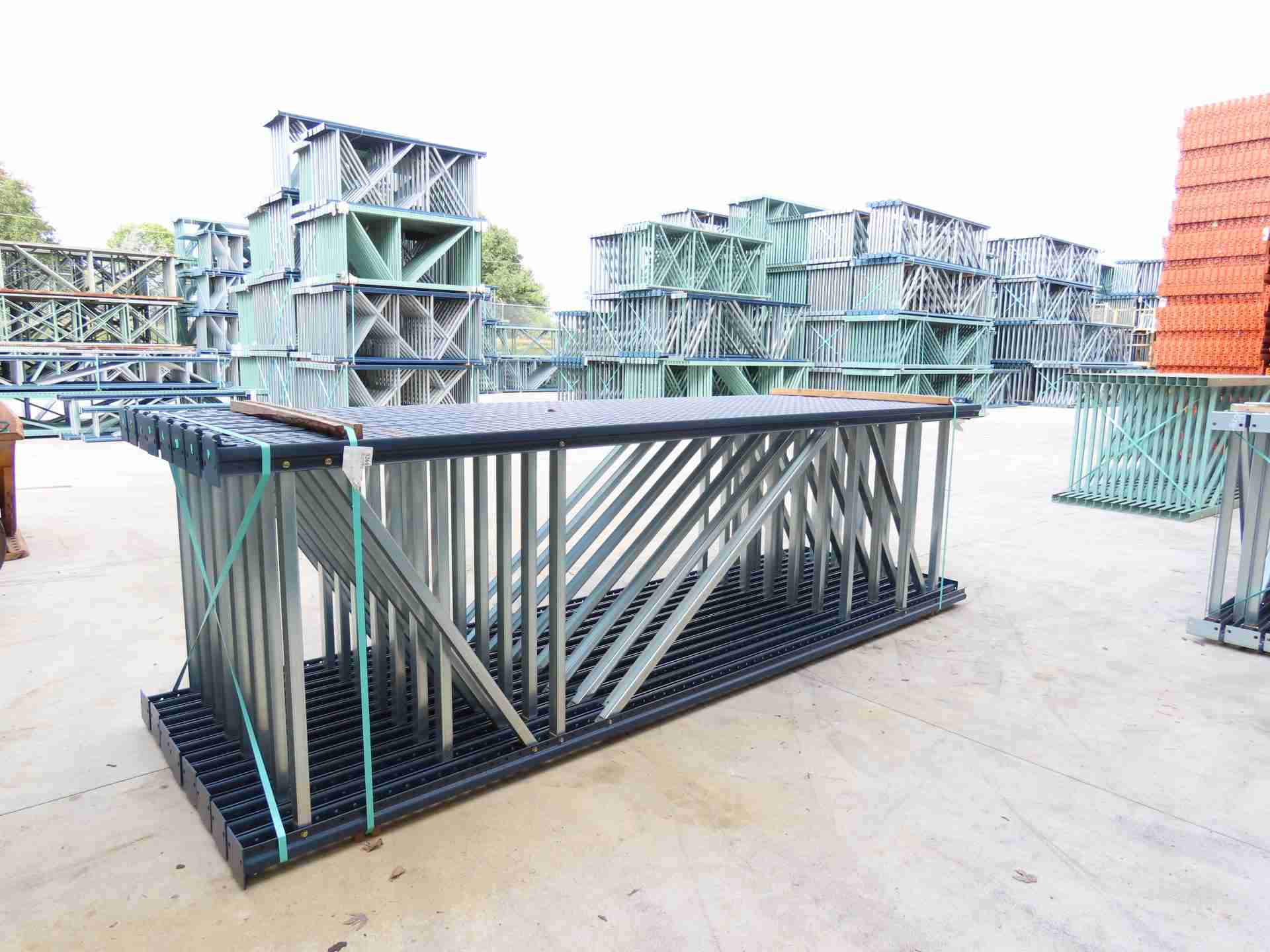
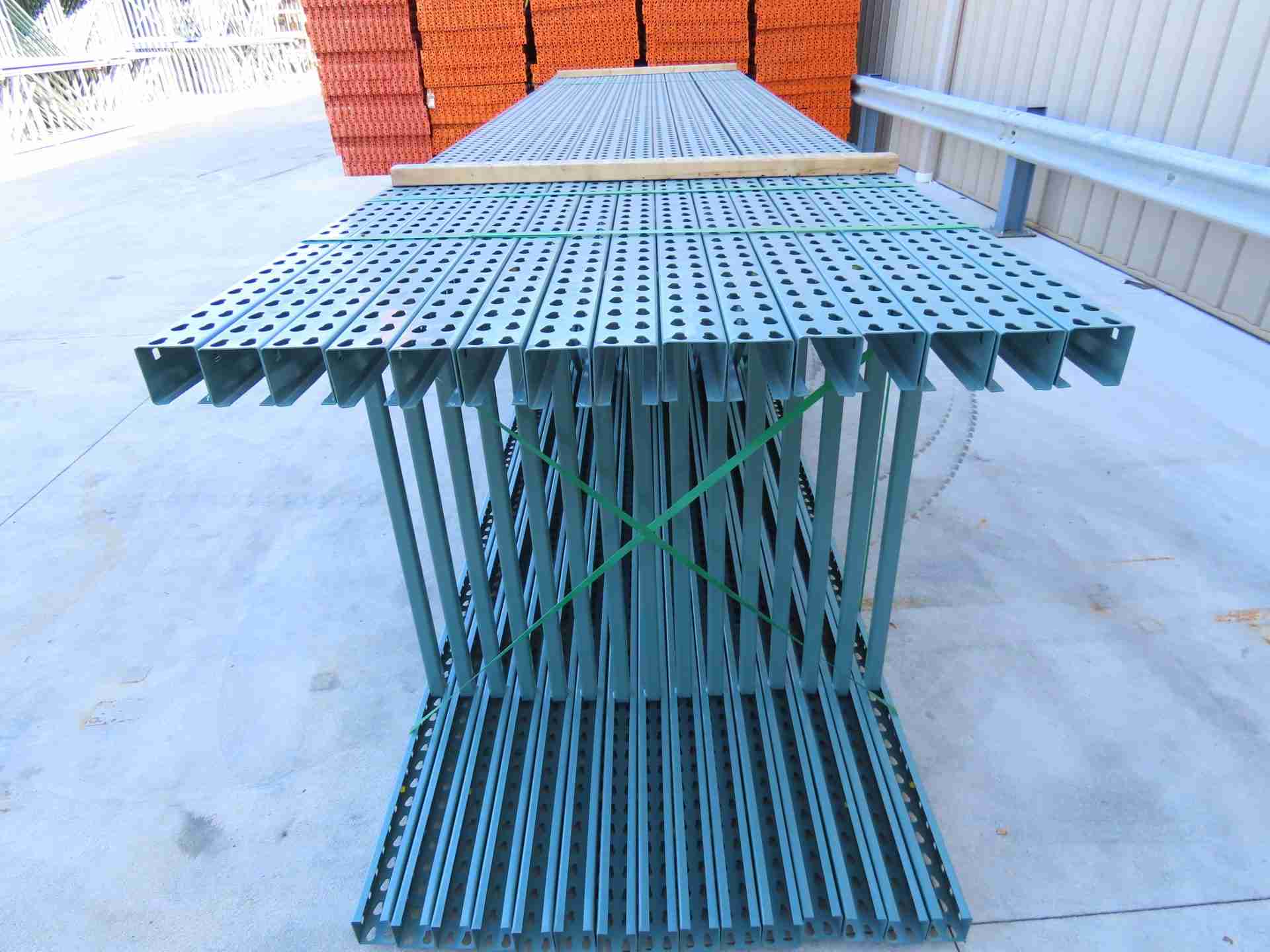
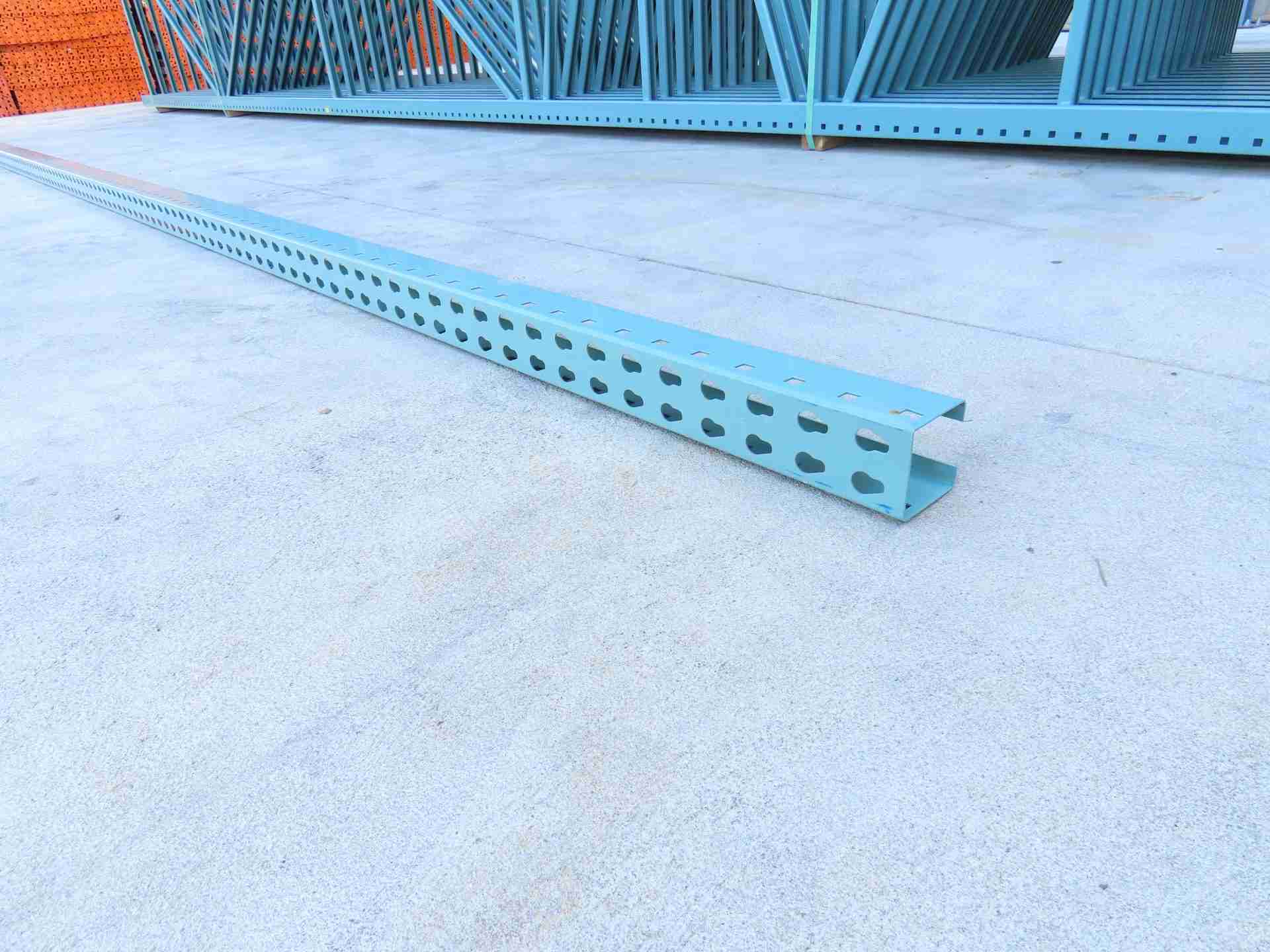
For example, consider the use of pallet racking systems. These systems are designed specifically for heavy loads and must comply with specific structural integrity and spacing requirements. OSHA stipulates that each rack must be able to support the weight of the goods stored, and this means thorough inspection and adherence to weight limits are not optional—they’re mandatory. Recent incidents in warehouses, highlighted in news reports, have shown what can happen when racking is improperly loaded or maintained: catastrophic collapses that could have been prevented with proper adherence to safety guidelines.
Similarly, modular shelving systems that are prevalent in retail settings often face unique challenges. Items may be stacked high, increasing the risk of toppling, especially in high-traffic areas where customers may inadvertently bump into them. OSHA standards dictate that these systems need to be anchored securely, and the configuration should allow for clear visibility of hazards, ensuring both employee and customer safety.
Moreover, mobile shelving units must adhere to specific safety standards aimed at avoiding accidents during operation. There should be guidelines concerning spacing between shelves, maximum load capacities, and operational procedures to prevent collapse or injuries, particularly in environments like archives and libraries where these units optimize space.
The bottom line? Compliance with OSHA standards for different shelving types isn’t just a regulatory formality; it’s an investment in workplace safety, productivity, and ultimately, your bottom line. By prioritizing safety and staying informed about current regulations, businesses can avoid detrimental incidents and cultivate an environment where employees can thrive. In today’s fast-paced and dynamic market, ensuring that your shelving systems meet OSHA standards isn’t just smart—it’s essential.
Are There Specific OSHA Standards For Different Shelving Types?
Are There Specific OSHA Standards For Different Shelving Types?
- Understanding OSHA standards for different shelving types is crucial for workplace safety and operational efficiency.
- Employers must comply with OSHA’s General Duty Clause, ensuring workplaces are free from recognized hazards.
- Specific shelving types, like pallet racking systems, have unique structural integrity and spacing requirements.
- Pallet racks must support the weight of goods stored, necessitating regular inspections and strict adherence to weight limits.
- Modular shelving in retail settings poses risks of toppling and must be securely anchored for safety.
- Mobile shelving units require compliance with guidelines on spacing, load capacities, and operational procedures to prevent accidents.
- Prioritizing compliance with OSHA standards is vital for preventing incidents, enhancing workplace safety, and improving productivity.
Are There Specific OSHA Standards For Different Shelving Types?
How Does Proper Installation Affect Shelving Load Ratings?
When it comes to shelving, the difference between a safe, sturdy setup and a catastrophic failure often boils down to one crucial factor: proper installation. Let’s face it; with all the options available today—from sleek, modern designs to rugged, heavy-duty storage systems—the way you install your shelving can determine not just aesthetics but also functionality and safety.
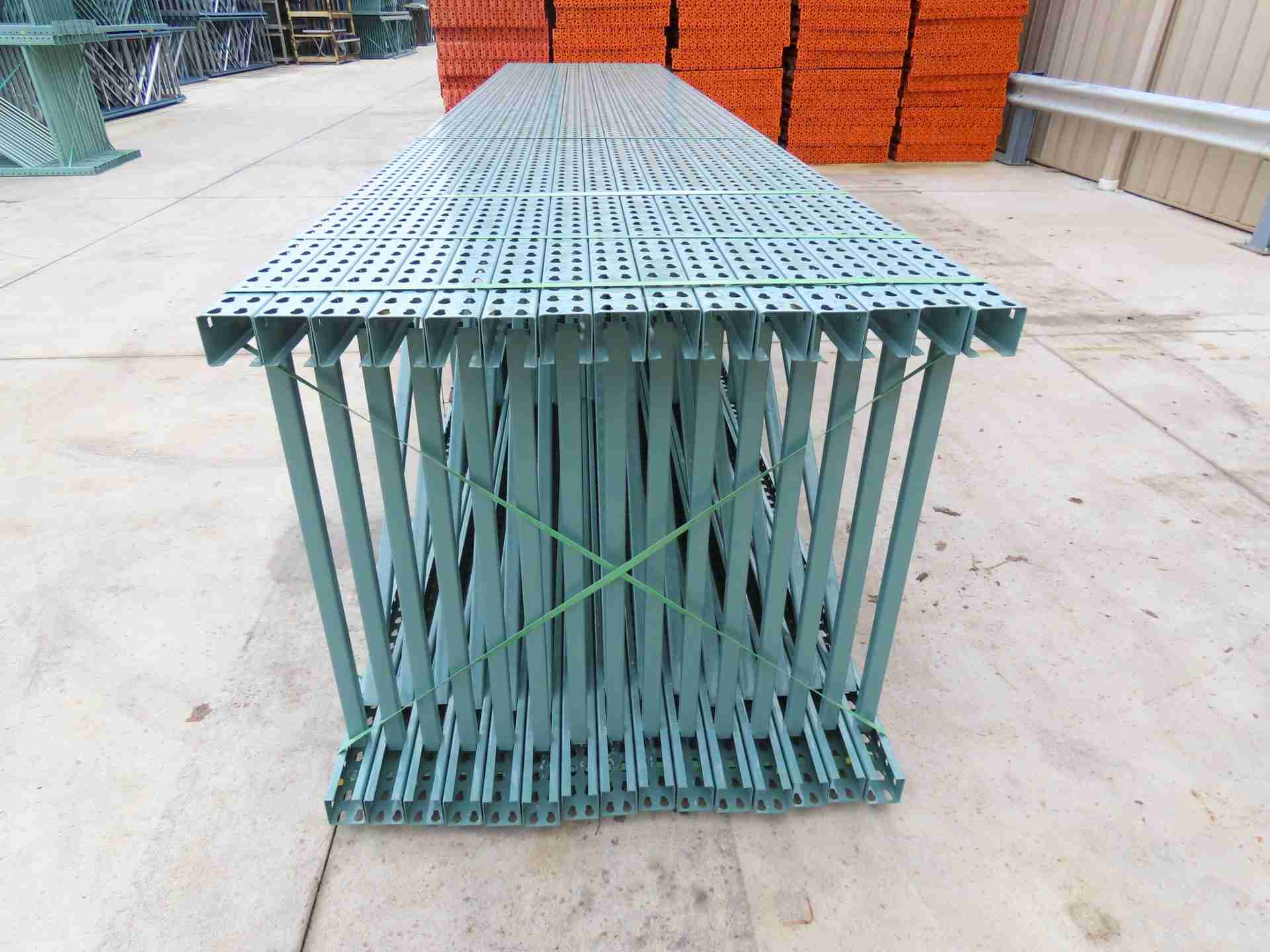
Consider this: a recent incident reported in the news highlighted a warehouse that suffered significant damages due to shelf collapses. Investigations revealed that poor installation techniques played a major role. Nails were improperly placed, and support braces were neglected, leading to a failure that could have easily been prevented. Imagine losing inventory valued at thousands of dollars due to simple oversights! This serves as a wake-up call for anyone investing in storage solutions.
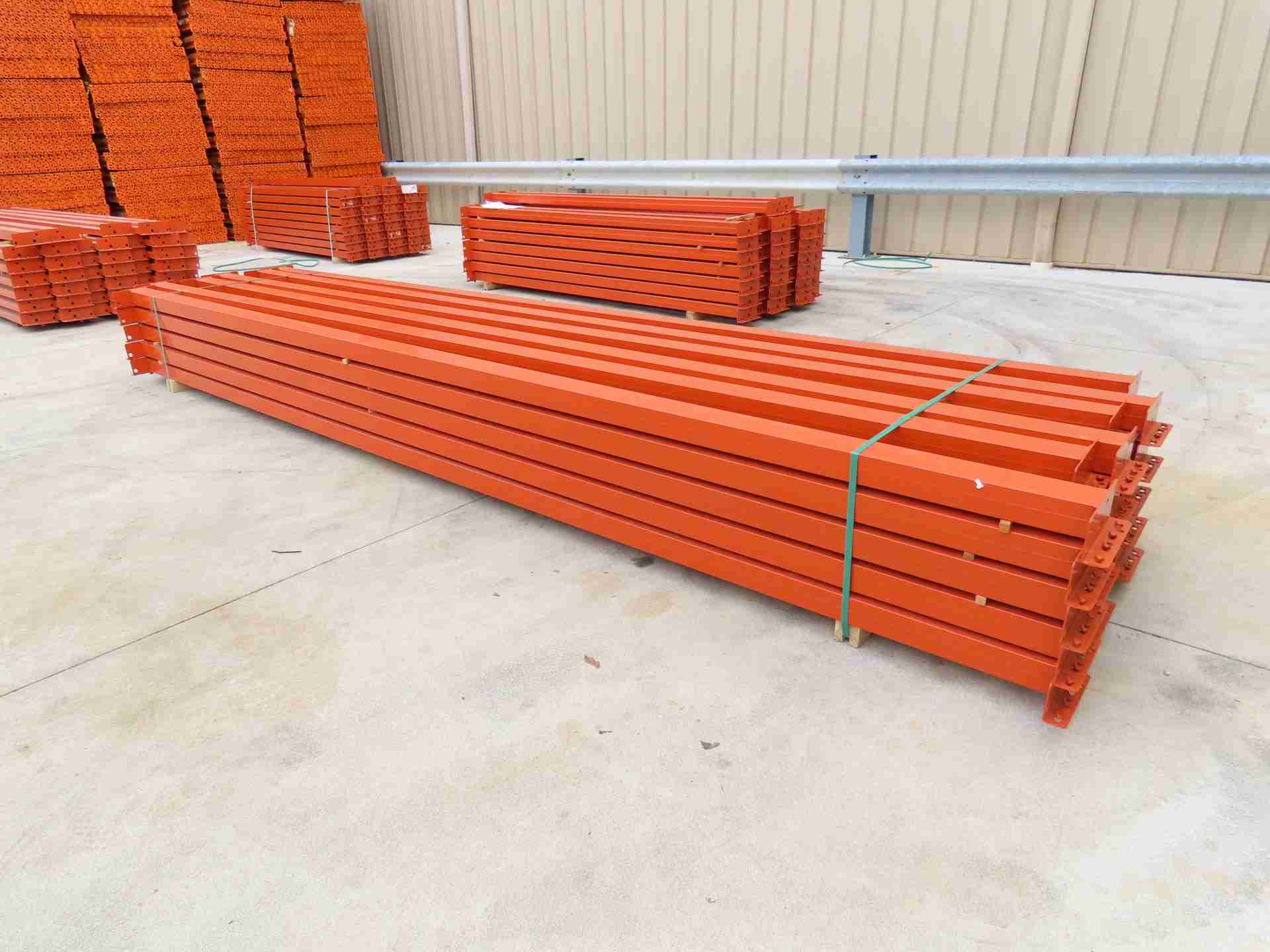
First and foremost, load ratings are not just arbitrary numbers; they are calculated under specific conditions, including how the shelving is installed. For instance, if you have a shelf rated to hold 500 pounds, but it is installed incorrectly, say, without the appropriate wall anchors or on a surface that can’t bear weight, that shelf may only safely hold a fraction of that capacity. It could buckle under the strain, causing damage or injury.
Think about a retail business that proudly displays various products on its shelving. If shelves are improperly installed, the entire display can collapse, resulting in not only damaged goods but also a negative customer experience. The last thing any store wants is for a shopper to associate their brand with danger. Creating an inviting and secure space is vital, especially as consumer safety becomes a growing concern in the wake of recent supply chain disruptions. Customers now scrutinize not just the products they purchase but also the environments in which those products are offered.
It’s essential to follow manufacturer guidelines meticulously. Use the right tools, consult installation professionals if needed, and regularly check the integrity of your shelving. For example, companies like Lowe’s and Home Depot offer online resources and services to ensure your shelving is installed perfectly. Don’t just throw up a shelf and hope for the best; that kind of thinking could cost you dearly.
The relationship between proper installation and load ratings is not just a technicality. It’s about creating an environment where both your assets and your customers are safe. Elevate your shelving game with attention to detail, and watch as your operations thrive without the fear of collapse.
How Does Proper Installation Affect Shelving Load Ratings?
How Does Proper Installation Affect Shelving Load Ratings?
- Proper installation is crucial for safe and sturdy shelving setups.
- Poor installation techniques can lead to catastrophic failures, as highlighted by a recent warehouse collapse incident.
- Load ratings must be adhered to, as insufficient installation can drastically reduce the shelf’s weight capacity.
- Improperly installed shelves can damage products and harm customer experience, particularly in retail settings.
- Consumer safety is increasingly important, especially in the context of recent supply chain disruptions.
- Following manufacturer guidelines and using the right tools is essential for proper installation.
- Regularly checking the integrity of shelving enhances safety for both assets and customers.
How Does Proper Installation Affect Shelving Load Ratings?
What Should Be Considered When Designing Shelving For Heavy Items?
When it comes to designing shelving for heavy items, there’s a lot more at stake than simply aesthetics. This is a crucial investment that requires strategic thought, especially in a world where storage space is at a premium. Whether for a warehouse, retail space, or even your garage, understanding a few key elements can ensure your shelving is both functional and safe.
1. Material Matters: The choice of material is paramount. Steel shelving is often the go-to for heavy-duty storage. It provides unparalleled strength and resistance to wear and tear. Recent supply chain issues affecting construction materials have highlighted the need for reliable, durable solutions. Industries are increasingly favoring suppliers who can guarantee not just quality but also timely delivery. For instance, companies that rely on steel shelving have reported reduced downtime due to their ability to withstand heavy loads without warping—a critical factor in maintaining operational efficiency.
2. Weight Capacity: Clearly, the weight capacity of shelving units must be meticulously calculated. It’s not just about the maximum load; improper weight distribution can turn even the sturdiest shelving into a safety hazard. For example, a popular home improvement store recently faced backlash after a significant shelving collapse led to injuries. They found that many customers didn’t realize that exceeding weight limits—even slightly—can result in catastrophic failures. Always consult the manufacturer’s specifications and consider a buffer of 10-20% below the maximum limit for safety.
3. Design and Layout: The design must lend itself to easy access while also being structurally sound. Adjustable shelving allows for versatility in storage needs while ensuring heavy items are stored at lower levels to avoid strain during retrieval. Look at current modular shelving solutions that adapt to various needs and maximize vertical space—a crucial commodity in today’s ever-crowded environments.
4. Safety Features: Implementing safety features is non-negotiable. Reinforced brackets, wall anchoring, and proper spacing are critical to prevent tipping. The recent rise in e-commerce has increased warehousing demands, accentuating the need for effective safety measures. Companies that have adopted stricter shelving safety standards have seen a significant drop in accidents and associated costs.
5. Future-Proofing: Finally, anticipate future needs. With shifting consumer habits and the growth of online shopping, shelving solutions that can adapt to your evolving storage needs are invaluable. Just as tech companies invest in scalable solutions to stay ahead, so too should you design your shelving with flexibility in mind.
By considering these factors when designing shelving for heavy items, you can create a storage solution that is not only effective but also enhances your overall operational efficiency and safety.
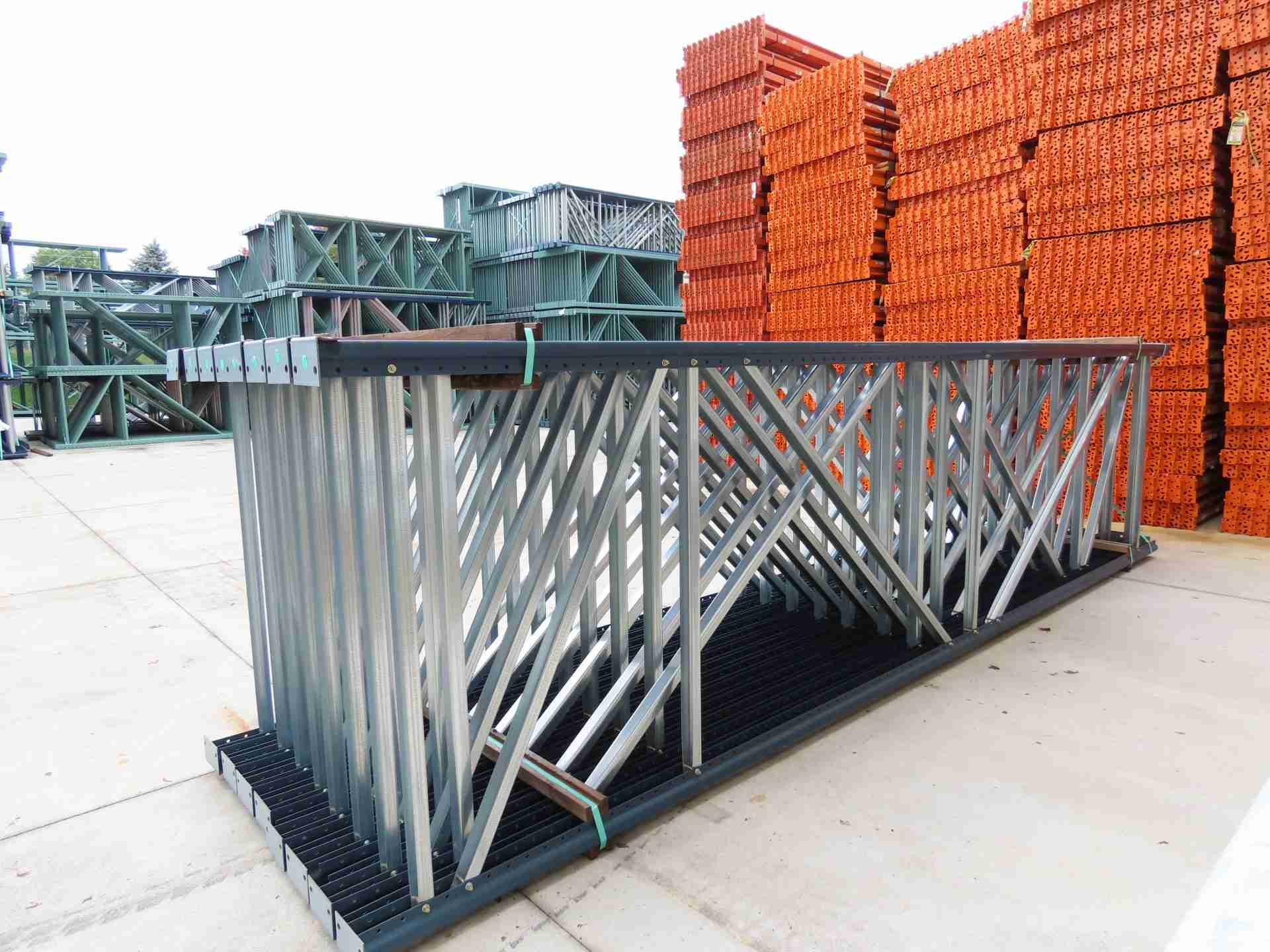
What Should Be Considered When Designing Shelving For Heavy Items?
What Should Be Considered When Designing Shelving For Heavy Items?
- Material Matters: Choose steel shelving for strength and durability; supply chain issues have increased demand for reliable materials.
- Weight Capacity: Calculate weight limits meticulously; improper distribution can lead to safety hazards.
- Design and Layout: Design for easy access and structural soundness; adjustable shelving is ideal for heavy items stored at lower levels.
- Safety Features: Implement safety measures like reinforced brackets and wall anchoring to prevent accidents.
- Future-Proofing: Design shelving solutions that can adapt to changing storage needs, especially in relation to e-commerce growth.
- Operational Efficiency: Proper shelving not only ensures safety but also enhances overall operational efficiency.
What Should Be Considered When Designing Shelving For Heavy Items?
What Maintenance Practices Can Enhance Shelving Safety?
Ensuring shelving safety isn’t just about buying a sturdy rack; it’s about adopting a proactive maintenance mindset that protects your investment and the people who rely on it every day. With the rise in eCommerce and the accompanying surge in warehouse space, the importance of shelving safety has never been more critical. Here are several rock-solid maintenance practices that can significantly enhance shelving safety, proving your commitment to workplace well-being and operational efficiency.
Regular Inspections: Your First Line of Defense
Just as regular check-ups keep our bodies healthy, routine inspections keep your shelving systems in peak condition. Schedule monthly inspections to check for signs of wear and tear, corrosion, or any unusual stress on the shelves. For instance, in late 2022, a major national retailer experienced a catastrophic failure due to neglected shelf inspections, leading to injuries and costly lawsuits. Don’t let that be your story! Documenting each inspection with detailed notes can also help you spot trends and address potential problems before they escalate.
Load Management: Know Your Limits
Overloading shelves is a common mistake that can lead to spills and injuries. A clear load management policy should dictate the weight limits for each shelf, based on manufacturer recommendations. Use signage to remind employees of these limits. Take hint from food supply chain disruptions during the COVID-19 pandemic; logistics teams often miscalculated storage needs, leading to overloaded shelving scenarios. Learn from these missteps by implementing weight management systems that prevent similar pitfalls.
Employee Training: The Human Element
Human error is often a root cause of shelving-related accidents. Invest in comprehensive training programs that inform employees about proper loading techniques, safety procedures, and emergency response. Since the rise in workplace safety regulations post-pandemic, organizations prioritizing employee education see not only improved safety metrics but enhanced morale and productivity as well. Consider offering quarterly refresher courses to keep safety at the forefront of your team’s mind.
Maintaining Cleanliness: A Simple Yet Effective Strategy
Don’t underestimate the value of a clean workspace. Cluttered areas around shelving can lead to accidents and hinder accessibility in emergencies. Encourage a clear-and-clean culture, where employees are responsible for maintaining the organization of their workspace. This simple practice can reduce risks and create an atmosphere of safety that resonates throughout your organization.
Integrating these maintenance practices translates into enhanced shelving safety that safeguards your employees, reduces liabilities, and boosts productivity. In an era where safety can make or break a business, investing the time and effort into these practices is not just wise, it’s essential. Prioritize shelving safety, and watch your operations thrive!
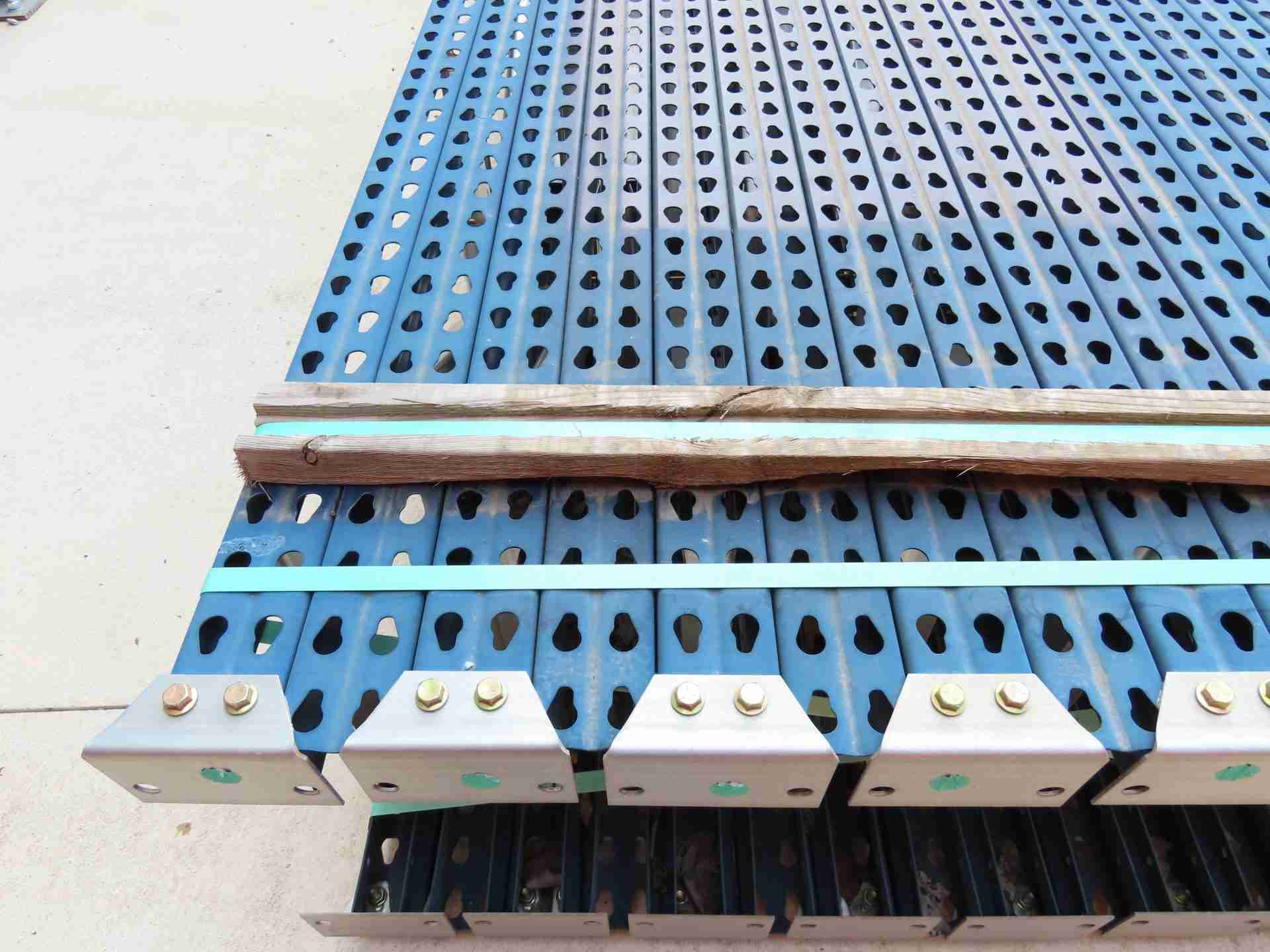
What Maintenance Practices Can Enhance Shelving Safety?
What Maintenance Practices Can Enhance Shelving Safety?
- Proactive Maintenance Mindset: Adopting a maintenance mindset goes beyond just purchasing sturdy racks; it safeguards your investment and employees.
- Regular Inspections: Schedule monthly checks for wear, corrosion, and stress signs to maintain shelving systems and prevent catastrophic failures.
- Load Management: Implement a clear load management policy with signage to prevent overloading shelves and potential accidents.
- Employee Training: Provide comprehensive training on proper loading techniques and safety procedures to reduce human errors and improve morale.
- Maintaining Cleanliness: Encourage a clean workspace culture to minimize accidents and ensure easy access during emergencies.
- Enhanced Safety Benefits: Integrating proper maintenance practices not only boosts productivity but also reduces liabilities and safeguards employees.
- Essential Investment: Prioritizing shelving safety is vital for business success in an era where safety is crucial for operational efficiency.
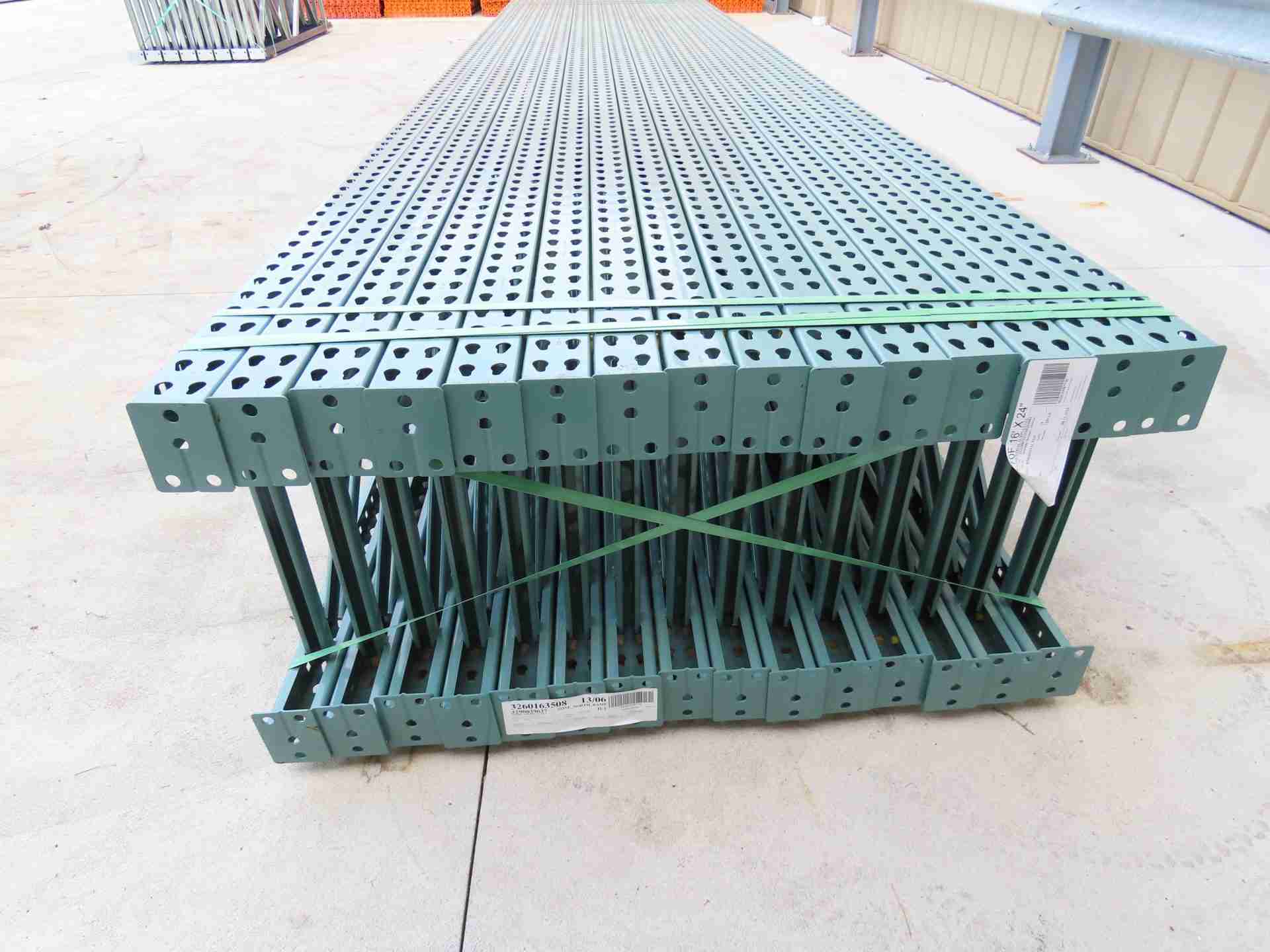
What Maintenance Practices Can Enhance Shelving Safety?
How Do I Ensure Compliance With OSHA Shelving Regulations?
When it comes to ensuring compliance with OSHA shelving regulations, businesses must strike a delicate balance between organization efficiency and employee safety. To get it right, you need a proactive approach that integrates knowledge, strategy, and the right safety equipment.
First and foremost, familiarize yourself with OSHA’s regulations. These guidelines are not merely suggestions; they are the backbone of workplace safety. For example, OSHA mandates that shelving must be able to support its intended load without bending or collapsing, which means you need to understand load ratings and shelf materials. Investing in high-quality steel shelving that meets or exceeds these ratings is a small price to pay for the safety of your employees and the integrity of your operation.
Next, conduct a thorough inventory and risk assessment of your current shelving setup. Examine dimensions and space utilization. Are there outdated or overloaded shelves that could present hazards? Take, for instance, the recent surge in e-commerce, which often leads to overloaded storage solutions as warehouses race to keep up with demand. According to a recent report, improper shelving practices in warehouses can lead to significant accidents, resulting in costly fines and potential litigation.
You’ll also want to implement a regular maintenance and inspection schedule. This routine not only serves compliance but also instills a culture of safety within your organization. Make it a practice to evaluate your shelving units monthly, looking for signs of wear and tear or instability. Utilize checklists to keep track of these inspections which can serve as crucial evidence of your commitment to safe practices in case of an OSHA inquiry.
Training your staff is equally essential. Provide comprehensive training on how to load shelves correctly, emphasizing weight distribution and the proper techniques for retrieving items. Consider running periodic workshops and drills to reinforce these practices. An informed workforce is vital—it’s your frontline defense against accidents.
Lastly, leverage technology. Modern inventory management systems can help monitor stock levels, ensuring that shelves aren’t overloaded and minimizing the risk of accidents. Tools like RFID tagging can streamline inventory processes, creating a safer and more compliant environment.
In today’s competitive landscape, compliance with OSHA shelving regulations isn’t just a legal obligation; it’s a competitive advantage. Businesses that prioritize safety not only avoid costly fines but also enhance employee morale, productivity, and customer trust. By taking these tangible steps, you’ll not only meet regulatory requirements but also position your business as a leader in workplace safety.
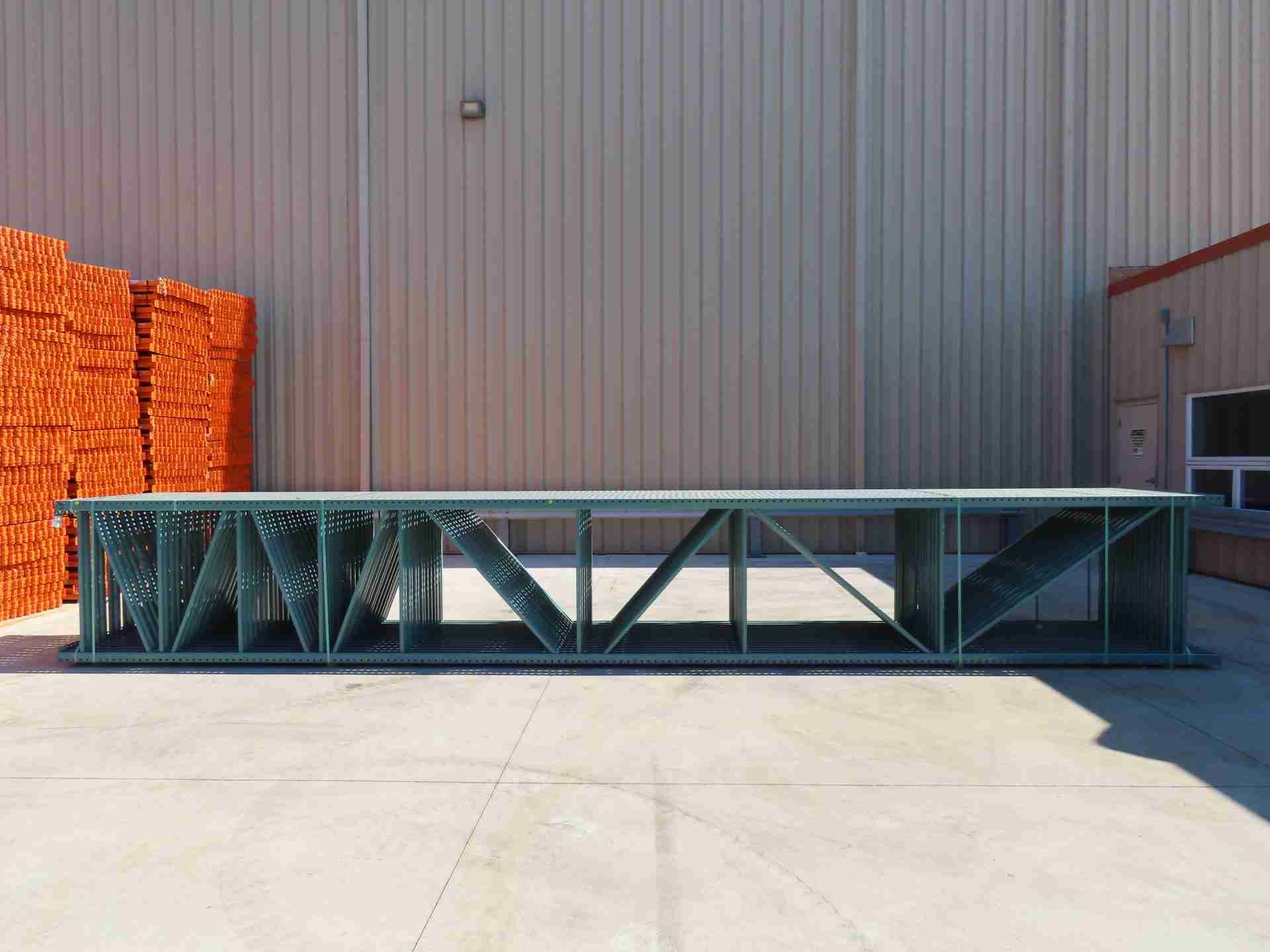
How Do I Ensure Compliance With OSHA Shelving Regulations?
How Do I Ensure Compliance With OSHA Shelving Regulations?
- Understand and adhere to OSHA shelving regulations as essential for workplace safety.
- Ensure shelving can support intended loads without bending or collapsing by investing in high-quality materials.
- Conduct a comprehensive inventory and risk assessment of current shelving to identify hazards.
- Implement a regular maintenance and inspection schedule to promote a culture of safety and compliance.
- Provide thorough training for staff on proper loading techniques and weight distribution on shelves.
- Utilize technology, such as modern inventory management systems, to monitor stock levels and prevent overloading.
- Recognize that proactive compliance with OSHA regulations can enhance employee morale and customer trust.
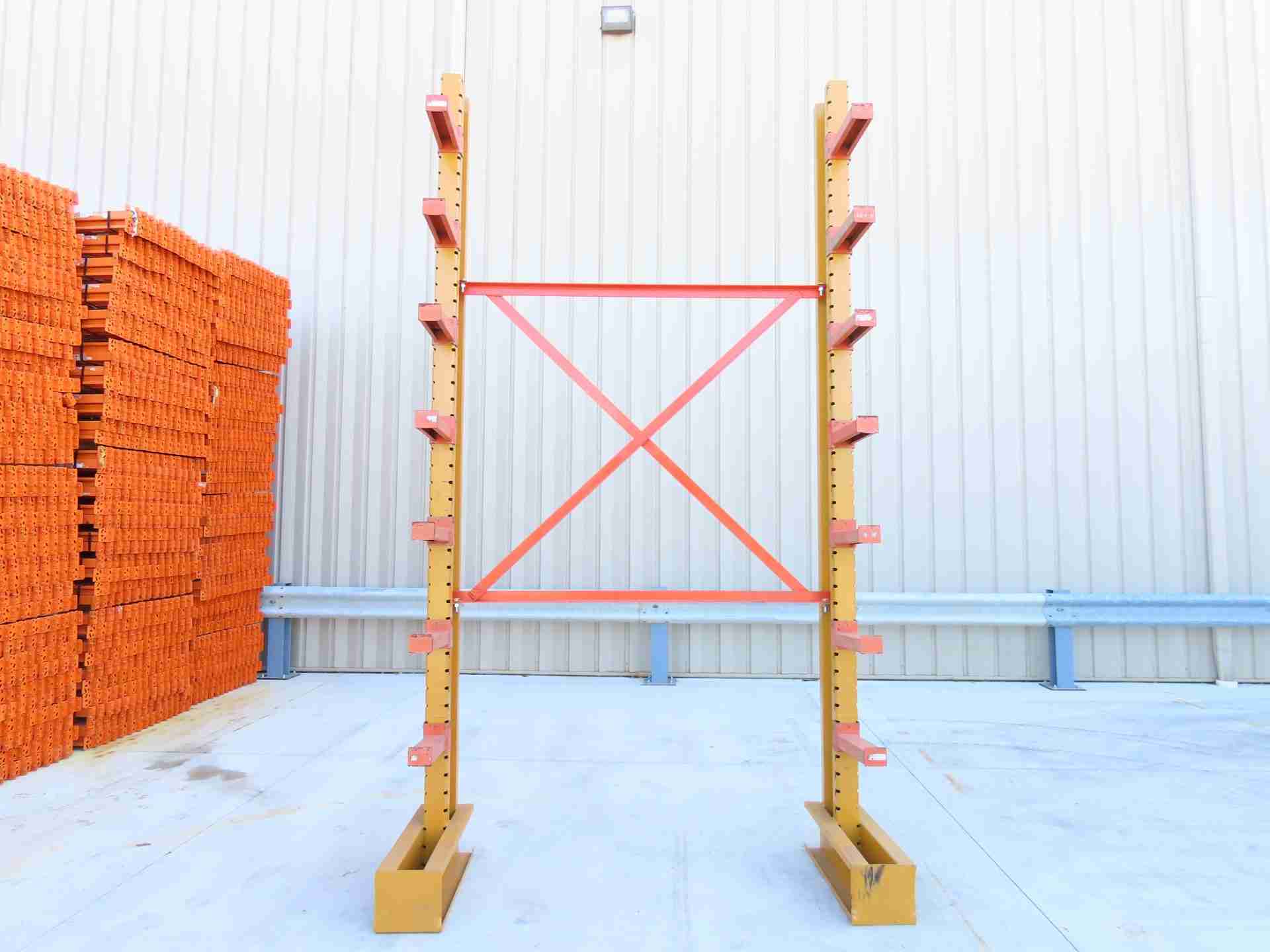
How Do I Ensure Compliance With OSHA Shelving Regulations?
What Are The Consequences Of Not Adhering To Load Rating Guidelines?
In the world of infrastructure, adherence to load rating guidelines isn’t just a recommendation; it’s a matter of safety and financial viability. Neglecting these crucial standards can lead to catastrophic consequences, both tangible and intangible. Let’s break it down.
First and foremost, failing to respect load rating guidelines can result in structural failure. Consider the tragic collapse of the Champlain Towers South in Surfside, Florida, in 2021. Investigations revealed long-standing issues, which were ignored over time, leading to a devastating loss of life and property. Such examples highlight that the cost of negligence is measured not only in dollars but in lives lost and communities shattered.
Financially, the repercussions of not adhering to loading guidelines can be enormous. Companies and municipalities may face fines, litigation, and increased insurance premiums if they disregard safety protocols. The fallout from a single incident can ripple through multiple sectors, causing economic strain on local businesses and taxpayers who ultimately foot the bill for repairs and reconstruction. The 2022 bridge collapse in Pittsburgh serves as a stark reminder of this reality, resulting in emergency expenditures and disruptive closures that affected countless individuals and local economies.
Moreover, there’s the intangible damage to reputation. Organizations that cut corners in adhering to load rating guidelines diminish their credibility and trustworthiness. For example, a construction firm that faces litigation for substandard work may find it difficult to secure future contracts. Word of a lapse in safety spreads quickly in today’s information age, tarnishing brands faster than ever.
And let’s not overlook the environmental impact. Structural failures don’t just endanger human life; they can wreak havoc on natural habitats. A bridge collapsing impacts not only transportation but also ecosystems that have thrived for decades. Green initiatives endorsed by companies may backfire if their facilities do not comply with load ratings, leading to public backlash and further reputational damage.
In summary, the consequences of ignoring load rating guidelines are dire and multifaceted. From loss of life and financial ruin to reputational harm and environmental disaster, the stakes are incredibly high. Investing in compliance today is not just a regulatory duty; it’s a moral obligation to stakeholders, communities, and future generations. Remember, the cost of adherence is far less painful than the cost of negligence. Make the smart choice—prioritize load rating compliance to safeguard your future.
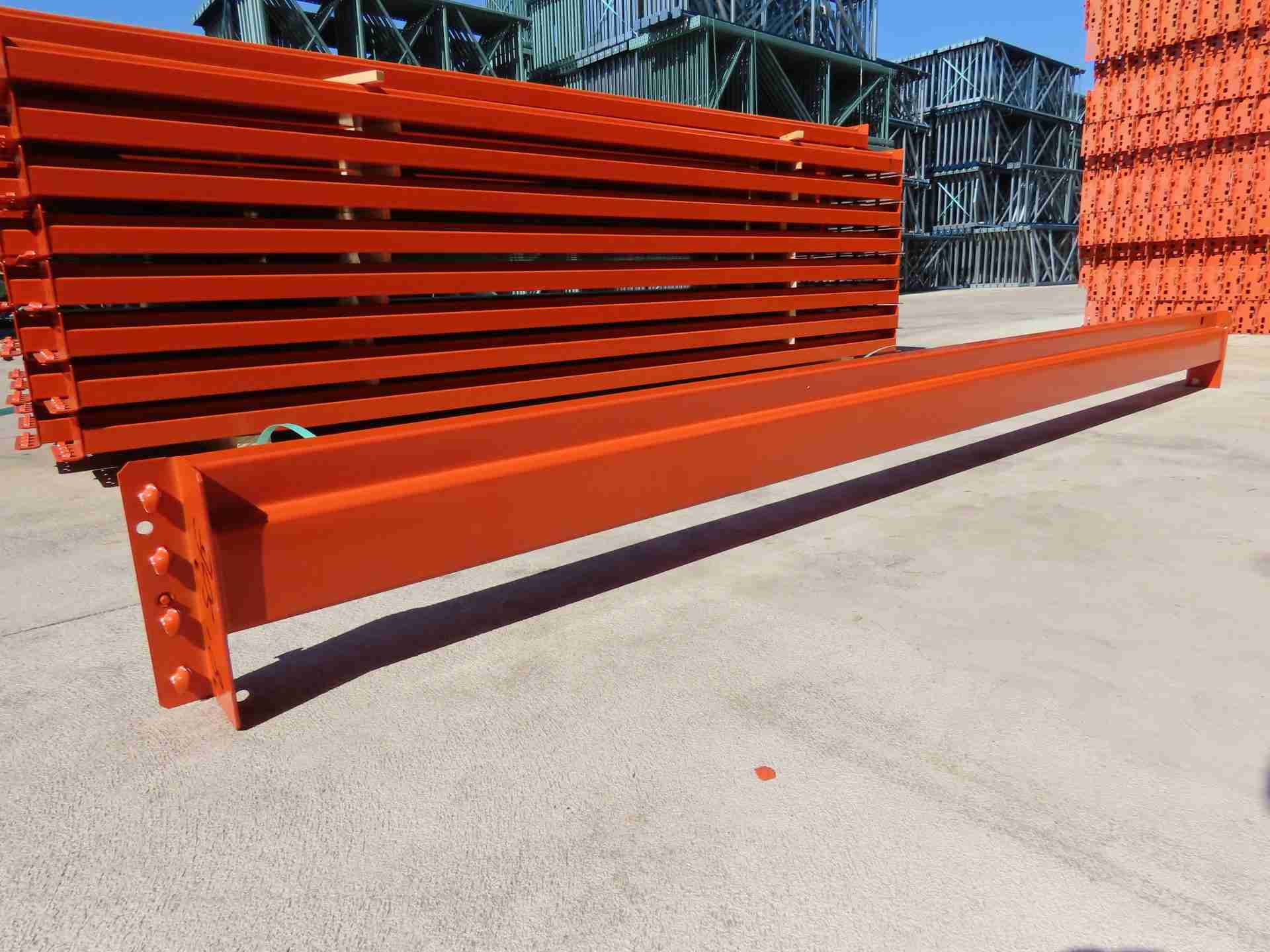
What Are The Consequences Of Not Adhering To Load Rating Guidelines?
What Are The Consequences Of Not Adhering To Load Rating Guidelines?
- Adherence to load rating guidelines is crucial for safety and financial stability.
- Neglecting these guidelines can lead to structural failures, as illustrated by the Champlain Towers South collapse.
- Ignoring safety protocols can result in significant financial repercussions, including fines, litigation, and increased insurance costs.
- The 2022 bridge collapse in Pittsburgh exemplifies the economic strain on local communities following such incidents.
- Reputation can suffer significantly; companies cutting corners may struggle to secure future contracts due to loss of trust.
- Structural failures can also cause environmental damage, impacting ecosystems and natural habitats.
- Investing in compliance is both a regulatory duty and a moral obligation to stakeholders and future generations.
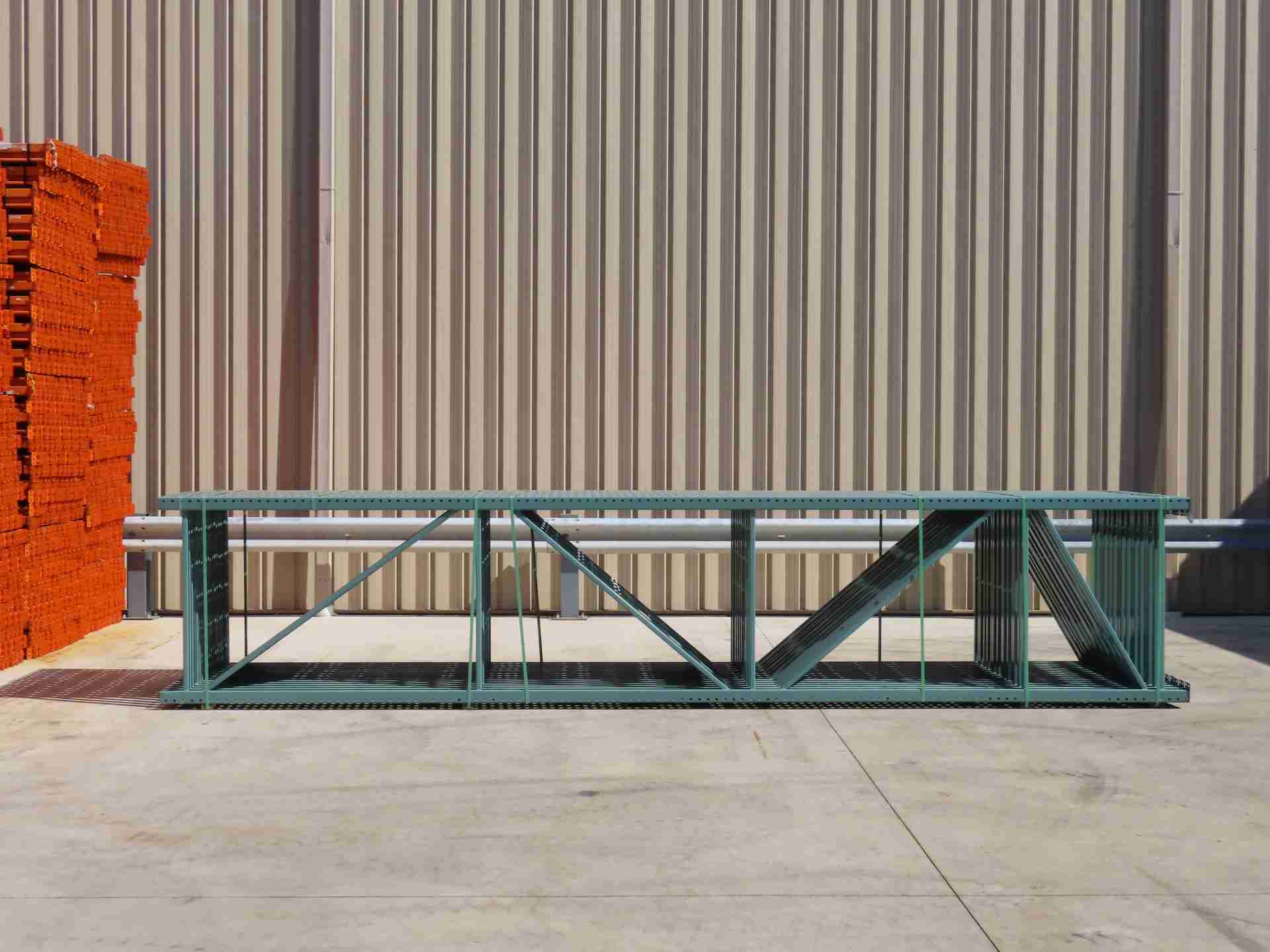
What Are The Consequences Of Not Adhering To Load Rating Guidelines?
Conclusion
Conclusion: Prioritize OSHA Shelving Load Ratings for a Safer, More Efficient Workplace
In the relentless pursuit of operational excellence and employee safety, an essential piece of the puzzle often goes overlooked: adhering to OSHA shelving load rating requirements. As highlighted throughout this article, these regulations are not merely a bureaucratic checkbox—they represent a strategic framework designed to protect your people and your bottom line.
Ignoring these guidelines creates a perfect storm of potential disasters—overloaded shelves can collapse, leading to severe injuries and costly damages, while non-compliance can result in hefty fines and tarnished reputations. The reality is clear: understanding the load capacities of your shelving systems is crucial for creating a safe, productive workplace. Whether you’re dealing with the abundance of inventory in a warehouse or the delicate display of merchandise in a retail setting, respecting the limits set forth by OSHA can be a game-changer.
It’s time to take actionable steps. Conduct regular inspections of your shelving systems, invest in robust solutions engineered to meet these demanding standards, and engage your workforce in the importance of load management. Remember, even in environments like e-commerce warehouses that are evolving rapidly, a proactive approach to shelving safety can mitigate risks while bolstering operational efficiency.
Additionally, the impacts of proper shelving extend beyond mere compliance. By prioritizing safety, you foster a culture of responsibility that resonates throughout your organization. Happy, secure employees are intrinsically more productive, showing that safety doesn’t just protect—it’s also a profit center.
However, urgency cannot be overstated. Don’t wait for an incident to happen before evaluating your shelving systems. Call Arrow Industrial Sales at (574) 349-6575 today for consultation and recommendations that are specifically tailored to your shelving needs. Every moment that passes is another opportunity lost to strengthen your business and safeguard your workforce from unnecessary risks.
By acting now, you can ensure compliance with OSHA shelving regulations, enhance your operational workflows, and ultimately create a safer environment for everyone involved. Remember, in the game of business, safety may not just preserve lives—it can also propel your organization toward unmatched success. Prioritize your shelving load ratings, and watch your business thrive!
Conclusion
Conclusion:
- Compliance with OSHA shelving load ratings is critical for operational excellence and employee safety.
- Ignoring load ratings can lead to disastrous consequences, including injuries, damages, fines, and reputational harm.
- Understanding load capacities is essential for a safe and productive workplace in various settings, from warehouses to retail.
- Regular inspections and investments in robust shelving solutions are necessary to meet safety standards.
- Promoting a culture of safety enhances employee productivity and fosters responsibility across the organization.
- Immediate evaluation of shelving systems is urged to prevent incidents and enhance business safety.
- Prioritizing safety can lead to compliance, improved workflows, and overall success for the organization.
Conclusion
Other Resources
Other Resources
Here is a list of other resources you can review online to learn more:
- “Warehousing – Know the Law | Occupational Safety and …”
- “Handy Warehouse Safety Tips – Cherry’s Material-handling Blog”
- “10 Shelving Safety Tips | Keep Your Warehouse OSHA …”
- “Inventory Shrinkage Factors – Cherry’s Material-handling Blog -“
- “Wire Shelving | Wire Racks”
- “Frequency of Workplace Controls and Associations With …”
- “OSHA”
- “What Does OSHA Say About Pallet Rack Safety?”
- “Heavy Duty Metal Shelving”
- “Trends in Workplace Wearable Technologies and …”
- “How to Assemble Pallet Racking?”
Use This Prompt To Get More Resources With Your Favorite Online AI Tool: Please provide me with a list of online articles with their URLs in a bulleted list that I can read regarding what OSHA Shelving Load Rating Requirements are.
Other Resources
Glossary Terms
What Are OSHA Shelving Load Rating Requirements? – Glossary Of Terms
1. OSHA: A federal agency that ensures safe and healthy working conditions by setting and enforcing standards.
2. Shelving: A structure for storing items, typically consisting of horizontal surfaces supported by vertical components.
3. Load Rating: The maximum weight a shelving unit can safely support without failure.
4. Uniform Load: Weight distributed evenly across a shelving surface.
5. Dynamic Load: A load that involves forces in motion, such as items being added or removed from shelving.
6. Static Load: A non-moving load that remains in place, allowing for analysis under stable conditions.
7. Load Capacity: The weight limit specified by the manufacturer or engineer for a shelving unit.
8. Safety Factor: A ratio that provides a margin of safety by comparing the maximum load to the material’s ultimate strength.
9. Certificate of Compliance: A document that verifies a shelving unit meets relevant safety and load rating standards.
10. Material Strength: The ability of a material to withstand an applied load without failure.
11. Shelf Bracing: Additional supports designed to strengthen shelving and prevent lateral movement or buckling.
12. Bending Moment: The tendency of a force to cause a shelving unit to bend or deform under a load.
13. Deflection: The amount a shelf bends or moves under load, which must be within acceptable limits for safety.
14. Load Distribution: The manner in which weight is spread across a shelving unit to ensure stability and integrity.
15. Load Test: An assessment to determine if the shelving unit can support its rated load without failure.
16. Modular Shelving: A flexible shelving design that allows for adjustments in height and configuration.
17. System Design: The process of planning the arrangement and structure of shelving to optimize load capacity and access.
18. Resilience: The ability of shelving material to return to its original shape after the removal of a load.
19. Installation Guidelines: Instructions provided by manufacturers for the correct setup of shelving units to ensure safety.
20. OSHA Standards: Regulations set forth by OSHA regarding workplace safety, including storage and shelving systems.
21. Endurance Testing: A prolonged evaluation to determine how well shelving units hold up under constant load over time.
22. Vertical Load: The weight applied directly downwards onto the shelf surface.
23. Horizontal Load: The weight applied parallel to the surface, which can cause lateral forces.
24. Capacity Labels: Tags or markings that indicate the maximum load that a shelving unit can safely hold.
25. Stability Criteria: Conditions that must be met for a shelving unit to remain safe and upright under load.
26. Material Type: The specific substance used in shelving construction (wood, metal, plastic), which affects load capacity.
27. Freestanding Shelving: Shelves that stand independently, as opposed to those that are built into walls or structures.
28. Shelf Height: The vertical distance from the ground or floor to the shelving unit, which can affect load stability.
29. Cross-bracing: Diagonal supports added to shelves to enhance stability and strengthen load-bearing capacity.
30. Compliance Inspection: An evaluation conducted by safety officials to ensure shelving systems meet OSHA standards and load rating requirements.
Glossary Of Terms
Other Questions
What Are OSHA Shelving Load Rating Requirements? – Other Questions
If you wish to explore and discover more, consider looking for answers to these questions:
- What are the specific OSHA load rating requirements for different types of shelving?
- How can businesses ensure their shelving systems are compliant with OSHA regulations?
- What steps can I take to educate employees about OSHA shelving load rating requirements?
- What are the key signs that a shelving unit is overloaded?
- How often should shelving units be inspected for safety compliance?
- What technologies can assist in monitoring shelving load capacity?
- Are there any exceptions to the OSHA shelving load rating requirements?
- What type of training should be provided to staff regarding shelving safety?
- How can I effectively communicate load ratings to my employees?
- What impact can non-compliance have on insurance premiums?
- What strategies can be employed to optimize shelving layout for weight distribution?
- How do environmental factors affect shelving load ratings?
- What are the best practices for maintaining heavy-duty shelving systems?
- How can businesses adapt their shelving solutions in response to changes in inventory levels?
- What are the most common mistakes made in shelving installation?
Other Questions
Checklist
What Are OSHA Shelving Load Rating Requirements? – A Checklist
\Understanding Load Ratings
_____ Research and familiarize yourself with OSHA’s shelving load rating requirements.
_____ Identify the load rating specified for each shelving unit in your facility.
Conducting Inventory and Risk Assessments
_____ Perform a thorough inventory assessment of your existing shelving systems.
_____ Evaluate the condition of each shelving unit for signs of wear, damage, or overload.
_____ Document shelf dimensions, materials, and intended load capacities.
Prioritizing Proper Installation
_____ Follow manufacturer guidelines for installation, ensuring all shelves are anchored securely.
_____ Use appropriate tools and hardware for installation.
_____ Verify that all units are installed level and in accordance with load specifications.
Implementing Regular Maintenance and Inspections
_____ Schedule monthly inspections to identify any issues like rust, warping, or instability.
_____ Keep detailed inspection records to track conditions and maintenance history.
_____ Address any identified issues immediately to avoid accidents.
Managing Load Capacity Effectively
_____ Clearly mark load limits for each shelving unit.
_____ Educate employees about the importance of adhering to weight limits.
_____ Regularly revisit load management policies to adjust for changes in inventory.
Training Employees
_____ Provide training on proper loading techniques and the significance of load ratings.
_____ Conduct regular safety drills to reinforce best practices in storage.
_____ Offer refresher courses to maintain safety awareness.
Employing Technology
_____ Consider implementing modern inventory management systems to monitor shelf loads.
_____ Use RFID tagging or similar technology to manage and track inventory weight.
Creating a Culture of Safety
_____ Foster open communication about safety concerns among employees.
_____ Thank and reward employees who report unsafe conditions or suggest improvements.
_____ Reinforce the importance of safety practices at staff meetings and training sessions.
Preparing for Emergencies
_____ Develop a contingency plan for accidents related to shelving collapse.
_____ Ensure all employees know emergency procedures and how to respond to such incidents.
_____ Regularly review and update emergency plans as needed.
Staying Informed
_____ Keep up-to-date on changes to OSHA regulations related to shelving and storage.
_____ Subscribe to industry newsletters or professional bodies to stay informed about best practices.
This checklist will help ensure your shelving systems are compliant with OSHA requirements, ultimately safeguarding your employees, assets, and operational efficiency.
Checklist
At RackingWorld, we help guide you through selecting warehouse storage systems and racking.
Be sure to read our other related stories at RackingWorld to learn more about warehouse storage systems.
0 Comments