
Exploring Cantilever Rack Material Options
By Tom Seest
At RackingWorld, we help guide you through selecting warehouse storage systems and racking.
Be sure to read our other related stories at RackingWorld to learn more about warehouse storage systems.
What Material Options Exist for Cantilever Rack Construction?
When it comes to maximizing vertical storage space, cantilever racks stand out as a powerful solution in warehouses and distribution centers. However, the choice of materials for constructing these racks can greatly influence their performance, durability, and overall value. Understanding the various material options available will help you make informed decisions that align with your business needs and objectives.
Steel: The Heavyweight Champion
Steel ranks as the most common material for cantilever rack construction, and for good reason. Its strength-to-weight ratio is unparalleled, enabling you to support significant loads while minimizing structural bulk. Steel racks can withstand the rigors of heavy-duty usage in industrial environments. With recent advancements in steel production, manufacturers now offer racks treated to resist corrosion, making them ideal for businesses operating in humid or chemically rich surroundings. For example, a recent case study involving a chemical distributor highlighted how opting for galvanized steel racks not only improved long-term durability but also substantially reduced replacement costs over time.
Aluminum: A Lightweight Contender
If mobility is a priority, aluminum cantilever racks provide a fantastic alternative. Weighing considerably less than their steel counterparts, aluminum racks are easier to assemble, relocate, and adjust. This flexibility allows for quick adaptations to changing inventory needs or warehouse configurations. While they may not bear as heavy a load as steel racks, their lightweight nature and resistance to rust and corrosion make them ideal for specific applications. Amid heightened supply chain challenges, many businesses are turning to aluminum racks for their ease in handling smaller, lighter items that require frequent stock rotations.
Wood: The Classic Choice
When aesthetics play a crucial role, and when weight capacity isn’t the highest priority, wood can be an appealing option. Wooden cantilever racks can bring a rustic charm to retail environments or showrooms while providing decent load-bearing capacity for lighter items. Recent trends show an uptick in the use of reclaimed wood for sustainable practices, as eco-conscious businesses highlight their commitment to the environment. As public awareness of sustainability grows, this option resonates strongly with customers who value green initiatives.
The Hybrid Approach
Lastly, don’t overlook the option of hybrid materials. Combining steel for structural supports with wood or composite materials for shelving can yield a robust and visually appealing cantilever rack that meets varying needs. Indeed, as market dynamics evolve, with e-commerce and rapid inventory turnover on the rise, hybrid designs are becoming more sought-after.
The material you choose for your cantilever rack construction is pivotal to its performance and longevity. Assess your needs, consider current market trends, and opt for solutions that will not only serve your immediate requirements but also stand the test of time. Investing wisely now can translate into substantial savings and efficiency gains in the long run.

What Material Options Exist for Cantilever Rack Construction?
What Material Options Exist for Cantilever Rack Construction?
- Cantilever Racks for Vertical Storage: Effective solution for maximizing vertical storage space in warehouses and distribution centers.
- Material Choice Matters: The materials used for cantilever racks significantly affect performance, durability, and value.
- Steel as the Preferred Material: Offers unmatched strength-to-weight ratio, ideal for heavy-duty usage, and can be treated for corrosion resistance.
- Aluminum for Mobility: Lighter than steel, making it easier to assemble and relocate; suited for handling smaller loads and frequent stock rotations.
- Wood for Aesthetic Appeal: Provides a rustic look and decent capacity for lighter items; increasing use of reclaimed wood supports sustainability.
- Hybrid Materials: Combining steel with wood or composites creates robust and visually appealing racks, suitable for evolving market needs.
- Long-term Considerations: Choose materials wisely to ensure performance and longevity, leading to potential savings and efficiency gains.

What Material Options Exist for Cantilever Rack Construction?
Table Of Contents
- What Material Options Exist for Cantilever Rack Construction?
- What Are The Most Common Materials Used In Cantilever Racks?
- How Does Steel Compare To Other Materials For Cantilever Racks?
- What Are The Benefits Of Using Fiberglass For Cantilever Racks?
- Are Aluminum Cantilever Racks Suitable For Heavy Loads?
- What Is The Cost Difference Between Steel And Aluminum Racks?
- How Does The Material Affect The Durability Of Cantilever Racks?
- What Are The Weight Capacities Of Different Cantilever Rack Materials?
- How Does Weather Resistance Vary Among Different Rack Materials?
- Can Recycled Materials Be Used For Cantilever Rack Construction?
- What Are The Maintenance Requirements For Various Rack Materials?
- What Should I Consider For Custom Cantilever Rack Materials?
- Are There Regulatory Standards For Materials In Cantilever Rack Usage?
- How Do Various Materials Impact The Installation Process?
- What Is The Best Material Choice For Warehouse Environments?
- How Can I Optimize Material Selection For Specific Loads?
- Conclusion
- Other Resources
- Glossary Of Terms
- Other Questions
- Checklist
What Are The Most Common Materials Used In Cantilever Racks?
When it comes to efficient storage solutions, cantilever racks stand out as the ultimate choice for businesses looking to maximize space while ensuring easy accessibility to goods. The foundation of these racks, however, is the materials from which they are constructed. Understanding the most common materials used in cantilever racks is key to making a smart investment for your storage needs.
Steel is the undisputed champion in the realm of cantilever rack materials. Renowned for its strength, durability, and versatility, steel provides the structural integrity needed to support heavy loads, making it the primary choice for industrial applications. Powder-coated or painted finishes can protect against rust and corrosion, ensuring you get the most out of your investment. For instance, companies operating in sectors like furniture or steel pipe manufacturing have seen significant advantages by deploying steel cantilever racks that withstand the rigors of everyday use.
Fiberglass is another material gaining traction, especially in specialized environments. Its lightweight nature and resistance to corrosion make fiberglass ideal for outdoor storage solutions or facilities prone to moisture. Industries involved in chemical manufacturing or marine applications have found fiberglass cantilever racks to be a smart choice, as they can provide reliable storage without the risk of rust or deterioration.
Aluminum serves as a popular alternative for businesses looking to strike a balance between weight and strength. It’s lightweight, corrosion-resistant, and can offer additional benefits in terms of mobility. As more companies focus on sustainability, aluminum has become a go-to choice for eco-conscious businesses. For instance, the growing trend towards green warehouses has led many firms to invest in aluminum cantilever racks to meet stringent environmental standards while still ensuring robust storage solutions.
Beyond these standard materials, some businesses are now exploring hybrid cantilever racks that combine the best properties of various materials. Whether it’s utilizing steel frames with aluminum arms or incorporating synthetic components to reduce weight, innovation in materials is driving the evolution of cantilever racks.
As global supply chains adjust to new realities—and the demand for efficient storage continues to rise—a deep understanding of cantilever rack materials will enable businesses to make strategic decisions that align with their operational needs. Companies like ULINE and Rack Builders are leading the charge by offering customizable solutions tailored to specific industry requirements.
The most common materials used in cantilever racks—steel, fiberglass, and aluminum—each bring unique advantages to the table. By selecting the appropriate material for your application, you can boost productivity and ensure your storage solutions are not just functional but also resilient, paving the way for a more efficient operational future.

What Are The Most Common Materials Used In Cantilever Racks?
What Are The Most Common Materials Used In Cantilever Racks?
- Cantilever racks are efficient storage solutions designed to maximize space and accessibility for businesses.
- Steel is the primary material used for cantilever racks, known for its strength, durability, and versatility, making it ideal for industrial applications.
- Powder-coated or painted steel finishes protect against rust and corrosion, extending the rack’s lifespan.
- Fiberglass is gaining popularity for outdoor storage due to its lightweight and corrosion-resistant properties, especially in chemical and marine industries.
- Aluminum offers a balance between weight and strength, making it a preferred choice for eco-conscious businesses focused on sustainability.
- Hybrid cantilever racks that combine various materials are being explored for enhanced functionality and innovation.
- Understanding rack materials allows businesses to make informed decisions, with companies like ULINE and Rack Builders providing tailored solutions for specific industry needs.

What Are The Most Common Materials Used In Cantilever Racks?
How Does Steel Compare To Other Materials For Cantilever Racks?
When it comes to storage solutions, particularly cantilever racks, steel stands head and shoulders above the competition. Imagine a bustling warehouse floor filled with oversized materials—timber, piping, or machinery parts. You need a storage solution that not only optimizes space but also guarantees safety and strength. Steel’s durability and resilience make it the clear choice, especially when considering the relentless demands of today’s manufacturing sectors.
Consider the alternatives: wood and even composite materials. While these choices might offer a lower initial investment, they often fail to provide long-term strength. Wood can warp, rot, and become infested with pests—problems that can cause costly downtime and damage to stored items. Meanwhile, composite materials might advertise a lightweight profile, but they lack the robustness that heavy-duty applications necessitate. For instance, in a recent survey of warehousing efficiency, companies reported significant losses due to inventory damage when using inadequate racking systems. Steel’s unmatched tensile strength mitigates this risk entirely.
In the realm of seismic safety, particularly in regions prone to earthquakes, steel cantilever racks excel in structural integrity. Recent seismic events in California have reignited conversations around warehouse safety, with many businesses choosing to invest more systematically in steel solutions. With its high resistance to bending and collapse, steel provides peace of mind, ensuring both goods and employees are secure.
Not to be overlooked, the ease of customization with steel racks is a game changer. Manufacturers can design racks suited to specific applications, whether you are storing long pipes or heavy pallets. In contrast, wooden and composite racks often require a complete redesign if the storage needs shift—a costly endeavor that can stifle operational flexibility.
Cost per square foot may initially seem favorable with alternative materials, but a closer look reveals the hidden expenses of maintenance, repairs, and replacements. Steel’s resilience means lower maintenance costs and a longer lifecycle, translating into a superior return on investment.
Ultimately, choosing steel for cantilever racks is a decision that pays dividends in safety, durability, and efficiency. As industries evolve and demands escalate, investing in steel racks isn’t just a choice; it’s a strategic necessity. Opt for steel, and give your business the steadfast support it deserves in a competitive landscape.

How Does Steel Compare To Other Materials For Cantilever Racks?
How Does Steel Compare To Other Materials For Cantilever Racks?
- Steel is the superior choice for cantilever racks, offering durability and strength essential for storing oversized materials.
- Alternative materials like wood and composites may have lower initial costs but lack long-term reliability, with wood susceptible to warping, rot, and pests.
- Using inadequate racking systems can lead to significant inventory damage, while steel’s tensile strength helps mitigate this risk.
- Steel cantilever racks provide excellent seismic safety, ensuring structural integrity in earthquake-prone regions.
- Customization options for steel racks allow for modifications tailored to specific storage needs, unlike less flexible wooden and composite alternatives.
- Though they may appear cost-effective initially, other materials come with hidden maintenance and replacement costs; steel offers lower maintenance and a longer lifecycle.
- Investing in steel racks enhances safety, durability, and efficiency, making it a strategic necessity in evolving industrial demands.
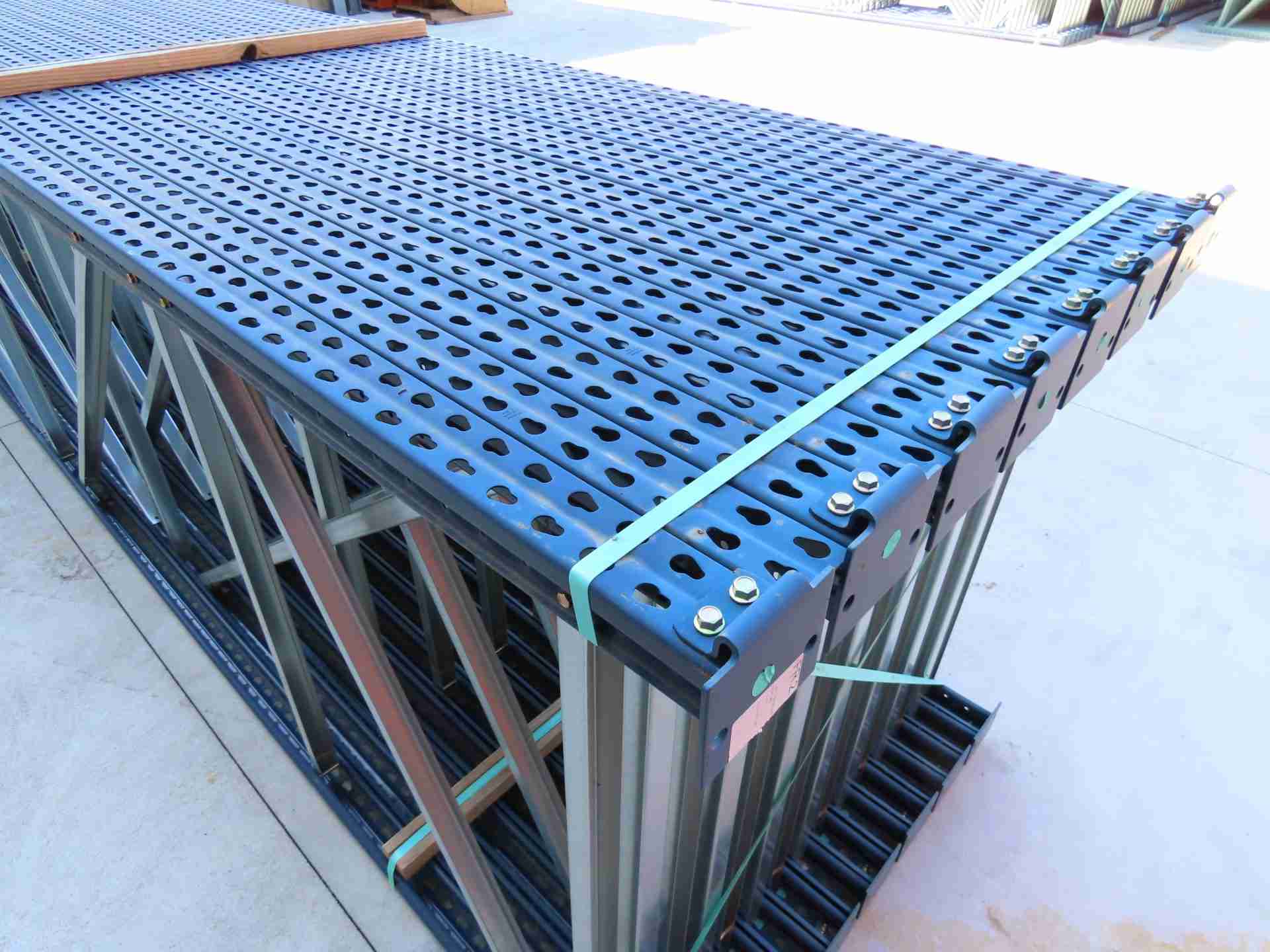
How Does Steel Compare To Other Materials For Cantilever Racks?
What Are The Benefits Of Using Fiberglass For Cantilever Racks?
If your business is in the market for storage solutions, the term “cantilever racks” may have surfaced more than once in your research. But if you want to elevate both your efficiency and your bottom line, it’s time to consider the game-changing benefits of fiberglass cantilever racks.
First and foremost, fiberglass is renowned for its resilience against harsh environments. Unlike traditional materials like steel or wood, fiberglass does not rust or corrode when exposed to moisture, chemicals, or extreme temperatures. Just think of industries such as food processing, chemical manufacturing, or outdoor warehousing. In scenarios where steel racks struggle to maintain their integrity against corrosive agents, fiberglass stands tall—quite literally—providing a robust solution without the added maintenance costs.
Moreover, fiberglass is incredibly lightweight, which allows for easier installation and reconfiguration. Imagine reducing your labor costs significantly because you don’t need a small crew to move or install heavy steel racks. A single person can often handle fiberglass, cutting time and costs dramatically. It’s like having a secret weapon in your supply chain arsenal—one that boosts efficiency and productivity.
Another compelling advantage of fiberglass is its unmatched safety features. With fewer sharp edges and the capability to withstand impact without cracking, fiberglass racks create a safer workspace, reducing the risk of injuries that can cause costly downtime. In the current climate where occupational safety standards are stricter than ever, switching to fiberglass could bolster your compliance efforts and offer peace of mind—a benefit that’s hard to place a price tag on.
A glimpse at recent trends shows that industries are shifting toward sustainable materials. Fiberglass is not only recyclable but also made from a concoction of minerals that pose less harm to the environment. As more consumers prioritize environmentally friendly businesses, incorporating fiberglass solutions showcases your commitment to sustainability, making you more attractive to potential clients.
Finally, let’s talk cost-effectiveness. While the initial investment in fiberglass racks may be higher than their traditional counterparts, consider the long-term savings. Reduced maintenance costs, lower labor expenses, and extended lifespan mean that over time, your fiberglass racks could pay for themselves.
Choosing fiberglass for cantilever racks isn’t just a purchase; it’s a strategic decision to enhance your operations, safeguard your workplace, and appeal to modern market demands. As industries evolve, adapting to these innovations will not just keep you in the game—it could lead to substantial advantages over the competition. Choose wisely, and let your investment pay dividends for years to come.

What Are The Benefits Of Using Fiberglass For Cantilever Racks?
What Are The Benefits Of Using Fiberglass For Cantilever Racks?
- Fiberglass cantilever racks outperform traditional materials like steel and wood in harsh environments, resisting rust and corrosion.
- Lightweight fiberglass allows for easier installation and reconfiguration, significantly reducing labor costs.
- Safety features of fiberglass, such as fewer sharp edges and impact resistance, enhance workplace safety and compliance with regulations.
- Fiberglass is recyclable and made from environmentally friendly materials, appealing to consumers prioritizing sustainability.
- Although initial costs may be higher, fiberglass racks offer long-term savings through lower maintenance and labor expenses.
- Choosing fiberglass is a strategic decision that can enhance operational efficiency and workplace safety.
- Adapting to innovations like fiberglass will provide competitive advantages in evolving industries.

What Are The Benefits Of Using Fiberglass For Cantilever Racks?
Are Aluminum Cantilever Racks Suitable For Heavy Loads?
When considering storage solutions for heavy loads, aluminum cantilever racks often spark curiosity. Given their lightweight nature and resistance to corrosion, one might wonder if they can withstand the rigors of tough, industrial applications. Let’s dive deep into why aluminum cantilever racks are not only suitable but can also be a game changer for businesses engaged in heavy-load storage.
Traditionally, heavy-duty storage solutions have favored steel due to its strength. However, the aluminum cantilever rack system is making waves in warehouses, manufacturing plants, and retail environments. Unlike their steel counterparts, aluminum racks boast an impressive strength-to-weight ratio. This allows businesses to optimize space without sacrificing sturdiness.
Take, for instance, the construction industry, which is currently witnessing a surge due to increased infrastructure spending. Aluminum cantilever racks, with their capability of handling long, heavy materials like lumber and pipes, present a perfect solution. Consider a lumber yard that needs a system to store lengthy beams safely. By using aluminum cantilever racks, they can efficiently stack materials without the fear of the system buckling under loads, thanks to innovative engineering that distributes weight evenly across the structure.
Moreover, high-profile events, such as the ongoing expansion of green energy projects nationwide, are also causing a surge in demand for reliable storage solutions. Companies involved in solar panel manufacturing are turning towards aluminum cantilever racks to store large solar panels efficiently. With the racks’ corrosion-resistant properties, they offer durability both indoors and outdoors, ensuring that the investment in storage is a safe one.
As we witness supply chain disruptions globally, having resilient and reliable storage solutions is paramount. Aluminum cantilever racks have proven their superiority by offering versatility, durability, and easy customization to meet various weight requirements. Businesses can equip their warehouses with racks tailored to handle multiple heavy-duty applications, making them an invaluable asset in any operation.
When weighing the options for heavy load storage, it’s crucial to look beyond traditional materials. Aluminum cantilever racks not only meet the demands for strength but also provide the added benefits of lightweight design and resistance to corrosion, making them suitable for heavy loads across a variety of industries. Whether you’re in construction, manufacturing, or retail, investing in aluminum cantilever racks is a strategic move that will pay dividends in efficiency and reliability. Don’t let outdated solutions weigh you down; make the switch today and experience the difference!

Are Aluminum Cantilever Racks Suitable For Heavy Loads?
Are Aluminum Cantilever Racks Suitable For Heavy Loads?
- Aluminum cantilever racks are lightweight and corrosion-resistant, making them suitable for heavy load storage.
- They offer an impressive strength-to-weight ratio, allowing businesses to optimize space without sacrificing sturdiness.
- The construction industry benefits from aluminum racks for storing long, heavy materials like lumber and pipes.
- Aluminum racks are also ideal for industries like solar panel manufacturing, accommodating large and heavy items efficiently.
- These racks feature durable designs for both indoor and outdoor use, ensuring a reliable storage investment.
- Aluminum cantilever racks provide versatility, durability, and easy customization for various heavy-duty applications.
- Investing in aluminum cantilever racks is a strategic move for industries seeking efficiency and reliability in storage solutions.

Are Aluminum Cantilever Racks Suitable For Heavy Loads?
What Is The Cost Difference Between Steel And Aluminum Racks?
When it comes to choosing between steel and aluminum racks, understanding the cost difference is not just about the initial price tag—it’s about investing wisely in durability, functionality, and long-term value.
Upfront Costs vs. Longevity
At first glance, aluminum racks typically have a higher upfront cost, often sitting 20-30% above their steel counterparts. However, let’s unbox this: aluminum is inherently resistant to rust and corrosion, making it an ideal option for outdoor or humid environments. A classic example is the evolving landscape of the outdoor event industry—think about those eye-catching festival setups that require durable yet lightweight infrastructure. Given the unpredictable weather patterns we’ve seen recently, investing in aluminum racks may save you money on repairs and replacements in the long run.
Weight and Shipping Considerations
Consider also the weight factor—aluminum is lighter than steel. Why does this matter? If you’re dealing with bulky equipment or needing to ship your racks frequently, the reduced shipping costs can make aluminum racks a smart financial decision. Take the booming e-commerce fulfilment sector, which relies heavily on efficient logistics. Companies that opt for aluminum racks often find themselves saving significantly when it comes to transport expenses.
Maintenance and Replacement Costs
Maintenance can be another hidden cost. Steel racks, while often cheaper initially, can require regular rust-proof treatments and, over time, may demand replacement due to degradation. With the inflation rates and supply chain challenges we’re witnessing today, those annual maintenance expenses can quickly accumulate. A business owner investing in a set of steel racks may find themselves facing unanticipated costs, especially if they’re in industries like shipping or warehousing, where reliability is paramount.
Value Beyond Price
Finally, let’s consider the demand for sustainable practices in today’s economy. Consumers are increasingly conscious of brand values, and the choice of materials can influence loyalty. Opting for aluminum—often seen as more eco-friendly due to its recyclability—could just be the tipping point for customers deciding between you and a competitor.
While steel may seem cheaper on day one, the total cost of ownership tells a more compelling story. It’s crucial to assess not just what’s on the price tag, but what each type of rack represents over time. In a rapidly evolving marketplace, think beyond the short-term expense and weigh the long-term benefits of durability, lightweight logistics, and sustainability when making your choice. Make the smart investment, and watch your business thrive.

What Is The Cost Difference Between Steel And Aluminum Racks?
What Is The Cost Difference Between Steel And Aluminum Racks?
- Choosing between steel and aluminum racks involves considerations beyond upfront costs, including durability, functionality, and long-term value.
- Aluminum racks typically have a higher initial price (20-30% more) but offer rust and corrosion resistance, making them ideal for outdoor use.
- Aluminum’s lightweight nature can lead to reduced shipping costs, especially beneficial for industries like e-commerce that rely on efficient logistics.
- Steel racks may require regular rust-proof treatments and eventual replacements, adding hidden maintenance costs over time.
- The current economic climate, characterized by inflation and supply chain challenges, makes long-term expenses an important consideration.
- Choosing aluminum can align with sustainable practices, potentially enhancing brand loyalty among environmentally conscious consumers.
- Overall, assessing the total cost of ownership rather than just initial prices is crucial for making a smart, long-term investment decision.

What Is The Cost Difference Between Steel And Aluminum Racks?
How Does The Material Affect The Durability Of Cantilever Racks?
When investing in storage solutions, the material composition of cantilever racks is a pivotal factor that can make or break your operations. Durable materials are the cornerstone of effective inventory management, especially with today’s increasing demand for efficiency and safety in warehouses and retail environments.
Cantilever racks, by design, are engineered to carry heavy loads. The choice of material isn’t merely a technical decision; it’s a strategic one that impacts overall performance and lifespan. Steel is the gold standard, renowned for its strength and durability. For instance, a leading manufacturer recently released a line of heavy-duty cantilever racks crafted from high-strength structural steel. This premium material boasts an astonishing tensile strength that ensures stability and resilience even under the heaviest loads. Companies implementing these advanced racks reported a reduction in maintenance costs, attributing it to the steel’s ability to withstand wear and tear from daily operations – a critical factor when considering the long-term ROI of your storage solutions.
On the other hand, consider cantilever racks made from lower-grade materials like aluminum or light metal alloys. While they may offer initial cost savings, these materials often compromise stability and longevity. Recently, a major retailer faced significant setbacks when they opted for a budget-friendly, lightweight cantilever solution in their new distribution center. Within a year, they experienced structural failures that not only halted operations but led to costly product damage and safety concerns. This scenario highlights a key principle: investing in quality materials upfront can yield long-term cost efficiencies and peace of mind.
Moreover, as global supply chains undergo transformation, with a rise in e-commerce and rapid inventory turnover, the importance of durable cantilever racks becomes more pronounced. Just look at the recent surge in online shopping; businesses are optimizing their warehousing solutions to accommodate increased stock levels and quick access. Robust steel cantilever racks are proving instrumental in handling higher volumes without sacrificing safety or efficiency.
In summary, the material of cantilever racks is a non-negotiable element in ensuring durability. The decision shouldn’t be driven solely by price but rather by potential impact on your operations. If you prioritize quality materials like high-strength steel, you not only enhance the lifespan of your racks but also provide a safer, more efficient environment for your business to thrive. Investing in durable cantilever racks is not just a matter of logistics—it’s a strategy to future-proof your operation in an ever-evolving marketplace.

How Does The Material Affect The Durability Of Cantilever Racks?
How Does The Material Affect The Durability Of Cantilever Racks?
- The material composition of cantilever racks is crucial for effective inventory management and operational efficiency.
- Steel is considered the gold standard for cantilever racks due to its strength, durability, and ability to withstand heavy loads.
- High-strength structural steel racks can reduce maintenance costs and improve long-term ROI by minimizing wear and tear.
- Lower-grade materials like aluminum or light metal alloys may save initial costs but compromise stability and longevity.
- A major retailer’s experience with lightweight racks led to structural failures and costly damages, emphasizing the importance of quality materials.
- The rise of e-commerce and rapid inventory turnover necessitates robust cantilever racks for higher volume handling without sacrificing safety.
- Investing in quality materials is a strategic move to enhance safety, efficiency, and durability in warehousing solutions.

How Does The Material Affect The Durability Of Cantilever Racks?
What Are The Weight Capacities Of Different Cantilever Rack Materials?
When it comes to optimizing your warehouse or storage space, understanding the weight capacities of cantilever rack materials is crucial. This knowledge can mean the difference between a smooth-operating facility and one that’s fraught with inefficiencies—or, worse yet, safety hazards.
Cantilever racks are designed for storing long, bulky items. They come in various materials—most commonly wood, steel, and fiberglass. Each of these has its unique attributes and capacities, tailored to different loading conditions, so let’s dive into the specifics.
Steel is the gold standard in cantilever racks. Renowned for its strength, steel racks can typically support loads ranging from 1,500 to 4,000 pounds per arm, depending on the design and thickness of the materials used. For instance, heavy-duty steel options are ideal for storing steel pipes or lumber, which are both incredibly heavy and require exceptional support. With recent supply chain fluctuations causing some materials to rise in price or become hard to source, investing in robust, durable steel racks could save costs in the long run by reducing damage and replacement needs—especially vital as logistical challenges persist.
Turning to wood, we find a cost-effective alternative, particularly for lighter loads. Wooden cantilever racks can support anywhere from 500 to 2,000 pounds per arm, making them suitable for items such as drywall or less dense building materials. However, it’s essential to note that while wood offers aesthetic advantages and is often easier on the budget, it can warp or degrade over time, particularly in humid or variable climates. The recent uptick in home improvement projects amid the ongoing housing surge means more businesses are turning to wood racks. Ensure your wooden racks are well-treated, especially in high-moisture environments.
Lastly, fiberglass is gaining traction as a lightweight, corrosion-resistant option for environments prone to chemical exposure or moisture, like manufacturing facilities and cold storage. While they typically support lighter loads of around 500 pounds per arm, their undeniably high resistance to rust and rot makes them invaluable in specific situations. Current innovations in material technology offer even more robust options, making fiberglass a serious contender in modern storage solutions.
In today’s competitive landscape, the right cantilever rack material can dramatically impact efficiency and safety. Understanding these weight capacities allows you to tailor your inventory system to fit your needs precisely. Whether you’re navigating supply chain disruptions or striving to optimize your storage space, having the right material on your side can turn potential disadvantages into advantages, positioning your business for unparalleled success in a dynamic marketplace. Investing in quality now will deliver dividends down the line—don’t underestimate the power of smart storage solutions!

What Are The Weight Capacities Of Different Cantilever Rack Materials?
What Are The Weight Capacities Of Different Cantilever Rack Materials?
- Understanding weight capacities of cantilever rack materials is essential for optimizing warehouse space.
- Cantilever racks are ideal for storing long, bulky items and are available in wood, steel, and fiberglass.
- Steel racks, the strongest option, can support loads from 1,500 to 4,000 pounds per arm, making them suitable for heavy items.
- Wooden racks are cost-effective for lighter loads (500 to 2,000 pounds per arm) but can warp in humid conditions.
- Fiberglass racks are lightweight and corrosion-resistant, supporting up to 500 pounds per arm and suited for chemical exposure environments.
- Choosing the right cantilever rack material improves efficiency and safety in storage operations.
- Investing in quality cantilever racks can lead to long-term cost savings and optimize storage capabilities.

What Are The Weight Capacities Of Different Cantilever Rack Materials?
How Does Weather Resistance Vary Among Different Rack Materials?
When it comes to selecting a rack for your outdoor needs, understanding how weather resistance varies among different materials is crucial. The choice of material can mean the difference between a long-lasting investment and a frustrating cycle of repairs and replacements.
Metal Racks: Stainless Steel vs. Powder-Coated Steel
Let’s start with metal racks. Stainless steel racks are the gold standard in weather resistance. They resist rust, corrosion, and staining, making them ideal for areas that experience heavy rainfall or high humidity. Take, for example, the ongoing changes in climate patterns leading to more frequent storms. A stainless steel rack at a coastal home can withstand salty air and heavy downpours without deteriorating, thus providing long-lasting use and a strong return on investment.
On the other hand, powder-coated steel offers some level of protection against the elements, but it’s not foolproof. The coating can chip or scratch, exposing the underlying metal to moisture and potential rust. If you’ve noticed reports of increased rainfall in certain regions, investing in a more resilient option like stainless steel seems wise.
Wooden Racks: Treated vs. Untreated
Now, let’s explore wooden racks. Treated wood—such as cedar or redwood—offers natural resistance to decay and pests, making it a popular choice for outdoor settings. However, untreated wood is a different story. It can absorb water and eventually become warped or rotted. If you’ve read about wildfires raging through forests in recent years, it’s a stark reminder of how untreated wood can be particularly vulnerable in extreme conditions.
Moreover, for those living in regions like the Pacific Northwest, where rain is nearly a given, opting for treated wood can save you a lot of time and money in the long run. Not only will it resist the elements, but it’ll also maintain its aesthetic appeal.
Plastic and Composite Racks: A Modern Solution
Lastly, let’s talk about plastic and composite materials. These materials have gained traction thanks to their lightweight design and exceptional resistance to water, fading, and pests. Recent advances in technology have allowed for composite materials to mimic the appearance of wood while providing much-needed durability. In an era where sustainability is more important than ever—especially amidst discussions surrounding eco-friendly practices—these materials are a smart choice for environmentally conscious consumers.
In summary, when choosing a rack, consider your local climate and the material’s unique properties. Investing in the right material today can not only enhance your outdoor experience but also safeguard against the unpredictable whims of nature. Make an informed decision—your future self will thank you!

How Does Weather Resistance Vary Among Different Rack Materials?
How Does Weather Resistance Vary Among Different Rack Materials?
- Understanding weather resistance is vital when selecting a rack for outdoor use.
- Stainless steel racks are superior in weather resistance, resisting rust, corrosion, and staining.
- Powder-coated steel offers some protection but can be compromised by chipping or scratching.
- Treated wood, like cedar or redwood, provides natural resistance to decay and pests.
- Untreated wood is prone to water absorption, warping, and rotting, especially in harsh climates.
- Plastic and composite racks are lightweight, durable, and resistant to water and fading, making them eco-friendly options.
- Choosing the right material based on local climate can enhance longevity and performance.

How Does Weather Resistance Vary Among Different Rack Materials?
Can Recycled Materials Be Used For Cantilever Rack Construction?
In a world increasingly conscious of sustainability, the question arises: Can we incorporate recycled materials into cantilever rack construction? The answer is a resounding yes, and this trend is not just a nod to environmental responsibility—it’s a strategic move that can bolster your brand and bottom line.
Cantilever racks, known for their ability to support long, bulky items like lumber, pipes, and textiles, are essential for many businesses. Traditionally constructed from new steel, these racks require substantial resources and energy to manufacture. However, leveraging recycled materials not only minimizes the carbon footprint of your operations but can also result in significant cost savings.
Consider this: a study by the World Steel Association reveals that using recycled steel reduces greenhouse gas emissions by up to 60%. Many manufacturers are now creating cantilever racks from reclaimed steel and aluminum, which have already undergone complex processing and are ready to be repurposed. This shift aligns perfectly with current governmental pushes for sustainable construction practices. One only has to look at recent infrastructure initiatives, where governments are incentivizing companies that demonstrate a commitment to utilizing recycled materials in their projects.
Take a pioneering example from a leading distribution center that recently transformed its operations with recycled cantilever racks. The facility switched to racks made from repurposed materials, resulting in a 25% decrease in overall costs while enhancing their sustainability profile. Not only did this decision resonate with eco-conscious consumers, but it also caught the attention of industry leaders, positioning this distributor as a forward-thinking player in the market.
Additionally, using recycled materials can enhance customer loyalty. Today’s consumers increasingly prefer companies that commit to environmentally friendly practices. By adopting recycled cantilever racks, your business sends a powerful message: that you prioritize sustainable choices and are dedicated to minimizing waste—qualities that can set you ahead in a crowded marketplace.
It’s worth mentioning that the durability of recycled materials has come a long way, too. Many are engineered to meet or exceed the standards set for new metal, ensuring that safety and performance are never compromised. This opens the door for businesses to not only improve their operational efficiency but also to embrace a more environmentally responsible future.
Investing in cantilever racks made from recycled materials is not just an option—it’s an imperative for businesses looking to thrive in the 21st century. By doing so, you not only contribute to a healthier planet but also elevate your brand, reduce costs, and align with a growing wave of consumer demand for responsible sourcing. Dive into this trend today, and set your business apart as a leader in sustainable innovation.

Can Recycled Materials Be Used For Cantilever Rack Construction?
Can Recycled Materials Be Used For Cantilever Rack Construction?
- Incorporating recycled materials into cantilever rack construction is feasible and strategically beneficial.
- Cantilever racks are essential for businesses, typically made from new steel, which requires significant resources.
- Using recycled materials minimizes carbon footprints and can lead to considerable cost savings.
- A study shows that using recycled steel can reduce greenhouse gas emissions by up to 60%.
- A distribution center saw a 25% decrease in costs after switching to cantilever racks made from repurposed materials.
- Adopting recycled racks enhances customer loyalty, aligning with the growing consumer preference for sustainable practices.
- Modern recycled materials meet or exceed the performance standards of new metal, ensuring safety and efficiency.

Can Recycled Materials Be Used For Cantilever Rack Construction?
What Are The Maintenance Requirements For Various Rack Materials?
When it comes to selecting the right racks for your business—be it for storage, server rooms, or display purposes—the choice of material is paramount. Each type offers unique advantages and disadvantages, especially concerning maintenance. Without the proper upkeep, even the best racks can quickly turn from an asset into a liability.
Steel Racks:
Steel is the heavyweight champion of rack materials, boasting durability and strength. However, it requires regular maintenance to keep it in shape. Steel can be prone to rust and corrosion, especially in humid environments. A simple solution? Regularly inspecting your racks and applying a protective coating can prolong their life significantly. For instance, in industries like food storage or pharmaceuticals, where compliance with hygiene standards is non-negotiable, investing in stainless steel racks can save you from hefty fines. With the rising focus on safe storage in the wake of recent supply chain crises, robust maintenance practices aren’t just smart—they’re essential.
Aluminum Racks:
Aluminum shares some properties with steel, offering resistance to corrosion but at a lighter weight. The primary maintenance requirement for aluminum racks is regular cleaning to remove residues and fingerprints, enhancing their aesthetic appeal. Consider the electronics industry: with the demand for lighter, more portable storage solutions skyrocketing, aluminum racks present an attractive option. Recent tech expos have highlighted innovative designs using aluminum, sparking interest in maintenance methods that keep them looking new while ensuring structural integrity.
Plastic Racks:
Plastic racks, often underestimated, are gaining popularity due to their low maintenance requirements. They resist humidity and corrosion, making them ideal for damp environments. However, they need to be checked for structural integrity regularly, especially in areas that face significant weight loads. In settings like commercial kitchens, where spills are inevitable, plastic racks can be easily cleaned and sanitized, making them an invaluable asset. Moreover, with the increased emphasis on sustainability and eco-friendly practices, businesses are turning to recyclable materials, positioning plastic racks as a forward-thinking option.
Wooden Racks:
While wood adds aesthetic charm and is perfect for retail displays, its upkeep can be tricky. To prevent warping and splintering, wooden racks must be treated with protective finishes and regularly monitored for damage. This is particularly relevant for businesses in the hospitality sector, where a warm, natural look can enhance customer experience. As trends shift toward sustainable materials, maintaining wooden racks not only preserves their functionality but also supports brand image.
The bottom line? Each material offers distinct benefits and requires different upkeep. Understanding these maintenance requirements is crucial for business owners looking to maximize longevity and maintain the integrity of their racks. Invest wisely, execute a solid maintenance plan, and watch your bottom line flourish.

What Are The Maintenance Requirements For Various Rack Materials?
What Are The Maintenance Requirements For Various Rack Materials?
- Choosing the right rack material is essential for business efficiency, whether for storage, server rooms, or display.
- Steel racks are durable and strong but require regular maintenance to prevent rust and corrosion, especially in humid environments.
- Stainless steel racks are crucial in industries with strict hygiene standards to avoid compliance issues.
- Aluminum racks are lightweight and corrosion-resistant, requiring routine cleaning to maintain aesthetics, especially in tech industries.
- Plastic racks offer low maintenance and are suitable for humid environments; they can be easily cleaned and sanitized.
- Wooden racks provide aesthetic appeal but need protective finishes and regular checks to prevent damage, important in the hospitality sector.
- Understanding the maintenance requirements of each material is vital for maximizing longevity and ensuring rack integrity.

What Are The Maintenance Requirements For Various Rack Materials?
What Should I Consider For Custom Cantilever Rack Materials?
When it comes to customizing your cantilever rack system, the material you choose can spell the difference between a solid investment and a costly mistake. In today’s fast-paced and ever-changing business landscape, it is essential to weigh your options carefully to ensure that your decision aligns with your operational needs, budget, and long-term growth strategies.
1. Strength vs. Weight: Steel Versus Aluminum
Steel is the industry stalwart, renowned for its strength and durability. If you’re storing heavy-duty materials like steel coils or lumber, a steel cantilever rack system is your best bet. Steel racks boast load capacities that can handle thousands of pounds per arm, making them perfect for high-density storage. However, in industries that require more frequent reconfiguration or mobility—think warehousing or distribution centers—lightweight aluminum might be a more suitable choice. Aluminum racks offer flexibility and ease of assembly, allowing you to adapt your storage solutions without needing heavy machinery for adjustments.
2. Corrosion Resistance: Choosing the Right Finish
In sectors like food processing, pharmaceuticals, or any environment exposed to moisture, the need for corrosion resistance cannot be overstated. Powder-coated steel racks can provide a protective layer that withstands humid conditions, while stainless steel options are ideal for environments requiring stringent sanitation protocols. For example, as the global focus on hygiene has intensified due to recent health crises, selecting cantilever racks with appropriate finishes has become more critical than ever.
3. Load Distribution: Arm Design and Material Thickness
Not all cantilever racks are created equal when it comes to their design features. The thickness and design of the arms play a crucial role in load distribution. Thicker arms deliver better support and reduce the risk of bending or failure under weight. Always consult with manufacturers who provide load specifications and real-world examples of how their systems have performed under specific conditions—this data can guide you in making an informed choice.
4. Future Flexibility: Customization Needs
The business world is constantly evolving. Your cantilever rack must be able to adapt to changing inventory or operational strategies. When selecting materials, consider options that allow for future expansion and customization. Modular designs, often made from high-quality steel or a combination of materials, not only support current needs but also position you for growth without incurring excessive costs down the road.
Ultimately, the material you choose for your custom cantilever rack system is not just about today’s needs but preparing for tomorrow’s opportunities. Investing wisely in materials that fit your unique requirements can ensure that you remain competitive while optimizing efficiency and safety in your operations.
What Should I Consider For Custom Cantilever Rack Materials?
- Material Selection Impact: Choosing the right material is crucial for a worthwhile investment in cantilever racks.
- Steel vs. Aluminum: Steel is strong and durable for heavy-duty storage; aluminum offers mobility and flexibility for dynamic environments.
- Corrosion Resistance: Finishes like powder-coated steel or stainless steel are essential in moisture-prone or sanitary environments.
- Arm Design: The thickness and design of the arms affect load distribution and structural integrity of the rack.
- Consult Manufacturers: Seek load specifications and real-world performance data from manufacturers to make informed decisions.
- Future Customization: Choose materials that allow for future adjustments and modular designs to accommodate evolving business needs.
- Long-Term Preparation: Invest in materials that not only serve immediate requirements but also support future growth and efficiencies.
Are There Regulatory Standards For Materials In Cantilever Rack Usage?
When it comes to ensuring the safety and efficiency of your warehouse or storage facility, understanding the regulatory standards for materials utilized in cantilever rack systems is not just advisable—it’s essential. But what exactly are these standards, and how do they affect your operations? Let’s delve into the specifics that every business owner or warehouse manager should know.
Cantilever racks are essential for storing long, bulky items like lumber, pipes, or furniture. However, stacking these materials is not as simple as it seems. The Occupational Safety and Health Administration (OSHA) has set forth various regulations that govern the use of cantilever racks to ensure safety and prevent accidents. For instance, are the materials you’re storing compliant with load-bearing capacities outlined in OSHA standards? Surpassing these limits could lead to catastrophic failures and safety hazards.
In addition to OSHA guidelines, the American National Standards Institute (ANSI) provides specifications that you should adhere to. Specifically, the ANSI MH16.1-2012 standard focuses on the design and application of cantilever racks. This standard dictates critical factors such as the maximum load a rack can support and the type of materials approved for use in construction. Ignoring these specifications not only endangers your employees but can also expose your business to liability issues, which no business can afford.
Consider recent headlines that spotlighted workplace accidents stemming from insufficient compliance with these regulations. Companies faced significant backlash—both reputational and financial—after failing to adhere to the established safety standards. Thus, investing in compliant cantilever racks isn’t merely a regulatory obligation; it safeguards your workforce and your bottom line.
Furthermore, if your business deals with hazardous materials or operates in a specific industry like pharmaceuticals or food service, there are even tighter regulations to follow. It’s crucial to consult industry-specific guidelines, as non-compliance could result in fines or increased scrutiny from regulatory bodies.
In this light, partnering with knowledgeable suppliers who understand these standards can be a game-changer for your operation. They can help ensure your shelving solutions meet all necessary requirements and provide peace of mind that your facility is operating within legal parameters.
In summary, adhering to regulatory standards for materials in cantilever rack usage is not just a matter of compliance—it’s a strategic move that enhances operational efficiency, protects employees, and fortifies your business against unforeseen legal troubles. Take the time to educate yourself and invest in compliant solutions; your warehouse and your workforce deserve it!
Are There Regulatory Standards For Materials In Cantilever Rack Usage?
- Understanding regulatory standards for cantilever racks is essential for warehouse safety and efficiency.
- Cantilever racks are used for storing long, bulky items and are governed by OSHA regulations to ensure safety.
- Exceeding load-bearing capacities outlined by OSHA can lead to catastrophic failures and safety hazards.
- The ANSI MH16.1-2012 standard specifies design and application guidelines for cantilever racks, including maximum load and approved materials.
- Non-compliance with safety standards can lead to significant financial and reputational repercussions for businesses.
- Businesses dealing with hazardous materials must adhere to stricter regulations to avoid fines and increased scrutiny.
- Working with knowledgeable suppliers can help ensure compliance with all necessary standards and enhance operational efficiency.
How Do Various Materials Impact The Installation Process?
When it comes to installing any structure—be it a quaint garden shed or a towering commercial building—the choice of materials plays a pivotal role that extends far beyond mere aesthetics. The nuances of material selection can make or break your installation timeline, budget, and the overall success of your project. Understanding these impacts, particularly in today’s fast-paced market, is crucial for any savvy business owner or contractor.
Let’s take roofing as an illustration. Traditional asphalt shingles may offer a lower upfront cost, but they often come with a lengthy installation process and a shorter lifespan. In contrast, metal roofs, while a bit pricier initially, can be installed faster and tend to last significantly longer, ultimately saving you money in the long run. Just recently, with the increased focus on sustainability and resilience due to climate change, many builders are pivoting toward metal roofing systems that also reflect solar heat, reducing cooling costs and energy usage.
Another area to consider is the use of precast concrete versus traditional poured concrete. Precast elements can drastically cut down installation time since they’re engineered off-site and delivered ready for assembly. This efficiency is particularly relevant today, as labor shortages in the construction industry continue to challenge timelines. A significant project in urban development is the Hudson Yards in New York City, which extensively employed precast concrete elements. This strategy not only expedited their timeline but also adapted to the limited space of urban construction, proving that the right materials can streamline the process dramatically.
Moreover, the rise of smart materials—think self-healing concrete or thermochromic glass—offers both opportunities and challenges. While they can provide advanced benefits once installed, the complexity of their installation often requires specialized labor and training. In the current landscape, where the demand for innovation is high, integrating such materials can attract clients seeking cutting-edge solutions but comes with the need for strategic planning to ensure your crew is adequately trained.
Finally, the shift toward renewable resources, like bamboo or recycled products, also requires a rethinking of installation practices. For instance, bamboo flooring, which is incredibly sustainable, demands a different approach compared to traditional hardwood. With the current push for eco-friendly solutions, understanding how these materials influence scheduling and labor is critical for meeting client expectations and staying competitive.
In summary, the materials you choose can significantly impact not just the installation process but also your overall project viability. Prioritizing efficiency and compatibility with your team’s skillset is essential for ensuring that your projects not only meet deadlines but exceed client expectations, thereby enhancing your reputation in an increasingly competitive market.
How Do Various Materials Impact The Installation Process?
- Material selection is crucial for the success of any installation project, affecting timeline and budget.
- Traditional asphalt shingles have lower upfront costs but longer installation times and shorter lifespans compared to metal roofs.
- Metal roofs are more expensive initially but are quicker to install and have longer durability, leading to long-term savings.
- Precast concrete elements can significantly reduce installation time and are particularly useful in urban development, as demonstrated by Hudson Yards in NYC.
- The rise of smart materials, like self-healing concrete, offers benefits but requires specialized labor for installation.
- Renewable resources, such as bamboo, require different installation approaches compared to traditional materials, emphasizing the need for eco-friendly practices.
- Choosing appropriate materials ensures project viability, meets deadlines, and enhances reputation in a competitive market.
What Is The Best Material Choice For Warehouse Environments?
When it comes to choosing materials for warehouse environments, the stakes are high. The right choices can optimize efficiency, enhance safety, and reduce long-term costs. So, what’s the magic combination that makes a warehouse soar rather than sink? It all comes down to three primary characteristics: durability, safety, and sustainability.
Durability is Key
In the bustling world of warehousing, materials face an onslaught of stress from heavy machinery, constant foot traffic, and the wear and tear of daily operations. Take, for example, the rise of online shopping—especially in light of recent global events such as the pandemic, creating an explosion in e-commerce. Materials like high-density polyethylene (HDPE) and composite flooring systems are gaining traction due to their long-lasting properties. HDPE, in particular, is resistant to scratches and penetration, ensuring your warehouse remains in peak condition even during the busiest seasons.
Safety First
Safety cannot be an afterthought in the warehouse environment. Consider the recent surge in workplace accidents; having the right materials can mitigate these risks significantly. Non-slip flooring and reinforced shelving units are not only a good investment; they’re essential. For instance, safety experts recommend using rubberized flooring in high-traffic zones, which not only helps prevent slips and falls but also adds cushioning to reduce fatigue among workers—ultimately leading to increased productivity. Companies like B2B Safety have specialized lines devoted to providing safety-oriented solutions that promise better outcomes for employees and employers alike.
Sustainability Matters
Today’s businesses are increasingly held to a higher standard regarding environmental responsibility. Many warehouse operators are turning to eco-friendly materials, such as recycled metal shelving and low-VOC paints, to not only meet regulations but also to boost their brand image in an eco-conscious market. Market leaders like IKEA are making headlines by committing to 100% renewable energy in their operations, setting the bar high for sustainability efforts in warehouse environments.
A Strategic Approach
To wrap it up, the best material choice for warehouse environments combines durability, safety, and sustainability. With the pressures of modern supply chains and a growing consumer base that demands efficiency and responsibility, operators must invest wisely. Align your material choices with current trends and best practices, and you’ll not only enhance productivity but also fortify your brand’s reputation in a competitive marketplace. Whether you’re renovating an existing space or starting from the ground up, the right materials will pay dividends in the long run—ensuing you’re not just ready for today but also prepared for the challenges of tomorrow.
What Is The Best Material Choice For Warehouse Environments?
- Choosing the right materials for warehouses optimizes efficiency, enhances safety, and reduces long-term costs.
- Three primary characteristics for ideal warehouse materials are durability, safety, and sustainability.
- Durable materials like high-density polyethylene (HDPE) and composite flooring are essential due to their resistance to wear from machinery and foot traffic.
- Safety considerations include non-slip flooring and reinforced shelving to prevent accidents and support worker productivity.
- Eco-friendly materials such as recycled metal and low-VOC paints are increasingly in demand for environmental responsibility and brand image enhancement.
- Market leaders are setting sustainability examples, with companies like IKEA committing to 100% renewable energy in their operations.
- Operators must invest in materials that align with durability, safety, and sustainability to enhance productivity and brand reputation.
How Can I Optimize Material Selection For Specific Loads?
In today’s fast-paced world, the need for precision in material selection has never been greater. Your project’s success hinges not just on innovation but on making the right choices when it comes to the materials you use. With the recent upheavals in supply chains and escalating raw material costs, understanding how to optimize your material selection for specific loads is crucial to maintain competitive advantage and achieve cost efficiency.
First, let’s consider the weight load borne by your structure. Utilizing lightweight materials may seem appealing for reducing overall mass and improving energy efficiency, yet it’s essential to balance that with the strength requirements. For instance, aerospace companies are shifting towards advanced composites like carbon fiber. Although these materials can be more costly upfront, they significantly reduce weight while offering unparalleled strength-to-weight ratios, which ultimately enhances fuel efficiency and performance.
Next, consider the environmental impact of your materials. As sustainability becomes a guiding principle across industries, selecting eco-friendly materials not only caters to consumer demand but can also lead to cost savings. For example, bioplastics made from renewable biomass can withstand specific loads in packaging industries while minimizing carbon footprints. Recent policy shifts towards green manufacturing are making these options increasingly viable and attractive.
Moreover, the nature of the load your material will encounter—whether static, dynamic, or fatigue loads—should guide your decision. Take the construction industry, where high-performance concrete formulations are evolving to withstand not just the weight of buildings but also dynamic loads from wind and seismic activity. In recent projects across earthquake-prone regions, the adoption of ultra-high-performance concrete has showcased its ability to resist extreme stress while providing design flexibility.
Lastly, always stay ahead of the curve by keeping a pulse on emerging technologies and trends. The world is witnessing a resurgence in the use of recycled materials, spurred by recent climate pledges from governments around the globe. The construction and automotive sectors are increasingly incorporating recycled metals and refurbished composites to optimize performance while adhering to sustainability goals.
When it comes to material selection, ignorance is not bliss—especially now. Lean into the trends, learn from forward-thinking industries, and make informed decisions that consider not just current specifications but future demands. As markets fluctuate, your agility in adapting material strategies will set you apart, ensuring longevity and resilience for your projects. The companies that take this proactive approach today will dominate the industry tomorrow.
How Can I Optimize Material Selection For Specific Loads?
- The importance of precision in material selection is crucial for project success amidst rising raw material costs and supply chain upheavals.
- Lightweight materials can enhance energy efficiency, but must be balanced with strength requirements; aerospace industries are adopting advanced materials like carbon fiber for this reason.
- Choosing eco-friendly materials caters to consumer demand and can lead to cost savings, such as bioplastics made from renewable biomass.
- The type of load—static, dynamic, or fatigue—should guide material decisions, with examples like ultra-high-performance concrete used in earthquake-prone areas.
- Stay updated on emerging technologies and trends, particularly the increased use of recycled materials across construction and automotive sectors.
- Proactive material selection strategies will differentiate successful companies and ensure project longevity and resilience.
- Agility in adapting to market fluctuations is essential for maintaining competitive advantage in the industry.
Conclusion
As we reach the conclusion of our exploration into the fascinating world of cantilever rack materials, it’s clear that understanding your options is not just a matter of preference—it’s crucial for the future of your business. The choice of materials for cantilever racks plays a pivotal role in optimizing your storage solutions, ensuring safety, and enhancing operational efficiency. Whether you’re aiming for the robust durability of steel, the lightweight flexibility of aluminum, or the aesthetic appeal and sustainability of wood, each material presents unique benefits that can align with your specific needs.
In the modern warehouse environment, where space and efficiency are at a premium, the right racks can make all the difference. Steel stands strong as the heavyweight champion, offering unmatched strength for heavy-duty applications. Aluminum, on the other hand, is rapidly gaining traction, especially in sectors that require mobility and versatility. Fiberglass is carving out a niche as a go-to for environments with high humidity or exposure to harsh chemicals, while wood continues to charm businesses aiming for style without sacrificing functionality.
But remember, the conversation doesn’t stop at just choosing a material; it’s about understanding the long-term implications of your choice. Consider factors such as weight capacity, corrosion resistance, maintenance needs, and regulatory compliance. Each element can dramatically impact both your operational efficiency and safety standards. As you navigate this landscape, we encourage you to take immediate action—call Arrow Industrial Sales at (574) 349-6575. Our team is equipped with the knowledge and expertise to guide you through the material selection process, ensuring you make the choices that best serve your business.
Don’t let the opportunity for a smarter, more efficient warehouse pass you by. The time to invest in durable storage solutions is now! With an increasing focus on sustainability and innovation, choosing from our array of materials will not only future-proof your operations but also demonstrate your commitment to excellence in your industry. The right rack solution is out there waiting for you—so reach out today, and let Arrow Industrial Sales help you build it!
Conclusion:
- Understanding cantilever rack materials is crucial for optimizing storage solutions and enhancing operational efficiency.
- Each material—steel, aluminum, fiberglass, and wood—offers unique benefits tailored to specific business needs.
- Steel is ideal for heavy-duty applications due to its unmatched strength.
- Aluminum is favored for mobility and versatility in modern warehouse environments.
- Fiberglass is preferred in high humidity or chemically harsh environments, while wood offers aesthetic appeal.
- Key considerations for material choice include weight capacity, corrosion resistance, maintenance needs, and regulatory compliance.
- Contact Arrow Industrial Sales to receive expert guidance in material selection for your business.
Other Resources
Here is a list of other resources you can review online to learn more:
- Cantilever Rack Configuration & Installation: A Comprehensive Guide – BMH
- Cantilever Rack Guide: Specification & Safety – Cisco-Eagle
- Cantilever Racks | AK Material Handling Systems
- CANTILEVER RACKING 2022 SYSTEMS – SSI SCHAEFER
- Cantilever Rack System – Steel King
I hope you find these articles helpful!
Glossary Terms
What Material Options Exist for Cantilever Rack Construction? – Glossary Of Terms
1. Cantilever Rack: A type of storage system designed to hold long, bulky items like lumber, pipes, or sheet material, featuring horizontal arms extending from vertical columns.
2. Steel: A high-strength alloy of iron and carbon commonly used in cantilever racks for its durability and ability to support heavy loads.
3. Aluminum: A lightweight and corrosion-resistant metal, often used in cantilever racks for easier mobility and installation, though not as strong as steel.
4. Galvanized Steel: Steel that has been coated with a layer of zinc to enhance corrosion resistance, making it suitable for outdoor or harsh environments.
5. Roll-formed Steel: Steel that is shaped into racks using a rolling process, often resulting in lighter, stronger, and more uniform components.
6. Welded Steel: Steel components that are joined using welding techniques, offering enhanced strength and stability, suitable for heavy-duty applications.
7. Mild Steel: A low-carbon steel that is malleable and ductile, commonly used for cantilever racks due to its balance of strength and affordability.
8. Powder Coating: A finishing process that applies a powdered paint to the surface of steel for improved aesthetics and protection from corrosion.
9. Structural Steel: Steel that has a specific shape (e. g. , I-beams) to support heavy loads in construction, often used in the base of cantilever racks.
10. Composite Materials: Materials made from two or more constituent materials with different physical or chemical properties, offering unique strength-to-weight ratios.
11. Load Capacity: The maximum weight that a cantilever rack can safely support, dependent on the material and design.
12. Base Plate: A flat piece of metal at the bottom of a cantilever rack that provides stability and support by anchoring the rack to the floor.
13. Arm Length: The distance from the vertical column to the end of the cantilever arm, which determines the overhang and storage capabilities.
14. Vertical Column: The upright support structure of a cantilever rack that holds the arms and provides stability to the system.
15. Bracing: Diagonal or horizontal components welded or bolted to the columns to enhance rack stability, especially under heavy loads.
16. Heavy-Duty Rack: A cantilever rack designed to hold especially heavy or oversized items, often constructed from thicker steel.
17. Light-Duty Rack: A lighter version of a cantilever rack suitable for holding smaller loads, often used in smaller warehouses or retail settings.
18. Adjustable Arms: Arms that can be repositioned or reconfigured on a cantilever rack to accommodate different sizes of items.
19. Lumber Rack: A specific type of cantilever rack designed for storing lumber and similar materials, typically featuring longer arms.
20. Pipe Rack: Specialized cantilever racks designed to store pipes, often featuring circular supports to prevent rolling.
21. Modular Construction: A design approach that allows cantilever racks to be easily assembled, disassembled, and reconfigured based on storage needs.
22. Corrosion Resistance: The ability of a material to withstand damage caused by moisture, chemicals, and environmental factors, which is particularly important for outdoor storage.
23. Seismic Bracing: Additional support for cantilever racks in earthquake-prone areas, enhancing stability and safety during seismic events.
24. Risk Assessment: The process of evaluating the potential risks involved with storing certain items on a cantilever rack to ensure safety and compliance.
25. Finish: The surface treatment of rack materials, which can affect durability, aesthetics, and resistance to rust and corrosion.
26. Height Adjustment: The ability to change the height of the arms or levels of the rack for better accessibility or to accommodate changing inventory dimensions.
27. Modular Components: Pre-manufactured parts that can easily be assembled in various configurations to create a custom cantilever rack system.
28. Load Balancing: The practice of distributing weight evenly across a cantilever rack to minimize stress on any one arm or column.
29. Safety Factors: Design elements integrated into the construction of cantilever racks to ensure that they meet safety standards for load capacity and stability.
30. Inspection Protocols: Procedures established to regularly check the condition and integrity of cantilever racks to ensure safe operation and storage practices.
Other Questions
What Material Options Exist for Cantilever Rack Construction? – Other Questions
If you wish to explore and discover more, consider looking for answers to these questions:
- What factors should I consider when choosing cantilever rack materials?
- How do different materials impact the overall cost of a cantilever rack system?
- What are the key maintenance practices for each type of cantilever rack material?
- Can hybrid materials enhance cantilever rack performance?
- How does the choice of material influence the weight capacity of cantilever racks?
- Are there specific industries that favor certain materials for cantilever racks?
- What role does weather resistance play in selecting cantilever rack materials?
- How do regulatory standards affect material choices for cantilever racks?
- What are the installation considerations for various cantilever rack materials?
- How can sustainability trends influence my choice of cantilever rack materials?
- What are the advantages and disadvantages of using recycled materials in cantilever racks?
- How do the dimensions and design of cantilever racks change with different materials?
Checklist
What Material Options Exist for Cantilever Rack Construction? – A Checklist
Understanding Material Options
1. Identify Primary Use Case: Determine what you will be storing (heavy, light, long, etc. ).
2. Explore Material Strength:
_____ Steel: High strength and durability for heavy loads.
_____ Aluminum: Lightweight, corrosion-resistant; suitable for moderate loads.
_____ Wood: Aesthetic appeal for lighter items.
_____ Fiberglass: Corrosion-resistant, ideal for moist or chemical environments.
_____ Hybrid Options: Consider combinations for specific needs.
Evaluating Performance Characteristics
3. Consider Load Capacity:
_____ Know the weight limits for each material type:
_____ Steel: 1,500 to 4,000 lbs per arm.
_____ Wood: 500 to 2,000 lbs per arm.
_____ Fiberglass: around 500 lbs per arm.
4. Assess Durability:
_____ Review lifespan and resistance to wear.
_____ Understand maintenance needs (for example, rust-proofing steels).
5. Analyze Weather Resistance:
_____ Evaluate materials against environmental conditions (humidity, temperature extremes).
Financial Considerations
6. Examine Upfront vs. Long-term Cost:
_____ Compare initial costs between options, like steel and aluminum.
_____ Factor in ongoing maintenance costs and durability benefits.
7. Review Total Cost of Ownership:
_____ Assess potential replacement costs based on expected lifespan.
Regulatory and Safety Standards
8. Understand Compliance Requirements:
_____ Ensure materials meet OSHA and ANSI standards for safety.
_____ Familiarize yourself with any industry-related regulations affecting rack usage.
Customization and Adaptability
9. Evaluate Future Expansion Needs:
_____ Choose materials that allow for easy modifications.
_____ Look for modular designs that can be adapted to changing inventory.
Sustainability Factors
10. Investigate Eco-Friendly Materials:
_____ Consider the use of recycled materials.
_____ Assess environmental impact and sustainability of your choices.
Installation Considerations
11. Account for Installation Requirements:
_____ Review the complexity and labor needs for installation per material type.
_____ Consider how material weight will affect shipping and handling.
Maintenance Requirements
12. Create a Maintenance Plan:
_____ Define specific care routines for the chosen material (cleaning, protective coatings).
_____ Set schedules for inspections and upkeep to ensure longevity.
Final Decision Making
13. Weigh Pros and Cons:
_____ Make a comparison chart to visualize the benefits and drawbacks of each material type.
14. Solicit Expert Advice:
_____ Consult with industry suppliers or professionals to validate your choices.
This checklist serves as a guide to help you systematically evaluate and select the appropriate materials for your cantilever rack systems, ensuring safety, efficiency, and cost-effectiveness in your operations.
At RackingWorld, we help guide you through selecting warehouse storage systems and racking.
Be sure to read our other related stories at RackingWorld to learn more about warehouse storage systems.
0 Comments