
Maximizing Warehouse Efficiency With Cantilever Racking
By Tom Seest
At RackingWorld, we help guide you through selecting warehouse storage systems and racking.
Be sure to read our other related stories at RackingWorld to learn more about warehouse storage systems.
How Does Cantilever Racking Impact Warehouse Traffic Flow?
In the bustling world of warehousing, traffic flow is the lifeblood that determines the efficiency of your operations. Imagine a finely tuned orchestra: each instrument has its place, and when they play harmoniously together, the performance is nothing short of spectacular. Enter cantilever racking—a game-changing storage solution that can dramatically enhance the flow of goods and personnel within your warehouse.
Think about it: traditional shelving can create bottlenecks, especially when dealing with larger or irregularly shaped items. This is where cantilever racking shines. Its open design allows for flexible storage of longer items like lumber, pipes, or vehicles without obstructing movement. Consider a recent case study from a major building supply company that transitioned to cantilever racking. By doing so, they reported a 30% increase in aisle space, which in turn reduced travel time by 20%. That’s not just a number; it translates directly to increased productivity and swift order fulfillment—critical in a retail environment that demands quick turnaround times.
Moreover, with the current surge in e-commerce spurred by global events, warehouses are facing unprecedented pressures. The pandemic accelerated the shift towards online shopping, and companies are scrambling to adapt. A well-designed cantilever racking system can streamline operations, allowing for seamless picking and packing processes that keep pace with the soaring demand. Picture a bustling warehouse outfitted with cantilever racks: workers can easily navigate the floor, accessing products without the risk of tripping over inefficient storage solutions. Less time spent searching for items leads to faster dispatch, keeping customer satisfaction high.
Incorporating cantilever racking can also reduce the need for large forklifts to maneuver through cramped spaces. With enhanced visibility and access, employees can work faster and safer, leading to fewer accidents. For instance, a large manufacturing warehouse in Ohio recently reported a substantial decrease in workplace injuries after transitioning to a cantilever system—an essential factor that not only helps bottom lines but also boosts employee morale.
In sum, the impact of cantilever racking on warehouse traffic flow cannot be overstated. It’s a strategic investment that enhances efficiency, safety, and speed, allowing your operation to flourish in a competitive market. As the logistics landscape continues to evolve, those who embrace innovative solutions like cantilever racking will undoubtedly stay ahead of the curve and emerge stronger than ever.
How Does Cantilever Racking Impact Warehouse Traffic Flow?
How Does Cantilever Racking Impact Warehouse Traffic Flow?
- Traffic flow is crucial for warehouse efficiency, akin to a finely tuned orchestra.
- Cantilever racking is a transformative solution that improves the movement of goods and personnel.
- Traditional shelving can create bottlenecks, especially with larger or irregularly shaped items.
- A case study showed a 30% increase in aisle space and a 20% reduction in travel time after switching to cantilever racking.
- Cantilever racking supports e-commerce demands by streamlining picking and packing processes.
- Using cantilever racks enhances visibility, reduces the need for large forklifts, and improves workplace safety.
- Investing in cantilever racking boosts efficiency and employee morale, positioning operations for success in a competitive market.
How Does Cantilever Racking Impact Warehouse Traffic Flow?
Table Of Contents
- How Does Cantilever Racking Impact Warehouse Traffic Flow?
- What Is Cantilever Racking And How Does It Work?
- How Does Cantilever Racking Improve Space Utilization?
- What Are The Benefits Of Using Cantilever Racking Systems?
- What Role Does Vertical Storage Play In Traffic Flow Optimization?
- Can Cantilever Racking Reduce Aisle Congestion In Warehouses?
- How Can Cantilever Racking Enhance Safety In Warehouse Operations?
- What Are The Best Practices For Arranging Cantilever Racks?
- How Does Cantilever Racking Affect Inventory Accessibility?
- What Factors Should Be Considered When Choosing Cantilever Racking?
- How Does Cantilever Racking Support Different Types Of Goods?
- What Maintenance Is Required For Cantilever Racking Systems?
- How Can Businesses Assess The Roi Of Cantilever Racking?
- What Are The Common Mistakes When Implementing Cantilever Racking?
- How Does Cantilever Racking Adapt To Changing Inventory Needs?
- What Technologies Complement Cantilever Racking In Warehouses?
- Conclusion
- Other Resources
- Glossary Of Terms
- Other Questions
- Checklist
What Is Cantilever Racking And How Does It Work?
In today’s fast-paced business environment, efficient storage solutions are more critical than ever. Enter cantilever racking—a revolutionary system designed to maximize space while providing unmatched versatility in storage. Unlike traditional shelving, cantilever racks utilize an upright frame with extended arms, allowing for the safe and efficient storage of long, bulky items like lumber, pipe, and furniture.
So, what makes cantilever racking a game-changer? Let’s take a closer look.
Optimal Space Utilization
Businesses across various sectors are constantly battling the challenge of limited storage space. Cantilever racking systems excel in this area by providing extended horizontal support on which heavy or awkwardly shaped items can rest. This allows you to store goods vertically, freeing up valuable floor space. For example, a lumberyard can use cantilever racks to store long wooden planks vertically, maximizing the available warehouse area while making the inventory easily accessible.
Easy Access and Organization
Unlike traditional shelving systems, cantilever racks offer open access from both the front and sides. This design makes it easier for operators to store and retrieve items without the need for lengthy searching or the hassle of stacking and unstacking. In recent times, as e-commerce has surged, companies like Home Depot have embraced the use of cantilever racking in their warehouses to improve picking efficiency, thereby speeding up order fulfillment processes to meet customer demands swiftly.
Customization and Scalability
One of the standout features of cantilever racking is its ability to be tailored to fit a wide range of products and changing business needs. Whether you’re storing heavier steel pipes or lighter textiles, these systems can adapt. In the context of current events, with manufacturers facing supply chain challenges, the need for flexibility in storage solutions has never been greater. A customizable cantilever rack can easily accommodate shifting inventory loads, helping businesses pivot in response to fluctuating market demands.
Cost-Effectiveness
Investing in cantilever racking can lead to significant cost savings in the long run. With improved access and organization, businesses can reduce labor costs and increase workforce productivity. Furthermore, the durability of these racks means fewer replacements over time.
In summary, cantilever racking is not just a storage solution; it’s a strategic asset for businesses aiming to enhance operational efficiency. As industries evolve and adapt to new challenges, integrating cantilever racks into your operations might just be the catalyst for future growth and success. Why settle for ordinary storage when you can elevate your business with a system designed for modern needs?
What Is Cantilever Racking And How Does It Work?
What Is Cantilever Racking And How Does It Work?
- Efficient Storage Solution: Cantilever racking maximizes space and provides versatility for storing long and bulky items.
- Optimal Space Utilization: Designed to free up floor space by allowing vertical storage of heavy or awkwardly shaped items.
- Easy Access and Organization: Offers open access from both front and sides, facilitating easy storage and retrieval of items.
- Customization and Scalability: Can be tailored to fit various products and adapt to changing business needs, enhancing flexibility.
- Cost-Effectiveness: Leads to long-term savings by improving access and reducing labor costs, with durable structures requiring fewer replacements.
- Strategic Asset: Functions as more than just a storage solution; it enhances operational efficiency and supports business growth.
- Modern Needs: Integration of cantilever racks can help businesses adapt to evolving industry challenges and demands.
What Is Cantilever Racking And How Does It Work?
How Does Cantilever Racking Improve Space Utilization?
In today’s competitive business landscape, maximizing every square inch of your warehouse can mean the difference between profitability and stagnation. Enter cantilever racking — a storage solution that revolutionizes how businesses utilize vertical space. Imagine transforming your cluttered floor into a well-organized, highly efficient storage area that can adapt to your unique inventory needs.
Cantilever racking consists of robust vertical supports with horizontal arms that extend outward, providing unobstructed access to your goods. This design is perfect for storing materials that are long, bulky, and awkwardly shaped, such as lumber, metal pipes, and even furniture. For example, a lumber yard can free up a significant amount of floor space by using cantilever racks, allowing for better movement of machinery and personnel.
Consider the case of a manufacturing plant that struggled with disorganized inventory. With traditional shelving, the space was limited, leading to overcrowding and inefficiencies. Once they implemented cantilever racking, they improved accessibility and visibility of materials, reducing time spent searching for items. This change not only streamlined operations but also enhanced safety by minimizing clutter, showcasing how strategic storage can lead to broader operational improvements.
Current events underscore the urgent need for effective space management. With supply chain disruptions making headlines, companies are now more focused on optimizing their warehouse layouts to adapt rapidly to changing demands. Cantilever racking provides that flexibility. As businesses face fluctuating inventory levels, the ability to adjust racking configurations easily means that organizations can pivot quickly, stock more products, and meet customer demands without inertia.
When it comes to high-density storage solutions, the numbers speak volumes. A facility that previously housed 10,000 square feet of inventory can often double its capacity with cantilever racking. According to industry experts, this type of system can offer up to 60% more storage density compared to traditional racking systems.
Moreover, the adaptability of cantilever racks is a game-changer in a world where e-commerce is booming, and consumer demand is ever-changing. Businesses can quickly modify their storage solutions to align with new inventory types, ensuring they are always positioned to seize opportunities in the market.
In summary, cantilever racking is more than just a storage solution; it’s a potent weapon in your arsenal for maximizing space utilization, enhancing efficiency, and remaining agile in an unpredictable marketplace. Don’t let your warehouse space go to waste — it’s time to leverage cantilever racking to propel your business forward.
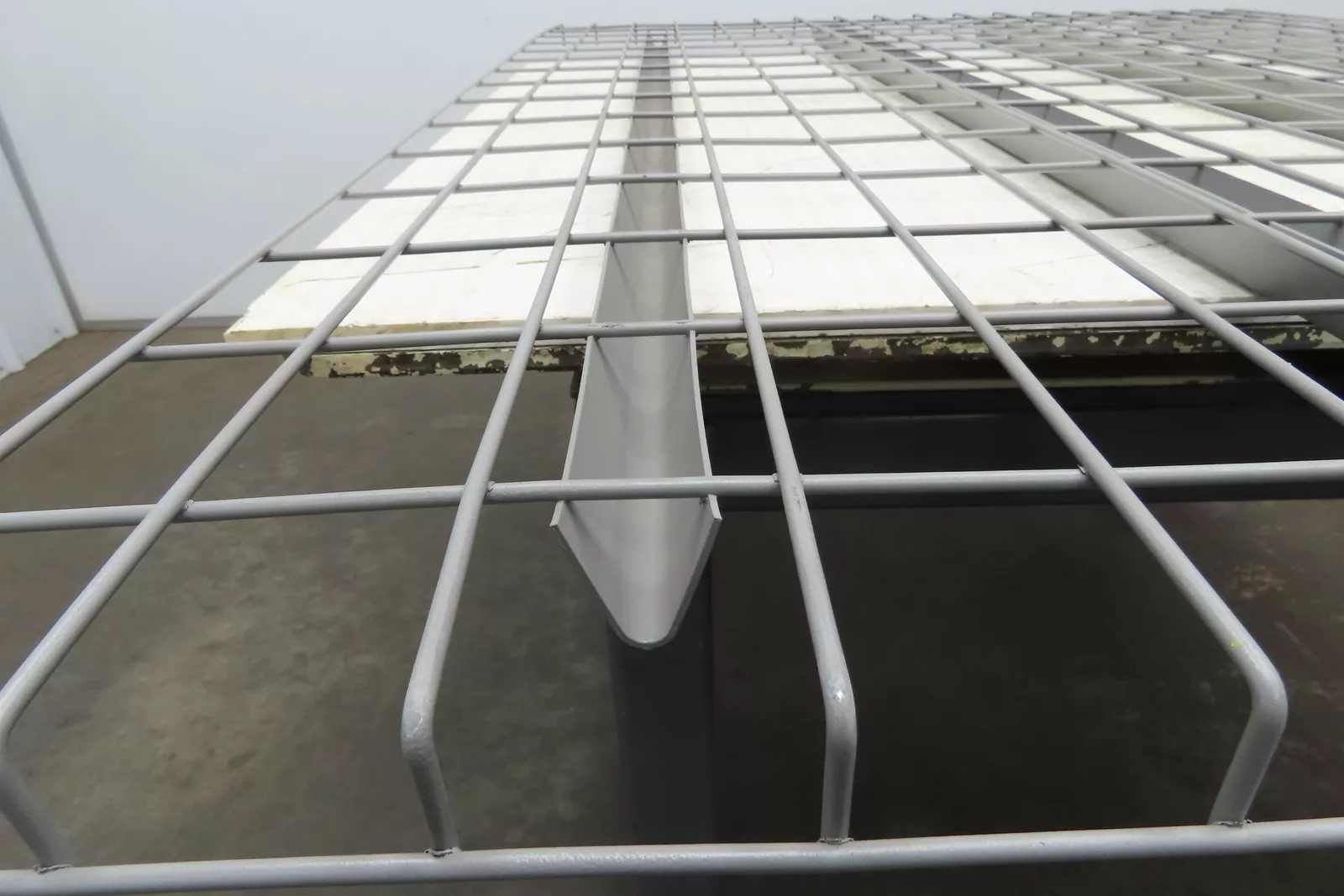
How Does Cantilever Racking Improve Space Utilization?
How Does Cantilever Racking Improve Space Utilization?
- Maximizing warehouse space is crucial for profitability in a competitive business environment.
- Cantilever racking enables efficient vertical storage, making cluttered areas more organized.
- This racking solution is ideal for long, bulky items such as lumber and metal pipes.
- Implementing cantilever racking improves inventory accessibility, visibility, and reduces searching time.
- It allows businesses to adapt their warehouse layouts quickly in response to supply chain disruptions.
- Cantilever racking can increase storage density by up to 60% compared to traditional systems.
- This adaptable solution is vital for businesses to keep pace with the demands of e-commerce and changing inventory needs.
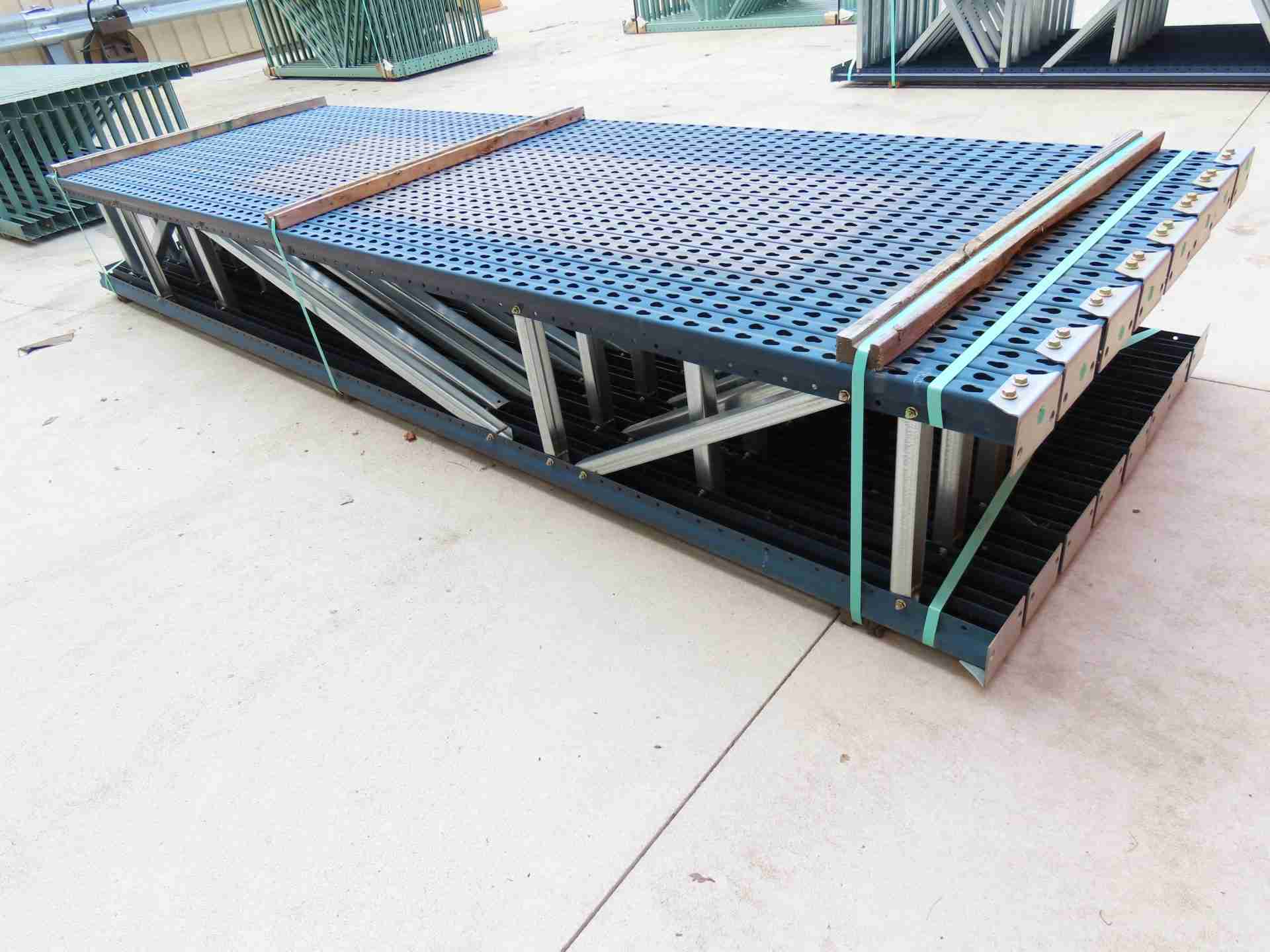
How Does Cantilever Racking Improve Space Utilization?
What Are The Benefits Of Using Cantilever Racking Systems?
What Are The Benefits of Using Cantilever Racking Systems?
In the dynamic world of inventory management and industrial storage solutions, the right equipment can lead to significant operational advantages. Enter cantilever racking systems—a powerhouse of efficiency for businesses dealing with long, bulky, or heavy items. But what makes these systems stand out from the clutter of other storage solutions?
Maximized Storage Space
One of the foremost benefits of cantilever racking is its unparalleled ability to maximize storage space. Traditional shelving may confine your products, but cantilever racks allow items to be stored at varying heights while offering easy access. This is particularly beneficial for manufacturers and suppliers of lumber or steel who require storage for long lengths. By utilizing the vertical space efficiently, businesses can increase storage capacity without the need for extensive warehouse expansion.
Versatility at Its Best
Cantilever racking systems are remarkably versatile, accommodating a wide range of products—from pipes and drywall to furniture and appliances. Take, for instance, the booming construction sector in the wake of recent federal infrastructure investments. Contractors are constantly on the lookout for flexible storage solutions for their materials. Cantilever racks can be adjusted to different heights and arm lengths, allowing businesses to adapt the system to their changing inventory needs.
Enhanced Accessibility and Efficiency
In today’s fast-paced market, time equals money. The open design of cantilever racking improves accessibility to items, reducing the time workers spend searching for and retrieving products. A streamlined inventory system means faster turnaround times and improved productivity. Imagine a furniture warehouse able to quickly pull a specific dining table model for an online order—the efficiency factor can’t be overstated.
Durability and Cost-Effectiveness
Cantilever racks, constructed from robust materials, are engineered for heavy-duty performance. This durability translates into longevity, offering a high return on investment. In a landscape where supply chain disruptions are rampant due to global events, investing in a reliable storage solution has never been more critical. Businesses can rest assured that their investment in quality cantilever racks will serve them for years to come.
Adaptability for Various Industries
Lastly, consider the diverse applications of these systems across various sectors—manufacturing, retail, and even warehousing operations shift toward e-commerce are all excellent candidates for cantilever racking. As industries evolve, having a time-tested and adaptable solution like cantilever racks ensures your business can pivot smoothly in response to market demands.
Adopting cantilever racking systems isn’t merely a logistical decision; it’s a strategic one that can elevate your operational efficiency, enhance your storage capability, and ultimately contribute to your bottom line. Make the smart choice for your business—invest in cantilever racking today.
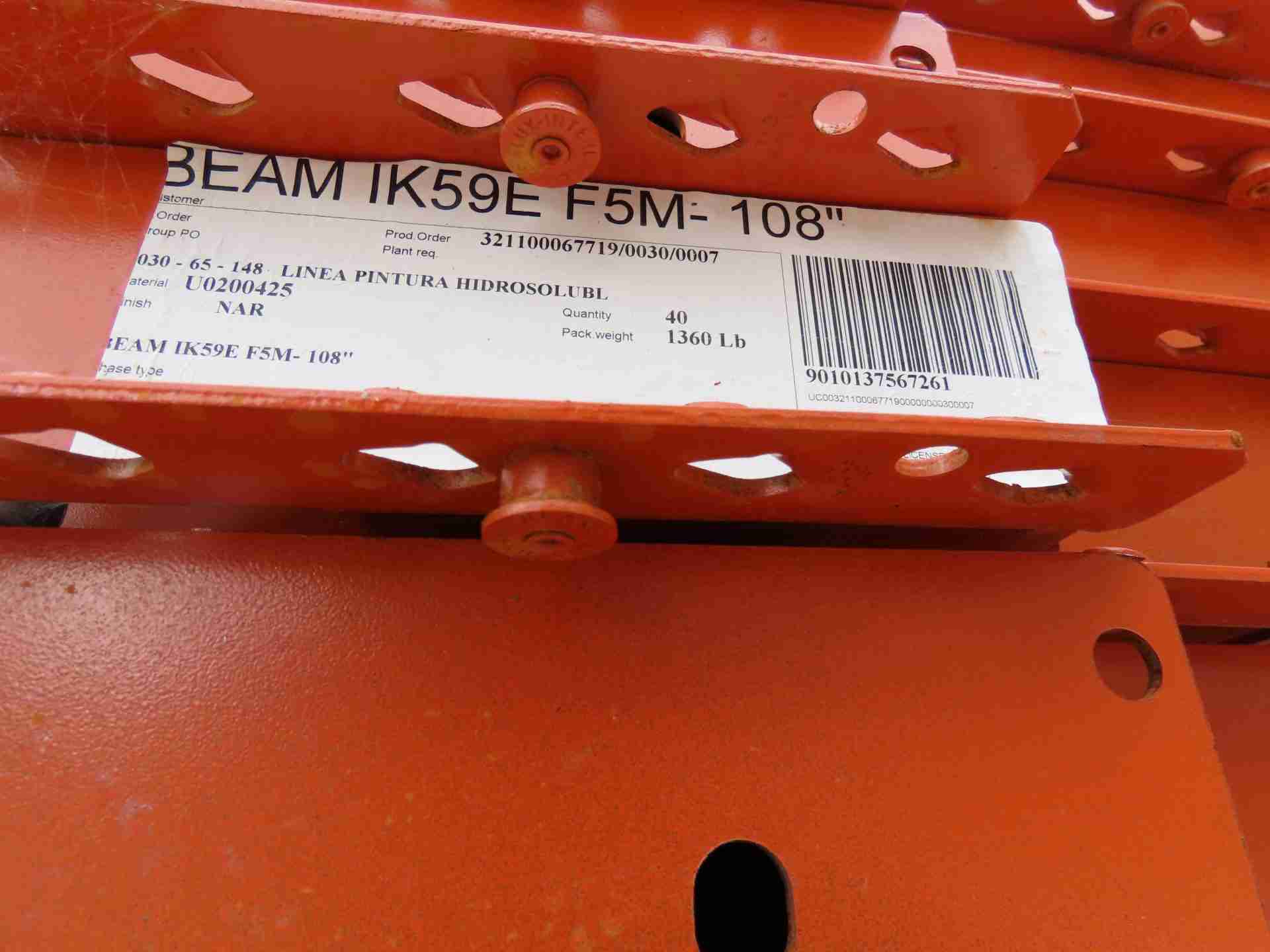
What Are The Benefits Of Using Cantilever Racking Systems?
What Are The Benefits Of Using Cantilever Racking Systems?
- Maximized Storage Space: Cantilever racking efficiently utilizes vertical space, allowing for storage of long and bulky items without limiting accessibility.
- Versatility: These systems can accommodate a variety of products, including pipes, drywall, furniture, and appliances, and can be adjusted to meet changing inventory needs.
- Enhanced Accessibility and Efficiency: The open design improves item retrieval speed, leading to faster turnaround times and higher productivity.
- Durability and Cost-Effectiveness: Constructed from robust materials, cantilever racks are built for heavy-duty performance, ensuring longevity and a high return on investment.
- Adaptability for Various Industries: Cantilever racking is suitable for diverse sectors including manufacturing, retail, and e-commerce, making them a flexible solution for evolving market demands.
- Strategic Decision: Investing in cantilever racking systems improves operational efficiency and storage capability, positively impacting the bottom line.
- Smart Investment: Businesses are encouraged to adopt cantilever racking to enhance logistics and operational performance.
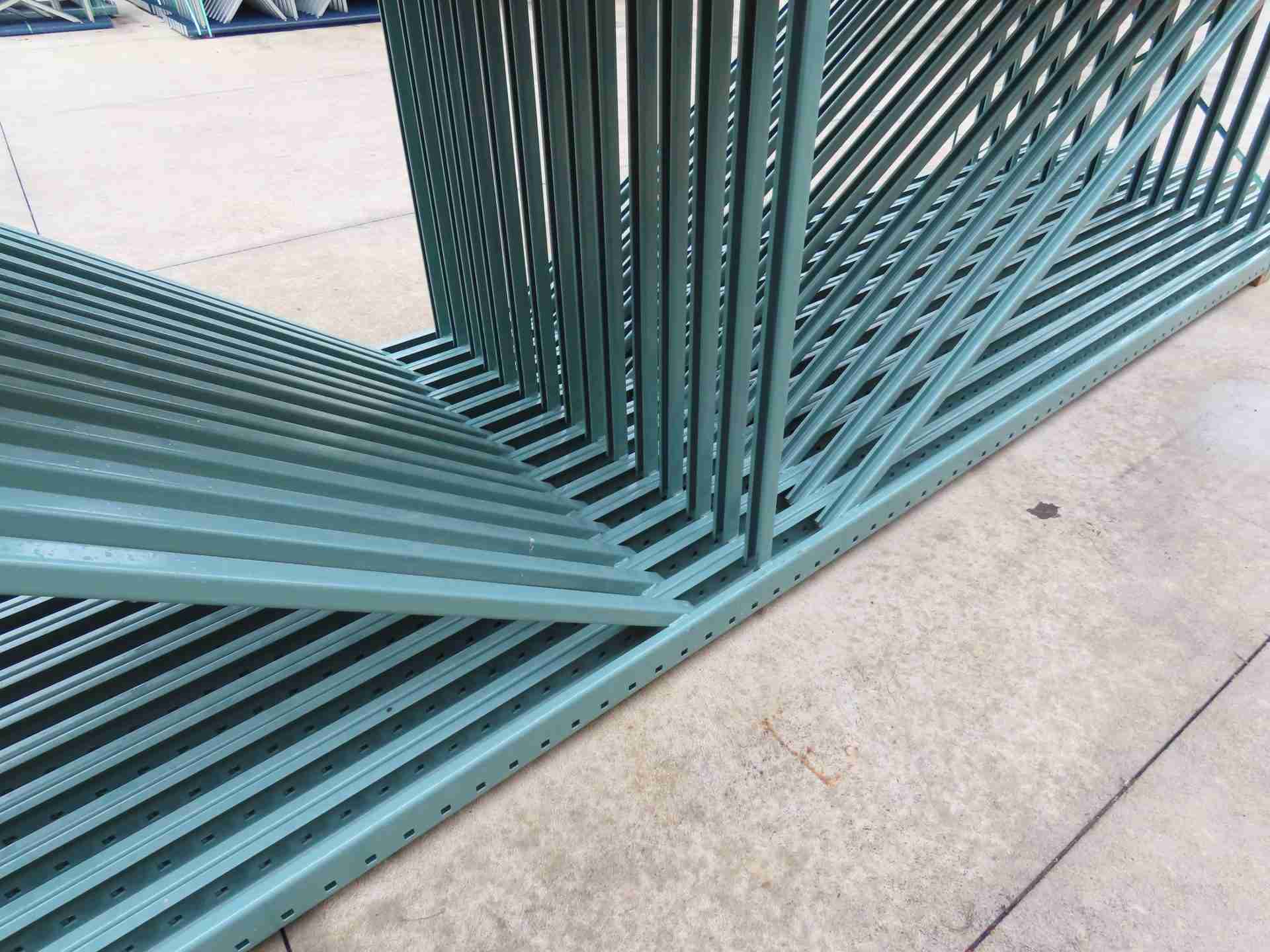
What Are The Benefits Of Using Cantilever Racking Systems?
What Role Does Vertical Storage Play In Traffic Flow Optimization?
In today’s fast-paced urban environments, the quest for efficient traffic flow optimization poses a significant challenge. Rising populations and burgeoning cityscapes have led to congested roadways, elevating the urgency for innovative solutions. Enter vertical storage—a powerful, yet often overlooked, approach that not only maximizes space but also enhances traffic efficiency.
Imagine a bustling city like San Francisco, where parking is limited and traffic delays are the norm. Conventional parking methods consume vast areas of valuable real estate, often leading to frustrated drivers and increased emissions as they search for elusive spots. Vertical storage systems, such as automated parking garages, have become a game-changer. These structures utilize height rather than footprint, allowing for countless vehicles to be parked in a fraction of the space previously required.
Consider the case of a prominent urban development project in Chicago, where a new vertical storage facility was integrated into the city’s public transportation system. The result? A significant reduction in on-street parking demands during peak hours, leading to smoother traffic flow. As fewer cars circle the block searching for parking, the overall congestion level of the city plummets, making commutes seemingly effortless.
Moreover, vertical storage implementations aren’t limited to just parking solutions—self-storage facilities that build upward have emerged as another aspect of this transformative approach. In densely populated regions, these facilities alleviate the pressure on residential areas and free up streets, contributing to better traffic dynamics. Los Angeles, with its sprawling neighborhoods and notorious traffic, showcases self-storage units that free up garage space, allowing more households to ride-share or utilize public transportation instead of adding another vehicle to congested roads.
As urban planners and policymakers acknowledge the role of vertical storage in tackling traffic congestion, innovations such as smart technology integration are becoming increasingly popular. Features like mobile apps allow drivers to reserve parking spaces in multi-level storage units, further reducing the time spent searching for a spot and minimizing traffic delays.
In summary, vertical storage is not just a solution to space reductions; it’s a dynamic force shaping the future of urban traffic flow. As cities worldwide grapple with congestion challenges, embracing this approach can lead to a more organized, efficient, and user-friendly urban experience. Whether through automated parking or innovative self-storage solutions, vertical storage is the key to unlocking smoother traffic patterns, ensuring that we don’t just navigate our cities—we thrive in them.
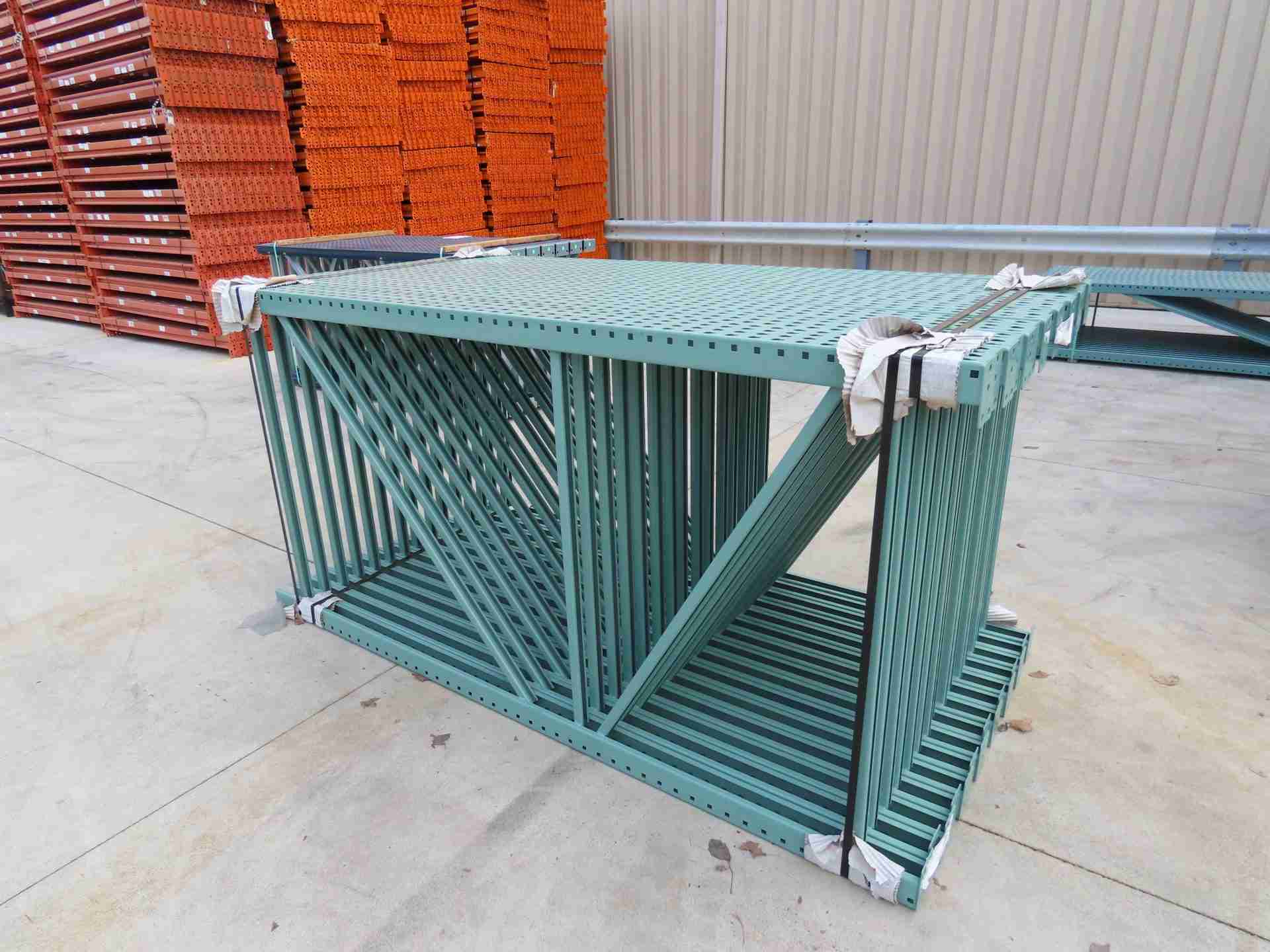
What Role Does Vertical Storage Play In Traffic Flow Optimization?
What Role Does Vertical Storage Play In Traffic Flow Optimization?
- Urban environments face significant traffic flow optimization challenges due to rising populations and congestion.
- Vertical storage offers innovative solutions by maximizing space and enhancing traffic efficiency.
- Automated parking garages exemplify vertical storage by utilizing height to accommodate more vehicles in less space.
- A vertical storage facility in Chicago reduced on-street parking demands and improved traffic flow during peak hours.
- Self-storage facilities that build upward contribute to better traffic dynamics by alleviating pressure on residential areas.
- Smart technology integration, including mobile apps to reserve parking spaces, is becoming popular in vertical storage implementations.
- Embracing vertical storage can lead to more organized, efficient, and user-friendly urban experiences in cities worldwide.
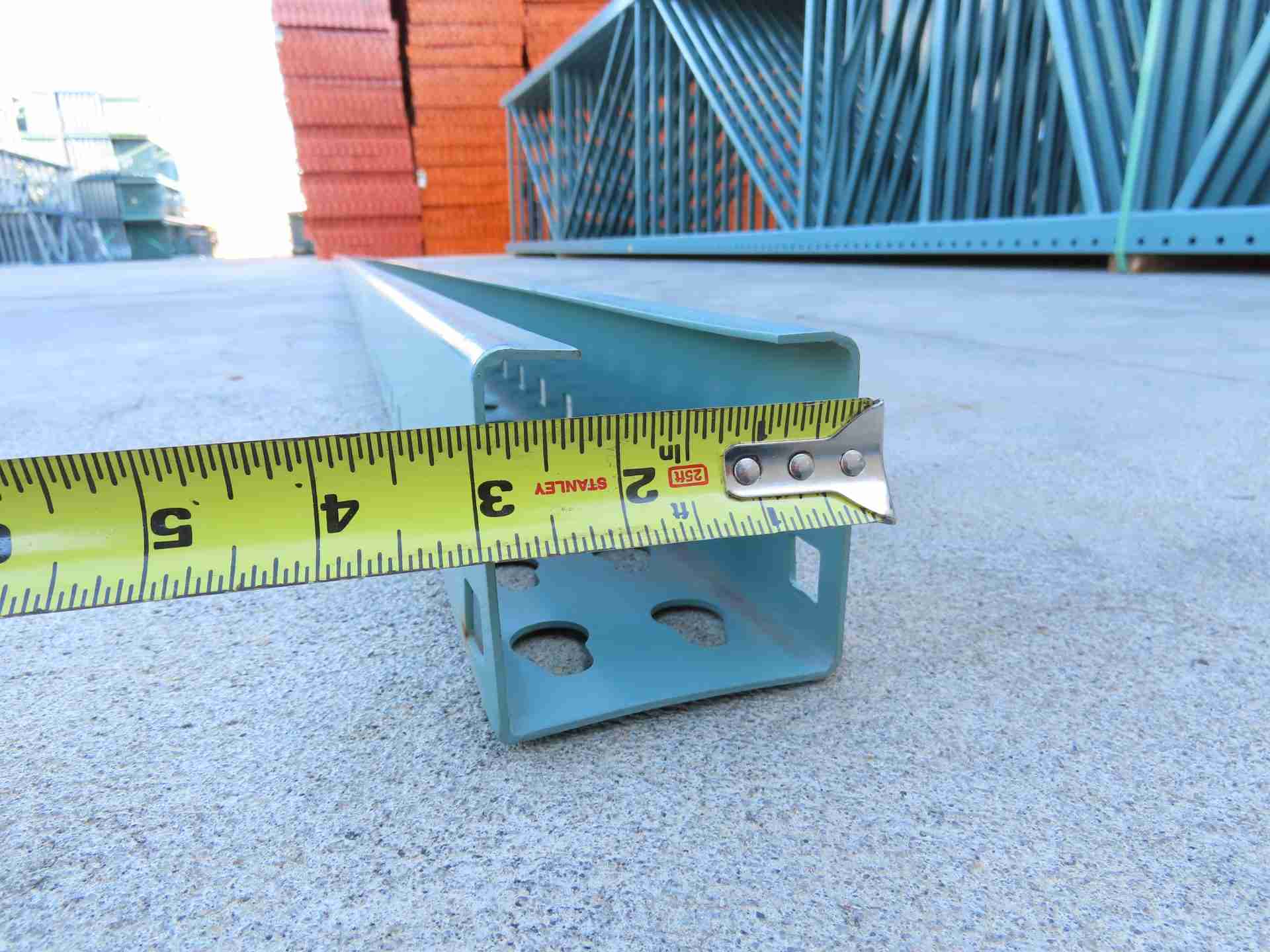
What Role Does Vertical Storage Play In Traffic Flow Optimization?
Can Cantilever Racking Reduce Aisle Congestion In Warehouses?
Can Cantilever Racking Reduce Aisle Congestion in Warehouses?
In the fast-paced world of warehousing, where every square foot counts, the efficiency of space management can make or break operations. A glaring issue many warehouses face is aisle congestion—a bottleneck that hampers productivity, slows down order fulfillment, and frustrates employees. But what if we told you that Cantilever Racking could be the game-changer your facility needs?
Cantilever Racking is designed specifically to store heavy and bulky items that don’t fit neatly on traditional shelves. Think about the increasing reliance on e-commerce and how it demands warehouses to adapt rapidly. With a surge in products being shipped directly to consumers, companies are tasked with maximizing their storage capabilities without sacrificing efficiency. Aisle congestion is often the result of using outdated storage solutions that limit accessibility and flow. By implementing Cantilever Racking, you eliminate the need for wide aisles typically required for traditional shelving units, allowing you to create narrower aisles while still maintaining easy access to your inventory.
Consider a recent report from the Warehousing Association, which found that warehouses utilizing Cantilever Racking systems saw a 30% reduction in aisle congestion and a corresponding 25% increase in retrieval speed. Let’s take the example of a lumber company that transitioned from traditional shelving to Cantilever Racking. By doing so, they not only capitalized on vertical space but also minimized the amount of aisles required for access. As a result, they boosted their operational flow, allowing their team to navigate the warehouse more efficiently—ultimately shortening lead times and enhancing customer satisfaction.
Moreover, Cantilever Racking isn’t just about reducing congestion; it’s about future-proofing your operations. With the rise of just-in-time inventory strategies, agile warehousing practices are more essential than ever. Implementing a dynamic storage solution like Cantilever Racking means your warehouse can adapt quickly to changing inventory needs, whether you’re dealing with long pipes, lumber, or oversized machinery.
Amidst a global supply chain crisis, companies are continuously seeking innovative solutions to improve efficiency. As warehouses grapple with labor shortages and heightened consumer demands, investing in Cantilever Racking provides a dual benefit: it alleviates aisle congestion while optimizing storage capacity. The result? A streamlined warehouse operation that empowers your workforce and enhances service levels.
So, is it time to rethink your warehouse’s layout? Use Cantilever Racking to take the stress out of your aisles, ensure safety, and maintain a fluid workflow. In today’s competitive environment, efficiency isn’t just an option; it’s a necessity. Don’t let aisle congestion hold you back—transform your warehouse into a beacon of productivity today!
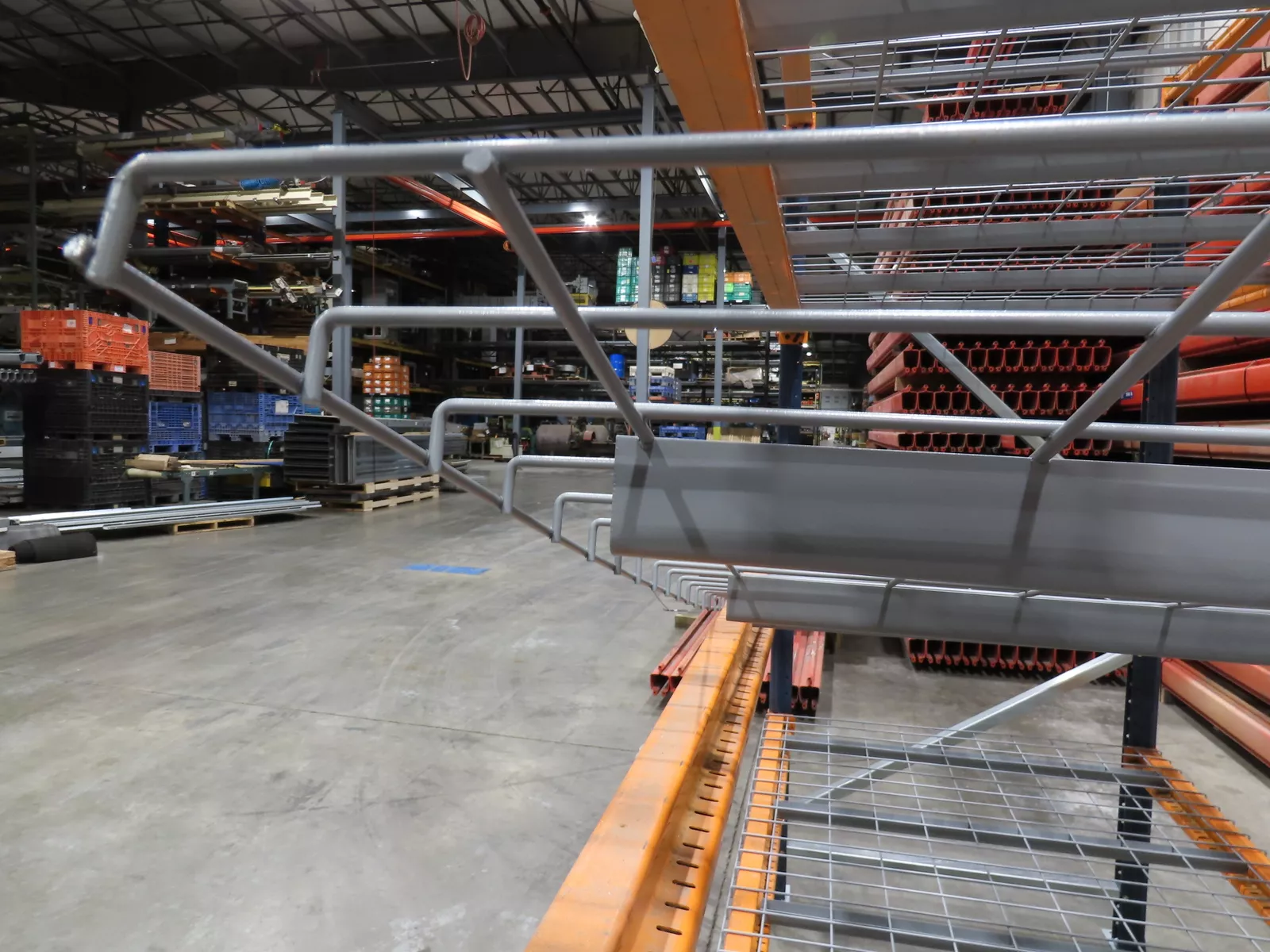
Can Cantilever Racking Reduce Aisle Congestion In Warehouses?
Can Cantilever Racking Reduce Aisle Congestion In Warehouses?
- Aisle congestion in warehouses hampers productivity, slows order fulfillment, and frustrates employees.
- Cantilever Racking is designed for storing heavy and bulky items, maximizing storage capabilities.
- Implementing Cantilever Racking allows for narrower aisles while maintaining easy access to inventory.
- Warehouses using Cantilever Racking saw a 30% reduction in aisle congestion and a 25% increase in retrieval speed.
- The transition to Cantilever Racking helps companies capitalize on vertical space and improves operational flow.
- It provides a dynamic storage solution that can quickly adapt to changing inventory needs in agile warehousing practices.
- Investing in Cantilever Racking alleviates aisle congestion and optimizes storage capacity, enhancing efficiency and service levels.
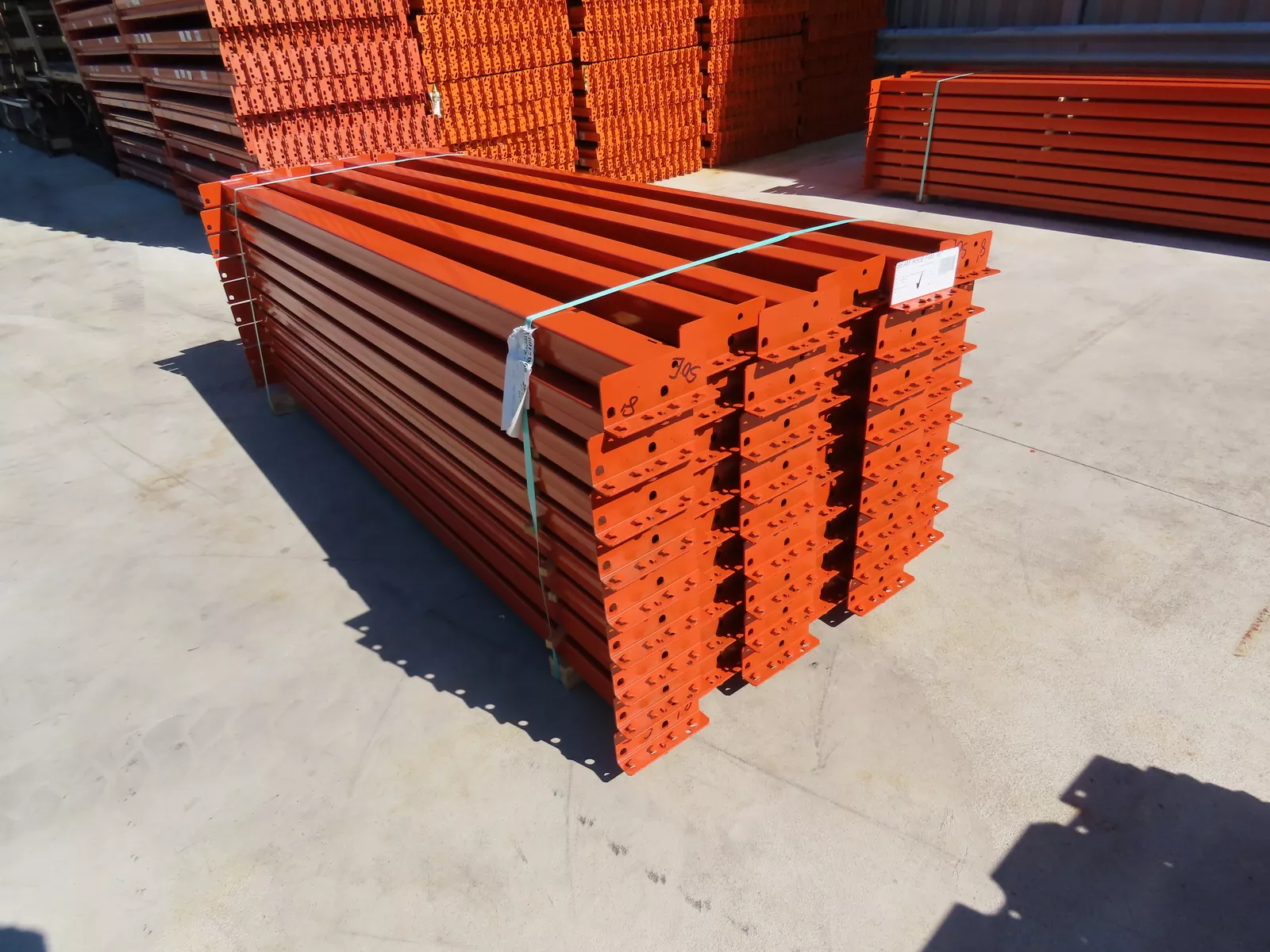
Can Cantilever Racking Reduce Aisle Congestion In Warehouses?
How Can Cantilever Racking Enhance Safety In Warehouse Operations?
In today’s fast-paced warehouse operations, safety is not just a compliance issue—it’s a critical factor that can influence your bottom line and brand reputation. Enter cantilever racking: a versatile solution that not only boosts storage efficiency but also significantly enhances safety in your warehouse.
Cantilever racking systems are designed for loading and unloading bulky, awkwardly shaped items, such as lumber, pipes, and furniture. Unlike traditional shelving units, which can pose risks during retrieval or organization, cantilever racks provide clear access and eliminate the risk of materials stacking atop one another. Think about it: when you can easily see and access your inventory, the chances of accidents, like falling items or worker injuries, plummet.
During the COVID-19 pandemic, many warehouses faced unprecedented challenges due to inventory shortages and rapid shifts in demand. This led to frantic organizational efforts that often placed safety on the back burner. However, companies that adopted cantilever racking systems reported an immediate improvement in safe operational practices. For instance, one major supply chain player revamped their warehouse layout using cantilever racks, resulting in a 40% reduction in safety incidents—once a substantial concern for their operations.
Additionally, this racking system allows for better organization of your workspace. By liberating the floor plan, workers can navigate the warehouse without cumbersome obstacles. Streamlined pathways mean less chance of collisions, which is crucial in busy environments where forklifts and staff are both moving frequently. Moreover, as more companies embrace elevated safety standards, adopting cantilever racking can set your warehouse apart as a leader in safety and efficiency.
Consider the recent surge in e-commerce and its effect on the logistics sector. With high volumes of shifting stock, leveraging cantilever racking systems can promote a culture of safety that resonates with your workforce and boosts morale. When your employees feel secure in their environment, productivity follows suit. A warehouse that prioritizes safety not only retains talent but also secures repeat business from clients who value reliability.
Furthermore, investing in quality cantilever racking can minimize the need for additional safety gear or modifications, maintaining compliance while reducing operational costs. With proper implementation, this strategy not only enhances safety; it serves as a sound investment for your warehouse’s future. In a world where safety-conscious operations are vital, cantilever racking stands out as a transformative solution. Prioritize safety, streamline operations, and strengthen your brand’s reputation—your warehouse will thrive in the process!
How Can Cantilever Racking Enhance Safety In Warehouse Operations?
How Can Cantilever Racking Enhance Safety In Warehouse Operations?
- Safety is crucial in warehouse operations, impacting both profits and brand reputation.
- Cantilever racking enhances storage efficiency and safety by facilitating easy access to bulky items.
- This racking system reduces the risk of accidents associated with traditional storage formats.
- Companies implementing cantilever racks reported significant decreases in safety incidents during the COVID-19 pandemic.
- Improved organization and streamlined pathways reduce collision risks in busy warehouse settings.
- Enhancing safety promotes employee morale and increases productivity, leading to better retention and client loyalty.
- Investing in cantilever racking is a cost-effective method to maintain safety compliance and improve operational efficiency.
How Can Cantilever Racking Enhance Safety In Warehouse Operations?
What Are The Best Practices For Arranging Cantilever Racks?
When it comes to optimizing your warehouse or storage space, cantilever racks are your best friend. These versatile structures are designed to hold long, bulky items—think lumber, pipes, or even furniture—efficiently and securely. Arranging them correctly can significantly enhance your operational efficiency and keep your inventory organized. Here’s a straightforward guide to ensuring your cantilever racks work hard for your business.
1. Assess Your Inventory Needs: Start by evaluating what you’ll be storing. Different materials require different arrangements. For instance, if you’re storing heavy steel pipes, you’ll need to ensure that your racks have the appropriate load capacity. Remember, the height and depth of the rack should complement the products. An example of this can be seen in the construction boom currently sweeping many urban areas, where businesses are tackling the challenge of storage for numerous construction materials, requiring robust cantilever solutions to make the most of limited space.
2. Plan for Accessibility: An organized warehouse is not just about storage—it’s about retrieval. Make sure you create aisles that accommodate the equipment used to move goods. For example, if your team employs forklifts or pallet jacks, design wider aisles that allow smooth passage. This efficiency not only speeds up operations but enhances safety too, reducing the risk of accidents that can arise in cramped spaces.
3. Utilize Vertical Space: Cantilever racks are particularly effective because they allow for vertical storage. When arranging your racks, capitalize on this by stacking heavier loads lower and lighter loads higher. This optimizes stability and minimizes the potential for toppling, a consideration that has proven critical during recent natural disasters, where erratic weather patterns have forced many businesses to rethink their storage methods to prevent damage.
4. Consider Inventory Turnover: Adopt the First In, First Out (FIFO) method—particularly if your inventory includes perishable items. Arrange your racks so that older stock is the most accessible. This not only keeps your inventory fresh but mitigates waste, aligning with today’s sustainability initiatives that prioritize waste reduction.
5. Invest in Technology: Leverage technology for improved inventory management. Utilize software that can help you track products in real-time. For example, RFID technology is making headlines in various sectors, ensuring accuracy and simplicity in tracking your stored goods, and ultimately enhancing the arrangement of your cantilever racks.
6. Regularly Reassess and Reorganize: Lastly, as your business evolves, so will your storage needs. Schedule periodic evaluations of your cantilever rack setups. Canvas your team for feedback about accessibility and efficiency, and adjust accordingly. This proactive approach keeps your operations sleek and effective, adapting to current market trends and demands.
By implementing these best practices, you’ll not only get the most out of your cantilever racks but also propel your business toward greater efficiency and profitability. Prioritize these strategies today, and watch your operational capabilities transform dramatically.
What Are The Best Practices For Arranging Cantilever Racks?
What Are The Best Practices For Arranging Cantilever Racks?
- Cantilever racks are ideal for storing long, bulky items like lumber, pipes, and furniture.
- Assess inventory needs to determine appropriate load capacity, height, and depth for racks.
- Plan for accessibility by designing wider aisles for equipment like forklifts or pallet jacks.
- Utilize vertical storage by stacking heavier loads on lower racks and lighter loads on higher racks.
- Implement a First In, First Out (FIFO) system to manage inventory turnover, especially for perishables.
- Invest in technology, such as RFID, for real-time inventory management and tracking.
- Regularly reassess and reorganize rack setups based on evolving business needs and team feedback.
What Are The Best Practices For Arranging Cantilever Racks?
How Does Cantilever Racking Affect Inventory Accessibility?
In today’s fast-paced business world, where the demand for efficiency and speed is higher than ever, how you access your inventory can make or break your operational effectiveness. Enter cantilever racking—an innovative storage solution that goes beyond traditional shelving to revolutionize your inventory management.
Cantilever racking, characterized by its long arms extending from a vertical structure, is ideal for storing items that are too long, bulky, or awkwardly shaped—think lumber, pipes, or furniture. But the benefits extend beyond just accommodating large items; this system significantly enhances inventory accessibility.
Imagine a lumber yard with conventional shelving. Workers scramble to navigate narrow aisles, struggling to reach the materials buried at the back. Now picture that same yard equipped with cantilever racking. Each long, robust arm allows for easy access from both sides, enabling quick loading and unloading. Not only does this boost productivity, but it also minimizes the time employees spend searching for and retrieving items, leading to faster order fulfillment—a crucial advantage in today’s e-commerce-driven market.
Consider an example from a recent survey by Warehousing and Fulfillment magazine, which reported that businesses transitioning to cantilever racking systems saw a 30% increase in retrieval efficiency. Such significant improvements translate to lower labor costs and greater customer satisfaction as orders are filled quickly and accurately—key factors in maintaining a competitive edge.
Moreover, vinyl flooring manufacturers have taken note of this trend. By reconfiguring their warehouse layout to include cantilever racking, they reported a marked reduction in inventory shrinkage—a common issue when items are difficult to access. This accessibility minimizes the chance of stock damage, whether due to mishandling or simply being stacked too high.
Also, let’s not overlook the increasing push for sustainability. In a world where carbon footprints matter more than ever, optimizing your warehouse through better inventory accessibility can lead to fewer forklifts on the floor, resulting in lower emissions, reduced energy consumption, and a greener operation overall.
In summary, cantilever racking isn’t just a storage solution; it’s a critical component in enhancing accessibility, productivity, and sustainability in inventory management. Businesses willing to embrace its advantages position themselves not just to survive, but to thrive in an increasingly competitive landscape. So, take the plunge into cantilever racking—your employees, customers, and bottom line will thank you.
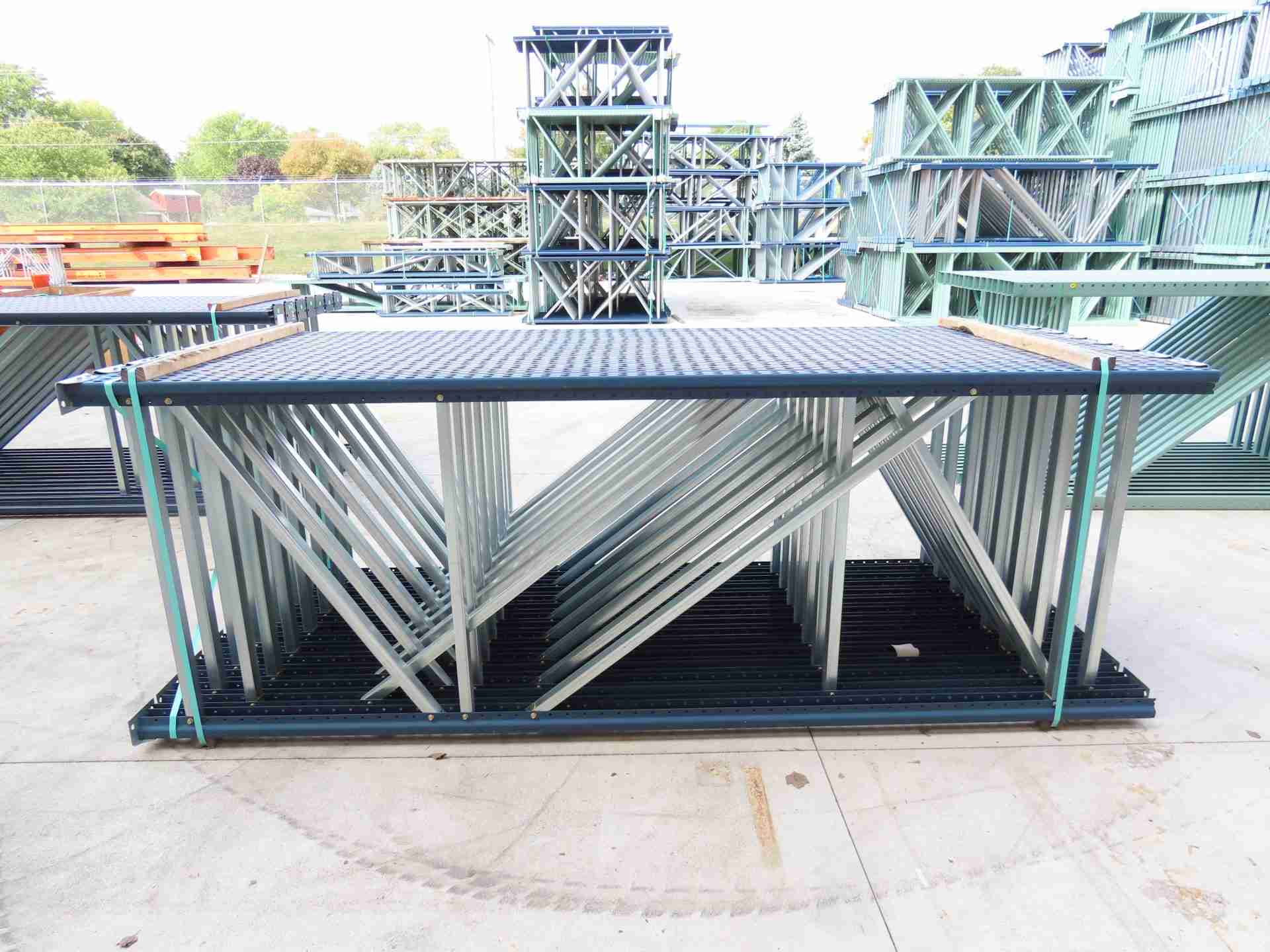
How Does Cantilever Racking Affect Inventory Accessibility?
How Does Cantilever Racking Affect Inventory Accessibility?
- Cantilever racking offers an innovative storage solution that improves inventory management in fast-paced business environments.
- Designed with long arms extending from a vertical structure, it is ideal for storing long, bulky, or awkwardly shaped items.
- This racking system enhances inventory accessibility, reducing time spent searching and retrieving items.
- Businesses have reported a 30% increase in retrieval efficiency after transitioning to cantilever racking systems.
- Improved efficiency leads to lower labor costs and greater customer satisfaction due to quicker and more accurate order fulfillment.
- Companies have also experienced a reduction in inventory shrinkage, minimizing stock damage by improving access.
- Embracing cantilever racking can support sustainability efforts by optimizing warehouse layouts, leading to reduced emissions and energy consumption.
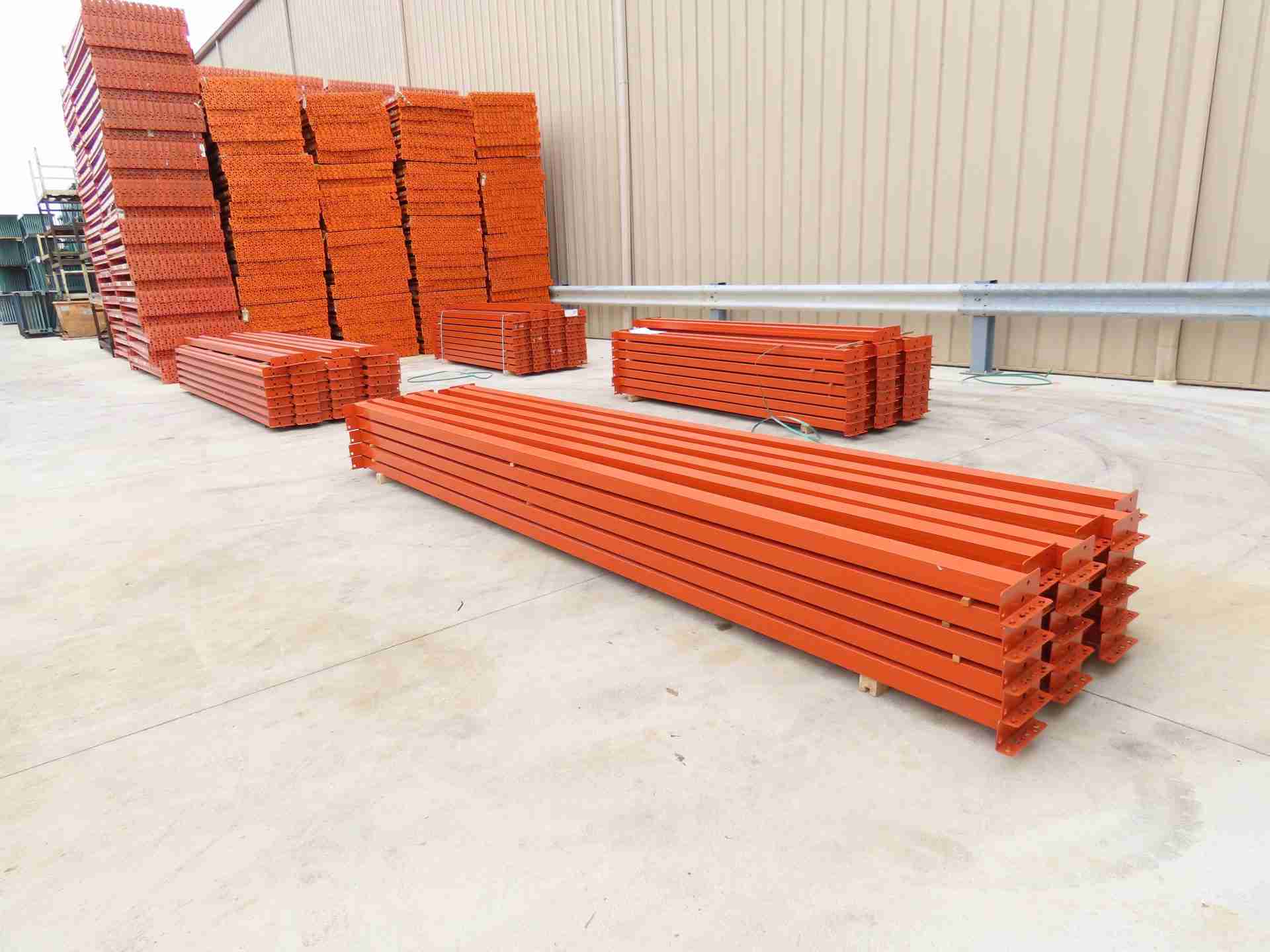
How Does Cantilever Racking Affect Inventory Accessibility?
What Factors Should Be Considered When Choosing Cantilever Racking?
When it comes to optimizing your warehouse space, cantilever racking stands out as a stellar solution, particularly for storing bulky items. However, selecting the right cantilever racking system isn’t just about looking at price tags. Numerous factors come into play that can make or break the efficiency of your storage operations.
1. Load Capacity: The first and foremost consideration should be the load capacity of the cantilever racking. Different systems are designed to bear varying weights, so it’s essential to assess the weight of the items you’ll be storing. For instance, if you’re dealing with heavy steel beams, you’ll need a robust system capable of supporting significant weight, such as an 8,000-pound capacity rack versus a standard 4,000-pound one. This ensures safety and sustainability in your operations, avoiding potential hazards.
2. Product Dimensions: Cantilever racking shines with irregularly-shaped items like lumber or pipes. Consider the dimensions of your products: length, width, and height. A two-sided cantilever system enables easier access and maximizes storage efficiency for long items. Companies in the construction industry often opt for such designs, facilitating quick stock checks and seamless retrieval, ultimately boosting productivity.
3. Aisle Width: Efficiency in movement is critical. The aisle width between your cantilever racks should enable smooth operation of forklifts or pallet jacks. A well-thought-out layout minimizes time lost in navigating tight spaces, directly influencing your operational efficiency. For example, during the pandemic, many logistics firms realized that optimizing aisle space improved their overall throughput, allowing them to meet the skyrocketing demand for e-commerce deliveries.
4. Adjustability: Flexibility is key in today’s rapidly changing markets. An adjustable cantilever racking system can adapt to varying inventory sizes and volumes. As business needs fluctuate—especially in industries such as furniture or appliance retail—having the ability to modify rack heights and arm placements can save you from costly overhauls and wasted space.
5. Material and Finish: The durability of your cantilever racking system is highly dependent on the materials used. Steel frames with powder-coated finishes offer better resistance against corrosion, especially in environments that may expose them to moisture. Durable materials extend the life of your racks and can withstand the everyday rigors of warehousing operations.
6. Compliance and Safety Standards: Lastly, always ensure your racking system meets local safety regulations. Consulting with industry experts and referencing current OSHA standards can safeguard both your investment and your workforce.
Evaluating these factors when selecting cantilever racking will not only streamline your operations but will also provide a structured environment for your business to thrive. Tailoring your choice to meet specific needs lays the groundwork for long-term success and efficiency.
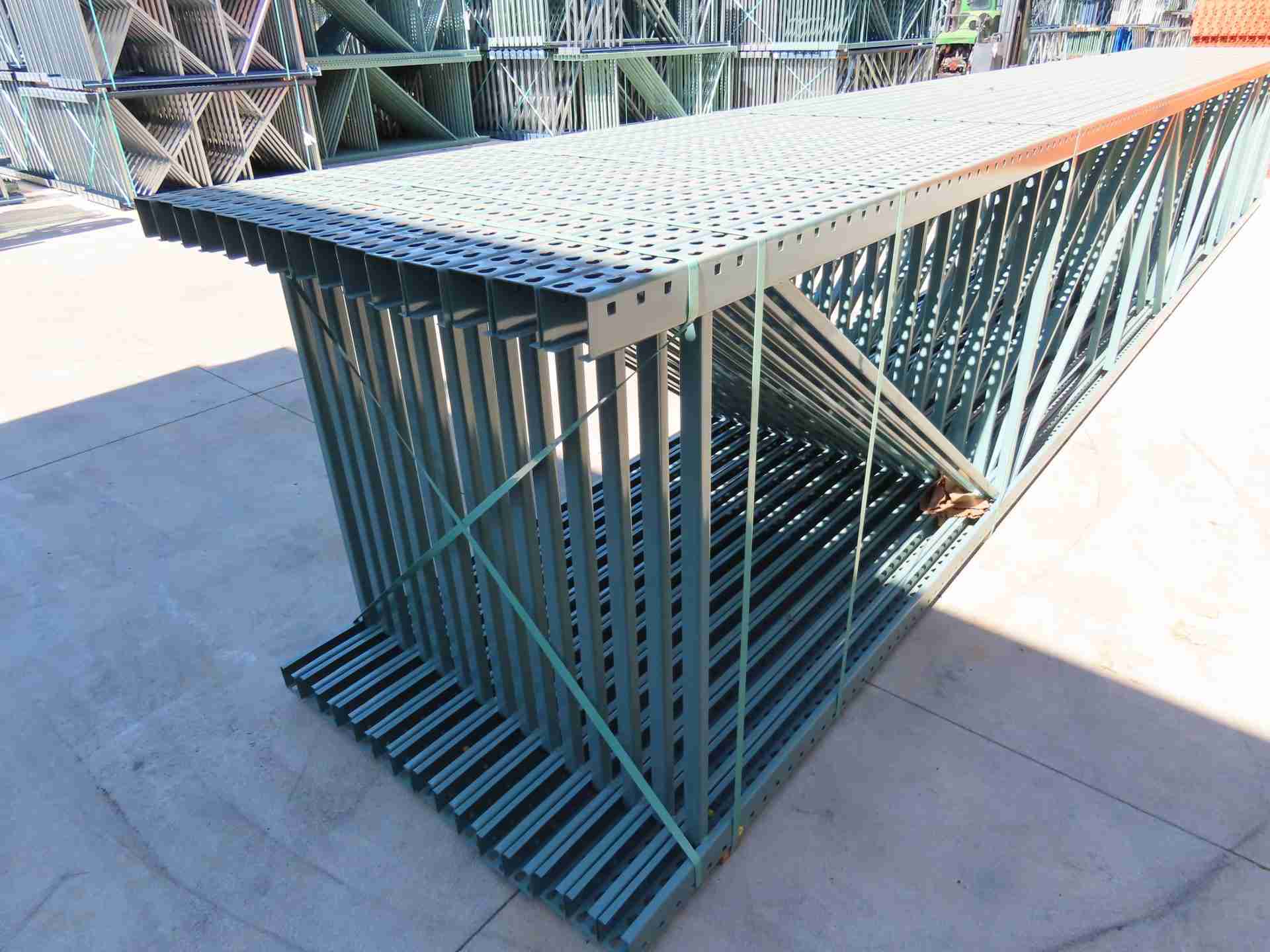
What Factors Should Be Considered When Choosing Cantilever Racking?
What Factors Should Be Considered When Choosing Cantilever Racking?
- Load Capacity: Assess the weight of items to ensure the racking system can support the required load (e.g., 8,000 pounds vs. 4,000 pounds).
- Product Dimensions: Consider the dimensions of irregularly-shaped items for optimal racking; two-sided systems enhance access for long items.
- Aisle Width: Ensure sufficient aisle space for smooth forklift and pallet jack movement, improving operational efficiency.
- Adjustability: Choose adjustable systems to quickly adapt to varying inventory sizes and business needs.
- Material and Finish: Opt for durable steel frames with powder-coated finishes to resist corrosion and withstand daily warehousing demands.
- Compliance and Safety Standards: Ensure racking systems meet local regulations and adhere to safety standards to protect your workforce.
- Overall Impact: Evaluating these factors streamlines operations and supports long-term business success.
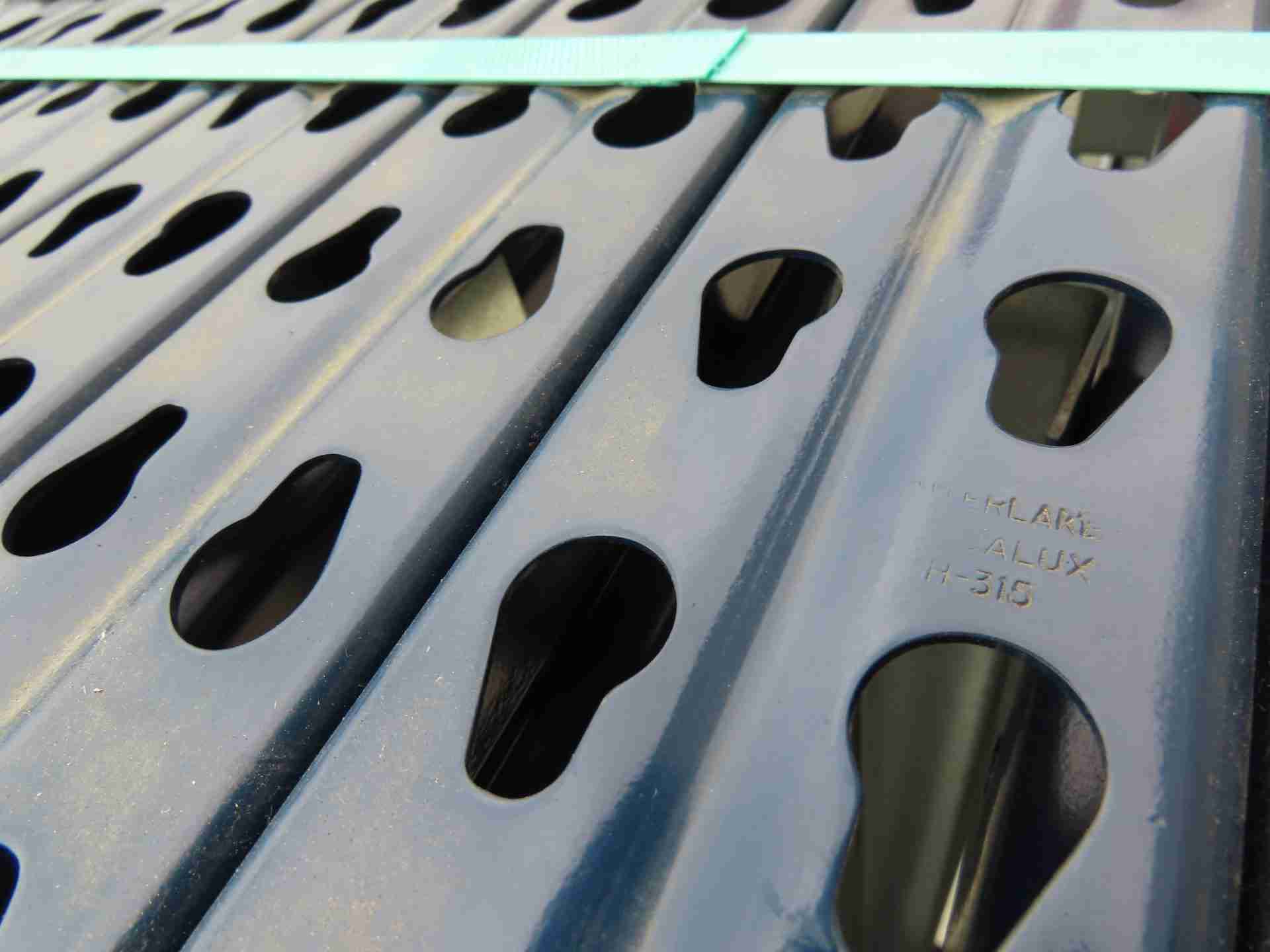
What Factors Should Be Considered When Choosing Cantilever Racking?
How Does Cantilever Racking Support Different Types Of Goods?
In the bustling world of warehousing and logistics, efficiency is king. Changing market demands, coupled with the complexities of inventory management, mean businesses must adopt smart solutions that maximize space and optimize operations. Enter cantilever racking, the unsung hero of storage solutions. This innovative racking system is designed to support a diverse range of goods, making it indispensable for various industries.
At its core, cantilever racking consists of a series of vertical columns with horizontal arms extending from them. This design allows for an open and accessible storage environment, which is particularly beneficial for holding long, bulky items. Think of lumber yards that require efficient wood storage—cantilever racks can handle the weight and length without sacrificing safety. Unlike traditional shelving, which can limit the length of items stored, cantilever racking offers virtually unlimited storage potential for products such as pipes, coils, and sheet metal.
Recent trends in construction and home renovation have fueled demand for cantilever racks across various sectors. With more homeowners investing in DIY projects, hardware stores and lumber suppliers are seeing increased sales of elongated products. Cantilever racking systems allow these businesses to display their inventory attractively and safely, facilitating easy access for customers and staff alike.
In addition to construction materials, cantilever racking is ideal for the automotive industry, where parts and components can be stored in an organized manner. Imagine an automotive supplier that deals with oversized parts like bumpers or exhaust systems. By utilizing cantilever racking, they can optimize their warehouse layout, ensuring quick retrieval and efficient stocking processes. The ability to adjust the arm heights of the racks also accommodates a wide variety of products, allowing for maximum flexibility as inventory needs change.
Moreover, e-commerce firms are also reaping the benefits of cantilever racking systems as they adapt to rapid shifts in consumer purchasing behavior brought on by recent global developments. As online shopping continues to surge, warehouses need versatile solutions that can handle various packaging sizes and shapes. With cantilever racks, businesses can store everything from large appliances to bulk packaging materials without the constraints of traditional shelving.
In a world increasingly driven by efficiency, cantilever racking stands out as a solution that meets diverse storage needs. Whether for heavy-duty items in construction or the dynamic needs of e-commerce, this racking system is more than just a storage option; it’s a smart investment in operational capability, safety, and ultimately, profitability. Embrace the advantages of cantilever racking, and position your business for optimal success in a competitive landscape.
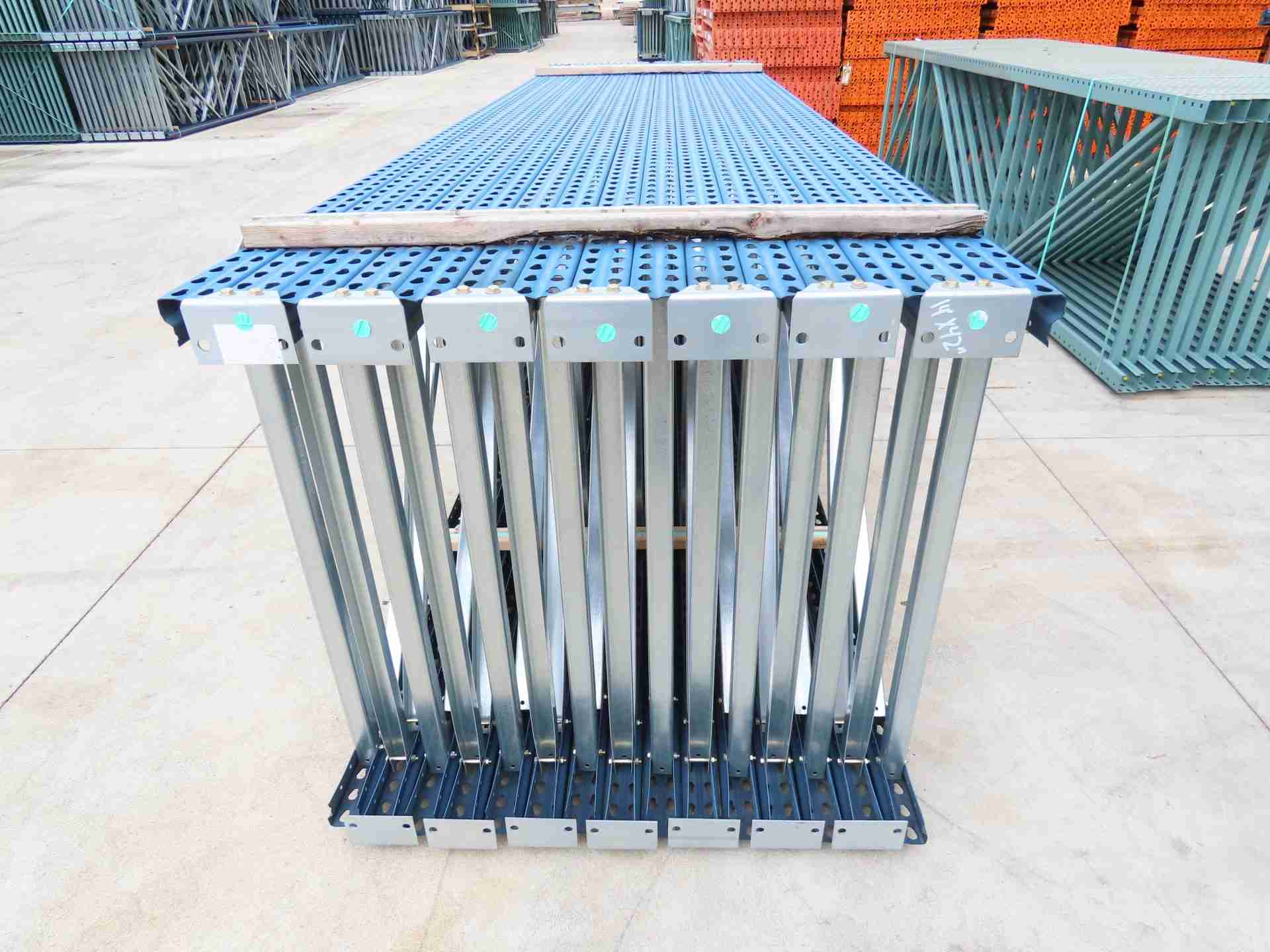
How Does Cantilever Racking Support Different Types Of Goods?
How Does Cantilever Racking Support Different Types Of Goods?
- Efficiency is crucial in warehousing and logistics due to changing market demands and complex inventory management.
- Cantilever racking is an innovative storage solution designed for diverse goods and needed across various industries.
- The system consists of vertical columns with horizontal arms, allowing for open storage that’s ideal for long, bulky items.
- It provides virtually unlimited storage potential, making it suitable for lumber, pipes, coils, and sheet metal.
- Recent trends in DIY projects have increased the demand for cantilever racks in hardware and lumber stores for displaying inventory attractively.
- Automotive suppliers benefit from cantilever racking to organize oversized parts for quick retrieval and inventory flexibility.
- E-commerce firms utilize cantilever racking to adapt to varying packaging sizes and enhance operational efficiency in modern warehousing.
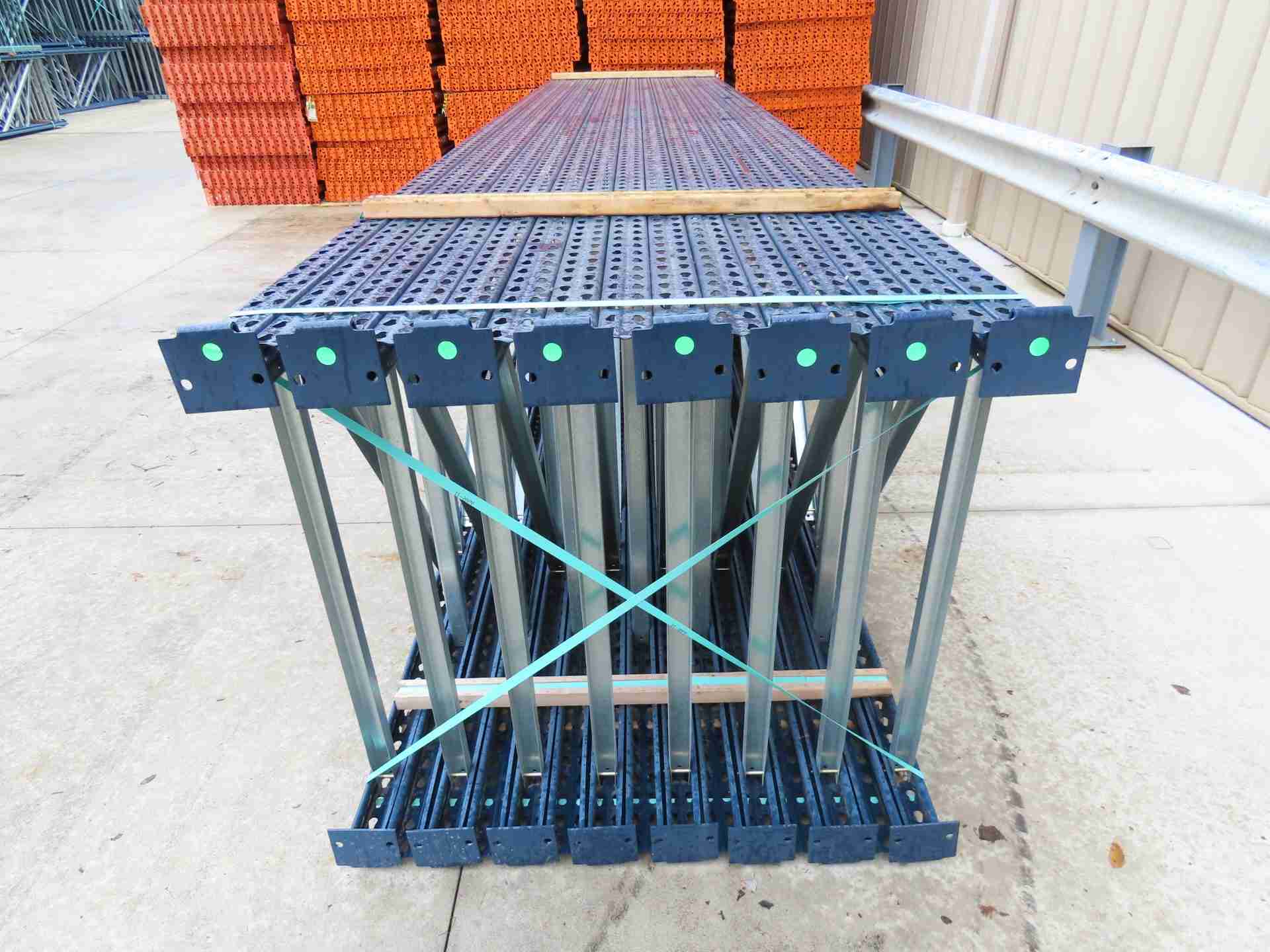
How Does Cantilever Racking Support Different Types Of Goods?
What Maintenance Is Required For Cantilever Racking Systems?
What Maintenance Is Required for Cantilever Racking Systems?
Cantilever racking systems are a fantastic solution for storing long or bulky items that traditional racks simply can’t handle. However, like any essential tool in your warehouse or distribution center, they require proper maintenance to ensure safety, efficiency, and longevity. Neglecting to maintain your cantilever racks not only puts your investment at risk but also endangers your employees and inventory.
Visual Inspections: The First Line of Defense
One of the simplest, yet most effective maintenance strategies is conducting regular visual inspections. Look for signs of wear and tear such as bent arms, rust, or excessive paint chipping. A recent incident at a major retailer highlighted the consequences of overlooking basic maintenance; failing to address a minor structural aberration in their cantilever racking led to a collapse, resulting in significant product loss and injuries. Aim to perform these inspections weekly, noting any abnormalities and addressing them immediately.
Load Testing: Verify the Integrity
As a rule of thumb, load testing should be performed at least once a year. This involves assessing the actual weight placed on the racks against their specified weight capacity. Overloading is a common pitfall that businesses fall into, often in pursuit of efficiency during peak seasons. For instance, during last year’s supply chain crisis, many companies were caught off-guard, cramming their cantilever racks with excess stock, leading to increased risks of structural failure.
Cleaning: Remove Risks from the Equation
Another key maintenance task is to keep your cantilever racks clean and free of debris. A cluttered workspace increases the risk of accidents and can hide potential issues like corrosion or structural damage. Make it a habit to schedule a thorough cleaning day each month. While you’re at it, don’t forget to clean the floors around your racking systems. In addition to safety, a clean environment fosters improved productivity and morale among employees.
Professional Inspections: Invest in Expertise
While DIY maintenance is critical, don’t underestimate the value of engaging professionals for comprehensive evaluations. Many companies offer specialized racking inspections that check for compliance with safety regulations and industry standards. With recent OSHA changes in safety protocols, ensuring your cantilever systems meet these regulations can save you not just time, but substantial compliance-related costs down the line.
Investing in maintenance for your cantilever racking systems isn’t just an option; it’s a necessity. By committing to regular visual inspections, load testing, cleaning, and professional evaluations, you safeguard both your assets and your team, propelling your operation towards greater efficiency and safety in a competitive landscape.
What Maintenance Is Required For Cantilever Racking Systems?
- Cantilever racking systems are ideal for storing long or bulky items but require maintenance for safety and longevity.
- Regular visual inspections should be conducted weekly to identify signs of wear such as bent arms and rust.
- Load testing should be performed at least once a year to ensure the racks are not overloaded.
- Monthly cleaning of cantilever racks and surrounding areas is essential to reduce accident risks and hidden issues.
- Professional inspections can provide comprehensive evaluations and ensure compliance with updated safety regulations.
- Regular maintenance helps safeguard investments, enhances employee safety, and boosts operational efficiency.
- Neglecting maintenance can lead to serious consequences, including structural failures and injuries.
How Can Businesses Assess The Roi Of Cantilever Racking?
How Can Businesses Assess The ROI of Cantilever Racking?
When assessing the return on investment (ROI) of cantilever racking systems, businesses must look beyond merely the upfront purchase price. It’s essential to consider how these systems will improve efficiency, functionality, and ultimately, profitability in the long run.
First and foremost, evaluate the increased storage capacity that cantilever racking offers. Unlike traditional shelving units, cantilever racks are designed for easy access to long or bulky items, such as lumber or pipes. For example, a construction supplier may find that transitioning to cantilever racking allows an additional 30% more material to be stored compared to conventional shelving, which translates directly into fewer trips for reordering stock and lower holding costs. By maximizing vertical space, businesses can optimize their warehouse layouts to accommodate more inventory without expanding their facilities—a critical consideration in today’s tight commercial real estate market.
Next, consider the efficiency gains. A business that manufactures outdoor furniture might notice that implementing cantilever racking drastically reduces the time workers spend searching for materials. When items are organized in a way that promotes accessibility and visibility, labor costs often decrease, and order fulfillment speeds up. According to recent industry reports, companies that adopt efficient racking solutions like cantilever systems can see a labor productivity improvement ranging from 10% to 20%, which significantly boosts the bottom line.
Moreover, safety cannot be overlooked. When workers can easily access goods without the risk of over-stacking or unstable storage, accidents are minimized, leading to reduced liability costs. A warehouse incident can cost a business thousands, not to mention the hidden costs related to lost productivity and employee morale. By investing in a robust cantilever racking system, businesses can create a safer workspace—a cornerstone of sustainable operations. Recent events in the logistics sector have highlighted how vital safety adherence can be in preventing costly disruptions.
Finally, calculating the ROI involves considering the lifespan and durability of the investment. Cantilever racks built from high-quality materials can offer years of service, making them less of a recurring expense versus cheaper, short-term solutions. Businesses such as retailers and manufacturers are increasingly reaping the benefits of this reliable storage option, especially amidst rising operational costs.
In summary, to accurately assess the ROI of cantilever racking, businesses should conduct a holistic evaluation of increased storage capacity, labor efficiency, safety enhancements, and long-term durability. By adopting this strategic approach, organizations can leverage cantilever racking as a catalyst for growth and operational excellence.
How Can Businesses Assess The Roi Of Cantilever Racking?
- Businesses should evaluate ROI of cantilever racking beyond upfront costs to include long-term efficiency and profitability.
- Cantilever racking offers increased storage capacity, allowing up to 30% more material storage compared to traditional shelving.
- Optimizing vertical space with cantilever racks reduces the need for facility expansion in high-demand real estate markets.
- Implementing cantilever racking can improve labor productivity by 10% to 20% by enhancing material accessibility and visibility.
- Safety is improved with cantilever racking, reducing the risk of accidents and potential liability costs in the workplace.
- Durable cantilever racks reduce the frequency of recurring expenses, making them a more cost-effective solution than cheaper alternatives.
- A comprehensive evaluation of storage capacity, labor efficiency, safety, and durability is essential for assessing the ROI of cantilever racking.
What Are The Common Mistakes When Implementing Cantilever Racking?
When it comes to optimizing warehouse space, cantilever racking has emerged as a go-to solution for businesses aiming to improve efficiency and maximize storage capabilities. However, even seasoned professionals can fall prey to common pitfalls in its implementation. Understanding these mistakes can save you time, money, and headaches down the line.
1. Inadequate Needs Assessment
One of the most significant missteps is failing to accurately assess your storage needs before installation. Businesses often rush into purchasing cantilever racks without fully understanding the dimensions, weights, and types of materials they intend to store. For instance, a recent study highlighted that companies that took the time to engage in thorough planning experienced a 30% boost in operational efficiency. Invest time upfront to calculate load capacities and define your inventory dimensions.
2. Neglecting Safety & Compliance Standards
Another critical oversight is overlooking safety regulations and compliance standards. Many warehouse managers focus solely on maximizing space and forget that improperly installed or overloaded cantilever racks can pose serious safety risks. A tragic incident at a major logistics hub in recent months reminded the industry that safety must always come first. Following OSHA guidelines not only keeps your employees safe but also shields your organization from costly penalties.
3. Poor Layout Design
The design of your cantilever rack layout can either boost productivity or stifle it. A common error is creating too narrow or convoluted aisles, complicating movement and access to products. Ensure that your layout permits efficient flow—for example, wider aisles for forklifts or hand trucks can enhance throughput significantly. Correcting a poor layout later is not only expensive but can disrupt daily operations.
4. Ignoring Future Scalability
Businesses often fail to consider future growth when implementing cantilever racking. Instead of planning for expansion or changes in inventory, they set up a system that may soon become outdated. A company specializing in seasonal merchandise learned this the hard way. They invested in a rigid racking system right before a significant product line expansion, which led to costly retrofits. Make sure your racking solution can adapt to fluctuating inventory needs and seasonal demands.
5. Skipping Training for Staff
Lastly, neglecting to train employees on the proper use and maintenance of cantilever racks is a frequent mistake. Staff members must be equipped with knowledge of safe loading techniques and awareness of weight restrictions to prevent workplace accidents. A proactive training program not only enhances safety but also boosts productivity by ensuring everyone knows how to utilize the system effectively.
By avoiding these common pitfalls, you’ll pave the way for seamless, efficient storage solutions that stand the test of time. Invest wisely in your cantilever racking strategy, and the returns will be exponential.
What Are The Common Mistakes When Implementing Cantilever Racking?
- Cantilever racking is ideal for optimizing warehouse space
- It improves efficiency and maximizes storage capabilities.
- Inadequate needs assessment is a common mistake
- Businesses should thoroughly understand storage dimensions, weights, and types of materials before installation to boost operational efficiency.
- Neglecting safety and compliance standards poses risks
- Improper installation or overload can lead to safety hazards; adhering to OSHA guidelines protects employees and avoids penalties.
- Poor layout design can hinder productivity
- A well-planned layout with appropriate aisle widths is essential for efficient movement and access to products.
- Ignoring future scalability can lead to costly upgrades
- Racking systems should be adaptable to accommodate business growth and seasonal demands.
- Skipping training for staff is a frequent oversight
- Training employees on proper use and maintenance is crucial for safety and productivity.
- Avoiding these pitfalls ensures effective storage solutions
- Careful planning and investment in cantilever racking yield long-term benefits.
How Does Cantilever Racking Adapt To Changing Inventory Needs?
In today’s fast-paced business landscape, adaptability is the name of the game. Companies face constant shifts in consumer demand, evolving product lines, and supply chain disruptions. Amidst this chaos, one storage solution stands out for its remarkable flexibility: cantilever racking. This innovative system not only optimizes space but also seamlessly adjusts to varying inventory requirements. Let’s dive into how cantilever racking meets these dynamic needs head-on.
Consider a bustling lumber yard dealing with an unpredictable market. When a housing boom hits, the demand for longer and heavier boards skyrockets. Traditional shelving systems might falter under these new requirements, but cantilever racking rises to the occasion. Its adjustable arms can easily accommodate different lengths and weights of materials without sacrificing stability. By enabling rapid reconfiguration, businesses can respond to shifting demands without investing in new infrastructure. For example, during recent lumber price fluctuations due to supply chain issues, companies maximizing their cantilever racking systems have retained a competitive edge by swiftly adapting their storage capabilities.
Moreover, cantilever racking excels in environments where inventory is not only diverse but also subject to change. Take, for instance, the booming e-commerce sector. Retailers often deal with varying sizes of products, from oversized furniture to compact electronics. A company like Wayfair, known for its vast array of home goods, leverages cantilever racking to manage its extensive inventory efficiently. This system allows for easy access and visibility of products, no matter how bulky or odd-shaped they may be. When a new trend takes off—say, a surge in sustainable home furnishings—the cantilever structure enables quick reallocation of space to prioritize eco-friendly products.
Current events, like the supply chain disruptions faced globally, underscore the necessity for flexible storage solutions. Companies that have embraced cantilever racking are better positioned to weather these challenges. With the ability to swiftly adjust storage configuration, businesses minimize downtime and optimize product turnover, ensuring they can meet consumer demand effectively.
In summary, cantilever racking offers unmatched adaptability to changing inventory needs. By enabling rapid adjustments in storage space and accommodating diverse product ranges, it empowers businesses to thrive in a landscape defined by unpredictability. Choosing cantilever racking is not just a practical storage solution; it is a strategic investment in future flexibility, essential for any business aiming to stay ahead in an ever-evolving marketplace.
How Does Cantilever Racking Adapt To Changing Inventory Needs?
- Adaptability is crucial in today’s fast-paced business environment.
- Cantilever racking stands out for its remarkable flexibility and space optimization.
- It can accommodate varying lengths and weights of materials, making it ideal for dynamic industries like lumber.
- Cantilever racking allows businesses to quickly adjust storage without needing new infrastructure.
- This system benefits sectors like e-commerce by managing diverse inventory efficiently.
- Companies using cantilever racking can better handle supply chain disruptions and shifting consumer demands.
- Investing in cantilever racking is a strategic move for future flexibility in a changing marketplace.
What Technologies Complement Cantilever Racking In Warehouses?In today’s fast-paced logistics landscape, optimizing your warehouse space isn’t just a good idea; it’s a necessity. Cantilever racking is an efficient solution for storing long and bulky items, but pairing it with cutting-edge technologies can elevate your operations to new heights. So, what technologies should you consider to create a seamless storage and retrieval system?
1. Inventory Management Software:
Imagine a system that tracks every pallet and product in real-time, delivering insights that help prevent inventory obsolescence and stockouts. Modern inventory management software, like Fishbowl or NetSuite, integrates seamlessly with your cantilever racking setup, enabling you to identify the most productive slots based on item turnover rates. These tools bring data-driven decision-making to your fingertips, allowing for efficient allocation of valuable warehouse space.
2. Automated Guided Vehicles (AGVs):
Transform your warehouse into a hub of productivity with AGVs. These autonomous machines can transport materials directly to and from your cantilever racks, minimizing manual labor and the potential for human error. Companies like Kiva Systems (now Amazon Robotics) are leading the way in warehouse automation, showcasing that a blend of cantilever racking and AGVs not only speeds up operations but also increases worker safety as heavy lifting is minimized.
3. Warehouse Management Systems (WMS):
A robust Warehouse Management System plays a crucial role in mirroring the benefits of cantilever racking. A well-designed WMS like SAP EWM or Manhattan Associates streamlines operations from receiving to shipping. When combined with cantilever racks, these systems can optimize picking strategies and improve accuracy, resulting in faster order fulfillment. Remember the global supply chain disruptions earlier this year? Companies deploying these technologies were better positioned to adapt and maintain service levels than those relying solely on traditional methods.
4. Barcode and RFID Technology:
Labeling your cantilever rack systems with barcodes or implementing RFID technology adds an additional layer of efficiency. As items are scanned in and out, tracking becomes instantaneous and errors drop to nearly zero. With companies facing increasing pressure to meet consumer expectations for speed and accuracy, this tech aids in tightening inventory accuracy and improving order turnaround.
5. Ergonomic Loading Systems:
Finally, consider innovations designed to enhance ease of access to your cantilever racks. Ergonomic loading and unloading systems reduce strain on workers and encourage a more streamlined workflow. Examples include adjustable lift tables or powered pallet jacks that work hand-in-hand with cantilever racks, ensuring employees can work smarter and safer.
Incorporating these technologies alongside cantilever racking not only maximizes your warehouse efficiency but also future-proofs your operations against ever-evolving market demands. Invest in the future today; your warehouse will thank you!
What Technologies Complement Cantilever Racking In Warehouses?
- Optimizing warehouse space is essential in today’s fast-paced logistics landscape.
- Cantilever racking is effective for storing long and bulky items; pairing it with technology enhances operations.
- Inventory Management Software provides real-time tracking and insights to optimize warehouse space allocation.
- Automated Guided Vehicles (AGVs) increase productivity by transporting materials with minimal manual labor.
- Warehouse Management Systems (WMS) streamline operations and improve order fulfillment when combined with cantilever racks.
- Barcode and RFID technology enhances tracking efficiency and reduces errors, meeting consumer demands for speed and accuracy.
- Ergonomic loading systems improve access to cantilever racks, promoting worker safety and streamlined workflows.
Conclusion
In an era where every second counts and operational efficiency is paramount, the adoption of innovative storage solutions can mean the difference between a thriving business and a lagging one. Enter cantilever racking—a transformative system that revolutionizes how warehouses manage and access inventory. As illuminated in this comprehensive guide, cantilever racking isn’t merely a practical choice; it’s a strategic investment that yields multiple benefits across various dimensions:
1. Maximized Space Utilization: Say goodbye to the inefficiencies of traditional shelving that restrict storage and hello to a design that makes the most of your vertical space. Cantilever racking allows for the effortless storage of long, bulky items without cramping your aisles—freeing up valuable floor space for more productive activities.
2. Enhanced Accessibility: One of the standout features of cantilever racking is its open design that enables quick access to items. With easy retrieval, workers spend less time searching for products and more time fulfilling orders. This efficiency boost translates directly into higher productivity levels and improved customer satisfaction in a marketplace that demands speed.
3. Improved Safety: Safety is no longer just a regulatory obligation but a cornerstone of operational success. Cantilever racking reduces the risk of accidents associated with clutter and unstable stacking. By prioritizing employee safety, the racking system not only protects your team but also fosters a positive and productive workplace culture.
4. Adaptability and Scalability: In a continually evolving marketplace, the flexibility offered by cantilever racking is invaluable. Whether you’re dealing with fluctuating inventory needs or diversifying product lines, this system can easily adjust to meet changing demands—allowing your business to stay responsive and competitive in shifting landscapes.
5. Cost-Effectiveness: Investing in cantilever racking leads to long-term savings. From reduced labor costs and lower accident rates to minimized inventory losses, the financial returns on your initial investment are boundless. Businesses that have made the switch have reported substantial gains in both efficiency and profitability.
In conclusion, it’s clear that cantilever racking is more than just storage; it’s a robust business solution for the warehouse of today and tomorrow. As the logistics landscape continues to evolve, now is the time to future-proof your operations and position your business for unparalleled success. Don’t wait—call Arrow Industrial Sales at (574) 349-6575 today to explore how cantilever racking can transform your warehouse efficiency, safety, and profitability. Seize this opportunity to elevate your business to new heights before your competitors do!
Conclusion:
- Maximized Space Utilization: Cantilever racking allows efficient use of vertical space for storing long, bulky items, freeing up floor space.
- Enhanced Accessibility: The open design enables quick item retrieval, reducing search time and boosting productivity and customer satisfaction.
- Improved Safety: Reduces risks of accidents tied to clutter and unstable stacking, promoting a safer workplace environment.
- Adaptability and Scalability: Easily adjusts to fluctuating inventory needs and diversifying product lines, keeping businesses competitive.
- Cost-Effectiveness: Leads to long-term savings through reduced labor costs, lower accident rates, and minimized inventory losses.
- Strategic Investment: More than a storage solution, cantilever racking is a robust business strategy for enhancing warehouse efficiency.
- Call to Action: Explore cantilever racking’s benefits with Arrow Industrial Sales at (574) 349-6575.
Other Resources
Here is a list of other resources you can review online to learn more:
- “Cantilever Racking Systems Market 2024 Growth …”
- “Cantilever Pallet Racking Market Trends and Analysis”
- “Everything You Need to Know about Cantilever Racking …”
- “Cantilever Racking for Warehouse Management”
- “Cantilever Racks”
- “Advantages and Disadvantages of Using Cantilever Racking”
- “Racking & Storage Solutions – Quote Your Project Today”
- “Warehouse Shelving: What You Need to Know”
Glossary Terms
How Does Cantilever Racking Impact Warehouse Traffic Flow? – Glossary Of Terms
1. Cantilever Racking: A storage system featuring horizontal arms that extend from a vertical frame, designed to hold long or bulky items.
2. Traffic Flow: The movement and management of people and equipment within a warehouse, affecting efficiency and safety.
3. Warehouse Layout: The planned arrangement of storage, workspace, and equipment within a warehouse to optimize operations.
4. Aisle Width: The space between rows of racking, crucial for maneuverability of equipment and personnel.
5. Load Capacity: The maximum weight or volume that a racking system can safely hold without compromising safety or structural integrity.
6. Vertical Clearance: The height available above a racking system, important for stackable goods and equipment operation.
7. Picking Efficiency: The effectiveness of retrieving items from storage, which can be influenced by the layout and organization of racking.
8. Safety Regulations: Guidelines set by governing bodies to ensure safe operation within warehouses, impacting racking installation.
9. Material Handling Equipment (MHE): Tools and machines (like forklifts and pallet jacks) used to move cargo in and out of racking systems.
10. Inventory Management: The supervision of ordering, storing, and utilizing a company’s inventory, typically influenced by design features of racking.
11. Ergonomics: The study of how warehouse design can enhance worker comfort and efficiency, relevant to how racking is arranged.
12. Accessibility: The ease of reaching and retrieving items from storage, vital for minimizing time and optimizing picking processes.
13. Storage Density: A measure of how much product can be stored in a given space, influenced by racking choices and layout.
14. FIFO (First In, First Out): An inventory management system that ensures the oldest stock is sold first, affecting how racking is organized.
15. Traffic Congestion: Overcrowding in designated movement areas within a warehouse, potentially caused by inefficient racking setups.
16. SKU (Stock Keeping Unit): A unique identifier for each product in inventory, important for organizing and optimizing racking systems.
17. Load Distribution: The way weight is spread across a storage system, crucial for maintaining stability and safety in racking.
18. Dynamic Racking: Racking systems that allow for movement of inventory to improve access and speed of operations.
19. Balancing Load: Ensuring even weight distribution on a cantilever racking system to prevent tipping or structural failure.
20. Pallet Racking: A type of rack designed for palletized goods that can be integrated with cantilever systems for specific needs.
21. Just-In-Time (JIT) Inventory: A strategy that aligns raw material orders from suppliers directly with production schedules, affecting racking needs.
22. Cross-Docking: A logistics practice where incoming goods are directly transferred to outbound vehicles, influencing racking design.
23. Operational Efficiency: The capability to optimize processes to minimize waste during storage and retrieval actions.
24. Environment Control: Measures to regulate temperature and humidity levels in warehouse operations, which influence storage choices.
25. Out-of-Stock (OOS): A situation where items are unavailable for sale or use, often tied to inadequate racking and inventory systems.
26. Space Utilization: The effectiveness of using warehouse space, enhanced by appropriate racking systems.
27. Workflow Optimization: Techniques to improve work processes within a warehouse, which can be influenced by racking configurations.
28. Load Stability: The capability of a racking system to maintain its structure under various load conditions, crucial for safety.
29. Traffic Patterns: The predictable routes that personnel and equipment take throughout the warehouse, affected by racking placement.
30. Compliance Standards: Industry-specific regulations that dictate how racking systems should be configured to ensure safe operations.
Other Questions
How Does Cantilever Racking Impact Warehouse Traffic Flow? – Other Questions
If you wish to explore and discover more, consider looking for answers to these questions:
- What types of items are best suited for cantilever racking?
- How does cantilever racking compare to traditional shelving systems?
- What are the safety standards for installing cantilever racking?
- What are the costs associated with implementing cantilever racking systems?
- How can businesses customize cantilever racking to fit their needs?
- What are the typical lead times for installing cantilever racking?
- How does cantilever racking impact inventory management practices?
- What are common maintenance practices for cantilever racking systems?
- Can cantilever racking be used in outdoor settings?
- What are the factors influencing the choice of cantilever racking materials?
- How does cantilever racking comply with OSHA regulations?
- What are the best practices for training staff on cantilever racking usage?
- How does cantilever racking impact overall warehouse workflow and efficiency?
- Can existing warehouses easily switch to cantilever racking systems?
- What influences the adaptability of cantilever racking in fluctuating markets?
Checklist
How Does Cantilever Racking Impact Warehouse Traffic Flow? – A Checklist
1. Evaluate Your Inventory Needs
_____ Assess the types, weights, and dimensions of products you will be storing.
_____ Determine if cantilever racking can accommodate your long or bulky items.
2. Plan for Optimal Layout Design
_____ Design a layout that allows for wide aisles for forklifts and other equipment.
_____ Ensure that the racking system facilitates smooth movement and access.
3. Determine Load Capacity
_____ Confirm the load capacity of your cantilever racks to ensure safety.
_____ Avoid exceeding the weight limits when placing materials on the racks.
4. Focus on Vertical Space Utilization
_____ Arrange your cantilever racks to make the best use of vertical space.
_____ Store heavier items on lower racks and lighter items on upper racks.
5. Incorporate Flexibility and Scalability
_____ Choose adjustable cantilever racks to accommodate future inventory changes.
_____ Design the system to allow easy modifications based on inventory needs.
6. Invest in Technology for Support
_____ Implement inventory management software for real-time tracking.
_____ Consider automated guided vehicles (AGVs) to enhance material handling.
7. Prioritize Safety and Compliance
_____ Ensure all racking systems meet local safety regulations (e. g. , OSHA standards).
_____ Conduct regular inspections for signs of wear and compliance with safety standards.
8. Maintain Routine Inspections and Maintenance
_____ Schedule weekly visual inspections of cantilever racks.
_____ Conduct annual load testing and clean the racking systems regularly.
9. Train Employees on Best Practices
_____ Provide training for staff on proper loading, safety protocols, and maintenance of cantilever racks.
_____ Ensure all team members understand how to operate equipment safely in a cantilever racking environment.
10. Monitor and Assess Performance
_____ Regularly review warehouse operations to identify areas for improvement.
_____ Utilize data to make decisions on adjustments needed for cantilever racking.
11. Plan for Seasonal and Demand Changes
_____ Anticipate fluctuations in inventory and adjust racking configurations accordingly.
_____ Consider temporary expansion or reconfiguration during peak seasons.
12. Utilize Barcode and RFID Technology
_____ Implement barcoding or RFID systems to streamline inventory tracking.
_____ Reduce errors and increase efficiency in inventory management.
By following this checklist, you can enhance your warehouse efficiency through effective implementation and management of cantilever racking systems.
At RackingWorld, we help guide you through selecting warehouse storage systems and racking.
Be sure to read our other related stories at RackingWorld to learn more about warehouse storage systems.
0 Comments