
Maximizing Storage Solutions: Industries Thriving With Cantilever Racking
By Tom Seest
At RackingWorld, we help guide you through selecting warehouse storage systems and racking.
Be sure to read our other related stories at RackingWorld to learn more about warehouse storage systems.
What Industries Benefit Most From Cantilever Racking Systems?
In a fast-paced world where efficiency and space optimization reign supreme, certain industries are harnessing the true power of cantilever racking systems. Designed for flexibility and heavy-duty performance, these solutions are changing the game in storage and warehousing. Let’s delve into the industries that are reaping the benefits and how they can give you a competitive edge.
1. Home Improvement and Building Supplies
The ever-growing demand for home renovation supplies has propelled the home improvement industry into overdrive. Companies like Home Depot are relying heavily on cantilever racking systems to store long and bulky items like lumber, pipes, and sheet metal. The open design allows employees easy access to materials, enhancing workflow and speeding up the loading and unloading process. With ongoing supply chain challenges and fluctuating material costs, organizations that function efficiently gain the upper hand in meeting consumer demands.
2. Manufacturing and Distribution
Manufacturers handling odd-sized, heavy products – think steel beams or furniture components – see significant advantages with cantilever racking. By effectively utilizing vertical space, these systems allow businesses to store more inventory on the floor without sacrificing accessibility. As global economic trends shift, companies are focused on lean manufacturing; cantilever racks are crucial for streamlining operations and minimizing waste. For instance, a recent uptick in e-commerce demands has pushed manufacturers to optimize their warehouses, and those equipped with cantilever racks enjoy faster order fulfillment rates.
3. Automotive Industry
Cantilever racking systems are critical in the automotive sector for the storage of parts, components, and large assemblies. The recent increase in electric vehicle production, coupled with supply chain disruptions, has highlighted the need for effective storage solutions. Companies can adapt their racking systems to accommodate everything from oversized engine components to specialized tools, ensuring easy access during assembly lines. The flexibility offered by cantilever racking helps automotive businesses keep pace in an industry that lives on just-in-time production.
4. Furniture Retail
In furniture showrooms, where space often feels limited, cantilever racking systems provide a visual and functional solution. Retailers benefit from open-ended designs that allow them to display multiple furniture pieces without clutter, making it easier for customers to browse. With the rise of online shopping, furniture retailers need to adapt their inventory storage to handle quick pickups and returns seamlessly. Utilizing cantilever racks keeps products well-organized and accessible, enhancing the overall shopping experience.
Industries that capitalize on cantilever racking systems are better positioned for growth and efficiency in today’s demanding market. Whether you’re in construction, manufacturing, automotive, or retail, these systems are not just a storage solution—they are keys to unleashing your business potential. Don’t get left behind; invest in your industry’s future today!

What Industries Benefit Most From Cantilever Racking Systems?
What Industries Benefit Most From Cantilever Racking Systems?
- Cantilever racking systems enhance efficiency and space optimization across various industries.
- The home improvement sector utilizes cantilever racks for easy access to long, bulky items, improving workflow amid supply chain challenges.
- In manufacturing and distribution, cantilever racks maximize vertical space, supporting lean manufacturing and faster order fulfillment.
- The automotive industry benefits from adaptable racking systems for the storage of oversized components and tools, maintaining just-in-time production.
- Furniture retail leverages cantilever racks to display products effectively, accommodating the rise in online shopping with better organization.
- Industries using cantilever racking systems are positioned for growth and efficiency in today’s competitive market.
- Investing in cantilever racks is essential for unlocking business potential and staying ahead of the competition.

What Industries Benefit Most From Cantilever Racking Systems?
Table Of Contents
-
- What Industries Benefit Most From Cantilever Racking Systems?
- What Is Cantilever Racking And How Does It Work?
- What Industries Use Cantilever Racking?
- How Does Cantilever Racking Improve Warehouse Efficiency?
- What Are The Advantages Of Cantilever Racking Systems?
- Can Cantilever Racking Support Heavy Loads?
- What Types Of Products Are Best Suited For Cantilever Racking?
- How Does Cantilever Racking Enhance Safety In Warehouses?
- What Industries Need Flexible Storage Solutions?
- How Can Cantilever Racking Optimize Space Usage?
- What Are The Cost Implications Of Cantilever Racking Systems?
- How Does Cantilever Racking Compare To Other Storage Solutions?
- How Can Cantilever Racking Improve Inventory Management?
- What Are The Common Challenges Of Using Cantilever Racking?
- Conclusion
- Other Resources
- Glossary Of Terms
- Other Questions
What Is Cantilever Racking And How Does It Work?
If you’ve ever set foot in a warehouse, lumber yard, or construction site, chances are you’ve encountered cantilever racking—an essential feature in the world of storage solutions. This innovative system is designed to efficiently store long, bulky, or odd-shaped items that traditional shelving just can’t accommodate. Imagine a neatly organized armory of industrial strength, ready to tackle the chaos of modern inventory demands with style and efficiency.
Cantilever racking operates on a simple yet powerful principle: vertical uprights support horizontal arms, creating a series of arms that extend outward to hold goods. This design features a free-standing frame that allows for easy access from all sides, making it a breeze to load and unload items. The arms are adjustable, meaning you can customize the rack to fit anything from pipes and beams to insulation and furniture, effortlessly adapting to your inventory’s evolving needs.
Let’s consider a real-world application: a lumber yard. Picture stacks of lumber varying in lengths and dimensions. With cantilever racking, each piece can be stored upright, minimizing the risk of damage while maximizing space. Inventory turnover becomes streamlined; workers can quickly grab what they need without digging through piles, saving time and enhancing productivity. This efficiency is crucial, especially now, as supply chain disruptions continue to challenge many industries. Businesses that invest in such innovative storage solutions are better equipped to navigate these turbulent waters.
Moreover, cantilever racking isn’t just about functionality; it’s also about safety. By keeping materials off the ground and organized, companies can dramatically reduce the risk of workplace accidents and injuries. Safety regulators are increasingly scrutinizing warehouses and industrial environments, and those with organized storage solutions are ahead of the game, showcasing their commitment to employee wellbeing.
In times where sustainability is paramount, consider how cantilever racking can also contribute to eco-friendly practices. By maximizing storage space and reducing unnecessary waste caused by damaged goods, companies can adopt a more sustainable operational approach.
As businesses across various sectors continue to adapt to changing demands and environmental considerations, the intelligent organization offered by cantilever racking can give you that much-needed edge. Investing in a cantilever racking system is not just about storage; it’s about creating a streamlined, efficient, and safe environment that can grow with your business. This is the future of storage—are you ready to embrace it?

What Is Cantilever Racking And How Does It Work?
What Is Cantilever Racking And How Does It Work?
- Cantilever racking is crucial for storing long, bulky, or odd-shaped items in warehouses and construction sites.
- The system features vertical uprights with horizontal arms, allowing easy access from all sides.
- Adjustable arms enable customization to fit various items, enhancing storage versatility.
- In lumber yards, cantilever racking minimizes damage risks and maximizes space by storing lumber upright.
- This storage solution improves inventory turnover and productivity by making items easily accessible.
- Cantilever racking promotes workplace safety by keeping materials organized and off the ground.
- The system supports sustainability by maximizing space and reducing waste from damaged goods.

What Is Cantilever Racking And How Does It Work?
What Industries Use Cantilever Racking?
Cantilever racking is an indispensable solution for several industries that require optimized storage for long, bulky, or irregularly-shaped items, ultimately leading to improved efficiency and profitability. At its core, cantilever racking offers the versatility that modern businesses need to streamline operations and maximize space, making it a favorite among a variety of sectors.
Lumber and Building Materials
The lumber industry is one of the most prominent users of cantilever racking. With its high capacity for storing long timber planks and other construction materials, this racking solution easily accommodates the unique size and weight requirements of lumber. Companies like HD Supply are leveraging cantilever systems to enhance their warehouses, especially as demand in the housing market accelerates due to ongoing shifts towards remote work and urbanization, which leads to more construction projects.
Manufacturing
In the manufacturing sector, cantilever racking excels at storing large components, such as steel pipes, coils, and machinery parts. The ability to access items from both sides without obstructions boosts workflow efficiency. Companies aiming to pivot their supply chain strategies in response to global events—like the recent supply chain disruptions due to geopolitical issues—are incorporating cantilever racks to ensure uninterrupted operations and reduce downtime by having parts easily accessible.
Retail and Warehousing
Retail giants and warehouse distribution centers also see cantilever racking as a vital component of their logistics strategy. By allowing for vertical storage of oversized goods—think furniture, appliances, or large sporting equipment—retailers can make use of their vertical space, which is increasingly important as e-commerce continues to climb. For instance, major retailers are revisiting their storage strategies to cope with the surge in online orders, with cantilever racks providing the necessary adaptability to respond promptly to market demands.
Automotive Industry
Another industry benefiting from cantilever racking is automotive parts storage. Retailers and distributors can stack components such as tires, exhaust systems, and metal frames securely and efficiently. As more consumers turn to electric vehicles, the automotive supply chain is rapidly evolving, and companies are reevaluating their storage solutions to keep pace. Cantilever racks can be customized to meet the changing requirements of this dynamic industry.
Conclusion
In a world where efficiency, flexibility, and adaptability are paramount, cantilever racking serves as a game-changer for a multitude of industries. By investing in this essential storage solution, businesses not only enhance their operational efficiency but also position themselves for growth amid fluctuating market environments. As industries continue to adapt to changes, cantilever racking stands out as a vital element in their strategic arsenal.

What Industries Use Cantilever Racking?
What Industries Use Cantilever Racking?
- Cantilever racking optimizes storage for long, bulky, or irregularly-shaped items, improving efficiency and profitability.
- The lumber industry prominently utilizes cantilever racking for storing timber planks and construction materials, accommodating unique size and weight requirements.
- In manufacturing, cantilever racking stores large components efficiently, enhancing workflow by allowing access from both sides.
- Retail and warehouse centers rely on cantilever racking to maximize vertical space for oversized goods, adapting to the rise in e-commerce.
- The automotive industry benefits from cantilever racking for efficient storage of components like tires and exhaust systems, adapting to the evolving supply chain.
- Cantilever racking represents flexibility and adaptability, serving as a game-changer across multiple sectors.
- Investing in cantilever racking enhances operational efficiency and positions businesses for growth amid changing market conditions.
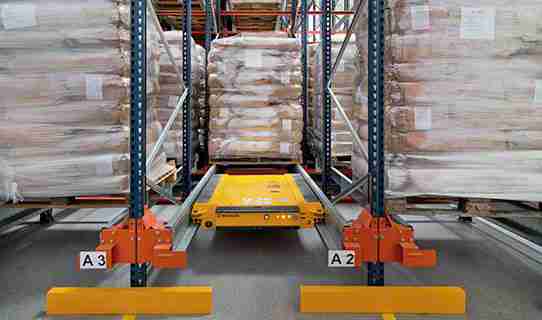
What Industries Use Cantilever Racking?
How Does Cantilever Racking Improve Warehouse Efficiency?
In today’s fast-paced logistics environment, maximizing warehouse efficiency is no longer an option—it’s a necessity. Businesses are vying for supply chain supremacy, and how you store and manage your inventory can set you apart from the competition. Enter cantilever racking, a game-changing solution that can catapult your operation into a new era of productivity and organization.
So, how does cantilever racking improve warehouse efficiency? Let’s break it down. Traditional shelving systems can be a nightmare for businesses that handle bulky or irregularly-shaped items. Imagine trying to store long pipes, lumber, or furniture on standard shelving. Not only does it take up too much space, but accessibility becomes a chaotic challenge. This is where cantilever racking comes in. Designed specifically for easy access to items of varying lengths and weights, it eliminates those issues with vertical columns that allow for long items to be stored horizontally while maximizing floor space.
Flexibility and Customization: The Competitive Edge
Consider a manufacturing company that recently adopted cantilever racking. By installing these adaptable units, the company could easily tailor its storage solutions based on changing inventory needs. As they diversified their offerings, the ability to customize racking systems saved them significant time and money. The efficiency gains were immediate; workers could locate and retrieve items faster, contributing to a notable increase in order fulfillment rates. According to the Warehousing Education and Research Council, companies that implement optimizing storage solutions routinely increase their picking efficiency by at least 30%.
Space Optimization: Unlocking Growth Potential
The beauty of cantilever racking also lies in its ability to maximize vertical space. As global supply chains continue to tighten in response to current economic pressures, efficient storage has never been more crucial. Businesses are being pushed to innovate, and utilizing vertical space indiscriminately is an integral part of that journey. By leveraging cantilever systems, warehouses can store more products with less floor space. For example, a recent e-commerce retailer case study revealed a 25% increase in storage capacity, simply by transitioning to a cantilever racking system. This not only increased warehouse throughput but also minimized the time employees spent navigating vast aisles, leading to enhanced productivity.
As we navigate through the complexities of the modern warehouse ecology, it’s clear that cantilever racking isn’t just about storage—it’s about transforming your entire operational framework. By integrating this versatile system into your warehouse, you can improve not only the efficiency of your operations but also your bottom line. Embracing these innovative solutions positions your business as a leader in the ever-evolving logistics landscape. Don’t just keep up; get ahead. Choose cantilever racking and watch your efficiency soar.

How Does Cantilever Racking Improve Warehouse Efficiency?
How Does Cantilever Racking Improve Warehouse Efficiency?
- Maximizing warehouse efficiency is essential in today’s competitive logistics environment.
- Cantilever racking is ideal for storing bulky or irregularly-shaped items like pipes and furniture.
- This racking system allows for easy access and optimizes floor space by storing long items horizontally.
- Cantilever racking can be customized to adapt to changing inventory needs, enhancing operational flexibility.
- Companies using efficient storage solutions can increase picking efficiency by at least 30%.
- Cantilever racking maximizes vertical space, leading to significant increases in storage capacity and productivity.
- Integrating cantilever racking can transform operational efficiency and improve the bottom line, positioning businesses as leaders in logistics.

How Does Cantilever Racking Improve Warehouse Efficiency?
What Are The Advantages Of Cantilever Racking Systems?
In the bustling world of logistics and warehousing, having the right storage solution is not just a necessity; it is a competitive advantage. Enter cantilever racking systems, the unsung heroes of efficient storage. They offer an array of benefits that can transform your operations and boost your bottom line.
Maximized Storage Space
Imagine a warehouse where every inch is optimized. Cantilever racks are designed to hold long, bulky, or oddly shaped items—think pipes, lumber, and furniture—without the constraints of traditional shelving. This innovation opens up valuable square footage, allowing you to store more products without requiring a larger facility. In a time when real estate is at a premium, this advantage can significantly lower overhead costs and increase your profitability.
Versatility and Flexibility
Consider the ever-changing landscape of consumer goods. With trends shifting faster than ever, businesses must adapt quickly. Cantilever racking systems are inherently flexible; they can be adjusted easily to accommodate different sizes and weights of goods. Whether you’re pivoting to distribute electric bikes or seasonal outdoor furniture, a cantilever system will adapt alongside your inventory. This agility means you can respond to market demands without making hefty investments in new equipment or storage solutions.
Enhanced Safety Features
Safety is non-negotiable in any working environment. The open design of cantilever racks allows for easy access, minimizing the risk of accidents during loading and unloading. Furthermore, the robust construction ensures that even the heaviest loads are supported safely. With OSHA regulations becoming even more stringent, investing in cantilever systems can provide peace of mind and keep your employees safe—and who can put a price on that?
Streamlined Picking and Inventory Management
With all items accessible from the front, cantilever racking systems enable a streamlined picking process. This not only enhances the speed of order fulfillment but also reduces labor costs. Imagine your warehouse workers navigating aisles with ease, expediting deliveries to customers eager for quick service. In today’s world, where Amazon and same-day delivery dominate, enhancing your speed can set you apart from the competition.
Cost-Effective Solutions in a Turbulent Economy
As we navigate the challenges of inflation and supply chain disruptions, operational efficiency becomes paramount. Cantilever racks are a long-term investment that pays dividends—reducing damages, enhancing workflow, and maximizing storage—ultimately leading to significant cost savings.
The advantages of cantilever racking systems are clear. They are not merely a storage solution; they are a strategic tool that can elevate your business in an increasingly complex marketplace. By adopting this innovative technology, you’re not just keeping up; you’re setting the pace.

What Are The Advantages Of Cantilever Racking Systems?
What Are The Advantages Of Cantilever Racking Systems?
- Maximized Storage Space: Cantilever racks optimize warehouse space for long, bulky, or oddly shaped items, allowing more products to be stored without needing a larger facility.
- Versatility and Flexibility: These racking systems easily adjust to accommodate different sizes and weights of goods, enabling businesses to adapt to shifting market trends without heavy investments.
- Enhanced Safety Features: The open design allows for easy access during loading and unloading, reducing accident risks, while robust construction supports heavy loads safely.
- Streamlined Picking and Inventory Management: Items are easily accessible from the front, speeding up order fulfillment and reducing labor costs, enhancing competitive delivery times.
- Cost-Effective Solutions: Cantilever racks promote operational efficiency, leading to significant cost savings by reducing damages and enhancing workflow amidst economic challenges.
- Strategic Tool for Business Growth: Cantilever racking systems are more than just storage solutions; they elevate business operations in a complex marketplace.
- Setting the Pace: By adopting cantilever technology, businesses not only keep up with trends but also lead in their respective sectors.

What Are The Advantages Of Cantilever Racking Systems?
Can Cantilever Racking Support Heavy Loads?
When it comes to organizing your warehouse or storage space, the question of load capacity is paramount. Cantilever racking has emerged as a robust solution, transforming how businesses handle bulky and awkwardly shaped items. But can these systems truly support heavy loads? The answer is a resounding yes—and here’s why you should consider investing in them.
Cantilever racks are engineered to cater to a wide range of heavy-duty storage needs, allowing you to cradle everything from timber beams to industrial pipes. With its unique design, featuring vertical uprights and arms extending outward, cantilever racking distributes weight efficiently, minimizing the risk of collapse. Take, for example, a construction supply company that recently upgraded their storage solution. By implementing cantilever racking, they increased their capacity to safely store heavy construction materials, reducing incidents of damage and injury, which ultimately saved them money and improved their operational efficiency.
The true beauty of cantilever racking lies in its versatility. Unlike traditional shelving systems, which can be restrictive, cantilever racks can be customized to accommodate various sizes and weights. Current trends show an increasing demand for adaptable solutions in warehouses, particularly as e-commerce continues to boom post-pandemic. Companies like Amazon have recognized the need for flexible storage systems, leading to the widespread adoption of cantilever racking in their fulfillment centers. This isn’t just a trend—it’s a revolution in how we manage inventory.
To further illustrate its strength, consider the latest developments in manufacturing. Industries are facing challenges related to supply chain disruptions, making it essential to maximize storage efficiency. Heavy items that used to necessitate complex setups can now be stored safely and effectively with cantilever racks. Earlier this year, a major furniture manufacturer implemented cantilever racking across multiple locations, allowing them to streamline operations and improve safety standards. This adjustment not only enhanced their ability to store heavy items but also scaled their productivity by allowing quicker access to materials.
Cantilever racking systems are not just sturdy—they are an investment in the future of efficient storage. With the capacity to support heavy loads while maximizing available space, these systems offer the flexibility and strength that modern businesses demand. As you consider your options, remember that investing in solid racking solutions could lead you toward greater operational efficiency, reduced costs, and ultimately, higher profits. Don’t let antiquated methods hold you back; embrace the strength of cantilever racking and transform your storage strategy today.

Can Cantilever Racking Support Heavy Loads?
Can Cantilever Racking Support Heavy Loads?
- Cantilever racking is a robust solution for organizing warehouses and storage spaces, especially for bulky and awkwardly shaped items.
- Designed to support heavy-duty storage needs, cantilever racks efficiently distribute weight, minimizing collapse risks.
- A construction supply company improved capacity and operational efficiency by upgrading to cantilever racking, leading to reduced damage and injury incidents.
- Cantilever racks offer versatility and customization compared to traditional shelving systems, accommodating various sizes and weights.
- E-commerce growth post-pandemic has increased demand for flexible storage solutions, with companies like Amazon adopting cantilever racking widely.
- Recent industry developments highlight cantilever racking as a solution for maximizing storage efficiency amid supply chain disruptions.
- Investing in cantilever racking can lead to enhanced operational efficiency, reduced costs, and increased profits for modern businesses.

Can Cantilever Racking Support Heavy Loads?
What Types Of Products Are Best Suited For Cantilever Racking?
When it comes to optimizing your warehouse space, cantilever racking stands out as a game-changer. This innovative racking system is tailor-made for storing longer, awkwardly shaped items that traditional shelving simply can’t handle. If you want to maximize efficiency and accessibility, understanding the best types of products for cantilever racking is crucial.
Lumber and Building Materials
In today’s booming construction industry, where projects often face tight deadlines, efficient storage of lumber and building materials is essential. Cantilever racks provide the perfect solution by allowing you to store long lengths of wood—think 2x4s, plywood sheets, and drywall—without the hassle of cumbersome handling. The open design allows for easy access, meaning your workers can quickly grab what they need, reducing downtime and keeping projects on track.
Metal Pipes and Tubing
With the rise of infrastructure development and energy projects around the globe, including the recent push for renewable energy installations, storing metal pipes and tubing efficiently is critical. Cantilever racking handles these heavy, long items beautifully. The rack’s arms can usually be adjusted, accommodating various lengths and sizes, making it an invaluable asset for manufacturers, contractors, and suppliers in industries that need to keep heavy, bulky items organized and accessible.
Automotive Parts
As the automotive industry continues to rebound post-pandemic, the storage needs for parts and accessories have also evolved. Cantilever racking systems are perfect for holding automotive parts such as long engine components, exhaust systems, and even tires. The versatility of these racks allows auto shops and warehouses to create dedicated sections for different product lines, improving inventory management and speeding up order fulfillment.
Furniture and Appliances
In a world where e-commerce is on the rise, warehouses must adapt to accommodate furniture and large appliances that demand space-efficient storage solutions. Cantilever racks are ideal for keeping bulky items neatly organized without the risk of damage. For instance, you can store sofas, dining tables, or refrigerators securely on these racks, making it easy to locate inventory and seamlessly fulfill online orders.
Custom Fabrications and Specialty Items
Businesses that deal with custom-fabricated items or unique specialty goods can also benefit immensely from cantilever racking. The flexibility of the design allows for the storage of unevenly shaped or oversized products, ranging from industrial equipment to custom artwork without fear of wear and tear.
In a context where space is at a premium, investing in cantilever racking is a no-brainer for warehouses across a multitude of industries. By strategically choosing the right products to stock, you can enhance efficiency and drive higher productivity in an increasingly competitive landscape.

What Types Of Products Are Best Suited For Cantilever Racking?
What Types Of Products Are Best Suited For Cantilever Racking?
- Cantilever racking is ideal for optimizing warehouse space, specifically for storing long or awkwardly shaped items.
- Efficient storage of lumber and building materials is essential in the construction industry, and cantilever racks simplify access to items like 2x4s and plywood.
- Cantilever racking effectively accommodates the storage of heavy metal pipes and tubing for infrastructure and energy projects.
- The automotive industry benefits from cantilever racks for storing parts like engine components and tires, improving inventory management.
- With the rise of e-commerce, cantilever racks provide space-efficient solutions for storing bulky furniture and appliances.
- Businesses dealing with custom fabrications can utilize cantilever racking to store unevenly shaped or oversized items securely.
- Investing in cantilever racking enhances efficiency and productivity in warehouses across various industries.

What Types Of Products Are Best Suited For Cantilever Racking?
How Does Cantilever Racking Enhance Safety In Warehouses?
In the ever-evolving world of warehouse management, the balance between efficiency and safety has never been more critical. Enter cantilever racking systems – a game-changer for warehouse operations that prioritizes not only space optimization but also the safety of your workforce. Here’s how these innovative solutions create a safer working environment.
Maximized Floor Space, Minimized Risk
Cantilever racking stands out due to its design, which allows for the storage of long or bulky items without the interference of vertical supports. This open structure not only maximizes floor space but simultaneously minimizes the risk of accidents. For example, consider a warehouse that specializes in lumber storage. Traditional pallet racking can easily lead to accidents due to difficult maneuverability around vertical beams. However, with cantilever systems, workers can navigate the aisles freely, reducing collision risks—an essential feature as we’ve seen increased safety regulations in high-traffic environments following recent OSHA reports that highlight the prevalence of workplace injuries in warehouses.
Enhanced Accessibility = Improved Safety
Accessibility is key to safety in any warehouse. Cantilever racking allows for easy access to stored items without contortions or strain. Imagine staff retrieving heavy pipes or steel rods stacked in a traditional, less accessible manner; not only does this pose a physical risk, but it can also lead to costly product damage. The lean design of cantilever rack minimizes the need for complex machinery, allowing workers to hand-pick items safely, significantly lowering the chances of accidents. In today’s climate where employee well-being is paramount—especially as companies face scrutiny over safety practices—this improvement is invaluable.
Adaptability and Flexibility Foster Safe Practices
Warehouses are dynamic environments; the ability to reconfigure your storage solutions can have a profound impact on safety. Cantilever racking systems are adaptable, accommodating varying types and sizes of materials with ease. This adaptability ensures you can quickly transition to changing inventory needs without compromising safety protocols. For instance, during the current push for sustainable warehouse practices, companies that utilize cantilever racking can adjust to new eco-friendly products in their inventory without disruption or risk to employees.
Conclusion: A Smart Investment in People and Profit
Investing in cantilever racking is not merely a choice about storage; it’s an investment in your workforce’s safety and, ultimately, your company’s profitability. As we’ve seen through various industry case studies, organizations that prioritize safety tend to observe lower insurance premiums, fewer workplace accidents, and greater employee morale. With growing emphasis on health and safety standards, adopting cantilever racking systems isn’t just a strategic move; it’s the smartest choice for building a safe, responsive warehouse environment.
Embrace cantilever racking today – it’s a step towards safer storage and a thriving workplace atmosphere.

How Does Cantilever Racking Enhance Safety In Warehouses?
How Does Cantilever Racking Enhance Safety In Warehouses?
- Cantilever racking systems enhance warehouse efficiency and prioritize worker safety.
- They maximize floor space by allowing storage of long or bulky items without vertical supports.
- This design reduces collision risks and adheres to increased safety regulations, minimizing workplace injuries.
- Cantilever racking facilitates easy access to items, lowering physical risks and potential product damage.
- The adaptable nature of these systems accommodates various materials, ensuring safety during inventory transitions.
- Investing in cantilever racking promotes workplace safety, leading to lower insurance premiums and higher employee morale.
- Overall, adopting cantilever racking is a strategic move towards a safer and more profitable warehouse environment.

How Does Cantilever Racking Enhance Safety In Warehouses?
What Industries Need Flexible Storage Solutions?
In today’s fast-paced business landscape, the demand for flexible storage solutions is not merely a preference; it’s a necessity. Various industries are recognizing that traditional storage methods, which can be rigid and cumbersome, often hinder their growth and responsiveness. So, let’s break down the key sectors that are leading the charge for flexible storage solutions.
E-commerce: The explosion of online shopping, accelerated by the pandemic, has created an urgent need for adaptable storage options. E-commerce giants like Amazon have successfully implemented agile warehousing systems to manage fluctuating inventory levels. As consumer behavior shifts rapidly, companies require storage that can expand or contract quickly, tailoring their spaces to seasonal or promotional demand. The rise of pop-up warehouses is an excellent example of how the industry is adapting for short-term storage needs without incurring long-term commitments.
Manufacturing: Manufacturers are increasingly seeking flexible storage to manage raw materials and finished goods. For instance, automotive companies are investing in modular storage systems that allow for the rapid reconfiguration of space in response to changing production demands. The recent chip shortage has compelled many manufacturers to rethink their storage strategies, making just-in-time inventory systems essential. With flexible storage solutions, businesses can adapt their supply chain operations, reducing downtime and improving efficiency during unpredictable market conditions.
Healthcare: The healthcare industry has been thrust into the spotlight amidst the recent pandemic, highlighting the critical need for flexible storage solutions. Hospitals and clinics are continually adjusting their storage capacities for medical supplies, personal protective equipment (PPE), and patient records. Mobile shelving and on-demand storage systems are becoming more prevalent in healthcare settings, allowing for quick access to essential items while maximizing space. The rapid development of COVID-19 vaccines showcased the need for logistical agility and flexible warehousing for distribution.
Retail: The retail landscape is evolving, with businesses facing the dual challenge of in-store and online sales. Retailers are now leveraging multi-purpose storage solutions that accommodate both brick-and-mortar stock and e-commerce fulfillment. Companies like Walmart have embraced innovative logistics hubs and smart storage solutions to manage their extensive inventory, ensuring they can quickly pivot between online orders and in-store needs.
Conclusion: Flexible storage solutions are no longer an option; they are an essential component for successful operations across these industries. By adapting to the ever-changing market conditions and consumer expectations, businesses can not only survive but thrive in this competitive environment. The time to invest in flexibility is now.
Make your move based on adaptability—because the next wave of innovation in storage strategies waits for no one.
What Industries Need Flexible Storage Solutions?
What Industries Need Flexible Storage Solutions?
- The demand for flexible storage solutions is essential in today’s fast-paced business landscape.
- E-commerce growth, accelerated by the pandemic, has led to a need for adaptable storage, like agile warehousing and pop-up warehouses.
- Manufacturers are investing in modular storage systems to quickly reconfigure space in response to production changes.
- The chip shortage has made just-in-time inventory systems and flexible storage critical for manufacturers.
- Healthcare facilities are adopting mobile shelving and on-demand storage to manage medical supplies and records efficiently.
- Retailers are utilizing multi-purpose storage solutions to balance in-store inventory with e-commerce fulfillment demands.
- Flexible storage is now fundamental for business operations, enabling adaptation to evolving market conditions and consumer expectations.

What Industries Need Flexible Storage Solutions?
How Can Cantilever Racking Optimize Space Usage?
In the relentless pursuit of efficiency and productivity in modern warehouses, businesses are constantly seeking innovative solutions to maximize their space. Enter cantilever racking, a game-changing system that allows organizations to optimize vertical storage while accommodating a variety of products, particularly long or bulky items. The evolution of logistics and supply chain management, especially in light of the recent disruptions caused by global events like the pandemic, underscores the need for flexible and effective storage solutions.
Imagine a facility stocked with pipes, lumber, or furniture. Traditional pallet racking systems can become cumbersome, leaving you with wasted space and inefficient workflows. With cantilever racking, each arm can be adjusted or extended, allowing you to utilize the full height of your warehouse while keeping items organized and accessible. This means no more crawling through cramped aisles or dodging obstacles. Instead, your team can swiftly pick the items they need, leading to quicker turnaround times and increased productivity.
Consider the case of a regional distributor of building materials who recently adopted cantilever racking. By reorganizing their storage layout with this versatile system, they achieved a 30% increase in storage capacity while reducing retrieval times by nearly half. This not only optimizes space usage but also boosts the overall functionality of the operation, leading to improved customer satisfaction and, ultimately, sales growth.
Moreover, as global trade continues to rebound from COVID-19, many businesses are discovering that efficient inventory management is paramount. Companies are relying on lean principles to reduce waste and maximize output. Cantilever racking plays perfectly into this mindset, providing an efficient way to store oversized items while keeping aisles clear and uncluttered—a critical factor when navigating supply chain complexities.
In this competitive landscape, every square inch of your warehouse counts. By implementing cantilever racking systems, you’re not just adopting a storage solution; you’re making a strategic investment in your operational efficiency. As businesses adapt to the new normal and strive to make lean inventory practices a priority, cantilever racking emerges as the smart choice to drive performance.
Embrace the potential of cantilever racking to not only transform your space, but to elevate your entire operation. In an age where flexibility and efficiency reign supreme, can you afford to let inadequate storage solutions hold you back? The time for optimization is now.

How Can Cantilever Racking Optimize Space Usage?
How Can Cantilever Racking Optimize Space Usage?
- Cantilever racking offers a solution for maximizing vertical storage in modern warehouses, especially for long or bulky items.
- This system enhances efficiency by reducing wasted space and improving workflows compared to traditional pallet racking.
- Adjustable arms of cantilever racking allow for the full utilization of warehouse height, keeping items organized and accessible.
- A regional distributor of building materials achieved a 30% increase in storage capacity and halved retrieval times after adopting cantilever racking.
- As businesses recover from the pandemic, efficient inventory management has become crucial; cantilever racking supports lean principles by reducing waste.
- Employing cantilever racking systems is a strategic investment that enhances operational efficiency in competitive markets.
- The time for optimizing warehouse space with cantilever racking is now, as flexibility and efficiency are essential for success.

How Can Cantilever Racking Optimize Space Usage?
What Are The Cost Implications Of Cantilever Racking Systems?
When it comes to optimizing warehouse space and boosting efficiency, cantilever racking systems sit at the top of the list for many businesses. However, as you consider investing in this game-changing storage solution, it’s essential to delve into the cost implications—both immediate and long-term.
First and foremost, the initial investment in cantilever racking can vary significantly based on size, capacity, and quality. On average, businesses might find themselves spending anywhere from $2,000 to $10,000 on a robust system tailored to specific operational needs. For instance, a small distributor may require a straightforward solution, while large manufacturing firms might need multiple configurations to accommodate oversized inventory items. The key is to weigh these upfront costs against the potential returns—easier inventory access, optimal use of vertical space, and improved safety.
Once installed, many companies find their operational costs positively impacted. Consider this: one leading home improvement retailer recently implemented cantilever racking to streamline its lumber section. By utilizing vertical storage better, the retailer not only increased the overall storage capacity by 25%, but also reduced labor costs associated with picking and retrieving items. The result? An impressive return on investment that trickled down to the bottom line and allowed for price competitiveness in a fiercely contested market.
Maintenance is another crucial aspect to consider when evaluating the cost implications of cantilever racking systems. Unlike traditional shelving, which might require frequent repairs or replacements due to limitations with weight distribution, cantilever racks are designed for durability. Investing in high-quality materials upfront can lead to reduced maintenance costs over time. This has been highlighted by recent supply chain disruptions, where durable storage solutions capable of withstanding increased usage have proven their worth tenfold.
Moreover, the safety implications tied to cantilever racking cannot be overstated. Businesses often face penalties or loss during accidents stemming from inadequate storage solutions. The upfront investment in a robust cantilever system could save you from potential litigation costs and brand damage. Just look at the rising trend of OSHA regulations, driving businesses to comply with stricter safety measures.
In summary, the cost implications of cantilever racking systems extend beyond simple price tags. Investing intelligently in these systems will enhance storage efficiency, reduce operational and maintenance expenses, and pave the way for a safer, more productive working environment. Given the current market dynamics, now is the moment to explore how cantilever racks can reshape your inventory management process and position your business for future growth.

What Are The Cost Implications Of Cantilever Racking Systems?
What Are The Cost Implications Of Cantilever Racking Systems?
- Cantilever racking systems are highly effective for optimizing warehouse space and efficiency.
- Initial investment costs for cantilever racking range from $2,000 to $10,000, depending on size, capacity, and quality.
- Companies may see improved inventory access, better vertical space utilization, and enhanced safety as returns on their investment.
- Implementation of cantilever racking can lead to significant operational cost savings, as demonstrated by a home improvement retailer that increased storage capacity by 25% and reduced labor costs.
- Durability of cantilever racks leads to lower maintenance costs compared to traditional shelving, especially amidst supply chain disruptions.
- Investing in cantilever racking can mitigate risks associated with safety violations and potential litigation costs due to inadequate storage solutions.
- Overall, the long-term benefits of cantilever racking systems can enhance efficiency, reduce expenses, and improve workplace safety, making them a smart investment for future growth.

What Are The Cost Implications Of Cantilever Racking Systems?
How Does Cantilever Racking Compare To Other Storage Solutions?
In the dynamic world of warehousing and inventory management, choosing the right storage solution can make the difference between thriving and merely surviving. One option that stands head and shoulders above the rest is cantilever racking. In this section, we’ll explore how cantilever racking stacks up against traditional racking systems and other contemporary storage solutions, and why it’s increasingly gaining traction in industries like logistics and retail.
First, let’s consider conventional pallet racking systems. While they are the go-to for many warehouses, they can fall short when it comes to storing long, bulky items like pipes, lumber, or furniture. Traditional systems often necessitate wasted vertical space and complex maneuvering, limiting operational efficiency. In contrast, cantilever racking is designed with versatility in mind. Its open-side design allows for the easy storage of longer items without the obstruction of vertical supports in the way. This isn’t just more convenient; it leads to quicker loading and unloading times—an invaluable advantage in today’s fast-paced supply chain operations.
Another player in the storage game is the shelving unit. While shelves are great for smaller items, they often lack the sturdiness required for substantial loads. This has become particularly critical as industries adapt to rising e-commerce demands. The 2023 surge in online shopping has spurred businesses to optimize their storage solutions. Cantilever racking offers a robust, flexible solution that can safely hold heavier and larger goods, often increasing storage capacity by over 50% compared to conventional shelving.
Consider also the innovation of automated storage systems, which offer high density but come with significant costs and maintenance concerns. In a climate where operational costs need to be meticulously controlled, cantilever racking provides a dramatically lower investment. It requires minimal machinery, making it a cost-effective choice for small to medium-sized businesses looking to optimize their space without hefty upfront costs.
Additionally, stability is paramount in storage solutions. The recent earthquakes across various regions have reignited discussions on warehouse safety. Unlike traditional systems, cantilever racks are designed to provide superior stability against seismic activities, safeguarding both inventory and workers.
While other storage solutions have their merits, cantilever racking stands out for its space-efficiency, adaptability, cost-effectiveness, and safety. As businesses continue to innovate and evolve in a competitive marketplace, embracing cantilever racking might just be the strategic move needed to secure a future of operational excellence. Don’t settle for less—elevate your storage strategy today.

How Does Cantilever Racking Compare To Other Storage Solutions?
How Does Cantilever Racking Compare To Other Storage Solutions?
- Cantilever racking is a superior storage solution for warehouses and inventory management.
- It outperforms traditional pallet racking systems, especially for storing long and bulky items.
- Its open-side design allows for quicker loading and unloading, enhancing operational efficiency.
- Cantilever racking increases storage capacity by over 50% compared to conventional shelving units.
- It offers a lower initial investment and minimal machinery requirements compared to automated storage systems.
- Cantilever racks provide superior stability against seismic activities, ensuring safety for both inventory and workers.
- Adopting cantilever racking can enhance operational excellence in a competitive marketplace.

How Does Cantilever Racking Compare To Other Storage Solutions?
How Can Cantilever Racking Improve Inventory Management?
In today’s fast-paced business environment, efficient inventory management is not just a buzzword; it’s a necessity. Enter cantilever racking, a game-changing storage solution designed to revolutionize how businesses handle their inventory. But how exactly does this versatile system improve inventory management? Let’s illuminate the transformative benefits that cantilever racking brings to the table.
First and foremost, cantilever racking maximizes vertical space. With warehouse space at a premium—particularly in urban areas where real estate costs can skyrocket—businesses are always on the lookout for ways to optimize their storage solutions. Cantilever racks utilize a design that allows for tall storage without compromising accessibility or safety. Without traditional shelves blocking the way, you can store long, bulky items—think lumber, pipes, or furniture—straight up to the ceiling. For instance, a construction supply store implemented cantilever racking and increased its storage capacity by 30%, allowing them to hold more products without the need for a larger facility.
Moreover, cantilever racking enhances inventory visibility. In an era where inventory control software is becoming increasingly sophisticated, the physical arrangement of products still plays a critical role. The open design of cantilever racking allows for easier sight lines and quicker identification of items. This leads to a reduction in the time employees spend searching for products, which ultimately translates to faster order fulfillment and increased customer satisfaction. For example, a regional furniture distributor adopted cantilever racking and reported a 20% increase in order accuracy due to enhanced visibility.
Furthermore, the adaptability of cantilever racking means it can be customized to fit the specific needs of any business. Seasonal inventory spikes, special project requirements, or changes in product lines—cantilever racks adjust accordingly. In light of the supply chain challenges exacerbated by the pandemic, businesses that implemented flexible storage solutions like cantilever racking were better equipped to handle fluctuations in inventory demand. This adaptability provides a crucial advantage in a time when agility is key to survival.
Lastly, safety and efficiency can’t be overlooked. Cantilever racking minimizes the risk of workplace injuries associated with awkward stacking and maneuvering of heavy items. With clear pathways for forklifts and employees, the workplace becomes not only more efficient but also safer.
In summary, if you’re looking to streamline your inventory management processes, invest in cantilever racking. It’s not just about storing items; it’s about creating a system that enhances visibility, maximizes space, and adapts to your specific needs—all while improving safety and workflow efficiency. Don’t let outdated storage methods hold you back—embrace innovation, and watch your inventory management soar.

How Can Cantilever Racking Improve Inventory Management?
How Can Cantilever Racking Improve Inventory Management?
- Cantilever racking is a revolutionary storage solution essential for effective inventory management.
- Maximizes vertical space, allowing businesses to store large items close to the ceiling, thereby optimizing storage capacity.
- Improves inventory visibility with an open design, facilitating quicker identification and reducing search times.
- Can be customized to meet specific storage needs, accommodating seasonal spikes and changes in product lines.
- Helps businesses better manage fluctuations in inventory demand, especially during supply chain challenges.
- Enhances workplace safety by minimizing risks associated with awkward stacking and providing clear pathways for movement.
- Investing in cantilever racking leads to streamlined inventory processes and improved efficiency in operations.

How Can Cantilever Racking Improve Inventory Management?
What Are The Common Challenges Of Using Cantilever Racking?
Cantilever racking systems are the unsung heroes of efficient storage solutions, designed to maximize vertical space while keeping items easily accessible. However, like any system, they come with their own set of challenges that can impact your operational efficiency and bottom line. Knowing these hurdles upfront can save you headaches down the line.
1. Initial Cost Considerations:
Investing in cantilever racking isn’t just a simple expenditure; it’s a strategic decision. While the upfront costs may appear daunting—especially for smaller enterprises—it’s important to see this as a long-term investment. For example, a small furniture store looking to optimize its floor space might face sticker shock when exploring customized cantilever systems. However, with careful budgeting and a clear understanding of ROI, that initial investment can lead to substantial savings over time, preventing costly inefficiencies down the road.
2. Installation and Space Planning:
Correct installation and thoughtful space planning are vital for achieving the best results with cantilever racking. A hasty installation can lead to uneven weight distribution, leading not only to hazards but also damaging your valuable inventory. Recent stories from warehouse operators reveal how neglecting this aspect has resulted in costly accidents, financial losses, and expensive downtime. Therefore, engage professional installers and conduct a thorough needs analysis before choosing dimensions and layouts.
3. Inventory Management Issues:
For businesses with a wide variety of inventory sizes and weights, managing stock can become a logistical nightmare. Imagine a manufacturer relying on cantilever racks for their lumber stock, only to find that inaccurately organizing their materials leads to confusion and inefficiency. Implementing an effective inventory management system that harmonizes with your racking can alleviate this challenge, ensuring items are easy to find and reducing retrieval time.
4. Safety Regulations and Compliance:
Navigating safety regulations in using cantilever racks is another hurdle that can’t be overlooked. Recent enhancements in warehouse safety laws mean businesses must stay updated and compliant to avoid legal issues. This includes ensuring that your cantilever racks are appropriately rated for the weight they bear and are regularly inspected. Companies that fail to prioritize safety often find themselves faced with fines, but even worse, the risk of accidents that can endanger employees.
While cantilever racking systems offer incredible benefits in storage efficiency, addressing these common challenges proactively will ensure you avoid unnecessary setbacks. Whether it’s through careful planning, investment in safety, or an unwavering commitment to effective inventory management, overcoming these hurdles paves the way for optimized operations. The key is to view these challenges as opportunities for growth rather than roadblocks. Your warehouse’s future efficiency may just depend on it.

What Are The Common Challenges Of Using Cantilever Racking?
What Are The Common Challenges Of Using Cantilever Racking?
- Maximized Storage Efficiency: Cantilever racking systems optimize vertical space for easy access to items.
- Initial Investment Considerations: Upfront costs can be high, especially for small businesses, but should be viewed as a long-term investment with potential savings.
- Importance of Installation: Proper installation and thoughtful space planning are crucial to prevent hazards and inventory damage.
- Inventory Management Challenges: Diverse inventory sizes can complicate stock management; effective inventory systems can improve organization and retrieval.
- Safety Compliance: Keeping up with safety regulations is essential to avoid fines and ensure employee safety with regularly inspected racks.
- Proactive Approach: Addressing common challenges early on can prevent operational setbacks and enhance efficiency.
- Opportunities for Growth: Viewing challenges as growth opportunities can lead to improved warehouse efficiency and operations.

What Are The Common Challenges Of Using Cantilever Racking?
Conclusion
In an era defined by rapid change and fierce competition, businesses must adapt to keep pace, particularly in terms of storage solutions. The game-changing cantilever racking systems from Arrow Industrial Sales have proven to be a vital asset across multiple industries, from manufacturing to retail, construction to automotive. With their unique ability to maximize vertical space, streamline operations, and enhance safety protocols, these systems are not just about storage—they’re about empowerment.
Consider the lumber yards, where the demand for efficient solutions is ever-increasing. Cantilever racking allows for the secure storage of long, bulky items, leading to significant time savings and improved accessibility during busy loading hours. In the automotive sector, the ability to customize your racking to accommodate oversized parts can be the difference between meeting deadlines and missed opportunities. This flexibility doesn’t just enhance safety; it directly translates into improved customer satisfaction and profitability.
As businesses navigate supply chain challenges and fluctuating demands, investing in cantilever racking solutions provides a strategic edge. Enhanced organization and visibility lead to quicker fulfillment rates, reducing labor costs and increasing overall efficiency. Don’t let outdated methods hold you back; with cantilever racking, you can optimize your operations while staying responsive to market fluctuations.
Yet, the benefits of cantilever racking systems don’t stop at organization and efficiency. Safety is paramount in today’s work environments. The robust construction and clear accessibility of cantilever racks help reduce accidents, align with stringent safety regulations, and cultivate a better workplace atmosphere. After all, your people are your greatest resource, and their safety should always be your top priority.
Now is the moment to seize this opportunity—don’t wait until your competitors leverage these advantages over you. Act swiftly to transform your storage strategy. Call Arrow Industrial Sales at (574) 349-6575 for personalized insights to align cantilever racking solutions with your specific needs. Equip your business with innovative storage solutions that facilitate growth and efficiency in our dynamic landscape. The time to act is now—optimize your storage and watch your business thrive!

Conclusion
Conclusion:
- Rapid changes and competition require businesses to adapt, especially in storage solutions.
- Cantilever racking systems from Arrow Industrial Sales are essential assets in various industries.
- These systems maximize vertical space, streamline operations, and enhance safety protocols, empowering businesses.
- The systems are particularly beneficial for lumber yards and the automotive sector, improving accessibility and safety.
- Investing in cantilever racking offers a strategic edge by enhancing organization, visibility, and fulfillment rates.
- Cantilever racks help reduce workplace accidents and align with safety regulations, prioritizing employee safety.
- Businesses should act quickly to leverage cantilever racking solutions for growth and efficiency; contact Arrow Industrial Sales for personalized insights.

Conclusion
Other Resources

Other Resources
Here is a list of other resources you can review online to learn more:
- “2023 Home Depot ESG”
- “ESG Report”
- “Mission | Vision | Values”
- “Resources”
- “OSHA News Releases – 2012 | Occupational Safety and …”
- “LOGISTICS AND WAREHOUSING MANAGEMENT”
- “The Performance Economy: 2nd Edition”
- “Logistics and Shipping Terms Glossary – DocShipper”
- “A Technical Manual for Material Choices in Sustainable …”
- “Racking solutions”
- “Smartmech Premium by ELI Publishing”
- “Construction Safety Manual”
- “Arpi’s Safety Manual”
- “Colorado Freight Plan 2024: Technical Analysis”
- “NORTH AMERICAN INDUSTRY CLASSIFICATION SYSTEM”
- “SAFETY REPRESENTATIVES RESOURCE BOOK”
- “Building a Safer Tomorrow”
- “Home Depot leans on efficiency analysis for sustainable …”

Other Resources
Glossary Terms
What Industries Benefit Most From Cantilever Racking Systems? – Glossary Of Terms
1. Cantilever Racking: A type of storage system designed to store long, heavy, or bulky items, consisting of vertical columns with horizontal arms.
2. Heavy-Duty: Refers to strong, robust equipment or materials that can withstand substantial weight and stress, common in cantilever racking applications.
3. Long Load Storage: Storage specifically designed for items that are longer than standard pallets, such as pipes, lumber, or steel bars.
4. Versatility: The capability of cantilever racks to adapt to different types of goods and storage arrangements, making them suitable for various industries.
5. Construction Industry: A sector that benefits from cantilever racking systems for storing long materials like timber, steel beams, and drywall.
6. Lumber Yard: A place where wood and wood-related products are stored and sold, utilizing cantilever racks for efficient storage of long planks.
7. Manufacturing: Industry that often requires cantilever racking to store raw materials, components, or finished goods in an organized manner.
8. Warehousing: The process of storing goods in a facility; cantilever racks optimize space by allowing vertical storage of long items.
9. Distribution Centers: Facilities that receive goods and distribute them to retailers; benefit from cantilever racking for organized inventory of bulky items.
10. Home Improvement Retail: Stores that sell building materials and supplies; cantilever racks help display and store long products like pipes and lumber.
11. Steel Service Centers: Facilities that process and store steel products; cantilever racking systems are crucial for storing heavy steel sheets and rods.
12. Automotive Industry: In this sector, cantilever racking can be used for storing parts and components needed for manufacturing and assembly lines.
13. Furniture Storage: Retailers and warehouses use cantilever racking to store large items like mattresses, tables, and wooden furniture efficiently.
14. Logistics: The management of transporting and storing goods; cantilever racks streamline operations by providing space-efficient storage solutions.
15. Metal Fabrication Shops: Workshops that create metal products use cantilever racking to organize metal sheets, tubes, and rods effectively.
16. Suppliers: Companies that provide raw materials to various industries often benefit from cantilever racks to handle inventory of long items.
17. Bulk Storage: A method of storing large quantities of items; cantilever racks are ideal for bulk storage of oversized or lengthy goods.
18. Inventory Management: The process of overseeing stock levels and organization; cantilever racks enhance efficiency and accessibility in managing inventory.
19. Accessibility: The ease with which stored goods can be reached; cantilever racks create clear, open spaces for quick retrieval of long items.
20. Safety Standards: Regulations and guidelines ensuring safety in storage practices; cantilever racking systems must comply with these to prevent accidents.
21. Load Capacity: The maximum weight that a storage rack can safely hold, crucial for determining the type of cantilever rack needed.
22. Structural Integrity: The ability of the racking system to withstand forces without collapsing; critical in designing cantilever racks.
23. Customization: The ability to modify racks to fit specific storage needs, enhancing the utility of cantilever racking systems in various settings.
24. Space Optimization: The practice of maximizing storage space; cantilever racks allow for vertical stacking, improving storage efficiency.
25. Load Distribution: The manner in which weight is spread across a racking system; important for maintaining balance and preventing damage.
26. Environmentally Adaptable: Describes the ability of cantilever racks to be used in various environments, such as outdoor yards or indoor warehouses.
27. Manufacturing Efficiency: The optimization of production processes; cantilever racking can streamline workflow by ensuring easy access to materials.
28. Pallet Racking: A standard warehouse storage system that holds palletized goods; cantilever racks often complement this by storing non-palletized items.
29. Industrial Storage Solutions: Various methods and systems employed to store industrial materials effectively; cantilever racking is a key solution for large items.
30. Modular Design: A design approach where components can be arranged and modified as needed; cantilever racks often feature modular capabilities for flexibility.

Glossary Of Terms
Other Questions
What Industries Benefit Most From Cantilever Racking Systems? – Other Questions
If you wish to explore and discover more, consider looking for answers to these questions:
- What are the initial costs associated with installing cantilever racking systems?
- How do cantilever racking systems compare to traditional shelving solutions?
- What is the typical lifespan of cantilever racking systems?
- How does cantilever racking contribute to workplace safety?
- What factors should I consider when choosing a cantilever racking system?
- Can cantilever racking systems be customized for specific industries?
- What maintenance is required for cantilever racking systems?
- Are there industry regulations for installing and using cantilever racking?
- How can businesses measure the ROI of cantilever racking systems?
- What training is necessary for employees to safely use cantilever racking?
- How can cantilever racking improve supply chain management?
- How does cantilever racking accommodate fluctuations in inventory demand?
- What industries have seen the most success with cantilever racking systems?
- What safety features are included in cantilever racking systems?
- How does cantilever racking integrate with inventory management software?

Other Questions
Checklist
What Industries Benefit Most From Cantilever Racking Systems? – A Checklist
Understanding Your Industry’s Needs
_____ Identify if your industry falls under:
_____ Home Improvement and Building Supplies
_____ Manufacturing and Distribution
_____ Automotive
_____ Furniture Retail
_____ Assess the specific storage requirements of your products (e. g. , size, shape, weight).
Evaluating Cantilever Racking
_____ Research cantilever racking system types.
_____ Evaluate the benefits, including:
_____ Increased storage capacity.
_____ Improved accessibility and efficiency.
_____ Enhanced safety features.
Cost Analysis
_____ Determine your budget for initial investment.
_____ Analyze potential ROI in terms of:
_____ Reduced operational costs.
_____ Increased capacity and efficiency.
_____ Long-term savings on maintenance.
Installation Considerations
_____ Plan for professional installation to ensure safety and optimum performance.
_____ Consider your facility’s layout for effective space utilization.
Inventory Management
_____ Implement an effective inventory management system compatible with cantilever racks.
_____ Organize stock systematically to mitigate retrieval issues.
Safety Regulations
_____ Stay updated with safety regulations related to cantilever racking.
_____ Regularly inspect racking systems for compliance and safety.
Employee Training
_____ Train employees on safe loading, unloading, and navigating around cantilever racks.
_____ Ensure staff are aware of weight limits and safety procedures.
Customization and Flexibility
_____ Confirm if cantilever racks can be easily adjusted or customized for your inventory needs.
_____ Assess adaptability in response to changing market demands or product lines.
Maintenance Planning
_____ Establish a routine maintenance schedule to prolong the life of racking systems.
_____ Monitor for signs of wear and make necessary adjustments or repairs.
Sustainability Practices
_____ Consider how cantilever racking may support your organization’s sustainability efforts.
_____ Evaluate waste reduction and energy efficiency when utilizing this storage solution.
Feedback and Improvement
_____ Gather feedback from employees on the racking system’s efficiency.
_____ Continuously evaluate the impact of cantilever racking on operational productivity.
Utilize this checklist to evaluate your requirements for cantilever racking systems and optimize your inventory management for greater efficiency and safety. Embrace the future of storage today!

Checklist
At RackingWorld, we help guide you through selecting warehouse storage systems and racking.
Be sure to read our other related stories at RackingWorld to learn more about warehouse storage systems.
0 Comments