
Maximizing Warehouse Space With Pallet Racking: The Ultimate Guide
By Tom Seest
At RackingWorld, we help guide you through selecting warehouse storage systems and racking.
Be sure to read our other related stories at RackingWorld to learn more about warehouse storage systems.
How Wide Is Pallet Racking?
When it comes to maximizing your warehouse efficiency, the width of your pallet racking plays a crucial role. But how wide should your pallet racking be? The truth is, the answer depends on various factors including the type of goods you store, the layout of your warehouse, and the equipment you use for material handling.
Typically, pallet racking width can range from 36 inches to 48 inches. Each size serves unique operational needs. For instance, if you’re dealing with standard-sized pallets, which are usually 48 inches by 40 inches, opting for a rack width of 48 inches could significantly ease your storage and retrieval processes. This ensures your pallets fit snugly and allows for easy access during loading and unloading.
Consider a retail distribution center that recently switched to wider pallet racking to accommodate bigger shipments thanks to an increase in demand due to a recent surge in online shopping. The conversion allowed the center to streamline their operations, storing more goods in less space and significantly reducing picking times. The result? Enhanced productivity and ultimately, happier customers.
Moreover, it’s vital to think about aisle width when selecting your pallet racking width. Wide aisles accommodate larger machinery like forklifts, while narrow aisles maximize space but require specialized equipment. For example, a warehouse that implemented a narrow aisle system is able to store 20% more product than it could with traditional systems. This increased efficiency can translate to substantial cost savings and improved cash flow—key components in today’s competitive marketplace.
Additionally, consider the trends influencing the pallet racking industry. For instance, with sustainability being at the forefront of many businesses’ agendas, companies are increasingly seeking materials that not only save space but also reduce waste. This means investing in adjustable and customizable pallet racking systems, which often feature widths that adapt to various pallet sizes, enabling businesses to stay flexible as market demands change.
The width of your pallet racking isn’t just a number—it’s a strategic decision that impacts overall efficiency within your warehouse. Whether you opt for a standard layout or a customized one, understanding your specific needs will ensure you maximize your storage potential and maintain a competitive edge. The right width, combined with strategic planning, can turn your warehouse into a powerhouse of productivity, setting you up for success in an ever-evolving market landscape.

How Wide Is Pallet Racking?
How Wide Is Pallet Racking?
- The width of pallet racking is crucial for warehouse efficiency and depends on factors like type of goods and warehouse layout.
- Pallet racking typically ranges from 36 inches to 48 inches, with each size serving unique operational needs.
- A 48-inch rack width is beneficial for standard-sized pallets (48 inches by 40 inches), easing storage and retrieval processes.
- Wider racking allowed a retail distribution center to store more goods and reduce picking times, resulting in higher productivity.
- Aisle width is important; wide aisles accommodate larger machinery while narrow aisles increase storage capacity at the cost of equipment requirements.
- Sustainability trends drive businesses to seek adjustable and customizable racking systems to meet market demands and reduce waste.
- Choosing the right pallet racking width is a strategic decision that can improve efficiency and competitive advantage in warehousing.
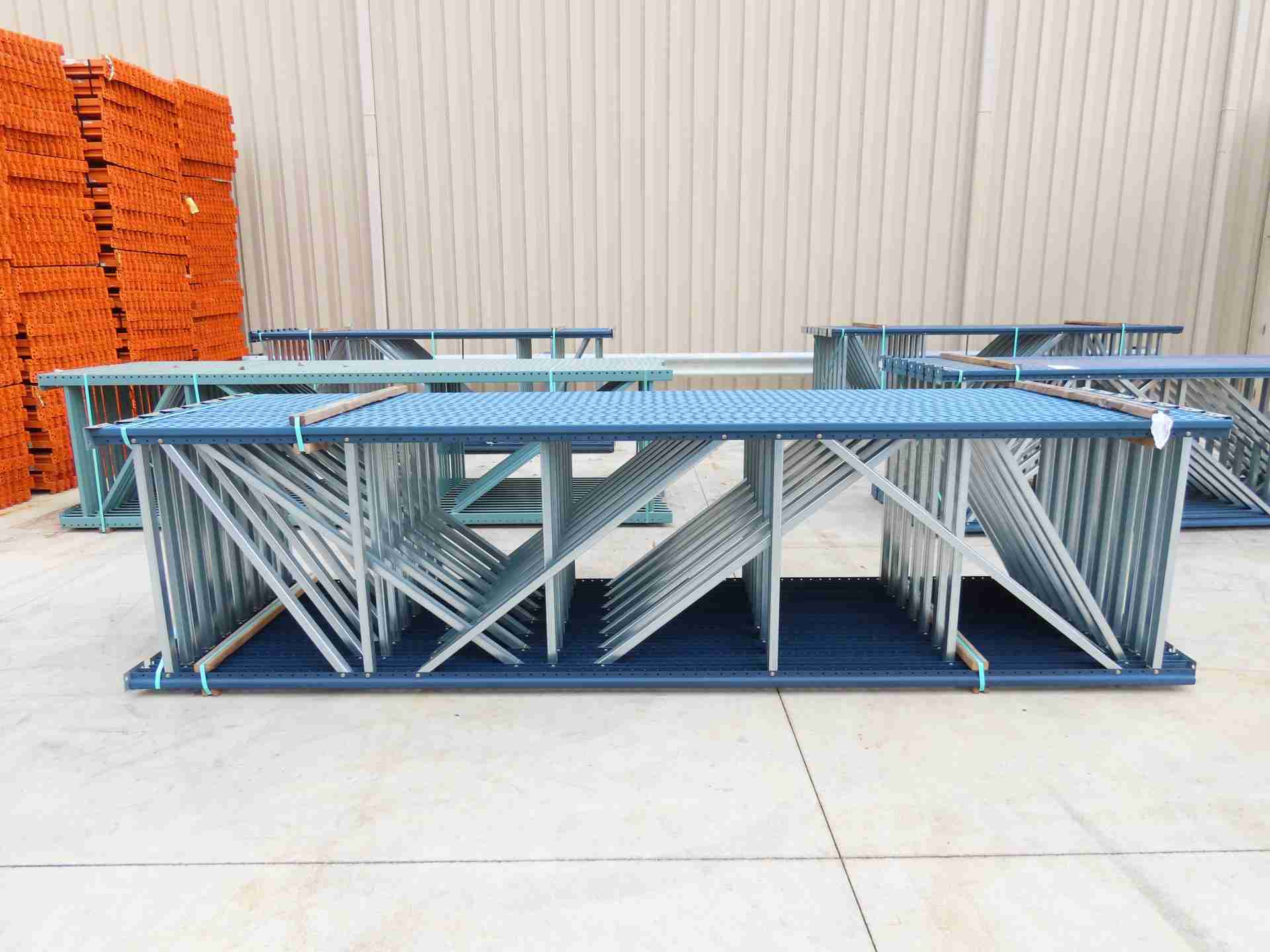
How Wide Is Pallet Racking?
Table Of Contents
- How Wide Is Pallet Racking?
- How Wide Is The Standard Pallet Racking?
- What Factors Affect Racking Width?
- Can Pallet Racking Widths Be Customized?
- What Are The Dimensions Of Different Pallet Types?
- How Do I Measure Pallet Racking Space?
- Is There A Maximum Width For Pallet Racks?
- What Is The Difference Between Single And Double-Depth Racks?
- How Does Warehouse Layout Affect Racking Width?
- Are There Industry Standards For Pallet Racking Widths?
- What Materials Are Used For Different Racking Sizes?
- Conclusion
- Other Resources
- Glossary Of Terms
- Other Questions
- Checklist
How Wide Is The Standard Pallet Racking?
When it comes to optimizing warehouse storage, understanding the dimensions of standard pallet racking is essential. At the heart of effective inventory management lies the humble pallet rack—an unsung hero that can revolutionize the way you organize, access, and manage your products. But just how wide is a standard pallet racking system, and why does it matter?
The most common width for standard pallet racking is typically between 42 inches and 48 inches. This standardization is more than just a matter of convenience; it’s a key component that facilitates efficient storage and retrieval operations. Imagine a warehouse with aisles spacious enough for operators to navigate, yet compact enough to maximize storage capacity. This balance can significantly impact throughput and overall operational efficiency.
For example, consider a distribution center managing high-demand products daily. Utilizing 48-inch-wide pallet racks allows two pallets to be stored side by side, maximizing space and ensuring swift access to goods. With the ongoing surge in e-commerce driven by the recent global shifts toward online shopping, businesses must adapt quickly. As warehouses strive to meet customer demands, the design and efficiency of storage solutions like pallet racking have come to the forefront.
Don’t forget the operational nuances. A well-planned configuration considers your workflow, allowing for safety and efficiency. Too narrow, and you’ll impede movement; too wide, and you’re wasting precious space. Enter the middle ground found in standard widths. Pairing this with the correct aisle width—typically ranging from 8 to 12 feet—creates an optimal balance that can allow for better workflow and reduced picking times.
Current trends also lean heavily on sustainability and adaptability. Companies are increasingly focused on integrating eco-friendly practices, and understanding the dimensions of your pallet racking can contribute to a more sustainable operation. By optimizing your space, you reduce the need for additional storage facilities, minimizing your environmental footprint while maximizing profits.
Choosing the right pallet racking width is more than a technical decision; it’s a strategic one. As global supply chains continue to evolve and adapt, understanding these dimensions can give you a competitive edge. So, whether you’re a seasoned warehouse manager or just starting out, grasping the dimensions of your standard pallet racking can illuminate the path to heightened efficiency and growth. Invest in the right infrastructure now, and watch how it propels your operations into the future.

How Wide Is The Standard Pallet Racking?
How Wide Is The Standard Pallet Racking?
- The dimensions of standard pallet racking are essential for optimizing warehouse storage.
- Standard widths typically range from 42 to 48 inches, facilitating efficient storage and retrieval.
- Navigating aisles that balance space for operators while maximizing storage improves operational efficiency.
- Utilizing 48-inch-wide racks allows for dual pallet storage, enhancing access to high-demand products.
- Effective pallet racking design is crucial for adapting to e-commerce growth and customer demands.
- Correctly configured aisle widths (8 to 12 feet) paired with standard rack widths can reduce picking times.
- A strategic understanding of pallet racking dimensions contributes to sustainability and operational efficiency.

How Wide Is The Standard Pallet Racking?
What Factors Affect Racking Width?
When it comes to maximizing warehouse efficiency, the width of racking systems is a cornerstone factor that shouldn’t be overlooked. Understanding what affects racking width can mean the difference between cluttered aisles and a streamlined operation. Let’s break down the key considerations that play a pivotal role in determining the optimal racking width for your business.
1. Product Size and Type:
The most obvious factor affecting racking width is the size and type of the products being stored. For instance, if you store large, bulky items like automotive parts or furniture, you’ll need wider racks to accommodate them. Conversely, if your inventory consists mainly of small retail items, narrower racks can be utilized effectively. A recent trend towards e-commerce has prompted many retailers to reconsider their racking systems; small, fast-moving products now require narrower aisles.
2. Forklift and Material Handling Equipment:
The choice of handling equipment is another critical element. Your racking width must provide enough space for forklifts and pallet jacks to maneuver efficiently. For example, using a reach truck may allow for narrower aisles, while a standard counterbalance forklift requires more room. As operators eye the latest electric forklifts that boast enhanced maneuverability, they can significantly change the width requirements. Staying updated with equipment advancements can lead to smarter investment and space utilization.
3. Safety Regulations:
Compliance with safety standards cannot be ignored. The Occupational Safety and Health Administration (OSHA) has specific guidelines that dictate the safe operation of materials handling equipment within warehouses. Ensuring your racking system adheres to these regulations often requires adjustments in width to maintain safe operating conditions.
4. Storage Method:
Which storage method you choose—FIFO (First In, First Out), LIFO (Last In, First Out), or other techniques—will also impact racking width. FIFO systems, favored in grocery and perishables, often require wider aisles to facilitate easy picking and restocking. As the cold chain logistics sector faces increased scrutiny amid recent supply chain disruptions, optimizing racking width to enhance FIFO processes can yield significant returns on investment.
5. Future Scalability:
Finally, consider your future growth momentum. Businesses must anticipate changes in inventory levels and even pivoting product lines. A well-designed racking system should be flexible enough to adapt to fluctuations without requiring extensive overhauls.
In summary, racking width is influenced by a cocktail of factors ranging from the physical characteristics of your products to your methodology and safety standards. By aligning these elements, you can ensure optimal efficiency, safety, and scalability in your warehouse operations. Don’t leave results to chance—understand these factors and design a racking system that propels your business forward.

What Factors Affect Racking Width?
What Factors Affect Racking Width?
- Product Size and Type: Racking width should match the size of stored items; larger items require wider racks, while smaller items can use narrower ones.
- Forklift and Material Handling Equipment: The type of handling equipment influences aisle width; more maneuverable equipment can allow for narrower aisles.
- Safety Regulations: Compliance with OSHA guidelines necessitates adjustments in racking width to maintain safe operations within warehouses.
- Storage Method: Different storage methods like FIFO or LIFO impact aisle width, with FIFO often needing wider aisles for easy accessing and restocking.
- Future Scalability: Racking systems should be designed to accommodate future inventory changes and product line pivots without major modifications.
- Optimal Efficiency: The combination of product characteristics, equipment, and regulations can lead to a more efficient warehouse operation.
- Investment in Knowledge: Understanding these factors is essential for designing a racking system that supports business growth and operational effectiveness.

What Factors Affect Racking Width?
Can Pallet Racking Widths Be Customized?
In the relentless pursuit of efficiency and profitability, businesses recognize that the strategic organization of warehouse space can make or break their operational success. One of the most pivotal components of efficient storage systems is pallet racking. But here’s the kicker: can you customize the widths of your pallet racking to perfectly fit your needs? The answer is a resounding yes!
Customization is not just a luxury; it’s a necessity in an evolving market that demands agility and adaptability. Depending on your product dimensions, storage volume, and warehouse layout, tailoring pallet rack widths can optimize your warehouse’s functionality. Imagine a bustling e-commerce operation transitioning from a standard racking system to a bespoke design that perfectly accommodates their diverse SKUs. This isn’t mere wishful thinking; it’s a strategic upgrade that directly leads to increased productivity.
Take, for instance, the increasing trend of omnichannel retailing. As companies strive to fulfill orders from multiple channels, optimizing storage becomes paramount. With the right customization, a warehouse that used a one-size-fits-all approach can transform into a finely tuned ecosystem where each inch of space is leveraged for maximum efficiency. Consider a food distributor that opted for custom racking widths to accommodate their diverse inventory, from bulky pallets of raw ingredients to smaller packs of finished products. By aligning their racking with the specific dimensions of their products, they significantly reduced picking times and improved inventory accuracy.
Moreover, recent supply chain challenges stemming from the global pandemic underline the vital need for flexibility in inventory management. Many businesses are confronting an influx of diverse product sizes and volumes as consumer behaviors shift. By customizing pallet racking widths, warehouses can remain agile, adapting to ever-changing market demands with ease.
However, customization is not just about fitting more products into less space. It also involves considering safety regulations, ergonomic factors, and accessibility. A well-thought-out custom solution leads to a safer workplace, ensuring your employees can operate efficiently without compromising on safety.
Opting for customized pallet racking widths is not merely a logistical improvement; it’s a fundamental strategic choice that positions your business for future growth. Whether you’re a small local retailer or a large-scale distributor, embracing this customization can set you apart from competitors who cling to outdated storage solutions. Adaptability isn’t just smart; in today’s fast-paced market, it’s essential. So why settle for standard when you can tailor your racking solutions for unparalleled success?

Can Pallet Racking Widths Be Customized?
Can Pallet Racking Widths Be Customized?
- Strategic organization of warehouse space is crucial for operational success in businesses.
- Pallet racking is a key component of efficient storage systems.
- Customization of pallet racking widths is essential for optimizing warehouse functionality.
- Custom racking can enhance productivity, especially in e-commerce and omnichannel retailing.
- Customized racking aligns with product dimensions, improving inventory accuracy and reducing picking times.
- Considering safety regulations and ergonomic factors is important in the customization process.
- Choosing customized pallet racking is a strategic decision that supports future growth and adaptability.

Can Pallet Racking Widths Be Customized?
What Are The Dimensions Of Different Pallet Types?
When it comes to logistics, inventory management, and product distribution, understanding the dimensions of various pallet types can be a game-changer for your business. Knowing which pallet to utilize not only enhances efficiency but can also dramatically improve your bottom line.
1. Standard Pallets: The 48×40 Workhorse
The most common pallet in the United States is the 48×40 inch wooden pallet, often referred to as the GMA (Grocery Manufacturers Association) pallet. This size is ubiquitous across warehouses, retail outlets, and distribution centers because it fits seamlessly into most transportation and storage systems. Not only does it optimize truckloads, but it also minimizes wasted space in storage facilities.
For instance, consider that a standard shipping truck can fit around 26 of these pallets, allowing for a transport capacity of around 48,000 pounds. With logistics currently facing challenges like rising fuel costs and supply chain slowdowns, utilizing a standard pallet can ensure that your operations remain streamlined and cost-effective.
2. Euro Pallets: The Continental Contender
In contrast, the European pallet, or Euro pallet, measures 1200×800 mm (approximately 47.2×31.5 inches). This type of pallet is essential for businesses that deal in international trade, especially with European Union nations. The uniformity of the Euro pallet can simplify cross-border logistics and ensure compatibility with automated systems used by European warehouses.
Notably, the Euro pallet’s design allows for efficient stacking. In a time where supply chains are testing the limits of efficiency due to global challenges, particularly the recent disruptions caused by geopolitical events, a quality Euro pallet can be a lifesaver—allowing for smooth transitions from your warehouse to retail shelves without a hitch.
3. Specialty Pallets: Tailored for Unique Needs
Some industries have unique requirements that standard dimensions can’t meet. For example, the 48×48 inch pallet is favored in the aerospace sector, designed to accommodate larger, heavier components securely. The quality of your pallets can significantly impact product integrity during transport, which is critical when dealing with sensitive materials.
Specific events, such as the recent surge in the e-commerce sector, have led to a heightened demand for specialized pallets designed for lightweight, high-value items. Considering the rise of online shopping and the pressures it creates on logistics, investing in a smart pallet solution can be the difference between a delayed shipment and a satisfied customer.
Conclusion
Understanding the dimensions of different pallet types can enhance operational efficiency and reduce costs for any business reliant on logistics. Choose wisely, and you won’t just keep your products moving; you’ll keep the entire supply chain humming.

What Are The Dimensions Of Different Pallet Types?
What Are The Dimensions Of Different Pallet Types?
- Importance of Pallet Dimensions: Understanding various pallet types is crucial for logistics, inventory management, and product distribution.
- Standard Pallets (48×40 inches): Most common in the U.S.; optimizes transport and storage efficiency, accommodating around 26 pallets in a truck.
- Euro Pallets (1200×800 mm): Essential for international trade, simplifying logistics and ensuring compatibility with European automated systems.
- Efficient Stacking: Euro pallets allow for better stacking, addressing supply chain disruptions and enhancing transitions from warehouse to retail.
- Specialty Pallets: Designed for specific industry needs, such as the 48×48 inch pallet used in aerospace for larger components.
- Demand for Quality: Rising e-commerce demands specialized pallets for lightweight, high-value items to secure timely deliveries.
- Operational Efficiency: Choosing the right pallet types enhances efficiency, reduces costs, and keeps the supply chain efficient.

What Are The Dimensions Of Different Pallet Types?
How Do I Measure Pallet Racking Space?
When it comes to optimizing warehouse operations, precise measurement of pallet racking space is not just a technical necessity; it’s a pivotal component of effective inventory management and cost efficiency. Understanding how to measure your pallet racking space can streamline your operations and substantially reduce overhead.
Start by calculating the total dimensions of your warehouse. Measure the length and height of your racking systems—both the vertical and horizontal space. This is crucial, as one inch of unutilized space can translate into wasted resources. Take it from recent market trends: with e-commerce flourishing, companies like Amazon and smaller warehouses alike have begun maximizing their storage capabilities to keep pace with supply chain demands.
For practical steps, once you’ve secured your measurements, you want to define the space each pallet occupies. A standard pallet measures about 48 x 40 inches but can vary depending on your product size and industry specifics. Let’s not forget about the aisle space required between racking units. For standard forklifts, you typically need about 12 to 14 feet of aisle space to maneuver adequately. This means you’re not just measuring empty space; you’re considering how best to utilize each precious square foot.
Next, think about the height of your racking systems. Many warehouses are now looking upwards to increase efficiency. With the right equipment, reaching heights of 20 feet or more is often possible, but be mindful of your lifting equipment specifications; they may limit how high you can stack pallets. This vertical space can significantly increase your storage capacity when used wisely.
Furthermore, consider incorporating technology into your measurement process. Software solutions, such as Warehouse Management Systems (WMS), can automate these calculations and give you real-time data on your inventory levels. Companies like SAP and Oracle have recently made strides in integrating IoT technologies that take warehouse management to the next level, providing smart metrics and forecasts that may help you optimize your racking layout.
In a world still reshaping itself post-pandemic, leveraging every inch of your pallet racking space can be the difference between thriving and merely surviving. Businesses that invest in accurate measurements and modern solutions are the ones that will be positioned to adapt to changing consumer demands and supply chain dynamics. So take the time to measure correctly—because in the warehouse game, every inch can mean the difference between profit and loss.

How Do I Measure Pallet Racking Space?
How Do I Measure Pallet Racking Space?
- Precise measurement of pallet racking space is essential for effective inventory management and cost efficiency.
- Measure the total dimensions of your warehouse, including the length and height of racking systems to avoid wasted resources.
- Define the space each pallet occupies, typically around 48 x 40 inches, factoring in aisle space of 12 to 14 feet for standard forklifts.
- Consider utilizing vertical space; warehouses can reach heights of 20 feet or more with the right equipment.
- Incorporate technology, such as Warehouse Management Systems (WMS), to automate calculations and provide real-time inventory data.
- Investing in accurate measurements and modern solutions is key to adapting to consumer demands and supply chain changes.
- Every inch of pallet racking space can significantly impact profitability, so careful measurement is crucial.

How Do I Measure Pallet Racking Space?
Is There A Maximum Width For Pallet Racks?
In the world of warehousing and logistics, efficiency and optimization are non-negotiable. Every inch of space is crucial to maximizing your operations, which begs the question: is there a maximum width for pallet racks? While there’s no one-size-fits-all answer, understanding the nuances can save you time and money—and, ultimately, enhance your profitability.
Firstly, it’s essential to recognize that pallet racks come in various types, with selective, drive-in, and push-back racks being among the most common. The width of these racks can significantly impact your storage capacity and accessibility. Generally speaking, pallet racks can span widths from 48 inches to as wide as 160 inches. However, the ideal width for your application is less about a strict maximum and more about your unique needs and constraints.
Imagine managing a large warehouse where every square foot counts. If your pallet racks are too wide, you may sacrifice the accessibility and visibility of your products—leading to time wasted on locating and retrieving items. Conversely, racks that are too narrow might limit your inventory capacity, forcing you to rearrange stock more frequently than necessary. Finding the sweet spot can be likened to tuning a musical instrument; it requires attention to detail and an understanding of your operational goals.
Currently, as e-commerce continues to surge, many businesses are re-evaluating their storage strategies to accommodate the influx of inventory. This trend has led to innovative rack designs tailored for high-density storage while maintaining operational efficiency. For example, businesses are increasingly turning to modular pallet racking systems that allow for adjustable widths. This flexibility ensures that as inventory fluctuates, your pallet racks can adapt to meet demand.
Additionally, when selecting pallet rack widths, consider the necessary aisle space for forklifts and workers. Too wide a rack can introduce inefficiencies in material handling, while narrow aisles may hinder movement and accessibility. A savvy warehouse manager evaluates the total throughput capacity, ensuring that widths are chosen strategically alongside the aisle design.
Moreover, consult local safety codes and regulations; they may dictate specific parameters for rack widths, especially if seismic considerations come into play, as seen in regions with higher earthquake risks. For instance, California’s strict building codes require that pallet rack systems are engineered to withstand seismic activity, impacting the dimensions of pallet racks you can install.
In summary, while there’s no hard and fast maximum width for pallet racks, understanding your operations and the surrounding variables can guide you to make informed decisions. Adopting a strategic approach not only enhances efficiency but also positions your business for scalable growth as market dynamics evolve. Choose wisely, and you’ll reap the benefits for years to come.

Is There A Maximum Width For Pallet Racks?
Is There A Maximum Width For Pallet Racks?
- Efficiency and optimization are vital in warehousing and logistics.
- Pallet racks vary in type, including selective, drive-in, and push-back racks, with widths ranging from 48 to 160 inches.
- The ideal pallet rack width depends on specific operational needs rather than a strict maximum limit.
- Too wide racks can reduce product accessibility, while too narrow racks may limit inventory capacity.
- Innovative modular pallet racking systems are being adopted for flexible widths to accommodate fluctuating inventory demands.
- Aisle space for forklifts and workers must be considered when selecting rack widths to maintain efficiency in material handling.
- Local safety codes and seismic regulations may impact allowable rack widths, particularly in earthquake-prone areas.

Is There A Maximum Width For Pallet Racks?
What Is The Difference Between Single And Double-Depth Racks?
When it comes to maximizing warehouse space and optimizing storage solutions, understanding the difference between single and double-depth racks could be your golden opportunity. Each type has its own set of benefits tailored to distinct operational needs. Let’s dive into the nitty-gritty to help you make a savvy choice for your warehouse or distribution center.
Single-depth racks are designed for easy accessibility. Allowing for straightforward pick-and-pack operations, these racks place pallets side by side, making it simple for employees to grab what they need without wrestling with other pallets. Imagine a grocery store: your favorite items are at arm’s length, just waiting to be picked. This setup is particularly beneficial for businesses with a diverse inventory where items need to be frequently rotated or accessed quickly. For instance, a c-store owner might find single-depth racks ideal for easily restocking fast-moving beverages.
In contrast, double-depth racks store pallets two-deep, effectively doubling your storage capacity in the same footprint. However, this comes with a caveat: accessibility is compromised. Think of it like a condensed closet: you can fit more clothes, but good luck reaching that jacket you only wear once a year. This type of racking is typically employed by companies with a consistent product line that doesn’t require frequent access to all items. A good example? A large-scale distributor of seasonal goods could leverage double-depth racks to store bulk items while still making room for a wide array of products.
Current events enhance this discussion. As supply chains continuously adapt to fluctuating consumer demands post-pandemic, businesses are re-evaluating their storage methods. The rapid shift toward e-commerce has spurred companies to optimize their warehousing processes. Retail giants, for instance, are increasingly adopting hybrid racking systems that blend single and double-depth solutions, allowing them to be nimble in response to changing inventory needs.
So, which is the right choice for you? If your operation relies heavily on frequent access to a variety of products, single-depth racks are indispensable. However, if you’re managing a large quantity of fewer SKUs with lower turnover, double-depth might just be your best friend. Ultimately, understanding your specific storage requirements is key to making the most informed decision—and getting the most bang for your buck in the ever-competitive marketplace. It’s all about working smarter, not harder, and the right racking system can make all the difference.

What Is The Difference Between Single And Double-Depth Racks?
What Is The Difference Between Single And Double-Depth Racks?
- Understanding single vs. double-depth racks is essential for maximizing warehouse space and optimizing storage solutions.
- Single-depth racks offer easy accessibility, ideal for diverse inventories requiring frequent rotation or quick access.
- Double-depth racks increase storage capacity by storing pallets two-deep but compromise accessibility.
- Single-depth racks are beneficial for operations like c-stores, where fast-moving items need easy restocking.
- Double-depth racks suit businesses with consistent product lines that don’t require frequent access to all items.
- The shift toward e-commerce and post-pandemic adjustments has led companies to explore hybrid racking systems.
- Choosing the right racking system depends on specific storage needs: single-depth for frequent access, double-depth for lower turnover items.
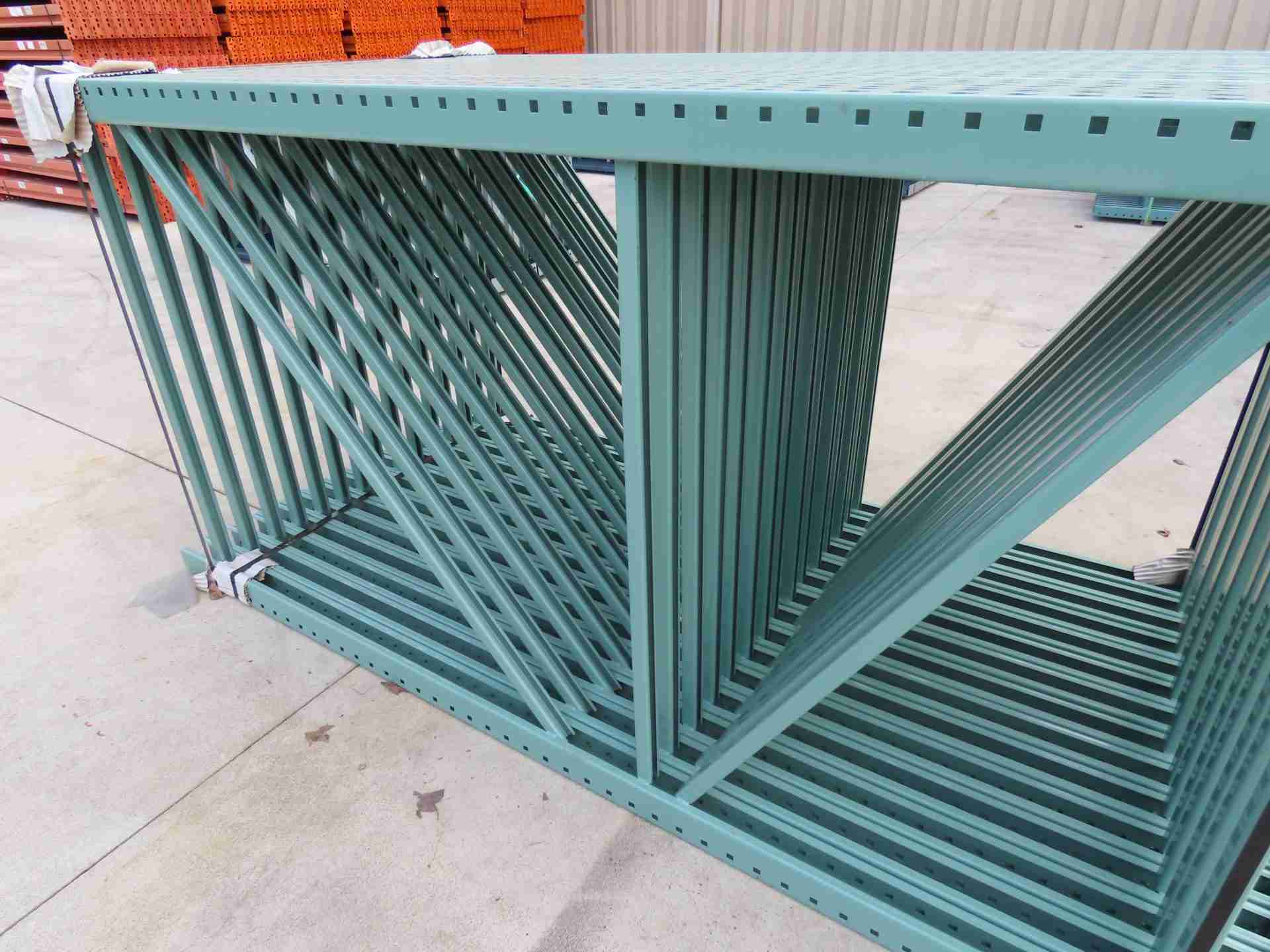
What Is The Difference Between Single And Double-Depth Racks?
How Does Warehouse Layout Affect Racking Width?
In the fast-paced world of logistics and supply chain management, optimizing every inch of a warehouse can mean the difference between profitability and stagnation. At the heart of this optimization is warehouse layout, a dynamic element that significantly impacts racking width and, consequently, your overall operational efficiency.
Imagine your warehouse as a finely tuned machine. Each part, from the layout to the racking systems, needs to interact seamlessly for maximum productivity. Racking width plays a critical role in this equation. Wider racks can accommodate larger quantities of inventory; however, they can also impede warehouse flow if not properly configured to your layout. For instance, let’s say you’re dealing with a traditional grid layout. Here, narrower racking systems may be your best bet. They allow for more aisles, giving your staff easier access to products without sacrificing movement efficiency. Conversely, in a flow-through layout where items move directly from receiving to shipping, wider racks that maximize storage depth may be advantageous.
Consider the changing landscape of e-commerce—retail giants like Amazon are consistently reinventing warehouse layouts to meet skyrocketing demand for quick deliveries. This unprecedented shift has led to wider racking systems being employed alongside automated equipment. The integration of machine learning and robotics is allowing for narrower aisles designed for high-density storage. When products are stored closer together, it can lead to more efficient picking processes, thereby increasing throughput. Adopting such strategies might initially seem counterintuitive, but as the market dictates higher speeds, these novel layouts and racking designs become essential.
It’s crucial to analyze your specific needs—are you storing bulky items or a wide variety of SKUs? The answer dictates your racking width. For example, a manufacturer of industrial equipment might benefit from using wider racking systems to store large parts, while a grocer may find success with narrower racking that allows rapid access to a greater diversity of products.
In summary, the configuration of your warehouse layout has a profound influence on racking width decisions. Adapting to market demands and aligning your layout with your storage needs can create efficiencies that save time and reduce costs. As the industry evolves, take a moment to reassess your racking widths and layouts—small changes could lead to big wins for your bottom line. The warehouse of the future is not just about more, but smarter, strategic storage solutions.

How Does Warehouse Layout Affect Racking Width?
How Does Warehouse Layout Affect Racking Width?
- Optimizing warehouse space is crucial for profitability in logistics and supply chain management.
- Warehouse layout significantly impacts racking width and overall operational efficiency.
- Narrower racking systems may enhance access in traditional grid layouts, while wider racks benefit flow-through layouts.
- E-commerce trends, exemplified by companies like Amazon, are driving the need for innovative warehouse layouts with wider racking systems.
- Integration of machine learning and robotics allows for high-density storage with narrower aisles.
- Specific storage needs, such as bulky items versus diverse SKUs, dictate appropriate racking width.
- Reassessing racking widths and layouts can lead to significant efficiencies and cost savings as the industry evolves.

How Does Warehouse Layout Affect Racking Width?
Are There Industry Standards For Pallet Racking Widths?
When it comes to pallet racking, understanding the industry standards for widths can be the key to maximizing efficiency, safety, and operational productivity in your warehouse or distribution center. While customization often seems tempting, sticking to established standards can save you headaches, time, and, most importantly, money.
Most pallet racking systems have a standardized width range, typically between 36 inches to 48 inches. This standardization allows for uniformity in storage and ensures that most materials handling equipment, such as forklifts and pallet jacks, can operate seamlessly within your space. For instance, a popular choice among retailers and logistics companies like Amazon and Walmart is the 42-inch wide racks. These widths are designed to optimize aisle space while maximizing vertical storage, striking a fine balance between accessibility and storage density.
Consider the rise in e-commerce, especially highlighted during the pandemic, where demand for efficient warehousing solutions skyrocketed. Warehouses that adopted standardized racking widths saw a streamlined operation. Instead of determining custom widths—which can lead to inconsistent loading practices and inefficient space use—facility managers with standard widths benefited from quicker training for employees on handling inventory, resulting in reduced operational downtime.
Furthermore, when designing your warehouse layout, think about the critical factor of accessibility. Uneven racking widths may lead to narrower aisles that can result in operational bottlenecks. Imagine trying to maneuver heavy materials in a cramped space during a peak shipping season; it’s a recipe for disaster—one no manager should willingly invite. Sticking to industry-standard widths means less hassle and greater efficiency; after all, no one relishes the idea of expensive equipment stuck in a tight spot when an order needs to be fulfilled ASAP.
Moreover, with increasing safety regulations—especially those propelled by OSHA and the Material Handling Industry (MHI)—adhering to standardized widths can mitigate risks that not only protect your inventory but also safeguard your workforce. Racks that conform to recognized widths are less likely to cause accidents, ensuring your operations remain compliant and your employees feel secure.
Industry standards in pallet racking widths answer a fundamental question that speaks volumes about operational efficiency: why reinvent the wheel when proven solutions exist? Standardization is your ally in transforming warehouse chaos into streamlined productivity. Make the smart choice today and embrace the benefits of sticking with industry standards. Your profits—and peace of mind—will thank you.

Are There Industry Standards For Pallet Racking Widths?
Are There Industry Standards For Pallet Racking Widths?
- Understanding industry standards for pallet racking widths is crucial for efficiency, safety, and productivity in warehouses.
- Standard widths typically range from 36 to 48 inches, promoting uniformity and compatibility with materials handling equipment.
- 42-inch wide racks are popular among retailers like Amazon and Walmart for optimizing aisle space and maximizing vertical storage.
- Standardized racking widths facilitate quicker employee training and reduce operational downtime, especially important in the e-commerce boom.
- Adhering to standard widths prevents operational bottlenecks and ensures smooth maneuvering of heavy materials in busy seasons.
- Compliance with safety regulations, such as those from OSHA and MHI, is easier with standardized racking widths, protecting inventory and workforce.
- Embracing industry standards transforms warehouse chaos into organized productivity, benefiting both profits and peace of mind.

Are There Industry Standards For Pallet Racking Widths?
What Materials Are Used For Different Racking Sizes?
When it comes to storage solutions, the right racking system can be the difference between an efficient warehouse and a chaotic space that hinders productivity. Selecting appropriate materials for racking not only ensures safety but also optimizes the capacity and organization of your inventory. Let’s explore the most commonly used materials for different racking sizes, keeping efficiency and durability in mind.
1. Steel: The Industry Standard
Steel dominates the racking world. Known for its strength, longevity, and resistance to various environmental factors, steel is the go-to choice for heavy-duty racking systems. Pallet racking, often used in warehouses, typically utilizes structural steel in both its frame and base. The immense weight-bearing capacity of steel allows for high stacking without compromising safety. Recent supply chain disruptions have impacted steel availability, but investing in quality steel racking remains a priority for businesses, ensuring they remain agile and responsive in a fluctuating market.
2. Aluminum: Lightweight Versatility
For those who need mobility and ease of adjustment, aluminum is an excellent alternative. Lightweight yet sturdy, aluminum racking systems are perfect for environments that require frequent reconfiguration, such as retail spaces or temporary warehouses. With the increasing trend towards sustainable practices, many businesses are appreciating aluminum’s recyclability. Companies can now adjust their storage frameworks without a long-term commitment, a move that aligns perfectly with today’s fast-moving consumer trends.
3. Wood: The Traditional Choice
While less common in industrial settings, wooden racking systems remain a viable option for businesses looking for aesthetic appeal or operating in more specialized industries, such as wineries or artisanal crafts. Wooden racks provide warmth and an inviting ambiance that steel simply cannot achieve. However, they do come with limitations in weight-bearing capacity and susceptibility to damage from moisture, making them best suited for lightweight items or decorative displays.
4. Composite Materials: The Innovator’s Choice
Emerging in popularity are composite materials, which combine different elements—usually metal and plastic—to create lightweight yet robust racking solutions. Ideal for environments that require corrosion resistance, these racks can often withstand the rigors of humid or wet conditions without compromising structural integrity.
As you strategize your storage solutions, consider the best materials for your specific needs. The right choice will position your business for success, making it not just a trend but a strategic advantage. Remember, the racking you select doesn’t merely hold your inventory—it holds the key to your operational efficiency.

What Materials Are Used For Different Racking Sizes?
What Materials Are Used For Different Racking Sizes?
- The right racking system in a warehouse can enhance efficiency and prevent chaos.
- Choosing appropriate materials for racking ensures safety, optimizes inventory organization, and enhances capacity.
- Steel: The industry standard, known for strength, longevity, and high weight-bearing capacity.
- Aluminum: A lightweight and mobile alternative, praised for its recyclability and versatility in dynamic environments.
- Wood: Traditional option with aesthetic appeal, suitable for lightweight items, though limited in strength and moisture resistance.
- Composite Materials: Growing in popularity for their corrosion resistance, combining elements like metal and plastic for durability.
- Choosing the right racking materials is crucial for operational efficiency and can provide a strategic advantage for businesses.

What Materials Are Used For Different Racking Sizes?
Conclusion
In the fast-paced and dynamic world of warehousing, the width of your pallet racking system is not just a technical detail—it’s a strategic decision that could propel your business towards higher efficiency and increased profitability. At Arrow Industrial Sales, we understand that every square foot in your warehouse counts, and selecting the right racking widths for your operational needs can make all the difference between smooth operations and costly delays.
From standard dimensions of 36 to 48 inches to customizable options tailored to your specific product types, the width of your pallet racking significantly influences everything from storage capacity to ease of picking. The right width not only accommodates your products effectively but also allows efficient movement for material handling equipment, creating a seamless workflow within your operations.
Consider the impact of recent trends in e-commerce and omnichannel retail; businesses are reevaluating their racking systems to enhance space utilization and meet soaring customer demands. Facilities that have embraced wider pallet racking configurations have successfully streamlined their operations, translating to higher throughput and improved cash flow. Moreover, the strategic layout of aisles and racking widths can further enhance your picking efficiency—allowing you to scale your operations without sacrificing quality or speed.
Take proactive measures now. Evaluate your current set-up to identify potential enhancements and align your racking system to industry standards or even customize it to fit your specific needs. Remember, while many businesses are still catching up, the ones that take decisive action today will see immense benefits tomorrow.
So, what’s holding you back? It’s time to act! Don’t let outdated systems stifle your growth. Contact Arrow Industrial Sales at (574) 349-6575 to explore tailored pallet racking solutions that maximize your warehouse space and elevate efficiency. But act quick—our bespoke options are in high demand, and the time to optimize your logistics processes is now. Elevate your operations, enhance your savings, and keep your business ahead of the competition. Remember, every inch of your warehouse is a chance for growth—don’t waste it!

Conclusion
Conclusion:
- The width of pallet racking systems is a crucial strategic decision for businesses in warehousing.
- Choosing the right racking widths can lead to increased efficiency and profitability.
- Pallet racking widths range from standard dimensions of 36 to 48 inches, with customizable options available.
- The correct width enhances storage capacity and eases the movement of material handling equipment.
- Current e-commerce and omnichannel trends are prompting businesses to optimize their racking systems for better space utilization.
- Wider racking configurations can improve operational throughput and cash flow.
- Companies are encouraged to evaluate their current setups and explore tailored solutions for improved logistics processes.

Conclusion
Other Resources

Other Resources
Here is a list of other resources you can review online to learn more:
- The Complete Pallet Rack Guide – Simply Rack: This comprehensive guide covers all types of new and used pallet racking, including their sizes and styles.
- How to Find Right Size of Pallet Rack | Pallet Racking Sizes: This article provides a step-by-step guide on how to determine the right size of pallet racking for your needs.
- Mastering Pallet Rack Sizes: Your Comprehensive Guide In 2024: This guide discusses the standard sizes of pallet racks, including the common size of 40-inch wide by 48-inch deep.
- Standard Pallet Racking Upright Sizes | arkerwarehouse.com: This article talks about the standard sizes of pallet rack uprights, including the common 3” width on the outer face of the post.
- How to Find the Right-sized Pallet Rack and Pallet Racking Dimensions: This article discusses how the frame depth and beam size determine the size of pallet rack.

Other Resources
Glossary Terms
How Wide Is Pallet Racking? – Glossary Of Terms
1. Pallet Racking: A storage system designed to hold pallets of products or materials in warehouses and distribution centers.
2. Beam: A horizontal component of pallet racking that supports the pallets and is typically adjustable.
3. Upright: The vertical support of the racking system, which holds the beams and provides overall stability.
4. Rack Width: The total distance from one side of the racking structure to another, which determines how many pallets can be stored side by side.
5. Pallet Size: The dimensions of a pallet, typically measured in inches. Common sizes include 48” x 40”.
6. Load Capacity: The maximum weight that a pallet rack can safely support, including the pallets and their contents.
7. Aisle Width: The space between racking systems that allows for the movement of forklifts and personnel.
8. Selectivity: The degree to which a particular pallet racking system allows for easy access to individual pallets, often influenced by rack width and design.
9. Dock Height: The height of the loading dock where pallets are loaded and unloaded, affecting racking height and aisle dimensions.
10. End-of-Aisle Rack: A rack placed at the end of a row, typically used for additional storage or display.
11. Double Deep Racking: A type of pallet racking that allows two pallets to be stored back-to-back, requiring more depth but potentially reducing aisle width.
12. Selective Racking: A rack design that allows for direct access to every pallet, often characterized by wider aisles.
13. Drive-In Racking: A high-density storage system that allows forklifts to drive into the rack structure, condensing aisle width.
14. Push-Back Racking: A system that allows pallets to be stored in a series of tracks, reducing the need for wide aisles.
15. Horizontal Clearance: The space needed between pallets and other obstructions to ensure safe operation and product accessibility.
16. Vertical Clearance: The space between the top of a pallet and the racking above it, important for safety and compliance.
17. Rack Bracing: Structural components that provide stability to racking systems, usually on the back or sides.
18. E-commerce Fulfillment: The process of storing and retrieving products for online sales, often impacting pallet racking design and width.
19. Warehouse Management System (WMS): Software that helps manage warehouse operations, including inventory tracking within pallet racking.
20. Forklift: A powered industrial vehicle used to lift and transport pallets, its size and maneuverability influence aisle and rack width requirements.
21. Pallet Jacks: Manual or electric devices used to lift and move pallets, requiring specific aisle widths for safe operation.
22. Clear Span: The distance between intermediate supports in a racking layout, influencing the overall width of the racking system.
23. Interlock System: A safety feature in pallet racking that prevents certain components from being installed incorrectly, relevant in assessing width.
24. Binning: The practice of storing products in bins on racks, affecting how wide pallet areas need to be for optimal access.
25. Shelf Depth: The distance from the front to the back of a shelf or rack, impacting the overall width of layout needed for fork access.
26. Compliance Standards: Regulatory requirements that guide the construction and usage of pallet racking systems, including width specifications.
27. Pallet Turnover: The rate at which pallets are used and replenished in a warehouse, affecting the selection of racking type and associated width.
28. Custom Racking: Tailored racking solutions designed for specific warehouse needs, which may include unique widths.
29. Pallet Configuration: The arrangement of pallets within the racking system, which can change based on the width of the schemes.
30. Dynamic Storage Systems: Systems, like flow racks, that utilize gravity and design for optimal accessibility, influencing the overall width and aisle measurements.

Glossary Of Terms
Other Questions
How Wide Is Pallet Racking? – Other Questions
If you wish to explore and discover more, consider looking for answers to these questions:
- What are the benefits of using wider pallet racking?
- How does pallet racking width affect warehouse workflow?
- What are the best practices for selecting pallet racking width?
- What role does pallet racking width play in safety compliance?
- How can I determine the best pallet racking width for my specific product types?
- What are the implications of using adjustable pallet racking systems?
- What are the costs associated with different pallet racking widths?
- How do I choose the right aisle width for my pallet racking system?
- What are the most common pallet racking configurations?
- How does warehouse layout influence pallet racking decisions?
- Are there specific industries that benefit more from customized racking widths?
- What are the latest trends in pallet racking systems?
- How can technology enhance pallet racking efficiency?
- What maintenance practices are necessary for different types of racking materials?
- How does pallet racking impact inventory management and accuracy?
- What are the environmental considerations when selecting racking materials?

Other Questions
Checklist
How Wide Is Pallet Racking? – A Checklist
Checklist for Maximizing Warehouse Space with Pallet Racking
Assessing Your Warehouse Needs
_____ Determine Product Size and Type
_____ Identify the dimensions of the products you store.
_____ Consider the weight and bulkiness of your inventory.
_____ Evaluate Equipment Requirements
_____ List the material handling equipment (e. g. , forklifts, pallet jacks) you’ll be using.
_____ Ensure they can maneuver within your chosen racking system width.
Choosing Pallet Racking Width
_____ Consider Standard Widths
_____ Review options between 36 inches to 48 inches for standard pallet racking.
_____ Select a width that accommodates your most common pallet size (e. g. , 48”x40” for standard pallets).
_____ Assess Aisle Width
_____ Determine the necessary aisle space based on forklift type.
_____ Aim for 8 to 12 feet for optimal flow with standard equipment.
Customization and Scalability
_____ Explore Custom Racking Solutions
_____ Explore customizable options for unique storage requirements.
_____ Anticipate future product line changes and scalability needs.
Safety and Compliance
_____ Understand Safety Regulations
_____ Review OSHA guidelines for pallet racking and material handling equipment.
_____ Ensure compliance with local building codes regarding racking structures.
Measuring Space Effectively
_____ Conduct Precise Measurements
_____ Measure total warehouse dimensions (length, height, and width).
_____ Calculate the space each pallet occupies, including needed aisle space.
Selecting Materials for Racking
_____ Choose the Right Racking Materials
_____ Consider steel for durability and strength.
_____ Evaluate aluminum for lighter loads and flexibility.
_____ Explore wooden racks for aesthetic and specialized needs.
_____ Look into composite materials for corrosion-resistant solutions.
Industry Trends and Best Practices
_____ Stay Updated on Market Trends
_____ Keep abreast of sustainability practices and materials used in racking systems.
_____ Analyze how current e-commerce trends may affect your warehousing design and efficiency.
Layout Design Considerations
_____ Analyze Warehouse Layout
_____ Consider traditional vs. flow-through layouts for racking setup.
_____ Optimize space while ensuring accessibility and efficiency.
Review and Adjust
_____ Continuous Improvement
_____ Regularly review the performance of your racking system.
_____ Make adjustments based on inventory changes and operational efficiency.
This checklist provides a strategic guide for warehouse managers and logistics professionals looking to optimize their pallet racking systems and improve warehouse operations.

Checklist
At RackingWorld, we help guide you through selecting warehouse storage systems and racking.
Be sure to read our other related stories at RackingWorld to learn more about warehouse storage systems.
0 Comments